A CONCEPTUAL FRAMEWORK AND
BEST PRACTICES FOR
DESIGNING AND IMPROVING
CONSTRUCTION SUPPLY CHAINS
Diego Vinicius SOUZA DE SOUZA
A CONCEPTUAL FRAMEWORK AND
BEST PRACTICES FOR
DESIGNING AND IMPROVING
CONSTRUCTION SUPPLY CHAINS
Diego Vinicius SOUZA DE SOUZA
School of the Built Environment College of Science and Technology
University of Salford United Kingdom
University of Salford – Diego Vinicius Souza de Souza iii
Contents 1 INTRODUCTION ... 1
1.1 Context of the Research ... 3
1.2 Research Problem... 5
1.3 Aim and Research Questions ... 6
1.4 Structure of the Thesis ... 6
2 RESEARCH APPROACH ... 7
2.1 Research Philosophy ... 7
2.1.1 Basic Beliefs and the Worldviews ... 7
2.2 Design Science Research ... 10
2.3 Research Method... 13
2.3.1 Finding a Problem ... 14
2.3.1.1 Literature Review ... 14
2.3.1.1.1 Step 1 – Identification of Keywords and Publications ... 14
2.3.1.1.2 Step 2 – Selection of Papers and Summarization ... 15
2.3.1.2 Research Problem, Aim and Research Questions ... 16
2.3.2 Understanding the Problem ... 16
2.3.2.1 Exploratory Interviews ... 17
2.3.2.2 Case Study 1 (Part 1) ... 17
2.3.3 Developing the Solution ... 18
University of Salford – Diego Vinicius Souza de Souza iv
2.3.4.1 Case Studies ... 22
2.3.4.1.1 Case Study 1 (Part 2) ... 22
2.3.4.1.2 Case Study 2... 23
2.3.4.1.3 Case Study 3... 23
2.3.4.2 Structure of Case Studies ... 23
2.3.4.2.1 Learning Cycle of Case Studies ... 25
2.3.4.3 Cross-case Analysis... 26
2.3.4.3.1 Learning Cycle of Cross-Case Analysis ... 27
2.3.5 Evaluating the Solution ... 27
2.3.5.1 Focus Group ... 28
2.3.5.1.1 Learning Cycle of Focus Group ... 29
3 LITERATURE REVIEW ... 30
3.1 General Characteristics of Production and Construction ... 31
3.1.1 Characteristics of Production ... 31
3.1.1.1 Production Processes ... 31
3.1.1.2 Production Strategies ... 34
3.1.1.3 Order Penetration Point ... 36
3.1.1.4 Competitive Priorities ... 38
3.1.2 Characteristics of Construction... 40
3.1.2.1 Project-based Production System ... 40
3.1.2.2 Multiple and Concurrent Projects ... 41
University of Salford – Diego Vinicius Souza de Souza v
3.1.2.4 Uniqueness of Schemes ... 43
3.1.3 Summary and Critique ... 45
3.2 Supply Chain Management in Production and Construction ... 48
3.2.1 The Concept of Supply Chain Management ... 48
3.2.2 Frameworks for Supply Chain Management ... 54
3.2.2.1 Supply Chain Operations Reference (SCOR) Model ... 56
3.2.2.1.1 SCOR Overview ... 57
3.2.2.2 Global Supply Chain Forum (GSCF) Model ... 62
3.2.2.2.1 GSCF Overview ... 63
3.2.2.2.2 Supply Chain Network Structure ... 64
3.2.2.2.3 Business Processes Chains ... 69
3.2.2.2.4 Supply Chain Management Components ... 71
3.2.3 Best Practices in Supply Chain Management ... 73
3.2.3.1 Performance Measurement and Benchmarking ... 73
3.2.3.2 Supplier Relationship Management ... 75
3.2.3.3 Supply Chain Risk Management ... 76
3.2.3.4 Flexibility Management ... 78
3.2.3.5 Improvement Planning ... 80
3.2.3.6 Information Management ... 81
3.2.4 Characteristics of Construction Supply Chains ... 82
3.2.4.1 Project-based Chains ... 83
University of Salford – Diego Vinicius Souza de Souza vi
3.2.4.3 Interfaces ... 86
3.2.4.4 Supplier Base ... 87
3.2.4.5 Fragmentation ... 88
3.2.4.6 Demand Forecast ... 89
3.2.5 Summary and Critique ... 90
3.3 Conceptual Views of Production and Supply Chain Management ... 94
3.3.1 TFV ... 94
3.3.2 Lean and Agile Concepts in Supply Chain Management ... 95
3.3.3 Supply Chain as a Logical Factory ... 97
3.3.4 Project Supply Chains vs. Enterprise Supply Chains ... 99
3.3.5 Matching Production and Supply Chain Management ... 100
3.3.6 Summary and Critique ... 101
4 UNDERSTANDING THE PROBLEM ... 103
4.1 Exploratory Interviews ... 104
4.1.1 Inputs for Developing the Framework ... 106
4.2 Case Study 1 (Part 1) – Report ... 107
4.2.1 Characteristics of Company A ... 109
4.2.2 Supply Chain Management in Company A ... 110
4.2.3 Inputs for Developing the Framework ... 115
5 DEVELOPING THE FRAMEWORK ... 117
5.1 Conceptualization ... 118
University of Salford – Diego Vinicius Souza de Souza vii
5.2 Practices ... 128
5.2.1 Practices for Designing Construction Supply Chains ... 130
5.2.1.1 Supply Chain Risk Management ... 131
5.2.1.2 Flexibility Management ... 131
5.2.2 Practices for Improving Construction Supply Chains ... 132
5.2.2.1 Performance Measurement and Benchmarking ... 132
5.2.2.2 Supplier Relationship Management ... 133
5.2.2.3 Improvement Planning ... 134
5.3 Initial View of the Framework ... 134
6 REFINING THE FRAMEWORK ... 138
6.1 Case Study 1 (Part 2) – Report ... 139
6.1.1 Practices Investigated ... 140
6.1.1.1 Performance Measurement and Benchmarking ... 140
6.1.1.2 Supplier Relationship Management ... 143
6.1.1.3 Supply Chain Risk Management ... 146
6.1.1.4 Flexibility Management ... 148
6.1.1.5 Improvement Planning ... 151
6.1.2 Learning Cycle of Case Study 1 (Part 2) ... 153
6.2 Case Study 2 – Report ... 154
6.2.1 Practices Investigated ... 155
6.2.1.1 Long-term Supply Chain Governance ... 155
University of Salford – Diego Vinicius Souza de Souza viii
6.2.1.3 Category Management ... 164
6.2.1.4 Early Supplier Involvement... 167
6.2.1.5 Supplier Development ... 170
6.2.1.6 Performance Measurement and Benchmarking ... 173
6.2.1.7 Procurement Scheduling ... 176
6.2.1.8 Supply Chain Risk Management ... 180
6.2.1.9 Fragmentation Management ... 186
6.2.2 Learning Cycle of Case Study 2 ... 188
6.3 Case Study 3 – Report ... 190
6.3.1 Practices Investigated ... 192
6.3.1.1 Long-term Supply Chain Governance ... 192
6.3.1.2 Supply Chain Strategic Alignment ... 195
6.3.1.3 Early Supplier Involvement... 201
6.3.1.4 Supplier Development ... 202
6.3.1.5 Prequalification of Suppliers ... 205
6.3.1.6 Category Management ... 209
6.3.1.7 Supply Chain Performance Reporting Review ... 213
6.3.2 Learning Cycle of Case Study 3 ... 219
6.4 Cross-case Analysis ... 220
6.4.1 Assessment of the Conceptual Framework ... 220
6.4.2 Assessment of the Practices ... 222
University of Salford – Diego Vinicius Souza de Souza ix
6.4.2.2 Flexibility Management ... 225
6.4.2.3 Improvement Planning ... 226
6.4.2.4 Performance Measurement and Benchmarking ... 227
6.4.2.5 Supply Chain Risk Management ... 228
6.4.2.6 Supplier Base Management ... 229
6.4.2.7 Procurement Scheduling ... 230
6.4.2.8 Fragmentation Management ... 231
6.4.2.9 Long-term Supply Chain Governance ... 232
6.4.2.10 Early Supplier Involvement... 233
6.4.2.11 Category Management ... 234
6.4.2.12 Supplier Development ... 235
6.4.2.13 Prequalification of Suppliers ... 236
6.4.2.14 Supply Chain Performance Reporting Review ... 237
6.4.2.15 Supply Chain Strategic Alignment ... 238
6.4.3 Learning Cycle of Cross-case Analysis ... 239
7 EVALUATING THE FRAMEWORK ... 241
7.1 Focus Group – Report ... 242
7.1.1 Conceptualization of Construction Supply Chains ... 243
7.1.2 Practices for Designing and Improving Construction Supply Chains ... 245
7.1.3 Learning Cycle of Focus Group ... 247
7.2 Final View of the Framework ... 247
University of Salford – Diego Vinicius Souza de Souza x
7.2.1.1 Supply Chain Governance ... 250
7.2.1.2 Supply Chain Flexibility and Risk Management ... 252
7.2.1.3 Performance Management... 254
7.2.1.4 Early Supply Chain Involvement ... 256
7.2.2 Review of the Conceptualization ... 258
8 CONCLUSION ... 261
8.1 A Review of the Aim and Research Questions ... 261
8.2 Contribution ... 263
8.3 Limitations ... 265
8.4 Recommendations for Future Research ... 267
REFERENCES ... 269
APPENDIX A – INTERVIEW PROTOCOL ... 281
APPENDIX B – LOG OF ACTIVITIES ... 282
APPENDIX C – LOG OF ACTIVITIES ... 283
APPENDIX D – LOG OF ACTIVITIES ... 284
University of Salford – Diego Vinicius Souza de Souza xi
List of Figures Figure 1 – Structure of the thesis ... 6
Figure 2 – Constructive Research Approach ... 10
Figure 3 – Research method ... 13
Figure 4 – Inputs for developing the first version of the conceptual framework ... 18
Figure 5 – Learning cycle of case studies ... 25
Figure 6 – Generation of ‘best-practices’ ... 26
Figure 7 – Learning cycle in cross-case analysis ... 27
Figure 8 – Learning cycle in focus group ... 29
Figure 9 – Product-Process matrix for processes ... 32
Figure 10 – Production strategies and the OPP ... 37
Figure 11 – The generic value chain ... 48
Figure 12 – A model of supply chain management ... 56
Figure 13 – SCOR framework and its processes ... 59
Figure 14 – SCOR framework and its levels... 62
Figure 15 – Framework of supply chain management ... 64
Figure 16 – Supply chain network structure ... 66
Figure 17 – Alternatives for involvement ... 68
Figure 18 – Types of inter-company business process links ... 68
Figure 19 – A framework for supply chain management ... 73
University of Salford – Diego Vinicius Souza de Souza xii
Figure 21 – A flexibility framework for ETO systems ... 79
Figure 22 – Converging logistics ... 84
Figure 23 – Project supply chain... 85
Figure 24 – Problems in make-to-order supply chains ... 87
Figure 25 – Implications of the decoupling point in SC ... 96
Figure 26 – Structural analogy ... 98
Figure 27 – Supply chain strategy ... 100
Figure 28 – Generic product life cycles and demand chain strategies ... 101
Figure 29 – Activities and developments in the ‘Understanding the Problem’ stage ... 103
Figure 30 – Location of projects’ sites in Company A ... 110
Figure 31 – The development of a value stream map in Case Study 1 (Part 1) ... 112
Figure 32 – Activities and developments in the ‘Developing the Solution’ stage ... 117
Figure 33 – A project and its interactions in construction supply chains ... 118
Figure 34 – A supplier and its interactions in construction supply chains ... 119
Figure 35 – A simplified view of a construction supply chain ... 120
Figure 36 – An initial view of a construction supply chain ... 121
Figure 37 – A second view of a construction supply chain ... 122
Figure 38 – Interactions in a construction supply chain ... 122
Figure 39 – The interfaces of construction supply chains ... 124
Figure 40 – A conceptual view of construction supply chains ... 125
Figure 41 – Best practices and their context ... 130
University of Salford – Diego Vinicius Souza de Souza xiii
Figure 43 – Activities and developments in the ‘Refining the Solution’ stage ... 138
Figure 44 – Screenshot of suppliers’ evaluation template in Company B ... 174
Figure 45 – Performance of Top-100 supplier in Company B ... 175
Figure 46 – Internal procedure in Company B ... 179
Figure 47 – Management response to risks in Company B ... 183
Figure 48 – Risk ranking/prioritization in Company B ... 185
Figure 49 – StART score chart in Company C ... 198
Figure 50 – Risk vs. Spend analysis in prequalification of suppliers ... 206
Figure 51 – Level of contribution of KPIs ... 216
Figure 52 – Level of contribution in MP performance reporting ... 217
Figure 53 – Level of contribution in NDD performance reporting ... 218
Figure 54 – Overview of the Framework (second version) ... 239
Figure 55 – Activities and developments in the ‘Evaluating the Solution’ stage ... 241
Figure 56 – Review of the Practices ... 248
Figure 57 – The Owner in the conceptual view of construction supply chains ... 258
Figure 58 – Practices in Interface A ... 259
Figure 59 – Practices in Interface B ... 259
Figure 60 – Practices in Interface C ... 259
University of Salford – Diego Vinicius Souza de Souza xiv
List of Tables Table 1 – Overview on construction industry - Brazil vs. UK... 2
Table 2 – Aim and Research Questions ... 16
Table 3 – Companies selected for case studies... 22
Table 4 – General characteristics of construction ... 47
Table 5 – Different views regarding supply chain management ... 53
Table 7 – Triple-A supply chains ... 78
Table 8 – Characteristics of construction supply chains ... 92
Table 9 – Exploratory interviews ... 104
Table 10 – List of meetings observed in Case Study 1 (Part 1) ... 107
Table 11 – List of interviews in Case Study 1 (Part 1)... 108
Table 12 – List of suppliers approached in Case Study 1 (Part 1) ... 109
Table 13 – Procurement spend per category in Company A ... 111
Table 14 – Problems found in Company A ... 126
Table 15 – Summary of Practices (first version) ... 130
Table 16 – Items in Risk Management ... 131
Table 17 – Items in Flexibility Management ... 132
Table 18 – Items in Performance Measurement and Benchmarking ... 133
Table 19 – Items in Supplier Relationship Management ... 133
Table 20 – Items in Improvement Planning ... 134
University of Salford – Diego Vinicius Souza de Souza xv
Table 22 – Planned Costs vs Actual Costs ... 141
Table 23 – List of interviews and meetings in Case Study 2 ... 155
Table 24 – Supplier base in Company B ... 162
Table 25 – List of meetings and interviews in Case Study 3 ... 191
Table 26 – Areas for alignment in StART ... 197
Table 27 – Summary of hours spent in performance reporting ... 214
Table 28 – Ranking of competitive priorities ... 215
Table 29 – Characteristics found in the Case Studies ... 222
Table 30 – Summary of Practices (second version) ... 223
Table 31 – Supplier Relationship Management ... 224
Table 32 – Flexibility Management ... 225
Table 33 – Improvement Planning ... 226
Table 34 – Performance Measurement and Benchmarking ... 227
Table 35 – Supply Chain Risk Management ... 228
Table 36 – Supplier Base Management ... 229
Table 37 – Procurement Scheduling ... 230
Table 38 – Fragmentation Management ... 231
Table 39 – Long-term Supply Chain Governance ... 232
Table 40 – Early Supplier Involvement ... 233
Table 41 – Category Management ... 234
Table 42 – Supplier Development ... 235
University of Salford – Diego Vinicius Souza de Souza xvi
Table 44 – Supply Chain Performance Reporting Review ... 237
Table 45 – Supply Chain Strategic Alignment ... 238
Table 46 – List of participants in the focus group ... 242
Table 47 – Agenda of the focus group ... 242
Table 48 – Recommendations of the focus group and corresponding actions ... 248
Table 49 – Summary of Practices (final version) ... 249
Table 50 – Supply Chain Governance ... 251
Table 51 – Supply Chain Flexibility and Risk Management ... 253
Table 52 – Performance Management ... 255
University of Salford – Diego Vinicius Souza de Souza xvii Dedication
University of Salford – Diego Vinicius Souza de Souza xviii Acknowledgements
The Ph.D. was a long journey. When I embarked on this ride, I was certain that it would be one of the greatest challenges of my life. Therefore, I would like to thank not only the organizations and people that helped me to complete the Ph.D., but also the ones who supported my wife and me, both in the UK and in Brazil.
I thank my mother and father for giving me the support, personal values, and unconditional love throughout my whole life. They will always be a source of inspiration to me.
I am thankful to my friend Roberta and her lovely family of three ‘boys’. She is my best friend, and I missed her a lot over these years in the UK. It was hard, but thanks to technology, we minimized the distance to a few clicks.
I would like to thank Fernanda’s family for their incredible support, specially her grandparents. Her family always welcomed me and I am thankful for that.
I would like to thank my supervisor, Professor Lauri Koskela, for his valuable support and prompt guidance over this journey. He gave me freedom to conduct the research process and precise directions when the path was unclear. Professor Koskela is an example as a researcher, professor, and thinker.
Special thanks to my friend Sergio Kemmer for being such a great colleague and hard-working researcher, and for spending interminable hours with me discussing the outcomes of this research. Additionally, Fernanda and I would like to thank Sergio and his wife Vanessa for their sincere support and friendship.
I would like to thank Professor Francisco Kliemann for his important contributions to my career. I consider him a dear friend and mentor.
I thank Lucas Grigol, Juliano Zimmer, and my friends in ‘Confra do Nico’ for ‘being there’ all these years.
University of Salford – Diego Vinicius Souza de Souza xix I thank Professor Eduardo Isatto and Dr Jan Elfving for their valuable comments at the initial stages of this research. In addition, I am grateful to Professor Carlos Formoso, Professor Gregory Howell, Professor Iris Tommelein, and Professor Patricia Tzortzopoulos-Fazenda for their important remarks during the IGLC Summer School 2013.
In addition, I thank all the organizations and people directly involved in the case studies carried out in this research. Their contributions were essential to achieve the outcomes of this thesis.
University of Salford – Diego Vinicius Souza de Souza xx Declaration
I declare that the research contained in this thesis was solely carried out by me. This thesis has not been previously submitted to this or any other institution for the award of a degree or any other qualification.
The following publications, developed by the author of this thesis, share part of their contents with this research:
Souza, D. V. S., and Koskela, L. (2012). On improvement in construction supply chain management. In Proceedings of the 20th Annual Conference of the International Group for Lean Construction, 17 July to 22 July, San Diego, USA.
Souza, D. V. S., and Koskela, L. (2013). Practices for designing and improving construction supply chain management. In Proceedings of the 21st Annual Conference of the International Group for Lean Construction, 31 July to 2 August, Fortaleza, Brazil.
University of Salford – Diego Vinicius Souza de Souza xxi List of Relevant Abbreviations
CDF Collaborative Development Framework CR Constructive Research
CS Case Study
CSCM Construction Supply Chain Management DSR Design Science Research
EHS Environmental, Health and Safety ESI Early Supplier Involvement ETO Engineer-to-Order
GDP Gross Domestic Product GSCF Global Supply Chain Forum
IGLC International Group for Lean Construction KPI Key Performance Indicator
LC Learning Cycle MP Major Project
MPD Major Projects Directorate MST Motivating Success Toolkit
NDD Network Delivery and Development OEM Original Equipment Manufacturer OPP Order Penetration Point
PO Purchase Order RFP Request for Proposal SCA Supply Chain Academy SCM Supply Chain Management
University of Salford – Diego Vinicius Souza de Souza xxii Abstract
University of Salford – Diego Vinicius Souza de Souza 1
1
INTRODUCTION
The construction industry plays a major economic role. This sector employs a large number of direct workers, has a wide network of suppliers, and is directly responsible for a significant share of the Gross Domestic Product (GDP). However, companies in the construction industry are criticized due to their wasteful processes, frequent cost overruns in projects, fragmented supply chains, and high level of technological aversion (Dave 2013).
The construction industry in Brazil has contributed, over the last ten years, to 5.4% of GDP on average, although over the last three years this figure has risen to 5.7% (IBGE 2010). This industry consists of 80,000 registered firms, even though there are informal companies in the market. The entire value chain of the construction industry officially employs 6.8 million people (7.1% of Brazilian employment). The Brazilian government represents 40% of the demand in the construction industry, and such public investments are focused on infrastructure projects (IBGE 2010).
University of Salford – Diego Vinicius Souza de Souza 2 Table 1 summarizes the key figures of the construction industry in the UK and Brazil. Both economies have a massive concentration of the construction market share in the top-10 construction companies. The top-10 contractors in revenue, both in Brazil and UK, have approximately 57% of the market-share of the top-50 companies in both countries (CBIC 2013; The Construction Index 2015). In this sense, major contractors play a key role in any attempt for turning around and reshaping the construction industry in these countries.
Table 1 – Overview on construction industry - Brazil vs. UK
Characteristics Brazil UK
Contribution to the GDP 5.7% 7.4%
Number of Registered Firms 80,000 260,000
Number of Workers 6.8 million 2.2 million
Percentage of Construction Workers out of Total Employment 7.1% 7.5%
Percentage of Demand from the Government 40% 40%
Considering the number of registered firms and workers in both countries, it is reasonable to say that construction has a powerful chain of interconnected companies. As one can identify in practice, the majority of such firms are Small and Medium Enterprises (SME), which are highly specialised in their activities. Such SMEs are suppliers of top construction companies, also named in this research as contractors, which are responsible for driving the entire chain as they capture and deliver the majority of major projects. However, in order to deliver projects properly (i.e. in terms of cost, time, and budget) such contractors must rely on suppliers of materials and specialised services. Considering that contractors have multiple and concurrent projects, which are supplied by a wide network of suppliers, a high level of complexity can be found in this environment. In this research, the task of managing such an environment is known as Construction Supply Chain Management (CSCM).
University of Salford – Diego Vinicius Souza de Souza 3 private sector. Housing projects normally present increasing levels of intrinsic repeatability (i.e. a high-rise building has similar features across its different levels), and they tend to have similar characteristics between them. On the other hand, infrastructure projects have been usually related to the public sector. Infrastructure, industrial, and commercial projects have low levels of repeatability given that these projects require high levels of customization.
Infrastructure projects, both in Brazil and in the UK, are high-profile developments. Such projects are typically unique, they require specific suppliers, and they are geographically dispersed. Thus, companies building infrastructure projects face a complex task in managing their supply chains. Construction supply chains in the heavy infrastructure sector constitute the focus of analysis in this research.
1.1 Context of the Research
Gosling (2011) discussed the Engineer-to-Order (ETO) supply chain structure as an emerging field of study related to different industries, including construction. Construction supply chains have been related in research as analogous to engineer-to-order supply chains (Gosling et al. 2013a; Luhtala et al. 1994), and therefore they should be studied in a similar manner. In the same way, a construction company building infrastructure projects is highly related to the ETO supply chain structure, given the uniqueness of its projects.
According to Hicks et al. (2001), the study of ETO supply chains has been neglected when compared to other industry sectors. Such lack of investigation reduced the level of development in this field of study until recently. Emerging studies started to investigate supply chains in the ETO environment by looking at multiple organizations, dual demand management (part considering demand forecasts and part taking in consideration real demand), products highly customized, and converging logistics (Christensen et al. 2005; Gosling and Naim 2009; Gosling et al. 2012; Gunasekaran and Ngai 2005; Krajewski et al. 2005).
University of Salford – Diego Vinicius Souza de Souza 4 adaptation capabilities in supply chains (Lee 2004). The usual problems of CSCM occur at the interfaces between the different parties of the supply chain, namely the customer, sales department, engineering staff, manufacturing team, suppliers, sub-assembly and final assembly crews (Luhtala et al. 1994). The management of construction supply chains must rely on a structured approach for their design and improvement, given that their problems have endless implications. Such problems produce effects throughout the different tiers of the supply chain such as inventory fluctuations, waste, delays in project delivery, and cost overruns, among others.
CSCM can be analysed as analogous to production management as well (Luhtala et al.
1994; Vrijhoef and Koskela 2000). The task of managing construction supply chains can adopt the same principles of the production template: design, operation and control, and improvement (Souza and Koskela 2012). Moreover, supply chain management comprises the flow of materials, capital, and information (Luhtala et al. 1994), and such flow viewpoint constitutes also an analogous view of production management. However, it is noteworthy that the aforementioned flows come across different organizations.
The definition of a production strategy and a supply chain approach must be based on the characteristics of the product to be manufactured (Fisher 1997). Production volume, product customization, level of suppliers involvement, and production processes, among others, comprise the issues that must be evaluated in order to fully understand a production strategy (Choi and Linton 2011). In this sense, a ‘one size fits all’ viewpoint is not appropriate for managing supply chains in different sectors (Fisher 1997; Gosling 2011).
University of Salford – Diego Vinicius Souza de Souza 5
1.2 Research Problem
The research problem derives from the context described in section 1.1. The intrinsic characteristics of ETO construction companies reported by Hicks et al. (2000) and Hicks
et al. (2001), such as highly customized projects, low levels of repeatability, early OPP, fixed position layout, planning based on real demand, the need for an early supplier involvement, all produce a variety of challenges in supply chain management. Such challenges are increased by high uncertainty levels, difficulties in coordination and integration of suppliers, and poor service level, among others (Luhtala et al. 1994). The combination of the aforementioned challenges constitutes a complex environment, given that these problems exist simultaneously. This condition can be attributed to the lack of efforts in supply chain design and improvement, which ultimately incur in day-to-day problems in operation and control. The problems arise at the interfaces between the construction company, its concurrent projects, and its multiple suppliers.
The majority of approaches for managing supply chains are known as process-oriented frameworks. Nevertheless, such frameworks were not conceived to address the specific characteristics of construction companies and their supply chains, which involve multiple, concurrent, and temporary projects. Such projects typically have different locations, require specific materials and components, demand specialty services, and present an intrinsic temporary nature. In this sense, a contextualized framework for addressing the problems of construction supply chains is needed. Hence, the lack of contextualized approaches for managing construction supply chains is the central motivation of this study.
University of Salford – Diego Vinicius Souza de Souza 6 1.3 Aim and Research Questions
The aim of this research is to develop a conceptual framework and best practices to tackle the problems of construction supply chains.
The following research questions systematize the theoretical discussion of this investigation:
How should construction supply chains be conceptualized in a framework? How can the problems of construction supply chains be located?
How can practices be selected, assessed, cross-referenced, and consolidated in a framework?
How can a set of practices be adopted by construction companies for tackling supply chain problems?
1.4 Structure of the Thesis
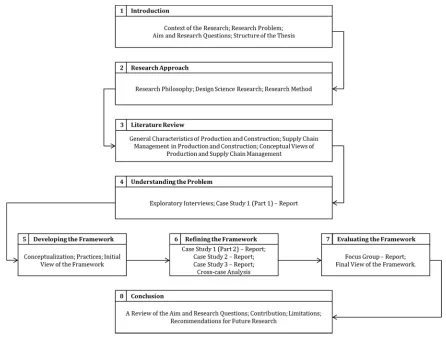
[image:28.595.88.534.405.752.2]The dissertation comprises eight chapters and its structure is illustrated in Figure 1.
University of Salford – Diego Vinicius Souza de Souza 7
2
RESEARCH APPROACH
In this chapter, the research approach adopted in this thesis is delineated. First, an introduction regarding research philosophy is provided, in which basic beliefs and worldviews are presented. Next, the Design Science Research (DSR) methodology is summarized and discussed. This methodology is based on the development of solutions to solve practical problems. Finally, the research method devised by the author of this thesis is detailed. In the light of DSR, the method is divided in five sequential stages, namely Finding a Problem, Understanding the Problem, Developing the Solution, Refining the Solution, and Evaluating the Solution.
2.1 Research Philosophy
The underlying aspects of research are based on epistemological, axiological, ontological, and methodological paradigms. In relation to such paradigms, (Creswell 2013, p. 6) refers to the them as worldviews, meaning “a basic set of beliefs that guide action”. Such philosophical worldviews form the assumptions for research development in managerial fields and they are discussed in the following section.
2.1.1 Basic Beliefs and the Worldviews
University of Salford – Diego Vinicius Souza de Souza 8 Creswell (2013) emphasized four worldviews or paradigms, namely Postpositivism, Transformative, Pragmatism, and Constructivism, which are presented in the topics below:
a) Postpositivism: this research paradigm does not comply with collaborative or participatory research (Javed 2008) and represents the traditional form of research (Creswell 2013).Such a worldview has a deterministic philosophy, and therefore supports the idea that causes determined effects (Creswell 2013). In addition, (Sexton 2000) highlighted that positivist studies endeavour to test theory in order to have a better understanding of the phenomena. Postpositivism, also called Positivism (Creswell 2013), has been closely related to the Quantitative Research design. In addition, Positivism is based on primarily deductive logic, on the axiology that values can be controlled, and on the ontology of transcendental realism (Javed 2008).
b) Transformative: this paradigm tangles with politics and a political change agenda in order to oppose social oppression at whatever levels it occurs (Creswell 2013; Mertens 2010). The research agenda aims at a major reform that may change the life of participants, the institutions in which they work, and the researcher’s life (Creswell 2013). The aim of Transformative researchers is to develop a joint effort to promote social transformation (Mertens 2010). The Transformative paradigm presents respect for cultural norms, rejects cultural relativism, promotes an interactive link between researcher and participants, and usually involves both qualitative and quantitative mix methods (Mertens 2010). c) Pragmatism: the focus of this paradigm is not methods: the emphasis is on the
University of Salford – Diego Vinicius Souza de Souza 9 d) Constructivism: Flick (2013) highlights that there are different lines under the label of Constructivism, but all of them have a similar characteristic: such programs examine the relationship to reality by dealing with constructive processes. In addition, Flick (2013) highlighted that Constructivism reflects the reality as a social product of the different actors, interactions, and institutions. Creswell (2013) stated that the Constructivist approach leads the researcher to look for the complexity of the phenomena, and how the participants’ views can be related to the situation studied. In this context, researchers should conduct an open discussion in order to construct the meaning of the situation and listen carefully to what participants say or do (Creswell 2013). Flick (2013) states that knowledge is constructed via social interchange and that researchers are part of the social construction. Nevertheless, the interpretation of the context in which the participants are is influenced by the background of the researchers in order to develop a theory or pattern of meaning (Creswell 2013). Crotty (1998) stated that constructivism in epistemology is very compatible with realism in ontology. Mertens (2010) states that the Constructivist approach presents a balanced representation of views, a set of socially constructed realities, and a positive link between the researcher and participants.
Research in construction supply chain management involves multiple actors from diverse companies and processes. Typically, the practical problems concerning supply chain management are complex and require in-depth investigation. In addition, solutions for practical problems should be developed and tested, so that they can be iteratively improved, retested, and evaluated. The research views described above do not fit properly in such iterative development, testing, and evaluation of solutions to practical problems. Thus, another research approach becomes necessary.
University of Salford – Diego Vinicius Souza de Souza 10 2.2 Design Science Research
Research has been first motivated by the need for solving managerial problems through the development of models, diagrams, and plans, among others (Kasanen et al. 1993). Nevertheless, a solution considered technically adequate will not necessarily work in practice (Kasanen et al. 1993), given that it is not easy to predict the functionality of a solution prior to its application.
The proposition of design sciences is mostly related to the field of engineering, medical sciences, and modern psychotherapy (van Aken 2004). DSR aims at designing artefacts that solve construction problems (mostly related with engineering) or solve improvement problems (related with medical sciences) (van Aken 2004).
The procedures adopted by DSR differ from the traditional approaches for research, and they are illustrated in Figure 2. Originally, the DSR framework comprises four elements for problem solving: practical relevance of the problem, theory connection, practical functioning of the solution, and theoretical contribution (Kasanen et al. 1993).
Figure 2 – Constructive Research Approach (Kasanen et al. 1993)
In order to perform problem solving, the DSR approach has been divided into steps in its original proposition (Kasanen et al. 1993):
Find a practically relevant problem which also has research potential; Obtain a general and comprehensive understanding of the topic; Innovate, i.e., construct a solution idea;
Demonstrate that the solution works;
Show the theoretical connections and the research contribution of the solution concept;
University of Salford – Diego Vinicius Souza de Souza 11 In addition, there are other researchers proposing different views about how the DSR framework should be structured. These propositions have not necessarily followed the same routine proposed by Kasanen et al. (1993), as one can identify in March and Smith (1995) and Lukka (2003).
On the one hand, March and Smith (1995) proposed a distinction between research activities (build, evaluate, theorize, and justify) and research outputs (constructs, models, methods, and instantiations). Constructs are a “conceptualization used to describe problems within the domain and to specify their solutions” according to March and Smith (1995, p. 256). A model is composed of a set of schemes that represents relationships among constructs, and a method is a set of steps (also referred to as an algorithm to perform a task) (March and Smith 1995). Finally, “instantiation is the realization of an artefact in its environment” according to March and Smith (1995, p. 258). The stage in which the understanding of the problem is developed by the researcher might lead to the creation of an artificial phenomena, also referred to as an artefact (Holmström et al. 2009). March and Smith (1995) stated that DSR aims to create things that serve human purposes, and are submitted to an evaluation that checks whether they work or not.
On the other hand, Lukka (2003) presented and discussed the DSR approach comprising the following steps:
Find a practically relevant problem, which also has potential for theoretical contribution;
Examine the potential for long-term research co-operation with the target organisation(s);
Obtain deep understanding of the topic area both practically and theoretically; Innovate a solution idea and develop a problem solving construction, which also has potential for theoretical contribution;
Implement the solution and test how it works; Ponder the scope of applicability of the solution; Identify and analyse the theoretical contribution.
University of Salford – Diego Vinicius Souza de Souza 12 steps, all of them converge to a common point: DSR is a research method focused on solving real problems. Such common views have been also addressed by Holmström et al. (2009), positioning DSR as the basis of problem solving research. The creation of the artefacts contributes to solving a practical problem, which is the focus of DSR, but ultimately explains theoretically the phenomena itself (Holmström et al. 2009).
Equally important is the non-linear nature of research, and its implications in DSR. The process in which the artefact is reviewed and refined has different iterations (van Aken 2004; Holmström et al. 2009). Holmström et al. (2009) qualify the initial solution as rudimentary, and therefore the artefact must be developed throughout different learning cycles. According to van Aken (2004), problem solving is based on a reflective cycle, in which a case is chosen, planned, and interventions are implemented. Afterwards, a reflection upon the results is necessary in order to produce knowledge, which is tested and refined to serve as an input for the next cycle. According to van Aken (2004), there are two types of multiple-case studies: developing and extracting. In the developing multiple case-study the artefact is developed and tested by the researcher in the field (van Aken 2004). On the other hand, the extracting multiple case study focuses on the artefacts that already exist, which relates such studies as a ‘kind of best-practice research’ (van Aken 2004). Both extracting and developing types of multiple-case studies are supported by reflective cycles. Such cycles form the basis for developing knowledge to be tested and refined in further cases (van Aken 2004), which means the researcher should reflect upon the findings of each case study, and try and incorporate the lessons previously learned into the artefact. A refined artefact will be then ready to be tested in a new case study, which will also provide means for its improvement. According to van Aken (2004), based on the reflective cycles one can understand in what way the artefact should be improved.
University of Salford – Diego Vinicius Souza de Souza 13 research, including the following but not limited to them: Rocha (2011), Rooke (2012), Dave (2013), and Sapountzis (2013).
2.3 Research Method
Empirical data was collected in several ways in this research: interviews, meetings, and documents, among others. The author of this thesis submitted the required documentation to obtain Ethical Approval in September 2012. All data collected was archived physically or electronically, and data is available upon request (except in the case of confidential information).
[image:35.595.84.541.360.710.2]The research method is composed of five sequential and interdependent stages as illustrated in Figure 3. Such stages, in which different research activities and developments take place, are analogous to the ones suggested above by different authors in the field of Constructive Research as discussed in section 2.2.
University of Salford – Diego Vinicius Souza de Souza 14 The stages of the research method are presented in separate chapters as follows:
Finding a Problem (Chapter 1 and Chapter 3); Understanding the Problem (Chapter 4); Developing the Solution (Chapter 5); Refining the Solution (Chapter 6); Evaluating the Solution (Chapter 7). 2.3.1 Finding a Problem
This stage comprises the review of the literature, the definition of the research problem, the delineation of the aim, and the proposition of research questions.
2.3.1.1 Literature Review
According to Creswell (2013), the literature review provides the researcher with results from other studies related to the one being carried out, relates the current study to the larger and current literature, positions the relevance of the study in a broader context, and enables benchmarking for comparative purposes. In this study, the literature review is presented in Chapter 3. In order to prepare the review, a systematic approach was adopted. According to Tranfield et al. (2003), systematic reviews encompass a process that minimizes bias and synthesizes the relevant body of knowledge in a determined field. In this research, such a process is represented by two steps, to be presented in the subsequent sections. Step 1 comprises the identification of keywords and publications and Step 2 the selection of papers and summarization of findings in the literature.
2.3.1.1.1 Step 1 – Identification of Keywords and Publications
First, a set of keywords were identified by the researcher: supply chain management, construction, best practices, model, and framework. Such keywords were checked in different databases including the following but not limited to them: EBSCO, Web of Science, Google Scholar, Scopus, Science Direct, Emerald, and Elsevier.
University of Salford – Diego Vinicius Souza de Souza 15 International Journal of Production Economics;
International Journal of Production Research;
Supply Chain Management: An International Journal;
International Journal of Physical Distribution and Logistics Management; International Journal of Logistics Management;
International Journal of Operations and Production Management; Construction Management and Economics;
Journal of Business Logistics; Production Planning and Control; Building Research and Information.
Such journals were selected based on their impact factor and their relevance in the field of this research. Papers in the Proceedings of the International Group for Lean Construction (IGLC) conferences were also reviewed. Additionally, a number of books were used as key points in the literature during the development of this thesis.
2.3.1.1.2 Step 2 – Selection of Papers and Summarization
The most relevant literature topics to be investigated and the key papers for each topic are selected and grouped properly, and they are presented in chapter 3. Such literature was then summarized in order to provide information for different topics, constituting three main sub-sections in chapter 3:
General Characteristics of Production and Construction: the key production processes and strategies are presented in order to provide context for this research. In addition, a discussion regarding the concept and the relevance of the order penetration point is introduced. Finally, the key competitive priorities for operations management are highlighted. The nature of the project-based production system is presented, followed by the characteristics of multiple and concurrent projects, existence of dispersed site locations, and uniqueness of projects;
University of Salford – Diego Vinicius Souza de Souza 16 management are discussed. Six key characteristics of construction supply chains are emphasized: project-based chains, specific network design, interfaces, supplier base, fragmentation, and demand forecast;
Conceptual Views of Production and Supply Chain Management: a set of existing theories and approaches related to production and supply chain management is presented.
2.3.1.2 Research Problem, Aim and Research Questions
The research problem, aim, and research questions were presented in chapter 1. By reviewing such breadth of literature, the body of knowledge supporting this research was developed. The research problem is presented as follows:
The research problem to be addressed in this study is the lack of a contextualized,
structured, and long-term oriented framework for designing and improving
construction supply chains from the viewpoint of a construction company.
Table 2 lists the research questions, which are used to guide the investigation of the research problem. The idea was to link the questions with existing gaps in the literature to be addressed in this research. By answering the questions, the overall aim of this investigation should be achieved.
Table 2 – Aim and Research Questions
Aim
The aim of this research is to develop a conceptual framework and best practices to tackle the problems of construction supply chains.
Research Questions
How should construction supply chains be conceptualized in a framework?
How can the problems of construction supply chains be located?
How can practices be selected, assessed, cross-referenced, and consolidated in a framework?
How can a set of practices be adopted by construction companies for tackling supply chain problems?
2.3.2 Understanding the Problem
University of Salford – Diego Vinicius Souza de Souza 17 2.3.2.1 Exploratory Interviews
In order to understand the current scenario of construction supply chains, a set of interviews was conducted with academics and practitioners. Such interviews were developed between November 2012 and February 2013, and each interview took approximately 60 minutes. Further details regarding exploratory interviews are presented in section 4.1 and in Appendix A – Interview Protocol.
A semi-structured questionnaire was prepared in order to support the interview process. The interviews and questions were aimed at exposing what initiatives, practices, guidelines, and issues there are in managing construction supply chains. In order to introduce the discussion and support the justification of this research, the following question was posed to the interviewees ‘Is a contextualized framework to manage construction supply chains necessary?’. The word contextualized was used in order to define that the framework should address the specificities of a context: construction companies building infrastructure projects. Data collected from the interviews was transcribed and categorized. Data categorization was deployed via two foci. The primary aims at finding the strategic relevance fostering the development of a framework for managing construction supply chains. The secondary endeavours to describe the relevant elements pointed out by the interviewees for designing and improving construction supply chains.
2.3.2.2 Case Study 1 (Part 1)
University of Salford – Diego Vinicius Souza de Souza 18 2.3.3 Developing the Solution
This stage of the research method comprises the development of the conceptual framework. According to the proposition of constructive research, the first solution is also referred to as candidate solution. In this research, first or candidate solution is also called first version of the framework. As illustrated in Figure 4, three inputs were considered for developing the first version of the conceptual framework.
Figure 4 – Inputs for developing the first version of the conceptual framework The development of the candidate solution is detailed in chapter 5. Such a solution comprises two fundamental elements, which are later refined and tested as part of the DSR approach.
University of Salford – Diego Vinicius Souza de Souza 19 proposed in the DSR approach, such conceptualization will be refined in further stages of this research;
Practices for construction supply chains: after conceptualizing construction supply chains, it was found that an additional element for supporting such conceptualization becomes necessary. As discussed earlier in chapter 1, there are three essential actions in production systems: design, operation and control, and improvement. The task of managing construction supply chains is seen as analogous to production management in this study. The additional element in the conceptual framework is a set of practices focused on the design and improvement of construction supply chains. The practices provide basis to sustain construction supply chains in the long run. Based on the existing literature, an initial set of practices for designing and improving construction supply chains was then proposed. Based on the DSR approach, such set of practices will be refined in further stages of this research.
2.3.4 Refining the Solution
Refining the solution is proposed as the next stage in the research method. Such refinement has as its starting point the first version of the conceptual framework. In order to accomplish such refinement, three case studies were developed based on a set of research activities, including semi-structured interviews, participation and observation of meetings, and collection of documents:
University of Salford – Diego Vinicius Souza de Souza 20 interviews, but they did not necessarily follow their original order. This flexibility was necessary so that emerging topics in interviews were properly addressed with interviewees. The interviewees received information prior to the interview, they had time for questioning, and they were interviewed in a private environment. Yin (1994) discussed a set of weaknesses of semi-structured interviews, including response to bias and imprecisions in recalling data. In order to tackle such limitations, interviews in this research were recorded and summarized for future reference.
b) In this research, the observation of practices and participation in meetings was conducted along with case studies. The main purpose of the observations is to gather information about the practices conducted by the companies in terms of performance evaluation, the assessment of suppliers, mid and long-term decisions regarding supply chains, among others. Creswell (2013) defined an observation as the moment in which the researcher observes the behaviour and activities of individuals in the field. Saunders et al. (2009) stated that such an approach comprises systematic observation, recording, transcription, analysis, and interpretation of the participant’s behaviour.
University of Salford – Diego Vinicius Souza de Souza 21 In this research, the above-mentioned approaches were carried out within case studies. Case studies were developed according to the general proposition of Yin (1994). This research focuses on multiple case studies for replication purposes. Replication is used in order to check if different cases produce similar results (Yin 1994), and enables the outputs from each case to be systematically compared in a cross-case analysis. The reports of the case studies presented in chapter 6 were prepared following the same structure:
An introduction demonstrating the research activities carried out and relevant information about the context;
A detailed report regarding the practices investigated; A discussion regarding the lessons learned.
Flyvbjerg (2006) discusses case studies and the common misunderstandings surrounding this research approach:
Context-independent knowledge is more valuable than concrete and practical (context-dependent) knowledge;
One cannot generalize on the basis of an individual case; The case study is most useful for generating hypotheses;
It is often difficult to summarize and develop general propositions and theories on the basis of specific case studies.
The case study contains a bias toward verification, that is, a tendency to confirm the researcher’s preconceived notions;
University of Salford – Diego Vinicius Souza de Souza 22 2.3.4.1 Case Studies
Information regarding Companies A, B, and C are summarized in Table 3. Companies A, B, and C have different projects, ranging from highways and tunnels to airports.
Table 3 – Companies selected for case studies
Company A Company B Company C
Country Brazil UK UK
Nature Private Private Public
Revenue/CAPEX (per year) £150 M (Revenue) £900 M (Revenue) £4 B (CAPEX)
Employees (number) 2,500 3,300 N/A
Supplier Base (number) 4,200 1,200 N/A
Suppliers in the Research Process (number) 11 N/A 6
The aforementioned companies are located in two different countries in which the construction sector has a major influence in the economy. The selection of the cases was based on the following underpinnings: diversity of projects, location, corporate culture, availability, and type of ownership.
The unit of analysis in this research comprised three different levels. First, the Enterprise Level of the construction companies was analysed. The majority of research activities (i.e. interviews) were conducted at this level, especially to determine the extension and the type of data to be collected in two other levels: Supplier Level and Project Level. On the level of suppliers, tier-one and tier-two suppliers were involved (where applicable) in the different case studies. The characteristics of suppliers approached differ significantly in terms of scope, size, and revenue. On the level of projects, existing project sites were visited and professionals in the respective teams were interviewed.
2.3.4.1.1 Case Study 1 (Part 2)
University of Salford – Diego Vinicius Souza de Souza 23 has a very strong business culture and is family-owned. Case Study 1 was divided in two parts, namely Part 1 (exploratory research) and Part 2. In order to facilitate the understanding of the reader, full details regarding Case Study 1 (Part 2) are reported in section 6.1 and in Appendix B – Log of Activities.
2.3.4.1.2 Case Study 2
Case Study 2 was carried out in Company B, a large UK-based contractor focused on infrastructure projects such as highways, earthworks, airports, and railways, among others. Company B expects annual revenue of £900 million, has 3,300 employees, and 1,200 active suppliers approximately. The study took place from March 2014 to August 2014 and its full details are reported in section 6.2 and in Appendix C – Log of Activities.
2.3.4.1.3 Case Study 3
Case Study 3 was conducted in a government organization in the UK. In order to keep consistency in the terminology adopted in this research, this organization is named Company C. The organization is responsible for operating, maintaining, expanding, and improving strategic infrastructure assets. Company C has two predominant categories of infrastructure developments: those carried out by the Major Projects Directorate (major national significant schemes) and those carried out by the Network Delivery and Development Directorate (smaller local improvement and maintenance schemes). Company C has a strong governance role in the construction sector in the UK, given its high profile as a client of major contractors. Reports indicate an annual CAPEX (Capital Expenditure) of around £4 billion in its two categories of infrastructure developments. The study took place between August 2013 and August 2014 and its full details are reported in section 6.3 and in Appendix D – Log of Activities.
2.3.4.2 Structure of Case Studies
University of Salford – Diego Vinicius Souza de Souza 24 regarding the research process developed in the cases is presented in Appendix E – Case Study Protocol.
Companies were initially approached in order to identify their practices for managing supply chains. Such an approach was conducted in face-to-face and teleconference meetings. Company A participated early in this research in its exploratory stage and it was again approached for contributing to the framework refinement. Research proposals were forwarded to Company B and Company C in order to formalize their participation in the present research.
First, ‘best-practices’ identified in Companies A, B, and C were selected. The following criteria were used for selecting such practices: relevance and novelty, availability of participants, time required for completing the studies, and level of confidentiality of information.
Second, the interviews were prepared in order to capture how Companies A, B, and C developed, implemented, and learned from the practices investigated. Questions for semi-structured interviews were prepared ahead of each interview in order to guide the process. Participants were communicated with in advance so that appropriate conditions for the interviews could be arranged. The interviews took 60 minutes on average, and they were recorded for future reference.
Third, documents were collected during the case studies. Such documents provide evidence of the practices reported by companies. Some of the documents include procedures, guidelines, reports, and dashboards, among others. Documents were analysed, compared, and physically or digitally archived.
Finally, meetings were observed in case studies. The role of the author of this thesis was defined as a non-participant observer. Such observations were registered, organized, and later summarized.
University of Salford – Diego Vinicius Souza de Souza 25 nature of the data in this research, no specific software was used in data analysis. However, a coding system using colours and specific notes was applied when cross-referencing sources of data. Colours were used to identify similar topics or subjects in the discussion, while notes were used as personal memos regarding the topics under analysis. This approach was replicated across all case studies developed in this research.
2.3.4.2.1 Learning Cycle of Case Studies
A Learning Cycle (LC) is planned at the end of each case study. Learning cycles were used as a strategy to capture the individual contributions of case studies for refining the first version of the conceptual framework. In the next sections of this chapter, other types of learning cycles are presented not in the context of case studies, but in the context of the cross-case analysis and the focus group. Questions are used as a script for systematically checking the contribution of the cases. The proposition of the DSR approach is to use learning cycles as a reflection upon the work developed. Such reflection enables the researcher not only to refine the artefact but also to assess the theoretical implications during its development. In this sense, LC simplifies the task of tracking research contributions as they evolve.
The learning cycles of case studies is illustrated in Figure 5.
University of Salford – Diego Vinicius Souza de Souza 26 How the findings of the case study modify and support the conceptual framework proposed?
How the findings of the case study influence the existing set of practices?
Considering the findings of the case study, what relevant practices can be added to the original set?
2.3.4.3 Cross-case Analysis
A cross-case analysis was carried out after case studies were completed. The idea of having a cross-case analysis was motivated by the opportunity to gather and analyse the differences and similarities found in each case study. By having a cross-case analysis, additional insights can be incorporated in the refinement of the conceptual framework.
Cross-case analysis is divided in two parts. First, the studied companies are compared in terms of their differences and similarities concerning the conceptualization of construction supply chains. Such comparison emphasises the way in which Companies A, B, and C can be compared in terms of the parties involved, types of flows, and interfaces found in their supply chains. Second, the practices extracted from the cases are cross-referenced (where applicable) in terms of their description, positive aspects, and recommendations for improvement. Additional findings in the literature regarding the practices extracted in the cases are included where applicable. Finally, a set of ‘best practices’ is proposed as illustrated in Figure 6.
University of Salford – Diego Vinicius Souza de Souza 27 2.3.4.3.1 Learning Cycle of Cross-Case Analysis
A Learning Cycle is planned for the cross-case analysis in order to capture the integrated contribution of case studies as illustrated in Figure 7. As discussed in section 2.3.4.2.1, learning cycles help to track the contributions throughout the research process.
Figure 7 – Learning cycle in cross-case analysis
The questions below are used as a script to check the contribution of the cross-case analysis:
What are the key similarities and differences between cases concerning the conceptualization of construction supply chains?
What are the key similarities and differences between cases concerning practices for designing and improving construction supply chains?
In what way can Companies A, B, and C be compared? To what extent are they similar to each other?
2.3.5 Evaluating the Solution
University of Salford – Diego Vinicius Souza de Souza 28 2.3.5.1 Focus Group
Saunders et al. (2009) defined focus group as a particular case of group interview in which the topic is clearly defined, and the researcher wants to register collaborative discussion between participants. Focus groups differ from group interviews because the researcher encourages the participants’ involvement and controls the focus of the discussion. In addition, the researcher has a moderator role by keeping the group within the limits of the subject being debated and not guiding the group towards determined ideas (Saunders et al. 2009).
According to May (2011), a focus group can provide substantial insight in the examination of particular topics or processes. The same author argues that the outcome of focus groups might present additional results, which can be combined with those obtained in individual interviews about the same issues. Differences in the results gathered in the focus group and in interviews are attributed to the natural way in which actions and opinions are affected by other participants (May 2011). Bertrand et al.
(1992) contend that focus group research is often criticized in terms of generalizability, given that a small number of participants may not represent the characteristics of a target population.
The second version of the framework, generated after the cross-case analysis, is then presented to the focus group. A presentation summarizing the conceptualization of construction supply chains and the set of practices is used to guide the discussion. The focus group is chosen as a strategy for evaluating the conceptual framework due to its intrinsic nature: gather a group of experts in a particular field for discussing a certain topic. Full details regarding the focus group are provided in section 7.1.
The objectives of the focus group discussion include the following:
Discuss the applicability of the conceptual framework proposed;
Understand and register the perceptions of the participants regarding the conceptualization of construction supply chains;
University of Salford – Diego Vinicius Souza de Souza 29 2.3.5.1.1 Learning Cycle of Focus Group
A final Learning Cycle is planned for the focus group in order to capture the contribution of the discussion as illustrated in Figure 8. Lessons learned in this cycle are used as an input for conceiving the final version of the conceptual framework, which is presented in section 7.2.
Figure 8 – Learning cycle in focus group
In order to assess the contribution of the focus group, the following questions are proposed:
In what context is the conceptual framework applicable?
What are the strengths and weaknesses of the conceptual framework as presented?
To what extent is the conceptualization of construction supply chains real?