TO STUDY AND TO EVALUATE THE REQUIREMENTS REQUIRED TO PROPOSE AN ALTERNATE API FOR AN APPROVED DRUG PRODUCT IN
USFDA
A Dissertation Submitted to
The Tamil Nadu Dr. M.G.R. Medical University Chennai - 600 032
In partial fulfilment for the award of Degree of MASTER OF PHARMACY
(Pharmaceutics) Submitted by M.ALIYAH MOIN
Register No. 26106011
Under the Guidance of
Dr. S. SHANMUGAM, M. Pharm., Ph.D. Professor
Department of Pharmaceutics
ADHIPARASAKTHI COLLEGE OF PHARMACY
(Accredited By “NAAC” with CGPA of 2.74 on a Four point Scale at “B” Grade)
MELMARUVATHUR - 603 319.
CERTIFICATE
This is to certify that the research work entitled “TO STUDY AND TO EVALUATE THE REQUIREMENTS REQUIRED TO PR0POSE AN ALTERNATE API SOURCE FOR AN APPROVED DRUG PRODUCT IN USFDA ” Submitted to The Tamil Nadu Dr. M.G.R. Medical University in partial fulfilment for the award of the Degree of the Master of Pharmacy (Pharmaceutics) was carried out by M. Aliyah Moin (Reg. No. 26106011) in the Department of Pharmaceutics under my direct guidance and supervision during the academic year 2011-2012.
Place: Melmaruvathur Dr.S.SHANMUGAM, M. Pharm., Ph.D., Professor,
Date: Department of Pharmaceutics,
Adhiparasakthi College of Pharmacy, Melmaruvathur - 603 319.
CERTIFICATE
This is to certify that the dissertation entitled “TO STUDY AND TO EVALUATE THE REQUIREMENTS REQUIRED TO PR0POSE AN ALTERNATE API SOURCE FOR AN APPROVED DRUG PRODUCT IN USFDA” the bonafide research work carried out by M.Aliyah Moin (Regd. No. 26106011) in the Department of Pharmaceutics, Adhiparasakthi College of Pharmacy, Melmaruvathur which is affiliated to The Tamil Nadu Dr. M.G.R. Medical University, Chennai, under the guidance of Dr.S.SHANMUGAM, M. Pharm., Ph.D., Department of Pharmaceutics, Adhiparasakthi College of Pharmacy, Melmaruvathur - 603 319.
Place: Melmaruvathur Prof. Dr.T. VETRICHELVAN, M. Pharm., Ph.D.,
Date: Principal,
Adhiparasakthi College of Pharmacy, Melmaruvathur – 603 319.
ACKNOWLEDGEMENT
First and foremost, I wish to express my deep sense of gratitude to his
Holiness ARULTHIRU AMMA, President, ACMEC Trust, Melmaruvathur for his
ever growing Blessings in each step of the study.
With great respect and honour, I extend my thanks to THIRUMATHI
LAKSHMI BANGARU ADIGALAR, Vice President, ACMEC Trust,
Melmaruvathur for given me an opportunity and encouragement all the way in
completing the study. Her excellence in providing skillful and compassionate spirit of
unstinted support to our department for carrying out research work in the topic “TO
STUDY AND TO EVALUATE THE REQUIREMENTS REQUIRED TO
PROPOSE AN ALTERNATE API SOURCE FROM AN APPROVED DRUG
PRODUCT IN USFDA”.
I concede my thanks to Dr. S.SHANMUGAM, M.Pharm., Ph.D.,
Department of Pharmaceutics, Adhiparasakthi College of Pharmacy for the active
guidance, a source of inspiration where the real treasure of my work.
Its my privilege to express sincere gratitude and heartful thanks to
Prof. Dr. T. VETRICHELVAN, M.Pharm., Ph.D., Principal, Adhiparasakthi
College of Pharmacy, without his encouragement and supervision it would have been
absolutely impossible to bring out the work in this manner.
I thank to Professor, K.SUNDARAMOORTHY, BSc., M.Pharm.,
Assistant Professor, Mr.T.AYYAPPAN, M.Pharm., Senior Lecturer,
Mr.A.UMARFARUKSHA, M.Pharm., Lecturer, Department of pharmaceutics and
Mr. K. ANANDHAKUMAR, M.Pharm., Assistant Professor, Department of
My sincere thanks to our lab technicians Mrs. S. KARPAGAVALLI, D.Pharm.,
B.B.A. and Mr. M. GOMATHI SHANKAR, D. Pharm., for their kind help
throughout this work.
I am indeed very much thankful to the librarian Mr. M. SURESH, M.L.L.S.,
for providing all reference books for the completion of this project.
I am highly indebted to Mr. Prabhakar Reddy, HR-Manager,
Mr.Ravindra Reddy, Manager, GRANULES INDIA LIMITED., HYDERABAD,
for allowing me to do project in GRANULES INDIA LIMITED. I thank to
Mr.VINOD KUMAR, Assistant Manager, and Mrs. SUSMITHA, staff RA
department, for their constant invaluable guidance, encouragement and support
throughout the project work.
I am thankful to all my class friends, seniors and my friends for their support
and suggestion during my work.
I must be lavishly awesome to my Parents who helped me in getting
this dissertation better than I ever imagined in terms of finance and
encouragement Mr. S.M MAHMOOD, Mrs. M.M KHATOON, for
their frequent prayers, which has sustained me a lot in the successful completion of
my project work.
Above all I dedicate myself and my work to Almighty, who is the source of
knowledge and for showering all his blessings and grace upon me.
CONTENTS
CHAPTER TITLE PAGE
NO.
1. INTRODUCTION
1.1 Tablets 1
1.2 Advantages and disadvantages 2
1.3 Types and classes of tablets 3
1.4 Oral drug delivery 5
1.5 Manufacturing methods of tablet 8
1.6 Recipients used in tablet 11
1.7 Tablet coating 16
1.8 REGULATORY AFFAIRS INTRODUCTION 21
1.9 NSAIDS INTRODUCTION 23
2. AIM AND OBJECTIVE 30
3. PLAN OF WORK 33
4. LITERATURE REVIEW 36
5. DRUG AND EXCIPIENT PROFILE
5.1 Drug Profile 42
5.2 Recipient Profile 48
6. MATERIALS AND EQUIPMENTS
6.1 List of Equipments 61
6.2 List of materials 62
7. EXPERIMENTAL WORK
7.2 Formulation of Naproxen sodium tablets 76
7.3 Evaluation of Pre compression parameters for both the
API‟S
79
7.4 Evaluation of Post compression parameters for both the
API‟S
81
7.5 Stability studies 84
8. RESULTS AND DISCUSSION
8.1 Results and Discussion for Approved API 87
8.2 Performing the tests according to specification standards
for approved API
88
8.3 Evaluation of Pre compression parameters for approved
API
96
8.4 Evaluation of Post compression parameters for approved
API
97
8.5 Stability studies for approved API 101
8.6 Results and Discussion for Alternate API 104
8.7 Performing the tests according to specification standards
for alternate API
105
8.8 Evaluation of Pre compression parameter for alternate
API
113
8.9 Evaluation of Post compression parameters for alternate
API
114
8.10 Stability studies for alternate API 118
8.11 Comparison of Certificate Of Analysis of both the API‟S 123
8.12 Formulation of Naproxen sodium using the approved
alternate API
124
8.14 Evaluation of Tablets 126
8.15 Stability studies 138
9 SUMMARY AND CONCLUSION 141
10 FUTURE PROSPECTS 144
11 BIBLIOGRAPHY 145
Table Content Page
No
1.1 Reason for film coating 19
5.1 Uses of Microcrystalline cellulose 49
5.2 Properties of selected commercially available grades of
microcrystalline cellulose
50
5.3 Uses of Stearic acid 54
5.4 Uses of Povidone 60
6.1 List of Equipments 61
6.2 List of Materials 62
7.1 Solubility specifications 63
7.2 Process parameters used in formulation of Naproxen sodium 77
7.3 Coating parameters 78
7.4 Composition of Naproxen sodium using both the API‟S 78
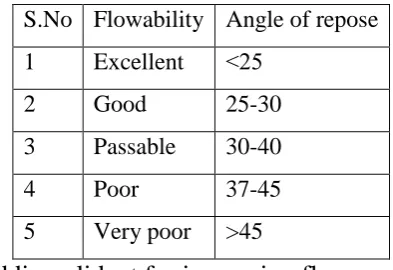
7.5 Standard values of Angle of repose 79
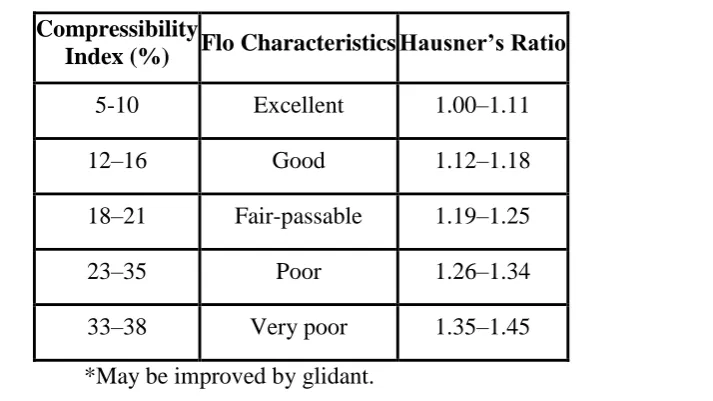
7.6 Standard values of Carr‟s index 80
7.7 Specifications of Disintegration time 83
7.8 Stability studies 86
8.1 Certificate of Analysis for approved API 87
8.2 Solubility of Naproxen sodium for approved API formulation 88
8.3 Characteristic IR peaks of Naproxen sodium for approved
API formulation
89
8.4 Specific optical rotation for approved API formulation 90
8.5 Test for heavy metals for approved API formulation 91
8.6 Percentage loss on drying for approved API formulation 91
8.7 Impurities present in Naproxen sodium for approved API
formulation
93
8.8 Standard graph of Naproxen sodium in pH 7.4 phosphate
buffer for approved API formulation
93
8.9 Standard graph parameters of Naproxen sodium in pH 7.4
phosphate buffer for approved API formulation
94
8.10 Percentage purity of Naproxen sodium for approved API
formulation
95
8.11 Granulation tests for approved API formulation 96
8.12 Post compression parameters for approved API formulation 98
8.13 Dissolution profile of the formulation for approved API
formulation
99
8.14 Time of In-vitro drug released of t25,t50,t90 values for approved
API formulation
100
8.15 Stability studies of approved API formulation 101
8.16 Certificate of Analysis for alternate API 104
8.17 Solubility of Naproxen sodium for alternate API formulation 105
8.18 Characteristic IR peaks of Naproxen sodium for alternate API
formulation
106
8.19 Specific optical rotation for alternate API formulation 107
8.20 Test for heavy metals for alternate API formulation 108
8.21 Percentage loss on drying for alternate API formulation 108
8.22 Impurities present in Naproxen sodium for alternate API
formulation
110
buffer for alternate API formulation
8.24 Standard graph parameters for Naproxen sodium in pH 7.4
phosphate buffer for alternate API formulation
111
8.25 Percentage purity of Naproxen sodium for alternate API
formulation
112
8.26 Granulation tests for alternate API formulation 113
8.27 Post compression parameters for alternate API formulation 115
8.28 Dissolution profile of the formulation for alternate API
formulation
116
8.29 Time of In-vitro drug released of t25,t50,t90 values for alternate
API formulation
117
8.30 Stability studies of Alternate API formulation 118
8.31 Comparison of Certificate of Analysis for both the API‟S 123
8.32 Composition of Naproxen sodium using approved alternate
API formulation
124
8.33 Physicochemical characterization of Naproxen sodium 125
8.34 Evaluation of Naproxen sodium tablets 127
8.35 Disintegration time of Naproxen sodium formulation 129
8.36 In-vitro drug released data of formulation F1 130 8.37 In-vitro drug released data of formulation F2 131 8.38 In-vitro drug released data of formulation F3 132 8.39 In-vitro drug released data of formulation F4 133 8.40 In-vitro drug released data of formulation F5 134 8.41 In-vitro drug released data of formulation F6 135 8.42 Percentage drug released t25,t50,t90 values 137
Figure Content Page .No
1.1 Mechanism of Prostaglandins 27
5.1 Mechanism of action of NSAIDS 44
8.1 FT-IR spectrum of Naproxen sodium for approved API
formulation
89
8.2 λ max of Naproxen sodium for approved API formulation 90
8.3 Related substances impurities blank for approved API
formulation
92
8.4 Impurities present in Naproxen sodium for approved API
formulation
92
8.5 Standard graph of Naproxen sodium for approved API
formulation
94
8.6 DSC thermogram of Naproxen sodium for approved API
formulation
95
8.7 In-vitro drug released profile of formulation for approved API formulation
100
8.8 Comparison for hardness of before and after stability studies 102
8.9 Comparison for disintegration time of before and after
stability studies
102
8.10 Comparison for assay of before and after stability studies 103
8.11 Comparison for dissolution profile of before and after
stability studies
103
8.12 FT-IR spectrum of Naproxen sodium for alternate API
formulation
106
8.14 Related substances impurities blank for alternate API
formulation
109
8.15 Impurities present in Naproxen sodium for alternate API
formulation
109
8.16 Standard graph of Naproxen sodium for alternate API
formulation
111
8.17 DSC thermogram of Naproxen sodium for alternate API
formulation
112
8.18 In-vitro drug release profile of formulation for alternate API formulation
117
8.19 Comparison for hardness of before and after stability studies 119
8.20 Comparison for disintegration of before and after stability
studies
119
8.21 Comparison for assay of before and after stability 120
8.22 Comparison for dissolution profiles of both the API‟S 122
8.23 Comparison for disintegration time of formulations F1 –F6 129
8.24 In-vitro drug released profile for formulation F1 130 8.25 In-vitro drug released profile for formulation F2 131 8.26 In-vitro drug released profile for formulation F3 132 8.27 In-vitro drug released profile for formulation F4 133 8.28 In-vitro drug released profile for formulation F5 134 8.29 In-vitro drug released profile for formulation F6 135
8.30 Comparison of In-vitro drug released profile for formulations
F1 – F6
136
8.31 Percentage drug released of t25,t50,t90 values 137
8.33 Comparison hardness before and after stability studies 140
8.34 Comparison of assay before and after stability studies 141
8.35 Comparison of percentage drug released before and after
stability studies
142
ABBREVIATION AND MEANING
% - Percentage
DT - Dispensing tablets
µ - Micron
µg/ml - Microgram per millilitre
RA - Regulatory affairs
HT - Hypodermic tablets
cm-1 - Centimeter inverse
Cmax - Peak plasma concentration
DSC - Differential scanning calorimetry
HPLC - High performance liquid chromatography
EC - Ethyl cellulose
edn - Edition
F - Formulation
F/C - Film coated
FTIR - Fourier transform infrared spectroscopy
g/ml - gram per millilitre
TT - Tablet triturates
HCl - Hydrochloric acid
HPMC - Hydroxy propyl methylcellulose
COA - Certificate of analysis
ICH - International conference on harmonization
IP - Indian pharmacopoeia
kg/cm2 - kilogram per centimeter square
LBD - Loose bulk density
MHEC - Methyl hydroxyl ethyl cellulose
mg - Milligram
ml - Millilitre
API - Active pharmaceutical ingredients
NSAIDS - Non-steriodal anti inflammatory drugs
N - Normality
NaOH - Sodium hydroxide
NF - National formulary
nm - Nanometer
RS - Related substance
pH - Negative logarithm of hydrogen ion
qs - Quantity sufficient
RH - Relative humidity
rpm - Revolution per minute
S.No. - Serial number
SD - Standard deviation
IR - Immediate release
t1/2 - Biological half life
TBD - Tapped bulk density
T max - Time of peak concentration
USP - United states pharmacopoeia
UV - Ultraviolet
w/w - weight per weight
Study and Evaluate to Propose an Alternate API Introduction
Adhiparasakthi College of Pharmacy, Melmaruvathur Page 1
1.1 Tablets:
(Lachman L, Liberman H, 2000)Definition:
Tablets are tamper proof solid unit dosage forms containing medicament or
mixture of medicaments and excipients compressed or molded into solid cylindrical
shape having either flat or convex surfaces.
1.1.1 Properties of tablets
The attributes of an acceptable tablet are as follows:
• The tablet must be sufficiently strong and resistant to shock, abrasion, should
withstand handling during manufacturing, packing, shipping, and use.
Hardness and friability tests measure this property.
• Tablet must be uniform in weight and in drug content of the individual tablet.
This is measured by the weight variation and content uniformity tests.
• The drug content of the tablet must be bioavailable. This property is measured
by the dissolution test. Accurate bioavailability can be obtained from the drug
levels in the blood after its administration.
• Tablets must be elegant in appearance, characteristic shape, colour and other
markings necessary to identify the product.
1. INTRODUCTION
Study and Evaluate to Propose an Alternate API Introduction
Adhiparasakthi College of Pharmacy, Melmaruvathur Page 2
• Tablets must retain all these functional attributes which include drug
stability and efficacy.
1.2 Advantages and Disadvantages
1.2.
1. Advantages• Offers greatest capability of all oral dosage forms for the greatest dosage precision
& least content uniformity.
• High patient compliance.
• Their cost is lowest of all dosage forms
• One of the major advantages of tablet over capsules is that the tablet is essentially
“tamper proof dosage form”.
• Easiest and cheapest to packaging and shipment.
• They are having best combined properties of chemical, mechanical and
microbiological properties.
• Accuracy of dose is maintained since tablet is a solid unit dosage forms.
• Longer expiry period and minimum microbial spillage owing to lower moisture
content.
• Large scale manufacturing is feasible in comparison to other dosage forms.
Therefore, economy can be achieved.
• Organoleptic properties (colour taste, appearance, and odour) are improved by
coating of the tablets. Product identification is easy and marketing done with the
Study and Evaluate to Propose an Alternate API Introduction
Adhiparasakthi College of Pharmacy, Melmaruvathur Page 3
• As a tablet is not a sterile dosage form, stringent environmental conditions are not
required in the tablet department.
1.2.2 Disadvantages
• Some drugs resist compression owing to their amorphous nature & low density
character.
• Drugs with poor wetting, slow dissolution property, large dosages or any
combination of these features may be difficult or impossible to formulate &
manufacture as a tablet.
• A major disadvantage of capsules over tablets is their higher cost.
• It is difficult to convert a high dose poorly compressible API into a tablet of
suitable size for human use.
• Slow onset of action as compared to parentrals, liquid orals and capsules.
• The amount of liquid drug (e.g., vitamin E, Simethicone) that can be trapped into
a tablet is very less.
• Difficult to swallow for kids, terminally ill and geriatric patients.
• Patients undergoing radiotherapy cannot swallow tablet.
1.3 Types and classes of tablets (Lachman L, Liberman H, 2000)
Tablets are classified by their route of administration or function, by the type of
drug delivery system they represent within that route, by their form and method of
manufacture.
Tablets ingested orally
Study and Evaluate to Propose an Alternate API Introduction
Adhiparasakthi College of Pharmacy, Melmaruvathur Page 4
2. Multiple compressed tablets (MCT)
a. Layered tablets and Bi-layer tablets
b. Compression coated tablets
3. Repeat action tablets
4. Delayed action and enteric coated tablets
5. Sugar and chocolate coated tablet
6. Film coated tablets
7. Air suspension coated tablets
8. Chewable tablets
9. Dispersible tablets
Tablets used in oral cavity
1. Buccal tablets
2. Sublingual tablets
3. Trouches, Lozenges and dental cones
Tablets used to prepare solution
1. Effervescent tablets
2. Dispensing tablets (DT)
3. Hypodermic tablets (HT)
4. Tablet triturates (TT)
The goal of any drug delivery system is to provide a therapeutic amount of
drug in the proper site in the body to achieve promptly and then to maintain the
Study and Evaluate to Propose an Alternate API Introduction
Adhiparasakthi College of Pharmacy, Melmaruvathur Page 5
should deliver drug at a rate dedicated by the needs of the body over a specified
period of treatment.
1.4
Oral drug delivery: (James Swarbrick et al., 2007)This is the most widely utilized route of administration among all the routes
that have been explored for systemic delivery of drugs via pharmaceutical products of
different dosage form. Oral route is considered most natural, uncomplicated,
convenient and safe due to its ease of administration, patient acceptance and cost
effective manufacturing process.
For many drug substances conventional immediate release formulations provide
clinically effective therapy while maintaining the required balance of pharmacokinetic
and pharmacodynamics profiles with an acceptable level of safety to the patient.
Oral drug delivery is the most desirable and preferred method of
administering therapeutic agents for their systemic effects. In addition, the oral
medication is generally considered as the first avenue investigated in the discovery
and development of new drug entities, pharmaceutical formulations, mainly because
of patient acceptance and convenience in administration.
Oral route of drug administration have wide acceptance up to 50-60% of total dosage forms. Solid dosage forms are popular because of ease of
administration, accurate dosage, self-medication, pain avoidance and most
importantly patient compliance. The most popular solid dosage forms are tablets and
capsules. But the important drawback of these dosage forms is the difficulty to
Study and Evaluate to Propose an Alternate API Introduction
Adhiparasakthi College of Pharmacy, Melmaruvathur Page 6
Oral dosage form is the most popular route for drug therapy. Over 80%
of the drugs formulated to produce systemic effects in the United States are produced
as oral dosage forms. Compared to other oral dosage forms, tablets are the
manufacturer‟s dosage form of choice because of their relatively low cost of
manufacture, package.
1.5 Current technologies in oral drug delivery:
Over the last 3 decades, many novel oral drug therapeutic systems have been
invented along with the appreciable development of drug delivery technology.
Although these advanced drug delivery system are manufactured or fabricated in
traditional pharmaceutical formulations, such as Tablets, Capsules, Sachets,
Suspensions, Emulsions, and Solutions, they are superior to the conventional oral
dosage forms in terms of their therapeutic efficacies, toxicities, and stabilities.
Based on the desired therapeutic objectives, oral drug delivery system may be
assorted into three categories:
• Immediate-release preparations,
• Controlled-release preparations and
Targeted- release preparations.
1 .5.1 Immediate-Release Preparations: (Syed Azeem et al., 2011)
These preparations are primarily intended to achieve faster onset of action for
drugs such as analgesics, antipyretics, and coronary vasodilators. Other advantages
include enhanced oral bioavailability through transmucosal delivery and pregastric
absorption, convenience in drug administration to dysphasic patients, especially the
Study and Evaluate to Propose an Alternate API Introduction
Adhiparasakthi College of Pharmacy, Melmaruvathur Page 7
Conventional IR formulations include fast disintegrating tablets and granules that
use effervescent mixtures, such as sodium carbonate (or sodium bicarbonate) and
citric acid (or tartaric acid), and superdisintegrants, such as sodium starch glycolate,
croscarmellose sodium, and crospovidone. Current technologies in fast-dispersing
dosage forms include modified tableting systems, floss or Shear form technology,
which employs application of centrifugal force and controlled temperature, and
freeze-drying.
1.5.2 Controlled-Release Preparations:
The currently employed CR technologies for oral drug delivery are
diffusion-controlled systems; solvent activated systems, and chemically diffusion-controlled systems.
Diffusion-controlled systems include monolithic and reservoir devices in which
diffusion of the drug is the rate-limiting step, respectively, through a polymer matrix
or a polymeric membrane. Solvent-activated systems may be either osmotically
controlled or controlled by polymer swelling. Chemically controlled systems release
drugs via polymeric degradation (surface or bulk matrix erosion) or cleavage of drug
from a polymer chain. It is worth mentioning here that the so-called
programmed-release („„tailored-programmed-release‟‟) profile of a final control programmed-release product is rarely the
outcome of a single pharmaceutical principle. Depending on the specific
physicochemical properties of the drug in question and desired therapeutic objectives,
different formulation and control release principles may be proportionally combined
within the same dosage form. This task appears to be simpler when realized in terms
Study and Evaluate to Propose an Alternate API Introduction
Adhiparasakthi College of Pharmacy, Melmaruvathur Page 8
1.5.3 Targeted-Release Preparations: [Leon Shargel et al., 2004].
Site-specific oral drug delivery requires spatial placement of a drug delivery
device at a desired site within the GI tract. Although it is virtually possible to localize
a device within each part of GI tract, the attainment of site-specific delivery in the oral
cavity and the rectum is relatively easier than in the stomach and the small and large
intestines. The latter requires consideration of both longitudinal and transverse aspects
of GI constraints.
1.6 Manufacturing Methods of tablets: (F. A. Rowley, et al., 2005)
There are four general methods of tablet preparation.
• Direct compression
• Wet granulation method
• Dry granulation method
• Fluidized bed granulation
In the tablet-pressing process, it is important that all ingredients be dry, powdered,
and of uniform grain size as much as possible. The main guideline in manufacture is
to ensure that the appropriate amount of active ingredient is equal in each tablet so
ingredients should be well-mixed. Compressed tablets are exerted to great pressure in
order to compact the material. If a sufficiently homogenous mix of the components
cannot be obtained with simple mixing, the ingredients must be granulated prior to
compression to assure an even distribution of the active compound in the final tablet.
Two basic techniques are used to prepare powders for granulation into a tablet: wet
granulation and dry granulation. Powders that can be mixed well do not require
Study and Evaluate to Propose an Alternate API Introduction
Adhiparasakthi College of Pharmacy, Melmaruvathur Page 9
1.6.1 Direct Compression
This method is used when a group of ingredients can be blended and placed in a tablet
press to make a tablet without any of the ingredients having to be changed. This is not
very common because many tablets have active pharmaceutical ingredients which will
not allow for direct compression due to their concentration or the excipients used in
formulation are not conducive to direct compression.
Granulation is the process of collecting particles together by creating bonds between
them. There are several different methods of granulation. The most popular, which is
used by over 70% of formulation in tablet manufacture is wet granulation. Dry
granulation is another method used to form granules.
1.6.2 Wet granulation
Wet granulation is a process of using a liquid binder or adhesive to the powder
mixture. The amount of liquid can be properly managed, and over wetting will cause
the granules to be too hard and under wetting will cause them to be too soft and
friable. Aqueous solutions have the advantage of being safer to deal with than
solvents.
• Procedure of Wet Granulation
• Step 1: Weighing and Blending - the active ingredient, filler, disintegration
agents, are weighed and mixed.
Step 2: The wet granulate is prepared by adding the liquid binder/adhesive.
Examples of binders/adhesives include aqueous preparations of cornstarch, natural
gums such as acacia and cellulose derivatives such as methyl cellulose, CMC, gelatin,
and povidone. Ingredients are placed within a granulator which helps ensure correct
Study and Evaluate to Propose an Alternate API Introduction
Adhiparasakthi College of Pharmacy, Melmaruvathur Page 10
• Step 3: Screening the damp mass into pellets or granules
• Step 4: Drying the granulation
• Step 5: Dry screening: After the granules are dried, pass through a screen
of smaller size than the one used for the wet mass to select granules of
uniform size to allow even fill in the die cavity
• Step 6: Lubrication- A dry lubricant, anti adherent and glidants are added
to the granules either by dusting over the spread-out granules or by
blending with the granules. It reduces friction between the tablet and the
walls of the die cavity. Anti adherent reduces sticking of the tablet to the
die and punch.
• Step7: liquid binder, but sometimes many actives are not compatible with
water. Water mixed into the powder can form bonds between powder
particles that are strong enough to lock them in together. However, once
the water dries, the powders may fall apart and therefore might not be
strong enough to create and hold a bond.
1.6.3 Dry granulation
This process is used when the product needed to be granulated may be sensitive to
moisture and heat. Dry granulation can be conducted on a press using slugging tooling
or on a roller compactor commonly referred to as a chilsonator. Dry granulation
equipment offers a wide range of pressure and roll types to attain proper densification.
However, the process may require repeated compaction steps to attain the proper
granule end point. It requires drugs or recipients with cohesive properties.
• Some granular chemicals are suitable for direct compression (free flowing)
Study and Evaluate to Propose an Alternate API Introduction
Adhiparasakthi College of Pharmacy, Melmaruvathur Page 11
• Tablets which have recipients with good flow characteristics and
compressibility are used for direct compression of a variety of drugs.
1.6.4.Fluidized bed granulation
It is a multiple step process performed in the same vessel to pre-heat, granulate and
dry the powders. It is today a commonly used method in pharmaceuticals because it
allows the individual company to more fully controls the powder preparation process.
It requires only one piece of machinery that mixes all the powders and granules on a
bed of air.
1.7 EXCIPIENTS USED IN TABLETS: (Ramond C Rowe., 2006)
Excipients are inert substances used as diluents or vehicles for a drug. In the
pharmaceutical industry it is a catch all terms which includes various sub-groups.
Comprising of diluents or fillers, binders or adhesives, disintegrants, lubricants,
glidants or flavours, fragrances and sweeteners.
All of these must meet certain criteria as follows:-
• They must be physiological inert.
• They must be acceptable to regulatory agencies.
• They must be physiologically and chemically stable.
• They must be free of any bacteria considered to be pathogenic or otherwise
objectionable.
• They must be not interference with the bioavailability of the drug.
• They must be commercially available in the form and purity commensurate to
Study and Evaluate to Propose an Alternate API Introduction
Adhiparasakthi College of Pharmacy, Melmaruvathur Page 12
• Cost must be relatively inexpensive.
To assure that there is no excipient interferences with the utilization
of the drug, the formulator must carefully and critically evaluate combinations of the
drug with each of the contemplated excipients and must ascertain compliance of each
ingredient with existing standards and regulations.
The screening of drug-excipients and excipient-excipient interactions
should be carried out routinely in preformulations studies .
1.7.1. Fillers: (Diluents)
Tablet fillers of comprise a heterogeneous group of substances. Since they
often comprise the bulk of the tablet, selection of a candidate from this group as a
carrier for a drug is of prime importance.
1.7.2. Binders:
Binders are the glue that holds powders together to form granules. They are
the adhesives that are added to tablet formulations to provide the cohesiveness
required for that bonding together of the granules under compaction to form a tablet.
The quantity used and the method of application must be carefully regulated, since the
tablet must remain intact when swallowed and then release its medicament.
• Natural polymers such as starches or gums include acacia, tragacanth and
gelatin.
Synthetic polymers such as polyvinylpyrrolidine, methyl and ethyl cellulose and
Study and Evaluate to Propose an Alternate API Introduction
Adhiparasakthi College of Pharmacy, Melmaruvathur Page 13
• Cellulose, acacia, starch paste, povidone, alcohol, PVP in water, PVP in
alcohol and sorbitol in water.
1.7.3. Lubricants:
Lubricants are used in tablet formulation to ease the ejection of the tablet
from the die, to prevent sticking of tablets to the punches, and to prevent excessive
wear on punches and dies. They function by interposing a film of low shear strength
at the interface between the tablet and the die wall and the punch face.
In selecting a lubricant, the following should be considered:
• Lubricants markedly reduce the bonding properties of many excipients.
• Over blending is one of the main causes of lubrication problems. Lubricants
should be added last to the granulation and tumble-blended for not more than
10 min.
• Lubricant efficiency is a function of particle size; therefore, the finest grade
available should be used and screened through a 100-300 mesh screen before
use.
• Examples of lubricants commonly used are magnesium stearic acid, talc,
starch, magnesium stearate.
1.7.4. Disintegrants:
Disintegrants are used in tablet preparation to break the tablet faster. But
some of the disintegrants are also having property of enhancing solubility of insoluble
Study and Evaluate to Propose an Alternate API Introduction
Adhiparasakthi College of Pharmacy, Melmaruvathur Page 14
Examples
• Crospovidone: Crospovidone is disintegrant, crospovidone also enhances
solubility.
• Sodium starch glycollate: sodium starch glycollate is widely used in oral
pharmaceuticals and as a disintegrant in capsule.
1.7.5. Glidants:
Glidants are materials that improve the flow characteristics of granules
by reducing the inter particulate friction. In proper amounts they also serve to assure
smooth and uniform flow at all times.
Many of the excipients commonly used in tablet formulations are
especially applicable for use in chewable tablets due to their ability to provide the
necessary properties of sweetness and chewabilty. In general; these fall into the sugar
category, although a combination of excipients with artificial sweeteners may provide
a satisfactory alternative.
1.7.6 Miscellaneous
1.7.6.1 Wetting Agents:
Wetting Agents in tablet formulation aid water uptake and thereby
enhancing disintegration and assisting in drug dissolution. Incorporation of anionic
surfactant like Sodium Lauryl Sulphate (SLS) is known to enchance the dissolution. It
has been established that SLS improves permeation of drug through biological
membrane since it destroys the path through which drug has to pass and thus
Study and Evaluate to Propose an Alternate API Introduction
Adhiparasakthi College of Pharmacy, Melmaruvathur Page 15
when hydrophobic drug is to be formulated into tablet. SLS, Sodium disobutyl
sulfosuccinate are used as wetting agent in tablet formulation.
1.7.6.2 Dissolution Retardants:
Dissolution Retardants are incorporated into tablet formulation only when
controlled release of drug is required. Waxy materials like stearic acid and their esters
can be used as dissolution retardants.
1.7.6.3 Dissolution Enhancers:
They are the agents that alter the molecular forces between ingredients to
enchance the dissolution of solute in the solvent. Fructose, Povidone, Surfactants are
used as dissolution enhancer.
1.7.6.4 Adsorbents:
Adsorbents are the agents that can retain large quantities of liquids.
Therefore liquids like Vitamin E can be incorporated into tablets by addition of
adsorbents. Most commonly used adsorbents in pharmaceuticals are anhydrous
calcium phosphate, starch, magnesium carbonate, bentonite, kaolin, magnesium
oxide. Generally the liquid to be adsorbed is first mixed with the adsorbent prior to
incorporation into the formulation.
1.7.6.5 Buffers:
Buffers are added to maintain a required pH since a change in pH may cause
significant alteration in stability. Most commonly used buffering agent in tablet
Study and Evaluate to Propose an Alternate API Introduction
Adhiparasakthi College of Pharmacy, Melmaruvathur Page 16
1.7.6.6 Antioxidants:
Antioxidants are added in tablet formulation to protect drug from
undergoing oxidation. Antioxidants undergo oxidation in place of drug or they block
the oxidation reaction or they act as synergys to other antioxidants.
1.7.6.7 Chelating Agents:
Chelating agents tend to form complexes with trace amount of heavy
metals ions inactivating their catalytic activity in the oxidation of medicaments.
Ethlenediamine tetra acetic acid and its salts, Dihydroxy Ethyl Glycerin, Citric Acid
and Tartaric Acid are most commonly used chelators
1.7.6.8 Flavours:
Flavours are added to tablet formulation in order to make them enough in
case of chewable tablet by improving the taste. Flavours are commonly used to
improve the taste of chewable tablets as well as mouth dissolved tablets. Flavours are
incorporated either as solids (spray dried flavours) or oils or aqueous (water soluble)
flavours.
1.7.6.9 Sweeteners:
Sweeteners are added to tablet formulation to improve the taste of
chewable tablets. Sweeteners used in tablet formulation- Mannitol, Lactose, Sucrose,
Dextrose, Saccharin, Cyclamate, Aspartame etc.
1.8 TABLET COATING:
Coated tablets are defined as the covered with one/more layers of mixtures of
Study and Evaluate to Propose an Alternate API Introduction
Adhiparasakthi College of Pharmacy, Melmaruvathur Page 17
also contain active ingredient. Substances used for coating are usually applied as
solution/suspension under condition where vehicle evaporates.
Why Tablet Coating is required?
A number of reasons can be suggested:
• The core contains a material which has a bitter taste in the mouth or
has an unpleasant odour.
• Coating will protect the drug from the surroundings with a view to
improve its stability.
• Coating will increase the ease by which a tablet can be ingested by the
patient.
• Coating will develop the mechanical integrity; means coated products
are more resistant to mishandling (abrasion, attrition etc.)
• The core contains a substance which is incompatible in the presence of
light and subject to atmospheric oxidation, i.e. a coating is added to
improve stability.
• The core alone is inelegant.
• The active substance is coloured and migrates easily to stain hands
and clothes.
• The coated tablets are packed on high-speed packaging machine.
Coating reduces friction and increases packaging rate.
• Coating can modify the drug release profile, e.g., enteric coating,
Study and Evaluate to Propose an Alternate API Introduction
Adhiparasakthi College of Pharmacy, Melmaruvathur Page 18
1.8.1 Types of coating
• Sugar coating
• Film coating
• Enteric coating
• Controlled release coating
• Specialized coating
• Compressed coating
• Electrostatic coating
• Dip coating
• Vacuum film coating
1.8 .1.1 FILM COATING: (Anand Shah et al., 2009)
Film coating is the process whereby a tablet, capsule, or pellet is surrounded
by a thin layer of polymeric material. Film coated tablets are compressed tablets with
a thin layer of suitable polymer capable of forming a skin like film over the tablet.
The polymeric substance most commonly used are hydroxy propyl methyl cellulose,
hydroxyl methyl cellulose, the film is usually collared and has the advantage over
sugar coating in that it is more durable, less bulky, and less time consuming to apply.
The film coating protects the medicament from the atmospheric effects. By its
composition the coating is designed to rupture & expose the core tablet at the desired
Study and Evaluate to Propose an Alternate API Introduction
Adhiparasakthi College of Pharmacy, Melmaruvathur Page 19
Table1.1 Reason for film coating
Reasons for film coating:
Appearance To change the colour, for branding purposes or other aesthetic reasons
Stability To protect the active ingredient from moisture, light, and/or the acidic environment of the stomach
Taste/odour Masking To provide an easy to swallow tablet without the bitter taste of many actives
Release characteristics Many film coating materials have functional properties which enable the delayed (enteric) release of dosage forms
1.8.1.2 Process Description
Film coating is a deposition of a thin layer of polymer surrounding the tablet core.
Conventional pan equipments may be used but now a days more sophisticated
equipments are employed to have high degree of automation of coating time. The
polymer is solubilised into solvent, other additives like plasticizer &pigments are
added. Resulting solution is sprayed on to a rotated tablet bed. The drying conditions
cause removal of the solvent, giving thin deposition material around each tablet core.
1.8.1.3 Process Details
Usually spray process is employed in preparation of film coated tablet. Accelacota
is the type of prototype of perforated cylindrical drum providing drying air capacity.
Fluidized bed equipment has made considerable impact where tablets are moving in a
stream of air passing through the perforated bottom of a cylindrical column with a
smaller cylindrical insert the stream of cores is rising in the centre of device together
with spray mist applied in the middle of the bottom. For fluidized coating very hard
Study and Evaluate to Propose an Alternate API Introduction
Adhiparasakthi College of Pharmacy, Melmaruvathur Page 20
1.8.1.4 Materials used in film coating:
• Opaquent extenders
• Miscellaneous coating solution components
1.8.1.5 Used film formers:
Hydroxyl propyl methyl cellulose (HPMC),Methyl hydroxyl ethyl cellulose
(MHEC),Ethyl cellulose (EC),Hydroxyl propyl cellulose (HPC), sodium carboxyl
methyl cellulose (CMC), Acrylate polymers, Povidone.
Advantages:
• It is less time consuming technology.
• Not much labour is required.
• No adverse effect on Disintegration time of tablet.
• Production cost is low because material used for coating is cheap.
• Protects drug from atmospheric changes such as light, air, moist.
Study and Evaluate to Propose an Alternate API Introduction
Adhiparasakthi College of Pharmacy, Melmaruvathur Page 21
1.9 REGULATORY AFFAIRS
REGULATORY AFFAIRS is the link between the company and the
regulatory agencies.
It is also called as GOVERNMENT AFFAIRS.
Regulatory Affairs is a comparatively new profession which has developed
from the desire of governments to protect public health, by controlling the safety and
efficacy of products in areas including pharmaceuticals, veterinary medicines,
medical devices, cosmetics and complementary medicines.
The companies responsible for the discovery, testing, manufacture and
marketing of these products also want to ensure that they supply products that are safe
and make a worthwhile contribution to public health and welfare.
The Regulatory Affairs professional‟s job is to keep track of the ever-
changing legislation in all the regions in which the company wishes to distribute its
products .They also advice on the legal and scientific restrains and requirements, and
collect, collate, and evaluate the scientific data that their research and development
colleagues are generating.
They give strategic and technical advice at the highest level in their
companies, right from the beginning of the development of a product, making an
important contribution both commercially and scientifically to the success of a
development program of the company as a whole.
Study and Evaluate to Propose an Alternate API Introduction
Adhiparasakthi College of Pharmacy, Melmaruvathur Page 22
The Regulatory Affairs department will take part in the development of the
product marketing concepts and is usually required to approve packaging and
advertising before it is used commercially.
The Regulatory Affairs professionals help the company avoid problems
caused by badly kept records, inappropriate scientific thinking or poor presentation of
data. In most product areas where regulatory requirements are imposed, restrictions
are also placed upon the claims and can be made for the product on labeling or in
advertising.
REGULATORY AFFAIRS professionals usually have responsibility for the
following areas
1) Ensuring that their companies comply with all of the regulations and laws
pertaining to their business.
2) Advising their companies on the regulatory aspects and climate that would affect
proposed activities i.e. describing the “regulatory climate” around issues such as the
promotion of prescription drugs.
3) Working with federal, state, and local regulatory agencies and personnel on
specific issues affecting their business i.e. working with such agencies as the Food
Study and Evaluate to Propose an Alternate API Introduction
Adhiparasakthi College of Pharmacy, Melmaruvathur Page 23
1.10 NSAID’S INTRODUCTION (H.P. Rang,M.M. Dale.,)
Non-steroidal anti-inflammatory drugs (NSAIDS) are among the most widely
used of all therapeutic agents worldwide. They are frequently prescribed for
„rheumatic‟ musculoskeletal complaints and are often taken without prescription for
minor aches and pains.
1.10.1Pharmacological actions (Vane and Botting, 2001)
NSAIDS include a wide variety of different agents of different chemical
classes. Most of the drugs have three major types of effects:
Anti-inflammatory effects
Analgesic effects of certain sorts of pain
Antipyretic effect: lowering of a raised temperature
In general, all of these effects are related to the primary action of the
drugs-inhibition of arachidonate cyclooxygenase and thus drugs-inhibition of the production of
prostaglandins and thromboxanes - though some aspects of the action of individual
drugs may occur by different mechanism, in addition, some drugs have action other
than those on inflammation.
There are two types of cyclooxygenase enzyme, namely 1 and
COX-2.COX-1 is a constitutive enzyme expressed in most tissues, including blood platelets.
It has a house-keeping role in the body being involved in tissue homeostatis.COX-2 is
Study and Evaluate to Propose an Alternate API Introduction
Adhiparasakthi College of Pharmacy, Melmaruvathur Page 24
cytokines-interleukin-1 (IL-1) and tumour necrosis factor-α (TNF-α) are important in
this regard. Thus COX-2 is responsible for the production of the prostanoid mediators
of inflammation.
It has become clear that the anti-inflammatory action of the NSAIDs is mainly
related to their inhibition of COX-2 and that, when used as anti-inflammatory agents,
their unwanted effects particularly those affecting the gastrointestinal tract-are largely
a result of their inhibition of COX-1.Compounds with a selective action on COX-2
are now in clinical use, and more in development. It is expected that these COX-2
inhibitors could transform the approach to the treatment of inflammatory conditions.
Antipyretic effect
Normal body temperature is regulated by a centre in the hypothalamus that
ensures a balance between heat loss and heat production. Fever occurs when there is a
disturbance of this hypothalamic „thermostat‟, which leads to the set-point of body
temperature being raised. NSAIDs reset the thermostat. Once there has a return to the
normal set-point, the temperature regulating mechanisms then operate to reduce
temperature. Normal temperature is not affected by NSAIDs.
NSAIDs are thought to be antipyretic largely through inhibition of
prostaglandin production in the hypothalamus. During an inflammatory reaction,
bacterial endotoxins cause the release from macrophages of a pyrogen-IL-1.which
stimulates the generation, in the hypothalamus, of E-type prostaglandins (PGEs) and
these, in turn cause the elevation of the set-point for temperature.COX-2 may have a
role here since it is induced by IL-1 in blood vessel endothelium in the hypothalamus.
Study and Evaluate to Propose an Alternate API Introduction
Adhiparasakthi College of Pharmacy, Melmaruvathur Page 25
There is some evidence that prostaglandins are not the only mediators of fever, hence
NSAIDs may have an additional antipyretic effect by mechanisms as yet unknown.
Analgesic effect
NSAIDs are mainly effective against pain associated with inflammation or
tissue damage because they decrease production of the prostaglandins that sensitise no
receptors to inflammatory mediators such as bradykinin. Therefore they are effective
in arthritis, bursitis, pain of muscular and vascular orign, toothache, dysmenorrhoea,
the pain of postpartum states and the pain of cancer metastases in bone-all conditions
that are associated with increased prostaglandins synthesis. In combination with
opioids, they decrease the pain and in some cases can reduce the requirements for
opiods by as much as one third. Their ability to relieve headache may be related to the
abrogation of the vasodilator effect of prostaglandins on the cerebral vasculature.
There is some evidence that they have a central effect by an action mainly in the
spinal cord.
Anti-inflammatory Effect
There are many chemical mediators of the inflammatory and allergic
response. Each facet of the response- vasodilation, increased vascular permeability,
cell accumulation, etc.-can be produced by several different mechanisms.
Furthermore, different mediators may be of particular importance in different
inflammatory and allergic conditions and some mediators have complex interactions
with others, for example small amounts of nitric oxide (NO)stimulates
Study and Evaluate to Propose an Alternate API Introduction
Adhiparasakthi College of Pharmacy, Melmaruvathur Page 26
Drugs such as the NSAIDs reduce mainly those components of the inflammatory and
immune response in which the products of COX-2 action play a significant part
namely
Vasodilation
Oedema
1.10.2 Mechanism of Action
The main action of NSAIDs is, as stated above, inhibition of arachidonic acid-
metabolising activity of COX. The cyclooxygenase enzymes are bifunctional, having
two distinct activities: the main action, which gives PGG2. And a peroxidise action,
which converts PGG2 to PGH2. Both COX-1 and COX-2 inhibitors inhibit only the
main cyclooxygenase reaction, both COX-1 and COX-2 are associated with the
membrane and each consists of a long channel with a bend at the end, the channel
being wider in COX-2. The opening of the channel is largely hydrophobic.
Arachidonic acid enters, is twisted round the bend and has two oxygen‟s inserted and
a free radical extracted, resulting in the five carbon ring characteristic of
prostaglandins.COX-1 inhibition, in general, is instantaneous and competitively
Study and Evaluate to Propose an Alternate API Introduction
[image:45.595.112.519.104.388.2]Adhiparasakthi College of Pharmacy, Melmaruvathur Page 27
Figure.1.1 Mechanism of prostaglandins
1.10.3 CLASSIFICATION OF NSAIDs
1) COX-1 SELECTIVE INHIBITORS
- Acetylsalicylic acid at low dosage
2) NON SELECTIVE COX INHIBITORS
- Acetylsalicylic acid at high dosage
- Diclofenac
- Ibuprofen
- Ketoprofen
Study and Evaluate to Propose an Alternate API Introduction
Adhiparasakthi College of Pharmacy, Melmaruvathur Page 28
- Indomethacin
- Piroxicam
- Naproxen
3) MORE COX-2 SELECTIVE INHIBITORS
- Nimusulide
- Etodolak
-Meloxicam
- Nabumeton
4) COX-2 SELECTIVE INHIBITORS
- Celecoxib
- Etorcoxib
- Valdecoxib
1.10.4 ANTI-INFLAMMATORY EFFECTS OF NSAIDs
This effect of NSAIDs is due to the inhibition of the enzyme COX,
which converts arachidonic acid to prostaglandins, TXA2 and prostacyclin.
Acetylsalicylic acid irreversibly inactivates COX-1 and COX-2 by acetylation of a
specific serine residue.
Other NSAIDs reversibly inhibit COX-1 and COX-2
Study and Evaluate to Propose an Alternate API Introduction
Adhiparasakthi College of Pharmacy, Melmaruvathur Page 29
- Interference with the potentiative action of other mediators of inflammation –
bradykinin, histamine, serotonin
- Modulation of T-cell function
- Stabilization of lysosomal membranes
- Inhibition of chemotaxis
ANALGESIC EFFECT OF NSAIDS
This effect of NSAIDs is thought to be related to the peripheral
inhibition of prostaglandin production, but it may also be due to the inhibition of pain
stimuli at a subcortical site.
NDAIDs prevent the potentiating action of prostaglandins on endogenous mediators
of peripheral nerve stimulation ( e.g bradykinin )
ANTIPYRETIC EFFECT OF NSAIDS
This effect is believed to be related to inhibition of the interleukin-1
and interleukin-6 induced production of prostaglandins in the hypothalmus and the
resetting, of the termo regulatory system, leading to vasodilation and increased heat
AIM &
Study and Evaluate to Propose An Alternate API Aim and Objective
Adhiparasakthi College of Pharmacy, Melmaruvathur Page 30 Naproxen sodium (NSAIDS) is an FDA Approved prodrug for clinical use for
the treatment of rheumatic musculo skeletal pains, acute gout and other minor pains
either alone or in combination with other NSAIDS drugs.
Naproxen sodium is absorbed rapidly following oral administration producing
peak plasma concentration within 1-2 hour with 95% bioavailability.
Elimination half life is 12-17 hours.
It is usually administered in a dose of 220mg twice daily in order to maintain
effective concentration. And the main dose related adverse effect is
gastrointestinal disturbance, with increase in concentrations.
The drug has longer half life of 12-17 hours. Hence it is suitable for immediate
release preparations.
Immediate release drug delivery systems for oral dosing are effective in
achieving optimal therapy for the drugs that have longer half life.
These preparations were able to release immediately with quicker on set of
action and without dose dumping problem by incorporating super disintegrants
like sodium starch glycolate.
So the present work involves use of immediate release system for Naproxen
sodium by incorporating super disintegrants will ensure the drug to release
the medicament immediately for quicker on set of action which will increase
the patient compliance.
Naproxen sodium was been formulated and marketed using the API of
Study and Evaluate to Propose An Alternate API Aim and Objective
Adhiparasakthi College of Pharmacy, Melmaruvathur Page 31
As the approved API from REDDY‟S was not sufficient due to much demand
for the drug Naproxen sodium in marketing field.
An alternate vendor i. e, CHARIOTEER was proposed.
According to regulatory point of view an alternate vendor for Active
pharmaceutical ingredient can be approved if the specification standards and
dissolution profile was same as compared with that of the already approved
API according to the Alternate vendor guideline.
Hence the comparison for both the specification standards and percentage drug
release was done for approved vendor (REDDY‟S) and alternate vendor
(CHARIOTEER).
2.1 Objectives:
To evaluate the requirements to propose an alternate Active Pharmaceutical
Ingredient source for an approved drug product.
Comparison of specification standards of both approved and alternate API
source.
Comparison of dissolution profiles for both approved and alternate API
source.
The objective of the present study is to compare both the API‟S i.e approved
vendor (REDDY‟S) and alternate vendor (CHARIOTEER‟S) and to approve
the alternate vendor as equivalent to that of approved vendor.
To formulate and evaluate Naproxen sodium immediate release Tablet of
both the API‟S i.e. of both approved vendor (REDDY‟S) and alternate vendor
Study and Evaluate to Propose An Alternate API Aim and Objective
Adhiparasakthi College of Pharmacy, Melmaruvathur Page 32
To study the effect of different super disintegrants on drug release behaviour
of the polymer.
Based on the Pre and post formulation parameters characteristics the
formulation for both the API‟S was carried out and short term stability studies
Study and Evaluate to Propose An Alternate API Plan of Work
Adhiparasakthi College of Pharmacy, Melmaruvathur Page 33
The present work was carried out to evaluate the requirements to propose an
alternate Active Pharmaceutical Ingredient source for an approved drug product.
The approved API source for the drug product is REDDY‟S LTD and the alternate
API source is Zhejiang charioteer.
Scheme of work Listed as Follows:
Literature review
Selection of drug
Overview of manufacturing of drug substances (approved vendor versus
vendor)
Certificate of Analysis for finished drug product.
Comparison of specification standards of both approved and alternate
API source.
Comparison of dissolution profiles for both approved and alternate API
source.
Tests performed for overview of standards.
Performing the tests according to specification standards
a) Solubility test
Study and Evaluate to Propose An Alternate API Plan of Work
Adhiparasakthi College of Pharmacy, Melmaruvathur Page 34
b) Identification by IR
c) Specific optical rotation
d) Melting point
e) Loss on drying
f) Heavy metals
g) Related substances by HPLC
h) Partice size
e) Bulk Density
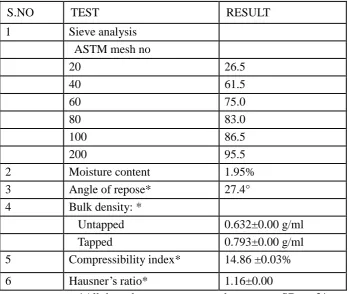
Evaluation of blend characteristics of prepared granules from both the API‟S
(pre compression parameters)
a) Angle of repose
b) Determination of Bulk density
c) Determination of Tapped density
d) Sieve Analysis
e) Moisture content
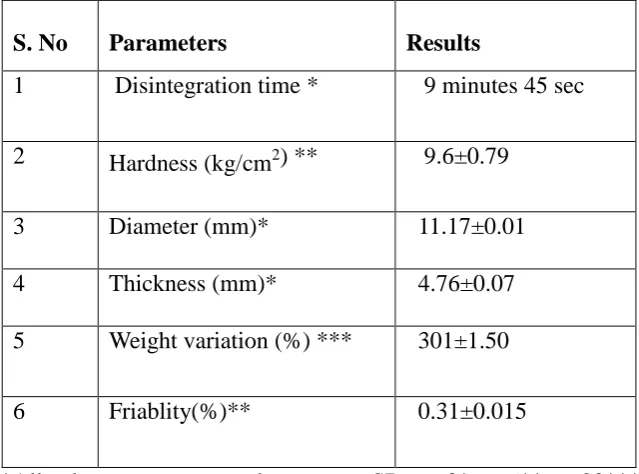
Evaluation of physical parameters of Naproxen sodium (post compression
parameters)
a) Disintegration
Study and Evaluate to Propose An Alternate API Plan of Work
Adhiparasakthi College of Pharmacy, Melmaruvathur Page 35
c) Thickness
d) Hardness
e) Weight variation
Evaluation of dissolution profiles for Naproxen sodium tablet obtained from
both the API‟S.
STABILITY STUDY
RESULTS AND DISCUSSION
CONCLUSION
Study and Evaluate to Propose An Alternate API Literature Review
Adhiparasakthi College of Pharmacy, Melmaruvathur Page 36
Pakhuri Mehta.,et al., (2012) had developed and undergone validation of
related substances method by HPLC for analysis of Naproxen tablet formulations. A
simple, selective, rapid, and precise and isocratic reversed phase high pressure liquid
chromatography was been used, mobile phase acetonitrile and Ammonium acetate
buffer Ph3.8 in ratio 550:450v/v. The detection and quantification limits were 0.13
and 0.25µg/ml respectively. Statistical analysis proved the method was precise,
reproducible selective, specific, and accurate for analysis of Naproxen and its
impurities. The wide linearity range, short retention time, and simple mobile phase
showed that the method is suitable for routine quantification of impurities in
Naproxen in pharmaceutical dosage forms with high precision and accuracy.
Deepali Avinash Meher. (2011) had formulated and developed the fast
disintegrating Naproxen tablets using simplex lattice design. The aim of present work
was done to show the effect of various super disintegrants on the disintegration time
and in vitro drug release rate. In this study, an attempt had been made to prepare fast
disintegrating tablets. The sodium starch glycolate,