Cognitive and Memory Processes in
Obsessive-Compulsive Checking
Louise Dewis
School of Psychology
University of Tasmania
May, 2004
I declare that this thesis is my own work and that, to the best of my
knowledge and belief does not contain material from unpublished
sources without proper acknowledgement, nor does it contain
material which has been accepted for the award of any other higher
degree or graduate diploma in any university.
4!.L
Acknowledgments
A large number of people assisted with the preparation of this thesis. First and foremost, thanks must go to my supervisors, Dr Frances Martin and Professor Ken Kirkby, for their guidance, and more importantly, patience! A big thank you also to John Wanless for his enthusiasm and assistance in filming and editing the
Literature Review
Models of Obsessive-Compulsive Checking: A
Review of the Literature
Louise Dewis
School of Psychology University of Tasmania
May, 2004.
Submitted in partial requirement for the degree of Master of Psychology
Table of Contents
Abstract 1
Introduction 2
Obsessive-Compulsive Checking: an Overview 3
Description and Diagnostic Features 3
Age of Onset, Course and Prevalence 5
Normal and Abnormal Obsessions 6
OCD Subtypes: Evidence for Distinctive Aetiologies 7
Theories of OCD: Historical Explanations 8
Neurobiological Factors 10
Genetic Factors 10
Neurotransmitter Abnormalities 11
Neurological Anomalies 12
Summary 13
Neuropsychological Research 14
Visuospatial Deficits 15
Attention and Response Inhibition 15
Deficits in Executive Functioning 16
Summary 17
Impaired Memory Processes 18
Impaired Memory for Actions 18
Reduced Confidence in Memory 20
The Role of Cognitive Appraisals in OCD
25
Exaggerated Threat Appraisal 26
Inflated Personal Responsibility 28
Intolerance for Uncertainty 31
Summary 33
Conclusions and Suggestions for Future Research
34
Abstract
A wide array of neurobiological, neuropsychological and cognitive models have been formulated in an attempt to explain the development and persistence of obsessive-compulsive checking. Memory processes, including impaired memory for actions and confidence in memory, and cognitive variables such as
Obsessive-Compulsive Disorder (OCD) is characterised by the presence of
obsessions or compulsions that are a significant source of distress, are
time-consuming, and cause significant impairment in daily functioning (American
Psychiatric Association (APA), 1994). Typically, OCD is further classified
according to the theme of the obsession or associated compulsion. Checking
rituals, cleaning rituals, counting, ordering and obsessional slowness are among
the most common forms of the disorder (Jenike, 1995).
Despite being one of the most common psychiatric conditions with a worldwide
prevalence of approximately 2% of the general population (Sasson, Zohar,
Chopra, Lustig, Iancu & Hendler, 1997), the aetiology of OCD has proven
difficult to determine. Moreover, although there is growing evidence suggesting
distinct aetiological pathways for the various OCD subtypes (Matsunaga, Kiriike,
Matsui, Iwasaki, Koshimune, Ohya et al., 2001), relatively few researchers have
investigated such differences until recently.
With regard to obsessive-compulsive checking, neurobiological,
neuropsychological, cognitive appraisal and memory impairment models currently
compete in the literature. However, although it is widely agreed that multiple
factors are likely to be aetiologically important in the development of compulsive
checking, agreement about the specific factors involved, relative contributions of
each and interactions between the factors has not been reached. A more complete
understanding of the underlying mechanisms of obsessive-compulsive checking,
and other forms of the disorder, should therefore be an important priority for
This review critically examines several of the potential cognitive mediators and
memory processes hypothesised to underlie the development of
obsessive-compulsive checking. Commencing with a description of the disorder and its
epidemiology and natural course, the review then presents an historical account of
OCD theories. A brief summary of the neurobiological and neuropsychological
research is provided, followed by a more extensive critique of the extensive
literature concerning memory phenomena implicated in obsessive-compulsive
checking. Research investigating deficits in memory for actions and memory
confidence is critically examined. The literature review then explores the
burgeoning cognitive literature. Aetiological models proposing a central role of
exaggerated threat appraisal, inflated personal responsibility and intolerance for
uncertainty are reviewed. Finally, a summary of the key findings is presented,
along with a discussion concerning the methodological impediments of the
existing research and suggestions for future investigations.
Obsessive-Compulsive Checking: an Overview
Description and Diagnostic Features
Obsessive-Compulsive Disorder (OCD) is characterised by obsessions and/or
compulsions that are time-consuming, cause clinically significant distress and
impairment in daily functioning (APA, 1994). Obsessions are recurrent or
persistent thoughts, impulses or images that are experienced at some time during
the course of the disturbance as intrusive and distressing and, with the exception
of children, are irrational and the product of the individual's own mind (APA,
Compulsions are repetitive behaviours or mental acts that the individual feels
driven to perform in response to an obsession or according to rules that must be
rigidly followed. Generally, compulsions are aimed at reducing distress
associated with having the obsession, or preventing some dreaded event or
situation from occurring. However, compulsions are usually not realistically
connected with the situation or are clearly excessive (APA, 1994). The
obsessions or compulsions must not be restricted to another Axis I disorder (e.g., a
preoccupation with food in the presence of an eating disorder) or be related to the
direct physiological effects of a general medical condition or a substance (APA, CC)
1994).
P.,
0
Clinical obsessions and compulsions are typically limited and stereotyped,
generally falling into four main categories: contamination fears, pathological
c.. doubt, intrusive sexual, blasphemous, or aggressive thoughts, and obsessional
slowness (Kolada, Bland & Newman, 1994; Sasson et al., 1997). Contamination
fears are one of the most common obsessions, reported by up to 55% of all OCD
patients (Kolada et al., 1994). Intrusive urges or thoughts of a sexual,
blasphemous, or aggressive nature are reported in approximately 25% of patients
(Kolada et al., 1994) and are often associated with covert mental strategies such as
counting, praying, or ordering (Sasson et al., 1997). Obsessional slowness,
characterised by a need to have things "just right" (Sasson et al., 1997), is less
commonly observed in clinical settings (Rachman & Shafran, 1998).
Pathological doubt or "checking" is commonly reported among individuals with
particular action has been performed (e.g., turning off the stove, locking the door),
or the repeated concern that one has harmed someone through an action (e.g., the
possibility of having hurt someone while driving) (Sasson et al., 1997). Checking
compulsions presumably develop because they serve to lower the likelihood of the
feared outcome (e.g., fire as a result of the stove being left on) (Rachman &
Shafran, 1998). Alternatively, "undoing" rituals, such as counting, praying, or
ordering, are sometimes also performed (Sasson et al., 1997).
Age of Onset, Course and Prevalence
The onset of OCD symptoms tends to be gradual rather than acute (Jenike, 1995),
generally occurring during the early to mid-20s (Bebbington, 1998), although
children as young as ten years of age have been reported to show compulsive
behaviours (Thomsen, 1993). In light of this, several researchers have proposed a
bimodal age of onset pattern, with peaks occurring between 10-14 years and 20-
22 years of age (e.g., Henin, Savage, Rauch, Deckersbach, Wilhelm, Baer et al.,
2001; Kolada et al., 1994). Individuals with checking compulsions or mixed
rituals tend to have an earlier age of onset than individuals with washing concerns
(Minichiello, Baer, Jenike & Holland, 1990). Additionally, men generally have
an earlier age of symptom onset compared with women (Jenike, 1995; Minichiello
et al., 1990).
OCD is typically a chronic disorder with a fluctuating course (Jenike, 1995), with
different symptoms predominating at particular points over the course of the
individual's life (Sasson et al., 1997). Most individuals present with a
comorbid disorders including depression, other anxiety disorders, eating
disorders, substance abuse, schizophrenia and personality disorders (APA, 1994;
Sasson et al., 1997). Although several effective treatments exist, complete
remission of symptoms is unfortunately rare (Jenike, 1995).
Research from large scale studies (e.g., Kolada et al., 1994; Samuels & Nestadt,
1997; Zohar, Apter, King, Pauls, Leckman & Cohen, 1999) and cross-national
epidemiological research (e.g., Horwath & Weissman, 2000; Weissman, Bland,
Canino, Greenwald, Hwu, Lee, et al., 1994) have consistently shown relatively
high prevalence rates of between 1.9% and 5% worldwide for OCD, that are
similar for males and females (Bebbington, 1998). Currently, the worldwide
prevalence of the disorder is generally accepted to be around 2% of the population
(Sasson et al., 1997), placing OCD as the fourth most common psychiatric
disorder (Rasmussen & Eisen, 1994) affecting an estimated 50 million people
world-wide (Sasson et al., 1997).
Normal and Abnormal Obsessions
Most individuals exhibit thoughts or behaviours that are remarkably similar to the
obsessions and compulsions characterising OCD (e.g., Muris, Merckelbach &
Clavan, 1997; Rachman & de Silva, 1978; Salkovskis & Harrison, 1984), and
differ only in frequency, intensity, and discomfort (Burns, Keortge, Formea &
Stemberger, 1996; Rassin, Muris, Schmidt & Merckelbach, 2000). Mataix-Cols,
Vallejo and Sanchez-Turet (2000) concluded that obsessive-compulsive
phenomena are dimensionally distributed in the general population. Additionally,
stable in nonclinical groups (e.g., Burns et al., 1996; Morris, Forbes, Bradley &
Goodman, 2000). Consequently, it has been possible to use subclinical samples in
research investigating the aetiology of OCD.
OCD Subtypes: Evidence for Distinctive Aetiologies
Recent investigations indicate that OCD may not be an homogenous disorder; the
various subtypes described may actually represent distinct disorders. As
previously discussed, the various OCD subtypes are generally characterised by
different ages of symptom onset (Minichiello et al., 1990). There is also evidence
for differences in the types of cognitions or beliefs associated with washing and
checking subtypes (e.g., Overton & Menzies, 2002).
Several researchers have further hypothesised that the various subtypes are
differentially mediated, at least in part, by different neuroanatomical circuits:
"...it is possible that distinct OCD patient subgroups manifest different
impairments within the circuit connecting the orbitofrontal cortex, the basal
ganglia, and thalamus" (Wilson, 1998, p. 168). Compelling experimental
evidence is emerging in support of this hypothesis. For example, Phillips, Marks,
Senior, Lythgoe, O'Dwyer, Meehan, et al. (2000) found evidence of a differential
neural response between OCD washers and checkers when presented with pictures
designed to elicit disgust.
Despite the emerging evidence in favour of distinct neuroanatomical structures,
developmental pathways and cognitive features among the OCD subtypes,
largely derived from studies using mixed symptom profiles. The extent to which
the findings of such studies are specific to obsessive-compulsive checking is
therefore unclear. However, due to the relative paucity of studies employing
"pure" checking samples, the inclusion of studies examining mixed profile groups
in the present literature review is unavoidable.
In the subsequent sections of this literature review, efforts have been made to
distinguish clearly between those studies investigating solely
obsessive-compulsive checking and those that have included heterogenous samples.
Similarly, clinical and nonclinical populations are explicitly defined wherever
possible in the following review of the literature.
Theories of OCD: Historical Explanations
There is some evidence that the first descriptions of obsessive-compulsive
symptoms were documented in Mesopotamia over 4000 years ago (Frazier &
Goldstein, 1987, as cited in Kolada et al., 1994). However, it was not until the
Middle Ages that the first theoretical accounts of OCD emerged. These models
were strongly influenced by the dominant religious beliefs of the time. For
example, the Malleus Maleficarum (Witch's Hammer), an Inquisition treatise on
psychopathology and witchcraft, contained a description of what would now be
considered a compulsion (Kraemer & Sprenger, 1486 as cited in Sasson et al.,
1997). As evident in this text, blasphemous or sexual thoughts were presumed to
be signs of being "possessed". Accordingly, the treatment of choice during this
Although surprisingly effective for some individuals, many more were not
"cured" of their affliction and not all survived the "treatment".
Fortunately, over time the religious explanation of OCD was abandoned in favour
of a medical aetiology. Jean Etienne Dominique Esquirol is credited with
providing the first account of OCD in the psychiatric literature in 1838 (Jenike,
1995). By the end of the 19th century, the medical view considered that the
symptoms of OCD were a manifestation of melancholia or depression (Jenike,
1995). This model predominated until well into the 20th century when theories of
OCD started to focus on the psychological aspects of the disorder.
Sigmund Freud's influential psychoanalytical view became the prevailing
aetiological theory of OCD in the early part of the 20th Century (Kolada et al.,
1994). According to Freud, the obsessive state was a manifestation of
psychological defenses against repressed memories of sexual guilt (Carr, 1974); a
view famously recorded in Freud's description of the `Rat Man' in 1909 (Freud,
1909 as cited in Esman, 2001).
Psychoanalytical models predominated until the 1950s when researchers began
applying learning theories to obsessive-compulsive symptoms. Wolpe (1958)
regarded obsessions and compulsions as conditioned avoidance responses arising
from traumatic experiences. Specifically, the behavioural model of OCD
proposed that obsessions were internal stimuli that had become the focus of
anxiety. Compulsions were viewed as conditioned avoidance responses that
resulting in a perpetuation of the compulsive behaviours (Salkovskis, Forrester &
Richards, 1998).
Despite the popularity of behavioural models and the effective treatment
techniques they have spawned (Marks, 1987), researchers have long recognised
that they do not sufficiently account for all OCD phenomenology (Jenike, 1995).
Consequently, several researchers have focussed on exploring a neurobiological
basis of OCD. Further, there has been a growing appreciation that the symptoms
of obsessive-compulsive checking may be at least partly attributable to memory
dysfunction. Finally, "obsessions are, by definition, a cognitive phenomena and
play a crucial role in triggering compulsions" (Ladoucer, Leger, Rheaume &
Dube, 1996, p. 767). Hence, there is also growing interest in the role of cognition
in the development and maintenance of OCD.
Neurobiological Factors
Using research exploiting advances in neuroimaging techniques and gene
technologies, substantial progress in delineating some of the potential genes and
neurological structures involved in the development of OCD has been made.
Genetic Factors
Reviews of the genetic literature and meta-analyses have indicated that OCD is far
more common in first-degree relatives than in the general population, with
heritability reported to be around 30-40% (Heteema, Neale & Kendle, 2001;
using twin studies, however findings of discordant monozygotic twins rule out a
completely penetrant hereditary transmission of OCD (Kolada et al., 1994).
Individual environmental factors are therefore very influential in the development
of the disorder (Heteema et al., 2001).
Pato, Pato and Pauls (2002) believe that progress in determining the genetic
mechanisms involved in the expression of OCD have been hindered by two
factors: the heterogeneity of clinical presentations and a lack of understanding at
the molecular level. A lack of well-controlled twin studies represents another
limitation of the existing research (Heteema et al., 2001; Thomsen, 1997). Studies
addressing these issues would assist in identifying the specific locus of the genes
involved and, in doing so, provide an opportunity to determine the environmental
factors critical in the development of the full-blown condition.
Neurotransmitter Abnormalities
Based on findings of symptom improvement in response to serotonergic
antidepressants (SSRIs), several researchers have hypothesised that individuals
with OCD have low levels of the neurotransmitter, serotonin (Baumgarten &
Grozdanovic, 1998). There are several lines of converging evidence for this
hypothesis. Firstly, abnormal levels of a cerebrospinal fluid (CSF) serotonin
metabolite, CSF-5-HIAA, have been reported in untreated individuals with OCD
(Jenike, 1995; Micallef & Blin, 2001). Secondly, studies in both laboratory
animals and humans in controlled clinical trials have shown that these levels
return to normal after treatment with serotonergic antidepressants but not with
evidence for a serotonin specific effect (Blier & Abbott, 2001; Micallef & Blin, 2001).
The serotonergic hypothesis however, does not account for the finding that serotonin depletion does not exacerbate OCD symptoms (Delgado & Moreno, 1998). Further, not all patients with OCD respond to SSRI medications and elevated levels of CSF serotonergic metabolites do not correlate with OCD symptom ratings (Baumgarten & Grozdanovic, 1998). Finally, low baseline levels of CSF-S-HIAA have not been found to be reliably different in OCD (Baumgarten & Grozdanovic, 1998) and genetic research to determine the
transmission of variants of genes coding for serotonergic structures has produced conflicting results (e.g., Di Bella, Cristina & Bell, 2002).
Therefore, while serotonin may be involved in OCD, there is little evidence for a causative role. Jenike (1995) also suggests that several studies indicate the involvement of other neurotransmitter systems.
Neurological Anomalies
activation during symptom provocation (e.g., Blair-Simpson, Tenke, Towey, Liebowitz & Bruder, 2000). Further, volumetric computed tomographic research has demonstrated bilaterally decreased caudate volumes in OCD patients
compared with nonclinical controls (Jenike, 1995).
Veale, Sahalcian, Owen and Marks (1996) concluded that the findings appear to implicate dysfunction in the neural networks connecting the basal ganglia and frontal lobes. However, other researchers have suggested a more global disruption to normal brain development or in the myelination process due to findings of significantly reduced total white matter associated with increased total cortex and opercular volumes (Jenike, Breiter, Baer, Kennedy, Savage, Olivares, et al., 1996).
Summary
Savage, Deckersbach, Wilhelm, Rauch, Baer, Reid et al. (2000) point out that the underlying neuropathology of OCD is likely to be attributable to subtle
morphological abnormalities and disrupted function in widely distributed neural systems rather than a gross lesion. Therefore, specific conclusions regarding the underlying neuropathology of the disorder might be better made on the basis of functional imaging studies employing cognitive activation paradigms. Finally, as it has not been conclusively established that the abnormalities identified are an underlying cause in contrast to a consequence of OCD, such research should be interpreted with caution.
Neuropsychological Research
Neuropsychological research has allowed the gaps between the neurological structures and processes identified in OCD and their psychological functions to be bridged to some extent. Deficits in several areas have been reported on the basis of neuropsychological assessments, including exaggerated startle reflex, saccadic eye movement programming and motor difficulties (Greisberg & McKay, 2003; Wilson, 1998). However, the most consistent findings have been obtained in the areas of visuospatial performance, attentional impairments, executive functioning and memory (Wilson, 1998). As memory abnormalities, including visual memory deficits have been among the most extensively studied in the neuropsychological research (Savage et al., 2000), the literature on memory functions will be
Visuospatial Deficits
One of the most consistent findings of neuropsychological testing in heterogenous
OCD samples is lowered scores on a range of visuospatial tasks. In a review of
neuropsychological research into OCD, Schultz, Evans and Wolff (1999) found
that studies generally show a consistent pattern of deficits in response inhibition,
visual memory and visuoperceptual functioning. Poor performance on
visuospatial tasks is believed to implicate frontostriatal dysfunction (Tallis, 1997)
lending support to the findings of neurobiological research. Veale et al. (1996)
further proposed that basal ganglia dysfunction is also indicated, as lesions within
these structures are associated with visuospatial defects. However, Cox (1997)
reported that the literature shows inconsistent difficulties with visual perceptual
discrimination, visual and working memory, and visuomotor tasks in OCD.
Therefore, further research to address the inconsistencies in the literature on
visuospatial deficits is required.
Attention and Response Inhibition
In general, inconsistent findings with regard to performance on attention tasks
have been obtained, perhaps reflecting the diverse methodologies employed
across studies. Conversely, relatively consistent results revealing differences in
allocation of attention, regardless of whether measured by evoked potentials, eye
movements or reaction time methods, have been found (Cox, 1997).
For example, Martin, Wiggs, Altemus, Rubenstein and Murphy (1995) found no
evidence of deficits in working memory (an index of attentional functioning) in
pointing task relative to controls, implicating attention allocation deficits.
Similarly, although Papageorgiou, Rabavilas, Liappas and Stefanis (2003) found significantly reduced P300 amplitudes at right prefrontal areas and a longer P300 latency at central prefrontal sites in participants with OCD, indicating
abnormalities in working memory and attentional processing, there was no deficit with regard to overt working memory performance. Finally, Gehring et al. (2000) reported electrophyisological data suggesting dysfunction in action monitoring (a measure of attention allocation) but no differences in accuracy or error measures on a Stroop task.
Deficits in Executive Functioning
Due to the inconsistent findings with regard to attentional processes, Greisberg and McKay (2003) proposed that a more general deficit in executive functions, particularly organisational strategies, might underlie OCD. In line with this hypothesis, Veale et al. (1996) reported that 40 participants with OCD were as accurate as controls on various neuropsychological tests, but slower in generating alternative solutions when a mistake occurred, and had difficulties in shifting between sets. Similarly, a study by Savage et al. (2000) assessing strategic processing and memory performance in OCD reported that deficits on free recall of verbal and nonverbal information were attributable to executive function impairments.
Further, both researchers concluded that a primary deficit in strategic processing
is consistent with neurobiological models hypothesising frontostriatal dysfunction.
Summary
Wilson (1998) reported that although deficits in set-shifting, hyperattention and
visuospatial construction have been found, these findings have not been replicated
consistently. Also, despite the strong neurological evidence implicating the
prefrontal cortex and basal ganglia in OCD, Cox (1997) found that traditional
neuropsychological measures of these neural substrates were reduced only in
participants with comorbid depression, obsessional slowness, many neurological
soft signs, Tourette's syndrome and/or lower intellectual ability.
Methodological problems associated with small sample sizes, the use of
heterogenous OCD samples and failure to control for medication status or
comorbid disorders, in addition to the diverse experimental paradigms and stimuli
used, are likely to have contributed to the confusing pattern of results. Therefore,
replication of existing experimental procedures employing more stringent
exclusion criteria may clarify the nature and extent of the neuropsychological
impairments implicated in obsessive-compulsive checking. Additionally, several
researchers have suggested that combining neuropsychological assessment with
neuroimaging methods promises to delineate the pathobiology of OCD, and its
Impaired Memory Processes
Individuals who check excessively frequently report doubting their ability to
recall accurately whether they have carried out a task adequately, if at all
(Rachman & Shafran, 1998), even in the presence of decisive and normally
doubt-reducing information (Tallis, 1997). Accordingly, several researchers have
proposed that impairments in memory processes may be important in
obsessive-compulsive checking.
Although a substantial body of research has examined verbal and implicit memory
processes in OCD, inconsistent results have been found (Greisberg & McKay,
2003). In contrast, the neuropsychological literature has produced more robust
findings with regard to visual memory deficits, namely impairments on a range of
visual free recall and recognition tasks (e.g., Dirson, Bouvard, Cottraux & Martin,
1995; Tallis, Pratt & Jamani, 1999). Nevertheless, there are also several
conflicting results in the literature (for reviews see Tallis, 1997; Woods, Vevea,
Chambless & Bayen, 2002) as discussed previously. Consequently, several
researchers have hypothesised that the observed memory deficits may be a
manifestation of other higher order memory processes including memory for
actions and reduced memory confidence. This research is critically examined in
the following sections.
Impaired Memory for Actions
Sher, Frost and Otto (1983) proposed that compulsive checking might arise, in
hypothesis compliments clinical observations showing that checkers commonly
express doubts about their memory of previous actions (Woods et al., 2002).
In a study designed to test whether memory disturbances were associated with
compulsive checking, Sher et al. (1983) reported that high-checking students had
poorer memory for actions compared with noncheckers and underestimated their
performance on a reality-monitoring task. These impairments were not observed
in nonclinical cleaners, indicating they were specific to checking behaviour. In a
subsequent study, Sher, Mann and Frost (1984) found that more frequent checking
behaviour in a student sample was related to poorer overall memory performance
and there was a tendency for checkers to have poorer memory for actions. State
anxiety or depression did not account for the lower memory performance. It
should be noted however, that despite the finding of a lower memory performance
in checkers, all experimental groups fell within the normal range. Thus, the
conclusion of impaired memory performance in checkers in this study is tenuous.
In a final study Sher, Frost, Kushner, Crews & Alexander (1989), using a
psychiatric outpatient sample, found that checkers again had an overall memory
deficit in addition to impaired recall, but not recognition, for actions. Further the
frequency of checking behaviour was negatively related to memory functioning,
greater levels of general psychopathology and neuroticism.
Rubenstein, Peynircioglu, Chambless and Pigott (1993) obtained similar findings
in a series of experiments involving the performance of actions in different
subclinical checking students compared with 20 healthy students. Overall, the results showed that high checking students remembered fewer actions and
confused whether they had performed, observed or written a given action, making more errors of commission than the normal sample. The deficit appeared to be specific to the performance of the high checking students' own actions, with no impairments found on recall of cartoons or words.
Expanding on this research, Ecker and Engelkamp (1995) proposed that memory for actions impairments in OCD might be more specifically related to weaker motor or kinesthetic components than visual or verbal memory deficits. A study comparing memory for actions across four modalities, encoding, motor-imaginal encoding, visual-motor-imaginal encoding and sub-vocal encoding in 24 OCD checkers, 24 high checking controls and 48 low checking controls supported this hypothesis. Obsessive-compulsive checkers showed poorer free recall of self-performed actions that was not related to depression, state-anxiety, or measures of doubting, conscientiousness or washing, greater confusion regarding whether an item had been motorically or motoric-imaginally encoded and lower motor imagery ratings relative to the other groups. Performance on all other memory tests was essentially normal. Ecker and Engelkamp (1995) suggested that this pattern of results indicated a specific motor memory deficit relating to the performance of an individual's own actions in obsessive-compulsive checking.
Reduced Confidence in Memory
clinical observations have indicated that individuals with checking concerns are
prone to pathological doubt even in situations where memory ability is irrelevant
(Tallis, 1997). Concurrently, a growing body of research has found evidence that
reduced memory confidence, rather than memory deficits per se, characterises
obsessive-compulsive checking.
McNally and Kohlbeck (1993) found evidence for this proposal in a study
comparing reality monitoring, recognition and confidence in recognition, and
imagery ability between 12 OCD checkers, 12 OCD noncheckers and 12 normal
controls. The experiment required the participants to trace, imagine tracing or
look at 60 items comprised of words or simple line drawings. No significant
differences were found between the groups with regard to reality monitoring,
recognition of items, errors of commission or perceived imagery ratings. Both
OCD groups however, expressed significantly less confidence in their memories
for the activities performed compared with the controls.
In a more recent study, Merckelbach and Wessel (2000) found further evidence
for reduced confidence in memory in obsessive-compulsive checking. Nineteen
OCD patients and 16 matched nonpatient controls were required to either imagine
performing or actually perform an action they had read from a printed card.
Regardless of their symptom profile, participants with OCD had slightly superior
reality-monitoring ability but were far less confident about their correct
identifications of actions compared with the control group (Merckelbach &
Similarly, Zitterl, Urban, Linzmayer, Aigner, Demal, Semler, et al. (2001) found
poorer nonverbal intermediate memory, reduced memory for visual sequences and
significantly lower confidence in memory, despite similar memory vividness,
desire for vividness and satisfaction of recall in 27 non-depressed OCD
(predominantly checking) patients compared with 27 normal controls.
Reduced memory confidence has also been demonstrated using verbal stimuli.
MacDonald, Antony, MacLeod and Richter (1997) assessed memory functioning
in a group of 10 OCD checkers, 10 OCD noncheckers and 10 clinical controls
using a word-list paradigm. In line with the findings of Zitterl et al. (2001) and
Merckelbach and Wessel (2000), the OCD group generally underestimated their
memory abilities despite the absence of any memory impairments.
Dar, Rish, Hermesh, Taub and Fux (2000) demonstrated that reduced confidence
in OCD might not be restricted to memory judgements in a study comparing 20
OCD checkers, 29 Panic Disorder noncheckers and 23 matched healthy controls
on a 100-item, two-alternative, general knowledge questionnaire.
Obsessive-compulsive checkers reported significantly lower confidence in their answers than
the control group, in spite of normal memory performance, and confidence was
inversely related to the severity of their obsessions.
In an attempt to integrate the findings of increased desire for memory vividness
and reduced memory confidence, van den Hout and Kindt (2003) proposed that
repeated checking might decrease memory vividness, and consequently, reduce
computer animated checking sequence with either gas rings or light bulbs were
presented to healthy participants in a series of three experiments. Ratings of
checking accuracy and memory vividness, detail, confidence and confidence in
the outcome of checking were obtained. As predicted, manipulating healthy
participants to engage in OCD-like checking behaviour was found to reduce
memory vividness and detail but did not change memory accuracy (van den Hout
& Kindt, 2003).
Tolin, Abramowitz, Brigidi, Amir, Street and Foa (2001) also demonstrated a
decrease in memory confidence associated with repeated exposure. Fourteen
OCD participants were compared with 14 anxious controls and 14 non-anxious controls over six trials involving exposure to 78 items deemed safe, unsafe or
neutral by the OCD group. The participants were required to recall as many
objects as possible and rate their confidence in each memory for each trial. The
results replicated the findings of van den Hout and Kindt (2003) showing no
deficit in memory accuracy but a progressive decline in memory confidence over
the trials in the OCD group.
Not all studies are in agreement with the reduced memory confidence hypothesis
however. Constans, Foa, Franklin and Mathews (1995) found no difference in
memory confidence ratings between 12 OCD checkers and seven controls in a
task that assessed memory for actions by asking participants to either imagine or
perform a sequence of actions with 20 anxiety provoking or neutral objects.
Further, the checking group had superior recall of their last actions that appeared
higher levels of desired memory vividness compared to the control group.
Constans et al. (1995) concluded that this factor, in combination with cognitive
variables, such as anticipated disaster and an exaggerated sense of responsibility
precipitates repeated checking.
Summary
A number of different memory phenomena have been studied in recent years in
OCD, including various visual memory deficits, memory for actions and memory
confidence. Tallis (1997) in a review of the literature concluded that there was a
growing body of evidence in support of memory impairments in
obsessive-compulsive checking. In general, a convergence of research suggests that
obsessive-compulsive checking may be mediated, at least in part, by deficits in
immediate and delayed visual recall and recognition, impaired visual and motoric
memory for actions, increased desire for memory vividness and reduced
confidence in memory. It should be noted however, that these conclusions are
made on the basis of the results from studies generally employing mixed OCD
symptom groups.
Nevertheless, support for these phenomena in relation to obsessive-compulsive
checking has been found. Woods et al. (2002), in a meta-analysis of 22 studies
incorporating 794 participants (341 with primary checking concerns), found that
checkers had poorer performance than non-checkers on explicit memory tasks
presumed to assess short-term memory. Impairments in episodic long-term
The largest effect sizes were obtained for recall of actions (0.71) and confidence
in recognition (0.92).
However, the small to medium effect sizes found overall prompted Woods et al.
(2002) to suggest that although a memory impairment might be moderately
related to checking, it does not completely account for it. That is, the memory
impairment in OCD may be secondary to higher meta-cognitive functions. Tallis
et al. (1999), whilst also advising caution in attributing causality, state that the
failure to establish significant correlations may instead be due to other
methodological limitations. These limitations will be examined following a
review of the cognitive research.
The Role of Cognitive Appraisals in OCD
Although memory impairments are likely to play a role in obsessive-compulsive
checking, only modest correlations between memory deficits and OCD symptoms
have been found (e.g., Woods et al., 2002). Further, these impairments do not
sufficiently account for the restricted range of obsessions and compulsions
observed in OCD (Tallis, 1997). Consequently, several researchers have
suggested that cognitive processes are also likely to be involved in the emergence
and maintenance of checking behaviour.
A convergence of findings suggests that cognitions regarding inflated personal
responsibility, over-estimation of threat, intolerance to uncertainty, excessive
important in the maintenance of OCD (Obsessive-Compulsive Cognitions Working Group, (OCCWG) 1997; Rachman & Shafran, 1998; Steketee, Frost & Cohen, 1998). However, relatively little research has been conducted with regard to the role of thought control in obsessive-compulsive checking and the literature on thought-action fusion suggests that this variable may be more important in cases of obsessional impulses (Rassin et al., 2000; Shafran, Thordarson & Rachman, 1996). Accordingly, this review provides a critique of the research investigating over-estimation of threat, inflated personal responsibility and intolerance to uncertainty.
Exaggerated Threat Appraisal
Based on Lazarus' (1966 as cited in Carr, 1974) concept of 'threat appraisal' Can (1974) proposed that the development of highly circumscribed compulsions in OCD is the result of an interaction between high subjective probability estimates and situation-specific cost estimates of the perceived outcome. That is,
individuals with OCD are believed to exaggerate both the likelihood of an aversive outcome (e.g., fire) and the cost of the possible outcome (e.g., loss of home) relative to other individuals.
occurrence of disastrous outcomes) produces increased anxiety. A secondary underestimation of available coping resources then occurs. Feelings of loss of control, uncertainty and further anxiety result, and lead to the obsessions and compulsions that distinguish the disorder (McFall & Wollersheim, 1979).
Indirect support for overestimation of threat models has been derived from studies showing that compared with controls, individuals with OCD have a history of parental overprotection (Frost, Steketee, Cohn & Griess, 1994), engage in less risk-taking behaviour (e.g., Steiner, 1972) and readily identify themes of danger in everyday situations (Menzies, Harris, Cumming & Einstein, 2000). Despite the strong theoretical support for the model, few empirical studies have examined the role of exaggerated threat estimations in OCD (Steketee et al., 1998), and fewer still have investigated these beliefs in obsessive-compulsive checking.
Despite these positive findings, models emphasising a crucial role of exaggerated threat appraisal in OCD have been criticised on the basis that they may not adequately distinguish the disorder from other anxiety conditions (e.g., Rheaume, Ladouceur, Freeston & Letarte, 1995). As a consequence, several researchers have proposed that beliefs relating to perceived responsibility may have a more pivotal role in obsessive-compulsive checking.
Inflated Personal Responsibility
Rachman (1976) observed that most checking rituals occur predominantly in the individual's home, are carried out when the person is alone and intensify when the person is depressed or feels responsible for the act concerned. On the basis of these observations, Rachman (1976) suggested that the intensity of obsessive-compulsive behaviours might be reduced if responsibility for aversive outcomes was lessened.
Numerous researchers have provided support for the mediating role of
responsibility in obsessive-compulsive checking. For example, Rachman (1993) reported that compulsive checkers do not display obsessive-compulsive symptoms when first admitted to hospital, presumably due to not feeling responsible for the foreign environment. Additionally, pilot cognitive treatments targeting the correction of inflated responsibility beliefs have been successful in producing significant symptom relief in OCD checking (e.g., Ladouceur et al., 1996).
Experimental research has also supported a role for inflated personal
responsibility in obsessive-compulsive checking. Lopakta and Rachman (1995) compared ratings of perceived responsibility, discomfort, urge to check,
probability and severity of anticipated harm, estimated length of time to complete checking, perceived panic, and likelihood, timing and severity of perceived criticism in 30 OCD checkers across four individually tailored behavioural avoidance tests: high responsibility, low responsibility, control check and control clean. Relative to the control groups, the high and low groups reported
significantly higher and lower ratings of responsibility respectively, indicating the manipulation was successful. Additionally, the low responsibility group reported significantly lower discomfort, urge to check, length of time needed to check and probability of harm than the control group.
Foa, Sacks, Tolin, Prezworski and Amir (2002) compared ratings of urge to
rectify situations, anticipated relief and perceived responsibility from the
Obsessive Compulsive Responsibility Scale (OCRS) (Foa, Amir, Bogert, Molnar
& Przeworski, 2001) among 22 OCD checkers, 24 OCD noncheckers and 25
non-anxious controls. The OCD checkers reported significantly greater urges to
rectify situations, relief upon rectifying situations and perceived responsibility for
low and moderate risk scenarios compared to the control group. Additionally,
OCD checkers, but not noncheckers, rated their urge to rectify and relief
significantly higher than controls for the low and moderate risk items, and
responsibility significantly higher for the moderate risk category. Foa et al.
(2002) believed these results supported Rachman's (1993) proposal that
responsibility concerns are more strongly associated with checking compared with
other compulsions.
Not all research supports the inflated personal responsibility hypothesis of OCD
however. Emmelkamp and Aardema (1999) reported that inflated responsibility
did not account for the variance in obsessive-compulsive behaviour in many of the
Padua Inventory-Revised (van Oppen, Hoekstra & Emmelkamp, 1995) subscales.
Additionally, Wells (1997) suggested that responsibility appraisal is an emergent
property of meta-cognitive processing and a marker for dysfunctional beliefs
about the danger and influences of thought that are more central to OCD.
A similar conclusion was reached by Menzies et al. (2000) in a study that
manipulated responsibility on a questionnaire requiring participants to rate the
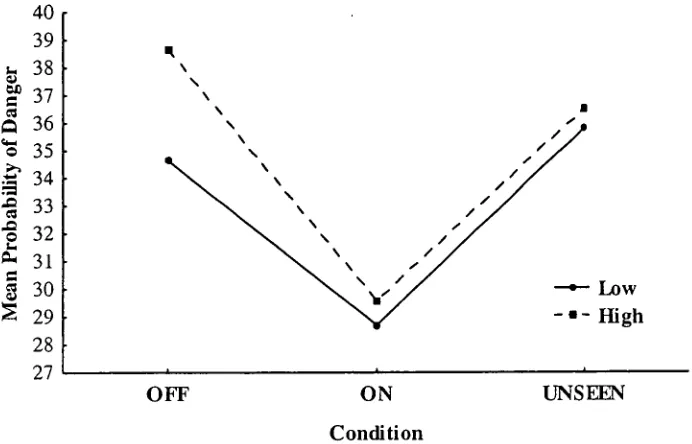
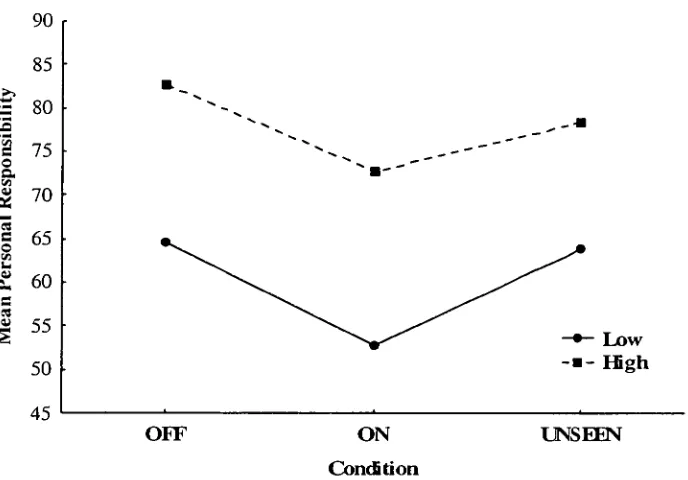
on 100-point visual analogue scales. Increasing perceptions of personal responsibility in healthy participants led to an increase in subjective cost and severity of danger ratings. Menzies et al. (2000) concluded that, while
responsibility concerns do play a role in OCD, they operate through an indirect effect on danger estimates.
Intolerance for Uncertainty
In contrast to models proposing exaggerated threat appraisal or inflated personal responsibility, several researchers have observed that intolerance for uncertainty and indecision are the defining cognitive features of OCD (Steketee et al., 1998). Beech and Liddell (1974; as cited in Steketee et al., 1998) proposed that ritualistic behaviours, such as checking, are maintained to address the need for certainty before terminating an activity, in addition to reducing immediate discomfort.
Initial support for the intolerance for uncertainty hypothesis came from studies indicating that individuals with OCD are more cautious, take longer to categorise objects, and more frequently request information to be repeated than nonclinical groups (e.g., Frost, Lahart, Dugas & Sher, 1988). Empirical studies have
subsequently provided further support for the intolerance to uncertainty hypothesis.
threat, discomfort/anxiety and coping. The OCD group had significantly higher scores on all belief domains compared with the other groups. The anxiety disorder group also reported significantly higher ratings than controls for intolerance for uncertainty, intolerance for anxiety and beliefs about coping suggesting that these features are not specific to OCD, but characterize anxiety disorders in general. However, regression analyses on the collapsed data of both clinical groups found that when anxiety belief items were held constant, only intolerance for uncertainty explained the variance among OCD symptom scores.
In contrast, Mancini, D'Olimpio, Del Genio, Didonna and Prunetti (2002)
reported that intolerance for uncertainty could not be considered a strong predictor of obsessive-compulsive symptoms. Intolerance for uncertainty (defined as "need for cognitive closure") was investigated in a principal components analysis of Depression, Anxiety, OCD symptoms and Need for Cognitive Closure subscales in a sample of 144 community volunteers. Although a three-factor solution emerged, interpreted as representing "general distress", "need for closure", and "obsessions and compulsions", a series of hierarchical multiple regression analyses showed that the need for cognitive closure was not a strong predictor of obsessions or compulsions as measured by the Padua Inventory — Revised (van Oppen et al., 1995). Mancini et al. (2002) concluded that intolerance for
Summary
A large number of cognitive variables have been suggested as being important in the development and maintenance of OCD. Exaggerated threat appraisal, inflated personal responsibility and intolerance for uncertainty appear to be among the more robust findings obtained to date. However, considerable disagreement exists in the literature as to the relative importance of these cognitive factors in the maintenance of obsessive-compulsive symptoms (Purdon & Clark, 1994).
Further, the theoretical and experimental literature, whilst consistently identifying these cognitive variables, has not been able to integrate them into a meaningful model of checking behaviour. This may be largely due to the absence of well-controlled empirical studies.
Conclusions and Suggestions for Future Research
Substantial progress regarding the likely causes of obsessive-compulsive checking
has been made over the last few decades. In particular, there is growing evidence
suggesting that cognitive and memory factors play a critical role in the aetiology
of OCD.
With regard to memory processes, although visual deficits have been reported
reasonably consistently, recent findings suggest impairments in memory for
actions or reality monitoring and reduced confidence in memory may be more
important in obsessive-compulsive checking. Such findings are in line with
neurobiological accounts of OCD, proposing a role of dysfunctional frontostriatal
and basal ganglia networks (Tallis, 1997).
However, memory deficit theories predict impairment across a broad range of
memory functions, whereas the checking behaviours evident in OCD are highly
circumscribed (Summerfeldt & Endler, 1998). Further, few studies have found
correlations between the observed memory impairments and OCD symptom
severity. A causal relationship cannot therefore be implied. Additionally, whilst
checkers have been shown to be impaired relative to non-checking controls on
standardised memory batteries, the memory impairments have rarely fallen
outside the 'normal' range (e.g. Sher et al., 1984).
Metacognitive factors are therefore also likely to be important in
obsessive-compulsive checking (Tallis, 1997). In particular, there is increasing support for a
intolerance for uncertainty in the literature. However, the exact mechanisms by which these cognitive variables exert their effects on memory processes, and ultimately checking behaviour, are far from clear.
Therefore, despite the insights research into cognitive and memory processes has afforded in recent years, a successful integration of the findings has not yet been accomplished (Wilson, 1998). An inability to consistently replicate findings across studies has been cited as the major impediment to a more complete understanding of OCD. Methodological flaws associated with the various investigations into obsessive-compulsive checking are partially to blame.
The OCCWG (1997) concluded that heterogeneity in the content of obsessional concerns (i.e., mixed symptom profiles) has been the chief impediment in research into the cognitive biases of OCD. Similar concerns have plagued the
neurobiological and neuropsychological 'research. As previously discussed, there is an emerging literature suggesting that the different subtypes of OCD may have at least partially distinct aetiologies (e.g., Minichiello et al., 1990; Overton & Menzies, 2002; Phillips et al., 2000; Wilson, 1998). Investigations carefully examining differences between the OCD subtypes would therefore be beneficial in elucidating the common and subtype-specific developmental factors, neural circuits and cognitive and memory dysfunctions involved in OCD.
Harrison, 1984). In addition to small sample sizes, many studies failed to screen
for, or assess the impact of, anxiety, depression and other comorbid disorders, and
medication or treatment status among their samples of OCD checkers. Further,
very few studies included psychiatric controls, making interpretations regarding
the specificity of findings to obsessive-compulsive checking tenuous.
It is conceivable that the memory deficits and cognitive variables observed in
obsessive-compulsive checking are merely a function of anxiety or depression and
may therefore be common to a number of disorders. The inclusion of individuals
with anxiety disorders other than OCD who have similarly high levels of anxiety
and depression, is a potential solution to this problem (Dar et al., 2000).
Alternatively, statistical methods may assist in determining whether memory
impairments and cognitive biases remain once the influence of anxiety and
depression are eliminated.
The use of both clinical and nonclinical checking samples has been frequently
cited in the literature as limiting progress in understanding the development of
checking behaviours. Several researchers have questioned the generalisability of
results obtained from arbitrarily assigned subclinical analogues with varying
levels of symptom severity to the psychopathology underlying OCD (e.g.,
Simonds & Elliot, 2001; Tallis et al., 1999). The stability of symptoms in
subclinical samples has also been questioned. However, similar clinical and
personality profiles have been found among participants with a wide range of
scores above the mean on OCD symptom inventories (e.g., Mataix-Cols et al.,
Burns et al., 1995; Morris et al., 2000). Nevertheless, it would be prudent for future investigations using subclinical and clinical samples to consistently employ the same stringent selection criteria, with discrete and narrowly defined symptom levels that assess for the presence of OCD and examine the duration of symptoms.
Finally, providing standardised, ecologically valid stimuli has proven to be a barrier to developing a more complete understanding of obsessive-compulsive checking. Research investigating memory processes in OCD has generally relied on extrapolating the results obtained from highly structured memory batteries, simple laboratory performance tasks, or recall of verbal stimuli that are not directly related to checking (Woods et al., 2002). Similar criticisms can be applied to the stimuli used in the cognitive biases research. As previously discussed, checking behaviours are most likely to be elicited when an individual feels personally responsible (or perhaps some other cognitive variable) and presumes that a poor outcome may result from an incompetent performance (Sher et al., 1984; McNally & Kohlbeck, 1993).
It is therefore highly possible that the emotionally neutral and non-specific
checking behaviour in the laboratory is therefore a worthwhile goal for future research.
In conclusion, despite the methodological flaws of many of the studies in this field, there appears to be a convergence of findings suggesting both cognitive and memory dysfunction may be important in obsessive-compulsive checking. More specifically, poorer memory for self-performed actions and reduced confidence in memory, in addition to dysfunctional appraisals concerning personal
responsibility and threat estimation are likely to be involved. However, further replication of the results is clearly needed. Additionally, research examining both cognitive and memory factors in obsessive-compulsive checking with ecologically valid stimuli is required as such findings have important implications for the revision of current models of OCD.
References
American Psychiatric Association (1994). Diagnostic and Statistical Manual of
Mental Disorders (4th Ed.). Washington: American Psychiatric Association.
Baumgarten, G. 8c. Grozdanovic, Z. (1998). Role of serotonin in
obsessive-compulsive disorder. British Journal of Psychiatry, 173 (Suppl. 35), 13-20.
Bebbington, P.E. (1998). Epidemiology of obsessive-compulsive disorder.
British Journal of Psychiatry, 173 (suppl. 35), 2-6.
Beck, A.T., Epstein, N. & Harrison, R. (1983). Cognitions, attitudes and
personality dimensions in depression. British Journal of Cognitive
Psychotherapy, 1,1-16.
Beck, A.T., Laude, R. & Bohnert, M. (1974). Ideational components of anxiety
neurosis. Archives of General Psychiatry, 31, 319-325.
Blair-Simpson, H., Tenke, C.E., Towey, J.B., Liebowitz, M.R. & Bruder, G.E.
(2000). Symptom provocation alters behavioural ratings and brain electrical
activity in obsessive-compulsive disorder: a preliminary study. Psychiatry
Research, 95, 149-155.
Blier, P. & Abbott, F.V. (2001). Putative mechanisms of action of antidepressant
drugs in affective and anxiety disorders and pain. Journal of Psychiatry &
Neuroscience, 26, 37-43.
Burns, G.L., Keortge, S.G., Formea, G.M. & Sternberger, L.G. (1996). Revision
of the Padua Inventory of obsessive-compulsive disorder symptoms:
Distinctions between worry, obsessions, and compulsions. Behaviour
Carr, A.T. (1974). Compulsive neurosis: a review of the literature. Psychological
Bulletin 81, 311-318.
Constans, Foa, E.B., Franklin, M.E. & Mathews, A. (1995). Memory for
actual and imagined events in OC checkers. Behaviour Research and
Therapy 33, 665-671.
Cox, C. (1997). Neuropsychological abnormalities in obsessive-compulsive
disorder and their assessments. International Review of Psychiatry, 9, 45-
60.
Dar, R., Rish, S., Hermesh, H., Taub, M. & Fux, M. (2000). Realism of
confidence in Obsessive-Compulsive checkers. Journal of Abnormal
Psychology 109, 673-678.
Delgado, P.L. & Moreno, F.A. (1998). Different roles for serotonin in
anti-obsessional drug action and the pathophysiology of obsessive-compulsive
disorder. British Journal of Psychiatry, 173 (Suppl 35), 21-25.
Di Bella, D., Cristina, M. & Bell, L. (2002). No association between
obsessive-compulsive disorder and the 5-HT(1D(beta)) receptor gene. The American
Journal of Psychiatry, 159, 1783-1785.
Dirson, S., Bouvard, M., Cottraux, J. & Martin, R. (1995). Visual memory
impairment in patients with Obsessive-Compulsive Disorder: A controlled
study. Psychotherapy and Psychosomatics 63, 22-31.
Ecker, W. & Engelkamp, J. (1995). Memory for actions in
Obsessive-Compulsive Disorder. Behavioural and Cognitive Psychotherapy 23, 349-
Emmelkamp, P.M.G. & Aardema, A. (1999). Metacognition, specific
obsessive-compulsive beliefs and obsessive-obsessive-compulsive behaviour. Clinical
Psychology and Psychotherapy, 6, 139-145.
Esman, A.H. (2001). Obsessive-compulsive disorder: Current views.
Psychoanalytic Inquiry, 21, 145-156.
Foa, E.B., Amir, N., Bogert, K.V.A., Molnar, C. & Przeworslci, A. (2001).
Inflated perception of responsibility for harm in obsessive-compulsive
disorder. Journal of Anxiety Disorders, 15, 259-275.
Foa, E.B., Sacks, M.B., Tolin, D.F., Prezworslci, A. & Amir, N. (2002). Inflated
perception of responsibility for harm in OCD patients with and without
checking compulsions: A replication and extension. Journal of Anxiety
Disorders, 16, 443-453.
Frost, R.O., Lahart, C.M., Dugas, K.M. & Sher, K.J. (1988). Information
processing among nonclinical compulsives. Behaviour Research and
Therapy, 26, 275-277.
Frost, R.O., Steketee, G., Cohn, L. & Griess, K. (1994). Personality traits in
subclinical and non-clinical obsessive-compulsive volunteers and their
parents. Behaviour Research and Therapy, 32, 47-56.
Gehring, W.J., Himle, J. & Nisenson, L.G. (2000). Action-monitoring
dysfunction in Obsessive-Compulsive Disorder. Psychological Science, 11,
1-6.
Greisberg, S. & McKay D. (2003). Neuropsychology of obsessive-compulsive
disorder: A review and treatment implications. Clinical Psychology Review,
Henin, A., Savage, C.R., Rauch, S.L., Deckersbach, T., Wilhelm, S., Baer, L. et
al. (2001). Is age at symptom onset associated with severity of memory
impairment in adults with obsessive compulsive disorder? The American
Journal of Psychiatry, 158, 137-139.
Hettema, J.M., Neale, M.C. & Kendle, K.S. (2001). A review and meta-analysis
of the genetic epidemiology of anxiety disorders. The American Journal of
Psychiatry, 158, 1568-1578.
Hoehn-Saric, R. & Greenberg, B.D. (1997). Psychobiology of
obsessive-compulsive disorder: Anatomical and physiological considerations.
International Review of Psychiatry, 9, 15-30.
Horwath, E., & Weissman, M.M. (2000). The epidemiology and cross-national
presentation of Obsessive-Compulsive Disorder. The Psychiatric Clinics of
North America, 23, 493-507.
Jenike, M.A. (1995). Anxiety Disorders, Obsessive-Compulsive Disorder. In H.I.
Kaplan & B.J. Sadock (Eds.). Comprehensive Textbook of Psychiatry, Sixth
Edition (pp. 1218-1227). Baltimore, USA: William and Wilkins.
Jenike, M.A., Breiter, H.C., Baer, L., Kennedy, D.N., Savage, C.R., Olivares, M.J.
et al. (1996). Cerebral structural abnormalities in obsessive-compulsive
disorder. A quantitative morphometric magnetic resonance imaging study.
Archives of General Psychiatry, 53, 625-632.
Jones, M.K. & Menzies, R.G. (1997). Danger Ideation Reduction Therapy
(DIRT): Preliminary findings with three obsessive-compulsive washers.
Behaviour Research and Therapy, 35, 955-960.
Kolada, J.L., Bland, R.C. & Newman, S.C. (1994). Obsessive-compulsive
Ladouceur, R. Leger, E., Rheaume, J., & Dube, D. (1996). Correction of inflated
responsibility in the treatment of obsessive-compulsive disorder. Behaviour
Research and Therapy, 34, 767-774.
Lopakta, C. & Rachman, S. (1995). Perceived responsibility and compulsive
checking: an experimental analysis. Behaviour Research and Therapy, 33,
673-684.
MacDonald, P.A., Antony, M.M., MacLeod, C.M. & Richter, M.A. (1997).
Memory and confidence in memory judgements among individuals with
obsessive compulsive disorder and non-clinical controls. Behaviour
Research and Therapy, 35, 497-505.
Mancini, F., D'Olimpio, F., Del Genio, M., Didonna, F. & Prunetti, E. (2002).
Obsessions and compulsions and intolerance for uncertainty in a
non-clinical sample. Anxiety Disorders, 16, 401-411.
Marks, I.M. (1987). Fears, Phobias and Rituals. Oxford University Press: New
York.
Martin, A., Wiggs, C.L., Altemus, M., Rubenstein, C. & Murphy, D.L. (1995).
Working memory as assessed by subject-ordered tasks in patients with
Obsessive-Compulsive Disorder. Journal of Clinical and Experimental
Neuropsychology, 17, 786-792.
Mataix-Cols, D., Vallejo, J. & Sanchez-Turet, M. (2000). The cut-off point in
sub-clinical obsessive-compulsive research. Behavioural and Cognitive
Psychotherapy, 28, 225-233.
Matsunaga, H., Kiriike, N., Matsui, T., Iwasaki, Y., Koshimune, K., Ohya, K. &
checkers and pure washers categorised using a lifetime symptom rating
method. Psychiatry Research, 105, 221-229.
McFall, M.E. & Wollersheim, J.P. (1979). Obsessive-compulsive neurosis: a
cognitive-behavioural formulation and approach to treatment. Cognitive
Therapy and Research, 3, 333-348.
McNally, R.J. & Kohlbeck, P.A. (1993). Reality monitoring in obsessive-
compulsive disorder. Behaviour Research and Therapy, 31, 249-253.
Menzies, R.G., Harris, L.M., Cumming, S.R. & Einstein, D.A. (2000). The
relationship between inflated personal responsibility and exaggerated danger
expectancies in obsessive-compulsive concerns. Behaviour Research and
Therapy, 38, 1029-1037.
Merckelbach, H. & Wessel, I. (2000). Memory for actions and dissociation in
Obsessive-Compulsive Disorder. Journal of Nervous and Mental
Disorders, 188, 846-848.
Micallef, J. & Blin, 0. (2001). Neurobiology and clinical pharmacology of
obsessive-compulsive disorder. Clinical Neuropharmacology, 24, 191-207.
Minichiello, W.E., Baer, L., Jenike, M.A. & Holland, A. (1990). Age of onset of
major subtypes of Obsessive-Compulsive Disorder. Journal of Anxiety
Disorders, 4, 147-150.
Morris, M.R., Forbes, S., Bradley, M.M. & Goodman, W.K. (2000). Stability of
subclinical obsessive-compulsive disorder in college students. Depression
and Anxiety, 11, 180-182.
Muris, P., Merckelbach, H. & Clavan, M. (1997). Abnormal and normal
Obsessive-Compulsive Cognitions Working Group (OCCWG). (1997). Cognitive
assessment of obsessive-compulsive disorder. Behaviour Research and
Therapy, 35, 667-681.
Overton, S.M. & Menzies, R.G. (2002). A comparison of checking-related beliefs
in individuals with obsessive-compulsive disorder and normal controls.
Behaviour Change, 19, 67-74.
Papageorgiou, C., Rabavilas, A., Liappas, I. & Stefanis, C. (2003). Do
obsessive-compulsive patients and abstinent heroin addicts share a common
psychophysiological mechanism? Neuropsychobiology, 47,1-11.
Pato, M.T., Pato, C.N. & Pauls, D.L. (2002). Recent findings in the genetics of
OCD. Journal of Clinical Psychiatry, 63 (Suppl 6), 30-33.
Phillips, M.L., Marks, I.M., Senior, C., Lythgoe, D., O'Dwyer, A.-M., Meehan,
0. et al. (2000). A differential neural response in obsessive-compulsive
disorder patients with washing compared with checking symptoms to
disgust. Psychological Medicine, 30, 1037-1050.
Purdon, C. & Clark, D.A. (1994). Obsessive intrusive thoughts in nonclinical
subjects. Part II. Cognitive appraisal, emotional response and thought
control strategies. Behaviour Research and Therapy, 32, 403-410.
Rachman, S. (1976). Obsessive-compulsive checking. Behaviour Research and
Therapy, 14, 69-77.
Rachman, S. (1993). Obsessions, responsibility, and guilt. Behaviour Research
and Therapy, 31, 149-154.
Rachman, S. & de Silva, P. (1978). Abnormal and normal obsessions. Behaviour
Rachman, S. & Shafran, R. (1998). Cognitive and behavioural features of
Obsessive-Compulsive Disorder. In: R.P. Swinson, & M.M. Antony (Eds.).
Obsessive-Compulsive Disorder: Theory, Research, and Treatment (pp. 51-
78). New York, USA: Guilford Press.
Rasmussen, S.A. & Eisen, J.L. (1994). The epidemiology and differential
diagnosis of obsessive-compulsive disorder. Journal of Clinical Psychiatry,
55 (suppl. 10), 5-10.
Rassin, E., Muris, P., Schmidt, H. & Merckelbach, H. (2000). Relationships
between thought-action fusion, thought suppression and
obsessive-compulsive symptoms: a structural equation modeling approach. Behaviour
Research and Therapy, 38, 889-897.
Rheaume, J., Ladouceur, R., Freeston, M. & Letarte, H. (1995). Inflated
responsibility in OCD. Behaviour Research and Therapy, 33, 159-169.
Rubenstein, C.S., Peynircioglu, Z.F., Chambless, D.L. & Pigott, T.A. (1993).
Memory in sub-clinical obsessive-compulsive checkers. Behaviour
Research and Therapy, 31, 759-765.
Salkovslcis, P.M. (1985). Obsessional-compulsive problems: a cognitive-
behavioural analysis. Behaviour Research and Therapy, 23, 571-583.
Salkovkskis, P.M. (1989). Cognitive-behavioural factors and the persistence of
intrusive thoughts in obsessional problems. Behaviour Research and
Therapy, 27, 677-682.
Salkovskis, P.M. & Harrison, J. (1984). Abnormal and normal obsessions a