TARGETING GLUTAMINE SYNTHETASE 1 ”
A dissertation submitted to
THE TAMILNADU DR.M.G.R MEDICAL UNIVERSITY CHENNAI-600 032
In the partial fulfillment of the requirements For the award of the degree of
MASTER OF PHARMACY IN
PHARMACEUTICAL CHEMISTRY Submitted by 261415711
DEPARTMENT OF PHARMACEUTICAL CHEMISTRY COLLEGE OF PHARMACY
MADRAS MEDICAL COLLEGE CHENNAI-600 003
CERTIFICATE
This is to certify that the dissertation entitled “DESIGN, SYNTHESIS, CHARACTERIZATION AND BIOLOGICAL EVALUATION OF SOME NOVEL ANTI- TUBERCULAR AGENTS TARGETING GLUTAMINE SYNTHETASE 1” submitted by the candidate bearing the register No: 261415711 in partial fulfillment of the requirements for the award of degree in MASTER OF PHARMACY IN PHARMACEUTICAL CHEMISTRY by the academic year 2015-2016 at the Department of Pharmaceutical Chemistry, College of Pharmacy, Madras Medical College, Chennai- 600 003.
Dr. A .JERAD SURESH M. Principal,
Professor and Head,
Department of Pharmaceutical Chemistry, College of Pharmacy,
CERTIFICATE
This is to certify that the dissertation entitled “DESIGN, SYNTHESIS, CHARACTERIZATION AND BIOLOGICAL EVALUATION OF SOME NOVEL ANTI- TUBERCULAR AGENTS TARGETING GLUTAMINE SYNTHETASE 1” submitted by the candidate bearing the register No: 261415711 in partial fulfillment of the requirements for the award of degree in MASTER OF PHARMACY IN PHARMACEUTICAL CHEMISTRY by the academic year 2015-2016 under my guidance in the Department of Pharmaceutical Chemistry, College of Pharmacy, Madras Medical College,
Chennai- 600 003.
Dr. A .JERAD SURESH M. Principal,
Professor and Head,
Department of Pharmaceutical Chemistry, College of Pharmacy,
First and foremost, I wish to make devote supplication to the
Omnipresent and omniscient “Almighty God”, a continuous source of inspirations and showering blessings for making me capable to reach to the Zenith of success.
I express my respectful thanks to Dean, Madras Medical College for her love and support towards the students of the institution. I express my deep sense of gratitude to my eminent guide
Dr.A.Jerad Suresh, M.pharm., Ph.D, M.B.A., Principal, College Of Pharmacy, Madras Medical College, Chennai-3, for his
propaedentical teaching, Sagacious guidance, creative criticism, perpetual encouragement and painstanstaking expert supervision through the research work brought my efforts to fruition.
I would like to express my sincere thanks to Dr.M.Sathish, Mrs.T.Saraswathy, M.pharm., Dr.P.G.Sunitha,
Dr.R.Priyadharshini, Tutors In Pharmacy, Madras Medical College, Chennai-3, for their help they have rendered throughout the study.
manner to carry out my spectral studies.
I convey my sincere thanks to Mr.Sakthi , SAIF, IIT, Chennai for helped me in a right time with his kind heart to complete my
spectral analysis.
I convey my thanks to Mrs. Kalaiselvi, M.Sc.,PGDMLT, Ethiraj College, Chennai for doing spectral studies at correct time.
I feel obliged in thanking Mr.T.Siva kumar, Mr.S. Baskar and Mrs.V.Mala, Lab supervisor Mrs.S.Maheswari, Mrs.
K.Murugeswari, Mrs.V.Geetha and Mr.K.N.Umapathi, Lab Technicians Department of Pharmaceutical Chemistry, Medical Medical College for helping me to do this project.
I explore my grateful thanks to Mr.K.M.Noorulla, Research Scholar, Department of Pharmaceutical Chemistry, Madras Medical College for his help and valuable suggestions throughout the whole dissertation.
I would like to thank my sister Nandhini, department of
pharmacognosy, who guide me to finished my project at correct time.
A special thanks to my colleagus for their kind co-operation and suggestion during my research work.
Finally yet importantly, I would like to express my heartfelt
thanks to my beloved husband who can put his unconditional love and faith on me at always in my life.
S.NO CONTENTS PAGE NO
1 INTRODUCTION
1.1 background
1.2 mycobacterium tuberculosis 1.2.1 history
1.2.2 mechanism 1.2.3 mycobacterial cell wall
1.2.4 pathogenesis
1.2.5 diagnosis, prevention, epidemiology, Scanning, signs and symptoms
1.3 glutamine synthetase 1.4 medicinal chemistry
1.5 lead optimization 1.6 drug design
1.7 docking
01
03
05 - 12
13 - 24
2 AIM AND OBJECTIVE PLAN OF WORK
25 - 28
3 2.1 REVIEW OF LITERATURE
2.1.1 insilico 2.1.2 enzyme
4 METHODS AND MATERIALS 5.1.1 computer aided drug design
5.1.1 rational drug discovery 5.1.2 types
5.1.2a ligand based 5.1.2b structure based 5.1.2c in-silico drug design 5.1.3 synthetic methodology
5.1.4 reactant profile 5.1.5 characterization
49 – 66
5 RESULTS AND DISSCUSSION
6.1 drug design
6.2 in-silico screening of drug likeness 6.3 in-silico toxicity screening 6.4 synthesis and characterization 6.5 in-vitro anti-tubercular activity screening
67 – 101
6 SUMMARY AND CONCLUSION 102 – 103
HIV Human Immuno Deficiency Disease
AIDS Acquired Immuno Deficiency Syndrome
BCG Bacilli Chalmette Guerin
DOTS Directly Observed Treatment Short-Course
MDR-TB Multi Drug Resistant-TB
XDR-TB Extensively Drug Resistant-TB
LTBI Latent Tuberculosis Infection
GS Glutamine Synthetase
CADD Computer Aided Drug Design
LC-MS Liquid Chromatography Mass Spectroscopy
QSAR Quantitative Structure Activity Relationship ADME Absorption, Distribution, Metabolism, Excretion
PSA Polar Surface Area
OSIRIS Optical,Spectroscopic and Infrared Remote Imaging System OPLS Optimized Potential For Liquid Simulation
TPSA Total Polar Surface Area
SBDD Structure Based Drug Design
LBDD Ligand Based Drug Design
Log P Partition Coefficient
TLC Thin Layer Chromatoghraphy
IR Infrared Spectroscopy
NMR Nuclear Magnetic Resonance
GC-MS Gas Chromatography and Mass Spectroscopy
LC-MS Liquid Chromatoghaphy and mass Spectroscopy
REMA Resazurin Micro Plate Assay
MABA MicroPlate Alamar Blue Assay
NRA Nitrate Reductase Assay
LIST OF FIGURES AND FLOW CHARTS
Fig 1 TB in Sputum
Fig 2 Mycobacterium TB
Fig 3 Natural History of TB
Fig 4 Mycobacterial Cell Wall
Fig 5 Pathogenesis of TB
Fig 6 Symptoms of TB
Fig 7 Pulmonary TB
Fig 8 Diagnosis of TB
Fig 9 Latent TB
[image:21.612.91.536.73.367.2] [image:21.612.83.537.83.684.2] [image:21.612.99.539.397.714.2]Fig 14
FLOW CHART Drug Discovery Cycle
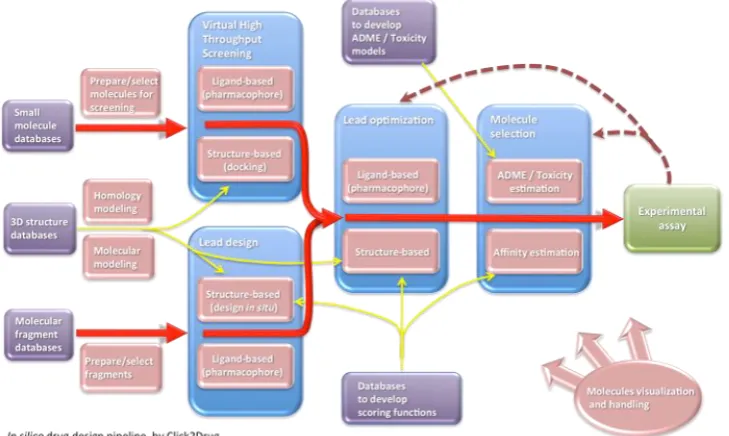
Fig 15 In-silico Drug Design
Fig 16 Plan of Work
LIST OF TABLES
TABLE NO LIST OF TABLES
1. DOCKIONG SCORE OF THE SYNTHESIZED
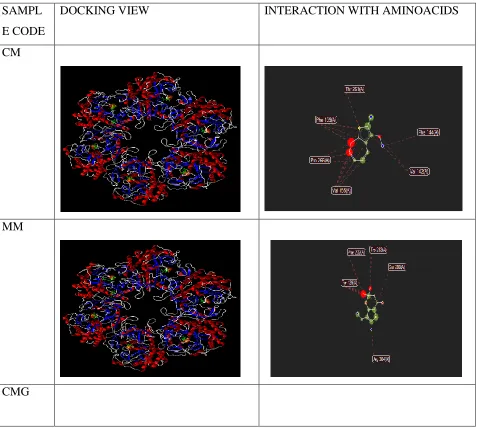
2. DOCKING VIEW AND THEIR INTERACTION
3. IR ABSORPTION BAND
4. GC-MS ANALYSIS
5. TOXICITY PREDICTION
[image:22.612.73.540.66.546.2]Dept. of Pharmaceutical Chemistry, COP, MMC Page 1
INTRODUCTION
The latest world health organization (WHO) reports show that there were 9.0 million new tuberculosis (TB) cases and 1.5 million tuberculosis (TB) deaths, leading cause of death from an infectious disease worldwide, after the human immunodeficiency virus (HIV). Co-infection with the HIV fuels the global TB crisis, and successful TB treatment is further complicated and hampered by the existence of multidrug- resistant (MDR) TB and extensively drug resistant (XDR) TB [1]
Tuberculosis, MTB, or TB (short for tubercle bacillus), in the past also called phthisis, phthisis pulmonalis, or consumption, is a widespread, infectious disease caused by various strains of mycobacteria, usually Mycobacterium tuberculosis. Tuberculosis generally affects the lungs, but can also affect other parts of the body. [2]
Fig 1: Mycobacterium tuberculosis
One-third of the world's population is thought to have been infected with M. tuberculosis, and new infections occur in about 1% of the population each year. In 2007, an estimated 13.7 million chronic cases were active globally,
Dept. of Pharmaceutical Chemistry, COP, MMC Page 2 HISTORY
Tuberculosis has been present in humans since antiquity [3]. The earliest detection of M. tuberculosis involves evidence of the disease in the remains of bison in Wyoming dated to around 17,000 years ago [4]. However, whether tuberculosis originated in bovines, then was transferred to humans, or whether it diverged from a common ancestor, is currently unclear [5]. A comparison of the genes of M. tuberculosis complex (MTBC) in humans to MTBC in animals suggests humans did not acquire MTBC from animals during animal domestication, as was previously believed. Both strains of the tuberculosis bacteria share a common ancestor, which could have infected humans as early as the Neolithic Revolution.[5]
Fig 2: Natural History of TB infection
Phthisi is a Greek word for consumption, an old term for pulmonary tuberculosis; around 460 BC, Hippocrates described phthisis as a disease of dry seasons. [6]
Dept. of Pharmaceutical Chemistry, COP, MMC Page 3 until 1839, by J. L. Schönlein.[7][8]. The bacillus causing tuberculosis, M. tuberculosis, was identified and described on 24 March 1882 by Robert Koch.[12]
Albert Calmette and Camille Guérin achieved the first genuine success in immunization against tuberculosis in 1906, using attenuated bovine-strain tuberculosis. It was called bacille Calmette–Guérin (BCG). The BCG vaccine was first used on humans in 1921 in France[11], but received widespread acceptance in the US, Great Britain, and Germany only after World War II.[12]
TYPES OF TUBERCULOSIS
Tuberculosis is a contagious disease; it affects almost all the important organs of the body. Clinically, tuberculosis is broadly categorized into three major categories
1. Primary tuberculosis. 2. Secondary tuberculosis. 3. Disseminated tuberculosis.
Primary tuberculosis:
When tuberculosis affects a person who had never been exposed to the bacterium earlier, the condition is called primary tuberculosis. In this form of tuberculosis the source of bacterium is external.[9]
Secondary tuberculosis:
Dept. of Pharmaceutical Chemistry, COP, MMC Page 4 Disseminated tuberculosis:
Disseminated means that the tuberculosis has infected the entire body system. It is a very rare type of disease. It primarily affects the bones of spines, hips, joints and knees and even the central nervous system. It infect the CSF, the GIT, the adrenal gland, skin of the neck and even the heart.[10]
CELL WALL
The well - developed cell wall contains a considerable amount of a fatty acid, mycolic acid, covalent attached to the underlying peptidoglycan-bound polysaccharide arabinogalactan, providing an extraordinary lipid barrier. This barrier is responsible for many of the medically challenging physiological characteristics of tuberculosis. The composition and quality of the cell wall components affect the bacteria’s virulence and growth rate.
The peptidoglycan polymer confers cell wall rigidity and just external to the bacterial cell membrane, another contributor to the permeability barrier of mycobacteria. The peptidoglycan polymer confers cell wall rigidity and is just external to the bacterial cell membrane, another contributor to the permeability barrier of mycobacteria.
Dept. of Pharmaceutical Chemistry, COP, MMC Page 5
Fig 3: mycobacterial cell wall
Pathogenesis of tuberculosis:
In the lungs, M. tuberculosis is taken up by alveolar macrophages, but they are unable to digest the bacterium. Its cell wall prevents the fusion of the phagosome with a lysosome. Specifically, M. tuberculosis blogs the bridging molecule, early endosomal auto antigen 1(EEA1); however, this blockade does not prevent fusion of vesicle filled with nutrients. Consequently, the bacteria multiply unchecked with in the macrophages. The bacteria also carried the UreC gene, which prevents acidification of the phagosome. The bacteria also evade macrophages-killing by neutralizing reactive nitrogen intermediates. [11]
M. tuberculosis usually enters the alveolar passages of exposed humans in an aerosol droplet, were its first contact is thought be with resident macrophages, but it is also possible that bacteria can be initially ingested by alveolar epithelial type II pneumocystis this cell type is found in greater numbers than macrophages in alveoli, and M. tuberculosis can infect and grow in this pneumocystis ex vivo.[12]
Dept. of Pharmaceutical Chemistry, COP, MMC Page 6 The bacteria are phagocytized in a process that is initiated by bacterial contact with macrophage mannose and/or complement receptors. Surfactant protein A, a glycoprotein found on alveolar surface, can enhance the binding and uptake of M. tuberculosis by up regulating mannose receptor activity.[13]
On the other hand surfactant protein D, similarly located in alveoli, inhibits phagocytosis of M. tuberculosis by blocking mannosyl oligosaccharide residues on the bacterial cell surface, and it is proposed that this prevents M. tuberculosis interaction with mannose receptor on the macrophages cell surface. The human toll-like receptor 2 (TLR2) also plays a role in M. tuberculosis uptake. On entry in to host macrophages, M. tuberculosis resides in an endocytic vacuole called the phagosome. If the normal phagosomal maturation cycle occurs.
Fig 4: pathogenesis of tuberculosis
Pulmonary
Dept. of Pharmaceutical Chemistry, COP, MMC Page 7 the lower ones. The reason for this difference is not entirely clear. It may be due either to better air flow, or to poor lymph drainage within the upper lungs. [15]
Fig 6: Pulmonary Tuberculosis Extrapulmonary
In 15–20% of active cases, the infection spreads outside the lungs, causing other kinds of TB. These are collectively denoted as "extrapulmonary tuberculosis". Extrapulmonary TB occurs more commonly in immunosuppressed persons and young children. In those with HIV, this occurs in more than 50% of cases[16]. A potentially more serious, widespread form of TB is called "disseminated" TB, commonly known as miliary tuberculosis. Miliary TB makes up about 10% of extrapulmonary cases.[17]
MECHANISM
Transmission
Dept. of Pharmaceutical Chemistry, COP, MMC Page 8 Transmission should occur from only people with active TB – those with latent infection are not thought to be contagious. The probability of transmission from one person to another depends upon several factors, including the number of infectious droplets expelled by the carrier, the effectiveness of ventilation, the duration of exposure, the virulence of the M. tuberculosis strain, the level of immunity in the uninfected person, and others. [19]
Diagnosis
Diagnosing active tuberculosis based merely on signs and symptoms is difficult, as is diagnosing the disease in those who are immunosuppressed. A diagnosis of TB should, however, be considered in those with signs of lung disease or constitutional symptoms lasting longer than two weeks. A chest X-ray and multiple sputum cultures for acid-fast bacilli are typically part of the initial evaluation.Interferon-γ release assays and tuberculin skin tests are of little use in the developing world. IGRA have similar limitations in those with HIV.[20]leic acid amplification tests and adenosine deaminase testing may allow rapid diagnosis of TB. These tests, however, are not routinely recommended, as they rarely alter how a person is treated. Blood tests to detect antibodies are not specific or sensitive, so they are not recommended
.
Dept. of Pharmaceutical Chemistry, COP, MMC Page 9 Active tuberculosis
It is spread through the air when people who have an active TB infection cough, sneeze, or otherwise transmit respiratory fluids through the air.
The classic symptoms of active TB infection are a chronic cough with blood-tinged sputum, fever, night sweats, and weight loss (the last of these giving rise to the formerly common term for the disease, "consumption"). Infection of other organs causes a wide range of symptoms. [21] Diagnosis of active TB relies on radiology (commonly chest X-rays), as well as microscopic examination and microbiological culture of body fluids.
Latent tuberculosis
Most infections do not have symptoms, known as latent tuberculosis. About one in ten latent infections eventually progresses to active disease which, if left untreated, kills more than 50% of those so infected.
Fig 8: Latent tuberculosis
Dept. of Pharmaceutical Chemistry, COP, MMC Page 10 Mantoux tuberculin skin test
The Mantoux tuberculin skin test is often used to screen people at high risk for TB. Those who have been previously immunized may have a false-positive test result. Interferon gamma release assays (IGRAs), on a blood sample, are recommended in those who are positive to the Mantoux test. These are not affected by immunization or most environmental mycobacteria, so they generate fewer false-positive results.
Prevention
Tuberculosis prevention and control efforts primarily rely on the vaccination of infants and the detection and appropriate treatment of active cases. The World Health Organization has achieved some success with improved treatment regimens, and a small decrease in case numbers
Fig 9: Prevention of disease Vaccines
Dept. of Pharmaceutical Chemistry, COP, MMC Page 11 Prognosis [23]
Progression from TB infection to overt TB disease occurs when the bacilli overcome the overcome the immune system defenses and begin to multiply. In primary TB disease (some 1– (some 1–5% of cases), this occurs soon after the initial infection. However, in the majority of cases, a latent infection occurs with no obvious symptoms.
Fig 10: Progression of Tuberculosis
The risk of reactivation increases with immunosuppression, such as that caused by infection with HIV. In people co-infected with M. tuberculosis and HIV, the risk of reactivation increases to 10% per year. Studies using DNA fingerprinting of M. tuberculosis strains have shown reinfection contributes more substantially to recurrent TB than previously thought, with estimates that it might account for more than 50% of reactivated cases in areas where TB is common. The chance of death from a case of tuberculosis is about 4% as of 2008, down from 8% in 1995.
Epidemiology [24][25]
Dept. of Pharmaceutical Chemistry, COP, MMC Page 12
Tuberculosis is the second-most common cause of death from infectious disease (after those due to HIV/AIDS). The number of new cases has declined by 17% between 2004–2014. Hopes of totally controlling the disease have been dramatically dampened because of a number of factors, including the difficulty of developing an effective vaccine, the expensive and time-consuming diagnostic process, the necessity of many months of treatment, the increase in HIV-associated tuberculosis. India had the largest total incidence, with an estimated 2.0 million new cases.
The rate of TB varies with age. TB is mainly a disease of older people and the immune compromised (risk factors are listed above). Worldwide, 22 "high-burden" states or countries together experience 80% of cases as well as 83% of deaths.
Dept. of Pharmaceutical Chemistry, COP, MMC Page 13
GLUTAMINE SYNTHETASE
Glutamine synthetase is an enzyme that plays an essential role in the metabolism of nitrogen by catalyzing the condensation of glutamate and ammonia to form glutamine:[26]
Glutamate + ATP + NH3 → Glutamine + ADP + phosphate
Fig.12. Glutamine synthetase
Dept. of Pharmaceutical Chemistry, COP, MMC Page 14 First, the ATP molecule enters the nucleotide-binding site. Then glutamate enters
from the opposite direction into the amino-acid-binding site. The γ-carboxylate of glutamate will then coordinate to either magnesium or manganese ions, and the γ-phosphate of the ATP is transferred to the glutamate. The ammonium ion (NH4+) enters the active site and is deprotonated by an asparagine followed by an attack on the γ-carbonyl. This will release the phosphate (PO43-), and glutamine is formed. [27]
OH O OH O N H2 Gs ATP OH O O O N H2 P OH OH O NH4 ADP OH O NH2 O N H2 + P OH OH O O H MECHANISM
Dept. of Pharmaceutical Chemistry, COP, MMC Page 15 NEED TO FOCUS ON TUBERCULOSIS DISEASE
Tuberculosis is a leading cause of death worldwide.
In the year 2000-2005, there were around 10 to 15 million people with latent TB in the U.S & in 2007, 2.4 million cases were reported.
In the year 2010, WHO estimated that one-third of the world’s population (two billion people) was infected with the bacilli. Of the two billion people, approximately 9.8 million people will develop active tuberculosis and 2.6 million people will die per annum.
In the year 2013, approximately 13.7 million chronic active cases globally and In the year 2014, approximately 560 thousand new cases per year and 740 thousand new patients infected by both MTB and HIV due to multidrug-resistant Tuberculosis.
NEED FOR NOVEL ANTI-TUBERCULOSIS AGENTS
A number of once active anti-tuberculosis drugs have now became inactive due to the ever increasing rise in drug resistant strains of tuberculosis. The reason for this is poor patient compliance which leads to the development of more drug resistant strains.
The lack in patient compliance is due to the fact that the current treatment regimen lasts 6-9 months. The length of the treatment period makes difficulty in killing off the latent and slow-growing bacteria. Drug-resistant TB is a major public health concern.
Dept. of Pharmaceutical Chemistry, COP, MMC Page 16 fluoroquinolone and at least one of the three second-line agents (capreomycin, kanamycin and amikacin), it becomes described at extensively drug-resistant TB(XDR-TB)
Emergence of Multi-resistant(MDR) strains and high susceptibility of human immunodeficiency virus (HIV) infected persons to the disease forced the scientist to develop novel anti-tuberculosis agents.
It is evident by these facts; there is an ever growing need to develop novel agents for the treatment of tuberculosis. These new agents should be potent, fast acting, have an excellent pharmacodynamics / pharmacokinetics (PK/PD) profile and have high therapeutic index, and preferably have a novel mechanism of action as to avoid cross-resistant with other agents.
MEDICINAL CHEMISTRY[29]
Medicinal chemistry is the science that deals with the discovery and design of new therapeutic chemicals and their development into useful medicines. Medicinal chemistry may involve synthesis of new molecules, investigation of the relationships between the structure of synthetic compounds and their biological activities, elucidations of their interactions with receptors of various kinds, including enzymes and DNA, the determination of their absorption, transport and distribution properties and studies of the metabolic transformations of these chemicals into other chemicals and their excretion. The drug discovery process involves designing, synthesizing, characterization and evaluation of new chemical entities, suitable for therapeutic use. It also includes study of existing drugs, their biological properties and their quantitative structural activity relationship (QSAR).
DRUG DESIGN[30]
Dept. of Pharmaceutical Chemistry, COP, MMC Page 17 Sources of lead compounds can come from natural sources, such as plants, animals, or fungi and also from synthetic chemical libraries.
LEAD OPTIMIZATION[31]
Newly invented pharmacologically active moieties may have poor drug-likeness and may require lead optimization step. This step involves chemical modification of a lead in order to improve their potency, selectively towards binding site, pharmacokinetic parameters and reduced toxicity.
COMPUTER AIDED DRUG DESIGN[32]
The latest breakthroughs in computer-aided drug design, drug delivery systems, and enabling technologies. Computer Aided Drug Design (CADD) and Delivery Systems offers an in-depth discussion of the computer-assisted techniques used to discover, design, and optimize new, effective, and safe drugs.
Drug design, sometimes referred to as rational drug design or simply rational design, is the inventive process of finding new medications based on the knowledge of a biological target. The drug is most commonly an organic small molecule that activates or inhibits the function of a biomolecule such as a protein.
Dept. of Pharmaceutical Chemistry, COP, MMC Page 18 Furthermore, in vitro experiments complemented with computation methods are
increasingly used in early drug discovery to select compounds with more favorable (absorption, distribution, metabolism, and excretion) and toxicological profiles.
Fig13: drug discovery cycle
Rational drug discovery[33]
In contrast to traditional methods of drug discovery (known as forward pharmacology), which rely on trial-and-error testing of chemical substances on cultured cells or animals, and matching the apparent effects to treatments, rational drug design (also called reverse pharmacology) begins with a hypothesis that modulation of a specific biological target may have therapeutic value.
Dept. of Pharmaceutical Chemistry, COP, MMC Page 19 Drug design with the help of computers may be used at any of the following stages of drug discovery:[34]
1. Hit identification using virtual screening (structure- or ligand-based design)
2. Hit-to-lead optimization of affinity and selectivity (structure-based design, QSAR, etc.) 3. lead optimization of other pharmaceutical properties while maintaining affinity
TYPES [35]
Drug discovery cycle highlighting both ligand-based (indirect) and structure-based (direct) drug design strategies.
There are two major types of drug design. The first is referred to as ligand-based drug design and the second, structure-based drug design.
Ligand-based
Ligand-based drug design (or indirect drug design) relies on knowledge of other molecules that bind to the biological target of interest. These other molecules may be used to derive a pharmacophore model that defines the minimum necessary structural characteristics a molecule must possess in order to bind to the target.
In other words, a model of the biological target may be built based on the knowledge of what binds to it, and this model in turn may be used to design new molecular entities that interact with the target.
Dept. of Pharmaceutical Chemistry, COP, MMC Page 20 Structure-based
Structure-based drug design (or direct drug design) relies on knowledge of the three dimensional structure of the biological target obtained through methods such as x-ray crystallography or NMR spectroscopy. Using the structure of the biological target, candidate drugs that are predicted to bind with high affinity and selectivity to the target may be designed using interactive graphics and the intuition of a medicinal chemist.
Current methods for structure-based drug design can be divided roughly into three main categories.
The first method is identification of new ligands for a given receptor by searching large databases of 3D structures of small molecules to find those fitting the binding pocket of the receptor using fast approximate docking programs. This method is known as virtual screening.
A second category is de novo design of new ligands. In this method, ligand molecules are built up within the constraints of the binding pocket by assembling small pieces in a stepwise manner. These pieces can be either individual atoms or molecular fragments. The key advantage of such a method is that novel structures, not contained in any database, can be suggested.
A third method is the optimization of known ligands by evaluating proposed analogs within the binding cavity.
Binding site identification
Dept. of Pharmaceutical Chemistry, COP, MMC Page 21 Scoring functions
One early general-purposed empirical scoring function to describe the binding energy of ligands to receptors was developed by Böhm. This empirical scoring function took the form: Where:
ΔG0 – empirically derived offset that in part corresponds to the overall loss of
translational and rotational entropy of the ligand upon binding.
ΔGhb – contribution from hydrogen bonding
ΔGionic – contribution from ionic interactions
ΔGlip – contribution from lipophilic interactions where |Alipo| is surface area of lipophilic
contact between the ligand and receptor
ΔGrot – entropy penalty due to freezing a rotatable in the ligand bond upon binding
A more general thermodynamic "master" equation is as follows:[36]
Where:
desolvation – enthalpic penalty for removing the ligand from solvent
Dept. of Pharmaceutical Chemistry, COP, MMC Page 22 configuration – conformational strain energy required to put the ligand in its "active"
conformation
interaction – enthalpic gain for "resolvating" the ligand with its receptor
According to Gibbs free energy equation, the relation between dissociation equilibrium constant,
Kd, and the components of free energy was built.
The divergent development of tuberculosis as a disease means that easily accessible and effective diagnostic tools are extremely important in identifying possible transmission vectors as well as funneling treatment to the populations in most dire need.
IN-SILICO DRUG DESIGN
[image:44.595.136.501.423.641.2]
Dept. of Pharmaceutical Chemistry, COP, MMC Page 23 DOCKING
Docking program is used to fit the ligand molecule into the target structure in a variety of position, conformations and orientations. Docking mode is known as pose. Each pose scored based on its complementarity to the target in terms of shape and properties such as electrostatics in order to identify the most favorable energetical pose.
The quality of any docking results depends on the starting structure of both the protein and the potential ligand. The protein and ligand structure need to be prepared to achieve the best docking results.
PROTEIN PREPARATION
It is now accepted that the old idea of the “key and lock” interaction of a ligand and its protein. Receptor is not an accurate description of most biological complexes. The ligand-protein interactions resemble more a “hand and glove” association, where both parts are flexible and adjust to complement each other induced fit. The can modify their shape and mould their complementarity. So, as to increase favorable contacts and reduced adverse interactions, maximizing the total binding free energy. It has been found that active site regions of enzymes appear to present areas of both low and high conformational stability.
RECEPTOR CONFORMATION
` The three dimensional (3-D) structures of both ligand and protein are necessary for the application of docking techniques. While the manifold of conformational structures of small molecule may be relatively easy to predict, the lowest energy conformation obtained may not correspond to that of the bound ligand.
Dept. of Pharmaceutical Chemistry, COP, MMC Page 24 Many proteins targeted for drug design do not have an experimentally
determined structure and, therefore, docking studied cannot be performed directly. In some cases, computational techniques can be used to predict the 3D structure of a protein provided the structure of a closely related protein homolog is known. Homology modeling or sequence threading techniques may be used to generate models of protein structure which, although not as good as experimentally determined structures, can be used as docking targets.
Dept. of Pharmaceutical Chemistry, COP, MMC Page 25
AIM AND OBJECTIVE
AIM
The aim of this project is to design molecules into potential anti-tubercular activity that is capable of inhibiting cell wall synthesis by inhibiting glutamine synthetase. The designed compounds will be synthesized, characterized and evaluated for activity and toxicity.
OBJECTIVE
The compounds are designed and docked against a specific crucial target, Glutamine Synthetase I, which is involved in the cell wall biosynthesis and nitrogen metabolism. The synthesized compounds are expected to act on the same.
DESIGN
In-silico design of glutamine synthetase 1 inhibitors.
SYNTHESIS
A novel anti-tubercular activity containing compounds are synthesized under specific conditions, which is effective against specific microbes.
CHARACTERIZATION
Dept. of Pharmaceutical Chemistry, COP, MMC Page 26
Melting point
TLC method
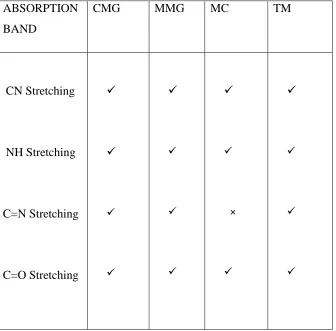
Infrared Spectroscopy
Nuclear Magnetic Resonance
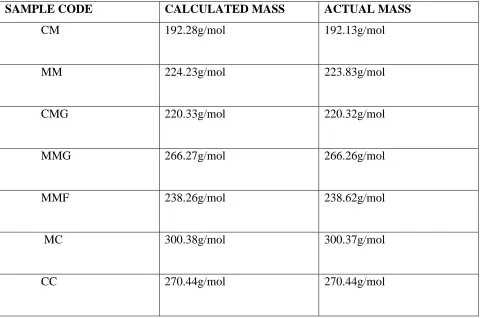
Mass spectroscopy
Gas Chromatography and Mass Spectroscopy (GC-MS) and if necessary
Liquid Chromatography and Mass Spectroscopy (LC-MS)
BIOLOGICAL EVALUATION
The synthesized compounds will be screened for their anti-tubercular activity by in-vitro methods.
TOXICOLOGICAL PREDICTION
Dept. of Pharmaceutical Chemistry, COP, MMC Page 27 The present study will be conducted according to the following design
IDENTIFICATION OF BASIC STRUCTURE
STRUCTURAL MODIFICATION OF BASIC NUCLEUS
DOCKING THE MOLICULE IN THE TARGET PROTEIN
OPTIMIZATION OF THE HIGHLY INTERACTING MOLECULE
TOP SCORE COMPOUND SELECTED
INSILICO INVESTIGATION OF DRUG LIKENESS AND TOXICOLOGICAL ASSESSMENT
SYNTHESIS
CHARACTERIZATI ON – SPECTROSCOPY
(IR,NMR,MASS)
Dept. of Pharmaceutical Chemistry, COP, MMC Page 28 PLAN OF WORK
The main aim of this project is to synthesize a novel compounds containing tubercular activity but my plan of work is over a 1000 molecules, a desired anti-tubercular activity containing molecule is selected and an enzyme which is active against tubercular cells.
The selected enzyme is docking against compounds which is to be synthesized, in this docking score; drug interaction; binding action is important
The selected compounds were synthesized at appropriate manner then purified by recrystallization, characterized by sharp melting point, TLC.
The following compounds are confirmed by characterized techniques which is hyphenated like, GC-MS and LC-MS analysis(if necessary).In this technique, molecular weight and purity of the formed compounds are determined
The molecular structure of the compounds are interpretate by proton NMR (1HNMR) and the functional groups of the compounds are analyzed by IR studies
The anti-tubercular activity of the compounds are evaluated by MABA
The toxicity of synthesized compounds are visualized by OSIRIS
Dept. of Pharmaceutical Chemistry, COP, MMC Page 29 REVIEW OF LITERATURE
On the basis of the designed process, thiophene have been identified as potential Anti-tubercular molecules. It was therefore decided to conduct a literature survey of thiophene moieties and of the target glutamine synthetase
1.Reviews related to the target- Glutamine synthase
Marcus A. horwitz et al.,[39] assessed the role of glutamine synthetase (GS), in the pathogenicity of mycobacterium tuberculosis; glnA1 was constructed via allelic exchange. The mutant had no detectable GS protein or GS activity and was auxotrophic for L-glutamine. In addition, the mutant was attenuated for intracellular growth in human THP-1 macrophages. Based on growth rates of the mutant in the presence of various concentrations of L-glutamine the importance of the enzyme was known. These studies demonstrate that glnA1 is essential for M.tuberculosis virulence.
Berlicki L; kafarski [40] studied about the Glutamine synthases enzyme which catalyses the formation of glutamine from glutamine and ammonium ion. It is one of the most important enzymes in nitrogen metabolism. The first part of the review presents the long-dating research on inhibitors of glutamine synthetase. Analysis of their structure activity relationship is presented in some detail. The second part of the paper is dedicated to potential medical applications of glutamine synthetase inhibitors, which is proved as effective anti-tuberculosis agent with high selectivity towards the pathogen.
Dept. of Pharmaceutical Chemistry, COP, MMC Page 30 Wojciech W. krajewski et al.,[42] summarized that glutamine synthetase catalyzes the ligation of glutamate and ammonia to form glutamine, with the hydrolysis of ATP. The enzyme is a central component of bacterial nitrogen metabolism and is a potential drug target. This study provides the first reported structure for a tauto form of the tuberculosis enzyme.
The phospho compound, generated in situ by an active enzyme, mimics the phosphorylated tetrahedral adduct at the transition state. Some differences in ligand interactions of the protein with phosphorylated compound and nucleotide are observed compared with the earlier structures; a third metal ion also is found.
B) Of the several works of thiophene, few of them are enlisted here in support of their thiophene antitubercular activity
Shailesh J. Vaghasiya.et.al [43] evaluated synthesis, biological screening of novel pyrozolo (3’,4’;4,5) thieno (2,3-d) pyrimidin-8-ones, it was involved in a new synthetic route is proposed for the synthesis of 3,6-dimethyl-6-aryl- 1,5,6,7-tetra hydro-8H-pyrozolo(3’,4’:4,5)thieno (2,3-d) pyrimidin 8-one from 5-amino-3-methyl-1H-thieno(3,2c)pyrozole 6-carbanonitrile. The compounds (3a-h) were initially screened against Mycobacterium tuberculosis H
37 RV (ATCC
27294) (American Type Culture Collection, Manassas, Va.) at the single concentration of 6.25 μg/ml in BACTEC 12B medium using a broth micro dilution assay, the microplate Alamar blue assay (MABA) S NH N H N H N C H3 R CH3 O
R – Phenyl; 2-OH phenyl 3a-h
Dept. of Pharmaceutical Chemistry, COP, MMC Page 31 multicomponent reaction. The synthesis strategy involved treatment of 2(cyanomethyl)-benzimidazole with aldehydes containing an active methylene group and sulfur powder under refluxing conditions. achieved a multicomponent condensation reaction on an ionic liquid support to afford the benzimidazole linked thiophene.
N H N S N H2 R2 R1 O O OH
C.Oliver kappe:[45] reported that synthesized some novel thiophene derivatives by microwave assisted methods, using gewald reaction it has been described microbial activity; anti-tubercular activity
Ransborg.L.K.et.al[46]: revealed that the synthesis and anti-mycobacterial evaluation of some optically active thiophenes via an organometallic one-pot methodology
Ar: 3,5-(CF3)2-C6H3
R1 O
S EWG NH R2 R1 HX N H Ar Ar TMSO EWG N S R3
Dept. of Pharmaceutical Chemistry, COP, MMC Page 32 Dong Cai 2015[47]: The compounds were evaluated for their preliminary in vitro antibacterial activity against some Gram-positive and Gram-negative bacteria and screened for antitubercular activity against Mycobacterium tuberculosis by the broth dilution assay method. Some compounds showed good antibacterial and antitubercular activities. The structures of the target compounds were confirmed by IR, 1H-NMR, 13C-NMR and HRMS studies.
NH
N+
N S
O R1
Kan Wang.et.al[48]: describe valuable general protocols for the synthesis of arrays of 2- aminothiophene-3-carboxamides from cyanoacetamides, aldehydes or ketones and sulfur via a Gewald-3CR variation. In many cases the reactions involve a very convenient work up by simple
Precipitation in water and filtration. >40 new products are described.
S
NH2
Dept. of Pharmaceutical Chemistry, COP, MMC Page 33 Nitinkumar S. Shetty (2014)[49]: In this journal, said that a facile microwave-assisted synthesis of novel thienopyrimidines and triazolothienopyrimidines and their anti-microbial activities. The following compounds showed promising anti-bacterial activity and anti-fungal activity. Biological screening of these compounds shows mycobacterial activity; those activity was 62% of that of ampicillin against B. subtilis.
O C H3 C H3 S N N H2NHN
S N N N N O C H3 C H3 R
Vedia Ertuzun (1986[50]): studies described substituted heteroaromatic amines were synthesized by a cyclization reaction achieved by means a special base catalysed cyclization reaction, using alpha-hydroxy ketone and active methylene compounds. The purpose of this study was to synthesize substituted 2-amino-furane by placing furyl groups to the 4- and 5-positions of the substituted heteroaromatic ring, using a special Knoevenagel condensation reaction; The pKa value of the compound was determined as 18.0, this reveals that furyl groups have much more electron withdrawing effect than phenyl groups.
Dept. of Pharmaceutical Chemistry, COP, MMC Page 34 Amir R. Jalilian.et.al (2008)[51]: This study shows a review of preparation and evaluation of isotopic thiophene-2-aldehyde thiosemicarbazide PET studies. Total labelling and formulation of [61Cu]TATS took about 40minutes, with a yield of more than 90%. A significant specific activity (9.1 TBq/mmol or 246 Ci/mmol) was formed via insertion of 61Cu cations.
AshrafY.khan.et.al[52]: reported that the synthesis, characterization and biological evaluation of novel thienopyrimidine and triazolotheinopyrimidine derivatives as tubercular and anti-bacterial agents by gewald reaction. Most of these compounds exhibited MIC values in the range of 20 – 100 μM against Mycobacterium tuberculosis H37Rv. In the series, compound 5c was most active with MIC 20 μM. Some of these compounds exhibited MIC values in the range 8 - 64μM. Compound 5c was found to be the most active with an MIC of 5 and 8μM respectively.
S
N
N
N N
R1
R CH3
Dept. of Pharmaceutical Chemistry, COP, MMC Page 35 Lianpao Wu[53]: it evaluated a high throughput screening of 17,500 compounds, two hit compounds containing a tetrahydrobenzothiophene core were identified as interesting biofilm inhibitors of Escherichia Coli UTI89. Thirteen compounds have been successfully synthesized from methyl 2-amino-6-phenyl-4, 5, 6, 7-tetrahydrobenzo[b] thiophene-3-carboxylate, which was prepared from Gewald three-component reaction.
S OCH3 O Ph NH N+ N+ OH O O S OCH3 O Ph NH R1 C H3 OH O R1
Farid Moeinpour.et.al(2011):[54] It describes that Cesium Carbonate as a Heterogeneous Base Catalyst for Synthesis of 2-Aminothiophenes via Gewald Reaction. The synthesis of substituted 2-aminothiophenes is attractive to chemical researchers as they are important intermediates in organic synthesis and frequently used as the scaffold motif of a variety of agrochemicals, dyes, and biologically active products.
O R1 R2
+
X CN+
S8Cs2CO3
Dept. of Pharmaceutical Chemistry, COP, MMC Page 36 Chengyuan Liang.et.al (2014):[55] It reveals that to describe Ultrasound-promoted synthesis of 2-aminothiophenes accelerated by DABCO utilizing PEG-200 as solvent. An expeditious and greener one-pot procedure was developed for the synthesis of multisubstituted 2-aminothiophene derivatives. In the presence of catalytic amount of DABCO, ketones or aldehydes, dicyanomethane and elemental sulfur were converted into the corresponding 2-aminothiophene derivatives in moderate to high yields in PEG-200 under sonication.
R1
R2
O
+
R3
CN
+
S8
DABCO PEG 200
S
NH2 R3 R2
R1
Zita Puterova.et.al(2009):[56] It involved in application of substituted 2-amino thiophene in drug design. Highly substituted thiophene derivatives are important heterocycles found in numerous biologically active compounds.
Dept. of Pharmaceutical Chemistry, COP, MMC Page 37 William C. Shearouse (2014):[57] This studies show a solvent-free, one-step, one-pot gewald reaction for alkyl-aryl ketones via mechanochemistry, the Gewald reaction can be catalytic in base, and conducted under aerobic conditions. Using thermal heat in tandem with the mixer/mill significantly increases the rate of reaction.
N
OEt
O
+
O2N
O
CH3 S8
MORPHOLINE HSBC1/8 SS Ball
24 hr
S
OEt
NH2 O2N
O
Stanislav Radl (2005):[58] it involved in the modification of the Gewald methodology for the synthesis of 3-amino-2-(1H-1,2,3-benzotriazol-1-yl) substituted benzofurans, benzothiophenes and 1H-indoles. The synthesized compound shows promising anti-bacterial activity which was evaluated by MABA.
Dept. of Pharmaceutical Chemistry, COP, MMC Page 38 Gewald thiophene synthesis with siloxycylopropanes (1961) [59]: It involved in the synthesis of polysubstituted thiophenes from the multicomponent condensation of ketones or aldehydes, activated nitriles and elemental sulfur was originally published in 1961 by Gewald and co-workers.
S
NH O
S
CO2H NH
O S
CBuO2 NHBoc
Castanedo.G.M:[60] This studies reveals that the synthesis of tetra substituted thiophene on solid-support using the Gewald reaction. This reaction combines a ketone or aldehyde, an activated nitrile,and sulfur in the presence of a suitable amine base to make tri and tetra substituted thiophenes. After optimizing conditions for maximum yield and purity, the scope of the reaction was investigated. Finally this method is highlight in the synthesis of two biologically relevant compounds
Dept. of Pharmaceutical Chemistry, COP, MMC Page 39 Sridhar.M.et.al:[61] In this study, reaction assisted by microwave accelerated Gewald reaction involved in the synthesis of 2-aminothiophene by multicomponent reaction of a ketone with an active nitrile and elemental sulfur under KF-alumina catalysis is described
Hallas. G[62] it states that, dyes derived from aminothiophene involved in the synthesis of some
heterocyclic disperse dyes using the Gewald reaction. A series of red to violet thienyl-2-azo disperse
dyes has been derived from aminothiophenes synthesised directly by using the Gewald reaction. 13C
NMR data for certain derivatives are reported.
Synthetic communications (International Journal)[63]: describes organic reactions in ionic liquids, Gewald synthesis of 2-aminothiophenes catalyzed by Ethylenediammonium Diacetate. Ionic liquids based on 1‐butyl‐3‐methylimidazolium tetrafluoroborate (BmimBF4) and 1‐butyl‐
3‐methylimidazolium hexafluorophosphate (BmimPF6) were used as reusable alternatives to
Dept. of Pharmaceutical Chemistry, COP, MMC Page 40 REVIEW RELATED TO THIOPHENE NUCLEUS AND ITS BIOLOGICAL ACTIVITIES
Mishra.R[64]: It involved in review of synthesis, properties and biological activity of thiophene nucleus has been established as the potential entity in the largely growing chemical world of heterocyclic compounds possessing promising pharmacological characteristics. The recent review provides a broad view of the synthesis and properties of compounds having thiophene nucleus.
Well known major synthetic procedure includes: paal-knorr thiophene synthesis, fiesselmann thiophene synthesis, Gewald aminothiophene synthesis and hinsberg synthesis.
S CH3 P S S P S S
H3CO
OCH3 S R2 R3 R1 OH O S NH2 X R2 R1 S Ph Ph OH HO O O A B C D E
Dept. of Pharmaceutical Chemistry, COP, MMC Page 41 Bhatt.R.et.al:[66] studies reveals that the synthesis, characterization and anti-microbial evaluation of some tetrahydroquinazoline derivatives of benzothiophenes.
The structures of the newly synthesized compounds were elucidated on the basis of IR and 1H NMR spectral data of the compounds.
S
+ O
N
NH NH
Cl
O
C
H3 CH
3
Abdou.M.M.et.al[67]: thiophene nucleus may also be used in the field of dyes chemistry. A series of red to blue hetarylazo dyes 15 with good fastness was synthesized by coupling reaction of 4-aryl-2-aminothiophenes derivatives with diazotized 5-nitro-2-aminothiazole and 6-nitro-2-aminobenzothiazole, respectively, as diazo components.
H2N S
N
N
R R1
Dept. of Pharmaceutical Chemistry, COP, MMC Page 42 Mittal.M.et.al:[68] synthesis, characterization and anti-microbial activity of substituted tricyclic compounds, it may be 5,6,7,8-tetrahydro pyrido[4’,3’:4,5]thieno[2,3-D] pyrimidines using piperidin-4-one Hydrochloride and benzenesulfonyl chloride asthe starting material. All the synthesized products were evaluated for their antibacterial activity. The structures of all the synthesized compounds have been determined by their spectral and microanalytical data.
S
N
S
N
N O
O
R1
N H
R2
R3
Kallepalli.V.A.et.al:[69] it is a divergent synthesis; which involved in the synthesis of 2,3,5-substituted thiophenes by C-H activation/borylation/Suzuki coupling.
Dept. of Pharmaceutical Chemistry, COP, MMC Page 43
S
Br
F
Sidhu.P.S.et.al(2014):[70] it is a computational studies that involved in the QSAR study of thiophene-anthranilamides based factor Xa direct inhibitors.
QSAR studies were performed to understand the structure activity relationship (SAR) and to build the computational model to predict newer inhibitors with improved potency. In this study, a library of thiophene-anthranilamide based inhibitors of factor Xa was used to develop QSAR model. The library was divided into two sets: Training and Test sets. QSAR Model consists of four descriptors with R-square value of 0.80. Based on the statistical parameters, this model can be used to predict the newer inhibitors with improved pharmacological profile.
Dept. of Pharmaceutical Chemistry, COP, MMC Page 44 S N N N H O R1 R2 OH
CH2OH OH
Chaudhary.A.et.al (2012)[72]: describes biological diversity of thiophene, it explained about review of thiophene. Thiophene has been established as the potential entity in the largely growing chemical world of heterocyclic compounds possessing promising pharmacological characteristics. This review provides various synthetic strategies of thiophene analogues. The following compounds provides promising anti-microbial activity.
S R1 R N S N H N N O N H N S N N O R1
R = NHCOCH3
Dept. of Pharmaceutical Chemistry, COP, MMC Page 45
S N
CH2CN
Kachhadia.V.V.et.al (2004):[74] described synthesis of isoxazoles and cyanopyridines bearing benzothiophenes nucleus as potential anti-tubercular and anti-microbial agents. The reaction was carried out by condensing chalcones with hydroxylamine hydrochloride and malononitrile. All the synthesized compounds were established on the basis of elemental analyses IR, 1H NMR and Mass spectral data and screened for their anti-tubercular and anti-microbial activities.
S
CONH
N
Dept. of Pharmaceutical Chemistry, COP, MMC Page 46 derivatives by cyclization of fuctionalized alkynes.
Ph S Co2Et
OMe
S CO2Me
Me2N
CO2Me Co2Et
O
Y. Li, J. Wang.et.al (2014):[76] described low catalyst loading of a bis(alkoxo)palladium complex enables an efficient phosphine-free direct C-H arylation of thiophenes at C2. The developed synthetic method couples aryl or heteroaryl bromides with thiophenes bearing electron-donating or electron-withdrawing groups and other heterocyclic moieties such as benzothiophenes.
Dept. of Pharmaceutical Chemistry, COP, MMC Page 47 presence of PdI2 as catalyst and KI as additive. The use of BmimBF4 as solvent enables the
recycling of the catalyst.
G. Zhang.et.al:[78] The interaction between elemental sulfur and NaOtBu enables a facile single-step protocol for the synthesis of thiophene derivatives from 1,3-diynes. A plausible mechanism based on EPR experiments revealed that the trisulfur radical anion acts as a key intermediate of this process.
Dept. of Pharmaceutical Chemistry, COP, MMC Page 48
O. Bayh.et.al:[80] Thiophene was regioselectively deprotonated by treatment with Bu3MgLi in
THF at room temperature. The lithium arylmagnesate formed was either trapped with electrophiles or cross-coupled in a ‘one-pot’ procedure with aryl halides under palladium catalysis.
4.Reviews related to biological evaluation of antitubercular activity by MABA
Sephra N.Ramprasad [81] studied the various applications of Alamar blue as an indicator. Alamar blue is an indicator that is used to evaluated metabolic function and cellular health. The Alamar blue bioassay is being utilized to access cell viability and cytotoxicity in a biological and environmental system and in a number of cell types including bacteria, yeast, fungi, and protozoa.
Dept. of Pharmaceutical Chemistry, COP, MMC Page 49
MATERIALS AND METHODS
DRUG DESIGN
A binding interaction between a small molecule ligand and an enzyme protein results in activation or inhibition of the enzyme which results in agonism or antagonism.
GLIDE DOCKING
Glide is one of the docking programs which predicts the binding mode of ligand to a protein (target). It ranks the ligands via high-throughput virtual screening. Extra prediction mode (XP) was used to rank order the compounds based on the interaction with the receptors.
Protein preparation
Ligand preparation
Receptor grid generation
Ligand docking (screening)
MOLECULAR DOCKING BY ARGUS LAB SOFTWARE [37]
Dept. of Pharmaceutical Chemistry, COP, MMC Page 50 Argus lab 4.0 distributed freely for windows platforms by planaria software, is an introductory
molecular modeling package with academics. Argus docking engine implementry in Argus lab approximates an exhaustive search method which is similar to DOCK and GLIDE. Flexible ligand docking is possible with Argus lab, where the ligand is described as torsion tree and grids are constructed that overlay the binding site. The accuracy of the Argus lab docking algorithm takes into account, the key features such as the nature of the binding site and the number of rotatable bonds to the ligand.
Molegro molecular viewer: Molegro molecular viewer is an application which helps in analyzing the energies and interaction of the binding site.
Q-site finder is an energy-based method for protein-ligand binding site prediction. During prediction we use the crystal structures of macromolecules (receptor) with small substrates (pdb ID). Identifying the location of binding sites on a protein is of fundamental importance for a range of applications including molecular docking. It uses the interaction energy between the protein and a simple vanderwaals probe to locate energetically favourable binding sites.
A .PREPARATION OF PROTEIN
STEP 1:
Enter protein pdb ID (4ACF) in the protein data bank.
Go to download files and select pdb as text file.
Save the downloaded pdb text file to desktop.
STEP 2:
Dept. of Pharmaceutical Chemistry, COP, MMC Page 51 Left side of the screen shows molecular tree view.
Open pdb → open ‘Residues’ → open ‘Misc’.
From ‘Misc’ delete the inhibitor and hetero residues, do not delete cofactor.
Open water press shift, select all water molecules and delete.
Add hydrogen atoms.
Go to calculation on toolbar → energy by UFF method → start.
Save the prepared protein as *.agl file format in the desktop.
B.IDENTIFICATION/ SELECTION OF ACTIVE SITE
STEP 1:
Open Q-site finder through online.
Upload/Import the pdb format of the protein.
Find all the active site and make a list out of the common amino acid residues.
STEP 2:
Open residues → open amino acids
Dept. of Pharmaceutical Chemistry, COP, MMC Page 52 Make sure that all the amino acid residues listed are selected.
Right click on the mouse → make a group from the selected residues → give name → Binding site → OK.
C.PREPARATION OF LIGANDS
Draw the structure from chem. Sketch and save as MDL mol format.
Import the ligand into workspace of Argus lab.
Clean geometry → clean hybridization.
Select the ligand, right click on the mouse → make a group from the residues → give name→ ligand→ OK.
D.DOCKING PARAMETER
Select calculation from the toolbar → Dock a ligand
‘Argus Dock’ as the Docking engine
‘Dock’ was selected as calculation type
‘Flexible’ for the ligand
Ascore as the scoring function
Calculation size
Dept. of Pharmaceutical Chemistry, COP, MMC Page 53 B.VISUALIZATION/INTERPRETATION OF DOCKING
Molegro molecular viewer helps in analyzing the energies and interaction of the binding. [38]
Lipinski’s rule
Lipinski’s rule of five is a rule of thumb to evaluate drug likeness, ie., or to determine if a chemical compound with a certain pharmacological or biological activity has the properties that would make it a likely orally active drug in humans. The rule was formulated by Christopher A. Lipinski in 1997, based on the observation that most medication drugs are relatively small and lipophilic molecules.
The rule describes molecular properties important for a drug’s pharmacokinetics in the human body, including their absorption, distribution, metabolism and excretion (ADME). However, the rule does not predict if a compound is pharmacologically active.
The rule is important for the drug development where a pharmacologically active lead structure is optimized step-wise for increased activity and selectivity, as well as drug-like properties as described by Lipinski’s rule. The modification of the molecular structure often leads to drugs with higher molecular weight, more rings, more rotatable bonds, and a higher lipophilicity.
Lipinski’s rule says that, an orally active drug has no more than one violation of the following criteria:
Dept. of Pharmaceutical Chemistry, COP, MMC Page 54 Not more than 10 hydrogen bond acceptors (nitrogen or oxygen atoms)
Molecular weight under 500 daltons
Partition coefficient of log P less than 5
HETEROCYCLIC CHEMISTRY
Heterocyclic structures always are a part in the field of research and development in organic chemistry. Millions of heterocyclic structures are found to exist having special properties and biological importance. Among various compounds, I have chosen thiophene a five membered ring containing sulfur moiety.
THIOPHENE NUCLEUS
S
The following synthetic reactions are involved for synthesizing thiophene containing compounds
Paal Knorr Synthesis
Hinsberg synthesis of thiophene Gewald Reaction
SYNTHETIC METHODOLOGY
Dept. of Pharmaceutical Chemistry, COP, MMC Page 55
In this synthetic procedure, 1st step involved in alpha-methyl ketone like( meldrum’s acid and cycloheptanone), malonitrile is dissolved in ethanol (used as a solvent), add diethylamine as a catalyst (half quantity of calculated amount) the reaction mixture stirred at room temperature for about 18hrs. Completion of the reaction is comfirmed by TLC and detected by UV chamber.
After completion of the reaction, in the reaction mixture remaining quantity of diethylamine and crushed elemental sulfur is added and reflux with stirring is carried out until sulfur completely dissolved and the temperature is maintained at 60 – 800C (over 5-6hrs). Then the mixture again stirred at room temperature for 12 hrs. The completion of the reaction was confirmed by TLC and the reaction mixture poured into crushed ice. Finally the product was obtained which was recrystallized by using various organic solvents like ethanol, ethyl acetate, etc.
SYNTHETIC REACTIONS O O O C H3 C H3 O
+
S8Diethylamine reflux at 60-70C NC CN O O S CN NH2 O C H3 C H3 O
+
S8S CN
NH2
Diethylamine reflux at 60-70C
CN NC
Meldrum's acid
Cycloheptanone
6-amino-2,2-dimethyl-4-oxo-4H-thieno[3,2-d][1,3]dioxine-7-carbonitrile
Dept. of Pharmaceutical Chemistry, COP, MMC Page 56 REACTANT PROFILE
MELDRUM’S ACID STRUCTURE
O
O
O C
H3
C H3
O
SYNONYM Meldrum’s acid
MOLECULAR FORMULA C6H8O4 MOLECULAR WEIGHT 144.15
SOLUBILITY Soluble in Ethanol, ethyl acetate, methanol DESCRIPTION Yellowish white salt (hygroscopic)
MELTING POINT 192-1940C
MALONITRILE STRUCTURE
CN
NC
SYNONYM Malonitrile MOLECULAR FORMULA C3H2N2
Dept. of Pharmaceutical Chemistry, COP, MMC Page 57 SYNONYM Diethylamine
MOLECULAR FORMULA 73.14
SOLUBILITY Soluble in ethanol DESCRIPTION Colorless liquid
SYNTHETIC DERIVATIVES
The derivatives of the compounds were synthesized by following procedure
6-AMINO-2,2-DIMETHYL-4-OXO-4H-THIENO(3,2-d)(1,3)DIOXINE-7-CARBONITRILE
2-AMINO-5,6,7,8-TETRAHYDRO-4H-CYCLOHEPTA(b)THIOPHENE-3-CARBONITRILE
The above synthesized compounds (intermediate) are again reacted with following acids like glacial acetic acid, formic acid and carbondisulphide.
In the compound A and B, add 20ml of formic acid and 3 drops of conc.H2 SO4,
temperature is maintained at 800C for 12hrs, pyrimidine analogue is formed.
In the compound A and B,10ml of carbondisulphide and ethanolic potassium hydroxide as a solvent and the reaction is carried out reflux with stirring for 12hrs, temperature maintained at 800C
Dept. of Pharmaceutical Chemistry, COP, MMC Page 58 REACTION:
COMPOUND NAME: CMG
S
NH2 CN
CH3COOH
H2O
S
N N H
CH3 O
2-amino-5,6,7,8-tetrahydro-4H-
cyclohepta[b]thiophene-3-carbonitrile 2-methyl-4a,5,6,7,8,9-hexahydro-4H- cyclohepta[4,5]thieno[2,3-d]pyrimidi
MECHANISM