The identification and development of probionts for use in marine fish hatcheries
By
Mark Vincent De'Pannone BAqua (Hons)
Submitted in fulfilment of the requirements for the degree of Master of Applied Science in Aquaculture
Declaration
I hereby declare that this thesis contains no material which has been
accepted for the award of any other degree or diploma in any University, and to the best of my knowledge contains no copy or paraphrase of any material previously published or written by any other person, except where due reference is made in the text of this thesis.
4(e,
M.V. De'Pannone University of Tasmania, HobartNovember 2010
Acknowledgements
I would first like to start by thanking my supervisors, Associate Professors John Bowman and Stephen Battaglene for all their support and
encouragement throughout my candidature. They have both taught me a great deal and I am forever in their debt. I would also like to thank Aquafin CRC for the funding of my project. Thank you to the technicians based at TAFI, Anna Overweter and Ross Goldsmid, without their help and technical guidance I would have been lost, and also to Dr Jenny Cobcroft for her help and guidance. Thank you to Dr Jeremy Carson for the supply of potential probionts. Thank you to Sharee McCammon and Shane Powell, for training and advice in the 'dark magic' I have come to know as molecular biology. Also I wish to thank Alison Dann, Jimmy Twin, Julia Souprounova, Esta
Kokkoris and Liv McQuestin, for their help and guidance in the laboratory. I would also like to thank all the other students based in the School of
Agricultural Science for their help and camaraderie over the years. Thank you to Clare Woodridge for proof reading. Also I would like to thank my family and friends, especially my parents for being there for me when I needed. Thank you to my sister Davina Farinola and my brother Martin De'Pannone for their support.
Abstract
Striped trumpeter (Latris lineata) is currently being researched as a new candidate for the Tasmanian aquaculture industry. Larval development is protracted and unusual in the striped trumpeter, and successful mass culture has taken over 15 years. Recent breakthroughs have been made in the successful culture of seedstock, including the use of ozonated water to reduce and control microbial communities. The subject of this thesis was the implementation of research to further improve larval and juvenile rearing success through the use of bacterial probionts.
A knowledge of the microbial bacterial community of the larvae, seawater and live feeds was necessary in order to develop an understanding of what represents a healthy microbial ecology relevant for larval fish rearing
success. 16S ribosomal RNA (rRNA) gene-based clone library and terminal restriction fragment length polymorphism (TRFLP) analyses were utilized to examine the microbial community associated with larvae cultured under different "greenwater" conditions. It was discovered that the
larvae-associated microbial diversity was restricted but varied considerably between culture conditions. Most bacteria detected on the basis of cloned16S rRNA gene sequence data, belonged to class Alphaproteobacteria (predominantly of the Roseobacter clade), Gammaproteobacteria (genus Psychrobacter and
Pseudoalteromonas) and Actinobacteria (genus Microbacterium). No
association was found between larval survival and microbial community structure. Using TRFLP analysis, similar results were obtained and
library data. It was found that the microbial community in the larvae was distinct from the bacterial community present in the surrounding water.
Potential probiotic candidates were identified using antimicrobial in vitro plate testing against known pathogenic Vibrio species, with six out of 25 isolates tested selected for further testing. The 25 test bacteria were obtained in a previous experiment and were determined to be a representation of the bacterial community present in 15 days post-hatch (dph) striped trumpeter larvae. In both the rotifer and Artemia challenge trials, it was determined that
Pseudoalteromonas agarivorans ST18 and Aliivibrio fischeri ST7 had the
least negative effect on rotifer and Artemia survival numbers. To further assess the probiotic capability of strains ST18 and ST7 rotifer and Artemia cultures were challenged with pathogenic strain Vibrio proteolyticus V760 mixed with strains S118 or ST7. Strain ST18 was found to have a probiotic effect in that cultures containing both V760 and 5T18 were not significantly different from the controls but produced significantly better survival compared to the pathogen-only treatments.
of strain ST18 using TRFLP was successful with the strain specifically detected in treatments where it was added by both bioencapsulation and direct addition.
When ST18 was directly added to both the water and through rotifers
simultaneously it resulted in decreased larval survival due to the high number of bacteria present, and possibly resulting in a reduction in dissolved oxygen levels. However, in first-feeding larvae it was seen that the addition of the probiont via enriched rotifers was a promising mode of addition, as it was not significantly different from the control. Thus the introduction of strain ST18 to the larvae bioencapsulated in rotifers may have resulted in the introduction of comparatively smaller numbers of bacteria that did not compromise the growth of the developing larvae due to excessive biological oxygen demand. This resulted in this treatment being not significantly different to the control in terms of larval survival.
With the knowledge gained from this study we have learnt that during the early larval stages of striped trumpeter, the bacterial flora is low in diversity and opportunistic. The methods developed during this study have shown how it is possible to use bacterial isolates as probionts. It also shows that by using TRFLP it is possible to track a species of bacteria through an
Table of Contents
The identification and development of probionts for use in
marine fish hatcheries i
Declaration ii
Acknowledgments ii
Abstract iiv
Table of Contents vii
List of Figures x
List of Tables xiii
1 General Introduction 1
1.1 Introduction 1
1.2 Microbial flora of larval fish culture and their control 1
1.3 The Role of Live Feed 8
1.4 Methods used to reduce the bacterial populations of rotifers and
Artemia 11
1.5 Antibiotics 12
1.6 Probiotics 14
1.7 Development and delivery of selected probionts 17
1.8 Experimental Approach 20
1.8.1 Molecular analysis of microbial communities 20
1.8.1.1 Clone libraries 21
1.8.1.2 Denaturing gradient gel electrophoresis (DGGE) 22 1.8.1.3 Automated ribosomal intergenic spacer analysis (ARISA)23 1.8.1.4 Terminal restriction fragment length polymorphisms (TRFLP)
23
1.8.1.5 Real time PCR 25
1.9 Fish model used in study 25
1.10 Thesis Aims 28
1.10.1 Experimental constraints 29
1.10.2 Thesis structure 29
2. Microbial communities of post hatch striped trumpeter (Latris linteata) larvae, held under different rearing conditions, determined with cultivation-
independent approaches 31
2.0 Abstract 31
2.1 Introduction 32
2.2 Methods 35
2.2.1 Background 35
2.2.1.1 Larval rearing 35
2.2.2 Larval sampling 37
2.2.3 DNA extraction 37
2.2.4 Clone library polymerase chain reaction (PCR) 38
2.2.5 Clone library construction 39
2.2.6 Sequence analysis 39
2.2.7 TRFLP sample preparation 40
2.2.8 TRFLP data analysis 42
2.3 Results 44
2.3.1 Clone library data and comparisons between treatments 44
2.3.1.1 Clear Water tanks 44
2.3.1.2 Instant Algae 45
2.3.1.4 Comparison of rearing performance based on clone library
data comparisons 48
2.3.2 TRFLP results 56
2.3.2.1 Changes in the composition of the larval bacterial communities within Good versus Poor performing tanks 56 2.3.2.2 Changes in the composition of the larval bacterial communities between fresh algae, Instant algae and clear water treatments. 61 2.3.2.3 TRFLP analysis of tank water samples comparing treatment
and performance 61
2.3.2.4 Comparison of water and larval communities 63
2.4 Discussion 68
3. Assessment of bacterial probionts within a striped trumpeter larvae rearing
system 74
3.0 Abstract 74
3.1 Introduction 75
3.2 Materials and Methods 76
3.2.1 Bacterial Isolates 76
3.2.2 In vitro Antimicrobioal activity assay 77
3.2.3 Bacterial production 77
3.2.4 Rotifer production 80
3.2.5 Artemia production 81
3.2.6 DNA and extraction and purification 81
3.2.7 PCR amplification of 16S rRNA genes 81
3.2.8 DNA Sequencing and TRFLP analysis 82
3.3 Probiotic activity assessment of V52, 5T18, V8, ST14, 5T7
Experimental design 82
3.3.1 Experimental design 82
3.3.2 Assessment of potential probiotic bacteria V52, ST18, V8,
ST14, ST7 85
3.3.2.1 Screening of V8, V52 and ST18 on rotifer survival during lipid
enrichment. (Experiment 1) 85
3.3.2.2 Screening of ST7, ST14 and 5T18 on rotifer survival during
lipid enrichment (Experiment 2) 85
3.3.2.3 Survival of rotifers when challenged with a known pathogen V-760 and combinations of potential probionts (Experiments 3 and 4)86 3.3.2.4 Survival of Artemia when challenged with a known pathogen V-760 and combinations of potential probionts (Experiments 5 and 6).
86
3.3.3 TRFLP analyses 87
3.3.4 Statistical analyses 87
3.4 Results 88
3.4.1 In vitro Antimicrobial plate results 88
3.4.2 Identification of putative probiont isolates 91
3.4.3 Determination of the probiotic capabilities of possible
candidates on two live feeds. Rotifers and Artemia Experiments.95 3.4.4 TRFLP analysis and TRF tracking results 103
3.5 Discussion 112
4. Addition and tracking of probionts to yolk sac and first-feeding
striped trumpeter larvae 116
4.1 Introduction 117
4.2 Material and Methods. 120
4.2.1 Culture of yolk sac larvae 120
4.2.1.1 Experiment 1: Effect of potential probionts on yolk sac larvae 120
4.2.2 Culture of feeding larvae 121
4.2.2.1 Experiment 2: Effect of potential probionts added directly to the culture water, to the enriched rotifers or a mixture of both 123
4.2.3 Rotifer enrichment 124
4.2.4 Bacterial preparation 124
4.2.5 DNA extraction 124
4.2.6 16S rRNA gene PCR 124
4.2.7 TRFLP sample preparation 125
4.2.8 TRFLP data analysis 125
4.2.9 Survival Statistical analyses 125
4.3 Results 125
4.3.1 Determination of the probiotic capabilities of possible
candidates on yolk sac larvae 125
4.3.2 TRFLP analysis of Experiment 1 yolk sac larvae 128
4.3.3 Determination of the probiotic capabilities of possible
candidates on first feeding larvae 131
4.3.4 TRFLP analysis for Experiment 2 4.2.21 First feeding larvae
134
4.4 Discussion 137
5. Outcomes and Future Directions 144
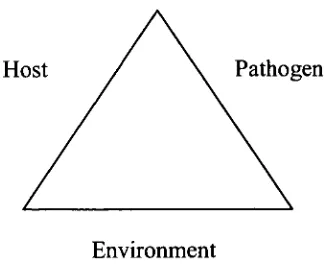
List of Figures: Page no. Figure 1.1: Disease triangle concept showing the interaction 3 between the host, pathogen and environment and how they are
all interconnected.
Figure 1.2: Outline of the three elements in the strategy to obtain 5 microbial control in the rearing of marine fish (adapted from
Vadstein et al., 1997).
Figure 2.1: Percent proportion of major bacterial taxonomic 46 groups occurring between the samples divided between the three
different green water treatments. Abbreviations: clear water, CW; fresh algae, FA; and instant algae, IA.
Figure 2.2: Percentage breakdown of the major bacterial 47 taxonomic groups identified in the striped trumpeter larvae by
clone library construction.
Figure 2.3: Percent proportion of major taxonomic groups 47 occurring in samples pooled on the basis of poor and good larval
survival performance as indicated in Table 2.1.
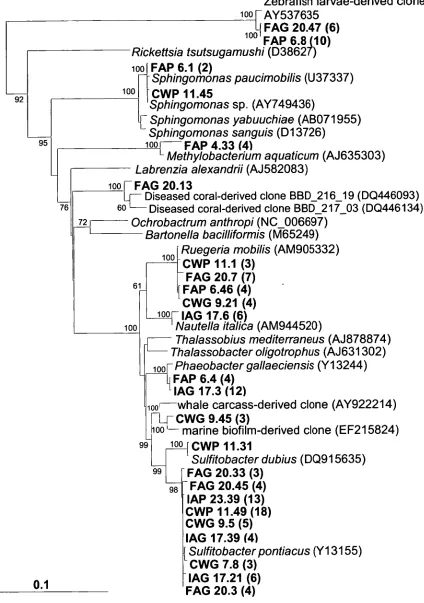
Figure 2.4: 16S rRNA gene-based phylogenetic tree showing 52 position of phylotypes in comparison to other members of the
class Alpha-proteobacteria.
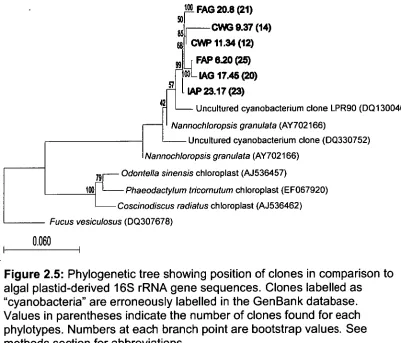
Figure 2.5: Phylogenetic tree showing position of clones in 53 comparison to algal plastid-derived 16S rRNA gene sequences.
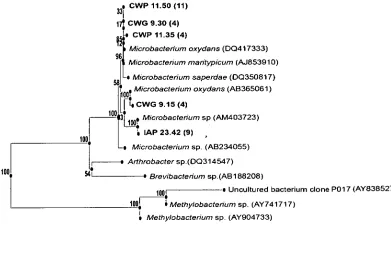
Figure 2.6: 16S rRNA gene-based phylogenetic tree showing 54 position of clones in comparison to closely related members of
the phylum Actinobacteria, in particular genus Microbacterium.
Figure 2.7: 16S rRNA gene-based phylogenetic tree showing 55 position of clones in comparison to other members of the class
Gamma proteobacteria.
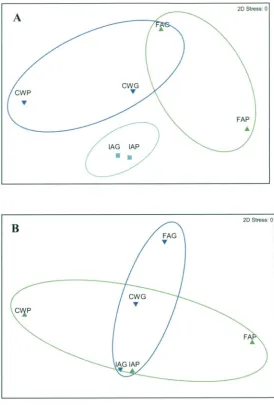
Figure 2.8: MDS plot of pairwise comparisons between 16S 59 rRNA gene-based TRFLP profiles from larvae reared using - (A)
instant algae (IA), clear water (CW) and (FA) fresh algae green water treatments. (B) Data compared on the basis of survival performance (P, poor; G, good performance).
Figure 2.9: MDS plot of pairwise comparisons between 16S 65 rRNA gene-based TRFLP profiles from water samples in which
larvae are reared — (A) using instant algae (wIA), clear water (wCW) or (wFA) fresh algae treatments. (B) Data pooled in regards to survival performance (P, poor; G, good performance)
Figure 2.10: MDS plot of green water treatment samples showing 66 a comparison of TRFLP profiles obtained from tank water and
larvae samples.
Figure 2.11: MDS plot of green water treatment samples showing 66 a comparison of TRFLP profiles obtained from samples defined
Figure 2.12: MDS plot of green water treatment samples showing 67 a comparison of TRFLP profiles obtained from water samples
and larvae samples.
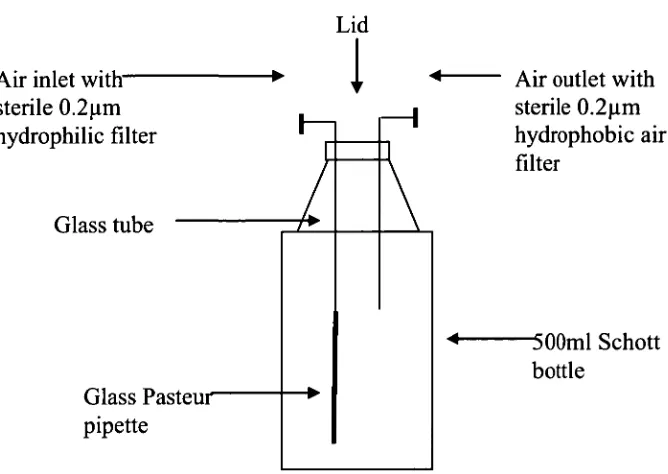
Figure 3.1: Schematic of the Experimental vessel arrangement 84 used for survival assessment Experiments.
Figure 3.2: Photograph of an in vitro antimicrobial plate showing 90 inhibition of Vibrio test pathogens by putative probiont isolate
ST18. A maximum inhibition score of "++" was recorded against streaks of strains numbered 4 and 2. Strain streaks 1 to 5, are in order: V.anguillarum (strain V568), V. alginolyticus (V34), V. harveyi (V890), V. proteolyticus (V760), and V. alginolyticus (V886).
Figure 3.3: Mean survival (± SD) of rotifers when challenged with 96 V. proteolyticus V760, V. alginolyticus V34, and isolates V52,
ST18 and V8, over a 14 h incubation period. Bacterial cell
concentrations used were 5 x 10 5 cells m1 -1 . Columns sharing the same letter are not significantly different (P< 0.05).
Figure 3.4: Mean survival (± SD) of rotifers when challenged with 97 V. proteolyticus V760, ST14, ST18, and ST7, over a 14 h
incubation period. Bacterial cell concentrations used were 5 x 10 5 cells m1 -1 . Columns sharing the same letter are not significantly different (P< 0.05).
Figure 3.5: Mean survival (± SD) of rotifers when challenged with 98 V. proteolyticus V760, ST18, ST7 over a 14 h incubation period.
Bacterial cell concentrations used were 5 x 10 4 cells m1-1 . Strains added in combination, ST18 + V760 and ST7 + V760, were both at a concentration of 5 x 10⁴ cells m1 -1 each. Columns sharing the same letter are not significantly different (P< 0.05).
Figure 3.6: Mean survival ± SE of rotifers when challenged with 99 V. proteolyticus V760, ST18, and 5T7 over a 14 h incubation
period. Bacterial cell concentrations used were 5 x 10⁵ cells m1-1 . Strains added in combination, ST8 + V-760 and ST7 + V-760, were both at a concentration of 5 x 10 5 cells m1 -1 each. Columns sharing the same letter are not significantly different (P< 0.05).
Figure 3.7: Mean survival ± SE of Artemia when challenged with 100 V. proteolyticus V760, ST18, ST7 over a 14 h incubation period.
All initial bacterial cell concentrations used were 5 x 10 5 cells m1-1 . Columns sharing the same letter are not significantly different (P< 0.05).
Figure 3.8: Mean survival ± SE of Artemia when challenged with 101 V. proteolyticus V760, ST18, ST7 over a 14 h incubation period.
All initial bacterial cell concentrations used were 5 x 10 cellsm1-1 . Columns sharing the same letter are not significantly different (P< 0.05).
Figure 3.9: MDS plot of TRFLP profiles of bacterial communities 106 associated with rotifers challenged with different bacterial strains
added at 5 x 10⁵ cells m1 -1 and incubated over a 14 h period.
associated with rotifers challenged with different bacterial strains added at 5 x i05 cellsm1-1 and incubated over a 14 h period
Figure 3.11: MDS plot of TRFLP profiles of bacterial communities 108 associated with rotifers challenged with different bacterial strains
added at 5 x 10⁵cells m1-1 and incubated over a 14 h period
Figure 3.12: MDS plot of TRFLP profiles of bacterial communities 109 associated with rotifers challenged with different bacterial strains
added at 5 x 10⁴ cells m1-1 and incubated over a 14 h period
Figure 3.13: MDS plot of TRFLP profiles of bacterial communities 110 associated with Artemia challenged with different bacterial strains
added at 5 x 10 cellsm1-1 and incubated over a 14 h period
Figure 3.14: MDS plot of TRFLP profiles of bacterial communities 111 associated with Artemia challenged with different bacterial strains
added at 5 x 10⁴ cells m1-1 and incubated over a 14 h period
Figure 4.1: Yolk sac larval survival during Experiment 1 126 (described in section 4.2.1.1). Values for the 6 dph samples not
sharing a common letter are significantly different (P<0.05).
Figure 4.2: Yolk sac larval survival during Experiment 2 132 (described in section 4.2.2.1). Values for the 13 dph results
List of Tables Page no.
Table 2.1: Striped trumpeter larval survival and size for three 46 different "greenwater" rearing strategies.
Table 2.2: Distribution of cloned bacterial 16S rRNA sequence 49 phylotypes detected in striped trumpeter larvae grown under
different "greenwater" conditions.
Table 2.3: Comparisons of the heterologous and homologous 51 coverages (delta-C) between treatments and larval survival
outcomes (determined using LIBSHUFF v. 1.22).
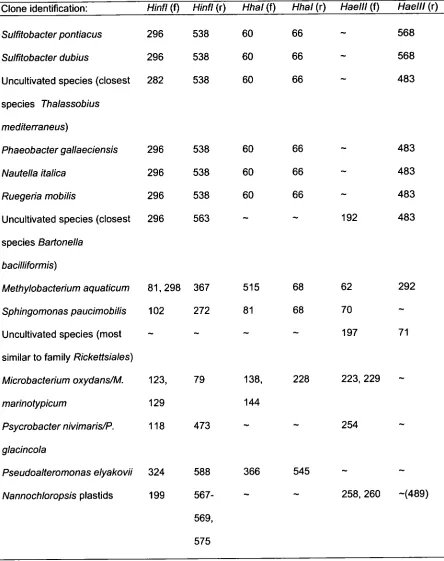
Table 2.4: Restriction enzyme TRFs of microorganisms detected 58 in larval samples determined by in silico digestion
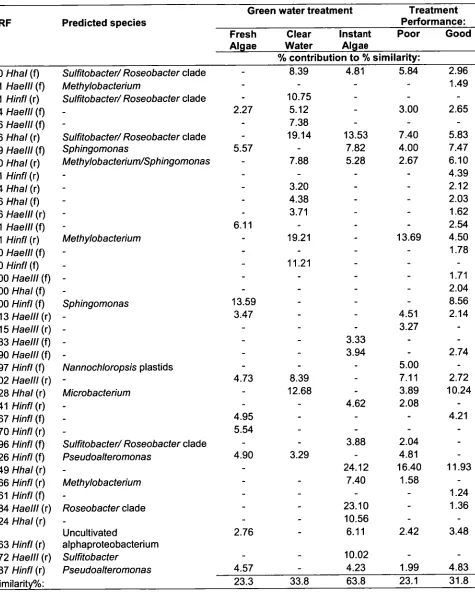
Table 2.5: SIMPER analysis results for TRFLP profile data 60 obtained from larvae-associated bacteria derived from tanks
samples pooled on the basis of survival performance and treatment.
Table 2.6: SIMPER analysis results for TRFLP profile data 64 obtained from larvae-rearing tank water pooled on the basis of
survival performance
Table 3.1: Species identification of potential probiotic bacteria 79 used in vitro antimicrobial activity tests, all isolates were obtained
from striped trumpeter larvae (kindly supplied by Dr Jeremy Carson).
Table 3.2: Pathogenic Vibrio sp. used in the in vitro antimicrobial 79 activity tests.
Table 3.3: Results of the in vitro antimicrobial plate test 89 Experiment.
Table 3.4: Comparison of MicroSys system identifications to 16S 92-94 rRNA gene sequence data results for isolates screened for
antimicrobial activity; five isolates with potential as probionts are highlighted in bold type.
Table 3.5: Distinguishing TRFs, representing strains ST18 and 102 ST7, obtained using restriction endonucleases Haelll, Hinfl, and
Hhal.
Table 3.6: Summarized SIMPER output data utilised for tracking of 106 strain probiont strains through detection of distinguishing TRFs for
strains ST18 within the rotifer challenge treatment Experiment (as shown above in Fig. 3.9).
Table 3.7: Summarized SIMPER output data utilised for tracking of 107 strain probiont strains through detection of distinguishing TRFs for
strains ST7 and ST18 within the rotifer challenge treatment Experiment (as shown above in Fig. 3.10).
Table 3.8: Summarized SIMPER output data utilised for tracking of 108 strain probiont strains through detection of distinguishing TRFs for
strains ST7 and ST18 within the rotifer challenge treatment Experiment (as shown above in Fig. 3.11).
Table 3.9: Summarized SIMPER output data utilised for tracking of 109 strain probiont strains through detection of distinguishing TRFs for
Experiment (as shown above in Fig. 3.12).
Table 3.10: Summarized SIMPER output data utilised for tracking 110 of strain probiont strains through detection of distinguishing TRFs
for strains ST7 and ST18 within the Attemia challenge treatment Experiment (as shown above in Fig. 3.13).
Table 3.11: Summarized SIMPER output data utilised for tracking 111 of strain probiont strains through detection of distinguishing TRFs
for strains 5T7 and ST18 within the Artemia challenge treatment Experiment (as shown above in Fig. 3.14).
Table 4.1: Yolk sac larvae Experiment 1 (see section 4.2.1.1) 127 showing larval size and survival and water physicochemical
parameters.
Table 4.2: Summarized SIMPER output data in which TRFLP 130 analysis was used to track probionts ST7 and ST18 in treatments
in which the strains were added directly to tanks holding 1 dph yolk sac larvae. Samples analysed included larval and water samples.
Table 4.3: First feeding larvae Experiment 2 (see section 4.2.2.1) 133 showing outcomes for larval size and health and water chemical
parameters.
Table 4.4: Tracking of strain ST18 using TRF data during the 136 rotifer bioencapsulation Experiment applied to striped trumpeter
Chapter 1: General Introduction
1.1 Introduction
Bacteria are unicellular microorganisms. Typically, they are a few micrometres in diameter, have a wide range of shapes, ranging from spheres (cocci) to rods and spirals. Bacteria are ubiquitous in every habitat on earth, growing in soil, acidic hot springs, radioactive waste, the deepest seawater, and deep in the earth's crust (Madigan et al.,
2000).There are typically 40 million bacterial cells in a gram of soil and a million bacterial cells in a millilitre of sea water. Bacteria are vital in recycling nutrients, and many important steps in nutrient cycles depend on bacteria, such as the fixation of nitrogen from the atmosphere
(Madigan et al., 2000). In industry, bacteria are important in processes such as wastewater treatment, the production of cheese and yoghurt, and the manufacture of antibiotics and other chemicals (Pianka, 1970). They also play an essential role in aquaculture, none more so than in the seed production of marine fish where the control of the bacterial community in larval rearing tanks is of paramount importance (Verschure et al., 2000).
1.2 Microbial flora of larval fish culture and their control
Many problems associated with the rearing of delicate marine fish relate to excessive bacterial populations. Bacterial blooms that occur in the culture systems may lead to disease, reduced growth rates, or even to a complete crash and loss of stock (Verschuere et al., 2000; Schulze et al., 2006). The reason for this is that these animals are cultured under
However, this also creates optimal conditions for various species of microorganisms, including pathogenic bacteria, to proliferate. This is particularly true when water treatment reduces or alters the natural microbiota, thus providing space for the colonisation and invasion of different species (Verschuere et al., 1997). The resulting environment is extremely well-suited for the growth of opportunistic bacteria that are classified as r-strategists, as they grow quickly and dominate under conditions that are eutrophic (nutrient rich) (Verschuere et al., 1997). In contrast, k-strategists are classified as bacteria that can effectively exploit resources under oligotrophic (nutrient-limited) mixed culture conditions, and tend to grow slowly (Verschuere et al., 1997). In general, r-strategists are characteristic of unstable environments, while k-strategists
Host Pathogen
Environment
Figure 1.1: Disease triangle concept showing the interaction between the host, pathogen and environment and how they are all interconnected.
As with all live animals, larval fish have their own bacterial communities, which they acquire from their surroundings. This can be seen graphically in the disease triangle concept, described in the 1960s by George
McNew, a scientist at the Boyce Thompson Institute for Plant Research (Fig. 1.1) (Scholthof, 2007). In larval rearing, the environment is the water, the host is the larvae, and the pathogens, in the case of the systems being explored in this thesis, are typically bacterial species.
With this in mind, hatchery producers of larvae must be informed about the bacteria associated with each stage of production. As the larvae obtain their microbiota from their surroundings, management of the number and types of bacteria present is highly desirable. Bacteria are present throughout the process, from egg collection, egg incubation, and through to the culture tanks.
Fish also contain a specific intestinal microbiota that becomes
[image:17.562.228.390.72.204.2]and Olafsen, 1999; Verschuere et al., 2000). During the establishment of the gut microbiota it is likely a series of transitional changes occur
throughout the stages of the fish's life (Hansen and Olafsen, 1999). This is due in part to the varying conditions to which the larvae are exposed during larval culture. In the Atlantic halibut (Hippoglossus hippoglossus
L.), gut-associated bacteria are detected towards the beginning of the non-feeding yolk sac stage (Verner-Jeffreys et al., 2003). These bacterial isolates are predominantly non-fermentative, gram-negative rods, (e.g.
Pseudoalteromonas spp.), and they increase in number once active
feeding by the larvae commences. Vibrio spp. also become associated with the gut during this stage of growth (Verschuere et al., 2000; Verner-Jeffreys et al., 2003). Other species which have been studied in detail included turbot larvae (Scophthalmus maximus). Blach et al, (1997) found that oxidative gram negative rods dominated during the early stages of the turbot larvae while this shifted to Vibrio sp during the final stages. It was also observed that high mortality coincided with high heterogeneity of
Vibrio spp. In Atlantic cod (Gadus morhua) larvae this pattern has also
been seen (Hansen and Olafsen, 1989).
(1997) has suggested a strategy for microbial control that uses a modified disease triangle concept, as shown in Fig 1.2.
Improvement of larval resistance
Non-selective
reduction of bacteria z
Selective
enhancement of bacteria
Figure 1.2: Outline of the three elements in the strategy to obtain
microbial control in the rearing of marine fish (taken from Skjermo et al., 1997)
Two of the elements involve environmental factors, with the third being the fish itself (Fig. 1.2). Non-selective reduction of bacteria relates to the reduction in microbial load through disinfection of eggs and tanks, through water treatment including filtration, ozonation and UV, and through treatment of live feeds.
direct and indirect nutrition of larvae; ii) reduced stress levels; iii)
enhanced environmental conditions for feeding from increased turbidity, light scattering and attenuation, and visual contrast enhancement; iv) improved water quality due to stripping of nitrogenous substances and increased oxygenation rates; and v) the possibility of antibacterial properties of the microalgae (Palmer et al., 2007).
The implementation of filtration systems may also control the microbial communities as can the use of ultra violet (UV) and/or ozonation of water. In UV treatment the water passes by a UV light were the UV irradiation inactivates and kills bacteria. Similarly, ozonation of water reduces the microbial numbers, through oxygen free radicals which induce severe oxidative stress in bacterial cells and result in inactivation, reduced growth and death.
Larvae are fed live feeds, which have their own bacterial communities associated with them (see Section 1.3 Role of live feed). Therefore, at different stages, the larvae are exposed to an array of different bacterial communities that often contain pathogens, albeit usually at very low levels. It is standard practice to clean culture tanks on a regular basis to remove detritus and to reduce potential bacterial proliferation.
effects over time, if the target microorganisms become resistant (Vadstein et al., 2004). Antibiotics are further discussed in Section 1.5.
Use of a selective method such as the incorporation of probiotic bacteria may prove advantageous. As here, known bacteria can be added to the community with the knowledge that it will only have an interaction with the target, here being pathogenic bacteria. However, with the modification of any microbial environment, there are always challenges. The major difficulties in the use of probionts are that they can modify the native microbial communities (affecting the microbial balance) and the choice of the correct balance of the probiont (how much and when). During the development of fish larvae, the stomach, foregut, midgut and hind gut become compartmentalized in terms of pH, enzyme content and digestive mechanisms. Consequently, the probionts chosen must be able to cope with these varying environments and be maintained in different areas of the gut (Vine et al., 2006). Probionts are further discussed in Section 1.6.
Finally, improvement of resistance against bacteria can be obtained by stimulation of the immune system of the larvae to better cope with
microbial challenges (Fig. 1.2). Fish larvae, in particular striped trumpeter, do not have the ability to develop specific immunity as their immune systems are not yet fully developed (Covello et al. 2009). An
through vaccination). Immunostimulants include bacterial products, muramyl dipeptides, polysaccharides and synthetic chemicals (Vadstein
et al., 1997).
1.3 The role of live feed
Over 85% of cultured marine species are fed live feeds in aquaculture (Hameed and Balasubramanian, 2000). The purpose of a live feed is to simulate the naturally occurring food source upon which the larvae would normally prey. These natural preys are often free-living zooplankton, such as copepods. However, as copepods are difficult to rear intensively
(Cheng-Sheng et al., 2005), the industry relies heavily on more easily cultured zooplankton such as rotifers (Brachionus spp.) and brine shrimp
(Artemia spp.) (Douillet, 2000).
Rotifers are often used as an initial feed, as their small size (0.1-0.5 mm length) allows effective feeding by larval fish. They are common in freshwater throughout the world and some saltwater species also exist. They are an easy animal to culture at densities up to 10 3 m1-1 and can be cultured to densities exceeding 104 m1-1 (Douillet, 2000, Vine et al, 2006). They are also an easy animal to nutritionally enrich, thus providing the means to improve their nutrient value, which can then be passed onto the fish larvae. Skjermo and Vadstein (1993) reported that some of the
encourage proliferation of undesirable bacteria. The numbers of Vibrio spp. have been found to increase significantly during mass culture and to displace other bacterial groups(Olsen et al., 2000) These bacteria can contribute to the poor reproducibility often seen in replicated systems in terms of survival and growth rates of rotifers (Skjermo and Vadstein, 1993). When the rotifers are fed an enrichment diet, a shift in the bacterial communities also occurs. Opportunistic bacteria bloom at this point and after a few days, the "normal" communities re-establish; these often being members of the phylum Bacteroidetes (formerly referred to as the
Cytophaga/Flavobacterium/ Bacteroides group) (Skjermo and Vadstein,
1993).
Brine shrimp (Artemia spp.) are an important live feed in aquaculture due to their ease of production and their suitable biochemical composition (Verschuere et al., 1999). They have been used as a live feed since the 1940s and often follow the initial use of rotifers as a first stage feed (Rollefsen 1940 in Straub et al., 1993). Extensive cultivation-based research has been undertaken to investigate the bacterial communities that are present in Artemia populations (Solangi et al., 1979; Austin and Allen, 1982; Straub and Dixon, 1993; Lopez-Torres and
Lizarraga-Partida, 2001). Freshly hatched Artemia nauplii are deficient in essential fatty acids, particularly docosahexaenoic acid (DHA) (Sargent et al.,
Artemia culture can result in increased bacterial populations. Bacteria
isolated from Artemia have been shown to belong to genera Bacillus,
Micrococcus, Staphylococcus, Erwinia and Vibrio (Austin and Allen,
1982). However, the problem for fish culturists is that Vibrio spp. may become dominant during the hatching process, which is usually
conducted at incubation temperatures around 28°C for 24 hours. As the
cysts break down, an organic reserve (glycerol) is released into the water and this provides an organic substrate that is used efficiently by the Vibrio spp. already present in the surrounding water (Vine et al., 2006). The resultant bloom of Vibrio spp., when transferred with the Artemia to the - larvae, may lead to larval mortalities. It is important to stress that Vibrio spp. are not directly associated with Artemia, but instead originate from the seawater in which they are hatched (Lopez-Torres and Lizarraga-Partida, 2001).
Factors associated with both nutrition and bacteria have been suggested for the high numbers of mortalities during the first feeding of larval fish (Olsen et al., 2000). As discussed, both rotifers and Artemia may carry a large bacterial load that, when transferred to the larval fish, can account for fish mortalities (Hameed and Balasubramanian, 2000). The
relationship between the presence and predominance of r-strategists and fast growing bacteria in Artemia intestinal tracts is a direct result of the systems in which they are cultivated. The food, fishmeal, and fish oil
that are fed microalgae (Tetraselmis sp.) have a 75% lower bacterial population load and a more diverse community with fewer Vibrio spp. when compared to Artemia fed commercial feeds (Olsen et al., 2000). The domination by Vibrio spp. can be as high as 58% in Artemia fed commercial feeds (Olsen et al., 2000). Verschuere et al. (1997) observed that r-strategist bacteria constituted 90% of the bacteria present in three day-old Artemia cultures. Verschuere et al. (1999) showed that axenic cultures of Artemia grown under suboptimal conditions yielded better survival and/or growth rates when grown in a preemptively colonized culture medium, compared with strains of Artemia fed in the standard way. This suggests that the bacterial flora present is important for the growth and survival of Artemia.
1.4 Methods used to reduce the bacterial populations of rotifers and
Artemia
formaldehyde (70 mgr.' for 5 min) or hydrogen peroxide (60m11-1 of a 6% solution for 5 min) provided the greatest reduction in bacterial loads. The best results were found for sodium hypochlorite or formaldehyde, both of which resulted in a 90% reduction in the heterotrophic bacteria. When sodium hypochlorite was used, it also resulted in the complete elimination of Vibrio spp.
More traditional enrichment procedures can also decontaminate Artemia. Using algae such as Chaetoceros muelleri and ozone (4 ppm for 5 min), final bacteria loads can be reduced by 99.5% (Tolomei et al., 2004). The use of enrichment products to decontaminate Artemia is feasible because they have a relatively short gut passage time, as quick as 10 minutes (Smith et al., 2002).
1.5 Antibiotics
Reducing antibiotic usage helps prevent the development of antibiotic resistant bacteria, which have become a serious problem in the prawn industry, where a Vibrio spp. has become resistant to multiple antibiotics, leaving farms in South America unable to treat disease outbreaks
(Moriarty, 1998). In this case, the solution has been to use a probiotic strain of the genus Bacillus. The probiont acted prophylactically against
Vibrio spp. when added to the water and feed (Moriarty, 1998).
indiscriminate use can lead to an increase in antibiotic resistance and problems with tissue residues (Vine et al., 2006). Antibiotics still play an important role in the control of new fish diseases or as a tool for
identifying bacterial disease as a cause of fish mortalities (Battaglene et al., 2006; Kersarcodi-Watson et al., 2008). Oxytetracycline (OTC) has been studied as an antibiotic addition to modify the bacterial flora of striped trumpeter (Latris lineata) larvae (Battaglene et al., 2006). The bacteriology of this study provided a snapshot of Vibrionaceae the
primary flora colonizing the gut of larval fish (Munro et al., 1994) and was based on culture techniques. The bacterial load was found to be reduced by the OTC treatments, and the larvae were significantly larger than the ones not treated, and had a five-fold increase in survival. The OTC treated larvae also had less "grey gut", a measure of intestinal
dysfunction and the results indicated that bacterial infection was a major source of mortality in the larvae and also reduced growth. The study, indicated that microbial control had a greater influence than lipid nutrition on the survival and growth of the larvae during rotifer feeding stages (Battaglene et al., 2006).
Increased political and environmental pressure has led to a decrease in use of antibiotics, particularly the latest generation of antibiotics reserved for human health treatment (Vine et al., 2006; Kersarcodi-Watson et al., 2008). Other therapeutic chemicals have also been developed in
the development and use of alternative strategies to manage and control bacterial contamination and disease. These activities have opened up the field of probiotics as a viable and effective management approach in aquaculture.
1.6 Probiotics
The word probiotic originates from the Greek word for 'for life' and is currently used to describe bacteria that have beneficial effects in both humans and animals (Farzanfar, 2006). They have been used in terrestrial farming since the 1970s, with the chicken, cow and pig
industries being the biggest users. Recent probiotic research (Verschuere et al., 2000) has centered on two major strategies: bioremediation
(modification of an established biota to one that is supportive of the host) and biocontrol (use of a specific microorganism to minimize the impact of a specific pathogen). The former introduces benign bacteria that either displace or deny access to more aggressive opportunistic bacteria (Skjermo et al., 1999; Gomez-Gil et al., 2000; Huys et al., 2001). In
bioremediation or biocontrol in hatcheries. Isolation and evaluation of probionts involves a mixture of in vivo and in vitro experimentation. The use of larval animals reared under hatchery conditions is essential for the development of a bioremediation strategy, since the bacterial ecology of larval fish is complex (Vine et al., 2006).
A number of criteria have been determined for bacteria to be considered as candidates/probiotics to improve the health of their host (Gatesoupe 1999; Vine et al., 2006). Put simply, a probiont must:
1) Be antagonistic to pathogens in vitro.
2) Have a colonization potential that ensures that it does actually colonize the target's gut.
3) Pass challenge tests that confirm that it does increase the host's resistance to disease.
Previous research has looked into methods of manipulating the bacterial communities of culture environments (Gatesoupe, 1991; 1997; 1999; Bruce et al., 2003). Bacteria have been added directly to the water andto the artificial feed while live feeds have also been enriched with probionts. There are a number of reviews written that describe the various probionts used in aquaculture; for example Vine et al. (2006) and
2001; Makridis et al., 2001). Inclusion of probiotic bacteria may alter the indigenous microbiota of the target species. Tinh et al. (2008) suggests this alteration may come about by (1) the stimulation of the humoral and/or cellular immune responses, (2) the modification of the metabolism of bacterial pathogens by changing their enzyme levels, and/or (3)
competitive exclusion either through production of inhibitory compounds that are antagonistic towards pathogens, or by competing for nutrients, attachment sites, or oxygen.
Previous studies have shown that when probiotic bacteria were added to the ambient water, larval fish (Turbot, Psetta maxima) and prawns
(Penaeus monodon), had an increased survival rate, which was
considered to be due to Bacillus spp. being antagonistic to the pathogenic bacteria in the culture water (Skjermo and Vadstein, 1999; Verschuere et al., 2000; Devaraja et al., 2002; Bruce et al., 2003). Addition of a probiont can be incorporated at the yolk stage, just prior to first feeding. Fish begin to osmoregulate and drink water at this time (Verschuere et al., 2000), thereby introducing bacteria into the intestinal tract. As well as having a potentially positive effect on larval survival, probiotics also have the added benefit of reducing the need for antibiotics. The need to add probiotics to artificial feed has received attention because some
1998). In this case, Lactobacillus spp. needed to be administered through the feed at all times, as it could not build up an effective population due to other bacteria out-competing it. To overcome this problem, research has looked at other bacteria that are present in the gut of fish and that adhere to the intestinal wall (Ringo and Gatesoupe, 1998; Gatesoupe, 1999). As previously mentioned, members of the genera Vibrio, Pseudomonas,
Achromobacter, Micrococcus, and members of the Actinobacteria and
Flavobacteria, can be readily cultured from the gut of fish (Hansen and
Olafsen, 1999). Bacteria that have probiotic properties and the ability to adhere, will also persist within the fish intestinal environmental to avoid fish culturists having to repeatedly re-administer probiotics (Ringo and Gatesoupe, 1998).
1.7 Development and delivery of selected probionts
Recent research has focused on encapsulation of probiotic bacteria into live feeds, a process which is called bioencapsulation' and which enables transmission of probiotic bacteria to larval fish.
Studies have investigated the benefits of encapsulating bacteria (Verschuere et al., 1999) and drugs (Dixon et al., 1995) into Artemia, which then acts as a live feed for larval fish. These studies have
and Artemia in quantities that could be therapeutic (Benavente and Gatesoupe, 1988; Verpaet et al., 1992; Dixon et al., 1995; Majack et al., 2000). However, it should be noted that each of these studies used different life stages of Artemia, which makes it difficult to draw general conclusions on the exact usefulness of bioencapsulation. In addition, the active feeding rate of Artemia changes with time and each drug has a different particle size, making the concentration different for each.
Probionts may also be used as a benefit to raising live feed species. Adding Pseudomonas spp. delayed mortality in Artemia when no other food was available and was a major source of amino acids and other proteins (Verschuere et al., 1999). Villamil et al. (2003) have reported that the use of Lactobacillus brevis and L. casei significantly reduced the amount of Vibrio alginolyticus load in Artemia cultures. It has also been hypothesized that dissolved nutrients that are normally unavailable to
Artemia may be converted to bacterial biomass when probionts are
added, which are in turn grazed upon by the Artemia (Verschuere et al., 1999).
growth rates were achieved with the cultures that had been inoculated with an Alteromonas strain or a mixed bacterial culture. The lowest growth rates were observed in the controls that were inoculated with bacteria freshly collected from seawater samples. Martinez-Diaz et al. (2003) found that encapsulation of probiotic bacteria was promoted by reducing the initial bacteria load of the culture system.
Bioencapsulation success and derived benefits strongly depends on the type and strain of bacteria used, time of exposure and whether the bacteria are dead or alive (Gomez-Gil et al., 1998). Lysed cells or extracellular activity may be an important factor as they can deliver enzymes that remain active in the gut (i.e. acquired bacterial enzymes), and may therefore result in an increased ability for the host to digest food . If the bacteria are dead, then only the concentration is an important factor in the uptake of bacteria by Artemia nauplii, but if the bacteria are alive, the species or strain is also a significant factor. It has been
demonstrated that in most cases, the bioencapsulation of bacteria occurs during the first 30 minutes, in both rotifers and Artemia (Gomez-Gil et al.,
1998; Makridis et al., 2001). This is a direct result of the live food having relatively short gut passage times.
It is possible, after short term incubation, to replace opportunistic bacteria present in live food cultures with other bacteria, which persist for a
(Majack et al., 2000). The composition of the bacterial community changes, as the bioencapsulated strains comprise up to 100% of the colony forming units (CFU). Some Vibrio strains are grazed on more effectively than other strains and thus may persist longer (Gomez-Gil et al., 1998).
1.8 Experimental approach
1.8.1 Molecular analysis of microbial communities
With the addition of a probiont to the culture system, it is difficult to monitor changes that may occur in the microbial community. A valid approach is to track populations using microbiological and molecular methods.
Traditionally, microbiology methods are culture based. These methods have the advantage of providing information about the phenotypic
characteristics (e.g. morphology, growth rate and metabolic capabilities) of a culture. However, this is very time consuming, and often takes many days to culture and process. The identification of fish microbiota, in the past, has typically relied on phenotypic and biochemical key
bacteria, the often limited nature of diversity surveys, and the inherent bias towards the analysis and study of fast-growing species.
1.8.1.1 Clone libraries
The highest resolution assessment of microbial diversity of an environmental sample is obtained by constructing a 16S rRNA gene clone library. Here, after the nucleic acids have been extracted from the sample, a clone library can be constructed in three different ways: shot gun cloning of DNA; cloning of rRNA genes after reverse-transcriptase-polymerase chain reaction (RT-PCR); and direct cloning of PCR-amplified 16S rRNA genes. The most popular and widespread method is the latter approach, since the PCR products can be easily cloned into several commercially available sequence ready vectors (Theron and Cloete, 2000). These clones can then be sequenced directly and the sequences compared to nucleotide databases (e.g. Genbank). For complex
communities, it is necessary to sequence a large numbers of clones (in the 1000s) in order to gain an accurate insight into the community
low abundance members of the community. Clone libraries therefore still offer the highest resolution in assessing community structure, however, practicality may also demand that a more focused approach be
undertaken.
1.8.1.2 Denaturing gradient gel electrophoresis (DGGE)
DGGE was first used by (Muyzer et al., 1993) to analyse natural microbial communities. DGGE is based on the concept that DNA PCR fragments of the same length but with varying sequences have different melting
1.8.1.3 Automated ribosomal intergenic spacer analysis (ARISA) To overcome the limitations of cultivation, molecular techniques that adapt the well established (PCR) technique for amplification of target genes from organisms have been used along with automated ribosomal intergenic spacer analysis (ARISA). ARISA involves the use of PCR to obtain fluorescently labeled amplicons comprising the Internal
Transcribed Spacer (ITS) region between the 16S and 23S rRNA genes. These amplicons are then resolved using capillary electrophoresis to obtain a profile of the bacterial community, which appears as a series of peaks of specific sizes. The ITS region has highly variable lengths between different bacterial taxa and has proven very useful for tracking bacteria in natural samples, e.g., seawater (Brown et al., 2005). By correlating the length of each fragment corresponding to a peak in the electrophoretogram obtained, it is also possible to identify the source micro-organism.
amplification of the 16S rRNA gene with specific primers and is thus more susceptible to biases and skewing of the native community. The
technique itself depends on the amplification of the DNA with a primer set, one with a fluorescently end labeled primer and restriction of the resulting product with frequently (4-base) cutting restriction enzymes. Due to sequence variations, the terminal restriction site for each species in the community should be different. The output is digital and provides
1OF and 907R were used in this study. This primer set was used for the formation of the clone libraries and TRFLP, constancy through the study with the primers was believed to be the best approach.
1.8.1.5 Real time PCR
Through the use of specific primers targeting the probionts ITS region, RT-PCR can be correlated to other experimental data, such as survival rates and effects of nutrients. By allowing the binding of a
DNA-intercalating dye, Sybr-Green II, the amount of amplified product being produced during the PCR thermocycling process is automatically determined. By determining the minimum time for the fluorescence to exceed a certain threshold, the copy number of the target gene (16S or 23S rRNA genes) is calculated by comparison to a standard curve calculated from measurements of known target gene copy numbers. From this, a relative abundance of the probiont population can be established. In addition, the same approach can be used to rapidly
monitor bacterial pathogen populations, which are also detected by using a specific primer set (Theron and Cloete, 2000).
1.9 Fish model used in study
tolerance to high holding densities. It is a highly prized fish in restaurants. The species is widely distributed in the temperate latitudes of southern Australia, around Tasmania and New Zealand, and in isolated island groups in the Indian and Atlantic Oceans (Tracey et al., 2006). Striped trumpeter was once plentiful in Tasmania but the Tasmanian fishery has declined to a catch of less than 30 metric tonnes per annum. Work started on striped trumpeter during the late 1980s with a production method based on that of Atlantic salmon. It was quickly seen that striped trumpeter were not easy to culture and had a complex life cycle, including a nine month neustonic `paperfish' stage. Due to the extended larval stages, it has been difficult to rear large numbers of larvae for a variety of reasons, including key development issues such as poor swim bladder inflation, jaw malformations, inadequate larval nutrition and bacterial problems (Battaglene and Cobcroft, 2007).
Striped trumpeter are now cultured under "greenwater" conditions and fed enriched live feeds, which has resulted in increased production.
Measures are taken to reduce the bacterial loads including egg
disinfection, washing of the live feeds, the use of ozone treated seawater and use of OCT (Battaglene, 2006, Battaglene and Morehead 2006; Battaglene and Cobcroft, (2007).
underway to improve larviculture techniques, through the use of
1.10 Thesis aims
The aim of the thesis was to establish a process that could be used for assessing the type of bacterial interactions associated with fish larvae, using striped trumpeter larvae as a model and developing the means for evaluating the properties of potential probionts. The goal was to develop standard methods that can be used to identify possible probionts for bioremediation or biocontrol in hatcheries and also to develop methods of identifying/ tracking the probionts once added. Isolation and evaluation of probionts involved a mixture of in vivo and in vitro experimentation. The use of larval animals reared under hatchery conditions is essential for the development of a bioremediation strategy, since the bacterial ecology of larval fish is complex. To develop a robust process that could identify and culture probionts in larval fish cultures, the following goals were
developed:
1) Identification of the bacterial communities in striped trumpeter larval cultures through the use of a 16S rRNA bacterial gene clone library and TRFLP analysis.
2) Determination of the bacteria that possess probiotic activity against
Vibrio spp., by using in vitro antimicrobial plate tests and assessment of
possible candidates on live feeds.
4) Exploring the best mode of action to introduce the probiont to the larvae and at which stage. The tracking of the probionts in an
experimental striped trumpeter larvae system was to be achieved using TRFLP to match the probionts' unique TRF.
1.10.1 Experimental constraints
It must be noted that this thesis has certain experimental constraints associated with it. Replication in Section 2.3.2.3 is lacking due to samples coming from a previous experiment. During the study the use of clone libraries and TRFLP required considerable optimisation. These processes took a substantial amount of time and had an associated cost-burden and thus led to the number of replicates used for TRFLP analysis being
suboptimal (typically n=3) and clone libaries (typically n=50).
1.10.2 Thesis structure
The thesis consists of Five Chapters:
Chapter One includes a general introduction into the microbiology of the larvae of marine fish and the methods to be used in this study. Chapter Two involves an investigation of the bacterial communities, using 16S rRNA clone libraries and TRFLP analysis, associated with 15 dph striped trumpeter larvae grown under different conditions. It includes an
systems. The chapter also explores the efficacy of probionts against a pathogenic Vibrio proteolyticus strain in experiments involving live feed species, rotifers and Artemia. Chapter Four utilizes findings from the previous chapters and assessed different ways to introduce the probionts to larval fish, be it by directly adding them to the tank water, or via
bioencapsulation within live feed species. Within this chapter there was also an assessment of the probionts performance to determine whether they had a detrimental, neutral, or positive benefit to larval survival and growth during the yolk sac and first feeding phases. Chapter Five
summarizes the thesis. It also discusses further directions and areas of importance to be researched that could further increase our
Chapter 2: Microbial communities of post hatch striped trumpeter
(Latris lineata) larvae held under different rearing conditions, determined using cultivation-independent approaches
2.0 Abstract
A knowledge of the microbial bacterial community of the larvae, seawater and live feeds was believed to be necessary in order to develop an
understanding of what represents a healthy microbial ecology relevant for larval fish rearing success. 16S rRNA bacterial clone library and terminal restriction fragment length polymorphism (TRFLP) analysis was utilized to examine the microbial community associated with striped trumpeter
larvae (Latris lineata) cultured under different "green water" conditions. It was discovered that the larvae-associated microbial diversity was
restricted but varied considerably between culture conditions. Most bacteria detected belonged to class Alphaproteobacteria (predominantly the Roseobacter clade), Gammaproteobacteria (genus Psychrobacter and Pseudoalteromonas) and Actinobacteria (primarily genus
Microbacterium). No association was found between larval survival and
microbial community structure. Similar results were obtained using
2.1 Introduction
Intensive cultivation of most marine larval fish is potentially subject to bacteria-associated problems that result in poor growth and mass mortalities (Skjermo and Vadstein, 1999; Vadstein et al., 2004). An understanding of the microbial bacterial community of the larvae, seawater and live feeds is necessary in order to develop an
understanding of what represents a healthy microbial ecology relevant for larval fish rearing (Nicolas et al., 1989; Hansen and Olafsen, 1999;
Verschuere et al., 1999). As with all live animals, larval fish have their own bacterial communities that they acquire from their surroundings. It is possible that, as in mammals, fish contain a specific suite of intestinal microbiota that establish during juvenile developmental stages (Hansen and Olafsen, 1999; Verschuere et al., 2000).
New techniques are required to better understand these bacterial communities and their interactions. Traditionally, culture-dependent studies of hatchery fish have been conducted on identifying the major families of bacteria associated with marine fish at different stages of life. Hansen and Olafsen, (1989) found that larvae and juvenile cod (Gadus
morhua), were made up of predominantly Vibrio, Lactobacillus and
Bacillus, while this changed to Vibrio, Photobacterium, Pseudomonas,
and Afteromonads during the adult stages. Studies on the Atlantic halibut
(Hippoglossus hippoglossus) have also shown a shift during the yolk sac
sac stage, it was observed that the dominant genera present were
Cytophaga, Flexibacter, Flavobacterium and Pseudomonas, while during
the feeding larval stages, Vibrio and Aeromonas were detected (Bergh et al., 1992). While using a culture-dependent approach does give an insight into the bacterial communities, often a high proportion of bacteria are overlooked, either due to inadequate surveying or because they cannot be cultured on standard agar media. For this reason, more recent studies have applied molecular-based approaches (Jensen et al., 2004; Romero and Navarrete, 2006; McIntosh et al., 2008; Zhong et al., 2008). These methods have allowed the identification of bacteria without isolation and allow the phylogenetic affiliation of the community present to be
accurately determined. Overall, this information has greatly increased our knowledge of the microbiology of fish (Romero and Navarrete, 2006).
Methods based on the amplification of the 16S rRNA gene, have
emerged as powerful tools (Holben et al., 2002). Examples of these are DGGE, TRFLP, clone libraries and real time PCR, which have been discussed in Section 1.8. These techniques are subject to PCR biases and resolution limits, meaning that even when precautions, such as multiple PCR reactions are made, PCR can skew community composition data. This may also result in species with a smaller amount of DNA present to remain undetected. Using these methods, it has been found that the microbial diversity of larval fish is relatively similar on a broad level with most taxa belonging to the phyla Proteobacteria,
much greater. It has also been reported that these differences can occur within different parts of the fish, e.g. foregut or hind gut (Verner-Jeffreys et al., 2003) and that skin mucus and the surrounding water also have different microbial populations (Smith et al., 2007). The age of the fish, as well as whether it is either wild or captive, can also influence microbial communities (Romero and Navarrete, 2006). Therefore, by utilizing molecular biology techniques, it is possible to obtain insights into the microbiota and thus better understand how the microbial ecology of the fish and its environmental influences health and growth.
While the microbial community of the striped trumpeter larvae has been previously investigated following culture (Battaglene et al., 2006) to gain a greater understanding of the microbial community of striped trumpeter larvae, a molecular approach was applied. This study uses 16S rRNA and TRFLP molecular techniques described in Sections 1.8.1.1 and 1.8.1.4 respectivly. Samples were obtained from 15 day-old striped trumpeter larvae that were grown under three different green water conditions. The main objectives of this study were to:
1. Determine the bacterial communities associated with 15 day-old striped trumpeter larvae reared under different conditions, by using 166 rRNA gene clone library analysis.
3. Determine how the microbial communities are influenced by different greenwater rearing approaches and to determine whether microbial communities affect growth and survival of larvae.
2.2 Methods
2.2.1 Background
The study formed part of a larger experiment investigating the effects of three water treatments on the survival and growth of striped trumpeter larvae (Cobcroft et al., 2010).
2.2.1.1 Larval rearing
Eggs were collected from a female striped trumpeter broodstock by strip-spawning, and fertilized with the milt of four males. Fertilized eggs were incubated and hatched as previously described (Bransden et al., 2004). Larvae (4500 per tank) were stocked into twenty-four, 300 I black hemispherical fiberglass tanks at 1 dph. Larvae were held under static, clear water conditions from 1 to 5 dph. A photoperiod of 18 hours light: 6 hours dark was used throughout the experiment and was produced by a computerized halogen light source (-11 pmol s-1 m-2 at the water surface) using a gradual fade in and fade out process. During 6 dph internal
screens (390 pm mesh size) were placed into the centre of each tank to allow outflow and removal of rotifers, algae and incoming seawater overnight (see below).
'greenwater' environment that included live Nannochloropsis oculata at a turbidity level of 3 Nephelometric Turbidity Units (NTU) (HACH 2100 portable turbidity meter). The second treatment, designated "Instant Algae" (IA) was an algal paste of concentrated N. oculata (Reed
Mariculture Inc., California, USA) that was also used to produce a green water environment by re-suspension of the concentrate in seawater to a turbidity level of 3 NTU. The final treatment, designated "Clear Water" (CW) consisted of rearing larvae without addition of algae (<0.01 NTU). The algal additions were added to each tank at a rate of 8.8 I min-1 (total 100 I) from the reservoirs accompanying each individual tank. The algal suspensions or seawater had been acclimated to tank temperature in the reservoirs overnight and provided with aeration. Tanks remained static during the light phase with gentle aeration (200 ml min-1). A central screen (mesh size 390 pm) was placed in the tank and incoming seawater (112.5 I hr-1) that had been passed through primary filtration
was supplied. The screen prevents the loss of larvae but allows the passage of algal cells and live food (see below). All tanks were supplied with live food rotifers (Brachionus plicatilis) enriched on Algamac 2000 (Aquafauna Biomarine, USA) as described by Bransden et al. (2004). Enriched rotifers were supplied at 10mI-1 every morning. Surface
the experiment (15 dph) when all live larvae were removed and counted to determine final survival.
2.2.2 Larval sampling
Larvae were sampled from each tank on 15 dph. Fifty larvae were removed from each tank and following anesthesia; 30 were used to determine morphormetric indices and dry matter content and 20 were used for the assessment of the microbial community. At the same time 20 ml of water was removed via a sterile pipettor from each tank and placed into sterile containers. All sampling took place prior to feeding.
The larvae and water samples selected from the six treatment tanks for the study were chosen from tanks that performed at different levels for each of the three treatments, designated "good performance" and "poor performance" i.e., the best and worst performing tanks for each treatment. Further information on performance of tanks not chosen for analysis can be found in Cobcroft et al. (2010). In addition water samples relating to each of these six larvae samples were also obtained for TRFLP analysis. No replication was possible because of the constraints described in Section 1.10.1.
2.2.3 DNA extraction
incorporated to lyse Gram-positive bacteria. Additional wash steps were employed in addition to the manual protocol which resulted better yields of DNA as it removed salts and other inhibitors that were present in the samples. This was done by repeating the initial wash step as per manual. Extraction of bacterial DNA was also performed on water samples,
utilizing the MoBio water extraction kit (MoBio Laboratories, Inc) following the manufacturer's instructions. The amount of DNA present in larval and water extracts was measured by spectrophotometry using a SmartSpec 3000 (BioRad).
2.2.4 Clone library polymerase chain reaction (PCR)
Clone libraries were generated using DNA extracted from the six samples types. PCR amplification of the 16S rRNA gene, used the primers 10f (GAG TTT GAT CCT GGC TCA G) and 907r (CCG TCA ATT CCT TTG AGT TT). Each reaction was a 50p1 reaction mix with 5p1 of 10X buffer,
2.2.5 Clone library construction
PCR-amplified 16S rRNA gene samples to be cloned were ligated into the pGem-T vector (Promega) according to the manufacturer's
instructions and transformed into Epicurian coli XL ultracompetent cells (Stratagene). Transformants were then screened using blue-white selection on Luria agar containing XGal/IPTG and 100 mg 1-1 ampicillin. Approximately 50 white colonies from each library were then transferred to fresh plates and re-incubated overnight. Plasmids were extracted using the Ultraclean miniplasmid extraction kit (MoBio). Positive clones were sequenced in both directions using primers M13 forward and M13 reverse using the Ready Reaction Dideoxy Cycle Sequencing kit (Beckman-Coulter). Sequencing was performed using a Beckman-Coulter CEQ2000XL automated capillary sequencing system.
2.2.6 Sequence analysis
Sequences were aligned against reference sequences obtained from GenBank (http:/www.ncbi.nlm.nih.gov/Bast (Altschul et al., 1997) using BioEdit (version 7.0.9) (Hall, 1999). Automated alignment using_Clustal X was performed and aligned data exported to the CLC free workbench (v4) where similarity trees were produced, using the Neighbour-joining
algorithm. The 16S rRNA gene sequences from Thermotoga maritima and Coprothermobacter platensis were used as outgroup references on the Alphaproteobacteria, Gammaproteobacteria and Actinobacteria sequence based-trees, while the plastid 16S rRNA gene sequence from