The Effect of Exercise and Physical Activity on
Intrinsic Physical Fall Risks
By
Marie-Louise Bird BPhty, Dip Ed
May 2012
Dissertation submitted in fulfilment of the
requirements for the degree of
Doctor of Philosophy
University of Tasmania
Supervisors: Professor Madeleine Ball
Dr Andrew Williams
ii Table of Contents
Candidate Declaration ... vii
Acknowledgements ... viii
Publications and Presentations arising from this and related work ... ix
Author contribution to thesis by ML Bird (2012) ... xi
Table of Tables ... xiii
Table of Figures ... xv
List of Appendices ... xvi
List of Abbreviations ... xvii
Abstract ... xviii
1 INTRODUCTION...2
2 LITERATUREREVIEW...8
2.1 Fall risks ... 8
2.1.1 Fall rates ... 8
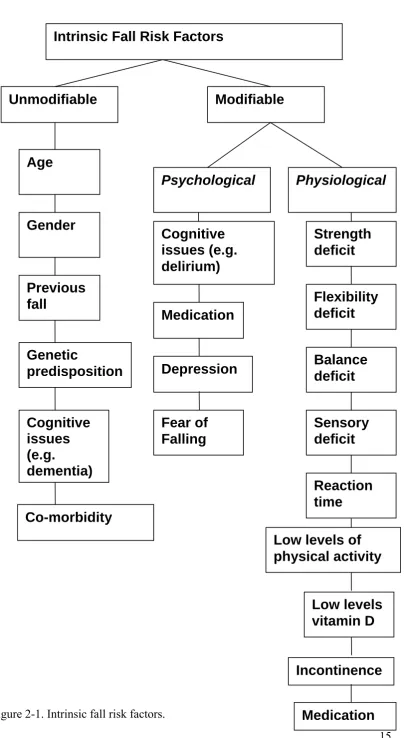
2.2 Factors affecting fall risk ... 14
2.2.1 Age ... 16
2.2.2 Gender ... 17
2.2.3 Previous falling ... 17
2.2.4 Genetic predisposition ... 18
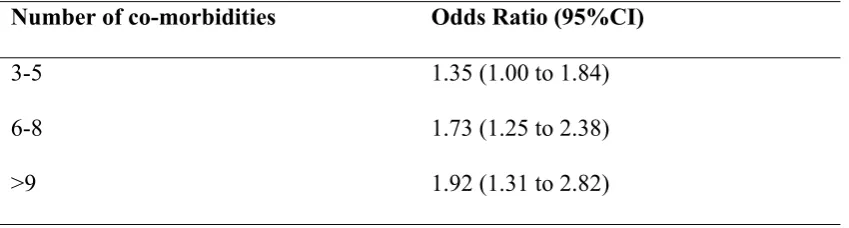
2.2.5 Co‐morbidity ... 18
2.2.6 Cognitive Issues ... 19
2.2.7 Medications ... 20
2.2.8 Depression ... 22
2.2.9 Incontinence ... 23
2.2.10 Fear of falling ... 23
2.2.11 Muscle Strength ... 25
2.2.12 Ankle flexibility ... 29
2.2.13 Balance ... 30
2.2.14 Sensation (somatosensory, vestibular and vision senses) ... 40
2.2.15 Reaction Time ... 45
2.2.16 Physical activity as a fall risk ... 47
2.2.17 The role of vitamin D in fall risk ... 51
2.2.18 Fall risk factors for indoor and out‐of‐doors falls ... 58
iii
2.2.20 Seasonal variation in fall rate and risk ... 59
2.3 Exercise and Physical Activity Interventions ... 61
2.3.1 Exercises to reduce fall rate ... 62
2.3.2 Progressive resistance exercise – impact on fall risk factors: strength, balance and functional measures ... 70
2.3.3 Static balance ... 76
2.3.4 Dynamic balance ... 77
2.3.5 Flexibility training, fall rate and balance ... 79
2.3.6 Other exercise approaches with potential impacts on balance and mobility ‐ Yoga and dance, Tai Chi and Pilates ... 81
2.4 Conclusion ... 84
3 GENERALMETHODS...85
3.1 Overview ... 85
3.2 Study Design ... 86
3.2.1 Recruitment ... 86
3.3 Balance Measures ... 88
3.3.1 Force platform measures ... 88
3.3.2 Clinical tests of standing balance ... 91
3.3.3 Measures of function reliant on lower limb strength and dynamic balance 95 3.4 Selection of Measures of Strength ... 97
3.4.1 Cybex ... 97
3.4.2 Spring based gauges ... 98
3.5 Measures of activity ... 100
3.5.1 The Physical Activity Scale in the Elderly ... 101
3.5.2 CHAMPS: Community Healthy Activities Model Program for Seniors . 102 3.5.3 Readiness to participate in physical activity ... 103
3.6 General Assessment Procedure ... 103
3.7 Interventions ... 104
3.8 Statistical analysis ... 104
3.9 Ethics ... 104
iv
4 EFFECTS OF RESISTANCE AND FLEXIBILITY EXERCISE
INTERVENTIONS ON BALANCE AND RELATED MEASURES IN OLDER
ADULTS...106
4.1 Background ... 106
4.2 Methods ... 108
4.2.1 Participants ... 108
4.2.2 Study design ... 109
4.2.3 Procedure and outcome measures ... 110
4.2.4 Exercise interventions ... 111
4.2.5 Statistical analysis ... 113
4.3 Results ... 113
4.3.1 Participant characteristics ... 113
4.3.2 Descriptive Statistics ... 114
4.4 Discussion ... 116
4.5 Conclusion ... 120
5 THELONGTERMBENEFITSOFAMULTI‐COMPONENTEXERCISE INTERVENTIONTOBALANCEANDMOBILITYINHEALTHYOLDERADULTS. ...121
5.1 Background ... 121
5.2 Methods ... 123
5.2.1 Participants ... 123
5.2.1 Study Design ... 123
5.2.2 Procedure and outcome measures ... 125
5.2.3 Statistical analysis ... 127
5.3 Results ... 128
5.3.1 Participant characteristics ... 128
5.3.2 Descriptive Statistics ... 128
5.4 Discussion ... 134
v
6 A RANDOMISED CONTROLLED STUDY INVESTIGATING STATIC AND
DYNAMICBALANCEINOLDERADULTSAFTERTRAININGWITHPILATES...
...138
6.1 Background ... 138
6.2 Methods ... 140
6.2.1 Participants ... 141
6.2.2 Study Design ... 141
6.2.3 Procedure and outcome measures ... 143
6.2.4 Pilates Intervention ... 143
6.2.5 Statistical Analyses ... 144
6.3 Results ... 145
6.3.1 Participant characteristics ... 145
6.3.2 Descriptive Statistics ... 147
6.4 Discussion ... 149
6.5 Conclusions ... 153
7 SEASONALVARIATIONINVITAMINDSTATUS,ANKLESTRENGTHAND ACTIVITY IN OLDER ADULTS: IMPLICATIONS FOR WINTER FALLS IN HIGHERLATITUDES...154
7.1 Background ... 155
7.2 Methods ... 158
7.2.1 Participants ... 158
7.2.2 Study Design ... 158
7.2.3 159 7.2.4 Procedure and outcome measures ... 159
7.2.5 Statistical Analyses ... 161
7.3 Results ... 162
7.3.1 Participants ... 162
7.3.2 Descriptive Statistics ... 162
7.4 Discussion ... 165
vi
8 POSTURAL SWAY REMAINS STABLE DESPITE SEASONAL VARIATION
INVITAMINDINPRE‐FRAILOLDERADULTS...170
8.1 Background ... 170
8.2 Methods ... 171
8.2.1 Participants ... 171
8.2.2 Study Design ... 172
8.2.3 Procedure and Outcome measures: ... 172
8.2.4 Statistical analysis ... 173
8.3 Results ... 173
8.3.1 Participants ... 173
8.3.2 Descriptive Statistics ... 174
8.4 Discussion ... 178
8.5 Conclusion ... 181
9 DISCUSSIONANDCONCLUSION...183
9.1 Summary ... 183
9.2 Discussion ... 183
9.3 Directions for future research ... 188
9.4 Conclusions ... 189
10 REFERENCES...191
11 APPENDICES(AVAILABLEINDIGITALFILES)...251
11.1 Questionnaires ... 251
vii UNIVERSITY OF TASMANIA
Candidate
Declaration
I certify that the thesis entitled
‘The Effect of Exercise and Physical Activity on Intrinsic Physical Fall Risks
submitted for the degree of Doctor of Philosophy is the result of my own research. This thesis contains no material which has been accepted for a degree or diploma by the University or any other institution, except by way of background information and duly acknowledged in the thesis, and to the best of the my knowledge and belief no material previously published or written by another person except where due acknowledgement is made in the text of the thesis, nor does the thesis contain any material that infringes copyright. The publishers of the papers comprising Chapters 4 to 7 hold the copyright for that content, and access to the material should be sought from the respective journals. This rest of this thesis may be made available for loan and limited copying in accordance with the Copyright Act 1968. The research associated with this thesis abides by the international and Australian codes on human and animal experimentation, the guidelines by the Australian Government's Office of the Gene Technology Regulator and the rulings of the Safety, Ethics and Institutional Biosafety Committees of the University.
viii
Acknowledgements
I would like to acknowledge the contribution of my supervisors who supported me throughout the time I have been working on the projects that underpin this thesis. Not only have they contributed to preparation of the thesis manuscript, they have also assisted my development across a range of skills that has enabled me to complete this work in a timely way. As Head of School, Madeleine Ball has also supported me in both time and resources for these projects. The ability to drop in and discuss any issues with Andrew Williams has been invaluable, as has his support of the last few years. Keith Hill has generously shared his deep knowledge of this field and time to support me.
From planning to analysis, Iain Robertson has been supportive in providing direction, syntax and development of my understanding of statistical processes. I also would like to thank those colleagues of mine in the research arena (The Glewed Group) and especially Kiran Ahuja who made herself available for advice whenever asked. My teaching colleagues have also been supportive, especially during intensive times of data collection and writing. I would like to thank Janine Tarr for her guidance and advice.
ix
Publications
and
Presentations
arising
from
this
and
related
work
Journal Articles
Bird, ML and Hill, K and Ball, MJ and Williams, AD, ‘Effects of resistance and flexibility exercise interventions on balance and related measures in older adults’, Journal of Aging and Physical Activity, 17 (4) pp. 444-454. ISSN 1063-8652 (2009) Bird, ML and Hill, KD and Ball, MJ and Hetherington, S and Williams, AD, ‘The long-term benefits of a multi-component exercise intervention to balance and mobility in healthy older adults’, Archives of Gerontology and Geriatrics: An International Journal Integrating Experimental, Clinical and Social Studies on Ageing, 52 (2) pp. 211-216. ISSN 0167-4943 (2011)
Bird, ML and Hill, KD and Fell, JW, ‘A Randomised Controlled Study Investigating Static and Dynamic Balance in Older Adults After Training With Pilates’, Archives of Physical Medicine and Rehabilitation 93 (1) pp. 43-49 ISSN 0003-9993 (2012) Bird, ML and Hill, K and Robertson, I and Ball, MJ and Williams, AD, ‘Vitamin D status, ankle strength and activity show seasonal variation in older adults: relevance for winter falls in higher latitudes’ Age and Ageing (in Press)
Bird, ML and Hill, K and Robertson, I and Ball, MJ and Williams, AD, ‘Postural sway remains stable despite seasonal variation in vitamin D in pre-frail older adults’ Gait and Posture (under review)
Conference Presentations (oral)
Bird, ML and Fell, JD ‘The effects of Pilates on measures of static and dynamic balance on community dwelling older adults’, Exercise & Sports Science Australia (ESSA) Conference 2012 Research to Practice, 19 to 21 April, Gold Coast, Australia (2012)
Bird, ML, Hill, KD, Robertson, IK, Ball, MJ, Pittaway, J & Williams, AD, ‘Are seasonal variations in vitamin D and fall rate associated with changes in balance?’ Australian Physiotherapy Association Conference, 29 October to 1st November, Brisbane, Australia (2011)
Bird, ML, Hill, KD, Robertson, IK, Ball, MJ, Pittaway, J & Williams, AD ‘Seasonal variation in vitamin D, activity and strength’, 9th Asia/Oceania Regional Congress of Gerontology and Geriatrics 23 to 27 October, Melbourne, Australia (2011)
Bird, M (invited Speaker), J. Fell ‘Pilates – how do we measure the benefits?’ 2nd Australia/New Zealand Polestar Pilates Regional Conference, February 26 to 28 Sydney, Australia (2010)
x Hetherington, S, Cooley, PD and Bird, ML, ‘The efficacy of Tai Chi in Reducing Older Adults’ Fall Risk Factors’, Journal of Aging and Physical Activity (Supplement), 26 to 29 July, Tsukuba, Japan (2008)
Hetherington, S, Cooley, PD and Bird, ML, ‘The social and functional benefits of low intensity physical activity for older people. The efficacy of Tai Chi for older Australian adults’, 7th World Congress on Aging and Physical Activity, 26 to 29 July, Tsukuba, Japan (2008)
Conference Presentations (poster)
Bird, ML and Hill, K. and Robertson, I. and Ball, M. and Ahuja, K. and Pittaway J, Williams, AD, ‘Make vitamin D while the Sun Shines’ Graduate Research SIER Conference Hobart 1 to 2 September (2011)
Bird, ML and Collins, C and Cooley, PD and Fell, JW and McDonagh, MV and Visentin, DC, ‘The effects of clinical Pilates on markers of metabolic, cardiovascular and psychological health’ Exercise & Sports Science Australia (ESSA) Conference 2010 Research to Practice, 9 to 11 April, Gold Coast, Australia (2010)
Collins, C and Bird, ML and Visentin, DC and McDonagh, MV and Fell, JW, ‘Clinical Pilates for engaging the ageing’, Exercise & Sports Science Australia (ESSA) Conference 2010 Research to Practice, 9 to 11 April, Gold Coast, Australia (2010)
xi
Author
contribution
to
thesis
by
ML
Bird
(2012)
The following people contributed to the publication of the work undertaken as part of this thesis:
Bird, ML and Hill, K and Ball, MJ and Williams, AD, ‘Effects of resistance and flexibility exercise interventions on balance and related measures in older adults’, Journal of Aging and Physical Activity, 17 (4) pp. 444-454. ISSN 1063-8652 (2009) Bird, ML (55%), Hill, K (10%), Ball, MJ (10%) Williams, AD (25%)
Bird, ML and Hill, KD and Ball, MJ and Hetherington, S and Williams, AD, ‘The long-term benefits of a multi-component exercise intervention to balance and mobility in healthy older adults’, Archives of Gerontology and Geriatrics: An International Journal Integrating Experimental, Clinical and Social Studies on Ageing, 52 (2) pp. 211-216. ISSN 0167-4943 (2011)
Bird, ML (60%), Hill, K (10%), Ball, MJ (5%) Hetherington, S (5%) Williams, AD (20%)
Bird, ML and Hill, KD and Fell, JW, ‘A Randomised Controlled Study Investigating Static and Dynamic Balance in Older Adults After Training With Pilates’, Archives of Physical Medicine and Rehabilitation 93 (1) pp. 43-49 ISSN 0003-9993 (2012) Bird, ML (65%), Hill, K (10%), Fell, JW (25%)
Bird, ML and Hill, K and Robertson, I and Ball, MJ and Williams, AD, ‘Vitamin D status, ankle strength and activity show seasonal variation in older adults: relevance for winter falls in higher latitudes’ Age and Ageing (under review)
Bird, ML (55%), Hill, K (10%), Robertson, I (10%) Ball, MJ (10%) Pittaway, J (5%) Williams, AD (10%)
Bird, ML and Hill, K and Robertson, I and Ball, MJ and Williams, AD, ‘Postural sway remains stable despite seasonal variation in vitamin D in pre-frail older adults’ Osteoporosis International (prepared for submission)
Bird, ML. Study design, data collection, data interpretation, manuscript development and manuscript revision
Hill, K. Study design, data interpretation and manuscript revision Ball, MJ. Study design, data interpretation and manuscript revision Williams, AD. Study design, data interpretation and manuscript revision Hetherington, S. Qualitative data development and interpretation and original manuscript contribution
Fell, JW. Study design, data collection, analysis and interpretation and manuscript development
Robertson, I. Study design, biostatistical analysis, interpretation and original manuscript contribution
xiii
Table
of
Tables
Table 2-1. Increasing fall risk with increasing number of co-morbidities. ... 19
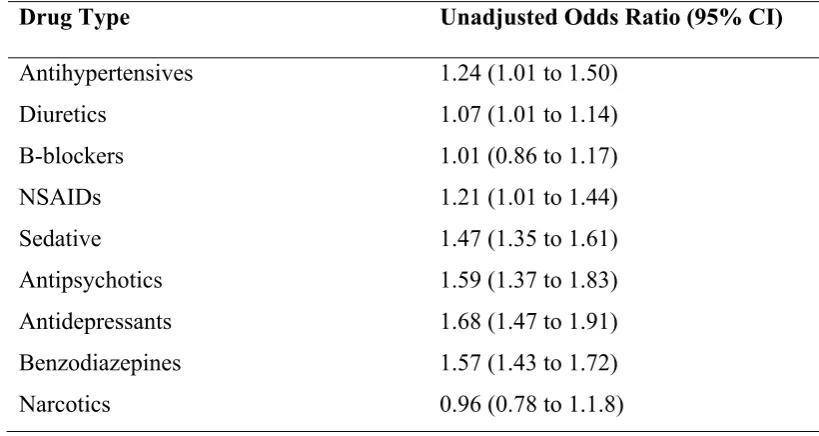
Table 2-2. Fall risk associated with medication use. ... 22
Table 2-3. Commonly used measures of static balance ... 32
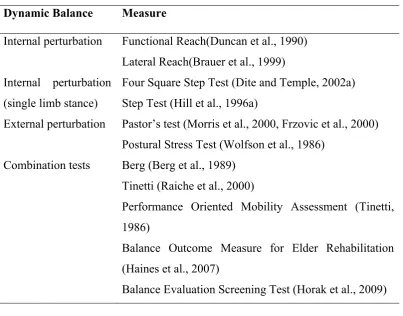
Table 2-4. Commonly used measures of dynamic balance ... 32
Table 2-5. Prospective studies using static force platform measures as predictors of falls ... 35
Table 2-6. Seasonal variation in deaths from accidental falls in the United Kingdom 2005. ... 60
Table 2-7. Effect of resistance training on static and dynamic balance in community-dwelling older adults ... 73
Table 3-1. Summary of measures used in each study ... 87
Table 3-2. Normative data for the Ten Times Sit-to Stand test by decade ... 96
Table 4-1. Comparison of baseline values for functional measures of balance and strength for study participants and healthy comparison samples. ... 114
Table 4-2. Activity and strength changes with resistance and flexibility interventions ... 115
Table 4-3. Changes in clinical balance parameters with resistance and flexibility interventions ... 115
Table 4-4. Changes in force platform measures with resistance and flexibility interventions ... 116
Table 5-1. Baseline Characteristics of all participants ... 129
xiv Table 5-3. Comparison of perception in benefit from participating in an exercise program between exercisers who have continued to perform resistance exercises, those who have ceased resistance exercise and control groups ... 133
Table 5-4. Changes in balance and mobility parameters from baseline to one year follow up between exercisers who continued progressive resistance training and those who ceased ... 134
Table 6-1. Description of exercise content for classes 1a and home program 1b. ... 144
Table 6-2. Comparison of change in each of the variables while undertaking the Pilates treatment period compared with change while undertaking the usual activity (control) period. ... 146
Table 7-1. Baseline characteristics of participants who completed all assessments 163
Table 7-2. Baseline performance of participants at visit 1 and mesor (annual mean value) ... 165
Table 7-3. Vitamin D levels at different timepoints throughout the year ... 166
Table 8-1. Variations in Vitamin D and dynamic and postural balance over 5
seasons. ... 176
xv
Table
of
Figures
Figure 2-1. Intrinsic fall risk factors. ... 15
Figure 2-2. Cutaneous manufacture of (1[25(OH)D]) from exposure to UVB. ... 52
Figure 2-3. Balance between UVB exposure for vitamin D production and skin cancer risk in Tasmania, Australia. ... 57
Figure 3-1. Foot Position for the force platform tests standing on foam ... 90
Figure 3-2. Layout of walking sticks for the Four Square Step Test. ... 91
Figure 3-3. Position and equipment for testing (a) knee extension and (b) ankle dorsiflexion strength... 100
Figure 4-1. Experimental design for intervention Study I. ... 109
Figure 5-1. Group Allocation for study participants with compete data sets at time of follow up ... 124
Figure 6-1. Consort flow diagram of design for Study II. ... 142
Figure 6-2. Force platform determined medio-lateral sway range (cm) with eyes open (A and C) and closed (B and D) and whilst standing on a 65mm foam cushion (C and D) over four time points (T1-T4) before and after either Pilates training or usual activity (control) ... 148
Figure 6-3. Timed Up and Go test (A) and Four Square Step Test (B) values (seconds) over four time points (T1-T4) before and after either Pilates training or usual activity (control). ... 149
xvi
List
of
Appendices
Appendix One (supplemental files available digitally) Questionnaires
1a Physical Activity Scale in the Elderly
1b Community Healthy Activities Model Program for Seniors, including Sun Exposure and Skin Protection Behaviour Questionnaire
1c Physical Activity Readiness Questionnaire
Appendix Two (supplemental files available digitally) Guidelines
xvii
List
of
Abbreviations
ACSM American College of Sports Medicine ANOVA Analysis of Variance
AP Anterior-posterior
BOS Base of Support
CHAMPS Community Healthy Activities Model Program for Seniors
CI Confidence Interval
FLX Flexibility
FROP-Com Falls Risk for Older People in the Community ICC Intraclass Correlation Coefficient
IRR Incidence rate ratio
OR Odds Ratio
MET Metabolic Equivalent
ML Medio-lateral
nmol Nano mole
NSAIDs Non-Steroidal Anti-Inflammatory Drugs PASE Physical Activity Scale in the Elderly PPA Physiological Profile Assessment PRT Progressive Resistance Training
RaR Relative Risk
RCT Randomised Control Trial
RR Relative Rate
RQ Romberg Quotient
xviii
Abstract
For older adults, accidental falling produces significant morbidity and mortality, being responsible for personal costs as well as cost to the community at large. The propensity to fall is dependent on a combination of factors that include intrinsic characteristics of each individual as well as environmental influences. Many intrinsic physical fall risk factors are modulated by changes in physical activity levels or exercise interventions. These physical performance fall risk factors include muscle strength, flexibility and balance. The studies that comprise this thesis examine several interventions designed to impact physical fall risk factors, as well as measuring natural seasonal changes in strength, balance and activity in community-dwelling older adults.
The first study (Study I) investigated the benefits on balance of participating in a 16-week community-based resistance and flexibility program in an observer-blinded randomised crossover trial. Static and dynamic balance and lower limb strength were measured. Significant improvements in sway velocity, as well as Timed Up and Go, Ten Times Sit-to Stand and Step Test were observed with both interventions (all P<0.019), with no significant differences between the two groups. Resistance training also resulted in significant increases in strength (P<0.001), that were not evident in the flexibility intervention.
xix exercise and those who discontinued were investigated. Significant improvements from baseline in Ten Times Sit-to-Stand (P<0.001), Timed Up and Go (P=0.001), and sway velocity (P<0.001) remained at follow up in the exercise intervention group, with a control group remaining unchanged. Participants from the intervention who continued exercising had significantly greater improvements in strength immediately after the intervention, compared to those who discontinued (P=0.004). Benefits to balance and mobility persisted one year after participation in the multi-component exercise program, due in part to some continuing participation in resistance training.
The third study (Study III) evaluated the effects of a Pilates intervention on balance and function in 32 participants in a randomised crossover study design lasting 16 weeks. Static and dynamic balance measures (medio-lateral sway range, Four Square Step Test, Timed Up and Go) and leg strength were recorded. There were no significant differences between Pilates and control groups for any of the measured variables (P>0.05), despite static and dynamic balance significantly improving over the duration of the study and from pre- to post-Pilates (P<0.05), and no significant changes occurring during the control phase. The absence of differences between conditions may be a result of our small sample size or the crossover study design, indicating that Pilates may produce neuromuscular adaptations of unknown duration.
xx Poisson regression was used to determine associations between the data. Eighty-eight community-dwelling older adults were evaluated five times over a one-year period.
Significant variation in vitamin D (±15%), physical activity (±13%), ankle dorsiflexion strength (±8%) and hours spent outside (±20%) (all P<0.001) was demonstrated over the year, with maximum levels of each measure occurring in January (mid-summer). Quadriceps strength did not change over time (±2%; P=0.53). Incidence of falls (P=0.01) and injurious falls (P=0.02) were lower in spring than in any other season. Postural sway did not vary over the year. Small but statistically significant (P<0.001) changes in dynamic balance (4%) were observed over the year. Reduced mean ankle strength was associated with increased incidence of falling (P=0.047). Increased ankle strength in summer may be influenced by increased levels of activity over summer months, especially time spent outside. Reduced ankle dorsiflexor strength in winter may predispose older people to increased risk of tripping related falls at this time of year.
2
1
INTRODUCTION
Accidental falls are a major cause of morbidity and mortality in older adults, and are associated with rapidly increasing costs to both an individual’s health and the health care system. The incidence of falling increases as people age, and there are a large number of factors that influence fall rate and type of fall. The propensity to fall is affected by intrinsic characteristics of each individual and their interaction with their environment (extrinsic factors). Although some of these risk factors are not able to be modified, many of the risk factors that pertain to physical functioning have the potential to be modified by physical activity or exercise. These physical performance fall risk factors include; strength, flexibility, balance and integration of sensory information.
Both strength and power decline with natural aging. Reduced strength in the lower limbs is an important fall risk factor, and impacts on daily functioning of older adults. Patterns of muscle recruitment during activities of daily living also alter as an individual ages. While progressive resistance training has been shown to improve strength in older adults, the magnitude of these improvements vary depending on the duration, intensity of, and adherence to the prescribed interventions. However the long-term benefits for older adults of participating in progressive resistance exercise interventions have not been reported extensively and require further investigation.
3 strength) affected by normal aging processes and/or the presence of acute or chronic illness, as well as medications used to prevent and manage illness. To maintain upright posture while stationary, static balance mechanisms require complex interplay of these contributory elements, and is a dynamic process. Despite the term “static balance” implying that these tasks do not require muscle activity, there is actually constant interplay between opposing muscle groups to maintain a static posture. The addition of movement increases this complexity. To enable responses to self-generated movement, or movement of the environment around a person, dynamic balance systems are required. These systems rely on the co-ordination of sensory information and execution of appropriate motor responses.
Aging affects the way in which people move and respond to external forces, with integration of sensory information altering as the speed of neural processing and number of sensory receptors decrease. These changes result in alterations to both volitional and reflexive motion. Changes to allocation of attentional resources in the prioritisation of challenging activities of daily living are seen functionally as people age (1999, Meher and Oddsson, 2004), although the usefulness of dual task challenges for fall prediction in balance testing has not been conclusively demonstrated (Zijlstra et al., 2008).
4 and fall risks. While it is widely recognised that increasing physical activity in the older-aged group will be of benefit, strategies to increase participation in physical activities for older adults have not yet been successful in ensuring that many older adults meet recommended guidelines.
5 However, the mechanisms underlying changes in balance parameters with flexibility training is not adequately addressed in the current literature and this area is not researched in as much detail as strength training.
Evidence also supports the benefits of specific balance training for all older adults, regardless of risk status (Sherrington et al., 2008). However, while a recent systematic review confirmed the beneficial role of different types of exercise on balance in an older population, there was a degree of uncertainty as to the efficacy of some of the investigated exercise interventions due to a lack of standardised outcome measures to determine balance ability (Howe et al., 2007). Whilst the evidence for benefits derived from interventions that included training activities such as gait, balance, coordination, and functional tasks, general physical activity, strength training, and combinations of exercise modalities was good, the evidence from research which employed single activities such as yoga and dance was less convincing. High level evidence regarding the effectiveness of other exercise regimes, like Pilates, is sparse.
6 exercise and activity behaviours can be used in design of programs and support for individuals to improve health outcomes.
Finally, important factors that can influence balance performance and muscle strength, as well as fall risk, that have not been examined for their effect on balance and physical outcomes serially over time together, are vitamin D, sunlight exposure, and physical activity levels. These three parameters interact in a complex manner to reflect function within individuals (Birrell and Francis, 2008). The effect of background seasonal variation in physical activity, especially outdoors physical activity and its impact on physical risk factors (balance and strength) are not known. Whether or not recordable seasonal variation in these variables exists, knowledge of the natural seasonal variability will enhance clinical assessment decision making and research interpretations.
The series of studies comprising this thesis aim to add knowledge to these identified research gaps. Specifically, the primary research aims of the studies in this thesis were to:
Determine the effect of resistance and flexibility exercise interventions on measures of balance and physical performance (Chapter 4)
Determine the ongoing effect of resistance and flexibility exercise interventions a year after the intervention, and the factors that contribute to adherence to changed exercise behaviours (Chapter 5)
7 Identify seasonal variation in balance, physical performance measures,
8
2
LITERATURE
REVIEW
2.1
Fall
risks
2.1.1 Fall rates
The World Health Organisation defines a fall as ‘an event which results in a person coming to rest inadvertently on the ground or other lower level’ (www.who.int/violence_injury_prevention/unintentional_injuries/falls/falls1/en). Falling amongst older adults is a common occurrence, and the rates vary depending on the situational context of the setting. Epidemiological studies in North America have found an annual fall rate among adults living at home aged 65 years or older of 30% (O'Loughlin et al., 1993), increasing for those who live in residential care (Rubenstein, 2006). A prospective population based Australian study has reported similar results with 39% of the community-dwelling older adults (over the age of 65) studied experiencing at least one fall over a 12 month period (Lord et al., 1993). Half of those people who fall each year will only report one fall for the 12 month period, but the other half will report falling multiple times (Tinetti and Williams, 1998).
9 outcomes are generally poor, with 25 per cent of patients requiring nursing home admission (Magaziner et al., 1990). At one year post-hip fracture the resultant mortality is twenty-three per cent for women, and thirty-one per cent for men (Wehren et al., 2003). Regardless of injury, there are also concomitant reductions in quality of life and independent functioning reported after a fall. Reductions in activity and fear of falling are common sequellae (Tinetti and Williams, 1998). Physical deconditioning, a longer term effect of activity restriction, increases fall risks further.
It is anticipated that the health care cost of increased number of falls (due to increased number of older adults) will place huge demands on the system in the future. In 2003, the Commonwealth Department of Health and Aging (Moller, 2003) reported a projected tripling in annual costs of injury from falling to $1.375 billion by the year 2050, if fall rates remain unchanged over this period.
Identification of at risk people‐screening versus assessment
10 There are various reasons why people fall; some related to postural instability, and others related to more serious underlying medical conditions that should be investigated if the reason for the fall cannot be ascertained. The reasons for a fall occurring are often multifactorial, with both environmental and person-specific factors interplaying. Although about 40% of falls are attributed to tripping, at least 25% have been reported to be the result of poor physical performance, specifically poor balance (21%) or low leg strength (6%) (Lord et al., 1993).
11 Referral to a falls clinic or service allows for multi-factorial assessment of individual fall risk factors, with the subsequent ability to tailor appropriate interventions to that person. Preliminary evidence suggests that fall clinics are effective in producing improvements to balance and balance confidence, leg strength and gait speed, with high adherence to interventions of 74% reported (Hill et al., 2008). Although falls clinics are becoming more available, there is still limited access for many older people, and assessment by a relevant health professional may be a strategic way of meeting the fall assessment needs of a larger number of people.
12 Multifactorial assessment
If, after screening, a person is identified as requiring a multifactorial assessment, a panel from the American and British Geriatric Societies (Panel on Prevention of Falls in Older Persons, 2011) have identified that the following items should be included in that process:
History of falls Medications
Gait, balance and mobility Visual acuity
Neurological impairments Muscle strength
Heart rate and rhythm Postural hypotension Feet and footwear Environmental hazards.
In addition, a relevant medical history and assessment of physical and cognitive function should be included in this assessment process.
13 the TUG is that it provides component specific information to target remediation, while being relatively quick (ten minutes) and portable (Lord et al., 2007).
A more detailed (in terms of both time and equipment) series of tests have been developed by the same research group to assess age related sensorimotor and balance changes that provide more quantitative information about important physiological fall risk factors (Lord et al., 2003b). The Physiological Profile Assessment (PPA) is a validated measure of fall risk that allows identification of the core physiological components (cutaneous sensation, vision, vestibular sensation, strength and reaction time) that contribute to physical fall risk. However, it does not include other important fall risk factors such as incontinence, cognitive impairment, or polypharmacy.
A comprehensive screening tool that is appropriate for community-dwelling older adults is the Falls Risk for Older People in the Community (FROP-Com) tool (Russell et al., 2009). It takes a minute or two to implement, and usefully stratifies people into low or high risk – indicating if further assessment and multi-factorial interventions are required. This quick tool is useful to identify people at higher risk, however may not be sensitive in meeting the needs of low risk people, as fall risks occur on a continuum.
14
2.2
Factors
affecting
fall
risk
15
Intrinsic Fall Risk Factors
Modifiable
Unmodifiable
Age
Gender
Cognitive
issues (e.g.
delirium)
Psychological
Physiological
Strength
deficit
Fear of
Falling
Sensory
deficit
Balance
deficit
Previous
fall
Reaction
time
Depression
Co-morbidity
Genetic
predisposition
Cognitive
issues
(e.g.
dementia)
Low levels
vitamin D
Low levels of
physical activity
Flexibility
deficit
[image:35.595.131.536.49.788.2]Incontinence
Medication
16 Of these intrinsic fall risk factors, many are potentially amenable to change through increasing the level or type of physical activity performed. These risk factors include:
Leg muscle weakness Impaired balance Reduced reaction time Leg muscle flexibility
Low levels of physical activity.
2.2.1 Age
The incidence of falling and the associated severity of falls both increase with age. Concurrently, fall related mortality increases with age (Rubenstein and Josephson, 2006). Lord and colleagues reported a roughly linear increase in the number of older people falling, proportional to increasing age, resulting in an annual incidence of falling of over 50% for people aged above 85 years of age (1993). This increased fall risk with age is due in part to age specific decline in the systems required for adequate balance control (vestibular, visual, somatosensory, motor control and strength).
17 2.2.2 Gender
Gender is an unmodifiable risk factor for falling (Nachreiner et al., 2007). Women have been found to be more likely to fall than men (64.7 % compared to 44.1%) in a study where 94% of participants lived in their own homes (Campbell et al., 1990). This is further supported by a more recent study in the United States which found that over 70% of 1.64 million fallers in that country in 2001 were women (Stevens and Sologow, 2005). As well as the increase in the incidence of falling, the fracture rate from falling in women was 2.2 times that of men (Stevens and Sologow, 2005). Differences in physiology and bone architecture mean that the implications of falling are different, as are the perceptions and attitudes of men and women to causality and the ability to modify fall risk (Daltroy et al., 1999). Contextually, men are more likely to fall outside the house, whereas it is more common for women to fall inside the house (Campbell et al., 1990).
2.2.3 Previous falling
18 men and women living independently in shared apartments (n=100, 83% female) (Maki et al., 1994).
2.2.4 Genetic predisposition
In a study of postural balance of both monozygous and di-zygous female twins, 30 per cent of the variation in static, dynamic and sensory balance measures were accounted for by genetic effects (El Haber et al., 2006). These results imply that balance impairments may have a heritable element and this may be functionally important, with moderate familial influences on fall-risk mobility phenotypes and recurrent falls found in older females (71.9 ± 5years) (Faulkner et al., 2010).
2.2.5 Co-morbidity
co-19 morbidities increases the risk of falling, with odds ratios (adjusted for age) provided by Dolinis and colleagues (1997) (Table 2.1).
Table 2-1. Increasing fall risk with increasing number of co-morbidities. Number of co-morbidities Odds Ratio (95%CI)
3-5 1.35 (1.00 to 1.84)
6-8 1.73 (1.25 to 2.38)
>9 1.92 (1.31 to 2.82)
Sourced from (Dolinis et al., 1997)
2.2.6 Cognitive Issues
Functional ability is strongly associated with cognitive processing speed (Wood et al., 2005). Increasing cognitive load while performing activities that may challenge balance, especially with spatial tasks, increases the risk of falling (Barra et al., 2006).
20 size ranged from no effect 0.07 (95%CI -0.62 to 0.76) to large 3.29 (95%CI 2.17 to 4.41). This range of results limits the ability to draw conclusions about the overall effectiveness of exercise interventions in people classified generically with dementia. It is likely that the different subgroups of types of dementia may respond differently to exercise interventions, and this warrants further investigation.
Acute cognitive disordered states, such as delirium, that may be triggered by metabolic imbalance or uncontrolled infection, also put older people at increased risk of falling (McCarter-Bayer et al., 2005). The incidence of delirium is linked to cognitive capacity, and has been reported in 12% of urology cases (Vollmer et al., 2010), 16% after cardiac surgery (Kazmierski et al., 2010), and up to 45% of patients in critical care units (Shi et al., 2010). In the acute care setting, the presence of delirium increased the risk of falling significantly (RR=3.577; 95%CI 1.096 to 11.672) (Corsinovi et al., 2009).
2.2.7 Medications
21 (Tromp et al., 2001). Optimisation of medications was advised as part of the intervention in 22 out of 30 trials described in the most recent Cochrane Systematic Review of multifactorial interventions for fall prevention (Gillespie et al., 2009).
Psychotropic drugs refer to those classes of medications that are active within the central nervous system and include antipsychotics, sedatives, antidepressant and narcotics. A recent meta-analysis reported significant increases in the risk of falling when using psychotropic medications, pooled across all classes of drugs (OR 1.78, 95%CI 1.57 to 2.01) (Bloch et al., 2011). Prescription of these groups of drugs is common in older adults, often for anxiety and sleep disorders. In a randomised control study, removal of psychotropic drugs resulted in a reduction in fall risk of 66% (Campbell et al., 1999b). Although this benefit is clear, ceasing psychotropic medication is difficult, and 47% of the trial participants had recommenced their medication within one month of the trial completion, suggesting prudent use of initial prescription of these medications, and ongoing support to remain off these medications long term to positively impact fall risk.
22 NSAIDs. Ensuring that medications are reviewed and adjusted regularly may be effective in reducing falls (Gillespie et al., 2009).
Table 2-2. Fall risk associated with medication use.
Drug Type Unadjusted Odds Ratio (95% CI)
Antihypertensives 1.24 (1.01 to 1.50)
Diuretics 1.07 (1.01 to 1.14)
Β-blockers 1.01 (0.86 to 1.17)
NSAIDs 1.21 (1.01 to 1.44)
Sedative 1.47 (1.35 to 1.61)
Antipsychotics 1.59 (1.37 to 1.83)
Antidepressants 1.68 (1.47 to 1.91)
Benzodiazepines 1.57 (1.43 to 1.72)
Narcotics 0.96 (0.78 to 1.1.8)
Sourced from (Woolcott et al., 2009).
For patients who have other known risk factors for falling (gait and balance disturbances, peripheral neuropathy or postural hypotension), drugs that are known to increase fall risk should be prescribed and used with caution (Boyle et al., 2010).
2.2.8 Depression
23 exercise and increased levels of general physical activity, with aerobic and resistance training both producing large effects in affect (Biddle and Fox, 2000). Direct impact of exercise on fall risk in patients suffering from depression does not appear in the literature. Objectively measured changes in physical performance post-exercise are also important to psychological well-being (Arent et al., 2000). Higher levels of physical activity have been found to be protective of all-cause depression (Strawbridge et al., 2002).
2.2.9 Incontinence
Incidence of incontinence increases with age from the fifth decade (12.7%) to the ninth decade (33.8%) (Komesu et al., 2009), but this appears higher in industrialised countries, with rates for women up to 55% (Thom, 1998). Incontinence is an independent risk factor for falls (Brown et al., 2000) and recurrent fallers are more likely to suffer from incontinence (OR, 1.7; 95%CI 1.0 to 2.7) (Van Nieuwenhuizen et al., 2010). Incontinence appears to be a modifiable fall-risk factor with evidence from a RCT using a multi-dimensional 3 month exercise program as the intervention and found both decreased levels of incontinence from 67% to 23% and increased walking speed in older women (Kim et al., 2011). Situational links with incontinence and falling have been recognised, perhaps due to night time diuresis and low levels of lighting (Yasumura et al., 1994).
2.2.10 Fear of falling
24 physical tasks that challenge balance, falls self-efficacy (sometimes referred to simply as falls efficacy) relates to the confidence of an individual in their ability to perform that task without falling. This is sometimes referred to as fall confidence, and is the opposite of fear of falling.
Nearly one fifth of community-dwelling older adults surveyed in a study by Tinetti and colleagues (1994) recorded that they avoided certain activities because they were concerned that they may fall. This rate may be low by today’s standards with a recent study by Zijlstra and colleagues (2007) of community-dwelling adults over seventy years of age reporting that 54.3% of participants recorded a fear of falling and that this was associated with avoidance of activity by 37.9% of the sample population. Activity avoidance can result in loss of functional ability through deconditioning of muscles. Although initially thought to be due to a consequence of a previous fall, 12-65% of adults in their sixth decade without a history of falling will report a fear of falling (Legters, 2002). Low mobility is associated with fear of falling in the absence of a previous fall (Chandler et al., 1996).
25 Scale (Hill et al., 1996b) and the Falls Efficacy Scale International (Yardley et al., 2005) have been developed to measure this variable across the continuum of fear to confidence, and in a range of situations with graduated difficulties. Exercise (including Tai Chi) appears as the most promising single factor intervention to improve balance confidence, and the concurrent activity limitations that often coincide with fear of falling (Bula et al., 2011).
2.2.11 Muscle Strength
Reduced muscle strength of the lower extremities has been shown to be an important fall risk factor. A meta-analysis of thirteen studies (9 of which were situated in community settings) indicated a combined odds ratio of 1.76 (95%CI 1.31 to 2.37) for low muscle strength for any fall and 3.06 (95%CI 1.86 to 5.04) for recurrent falls (Moreland et al., 2004). More recently Rubenstein (2006) reported leg weakness, measured either by manual muscle examination or functional testing, was associated with an increase in the odds of falling by more than four times (4.9), making lower limb weakness ‘most important of these risk factors’p.ii39. This held true regardless of age, as the studies included a range of ages, with 50% of the participants being over the age of 65.
26 2011a). In addition, weakness of the ankle dorsiflexors has been associated with an increase in fall risk (Wolfson et al., 1995).
Motor changes with ageing
The domain of motor output includes strength and power, as well as co-ordination of groups of muscles. Muscle mass decreases by 50% between the ages of 20 and 90, with an associated increase in fall risk (Schlicht et al., 2001). Between 30 and 40% of this muscle mass is lost between the ages of 20 and 70 years, with corresponding declines in muscle strength (both maximal force and power) reported (Brooks, 1994). Both age-related sarcopenia, and sarcopenia due to disuse atrophy affect the cross-sectional area of the muscle. Aging also results in reductions in the number of muscle fibres, as well as a decrease in expression of Vitamin D receptors on muscle cells (Bischoff-Ferrari et al., 2004a), both of which may play an important role in age-related muscle strength loss.
age-27 related loss of motor units precedes changes in actual strength by several decades (McNeil et al., 2005).
Intramuscular metabolic responses to exercise also change with aging. Differences exist between young and older adults in the genetic expression of peptides responsible for stimulating stem cells and the resultant hypertrophy of muscle (Goldspink, 2007). Recent evidence provided from animal models suggests that vitamin D has a role in satellite cell differentiation within muscles (Dirks-Naylor and Lennon-Edwards, 2011), while lower levels of vitamin D are associated with less muscle mass in older adults (Scott et al., 2010).
Hip and ankle muscle recruitment differences between young and older adults in
functional tasks
In a variety of daily tasks, including sit-to-stand, gait and postural stability maintenance, older adults differ to younger adults in the way in which they recruit muscles to manage internal and external forces. Older adults flex their trunk, hips and knees more than younger adults during sit-to-stand tasks (Schot et al., 2003) in an attempt to minimise the horizontal distance that the centre of mass must move to be re-positioned over the new base of support (also known as the stabilisation strategy).
28 adults utilise momentum, which may require less overall strength, but actually has greater postural control demands (Schot et al., 2003).
Nashner and McCollum (1985) describe a frequently used strategy that focuses on activation of the hip muscles (hip strategy) that is used preferentially by older adults when their balance is challenged. This contrasts with younger individuals, who more commonly reflexively activate muscles around the ankle (ankle strategy) to maintain their balance. Responses differ depending on the magnitude of the perturbation, the stance parameters of the task (narrow or wider base) and support surface (firm or soft). Reasons for age-related differences are based on changes to both the amount of sensory information available to the central nervous system, how it is perceived and the manner in which this information is processed, and the musculoskeletal resources that are available for response - all factors which alter as individuals age. The importance of the role of pelvic muscular control in the maintenance of postural stability is demonstrated by the similar amplitude of lumbosacral and ankle sway in the coronal plane (out of phase by pi) (Jiang et al., 2006).
29 Co-contraction strategies are used more frequently in older adults (aged 67.5±1.7) when compared to a younger group (aged 29.6±2.5 years) (Spiegel et al., 1996). The ability to make quick and involuntary compensatory steps in response to self-generated or externally self-generated perturbations is usually present in healthy older adults (Luchies et al., 1999). With decreasing lower limb strength, there is an increase in the number of steps taken to recover balance, perhaps because the torque of the muscles required for stability around the hip and knee may not be adequate (Maki and McIlroy, 1999). This has implications for the dynamic balance requirements of a range of functional activities and lower limb strength training.
2.2.12 Ankle flexibility
Flexibility and range of movement at the ankle has also been shown to be important for balance (Menz et al., 2005). This is especially true in the inversion/eversion direction (Spink et al., 2011a). In a RCT, a multi-factorial intervention which included ankle and foot flexibility and strengthening exercises together with footwear modifications reduced the number of falls by 36% compared to the control group, who received usual podiatric care only (incidence rate ratio 0.64, 95%CI 0.45 to 0.91, P=0.01) (Spink et al., 2011b). The reduction in falls occurred with concurrent improvements in ankle range of motion in the intervention group.
30 2.2.13 Balance
Definitions of Balance
Balance is defined as ‘the ability to maintain or move within a weight-bearing posture without falling’ p. 166 (Benjuya et al., 2004). Functionally, balance is required in three different ways:
For the maintenance of posture (when no overt movement is occurring). This is a static balance role;
For controlling movement of the center of mass (COM) during activities of daily living, such as turning, stepping or reaching when destabilising forces have been generated internally (dynamic balance control);
In response to external destabilising forces such as trips or slips to maintain or return the COM to the area over the base of support, or take a step to return equilibrium (dynamic balance control) (Berg et al., 1989).
31 if not sufficient to maintain stability, a compensatory step must be taken to prevent a fall.
During more dynamic tasks, such as walking, the COM needs to be maintained within limits so that it will flow over the new base of support (Huxham et al., 2001). Internal forces need to be generated to balance torques generated either from within or external to the body to maintain equilibrium. The amount of force required is dependent on the mass of the body parts in motion and the speed of this motion – it is easier to recover equilibrium from a trip when moving more slowly compared to faster walking speeds (Huxham et al., 2001).
Measurement of Balance
Balance can be measured in a variety of ways based on combining motion of the BOS (moving or stationary) and differing biomechanical and sensory demands (Huxham et al., 2001). One manner of categorization is through measurement of either static or dynamic balance. Although relying on the same structural components, control of static and dynamic balance relies on different mechanisms for their maintenance. A comprehensive assessment of balance status will include assessment of both of these, and a combination of tests is recommended to provide information on balance and fall risk (Bernhardt and Hill, 2005).
32 Table 2-3. Commonly used measures of static balance
Static Balance Measure
Single limb stance Timed (Bohannon et al., 1984) Tandem stand Timed (Speers et al., 1998) Postural sway
(eyes open and closed)
Velocity or displacement (Lord et al., 2003b)
Postural sway (firm and foam surface)
Velocity or displacement (Lord et al., 2003b)
[image:52.595.110.514.328.644.2]Postural sway (dual task) Velocity or displacement (Condron and Hill, 2002)
Table 2-4. Commonly used measures of dynamic balance Dynamic Balance Measure
Internal perturbation Functional Reach(Duncan et al., 1990) Lateral Reach(Brauer et al., 1999) Internal perturbation
(single limb stance)
Four Square Step Test (Dite and Temple, 2002a) Step Test (Hill et al., 1996a)
External perturbation Pastor’s test (Morris et al., 2000, Frzovic et al., 2000) Postural Stress Test (Wolfson et al., 1986)
Combination tests Berg (Berg et al., 1989) Tinetti (Raiche et al., 2000)
Performance Oriented Mobility Assessment (Tinetti, 1986)
Balance Outcome Measure for Elder Rehabilitation (Haines et al., 2007)
Balance Evaluation Screening Test (Horak et al., 2009)
Postural sway parameters
33 the ground reaction force using a force platform. This spontaneous motion is defined as postural sway.
There are several commonly used parameters of postural sway that have been reported in the literature, including the velocity of the movement of the COM, total path of the COM within a set time frame, and range of displacement of the COM in both the anterior-posterior (AP) and medio-lateral (ML) directions (Era et al., 2006).
Sway velocity
Velocity of movement of the COM is usually measured in degrees per second, and needs consideration of the height of the subject. Taller subjects have a higher vertical height of the COM and this will impact on the resultant measures of sway velocity at the force platform. Sway velocity has been shown to be reliable in identifying both fall risk and age related changes to balance (Raymakers, 2005).
Sway path
Sway path is a spatio-temporal parameter that measures total excursion of the COM in two planes (frontal and sagittal) over a defined period of time. Increased length sway path of the COM is a risk factor for falling in men (Campbell et al., 1989). Men also have greater postural sway path than women, although this difference mainly disappeared when height was adjusted for as a covariate (Era et al., 2006).
Sway range
34 1994). Postural sway in both planes increases significantly (i.e. reduced balance) with increased age (Raymakers, 2005).
Postural stability measures and fall risk
Force platforms have been used to measure stability of postural control for a variety of reasons including:
Differential diagnosis of clients with balance impairment Detection of clients at risk of falling
Objective measurement of therapeutic efficacy of intervention Development of targeted interventions for an individual client
To improve understanding of underlying pathophysiological conditions across a range of clinical presentations (Visser et al., 2008).
A variety of sway measures based on force platform assessments have been used in prospective studies to assess the accuracy of postural sway parameters to predict falls, and those that are relevant to community-dwelling populations are summarised in Table 2-5. Studies that include nursing home participants in the study population have not been included in this review, nor have studies that include moving platforms.
35 Table 2-5. Prospective studies using static force platform measures as predictors of falls
First Author, year
Sample size and age Force Platform Measures used
Falls data collection method
Results
Bigelow (2011) N=150, Age=82±8yr
Independent living screened for balance rehabilitation or fall prevention
interventions
ML and AP sway excursion, velocity RMS, sway area
Fall based on self-report over the last year
ML sway velocity differentiates single from multiple fallers with EC
Pajala (2008) N=428, Age=69±3yr
well screened active community-dwelling sample
ML and AP velocity and excursion EO, EC, dual task (tandem and side-by-side)
velocity (degrees/sec)
47% single fall, 21% multiple fallers. Monthly calendar for 1 year
AP velocity significantly correlated to indoor falls
Boulgarides (2003)
N=99 Age=74±6yr Community-dwelling and independent – stand 5 minutes
EO and EC on firm surface and foam, mean velocity (degrees/sec)
42% fell, 18% multiple fallers. Calendar every 4 months for 1 year
EC firm surface predictive of falls
Bergland (2003) N=307 Age=80
Community-dwelling and independent – able to stand 1 minute
EO, EC, dual task ML sway excursion
51% fell, 22% multiple fallers. Calendar and phone each 3 months for 1 year
ML sway excursion predictive of falls
Stel (2003) N=524, Age=69-92yr
Random community-dwelling sample
EO, EC and EO, EC tandem
ML sway excursion
44% fell, 23% multiple fallers, Calendar and phone each 3 months for 1 year
ML sway associated with recurrent falls: OR=2.8; 95%CI 1.1 to 6.9
Brauer (2000) N=100, Age=73 ±5yr
Healthy community-dwelling with no fall 1/12
AP and ML COM
36
First Author, year
Sample size and age Force Platform Measures used
Falls data collection method
Results
Hill (1999) N=96, Age=74±4yr;
well screened active community sample
ML COM excursion 49% fell, 23% multiple
fallers. Monthly calendar and phone calls for 1 year.
No difference fallers/nonfallers
Maki (1994) N=100, Age=83
independent ADL and stand unaided
Spontaneous sway path measured in mm
59% fell, 23% multiple fallers
Postcards each week or phoned
Fallers had increased ML sway EC (P=0.004)
Topper (1993) N=100, Age=83
independent ADL and stand unaided
RMS ML COM excursion 59% fell, 23% multiple fallers
Postcards each week or phoned
Fallers had higher ML sway than non-fallers (P=0.0002)
37 In summary, ML sway excursion appears to differentiate between those people who fall once and those people who are recurrent fallers, rather than non-fallers and those who fall once, especially when tested with the eyes closed. It may be that single fall episodes are most commonly a result of environmental or other features that do not necessarily reflect a lack of balance control, whereas multiple falls may be the result of significant changes within the postural control systems, and this may be indicated through increases in ML sway range. The context of inside and outside falls is interesting, with those falling inside being frailer, and perhaps falling with lower levels of perturbation. Centre of mass excursion has been found to be significantly related to indoor falls, but not outdoor falls (Pajala et al., 2008).
Searching patterns: the role of postural sway
It has been postulated (Mochizuki et al., 2006) that postural sway may form an important part of normal postural stabilisation by performing a search process. By spontaneously altering the position of the COM, information regarding changes in the position of the lower limbs is enhanced. If this is so then there are implications for using this measurement as an indication of poor balance.
38 et al., 2006). The increased sway seen with perceived instability provides evidence for central control of postural sway (Latash et al., 2003).
Balance measures using the force platform and foam insert
Useful additional information about sensory involvement and integrity in balance performance can be achieved by altering the amount and accuracy of sensory information available to the person being tested. For the somatosensory system, this can be achieved by testing static stance while on a foam insert compared to stance on a firm support surface. The use of a foam insert has been shown to be effective in identifying people with balance disorders (Shumway-Cook and Horak, 1986), however its use for discriminating balance performance between individuals with high functioning balance has not been established.
When visual input is reduced or eliminated, postural sway appears to be discriminatory between recurrent fallers and non-fallers, with recurrent fallers showing increased motion of the COM over the base of support (Lazaro et al., 2011). As well, age-related decrements in standing balance are seen when vision is removed and a foam cushion is used (Vereeck et al., 2008).
39 affected by the foam insert, but that muscle spindles within the gastrocnemius muscle are not so affected.
Overall, the use of a foam insert in measuring static balance may provide useful information regarding control of balance in a challenging situation, where somatosensory input is reduced. Using the foam increases the magnitude of all values recorded compared to tests of postural stability on a firm surface, making real changes, perhaps, harder to detect. Still, this may be a useful measurement in determining differences in performance for highly functioning community-dwelling individuals, and warrants further investigation.
The Romberg Quotient
The Romberg quotient is a measure of stability and relative contribution of vision and somatosensory input to static balance. It is defined by the equation:
The Romberg test usually indicates that postural stability is better with eyes open than eyes closed; the Romberg quotient (RQ) is approximately 2.5 in adults without neurological disturbances (Le and Kapoula, 2008).
Balance changes with aging
Older adults tend to make smaller and more frequent changes to their COM in stationary standing, compared to younger adults. In a comparison of postural control
40 between older and younger adults, the older group were less prepared to move their COM towards the extreme of their base of support, inclining 36.1% less than the younger group in a forward lean position (Mackey and Robinovitch, 2006). It is suggested that changes to ML sway control in older adults who fall may be due to a decrease in the sensitivity of their postural control system in the ML direction (Melzer et al., 2010), with age-related dysfunction within the otoliths in the vestibular system being regarded as significant contributors to this (Serrador et al., 2009).
2.2.14 Sensation (somatosensory, vestibular and vision senses)
The brain receives information from three physiological systems (somatosensory, vestibular and visual) to use in the maintenance of balance. In healthy young people, limitations in one system can be compensated for by use of the other systems, but with aging, disease or injury, such compensations to balance maintenance in the presence of a challenge become less effective (Speechley, 2011).
Somatosensory
41 which is thought to be because activation of muscles in standing reduces the threshold required to activate proprioception receptors (intramuscular spindles). When standing a stimulus of only one-third that required when seated is required for perceived motion at the ankle (Refshauge and Fitzpatrick, 1995).
Peripheral sensation has been reported to be more important than the input from the special sensations of vision and vestibular input in the maintenance of postural stability in healthy adults (Lord and Ward, 1994). Impaired proprioception is associated with falls in older (mean age 74 years) community-dwelling women (Lord et al., 1994b). As well, adults who had a history of multiple falling or had recent fall-related fractures performed worse on measures of ankle tactile sensitivity that those with no fall history (Lord et al., 1994a).
Vestibular
Information is also received in the central nervous system from the balance receptors within the vestibular system - with the semi-circular canals stimulated by rotation of the head, and with the saccule and utricle providing information regarding the relative position of the head with respect to gravity. Input from these organs allows optic stability when motion is underway (Stelmach and Worringham, 1985). Sensory information is also supplied to the cerebellar nuclei in the archicerebellum, where balance and equilibrium responses are maintained (Crossman and Neary, 2005).

![Figure 2-2. Cutaneous manufacture of (1[25(OH)D]) from exposure to UVB. th](https://thumb-us.123doks.com/thumbv2/123dok_us/8424437.330499/72.595.123.492.76.379/figure-cutaneous-manufacture-oh-d-exposure-uvb-th.webp)