DELIRIUM: THE LIVED EXPERIENCE
CECILY POLLARD RN CMHN
Graduate Diploma of Business (Professional Management)
Submitted in fulfilment of the requirements for degree of Master of Nursing
(Nursing & Midwifery H8A)
University of Tasmania
STATEMENTS AND DECLARATIONS
Declaration of Originality
“This thesis contains no material which has been accepted for a degree or diploma by the University or any other institution, except by way of
background information and duly acknowledged in the thesis, and to the best of my knowledge and belief no material previously published or written by another person except where due acknowledgement is made in the text of thesis, nor does the thesis contain any material that infringes copyright”
Statement of Ethical Conduct
“The research associated with this thesis abides by the international and Australian codes on human and animal experimentation, the guidelines by the Australian Government’s Office of Gene Technology and the rulings of the Safety, Ethics and Institutional Biosafety Committees of the University”
Authority of Access
This thesis may be made available for loan and limited copying and communication in accordance with the Copyright Act 1968.
CONTENTS
STATEMENTS AND DECLARATIONS ... ii
LIST OF TABLES ... vi
LIST OF FIGURES ... vi
ACKNOWLEDGEMENT ... vii
ABSTRACT ... viii
CHAPTER ONE: INTRODUCTION and LITERATURE REVIEW ... 1
1.1 Background to the Study ... 1
1.2 Literature Review ... 9
1.2.1 An historical perspective of delirium ... 13
1.2.2 Identification and pattern ... 17
1.2.2.1 Risk factors ... 20
1.2.2.2 Causes ... 21
1.2.2.3 Delirium, dementia and depression ... 22
1.2.2.4 Poor outcomes ... 25
1.2.3 Professional skills ... 26
1.2.4 Qualitative research ... 28
1.2.4.1 The nursing perspective ... 28
1.2.4.2 The patient experience ... 30
1.3 Conclusion ... 33
CHAPTER TWO: METHODOLOGY ... 35
2.1 Descriptive Qualitative Approaches ... 36
2.2 Grounded Theory ... 41
2.3 Methods ... 47
2.3.1 Recruitment of participants ... 47
2.3.2 Inclusion and exclusion criteria ... 50
2.4 Ethics ... 51
2.5 Data Collection ... 52
2.5.1 Data analysis ... 53
CHAPTER THREE: THE TERRIFYING EXPERIENCE OF LIVING THE
DELIRIUM: ... 60
3.1 Living the Delirium and Living after the Delirium ... 60
CAMEOS ... 62
Daisy ... 62
Lance ... 62
Charlie ... 62
Gilbert ... 63
Gavin ... 63
Dorothy ... 63
Mabel ... 64
Ted ... 64
George ... 64
Alfred ... 64
Henry ... 65
3.2 Living the Delirium ... 65
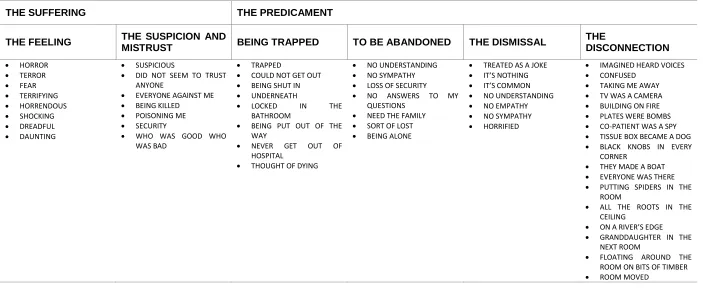
3.2.1 The suffering ... 65
3.2.1.1 The feeling ... 66
3.2.1.2 The suspicion and mistrust ... 67
3.2.2 The predicament ... 70
3.2.2.1 Being trapped ... 70
3.2.2.2 To be abandoned ... 72
3.2.2.3 The dismissal ... 74
3.2.2.4 The disconnection ... 76
3.3 Living After the Delirium ... 80
3.3.1 How I was before ... 81
3.3.1.1 Their strength ... 81
3.3.1.2 Why was this happening to me? ... 83
3.3.2. How am I now? ... 85
3.3.3 How have I been left? ... 87
3.3.3.1 The remaining scars ... 87
3.3.3.2 The strength of healing... 90
CHAPTER FOUR: DISCUSSION, IMPLICATIONS, RECOMMENDATIONS AND CONCLUSION ... 94
4.1. Discussion of the Main Findings ... 96
4.1.1 Living the delirium ... 96
4.1.2 Living after the delirium ... 101
4.2.1 Living the delirium ... 105
Recommendation One ... 106
Recommendation Two ... 107
Recommendation Three ... 109
4.2.2 Living after the delirium ... 109
Recommendation Four ... 109
Recommendation Five ... 113
4.3 Limitations of this study ... 113
4.4 CONCLUSION ... 114
REFERENCES ... 118
Appendix 1: Information Sheet ... 125
Appendix 2: Consent Form... 127
Appendix 3: Interview Guide ... 128
Appendix 4: The Confusion Assessment Method Instrument ... 129
LIST OF TABLES
Table 1 Summary of interventions to prevent delirium ... 7
Table 2 Summary of literature review ... 10
Table 3 Diagnostic Criteria DSM-IV-TR ... 15
Table 4 Summary of the types of delirium and presentation ... 20
Table 5 Comparison of the features of delirium, dementia and depression ... 24
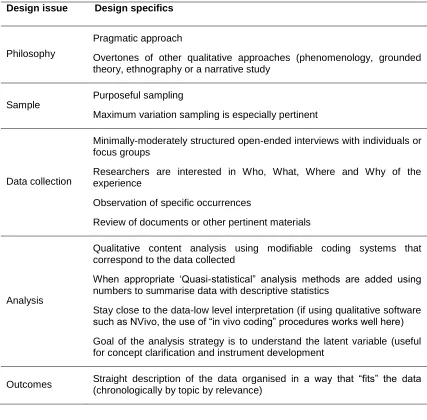
Table 6 Summary of design features proposed by Sandelowski (2000) ... 39
Table 7 Six strategies for data analysis ... 40
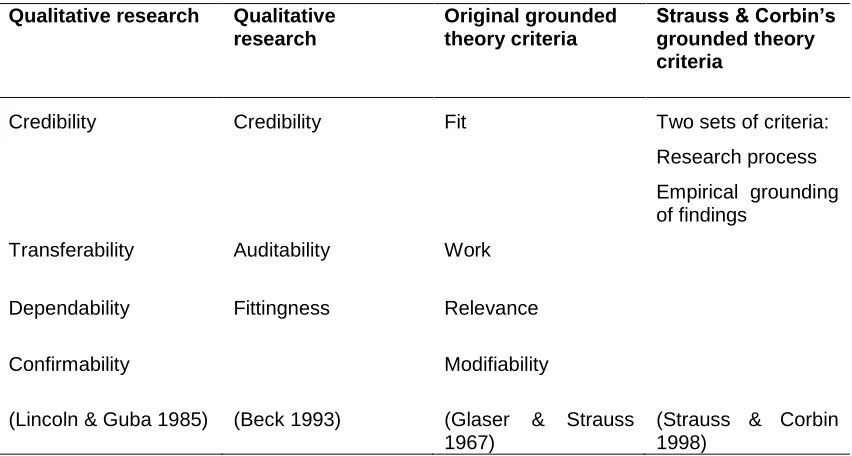
Table 8 Criteria for assessing quality of research ... 41
Table 9 Summary of the stages of coding ... 46
Table 10 Inclusion and exclusion criteria ... 50
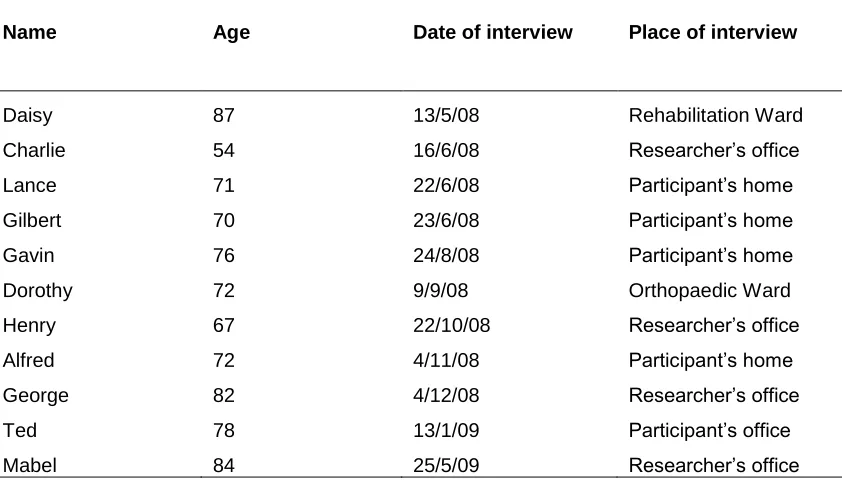
Table 11 Participant and interview details ... 51
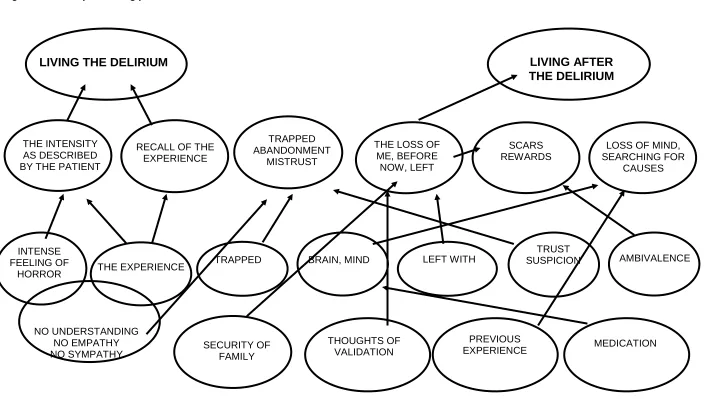
Table 12 Living the delirium ... 56
Table 13 Living after the delirium ... 57
LIST OF FIGURES
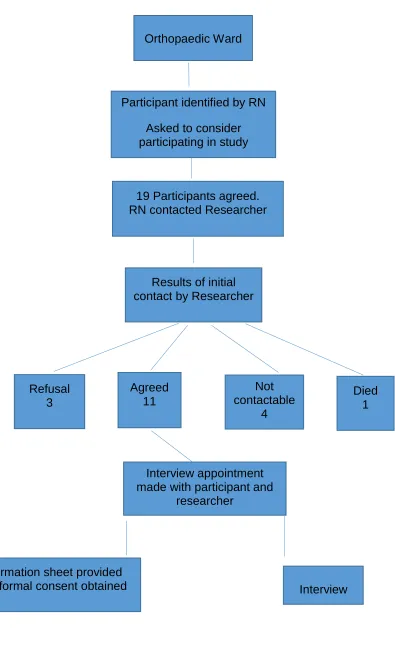
Figure 1 Mapping method identifying the major and subthemes ... 12Figure 2 Recruitment process ... 49
Figure 3 Open coding process ... 55
ACKNOWLEDGEMENT
I would like to extend my sincerest gratitude to the eleven people who shared
their time and experiences with me. You provided open and honest insight
from a unique perspective. I am indebted to you for allowing me to discuss
your experiences of being delirious.
I wish to thank my supervisors, Professor Mary Fitzgerald and Dr. Karen Ford
for their guidance and patience through my academic journey.
Jill and Tina, thank you for your editorial expertise and encouragement.
Thank you, Rob and Trish, for your belief and support in the project from the
beginning to the end.
My friends and you know who you are, thank you for your encouragement and
assistance throughout this journey.
Finally, I always knew the spirit of my late partner and my late parents
ABSTRACT
Delirium: The Lived Experience
Delirium is one of the most serious and prevalent cognitive disorders occurring in the older person post-surgery. Delirium is a potentially preventable and reversible cause of post-operative functional disability, morbidity and mortality. As well as the significant impact for the person, delirium also results in increased health care costs and poses a substantial challenge for clinicians.
Medical and nursing textbooks concentrate on diagnosis, reduction of the modifiable risk factors and treatments. Nursing research has examined documentation, nursing skills and lack of education on how to nurse the delirious patient. However, little research has focused on the patient’s experience of incomprehension and various feelings of discomfort during an acute episode of delirium. The importance of researching the patient’s experience of delirium provides health care staff insight into the experience, enables understanding and acknowledgement, and supports improving evidence-based care to meet the needs expressed by the delirious patient.
The aim of this study was to explore the lived experience of delirium in the acute inpatient orthopaedic population with the anticipation that increased understanding and knowledge of this lived experience will support the development of evidence-based nursing care management of the delirious patient.
This study examines the experiences of eleven patients who described their experiences of delirium in semi-structured interviews. The interviews were transcribed verbatim, and analysed using the techniques of qualitative description (Sandelowski 2000) and the grounded theory coding process described by Glaser and Strauss (1967).
CHAPTER ONE: INTRODUCTION AND LITERATURE
REVIEW
1.1 Background to the Study
Hospitalisation holds many risks for the elderly inpatient, and these risks often
result in complications unrelated to the primary reasons for being admitted to
hospital. Delirium is one of those complications that are seen frequently in the
elderly acute hospital population. Delirium is a medical emergency that may
have very serious outcomes for patients, health care staff and hospital
systems if left untreated.
Older people with hip fracture, dementia or a serious illness are at a greater
risk of an episode of delirium when admitted to hospital (Harding 2004;
Segatore & Adams 2001; Ski & O'Connell 2006). Delirium is a serious
common clinical syndrome, with an acute onset and a fluctuating course over
a short period (American Psychiatric Association [APA] 1994; Inaba-Roland &
Maricle 1992; Meagher 2001; Rapp 2001). Symptoms include disturbances to
consciousness, cognitive function, and perception and the condition is
associated with poor clinical outcome (Bruce et al. 2007; McAvay et al. 2006;
Robertson & Robertson 2006).
Medical literature describes how to prevent, recognise, assess and treat
delirium. Yet there is minimal description of how a delirious episode impacts
This study of orthopaedic patients and their lived experience of a delirious
episode post-surgery will be presented in four chapters. Chapter One includes
a brief description of delirium and the literature review regarding delirium and
the lived experience of delirium. Chapter Two presents the research question,
rationale for the design chosen for the study, tools and process used for
participant recruitment, ethical considerations and data analysis. Chapter
Three provides the results of the study. Finally, Chapter Four provides a
discussion of the study results and implication for nursing care.
Delirium is an acute condition with poor outcomes for patients and family
carers. The numbers of older patients with delirium is likely to increase relative
to population increase over time, as age is a strong risk factor for the
development of delirium. The research consistently suggests that older people
who enter hospital are at risk of developing delirium (Adamis et al. 2007;
Harding 2004; Inaba-Roland & Maricle 1992; Segatore & Adams 2001). The
Australian Orthopaedic Association National Joint Replacement Registrar
Annual Report 2011/12 reported that 85,000 joint replacements had been
undertaken in the previous year and the ages of people undergoing this
surgery ranged from 68 to 73 years of age (Australian Orthopaedic
Association 2012). Additionally, the Ski and O'Connell (2006) study identified Australia’s fastest growing population group as the older adult aged 85 and
over and this age predisposes them to developing delirium when admitted to
hospital. The experience of delirium in an increasingly aged population may
have devastating long-term effects on health outcomes and quality of life for
this older population (Flinn et al. 2009; Milisen et al. 2002; Robertson &
In this chapter I will discuss the importance of researching delirium, with
emphasis on the small body of research into the lived experience of delirium.
One group in which delirium is particularly prevalent is the older population
that has undergone orthopaedic surgery. This study was conducted on an
orthopaedic ward of a tertiary general hospital. The importance of exploring
the experiences of this hospital population and the aims of the study will be
stated.
Within the history of medical psychiatry, the term delirium is one of the first
psychiatric syndromes to be described. In the nineteenth century, the French
psychiatrist Chaslin, writing in 1895, introduced ‘acute confusion without a cause’ as an acute brain disorder (cited in Camus 2002). Patients with this
acute brain disorder presented with what we know today as delusions,
hallucinations, agitation and hyperactive delirium. Similarly, Lasegue in 1881
described delirium tremens as perceptual disturbances as a dream-like
experience, and Regis in 1911 referred to toxic or infective causes for a post
dream-like confusional experience (cited in Lloyd & Guthrie 2007 pp 270-289).
The word delirium means ‘to deviate from a straight line, to be crazy, deranged, out of one’s wits, to be silly, to dote, to rave’ (Adamis et al. 2007, p.
461). Delirium was introduced by Celso in the first century AD (1AD) who
used the term to define alterations in consciousness, fever and behaviour
(Adamis et al. 2007; Kyziridis 2006).
In her 1920 textbook Nursing mental disorders, Harriett Bailey, RN, identified delirium and it was not until 1980 that delirium was identified as an organic
Psychiatric Association [APA] 1994). The Diagnostic and Statistical Manual of Mental Disorders (DSM) published by APA provides a common language and standard criteria for the classification of mental disorders. The DSM-IV-TR
(2000, 293.0) criteria for diagnosing delirium are considered ‘the gold standard’ (Breitbart, Gibson & Tremblay 2002; Bruce et al. 2007; Day, Higgins
& Koch 2009; Duppils & Wikblad 2004a; Duppils & Wikblad 2007; Franco et
al. 2001; Kyziridis 2006; Milisen et al. 2002; Robertson & Robertson 2006; Ski
& O'Connell 2006; Voyer et al. 2008).
The population is ageing and as a consequence there are more people over
the age of 65. In 2011 14% of the Australian population was 65 years and
over (Australian Bureau of Statistics [ABS] 2012). The rate of delirium in elders admitted to hospital dramatically increases to 14–56% of new
admissions to general wards; 70–87% in Intensive Care Units and 78% within
the orthopaedic inpatient population (Bickel et al. 2004; Inouye 2006). Many
patients with delirium are discharged before their symptoms are fully resolved
(Meagher 2001). The incidence of delirium in hip surgery patients 60 years and over (elective and non-elective) was 40.5–55.9% (Delirium Clinical
Guidelines Expert Working Group 2006).
Delirium in the elderly has been linked to morbidity, mortality, longer hospital
stays, increased nursing workloads, higher rates of admissions to nursing
homes post discharge (Duppils & Wikblad 2004a; Inouye & Charpentier 1996;
Maldonando 2008) and increased health costs (Franco et al. 2001). In
addition, delirium can be a frightening and extremely stressful experience for
delirium is often unrecognised and as a result of this is often mismanaged by
health care staff (Inouye 2006; McAvay et al. 2006; Neitzel, Sendelbach &
Larson 2007; Robinson & Eiseman 2008; Ski & O'Connell 2006).
There appears to be no one cause for delirium, rather the aetiology of delirium
is multifactorial. Severe illness of any kind, infections; drug intoxication;
metabolic disturbances; nutritional deficiencies; surgical procedures,
especially joint surgery; are all important precipitating factors (Adamis et al.
2007; Day, Higgins & Koch 2009; Foreman et al. 2001; Inouye & Charpentier
1996; Inouye, et al. 2001; McAvay et al. 2006; Neitzel, Sendelbach & Larson
2007; Robertson & Robertson 2006; Segatore & Adams 2001).
Delirium is a common life-threatening and potentially preventable clinical
syndrome developing quickly over hours or days and tending to fluctuate
during any twenty-four hour period. It is characterised by disturbance of
consciousness and attention and acute change in cognition (APA 1994). The
key features of delirium are fluctuating awareness and impairment of
attention. Additional symptoms include, among others, impairment of memory,
orientation and language, the presence of hallucinations, disorganised thinking and disturbances to the sleep–wake cycle (Inaba-Roland & Maricle
1992; Meagher 2001; Rapp 2001). The diagnosis of delirium depends on the
clinical history, behavioural observations and the bedside assessment of
cognitive function. As delirium may be the only indicator of this serious illness,
any patient whose mental state suddenly deteriorates is best presumed to be
Conditions that may mimic delirium such as dementia, psychotic disorders
and depression should be excluded. The irritability, apathy and decreased
concentration associated with depression can be very similar to hypoactive
delirium, while the delusions and the combative behaviours of hyperactive
delirium can look very similar to the picture of dementia and schizophrenia
(Flinn et al. 2009; Holmes 1996; Maldonando 2008; Robertson & Robertson
2006; Speed et al. 2007). This misdiagnosis of delirium can have dire
consequences for the patient, which may lead on to longer hospital stays
(McCurren & Cronin 2003), and morbidity and mortality outcomes (Inouye
2006).
Although prevention is the best way to reduce the onset of delirium, the
knowledge of risk factors creates a potential for the prevention or minimisation
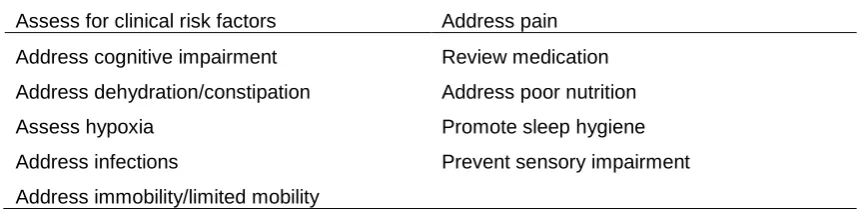
of delirium. Nursing interventions (see Table 1) implemented for patients at
risk and based on reducing the effects of delirium could lead to identifying
those who are at risk of becoming delirious from those who are not at risk with
the potential to minimise poor patient outcomes from an episode of delirium.
The literature identifies best practice for assessing and treating delirium, and
strategies to educate nurses to recognise and manage delirium. The
treatment interventions that were recommended in antiquity through the
nineteenth century are still valid today. However, the interventions of antiquity
and modern day infrequently allude to the lived experience of being delirious
and the intervention is in the context of discharge planning provision of
Table 1 Summary of interventions to prevent delirium
Assess for clinical risk factors Address pain
Address cognitive impairment Review medication
Address dehydration/constipation Address poor nutrition
Assess hypoxia Promote sleep hygiene
Address infections
Address immobility/limited mobility
Prevent sensory impairment
Adapted from National Institute for Health and Care Excellence (NICE) Clinical Guideline 103, 2010, pp. 11–14.
Delirium is an interesting and important area to research. It is a medical
emergency and identifying causes, effective treatment and management
processes is complex and challenging. There is much evidence of high
prevalence rates and subsequent poor outcomes for those who experience
delirium. A small body of research, which includes the orthopaedic hospital
population, has focused on the lived experience of delirium by exploring the
way patients have made sense of their experiences and reporting a variety of
emotional responses to their experience of being delirious (Andersson et al.
2002; Bowker 1995; Breitbart Gibson & Tremblay 2002; Crammer 2002;
Duppils & Wikblad 2007; Fagerberg & Jonhagen 2002; Fleminger 2002;
Harding Martin & Holmes 2008; McCurren & Cronin 2003; Schofield 1997).
The Fagerberg and Jonhagen (2002) study of the lived experience of delirium
reported the patients were unable to find any connections between the
delirium experience and non-delirium experience to help them make sense of
their delirium experiences.
One of the significant aspects of delirium is the impact on the person.
[image:15.595.100.533.109.216.2]awareness, knowledge and acknowledgement among health care
professionals, especially nurses, of being delirious. In my clinical role as Clinical Nurse Consultant, Consultation–Liaison Psychiatry, delirium was one
of the top five reasons general nurses referred patients to the service. From
my practice with these patients, assessing them and trying to engage nursing
staff to understand the impact of an experience of delirium, I had concerns
over a long period of time that my general nurse colleagues did not have a
clinical appreciation of the lived experience of delirium.
A qualitative study has the strength to uncover more about people, that is,
why they may be the way they are. In contrast, the weakness of a qualitative
study is that assumptions cannot be made beyond the data collected from the
specific group of people studied (Elliott & Lazenbatt 2005). In order to improve
the understanding of being delirious and how best to support those who are
delirious, it is essential to first understand the experience of being delirious.
However, a literature search of what the experience of being delirious is like
revealed a very small body of suitable works. This study will examine the lived experience of delirium from a patient’s perspective using a qualitative
research approach. This factor will be discussed in detail in Chapter Two.
The research question in the context of this study relates to the lived experience of delirium with the aim to clarify and record the patient’s
experience. It is anticipated that greater knowledge of these patients’
experiences will contribute to improving the understanding nurses have of the
post-operative patient population admitted to an orthopaedic ward of a tertiary
general hospital.
The elderly are a large group of the inpatient hospital population and, if
admitted for surgery, are at risk of experiencing delirium as a serious
complication post-surgery. Delirium has been linked to poor outcomes for the
patient, increased health costs and a challenge for health care staff to
recognise and manage appropriately. In addition, delirium can be a very
frightening experience for patients and caregivers. Understanding the lived
experience is an important step in improving care.
1.2 Literature Review
In this section of the chapter, literature concerning the lived experience of
delirium will be discussed and summarised. The review of the literature will be
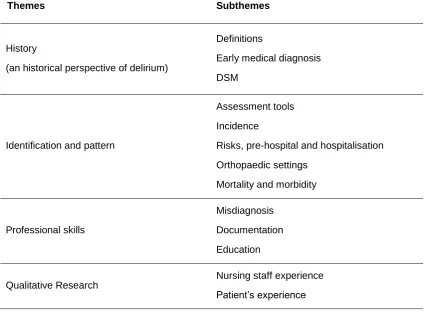
presented under key themes of history, identification and pattern, professional skills, and qualitative research.
The purpose of this review is to provide a background to the study based on
contemporary literature and to determine if a gap exists in the research
regarding the lived experience of delirium in the acute care facility from the
perspective of patients. To clarify why this study is needed it was first
necessary to review the current literature. A comprehensive search was
performed using databases to access all level of evidence (research and
expert opinion). Searches of CINAHL, Medline, PsycINFO, EPOCH, PubMed,
Proquest platform and Google Scholar search engine were accessed for the period 1992–2010 using the key words delirium, orthopaedic, lived
psychiatry, delirium causes, delirium hallucinations, delirium assessment
[image:18.595.102.529.261.573.2]management. In total, 50 papers were located and cited in this review (see
Table 2 Summary of literature review). The majority of literature was based on
studies conducted in Canada, United States of America, United Kingdom and
Sweden. There were few Australian research papers on this subject.
Table 2 Summary of literature review
Of the 50 research papers identified, 19 were quantitative research, 11 were
qualitative research, 4 were expert opinion and 11 were letters or editorials,
the majority therefore considered to be expert opinion or Level IV evidence.
(NHNRC Guidelines 1999). This process identified that the majority of the
studies within the selected period were quantitative and medical research.
Themes Subthemes
History
(an historical perspective of delirium)
Definitions
Early medical diagnosis
DSM
Identification and pattern
Assessment tools
Incidence
Risks, pre-hospital and hospitalisation
Orthopaedic settings
Mortality and morbidity
Professional skills
Misdiagnosis
Documentation
Education
Qualitative Research
Nursing staff experience
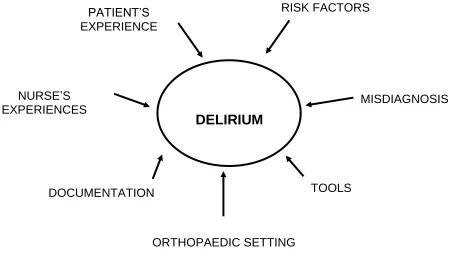
The literature review of the above studies into delirium were analysed
according to themes and subthemes using a mind-mapping method as an aid
to organise the information required on the topic of delirium. Key themes were
identified and linked to this topic and then subthemes were connected to the
appropriate key themes. The following demonstrates the major themes and
Figure 1 Mapping method identifying the major and subthemes
Subthemes
Risk Factors: age, mobility, consent, how common, history, Misdiagnosis: surgery, 3D’s#, hyperactive, hypoactive, delusions,
hallucinations, psychiatric, poor outcomes, nursing homes, morbidity, mortality, hospital costs
Tools: Diagnostic Statistical Manual, Confusion Assessment Method, Mini Mental Status Examination, laboratory testing
Orthopaedic setting: age, surgery, common
Documentation, nurses, medical, poor, terminology Nurse’s experience: workload, fear, and poor skills
Patient experience: adult, children, intensive care, medical, orthopaedic,
# 3Ds = delirium, dementia and depression
DELIRIUM
RISK FACTORS
MISDIAGNOSIS
TOOLS
ORTHOPAEDIC SETTING DOCUMENTATION
NURSE’S EXPERIENCES
1.2.1 An historical perspective of delirium
Delirium is referred to within classical literature, for example, Shakespeare’s death of Falstaff, Lady Macbeth’s sleep walking, the famous King Lear, the
post-partum delirium of Tolstoy’s Anna Karenina and Dickens’ Pickwick
Papers, Chapter Three, ‘The Strollers Tales’ (Kyziridis 2006). From a historical perspective the concept of delirium dates back to the age of
Hippocrates and has survived repeated attempts at definition and redefinition
over the past 2000 years.
Delirium is one of the earliest mental disorders identified in medical history
and has been the topic of countless research studies through the ages.
Celsus in the first century AD coined the term delirium for acute mental
disturbance although the two subtypes were described as separate
conditions, phrenitis referring to the agitated presentation of hyperactive delirium and lethargus, referring to the lethargy presentation of hypoactive delirium (Adamis et al. 2007). An important contribution in the sixteenth century was the work of the French surgeon Ambroise Page (1510–1590),
who wrote about delirium as a complication of surgical procedures (Adamis et
al. 2007). He described delirium as a transient condition that commonly
followed fever and pain due to wounds, gangrene and operations involving
severe bleeding of the patient. In 1904 Picket proposed a distinction between
delirium and confusion, believing that delirium had an organic cause while
confusion could be caused by non-organic factors (Adamis et al. 2007).
A temporary general disturbance of consciousness, a perversion of the intellectual and perceptive faculties, which is characterised by confusion, by more or less transitory delusions and fleeting hallucinations, accompanied by disordered, senseless speech and muttering, and motor unrest. Delirium may vary in degree of severity from a mild wandering type in which the patient is incessantly engaged in disjointed conversation with imaginary persons or muttering to himself, with comparatively little motor activity, to an excited form characterised by extreme restlessness and violence, shouting and attempting to escape from bed or room and from the tormentors created by his imagination who annoy and harass him, or struggling with the imaginary enemies and those who try to limit his activity and prevent his escape. The mood is variable and may be happy, sad, anxious apprehensive or fearful. Delirium may develop as a symptom in the infectious diseases and toxic conditions arising from disordered physical function, in alcoholic and drug poisoning, in conditions of exhaustion and senility and following accidental injuries trauma and surgical operations. (1920, p. 60)
Bailey also identified delirium under the following headings:
Traumatic psychosis
o delirium frequently follows operations on the brain The alcoholic psychosis delirium tremens
Hypothyroidism
o in severe cases restlessness is marked and delirium may develop
The infective psychosis
o sensations may be rendered more acute in the beginning of the delirium
The exhaustive psychosis
o the mental symptoms are those of delirium, the severity of the delirium diminishes and the patient recovers
Hysteria
o the disorders of conduct may range from stupor to delirium. (Bailey 1920, pp. 107, 109, 117, 119, 120, 144)
Today’s literature identifies how common delirium is within the elderly
hospitalised patient, the range of risk factors especially infection, symptoms of
delirium and poor outcomes for the patient who has experienced delirium
In contemporary nursing and medical practice the Diagnostic and Statistical Manual (DSM) published by the APA is used for classification of mental health disturbances. This manual is applicable for both children and adults and lists
known causes of these disorders, statistics in terms of gender, age at onset
and prognosis as well as some research concerning the optimal treatment
approaches. First published in 1952, this manual is used by all mental health
professionals for the standard classification of mental disorder. The
Diagnostic and Statistical Manual Fourth Edition, Text Revision, describes delirium as:
A neuropsychiatric syndrome of an acute onset and fluctuates characterised by disturbances in consciousness, attention, orientation, memory, thought, perception and behaviour and the five sets of diagnostic criteria are due to a general medical condition, due to substance intoxication, due to substance withdrawal, due to multiple aetiologies and not otherwise specified. (APA 2000, pp. 136–137)
Over recent decades there has been an increase in the quantity and quality of
delirium research associated with diagnostic criteria (Bruce et al. 2007).
Delirium has more than 25 synonyms including acute confusion, ICU
psychosis, acute organic syndrome and post-operative psychosis, and these
synonyms may mislead clinicians about the characteristics and features of
delirium (Meagher 2001). Delirium is a common complication among the
elderly inpatient orthopaedic population irrespective of the primary diagnosis
and by definition delirium has an underlying cause. In this study the diagnosis
of delirium was according to the Diagnostic and Statistical Manual of Mental Disorders Fourth Edition Text Revision [DSM-IV-TR], Chapter 2, 293.0 (APA 2000) see Table 3.
Table 3 Diagnostic Criteria DSM-IV-TR
with reduced ability to focus, sustain, or shift attention.
B. A change in cognition (such as memory deficit, disorientation, language disturbance) or the development of a perceptual disturbance that is not better accounted for by a pre-existing, established, or evolving dementia.
C. The disturbance develops over a short period of time (usually hours to days) and tends to fluctuate during the course of the day.
D. There is evidence from the history, physical examination, or laboratory findings that:
(i) the disturbance is caused by the direct physiological consequences of a general medical condition or
(ii ) the symptoms of criteria A and B developed during substance intoxication or
(iii) medication use is aetiologically related to the disturbance or
(iv) the symptoms of criteria A and B developed during, or shortly after, a withdrawal syndrome or
(v) the delirium has more than one aetiology (e.g. more than one aetiological general medical condition, a general medical condition plus medication side effect) or
(vi) a clinical presentation of delirium that is suspected to be due to a general medical condition or substance use but for which there is insufficient evidence to establish a specific aetiology or
(vii) delirium due to causes not listed in this section (e.g. sensory deprivation).
Inabe-Roland and Maricle (1992) identified that delirium frequently mimics
psychiatric disorders such as paranoia, delusions, disorganised thinking,
depression, anxiety, and memory impairment. Although the existence of
delirium has long been recognised as a serious complication of physical
illness, there is no common accepted terminology for delirium (Kyziridis 2006).
Yet delirium is commonly identified throughout research papers and texts as a
common life-threatening and potentially preventable clinical syndrome
developing quickly over hours or days and tending to fluctuate during a
twenty-four-hour period. It is characterised by disturbance of consciousness,
impaired attention, behavioural changes and an acute change in cognition
(APA 1994; Inaba-Roland & Maricle 1992; Meagher 2001; Rapp 2001). The
because of a medical or surgical condition, especially within the older age
group. The symptoms are alarming and, if not promptly treated, or prevented
there is the potential for serious consequences for the patient and the patient’s family unit (Inouye 2006; Kyziridis 2006; McAvay et al. 2006;
Meagher 2001; Neitzel Sendelbach & Larson 2007; Robertson & Robertson
2006; Robinson & Eiseman 2008; Ski & O'Connell 2006).
1.2.2 Identification and pattern
Delirium is the most frequent complication in older persons, especially
post-operatively and its incidence is increasing with the progressive ageing of
western populations. In most studies this varies between 15 and 53% for surgery that includes hip fracture repair. Of this percentage, 15–25% are
elective surgery and 25–65% are emergency admissions with hip fracture
(Marcantonio et al 2000) being the most common reason for an emergency
admission and these statistics are generally supported in the literature
(Breitbart et al. 2002; Bruce et al. 2007; Day et al. 2009; Duppils & Wikblad
2004a; Franco et al. 2001; Inaba-Roland & Maricle 1992; Inouye 2006; Inouye
& Charpentier 1996; Inouye et al. 2001; Lueng et al. 2005; Lundblad &
Hovstadius 2006; McAvay et al. 2006; McCaffery et al 2004; McCarthy 2003;
Meagher 2001; Milisen et al. 2002; Rogers & Gibson 2002; Pretto et al. 2009;
Robertson & Robertson 2006; Robinson & Eiseman 2008; Smith et al. 2008;
Speed et al. 2007; Voyer et al. 2008; Waszynski 2007). The incidence of
delirium in the Australian population is comparable to the identified ageing
The frequent and dangerous complication of delirium within the population of
elderly hospital patients with hip fracture received little attention in both
nursing and medical orthopaedic literature (Robertson & Robertson 2006).
The orthopaedic patient over the age of 75 years is mostly admitted for hip and knee surgery and of this group 44–66% develop delirium (Bruce et al.
2007; Day, Higgins & Koch 2009).
Poor assessment of delirium is one of the precipitators associated with
increased risk of nursing home admissions, increased health costs (Franco et
al. (2001), mortality and morbidity rates, and functional decline for a patient
who experiences a delirium episode. Therefore, patients should be assessed
frequently using a standardised assessment tool at the bedside to facilitate
prompt identification and management (Inaba-Roland & Maricle 1992;
Waszynski 2007; Wiltlox et al. 2010). These tools are used to assess the
cognitive functioning of patients and the most common and validated tools are
the Confusion Assessment Method (CAM) (Appendix 4) and the Mini Mental
Status Examination (MMSE) (Appendix 5). The CAM created by Inouye et al.
(1990) and based on the DSM-IV criteria from the APA (1994) is the most
widely used tool by non-mental health medical and nursing staff for assessing
delirium and several studies have been done to validate clinical usefulness
(Waszynski 2007). The MMSE, developed by Folstein, Folstein and McHugh
(1975), has been validated and extensively used in clinical practice and
research. It is a screening tool for cognitive impairment with older patients and
relies on verbal response, reading and writing (Kurlowicz & Wallace 1999).
Both tools are practical to use repeatedly and routinely and training to
& Wallace 1999; Waszynski 2007). However, no one tool has been shown to
incorporate the full assessment of delirium (Rapp 2001).
There may be disturbance of psychomotor behaviour and it is the level of this
psychomotor activity that precipitates recognition by health care staff. This
psychomotor activity is the basis of the classifications of the three types of
delirium. There are three types of delirium: hyperactive, hypoactive and mixed
and an understanding of these types helps clinicians to recognise the
syndrome. (Duppils & Wikblad 2007; Harding 2004; Inaba-Roland & Maricle
1992; Inouye et al. 2001; Neitzel, Sendelbach & Larson 2007; Rapp 2001;
Segatore & Adams 2001; Ski & O'Connell 2006; Steis, Shaughnessy & Gordon 2012). With hyperactive delirium the patient’s agitation is prominent
and may include hallucinations and or delusions. The patient may attempt to
leave and become threatening, or dislodge critical monitoring equipment.
These patients may be restrained and medicated. Hypoactive delirium, the
most common type, may be diagnosed as depression because of the
observed withdrawn behaviour, slow speech and drowsiness or it may even
be left undetected because of poorer functional ability due to age. With mixed
delirium the patient presents with fluctuating signs associated with both
hyperactive and hypoactive types of delirium. The characteristics of both
hyperactive and hypoactive types of delirium may place the delirious patient at
risk of injury to themselves and or others and there is little acknowledgement
of the unexpected strength the older patient displays when they feel a strong
compulsion to flee the environment (see Table 3). Risk management in the
find ways of constantly watching and containing delirious patients alongside
their workload of caring for other patients (Schofield 2008).
Table 4 Summary of the types of delirium and presentation
Hyperactive Delirium Agitation, mood lability, psychotic symptoms, disruptive behaviours
Hypoactive Delirium Lethargy, apathy
Mixed Delirium Features of both increased and decreased
psychomotor activity
1.2.2.1 Risk factors
There are significant predisposing risk factors within the older inpatient
population. The Inouye and Charpentier (1996) study identified old age and
dementia as significant risk factors and this has been supported by other
studies (Bruce et al 2007; Leung et al 2005; McCarthy 2003; Meagher 2007;
Smith et al 2009) which identified depression, age and dementia as significant
predisposing risk factor as well as age, inpatient populations and dementia.
Similarly, the Meagher (2001) study found even if the exposure to the causes
of delirium were minimal these significant pre-hospital risk factors of old age
and dementia establish a high vulnerability for the likelihood of delirium.
Furthermore, the Inouye (2006) study highlighted being delirious in some
people may help to identify mild cognitive impairment that otherwise would
remain unidentified. The study and also proposed the vulnerability of the brain
in patients with dementia may predispose them to delirium and as a
consequence, worsening of functional status, loss of independence and
older persons with acute confusional state. They noted that the families
reported the confused person never returned to their cognitive baseline after a
delirious episode. A helpful factor for the assessment of delirium is the
assessment of cognitive function and preoperative evaluation should include a
formal cognitive assessment in older patients that are at risk of developing
delirium post-operatively (Agnoletti et al. 2005; Smith et al. 2009).
1.2.2.2 Causes
As previously noted, delirium is a common life-threatening and potentially
preventable clinical syndrome that has many causes and that may affect
people of any age admitted to hospital. In many cases, no acute cause of
delirium can be ascertained, but a number of physiological, psychological,
sociological and environmental factors may instigate an episode of delirium
(Bickel et al. 2004; Day, Higgins & Koch 2009; Flinn et al. 2009; Foreman et
al. 2001; Harding 2004; Inaba-Roland & Maricle 1992; Inouye & Charpentier
1996; Inouye et al. 1990; Kyziridis 2006; Mantz, Hemmings & Boddeart 2010;
Meagher 2001; Neitzel, Sendelbach & Larson 2007; Paulsen et al. 2011;
Pretto et al. 2009; Rapp 2001; Rogers & Gibson 2002; Segatore & Adams
2001; Speed et al. 2007; Steis, Shaughnessy & Gordon 2012). The underlying
physiological causes have been identified in the literature using the acronym
VINDICATE, which stands for Vascular, Infections, Nutrition, Drugs, Injury,
Cardiac, Autoimmune, Tumours, Endocrine (Agnoletti et al. 2005).
Delirium is rarely caused by a single factor and Inouye and Charpentier’s 1996 study identified the inter-relationship between the patient’s baseline
hospitalisation. Their cohort study of patients in general medical wards of a
university teaching hospital of 196 patients over 70 years of age with no
delirium and 312 patients with delirium, found that patients with cognitive
impairment or co morbidities were vulnerable to any risk factor for developing
delirium (Inouye & Charpentier 1996). Examples of the hospital-related risk
factors identified in this study were physical restraints, indwelling catheters
inducing involuntary immobilisation and urinary tract infections with associated
systematic physiological imbalances and more than three medications given
48 to 24 hours before onset of delirium. Patients undergoing orthopaedic
procedures are identified as an at risk group for delirium post-operatively
because of the factors in relation to anaesthesia, hypotension, hypoxia and
hypothermia (Rogers & Gibson 2002). The study of Milisen et al. (2002)
highlighted a better understanding and knowledge of delirium among health
care professionals working in orthopaedic units will lead to early detection and
reduction of the modifiable risk factors, and provide better symptom and
person management of the condition in the acute phase of a delirious
episode.
1.2.2.3 Delirium, dementia and depression
The fact that the symptoms of delirium, dementia and depression (known as
the 3Ds) within the elderly population overlap and have the ability to co-exist
are important factors that are often not recognised (Ski & O'Connell 2006).
Depression is most commonly a missed diagnosis in the elderly. If the
symptoms of delirium are missed it can prove to be fatal and the symptoms of
dementia are often confused with depression and delirium. Although the
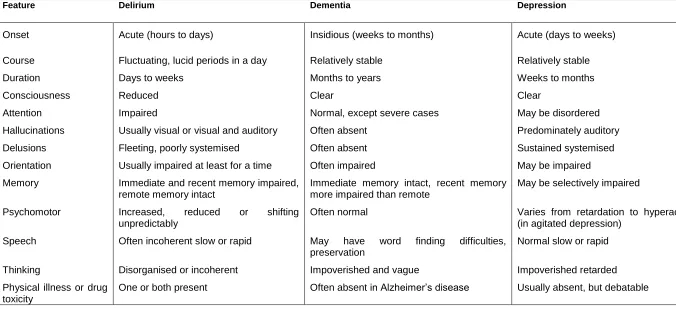
are listed and, in particular, one should investigate the time of events, the patient’s functional status and co-morbid conditions (see Table 5). Harding
(2004) suggests that health professionals tend not to recognise delirium and
Table 5 Comparison of the features of delirium, dementia and depression
Feature Delirium Dementia Depression
Onset Acute (hours to days) Insidious (weeks to months) Acute (days to weeks)
Course Fluctuating, lucid periods in a day Relatively stable Relatively stable
Duration Days to weeks Months to years Weeks to months
Consciousness Reduced Clear Clear
Attention Impaired Normal, except severe cases May be disordered
Hallucinations Usually visual or visual and auditory Often absent Predominately auditory
Delusions Fleeting, poorly systemised Often absent Sustained systemised
Orientation Usually impaired at least for a time Often impaired May be impaired
Memory Immediate and recent memory impaired,
remote memory intact
Immediate memory intact, recent memory more impaired than remote
May be selectively impaired
Psychomotor Increased, reduced or shifting
unpredictably
Often normal Varies from retardation to hyperactivity
(in agitated depression)
Speech Often incoherent slow or rapid May have word finding difficulties,
preservation
Normal slow or rapid
Thinking Disorganised or incoherent Impoverished and vague Impoverished retarded
Physical illness or drug toxicity
One or both present Often absent in Alzheimer’s disease Usually absent, but debatable
[image:32.841.70.746.114.423.2]Leung et al. (2005) suggest the evaluation of a patient’s psychological status
preoperatively is overshadowed by the focus on multiple co-morbid medical
conditions. The severity of the symptoms of depression is associated with an
increase of incidence of post-operative delirium among the surgical patient
group; screening for depression in this elderly group is useful prognostic
information for the possible development of delirium (Greene et al. 2009;
Leung et al. 2005; Smith et al. 2009).
1.2.2.4 Poor outcomes
The elderly orthopaedic patient group who have experienced a delirious
episode post-surgery are identified within the literature in morbidity and
mortality statistics and poor outcomes post discharge (Day, Higgins & Koch
2009; Marcantonio et al. 2000; McCurren & Cronin 2003). Delirium is a poor
prognostic sign with a high mortality and the consequences of delirium for the
older patient are diverse, can be persistent and may result in negative
outcomes for the patient (Voyer et al. 2008). The studies of Marcantonio et al.
(2000), McAvay et al. (2006), McCarthy (2003), Meagher (2001), Robertson
and Robertson (2006), Robinson and Eiseman (2008) demonstrate that an
occurrence of delirium increases the length of the rehabilitation process,
prolongs hospital stay, worsens the functional and cognitive status, increases
admission to nursing homes and increases the mortality rate for patients who
experience a delirious episode. Inouye (1996) identified that 11.5% of people
who experience delirium die within the first month of discharge from hospital
and one year after discharge the mortality rate associated with delirium is
1.2.3 Professional skills
In the prodromal phase of days or hours of delirium, early symptoms occur
before all the criteria for delirium are met. This phase involves alterations in
behaviour, emotional state and sleeping patterns of the patients. The Duppils,
and Wikblad (2004a) study identified that patients’ disorientation and urgent
calling for attention were frequent behaviours displayed in this prodromal
phase of delirium. The study also noted that paying attention to the
behaviours during this prodromal stage may assist in preventing missed or
misdiagnosis of delirium.
The complexity of the reasons for misdiagnosis of delirium may be attributable
to transient changes in cognition and are often missed by staff caring for the
patient. Delirium is of short duration with an abrupt onset, characterised by
fluctuating symptoms during the day that worsen at night. Lucid intervals, the
lack of formal cognitive assessment and an under-appreciation of its clinical
consequences all contribute to misdiagnosis of delirium (Duppils & Wikblad
2007; Inouye 2006; Inouye et al. 2001; McCarthy 2003; Milisen et al. 2002;
Neitzel, Sendelback & Larson 2007; Robertson & Robertson 2006; Robinson
& Eiseman 2008; Rogers & Gibson 2002; Segatore & Adams 2001; Speed et
al. 2007; Steis, Shaughnessy & Gordon 2012; Voyer et al. 2008). These facts
are reinforced in the study conducted by Ski and O'Connell (2006) that
indicated delirium is misdiagnosed and mistreated in up to 94% of older
patients in hospitals.
Besides the clinical and legal importance of documentation, the use of
recognising, diagnosing and monitoring treatment. However, there are limited
studies on the documentation of delirium. In the Voyer et al. (2008) audit of
226 nursing notes, 64.2% of the reviewed notes revealed hyperactivity and
disorientation were the most reliable symptoms of delirium documented.
These findings were supported by Milisen et al. (2002), who found that both
medical and nursing staff were poor at documenting delirium; in fact, no
cognitive functions were documented by medical staff regardless of their daily
visits. This study also identified that nursing notes were inconsistent and
scanty in recording the description of delirium and the term delirium was never used. The patients were described as “confused” or “acutely confused”. A
study by Milisen et al. (2002) noted that documentation of the cognitive status
is poor in the medical and nursing records of elderly patients with hip
fractures. This leads to under-diagnosis of delirium and failure to diagnosis
delirium arrests any attempts at prevention or early intervention which
compounds the poor prognosis and outcomes.
Nurses have frequent and continuous 24-hour contact with patients, which
means nurses play a crucial role in the early recognition of delirium; however,
nurses identify their lack of skill of cognitive assessment in identifying delirium
(Inouye et al. 2001; Voyer et al. 2008). This lack of ability is of great concern
and improvements to the process of recognising delirium are essential to
address the problem. It is important to recognise that an acute cognitive
decline in the older patient is an abnormal event that is suggestive of a health
problem and not a normal part of ageing. Education and training for detection
of delirium and its key features are recommended for nurses during routine
assists in detecting the key features of delirium. Such education programs
ideally should be included in training school curriculums, continuing education
programs for the nursing profession and mental health professionals involved
in providing education and support for the staff (McCarthy 2003; Schofield
2008; Inouye et al. 2001).
Delirium is associated with poor outcomes for the patient and one way to
prevent the poor outcome is to prevent the development of delirium by
developing and managing different models of care. The literature identifies
these models can include establishment of a Delirium Room as an integral
part of an acute care for the elderly unit and supported by a geriatric
consultation service (Flaherty et al. 2003); orthopaedic units being supported
by geriatric consultation service (Marcantonio et al. 2001); a nurse-led
delirium prevention and management program (Pretto et al. 2009); psychiatric
clinical advice action plan for nurses (Lundblad & Hovstadius 2006); and
support from psychiatric teams (Breitbart, Gibson & Tremblay 2002; Holmes
1996; Tsai et al. 2012).
1.2.4 Qualitative research
1.2.4.1 The nursing perspective
In the literature review thus far it is apparent that much of the literature is
primarily based on medical research focusing on prevalence, causes,
diagnosis and management of the elderly medical patient suffering from
Edberg 2003; Breitbart, Gibson & Tremblay 2002; Rogers & Gibson 2002; Schofield, Tolsan & Fleming 2011). Knowledge about the nurses’ experience
can provide understanding and information about effective and successful
measures in the encounter (Andersson et al. 2003).
Andersson et al.’s 2003 study of 48 nurses within an orthopaedic setting
found that a major task for nurses in providing care to patients in a confusional state is to interpret and understand the patients’ experience. That
is, what is going on in their minds, taking time, being close and listening to the
patient express his or her anxiety or physiological discomforts. The nurses
had difficulties in establishing and maintaining reciprocity with the acutely confused patient. The nurses used their capacity to sense the patient’s
feelings and experiences and they acted as a companion and surrogate to
protect their delirious patient.
With the increasing number of the elderly being admitted to general hospitals,
especially those over the age of 75 years, a vital role of nursing is to provide
close observation over a 24-hour period and to accurately assess the
cognitive function of patients to enable relevant planned care to be provided
to the patient. The Rogers and Gibson (2002) study was conducted in an
orthopaedic unit and interviews from 10 registered nurses supported current
knowledge relating to prevalence, onset, duration and course of acute
confusion. The study identified significant implications for nursing practice and
education. The typical escalation of behaviour by patients with delirium in the
evening and night requires assessment of appropriate staffing levels to
hypoactive type delirium, and to patients’ recollections of their experiences of
being delirious need to be taken into account when designing effective
nursing interventions and education programs.
Breitbart, Gibson and Tremblay’s (2002) study of 154 hospital cancer patients
who were referred to a psychiatric service identified the distress of anxiety,
frustration, helplessness and fear experienced by nurses when caring for the
delirious patient who was hallucinating and deluded.
1.2.4.2 The patient experience
The terms acute confusional state and delirium are used interchangeably by
most health care professionals, with nurses tending to use acute confusional
state and medical staff using the term delirium. Both terms refer to the same
phenomena characterised by the APA (1994).
Duppils and Wikblad’s study (2007) of 15 patients who had undergone hip
related surgery found their experiences were like dramatic scenes that gave
rise to strong emotional feelings of fear, panic and anger. The patients
described the experience as dream-like and when the delirium had resolved
they felt desperate feelings of remorse.
Fagerberg and Jonhagen (2002) interviewed five older patients after a
delirious episode to better understand the experience of being delirious. The findings from the study were presented under the headings of ‘being
temporarily confused’ and ‘reasoning about experiences of temporary
confusion’. The patients’ experiences of being temporarily confused were of
about the experience, the patients focused on their feelings of shame and
guilt, the humiliation they felt, they looked for reasons and they expressed fear
of a recurrence. This study also identified the importance of the voice of the
elderly and of showing trust in the experiences they describe.
The Andersson et al. (2002) qualitative study involved interviews of 50 elderly
patients hospitalised for orthopaedic care who had developed an acute
confusional state during their hospitalisation and their reflections on returning
to lucidity. The majority of the participants of the study spontaneously
remembered their experience and described being trapped in an
incomprehensible experience and a turmoil of ‘past and present’ and ‘here and there’. The striking finding of this study was that the patients’ experiences
were emotionally difficult and frightening for them. The study indicated that
what takes place during an acute confusional state can be understood at
some level.
A way to provide an understanding of the impact a delirious experience has
on a person is by allowing the people who had the delirious experience tell
their story. This was the aim of the study of McCurren and Cronin (2003) and
the findings revealed a frightening world of misinterpretations, hallucinations,
paranoia and loss of control with the emotional responses to the delirious
episodes being fear, anxiety, frustration and anger.
Harding, Martin and Holmes (2008) recruited from two orthopaedic trauma
wards nine patients who had become delirious after reparative hip surgery.
struggle to make sense of their experience and their anxiety about their own
mental state. The study also recommended information be provided to the
patient and their family about delirium, training for health care staff and
supervision to help the health care staff understand and manage their own
anxieties about caring for delirious patients.
Schofield’s 1997 study involved a sample of 19 patients who had experienced
and recovered from an episode of delirium. Medical and nursing notes were
consulted as an additional check for the diagnosis of delirium. The
participants in this study viewed their experience with bewilderment, surprise
and some curiosity. This study also highlighted that the fact that the
participants were so willing to talk about their experience suggests the need
for patients to be given the opportunity to talk over the delirious episode.
Within the small body of literature reviewed, two self-reports were identified
and I regarded them as a useful addition to reviewed qualitative studies, even
though self-reporting may be considered by some to be flawed by bias. These
reports were authored by psychiatrists admitted to a surgical ward and
intensive care unit. Bowker’s account (1995) of his delirious episode
concluded by identifying the strong emotion of embarrassment he felt for
being delirious. He found that delirium was as distressing as severe pain and
needed to be identified and treated with the same degree of diligence as
severe pain as soon as delirium develops. Bowker stated he was not
surprised at the published evidence for significant psychological trauma
arising from some experiences of delirium with later psychiatric morbidity.
admission. Crammer stated when he was delirious he was disorientated,
misidentified others and developed false beliefs. The resolution of his delirium
was like waking from sleep. He stated that delirious patients require full
assessment by psychiatrists and psychologists. Crammer also commented
that the quiet patient could easily be overlooked.
1.3 Conclusion
Studies that adopt a qualitative approach raise the issue of the role of a
literature review. The qualitative researchers Corbin and Strauss (2008) note
that a literature review can be useful in order to decide a research topic, to
formulate a research plan and to enhance the researchers’ awareness to
subtleties uncovered in previous research. This literature review provided me
with the opportunity to identify the gaps that exist in the body of literature and
the rationale for this study. The experiences of patients may be very different
because of the reasons for their hospitalisations and their age may affect the
impact of the episode of delirium. To research the experience of delirium in a
particular group of patients may be a valuable path to the best way to care
and support patients. The group for this study includes the patient following
orthopaedic surgery. The following chapter will discuss the methodology used
for this study.
The literature review process has determined what has already been studied
on the topic of delirium and how this information is related to the topic of this
study. Delirium is commonly unrecognised and or misdiagnosed by nurses
and physicians, and this lack of recognition may be because of the lack of
diagnosis, reduction of modifiable risk factors and treatments. Nursing
research has examined documentation, skills and lack of education. Also
demonstrated in the literature review is that the experience of delirium from the patient’s perspective has been largely ignored except by a limited number
of qualitative researchers. Increased knowledge and understanding of the
lived experience of delirium in the elderly hospitalised patient on the
orthopaedic ward can hopefully reduce the suffering for elderly patients in the
future and encourage nursing staff to listen and interact with patients when
they are delirious.
Therefore, in the light of this literature review, it has become apparent that limited research has been undertaken into the patient’s experience of
delirium. The very lack of research has increased the worth of its study by
providing a better understanding of the experience and hence enhancing the nurse’s knowledge and skills to manage the patient who has had orthopaedic
surgery and becomes delirious during the post-operative phase. Corbin and
Strauss (2008) also noted a review of literature may bias the researcher towards ‘what others say instead of ‘what I think’.
The literature studied for this review is what I knew when I did this review in
2010. To prevent any bias and to maintain currency of my professional
knowledge, I continuously updated the literature review as relevant
CHAPTER TWO: METHODOLOGY
Methodology is, in simple terms, the study of method and method relates to
the precise process of finding knowledge or understandings. Chapter Two
reports on the methodology and methods used for the data collection and
analysis in this descriptive qualitative study. The methodology section will
situate this qualitative research within the interpretive paradigm as an
inductive process intended to generate understanding of the social world
rather than truth that is generalizable. The work of Sandelowski (2000) will be
referred to and discussed before a justification for the selection of grounded
theory techniques for inductively deriving understandings of the experience of
delirium post orthopaedic surgery. In the methods section of the chapter each
step in the data collection and analysis process will be detailed.
As identified in the preceding literature review, much of the literature has
suggested best practices for preventing, assessing and managing delirium,
but little of the literature has described the lived experience of delirium as
described by patients post orthopaedic surgery.
There are many different techniques for analysing data, this was
overwhelming to me when deciding which method to choose for this
qualitative study. The most important understanding gained was there are
many ways for the analysis and the process included becoming familiar with
the data by immersion, then looking for patterns, themes and relationships
within the data so that an understanding was gained of the emerging results. I
worked with the thought that analysis was a process of making sense of the