A STUDY ON THYROID DYSFUNCTION IN HIV
INFECTED INDIVIDUALS
Dissertation submitted in partial fulfillment of
Requirements for
M.D.DEGREE IN GENERAL MEDICINE
BRANCH - I
of
THE TAMILNADU Dr.M.G.R. MEDICAL UNIVERSITY
CHENNAI
GOVERNMENT KILPAUK MEDICAL COLLEGE
CHENNAI - 10
BONAFIDE CERTIFICATE
This is to certify that "A STUDY ON THYROID DYSFUNCTION IN HIV
INFECTED INDIVIDUALS" is a bonafide work done by Dr.Aparna.S, post
graduate student, Department of General Medicine, Kilpauk Medical
College, Chennai-10, under my guidance and supervision in partial
fulfillment of regulations of The Tamilnadu Dr.M.G.R. Medical University
for the award of M.D. Degree Branch I (General Medicine) during the
academic period from May 2008 to April 2011.
Dr. V.Kanagasabai, M.D.,
Dean Kilpauk Medical College, Chennai- 10
Prof.G.Rajendran, M.D., Prof. N.Raghu M.D.,
Professor and Head, Professor,
Department of Internal Medicine, Department of Internal Medicine,
Kilpauk Medical College, Kilpauk Medical College,
ACKNOWLEDGEMENT
At the outset I thank Prof. V. Kanagasabai, M.D., Dean, Kilpauk Medical College, for having permitted me to use the hospital resources for the study.
I am extremely grateful toProf. Dr. G. Rajendran, Professor and Head of the Department of Internal Medicine, Kilpauk Medical College, Chennai for permitting me to carryout this study and for his constant encouragement and guidance.
I owe my sincere gratitude to my chief Prof. N. Raghu, MD., Department of Internal Medicine, Kilpauk Medical College, Chennai for his inspiration, advice, comments, corrections and guidance in making this work complete.
I also express my sincere gratitude to Prof. A. Joseph Navaseelan, MD., Prof. D. Varadharajan, MD., and Prof. B. Chellam, MD.,
I express my deep gratitude to Dr. R. Kulothungan, MD.,
Dr. S. Parimalasundari, MD., and Dr. M. Malarvizhi, MD., Assistant
Professor, Department of Internal Medicine, Kilpauk Medical College, Chennai for their inspiration, advice, comments, corrections and guidance in making this work complete.
I whole heartedly express my sincere thanks to Dr. K. Nandagopal, DV.,
Medical Officer, ART centre, Kilpauk Medical College, Chennai for his valuable guidance and support throughout my dissertation work.
I also extend my thanks to all the laboratory technicians, staff and statistician in Kilpauk Medical College, Chennai for their valuable support throughout my dissertation work.
I also thank my family members, colleagues and friends for their moral support and encouragement throughout my dissertation work.
CONTENTS
S.NO. TITLE PAGE
NO.
1. INTRODUCION 1
2. AIM 4
3. REVIEW OF LITERATURE 5
4. MATERIALS AND METHODS 35
5. RESULTS AND ANALYSIS 40
6. DISCUSSION 52
7. CONCLUSION 60
8. ANNEXURES
Proforma
Master Chart
Charts
INTRODUCTION
Acquired Immuno Deficiency Syndrome was first recognized in the United States in 1981 when the U.S Centre for Disease Control and prevention (CDC) reported unexplained occurrence of Pneumocystis jiroveci pneumonia in five previously healthy homosexual men. Within months, disease was recognized in injection drugs users (IDUs), in recipient of blood transfusions and hemophiliacs.
In 1983, Human Immuno Deficiency Virus was isolated from a patient with lymphadenopathy and in 1984 it was demonstrated clearly to be the causative agent of AIDS.1 India’s first case of AIDS was reported in 1986 from Chennai.2
Human immunodeficiency virus (HIV) infection can lead to multiple organ involvement including the endocrine system. Endocrine function may be altered in these subjects because of the possible relationship between the immune and endocrine systems, direct involvement of the glands by the HIV itself, opportunistic infections or malignancies.3&4
as the classic sick euthyroid syndrome probably due to a hypothalamic pituitary deficit related to the progress of immunodeficiency and cachexia.3 Cytokines such as IL-6 and TNF- can acutely decrease TSH and T3 and increase rT3 levels. LoPresti et al studied thyroid functions in HIV positive patients, to evaluate if they could be used to predict their progression and outcome.
Jain et al reported abnormal thyroid levels which correlated with the CD4 counts and severity of the disease.5
Screening studies have demonstrated an increased prevalence of primary hypothyroidism in HIV infected patients. Beltran4 reported overt hypothyroidism in 2.6%, subclinical hypothyroidism in 6.6% and an isolated low T4 level in 6.8% of 350 subjects studied. Low free T4 levels (1.3%) and subclincal hypothyroidism (3.5%) which correlated with low CD4 counts were reported in a Spanish population.6
Subclinical hypothyroidism is more prevalent in the HIV infected population, compared to HIV-negative individuals.8&9 Quirino8reported a similar prevalence of subclincal hypothyroidism in both naive and HAART treated subjects,
Beltran et al12 found that subclinical hypothyroidism was associated with the use of stavudine and lower CD4+ cell count, The cumulative daily dose of both stavudine and lamivudine was significantly related to the presence of hypothyroidism in Grappin’s series.9 Didanosine and ritonavir were associated with a low free T4.
Madge et al 10found the prevalence of hypothyroidism to be 2.5% (overt) and 4% (subclinical). Hyperthyroidism (overt and subclinica) l occurred in <1%.of patients.
Nelson’s study11 revealed a higher than expected incidence of overt hyopothyroidism in patients receiving HAART and they recommend universal screening of subjects on therapy.
AIMS OF THE STUDY
To study the prevalence of thyroid dysfunction in HIV infected
patients.
To compare thyroid dysfunction in pre ART HIV individuals with
individuals on HAART.
To study thyroid function test in patients with HIV at various
REVIEW OF LITERATURE
HIV evolved from simian immunodeficiency virus (SIV) in chimpanzees and monkeys. Surprisingly, in its natural host, SIV does not cause disease, despite replicating to high levels in infected animals. This lack of pathogenicity may be from a lack of T cell activation in these hosts.
Alternatively, these species may have developed tolerance to the infection through natural selection.13&14 Data suggest that humans acquired HIV type 1 (HIV-1) from Pan troglodytes troglodytes chimpanzees infected with SIV, and that HIV-1 was introduced into the human population (as SIV) from these chimpanzees on at least three independent 15 HIV-2 originated from the sooty mangabey monkey (Cercocebus atys).16
TRANSMISSION
Person-to-person transmission can occur through Sexual contact
Injection drug use
Contaminated blood products Mother-child transmission Occupational exposure
PATHOGENESIS AND PROGRESSION OF DISEASE
HIV is a member of the lentivirus family of retroviruses. HIV appears as spherical particles that are approximately 110 nm in diameter, with knoblike projections on the surface of the virus and a cone-shaped viral core. 18 The genome is organized into three major regions (gag, pol, and env) and has six regulatory genes that are vital for its life cycle, and the subsequent exposure of the other HIV envelope protein, gp41.
which is then translated into the structural proteins or which serve as genomic RNA for progeny virus. Viral replication involve both the assembly of the viral particles, with each viral core incorporating two copies of the viral RNA genome, and the budding and release of the virus from the cell surface mediated by HIV protease enzyme.
Disease Progression
Shortly after acute HIV infection, HIV begins to preferentially destroy HIV-directed CD4+ helper T cells; this process impairs the critical interaction between host CD4+ T cells and CD8+ T cells and thus weakens the host CTL response. HIV extensively seeds lymphoid organs and the central nervous system. As a result, the infection persists, and continued rounds of replication lead to the gradual depletion of all CD4+ T cells. At the same time, a subset of activated, HIV-infected CD4+ T cells returns to a quiescent state, remains latently infected.19
Clinical Features
Primary Infection
Primary infection is symptomatic in 70-80% of infected individuals and usually occurs 2-4 weeks after exposure. The major clinical manifestations are fever (seen in 80% to 90% of patients), fatigue (70% to 90%), rash (40% to 80%), headache(32% to 70%), lymphadenopathy (40% to 70%), pharyngitis (50% to 70%), and myalgias or arthralgias (50% to 70%).21 Acute HIV illness typically persists for less than 14 days, but some patients have had illnesses that have extended for longer than 10 weeks. The appearance of specific anti-HIV antibodies in serum takes place later 3-12 weeks later, although very rarely seroconversion may take place after 3 months.
Asymptomatic stage-clinical latency
Symptomatic disease-AIDS
Acquired immunodeficiency syndrome (category c disease) is defined by the development of specified opportunistic infections, tumors etc.
Common AIDS – Defining Conditions
Oesophageal candidiasis Cryptococcal meningitis
Chronic cryptosporidial diarrhea CMV retinitis
Chronic mucocutaneous herpes simplex
Disseminated mycobacterium avium intercellulare Military or extrapulmonary tuberculosis
Pneumocystis pneumonia Cerebral toxoplasmosis Kaposi’s sarcoma
HIV encephalopathy/PML lymphoma
clinical conditions and CD4+ T-lymphocyte counts22 For children less than 13 years of age, there is a modified and revised classification system for HIV infection. The World Health Organization (WHO) has also published a staging system for HIV infection. The WHO classification is an approach for use in resource-limited settings and is widely used in Africa and Asia.
WHO staging of HIV infection
Clinical group-I
Acute HIV infection PGL
Asymptomatic Normal activity
Clinical group-II (Early stage disease)
Weight loss<10%
Muco-cutaneous problem Herpes zoster
Clinical group-III (Intermediate disease)
Weight loss<10% Chronic diarrhea
Prolonged fever 1 month Oral candidiasis
Oral hairy leukoplakia Pulmonary tuberculosis Severe bacterial infection
Bed ridden < 50% of day (previous month)
Clinical group-IV (Late stage disease)
Definitive or presumptive diagnosis of AIDS Bed ridden > 50% of day (previous month)
The diagnosis of HIV infection depends upon the demonstration of antibodies to HIV and / or the direct detection of HIV or one of its components.
Diagnosis
Most diagnostic laboratories use a commercial EIA kit that contains antigens from both HIV -1 and HIV -2 and thus are able to detect either. These kits use both natural and recombinant antigens and are continuously updated to increase their sensitivity to newly discovered species, such as group O viruses. EIA tests are generally scored as positive (highly reactive), negative (nonreactive), or indeterminate (partially reactive). While the EIA is an extremely sensitive test, it is not optimal with regard to specificity.
The most commonly used confirmatory test is the western blot. This assay takes advantage of the fact that multiple HIV antigens of different, well – characterized molecular weight elicit the production of specific antibodies. These antigens can be separated on the basis of molecular weight, and antibodies to each component can be detected as discrete bands on the western blot23.
usually faint and represent cross-reactivity, their presence creates a situation in which other diagnostic modalities (such as DNA PCR, RNA PCR, RNA assay, or p24 antigen capture) must be employed to ensure that the bands do not indicate early HIV infection.
The CD4+ T cell count is the laboratory test generally accepted as the best indicator of the immediate state of immunologic competence of the patient with HIV infection. This measurement, which is the product of the percent of CD4+ T cells (determined by flow cytometry) and the total lymphocyte count (determined by WBC and differential percent) has been shown to correlate very well with the level of immunologic competence.
ANTIRETROVIRAL THERAPY
The development of antiretroviral therapy has been one of the most dramatic progressions in the history of medicine. Few other areas have been subject to such fast and short-lived trends. Since the introduction of zidovudine as monotherapy in 1987, the treatment options have grown rapidly.
Research has unleashed an array of drugs in each of the class of drugs and newer classes of drugs are fast coming upon the horizon.
Currently, four different classes of medications, target HIV:
(1) nucleoside reverse transcriptase inhibitors (NRTIs)—
abacavir, didanosine, emtricitabine, lamivudine, stavudine, tenofovir disoproxil fumarate (tenofovir-DF), zalcitabine, and zidovudine;
(2) nonnucleoside reverse transcriptase inhibitors (NNRTIs)—
delavirdine, efavirenz, and nevirapine;
atazanavir, fosamprenavir, indinavir, lopinavir plus ritonavir, nelfinavir, ritonavir and saquinavir
(4)fusion inhibitors
Enfuvirtide
Newer drugs and classes of drugs that have or about to join these popular drugs are
New nucleoside analogs
Elvucitabine, Nicavir, Racivir, Stampidine
New NNRTIs
Etravirine, Rilpivirine New protease inhibitors (PIs)
Darunavir, Brecanavir
Coreceptor antagonists - CCR5 antagonists.(30)
Maraviroc, Vicriviroc Integrase inhibitors
Other drugs in the pipeline are –
Maturation inhibitors Fusion inhibitors Attachment inhibitors Entry inhibitors.
Mechanism of action
The NRTIs—also known as nucleoside analogues—structurally resemble the human nucleosides that HIV uses to make viral DNA. The HIV reverse transcriptase enzyme can mistakenly incorporate the synthetic nucleoside analogue into the elongating strand of viral DNA during the reverse transcriptase process; once incorporated into viral DNA, the nucleoside analogues act as chain terminators because they lack the 3 hydroxyl group required for chain elongation.
The NNRTIs do not act as chain terminators; rather, they directly inhibit the proper functioning of the reverse transcriptase enzyme.
The HIV protease inhibitors selectively bind to HIV protease and prevent this enzyme from performing its normal function of cleaving viral polyprotein precursors into individual functional proteins.
HAART – IT’S IMPLICATIONS
The term ‘highly active antiretroviral therapy’ gained widespread acceptance since 1996 when the new class of protease inhibitors were approved for use. Since then HAART has maintained itself as the first line of defence against HIV infection. Traditionally HAART consists of combination of three or more drugs in any of the following class, not necessarily in the same order:
NRTI + NRTI + NRTI / NNRTI / PI
In the earlier phase HAART was shown to reduce, between 1994 and 1998, the incidence of AIDS in Europe from 30.7 to 2.5 per 100 patient years 25 which was replicated elsewhere.
In 1997, the FDA published the first warning about the development of diabetes mellitus associated with the use of PIs26.
us to coexist with the spectrum of dramatic improvement in the standard of living standard of HIV infected individuals on one hand and hitherto unheard of toxicities of associated with daily consumption of loads of drugs on a long term basis. Treatment of HIV infection has become a complicated balancing act between the benefits of durable HIV suppression and the risks of drug toxicity
Thyroid
The thyroid is one of the largest endocrine glands in the body, weighing approximately 15 to 20 g. The presentation of thyroid conditions can range from clinically obvious to clinically silent. Their consequences can be widespread and serious, even life threatening. Persons of both sex and any age can be affected, although almost all forms of thyroid disease are more frequent in women than in men, and many thyroid ailments increase in frequency with age.
Clinical status TSH level
Thyroid hormone
Normal Normal Normal
Hypothyroid High Low
Hyperthyroid Low High
Sub clinical Hypothyroid High Normal
Sub clinical Hyperthyroid low Normal
Hypothyroidism
Hypothyroidism is the condition resulting from lack of the effects of the thyroid hormone on body tissues. Hypothyroidism is a common condition. 29&30 The overall incidence in the population is approximately 1% to 2 %.31&32 In both sexes, the incidence increases during and after middle life.33 The serum TSH levels are more than 10mU/L and associated with low values of thyroid hormones. Florid hypothyroidism can be diagnosed clinically.
The symptoms of hypothyroidism are: Tiredness, weakness
Hair loss
Difficulty in concentrating and poor memory Constipation
Weight gain with poor appetite Dyspnea
Hoarse voice
Menorrhagia (Later amenorrhea) Paraesthesia
Impaired hearing
The signs of hypothyroidism are as follows
Dry coarse skin
Cool peripheral extremities
Puffy face, hands and feet (myxedema) Diffuse alopecia
Bradycardia Peripheral edema
Delayed tendon reflex relaxation Carpal tunnel syndrome
SUBCLINICAL HYPOTHYROIDISM
The term subclinical hypothyroidism designates a situation in which an asymptomatic patient has a low-normal FT4 but a slightly elevated serum TSH level. Other terms for this condition are mild hypothyroidism, preclinical hypothyroidism, biochemical hypothyroidism, and decreased thyroid reserve. The TSH elevation in such patients is modest, even a high normal serum TSH level (e.g., 3.0 µU/L) may reflect very mild thyroid dysfunction, particularly in a patient who has other clinical or laboratory features of autoimmune thyroiditis.
HYPERTHYROIDISM
Hyperthyroidism is the condition resulting from the effect of excessive amounts of thyroid hormones in the body tissues. Thyrotoxicosis is a synonym. Graves’s disease is the most common cause of hyperthyroidism. Approximately 0.5% to 1% of the population suffers from hyperthyroidism. The TSH levels are suppressed, usually < 0.1 mU/L and associated with high levels of thyroid hormones.
The symptoms of hyperthyroidism are as follows:
Hyperactivity, irritability, dysphoria. Heat intolerance and sweating
Palpitations
Fatigue and weakness
Weight loss with increased appetite Diarrhoea
Polyuria
Oligomenorrhea, loss of libido
The signs of hyperthyroidism are as follows:
Tachycardia; Atrial fibrillation in the elderly Tremors
Warm, moist skin
Muscle weakness, proximal myopathy Lid retraction or lid lag
Gynaecomastia
SUB CLINICAL HYPERTHYROIDISM
Sub clinical hyperthyroidism is defined as low serum TSH levels (0.1mU/l to 0.4mU/L) associated with normal free T4 and free T3 levels.36 Sub clinical hyperthyroidism is much less common than sub clinical hypothyroidism. The prevalence is about 2%; it is more common in women, blacks, and the elderly.
NON THYROIDAL ILLNESS
This syndrome occurs in wide variety of illness as follows:
Acute critical illness and febrile illness such as infections, myocardial infarction etc.
Injuries such as burns, trauma, etc. Surgery
Fasting
Diabetes mellitus Liver disease Renal disease Ketogenic diet
Drugs such as glucocorticoids, dopamine, phenytoin and beta blockers
Malignancy
Psychiatric illness
In non thyroidal illness state, initially there is decrease in serum T3 level, both total and free T3 (FT3). This is associated with increase in reverse T3 (rT3).
T3 and T4 level, serum TSH level remains normal or reduced, by which it is differentiated from primary hypothyroidism. However, many studies have showed slight elevation of TSH level in Non thyroidal illness in the absence of hypothyroidism.
THYROID FUNCTION TESTS
TSH is released from the anterior pituitary under positive regulation from TSH-releasing hormone (which is released from the hypothalamus) and negative feedback from the thyroid hormones tri-iodothyronine (T3) and thyroxine (T4). Most clinical laboratories use TSH assays that have a limit of detection of <0.02 mU/L and that, therefore,are suitable for identifying the majority of cases of both hypothyroidism and hyperthyroidism37.
concentrations and may result in a T4 level that is misleadingly elevated. Conversely, in clinical situations those are associated with low thyroxine-binding globulin concentrations. Current guidelines recommend measuring the T4 level only after the TSH level is found to be abnormal or if central hypothyroidism or thyroid hormone resistance is suspected38.
Most T3 is produced by systemic 5_-deiodination of T4;only 20% of T3 is released from the thyroid . A second T4 deiodination pathway leads to the production of an inactive hormone, 3,3_,5_-triiodothyronine or reverse T3. Although T3 is the most active form of thyroid hormone, the clinical utility of measuring T3 is limited to a few situations. In patients with a low TSH level, T3 should be measured
(1) to evaluate for isolated elevation of the T3 level (i.e., T3 toxicosis),
(2) to determine the severity of thyroid disease, or
HIV AND THYROID
While baseline thyroid profiles in HIV infection may remain normal, it becomes abnormal during the course of disease. Among individuals infected with HIV, 1%–2% experience overt thyroid disease, and 35% may have subtle abnormalities in thyroid function test findings.36
A retrospective and prospective study, from India, of thyroids obtained at autopsy found high incidence (35%) of abnormal thyroids and tuberculosis was the predominant finding in these specimens. 45
Overt hypothyroidism is common both among the general population, in which 0.3%46of persons are affected, and among HIV-infected individuals, among whom small studies have reported a prevalence of 0%–2.6%.47&48
Low FT4 levels with concurrent normal TSH levels are found frequently among HIV-infected individuals, with a reported prevalence of 1.3%–6.8%36,47&49 An even higher prevalence was reported among children in a paediatric study in which 16 (31%) of 52 children, all of whom were receiving HAART, had this abnormality50.
Among patients with HIV infection and subclincal hypothyroidism, anti-thyroid peroxidase antibodies are rarely identified, suggesting that the etiology may not be autoimmune 51.
T4 declines, leading to decreased T3 production and reverse T3 metabolism, and 5-deiodination of T4 to inactive reverse T3 is increased, creating a pattern of thyroid testing that suggests thyroid dysfunction. This pattern, however, is a result of the physiological response to illness and not a result of abnormal thyroid function.
The most common thyroid function pattern during non thyroidal illness is reduced T3 level, elevated reverse T3 level, variable FT4 level, and relatively normal or decreased TSH level, depending on the severity of illness, although a smaller increase in the reverse T3 level has been observed among patients with advanced AIDS52 Because chronic HIV infection itself can lead to nonthyroidal illness, this diagnosis should always be considered for patients with uncontrolled HIV infection and abnormal thyroid function test results.
Experimental studies on the influence of thyroid hormones on the course of an alloimmune response revealed Murine T3 and
T4 levels were increased a few days after the immunization of mice
with allogeneic lymphoid cells. Besides in vivo treatment with T4
was shown to increase alloantibody titers during the early stages of alloimmunization and to enforce lymphoid proliferation in vitro in a mixed lymphocyte reaction. Conversely, lowering thyroid hormone serum levels by propylthiouracil treatment negatively modulates the humoral and cellular alloimmune responses. The evidence here points to the existence of a bidirectional communication between both systems 55
HAART AND THYROID
Several complications related to HAART have been described, including thyroid dysfunction, but the mechanism by which HAART causes these alterations remains unknown, even if is probably multifactorial with the HIV infection also being involved. Regarding thyroid function during HAART, an increased prevalence of thyroid function parameter abnormalities have been reported by authors and these refer in most cases to asymptomatic patients, in particular
those with subclinical hypothyroidism, although groups of patients with clinically evident hyperthyroidism, in particular Grave’s disease, have also been observed. In some cases hyperthyroidism has been considered as late manifestation of immune reconstitution caused by HAART. Autoimmune thyroiditis has also been implicated in the development of subclinical hypothyroidism caused by long term HAART.
One postulated hypothesis is that the retinoid X receptor-selective ligand suppresses thyrotropin secretion; this higher prevalence could be related to the retinoid like effects of PIs. Another hypothesis could be related to the lipodystrophy present in most of these patients. Lipodystrophy could simulate a fasting situation leading to a fall in the leptin level responsible for the suppression of the thyroid axis57
In adults, isolated low FT4 levels have been associated with receipt of didanosine, stavudine, and ritonavir. Higher prevalence was reported among children in a paediatric study in which 16 (31%) of 52 children, all of whom were receiving HAART, had this abnormality. Graves’ disease, an autoimmune disease that leads to the production of anti-TSH receptor antibodies, is the leading cause of hyperthyroidism both in the general population and in HIV infected individuals.58In persons with HIV infection, Graves’ disease may occur after immune reconstitution from HAART. Graves’ disease is most commonly diagnosed 12–36 months after HAART initiation.
patients. The occurrence of hypothyroidism may be related to other factors or HIV infection itself. Therefore, hypothyroidism should be considered in all HIV-infected patients59.
Clinical syndromes involving decreased thyroid hormone levels
Condition TSH FT4 FT3 COMMENTS
Overt
hypothyroidism
May be associated with anti TPO
Subclinical
hypothyrodism N N
More common during HAART; usually asymptomatic;
rarely associated with anti-TPO in HIV- infected patients; health care providers should also consider recovery from nonthyroidal illness
Isolated low FT4 N N More common
during HAART; Usually asymptomatic and of unclear significance; health care providers should alsoconsider
nonthyroidal illness Central
hypothyrodism
Very rare; when symptoms of
dysfunction in other endocrine systems are usually present (pan-hypopituitarism or hypothylamic dysfunction) Nonthyroidal
illness N/ N/
Occurs during severe acute illnes or
MATERIALS AND METHODS
Place of study : Department of Medicine,
Kilpauk Medical College and Hospital, Chennai Collaborating
department
: ART centre and Department of Biochemistry, Kilpauk Medical College
Duration of the study : November 2009 - October 2010 Type of study : Cross sectional study
Conflict of Interest : None Ethical Committee
Approval
: Obtained
Study population :
In the above mentioned study period, 110 patients were chosen randomly who were either Pre ART HIV positive individuals (n=49) or HIV patients on HAART (n=61) by strictly adhering to inclusion and exclusion criteria.
Inclusion criteria
All HIV infected patients both Pre ART and individuals on HAART.
Exclusion criteria
Patients less than 18 years of age
Patients with known thyroid dysfunction
Patients on drugs known to cause thyroid dysfunction Pregnancy
Severely ill patients
Patients with renal and hepatic dysfunction Pituitary and hypothalamic disorders CONSENT
All patients gave written informed consent.
METHODOLOGY
Detailed history, symptoms and signs of thyroid dysfunction were noted. History of medication, and anthropometric measurements like height, weight, waist circumference were noted in a standard proforma. All patients were completely examined and routine urine and blood investigations were taken to rule out comorbid conditions. Patients were staged in accordance to WHO guidelines and grouped accordingly.
The following investigations were done
Thyroid profile (Free T4, FreeT 3 and TSH)
Liver Function Test (S.Bilirubin, SGOT, SGPT, SAP, Total Protein and Albumin)
Complete Blood Count (Total Count, Differential Count, ESR, Hemoglobin, PCV and Platelets)
Electrocardiogram and Chest X-Ray – PA view CD4 Count
Detection of HIV infection
The detection of HIV infection was done by ELISA (Enzyme Linked Immuno Sorbent Assay). The kit contains antigens for both HIV-1 and HIV-2. These kits use both natural and recombinant antigens.
CD4 cell count
CD4 cell count was done by flow cytometry. The FACS count method was used and laser principle technique was applied in it.
Thyroid Hormone Assay
DEFINITIONS- as per recommendations of consensus statement by the American Association of Clinical Endocrinologists, the American Thyroid Association, and The Endocrine Society. (15)
Euthyroidism
TSH : 0.34 - 4.25mU/L FT 3 : 2.4 - 4.2 pg/ml FT4 : 0.8 - 1.70 ng/dl
Sub clinical hypothyroidism
TSH : 4.25 - 10.0 mU/L FT 3 : 2.4 - 4.2 pg/ml FT4 : 0.8 - 1.70 ng/dl
Hypothyroidism
Hyperthyroidism
TSH : < 0.1 mU/L FT 3 : > 4.2 pg/ml FT4 : > 1.70 ng/dl
Isolated low FT4
TSH : 0.34mU/L - 4.25mU/L FT4 : < 0.80ng/dl
Isolated low FT 3
TSH : 0.34mU/L - 4.25mU/L FT 3 : < 2.4 pg/ml
Statistical analysis
RESULTS
A total of 110 sero positives were taken as study group which included 61 patients on HAART and 49 patients who were pre ART.
100 normal sero negative individuals with no history of thyroid dysfunction were taken as control group.
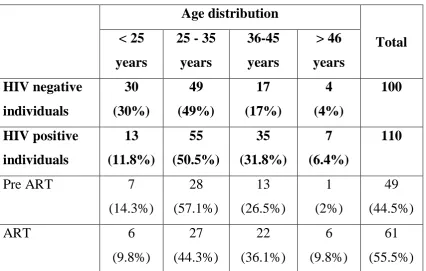
Majority of both the study and control groups were in the age group of 25 - 36 years.
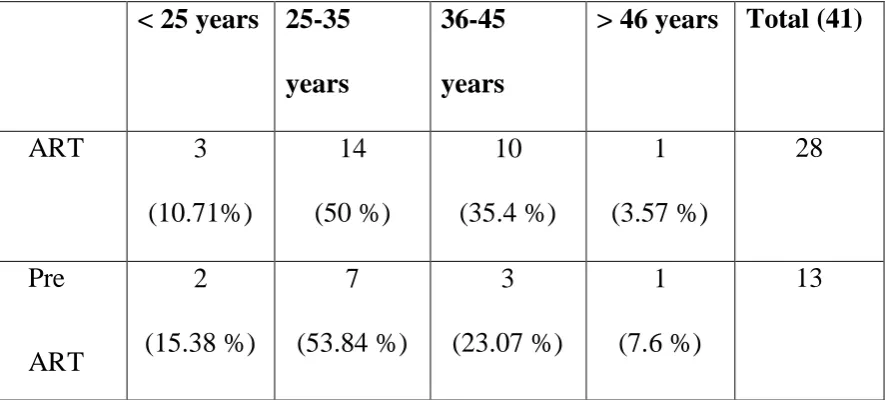
[image:50.595.105.532.479.750.2]Majority of thyroid dysfunction was also present in the same age group mentioned above. (Table.1 and 1a )
Table. 1. Age distribution
Age distribution
Total < 25
years
25 - 35 years 36-45 years > 46 years HIV negative individuals 30 (30%) 49 (49%) 17 (17%) 4 (4%) 100 HIV positive individuals 13 (11.8%) 55 (50.5%) 35 (31.8%) 7 (6.4%) 110
Pre ART 7
Table.1a. Abnormal Thyroid Function Test in HIV positive individuals
< 25 years 25-35
years
36-45
years
> 46 years Total (41)
ART 3 (10.71%) 14 (50 %) 10 (35.4 %) 1 (3.57 %) 28 Pre ART 2 (15.38 %) 7 (53.84 %) 3 (23.07 %) 1 (7.6 %) 13
Our study group had 54.5 % of male and 45.5 % o female. The thyroid function tests were found to be abnormal in 58.54 % of males and 41.5 % of females (Table.2.).
Table.2. Gender distribution
Sex distribution Total Male Female HIV negative individuals 55 (55 %) 45 (45 %) 100 HIV positive individuals 60 (54.5%) 50 (45.5 %) 110
Pre ART 24
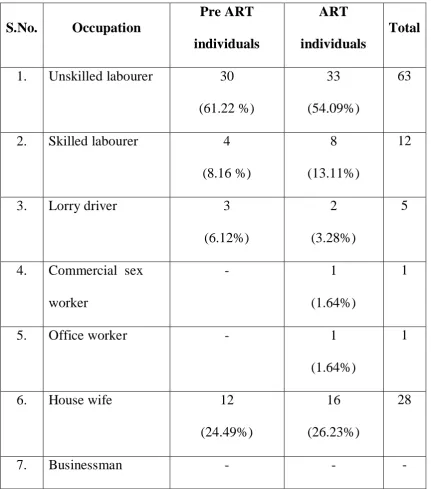
[image:51.595.103.528.507.757.2]Housewives (25.45%) and unskilled labourers (57.27%)
[image:52.595.102.534.233.723.2]constituted the majority of the study group in both pre ART and ART categories (Table.3.). Table.3. Occupation S.No. Occupation Pre ART individuals ART individuals Total
1. Unskilled labourer 30 (61.22 %)
33 (54.09%)
63
2. Skilled labourer 4 (8.16 %)
8 (13.11%)
12
3. Lorry driver 3
(6.12%)
2 (3.28%)
5
4. Commercial sex worker
- 1
(1.64%)
1
5. Office worker - 1
(1.64%)
1
6. House wife 12
(24.49%)
16 (26.23%)
28
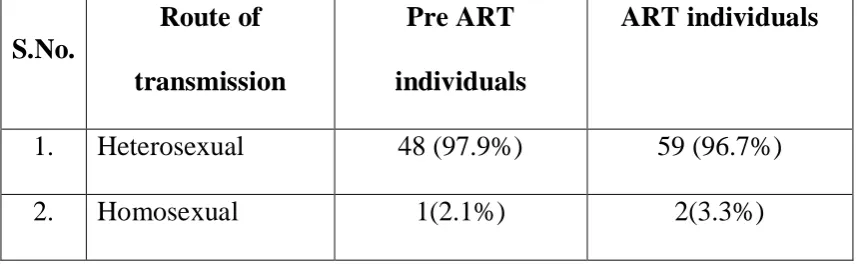
-Heterosexual route was the most common mode of transmission of HIV infection which is about 97 – 98 % (Table.4.).
Table. 4. Route of transmission
S.No.
Route of
transmission
Pre ART
individuals
ART individuals
1. Heterosexual 48 (97.9%) 59 (96.7%)
2. Homosexual 1(2.1%) 2(3.3%)
Mean duration of HIV infection was 2.3 years in study group and the mean duration of patients with thyroid abnormality in HIV positive individuals was 3.7 years.
Opportunistic infections were observed in 25 % of patients with thyroid abnormality whereas 15 % in study group.
The commonest opportunistic infection was tuberculosis followed by oral candidiasis and herpes zoster.
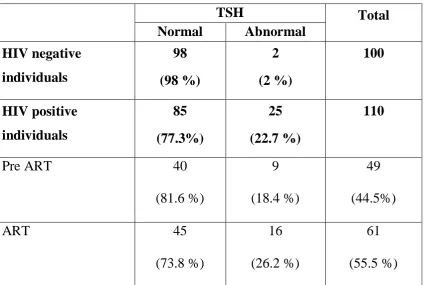
Table.5. TSH analysis TSH Total Normal Abnormal HIV negative individuals 98 (98 %) 2 (2 %) 100 HIV positive individuals 85 (77.3%) 25 (22.7 %) 110
Pre ART 40
[image:54.595.102.535.283.744.2](81.6 %) 9 (18.4 %) 49 (44.5%) ART 45 (73.8 %) 16 (26.2 %) 61 (55.5 %)
Table.6. FT 3 analysis
FT 3 Total Normal Abnormal HIV negative individuals 99 (99 %) 1 (1%) 100 HIV positive individuals 98 (80.9 %) 12 (19.1 %) 110
Pre ART 47
Table.7. FT 4 analysis
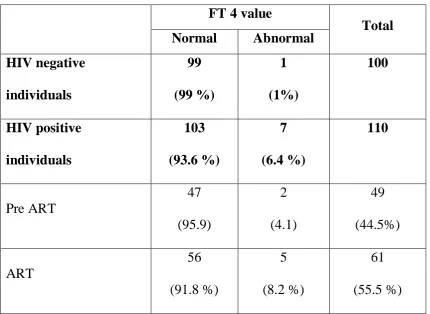
FT 4 value
Total Normal Abnormal HIV negative individuals 99 (99 %) 1 (1%) 100 HIV positive individuals 103 (93.6 %) 7 (6.4 %) 110 Pre ART 47 (95.9) 2 (4.1) 49 (44.5%) ART 56 (91.8 %) 5 (8.2 %) 61 (55.5 %)
The most common thyroid dysfunction observed was subclinical hypothyroidism both in ART and pre ART group with raised TSH and normal range of FT 3 and FT 4.
Subclinical hypothyroidism was observed in 22 patients among 110 study group patients (Table.8)
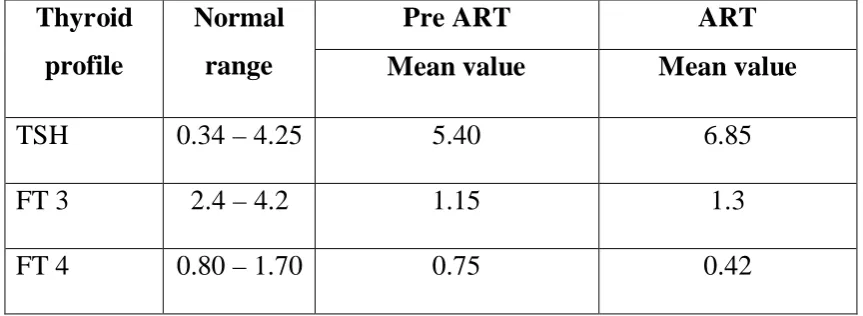
Mean TSH range was higher in ART group 6.85 µIU / ml and in pre ART group was 5.4 µIU / ml which is statistically significant. Three patients in ART group were found to have overt hypothyroidism.
Three patients were having over hypothyroidism. Among them, one patient have low FT 4 along with raised TSH and other two patients had low FT 3 with raised TSH. (Table 5,8,9)
FT 3 abnormality was found in 19.1 % of study group. In pre ART category it was 17 % and in ART category it was 83 % .
Isolated low FT 3 was the common FT 3 abnormality observed which constituted about 92 %. One patient (8 %) had raised FT 3.
Mean FT 3 was 1.15 pg/dl in pre ART group and 1.3 pg/dl in ART group. (Table 6,8,9)
FT 4 abnormality was found in 6.4 % study populations. Among them, 71.43 % were in ART group and 28.57 % were in pre ART group.
Isolated low FT 4 was found in 85.7 % patients. One patient (14.3 %) had raised FT 4.
Table.8. Types of thyroid dysfunction in HIV positive individuals
Types of
abnormality
Total
cases
Pre ART ART
Subclinical hypothyroidism 22 (53.6 %) 9 (69.2 %) 13 (46.43 %) Overt hypothyroidism 3 (7.31 %) -3 (10.7 %)
Isolated low FT 3 9 (21.95 %)
2 (15.38 %)
7 (25 %)
High FT 3
1 (2.44 %)
-1 (3.6 %)
Isolated low FT 4 5 (12.19 %)
2 (15.38 %)
3 (10.7 %)
High FT 4 1
(2.44 %)
- 1
(3.6 %)
Total 41 13 28
Table.9. Thyroid profile
Thyroid profile
Normal range
Pre ART ART
Mean value Mean value
TSH 0.34 – 4.25 5.40 6.85
FT 3 2.4 – 4.2 1.15 1.3
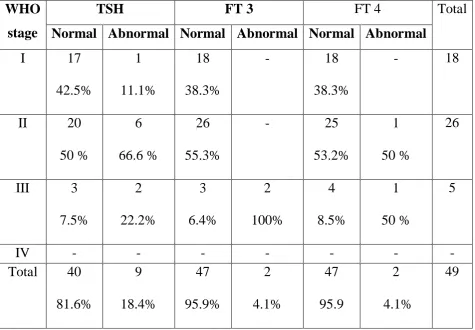
[image:57.595.100.532.606.764.2]Majority of FT 3, FT 4 and TSH abnormality was found in WHO stage 3 and 4 in patients in ART group and in stage 2 and 3 in pre ART group which was found statistically significant.
Table.10. WHO staging of HIV individuals on ART with Thyroid Dysfunction
WHO
stage
TSH FT 3 FT 4
Total
Normal Abnormal Normal Abnormal Normal Abnormal
Table.11. HIV individuals not on ART
WHO stage
TSH FT 3 FT 4 Total
Normal Abnormal Normal Abnormal Normal Abnormal
I 17 42.5% 1 11.1% 18 38.3% - 18 38.3% - 18 II 20 50 % 6 66.6 % 26 55.3% - 25 53.2% 1 50 % 26 III 3 7.5% 2 22.2% 3 6.4% 2 100% 4 8.5% 1 50 % 5
IV - - -
-Total 40 81.6% 9 18.4% 47 95.9% 2 4.1% 47 95.9 2 4.1% 49
Table. 12. Thyroid function test in individuals on HAART
ART Abnormal Normal
TSH FT 3 FT 4
AZT + 3 TC + NVP 12 (31.52%) 7 (18.42%) 4 (10.52%) 16 (42.11%) d4T + 3 TC + NVP 3
(23.08%)
1
(7.69%) 0(0)
8 (61.54%) AZT + 3 TC + EFV 1
(10%) 2 (20%) 1 (10%) 6 (60%)
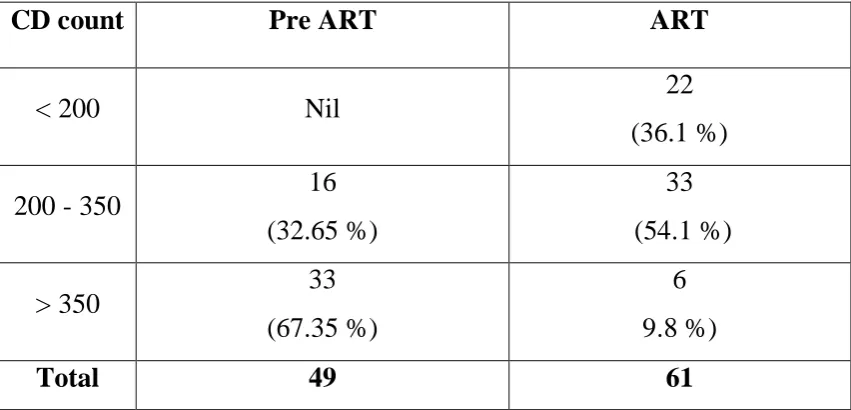
CD 4 count was < 200 in 36.1 %, 200-350 in 54.1 % under ART group where as in pre ART group 32.65 % had CD 4 count 200- 350 and 67.35 % had CD 4 count > 350.
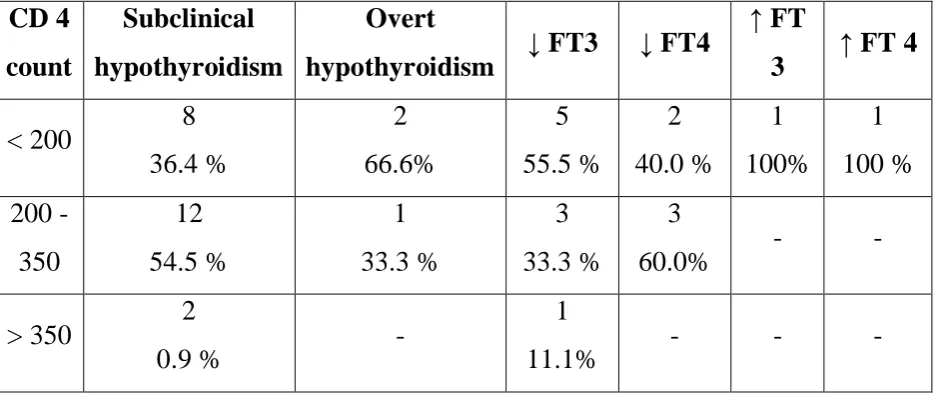
Overt hypothyroidism was found mostly in patients with CD 4 count < 200 and subclinical hypothyroidism patients had CD 4 count between 200 - 350.
Table. 13. CD 4 count in HIV positive individuals
CD count Pre ART ART
< 200 Nil 22
(36.1 %)
200 - 350 16
(32.65 %)
33 (54.1 %)
> 350 33
(67.35 %)
6 9.8 %)
[image:60.595.103.529.555.760.2]Table. 14. Co-relation of CD 4 count with thyroid dysfunction CD 4 count Subclinical hypothyroidism Overt
hypothyroidism FT3 FT4
FT
3 FT 4
< 200 8 36.4 % 2 66.6% 5 55.5 % 2 40.0 % 1 100% 1 100 % 200 -350 12 54.5 % 1 33.3 % 3 33.3 % 3
60.0% -
-> 350 2
0.9 %
-1
DISCUSSION
People with HIV appear to have greater likelihood of disorders of thyroid. During HIV infections overt clinical manifestations are less common whereas subtle changes in thyroid function are found more commonly in several studies.
Grappin et al showed daily dose of both stavudine and lamuvidine were related with presence of hypothyroidism.
Beltran et al found that use of stavudine and lower CD4 count were associated with subclinical hypothyroidism.
Another study of Beltran et al showed lower levels of FT 3 with stavudine.
Use of NNRTI especially efavirenz was showed to be a significant predictor of hypothyroidism.
Present study was undertaken based on the above observation, in our hospital, Kilpauk Medical College Hospital, Chennai.
Age Distribution
Our study population consisted of 110 patients, chosen randomly attending the ART center adhering to inclusion and exclusion criteria (both pre ART = 49 and patients on ART=61)
The patients were divided into 4 groups as shown in Fig. 1.
The mean age group was between 25 – 35 years which constitutes about 44.3 % patients on HAART and 57.1 % of patients not on ART.
The study group was compared with 100 normal patients selected randomly with no previous thyroid dysfunction.
The comparison between these two groups the HIV positive individuals and HIV negative individuals was statistically significant with p value < 0.05 and chi square13.67.
Majority of abnormal thyroid function test was found in age group between 25- 35 years which constitutes 50 % of patients on HAART and 53.84 % of patients not on ART.
Gender Distribution
their female counterpart, with a sex ratio of 1.2 in favour of males. The prevalence of thyroid dysfunction was found to be more in male than female. There was no statistical correlation between gender and thyroid dysfunction. There are no studies available that has data available on thyroid dysfunction and gender influence in HIV patients on HAART. The gender distribution demonstrated 60 (54.4%) and 50 females (45.5%) in our study population and thyroid abnormalities was found in 43. 3 % HIV +ve in males and 22 % HIV +ve females individuals. This was compared with normal population and was found to be statistically insignificant with p value 0.29
Occupation
In our study group unskilled labours and housewives constituted majority of the population 57.27% and 25.45% respectively,10.91 were skilled ,CSW -0.9 lorry drivers - 4.5% office workers 0.9% statistically the nature of work was not related significantly thyroid dysfunction.
Route of transmission
Most of the study population and heterosexual behaviour in our study group 97.27%.
Mean duration of HIV infection was 2.3 years in study group and the mean duration of patients with thyroid abnormality in HIV positive individuals was 3.7 years.
Opportunistic infection
Opportunistic infections were observed in 25 % of patients with thyroid abnormality whereas 15 % in study group. The commonest opportunistic infection was tuberculosis followed by oral candidiasis and herpes zoster.
Symptoms and signs
One 40 years old female patient on ART had thyroid enlargement.
Thyroid dysfunction
TSH was found to be abnormal in 25 patients among 110 study group population which constitute about 22.7%.Among 25 patients 16 were patients on HAART and 9 were pre ART individuals which was about 26.2% and 18.4% respectively. All the 25 patients had elevated TSH values.
In the normal population 2% had elevated TSH value.
Range of TSH
In pre ART - 4.977 – 6.423 with mean value of 5..4
The TSH abnormality was found to be stsistically significant with p value < 0.05.
FT 3 analysis
FT3 value was found to be abnormal in 12 patients among 110 patients which constitutes 10.9% .Among 12 patients 10 were on HAART and 2 were pre ART with constitutes 16.4% and 4.1% respectively.
FT3 was elevated in 1 patient who was on HAART and none in pre ART.
Isolated FT3 was found in 7 patients on HAART and 2 patients in pre ART.2 paints on HAART with FT3 was associated with elevated TSH. This was found to be statistically significant with p vaiue < 0.05.
FT4 analysis
FT4 value was found to be abnormal in 7 HIV positive individuals among 110 patients who constitute 6.4%.5 out of the 7 patients were on HAART and 2 were in pre ART group which constitutes 8.2% and 4.1% respectively.
Isolated FT4 was found in 3 individuals on HAART and 2 patients in pre ART group.1 patient with FT4 was associated with elevated TSH.
WHO staging
Of the 110 study population 61 patients were on HAART and 49 patients were in the pre ART group.
Of the 61 patients in the HAART group
11 patients ( 18.03%) belong to WHO stage I 16 patients 26.23% belong to WHO stage II 26 patients 42.62% belong to WHO stage III 8 patients 13.11% belong to WHO stage IV
Majority of the FT3, FT4 and TSH abnormality was found to be in WHO stage III and IV that is TSH abnormality was found in 37.5% in stage III and 25%in stage IV.
FT3 ABNORMALITTY 50% in stage III 33% in stage IV
40%-stage IV
Of the 49 pre ART individuals
18 patients (36.73%) were in WHO stage I 26 patients (53.06%) were in WHO stage II 5 patients (10.2%) were in WHO stage III None in stage IV
Majority of FT 3, FT4 and TSH abnormality was found in stage II and III TSH abnormality - 55.5 % stage II
FT 3 abnormality – 100 % stage III
FT 4 abnormality – 50 % ach in stage II & III
CD 4 count
CD 4 count was < 200 in 36.1 %, 200-350 in 54.1 % under ART group where as in pre ART group 32.65 % had CD 4 count 200- 350 and 67.35 % had CD 4 count > 350.
Overt hypothyroidism was found mostly in patients with CD 4 count < 200 and subclinical hypothyroidism patients had CD 4 count between 200 - 350.
Drugs and thyroid function test
Out of this 39 patients (64 %), 12 patients (31.52%) had SH abnormality. 7 patients (18.42%) had FT 3 abnormality, 4 patients (10.52%) had FT 4 abnormality.
16 patients (42.11 %) had normal TFT
12 patients (19.67 %) were under (b) stavudine + lamivudine + Nivarapine
Of these 12 patients, 3 patients (23.08 %) had TSH abnormality
1 patient (7.67%) had FT 3 abnormality
No FT 4 abnormality was detected.
8 patients (61.54 %) had normal TFT
(C) 10 patients (16.39 %) were in the zidovidine + stamivudine + efavirenz therapy
1 patients (10 %) had TSH abnormality
2 patients (20 %) had FT 3 abnormality
1 patients (10 % ) had FT 4 abnormality
CONCLUSION
Thyroid abnormality especially subclinical hypothyroidism is more prevalent in HIV positive individuals compared to normal sero negative individuals.
All forms of thyroid dysfunction were observed more in patients on HAART than in pre ART individuals.
Thyroid abnormality was found more in males in our study group.
Majority of thyroid abnormality was found in the age group of 25 – 35 years.
There was significant inverse correlation between CD 4 count and thyroid abnormalities. Decline in CD 4 count was associated with increased incidence of thyroid abnormalities.
There was significant correlation between duration of HIV infection and prevalence of thyroid dysfunction which was found more in patients with longer duration of HIV infections.
who were in WHO stage III and IV.
Heterosexual route was the common route of transmission.
Tuberculosis was the most common opportunistic infection.
Thyroid abnormality especially subclinical hypothyroidism was common in the HAART group under the Ziduvidine + stamivudine + nevarapine regimen.
LIMITATIONS
The sample size was small
Thyroid antibodies were not measured
Follow up study was not done. So incidence of thyroid
PROFORMA
NAME HOSTITAL No: SERIAL NO
AGE HEIGHT WHO
SEX WEIGHT EDUCATION
OCCUPATION BMI ADDRESS
MARITAL STATUS :
SEXUAL EXPOSURE :
OTHER RISK FACTORS : PARTNER’S HIV STATUS : DURATION OF HIV INFECTION : AGE AT FIRST SEXUAL
EXPOSURE
:
RECENT EXTRA MARITAL EXPOSURE
:
PREVIOUS STD’S :
PRESENT STD’S :
SMOKING :
ALCOHOL :
DM :
HT :
PREVIOUS THYROID DYSFUNCTION
:
H/O ATT :
PRESENTING COMPLAINTS TIREDNESS / WEAKNESS/ HYPERACTIVITY
: DRY SKIN:
DIFFICULTY IN
CONCENTRATION/POOR MEMORY
: BOWEL
DISTURBANCES:
WEIGHT GAIN / LOSS APPETITE
: DYSPNOEA:
HOARSENESS OF VOICE : MENSTRUAL
PROBLEM:
PARESTHESIA :
EXAMINATION :
PALLOR :
JAUNDICE :
CYANOSIS :
THYROID SWELLING :
CLUBBING :
PEDAL EDEMA :
LYMPHADNOPAHY :
BP :
PR :
RR :
TEMPERATURE :
JVP :
OPPORTUNISTIC INFECTIONS :
CVS :
RS :
ABDOMEN :
INVESIGATION
HEMOGRAM : CD 4 COUNT
HB % :
TOTAL COUNT :
DIFFERENTIAL COUNT :
ESR :
PCV :
PLATELET COUNT :
ECG :
CHEST X RAY :
THYROID FUNTION TEST :
SERUM FREE T 3 :
SERUM FREE T 4 :
TSH :
RENAL FUNCTION TEST :
BLOOD SUGAR :
BLOOD UREA :
SERUM CREATININE :
SERUM ELECTROLYTES :
LIPID PROILE :
TOTAL CHOLESTROL :
TRIGLYCERIDES :
HDL :
LDL :
LIVER UNCTION TEST :
SERUM BILIRUBIN :
SGOT :
SGPT :
SAP :
TOTAL PROTEIN :
ABBREVIATIONS
FT4/T4 : Free Thyroxine / Thyroxine
TSH : Thyroid Stimulating Hormone
FT3/T3 : Free Triodothyronine / Triodothyronine
HIV : Human Immuno deficiency Virus
AIDS : Acquired Immuno deficiency Syndrome
CD : Cluster differentiation
HAART/ART : Highly Active Anti Retroviral Therapy
PRE ART : HIV Patients not on Anti Retroviral Therapy
NTI : Non Thyroidal Illness
TO : Thyroid peroxidase
NRTI : Nucleoside Reverse Transcriptase Inhibitors
NNRTI : NonNucleoside Reverse Transcriptase Inhibitors
S.No HospitalNo. Age AgeGroup sex occupation WHO route oftransmission CD4count Durationof illness BMI Opp.iinf ART Throid dusfunction
symptoms Thyroidenlargement TSH Ft3 Ft4 Lipidprofile RFT LFT TSH -AB/N FT3AB/N FT4AB/N
1 953 57 4 M 1 III 1 259 2 19 5 3 1 N 0.814 3.21 1.322 1 N N 0 0 0
2 2769 39 3 F 6 II 1 315 3 21 5 0 1 N 5.408 3.832 1.53 1 N N 1 0 0
3 773 26 2 M 1 II 1 324 2 21 1 1 1 N 1.895 2.621 0.86 1 N N 0 0 0
4 688 30 2 M 1 I 1 293 3 22 1 1 1 N 1.378 1.264 0.88 1 N N 0 1 0
5 1912 22 1 F 6 I 1 763 1 22 1 0 1 N 0.813 3.329 1.049 1 N N 0 0 0
6 972 46 4 M 2 II 1 288 3 20 1 0 1 N 2.344 3.819 0.779 1 N N 0 0 1
7 1594 33 2 M 1 III 1 356 1 22 5 0 1 N 5.159 3.6 1.549 1 N N 1 0 0
8 859 50 4 F 6 III 1 198 3 23 3 1 1 Y 8.679 1.3 0.84 1 N N 1 1 0
9 2672 45 3 F 6 III 1 483 1 23 1 0 1 N 4.032 2..927 0.956 1 N N 0 0 0
10 793 23 1 F 6 II 1 368 33 25 1 2 1 N 3.5 2.983 0.9 1 N N 0 0 0
11 186 35 2 F 6 II 1 458 2 19.6 1 0 1 N 2.325 3.319 1.198 1 N N 0 0 0
12 749 36 3 M 1 II 1 216 3 23 1 1 1 N 2.86 1.547 1.02 1 N N 0 1 0
13 756 44 3 F 6 I 1 786 3 24.2 5 0 1 N 1.41 3.9 1.297 1 N N 0 0 0
14 505 39 3 F 1 III 1 296 3 21 1 1 1 N 4.843 3.719 0.976 1 N N 1 0 0
15 1896 32 2 F 1 I 1 425 2 23.6 1 0 1 N 3.497 3.392 0.976 1 N N 0 0 0
16 1218 39 3 M 1 IV 1 173 6 19 5 3 1 N 3.968 2.82 1.821 1 N N 0 0 1
17 439 40 3 F 5 III 1 161 3 19.5 2 2 1 N 6.416 3.158 0.8 1 N N 1 0 0
18 281 35 2 F 6 I 1 706 3 23 1 0 1 N 1.113 2.941 0.89 1 N N 0 0 0
19 1206 32 2 M 1 II 1 182 3 21 1 1 1 N 4.421 3.162 0.894 1 N N 1 0 0
20 1449 20 1 F 1 II 1 356 1 21.7 1 0 1 N 3.258 3.472 0.881 1 N N 0 0 0
21 450 20 1 M 2 III 1 108 3 20 2 1 1 N 1.665 0.912 1.538 1 N N 0 1 0
22 1438 32 2 F 1 III 1 205 3 24.1 2 2 1 N 11.371 2.63 0.676 1 N N 1 0 1
23 1221 38 3 F 6 III 1 52 3 22 1 2 1 N 1.57 1.106 0.934 1 N N 0 1 0
24 1673 32 2 M 1 I 1 378 1 23.5 1 0 1 N 2.296 2.994 1.17 1 N N 0 0 0
27 722 33 2 M 1 III 2 334 3 21 1 3 1 N 1.893 3.495 0.98 1 N N 0 0 0
28 2537 26 2 M 1 I 1 752 3 24.5 1 0 1 N 1.818 4.108 1.369 1 N N 0 0 0
29 622 46 4 M 2 II 1 238 3 19.5 1 1 1 N 1.702 3.248 1.094 1 N N 0 0 0
30 688 30 2 M 1 IV 1 39 3 19 1 1 1 N 4.436 4.198 1.236 1 N N 1 0 0
31 190 38 3 F 6 II 1 216 3 22 1 1 1 N 0.909 2.504 1.54 1 N N 0 0 0
32 2729 27 2 M 1 I 2 926 3 25.5 1 0 1 N 2.892 3.975 1.036 1 N N 0 0 0
33 930 39 3 M 1 III 1 121 3 18.6 2 1 1 N 7.464 2.714 1.465 1 N N 1 0 0
34 2553 35 2 M 1 I 1 454 2 19.7 1 0 1 N 1.884 3.344 1.15 1 N N 0 0 0
35 987 26 2 M 1 IV 1 282 3 18.5 1 1 1 N 9.405 3.352 0.984 1 N N 1 0 0
36 2533 26 2 M 1 I 1 254 2 20.1 1 0 1 N 3.803 3.63 1.1 1 N N 0 0 0
37 1174 36 3 M 1 I 1 843 2 23.2 1 1 1 N 2.04 3.564 1.308 1 N N 0 0 0
38 1218 38 3 M 1 II 1 274 1 21.2 5 0 1 N 4.977 3.64 0.965 1 N N 1 0 0
39 1015 33 2 M 1 I 1 293 2 19.4 1 1 1 N 5.168 2.717 0.963 1 N N 1 0 0
40 1249 29 2 M 1 II 1 322 1 23.4 1 0 1 N 5.642 2.82 0.945 1 N N 1 0 0
41 894 28 2 M 1 II 1 166 3 23.6 1 1 1 N 4.615 3.411 0.936 1 N N 1 0 0
42 2105 28 2 F 1 III 1 267 3 22.5 1 0 1 N 4.052 1.026 0.926 1 N N 0 1 0
43 792 28 2 M 1 III 1 198 3 22 1 1 1 N 2.25 3.158 0.33 1 N N 0 0 1
44 2102 24 1 M 1 III 1 215 2 22.6 1 0 1 N 2.062 1.326 1.05 1 N N 0 1 0
45 361 24 1 F 6 III 1 308 3 19 2 3 1 N 2.076 6.05 0.913 1 N N 0 1 0
46 1798 32 2 M 1 III 1 288 3 23.2 5 0 1 N 6.023 3.012 1.083 1 N N 1 0 0
47 368 47 4 M 1 III 1 394 3 24.2 1 1 1 N 3.368 4.132 1.552 1 N N 0 0 0
48 2509 29 2 F 6 II 1 386 3 24.2 1 0 1 N 3.896 3.521 1.05 1 N N 0 0 0
49 1113 34 2 M 1 IV 1 17 1 21.3 1 1 1 N 1.467 3.094 1.476 1 N N 0 0 0
50 1678 32 2 M 1 I 1 348 1 23.1 1 0 1 N 1.623 3.621 1.032 1 N N 0 0 0
51 954 39 3 M 1 IV 1 259 3 21.2 1 3 1 N 1.428 3.92 1.256 1 N N 0 0 0
53 1708 29 2 M 1 II 1 418 1 22.1 1 0 1 N 2.594 4.01 1.092 1 N N 0 0 0
54 754 40 3 M 1 IV 1 246 3 22 5 3 1 N 7.544 3.292 1.603 1 N N 1 0 0
55 2025 26 2 F 1 III 1 328 3 22.2 5 0 1 N 5.823 3.123 1.204 1 N N 1 0 0
56 345 50 4 M 1 IV 1 161 2 21.6 1 2 1 N 2.25 3.26 1.321 1 N N 0 0 0
57 1972 32 2 F 1 III 1 425 1 23.2 1 0 1 N 1.821 3.621 1.035 1 N N 0 0 0
58 349 42 3 M 1 IV 1 165 3 19.2 1 2 1 N 5.232 3.282 1.524 1 N N 1 0 0
59 1982 40 3 M 1 II 1 414 1 21.4 1 0 1 N 2.32 2.421 1.021 1 N N 0 0 0
60 1077 40 3 F 6 III 1 233 2 26.4 5 1 1 N 1.313 3.271 1.198 1 N N 0 0 0
61 2186 34 2 M 1 II 1 312 3 22.6 2 0 1 N 6.423 2.618 1.023 1 N N 1 0 0
62 211 39 3 M 1 II 1 789 3 24.2 1 0 1 N 2.701 3.64 1.168 1 N N 0 0 0
63 2329 35 2 F 6 II 1 486 1 19.8 1 0 1 N 2.621 2.521 0.986 1 N N 0 0 0
64 783 23 1 F 1 II 1 368 2 24.1 1 2 1 N 6.611 2.869 0.968 1 N N 1 0 0
65 2512 33 2 M 1 II 1 495 1 20.1 1 0 1 N 3.21 2.631 1.232 1 N N 0 0 0
66 255 36 3 M 1 II 1 310 1 23.2 1 0 1 N 5.811 4.091 0.968 1 N N 1 0 0
67 789 42 3 M 1 II 1 361 3 21.2 1 0 1 N 1.428 2.51 1.321 1 N N 0 0 0
68 247 37 3 F 6 III 1 128 3 18.6 1 2 1 N 0.908 3.36 1.42 1 N N 0 0 0
69 1452 28 2 M 1 II 1 328 2 23.4 1 0 1 N 3.214 3.21 1.231 1 N N 0 0 0
70 835 27 2 M 1 III 2 124 2 23.4 1 1 1 N 1.447 3.312 0.904 1 N N 0 0 0
71 1236 29 2 F 6 II 1 416 2 22.1 1 0 1 N 3.124 3.31 1.214 1 N N 0 0 0
72 1189 37 3 M 2 II 1 593 3 22.7 5 1 1 N 1.383 3.732 1.607 1 N N 0 0 0
73 1521 26 2 M 1 II 1 425 2 20.9 1 0 1 N 3.961 4.012 0.965 1 N N 0 0 0
74 1222 42 3 M 1 I 1 261 2 21 1 2 1 N 3.773 3.616 0.927 1 N N 0 0 0
75 2361 38 3 F 1 I 1 492 2 23.2 1 0 1 N 1.238 4.142 1.303 1 N N 0 0 0
76 2768 36 3 F 6 II 1 365 3 3.6 1 0 1 N 2.842 2.642 1.36 1 N N 0 0 0
77 708 36 3 M 1 III 1 183 2 22 1 1 1 N 3.057 2.653 1.684 1 N N 0 0 0
79 2576 25 1 F 6 IV 1 503 1 22 1 0 1 N 1.888 3.59 0.856 1 N N 0 0 0
80 2438 32 2 F 6 III 1 429 1 21.6 1 0 1 N 3.101 3.102 1.521 1 N N 0 0 0
81 828 35 2 F 6 II 1 247 2 23 1 1 1 N 2.403 3.467 1.139 1 N N 0 0 0
82 2416 41 3 F 6 II 1 395 2 22.2 1 0 1 N 1.428 2.51 1.321 1 N N 0 0 0
83 2553 35 2 F 6 I 1 1440 2 24.2 1 0 1 N 0.523 3.689 1.498 1 N N 0 0 0
84 692 30 2 M 1 III 1 284 3 22.1 1 1 1 N 3.206 3.152 1.32 1 N N 0 0 0
85 2220 50 4 M 1 I 1 282 2 21.6 1 0 1 N 2.447 3.592 1.39 1 N N 0 0 0
86 358 40 3 F 6 III 1 233 2 22.1 1 1 1 N 1.313 3.271 1.193 1 N N 0 0 0
87 1994 22 1 F 6 II 1 694 3 23.2 1 0 1 N 2.427 3.922 1.652 1 N N 0 0 0
88 2572 42 3 M 1 II 1 302 2 22.2 1 0 1 N 2.447 3.592 1.39 1 N N 0 0 0
89 2334 24 1 F 6 I 1 893 3 24.3 1 0 1 N 1.238 4.146 1.303 1 N N 0 0 0
90 2418 40 3 M 1 I 1 487 3 21.3 1 0 1 N 2.427 3.922 1.632 1 N N 0 0 0
91 1154 30 2 F 6 I 1 632 3 23.5 1 0 1 N 2.24 3.494 1.241 1 N N 0 0 0
92 68 37 3 M 1 III 1 137 3 19 5 3 1 N 4.162 1.09 1.08 1 N N 0 1 0
93 617 30 2 M 2 I 1 247 3 21 1 1 1 N 2.762 1.29 0.395 1 N N 0 1 1
94 1195 29 2 F 6 II 1 247 2 22.4 3 2 1 N 1.24 2.67 0.82 1 N N 0 0 0
95 913 34 2 M 1 I 1 238 1 20.5 1 1 1 N 5.228 3.225 1.015 1 N N 1 0 0
96 271 26 2 F 6 II 1 295 3 23.7 2 1 1 N 2.921 2.488 1.313 1 N N 0 0 0
97 817 36 3 F 6 I 1 289 2 25.4 1 3 1 N 3.51 2.46 0.9 1 N N 0 0 0
98 148 30 2 M 1 III 1 292 1 19.4 5 3 1 N 2.486 2.47 1.02 1 N N 0 0 0
99 10 38 3 F 6 II 1 242 2 21.4 4 2 1 N 3.25 3.71 0.976 1 N N 0 0 0
100 967 29 2 F 6 III 1 249 2 19.7 1 0 1 N 2.356 3.133 0.648 1 N N 0 0 1
101 266 28 2 F 6 II 1 123 3 19.5 1 1 1 N 6.075 3.389 0.891 1 N N 1 0 0
102 784 32 2 M 1 III 1 141 2 20.2 1 1 1 N 1.993 1.49 0.865 1 N N 0 1 0
103 627 41 3 M 2 III 1 172 3 21.2 1 1 1 N 5.19 2.1771 0.917 1 N N 1 1 0
105 457 38 3 M 2 III 1 291 2 22.3 5 1 1 N 0.669 3.572 1.7 1 N N 0 0 0
106 66 30 2 F 6 I 1 674 3 19.8 1 2 1 N 1.893 3.5 0.82 1 N N 0 0 0
107 978 24 1 F 6 I 1 309 2 19.4 1 2 1 N 1.702 3.42 1.09 1 N N 0 0 0
108 824 30 2 F 2 I 1 294 3 21.8 1 1 1 N 0.909 2.5 1.45 1 N N 0 0 0
109 808 28 2 F 1 II 1 229 1 18.6 1 1 1 N 2.076 2.7 1.34 1 N N 0 0 0
110 1014 29 2 F 1 III 1 115 2 21.2 1 1 1 N 1.556 3.28 0.716 1 N N 0 0 1
MASTER CHART ABBREVIATION
Occupation : Unskilled labourer : 1
Skilled labourer : 2
Lorry driver : 3
Commercial sex
worker
: 4
Office worker : 5
House wife : 6
Business man : 7
Route of transmission : Heterosexual : 1
Homosexual : 2
Opportunistic infections
: Nil : 1
Oral candidiasis : 2
Candidiasis other
sites
: 3
Herpes zoster : 4
Tuberculosis : 5
Duration of HIV infection
: < 1 years : 1
1-3 years : 2
> 3 years : 3
ART drugs : AZT : Zidovudine
3TC : Lamivudine
NVP : Nevirapine
Figure.1. Age distribution
Figure. 1a. Abnormal thyroid functional test in HIV positive individuals
5 15 25 35 45 55 65
< 25 years 26-35 years 36-45 years > 46 years
Age distribution
HIV negative individuals HIV positive individuals
0 2 4 6 8 10 12
36-45 years > 46 years
Fig.2. Sex distribution
Fig.3. TSH analysis
0 10 20 30 40 50 60 HIV negative individuals HIV positive individuals
Pre ART ART
Sex distribution Male Sex distribution Female
0 10 20 30 40 50 60 70 80 90 100
HIV negative individuals
HIV positive individuals
Figure. 3. TSH in pre ART and ART
Figure.4. FT 3 and FT 4
0 5 10 15 20 25 30 35 40 45 50
1 2
Pre ART ART
0 20 40 60 80 100 120
Normal Abnormal Normal Abnormal
FT 3 value FT 4 value
Figure.4. FT 3 and FT 4
Fig. 5. Occupation 0
10 20 30 40 50 60
Pre ART ART
FT 3 value Normal FT 3 value Abnormal
0 10 20 30 40 50 60 70
Fig. 6. Route of transmission
Fig.7. WHO stage and TSH abnormality on HAART
0 10 20 30 40 50 60
Pre ART individuals ART individuals
Heterosexual Homosexual
0 5 10 15 20 25
I II III IV
[image:91.595.117.512.428.692.2]Fig.7a. WHO stage and FT 3 abnormality in patients on HAART
Fig. 8. Thyroid function test in patients on HAART
0 5 10 15 20 25
I II III IV
FT 3 Normal FT 3 Abnormal
0 2 4 6 8 10 12 14
TSH FT 3 FT 4
Abnormal
[image:92.595.135.500.379.597.2]BIBLIOGRAPHY
1. Antony S.fauci, H. Clifford Lane. Human Immunodeficiency Virus disease: AIDS and Related Disorders. Harrison’s Principles of internal Medicine 17th edition, 2008: 1137-1204.
2. Ghosh TK. , “AIDS: a serious challenge of public health”, Journal of the Indian Medical Association, 1986; 84(1): 29-30.
3. Raffi F, Brisseau JM, Planchon B et al : Endocrine function in 98 HIV-infected patients: a prospective study. AIDS 1991: 5: 729–33.
4. Dobs AS, Dempsey MA, Ladenson PW et al. Endocrine disorders in men infected with human immunodeficiency virus. Am J Med 1988: 84: 611–16.
5. Jain G, Devpura G, Gupta BS. Abnormalities in the thyroid function tests as surrogate marker of advancing HIV infection in infected adults. JAPI:2009:57:508-510.
6. Collazos J, Ibarra S, Mayo J Thyroid hormones in HIV infected patients in the highly active antiretroviral therapy era: evidence of an interrelationship between the thyroid axis and the immune system AIDS 2003:17:763-765
8. Quirino T, Bongiovanni M, Ricci E: Hypothyroidism in HIV infected patients who have or have not received HAART. Clin Infect Disease 2004: 38: 596-597.
9. Grappin M, Piroth L, Verges B et al. Increased prevalence of subclinical hypothyroidism in HIV patients treated with highly active antiretroviral therapy. AIDS 2000; 14: 1070–2.
10. Madge S, Smith C, Lampe F, Thomas M, Johnson M, et al :No association between HIV disease and its treatment and thyroid function. HIV Med 2006: 7(supp 1):23 abstract P49.
11. Nelson M, Powles T, Zeitlin A: Thyroid dysfunction and relationship to antiretroviral therapy in HIV positive individuals in the HAART era J Acquired Immunodeficiency Syndromes 2009:50:113-114.
12. Beltran S, Lescure FX, Desailloud R, et al: Increased prevalence of hypothyroidism among human immunodeficiency virus-infected patients : a need for screening : Clin Infect Dis: 2003: 37:579-83
13. Stebbing J, Gazzard B, Douek DC: Where does HIV live? N Engl J Med 2004;350:1872
15. Gao F, Bailes E, Robertson DL, et al: Origin of HIV-1 in the chimpanzee Pan troglodytes troglodytes. Nature 1999;397:436
16. Hirsch VM, Olmsted RA, Murphey-Corb M, et al: An African primate lentivirus (SIVsm) closely related to HIV-2. Nature 1989;339:389
17. Emery, R.J., Lee, P., Garman, J., "Achieving Biosafety Level 3 Through the Use of Biosafety Level 2 Facilities and Biosafety Level 3 Practices: A Prevalence Survey of Medical Research and Academic Institutions", Journal of the American Biological Safety Association,1997; 2(4): 43-46.
18. Greene WC: AIDS and the immune system. Sci Am 1993;269:98
19. Siliciano JD, Kajdas J, Finzi D, et al: Long-term follow-up studies confirm the stability of the latent reservoir for HIV-1 in resting CD4+ T cells. Nat Med 2003; 9:727
20.Mellors JW, Rinaldo CR, Gupta P, et al: Prognosis in HIV-1 infection predicted by the quantity of virus in plasma. Science 1996; 272:1167