STUDY OF MITRAL ANNULAR CALCIFICATION
IN CHRONIC KIDNEY DISEASE
Dissertation Submitted for
MD Degree (Branch I) General Medicine
March- 2010
The Tamilnadu Dr.M.G.R.Medical University
Chennai – 600 032.
CERTIFICATE
This is to certify that this dissertation titled ‘MITRAL
ANNULAR CALCIFICATION IN CHRONIC KIDNEY DISEASE’ submitted by Dr. BINJO . J. VAZHAPPILLY to the faculty of General
Medicine, The Tamilnadu Dr. M.G.R. Medical University, Chennai in partial fulfillment of the requirement for the award of MD degree branch I
General Medicine, is a bonafide research work carried out by him under our
direct supervision and guidance.
DR.S.VADIVELMURUGAN, MD DR.A.AYYAPPAN, MD.
Professor of Medicine, Professor and Head,
Chief, III Medical Unit, Department of Medicine,
Department of Medicine, Madurai Medical College,
Madurai Medical College, Madurai.
Madurai.
DECLARATION
I, Dr. BINJO. J. VAZHAPPILLY, solemnly declare that the dissertation
titled “MITRAL ANNULAR CALCIFICATION IN CHRONIC
KIDNEY DISEASE’” has been prepared by me.
This is submitted to The Tamilnadu Dr. M.G.R. Medical
University, Chennai, in partial fulfillment of the rules and regulations for the award of MD degree (branch I) General Medicine.
Place: Madurai
ACKNOWLEDGEMENT
At the outset, I wish to thank our Dean Dr. S.M.SIVAKUMAR,
MS., for permitting me to use the facilities of Madurai Medical College
and Government Rajaji Hospital to conduct this study.
My beloved Head of the Department of Medicine, PROF. A
AYYAPPAN, MD has always guided me, by example and valuable words of advice and has always given me his moral support and
encouragement throughout the conduct of the study and also during
my post graduate course. I owe my sincere thanks to him.
I also owe my sincere thanks to my unit chief and my guide
PROF. S. VADIVELMURUGAN MD, for his guidance and advice throughout the study.
I wish to extend my gratitude to DR.S. PALANICHAMY, MD DM,
HOD, Department of Cardiology, DR. S. MURUGAN, MD DM and
other faculties in the department of cardiology for their valuable
guidance and support throughout the study.
Knowledge and kindness abounds my beloved teachers, Dr.
Dr.V.T.Premkumar MD, Dr. M.Natarajan MD, I owe them a lot and sincerely thank them.
My special thanks to Dr. Shanmugaperumal MD DM , and Dr.
Sampath MD DM for there helping hands without hesitation in completing this study.
I offer my heartfelt thanks to my Assistant Professors
Dr.C.Dharmaraj MD, Dr.A.Senthamarai MD, Dr. R. Sundaram MD
for their constant encouragement, timely help and critical suggestions
throughout the study and also for making my stay in the unit both
informative and pleasurable.
My patients, who form the most integral part of the work, were
always kind and cooperative. I cannot but pray for their speedy
recovery and place this study as a tribute to them and to the
numerous others likely affected.
Above all I thank the Lord Almighty for His kindness and
CONTENTS
1. INTRODUCTION 1
2. REVIEW OF LITERATURE 3
3. AIMS AND OBJECTIVES 29
4. MATERIALS AND METHODS 30
5. RESULTS AND ANALYSIS 35
6. DISCUSSION 48
7. CONCLUSION 53
8. SUMMARY 54
9. APPENDIX
BIBLIOGRAPHY
PROFORMA
GLOSSARY
MASTER CHART
INTRODUCTION
Chronic kidney disease (CKD) is becoming a major public health problem worldwide. The median prevalence of CKD was 7.2% in persons aged 30 years or older. In persons aged 64 years or older prevalence of CKD varied from 23.4% to 35.8%1.The prevalence of CKD in India is 0.8%, and diabetes has emerged as the most frequent cause (30–40%)2 .It is estimated that 1,00,000 new patients of end stage renal disease (ESRD) enter renal replacement programs annually in India3 .
Chronic kidney disease (CKD) is associated with a high incidence of cardiovascular events.4 Cardiovascular calcium deposition has been recognized as a common finding in patients with renal failure.5 .
REVIEW OF LITERATURE
CHRONIC KIDNEY DISEASE
CKD is defined as kidney damage with or without decreased GFR, manifested as either pathologic abnormalities or markers of kidney damage, including abnormalities in composition of blood or urine, abnormality in renal imaging findings and a GFR less than 60 mL/min 1.73 m2 (8). The prevalence and the incidence of CKD are increasing. The most common causes of CKD leading to ESRD are diabetes mellitus, hypertension, glomerulonephritis, and cystic kidney disease, which together account for 90% of all new cases of CKD. Hypertensive nephropathy is a common cause of CKD in the elderly. Progressive nephrosclerosis from vascular disease is the renal correlate of the same processes that lead to coronary heart disease and cerebrovascular disease.
with early stages of renal disease, especially of vascular origin, will succumb to the cardiovascular and cerebrovascular consequences of the vascular disease before they can progress to the most advanced stages of CKD. Inter-individual variability in the rate of progression to CKD has an important heritable component, and a number of genetic loci that contribute to the progression of CKD have been identified. Similarly, it has been noted that women of reproductive age are relatively protected against progression of many renal diseases, and sex-specific responses to angiotensin II and its blockade have been identified.
Pathophysiology of CKD
both to the initial adaptive hyperfiltration and to the subsequent maladaptive hypertrophy and sclerosis.
Risk Factors for Chronic Kidney Disease
Established risk factors Age
Gender (male predilection)
Race (African American, Native American) High blood pressure
Diabetes mellitus Obesity
Metabolic syndrome Proteinuria
Family history of kidney disease Smoking
Atherosclerosis
Exposure to nephrotoxins such as analgesics, heavy metals Dyslipidemia
Reduced nephron number at birth Recurrent urinary tract infection
Emerging risk factors Oxidative stress
Elevated plasma homocysteine level Anemia
CAUSES OF CHRONIC RENAL FAILURE
9Diabetic glomerulosclerosis
Hypertensive nephrosclerosis
Glomerular disease
Glomerulonephritis
Amyloidosis, light chain disease
Systemic lupus erythematosus, Wegener's granulomatosis
Tubulointerstitial disease
Reflux nephropathy (chronic pyelonephritis) Analgesic nephropathy
Obstructive hypertrophy) nephropathy (stones, benign prostatic
Myeloma kidney
Vascular disease
Scleroderma Vasculitis
Renovascular renal failure (ischemic nephropathy) Atheroembolic renal disease
Cystic diseases
STAGES OF CKD WITH THE
FREQUENCY OF COMPLICATIONS
Stage Description
GFR(mL/min/1.73
m2) Symptoms or Signs
>90 Anemia 4%
Hypertension 40%
1 Chronic kidney
damage with normal or increased GFR
5-year mortality 19%
60–89 Anemia 4%
Hypertension 40%
2
Mild GFR loss
5-year mortality 19%
30–59 Anemia 7%
Hypertension 55%
3
Moderate GFR loss
5-year mortality 24%
15–29 Hyperphosphatemia 20%
Anemia 29%
Hypertension 77%
4
Severe GFR loss
5-year mortality 46%
<15 or dialysis Hyperphosphatemia 50% Anemia 69% Hypertension >75% 5 Kidney failure ESRD
CLINICAL PRESENTATION
uremic serositis, a syndrome characterized by pericarditis, pleural effusions, and ascites.
Renal osteodystrophy results from secondary hyperparathyroidism (caused by hyperphosphatemia and hypocalcemia, marked parathyroid hypertrophy, and bony resistance to the action of parathyroid hormone) and metabolic acidosis. The principal types of bone disease in CKD are osteitis fibrosis (resulting mainly from secondary hyperparathyroidism) and adynamic bone disease (resulting from oversuppression of parathyroid hormone). In CKD all organ systems are affected, but the most evident complications include anemia and associated easy fatigability; decreasing appetite with progressive malnutrition, abnormalities in calcium, phosphorus, and mineral-regulating hormones, such as 1,25(OH)2D3 (calcitriol) and parathyroid hormone (PTH); and
abnormalities in sodium, potassium, water, and acid-base homeostasis.
pressure of oxygen. Anemia caused by CKD is present in 20 percent of patients with stable coronary disease and 30 to 60 percent of patients with HF. Hence anemia is a common and easily identifiable potential diagnostic and therapeutic target10,11 .
Hypertension, like anemia, is almost universal in
suggesting that uric acid could play a role in the genesis of hypertension in CKD.
Evaluation
Evaluation of CKD should include measurements of GFR and the degree of albuminuria. Most studies of cardiovascular outcomes have found that a critical cut point for the development of various adverse effects , is an eGFR of 60 ml/min/1.73 m2, which roughly corresponds to a serum creatinine greater than 1.5 mg/dl in the general population12, 13 Because Cr is a crude indicator of renal function and often underestimates renal dysfunction in women and the elderly, calculated measures of eGFR or Cr clearance using the Cockcroft-Gault equation or the Modification of Diet in Renal Disease equation are superior methods for the assessment of renal function.
The four-variable Modification of Diet in Renal Disease equation for eGFR is the preferred method because it does not rely on body weight14 The equation for MDRD is
Estimated GFR (mL/min per 1.73 m2) = 1.86 x (P
Cr)–1.154 x (age)–0.203
Cockcroft-Gault equation
e GFR =(140-Age)× body weight in Kg ÷ (72 × Cr in mg/dl) ,
Multiply by 0.85 for women. Cr means serum creatinine.
ASSESSMENT OF PROTEINURIA
Urine Collection Method
Normal Microalbuminuria Albuminuria
or Clinical Proteinuria Total
protein 24-hour excretion
Spot urine protein/ creatinine ratio
< 300 mg/day
< 200 mg/g
NA
NA
> 300 mg/day > 200 mg/g
Albumin
24-hour excretion
Spot albumin- specific dipstick
< 30 mg/day
< 3 mg/dl
30–300 mg/day > 3 mg/dl
> 300 mg/day NA Spot urine albumin/ creatinine ratio < 17 mg/g (men) < 25 mg/g (women) 17–250 mg/g (men)
25–355 mg/g (women) > 250 mg/g (men) > 355 mg/g (women)
dipstick for red blood cells and white blood cells should be performed in all patients with CKD. Imaging of the kidneys should be performed in all patients with CKD to evaluate for structural abnormalities, impaired renal blood flow, and urinary obstruction. Imaging should begin with renal ultrasonography but may also include computed tomography or magnetic resonance imaging.
Calcium and Phosphate metabolism in CKD
Normal serum levels of phosphorus and calcium are maintained through the interaction of two hormones: parathyroid hormone (PTH) and 1,25(OH)2D (calcitriol). These
hormones act on three primary target organs: bone, kidney, and intestine. The kidneys play a critical role in the regulation of normal serum calcium and phosphorus concentrations, thus derangements are common in patients with chronic kidney disease (CKD). Abnormalities are initially observed in patients with glomerular filtration rate (GFR) levels less than 60 mL/min and are nearly uniform at a GFR less than 30 mL/min.
which include hypocalcemia, hyperphosphatemia, and abnormalities in vitamin D metabolism that result in functional calcitriol deficiency.16Elevated plasma levels of parathyroid hormone (PTH), a key calcium-regulating hormone that also affects renal phosphorus excretion, and fibroblast growth factor 23, a recently identified phosphorus-regulating hormone, occur often.17,18 The major consequences of disordered mineral metabolism in CKD are secondary hyperparathyroidism, metabolic bone disease, and extra skeletal calcification.19,20
Epidemiologic studies have revealed the major cause of death in the presence of hyperphosphatemia and hypercalcemia to be cardiovascular events.22 Studies have demonstrated an association of hyperphosphatemia with increased vascular stiffening, arterial calcification and calciphylaxis and valvular calcification.23
VASCULAR CALCIFICATION IN CKD
There is high prevalence of vascular calcification in patients with CKD. Calcium can be deposited into either the medial or intimal layers of the vasculature. Calcium deposition in the medial layer, a common finding in dialysis patients, is associated with stiffening of the vasculature, resulting in significantly adverse cardiovascular outcomes. Intimal calcium deposition is principally associated with atherosclerotic plaques; in patients with normal renal function, such "complex" plaques are more often associated with myocardial infarction and thrombotic events. Compared to those with intimal calcification, patients with medial disease had a longer survival. However, survival was less than that observed in those without calcification
Pathophysiology
Vascular calcification is a tightly regulated process that resembles mineralization in bone.28Vascular calcification in arteries from ESKD patients is associated with expression of bone matrix proteins and the osteoblast differentiation factor core binding factor alpha-1 (Cbfa1)29 now called RUNX-2. Runx-2 is thought to be the transcription factor that switches a pluripotent mesenchymal stem cell to the chondrocyte- osteoblast lineage, because animals deficient in RUNX-2 fail to mineralize bone30. Non RUNX-2 pathways such as MSX may also be stimulated by bone morphogenic proteins31 Several nontraditional CKD cardiovascular risk factors can accelerate vascular calcification, including PTH and PTH-related peptide, calcitriol, advanced glycation end products, alterations of lipoproteins, and homocysteine.28
Inhibitors of Vascular Calcification
calcification and also the presence of naturally occurring inhibitors of calcification. Matrix gla protein (MGP) is a vitamin K-dependent protein expressed in a number of tissues but highly expressed in
arteries and bone, where it acts predominantly as a local regulator of vascular calcification. The mechanism by which MGP inhibits extraskeletal calcification appears to be through binding to BMP-2 or modulation of BMP-2 activity, because BMP-2 is known to induce vascular calcification33. MGP activity is inhibited by warfarin and in dialysis patients, warfarin is associated with calciphylaxis.34. OPG (osteoprotegerin) is another direct inhibitor of vascular calcification but there is conflicting data about this in CKD patients.
Another potential inhibitor of extraskeletal calcification is fetuin-A (α2-HS glycoprotein). Fetuin-A inhibits the de novo
Potential Mechanisms of -Vascular Calcification in CKD
There are several different, but not mutually exclusive, mechanisms by which disturbances in mineral and bone metabolism may lead to or accelerate vascular calcification. In the past, a calcium × phosphorus product of 70 mg2/dl2 was considered the threshold above which metastatic calcification occurred.Now values more than 56 mg2 /dl2 is considered as significant.
CARDIOVASCULAR DISEASE AND CKD
Patients with kidney failure are at high risk of cardiovascular mortality38. They experience a high rate of fatal and nonfatal cardiovascular disease events prior to reaching kidney failure39,40. Patients in all stages of CKD are therefore considered in the “highest risk group” for development of cardiovascular disease and CKD is recognized as a cardiovascular risk equivalent1,42. CKD is a risk factor for cardiovascular disease and cardiovascular disease may be a risk factor for CKD. Analysis of community-based studies including Atherosclerosis Risk in Communities Study, Cooperative Health Study, Framingham Heart Study, and the Framingham Offspring Study, CKD defined as GFR of 15 to 60 ml/min/1.73 m2, was an independent predictor of a composite outcome of all-cause mortality as well as fatal and nonfatal cardiovascular disease events43. Several studies has established urinary albumin excretion as an independent predictor of cardiovascular outcomes44 in CKD patients.
Patients with CKD are much more likely to suffer
likely due in part to accelerated rates of cardiovascular disease among those with CKD. In addition, patients with CKD are more likely to present with atypical symptoms, which may delay diagnosis and adversely affect outcomes. Traditional cardiovascular risk factors, such as hypertension smoking history, diabetes mellitus, dyslipidemia and older age, are highly prevalent in CKD populations45,46. Patients with CKD are also more likely to have the metabolic syndrome, which could contribute to the increase in cardiovascular risk47,48. Increased arterial stiffness is noted in patients with CKD is also a possible risk factor .Some risk factors are relatively unique to patients with moderate to severe CKD. These include retention of uremic toxins, anemia, increased calcium intake, abnormalities in bone mineral metabolism, and proteinuria.
disease. Thus, in addition to the evaluation for the presence of CKD, the proper assessment of overall cardiovascular risk requires an adequate assessment for the presence and severity of the other major risk factors for cardiovascular disease
Most common causes of death among patients with CKD49
ISCHEMIC HEART DISEASE
Ischemic heart disease most commonly results from atherosclerosis of the coronary arteries. The processes that contribute to accelerate atherosclerosis include a dyslipidemia characterized by decreased function of lipoprotein lipase, reduced HDL-C, elevated TG, and elevated LDL-C. Both uremia and dialysis therapy markedly enhance oxidant stress through the production of proinflammatory complement fragments, cytokines, and increased
Heart failure 31.2%
Myocardial infarction 15.6%
Sepsis 11.3% Withdrawal from dialysis 5.2%
Strokes 6.4%
Malignant neoplasm 3.8%
adhesion molecules in endothelial cells50. Endothelial dysfunction begets cardiac and arterial remodeling with resultant cardiovascular events. Potentially important in the inflammatory cascade and ensuing cardiovascular mortality among kidney patients are C-reactive protein (CRP) and asymmetric dimethyl-arginine.
HEART FAILURE
VALVULAR HEART DISEASE
Impaired renal function has been linked to valvular calcification and aortic sclerosis. Advanced thickening of the cardiac valves and calcification have been observed in patients with ESRD53. Bacterial endocarditis may develop in patients with ESRD who have temporary dialysis access catheters. Most valvular lesions observed in patients with CKD are acquired and develop from dystrophic calcifications of the valvular annulus and leaflets, particularly the aortic and mitral valves. Such calcification is now known to be present far more frequently than previously recognized with a prevalence of up to 55% and 39% for the aortic and mitral valves respectively54,55. Once considered benign, aortic valve sclerosis is now also associated with an increased cardiovascular mortality in the general community.
MITRAL ANNULAR CALCIFICATION
and the posterior mitral leaflet. More severe degrees of calcification will form a pattern resembling the letter J, the letter O, or a reversed
letter C . In most instances, mitral annulus calcification has little
clinical significance and is a noninflammatory chronic degenerative process. In extreme cases, the mass of calcification can grow posteriorly into the ventricular myocardium to produce heart block. It can also grow anteriorly into the leaflets of the mitral valve to cause mitral regurgitation and stenosis. Rarely, the calcification can erode through the endocardium and cause small systemic emboli. Mitral annulus calcification in the elderly is associated with a doubled risk of stroke, independent of the traditional risk factors.
Two large observational series showed that MAC was present in 8 percent of subjects with a mean age of 5756 and 48 percent of subjects with a mean age of 81 57. MAC is associated with
and thoracic aorta and the carotid arteries, but not the coronary or iliac arteries 58. Mitral annular calcification is infrequently associated with hemodynamically important mitral insufficiency, mitral stenosis, or endocarditis 60,61.
MAC, like calcific aortic valve disease, is
associated with standard cardiovascular risk factors. However, Kizer et al62 recently showed that the presence of MAC but not of aortic valve sclerosis was a strong risk factor for incident stroke in a cohort of American Indians without clinical cardiovascular disease after extensive adjustment for other predictors.
A lesser known variant of MAC, is caseous calcification of the mitral annulus. It is described as “a round mass with a central echolucent area composed of a puttylike admixture of fatty acids, cholesterol, and calcium”63 . This variant of MAC carries a
benign prognosis; however, it is important that it not be mistaken for a cardiac tumor 64,65.
calcification increases, the mass appears to grow into the myocardium of the left ventricular base and its inflow tract. Unless care is exercised, the process may be mistaken for posterior leaflet calcification because the mass and its ultrasonic side lobe artifacts obscure that relatively short structure. In the short axis view, careful angulation will reveal its typical C-shaped morphology and its location between the papillary muscles, from four to eight o'clock.
Mitral annular calcification in CKD
AIMS AND OBJECTIVE
1 To study the prevalence of mitral annular calcification in chronic kidney disease patients compared to people with normal kidney function
2. To find out various parameters that shows significant association with mitral annular calcification in chronic kidney disease patients
MATERIALS AND METHODS
Setting : Department of Medicine , Govt Rajaji hospital Madurai
Design : case control study Period of study : six months study
Ethical approval : Obtained from ethical committee approval headed by Dean, Govt. Rajaji hospital Consent : Informed consent obtained from
all patients
Study population : Patients attending outpatient department or wards with chronic kidney disease
Control group :Persons comparable in age and sex with study group without kidney disease Collaborating : Department of Cardiology
Departments Department of Nephrology Financial support : Nil
SELECTION AND DETAILS OF STUDY SUBJECTS
In the study group ,102 chronic kidney disease patients who attended the outpatient department or wards of Government Rajaji Hospital Madurai, fulfilling the inclusion criteria were selected randomly. Informed consent was obtained from all.
Inclusion criteria
eGFR< 60 ml/min/1.73m2.
Documented elevated renal parameters for > 3 months. … Ultrasonography suggestive of chronic kidney disease.
Exclusion criteria
eGFR > 60 ml /min/1.73m2.
Patients who underwent renal transplant.
Patients with valvular heart disease of other causes. Duration of disease less than 3 months.
Patients with obstructive uropathy. Patients not given consent.
The control group of 100 persons comparable to study group in age and sex distribution and not having kidney disease ,were selected and evaluated.
Data collection
Profoma containing details regarding age, sex, history of diabetes mellitus, hypertension, coronary artery disease ,cerebrovascular disease ,vital data and blood investigation and imaging studies were filled up for all participants.
Participants who were receiving oral hypoglycemic drugs or insulin and those who had fasting glucose level >126mg/dl or postprandial glucose level > 200mg/dl were defined as diabetic.
Hypertension was defined as participants having systolic blood pressure > 140 mm of Hg or diastolic bloodpressure > 90 mm of Hg or those receiving medication for hypertension
Kidney function assessment
kidney function assessment was estimated by GFR using Cockcroft-Gault equation
e GFR =(140-Age) × body weight in Kg ÷ (72 × Cr in mg/dl).
, Multiply by 0.85 for women. Cr means serum creatinine.
In this study definition of CKD was based onthe National Kidney Foundation Kidney Disease Outcomes Quality Initiative working group definition of CKD as a GFR < 60ml/min per 1.73 m2 .
Echocardiographic Evaluation
annulus in the parasternal short-axis view .For all determinations of valvular calcification,interpreters confirmed visualization in more than one view.
ULTRASONOGRAPHY
Ultrasonographic evaluation of all participants in the study were done to assess the presence of chronic kidney disease based on following parameters (1) increase in cortical eccogenicity (2) loss of corticomedullary differentiation ( 3) and contracted kidney .
BIOCHEMICAL EVALUATION
RESULTS AND OBSERVATIONS
CHARACTERISTICS OF CASES AND CONTROL GROUPS SEX DISTRIBUTION
Table. 1 sex distribution
Chi Square test: p Value=0.663
Among 102 patients included in study , 63 (61.8% ) were males and 39 (38.2 %) were females .In control group 65 % were males and 35 % were females( p value = 0.663 ) and the two groups were comparable
AGE DISTRIBUTION
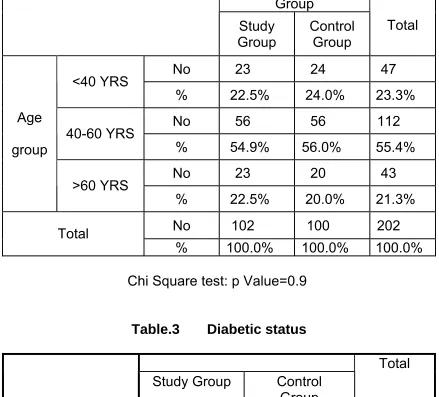
Both groups had similar age distribution and were comparable (P value 0.9 - Not significant)
Study Group Control Group
Female Male Total Female Male Total
No 39 63 102 35 65 100
Table.2 Age distribution Group Study Group Control Group Total
No 23 24 47
<40 YRS
% 22.5% 24.0% 23.3%
No 56 56 112
40-60 YRS
% 54.9% 56.0% 55.4%
No 23 20 43
Age group
>60 YRS
% 22.5% 20.0% 21.3%
No 102 100 202
Total
% 100.0% 100.0% 100.0%
[image:42.612.87.526.110.507.2]Chi Square test: p Value=0.9
Table.3 Diabetic status
Study Group Control Group
Total
No 76 79 155
Non diabetic
% 74.5% 79.0% 76.7%
No 26 21 47
Diabetic
% 25.5% 21.0% 23.3%
No 102 100 202
% 100.0% 100.0% 100.0%
In study group 26 ( 25.5%) were diabetic and in control group 21 (21%) were diabetic and there was no significant difference.
Table. 4 Hypertension
Study Group
Control Group
Total
No 18 80 98
Non-Hypertensive % 17.6% 80.0% 48.5% No 84 20 104 Hypertensive
% 82.4% 20.0% 51.5%
Total No 102 100 202
Chi Square test: p Value < 0.001***
Table.5 Coronary Artery Disease
Chi Square test: p Value=0.913
Coronary artery disease was present in 20 ( 19.6%) among study group . In control group 19 (19 %) had CAD. ( P value 0.93 not significant)
Albuminuria
Albuminuria was present in 74 (72.5%) in study group
and in control group only 8% had albuminuria.
Study Group Control Group
Total
No 82 81 163
No CAD % 80.4% 81.0% 80.7%
No 20 19 39
CAD
present % 19.6% 19.0% 19.3%
Table. 6 Albuminuria
Study Group Control Group
Total
No 28 92 120
No
Albuminuria % 27.5% 92.0% 59.4%
No 74 8 82
Albuminuria % 72.5% 8.0% 40.6%
Total 102 100 202
Chi Square test: p Value < 0.001***
OTHER PARAMETERS
Table. 7 Characteristics of two groups
Dialysis in study group
Among 102 patients in study group 37 (36.3 %) were on hemodialysis and 65 ( 63.7 % ) were not undergone dialysis.
Parameters Group
Mean Std.
Deviation
Independent T-test(p
Value)
Study Gp 51.35 11.750 Age (yrs)
Control Gp 49.73 11.688 0.326 Study Gp 8.380 1.8093
Hemoglobin
(gm %) Control Gp 11.797 1.7222 0.000*** Study Gp 125.31 46.482
Blood Sugar
(mg /dl) Control Gp 101.64 17.774 0.000*** Study Gp 8.60 .796
Sr Calcium
(mg/dl) Control Gp 9.42 .575 0.000***
Study Gp 4.852 .6161 Sr Potassium
(Mmol/L) Control Gp 4.218 .4024 0.000***
Study Gp 57.02 8.151 Weight(kgs)
Table. 8
Dialysis status
Table. 9
MITRAL ANNULAR CALCIFICATION
Chi Square test: p Value=0.010**
In the study group 10 (9.8 %) among 102 patients had mitral annular calcification .In the control group only 1 ( 1% ) had mitral annular calcification .p value is significant.
No. %
Not on Dialysis 65 63.7
Dialysis done 37 36.3
Study Group
Total 102 100.0
ECHO cardiogram
MAC absent MAC present
No. % No. %
Study Group 92 90.2% 10 9.8%
Table. 10
MAC in various eGFR groups
Chi Square test: p Value=0.293
Among 10 patients who had MAC in study group,7 ( 70 % ) were in the group with eGFR < 15 ml/min and 3 ( 30 % ) were in group with eGFR 15 to 30 ml/min.P value is 0.29 and not significant. Calcification was not present in the group with eGFR 30 to 60ml/min.
ECHO MAC
present
MAC absent
Total
No 46 7 53
<15
ml/min % 50.0% 70.0% 52.0%
No 30 3 33
15-30
ml/min % 32.6% 30.0% 32.4%
No 16 0 16
CKD Stage
30-60
ml/min % 17.4% 0% 15.7%
No 92 10 102
Table. 11
MAC age distribution
ECHO cardiogram MAC
absent
MAC present
Total
No 23 0 23
<40 YRS
% 25.0% 0% 22.5%
No 50 6 56
40-60 YRS
% 54.3% 60.0% 54.9%
No 19 4 23
Age group
>60 YRS
% 20.7% 40.0% 22.5%
No 92 10 102
Total
% 100.0% 100.0% 100.0%
Chi Square test: p Value 0.048
Among 10 calcification observed, 60 % were in age group 40 to 60 years and 40 % in above 60 years.
Table .12
Association of MAC with various parameters
No Mean Deviation Std. (p value) T test
MAC - 92 50.67 11.941 Age (yrs)
MAC + 10 57.60 7.706 .077
MAC - 92 5.704 3.7193 Creatinine
( mg/dl)
MAC + 10 5.180 1.7637 .449
MAC - 92 8.336 1.8367 Hemoglobin
( gm % )
MAC + 10 8.790 1.5560 .454
MAC - 92 8.54 .771 Sr Calcium
( mg / dl)
MAC + 10 9.16 .842 .018**
MAC - 92 4.839 .6228 Potassium
(mmol/L )
MAC + 10 4.970 .5658 0.526
MAC - 92 4.6489 .46303 Phosphorous
(mg/ dl)
MAC + 10 5.5200 .27809 0.000*** MAC - 92 39.5653 4.53871
Ca X Po4 (mg2/dl2 )
MAC + 10 50.4560 4.34803 0.000***
Table.13
MAC and diabetes
Chi Square test: p Value=0.118
Among 10 patients having MAC 50 % were diabetic. p value is not significant.
MAC sex distribution
Among 10 calcification in CKD patients, 5 were in males and 5 were in females showing no significant sex predilection.
MAC - MAC + Total
No 71 5 76
Non-diabetic
% 77.2% 50.0% 74.5%
No 21 5 26
Diabetic
% 22.8% 50.0% 25.5%
No 92 10 102
Total
Table.14 MAC and dialysis
Chi Square test: p Value=0.796
In the study 3.9% of dialysed patients and 5.9 % of non dialysed patients had mitral annular calcification. P value is 0.79 and not significant.
ECHO cardiogram
MAC- MAC+
N 59 6
% 64.1% 60.0%
Not Dialysed
% of Total 57.8% 5.9%
N 33 4
% 35.9% 40.0%
Dialysed
% of Total 32.4% 3.9%
N 92 10
% 100.0% 100.0%
Total
Table.15 CAD and MAC
ECHO cardiogram
MAC absent MAC present
N 79 3
CAD Absent % 85.9% 30.0%
N 13 7
CAD present % 14.1% 70.0%
N 92 10
Total % 100.0% 100.0%
Chi square Test: p Value< 0.001****
DISCUSSION
In India the approximate prevalence of CKD is 800 per million population (pmp) and the incidence of end-stage renal disease (ESRD) is 150-200 pmp68.MAC occurs earlier in patients with chronic kidney disease than those without renal dysfunction and is associated with atherosclerosis and thromboembolic events (including stroke).
In this study , the main aim was to find out the prevalence of mitral annular calcification in patients with chronic kidney disease as compared to those with out chronic kidney disease. Beyond that association of mitral annular calcification with various parameters like age , sex , diabetic status ,serum calcium , serum phosphorus , calcium x phosphorus product , estimated GFR and dialysis were also observed .
Among 102 patients who were allotted to study group 63 (61.8 %) were males and 39 (38. 2 %) were females. In the control group 65 % were males and 35 % were females.
19 % in control group respectively. Albuminuria was present in 72.5 % of patients with CKD.
The two groups were comparable in age and sex distribution .CKD group had significant anemia ( mean Hb 8.3 gm%) compared to control group( mean Hb 11.7 gm %) P value < 0. 001. Calcium level was also significantly low in CKD group ( mean 8.6 mg/dl) than control group (mean 9.42). Potassium level was high in CKD patients (4.85 mmol/L) compared to non CKD group(4.2 mmol/L) p value< 0.001. Anemia , hypocalcemia and hyperkalemia are well documented features of chronic kidney disease .
70 years and older, the prevalence of MAC was 10% in women and 15.2% in men.70
In this study , CKD patients with MAC, 70% had eGFR < 15 ml / min/1.73m2 and 30 % had between 15 to 30 ml/min/1.73m2. There is no significant difference in MAC among various eGFR groups( p value 0.293). In a Study by Folkert W. Asselbergs & Dariush Mozaffarian, the prevalence of MAC were significantly high in individuals with eGFR < 45 mL/ min/1.73 m2 (P <
0.01).
This study showed in CKD patients MAC was present in 60% and 40% in age group 40 to 60 years and obove 60 years respectively. No calcification was found in age group below 40 ( p value 0.048). In non CKD group calcification was present only in above 60 age group .Usually MAC can be seen in elderly individuals. In CKD patients it is more prevalent and also occur in younger age group.
calcium level in CKD patients with MAC (9.16mg/dl) was significantly high compared to patients without MAC (8.54mg/dl) P value 0.018. Serum phosphorus in MAC group (5.5 mg/dl) also was significantly higher than CKD patients without MAC(4.6mg/dl) p < 0.001. Mean Calcium x phosphorus product in CKD patients with MAC (50.4mg2/dl2 ) was significantly higher than CKD patients without MAC (39.5mg2/dl2) P value < 0.001.
In study done by Maher ER, Young G71 MAC
showed association with increased calcium X phosphorus product and long-term hemodialysis in CKD patients. Study done by Ribeiro S, Ramos et al 72showed positive correlation between age and Ca x P product with cardiac valvular calcification. This study states that in dialysis patients age and calcium phosphorus product as the most predictive parameters for valvular calcification
This study does not show any significant association between mitral calcification and diabetic status (P value 0.118). Association between MAC and gender also was insignificant .
dialysis .Various studies have shown that presence of MAC increases with duration of dialysis. Disparity may be due to that, many of the dialysis group patients in this study, were not on regular dialysis and duration of dialysis was not taken into account. In Study by Yusuf and Selcoki Faruk, longer duration of dialysis was associated with mitral valve calcification.
CONCLUSION
1 The prevalence of mitral annular calcification in chronic kidney disease patients was 9.8% compared to 1% in people with normal kidney function.
2 Mitral annular calcification showed significant association with high serum calcium , phosphorus and calcium x phosphorus product in CKD patients.
3 No significant association was noticed between diabetes , dialysis status and gender with mitral annular calcification.
SUMMARY
A case control study was conducted on prevalence of
MAC in chronic kidney disease patients compared to subjects with normal kidney function. After obtaining ethical committee clearance , 102 CKD patients and 100 non CKD subjects comparable in age and sex distribution were selected randomly. After recording clinical data, blood investigations and ultrasonographic study, echocardiogram was done in all to look for MAC
BIBLIOGRAPHY
1: Zhang QL, Rothenbacher D. Prevalence of chronic kidney disease in population-based studies: systematic review. BMC Public Health. 2008 Apr 11;8:117.
2 Agarwal SK, Dash SC, Irshad M et al. Prevalence of Chronic Renal Failure in adults in Delhi, India. Nephrol Dial Transplant 2005; 20: 1638–1642
3 Kher V. End stage renal disease in developing countries. Kidney Int 2002; 62: 350-62.
4 Manjunath G., Tighiouart H., Ibrahim H., MacLeod B., Salem D.N., Griffith J.L., Coresh J., Levey A.S., Sarnak M.J.: Level of kidney function as a risk factor for atherosclerotic cardiovascular outcomes in the community.
5 Floege J., Ketteler M.: Vascular calcification in patients with end-stage renal disease. Nephrol Dial Transplant 19. (suppl 5):
V59-V66.2004;
6 Dellegrottaglie S., Saran R., Gillespie B., Zhang X., Chung S., Finkelstein F., Kiser M., Sanz J., Eisele G., Hinderliter A.L., Kuhlmann M., Levin
7 N.W., Rajagopalan S.: Prevalence and predictors of cardiovascular calcium in chronic kidney disease (from the prospective longitudinal RRI-CKD study). Am J Cardiol 98.
571-576.2006
8 K/DOQI Clinical Practice Guidelines for Chronic Kidney Disease: Evaluation, classification, and stratification. Kidney Disease Outcome Quality Initiative. Am J Kidney Dis 2002 2002; 39:S1-S246.
10 NKF-DOQI clinical practice guidelines for the treatment of anemia of chronic renal failure. National Kidney Foundation-Dialysis Outcomes Quality Initiative. Am J Kidney Dis 1997; 30
(Suppl 3):S192-S240 .
11. McCullough PA, Lepor NE: The deadly triangle of anemia, renal insufficiency, and cardiovascular disease: Implications for prognosis and treatment. Rev Cardiovasc Med 2005; 6:1-10.
12. McCullough PA, Soman SS, Shah SS, et al: Risks associated with renal dysfunction in patients in the coronary care unit. J Am Coll Cardiol 2000; 36:679.
13 Beattie JN, Soman SS, Sandberg KR, et al: Determinants of mortality after myocardial infarction in patients with advanced renal dysfunction. Am J Kidney Dis 2001; 37:1191
14 National Kidney Foundation : Clinical practice guidelines for chronic kidney disease: Evaluation, classification, and stratification. Am J Kidney Dis 2002; 2(Suppl 1):S46
15 Filler G, Bokenkamp A, Hofmann W, et al: Cystatin C as a marker of GFR—history, indications, and future research. Clin Biochem 2005; 38:1-8
16 Goodman WG, Coburn JW, Slatopolsky E, et al: Renal
osteodystrophy in adult and pediatric patients. In: Favus M, ed. Primer on the Metabolic Bone Diseases
and Disorders of Mineral Metabolism, Washington, D.C.: American
Society of Bone and Mineral Research; 2003:430-447.
17. Larsson T, Nisbeth U, Ljunggren O, et al: Circulating concentration of FGF-23 increases as renal function declines in patients with chronic kidney disease, but does not change in response to variation in phosphate intake in healthy volunteers. Kidney Int 2003; 64:2272-2279
18 Imanishi Y, Inaba M, Nakatsuka K, et al: FGF-23 in patients with end-stage renal disease on hemodialysis. Kidney Int 2004;
65:1943-1946.
19 Goodman WG: The consequences of uncontrolled secondary hyperparathyroidism and its treatment in chronic kidney disease. Semin Dial 2004; 17:209-216.
20. Goodman WG, London GM, Amann K, et al: Vascular calcification in chronic kidney disease. Am J Kidney Dis 2004; 43:572-579.
21 Block GA, Klassen PS, Lazarus JM, et al: Mineral metabolism, mortality, and morbidity in maintenance hemodialysis. J Am Soc Nephrol 2004; 15:2208-2218.
22 Slinin Y, Foley RN, Collins AJ: Calcium, phosphorus, parathyroid hormone, and cardiovascular disease in hemodialysis patients: the USRDS waves 1, 3, and 4 study. J Am Soc Nephrol 2005;
16:1788-1793
23 Merjanian R, Budoff M, Adler S, et al: Coronary artery, aortic wall, and valvular calcification in nondialyzed individuals with type 2 diabetes and renal disease. Kidney Int 2003; 64:263-271.
24 Braun J, Oldendorf M, Moshage W, et al: Electron beam computed tomography in the evaluation of cardiac calcification in chronic dialysis patients. Am J Kidney Dis 1996; 27:394-401.
25 Mehrotra R, Budoff M, Christenson P, et al: Determinants of coronary artery calcification in diabetics with and without nephropathy. Kidney Int 2004; 66:2022-2031.
26. Block GA, Spiegel DM, Ehrlich J, et al: Effects of sevelamer and calcium on coronary artery calcification in patients new to hemodialysis. Kidney Int 2005; 68:1815-1824.
28 Moe SM, Chen NX: Pathophysiology of vascular calcification in chronic kidney disease. Circ Res 2004; 95:560-567
29 Chen NX, Duan D, O'Neill KD, Moe SM: High glucose increases the expression of Cbfa1 and BMP-2 and enhances the calcification of
vascular smooth muscle cells. Nephrol Dial
Transplant 2006; 21:3435-3442.
30 Ducy P, Zhang R, Geoffroy V, et al: Osf2/Cbfa1: a transcriptional
activator of osteoblast differentiation [see comments]. Cell 1997; 89:747-754.
31 Tower DA, Shao JS, Cheng SL, et al: Osteogenic regulation of vascular calcification. Ann N Y Acad Sci 2006; 1068:327-333.
32 Block GA, Raggi P, Bellasi A, et al: Mortality effect of coronary calcification and phosphate binder choice in hemodialysis patients. Kidney Int 2007; 71:438-441.
33 Bostrom K, Tsao D, Shen S, et al: Matrix gla protein modulates differentiation induced by bone morphogenetic protein-2 in c3h10t1/2 cells. J Biol Chem 2001; 276:14044-14052.
34 Ahmed S, O'Neill KD, Hood AF, et al: Calciphylaxis is associated with hyperphosphatemia and increased osteopontin expression by vascular smooth muscle cells. Am J Kidney Dis 2001; 37:1267-1276.
35 Schinke T, Amendt C, Trindl A, et al: The serum protein alpha2-HS glycoprotein/fetuin inhibits apatite formation in vitro and in mineralizing calvaria cells. A possible role in mineralization and calcium homeostasis. J Biol Chem 1996; 271:20789-20796.
37. Wolisi GO, Moe SM: The role of vitamin D in vascular calcification in chronic kidney disease. Semin Dial 2005; 18:307-314.
38Coresh J, Astor B, Sarnak MJ: Evidence for increased cardiovascular disease risk in patients with chronic kidney disease. Curr Opin Nephrol Hypertens 2004; 13(1):73-81
39. Fried LF, Shlipak MG, Crump C, et al: Renal insufficiency as a predictor of cardiovascular outcomes and mortality in elderly individuals. J Am Coll Cardiol 2003; 41(8):1364-1372.
40. Jungers P, Massy ZA, Khoa TN, et al: Incidence and risk factors of atherosclerotic cardiovascular accidents in predialysis chronic renal failure patients: A prospective study. Nephrol Dial Transplant 1997; 12(12):2597-2602.
41. Chobanian AV, Bakris GL, Black HR, et al: The Seventh Report of the Joint National Committee on Prevention, Detection, Evaluation, and Treatment of High Blood Pressure: The JNC 7 report. JAMA 2003; 289(19):2560-2572.
42. Mosca L, Appel LJ, Benjamin EJ, et al: Evidence-based guidelines for cardiovascular disease prevention in women. Circulation 2004; 109(5):672-693
43. Weiner DE, Tighiouart H, Amin MG, et al: Chronic kidney disease as a risk factor for cardiovascular disease and all-cause mortality: A pooled analysis of community-based studies. J Am Soc Nephrol 2004; 15(5):1307-1315.
44. Sarnak MJ, Levey AS, Schoolwerth AC, et al: Kidney disease as a risk factor for development of cardiovascular disease: A statement from the American Heart Association Councils on Kidney in Cardiovascular Disease, High Blood Pressure Research, Clinical
Cardiology, and Epidemiology and Prevention. Circulation 2003; 108(17):2154-2169.
Cardiology, and Epidemiology and Prevention. Circulation 2003; 108:2154.
46. Sosnov, J, Lessard, D, Goldberg, RJ, et al. Differential symptoms of acute myocardial infarction in patients with kidney disease: a community-wide perspective. Am J Kidney Dis 2006; 47:378.
47. Chen, J, Muntner, P, Hamm, LL, Jones, DW. The metabolic syndrome and chronic kidney disease in U.S. adults. Ann Intern Med 2004; 140:167.
48. Kobayashi, S, Maesato, K, Moriya, H, et al. Insulin resistance in patients with chronic kidney disease. Am J Kidney Dis 2005; 45:275. 49. Crawford: Cardiology, 3rd ed.
50.Hörl W.H., Cohen J.J., Harrington J.T., Madias N.E., Zusman C.J. : Atherosclerosis and uremic retention solutes. Kidney Int 2004; 66:1719.
51Brown J.H., Hunt L.P., Vites N.P., Short C.D., Gokal R., Mallick N. P: Comparative mortality from cardiovascular disease in patients with chronic kidney failure. Nephrol Dial Transplant 1994; 9:1136.
52.Harnett J.D., Foley R.N., Kent G.M., Barre P.E., Murray D., Parfre y P.S.: Congestive heart failure in dialysis patients: prevalence, incidence, prognosis and risk factors. Kidney Int 1995; 47:884.
53. Umana E, Ahmed W, Alpert MA: Valvular and perivalvular abnormalities in end-stage renal disease. Am J Med Sci 2003; 325:23720
54. Mazzaferro S, Coen G, Bandini S, et al: Role of ageing, chronic renal failure and dialysis in the calcification of the mitral annulus (abstract). Nephrol Dial Transplant 1993; 8:335-340.
55. London GM, Pannier B, Marchais SJ, Guerin AP:
56.Allison, MA. Cheung, P, Criqui, MH, et al. Mitral and aortic annular calcification are highly associated with systemic calcified atherosclerosis. Circulation 2006; 113:861.
57. Aronow, WS, Ahn, C, Kronzon, I, et al. Association of mitral annular calcium with new thromboembolic stroke at 44-month follow-up of 2,148 persons, mean age 81 years. Am J Cardiol 1998; 81:105. 58. Jeon, DS, Atar, S, Brasch, AV, et al. Association of mitral annulus calcification, aortic valve sclerosis and aortic root calcification with abnormal myocardial perfusion single photon emission tomography in subjects age ≤ 65 years old. J Am Coll Cardiol 2001; 38:1988.
59. Aronow, WS, Koenigsberg, M, Kronzon, I, Gustein, H. Association of mitral annular calcium with new thromboembolic stroke and cardiac events at 39-month follow-up in elderly patients. Am J Cardiol 1990; 65:1511.
60. Labovitz, AJ, Nelson, JG, Windhorst, DM, et al. Frequency of mitral valve dysfunction from mitral anular calcium as detected by Doppler echocardiography. Am J Cardiol 1985; 55:133.
61. Nair, CK, Thomson, W, Ryschon, K, et al. Long-term follow-up of patients with echocardiographically detected mitral anular calcium and comparison with age- and sex-matched control subjects. Am J Cardiol 1989; 63:465.
62. Kizer J.R., Wiebers D.O., Whisnant J.P., et al: Mitral annular calcification, aortic valve sclerosis, and incident stroke in adults free of clinical cardiovascular disease: The Strong Heart Study. Stroke 2005; 36:2533-2537.
63. Deluca G., Correale M., Ieva R., et al: The incidence and clinical course of caseous calcification of the mitral annulus: A prospective echocardiographic study. J Am Soc Echocardiogr 2008; 21:828-833.
65. Marcu C.B., Ghantous A.E., Prokop E.K.: Caseous calcification of the mitral valve ring. Heart Lung Circ 2006; 153:187-188.
66. Forman, MB, Virmani, R, Robertson, RM, Stone, WJ. Mitral anular calcification in chronic renal failure. Chest 1984; 85:367.
67. Stinebaugh, J, Lavie, CJ, Milani, RV, et al. Doppler echocardiographic assessment of valvular heart disease in patients requiring hemodialysis for end-stage renal disease. South Med J 1995; 88:65.
68. Chronic Kidney Disease in India: Challenges and Solutions S.K. Agarwal , R.K. Srivastava Nephron Clin Pract
2009;111:c197-c203
69. Fox CS, Larson MG, Vasan RS, Guo CY, Parise H, Levy D, Leip EP, O'donnell CJ, D'Agostino RB Sr, Benjamin EJ. Cross-sectional association of kidney function with valvular and annular calcification: the Framingham heart study. J Am Soc Nephrol. 2006 Feb;17(2):521 70. Fox E., Harkins D., Taylor H., et al: Epidemiology of mitral annular calcification and its predictive value for coronary events in African Americans: The Jackson Cohort of the Atherosclerotic Risk in Communities Study. Am Heart J 2004; 148:979-984.
71. Aortic and mitral valve calcification in patients with end-stage renal disease.Maher ER, Young G, Smyth-Walsh B, Pugh S, Curtis JR. Lancet. 1987 Oct 17;2(8564):875-7
72. Cardiac valve calcification in haemodialysis patients: role of
calcium-phosphate metabolism.Ribeiro S, Ramos A, Brandão A, Rebelo JR, Guerra A, Resina C, Vila-Lobos A, Carvalho F, Remédio F, Ribeiro F.
PROFOMA
MITRAL ANNULAR CALCIFICATION
IN CHRONIC KIDNEY DISEASE
NAME AGE SEX ADDRESS
CLINICAL DETAILS
HISTORY
DIABETES HYPERTENSION CAD CVA
OTHERS
EXAMINATION
PR BP WEIGHT
INVESTIGATIONS
Hb CALCIUM
BLOOD SUGAR PHOSPHORUS UREA POTASSIUM CREATININE Ca X P e GFR URINE Alb
USG ABDOMEN
GLOSSARY
CKD - Chronic kidney disease
ESRD - End Stage Renal Disease
MAC - Mitral Annular Calcification
GFR - Glomerular Filtration Rate
RAA - Renin Angiotensin Aldosterone
eGFR - estimated Glomerular Filtration Rate
MDRD - Modification of Diet in Renal Disease
Cr - Creatinine
PTH - Parathormone
Cbfa 1 - Core binding Factor Alpha – 1
BMP - Bone Morphogenic Protein
MGP - Matrix Gla Protein
AGE DISTRIBUTION OF CKD AND NON CKD GROUPS
%
Fig 1 22.5
24
54.9
56
22.5 20
0 10 20 30 40 50 60
<40 yrs 40 -60 yr >60 yr
MAC in CKD AND Non CKD Patients
%
Fig 2 GROUPS 9.8
90.2
1
99
0 10 20 30 40 50 60 70 80 90 100
CKD Gp Non CKD
DISTRIBUTION OF MAC
IN VARIOUS eGFR GROUPS IN CKD PATIENTS
eGFR in ml/min/1.73m
2Fig 3
70
30
0 0
10 20 30 40 50 60 70
< 15 15 - 30 30 - 60
DISTRIBUTION OF MAC
IN VARIOUS AGE GROUPS IN CKD PATIENTS
Fig. 4
0
60
40
0 10 20 30 40 50 60 70 80 90 100
< 40 Yr 40 -60 Yr > 60 Yr
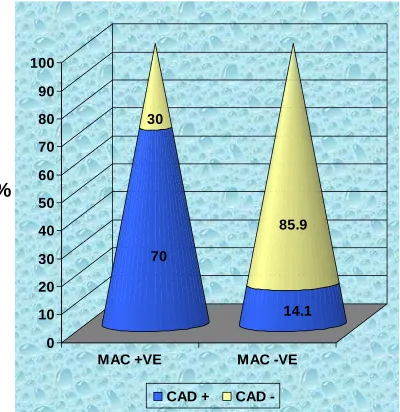
CAD in CKD patients with and without MAC
%
Fig 5
70 30
14.1 85.9
0 10 20 30 40 50 60 70 80 90 100
MAC +VE MAC -VE
[image:75.612.102.502.177.589.2]
ECHO
-
NORMAL AND CALCIFIED
MITRAL ANNULUS
ETHICAL COMMITTEE APPROVAL
TOPIC :
MITRAL ANULAR CALCIFICATION IN
CHRONIC KIDNEY DISEASE
ORDER No
:K.Dis.No.14931/E4/3/2009
DONE BY
: Dr BINJO J VAZHAPPILLY
PLACE
:GOVERNMENT RAJAJI HOSPITAL,
NO AGE SEX DM HTN CAD CVA Hb RBS UREA Cr Ca K P Ca x P Ur. Alb Weight eGFR Echo USG DIALYSIS 1 75 F - + + - 6.1 138 94 4.3 8 4.5 5 40 + 52 9.56 N CKD ND
2 42 M - + - 9 86 46 1.4 9 4.2 4 36 - 60 58 N CKD ND
3 44 M - + - - 6.4 125 179 16.5 7.8 6 5.2 40.56 + 62 5 N CKD D 4 33 M - - - - 5.9 120 40 1.8 8.4 3.2 3.9 32.76 - 64 52.8 N CKD ND 5 20 M - + - - 10 80 109 9.6 7.5 4.4 4 30 + 58 10 N CKD D 6 31 M - + - - 5.7 74 74 7.2 8 6 4.5 36 + 52 10.9 N CKD ND 7 63 M - + + - 9.3 184 40 6 9.9 4.8 5.8 57.4 + 48 8.5 C CKD D 8 28 F - + - - 4.3 100 30 8.5 9.1 5.2 4.4 40.04 + 55 16 N CKD ND 9 61 F - + + - 5 240 150 9 8.1 6.4 5 40.5 + 61 7.4 N CKD ND 10 33 F - + - - 7.1 120 130 7.8 8.8 6 5.1 44.88 + 48 7.7 N CKD D 11 50 M - + - - 7.3 170 60 7 8.6 4.9 4.5 38.7 + 62 11 N CKD ND 12 51 F - + - - 5.6 90 70 6.5 9 5.3 4.2 37.8 + 70 13.3 N CKD D 13 61 M + + + - 10 99 70 7.4 10 5.4 5 50 + 65 9.6 C CKD ND 14 30 M + + - - 10 120 100 14 9.2 5.5 5 46 + 60 6.5 N CKD ND 15 55 F - + - - 11 90 40 1.8 8.7 5 4.1 35.67 + 50 27.8 N CKD ND 16 45 F - + - - 8 110 113 11.1 7.9 4.8 4.6 36.3 + 74 8.79 N CKD ND 17 54 M - + - - 12 120 30 4.2 8.2 4.1 4 32.8 + 66 17 N CKD ND
18 40 M - + - - 7 71 83 9 8.8 5.6 5 44 + 57 8.8 N CKD D
19 55 F + + - - 6.4 142 42 4.2 8 5.7 4.3 34.4 + 60 16.8 N CKD ND 20 29 F - + - - 8.5 125 100 7.7 7.5 4.1 4.6 34.5 + 64 12.8 N CKD ND 21 45 M - + + - 10 300 79 6 9.5 4.6 5.4 51.3 + 85 18.6 C CKD D 22 64 M - - + - 9.4 140 60 2.7 9.2 5 4.8 44.16 + 60 23.4 N CKD ND
23 59 M - + - - 9 110 110 9 9 3.5 5 45 + 55 6.9 N CKD ND
24 30 M - + - - 6 120 140 15 8.6 4.2 5.1 43.86 + 60 6.1 N CKD D 25 53 M - + - - 7 200 79 3.8 9 5 4.5 40.5 + 58 18.44 N CKD ND 26 49 M - + - - 8.4 64 61 7.4 8.7 5.2 4 34.8 + 68 11.6 N CKD ND 27 59 M + + - + 8 169 64 8 8.5 5.6 4.8 40.8 + 48 6.75 N CKD ND 28 48 F + + + - 7.8 90 40 4.3 8.8 4.2 5.3 46.64 + 50 12.6 C CKD D 29 68 F - + - - 7 130 89 5 8.5 5.3 4.2 35.7 + 54 9.1 N CKD ND 30 58 M - + - + 5.4 80 170 17 7 4.8 4.1 28.7 + 60 4 N CKD D 31 45 M - - - - 6 90 120 10 7.4 5.4 5.2 38.4 + 50 6.5 N CKD ND 32 45 F - + - - 11 110 38 2 8.3 4 4.6 38.18 - 54 30.2 N CKD ND
33 54 F + + 7.7 160 66 10 8 5.4 5 40 + 60 7.1 N CKD D
34 48 M - - - - 8.7 90 80 11 8.2 5.4 4.8 39.3 + 74 8.5 N CKD D 35 54 M + + - + 7 104 74 8 9.5 4.8 4.6 43.7 + 60 8.9 N CKD ND 36 65 F - + - - 9 110 140 7 7.2 5.5 4.5 32.4 + 58 8.6 N CKD D 37 64 M - + - - 6 92 64 6 8.5 5 4.3 36.55 - 60 10.5 N CKD ND 38 57 F + + - - 7.5 98 80 4.2 7.4 5.2 6 44.4 + 45 12.3 C CKD ND 39 28 F - - - - 5 90 30 4.5 8.1 5 4.6 37.2 - 56 16.45 N CKD ND 40 64 M - + + - 7.2 200 60 4 7.8 5.2 4 31.2 - 50 15.8 N CKD ND 41 65 F + + - - 6 133 120 8 6.1 5 5.3 32.33 + 55 6.08 N CKD D 42 45 F + + - - 8 110 90 8.6 7.5 4.5 5 37.5 + 68 10.4 N CKD ND 43 60 F - - - - 10 100 116 10 7 4 5.1 35.7 + 60 5.66 N CKD ND 44 63 M - + - - 10 100 200 9.8 7.5 3.5 5.5 41.25 + 54 5.8 N CKD D
45 27 M - + - - 9 95 180 18 7 6 5 35 + 60 5.2 N CKD ND
NO AGE SEX DM HTN CAD CVA Hb% RBS Urea Cr Ca K P Ca xP Ur. Alb WEIGHT eGFR ECHO USG DIALYSIS 51 50 F - + - - 7.5 120 100 9.3 7 4.6 5 35 + 55 7.39 N CKD ND 52 56 M + + - - 8 180 130 9 7.1 4.8 4.8 34.08 + 80 10.3 N CKD D 53 47 M - - - - 10 110 74 4 9 5 4.9 44.1 - 70 22.6 N CKD ND
54 56 M - + - - 10 76 60 2 9.4 5 5 47 - 50 30 N CKD ND
55 40 M - + - - 9 90 50 3.9 8.6 4.8 5.1 43.8 + 45 16 N CKD D 56 52 M - - - - 8 104 90 2 8.5 4.5 4.4 37.4 + 47 28.7 N CKD ND 57 60 F + + + - 6.2 210 140 7 9 5.5 5.4 48.6 + 55 7.8 C CKD ND 58 40 M - - - - 7 120 60 1.9 9.5 4 4 38 - 60 43.8 N CKD D 59 62 M + + - - 9.2 190 90 5 9.3 5.4 4.1 38.1 + 65 14 N CKD ND 60 71 M - + - - 10 64 100 2.4 8 4.2 4.2 33.6 + 52 20.7 N CKD ND 61 50 F + - - 8.6 96 110 3 9.1 4.8 4.7 42.77 - 54 19.1 N CKD D 62 50 M - - + - 7 100 104 5.1 8.8 5.2 4.8 42.24 - 50 12.25 N CKD ND
63 42 M + - - 10 110 120 6 8.4 4.8 5 42 + 65 13 N CKD ND
64 50 M - + - - 11.2 86 60 1.8 9.8 4 4.2 41.1 - 55 38 N CKD D 65 60 F - - - - 6.3 80 80 2.7 9.5 5.1 4 38 + 50 17.4 N CKD ND 66 43 F + + - - 9 280 110 4 9 4.5 5 45 + 42 14.1 N CKD ND 67 38 M - - - - 8 90 78 2.1 8.8 4.6 4 35.2 - 62 41.8 N CKD D 68 60 M - + + - 11 160 180 7.1 8.7 5.8 5.6 48.72 + 50 7.2 C CKD D 69 55 M + - + - 7 190 90 11.2 8 5.2 4.5 36 - 50 52 N CKD ND 70 40 F - + - - 6.2 110 110 3.2 8.2 4 4.8 39.3 - 45 16.6 N CKD D 71 57 F + + - - 9 160 210 9 7.8 6 6 46.8 + 48 6.1 N CKD ND 72 70 M - + + + 10 140 78 2.3 10 5.4 5.5 55 - 52 21.9 C CKD ND 73 60 M - + + - 8 126 90 3 9 4.5 4.8 43.2 + 45 16.6 N CKD ND
74 65 F - - - - 7.4 108 65 1.9 9.4 4 5 47 + 60 27.9 N CKD D
75 40 F + + - - 9 210 94 2.7 9.1 4.7 4.5 40.95 - 44 19.2 N CKD ND 76 60 M + + - - 8 170 160 7.2 8 5.6 5.2 41.6 + 48 7.4 N CKD ND
77 66 F - + - - 10 96 104 3.5 9.4 5 5 47 + 58 17 N CKD D
78 68 M - + - - 10 120 140 7.8 8 5.7 5.8 46.4 + 55 7 N CKD D 79 70 F - + - + 4 90 110 4.2 8.9 5 4.8 42.72 + 47 9.24 N CKD ND 80 35 F - - - - 12 120 90 1.9 10 4 4 40 - 62 35.3 N CKD D 81 60 M + + - - 11 220 140 5 8.2 4.8 4.6 37.72 + 50 11.1 N CKD ND 82 48 M - + - - 9.6 100 118 2.2 9.3 4.5 4.8 44.6 - 57 33.1 N CKD D 83 55 F - + - - 8 90 134 2.7 9.5 4.4 4.3 40.85 + 54 20.06 N CKD D 84 62 F - + - - 9 84 180 4.3 9.8 4.2 5.7 55.8 + 46 9.85 C CKD ND 85 70 M - + + - 10 100 120 3 9 5.1 5.2 46.8 - 48 11.5 N CKD ND 86 62 M + + - - 11 140 200 6 8.1 5 5.7 44.3 + 52 9.38 N CKD ND 87 59 M + + - - 7.2 140 80 6 10 5.5 5 50 + 50 9.3 N CKD D 88 44 M - + - - 10 88 74 1.7 9.6 3.8 4 38.4 - 60 47.05 N CKD ND 89 52 M - + - - 8 90 96 3 8.8 4 3.9 34.32 - 58 23.6 N CKD D 90 48 M - + + - 10 100 96 5.4 8.6 5.5 4.3 36.98 + 50 11.8 N CKD ND 91 40 M - + - - 6 110 110 2.5 9.1 4.8 4.7 42.77 + 58 32.2 N CKD D 92 50 F + + - - 7.1 104 150 3.2 8.5 4.6 5.5 46.7 + 47 15.6 C CKD ND 93 64 F - + - - 8 130 110 4 8.6 4.5 4.7 40.42 + 55 14.5 N CKD D 94 60 M - + - - 10 96 88 2.2 9.3 4.8 4.3 39.99 - 51 25.75 N CKD ND
95 40 M - + - - 11 130 80 2.5 9.6 5 5 48 + 55 30 N CKD D
NO AGE SEX DM HTN CAD CVA Hb RBS Ur Cr Ca K P Ca x P Ur alb Weight Egfr Echo USG DIALYSIS
1 54 M - - - - 13 80 24 0.8 9 4 3.2 28.8 - 55 82 N N ND
2 41 M - + - - 12.5 110 20 0.7 9.5 4.2 3.4 32.3 - 45 88 N N ND
3 38 F + - + - 12 88 22 1 10 4.5 3 30 + 55 67 N N ND
4 28 M - - - - 14 90 18 1.2 10.2 3.8 4 40.8 - 60 77.7 N N ND 5 58 M - + + - 13 118 24 1.2 8.8 5 3.5 30.8 - 65 65 N N ND
6 51 F - - - - 10 120 30 1 9 4.8 2.9 26.1 - 65 76 N N ND
7 48 M - - - - 12 84 28 1.1 9.5 4.4 3 28.5 - 58 68 N N ND
8 41 F - - - - 12.5 90 30 1 10 4 3.5 35 - 55 64 N N ND
9 34 M - - - - 15 110 20 1.2 8.9 3.8 3.5 31.15 - 68 83 N N ND
10 65 M + - + + 13 114 22 0.9 11 5 4 44 - 70 81 N N ND
11 49 M - - - - 12 78 26 0.8 10.3 3.6 3 30.9 - 68 107 N N ND
12 62 M - + - - 11.5 64 18 1 9.6 4 2.5 24 - 75 81 N N ND
13 58 F + - - - 9 130 22 0.8 8.6 4.2 2.6 22.3 + 50 61 N N ND
14 28 M - - - - 14 86 16 1.2 10 4.3 3 30 - 55 71.2 N N ND
15 44 M - - - - 13 90 20 1.1 10.5 4 3.2 33.6 - 60 72.7 N N ND 16 68 F - - - + 11 120 18 0.9 9 4.6 2.9 26.1 - 70 66 N N ND 17 58 M + - + - 12 128 20 0.8 8.8 4.4 3.5 30.8 - 55 78.2 N N ND
18 53 M - + - - 13 80 22 0.9 9 5 3.8 34.2 - 50 67 N N ND
19 39 F - - - - 12 98 18 0.8 10 3.6 3 30 - 50 74.5 N N ND
20 38 M - - - - 15 88 24 1 8.6 4 3 25.8 - 65 92 N N ND
21 41 M - - + - 14 108 20 1.2 9.3 4.6 2.5 23.25 - 70 80.2 N N ND
22 68 M - + - - 13.5 76 24 1 9 5 2.8 25.2 - 65 65 N N ND
23 54 M - - - - 13 80 18 0.9 10.2 5.1 2.7 27.5 - 60 79.6 N N ND
24 65 F - - - + 11 92 28 1 9.5 3.5 3 28.5 - 65 62 N N ND
25 39 M - - + - 13 100 24 0.8 8.8 4 2.6 22.88 - 70 120 N N ND
26 48 M + - - - 13.5 90 20 1 10 4.5 3 30 - 50 64 N N ND
27 55 F - + - - 10 88 24 1 10.3 4.8 3.1 31.9 - 65 65.2 N N ND 28 43 F - - - - 8 140 28 1.1 9.5 4 3.2 30.4 - 70 64 N N ND 29 30 M - - - - 13 106 20 0.8 9.6 4.2 3 28.8 - 60 114 N N ND 30 70 F - - + - 9 110 36 0.8 10.4 4.8 2.8 29.1 - 72 74.3 N N ND
31 59 M - + - - 11 78 24 1 10 4 3 30 - 63 70 N N ND
32 55 F - - - - 8 90 30 1.2 9 4.8 3.5 31.5 - 68 66.8 N N ND 33 45 M + - + - 11.5 100 26 1.1 8.8 4 4 35.2 + 60 71.9 N N ND 34 59 F - + - - 10 108 28 0.9 9.6 4.3 3.6 34.5 - 64 80 N N ND 35 60 M - - - - 12 98 28 1 10.1 4.1 3 30.3 - 69 65.1 N N ND 36 38 M - - - - 13 130 20 0.9 9.2 4.2 3.6 33.1 - 63 99.1 N N ND 37 52 M + - - - 10 104 26 0.8 8.6 4.5 3 25.8 - 55 84 N N ND 38 36 F - - - - 13 78 18 1 8.2 4 3.1 25.4 - 58 73.6 N N ND 39 65 F - - - - 11 80 26 1.1 9.5 3.8 4.1 38.9 - 75 60.3 N N ND
40 36 M - - - - 14 114 16 1 10 4 4 40 - 48 69 N N ND
41 42 F + - - - 11.5 128 20 0.8 9.6 3.5 3 28.8 - 68 98 N N ND 42 62 F - + - - 12 150 36 0.8 10.1 5 3.5 35.35 - 65 75 N N ND 43 36 M - - - - 13.5 90 18 1 9.5 3.8 3.6 34.2 - 60 86 N N ND 44 72 F + - - - 8 100 30 0.9 8.9 4.2 4.3 38.27 - 70 62 N N ND
45 53 F - - - - 10 88 24 1 9.4 4 4 37.6 - 60 62 N N ND
46 28 F - - - - 12 118 16 0.7 10 4.5 2.9 29 - 58 109.5 N N ND
47 55 M + - + - 10 86 20 1 9.8 5 3 29.4 - 60 70.8 N N ND
48 68 F + - - - 11 90 26 0.9 10.4 3.5 4 41.6 - 72 68 C N ND
49 48 F - - - - 7 88 25 1 10 4.6 3.1 31 - 70 76 N N ND