Rochester Institute of Technology
RIT Scholar Works
Theses
Thesis/Dissertation Collections
11-1-1999
Altered
Pamela Bentzien
Follow this and additional works at:
http://scholarworks.rit.edu/theses
This Thesis is brought to you for free and open access by the Thesis/Dissertation Collections at RIT Scholar Works. It has been accepted for inclusion in Theses by an authorized administrator of RIT Scholar Works. For more information, please [email protected].
Recommended Citation
ALTERED
A Master of Fine Arts Thesis
Submitted November 1999
in fulfillment of an MFA degree in Imaging Arts
School of photographic Arts and Sciences
Rochester Institute of Technology
Angela Kelly, Thesis Chair
Associate Professor, Coordinator of Graduate Photography
Date~
Elliott Rubenstein, Thesis Board
Full Professor
Judy
Levy,
Thesis Board
Associate Professor
Date
u!n-bJ-I, Pamela Bentzien, hereby deny permission to the Wallace Library of
the Rochester Institute of Technology to reproduce my thesis in whole
or part.
ALTERED
'Tell
methe
landscape in
which youlive,
andI
willtell
you who you are."
Jose OrtegayGassett
"Nature
cantake
care ofthe
needs ofpeople,
but
notthe
greed."ACKNOWLEDGMENTS
There
aremany
peoplewhomI
wouldlike
toacknowledgeandthank: my
friends
whogavelove
at atimewhenI felt
very alone; my
family
whogaveme a placetoescapeto;
mynewfriends
andfellow
grad studentswho showed me thatageis
nota
barrier
tofriendship;
andthe manyfaculty
and staffin
theSchool
ofPhotographic
Arts
andScience
who notonlyhelped
with thework
I
had
todo,
but
went onto offer mefriendship.
My
acknowledgmentto my thesisboard
cannotbegin
to expressmyappreciationto them:
Elliott
Rubenstein,
who engaged mein
many theoreticaldiscussions
thatallowed me toexplore andexaminethe
direction
ofmythoughts;
Judy
Levy,
whofelt
comfortable
enoughto question myimages
and offeredthe strongestcritique ofmy work; andespecially
Angela
Kelly,
whothroughoutmy tenureat
RIT
offeredmeresources, editing suggestions,critique, moretime than anyone shouldexpect, and, most ofall,
friendship.
I
wouldalsolike
toacknowledgeDouglas Ford Rea
who was myreason
for
coming toRIT
anddid
notdisappoint
me.My
strongest acknowledgementis
thelast:
Deborah Jo Vogt. If
she
had
never entered mylife,
I
never wouldhave
pursuedthisdream.
ThankyouDeb,
andthanks toall myfriends
andfamily.
INTRODUCTION
"Landscape
usedtobe
background,
seen out awindow orfrom
the
door,
thepalehills
suggesteddistance,
aplacebeyond.
Only
in
recentdecades has
theland
re-emerged asprimesubjectmatter
thrust
to thefront.
Artists
of ourtimeusethesurface oftheplanet,its
curves andhollows,
tohold fears
anddreams.
"Revisiting
Landscape,
California Center fortheArtsMuseumAbumperstickerthathasalwaysbotheredme reads "wearespending
our children's inheritance."Whatbothersme aboutit is notthe indi
vidual selfishness of someone's parents, butthe underlying realityof sucha statement.In Native Americanculture,the Great Lawofthe
Iroquois
Confederacy
tobeprecise, there isaphilosophy thatisreferredtoasthe 'seventhgeneration.'
Thelawreads, "inourevery
deliberation,
we must considertheimpactof ourdecisionsonthenextseven
generations."
The meaningbehind it isto looksevengenera
tionsintothefuturetosee theramifications of an action on allthose
generations. Inasociety thatscreamsfor
family
values,what are weleaving
eventhe nextgeneration?We consumelikethere isnofuture.
We disconnectourselvesfromthe source of areconsumption, as well
asthe landfills inwhichour consumption ends up.
Topropose a questionformy
thesis,
itwouldbe: inthe directionweare
headed,
what willthelandscape oftheseventhgenerationlook like? Whatare weleaving
behind? Another question mightbe:where didthe product of our consumption comefromand where will itendup? Iwouldlike tocreate imagesthatwouldnotplacethe
blame
else"Youmayfeela profoundlink
withthelandwhilewalking througha magnificent
National
Park,
orbiking
along aparticularlylovely
stretchoftheBarge Canal. Youmay be repulsed
by
an over-developedcommercial strip. Inallthree cases,youarereacting toa
basicrelationship:theconnec tionofhumanbeingsto the
land."
RonNetsky1
individual life
styleaffectsthe environment.Whatsort of place are wecreating forthenextgeneration? The UnitedStatesmaintains
five
percentoftheworldpopulation,yet uses
forty-five
percent oftheworld'snatural resources.The rest oftheworld isaspiring toemulate our
lifestyle.
Ifall ofChinaandIndia (withfargreater populations) lived the'American Dream,'whatimpactwouldthathaveonour world?
Withinthese questionsare manyquestions,butmyinterest lies in
creatinga
landscape
thatpredicts afutureand causes one toreflect upon alifestyleandits impactontheenvironment.THE BLANK SLATE
Henri Cartier-Bresson inthe 1950sexclaimed,
"Now,
inthis moment, this crisis,withtheworld maybegoingto pieces tophotograph alandscape!"2But
today
landscape has beenrecast as a subject of potent necessity. Inthe fallof1997 inRochester,
New York Landscape/ LandUse,
a projectinvolving
nine major art exhibitions anddozensoflec tures,workshops,screenings, residencies,andtown meetings was underway.Organizedby
NathanLyons,
directorofVisual StudiesWorkshop,
the intentwas toreexamine our use and abuse oftheland.
The landscapewedealwith
today
isadifferentperceptionthan that towhichHenri Cartier-Bressonreferred. Themajestic
landscapes
of AnselAdamsare under attack.Today
alandscape isexpectedtoques tionand exam ourrelationshipwiththeland.Ina video series aboutAmericaandAmericanwayofseeing, Robert
Hughesstates "The
first
colonist in Americainthe 17thcenturysawwhatsuch a place mightmeanhas left indelibletracesonthe
identity
ofmodernAmerica.The
problem wasthatAmericawas not a'no mans land'."3It isthisenvironmentthatwe created onthis so-calledemptyslate that
interests
me.Having
been bornandraised inthenorthwesternportion oftheUnited
States,
I have been drawnto theideasofdevel opment. Iwitnessedthe transformationofmybirthplace froma quiet littletown intoamegavacation spot. Thetown inwhichIgrewupwentthroughan evengreatertransformation. A townof16,000when Istarted
kindergarten,
Bellevue, Washington,
hadgrown to60,000by
the timeIhadgraduatedfrom highschool in 1969towell over 200,000 today.Thisgrowth representsdestructionof one environmenttobe displaced
by
anew environment.Whatfascinates me ishow dramaticallywehave alteredthe environment andinsuch a short period oftime.
Thearea ofthe countryinwhich Igrew upwas a wilderness
by
western standards whenthe constitution wassigned.The greatmigration westward didnotbeginuntilthe 1840'sand really tookoff afterthe Civil War.Asa child (andstillas anadult), Iwas always
fascinated
by
howrecentthehistory
ofeverythingwas. Seattleas acitywasonly founded in the1850's,
onehundredyearsbefore Iwas born.Seattle's andAmerica's development hasoccurred over anincredi
Iamnot
interested
intherightorwrongofthese changes,butrathertheneedinthe
human
psycheto constantlybe
movingandchangingourenvironment.
Geographer
and landscapewriterJ.B. Jackson has observedthatlandscapes
aresymbolic, expressing"apersistentdesire tomaketheearth overinthe image of someheaven."4Alexander Wilson hassuggestedthatlandscape is akindof'activity'
"awayof
seeing theworld and
imagining
ourrelationship toit."5Anative Americanwoman whoisa sculptor states that"heritagetome isasense ofplace."6
Americansare atransientpeople. Welackthatsense
of place.Weare all (excepttheNative
Americans)
newcomers. Perhaps thatiswhyit is soeasyforustobuildand abandon.PLACE
In
looking
atimagesoftheland,
there isthelandscape,
what welookoutat, thatwhich we observe.Andthen therearethe imagesofplace, thoseenvironmentsthatare experienced. Thereare placesthathave becomea pictographicworship site:TheGrand
Canyon, Yellowstone,
Niagara Falls. "Burnishedtoalusterby
the caressingeyes ofthousands of artists andphotographers, these places have becomemuch more thantheirphysicalpresence."7
They
have become 'ideas.' Theideaofthe 'picturesque'was popularin Europe inthe 18thand 19th
centuries.The British Picturesquemovement,which peaked inthe
1790's,
encompassedaphilosophygoverningthe rulesforthepresen tationof nature as well asforthe veryact ofexperiencing it.Picturesque theoristsdefinedthe notion of what makes a particular
'The
Grand
TouroftheContinent,'with afocusonItaly,
was a popu larextension ofpicturesquetravelfortheBritisharistocracyintheearly 19thcentury.The
Picturesque
movementdidnot continuelong
intothe19thcentury, butthe philosophyofthemovementas well as the activityoftheGrand
Tourthoroughly
documented innumerous guidebooksoftheperiod would continueformanyyears to come. The Grand Tourwasassociatedwiththeeliteclass, as well as connois seurs ofart, poetry,and philosophy.The Picturesquetourist traveled throughout
Britain,
and in lateryears theItaliancountryside,equipped withhis guidebook, sketchpad,diary,
and often aviewingdevice knownas theClaude Glass a simple opti cal devicewhose convex mirror allowed userstoframeand momentarily
fixtheundisciplinedlandscape before them.Many
oftheestates wherethesescenes were situated erected permanentviewingstations fromwhich the'perfect'views couldbesavoredthroughwindows.
Viewing
a particular scene throughaframedwindow was a mediatedexperience whichbroughttheact ofviewing the landscapeto thelevel oftheater, andmanyofthewritings fromthe period also usedtermi nologyfromthe theatertodescribethePicturesquescene.Aseries of tinted glassplates were often employedtoview a particularsettingas itmight appear at adifferenttime of
day
orinanother season.Suchidealizing
techniqueswereverypopularamong tourists andartiststo conveniently modifythelandscape. One begins toseethecontradic tionbetween theneedforthe tourist todiscovernatureuntouchedby
humanhandsand thedesireto improveuponit. Echoesofthe Picturesque movement continued on withtheadvent ofphotography.anotherAnsel Adams.
"As tourismblossomed in the
nineteenthcentury, the
preservation ofscenes
found
onholiday
or ofplaces that manypeople would never seefirsthandwas made even more
possible with thecamera. "
Collecting
theWorld:Touring
theWorld ThroughPhotographs,
George EastmanHouse9In The Lureofthe
Local;
Senses
ofPlace inaMulti-centeredSociety,
published inspring,
1997,
authorLucy
R. Lippardstatesthather book "isconcerned notwith thehistory
of nature andthelandscapebutwith the
historical
narrativeasit iswritteninthelandscapeor placeby
thepeople wholiveorlivedthere."10 BritishgeographerDenis Cosgrove
defines
landscapeas "theexternal world mediatedthrough humansubjectiveexperience."11 You
coulddefine placethat
way.Whenwelive ina
landscape,
it becomesa placetous,we areclose to
it,
intimate. A landscapeabsent of occupants canbecome a placeifwe exploreit,
oritwill remain alandscape ifall wedo isobserveit. J.BJacksonwrote:
"Isuspect no
landscape,
vernacular orotherwise, canbe comprehended unless we perceiveitas an organiza
tionof space: unless we askourselves who owns or
usesthespaces, how
they
were created andhowthey
change."12
Theword
'landscape'
had itsorigin in
fifteenth-century
Germany.Theterm'landschaft' referredtoa shaped
land,
a cluster oftemporary
dwellingsand more permanent
homes,
as opposedtoa referencetothe surroundingwilderness. InseventeenthcenturyDutchtherewas a
word
iandschap' or
'landskip,'
which referredtopaintingsof expan
sivelandwithdwellings.
Today
'landscape'
iscommonlyassociated
with place, nature, view, scenery, andhas radiated outintoanynum
berofmeanings,fromthepopularprettyrural scene toa complex
Onthemost
basic
level,
landscape
iseverythingyou see when yougooutdoors ifyou're
looking.
It iswhat you seefroma single (staticormobile)point of view aset ofsurfaces, the pictorialorthepic
turesque,
'asfaras theeyecan see.'Unlikeplace, landscape canonly beseenfromoutside, as a
backdrop
fortheexperienceof viewing. Thesceneistheseen. Theword
'landscape'
isused
interchangeably
forascene
framed
through viewing(aplace) and a sceneframed
forviewing
(apicture).Place iswhere we standtolookaround at landscapeor lookoutto the
(less
familiar)
view.Theword'place'
haspsychological echoes as well
as social ramifications.
'Someplace'
iswhat we are
looking
for. 'No place'iswheretheseelements are unknown or
invisible,
but in facteveryplacehas
them,
although some arebeing
buried beneaththeasphalt ofthemono-culture,the
'geography
ofnowhere.'
'Placeless-ness,'
then,
may simplybe placeignored,
unseen,or unknown.Fewof usincontemporary NorthAmericansocietyknowour place.
Lucy
Lippard states"Land,
history,
and culture meetinamulticen-tered society thatvalues placebutcannotbe limitedtooneview."13
Space defines
landscape,
where spacecombined withmemorydefinesplace.
MY WORK
Environmentsformehavealways heldanimportantplace.
They
arethestage on which we act out our existence.When
Lucy
Lipparddeclared "Place formeis thelocus ofdesire. Places have
influenced
Figure 1
AviewofLogan's
Path,
Glacier NationalPark, Montana,
whereIoften visitedwithmyfamily.
Figure 2
My
Grandfathersurveyinghisland in
Whitefish, Montana,
1957.places
faster
andless
conditionallythanIdo forpeople. Ican drivethrougha
landscape
andvividlypicture myselfinthatdisintegrating
mining cabin, thatsaltwater
farm,
that littleporchedhouse inthebarrio.
Ican walkthrougha neighborhoodand pictureinteriors,
unseenbackyards,"141
found
myselfrelating toakindredspirit.Iwas born intoan incredible
environment. Iamaproduct of
myenvironment. Iwasborn in
Whitefish,
Montana.We lived inHungry Horse,
abouttenmiles from West Glacier National Park.Igrewupbetween Montanaand
WesternWashington state.When Iwasfourwe movedto
Bellevue,
Washington,
a suburb ofSeattle.Atthat timeBellevue'spopulation was 16,000.
Today
it isaround250,000,
witheverytownaroundithaving
changed equally.My
backyard in Bellevuewasaforest. We livedon what was thentheedge of
town. Giant Red Cedars thathad fallenacrossthe ravines served as
ourbridges theremnants ofthe turnofthe century
logging
frenzy.
Today
this landisstrip malls,businessparks, andfreeways.Iwasborn intothe largest
building
boom inhistory. Itwas atimeofconstructiononamassivescale.The interstate
highway
system whichwould connectthecountrywhile
dividing
neighborhoods wasjustbeginning
togetunderway.Subdivisions,
shoppingmalls werebooming
as fastasthey
couldbuild theroadsto connectthem.Out West [image:12.548.35.179.470.707.2]>
**
_M
I
^
'___>
BL'*
\
water projects. Iwasborn into
thisenvironment.
My
father leftNew
Jersey
upon completion ofcollegewith mymotherand sis
ter tofulfill his 'manifest des
tiny.'
They
headedwestto theremote wilderness ofNorthwest
Montanawheremyfatherwasan
engineer onthe
Hungry
HorseDam. The
Hungry
Horse DamFigure3
My
mother andI inHungry Horse, Montana,
1952.was oneofmany
being
builtby
theBureau ofReclamation,
an obscurelittleagencyinthe earlypartofthis century that
totally
transformedtheAmerican West.
[image:13.548.34.510.47.292.2]\1
Figure 4
My
fatherand sisters andIon an adventureneartheOlympicPeninsula, Washington,
1955.My
fatherwas astructuralengineer atatimewhen structuralengineers werethe predominatechangingforce intheAmerican
Landscape.
My
childhood was spent atdamsthat myfathereitherworkedon or was interested
in,
and atshoppingmallsthat thecompanyheworkedforwasputting upall overthewest. Inmyown
environment, myfather builta
driveway
thatrivaledany interstatehighway. Built fromconcrete, reinforcedwithsteelrods, complete
withacurve, the
driveway
willprobablysurvive longerthan thehouse. Hethenwentontobuildabomb shelter underthehousethat
hadcement wallstwofeetthick. Ilearnedto
lay
cementbefore
Ilearnedto rideabike.
Iwasborn intoaready-madegroupof
friends:
Iwas theyoungest ofthree.When IwastenI borrowed
(stole)
abookthat my grandfather [image:13.548.33.178.368.635.2]became
myconstant companioninmyexplorationofmyenvironment.
Asaphotographer, I began
by
making traditionalscenicimages,
but,
as Iviewedthetremendous environmentalchange
taking
place all aroundme, mymotivationchanged. I beganto photographthe way peopleaffectand interactwiththelandscape,
fromthe trailerparks andparkinglotsto thegravelpits andfactoriesofindustry. I lookout attheviewsIamsurroundedby,
whatIsee whenIdrivetowork or school theblandness
ofthe everydayworld.Thenthere istheenvironmentthatwe mystify,thatwe holdonto as a myth of some pastoral ideal landscape a place we can visit or eludeto.Farfrom
inhabiting
a realmthatstandscompletely apartfromhumanity,
thelandscapeswelabelas
'natural'
arein fact
deeply
entangled withthewords andimagesand ideaswe usetodescribe them.
Evenwhenwetravel throughabeautifulmountain landscape inthe
Sierra
Nevada,
a placethatonits surfacemay seem asuncontaminat-ed
by humanity
as anywhere onearth,we cannothelp
experiencing itnotjustas a natural environment,butas culturalicon. Weturnit into humansymbols,using itasarepositoryforvalues and meaningsthat
wedefine. Whatwefind intheseplaces cannot
help being
profoundlyinfluenced
by
the ideaswebring
to them.Asalandscapephotographer, the challengelies inmaking photographsthataddressthemyths of
landscape inwaysthatmake sense out ofcontemporaryexperience.
Inmy firstyear ofgraduateschool Iexplored and expanded uponthe
ideaofthe constructed environment.
During
fallquarter Ibeauty.
InwinterquarterIlooked
atthecontradictions Iseeinwhatweaspireto visit,
juxtaposed
towhere weliveandspend oureveryday existence.InspringquarterIconstructedmy ownlandscapes frommyimagination,
usingplaces thatexist, butcontrasting themwith placesthat
didn't
quitemix, creatingsubtle contradictions.Inmy thesis work, Icontinue questioning the humanplace inthe
environment,
juxtaposing
differentenvironments with each other.The computerhasaffordedmethe media with whichIcreatetheseplaces.EnvironmentsthatIamespeciallydrawntoarethewastelandsthat
we havecreated through
building
andabandoning, andtheartificial environments we create:"What concerns me as much asthestate ofAmerican
building
isthe Americanstate ofmind,inwhichillusionispreferred overreality to thepoint wherethe
replicaisaccepted asgenuineand thesimulacrum replacesthesource. Surrogateexperience and surro gateenvironmentshave becomethe American wayof
life. Distinctionsare nolonger made,or deemednec
essary, betweenthe real andthe
false;
theedgeusually goes to thelatter,
as an improvedversion with defectscorrected accessible anduser-friendly althoughthe
resonance of
history
and artintheauthentic artifactisconspicuously
lacking."
AdaLouiseHuxtable,TheUnreal America:ArchitectureandIllusion15
Incontemporary
landscape,
theideaofquestioningandrethinking thethink thatwe canseparatethe humanpresence and maintain areas of
isolation
nolonger
seems appropriate.WilliamCronon,
FrederickJackson Turner Professorof
History, Geography,
and EnvironmentalStudies
attheUniversity
ofWisconsin, Madison,
statedinthe introductionto thebook
Uncommon
Ground; Rethinking
theHumanPlace in Nature:
"Atatimewhenthreats to thephysical environment
haveneverbeen greater, itmaybe
tempting
tobelievethatpeople needtobemounting the barricadesrather
than askingabstract questions aboutthehumanplace
innature. Yetwithout confrontingsuchquestions, it
will be hardto knowwhichbarricadestomount,and
harderstilltopersuade largenumbers of people to
mountthemwith us.Toprotectthenaturethatisall
aroundus,we mustthink
long
andhardaboutthenature we carryinsideourheads."16
He goesonto say"Thework of
literary
scholars, anthropologists, cultural
historians,
and critical theoristsoverthepast severaldecades
hasyielded abundant evidencethat'nature'isnotnearlyso natural asit
seems. Instead it isaprofoundlyhumanconstruction."17This reality
couldbecontributingto the popularityofAnselAdam-type images if
they
can'texistinreality, thenmaybeinourimagination.
I dosee a place forthese imagesandcontinueto makethem myself,
butwith theawareness of whatis justoutsidethe
frame.
The photographs ofthe 1970'sand 1980'sthatdocumentedthe
landscape dealt
juxta-Theaveragehomesizehas
gonefrom 1,100square
feetto2,200squarefeet
since1950.
Evenashouses havegot
tenmore expensive and
farther fromthework
place, therehas beena
sharpincrease in
second-homeownership.
Theaverage price of an
automobile soldinthe
UnitedStatesnow exceeds
$22,000,
upmorethan 75percentfromadecade
ago.
Total U.S. spendingon
luxury
goodsincreased 21percentbetween 1995and
1996 (typicalofrecent
years),while overall mer
chandisesalesincreased
only5percent.18
posethe two inaway thatwillquestionwhatbothcontribute or
deny
inourattemptat
trying
tofind
ourplace inthisenvironmentthatweso
dominate.
Inamore contemporarylookatthelandscape/environment, I
find
myselflooking
atthe humanplace intheenvironmentcomparingthetraditional
landscape
the picturesque withthereality
ofthepresentday.
Iwanttodealwiththe complacencyof people inaddressingwhatis
happening
allaroundthem,
as well ashowweslipintoour
lifestyle
and contributeto the problem whilemaintaininganillusionof
being
'conscientious.'LANDSCAPES OF OUR LIFESTYLE
"The
frog
does
notdrink
up thepondin
whichhe lives.
"
old proverb
Anew
luxury
fever has America in itsgrip. Independentof stockprices, recessions,and inflationrates, thepasttwodecades havewit
nessed a spectacular and uninterrupted risein
luxury
consumption.Ordinary,
functionalgoodsare no longeracceptable.Ourcars havegotten
larger, heavier,
and farmore expensive.Mansions largerthan30,000square feetnolongerseem extravagant.Wristwatches forthe
super-richcosttens ofthousandsofdollars. Weare
living
inan eraof excess.
Asthesuper-richsetthepace, everyone else spends
furiously
inacompetitive echo of wastefulness.Thecosts are enormous: wespend
more timeatwork,
leaving
less timeforfamily
andfriends,
lesstimeforexercise. Mostof us have been forcedto saveless and spend and
borrowmuch more.Theannualrate at whichAmerican
families file
pres-sures
have
reducedourwillingness tofund
even essential public services.Our
food
andwaterareincreasingly
contaminated. Potholesproliferate andtraffic
delays
doubleevery tenyears. Ourspendingchoices arenotmakingus as
happy
andhealthy
asthey
could.Inacourt of
law,
ignorance
isnot an excuse. Notknowing
thatit isillegalcannotbeused as adefense. In
life,
can we claimignoranceasan excuse? I didn't knowmylifestyle hadthatsort ofimpactonthe
environment. I
didn't
knowthatpeoplein Haitiwere paidbelowthecost of
living
tomakeclothingfortheDisney
companyandthatwhenthey
askedforanincreasewagefrom around23cents to53cents aday
inordertobeabletojustfeedtheirchildren,Disney
flat-outrefused. Ididn't knowthatAmericancorporations operatinginthird
world countries
literally
holdworkersprisoner,forcing
them toworklong
hoursby holding
theirtimecard,thatthey
forcewomen to takepregnancy testsandpayforthem themselves.Iffoundtobepregnant,
they
arefired. Ididn't know. . ..In The ChronicleofHigher
Education, July 30, 1999,
William E.Rees,
directorofthe Schoolof
Community
and RegionalPlanning
attheUniversity
ofBritishColumbia,
wrote anarticle entitled:Life intheLap
ofLuxury
asEcosystemsCollapse. Inthearticleheasksifyouhaveeverasked yourselfhowmuch oftheearth surface isrequired to
support you inthe styletowhich youare accustomed. Hegoes onto
talkabouthowevery
dairy
farmercan answerthatquestion withcows,butseldominrelationtopeople:
"The CartesiandualismthatunderpinsWestern phi
psycho-logically
separatinghumans
fromnature thatwesimply
don't
conceiveofourselvesas ecologicalbeings,
as creaturesofthe land.Ignoring
ourdependence
on ourenvironmentisa seriousmistake."19Inthearticleheelaboratesonhowpeoplehavemigratedtothecities
inrecent
decades
and itcontinues. The United Nationsprojects that5.1 billionpeoplewilllive incities
by
theyear2025,
roughly theentire globalpopulation inthe early 1930's.
Hardly
anyone acknowledges urbanization as a potential ecological problem."Onthe con
trary,
manyobservers interpreturbanization asfurtherevidence ofhumanities
increasing
technicalprowess andindependence fromtheland. Suchtechnologicalhubris isanillusion.
Separating
billionsofpeoplefromtheland thatsustainsthemisagiddy
leap
offaithwithserious implications forecological
security." 20
Mostpeoplethinkof cities as centers of culture and
learning
and asthe productive center of economicgrowth.That is
true,
they
are thosethings, butcities are also sites of mass consumption of materialgoods
andtheproductionof waste.Awellknown U.S. ecologist,
EugeneP.
Odum,
recognizedin FundamentalsofEcology,
"Greatcitiesare planned andgrowwithoutanyregard forthe factthat
they
are parasites onthe countryside which mustsomehowsupply
food,
water,andair, anddegradehugequantities ofwaste."21In
short, far
fromsignalinghumanity's finalseparation fromnature, urbanization
merelyremoves peoplebothspatiallyand psychologicallyfromthe
landthatsustains them.
ofyears,
but
onlyinrecentdecades
has it becomepossible forthemajority ofpeopleto
live
inthem. For betterorworse,however,
thisphaseof our
development
maybe
relativelyshort-lived.Therecentexplosivegrowthofthehumanpopulation,our
intensely
material culture,
andurbanizationitselfare all products of whatthesociologistWilliam R. Catton
has
calledthe "ageofexuberance." In
Overshoot,
Cattonexplainedthat the
heady
optimism of20th-century
NorthAmerica,
forexample, has beensustainedby
a sense of unlimitedabundanceas wehaveexploited thecontinent's stocks of natural
resources,particularlyfossil fuels. But Cattonrecognizedthat the
exuberance"hadtobe
temporary,
for (itleads)
inexorably
toa changeinthe environmental conditionsthatmade
(it)
possible."22Wehave beenconsumingatsuch a ratethis century thatresources
thatwehave
today
will notbeavailable inthenext century. Globalgrain production percapitahas been
falling
formorethan adecade,
theproductionoftheworld's fisheriespeakedinthe late
1980s,
watersuppliesare stretchedto the limit inmanyparts oftheworld,and
globaloil production willprobablypeakinthenextdecade. (The
United States has beenproducinglessandless oilforthepast30years
and nowimportsmost ofits petroleum.)Although theworld'swealthy
nationshave been protected sofar fromtheconsequences of such
trends
by
theirpurchasingpoweringlobal markets, it isquestionablewhetherthat isolationcanbemaintainedfor
long
intheface
ofgrowing
demandandcollapsingecosystems.ThepoliticalscientistsThomas
Homer-Dixon,
Jeffrey
H.Boutwell,
andGeorgeW Rathjensdirecteda project on environmental changeand
American
Academy
ofArtsandSciences.
Ina1993article inScientific
American,
they
wrotethat"inmanyparts oftheworld,environmental
degradation
seemsto havepassedthe thresholdofirreversibility"
andthat"renewableresourcescarcities ofthenext50
yearswillprobablyoccur with aspeed, complexity,and magnitude
unprecedented inhistory."23The
authorsmadethecase that thewide
spread
loss
ofecological stabilityincluding
thecollapse offisheries,
deforestation,
and chronicdrought islikely
toleadtogreater geopoliticalstrifeand even warinthe comingdecades.
In the
long
run, themostsecure and sustainable cities maybethosethatsucceedinreintegrating thegeographyof
living
andemployment, ofproduction andconsumption,ofcityand
hinterland.
As Sim Van der RynandPeter Calthorpewrote in Sustainable
Communities,
such atransformed city,"ratherthan
being
merely thesite ofconsumption,might, throughitsvery
design,
produce some ofits ownfoodandenergy,as well asbecome thelocus of workfor itsresidents."24
Ifwefollowedsuch ecologicaldesignprinciples, urban regions could
gradually becomenotonlymoreself-reliant,butalso moresocially
rewardingand ecologicallybenign. Throughgreater
dependence
onlocalecosystems, citydwellerswouldbecomemoreawareoftheircon
nectedness tonature.As
they
becomemoreconscientious stewards oftheenvironment,theirliveswouldbecome less materialistic; in
turn,
thatchangewould reduceboththe cities'
ecological
footprints
and thepoliticaltensions
they
would otherwise foster.Totheupwardlymobile beneficiaries oftheage ofexuberanceallthat
maysoundsurreal, even ridiculous.We areaccustomedto expectinga
thenaturalworld. Butthatroad
leads
inevitably
toadeadend.Accelerating
globalchangehasshownthattheearth cannotkeep
aninfinitely
expandingpopulationinthelap
ofluxury. Scholarsshouldstart
looking
fora new route now.The Lakotawas atrueNaturist aloverof nature. Helovedthe
earth andallthingsofthe earth, theattachmentgrowingwith age.
Theold people came
literally
tolovethesoil andthey
sat orreclinedontheground with a
feeling
ofbeing
closetoamotheringpower.Itwas goodfortheskin to touch theearth andtheold peo
plelikedtoremovetheirmoccasins and walk withbarefeetonthe
sacred earth. Theirtipiswerebuiltupontheearth andtheiraltars
were madeof earth. Thebirdsthat
flew
in theair cametorest upontheearth anditwasthefinalabidingplace of allthings thatlived
and grew. Thesoil wassoothing, strengthening, cleansingand
healing.
That iswhy the oldIndianstill sits upontheearthinsteadofprop
pinghimselfupandawayfrom its
life-giving
forces. Forhim,
tositorlieuponthegroundistobeableto thinkmore
deeply
andtofeelmore
keenly;
hecan see moreclearlyintothemysteries oflifeandcome closerin
kinship
tootherlivesabouthim...Kinship
withall creatures oftheearth, skyandwater was a realand active principle.Fortheanimal andbirdworldthereexisteda
brotherly feeling
thatkeptthe LakotasafeamongthemandsoclosedidsomeoftheLakotascometo their featheredandfurred
friendsthatin true brotherhood
they
spokea commontongue.TheoldLakotawas wise.He knewthatman'sheartawayfrom
naturebecomes
hard;
he knewthatlackofrespectforgrowing, living
thingssoonledtolackofrespectfor humanstoo. So he kept hisyouth closetoitssoftening influence.
"People
saythatwhat we'reallseeking isameaningfor
life.
Idon't
thinkthat'swhatwe're reallyseeking. Ithinkthatwhatwe'reseeking isan experience of
being
alive, sothatourlifeexperiences onthe purelyphysical planewill
have
resonanceswithin our owninnermost
being
andreality, sothatweactuallyfeelthe raptureof
being
alive."Joseph
Campbell,
The PowerofMyth26Didthe nativesAmericans havea wordfor
development?
DidtheNative Americans havea wordforexpansion?Didthe Native
Americans,
inalltheirvast cultures andlanguages,
havea wordforprogress?What isprogress?What isexpansion?What isnecessary
aboutdevelopment?
CONSPICUOUS CONSUMPTION
Abumpersticker popularin
thel970's,
whenmy generationcaredabout such
things,
read"Livesimplysothatothersmay simply live."Itsoundssosimple,and it issosimple, except we are somotivatedto
consume.Andour consumptionhassuch animpactontheworld
around us.As
individuals,
wedon't lookat are own impactontheworld.
No,
it isthe problem ofthe corporations, the rich, the poor, thepersondownthestreet,or allthosepeoplein China. Everyoneelse
butme!
"Hey,
Irecycle!"
Yetit isthe totalsum of me'sthatcreatethe
problem all of uswantingmoreand more and more.Abigger
house,
abiggercar,a
boat,
anRV,
video gamesforthekids,
a newporch,patio
furniture,
newdishware,
anotherTV,
maybe ahome
entertaindining
tableseemstorequire newtableware,
newlinens,
perhaps anentire remodelingofthe
dining
room. On and on and on.One
hundred
yearsago,what wasthe totalwealth inpossessions of awealthy person,of amiddle classperson, or of a poor person? How
wouldthatcompare today? Howwouldthatcompareto thepeople we
displaced
whenwe, through expansion, tookoverthisland? What havewe ourselvesgainedas individuals fromall ourincreasedpossessions?
Arewe
happier?
Arewe more at peace?Arewe more appreciative? Iconstantlyheartheechoofmygenerationcryingabout
living
at alowerstandardthan theirparents and Iwonder on whatground
they
lay
thatclaim.Igrewup inan upper middle classtown.Mostofmyfriends hadone
TV,
onecar, VCR'sweren'tinventedyet;allinall,muchlesswithintheinteriorwalls oftheirhomes.
Today,
mygenerationseemstospend moretime shoppingthananyotheractivity.Mail
orderbusiness is
booming,
shoppingmalls seemto pop upover nightandthe parkinglotsarefilledall yearround, notjustatChristmas.
PeterMenzel's MaterialWorld:A Global
Family
Portraitwas published
by
theSierraClub in 1994. Sixteenphotographerstraveled tothirty
nationstolive fora week with familiesof each nation who wereconsideredstatisticallyaverageforthatnation.Atthe end ofthevisit,
thephotographercollaborated withthe
family
fora portrait. Thephotographerwouldhave the
family bring
all oftheirpossessionsoutsideand placetheminfrontoftheir
home,
thenphotographthefamily
surrounded
by
theirpossessions afew jarsandjugs forsome,anexplosion of electronicgadgetry forothers.The
Americans,
ofcourse,hadthemoststuff'thosewiththemosttoysattheend
win?' What
inthe
belongings.
TheAmericans'andothermoreaffluent
cultures'
belongings
seemedtemporary,
thestuff oflandfills. The book isverystrong in its portrayal ofthelookandfeelofthehumancondition
aroundtheworld. It
brings
tolight
a serious question: canfive billionpeople
have
allthe'stuffthey
want?This bookwas publishedin1994;
today,
in1999,
we areapproachinga world population of8 billionpeople.27
When Iwas growingup, myparentsonlyuseda charge card once and
thatwastopurchase drapes fora newhouse. Otherwiseeverything
waspaidfor incash,
including
a new car.Today
we canbuy
even whenwe
don't
havethe cash.TheChristmas seasonismeasured successfulifsales are up. Christthrew themerchants out ofthe templeand,in
revenge,
they
havetakenoverhis birthday. Incountering thepre-Christmas
frenzy,
two graphicartists created an installationtocommemorate'International No
Shop
Day.'SophieThomas,
adesigner forthe
Body Shop,
andKristine Mathews ofthe Royal CollegeofArtsEnvironment Program renteda storefrontwhich
they
called"NoShop."
Insidethestore
they
decorated itwithbannersusingmarketing
slogansto pullpeople in. Their ideawastouseinternationally
recognizedmarketing techniques toquestiontheassumptions ofglobal
consumerism.
They
countertheseslogans with other slogansthatread"Don't
Buy
This,""Buy
Less," "Live More,""Relax,"and"Don't
Shop
thePlanet."Ona receiptthey
printed:"Every
product webuy
impactson ourenvironmentRawmaterialsare extractedenergyand resources go
intomanufacturingand
finally
whenit is nolongertackleoverconsumption, particularly incountries like
theUKwherewe consumefarmorethanourfair
share oftheworlds resources. The primeresponsibility
may
lie
with governmentandindustry,
but it istheindividual
whoholds
the finalpurchasingpower." 28
Weseem tobepropellingourselves intothe
future
by
frantically
consuming everythingwe cangetourhandson.
Why
are weso empty?Wearestuffingour
faces
witheverythingwe can putintothem.Whatneedarewe
trying
tofill? Arewehappier,
more contentthanpeopleonehundredyears ago?Has ourincrease inmaterialgoodsbrought
us whatit iswe want?Arewe happierthan theAmish?
Why
dowespend so muchtime observing them?Dowethink
they
havesomething
wedon't,
ordowefeelsorryforthem?Theseareverycomplexquestions Iamasking,and one cansay there isno simple answer.Yet
there isa simple answer, once weget past allthestuff wehave putin
the wayoftheanswer.
Butthisis notmy topic my topicisthe
landscape,
theenvironmentinwhichwe act out ourexistence, the place where we experience our
reality.What Iaminterested in isthe landscapewe arecreating
throughour
'lifestyles'
andhowwe will interactwith thatlandscape.
Howwillthatlandscapeaffectwho weare ashuman beings? In Grand
Forks,
NorthDakota,
afterthe floodof1997,
asthe streetspiled upwith ruinedprocessions, someone put a signup thatread"weare not
our
belongings."
Intheaftermathof
disaster,
we caneasilyseethat,
butwhat ofthe comfortabletimeswhen we crowdthe storestoget
those things thatwe are not?
My
thinking
isnot popularbecause
welikeour
'stuff.'
havearecake and eatittoo? Canwecontinue onthepath we are on
without
destroying
everything?Americans
weretheonesthatcameupwiththeconceptof'plannedobsolescence': inordertoincreasesales
of
durable
goods,productdesigners
andadvertisingagencies conspiredtoconvincethepublicthat their cars, refrigerators, etc.were
out ofdate
long
before
they
actuallylost
therefunction. It isa recentoccurrenceto
buy
whatonedoesn'treallyneed.The First LawofMaterialism:themodernAmerican idealthatsays"Change is good;
oldis
bad." 29
We say"I
think,
thereforeIam,"but intoday's societyit ismore appro
priateto say"Ican, therefore Iwill."
We
buy
becausewe can.One canhavemanyabstractideasaboutlifeanditsmeaning,butthe realityis
thatwe are hereonthisplanet andeverything thatwedotoitwill affect
us.It is our stage on which we experience ourrealityand we cannot
changethatbasicfactno matter what we choosetoimagineorbelieve.
Georgia O'Keefeonce said:
"Closenessto the landcaninspirea closenessin God.
Aclosenessto thelandcan alsoinspire Art."
Weoftensay that thelandscape is symbolic, butsymbolic of what? It
depends: it is different for differentpeople anddifferent
depending
ontheimagesviewed. Some landscapes symbolize a
looking
inward.I haveanimageofGlacier National
Park,
Lake McDonaldtobeexact.Itwasphotographed
by
MarshallNoice,
a photographer Ihadneverheardof. I boughttheimage forseveralreasonsand Icontinuetolook
attheimage foradifferentreasonthanthatwhichmotivated meto
reason to
buy it,
but
unlikeanAnsel Adamsimage
takenofthesamelake,
it isnotaliteralinterpretation.
It isdreamlike,
it drawsme inmy
being
getslost
intheimage.
It is blackand white and somewhatsurreal,althoughnothingwas
done
tomanipulate itoutside of angleofview,exposureandtraditionalprinting. Itisnot multipleimages as
are
found
inJerry
Uselman's
work.There is just adreamlike qualitythatpulls meinto itand allows my
being
towonder. Ihaveneverbeendrawnto the literalcolor
landscapes
likethoseofElliot Porteror whatonemight
find
inthe Sierra Clubcalendar.They
are whatIrefertoas 'pictorial:'they describe
literally
exactlywhatisthere.Such imagesdonot
draw
one inthey
are not evocativethey
justrecord.By
looking
intotheimage,
one is led inwardto theirownthoughts,
theirpersonal inner landscape. Thevieweris drawn in notto the
world ofthe
literal,
but instead intoone's own self. Thehistory
oflandscape paintinginthis countryembodied
deep
religiousfeelings.Thomas Cole inthe early1800'swentinsearch ofthe'divine spirit'
inherent intheland ofthisnew country. Much ofthe landscapepaint
ingsofthe19thcenturydefinedayoungAmerica's idealism. Asthe
19thcenturymovedtowards the
20th,
thisromanticism was eclipsedby
Impressionism,
Modernism,
andAbstraction. Landscapewastransformed
by
theprogressofthe IndustrialRevolution. Thomas Colewashaunted
by
the horrorsofthe IndustrialRevolutionwhichheobserved inhis nativeEngland. Hisearlydeathpreventedhim from
witnessingthe industrialdevelopmentofhis belovednew
home,
but he hada powerfulforeboding
vision ofitsarrivalin America.of modernism athread ofthat truth innatureremains.Whenasked
why
he didn't
paintfrom
nature, Jackson Pollock declared "Iamnature!"
"Thiscontinuum remains unbrokentoday.
Many
artistsstill
derive
theirinspirationdirectly
fromthelandscape,
alteredby
man asit mightbe. Tothosepainterswho still seekthemanifestationofthis'divine
spirit,'
thechangesthathave occurredto theland
havenot
diminished
thesource oftheir inspiration.Rather
they
informtheartists'intimate relationships
withthe environment,and
inevitably
giverise toworkthatcouldnotbeperceived asanythingbut
contemporary."30
In
1992,
Czechoslovakian President Vaclav Havelgavea speechto theWorld Economic Forum inSwitzerlandentitled"The Endofthe
ModernEra."
Havelequatedtheend of modernism withthe fallof
Communism ineasternEurope. Havel saidthenow-discreditedmod
ern era"gaveriseto theproudbeliefthatman,asthe pinnacle of
everything thatexists,wascapable ofobjectively
describing,
explaining
andcontrolling everything thatexists,and ofpossessing theoneandonly truthabouttheworld. Itwas an erainwhichtherewas a
cult ofdepersonalizedobjectivity, anerainwhich objective
knowledge
was amassed and
technologically
exploited,an era ofbelief inautomatic progressbrokered
by
thescientificmethod."31What disturbsme aboutthecurrenttrends is theloss of
individuality.
have
become
predictable.When Igetofftheinterstate,
Iknow Iwillfindashoppingcenter with thesamestoresasmyhome a
Perkins,
an
Olive
Garden,
and ofcourse,McDonald's.
I knowwhatIwillfindeven
before
Igetthere. Forpeoplewhoharp
so much onadventure,why
do
wewantso muchpredictability?TheDisney
companyhasbought
aCaribbean Islandtocreate aCaribbeangetaway.It is basedontheconceptof whatonewould conceiveaCaribbean Islandto
be,
minusthe unpredictabilityof'real
natives.'
We canhaveouradven
turewithoutthe
inconveniences
of reality.Butwhatis an adventure?Tome it
has
alwaysbeentheunknown.My
travels have beenadventurousbecause of whatIdidn'texpect thepeopleImeet andinteract
with, theones that reallyknowa place and whatthatplace isabout
not someone
being
paidtoprovidethe illusionof adventure.Doomsday
theoristsgenerallypredictthedestructionofthe earth asthe end ofmankind. Ibelievewe will
destroy
ourselvesfirst,
whichwillallowtheearthto slowlyheal itselffromthevirus ofhuman
beings. Justas thedinosaurs disappeared fromexistence and theearth
wenton,so will wedisappearandtheearthwill stillgoonrevolving
aroundthesun.
One
day
Iwasexplainingthepretense ofmy thesis tosomeone. Iwastalking
about theNativeAmericanconcept ofthe seventhgenerationand heinterruptedmesaying
that,
ifgiventhetechnology
and industry
thatwehave today, Native Americanswouldhave done thesamethings to theenvironmentthatwe
have,
thatthey
hadatendency
todump
thingsand move on.AlthoughIcannot arguethepoint, Idobelievethatwhat
they
left behind has nothadthe detrimental impacthe questioned meon
this,
itstarted methinking
about whatit isthatourcurrent cultureis
looking
forwhen weglorify
thepast.Whatarewe
looking
for
in Native Americanculturesthatwelack inour own?Thesamecan
be
askedof ourinfatuation
andcuriositywiththeAmish."More Americansthan ever,
well over70percent, nowlive
inurban areas andtend tosee
Plains landas empty. What
they
reallymean is devoidofhumanpresence.Mostvisitors
toDakota travelon interstate
highways
thatwilltake themasquicklyas possiblethrough
the region,past ourlarger
citiestosuch attractions as
theBadlandsandtheBlack
Hills.
Looking
attheexpanseofland in
between,
they
maywonderwhya person would
chooseto live insuchabarren
place, letalonelove it. But
mostly
they
arebored:they
turn up thecarstereo, count
themilestocivilization, and
lookaway.
"
KathleenNorris,
Dakota;
A SpiritualGeography
32Withallthis
discussion
aboutwhatphotography isandisn't,
I feelforme thatit isanobservation.
My
imagesare notmeanttobe judgements,justobservations.Makeofthemwhat you
like,
letthembe areflectionoftheworldthatmanhascreated.
NOTHINGNESS
When Iattendedthe National Graduate Symposium in
Photography
inJune, 1998,
theartistMike MandelreferredtoPullman, Washington,
as
'nothing
being
there.'331found
myselfquestioningwhathevalues.
Whatgivesalocationvaluetous? The ideaof
'nothing'
iswhatthe
original settlers used asjustification for
taking
land fromtheoriginalinhabitants. Wewouldcultivate and
develop
theland,
thusgiving itvalue. Howcan
'nothing'
bethere?Wedonot live ina vacuum.
Today
we liketoholdup the Native Americansas somewhat superiorto us
(possibly
reflecting on aguiltyconscience).Yetthey
lived inthesamelandscapethatMike Mandel referredtoasnothing
'being
there.'
What
is the'something'we want?Culture? What is culturebuta reflection
ofwho we are. Whatmakes us who we are? Opera? Theater? Theulti
mate punishment (aside from
death)
inoursocietyissolitaryconfinement,
having
tobealone with oneself.Alandscapesuch as thatwhichsurrounds Pullmancan put one alone with oneself.Inthe 19thcentu
ry manywivesinhomesteaderfamilieswentinsane
because
ofthe"The
land
andskyoftheWestoftenfillwhatThoreautermed
our 'needtowitness our
limits
transgressed.'"
KathleenNorris,
Dakota;ASpiritual
Geography
^4Whatmade me reacttoMike
Mandel's
referencetoPullmanwasthatIhave
very strongmemoriesofthatlandscape.
Something
inmeawakened whenI
began
exploring it inmy lateteen'sandearly twenties.
Partly
itwasawakening childhood memoriesofdriving
betweenMontana
andwesternWashington,
butmore itwasthebarrennessofit. Thesensuous curvature ofthewheatfieldsthatwent onforever.
Theunexpected riverbedthatwouldsuddenlyappear aroundabend in
the road, almost
like
a scar onthe landscape. Formeitwas alandscapethat
inspired
acreativity inmethat Ihad never exploredbefore.Yes,
Ihad
beenphotographingotherenvironments,butthislandscapeopened up somethinginme.We oftenhearof writers and artists
escaping toa particularlandscapeto'create,' such asGeorgia O'Keeffe
toNew Mexico.
Why
is itthatwe respondtoparticular landscapes? I haveoftenfeltthat themasses need themost spectacularlandscape torespond the
Grand
Canyon, Yellowstone,
etc.Inthe late 1700'sand earlier1800's,
therewas what was referredtoasthe 'Grand Tourof
Europe.'
Tourists
could gotopredetermined vistas and viewfroma precisespot, this
vista. Itwasalsodeterminedthat viewing througha mirror wasthe
most appropriate method of viewing. Justas with artwork which a
critic has deemeda
'masterpiece,'
a place canbe
designated
'pristine.'Why
is itthatsomepeople need thispredeterminationto'see'whatis'beautiful,'
while others can definetheirownideaof
beauty
inthelandscape? Does itcomedowntowhatspeakstous? Thereflectionthe
landscape givesus? Forme,thebarrenness ofEastern Washington
was almost a spiritual awakening. Isay
'almost'
because I don'twant
toputit in therealm ofreligious,butsomethinginthat
landscape
andIcontinueto
find inspiration
inthelandscape
betweenthe majesticmountainsandthevastnessofthe Great Plains.
What
is
itthatsomefind
boring
oruninspiringinthe landscapes likethe
Great Plains?
Why
did
theDakotas drivesome people mad?Whatisit inusthat
fears
emptiness?We fear deathbecause
wefearthattherewill
be
nothingafterlife.
These barrenlandscapes
mayremind us ofthatpossibilityof'nothingness.' In
Dakota;
ASpiritualGeography,
Kathleen Norrisstates"Dakota isa painful reminder ofhuman
limits,
justascities and shoppingmalls areattempts to
deny
them."35INFLUENCES
"When
Iphotographin
alandscape
Idon't have
thehistory
andstanceof
Adams
andWeston
andPorter,
because
I thinkthey
have
amoremajesticview, a moreidealized
view.They
wentout
into
naturein
theRomantic
tradition,
which wastogointo
naturetomakeyourwork, tousewhat's there.
But
they
alsofelt
they
wantedto controlthisandtopoeticize this.They
had
areason tomakephotographs.
They
wereintellectual
aboutit.
I'm
visceral.Ijust
go, andifI
seesomethingI
don
't
askwhatit
means.
They
came ata timewhen theprinted wordwasthestrongest communicator ofthought.
"
Joel Meyerowitz36
My
owninfluences in landscape have beentheworks ofMichael Kennaand RichardMisrach. MichaelKenna'sworkprovokes a
dreamlike
quality
his imagesare surrealinthere reality.Richard Misarach'sstriksouthwest engagesone
first
inthebeauty
and thenintheshockofthereality
they
aredepicting.
Themostbeautiful
sunsets comethroughpollution the
haze
inGary,
Indiana
produces spectacularsunsets,suddenly quietintheir
beauty,
luringlike
thosein Richard Misrach'swork.
Ibegan
by
photographingtraditionallandscapes.My
passionremainsblackand white
landscapes.
I lovethework ofMichael KennaandJohn
Sexton.
Ispokeearlier of a postertowhich Iamreallydrawnan
image
ofLake McDonald nearGlacier NationalPark,
near whereIwasborn. Ansel Adamsalsodidan imageofLake McDonaldwhich
doesn't do
much forme.Hisphotograph portrays thelandscape inallits splendor and magnitude,
but
it doesn't drawme in. It isa pictorialrepresentation ofthesite.TheposterI havealso portraysthe magni
tudeofthis site, but it isquieter.Takeninthe early morning
hours,
the
layering
of mountains seemlike paperthrough theaerialperspectiveofthedistances. The compositionleadsme intotheimageand, in
doing
so, leadsme intomyself. Ilookatthisposter, notfornostalgicremembrance,but forself-reflection,for inwardsolace.
Yes,
you couldsayit is likea meditation.Forme, thatiswhatthespectacularland
scapes ofthewestare about.
They
makeme conscious ofmyplaceinthiscreation,
they
humbleme,they
drawme inward. Thesublime inthe surreal(orthe surrealinthesublime). Somelandscapes just
record,
they
describeliterally
exactlywhatisthere.They
donotdrawTHESIS SHOW
Themain
focus
ofmythesiswork wasjuxtaposing
theenvironmentswe
inhabit
withtheenvironments ourlifestyle
iscreating. Ibeganmythesis workingaround a conceptof'whereto goon
vacation.'
Iwas
interested
injuxtaposing
images
of waste and pollutionwithrecre
[image:35.548.34.521.218.537.2]ation. Anumberofmy
images
wouldfall intothisconstructFigure 5
Between Dreams &
Reality
The
image
IbeganwithwasBetween Dreams &
Reality
(figure 5,slide1). Itwas motivated
first
by
the twomain visual elements thewindow andthe
gravelpits then
by
achildhooddreamofmineitstimulated.
When Iwas a childIsuffered
from
fevers,
andwhen Iwouldhave
fevers,
Iwould alsohavedreamsthatdealtwith overcom
ing
something.One dreamwasovercominga roomfullofpencil
lead. Ofalltheimages in my
show,Between Dreams &
Reality
isthemost surreal.There is nobelieving
ittobearealenvironment thestrange perspectiveofthe
distant
graveland thefore
groundandtheslightdistortionofthewindowstells theviewerthat
thisisnot areal place, butpossiblyadreamone might
have.
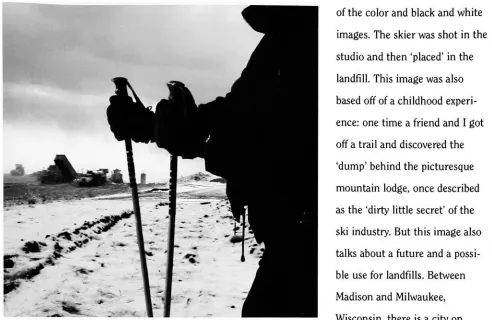
IfollowedthisimagewithSoiled Slopes(Figure6,slide2),an
image
thatFigure 6
Soiled Slopes
ofthecolor andblackandwhite
images.
Theskierwasshotinthestudio andthen'placed' inthe
landfill.
This imagewasalsobased
off ofa childhoodexperience: onetime afriendand Igot
off atrailanddiscoveredthe
'dump'
behind
thepicturesquemountain
lodge,
once describedas the
'dirty
littlesecret'ofthe
ski industry. Butthisimagealso
talks about a
future
and apossible usefor landfills. Between
Madisonand
Milwaukee,
Wisconsin,
thereisacityonInterstate
94, Oconomowoc,
thatis inaveryflatarea.Surrounding
the cityarefieldsthathaveabsolutelynorisesinthem.Inthemiddle
of all thisisahillthatlooks likea pimplerising upoutoftheearth. I
have beentold thatit had beena
landfill;
nowit isaski resort.The image Bathers(figure7,slide3) isonethatcouldbe mistakenfor
real. Itfalls intothe'whereto goon
vacation'
theme,
butpresentsitselfas a real place.It isanimagethatIhaveseen inreality.Aphoto
intheNew York Timesthissummerofswimmers in Icelandpresented
itselfthisway. The imagewas ofswimmersswimming inasteamy
lakethatwasarunofffromanuclear powerplant.Alsothis summer, a
televisionnetwork reported onhowpeoplein Moscowwere swimming
inthe
highly
pollutedMoscowRivertoavoidthe high temperaturesproba-Figure 7
Bathers
bly
the inspiration behindtheimage
Bathers. Intheimage,
Iwantedto playoff ofasense of
human
drama
between theswimmers, whilebehindthem is
anotherdrama
being
playedout:pollution. Iplacedthe swimmers
ina
triangle,
one womanlooking
towards a man whois glancing
towards another woman(inreal
life,
itisthesame woman).Thisimagecreates a sense ofthe
dramaof oureverydaylivesand
thestage on which we act out
our existence.
In PrairieLandscape(figure8,
slide4) Ionceagainplayedoff of
the real. It isa viewthatcould
existinreality,but inthis caseI
created it. Iwantedtocreate a
sense ofablockedview,a view
obstructed
by
ourwaste a scaronthesublime.But Ialsoused a
foggy,
dreary
winterday,
thesortof
day
thatoneequatestowhen [image:37.548.33.349.113.319.2]envisioningthisscenario.
Figure 8
[image:37.548.33.354.415.674.2]Figure 9
Emerald
City
Emerald
City
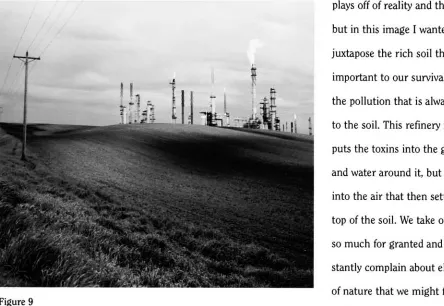
(figure 9,slide5)alsoplays offofrealityandtheview,
but
inthisimage Iwantedtojuxtapose
therich soilthat issoimportant
tooursurvivalandthe pollutionthatisalways close
to the soil.This refinerynotonly
puts the toxinsintothe ground
andwateraround
it,
butalsointo theairthat thensettleson
top
ofthe soil.Wetake our soilsomuchforgrantedand wecon
stantlycomplainaboutelements
ofnaturethatwemight
find
inourfood.Afriendofmine would notshopat a naturalfoodcoop
because shethought theproduce was
'dirty.'
Ioverheard awoman at
thefarmers' marketexplaininghow
disgusting
itwastofind
wormsintheapples.
Wearesofarremovedfrom thesourceofourneeds,and so
disgusted
by
natureanddirt,
yetthepollution our new lifestylescreatedoesn'tseemtoaffectusas much.IthinkofChief Luther
Standing
BearoftheOglala band ofSioux
talking
aboutthe love hispeoplehad fortheland: "The LakotawasatrueNaturist aloverofnature. He lovedthe
earthand allthings ofthe earth,theattachmentgrowingwith age.
Theoldpeople came
literally
tolove thesoilandthey
sator reclinedonthegroundwith a
feeling
ofbeing
closetoamotheringpower."37Figure 10
RoomwithaView
her disinfectantcleaners and
produce
free
from anyreferenceto theearthfromwhichitcame.
That isthe picturethatwasin
mymindwhenIputtogether
EmeraldCity. Ithinkitisalso
intesting
thatwehaveattachedsomanynegativeconnotations
to
dirt;
dirty,
soiled,filthiness,
smut,to name afew. What does
that sayabout usas apeople and
ourrelationship to theland?
Roomwith aView(figure10,
slide6)andJaded(figure11,slide7)
playoff oftheconceptofgoing
insideas wepollutetheplanet.
WhenIthinkofthebiosphere
experiment several years
back,
Ididnotpicture itasan experi
mentforspacetravelas muchas
an experimentfor futureearth
inhabitants.The hole inour
ozoneis getting larger inspite of
the reduction of
chlorfluorocar-bons. Skincancerisontherise.
Inthefuturewemaywellhave
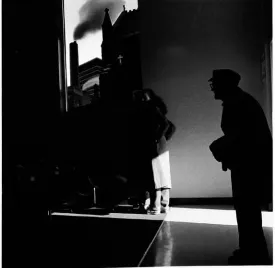
[image:39.548.33.305.63.354.2]Figure 12
Anticipation
Anticipation(figure12,slide8)and
Waiting
(figure13,slide9) playoffofthesameconcept of
being
inside,
but
add thehumanelement. Iusedthe imagesofthe
people
(actually
takeninabusdepot)
becauseofthesense ofwaitingandanticipationthat
they
project.Arethey
waitinguntilit is onceagain safetogo
outside?These imageswere
inspired
by
thewarnings ofhighozone levels ontheeastcoast
this summer which warnedpeo
plewith asthma(ofwhichIam
one) to stayinside.
Figure 13
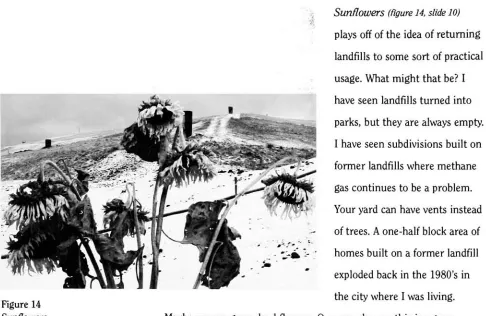
[image:40.548.35.310.392.660.2]Figure 14
Sunflowers
Sunflowers(figure14,slide10)
playsoff oftheideaofreturning
landfills
tosome sortofpracticalusage.Whatmightthatbe? I
have
seen landfillsturnedintoparks,but
they
arealways empty.I haveseen subdivisionsbuilton
former landfillswheremethane
gascontinues tobea problem.
Youryard canhavevents instead
oftrees. Aone-halfblockareaof
homes builtonaformer landfill
explodedback inthe 1980's in
the citywhereIwasliving.
Maybewecan growdead flowers. Onecan also seethis imageas
beauty
juxtaposedto thebland. Whilethis imagewas on exhibitionatanothergallery, Iwascontinually
being
toldhow beautiful itwas,and itwas thesunflowers
they
wereseeing,thebackgroundwas notnoticed. Itis amatter of perception what we see and choose not
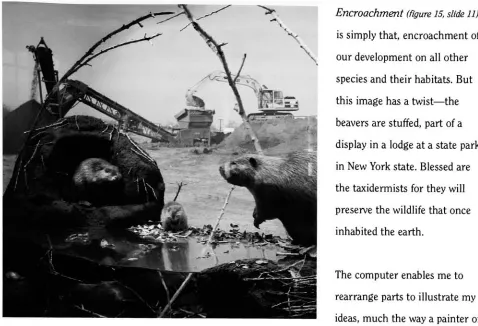
Figure 15
Encroachment
Encroachment
(figure 15,slide11)issimply
that,
encroachment ofour
development
on all otherspecies andtheirhabitats. But
this
image
hasatwist thebeavers
arestuffed,part ofadisplay
inalodgeat a state parkin New Yorkstate.Blessedare
the taxidermistsfor
they
willpreservethewildlife thatonce
inhabitedthe earth.
Thecomputer enables meto
rearrange partsto illustratemy
ideas,
muchthe wayapainter orillustratorworks.Thesearemyideasthatdo not existinrealityasI
present
them,
butare representative ofareality thatdoesexist andwillconceivablybearealityinthe future. Iarrange my landscapesand
environmentsthe way myimaginationperceivesthefuture.
My
workinvolvesthat
landscape,
but it isnotreallyaboutthe landperse. Itisaboutourplacewithinthe landand ourinteractionwithit. The
metaphorscreatedaroundlandscapesreflectbackto our needto
understandourselves.
CONCLUSION
Aphotograph expressesaperception whichitself isnottakenas
fixed
or stable.
Many
stories canbetoldandnoneare completeorconclu [image:42.548.32.510.59.385.2]strung togethercantell a
truth,
but
apartalone isnot enoughinformation
from
whichtoconcludeanything. Thereis muchdiscussiontoday
onthe truthfulnessof aphotograph. Withcomputer manipulation peopleno
longer
trust thephotograph astrue. Ifeelthata photographwasnevermeanttobetruthbecause it is a representation of
reality, it isa partof awhole,butwe continuetolook forsomefunda
mental
truth,
somethingthatwe canforevertrust.Photography
provides somesense oftruth.We coined an expression'the picture does
n'tlie'to reaffirm ourtrustin it. Butthensome begantoquestionthe
photograph,
they
asked about whatthephotographexcluded,whatwasleftout was asimportantas what was included.
"(Photographs)
are popularlysupposedtobe'true,'and, atworst,
they
areso, inthesenseinwhich anechois true toa conversation of whichitomitsthe
mostimportantsyllables and reduplicatesthe rest."
Thereare many things thatwetakefor granted,thatwe consider
necessit