VOLUME 3 ISSUE 28 JUNE 2015 ISSN 2050-4349
Contracting with General Dental Services:
a mixed-methods study on factors influencing
responses to contracts in English general
dental practice
a mixed-methods study on factors
influencing responses to contracts in
English general dental practice
Rebecca Harris,
1
*
Elizabeth Perkins,
1
Robin Holt,
2
Steve Brown,
3
Jayne Garner,
1
Sarah Mosedale,
4
Phil Moss
1
and Alan Farrier
1
1
Department of Health Services Research, Institute of Psychology, Health and
Society, University of Liverpool, Liverpool, UK
2
Department of Organisation and Management, Management School,
University of Liverpool, Liverpool, UK
3
Department of Psychological Sciences, Institute of Psychology, Health and
Society, University of Liverpool, Liverpool, UK
4
Department of Public Health and Policy, Institute of Psychology, Health and
Society, University of Liverpool, Liverpool, UK
*Corresponding author
Declared competing interests of authors:Professor Rebecca Harris reports a grant from the
Department of Health to her institution, the University of Liverpool, for work outside the submitted work, in relation to evaluating pilots of the new NHS dental contract.
Disclaimer:This report contains transcripts of interviews conducted in the course of the research and contains language that may offend some readers.
Published June 2015
DOI: 10.3310/hsdr03280
This report should be referenced as follows:
ISSN 2050-4349 (Print)
ISSN 2050-4357 (Online)
This journal is a member of and subscribes to the principles of the Committee on Publication Ethics (COPE) (www.publicationethics.org/).
Editorial contact: [email protected]
The full HS&DR archive is freely available to view online at www.journalslibrary.nihr.ac.uk/hsdr. Print-on-demand copies can be purchased from the report pages of the NIHR Journals Library website: www.journalslibrary.nihr.ac.uk
Criteria for inclusion in theHealth Services and Delivery Researchjournal
Reports are published inHealth Services and Delivery Research(HS&DR) if (1) they have resulted from work for the HS&DR programme or programmes which preceded the HS&DR programme, and (2) they are of a sufficiently high scientific quality as assessed by the reviewers and editors.
HS&DR programme
The Health Services and Delivery Research (HS&DR) programme, part of the National Institute for Health Research (NIHR), was established to fund a broad range of research. It combines the strengths and contributions of two previous NIHR research programmes: the Health Services Research (HSR) programme and the Service Delivery and Organisation (SDO) programme, which were merged in January 2012.
The HS&DR programme aims to produce rigorous and relevant evidence on the quality, access and organisation of health services including costs and outcomes, as well as research on implementation. The programme will enhance the strategic focus on research that matters to the NHS and is keen to support ambitious evaluative research to improve health services.
For more information about the HS&DR programme please visit the website: http://www.nets.nihr.ac.uk/programmes/hsdr
This report
The research reported in this issue of the journal was funded by the HS&DR programme or one of its preceding programmes as project number 09/1801/1055. The contractual start date was in October 2010. The final report began editorial review in December 2013 and was accepted for publication in August 2014. The authors have been wholly responsible for all data collection, analysis and interpretation, and for writing up their work. The HS&DR editors and production house have tried to ensure the accuracy of the authors’report and would like to thank the reviewers for their constructive comments on the final report document. However, they do not accept liability for damages or losses arising from material published in this report.
This report presents independent research funded by the National Institute for Health Research (NIHR). The views and opinions expressed by authors in this publication are those of the authors and do not necessarily reflect those of the NHS, the NIHR, NETSCC, the HS&DR
programme or the Department of Health. If there are verbatim quotations included in this publication the views and opinions expressed by the interviewees are those of the interviewees and do not necessarily reflect those of the authors, those of the NHS, the NIHR, NETSCC, the HS&DR programme or the Department of Health.
© Queen’s Printer and Controller of HMSO 2015. This work was produced by Harriset al.under the terms of a commissioning contract issued by the Secretary of State for Health. This issue may be freely reproduced for the purposes of private research and study and extracts (or indeed, the full report) may be included in professional journals provided that suitable acknowledgement is made and the reproduction is not associated with any form of advertising. Applications for commercial reproduction should be addressed to: NIHR Journals Library, National Institute for Health Research, Evaluation, Trials and Studies Coordinating Centre, Alpha House, University of Southampton Science Park, Southampton SO16 7NS, UK.
NIHR Journals Library Editor-in-Chief
Professor Tom Walley Director, NIHR Evaluation, Trials and Studies and Director of the HTA Programme, UK
NIHR Journals Library Editors
Professor Ken Stein Chair of HTA Editorial Board and Professor of Public Health, University of Exeter Medical School, UK
Professor Andree Le May Chair of NIHR Journals Library Editorial Group (EME, HS&DR, PGfAR, PHR journals)
Dr Martin Ashton-Key Consultant in Public Health Medicine/Consultant Advisor, NETSCC, UK
Professor Matthias Beck Chair in Public Sector Management and Subject Leader (Management Group), Queen’s University Management School, Queen’s University Belfast, UK
Professor Aileen Clarke Professor of Public Health and Health Services Research, Warwick Medical School, University of Warwick, UK
Dr Tessa Crilly Director, Crystal Blue Consulting Ltd, UK
Dr Peter Davidson Director of NETSCC, HTA, UK
Ms Tara Lamont Scientific Advisor, NETSCC, UK
Professor Elaine McColl Director, Newcastle Clinical Trials Unit, Institute of Health and Society, Newcastle University, UK
Professor William McGuire Professor of Child Health, Hull York Medical School, University of York, UK
Professor Geoffrey Meads Professor of Health Sciences Research, Faculty of Education, University of Winchester, UK
Professor John Powell Consultant Clinical Adviser, National Institute for Health and Care Excellence (NICE), UK
Professor James Raftery Professor of Health Technology Assessment, Wessex Institute, Faculty of Medicine, University of Southampton, UK
Dr Rob Riemsma Reviews Manager, Kleijnen Systematic Reviews Ltd, UK
Professor Helen Roberts Professor of Child Health Research, UCL Institute of Child Health, UK
Professor Helen Snooks Professor of Health Services Research, Institute of Life Science, College of Medicine, Swansea University, UK
Please visit the website for a list of members of the NIHR Journals Library Board: www.journalslibrary.nihr.ac.uk/about/editors
Abstract
Contracting with General Dental Services: a mixed-methods
study on factors influencing responses to contracts in
English general dental practice
Rebecca Harris,
1*Elizabeth Perkins,
1Robin Holt,
2Steve Brown,
3Jayne Garner,
1Sarah Mosedale,
4Phil Moss
1and Alan Farrier
11Department of Health Services Research, Institute of Psychology, Health and Society,
University of Liverpool, Liverpool, UK
2Department of Organisation and Management, Management School, University of Liverpool,
Liverpool, UK
3Department of Psychological Sciences, Institute of Psychology, Health and Society,
University of Liverpool, Liverpool, UK
4Department of Public Health and Policy, Institute of Psychology, Health and Society,
University of Liverpool, Liverpool, UK
*Corresponding author [email protected]
Background:Independent contractor status of NHS general dental practitioners (GDPs) and general medical practitioners (GMPs) has meant that both groups have commercial as well as professional identities. Their relationship with the state is governed by a NHS contract, the terms of which have been the focus of much negotiation and struggle in recent years. Previous study of dental contracting has taken a classical economics perspective, viewing practitioners’behaviour as a fully rational search for contract loopholes. We apply institutional theory to this context for the first time, where individuals’behaviour is understood as being influenced by wider institutional forces such as growing consumer demands, commercial pressures and challenges to medical professionalism. Practitioners hold values and beliefs, and carry out routines and practices which are consistent with the field’s institutional logics. By identifying institutional logics in the dental practice organisational field, we expose where tensions exist, helping to explain why contracting appears as a continual cycle of reform and resistance.
Aims:To identify the factors which facilitate and hinder the use of contractual processes to manage and strategically develop General Dental Services, using a comparison with medical practice to highlight factors which are particular to NHS dental practice.
Methods:Following a systematic review of health-care contracting theory and interviews with
Results:We found that, for all three sets of actors (GDPs, GMPs, commissioners), multiple logics exist. These were interacting and sometimes in competition. We found an emergent logic of population health managerialism in dental practice, which is less compatible than the other dental practice logics of
ownership responsibility, professional clinical values and entrepreneurialism. This was in contrast to medical practice, where we found a more ready acceptance of external accountability and notions of the delivery of‘cost-effective’care. Our quantitative work enabled us to refine and test our conceptualisations of dental practice logics. We identified that population health managerialism comprised both a logic of managerialism and a public goods logic, and that practitioners might be resistant to one and not the other. We also linked individual practitioners’behaviour to wider institutional forces by showing that logics were predictive of responses to NHS dental contracts at the dental chair-side (the micro level), as well as predictive of approaches to wider contractual relationships with commissioners (the macro level). Conclusions:Responses to contracts can be shaped by environmental forces and not just determined at the level of the individual. In NHS medical practice, goals are more closely aligned with commissioning goals than in general dental practice. The optimal contractual agreement between GDPs and
commissioners, therefore, will be one which aims at the‘satisfactory’rather than the‘ideal’; and a ‘successful’NHS dental contract is likely to be one where neither party promotes its self-interest above the other. Future work on opportunism in health care should widen its focus beyond the self-interest of providers and look at the contribution of contextual factors such as the relationship between the
Contents
List of tables ix
List of figures xi
Glossary xiii
List of abbreviations xv
Plain English summary xvii
Scientific summary xix
Chapter 1Positioning the study 1
Introduction and background 1
The use of contracts in health care 1
Literature on health-care contracting theory 3
The policy context: general dental and medical practice 8
Contracts in general dental practice 13
Chapter 2Aims, objectives and research questions 17
The approach of our study 17
Institutional work theory rather than activity theory 17
Aims and objectives 17
Research questions 18
Chapter 3Methods 19
Research design 19
Phase 1: literature review and stakeholder interviews 19
Phase 2: case studies 19
Phase 3: questionnaire and commissioner interviews 27
Research ethics 31
Chapter 4Findings 33
Qualitative findings 33
Institutional logics in general dental practice 33
Interacting institutional logics in general dental practice 51
Institutional logics in general medical practice 53
Interacting institutional logics in general medical practice 63
General dental practitioners working with contract: micro-level chair-side behaviour 65
Commissioners working with contract: dealing with general dental practitioners 72
Trust as an antonym for opportunism 75
Relationships and trust 75
General dental practitioners working with the contract: macro-level behaviour 88
Quantitative findings 91
Reported behaviour in relation to six grey areas of the contract, descriptive and
injunctive norms 91
Do institutional logics and norms predict micro-level chair-side behaviour in relation to
the contract? 97
Do dentists’negative experiences with commissioners predict chair-side behaviour? 100
Do institutional logics predict macro-level behaviour? 101
The role of trust and relationships in mediating micro- and macro-level behaviours 104
Are macro- and micro-level approaches correlated? 105
Integration of qualitative and quantitative work streams 106
Chapter 5Discussion and implications 107
Introduction 107
Study limitations 107
What is contract‘success’for general dental practitioners and commissioners? 108
Factors which influence contractual‘success’ 109
Implications for commissioning 112
Implications for further research 115
Acknowledgements 117
References 119
Appendix 1Systematic review tables of health-care contracting theory
with references 131
Appendix 2Summary of medical practice contracts 139
Appendix 3Timeline of key events in dental practice organisational field 145
Appendix 4Important features of previous NHS dental contract and the new
contract model currently being piloted 147
Appendix 5Qualitative data: detail of stakeholder participants 149
Appendix 6Coding scheme anonymising participant quotes 151
Appendix 7Qualitative data: detail of dental practice case-study participants 153
Appendix 8Qualitative data: detail of medical practice case-study participants 157
Appendix 9Qualitative data: detail of commissioner participants 159
Appendix 10Interview guides 161
Appendix 11Questionnaire (phase 3) 169
Appendix 12Links to project outputs 181
Appendix 13Participant information sheets 183
List of tables
TABLE 1 Sampling grid used to select the six PCTs 23
TABLE 2 Sampling grid used to select dental practice cases (type of contracts) 24
TABLE 3 Multiple logics in the dental practice field developed from qualitative
data (phase 1 stakeholders and phase 2 case studies) 34
TABLE 4 Logics of commissioners developed from qualitative data (phase 1
stakeholders, phase 2 case studies, phase 3 interviews) 43
TABLE 5 General medical practice logics developed from qualitative data (phase 1 stakeholders, phase 2 case studies, phase 3 commissioner interviews) 54
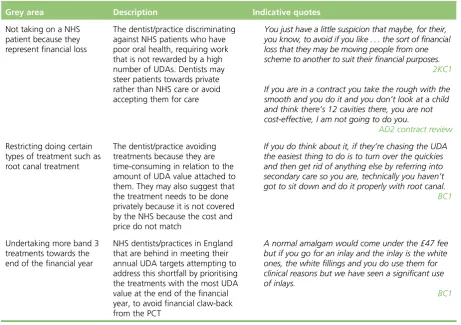
TABLE 6 Six grey areas of the 2006 NHS dental contract with indicative quotes 70
TABLE 7 Percentages of GDPs reporting past and future intentions of their own behaviour in six grey areas, and their estimate of the frequencies of other GDPs’ behaviour (descriptive norms) and approval of behaviour (injunctive norms) in
these areas 92
TABLE 8 Frequency (percentages of) commissioners’responses to their perceptions of GDP behaviour (past behaviour and injunctive in relation to
norms) in six grey areas of practice 93
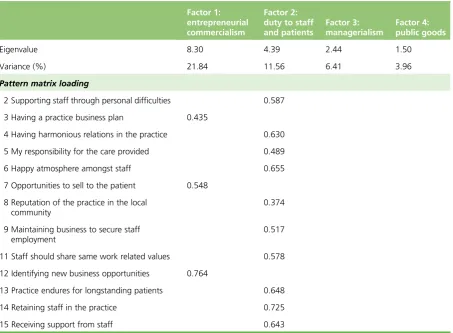
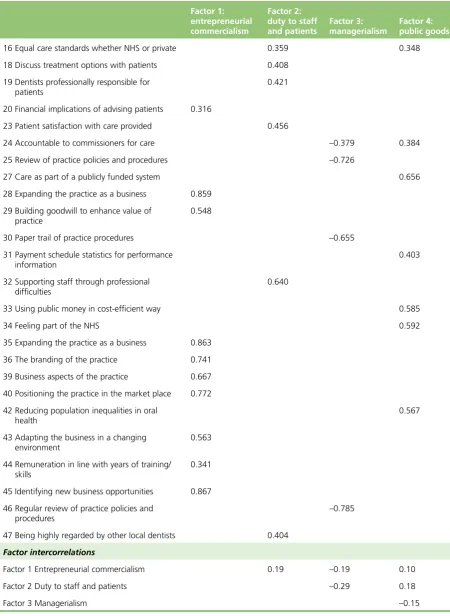
TABLE 9 Factor analysis on institutional logics 94
TABLE 10 Correlations between predictor variables and behaviour relating to six
grey areas of the NHS dental contract 97
TABLE 11 Regression analyses predicting intentions to engage in micro-level
(chair-side) behaviour in relation to six grey areas 99
TABLE 12 Factor analysis on intended macro-level behaviour 102
TABLE 13 Correlations between predictor variables and macro-level tactics 103
TABLE 14 Regression analyses predicting intended macro-level behaviour 104
TABLE 15 Mediation estimates showing potential mediation by trust of the
relationship between negative experience and macro- and micro-level behaviours 104
TABLE 16 Correlations between micro-level (chair-side) behaviour and intended
macro-level behaviour 105
TABLE 17 Use of markets to increase efficiency, quality and consumer
responsiveness 131
TABLE 19 Transaction cost economic theory 135
TABLE 20 Relational contracts 136
List of figures
FIGURE 1 A logic model of health-care contracting theory 9
FIGURE 2 Interaction between GDPs’negative experiences with commissioners and entrepreneurial commercialism in relation to refusing to take NHS patients
representing a financial loss to the practice 100
FIGURE 3 Interaction between GDPs’negative experiences with commissioners and managerialism logic in relation to refusing to take NHS patients
representing a financial loss to the practice 100
FIGURE 4 Interaction between GDPs’negative experiences with commissioners and public goods logic in relation to refusing to take NHS patients representing
a financial loss to the practice 101
FIGURE 5 Path diagram showing mediation of intentions to adopt an
Glossary
Alternative Provider Medical Services Type of medical practice contract.
British Dental Association National professional association and registered trade union for dentists.
British Medical Association National professional association and registered trade union for doctors.
Clinical Commissioning Group Commissioner of most services funded by the NHS in England, replacing primary care trusts in April 2013.
Dental Bodies Corporate A unique class of corporations which are registered with the General Dental Council and entitled to carry out the business of dentistry in the UK.
Department of Health Department of the UK government responsible for health matters.
Direct Enhanced Services Optional services commissioned in all areas from primary care providers and linked to national priorities.
General dental practitioner Dentist working as an independent contractor.
General Dental Service NHS dentistry provided under General Dental Service contract terms and conditions.
General medical practitioner Doctor working as an independent contractor.
General Medical Service Service governed by a nationally negotiated NHS general medical practice contract.
Local Dental Committee Local representative committee of NHS dentists to represent their interests in their locality.
Local Dental Network Network of local NHS dental clinicians informing local commissioning.
Local Enhanced Services Services commissioned from primary care providers agreed locally between primary care commissioners and providers.
Local Medical Committee Local representative committee of NHS medical practitioners to represent their interests in their locality.
National Enhanced Services Additional services commissioned using national specifications and benchmark prices, from primary care providers, if identified as being needed by the local population.
New contract pilot Practices involved in piloting elements of a new NHS dental contract.
nGDS Type of General Dental Service contract after the 2006 reform involving Units of Dental Activity.
nPDS Type of Personal Dental Service contract after the 2006 reform involving Units of Dental Activity.
Personal Dental Service Pilot from 1998 to 2006 involving locally negotiated contracts with a range of contract currencies.
Personal Dental Service Plus Contract based on Personal Dental Service arrangements but including measures related to service, access, performance.
Personal Medical Service Type of medical practice contract.
Practice-based commissioning General medical practice-led commissioning introduced after the 2004 general medical practice contract.
Primary care organisation Local organisation responsible for commissioning, for example primary care trust.
Primary Care Trust Up until April 2013, the NHS organisation responsible for commissioning health care locally.
Quality and Outcomes Framework System for the performance management and payment of general practitioner services in the NHS.
Strategic Health Authority NHS organisation responsible for leading the strategic development of local health services and managing primary care trusts and NHS trusts; abolished in 2013.
List of abbreviations
APMS Alternative Provider Medical Services
BDA British Dental Association CQC Care Quality Commission DBC Dental Body Corporate DH Department of Health
dmft number of decayed, missing and filled primary teeth per child FFI fee-for-item
GDP general dental practitioner GDS General Dental Service GMP general medical practitioner GMS General Medical Service GP general practitioner IQR interquartile range KPI key performance indicator LDC Local Dental Committee MeSH medical subject heading
NCP new contract pilot
nGDS type of GDS contract after 2006 reform involving UDAs
NICE National Institute for Health and Care Excellence
nPDS type of PDS contract after 2006 reform involving UDAs
NPM new public management PCO primary care organisation PCT Primary Care Trust PDS Personal Dental Service PDS+ Personal Dental Service Plus QOF Quality and Outcomes Framework SD standard deviation
Plain English summary
T
he NHS dental contract is an agreement between dental practitioners and local health service managers (until very recently Primary Care Trust commissioners) which sets out the type and amount of dental care they have to provide in exchange for a certain amount of money. The terms of the agreement have changed a number of times since contracts with dentists were first set up, because dentists have reacted to new contract rules in ways that were against the wishes of managers. Loopholes have been exposed where practitioners appear to exploit vagueness in the language of the contract to benefit theirScientific summary
Background
Both general dental practitioners (GDPs) and general medical practitioners (GMPs) are independent contractors to the NHS. They offer their services to patients in return for payment from the general tax fund, with their relationship with the state governed by a contract with the NHS. The NHS dental contract has been revised several times in recent years, as remuneration has shifted from a model based on a centrally administered fee-for-item system to one involving local contracts with commissioners. New forms of NHS dental contract such as the Personal Dental Service contract and the 2006 Units of Dental Activity contract have been found to be unsatisfactory on account of perverse incentives. Now a new type of approach is being piloted, with reform of the NHS dental contract likely in the next few years. Much of the previous policy and research effort in this area has been focused on discussing the consequences of alternative types of contract design. That providers will seek to exploit loopholes in any new contract is now accepted and effort to identify a‘successful’new contract is increasingly geared towards scrutinising contracts in order to anticipate opportunism. This stance, along with increased efforts to develop new systems to closely monitor agents’behaviour, adds to transaction costs. Paradoxically, where opportunistic behaviour and transaction costs are extensive, the contract would be judged as having failed, given that contracts are a tool arising from new public management ideals concerned with‘doing more with less’in an era of constrained public finances.
Aims
This study aimed to identify the factors which facilitate and hinder the use of contractual processes to manage and strategically develop General Dental Services. In particular we aimed to investigate the relationship between commissioners and GDPs and explore how their relationship was affected by the differing needs and professional outlooks of both parties. We used a comparison with medical practice to highlight factors which are particular to NHS dental practice.
Specific objectives were:
1. to understand what constitutes‘success’in contractual agreements from the different perspectives of GDPs and commissioners
2. to understand the factors which influence successful (or unsuccessful) outcomes being reached in contractual negotiations between GDPs and commissioners
3. to make recommendations of approaches that would facilitate the reaching of mutually agreeable contractual agreements between GDPs and commissioners, and help avoid the potential difficulties of this contracting process.
Methods
Our study was divided into three phases and involved the use of both qualitative and quantitative research methods. In phase 1 we undertook a systematic review of health-care contracting theory. The 82 included papers were grouped according to five grand theories of health-care contracting: the theory of managed competition; the principal–agent model; transaction cost economic theory; relational contract theory; and markets are institutionally as well as socially embedded. In order to produce an aggregative synthesis of theory, concepts and relationships were identified at the mid-theory level and a logic map produced to outline internal pathways linking the input‘contracts’to the intermediate outcome of‘opportunism’. In phase 1 we also collected qualitative data in the form of interviews with a range of stakeholders (Department of Health, primary care commissioning, Dental Bodies Corporate, medical corporates, dental professional and practitioner representatives, legal advisors, consultants in dental public health, dental and medical commissioners as well as GDPs and GMPs). Phase 1 informed our approach to phase 2 data collection and analysis, which comprised general dental practice and general medical practice case studies. Sixteen dental practices and six medical practices were purposively sampled from six primary care trusts (PCTs). We included private as well as NHS practices in our sample of dental cases, as well as four different models of NHS dental contract (including the new form of dental contract currently being piloted). Case study data were collected between February 2011 and April 2012. Data collection involved interviews with a variety of actors in each practice, following events (particularly contractual negotiations) in each practice over that time. We observed care and contract review meetings, interviewed commissioners and collected documentary evidence to explore and triangulate findings. Qualitative analysis using grounded theory was concurrent with data collection. In total 120 interviews were undertaken in case studies, 39 involving patients.
Results
We found that, for all three sets of actors (GDPs, commissioners, GMPs), multiple logics exist and, rather than as often portrayed in institutional studies, as an either–or opposition and struggle, these various logics were contingent and constantly interacting. For GDPs, for example, action and behaviour was shaped first by a logic of professionalism (although care provision was influenced by patients’views as well as from a distance of clinical dominance), along with a logic of practice ownership. The reality of a commercial logic was also very evident. We observed GDPs striving to come to workable solutions in providing care which satisfied all three of these ideological drivers, and a fourth logic of population health managerialism, to a greater or lesser extent. Our quantitative work then allowed us to test and refine our conceptions of these logics, and directed us towards an understanding that the notion of clinical professional values in dental practice is very closely entwined with ownership of the dental practice: professionalism in dental practice is experienced as a duty to staff, patients and the local community, geared towards maintaining the practice as a viable
enterprise. We suggest that, in the particular dental practice context where there is no co-ownership of capital assets and little shared contractual risk, activity, norms and behaviour are skewed in this direction. We identified the fourth institutional logic (population health managerialism) as emergent in dental practice, but less compatible with the other three dental practice logics, and often resisted. This was in contrast to our findings in medical practice, where we found a more ready acceptance of targets, external accountability and a cost-conscious logic. Doctors talked about their practice goals as providing
‘cost-effective’care in a way that was unusual in dental practice. Our quantitative work again allowed us to elaborate on population health managerialism as a logic in dental practice, and we were able see that a public goods logic as well as a managerialism logic exists in dental practice, for it is possible for GDPs to resist managerialism but still be moved by a public goods logic (where resources are sufficient to cater to the need to satisfy professionalism, ownership and commercial logics at the same time). With the establishment of a new centralised NHS dental commissioning structure, and plans for a reform to the NHS dental contract under way, policy-makers have identified a need to align current levers and enablers in order to successfully discharge the NHS Commissioning Board’s function. Our work directly addresses this requirement, making clearer what is often taken for granted but rarely made explicit in the complex environment of dental practice.
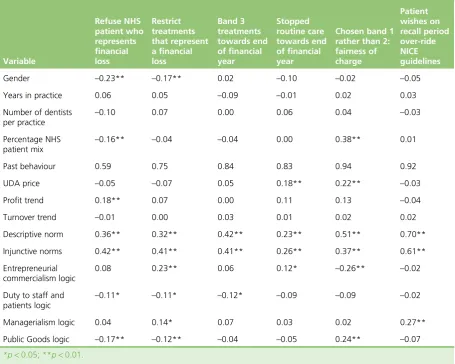
In our quantitative work we tested a hypothesis that institutional logics could predict GDPs’micro-level responses to NHS contracts in six grey areas of the current contract which were identified in our qualitative work as being open to opportunism. Our findings confirmed our stance and showed, for example, that dentists scoring higher for commercialism logic were more likely to restrict high-cost treatments and stop providing routine treatment towards the end of the financial year, and were less likely to allocate treatment to a lower band of care because the copayment was unfair to the patient. Moreover, when we added dentists’perception of their relationships with commissioners (perceived injustice etc.) we saw an interaction between this, their institutional logics and their opportunistic responses. Where dentists had negative experiences of commissioning, this moderated the effect of institutional logics, with the result that they were much more likely to refuse to accept patients (e.g. those with a lot of dental disease) who would result in a financial loss to the practice. This underlines our finding that an interaction between the context and the individual shapes responses to NHS contracts. Thus, as we move forward to a new era of dental commissioning and contracting, the focus should be wider than just considering contract design and monitoring issues.
We also found a relationship between micro-level and macro-level behaviour: GDPs adopting‘acceptance’ behaviour were more likely to act in a self-interested way in two of the six grey areas. This suggests a ‘comply and rebalance’strategy is adopted whereby, if practitioners are unable to command what they see as appropriate resources at the macro level, they try to use their chair-side capacity to be flexible around contract rules in order to command more resources. This again substantiates our main finding that practitioners’responses to contracts should not be seen as always extrinsically motivated; they are often shaped by a much wider set of influences.
In our logic map generated from our synthesis of health-care contracting theory we identified some wider direct and indirect drivers of opportunism. Practitioners thus occupy perspectives which are shaped from a range of what is deemed to be appropriate, with, for example, social and professional networks as well as media influences contributing to determining what‘appropriate behaviour’means. Clinical and payment decisions are a result of habit and heuristics framed by these personal biases and historical preferences in a way that becomes so dispositional that it becomes the‘divine law’by which the dentist practices. When contract rules and commissioning and accountability structures change, this causes these heuristics and habits to surface. Existing practices are queried and institutional work occurs as agents respond to the new environment, attempting to shape the environment by resistance or strategic co-operation as well as responding in the immediate clinical environment. Hence design and consequent behavioural responses to contracts will be only ever be something which is constantly on the move, and search for the‘final’NHS dental contract form is never likely to result in the‘ideal’.
Conclusions
We conclude that each contracting party will inevitably seek to act in its own self-interest, particularly where goals between purchaser and provider differ, as in the case of GDPs and NHS commissioners. There are underlying tensions in NHS dental contracting because GDPs are primarily driven by values concerned with commerciality, maintaining the practice as a viable enterprise, and social obligations to staff, patients and the local community, and these logics can conflict with managerialist commissioning ideology. In general medical practice, goals are more closely aligned with NHS commissioning goals, with the relationship between practitioners and commissioners more one of mutual dependency than is the case in general dental practice. The optimal contractual agreement between GDPs and commissioners therefore will be one which aims at the‘satisfactory’rather than the‘ideal’, and a‘successful’NHS dental contract will be one where neither party promotes its self-interest above the other’s. Future work on opportunism in health care should widen its focus beyond the self-interest of providers and look at the contribution of contextual factors such as the relationship between the government and professional bodies, the role of the media, and providers’social and professional networks.
Structure of the report
This report is arranged as follows:
We then turn to describe the policy context of the study, which is general dental practice; we give contextual detail relating to the concepts (such as asset ownership, etc.) which have been identified as important factors influencing how contracts work. We include in this section a history of the implementation of contracts in general dental practice, reflecting the cycle of contract implementation, reform and institutional change which has taken place in this setting since the 1980s. We include in our institutional background a contrast between general dental practice and general medical practice, since both have the same status as independent
contractors to the NHS. The comparison enables us to draw out the factors which make contracting in general dental practice distinct.
Chapter 2describes our research questions, aims and objectives. Chapter 3describes the research design and methods.
Chapter 4presents the findings of the research in relation to, first, the qualitative and then the quantitative findings.
Chapter 5details policy, commissioning and research implications of the study.
Funding
Chapter 1
Positioning the study
Introduction and background
The use of contracts in health care
Contracts are defined as‘voluntary agreements through which parties make legally binding commitments about their future behaviour’.1In the NHS quasi-market, contracts are the crucial means by which
purchasers influence providers of health care.
New public management
New public management (NPM) is a loose term that encompasses several doctrinal elements which have taken root deeply in the UK in recent years, and inspired many aspects of reform to public services.2NPM has been particularly applied to health care because of growing expenditures due to technological advances and an ageing population. A key component of NPM is a greater reliance on market forces for the provision of public services and an opening up to competition at all levels. Competition is presumed to provide greater room for differentiation and thus open the way to a wide variety of delivery mechanisms, out of which the best ideas and the most efficient mechanisms for delivering public services can emerge. Deregulation and conversion of non-public goods from the public to the private sector is therefore a key mantra.2NPM also implies a shift in the perception of users, viewing beneficiaries of services much more like customers than passive recipients of public services. These theory-based reforms are intended therefore to be antihierarchical and antibureaucratic, although NPM can also be seen as a‘bundle of managerial thoughts’that focuses on application of managerial solutions as a remedy for a broken system of government.2NPM implementation continues to be debated, since reforms have often been found wanting, with core NPM values (competition, choice, service differentiation) often clashing with public values such as social and cultural equity, homogeneity and universality of service.3
Quasi-markets in health care
New public management ideas and an emerging political philosophy based on a belief that a strong
economy should take precedence over all other objectives culminated in the 1989 health care reforms where responsibilities for purchasing services were separated from the responsibility for providing them.4,5Under this structure an internal market in health care is created whereby, although most providers (and also purchasers) are still part of the public sector, purchasers are given a role to act on behalf of patients to buy what they consider to be appropriate health services which will best meet patients’needs. Since patients do not pay at the point of consumption (in the same way as consumers of non-health-related goods and services do), nor do they act on their‘preferences’, prices are not determined purely by supply and demand as in commercial markets. Purchasers procure services from providers at an agreed price and level of quality, the agreement being embodied in a contract. In theory, efficiency and quality gains are delivered, and transparency and decentralisation increased, because of competition between providers and the use of incentives embedded in the contract.6
Design and regulation of health-care contracts are key to whether or not the efficiency gains envisaged by the internal market are realised: an issue which continues to be hotly debated. Many commentators point to the surprising lack of empirical evidence underpinning the implementation of market-based reforms.5,8,9 Critics argue that, since Enthoven’s ideas are rooted in‘clean’models of micro-economic theory and are based on assumptions that decision-making is entirely rational and there is no environmental uncertainty, they are insufficiently subtle to reflect the realities of the health-care contracting. Enthoven’s theory of managed competition carries other assumptions too: that information relating to the cost and quality of the service is readily available and consumer preferences are predetermined; conditions which are not often met in the health-care context. Despite this, the core beliefs that, in order to increase service quality and efficiency, the NHS must be freed from top-down management and that there are benefits in creating a competitive market are still key drivers of more recent organisational change in the NHS.8
Evolution of quasi-markets
The rational choice perspective also underpins the economic theory of principal–agency (seeGrand theories of health-care contracting). This grand theory is concerned with incentives and assumes that, where the principals’and agents’objectives differ, and where principals do not have full information about the circumstances and behaviour of agents, agents act to maximise their own self-interest at the expense of the principal’s interest.10Essentially people are viewed as opportunistic; given half a chance the spirit of the contract is broken (‘reinterpreted’). The scope for opportunism is enhanced by the complexity of the transaction and bounded rationality,11characteristics which are especially pertinent to health-care contracting. Consequently, in health systems where services are obtained through a process of contracting, purchasers and government regulators are advised to‘scrutinize contracts for possible ways in which opportunism may affect all parties’:12are there opportunities to avoid high-risk groups? will the services be equitably distributed? and the like. The emphasis is on identifying and closing loopholes, and close monitoring of the agents’behaviour, all of which add to transaction costs. Where opportunistic behaviour and transaction costs are extensive, the contract is widely seen as having failed.
Conventional micro-economic analysis and principal–agent theory can, however, be criticised as treating the organisation as a‘black box’, and paying little attention to characteristics of organisations or organisational environments that affect structural or behavioural adaption.13Light14instead outlines the more evolutionary view from institutional analysis, which arises from a theoretical cross-fertilisation between economics and sociology, where both the errors and the corrective mechanisms which occur in shaping contracts are understood to be defined by social context and institutional forces. He portrays behavioural responses to contracts as neither rational nor irrational, but interactional and contingent. Thus, using this perspective, practitioners’responses to health-care contracts, often viewed merely as self-interested opportunism, are instead seen within a wider context of organisational resistance to
institutional change. Studying the evolution of the organisational field, and looking beyond principal–agent dyads to wider forces concerned with change and resistance to change, gives a means to capture a more subtle understanding of providers’responses to contracts.
against the‘spirit’of central policy. Fourth, under the influence of mimetic, coercive or normative
processes as well as efficiency considerations, elements shared by most organisations in the field emerge. These practices produce distributional outcomes that disadvantage some players to the detriment of others and, because of conflictual outcomes and other emergent problems, are seen to require further
adjustment. Finally, a new cycle is triggered by renewed central intervention, often as a response to disturbances in the system, but also to effect further strategic change.
Thus the NHS case is marked by the frequency of the cycles of contract implementation, revision and reform. Alongside this, periods of relative stability and incremental development of contracting policies are punctuated by more fundamental shifts in policy.13The macro–micro process model outlined above appears to reflect with remarkable accuracy the evolution of the dental practice organisational field (seeThe evolution of the dental practice organisational field).
Literature on health-care contracting theory
The study of health-care contracts stands at a crossroads of several disciplines: economics, organisational sociology, strategic management, sociolegal studies and political science. Increasingly, health-care
contracting is viewed, not just as a technical task, but as a complex intervention influenced by a system of inter-related social networks, organisational forms, labour markets, political policies and institutions.1 Theory is a way of simplifying complex reality.16Theories, therefore, are an important way to capture all the factors which may influence the processes and outcomes of health-care contracting. The theory of managed competition which underpins quasi-market approaches in health care is, as outlined above, only one of a number of theories relating to the use of contracts. As in other fields, different disciplines have contributed to furthering understanding in the area, with no one approach explaining all the complexities which are present.
It was noted in the referees’comments on the original research proposal that there is considerable literature relating to the use of contracts more generally, and taking note of this would be helpful. We found, however, that previous literature reviews in this area were narrative reviews which were focused on describing macro-level or grand theories (broad in scope, attempting an overall explanation of social life, history or human experience), and there was relatively little synthesis between theories, particularly at the lower theory level, which outlines concepts and relationships. This is in spite of the fact that it is the synthesis of lower levels of theory which leads more readily to testable hypotheses. Micro-range theory, for example, links concrete concepts into a statement that can be examined in practice and research. We therefore approached the literature review, which was undertaken in phase 1 of our research, as a systematic review which was focused at not only obtaining an overview of macro-level theory in this area, but as a piece of work to generate a synthesis between theories culminating in a logic model identifying lower-level concepts and relationships between these concepts. We did this to enable a capturing and synthesis of lower-level theories and identification of concepts relevant to our study to be explored in our qualitative work.
Literature review methods
An electronic search of the literature was undertaken using Web of Science, Scopus and MEDLINE databases using the following search terms:
l Web of Science: contract*AND“Health Service*”; quasi markets AND competition;“internal markets”; contract* AND“health care”AND market*
l MEDLINE: Health care reform [medical subject heading (MeSH)] AND Contract Services (MeSH) l Scopus(excluding Physical Sciences, restricted to articles or reviews): contract* AND“health service*”
The search was limited to journal articles published in English from 1980 onwards. Books and other types of reports were not included because, if the theory was significant in the field, this would be cited and therefore identified in peer-reviewed academic publications. Since the use of‘managed competition’in health care has not been limited to England (policies in other countries moved in a similar direction at the same time, most notably New Zealand, Sweden and the Netherlands), the literature search was not limited by health-care system involved. Exclusion criteria were identified at the outset: articles not concerned with publicly funded health care were excluded. Health care was defined as the delivery of patient care by a clinically qualified provider and hence articles concerned with the provision of ancillary services such as cleaning were excluded. All articles not concerned with contracts were excluded, as well as those concerned with contracts with non-clinical workers, because this was not of central importance. Articles where theory could not be identified were also excluded.
In order to assess whether or not the article contained theory, Kerlinger’s definition of a theory was applied: a theory is an inter-related set of constructs, definitions and propositions that presents a systematic view of phenomena by specifying relationships between variables with the purpose of explaining natural phenomena.17 Three primary criteria were therefore set that had to be satisfied in order for the material to be identified as a theory.
These widely recognised criteria were that (1) constructs had to be identified, (2) relationships among constructs had to be specified and (3) these relationships had to be falsifiable (testable).18Although there is some debate about whether typologies are theories or just simple classification systems, articles containing typologies were included provided these three features of a theory outlined were met.
The electronic search identified 1519 titles, which were then screened independently by two researchers for inclusion. Where there was disagreement, the abstract was obtained. The resulting 311 abstracts were then also screened by two researchers. Of the 131 papers remaining, a further 49 papers were excluded on reading. The 82 included papers were then grouped according to grand theory. For each paper, constructs and relationships between constructs were identified. Papers outlining the same theory were grouped together, and papers organised according to a hierarchy of theory types (macro-level or grand theory, and mid-range theory). In some cases mid-level theory could be associated with more than one grand theory, but was attributed to one only, for clarity. We have not also distinguished between mid-range and micro-theory because a range of levels of abstractions exists between the two which makes making reliable distinctions difficult.
Grand theories of health-care contracting
We identified five macro-theories, and organised mid-level theory under these themes. Details of mid-level theory with references are found inAppendix 1. Here we give five macro-level theory tables within which the 80 lower-level concepts we identified sit (outlined in bold print). The main features of each macro-theory are summarised briefly below: (1) the use of markets to increase efficiency, quality and consumer responsiveness; (2) the principal–agent model; (3) transaction cost economic theory (TCE); (4) relational contracts; (5) that markets are institutionally as well as socially embedded.
Use of markets to increase efficiency, quality and consumer responsiveness
A range of economic theories have been generated which outline the relationship between competition between providers and the cost, price and quality of health-care services (seeAppendix 1,Table 17). Where there are too few providers for effective competition (e.g. specialist hospital services), the benefit of the market may still exist if the contract is contestable. In other words, there need not be day-to-day competition within markets, but rather periodic competitionformarkets (review of contracts) to ensure that adequate competition puts pressure on providers. Mid-level theory outlines the circumstances where competition may not lead to reductions in costs (seeAppendix 1,Table 17). The relationship between competition and cost is further complicated by the quality of services. Quality outcomes are predicted to vary according to what is measured as a performance indicator, and hence the availability of information, as well as price and market conditions.
The principal–agent model
The principal–agent model describes the relationship between a principal and an agent. The principal delegates an action to a single agent through a take-it-or-leave-it offer of a contract.10The principal compensates the agent for performing certain acts that are useful to the principal and costly to the agent. The contract is limited in not being able to define all future behaviour because the contract may involve a range of varied activities and some activity may be unforeseen. The model, based in the economic literature where behaviour is defined by rational choice, makes three assumptions: that goal conflicts exist between principals and agents; that agents have more information than their principals; and that human agents will always rationally evaluate and exploit situations in order to maximise personal gain (seeAppendix 1,Table 18). Since the principal is not in a position to directly observe the agent doing the work, the agent may expend less effort than the principal might reasonably expect and yet still reap the full reward specified in the contract. Where one party exploits contract loopholes because of the limitation in the specificity of contract terms, this is known as opportunistic behaviour. Opportunism (defined by Williamson21as‘interest seeking with guile’; p. 255) may be used by principals too, for example by failing to reveal information to the agent concerning how difficult the work may be, resulting in the agent being undercompensated.
Opportunistic behaviour can occur when the contract is being set up (ex ante) or after it has been signed (ex post). Misrepresenting how difficult it would be to deliver the contract is an example of ex ante opportunism (termed adverse selection). Moral hazard (ex post opportunism) occurs when the party with more information about its actions or intentions has a tendency to behave inappropriately from the perspective of the party with less information, for example resulting in manipulation of events (such as the amount and type of treatment given to a patient) so that there are more rewards than would be expected given the effort applied, according to the spirit of the agreement.
Scope for opportunism depends upon the type of contract used.12The difficulty in foreseeing the number of patients demanding care and the extent of their needs means that, within the health-care context, problems arising from information asymmetry are complicated by uncertainty. The three basic types of contract [block, cost and volume, fee-for-item (FFI)], for as well as hybrid models, vary in whether the risk of a higher than expected demand falls on the purchaser or provider, or if it is shared. A range of mid-level economic theories exist which identify which contract type is optimal to manage situations of asymmetric information and stochastic patient demand, in order to minimise the scope for opportunism (seeAppendix 1, Table 18).
Transaction cost economic theory
Transaction cost economic theory also offers insights into strategies to deal with opportunism in
necessary information; of designing, negotiating, monitoring and enforcing contracts; and of avoiding and resolving conflict. TCE identifies the circumstances where transaction costs may outweigh any cost savings generated from using an internal market approach.22
Transaction cost economic theory predicts that transaction costs will be particularly high where the product and its environment are complex; purchasers will find it more difficult and therefore costly to make precise stipulations about quality, quantity and even cost. Besides, where providers need specialised equipment, skills and premises to carry out the work (termed asset specificity) which purchasers may find difficult to source from another supplier, and which cannot be easily redeployed should a continuation of the contract not be forthcoming, this tends to lead to purchasers being‘locked in’to current providers, since changing providers under these conditions will be particularly costly. Transaction costs may be also higher when there is a frequent exchange of the product (with recurring transaction costs), where there is uncertainty in the level of demand and where purchasers lack sufficient information to make detailed specifications relating to performance and effort.
When transactions involve highly specific assets and are associated with considerable uncertainty and/or problems of measurement, contracts between purchasers and providers will tend to be incompletely specified and may therefore be open to opportunism. Because this increases transaction costs, TCE concludes that some sort of vertically integrated organisation is likely to be more efficient than markets.22 Mid-level theory has sought to operationalise these high-level concepts.23Long-term contracts are considered more beneficial than short-term because, in situations where there is high asset specificity, a supplier may withhold cost-efficient investment if there is a risk of a discontinuation of the contract24 (seeAppendix 1,Table 19).
Transaction cost economic theory derives from economic theory, albeit with fresh insights from
organisational theory. However, this and previously outlined theories such as the principal–agent model have been criticised because of their under-representation of the importance of social relations in the transaction. Granovetter25argues that economic transactions should be seen as much more‘socially embedded’(p. 490) than the transaction cost framework recognises. He argues that TCE overstates the role of governance systems and of hierarchy in regulating transactions, because trust between the parties involved in contracting can act as an economic asset in limiting opportunism and the need for highly specified, expensive contracts. Trust, however, is loosely defined here.
Moreover, both TCE and the principal–agent model assume that choices made by principals and agents are purely rational, arising from a set of sharply defined possibilities. Originating in classical economic theory also leads TCE to assume that markets and the internal structure of organisations are static, rather than the more messy reality where there is evolution over time.15The importance of social relations and the fact that not all decisions are rational are acknowledged in the fourth grand theory outlined, which attempts to extend economic analysis into other disciplines such as contract law, sociology and
organisational theory.
Relational contracts
The concept of neoclassical contracts has been further developed using sociological theory to recognise the importance of social relations between the parties involved. How parties react during negotiation and contract performance is significantly influenced by the history of social relations between the parties and the social norms of trust and reciprocity.15The relational model of the contract identifies social norms such as trust, solidarity and reciprocity embedded in the contractual relationship as an alternative means of controlling opportunistic behaviour to the use of highly specified contracts (seeAppendix 1,Table 20). The existence of ignorance and uncertainty is fundamental to the importance of trust, since trust can be defined as‘levels of subjective probability with which one party assesses that another party will perform a particular action’.27A principal’s level of trust is likely to have been influenced by the agent’s previous behaviour, which gives rise to reputation, although, if the principal has no alternative agent with whom to contract, the relationship may be based more on dependency and hope than on trust. The calculative trust outlined by Goddard and Mannion28represents a rational deliberation, although affective dimensions of trust (social trust) are also often involved (grounded on relationships and bonds generated through interaction, empathy and identification).29
While TCE suggests a one-dimensional continuum of types of organisation form along which firms may place themselves, with hierarchies (with centralised decision-making and relatively little autonomy at lower levels) at one end and markets at another, relational theory offers a range of other possibilities such as strategic alliances and joint ventures.23Organisational forms described as networks or clans, formed through collaboration and interdependency, offer an alternative to the two extremes and are relatively common.
Donato30gave an alternative view to the TCE approach of balancing organisational form against the costs involved in contracting. He suggested a resource-based view where organisational form is viewed as driven by capabilities development rather than cost considerations. This view focuses on close network relationships, in which trust plays an important role, and considers that such relationships enable firms to access a richer variety of resources than would be available to any one of them alone. Furthermore, by developing communication channels, parties can have access to vital information in a‘freer’and more timely way than if reliant on markets or hierarchical channels. Professions such as medicine display a strong network component and can shape the relational market and constrain opportunistic behaviour (seeAppendix 1, Table 20).
Markets are institutionally as well as socially embedded
Social networks are increasingly considered important, not just at the micro level, but also at an
institutional level31(seeAppendix 1,Table 21). Institutions such as the NHS and the professions are seen to act as congealed social networks which play an important part in shaping health-care markets. Attitudes of the parties involved in the contract are not merely influenced by the relationships in which they are directly involved, but each party may have relationships with a wider network of people; this history and experience has an impact on their behaviour in the more immediate relationship. Each party in the contracting relationship may have other constituents (e.g. patients, the government, professional colleagues) to which they are also accountable. This perspective draws attention to the important influence on the contractual relationship of the wider institutional context in which an individual purchaser–provider relationship occurs.31 This differs from TCE and the principal–agent model, which both conceptualise the relationship between purchaser and provider as dyadic.32Instead it recognises that a purchaser–provider relationship is not adequately conceptualised as a single principal–agent relationship, but is rather the product of a string of principal–agent relationships extending from the health-care system into the political arena.
constituents, including interest groups and the press. In order to insulate themselves from being
accountable to so many different players, purchasers have a tendency to resort to complicated procedures and regulations.
While trust at an individual level (between purchaser and provider) is an important component in
contractual relationships, decisions informed by an assessment of the risk involved in contracting may also be based on how generally sympathetic the actors feel towards the institutions involved.29Evidence also suggests that in market-led systems the extent of users’affective trust in health-care institutions is relevant,29 and the media may have a role in forming such views (seeAppendix 1, Table 21).
Synthesis of theory and a logic model of the theory of health-care contracting
Recent research synthesising public health theory and interventions has adopted a‘logic model’approach which elucidates the internal pathways of interventions.33Logic models (also known as logical frameworks) originating from the field of programme evaluation are typically diagrams or flow charts that convey the logical relationship between different elements which make up a programme or intervention, explaining how these work together to influence the end result. The underlying purpose of logic models is to postulate the‘if–then’causal relationships between the various elements, which can then be tested. This approach is particularly applicable to complex policy interventions, such as implementation of health-care contracts, where there are multifactorial outcomes, and the causal chain between the agent and the outcome is neither short nor simple.33Conceptual models (logic models) are thus useful in providing a structure for exploring the complex relationships between contextual factors, inputs, processes and outcomes.Figure 1provides an aggregative synthesis in the form of a logic map of the various concepts and relationships we identified in our review of theory.
In the next section we provide the institutional background of general dental practice contracting, with a contrast with the general medical practice context. The logic map highlights the factors which we identified as particularly pertinent to our study.
The policy context: general dental and medical practice
General dental practitioners and general medical practitioners as independent contractors to the NHS: ownership of assets and modes of governance
Competition for contracts Contestability of contracts Barriers to market entry and exit Geographic limitations
Concentration of purchasers and providers
Incentives
Such as
CONTRACTS
Role of the
state The media Leads to T ransmitted by Restrained by Restrained by Influences
One aspect of
Influences
Allocation of risk
to purchaser and/or provider Goal dif ference between purchaser and provider Leads to
Information asymmetry on need, cost, performance and provider ef
fort
Uncertainty of patient demand
and need Leads to Reduce Restrained by Reduce Reduce
Selection of low-risk patients
Segmentation of the market
Inequity Consumer responsiveness Quality for same
cost
Ef
ficiency
Indirect
relationships
with government and professional
bodies
T
ransaction
costs
Management
of the market
Requires
Requires OPPOR
TUNISM
As well as
Personal,
professional and political networks
Societal trust Relationships
between
purchaser and
provider Contract design
Care
rationality
Financial
self-interest
Provider able to control output for given level
of input
Asset
specificity
Ownership of capital assets
Provider
motivation Reputation
Complexity of
product – dif
ficult
to codify
Defines
Leads to
Patients selecting services on the basis of quality
General dental practitioners carry a greater financial burden concerned with owning practice assets than do GMPs. The government contributes to the cost of medical practice premises, but not for dental practice premises. Dental practice premises and facilities are generally owned by the principal(s)/body corporate as capital assets. The costs involved are then incorporated into the sum of practice overheads, and reimbursed through the dental remuneration scheme (e.g. FFI, etc.). The financial risk concerned with falling levels of property value rests solely with the GDP. If the practice is sold, the dental practice owner receives the value of the premises and (previous to the 2006 contractual arrangements) an amount for practice‘goodwill’. ‘Goodwill’represents a value attached to the size of the list of patients attending the practice, measured usually as a percentage of turnover. Prior to 2006, GDPs therefore worked to build up a loyal following of patients which was subsequently recognised in financial terms when their practice was sold. However, in 2006 the following clause was included in national model General Dental Service (GDS) contracts and Personal Dental Service (PDS) agreements:
The contractor shall not give, sell, assign or otherwise dispose of the benefit of any of its rights under this contract, save in accordance with the contract. The contract does not prohibit the contractor from subcontracting its obligations arising under the contract where such subcontracting is expressly permitted by the contract.37
This statement was seen to prevent a NHS dental contract value from being transferred or sold, and was interpreted by GDPs as affecting the‘goodwill’of the practice and, therefore, its saleability in the future. While commissioners argued that this was not strictly true, they did acknowledge that, because NHS dental contracts were personal contracts between the parties, a successor contractor could not be assigned by the practice wishing to sell. Instead primary care trusts (PCTs) were to end one contract and decide whether or not to issue a new one in order to replace the lost dental workforce capacity (but this could be at a different level and location from the previous contract depending on local needs and priorities).38Rules for sharing accreditations and depreciations of capital assets, including human assets (patient lists) had therefore been redrawn, without recognition of value or alternative means of sharing financial risks. Selling medical practice‘goodwill’, by contrast, has never been permitted.
In the medical practice model, capital assets are shared with purchasers. For medical partners who own their premises, borrowing costs (previously known as‘Cost Rent’reimbursement, notional rent and improvement grants) are provided as recurrent funding by the Department of Health (DH) and consolidated into their Baseline Allocation.39There are also increasingly other models whereby the premises are not owned by the medical practice partners, but a leasing arrangement is in place. Primary care organisations (PCOs), formerly PCTs, may, for example, take the head lease on premises owned by third-party developers, subletting to individual GMPs. Under the private finance initiative, medical practice premises may be developed by private sector consortia and leased to the PCO, with the consortium, not the NHS, retaining the ownership at the end of the lease.
Premises provision is inextricably linked with government policy and strategy in primary medical care. PCOs have explicit responsibilities to prepare a general statement of need for medical premises and a strategy for property management. Medical practitioners have to take account of their local PCO strategy on premises development, which may restrict their options about how and where to practice. Strategies, for example, concerned with offering a wide range of‘integrated’care within one centre imply a multidisciplinary primary care team where GMPs may even be in the majority39–an evolution which is facilitated by the PCO’s financial involvement in premises provision. PCOs’financial involvement in premises ownership is seen as a mechanism for retaining control over medical practice provision:
Some [PCOs] may use this opportunity to exert greater control over premises provision, thereby reducing the control of the GPs [general practitioners].