ii
UNIVERSITY OF SOUTHERN QUEENSLAND
EFFECTS OF SYNCHRONOUS MUSIC ON PSYCHOLOGICAL
RESPONSES, PERFORMANCE INDICES AND PHYSIOLOGICAL
FUNCTIONING AMONG ELITE TRIATHLETES AND RUNNERS
A Dissertation submitted by Alessandra Mecozzi Saha
B.A., Ed. M., CAGS
For the award of Doctor of Philosophy
Department of Psychology University of Southern Queensland
iii Abstract
To date, most studies looking at the effects of music in sport have focused on non-elite populations. The use of synchronous music has demonstrated ergogenic, psychological, and physiological benefits when used as an accompaniment to physical activity. The aim of the present research programme was to extend previous investigations of
iv
v
Certification of Dissertation
I certify that the ideas, experimental work, results, analyses, software, and conclusions reported in this dissertation are entirely my own effort, except where otherwise acknowledged. I also certify that the work is original and has not been previously submitted for any other award, except where otherwise acknowledged.
___________________________ _________________
Alessandra Mecozzi Saha Date
ENDORSEMENT
___________________________ _________________
vi
Acknowledgments
I considered myself lucky in the opportunities and mentors I received prior to commencing my studies at USQ, thanks to Dr. Len Zaichkowsky and Dr. Amy Baltzell at Boston University, and Dr. Romana Patrizia Prosperi at Umberto I hospital and Il
Melograno in Rome. In commencing this degree, my luck travelled with me to
vii
Furthermore, I would like to thank Coach Stephen Moss and the QAS triathlon team, and Coach Kate and the Run Wild team, for their reliability and support towards this project and, thus, toward research in elite sport performance enhancement. Their time and participation has been both generous and invaluable. I have also been lucky in the associate relationships whose support, large and small, contributed positively toward this project. To Dr. Costas Karageorghis, I am thankful and incredibly lucky for your feedback and your presence at my first major conference, respectively. To Brad Everton, Peter Munster, Mark Oliver, McGregor College & everyone at USQ residential housing, Clayfield College, Robyn Pigozzo, Sang-Soon Park, and my students, who accepted my teachings at USQ Open Access College, thank you for your kindness and your company. I enjoyed it tremendously. I thank Michelle, whose open spirit and bubbly family has been of great joy and camaraderie during this journey! The completion of this
programme marks the end to my identity as a student, which has been with me for thirty-two years now. My heartfelt thanks:
viii
Table of Contents
Abstract iii
Certification of Dissertation v
Acknowledgments vi
Table of Contents viii
List of Tables x
List of Figures xi
List of Appendices xii
Chapter 1: Introduction to the research programme 1 1.1 Music use in sport and exercise 1 1.2 The research rationale and programme 2
1.3 General programme overview 4
Chapter 2: Literature review 5
2.1 Introduction to the review 5
2.2 Theoretical basis of the research programme 6 2.3 Proposed mechanisms for the influence of music 9 2.4 Effects of music on psychological functioning 16 2.5 Effects of music on psychophysical functioning 19 2.6 Effects of music on physiological functioning 23
2.7 Effects of music on performance 27
2.8 Summary of music research in sport and exercise 32
Chapter 3: Study 1 35
3.1 Introduction to the programme aims 35 3.2 Recruitment and selection of elite athletes at the QAS 36
ix
3.4 Musical selection 39
3.5 Psychophysical, physiological, affective measures
& technology 40
3.6 Procedure 47
3.7 Data analysis 49
3.8 Hypotheses 50
3.9 Results 51
3.10 Discussion 57
Chapter 4: Study 2 60
4.1 Introduction 60
4.2 Participants 61
4.3 Measures 61
4.4 Results 68
Chapter 5: Study 3 70
5.1 Introduction 70
5.2 Participants 72
5.3 Musical selections 72
5.4 Measures 74
5.5 Procedure 74
5.6 Hypotheses 77
5.7 Results 77
5.8 Discussion 83
Chapter 6: General discussion 86
6.1 Limitations of the present research 92
6.2 Recommendations for future research 95
6.3 General conclusions 97
x
List of Tables
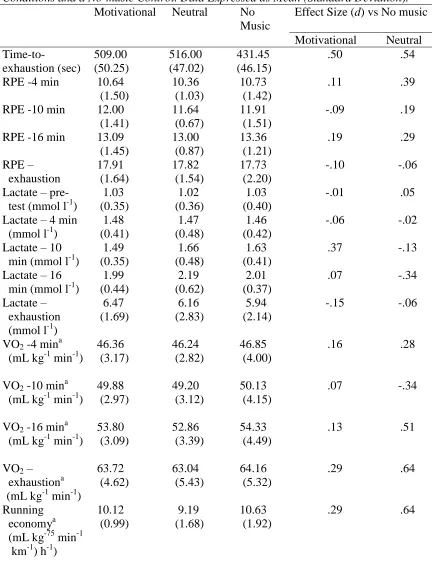
Table 3.1 51
Performance, RPE, and Physiological Data for 11 Elite Triathletes Under Two Music
Conditions and a No-Music Control.
Table 5.1 78
Distance Run, RPE, Feeling Scale and BRUMS Data for Six Junior Elite Runners and
xi List of Figures
Figure 2.1 Conceptual framework for the prediction of responses to motivational
asynchronous music in exercise and sport. 7
Figure 2.2 Conceptual framework for benefits of music in sport and exercise settings
8
Figure 3.1 Time to Exhaustion for 11 Elite Triathletes in Three Conditions 52
Figure 3.2 RPE for 11 Elite Triathletes in Three Conditions 53
Figure 3.3 Feeling Scale Scores for 11 Elite Triathletes in Three Conditions 54
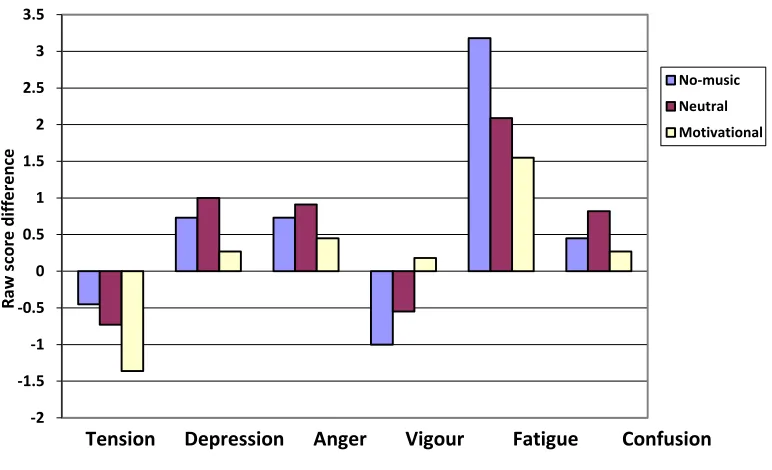
Figure 3.4 Mood Changes of 11 Elite Triathletes from Pre- to Post-Testing in Three
Conditions 55
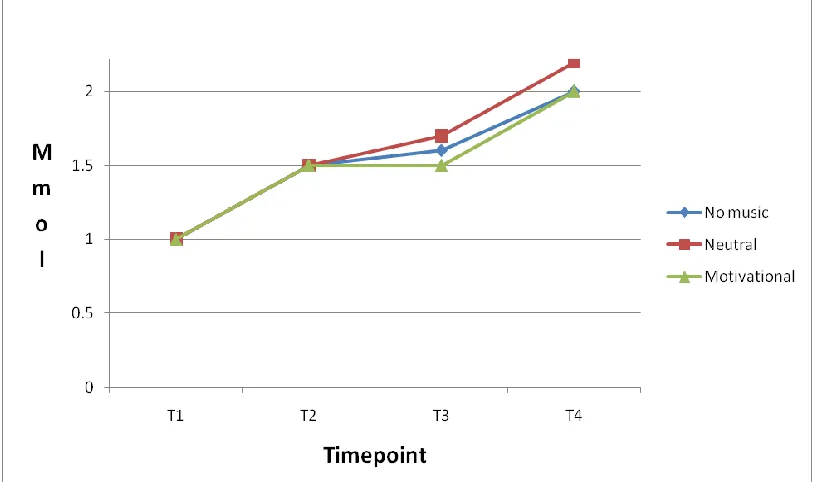
Figure 3.5 Lactate Values for 11 Elite Triathletes in Three Conditions 56
Figure 3.6 Mean Normalised Running Economy Values for Three Conditions 57
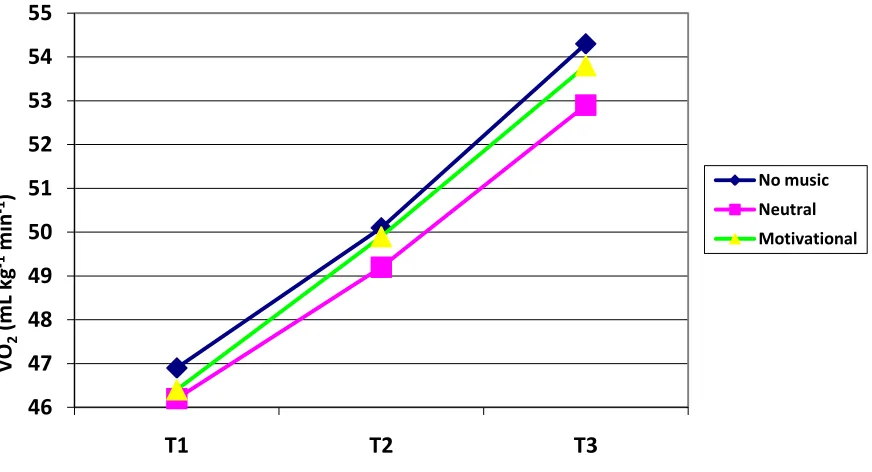
Figure 3.7 Oxygen Consumption for 11 Elite Triathletes Under Two Music Conditions
and a No-music condition During Steady State Running
58
Figure 4.1 Alex App Block Diagram 64
Figure 4.2 Alex App User Guide 65
Figure 5.1 Distance for Six Junior Elite Runners and Two Elite Triathletes Under Two
Music Conditions and a No-music condition
79
Figure 5.2 RPE for Six Junior Elite Runners and Two Elite Triathletes Under Two
Music Conditions and a No-music condition
xii
Figure 5.3 Feeling Scale for Six Junior Elite Runners and Two Elite Triathletes Under
Two Music Conditions and a No-music condition
81
Figure 5.4 Difference in BRUMS Scores for Six Junior Elite Runners and Two Elite
xiii
List of Appendices
Appendix A Names of Track Titles, Artists, Musical Genre and BPMs 119
Appendix B Virtual DJ 123
Appendix C Researchers-Participant in the Laboratory during Study 1 Testing 124
Appendix D Brunel Music Rating Inventory-2 125
Appendix E Brunel Mood Scale (BRUMS) 126
Appendix F Feeling Scale 127
Appendix G Rating of Perceived Exertion scale 128 Appendix H Consent form (as Used in Study 1) 129 Appendix I QAS Treadmill Test Record Sheet (as Used in Study 1) 130 Appendix J Triathlete Food Diary (as Used in Study 1) 131 Appendix K Four-Page Information and Consent Form Delivered Electronically
1
CHAPTER 1: INTRODUCTION TO THE RESEARCH PROGRAMME 1.1 Music use in sport and exercise
With the development of modern technology such as mp3 players, never before has music been so popular in sport and exercise contexts. Research in the area of music applications in sport and exercise settings dates back to the early 1900s but music has been applied as for physical and psychological enhancement much earlier than that. For example, in biblical times, it was claimed that the Hebrews blew trumpets in battle and were inspired to win the battle of Jericho. In general terms, it has long been known that music has potential benefits when applied in sport and exercise contexts (Ayres, 1911, Lucaccini & Kreit, 1972). More recently, research efforts have focused on identifying specific personal, musical and situational factors that influence the effects of music in physical activity domains (see Karageorghis & Priest, 2012).
Some of the key features of research efforts to date include comparing the benefits of using synchronous versus asynchronous music. Synchronous music is a term used to indicate music whose tempo matches the pace of the activity, whereas
asynchronous music is essentially background music that is not deliberately matched to the tempo of the activity. It is has often been proposed that synchronous music offers more benefits to athletes and exercisers than asynchronous music (e.g., Terry & Karageorghis, 2006) although the veracity of this claim is uncertain. The present
2
equivocality in the literature (see Terry & Karageorghis, 2011). By testing the effects of both motivational and neutral music, the present research will help to clarify the
uncertainty related to this variable. These matters and other common trends in the salient literature are revisited in more detail in Chapter 2.
1.2 The research rationale and programme
3
performance, suggesting that using music to influence mood and RPE would be relevant to enhancing performance in such a population.
Indoor exercise, such as treadmill running, is part of regular training. Developing new software applications for use with smart phones will allow for more sophisticated data collection in naturalistic settings, especially training environments. After evaluating the benefits of music for elite athletes in a laboratory setting in Study 1,
custom-designed software for the Apple iPhone was developed in Study 2 to deliver a new application capable of facilitating relevant data collection in field settings and for
athletes to select and use music that matches the contextual and individual requirements. Although the technology will not allow for the same level of physiological monitoring that is possible in a laboratory (such as measures of blood lactate and oxygen
consumption), the psychophysical and performance data that will be collected in a training/competition setting outdoors in Study 3 will provide valuable information for coaches and athletes.
4
outcome of the current research programme will provide athletes, coaches and trainers with a tool to enhance ideal running performance targets, such as performance times and pace, in elite sport.
1.3 General programme overview
The first aim of the research programme was to extend upon the previous research that had been conducted using synchronous music to accompany exercise performance in indoor settings. The population targeted for this study was elite athletes, as no previous studies in this area include elite sport populations, possibly due to the difficulty in recruiting these participants. Once the benefits of music were documented indoors, the second objective was to engineer modern technology toward the
development of a software programme capable of collecting as much relevant data during elite athletes‟ regular training sessions outdoors. The use of iPhones as a vehicle to deliver the music, and simultaneously support the software for data collection, was subjected to testing prior to use with elite athletes. Finally, the distribution of music intended to enhance psychophysical and physical performance and gather data using an
iPhone for validating the use of synchronous music on elite athletes was tested in a field setting. In establishing these objectives, the overall goal for this project was to
5
CHAPTER 2: LITERATURE REVIEW
2.1 Introduction to the review
The effects of music are an increasingly popular topic in sport and exercise psychology. The process by which the benefits of music in sport and exercise can be optimised has generated interest from researchers and exercisers alike (not to mention the music industry!). Although there is much evidence that demonstrates benefits of music in sport and exercise settings, some music research has shown no associated performance enhancement; in some cases music has been shown to be detrimental to performance, particularly with trained participants (Brownley, McMurray, & Hackney, 1995). This finding could be extended to infer that music would not be able to assist elite athletes. However, in televised sport, many elite athletes can be seen wearing headsets en route to an event. Furthermore, many elite athletes have expressed their preference for music before engaging in competition and during training, including Olympic champions Michael Phelps and Federica Pellegrini. Indeed, sprint champion Usain Bolt is in talks to design his own line of headphones specifically designed for exercise settings (http://espn.go.com/blog/playbook/sounds/post/_/id/1666/usain-bolt-designs-own-line-of-headphones). It is clear from anecdotal reports that music assists athletes in elite sport. The central question therefore is, not whether, but rather, how
does music assist elite athletes?
6
valid basis for the current study. Swimmer Michael Phelps‟ stated preference for
listening to rap artists Lil‟ Wayne and Eminem. Similarly, swimmer Federica Pellegrini, Italian Olympic medallist, listens to Katy Perry during competition and training.
Listening to the track Scatman by Scatman John reportedly assisted Haile Gebrselassie in setting a world record in the 2,000 m in 1998 (Simpson & Karageorghis, 2006). Usain Bolt endorsed the Chris Martin (featuring D-Major and Agent Sasco) track Real Friends
as the last track he listened to before his 19.19 secs 200 m world record in 2009. Much research has already been conducted to attempt to understand the process by which music can apparently enhance such physical performances.
2.2. Theoretical basis of the research programme
7
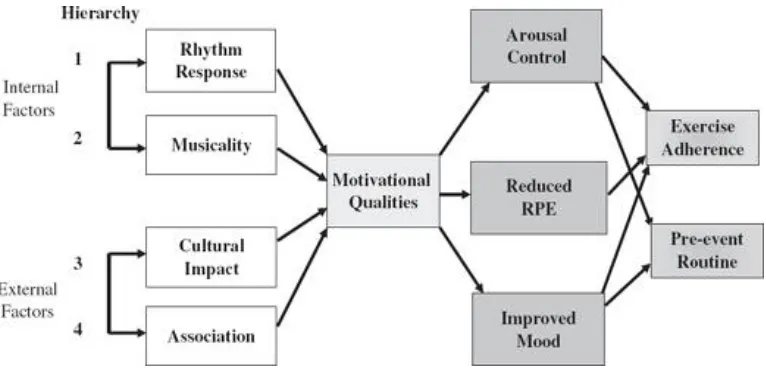
Figure 2.1. Conceptual framework for the prediction of responses to motivational
asynchronous music in exercise and sport.
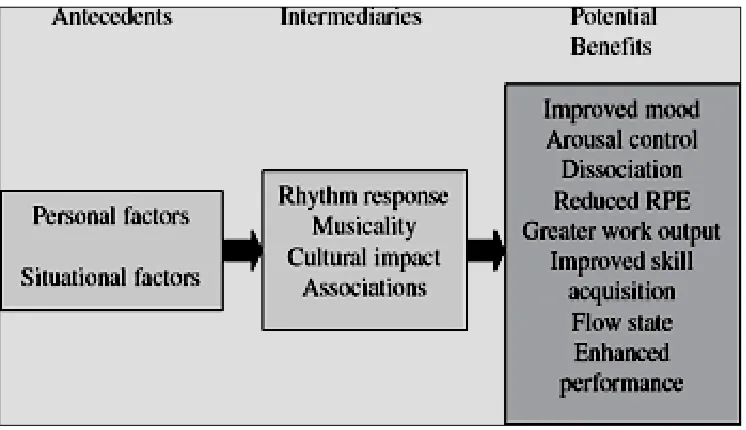
In 2006, Terry and Karageorghis proposed a new, somewhat simplified model specifically for sport and exercise applications, which is the model underpinning the current programme of research (see Figure 2.2). The four key factors contributing to the motivational qualities of music were retained, according to their salience: rhythm, musicality, cultural impact, and associations. The first factor, rhythm response refers to the natural tendency to respond to rhythmical aspect of music, especially tempo as measured in beats per minute (bpm). The second factor, musicality, relates primarily to the harmony and melody of a musical track. The first two qualities mentioned are regarded as internal motivators because the preference for these comes from within an individual. The third factor, cultural impact, takes into account the popularity of a track or musical genre enjoyed by a specific culture or part of society and, fourthly,
[image:19.612.115.498.69.255.2]8
example might include Aerosmith‟s Don’t Wanna Miss A Thing in the movie
Armageddon, which may inspire the listener to recall the feeling of a dramatic turning point as a straw is drawn to determine which character (out of the three main
[image:20.612.115.488.273.488.2]protagonists) will die. According to this model, the benefits to be yielded by careful selection of music are improved mood, arousal control, dissociation, reduced RPE, greater work output, improved skill acquisition, flow states and general performance enhancement.
Figure 2.2. Conceptual framework for benefits of music in sport and exercise settings.
Cultural impact and associations are deemed to be external factors as they relate to the social musical experience. For example, an interesting study showed the influence of musical culture as a factor in the purchasing of wine. An experiment by North,
9
listening to German music were more likely to purchase German wine. Cultural impact exists also within subgroups of a homogeneous society. In another example, a study by Geringer and Nelson (1979) looked at music during task performance in puzzles with individuals from the same society but with different musical backgrounds. Individuals with stronger musical exposure in their upbringing show a tendency to focus on music while performing another task. These individuals show a higher ability to parallel process information and show greater autonomy in musical selection in picking a motivational track.
Associations can be evoked with tracks that reference certain emotional states, such as the track, Don’t Worry, Be Happy, by Bobby McFerrin. The lyrics encourage the listener to be happy by also suggesting that with any trouble, “when you worry you make it double” so “don‟t worry, be happy”. A tool to evaluate a musical track in terms of its motivational properties was developed by Karageorghis et al. (1999) called the Brunel Music Rating Inventory, or BMRI, which is described later in the review.
2.3. Proposed mechanisms for the influence of music
Recent consideration of the underlying mechanisms involved in emotional responses to music was provided by Juslin and Västfjäll (2008), who combined the context and findings of previous musical studies into six proposed mechanisms. Their work has extended the notion that music induces emotion primarily via cognitive appraisal (Marin & Bhattacharya, 2009).
10
memory explains music as a medium capable of generating an emotional response in relation to, or in association with, a particular experience or time. This mechanism can be related to any instance when musical song or track elicits a response associated with a particular memory.
Similarly, another proposed mechanism is referred to as evaluative conditioning.
This mechanism illustrates how classic conditioning, such as repeated pairing of a musical piece with positive or negative stimuli, can cause a link so that the desired response is evoked each time that musical piece is heard. Visual imagery is also
proposed to explain how music becomes associated with an emotionally-valenced image and creates an emotional response. Terry, Dinsdale, Karageorghis and Lane (2006) have demonstrated the effectiveness of imagery as a mood regulator; this proposed
mechanism draws further appeal wherever lyrics assist the visual stimulation of an image.
Emotional contagion, the fifth proposed mechanism, supports the passing on of
11
Finally, the sixth proposed mechanism would suggest that musical expectancy would play a role in extrapolating the overall effects of a song. For example, a song that is familiar or whose genre is familiar, will lead the listener to anticipate a pleasant experience and positive mood. For example, a song with enjoyable lyrics will lead the listener to look forward to the lyrics and thereby enhance affective responses. The aforementioned theories seek to illustrate how music can extract a reaction because being able to capture that mechanism means being able to recreate a desirable reaction and that can have extremely valuable applications.
In the exercise domain, the beneficial effects of music have been demonstrated to enhance running performance by increasing time-to-exhaustion (Karageorghis & Priest, 2012). In developing a theory as to how music can assist in such a task, Rejeski (1985) developed the parallel processing hypothesis. This hypothesis highlights the potential to relegate attention from internal stimuli to external stimuli through a change in attentional processing. The attentional capacity of an individual is thought to be more pliable at low-to-moderate intensity work-outs, reflected in lower rates of perceived exertion (Borg, 1982). Below the anaerobic threshold, an individual‟s attention has been hypothesised to shift more readily from internal physiological cues to external elements of music, particularly rhythm (Karageorghis & Terry, 1997). This would be beneficial in decreasing internal cues, such as fatigue, during repetitive movements that require little attention (Clynes & Walker, 1982). However, at work-out intensities above the
12
faster breathing cycles, muscular pain and feelings of fatigue, take over the full capacity of signals that the afferent nervous system pathway can send to the brain at any given time. Nethery (2002) supported the notion of competing stimuli and, thus, limited attentional capability. Recently, however, research findings have suggested that it is still possible to influence the experience of such survival responses even during high
intensity work-outs (Karageorghis et al., 2009).
There is also scientific postulation about how psychobiological consideration may help explain how music improves motor coordination performance (Bernatsky, Bernatsky, Hesse, Staffen, & Ladurner, 2004). Researchers at the Stanford University School of Medicine have conducted fMRI scans to observe the areas of the brain that are active during music listening of short 18th century symphonies. Interestingly enough, music activated the part of the brain which is responsible for paying attention,
prediction-making and updating working memory (Sridharan, Levitin, Chafe, Berger, & Menon, 2007). It was also found that transitional points in musical pieces were pivotal in helping the brain organise information. The transitional moment between a
symphony‟s many movements re-captures any wandering attention and re-synchronises the brain‟s response to the music. Each time this happens, information is stored and can be referred to as an event. Before new information can be stored, the brain updates the latest event into its working memory. Many transitions create a series of events that, together, form a continuous flow of information. The brain makes sense of these events by a process called “event segmentation”. During event segmentation, the brain
13
Music has been used as a tool to study these transitions and decipher the brain‟s activity during the segmentation process. In a study with 10 men and 8 women, eight symphonies by William Boyce (1711-79) were chosen for their familiar style, less recognised composer and well-defined transitions. Given that the participants were musically untrained, the transitions were defined by a brief state of silence that even an untrained ear could recognise. The music was played within an MRI capsule, in which participants were instructed to simply listen to the music. Between movements,
researchers found that the transitions ending the first movement excited activity in the ventral fronto-temporal area. The beginning of a new movement, or event, then excited activity in the dorsal fronto-parietal area, which stimulated updates in the working memory. Thus, music was hypothesised to be a helpful tool in improving the brain‟s ability to organise information quickly. The nature of music acts like a practice ground for the brain to exercise its attention skills and track information to anticipate future events. Systematic rhythm facilitates anticipation that a new event is about to occur. Tracks with less systematic rhythm will evoke different segments rather than a continuous sequence. This occurs when an incorrect anticipation activates a similar ventral area of the brain during that segment. The brain is juxtaposed to tangent this event off the sequence into a separate segment. This mechanism may explain how we are able to follow one conversation in a crowded room of many conversations
(Sridharan et al., 2007).
14
training programme by Kodzhaspirov, Zaitsev, and Kosarev (1986), results showed that participant mood was improved and, in most cases, music was deemed to be
motivational. Older studies, including that by Smoll and Schultz (1978) looked at
relationships between rhythm and motor execution involving 200 participants, half male, half female. Preferred tempo was selected in concordance to an arm-swing with results indicating that self-selected tempo was a significant predictor of motor skill
performance. Preferred asynchronous music (i.e., self-selected music that did not match the pace of the activity) was not effective in enhancing performance though it may provide a distraction during continuous endurance tasks (Karageorghis & Terry, 1997). Smoll and Schultz (1982) later looked at rhythmic performance as a function of tempo by allowing participants to conduct an arm swing with three different tempi, one of which was deemed to be preferred by the participant. The findings showed that
performance was maximised when the music tempo matched the activity and was also preferred by the participant. When considering the use of music to accompany an
activity, the synchronicity of the music to the activity and the individual‟s preference for a certain song are two key elements that will maximise the benefits of the selected music.
Clynes and Walker (1982) referred to the ability of the central nervous system to execute repetitive movements, such as running, without continuous attention as time
form printing. This concept suggests that only the initial movement requires full
15
McIntosh (1999) suggested that there may be an interaction between auditory rhythm and physical response. Thaut et al.‟s (1999) findings preceded a study by Schauer and Mauritz (2003) with relevant findings to competitive sport settings today. That is, Schauer and Mauritz (2003) found benefits with musical walking performance on hemiparetic patients, suggesting that a fixed memory in the patient's mind with regular timing could even stimulate the improvement of gait without an external pacemaker. The reason why this is an incredibly meaningful result to competitive settings is that the benefits retrieved from musical memory would be particularly since the banning of music in such settings, such as that enforced by New York marathon organisers in 2007 (Karageorghis & Terry, 2009).
Synchronous music may also increase metabolic efficiency by promoting a more regular movement pattern (Smoll & Schultz, 1982). Recent fMRI studies have indicated the possibility of tuning into a preferred beat after the ventral premotor cortex, the area of the brain contributing to movement and integrating input, showed activation with preferred tempo (Kornysheva, von Cramon, Jacobsen, & Schubotz, 2010). Previous research has also confirmed that an individual‟s background can affect their reactivity to music. Though not as salient as rhythm, the Terry and Karageorghis (2006) conceptual model suggests that factors relating to personal and situational contexts are still
16
older adults demonstrated a motivational preference for slower music. In a study using familiar music vs. unfamiliar music (Crust, 2004), results showed that both music
conditions yielded greater distances in treadmill walking performances, with participants stating a greater preference for a familiar musical accompaniment. These results are consistent with the notion that careful selection of music used during performance is relevant to performance enhancement outcomes.
2.4 Effects of music on psychological functioning
Konečni (1982) predicted that the difference in aesthetic preference for music is a function of past experiences associated with that musical selection, as well as the present psychological state and the resulting affective responses. Properties of a musical piece that determine whether a track is motivational include rhythm, harmony, melody, tempo and dynamics. In assembling selective factors that contribute to musical
preference, Berlyne (1974) suggested that individuals prefer music that is moderately stimulating, such as would be indicated by moderate ratings of arousal, as opposed to music that is too little or overly stimulating. The latter notion is supported by more recent theoretical developments (Juslin & Västfjäll, 2008) and research findings (Karageorghis et al., 2011).
17
purpose included extra-musical associations, inspirational lyrics and enjoyable musical properties, all corresponding to the desired emotional state.
Volume also plays a factor in determining musical preference. Since music can potentially cause a temporary hearing loss when coupled with exercise at volumes greater than 79 decibels (dB), 79 dB is the recommended maximum volume (North & Hargreaves, 1995). Edworthy and Waring (2006) tested the effect of volume on exercise performance. Music selections consisted of two jazz pieces by the same artist, one fast (200 bpm), and one slow (70 bpm), which were unfamiliar to participants and were each played through headphones at two levels of loudness (60 dB and 80 dB). In line with previous findings, participants enjoyed what they were doing more when they were listening to music of any sort compared to when they were not. There was also a trend towards reporting fast music in a more positive light than slow music. Interestingly, the effect of volume was found to be dependent on the tempo of the music. There was a large effect of volume in the fast music conditions, but for the slow music conditions the effects of volume were not significant.
18
Butterfield, and Whitesides (1999) played loud fast music (70-80 dB; 120 bpm) and found no changes in the number of repetitions performed during an exercise circuit trials, however, it is worth noting that the high intensity at which the repetitions were performed likely nullified any possible benefits of the music.
In 1993, Gluch used a qualitative approach to assess whether music influenced affect prior to competition. Gluch claimed that music was likely to work as a stimulative cue to cognitive thought processes and mental preparation strategies prior to
performance, and as a performance-enhancement tool when used to create music highlight videos of optimal performance to increase confidence. However, the
qualitative nature of the study makes these claims subject to critical scrutiny and point to a need for replication.
With respect to mood responses, Terry et al. (2006) showed that music is
perceived to be one of the most popular and effective ways to boost athletes‟ mood prior to competition and Thayer, Newman, and McCain (1994) have shown similar mood benefits of music in the general population. Brownley et al. (1995) showed benefits of music on mood states using sedative music, whereas Terry and Karageorghis (2006), Elliott, Carr, and Savage (2004), and Edworthy and Waring (2006) have demonstrated the advantage of stimulative music for mood enhancement.
Positive emotions and outcomes result in motivation to repeat the behaviour that elicited a positive psychological state (Godin, 1994) which is why measuring feelings and perceived exertion during and after exercise are appropriate measures for
19
A study conducted on test anxiety, for example, showed that stimulative music increases anxiety, decreases concentration and lowers successful expectations (Smith & Morris, 1977) but later the opposite was found to be true in a similar study conducted by Blanchard (1979).
Motivation can be enhanced using music that has a direct link to sport and physical activity (Karageorghis & Terry, 1997) as well as music that does not have direct links to sport or exercise, provided that it promotes the desire to participate in the activity, for example, through its lyrics (Priest et al., 2004). Boutcher and Trenske (1990) compared mood states during low, moderate and high intensity workloads and found that elements of mood were affected at high work intensities (i.e., fatigue, anger, depression) when the music used was considered upbeat and stimulative. Lee (1989) examined the effects of baroque music and rock music in comparison to no music and results indicated that rock music, considered as stimulative, had an uplifting effect on mood after a submaximal treadmill running exercise. Macone, Baldari, Zelli and Guidetti (2006) showed that music enhanced the exercise experience and allowed participants to push themselves into a harder and more rewarding workout session in treadmill running performance. Overall, there is relatively consistent evidence of the potential benefits of music on psychological responses, including in-task feelings and post-task mood.
2.5 Effects of music on psychophysical functioning
20
selected to accompany exercise. Developing an individual‟s physical potential is one of the benefits of lowering RPE during work output. Producing more work for the same effort, consistently, will raise the threshold of what then becomes the new standard of operating and performing in training and competition for athletes, which could result in an elevated seeding or elite status.
The benefits of music on RPE can also lead to positive changes to exercise adherence (Miller, Swank, Manire, Robertson, & Wheeler, 2010) but identifying the effects of music on psychophysical measures, such as RPE, has proven to be challenging for researchers. Studies that have looked at RPE have typically used asynchronous music. Boutcher and Tresnke (1990) found that effects of asynchronous music on RPE were influenced by the intensity of the work being completed, supporting a
21
Although Mohammadzadeh, Tartibiyan and Ahmadi (2008) found that benefits of music applied to individuals across various levels of fitness, one factor that has stood out amongst the research is that participants who derived benefits in RPE from the use of music were considered to be untrained, in terms of their fitness, and therefore the conclusion that music can reduce RPE in untrained individuals has required explanation. One theory postulates that untrained individuals tend to focus on external stimuli, whereas trained individuals tend to focus more on their inner cues. Szabo, Small, and Leigh (1999) found combined benefits when music was used during performance, including reduced fatigue, increased relaxation, improved motor coordination and increased levels of mental arousal. Of those four benefits, three (i.e., reduced fatigue, increased relaxation and increased mental arousal) are psychological. The mechanism by which music appears to decrease fatigue is by distracting an individual from unpleasant stimuli during moderate exercise. At higher intensity levels of exercise, music was not effective at distracting individuals from more powerful feelings of pain and fatigue because, at high exercise intensity, the vital cues the body emits demanded more urgent attention (Karageorghis & Terry, 1997).
22
exerciser away from his or her perceived exertion and associated discomfort (Edworthy & Waring, 2006). Szmedra and Bacharach (1998) analysed music‟s effect on 10 well-trained men running at a predetermined speed at 70% of their VO2 max for 15 min.
They found that perceived exertion was 10% lower when participants listened to music, especially after the sixth minute of exercise. Women in Macone et al.‟s study (2006) who were instructed to run until exhaustion at a predetermined pace, reported having more fatigue after exercising to music, most likely because in the music condition they continued exercising for a longer time. In Brownley et al.‟s study (1995), however, RPE in trained participants was lowest where there was no music, while untrained
participants‟ RPE was lowest during the fast music condition. These results suggest that listening to fast, upbeat music during exercise may be beneficial for untrained runners but counterproductive for trained runners, as it may disrupt their ability to maintain an internal focus.
23
the fact that music, as an external source of stimulation, can distract an individual from unpleasant feelings such as pain and fatigue. However, in this study, participants‟ fitness level, training and exercise experience were not taken into account, which may have been factors that influenced their RPE responses.
Overall, it appears that benefits to RPE are not guaranteed when music accompanies exercise. Instead, it appears that the specific combination of activity, participant and music is important in determining RPE effects. In particular, it is uncertain whether elite performers would respond in the same way as untrained participants, in terms of reporting decreased RPE when exercising to music.
2.6 Effects of music on physiological functioning
Music can induce a state of relaxation by inhibiting specific enzymes and hormones that cause fatigue, such as acidosis (Szmedra & Bacharach, 1998). Such a relaxation response likely benefits overall performance and its enjoyment, particularly during higher intensity exercises. Szmedra and Bacharach (1998) investigated the relaxation response during performance by comparing 10 healthy trained males during two 15-min running sessions (on a treadmill) at 70% VO2 max. In the first training
session, participants listened to classical music, while no music was played in the second condition. The physiological measures that were observed as part of the
24
has the ability to influence performance psychologically by reducing feelings of fatigue even though the same effort is applied. How an individual is feeling can be altered by a myriad of internal and external events, such as changing thought processes and/or actual events that may occur which can shape thought processes and subsequent behaviours. This is known as the ABC model (where „A‟ is action, „B‟ is behaviour and „C‟ is consequence), which emphasises that all three factors have the power to affect each other (Ellis, 1991).
Although, some studies have found that sedative music can reduce heart rate (e.g., Ferguson, 1994), the results documenting the effects of stimulative music on physiological arousal have not been well-established. Music can benefit performance if more work is done for the same amount of perceived effort and particularly if there is an increased efficiency in oxygen consumption. Heart rate was significantly lowered in dart-throwing performance in a study by Dorney, Goh, and Lee (1992). Furthermore, a study by Bacon, Myers, and Karageorghis (2008) measured physiological changes in work economy using synchronous and asynchronous music. Participants cycled for 12 minutes at 70% of their maximum heart rate and benefits in oxygen consumption showed a decrease in 7% when the tempo of the accompanying music matched the pace of the participant.
25
to a no-music condition. Johnson and Siegel (1987) also tested for benefits of music on HR during a 5-minute treadmill running bout and found no increase in arousal compared to a control condition or completing an arithmetic task prior to performance. Other studies yielding no physiological effects were conducted by Boutcher and Trenske (1990), Schwartz and colleagues (1990), and others. Schwartz and colleagues (1990) measured changes in HR, oxygen utilization, and blood lactate during a cycle ergometry test at 75% VO2 max using stimulative music and no-music conditions. No significant
differences were found. Boutcher and Trenske (1990) also found no significant changes to HR at different workload intensities on a cycle ergometry test even when the music was self-selected by the participants. Similarly, Patton (1991) found no significant physiological changes in a study which tested preferred music vs. non-preferred music.
26
(GSR), participants in three different music conditions described as “exciting”, “neutral” and “calming” showed a significant change in GSR in response to the exciting music, a lesser effect in response to neutral music and the lowest effect in response to calming music.
The influence of music tempo has frequently been documented with regard to its effects on heart rate (e.g., Iwanaga, 1995a, 1995b; Karageorghis, Jones, & Low, 2006; North & Hargreaves, 2008). For example, Iwanaga (1995a) conducted a study where participants were asked to regulate the tempo of a track according to their preference and concluded that participants tended to adjust tempo so that it was close to their heart rate, although LeBlanc (1995) criticised this conclusion by pointing out that participants would have to report the same preference during both an at-rest and exercise activity for such conclusions to be valid. However, it is likely that there may be a link between preferred tempo and heart rate when selecting musical pieces at rest.
Based on findings collectively, it appears to hold true that including fast/loud music in the exercise programme of untrained individuals should produce a
corresponding increase in physiological responses and may enhance optimal exercising (Edworthy & Waring, 2006). The inclusion of slow, quiet music should be considered for individuals if they wish to reduce physiological responses, which may help
27 2.7 Effects of music on performance
One of the most desirable outcomes of any music intervention would be noticeable improvements in performance. In 1995, the benefits of music on explosive performance were demonstrated by Hall and Erickson (1995) with motivational (preferred) music leading to faster times in a 60 yard running test. The same benefit in performance was illustrated by Simpson and Karageorghis (2006). Using music that was synchronised to each runner‟s stride, running times showed improvement in a 400 m run in comparison to a no-music condition. Motivational music can also lead to benefits in endurance performance, as evidenced in studies by Ciccomascolo, Finn, Barbaric, and Rinehardt (1995), Copeland and Franks (1991), Elliott et al. (2004), Karageorghis and Jones (2000), Crust and Clough (2006), Matesic and Comartie (2002), Schwartz et al. (1990), and others as reviewed below.
Szabo and colleagues (1999) used symphony (classical) music at different speeds in a study investigating musical as a motivator in cycling performance. Twelve males and 12 females participated in the study by cycling to exhaustion with no music, slow music, fast music (music that was twice as fast as the music in the slow condition), a slow-to-fast music variation and fast-to-slow music variation. In the varying speed conditions, the music tempo was changed when the participant‟s heart rate reached 70% maximal reserve. Results showed that the musical variation condition, whereby the tempo was increased from slow to fast, led to a statistically significant increase in work output. Given that the completion of the workload was determined by terminal
28
In short-duration activities, the ergogenic effects of music have been assessed using a grip strength test. Results demonstrated that grip strength can increase if
stimulative music is played prior to performance (Karageorghis, Drew, & Terry, 1996). Further, in a study by Rendi, Szabo, and Szabo (2008), music with varying tempi, were tested against no music on a 500 m rowing test. Slow music, with a tempo of 72-76 bpm, resulted in faster completion times with a decrease of about 1.5 seconds in comparison to the no-music condition. Music with the fastest tempo, ranging from 144-152 bpm, yielded an even greater decrease in completion times of 2.1 seconds in comparison to the no-music trial. The fastest music was also associated with an improvement in stroke rate of 8 strokes per minute.
In 2007, Elliott demonstrated the benefits of music on performance comparing effects of different music speeds. Participants were tested in a work output activity that was accompanied by music and no-music conditions. Of the music conditions, slow music averaged to 100 bpm, moderately fast music was approximately 140 bpm, and fast music was averaged about 180 bpm. Results showed greater benefits when moderately fast music was used in a 20 min cycling test, yielding an increase in performance of 12% in comparison to the no-music condition, and also showing better results than the other two music conditions.
29
yielding a 3.7% increase in power output, compared to performance after completing the peak power output test without music (. By comparison, another study using the
Wingate test showed no benefits of music (Pujol & Langenfeld, 1999).
Research examining different musical tempi confirms that this element is one of the key considerations when selecting music for performance enhancement.
Karageorghis et al. (2006) showed that music can have different effects on performance through a design using treadmill-walking activity with male and female undergraduate participants and changing the tempo of the music during treadmill- at different walking intensities (40%, 60% and 75% maximum heart rate). When music was tested at higher exercise intensity, more benefits were derived from higher-paced music, or when the music tempo was increased. In 1999, Szabo et al. similarly demonstrated that when tempo was increased during a graded cycle ergometer test, more work was produced than when the music was played at a uniform tempo. In the latter scenario, the following was true regardless of whether the tempo was considered slow or fast. The former has been referred to as a contrast effect, indicating the benefits that are derived from the contrasting experience as a result of the contrast of the gradual increase in tempo.
30
training performance. This notion has been supported by Terry and Karageorghis (2006) and is relevant to studies using music for performance enhancement as measured by work output.
Brownley et al. (1995) studied the effects of no music, slow music, derived from commercially-marketed stress management selections, and fast music, including
contemporary pop, rock, and movie sound track selections within a tempo range of 154-162 bpm. Participants listened to the same sedative music tape, but were given a choice between two fast music tapes in order to incorporate some degree of individual
preference for music style. Results showed that untrained participants reported more positive affect compared to trained participants while listening to fast music during low and high intensity exercises, suggesting again that listening to music during exercise may be beneficial for untrained runners, but not necessarily for trained runners.
Although we have yet to get a good understanding of the mechanisms underlying the effects of music, Rejeski (1985) parallel processing theory posits that music would be effective at altering physical and psychological states of performance primarily at low-to-moderate exercise intensities. Yamashita, Iwai, Akimoto, Sugawara and Kono (2006) previously confirmed the benefits of music on RPE at low and moderate intensity exercises. Studies by Szmedra and Bacharach (1998), Potteiger, Schroeder and Geoff (2000) and White and Potteiger (1996) also yielded favourable results regarding the benefits of music at moderate intensities. Although Dyrlund and Wininger (2008) showed no significant benefits of preferred and non-preferred music on low, moderate and high intensity treadmill running, increased dissociation was still reported by
31
and not the participants, who manipulated the music that was selected for the „preferred‟ music conditions.
Three consecutive studies by Karageorghis and colleagues (Karageorghis, Jones, & Low, 2006; Karageorghis et al., 2008, 2011) showed that fast music is preferred during high intensity workouts. Of particular relevance to the effects of music on heart rate, tempo has been linked to increases in physiological functioning. These results were tested in a steady-state running condition of 8.8 km/hr for all participants (Birnbaum, Boone, & Huschle, 2009). Unfortunately, this speed did not take into account the differences in strenuous effort that may have been required across participants, who could have found the task easy or difficult. The design also did not take into account that some participants could have intended to run at greater speeds with greater levels of arousal which would not have been possible at a fixed treadmill speed. Some studies that have tested music conditions in high intensity activity were unable to demonstrate any significant benefits from music (Macone et al., 2006; Schie, Stewart, Becker, & Roger, 2008; Tenenbaum et al., 2004) while music conditions were found to increase performance times in exhaustion trials in other studies (Atkinson et al., 2004; Bharani, Sahu, & Mathew, 2004; Nakamura, Pereira, Papini, Nakamura, & Kokubun, 2010).
32
a music condition increased the distance pedalled without increasing RPE compared to the control condition. In a self-paced run study, Barwood, Weston, Thelwell, and Page (2009) found that coupling motivational music, as assessed with the third iteration of the Brunel Music Rating Inventory (BMRI-3), and motivational films, defined as sporting success footage, yielded further distances in running trials without an increase in RPE compared to a no-music condition. The study was limited to six participants, although the music intervention used was externally valid, novel and, thus, of future interest.
2.8 Summary of Music Research in Sport and Exercise
The benefits of music have been documented in behavioural, psychological, physical and performance assessments. In particular, music has demonstrated greater benefits on psychological states and performance indices when it is considered to be motivational, in particular when music is self-selected. Some studies (e.g., Dyrlund & Winniger, 2008) have imposed the music used in the preferred music condition rather than letting participants use self-selected music. Self-selected music may impact performance more than researcher-selected music because it is the participant rather than the researcher who will be stimulated by its results. Hence, self-selected
motivational music is generally advocated over researcher-selected music (e.g., Pates, Karageorghis, Fryer, & Maynard, 2003). Findings highlighting the efficacy of self-selected music as a tool to optimise responses to everyday activities have been
33
With respect to psychological benefits, music appears to positively affect elements of mood, particularly anger, fatigue, and depression. Music can also affect motor performance via the benefits it provides to endurance and increases in workloads. With regards to motor learning, music can enhance skill acquisition by regulating internal pacing. Further studies in this area would strengthen the literature supporting this positive evidence, such as studies with more consistent methodologies. For
example, past studies may have chosen to employ music with no lyrics (Macone et al., 2006), neglected to specify tempo/track bpm (Szmedra & Bacharach, 1998) or allowed participants to bring in their own music during experimentation (De Bourdeaudhuij et al., 2002), making results harder to replicate.
Other studies have questioned the benefits of music (or lack thereof) in performance, such as those mentioned by Brownley and colleagues (1995), De
Bourdeaudhuij and colleagues (2002), and Macone and colleagues (2006). Karageorghis and Terry (1997) argued that null findings can be explained largely by flawed or
34
physical sensations are overwhelming and demand maximum attention. Thus, attention levels are at their maximum threshold so that the individual becomes unresponsive to external stimuli. For this reason, in research designs where the intended goal of music application is to reduce perceived exertion, it may not be appropriate to assign a music implementation when the activity is at a supramaximal level of strain.
35
CHAPTER 3: STUDY 1
3.1. Introduction to the programme aims
Previous studies have investigated the benefits of music in a wide variety of sport and exercise settings. Most of the existing studies have looked at music for its psychological and performance benefits but many of those studies had limitations with regards to how the musical selections were made. The current research aimed to address this limitation by selecting music in a way that was sensitive to the characteristics of the individual participant, matching musical selections to the preferences and cultural background of the athletes and synchronising musical tempo to the stride rate of individual athletes.
Few previous studies have investigated elite athletic populations. In elite performance, the difference between silver and gold medals can often be measured in 100ths of a second. Elite coaches want to know whether the benefits they can expect from music are just improved feelings or are, in fact, objective benefits that can be observed in performance. Coaches are also interested in whether music can be delivered universally to all athletes as a group during group training. Essentially, the coaches are interested in knowing the practical applications of the music in both training and competitions. Other control procedures will be implemented that add consistency to the activity itself, thus making any change in performance more easily attributable to music. These included keeping the time of day of the running tests constant across all
36
Elite athletes are difficult to recruit for research purposes. Athletic performance is sensitive to changes in routine, making elite athletes and their coaches apprehensive that performance may be threatened as a result of participating in research. Also, elite populations can be difficult to access because their schedules are already cramped, particularly during competition season. Thus, recruiting elite populations to test the benefits of music is very challenging. However, despite the hesitation to participate, all of the elite athletes and coaches contacted for this study were extremely interested in the underlying principles of the research and the findings from previous studies.
3. 2. Recruitment and selection of elite athletes at the QAS
The present study was sponsored by the Queensland Academy of Sport (QAS), a Queensland Government-funded organisation, whose aim is to develop Queensland‟s elite athletes and identify and train developing athletes. The main role of the QAS is to ensure that Queensland representation both internationally and domestically remains high. The QAS, whose philosophy is “athlete-centered, coach-driven and service-supported”, provides support to over 600 athletes in 22 sports. A large number of elite athletes, developed within the QAS, have gone on to win national and major
international competitions, such as the Olympic Games, Commonwealth Games and World Championships. QAS scholarship holders can access top level coaching and support, including sport science, strength and conditioning, medical, career and education, and financial support for training and competition. The QAS facility has a fully equipped gym, a sport science laboratory, an on-site medical centre with a
37
The QAS Sport Science unit is accredited by the National Sport Science Quality Assurance Programme which is, in turn, initiated and overseen by the Australian
Institute of Sport. Such accreditation requires stringent testing protocols to support both indoor (laboratory) and field testing. Some of the data that can be collected using the equipment available within the unit, and its highly qualified staff, is of particular interest to the present study, including aerobic capacity (VO2 max) and anaerobic threshold. The
support of the staff and services provided by the QAS were vital in accessing very expensive equipment and the availability of the staff in monitoring the use and
functionality of the equipment was invaluable and can be seen as one of strengths of the present study.
The QAS Centre of Excellence (CoE) for Applied Sport Science Research exists to promote research that is designed to assist athletes and coaches with results that deliver enhanced performance. In doing so, its role is to encourage applied research in sport science, to supply scholarships to postgraduate students enrolled in universities in a sport science field, and to fund the equipment and the development of technology to assist elite athletes. The CoE supports research in coaching, injury management,
metabolism and technology development that can improve elite sport practices. The CoE sponsored the present research by meeting all research costs and providing a PhD
scholarship.
38
would be participating, and also their coaches. During the meeting, hypotheses were discussed based on previous and expected data and the time required for participation for this study was detailed. Furthermore, incentives in the form of food vouchers were provided to encourage participation. All participants received a copy of the music used which could be useful for them during training, plus a report of their personalised data. Once the coaches were supportive, athlete participation quickly followed with a consent form and another meeting with the team to formalise expectations and procedures for this study.
The participants that were chosen, from the variety of sports that were
considered, were all members of the QAS elite triathlete team. The team was composed of both junior and senior elite status triathletes, with national and international success in major competitions, including World Championship gold, silver and bronze
medallists. Triathlon was chosen as a suitable sport for several reasons. Firstly, incorporating swimming, cycling and running into their training and competitions, triathlons can be regarded as some of the fittest athletes in the world. Secondly, many of the athletes in the QAS group were ranked very highly in their sport, which motivated the researchers in their quest to test the benefits of music using elite athletes. Thirdly, the running component of their training is one of easier activities in which to measure musical benefits in a repetitive task.
3. 3. Participants
39
international junior, under-23 and open competitions. One participant qualified for the London Olympics 2012. Participation was voluntary but encouraged by their coach, following a presentation by the authors on the expected benefits and protocol. All participants corresponded to the desired population in terms of the level and experience in elite sport.
3.4 Musical selection
Musical selections were individualised considering the motivational qualities of the music, rated by the participant and the synchronicity potential of the musical
selection. Participants emailed the researcher a list of tracks that motivated them to run. The researcher downloaded the tracks and assessed their synchronicity to the
participant‟s pace using Virtual DJ (see Appendix B). A ± 4 beats per minute (bpm) range within the participant‟s cadence was used for assessing synchronous tracks. Preliminary track lists were developed for the participants‟ convenience, displaying names of artists, tracks and musical genre to assist their decision making, rating all tracks on a 1-10 scale, with 1 being not motivational to run at all and 10 being
motivational in every possible way. A rating of 7 or above was considered motivational for the purpose of this study. The music-led condition also incorporated the
synchronicity of the music with an extra increase in tempo in the latter stages of the run. Tracks selected for the increased tempo were used to lead the change of pace that was not perceptible to the participant so each track was modified from its beginning.
40 3.5 Measures and materials
The measures and materials used in this study included the Brunel Music Rating Inventory-2 (BMRI-2), the Feeling Scale, the Brunel Mood Scale (BRUMS), the Borg Scale, a food diary, a Payne wide-bodied treadmill fitted with Optojump, gas analysers, blood sampling techniques, and various musical tracks.
3.5.1 The Brunel Music Rating Inventory-2 (Karageorghis, Priest, Terry,
Chatzisarantis, & Lane, 2006). The BMRI-2 (see Appendix D) assesses the motivational properties of a track using six items of relevance (rhythm, style, melody, tempo,
instruments, and beat of the music track). Participants rate the track using a 7-point Likert scale ranging from 1 (strongly disagree) to 7 (strongly agree). Total scores range from 6-42. The Brunel Music Rating Inventory (BMRI) was originally developed by Karageorghis et al. (1999) and has since been revised in two further iterations (BMRI-2: Karageorghis et al., 2006; BMRI-3: Karageorghis et al., 2008). The BMRI-2 is an advanced version of the BMRI, with improved psychometric properties. The BMRI was designed to help experts, such as aerobics instructors, select music for exercise-related tasks. The BMRI-2 has been designed, more specifically, as a valid and internally consistent tool which can be used both by experts and participants. It is easier to use and enables researchers to standardise music selection in research designs with exercise-related activities, such as running.
3.5.2 The Feeling Scale (Hardy & Rejeski, 1989). The Feeling Scale (Appendix
41
Rejeski (1989) hypothesised that an individual could feel both good and bad feelings during the same bout of exercise. The Feeling Scale, with its simple 1-item structure, facilitates the assessment of in-task feelings during performance. The Feeling Scale has demonstrated satisfactory psychometric properties in exercise settings (Karageorghis, Vlachopoulos, & Terry, 2000). Previous studies that have used the Feeling Scale successfully in music-related studies include those by Brownley et al. (1995), Edworthy and Waring (2006), Karageorghis et al. (2009) and Rose and Parfitt (2008).
3.5.3 The Brunel Mood Scale (Terry, Lane, Lane, & Keohane, 1999; Terry,
Lane, & Fogarty, 2003). The Brunel Mood Scale (BRUMS) has 24 items, measuring the extent to which an individual may be feeling anger, confusion, depression, fatigue, tension and vigour. Each of the mood descriptors is rated on a 5-point Likert scale, where 0 is „Not at all‟, 1 is „A little‟, 2 is „Moderately‟, 3 is „Quite A Bit‟ and 4 is „Extremely‟. Other mood profiling measures, such as the Profile of Mood States (POMS; McNair, Lorr, & Droppleman, 1971), upon which the BRUMS is based, were not considered appropriate because the POMS is a 65-item checklist that takes much longer to complete. Further, the POMS has not been validated on minors (under 18 years of age) nor athletes. The 24-item BRUMS (see Appendix E) takes less than 2 minutes to complete and has been tested rigorously for validity and reliability in both adolescent and adult populations (Terry et al., 2003).
3.5.4 Ratings of Perceived Exertion (RPE; Borg, 1970). Borg‟s RPE scale was
42
indices for monitoring the points during endurance tests where changes in perceived exertion occur. Research on rates of perceived exertion (RPE) has demonstrated correlations between an athlete's rate of perceived exertion and their heart rate, lactate levels, VO2max and breathing rate (Borg, 1982). Numerous studies have demonstrated
the suitability of these measures for assessing perceived effort for physical work in music-related studies (e.g., Edworthy & Waring, 2006; Karageorghis et al. 2009).
3.5.5 Food Diary. A food diary was used to ensure, for example, that any mood
change could not be attributed to a breakfast that delivered different levels of sugar or potentially mood-elevating substances. The food diary (see Appendix J) consisted of an A4 sheet of paper where participant listed the quantity of each food/drink item
consumed and any additional comments regarding that meal, such as “very hungry after training”, “pre-race meal” or “1 hr 20 min run” regarding the training session that occurred in between meals.
3.5.6 Music Selections. All participants emailed to the researcher a list of their
favourite tracks to run to or tracks that would motivate them to run. After having received individual baseline stride rate data from the team physiologist, all tracks listed by participants as motivational were downloaded, as well as other tracks with similar tempi from different genres. A range of musical genres was sought to give the
43
beat. Thus, the tempo of the music accommodated the range of 79 to 94 strides per second. Most of the music fell within the mid-80s bpm range. A list of the music tracks used in Study 1 is contained in Appendix A.
At this point, the downloaded track list was emailed back to participants and the BMRI-2 was used to provide a numeric value for the motivational qualities of each track. Any track with a BMRI-2 rating of 36-42 was considered motivational. Tracks with a BMRI-2 rating of 18-30 were considered to be neutral. Tracks rated <18 or 31-35 were not used because they could be considered either de-motivational (<18) or almost motivational (31-35) rather than neutral. Motivational ratings were not queried by the researchers, given the personal meaning and associations ascribed to specific tracks by individuals. Using this method, an individualised playlist of tracks was developed for each participant to be used during laboratory testing. Each participant was provided with their customised digital playlist once participation was completed.
The Apple software programme iTunes was used to purchase and download tracks. These tracks were pre-recorded onto a folder using the software programme,
Virtual DJ. This programme allows for tracks to be downloaded, modified, and
recorded. Virtual DJ also allows for digital mixing at a professional level, allowing the user to cue, adjust pitch, scratch and loop amongst other things, and the console, located in the middle, is where further changes can be made, such as volume control and
44
The instant bpm reading is one of the key features of using this programme. Though many websites are available where an individual interested in track tempo can see which tracks match their desired bpm, often the reported tempo is inaccurate. The researcher found that, although a track may have been listed as a specific tempo on a website, the website bpm was not necessarily the bpm that was registered by the Virtual DJ programme. In some instances, the track differed from the website tempo by 10 bpm. This discrepancy would have been critical in affecting performance because tracks cannot be modified beyond ±4 bpm of their original tempo without distorting the
musical properties of the original version. For example, if a track‟s tempo is 80 bpm, the revised tempo can range from 76 to 84 bpm. If a track were to be modified past that range, the audio properties would be distorted. In the event that changes beyond this range were made to a track that was considered motivational, the track might not have been recognised by the listener as the original version and the differences would have been quite distracting and potentially detrimental to any possible benefits that might have been yielded by that track.
The Virtual DJ programme has other strengths. For example, in some cases, the
45
downloading tracks for this study and also for allowing the participants to subsequently refine their individual playlists.
3.5.7 Treadmill Testing. A Payne wide-bodied treadmill (Stanton Engineering,
Sydney, Australia) fitted with Optojump (Microgate, Bolzano, Italy), available in the QAS Sport Science Laboratory, was used during all running trials to control the speed at which each participant ran. The Optojump is a small electronic strip that is attached to the side of the running belt using a light sheet to capture the foot movement of the participant. It measures air time (how long the foot is in the air) and how long the foot stays on the ground. The Optojump was used before the trials to collect all participants‟ stride rates for each of the different running velocities.
3.5.8 Measurement of Oxygen Consumption. An Applied Electro Chemistry
Moxus metabolic cart (AEI Technologies, Pittsburgh, PA) was used to measure oxygen consumption and carbon dioxide emission. Each of the gas analysers was calibrated before each session to ensure accurate data collection. This was done by the QAS laboratory physiologists and the researcher. Gas analysers were connected to a head mask placed over the mouth of the participant with nostrils sealed using a nose clip. Oxygen consumption and VO2 max were assessed during testing. VO2 max is essentially
a measure of endurance performance by assessing the body‟s maximum rate of oxygen consumption during exercise, in millilitres of oxygen consumed per minute, divided by body weight. Wikipedia lists the average VO2 max value for young untrained males to
be about 45 ml/min/kg compared to the VO2 max of world class endurance athletes of
about 80 ml/min/kg. VO2 max should be considered as an indication of aerobic fitness
46
training strategies. Use of this apparatus for monitoring oxygen consumption is acknowledged as a potential distraction for participants during data collection.
3.5.9 Measurement of Blood Lactate. Blood lactate was collected using blood
sampling techniques recommended by the Australian Sports Commission. Lactate testing is one of the most frequently-used ways of measuring and predicting athletic endurance performance. Training used to increase lactate threshold is a widely used method of improving performance at high levels of intensity. Essentially, lactate threshold measures the point at which the lactate build-up in the blood exceeds the lactate removal. Lactate removal is generally possible at any value below 50% of an individual‟s VO2 max. The average person reaches their lactate threshold at about 60%
of their VO2 max value. Amateur athletes reach their lactate threshold at 65%-80% of
their VO2 max and elite endurance athletes reach lactate threshold at 85%-95% of their
VO2 max value. Once the lactate accumulates and is no longer being absorbed, the body
rapidly experiences fatigue. At this point, the individual is usually forced to stop.
Lactate was measured using blood samples taken from the earlobe. The QAS physiologist performed this measure for athletes at the start and end of each trial and at points during the trial. Blood lactate was collected using a sterile lancet. An earlobe puncture delivered a small sample of blood which was immediately placed on a handheld strip for analysis, in accordance with the Australian Sports Commission approved method for collecting such measures.
Lactate threshold occurs sooner than VO2 max so it can be referred to as a