Signed Statement of Originality.
This thesis contains no material that has been accepted for a degree or diploma by The University or any other institution. To the best of my knowledge and belief, it incorporates no material previously published or written by another person except where due acknowledgement is made in the text.
Chris Morgan
Signed:
Date:
Signed statement of authority of access to copying:
This thesis may be made available for loan and limited copying in accordance with the Copyright Act 1968
.
Chris Morgan
Signed:
Date
Contents.
Statements of originality and access i
Contents ii
List of Figures Iii Acknowledgements iv
Abstract v
Introduction 1
Chapter 1 The Project in Context: Location 6
Chapter 2 Artists of Particular Influence. 16
Chapter 3 Video, Technology and Time-Lapse. 23
Conclusion 31
References 35
Bibliography 36 ……… 35
List of Figures
Figure 1: Frosted Screen on location, 2010, Photographer Chris Morgan. Figure 2: Chris Morgan, Tissue/Mache/Membrane, 2011
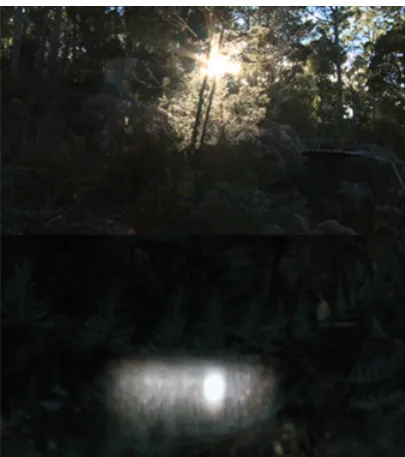
Figure 3: Chris Morgan, Two Lights, 2010, Digital Photograph Figure 4: Patchwork –Designs of Light, 2011 Digital Photograph Figure 5: Chris Morgan, Stages in Light, 2010 Digital Photograph. Figure 6: April Surgent, Half-Five, 2010, Bulls-Eye Gallery, Oregon Figure 7: Janet Laurence, Works from a Fragile World, 2011, duraclear
oil pigment on acrylic, Galerie Dusseldorf.
Figure 8: James Turell, Ganfield, 2010, Gagosian Gallery, London. Figure 9: Jim Campbell, Church on 5th Avenue, (still) 2001 custom
electronics
Figure 10: Joan Jonas, Good Night Good Morning, (still) 1976, Video, Sound 11:38, Electronic Arts Intermix N.Y.
Acknowledgements
I would like to acknowledge the contribution of my supervisors, Dr.Troy
Ruffels and Dr. Deborah Malor, to my academic development and to the extension of my art practice during this research project.
I would further thank other supervisory staff for having have both encouraged and advised my practice and research while I have been a candidate for MFA study. Postgraduate peers and friends have been generous in dialogue and support during this time.
Finally, I would like to give special mention to Helen Morgan who has been a constant support during long hours spent engaging in practice and research, time also spent away from family and friends.
Abstract
Digital video as an expressive art medium has informed both narrative and installation based video for some time. However, one specific area of video art production that has been overlooked as an expressive procedure is time-lapse. This project builds a
portrayal, through time-lapse, that develops from a research pathway investigating light, focus and movement in landscape.
What drives the project is a desire to present work of a particular intensity based on a Heideggerian belief that non-representational truth can emerge despite the initial intention of the artist. In this light, I am informed by the work of Australian artist Janet Laurence and the concept of “slow space” portrayed in her site-specific works. By placing sculptured, layered glass structures into a landscape setting she facilitates, through variable reflection, the gradual dissolving of patterns in shifting light into structural form. Likewise, the minimal electronic pixel based screen work of American digital artist Jim Campbell aligns with the idea of time-lapse by changing the
representation of moving street figures on a screen from a minimal blocky pixel base into a half screen area covered by Perspex, thus creating defined shadow forms through minimal representation.
An entwined encounter develops within the project as interplay between the artist, the video medium and framed areas of glass and plastic, called screens – objects that recreate light. The mood and duration for light and movement occurring within the screen surfaces is essentially changed through capture by video technology, and time-lapse as a video camera based facility alters again the parameters for video to express movements in the play of light. Visual relationships both tonal and involving the physicality of objects are initially explored. Within the screen environments it is noticed that various textural properties are either acquired or infused into the surface area of the screens. These surfaces display the earthy tones and hues that are inherent in dust and other organisms. Other surfaces explored have been scratched
by human touch or molded in their process of manufacture to prevent a clear view. These and other distinctive surfaces become a physically textured world for the interplay of light. By being animated, it is the surface interplay that brings a human attachment, fostering a sense of meaning in shadow form.
Digital processing within the video camera indexes light as imagery, tonally redefining a lived experience, and time-lapse in replay can lead an audience into visual encounters that are otherwise unavailable to human view. At a crucial stage in the project, the use of time-lapse begins to significantly capture an essence of the play of light. As a result, what is normally perceived as fast animated activity,
conventionally used as video form for the implementation of a quick segue, comes to represent a perception that light and time pass by slowly. The viewing experience engages a contemplative disposition accompanying long scenes of richly endowed but essentially fast moving interpretations of the activities of light. As the encounter develops between the artist, lighting conditions, and video based creations, the project becomes a chapter in an ongoing account of time spent translating the essence of lit surfaces often hidden, occasional, and unseen, into a new and virtual experience in an exhibition space.
Introduction
As I respond peripherally to what catches light, I am reminded of my interest in what happens to surfaces, especially transparent surfaces through which light travels. This project explores the characteristics and attributes of these surfaces - screens for displays of light placed in physical locations. I interact in real-time with surface qualities, examining intricate layers that flourish for brief periods in direct sunlight to exhibit bright, visible, but shadowy forms.
Falling on objects to reveal space, this direct sunlight constantly changes the ambience reflected within transparent surfaces. (such as those made of glass) At times multiple and vertically installed transparent surfaces are found to exist in close proximity to each other as part of physical structures. Effectively, light exposes small atriums in these structures, formed by gaps occurring between the layers of glass. This is a climate of intrigue. Each surface in turn has its own light-bearing prelude to an image, receiving light-based shadow forms from other surfaces in the near vicinity and from the surrounding landscape. Often this shadowy life goes on un-noticed, but altered circumstances in the location surrounding the light bring attention to this tonally varied world. These forms have enough presence in sunlight to cause faint outlines and become additions to pattern on surfaces. Almost ʻpatchworkʼ designs are created on raised surfaces that contain weathered growth. This is the view I encounter in places left untouched, not visited for a while. Within these climates I notice tiny, delicate forms, often baked and dried – fibrous- like material bending towards the path of sunlight, sometimes moistened by frost or falling dew - I restrain myself from touching.
I am interested in the poetics of light as a visual quality. I stand before transparent surfaces, able to envisage my movements within another world through my own shadow. This is what interests me – an emerging random and abstract narrative unfolding before me, advertising transparent surfaces as a virtual world which I can either belong to or opt out of at any time.
Light activities that cause these shadow forms present an offshoot from the more chaotic movement of solid objects. By producing simple shapes and forms that give this ʻother worldlyʼ perspective to chaos, the images from transparent surfaces resemble, but do not mimic, their constructed environments. They become extensions of their place, part of a location - they derive a life of their own.
This project seeks to:
(a) investigate light and movement arising from a direct experience of a physical environment in the exploitation of light within transparency and surface texture formed by environmental forces.
(b) Investigate the capacity of the digital medium to bring to the contemporary visual experience a framework that re-examines the capture and
presentation of light and time as a moving image through the activities of light and focus.
In a re-invention of what is presented as ephemeral, formal descriptions for
frameworks of operation are explored in the writings of Martin Heidegger. Technology becomes a co-relator in activity between the artist and the shadow forms where basic and instinctive artistic interactivity becomes the activity. I experience the movement of sunlight to witness altered timeframes - time spent physically, psychologically and technologically engaging rhythmic, flowing form.
Moving image technology approximates speed, movement and light intensity as seen by the human eye. The connotation for having a machine-like mechanical capacity to appropriate images is that it creates an inventory of vision, (Sontag, 1978, p3.) from light that is momentary. By this means, the taking and altering of reflected images becomes an approximation – that is, 25 frames per second. But this itself is a time-altering action. The internal human capacity to experience quickened time and even slowed time, becomes a reality that can be expressed by this technology. Altered capture-times, replayed as sped-up vision, can be perceived as having slowed down - an internalized experience of a conventional concept meant to create the opposite effect. Certain experimentation with this concept, (evidenced in the support work accompanying the installation), led me to use time-lapse as the mainstay medium during my post-graduate candidacy.
In adopting, through trial and error, the time-lapse process I have been able to enhance my personal understanding of the shadow forms being unveiled by light on glass surfaces. Time-lapse has a conventional purpose in creating a quick segue, or generally compressing vision to indicate time passing quickly. I needed to re-invent a purpose for this mechanistic process in a contemporary art-based context, to bring time-lapse from being simply a process used for an effect into the realm of sensual and conceptual engagement. Rather than changing the actual capture method - a process already built into the camera as a function - a reformatting of the process of time-lapse occurs. The objective becomes an instigating of change in the
psychological and physical state induced within an audience through replay of the time-lapse capture. Through a simple process of production and replay I have been able to present a real-time paradox in a technological form. In taking a minimal sample (one frame for each second) to represent the unfolding of light activity in time, what is expected is frenetic and twitchy movement. However, with the process of time-lapse capture remaining essentially the same, minimal sampling of movement, played back at the conventional frame rate (twenty five frames per second) can create a different perception of time.
I propose that a framework for the unfolding of the activities of light as a peaceful, calm and meditative experience that belies the frenetic activity of time-lapse is possible. For this deception to occur, it is necessary to be informed by the quality of the light and the medium being used. The process works on the assumption that the movement of sunlight in the landscape is not obvious. It is subtleties within the movement of light that produce the slow perception of the time-lapse response.
Apart from applying some semblance of practical artistic interference to initiate proceedings (such as exposure-setting, focus and necessary camera framing and placing the camera on a tripod), I have no other control over the outcome. The rest is determined by the capture process and sunlight. One unforeseen problem came to ʻlightʼ when I came to the end of what I thought to be a captured sequence – I was
unsure as to when to terminate the capture. At times I have thought that nothing significant was actually taking place when I looked into the viewfinder or watched what was happening on the glass surface. In uncertain moments I have stopped the time-lapse process, only to feel aggrieved at myself for preventing the unfolding of
subtle sequences of light that I would like to have seen continue. In retrospect, these time-lapse forms appeared essential to the rhythmic pattern of light portrayed in the accentuated presentation of events in replay. My temporary solution was to capture the footage until there was no doubt that light had finished animating shapes which the camera could read - when the screen was dark due to extensive cloud cover, or when direct sunlight affecting the glass had been obscured by trees on the hill above the valley.
The project installation becomes a simple transference of light activity - but more than this - it becomes a new experience. Technological threads become tied to a human experience. However, more than just an experience, the installation becomes a place where the familiar begins to resonate for the artist and for the gallery
audience. A part of public dialogue about my projections has centered on accounts of unexpected feelings of calmness and expectation, built through watching and waiting – behavior exhibited by many who saw my time-lapse work recently exhibited. (Sawtooth, ARI, 2011) However, in casual dialogue with audience members, I found there to be a hint of suspicion about the states of calmness felt - there was an awareness of the frenetic, time-lapse engine driving the experience. What has happened is that the work begins to interact socially, building experiences within active audiences. This screen activity in the gallery has a universal appeal that links to human experience, and these things come to the fore in gallery discussions. Barbara Bolt explains this process: ʻ“Real material effects” appear to be the outcome of radical performativity, in which “the outside world” enters the work and the work casts its effects back into the worldʼ (Bolt 2004: P10). In this sense, what is already familiar becomes familiar again as the perceptual aspect of video time-lapse becomes the active purveyor and interpreter of time, instigating the production of material effects to once again perform.
This is the landscape in which my investigation takes place. The landscape is space, space to work, and as Merleau-Ponty states: ʻ We can no longer draw an absolute distinction between space and the things which occupy it, nor indeed between the pure idea of space and the concrete spectacle it presents to our sensesʼ (Merleau-Ponty, 2009, p39.)
My research probes this all-encompassing space of glass and light. This space presents an environmental puzzle, a paradox which is still occurring within the walls of the installation - an incident, a moving image of light - of lively shadow-forms embedded in simple makeshift textured screens of glass, illuminating and
dematerializing framing panels, to present images on white walls. The video camera, the conduit, the medium to appropriate imagery from these outdoor screens for other screens away from the site, has its clock set to take an account of this space. The puzzle is explored by the use of procedure. It exists also as part of the artistʼs
experience in exploring transparent surfaces. Working within the puzzle changes the conventional offerings of time and light, which are enhanced by what the video medium explores. This is a way to be involved in the process of time. Time-lapse becomes a way of photographically unfolding the activity of light - taking the ʻwaiting in expectationʼ experience from the real time experience to a different level in another place as a virtual experience - from exploration to presentation and further enquiry.
In chapter one I deal further with a familiar bush landscape as the pivotal site for my
work. A sense of local light and terrain influence and inform my movement around this site, even without my realizing that this occurring. I discuss practical visual-art based research activities, and the work produced. In chapter two, I discuss the influence that the work of other artists has had on the practical and conceptual resolving of questions stemming from the project. Artists, dealing mainly with light, transparent material and electronics in the visual realm, figure predominantly in my research to cover diverse concepts and thoughts that arise as I explore. In chapter three, I attend to the role that technology has played in the project. I discuss video and photographic work from the bush site. As well, some mention is made of art- based exercises from other places.
The conclusion reflects on the issues addressed in the research, the expectations for the exhibition as well as suggesting some future directions for what has developed within the project.
Chapter 1: The Project in Context.
Encounter with the site.
For this project I have explored light, surface quality and technology as a means to link an artistic expression of these things to the use of the time-based medium of video - to investigate altered states of time.
An area of land, of approximately ten square meters, bounded by bush – part of the place where I live - has been the base for this project. Although this has not been the work environment exclusively, it has been the place that I have returned to as I found familiarity with light and surface a necessary component of my investigation.
A site, near the homestead, is used is an outdoor storage area for items of framed glass such as old windows and an old aluminum telephone box, objects made predominantly of glass. Having been in the location for some time, these structures have become weather-affected, and all the glass surfaces at the site exhibit varying thicknesses of moss, mold and cobwebs.
The landscape that contains the glass structures is in a gully, on an incline situated at the base of a steep hill surrounded by tall trees. When direct sunlight comes in from a low angle, in the early morning, light becomes obscured and diffused at times by varying thicknesses of cloud, and also by the tree cover. What appears as image form in light is also tempered by the softening effect of the various layers that affect the surface of the glass. Moss, mold, dust and cobwebs cling to the surface of the glass and, especially in late autumn, winter and early spring, frost can create a covering of whiteness - an ideal coating over the top of other inhabitants of the glass for a display of actions resulting from sunlight.
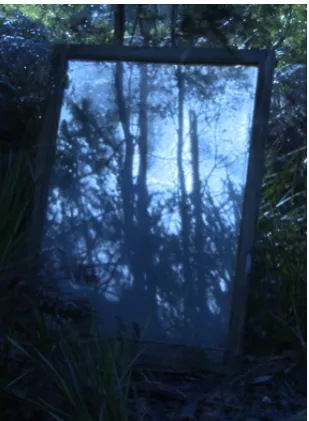
Figure 1: Frosted screen on location, 2010, Photographer Chris Morgan.
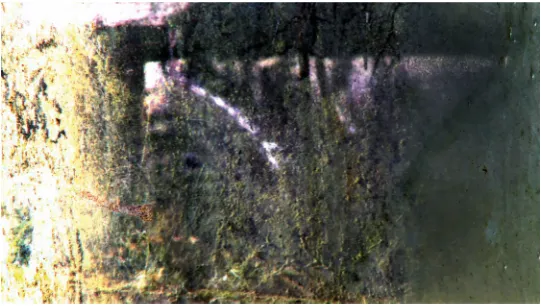
Figure 2: Chris Morgan, Tissue/Mache/Membrane, 2011
The project is structured around one particular incident at the bush site, involving sunlight playing out images on an old window one frosty, still morning in this bush landscape. The window took on the persona of a screen displaying a movie. (Fig.1) This frosted screen is the overarching symbol of the project - screen as a
technological interface for the abstractions of shadow and light. Although an image of the frosted screen does not appear in the exhibition, its image, and the new experience it generated for me, has been the catalyst for the main part of the investigation and the resulting installation. What is unveiled in the screen is a sense of location, and this is revealed through changing intensities and densities of light in the landscape, especially at and just after sunrise.
[image:15.595.171.426.344.494.2]A description of the incident at the frosted screen is important to appreciate the artwork that followed. The incident occurred early one still, frosty morning. I had not found myself in this particular part of the bush for any reason other than that I knew it was an excellent place to catch the first morning rays of light, to feel some warmth on my skin in a harsh climate.
ʻAs I arrived at the site I became aware peripherally of a flickering light. The light shone from a place that was lower than the rays of sunlight streaming through the trees. An initial moment of disorientation was followed by my seeing the presence of two lights (Fig 3.) within the site – the direct sunlight, and light beaming from an old window leaning against the trunk of a thin, small, well-established tree. As I moved forward, I found myself looking into a familiar wooden framed window. This ʻscreen,ʼ (Fig.1.) contained a broadcast, a
[image:16.595.210.413.517.746.2]moving-image presentation of local trees and undergrowth. Where the frost coating was thin, I could see past a patterned, thin layer of ice crystals to the surface onto which the frost had fallen. The settled frost was resting on patches of mold and moss, and where there were patches of clear glass, I could see through to some sheltered undergrowth – upright reeds pushing against the glass - the appearance of the foliage distorted, smothered by the framed glass of the leaning screen. This bright image, revolving within itself on the glass, was constantly updating itself – as all moving images do. It seems that a display of tonally graduated sunlight, being filtered as it passed through trees and undergrowth, was forwarding image-laden light onto the frosted tissue-like surface. The image projection focused within the frost exposed the layers on the glass and I noticed that areas of the coating beneath the frost, moss and mold also retained a moving image, but without the same brightness or intensity contained in the images in the frosted areas of the screenʼ. (Morgan, 2010).
Within this bush site, the dust, mold and moss on some of the screens I liken to the look of a tissue mache, due to the furry nature of the growth. What I see in the screens when I visit the site is a natural enhancement of colours inherent in the tones and hues emitted by light that mix with the additions to the screenʼs surface. Colours combine with the texture produced by the growth to exhibit a painterly quality.
Figure 4: Chris Morgan, Patchwork Designs of Light, 2011, Digital Photograph.
At times, settled frost will bind formations of the moss and mold together and engage a flickering, fluorescent effect. Direct and gentle moving light, coupled with
occasional sudden shadow movement caused by branches and foliage, also causes a stuttering in the brightness being emitted from the screen. These surfaces become a textured world for the interplay of light. A screen, when encountering a charge of direct, filtered sunlight, demonstrates movement. In one act alluding to a cinematic event, an affected screen can come alive as light passes through its very being to briefly generate an abstracted and tonal animation. Faint rhythmic patterns of abstracted tree and bush shadow forms hover when the moving and direct sunlight maintains intensity. Scratches appear from within the surface of the glass and become involved in the circus of light. It is like x-ray detail - something normally not seen in diffused light. I also found, from earlier experimentation (located in the support material), that other manufactured and vertically positioned surfaces of textured glass exhibit similar qualities to the naturally textured screens These
surfaces rely less on the after market dust and grime and more on the very nature of the constructed surface in order to catch light forms.
There is an emphasis throughout the project on image surfaces of this kind - generally surfaces left to the mercy of the weather, items that gather moss and mold, surfaces which have been incidentally placed in positions that give potential for pattern and tonal offerings from filtered but direct sunlight.
Local ambience becomes enhanced by the illusion of light presented on the old window - the screen. The illusion of the image on the screen is a virtual experience, a broadcast of the bush on a screen that is able to advertise what is local. Could this image on the glass be called a technological display? Once a sequence of this moving image is captured by a video camera, it is stored. Once stored, images can be presented again in the form of visible imagery - relayed for social engagement into a gallery space through replay - thereby inducing another sense of location through a sense of altered time in the illusion created from an illusion.
Building Familiarity.
As an artist working in a localized context, experiences and opportunities are prefaced by a sense of familiarity. Familiarity, in my case, is a built relationship between the artist and the surrounding environment. A sense of familiarity is seen in the work of other artists who live (or who have lived) a life in close proximity to the subject of their art, not only in the form and structure of their work, but also in the display of deep emotional and visual sensitivity and attachment that is inherent in the work. Artists as varied as the painter Vincent Van Gough and photographer Dianne Arbus exhibit this kind of performity in their work. What is recognized, through an abstraction of what appears as familiar, is an apprehension in the work created by the artistʼs lived experience. (Merleau-Ponty, 2009 p 41.) Often, what becomes a personal and social engagement concerning a site, or the experiencing of a work of art as an expression of site, are qualities other than those recognized purely in the portrayal of experience by artistic skill. An intuitive sense connected to the play of light affecting circumstance is paramount for the artist, based on what is local and familiar - the phenomenological approach to experience. (Smith, 2011)
Particularly during the time of my MFA post-graduate candidacy, I have been working with the unpredictable presentations of light. Whilst being motivated by results
achieved, the anticipation of each next piece of work directly changes this temporary state of satisfaction. My work with the screen in the bush is tonally dependent on the provision of direct light at a particular time of day and, within this small window, I need to take every opportunity. My focus on light and ambience within old moss and frost covered glass surfaces in direct sunlight is an area that is a part of my interest in shadows and layering through transparency. This has become my special area of concern at the site - this is why I have an interest in the work of Janet Laurence. (See chapter two).
In one moment at the site, I became curious as to certain other phenomena I
encountered. Curiosity caused a forward action, toward one of the other old windows situated on the block when all was frost covered. It was a phenomenon that I knew about but had never addressed formally in such a physical way. The curiosity arose because I questioned the way in which the screen could catch the light. To be familiar with the site I needed to attend to my question. This questioning is an on-going part of an inquiry, based on what I see or observe, and is not intended as a scientific inquiry. Questioning for me is as a result of a spontaneous
phenomenological experience and is important to future work planned with this and other sites. These queries arising are also important, as they have opened up areas within the site for negotiation of space, thus creating a greater familiarity with the location. Here is my account of my forward, curious movement from notes at the time:
ʻIn the next movement I observed areas just beyond the screen, as far as the nearest solid object. A gap or space created access. There was little evidence of a light-based connection between the nearest object and what appeared to be its shape forming as a part of the composition on the screen. Some
translation of shape, that I could not see, was occurring in the gap between the object and its shadow form on the screen. I had assumed that a gap where light was visible existed between objects, but this thought was built around the presence of smoke, mist or fog acting as an agent of resistance. The question raised here, however, concerns the screen operating as a light trap – in the way of pathways for wavelengths that are perhaps invisible. In watching these seemingly invisible rays become visible light, I was also watching patterns of dappled light form on the glass, containing parts of what could be a more complete image - missing. Some of the invisible wavelengths donʼt visibly show much of their face on the surface, and aspects of the moss and mold or clear glass are revealed instead. Wavelengths that could have occupied this area “in the moment” had disappeared as part of a process of image formation, absent like the removal of invisible halides of silver by fixer to enable highlights
in the photographic image to be seen. This seems to be a perpetual process where existing shadowy forms make way for the invisible force of wavelengths – making forms manifest as filtered light - once again on a collision with the screen surface. It seemed as though this process was contributing to the slow, continual and changing patterned display. This created a feeling that the solid structure supporting the light display had been dematerialized. This process of change is perhaps a weak point in the structure of light, vulnerable to
manipulation and to being extinguished - available for a technological alteration within the video medium. Itʼs almost like I could pick this old window up and put it somewhere else to watch the different collections of visible light form on the frosted surface.ʼ
A significant relationship had been engaged and I was attracted as an artist to the content displayed by a visual intermediary, the screen. Similar actions in comparable situations are perpetually in motion globally, and here was at least one incident that had set off an inquiry.
The familiarity and sensitivity towards the location established feelings of
vulnerability. The screen had a life of its own and a complex working relationship with its environment. It was incumbent on me to preserve something akin to the life of the screen through media and, thereby elsewhere, with installation. I had made a
decision to involve video technology as a way to actively preserve and renew what I was experiencing and which was by now familiar to me. The object, the screen, had pointed out a simple way to explore the creation of video sequences by a simple method of exposure. I would follow this example. At the same time I recognized that some contrivance is necessary to translate an essence of this screen experience into a tangible artistic form. This is the challenge.
Video on Location
Clear skies one morning and I walked to the moving image on the screen which was as bright as it had been on my last visit. My video camera recorded 15 minutes of the unfolding events displayed on the glass at a distance from the screen to frame some of the solid objects in the surrounding bush - objects whose shadow appeared within the screen.
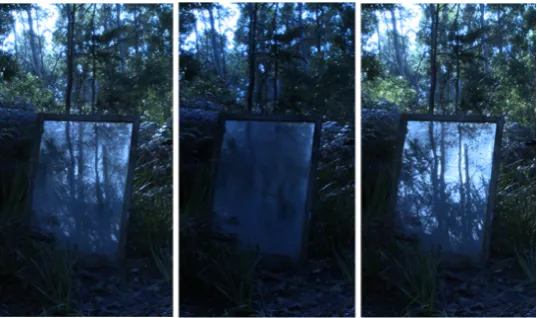
Figure 5: Chris Morgan, Stages in Light, 2010 Digital Photograph.
The frosted tissue-like membrane, backed by the glass, displayed the anticipated translucent and slightly flickering, fluorescent quality within the screen that had appeared the previous day. One missing component was the element of surprise experienced earlier, but I was now familiar and comfortable with the presence of the two lights. The screen had once again assembled an abstracted version of the bush as shadow forms on the glass. There seemed to be questions arising. Why were the tonal forms and shapes within the screen so manifestly different from the solid shapes that were being represented on the screen? Although not wanting to manipulate the appearance of video camera work in post-production editing, some change was occurring within the image on the frosted screen that was being driven by the surface qualities within the screen itself. I wondered at the time if I could explore this occurrence technologically by using the concept of time-frame capture, (which is already a time altered capture system) to produce a minimal sample. But one question remained - just how much image manipulation through video camera capture is possible before the liveliness of the frosted window experience is removed? It is this liveliness that I wanted to preserve in video form.
As I watched the video footage, I became aware that what I had done was to simply record a passive account of what had happened on the screen. There needed to be some development in the use of the video medium comparable to the action on the frosted screen in real-time – to make some connection between these two entities, the screen and the technology. This was another factor that led to the use of time-lapse. It was the video enhancement of qualities displaying within the screen that
would create similar interest in the video account to what was showing on the frosted screen. It was like the activities on the screen needed to be acting for television and the medium needed to adjust its technique to be in tune with its source.
Technological links had now begun to connect the rhythm, patterning and tonality of shadow to the screen. The placement of screens in the bush had marked out a territory, as had the viewfinder of the video camera in capture. I had encountered a new experience; a new connection was evolving for me to exploit the
technology/nature divide to, as Paul Carter states, ʻmaterially think.ʼ (Barrett, Bolt, 2010 p19)
When I looked further into the research area of material thinking and art-based research, I wondered how this applied to my work. My thoughts were more directed to what I had experienced earlier, to the transfer of energy spoken of by Joan Jonas (see chapter 2) and her use of the word ʻbroadcastʼ - the way light seems to leap from object to object - and the capacity to chase these broadcasts with mobile screens, illuminating different and varying elements within surfaces of glass objects. Questions also arose about the landscape before me. Why, for example, had it taken only a small amount of information, extracted from the volumes of visual information that had flowed through the frosted screen, to lead me into this involvement? I became interested in this concept of little information giving a fuller account; I came across this concept expressed simply and electronically in the work of Jim Campbell. (see chapter two)
One clear, crisp morning I noticed shadows appearing and disappearing on the bathroom window. My video camera was at hand, so I set the camera up in the bath on a tripod. Previous experimentation had indicated that one frame per second would be an ideal time-lapse setting for my camera. I framed the bottom half of the textured window in the viewfinder of the camera and exposed at this setting for two hours. Iʼm not sure why the exposure was that long - after all it was still just an experiment. The results were quite astounding. The moving tonal gradation between light and dark as events unfolded were quite mesmerizing. I was as intrigued in watching the video replay, as I had been when I had had the encounter with the frosted screen. A replay
of events and description form part of my support work.
The process involved in taking a time-lapse exposure became a routine after the bathroom window episode. I was becoming more familiar with and alert to space. (Merleau-Ponty, 2009, p39.) Knowing what to expect in the feel of the air, the
evening before a planned morning time-lapse exposure, is local knowledge - as is the intuitive knowing about the qualities present in light density as it appears in the early morning. This thinking aligns with a growing awareness of time-lapse technique and the various material properties of the video medium. I have become a dweller in frost, even within the condensation that forms after a clear night. This indicates that there is unlikely to be an early wind to push branches and small trees around. The activity of the wind spoils the unfolding of the play of light in time-lapse. In the description below, I write about one early morning encounter, which also describes a material awareness.
ʻI am warned to expect a frost at dusk- as the light fades, a crisp coldness is ushered in as a wave; the change in temperature is almost immediate. I visit the site of the screens when there is a frost cover on the ground. This change in the ground cover, an extra layer, I find an interesting phenomenon visually, a blanket cast, a fresh start made and I can track my movements by the
footprints in the frost.
The impending activity of the light is marked by a hint of daylight in the skylight from inside the house. This gives me time to collect camera, tripod and other essentials-including the camera battery from the charger that I had placed there the night before. I walk to the site about twenty meters from the house. After situating the camera on a tripod, I clear an old stump of frost and sit down to wait for the first explosion of brightness to come through the trees from the easterly direction. I begin to look at the surfaces of glass, noticing where I might roughly frame the time-lapse. Frost is quite thick on a small window that had been added to the site recently, but the heavy frost has also placed an excellent cover on the glass in the old telephone box. I have no idea what is underneath the frosted layer, so I decide that the least I can do is to take a wider view where I can see some evidence of the aluminum framing. It occurs to me that the play of light within and without frames might provide an
interesting area for the time-lapse capture. I look around again, still unsure, and anxious about the impending light. I saw some small pieces of glass lying on the ground affected by the frost. In the visual mix I also see through the glass to some small well-nourished plants, pushing up against the glass, sharing the glass surface with an army of small droplets of water. This was a different project developing and, as I saw the first signs of shadow forms on the old telephone box, I position the camera for a layered view of the three glass panels - two glass walls and the glass door. I set the time-lapse function to take one frame each second and push the record button. (Morgan, 2010).
This is the landscape in which my investigation takes place. The landscape is space and the research methodology investigates the presentation of an environmental puzzle - an incident, a moving image of light - of shadow-forms embedded in simple makeshift textured screens of glass awaiting presentation. The video camera becomes the channel, the medium to appropriate imagery from screens. What develops as an exploration of the puzzle is the use of a procedure (time-lapse) that brings about a unique power to the expression of the artistʼs experiences and thinking about light and transparency. This changes conventional offerings of time and light as a determined approximation, to enhance what the video medium presents as a way to contemplate the patterns and tonal animations of time. Time lapse becomes a way of photographically unfolding the activity of light - taking the ʻwaiting in expectation experience from the initial screen experience to a different
level - from exploration through camera to presentation.
Chapter 2:
Artists of Particular Influence.
The influence of known artists, those who exemplify artistic practice and seem to crystallize concepts, is vital to the conceptual wellbeing of a visual arts post-graduate student.
In my case, it has been difficult finding contemporary artists who directly use time-lapse as a slow time exploration. However, artists do work with this idea in their work. Aspects of my work that are informed by other artists, have to do with light,
transparency, reflection, shadow, form and moving image installation.
Initially, I became interested in the glasswork of April Surgent. I found her work to be a skilful rendering of shadow-form. She actually creates shadowy figures and forms in a landscape on a glass base, piecing back mainly urban landscape scenes using cut glass in a collage style and creating the very forms that I see as images in glass in shop windows and associated paneling in city environments.
Figure 6, April Surgent, Half-Five, 2010, glass collage,
Bulls-Eye Gallery, Portland, Oregon.
I soon found her work to be too literal for my project. I needed to extend my search, to reference other artists who work, perhaps with glass, but who have a more
ephemeral approach to their work. This led me to look at the work of Janet Laurence who had a more abstracted approach to surface additions. She creates surface forms using glass and Perspex coated with oil pigment and duraclear to hint at the natural growth that appears on glass surfaces. This creates a simulated ambience of moss and mold, even within the relatively clean surfaces. Cleverly, Janet Laurence allows these kinds of surfaces to act as a dissolving agent visually for shadow forms to occur naturally on the glass, as a moment by moment unveiling of the world around. She usually combines architectural and natural forms in the same-site specific installation. Her transparent forms allow for an interaction to occur with worlds of trees and buildings. Awareness of these site-specific installations have become influential for the time-lapse work that I embarked on shortly after discovering the flickering image coming from the old window in the bush. Janet Laurence aims to create ʻslow spaceʼ. She states: ʻMy idea is to slow things down so that we can have the chance to truly experience what it is that we are doing or what is happening.ʼ In the same article, Paul McGillick writes: ʻThe layering of glass, the reflections and the shifting light during the course of the day … her installations have the effect of dissolving architecture into nature.ʼ (McGillick, 2009 )
The art of Janet Laurence has particularly helped guide me through work engaging a glass facade at the bush site - a telephone box. It is the transparent nature of her
work and the multiple surfaces she creates for the interplay of light that interests me. Her concepts of “slow time” and “slow dissolve” become important in developing my conceptually based hypothesis of slow-time, time-lapse video capture. At a time when I had not considered the physicality of the time-lapse process as applying to the concept of slowness, slowness seemed to be in the spending of time with her work and in the physical act of watching and waiting for events within the surfaces of the work to occur. It was this quality that I seek with time-lapse video work. Although occurring without other technological interference, except for the glass itself in the structure, Janet Laurence evokes the light changes that are seen fleetingly in the glass-based compositions that I facilitate. She advertises an unbalanced feel and an impermanence that reminds one of the environments from whence the materials of construction came. There is also, a feeling for the environment that infiltrates her work. An underlying theme of alchemy contrasts with the slow-time concept of light orchestrating a slow kinetic working of shadows, especially within site installations.
In her site-specific work, Janet Laurence creates a feeling of the familiar, a knowing that reflects in the placement of the pieces within quite specific locations. She also works with the space to know it, well before any placement of structure. This ʻKnowingʼ is important to my work. The site visits and revisits and the local
[image:26.595.168.428.490.664.2]knowledge of the ambience created by light and its obstructions become core to the success of the work.
Figure 7: Janet Laurence, Works from a Fragile World, 2011, duraclear oil pigment on acrylic, Galerie Dusseldorf,
It is the experience of a pure, clear light, environmentally filtered, that James Turrell
seeks to use to dematerialize spaces, to provide a direct virtual experience of light. James Turrell explores the power of light to dematerialize in the context of human orientation in space - this being the motive for the ʻGanfieldʼ series. He explores the stillness of the light experience in a situation where there are no external distractions to the pure light. The Ganfield light experience takes away some of the sensual power to inform from the visual sense. Areas such as floor, wall and ceiling become dematerialized by carefully placed, filtered lighting. But it is this pure light experience, the experience of the “animal startled by the spotlight” (Greeting the Light: 1999) that he seeks to maintain in this work. My interest in the work of James Turrell is taken from his concept of the dematerialization of space. It is this sense of timelessness that I want to explore - that sense of clinging to life in the midst of a kind of eternity through the extraction of visual reference points. (Kuspit, 2007) It is his use of light to dematerialize solid, objective space, and to extricate the viewer from a sense of measured time, that links to the way visible light (and subsequent imagery) fall on particular objects. The role of objects is changed in this context. This relates to what happens when light falls on the frosted screens. A physical shape, the frosted
window, is adorned with brightness and imagery, (as it is space,) and its solid stature and name (window) is belittled to an extent by the greater force of light creating images on the various surfaces. These solid shapes have an unintended role now assigned to them. The frosted screen provided a second light in company with the morning light, which caused a momentary disorientation akin to the spotlight notion put forward by James Turrell. I see the philosophy of light espoused by James Turrell as important to a slow-time context for time-lapse - in the mesmerizing qualities light has, that induce looking. As a consequence, I see this as a relevant area to explore in my own work.
Figure 8: James Turell, Ganfield, 2010, Gagosian Gallery, London.
One significant inquiry during my candidature was into the work of Jim Campbell, a New York based artist. In one of his pieces, Jim Campbell - also an electronics engineer - uses a self-constructed electronic screen. The screen is built as a matrix made-up of a small amount of pixels in the form of red light emitting diodes (LEDʼs) embedded in resin as an electronic display. The piece depicts pedestrians on Fifth Avenue, New York, from an off-the-street perspective. There is a sheet of diffusing Plexiglas angled in front of half the pixel grid. As the pedestrians move from left to right, the figures gradually go from a state of minimal representation in the raw pixel state to a continuous representation, or metaphorically from a digital representation to an analog one. Steve Diaz wrote an article for a book on the work of Jim Campbell. (SITE Santa Fe, 2005, p10) In the article he uses the word ʻluminalʼ in reference to Campbellʼs work to indicate what he states as “the ambiguity and the transitional value in his art”. Campbell, interviewed in the same book by Charles Stainback (p42), states that ʻtechnology is always changing.ʼ However, Jim Campbell indicates in the interview that he has constructed an electronic screen technology that stands on its own and that stands the test of time. This same quality exists in the frosted screen situated in my bush block. This screen, as it is, displays a unique presentation - without focus mechanisms. Also a familiar object, these kinds of screens, those that stand the test of time, remain detached from human progress in electronics, and elegantly reveal the imagery portrayed as altered imagery. None-the-less, both these screens are items of technology and therefore have similar expressive potential.
This same quality exists in the frosted screen portrayed as altered imagery. Blurring of the Jim Campbell Plexiglas to the right of the screen display, in the plexi-glass section, is a softly focused outline of essential information where no apparent focal point is affecting the play of light on the Plexiglas surface. Transfer this notion to the abstracted light forms falling on the glass surfaces in the bush landscape again, where there is no optical focal point controlling the focus of the image, and a link is established. The plexi-glass addition to the LED screen added weight to my
questioning of this phenomenon about the role of optical focus in forming images.
Jim Campbellʼs sampling of figures through minimal pixel representation is a
minimalist concept that I apply to lapse. The video camera, when used for time-lapse capture uses the same operating principal of ʻless is more.ʼ In adopting this approach for display, Campbell is leaving out much of the extraneous data that is found in images displayed on a conventional monitor in favor of a focus on the shape, outline and base movement of the figures walking along the street. I find that this minimal focus on the capture of the movement of light maintains the engaging spark perhaps missing from conventionally recorded video footage of the same event. As a result, a capacity for the movement of shadow forms through
transparency and reflection, to engage with that paradoxical feeling of infinite space can be created within the perceived confinement of the screen in both Jim
[image:29.595.184.412.503.687.2]Campbellʼs work and my own work with transparent surfaces.
Figure 9: Jim Campbell, Church on 5th Avenue, (still) 2001 custom electronics.
Joan Jonas is an American performance and video artist. I was initially attracted to her work when I became aware of a piece called ʻGood Night Good Morning.ʼ I had been visiting and revisiting the location where the frosted screens are housed and, after deciding upon the site as a place for work, I began to experience the
regimented sense of time associated with coming and going from the site. This was especially so as most of the subsequent visits to the site had been either in the morning, or in the evening – two contrasting times for light within the actual site itself. In this performance-based video, Joan Jonas uses repetitive gesturing to indicate a time routine and associated ritual and other activity.
The following expresses something of the sense of routine, personal sensitivity, and exposure that I often felt – as though I was chasing my shadow when backlight illuminated the site.
ʻIn Good Night Good Morning, Jonas uses video as a diaristic construct to chart
the passing of personal time through quotidian ritual. Over three different periods in New York and Nova Scotia, she videotaped herself every day, briefly addressing the camera upon waking in the morning and before going to bed at night: "Good Morning." "Good Night." This journal evolves into a self-portrait that is at once distanced and intimate, public and private. Observing herself as the viewer observes her, Jonas addresses the mirror of video as a vehicle for monitoring identity and change in time. Though her minimalist adherence to a controlled system of documentation is a rigorous conceptual conceit, Jonas' repetitive salutations are performed with more than a touch of irony. This tape was designed to be viewed on a monitor set on its side, which recreates a mirror-like spaceʼ. (Electronic Arts Intermix 2011)
The quote above stirs up matters of routine that become a vehicle for the unveiling of change. This idea of plotting personal involvement through video incorporates a framed rendition of movement in time and space into a complete moving image based illusion. This is likened to a mirror, (Electronic Arts Intermix 2011) which engages these very illusionary forms directly. Joan Jonas introduces time-lapse in breaking up time in the telling of a routine – a specific and regulated act that
is a type of time-lapsing, but it is the use of the video medium to record activities of light, incorporating the telling of things in the morning and the evening that interests me as I explore taking momentary exposures, over time, as a regulated act.
[image:31.595.217.380.275.495.2]Joan Jonas herself makes comments about her reworking of ʻMirage,ʼ a film-based installation she created originally in 1976. Her comments apply as a summary of my work practice, especially as familiarity breeds ritual. Joan Jonas states ʻMirage is partly about the transformation of energy, about ritual and a game playing to facilitate movement in time and space.ʼ (MoMA Interactives)
Figure 10: Joan Jonas, Good Night Good Morning, (still) 1976, Video, Sound 11:38, Electronic Arts Intermix N.Y.
Chapter 3: Video, Technology and Time-lapse.
Time-lapse in Context.
Taking a convention in film developed in a modern and industrial context, and
applying it to my project, creates a potential for a reframing of the use for an old filmic post-production methodology. Re inventing time-lapse, by changing its results - to reform itʼs after effects - creates a useful process for enhancing concepts based around visual perception. This is an appropriate format for a media presentation of light falling on frosted screens in my backyard. To do this, I have invested time in a
conceptual development of this particular camera function. To represent a non-conventional sense of time, an artist plays conceptually and visually within the context of time perception - a rendition of speed, indulging in an opposing view – a feeling of slowness.
A change to the traditional role for time-lapse allows the restrictions created by its capture process to be used to adopt the opposing view, to free the process from a mechanical revealing so that it can become something else – something that works on human perceptive powers to compliment and disclose a hidden view of stillness in the working sunlight. An enhancement, a change in the intended outcome, is also about the perception of light - a local phenomenon-affecting surface. This stillness of unaffected light is seen in the work of James Turrell. (Greeting the Light: 1999) To be able to reduce familiar elements of location to simple form, to an unlabeled abstraction, there is a need to recognize opportunities to discover universal and abstracted truths from what is familiar - from a location that gives off that ambience through essential and localized elements in light.
When focus reacts to movement, the operation is not within the constituency of the physical site itself, but it has something to do with the proverbial light. The response to light and movement incorporates intuitive and insightful behavior. Behavioral response by pulling focus on a video camera, setting exposure and framing within the viewfinder, are spontaneous and appropriate acts of familiarity gained through
handling expressive tools in the making of art. These impulsive acts are based on a combined approach of practice and theory to become an engagement - handling what is local about the light. Barbara Bolt opens her chapter on Praxical Knowledge, (Bolt 2011, p86) with a quote from Martin Heidegger about practical behavior - Heidegger states:
ʻPractical behavior is not “atheoretical” in the sense of “sightlessness” and
that action must employ theoretical cognition if it is not to remain blind; for the fact that observation is a kind of concern is just as primordial as the fact that action has its own kind of sight. …theoretical looking is just looking, without
circumspection. But the fact that this looking is non-circumspective does not mean that it follows no rules: it constructs a canon for itself in the form of a method.ʼ
Is what Heidegger refers to as a canon, something that is accepted as representing a spontaneous process of vision and action based around a prudent methodology? Does a canon create an artistic climate for an active force through sensual
engagement for a work that follows? This exploration of the framework gets closer to what scaffolds the use of technology in a natural environment. It is involvement and enhancement - action having sight; observation having concern.
As a structural arm of this scaffolding, time-lapse is able to build on the reception of light play, revealing a world of otherwise unseen texture, tone and light - materially designed by the interaction of light within the glass. What is invisible in its capture processes is a busy overriding of the compositional structures of framing -
dematerializing, (Turrell, Conversations ABC 2010) and at times, completely covering preconceived framing with walls of light. This action of dematerializing creates independently framed subtleties in areas unintended. Structures that physically frame and are a structural support at the bush site, become materially altered and create a diversity in moving image content, dependent on surface quality and unified by a containment in the single direct light source of the projector.
Technology as Commodity.
However, technology and, by extension, the video camera, can become a
commodity. It can be a device that places technological power in the hands of the artist who is intending to control the production of artwork as commodity. This raises the importance of the artist above the work, or the importance of the work above the experience of place. This is a concern, especially when using time-lapse as an expressive tool. As a product of industrialization, technological devices, such as the video camera give the artist the power to extract or appropriate imagery as an expression of control - to own. However, video camera work can become a purer expression of an experience that could move on happily without being bruised in any way by technological intrusion. In explaining this desire for control, Barbara Bolt
defers to Heidegger in the following: ʻHeidegger observes that in a technocratic society, we use the world and all that is within it as a resource and as a “means to an end” in order to master it.ʼ (Bolt, 2011, P72) In this context, time lapse can also become a tool for use to transition what is seen into a quick summary of what is experienced - an expression of the pace of modern life. Using a time-lapse function in this context doesnʼt always mean the employment of this video camera function as purely a piece of machinery, for it to do what it does. Although its origin is from a time of industrialization and a mechanical action can create an aura of ʻbeing in control,ʼ the invention of the film camera itself, as a piece technology, unleashed a paradox in time on the public. An exaggerated, fast paced moving image form, depicting an unfamiliar lifestyle, controlled by the rigors of the production line gave some hope in the confusion of early industrial life. Visualizing a personal aesthetic order within this new society was foreign, and the confusion of it was fed back to the citizens in the form of a vision-only, fast-paced portrayal of the lifestyle they were forced by circumstance to lead. Life, depicted in this way was an early form of time-lapse, an echo of working life. In being reproduced in public screenings, a feeling about the world was spread that order can exist within chaos; and that being bodily present in circumstances where their own experiences were perhaps undervalued socially.
Technology as the Poetic.
The movie camera as a mechanical tool, created by the modern industrial system, allowed a quick record to be taken of the essential parts of modern life – frenetic activity - sensually fused and confusing. It was a quick segue into imagination built around industrial engagement. Alternatively, technology becomes a transition into the poetic. Within the open framework of poetic vision, the experience comes first, and the work produced is a mark of participation, of being there – being present in the unfolding. (Bolt, 2011, p 80) In a simple putting of things to useful employ, to activate the video mechanism in response (by focusing on the movement caused by light) reframes the use of the time-lapse function. Taking charge, being the director within the context of the project, tends to nullify consideration for the elements at play outside the ʻknowingʼ of things. Consideration of those things through prior planning, indexes manually what is to be to observed. Time-lapse came about in the project through a trial and error process - in not knowing what will happen when the button is
pushed to roll the video camera. It was discovered that work could be produced akin to what is being exhibited and what resulted were some surprising outcomes - centered on an open, broad-based principle of being there, with the capacity to detect movement through focus.
Technology and the Senses.
Seeing takes the artist sensually away from the intimacy induced by other senses (such as touch). Although vision engages with qualities that are intimate, it does involve “seeing” –that is, looking at, focusing in on, and adjusting physically to the light of objects that are away from the body. As a modern prosthetic, the camera becomes a tool, an adjunct to assist this process of seeing, but disengaged from the sense of touch. By taking on a physical action that mimics the operations normally carried out as either perceptual or physical responses by the visual mechanism of the human body, the video camera becomes the means of a mechanical revealing. Time-lapse as a function of this system creates a technological perception of sped-up movement that was only possible previously through unassisted human perception and capabilities within human imagination - qualities experienced in the work of Janet Laurence. (Chapter 2) It is important to raise a question at this point. Can what is purely visual, and what comes from it, sensually exist on its own? Collectively, the sensory facility is about the revelation of particular meaning induced into the human system by its various sensual parts. While it must be recognized that the individual faculty of seeing is important as a stand-alone facility for sensory input, it is vitally linked to the operation of other senses: ʻIndeed our experience contains numerous qualities that would be most devoid of meaning if considered separately from the reactions they provoke in our bodies.ʼ (Merleau-Ponty, 2009 p46)
Video systems reinforce this singular experience of sight, being based around recorded vision and sound. Obviously this precludes any direct interplay by other sensual forces except for feelings induced through understanding that light creates ambience in connection to perceived familiarization. This point appears to contradict Maurice Merleau–Pontyʼs assertions that a separate consideration of the activities of one sense within the body creates a state of play devoid of meaning. However, in a
versatile climate, information from technological sources can enter the ʻhuman house of sensesʼ within which the shifting operations of the senses are tuned to the seeking of non-representational truth. (Heidegger, 2008, p65) This approach can negate the probing of commercial, mechanical interest in a chaotic climate of what Clement Greenburg calls ʻundifferentiated sensation in a highly mediated world.ʼ (Jones 2005, P8) On the same page is a relevant quote by literary theorist Sarah Danius. She argues:
ʻThe emergence of modernist aesthetics signifies the progressive
internalization of technological matrices of perception. Indeed, to chart how the question of perception is configured in the modernist period, notably sight and hearing, is to witness the ever-closer relationship between the sensuous and the technological.ʼ
Reference to human sensuality in relation to technology brings the concept of
framework back into the picture. This framework is neither a scaffolding of ideas, nor the creation of a pattern for involvement, but a freeing up of the capacity for
perception through knowing. This approach seems to work in a way that opposes the idea of formula or template, that which is associated perhaps with time-lapse in the context of depicting sped up movement - special effects that often donʼt have the substance to create a conceptual code by which to operate. It is the laying down of non-operational and versatile forces to discover an essence of light and shadow form, which becomes the focus of engagement. Industrial modernization and the pursuit of commodity, even as a commercial artistic product, can induce sensual isolation however, as Sarah Danius points out:
ʻ… a technological matrix around perception can incorporate the isolation of the specialization of technology in vision and sound. This is done by bringing the experience of sight and sound back into the realm of the other senses, allowing a state of openness to negate the closing of a complete sensual input into a base of seeing for the purposes of commercial gain.ʼ (Jones 2005, P8)
As a working framework for video, this opening of the sensual realm means that the equipment, the medium, the vision and sound technology, are liberated and
relegated as secondary to the experience. This builds a rejection of those parameters that restrict vision. Something alien begins to intrude into what is known causing division. Often this uneasiness is resolved by a template process or in a non-involved resolve put in place for environmental engagement. French philosopher Jacques Ranciere states,
ʻThat alterity enters into the very composition of the images, but also that such alterity attaches to something other than the material properties of the medium – not primarily manifestations of the properties of a certain technical medium, but operations: between a whole and parts; between the power of visibility and the power of signification and the effect associated with it; between
expectations and what happens to meet them.ʼ(Ranciere 2009, P 3.)
I thought to avoid a state of alienation by pre ordination, I would take away the naming status and, therefore, conventional connotations given to video and time-lapse function. This way I can gain a better understanding of what is actually happening with their employ. Ranciere discusses going beyond the material properties of the medium to find out what has entered into the composition of the image as a diversified operation allows a composition to form. This is not necessarily a reference to the use of perspective or the rule of thirds; it is referring to motive, intent and awareness incorporating an appeal to universality through a sensual engagement; it is a relationship with technology that builds upon diversity as well as knowing. This is the climate within which I explore local activity of direct sunlight – within that revealing and concealing through processing, are lessons learned in the visual unfolding of events.
A context for the installation regarding audience is important. In being an active observer and a practicing artist who uses technology, I connect and engage with the activities of light. The materiality of the medium, of video records, and the result of its work is discussed in understood terms by its audience as a filmic process. To
translate visual phenomena, to begin new experiences, audiences need to be
engaged individually and socially in a sensual response based on the power of vision to connect. Can spontaneity negate the pre-conceived vision occasionally brought as a mindset to public exhibitions?
Audience.
An example of how the time-lapse process has been taken to audiences is seen in a consideration of early film audiences. Early film had a frame-rate that caused an obvious time-lapsing to occur – quick, fast-paced on-screen action resulted, representing a normality of movement. Films enticed the anxious and those
dislocated by the times into the picture theatres. The speeding of life in such a way was unfamiliar but the medium also created a paradox in the fixed gaze that resulted. A disembodied discourse resulted. (Abel, 2004 p474) This brought forward feelings of being isolated from the chaos but also incorporated a sense of completion when the film finished.
Technology has become a tool to be expressive of experience, as part of a process of engagement. Brian Massumi writes the following:
ʻEvery vision, every touch, every intermodal experience, passes from an unrefusable (and unobeyable) complex limit-tension, through hallucinatory grounding in objectivity, to existential flight, back to the conditions of emergence, an event, a passage; force is a verb. Its action is unobeyable, because, across its unrefusable repetition, it commands creation. Its imperative expression is the new, the ability to have actual effects while remaining virtual – is what is called force.ʼ (Massumi, 2002, P160)
Early film gave away a sense of its own technical involvement, which became a temporary barrier to the potential it carried. At that time, the capacity for film to provide experience that enabled this existential flight had been momentarily caught up in its own developmental process. Now, in opening up parameters for use in exploration, time-lapse becomes a powerful force in representing the actual activities of light in a virtual setting. In this way, the time-lapse process can segue into a virtual vision where repetition that has variation contains a sense of the visual as poetry and becomes irresistible. This becomes a way to open up relationships between the world and myself in order to respond to what is being revealed by nature. This seeking out of truths within the world is the struggle within that takes place, and is one of toil and endurance, but the struggle reduces the experience of light and shadow into a simplifying and unifying purpose, as the revelations of light from one locality that has become familiar to all by means of careful appropriation through technology. This local experience becomes part of my open view of the world. The leisurely patterns of a rhythmic, poetic repetition expressed visually are expressed through a uniformity of slowness, experienced as the unfolding of visual form. This experience occurs globally. As described in written discussion by Barbara Bolt,
experiences are enhanced through a video and virtual engagement by the creation of