VOLUME 19 ISSUE 101 DECEMBER 2015 ISSN 1366-5278
A randomised controlled trial of computerised
cognitive behaviour therapy for the treatment of
depression in primary care: the Randomised
Evaluation of the Effectiveness and Acceptability
of Computerised Therapy (REEACT) trial
Elizabeth Littlewood, Ana Duarte, Catherine Hewitt, Sarah Knowles,
Stephen Palmer, Simon Walker, Phil Andersen, Ricardo Araya,
Michael Barkham, Peter Bower, Sally Brabyn, Gwen Brierley, Cindy Cooper,
Linda Gask, David Kessler, Helen Lester, Karina Lovell, Usman Muhammad,
Glenys Parry, David A Richards, Rachel Richardson, Debbie Tallon,
cognitive behaviour therapy for the treatment
of depression in primary care: the Randomised
Evaluation of the Effectiveness and
Acceptability of Computerised Therapy
(REEACT) trial
Elizabeth Littlewood,
1Ana Duarte,
2Catherine Hewitt,
3Sarah Knowles,
4,5Stephen Palmer,
2Simon Walker,
2Phil Andersen,
1Ricardo Araya,
6,7Michael Barkham,
8Peter Bower,
5Sally Brabyn,
1Gwen Brierley,
1,9Cindy Cooper,
10Linda Gask,
5David Kessler,
11Helen Lester,
5,12†
Karina Lovell,
13Usman Muhammad,
3Glenys Parry,
10David A Richards,
1,14Rachel Richardson,
1Debbie Tallon,
15Puvan Tharmanathan,
3David White
10and Simon Gilbody
1*
on behalf of the REEACT Team
1Department of Health Sciences, University of York, York, UK 2Centre for Health Economics, University of York, York, UK
3York Trials Unit, Department of Health Sciences, University of York, York, UK 4Centre for Primary Care, Institute of Population Health, University of Manchester,
Manchester, UK
5National Institute for Health Research (NIHR) School for Primary Care Research, Manchester Academic Health Science Centre, University of Manchester, Manchester, UK (previously National Primary Care Research and Development Centre, University of Manchester, Manchester, UK) 6Academic Unit of Psychiatry, University of Bristol, Bristol, UK
7Department of Population Health, London School of Hygiene and Tropical Medicine, London, UK 8Centre for Psychological Services Research, University of Sheffield, Sheffield, UK
9Medical Research Council (MRC) Epidemiology Unit, University of Cambridge School of Clinical Medicine, Cambridge, UK
10Clinical Trials Research Unit, School of Health and Related Research, University of Sheffield, Sheffield, UK
11Academic Unit of Primary Health Care, University of Bristol, Bristol, UK 12Primary Care Clinical Sciences, University of Birmingham, Birmingham, UK
13School of Nursing, Midwifery and Social Work, University of Manchester, Manchester, UK 14University of Exeter Medical School, University of Exeter, Exeter, UK
15School of Social & Community Medicine, University of Bristol, Bristol, UK
–
reports personal fees from paid consultancy for the British Association of Counselling and Psychotherapy, outside the submitted work. Karina Lovell is a Non-Executive Director for Manchester Mental Health and Social Care Trust and is paid a salary.
Published December 2015
DOI: 10.3310/hta191010
This report should be referenced as follows:
Littlewood E, Duarte A, Hewitt C, Knowles S, Palmer S, Walker S,et al. A randomised controlled trial of computerised cognitive behaviour therapy for the treatment of depression in primary care: the Randomised Evaluation of the Effectiveness and Acceptability of Computerised Therapy (REEACT) trial.Health Technol Assess2015;19(101).
Health Technology Assessmentis indexed and abstracted inIndex Medicus/MEDLINE,Excerpta Medica/EMBASE,Science Citation Index Expanded(SciSearch®) andCurrent Contents®/
ISSN 1366-5278 (Print)
ISSN 2046-4924 (Online)
Impact factor: 5.116
Health Technology Assessmentis indexed in MEDLINE, CINAHL, EMBASE, The Cochrane Library and the ISI Science Citation Index and is assessed for inclusion in the Database of Abstracts of Reviews of Effects.
This journal is a member of and subscribes to the principles of the Committee on Publication Ethics (COPE) (www.publicationethics.org/).
Editorial contact: [email protected]
The full HTA archive is freely available to view online at www.journalslibrary.nihr.ac.uk/hta. Print-on-demand copies can be purchased from the report pages of the NIHR Journals Library website: www.journalslibrary.nihr.ac.uk
Criteria for inclusion in theHealth Technology Assessmentjournal
Reports are published inHealth Technology Assessment(HTA) if (1) they have resulted from work for the HTA programme, and (2) they are of a sufficiently high scientific quality as assessed by the reviewers and editors.
Reviews inHealth Technology Assessmentare termed 'systematic' when the account of the search appraisal and synthesis methods (to minimise biases and random errors) would, in theory, permit the replication of the review by others.
HTA programme
The HTA programme, part of the National Institute for Health Research (NIHR), was set up in 1993. It produces high-quality research information on the effectiveness, costs and broader impact of health technologies for those who use, manage and provide care in the NHS. ‘Health technologies’are broadly defined as all interventions used to promote health, prevent and treat disease, and improve rehabilitation and long-term care.
The journal is indexed in NHS Evidence via its abstracts included in MEDLINE and its Technology Assessment Reports inform National Institute for Health and Care Excellence (NICE) guidance. HTA research is also an important source of evidence for National Screening Committee (NSC) policy decisions.
For more information about the HTA programme please visit the website: http://www.nets.nihr.ac.uk/programmes/hta
This report
The research reported in this issue of the journal was funded by the HTA programme as project number 06/43/05. The contractual start date was in May 2009. The draft report began editorial review in January 2014 and was accepted for publication in September 2014. The authors have been wholly responsible for all data collection, analysis and interpretation, and for writing up their work. The HTA editors and publisher have tried to ensure the accuracy of the authors’report and would like to thank the reviewers for their constructive comments on the draft document. However, they do not accept liability for damages or losses arising from material published in this report.
This report presents independent research funded by the National Institute for Health Research (NIHR). The views and opinions expressed by authors in this publication are those of the authors and do not necessarily reflect those of the NHS, the NIHR, NETSCC, the HTA programme or the Department of Health. If there are verbatim quotations included in this publication the views and opinions expressed by the
interviewees are those of the interviewees and do not necessarily reflect those of the authors, those of the NHS, the NIHR, NETSCC, the HTA programme or the Department of Health.
© Queen’s Printer and Controller of HMSO 2015. This work was produced by Littlewoodet al.under the terms of a commissioning contract issued by the Secretary of State for Health. This issue may be freely reproduced for the purposes of private research and study and extracts (or indeed, the full report) may be included in professional journals provided that suitable acknowledgement is made and the reproduction is not associated with any form of advertising. Applications for commercial reproduction should be addressed to: NIHR Journals Library, National Institute for Health Research, Evaluation, Trials and Studies Coordinating Centre, Alpha House, University of Southampton Science Park, Southampton SO16 7NS, UK.
Professor Tom Walley Director, NIHR Evaluation, Trials and Studies and Director of the HTA Programme, UK
NIHR Journals Library Editors
Professor Ken Stein Chair of HTA Editorial Board and Professor of Public Health, University of Exeter Medical School, UK
Professor Andree Le May Chair of NIHR Journals Library Editorial Group (EME, HS&DR, PGfAR, PHR journals)
Dr Martin Ashton-Key Consultant in Public Health Medicine/Consultant Advisor, NETSCC, UK
Professor Matthias Beck Chair in Public Sector Management and Subject Leader (Management Group), Queen’s University Management School, Queen’s University Belfast, UK
Professor Aileen Clarke Professor of Public Health and Health Services Research, Warwick Medical School, University of Warwick, UK
Dr Tessa Crilly Director, Crystal Blue Consulting Ltd, UK
Dr Peter Davidson Director of NETSCC, HTA, UK
Ms Tara Lamont Scientific Advisor, NETSCC, UK
Professor Elaine McColl Director, Newcastle Clinical Trials Unit, Institute of Health and Society, Newcastle University, UK
Professor William McGuire Professor of Child Health, Hull York Medical School, University of York, UK
Professor Geoffrey Meads Professor of Health Sciences Research, Health and Wellbeing Research and
Professor John Norrie Health Services Research Unit, University of Aberdeen, UK
Professor John Powell Consultant Clinical Adviser, National Institute for Health and Care Excellence (NICE), UK
Professor James Raftery Professor of Health Technology Assessment, Wessex Institute, Faculty of Medicine, University of Southampton, UK
Dr Rob Riemsma Reviews Manager, Kleijnen Systematic Reviews Ltd, UK
Professor Helen Roberts Professor of Child Health Research, UCL Institute of Child Health, UK
Professor Helen Snooks Professor of Health Services Research, Institute of Life Science, College of Medicine, Swansea University, UK
Professor Jim Thornton Professor of Obstetrics and Gynaecology, Faculty of Medicine and Health Sciences, University of Nottingham, UK
Please visit the website for a list of members of the NIHR Journals Library Board: www.journalslibrary.nihr.ac.uk/about/editors
Abstract
A randomised controlled trial of computerised cognitive
behaviour therapy for the treatment of depression in
primary care: the Randomised Evaluation of the
Effectiveness and Acceptability of Computerised Therapy
(REEACT) trial
Elizabeth Littlewood,
1Ana Duarte,
2Catherine Hewitt,
3Sarah Knowles,
4,5Stephen Palmer,
2Simon Walker,
2Phil Andersen,
1Ricardo Araya,
6,7Michael Barkham,
8Peter Bower,
5Sally Brabyn,
1Gwen Brierley,
1,9Cindy Cooper,
10Linda Gask,
5David Kessler,
11Helen Lester,
5,12†Karina Lovell,
13Usman Muhammad,
3Glenys Parry,
10David A Richards,
1,14Rachel Richardson,
1Debbie Tallon,
15Puvan Tharmanathan,
3David White
10and Simon Gilbody
1*on behalf of the REEACT Team
1Department of Health Sciences, University of York, York, UK 2Centre for Health Economics, University of York, York, UK
3York Trials Unit, Department of Health Sciences, University of York, York, UK 4Centre for Primary Care, Institute of Population Health, University of Manchester,
Manchester, UK
5National Institute for Health Research (NIHR) School for Primary Care Research, Manchester Academic Health Science Centre, University of Manchester, Manchester, UK (previously National Primary Care Research and Development Centre, University of Manchester, Manchester, UK) 6Academic Unit of Psychiatry, University of Bristol, Bristol, UK
7Department of Population Health, London School of Hygiene and Tropical Medicine, London, UK 8Centre for Psychological Services Research, University of Sheffield, Sheffield, UK
9Medical Research Council (MRC) Epidemiology Unit, University of Cambridge School of Clinical Medicine, Cambridge, UK
10Clinical Trials Research Unit, School of Health and Related Research, University of Sheffield, Sheffield, UK
11Academic Unit of Primary Health Care, University of Bristol, Bristol, UK 12Primary Care Clinical Sciences, University of Birmingham, Birmingham, UK
13School of Nursing, Midwifery and Social Work, University of Manchester, Manchester, UK 14University of Exeter Medical School, University of Exeter, Exeter, UK
15School of Social & Community Medicine, University of Bristol, Bristol, UK
Background:Computerised cognitive behaviour therapy (cCBT) has been developed as an efficient form of therapy delivery with the potential to enhance access to psychological care. Independent research is needed which examines both the clinical effectiveness and cost-effectiveness of cCBT over the short and longer term.
Objectives:To compare the clinical effectiveness and cost-effectiveness of cCBT as an adjunct to usual general practitioner (GP) care against usual GP care alone, for a free-to-use cCBT program (MoodGYM; National Institute for Mental Health Research, Australian National University, Canberra, Australia) and a commercial pay-to-use cCBT program (Beating the Blues®; Ultrasis, London, UK) for adults with depression,
and to determine the acceptability of cCBT and the experiences of users.
Design:A pragmatic, multicentre, three-armed, parallel, randomised controlled trial (RCT) with concurrent economic and qualitative evaluations. Simple randomisation was used. Participants and researchers were not blind to treatment allocation.
Setting:Primary care in England.
Participants:Adults with depression who scored≥10 on the Patient Health Questionnaire-9 (PHQ-9).
Interventions:Participants who were randomised to either of the two intervention groups received cCBT (Beating the Blues or MoodGYM) in addition to usual GP care. Participants who were randomised to the control group were offered usual GP care.
Main outcome measures:The primary outcome was depression at 4 months (PHQ-9). Secondary outcomes were depression at 12 and 24 months; measures of mental health and health-related quality of life at 4, 12 and 24 months; treatment preference; and the acceptability of cCBT and experiences of users.
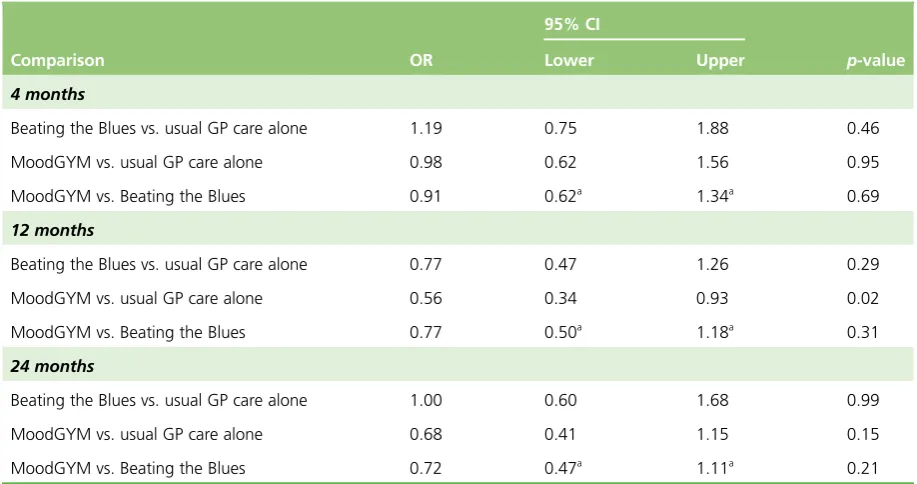
Results:Clinical effectiveness:210 patients were randomised to Beating the Blues, 242 patients were randomised to MoodGYM and 239 patients were randomised to usual GP care (total 691). There was no difference in the primary outcome (depression measured at 4 months) either between Beating the Blues and usual GP care [odds ratio (OR) 1.19, 95% confidence interval (CI) 0.75 to 1.88] or between
MoodGYM and usual GP care (OR 0.98, 95% CI 0.62 to 1.56). There was no overall difference across all time points for either intervention compared with usual GP care in a mixed model (Beating the Blues versus usual GP care,p=0.96; and MoodGYM versus usual GP care,p=0.11). However, a small but statistically significant difference between MoodGYM and usual GP care at 12 months was found (OR 0.56, 95% CI 0.34 to 0.93). Free-to-use cCBT (MoodGYM) was not inferior to pay-to-use cCBT (Beating the Blues) (OR 0.91, 90% CI 0.62 to 1.34;p=0.69). There were no consistent benefits of either intervention when secondary outcomes were examined. There were no serious adverse events thought likely to be related to the trial intervention. Despite the provision of regular technical telephone support, there was low uptake of the cCBT programs.Cost-effectiveness:cost-effectiveness analyses suggest that neither Beating the Blues nor MoodGYM appeared cost-effective compared with usual GP care alone.Qualitative evaluation:
participants were often demotivated to access the computer programs, by reason of depression. Some expressed the view that a greater level of therapeutic input would be needed to promote engagement.
Conclusions:The benefits that have previously been observed in developer-led trials were not found in this large pragmatic RCT. The benefits of cCBT when added to routine primary care were minimal, and uptake of this mode of therapy was relatively low. There remains a clinical and economic need for effective low-intensity psychological treatments for depression with improved patient engagement.
Trial registration:This trial is registered as ISRCTN91947481.
Contents
List of tables xiii
List of figures xvii
List of abbreviations xix
Plain English summary xxi
Scientific summary xxiii
Chapter 1Background 1
Depression 1
Psychological therapy for depression 1
Evidence for computerised cognitive behaviour therapy 1
Recommendations for further research on the effectiveness of computerised cognitive
behaviour therapy 2
Research objectives 3
Chapter 2Methods 5
Trial design 5
Approvals obtained 5
Trial sites 5
Participant eligibility 5
Inclusion criteria 5
Exclusion criteria 6
Recruitment into the trial 6
Recruitment routes 7
Researcher contact following trial referral 8
Baseline assessment 8
Depression severity and symptomatology 8
Biographical data 8
Treatment preference 9
Generic and global mental health 9
Health-related quality of life 9
Resource use data 9
Randomisation 9
Sample size 10
Trial interventions 10
Experimental interventions 10
Control group: usual general practitioner care 11
Participant follow-up 11
Trial completion 12
Measurement and verification of secondary outcomes 12
Depression severity and symptomatology 13
Global and generic mental health 13
Health-related quality of life 13
Resource use data 13
Adverse events 15
Statistical analysis of the REEACT clinical effectiveness data 16
Overview of analyses 16
Baseline data 16
Primary analysis 16
Secondary analyses 17
Economic analysis of the REEACT cost-effectiveness data 18
Overview 18
Health-care resource use 18
Costs 18
Costs of computerised cognitive behaviour therapy 19
Health-related quality of life 19
Missing data 20
Cost-effectiveness analysis 21
Sensitivity analyses 22
Subgroup analyses 23
Extrapolation and evidence synthesis 23
Qualitative study of the acceptability to patients and health professionals of
computerised therapy 24
Design of qualitative study 24
Qualitative analysis 26
Patient and public participation 27
Chapter 3Protocol changes 29
Research objectives/trial design 29
Outcome measures 29
Primary outcome measure 29
Telephone support calls 30
Exclusion criteria 30
Trial referrals 30
Pre-screening for trial eligibility 31
Postal questionnaires 31
Qualitative study 31
Sample size 32
Questionnaire response rates 33
Long-term follow-up 33
Chapter 4Clinical results 35
Trial recruitment 35
Baseline data 38
Baseline patient characteristics 38
Patient Health Questionnaire-9 43
Secondary outcomes 44 Patient Health Questionnaire-9: results from the logistic regression at 12 and 24 months 44
Patient Health Questionnaire-9 dichotomised: results from the mixed model 46
Subgroup analysis 46
Patient Health Questionnaire-9 scores: results from the mixed model 48
Clinical Outcomes in Routine Evaluation–Outcome Measure 48
Short Form questionnaire-36 items Health Survey version 2 50
Adverse events 56
Data on computerised cognitive behaviour therapy usage 56
Data on technical support telephone calls and contacts 59
Summary 59
Chapter 5Economic evaluation results 61
Health-care resource use 61
Costs 61
Health-related quality of life 67
Cost-effectiveness analysis 68
Base-case cost-effectiveness results 69
Sensitivity analysis 71
Subgroup analysis 73
Extrapolation 75
Evidence synthesis 75
Summary 77
Chapter 6Results from the qualitative study on the acceptability to patients and
health professionals of computerised cognitive behaviour therapy 79
Patient interviews 79
Participant characteristics 79
Main themes from patient interviews 79
Summary of main findings from patient interviews 85
Health professional interviews 85
Health professional participant characteristics 86
Main themes from health professional interviews 86
Summary of main findings from health professional interviews 89
Comparison of the patient and health professional interviews 89
Limitations of the qualitative study with patients and health professionals 90
Implications of findings from qualitative study 90
Chapter 7Discussion 91
Trial-based estimates of clinical effectiveness for computer-delivered cognitive
behaviour therapy 91
Summary of trial- and model-based estimates of cost-effectiveness 92
Summary of main findings from qualitative examination of acceptability and use of
computerised cognitive behaviour therapy 93
Discussion of main findings 94
Conclusion 95
Implications for health care 95
Recommendations for research 95
Acknowledgements 97
Appendix 1Regulatory approvals 107
Appendix 2Details of the study sites 109
Appendix 3Study information for GP practices 111
Appendix 4Study information for participants 113
Appendix 5Number of participants recruited via direct referrals and database
screening methods 125
Appendix 6Summary of participant involvement in the trial 127
Appendix 7Data collection forms 129
Appendix 8Sources and details of key unit costs 145
Appendix 9Study information for qualitative study (patients) 147
Appendix 10Topic guides for qualitative study (patients and health professionals) 153
Appendix 11Study information for qualitative study (health professionals) 159
Appendix 12Details of recruiting general practitioner practices 165
Appendix 13Results of the seemingly unrelated regressions model: adjusted mean differences in quality-adjusted life-years and costs between computerised
cognitive behaviour therapy and usual general practitioner care–complete
regression output for the seemingly unrelated regressions model (base-case
assumptions) 169
List of tables
TABLE 1 Elements of costs associated with the delivery of cCBT 19
TABLE 2 Key elements of the base-case analysis and the variation used in
sensitivity analysis 22
TABLE 3 Number (%) of participants recruited by group and by site 35
TABLE 4 Summary of baseline participant characteristics 38
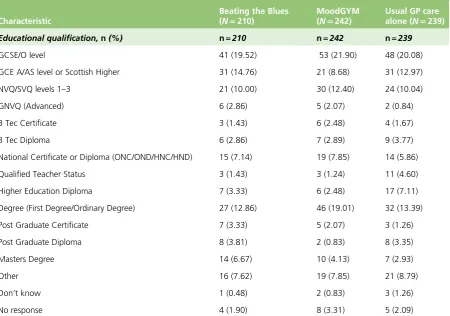
TABLE 5 Summary of baseline education 39
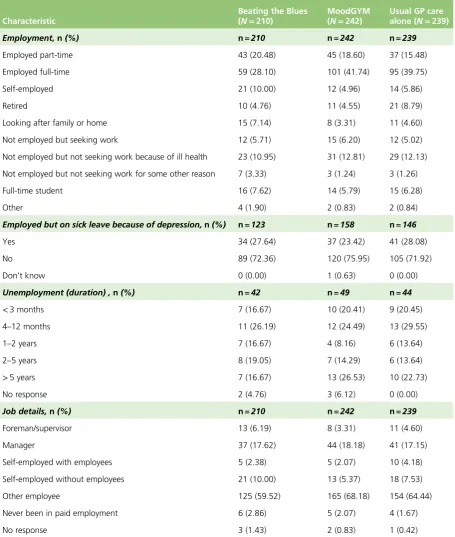
TABLE 6 Summary of baseline employment status 40
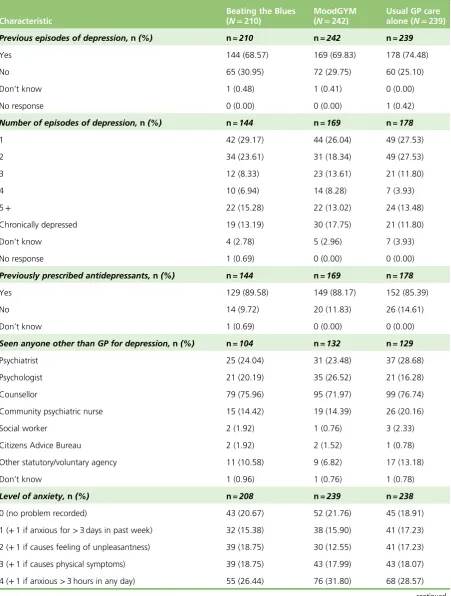
TABLE 7 Summary of baseline clinical data 41
TABLE 8 Patient Health Questionnaire-9 summary by duration of follow-up and
treatment group 43
TABLE 9 Results from the logistic regression models fitted at each individual
time point 44
TABLE 10 Result of mixed model for the dichotomised PHQ-9 46
TABLE 11 Patient preference at baseline by trial arm 47
TABLE 12 Strength of preference at baseline 47
TABLE 13 Patient Health Questionnaire-9 summary by duration of follow-up and
treatment group 48
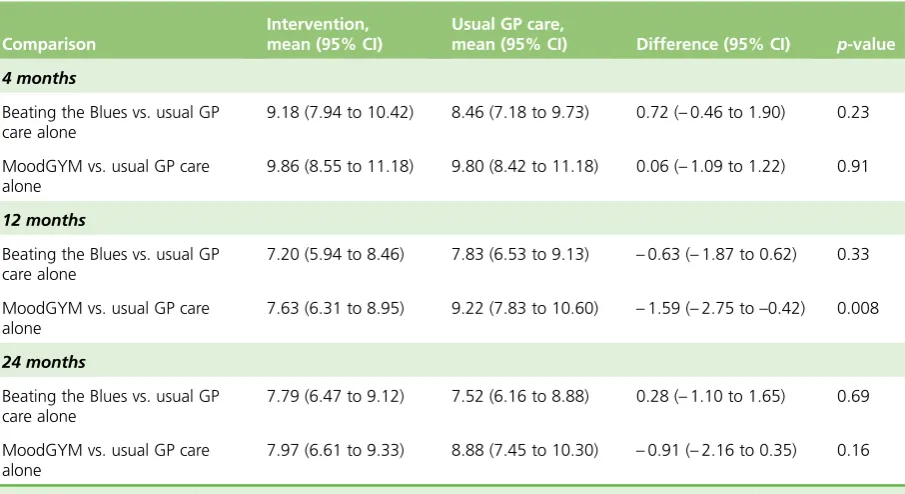
TABLE 14 Result of the linear mixed model for PHQ-9 49
TABLE 15 Clinical Outcomes in Routine Evaluation–Outcome Measure summary
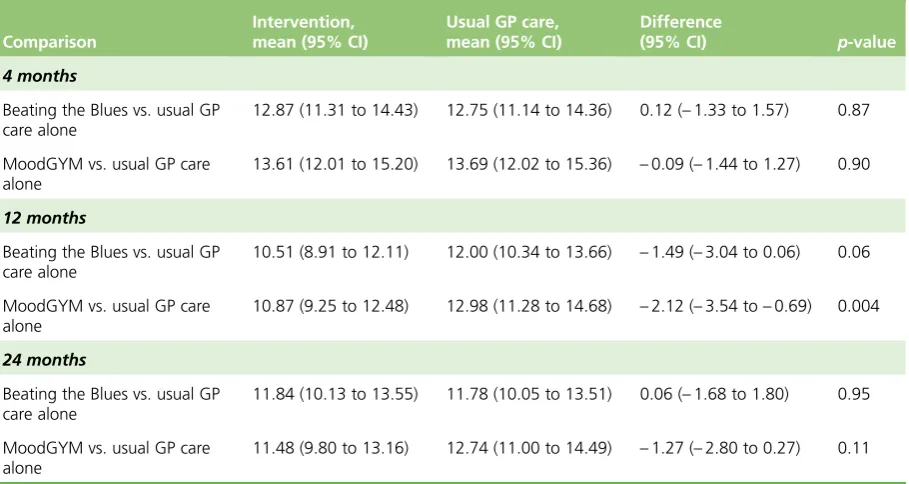
by duration of follow-up and treatment group 49
TABLE 16 Results of the linear mixed model for CORE-OM 50
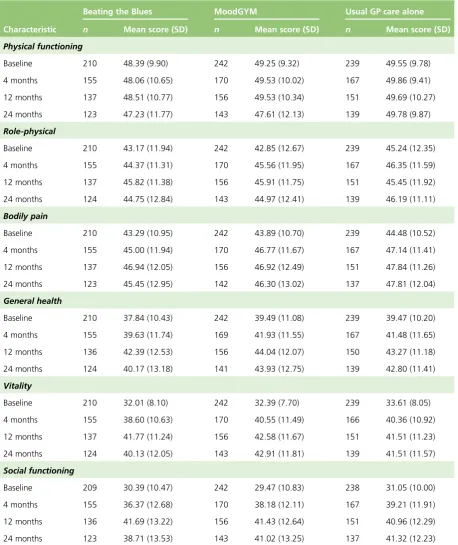
TABLE 17 Short Form questionnaire-36 items Health Survey version 2 summary
scores by duration of follow-up and treatment group 52
TABLE 18 Short Form questionnaire-36 items Health Survey version 2 PCS scores
and MCS scores by duration of follow-up and treatment group 53
TABLE 19 Results of the Linear Mixed Model for the SF-36v2 for MCS 56
TABLE 20 Result of the linear mixed model for the SF-36v2 for PCS 57
TABLE 22 Summary of SAEs 58
TABLE 23 Resource use from baseline to 12 months of follow-up 62
TABLE 24 Resource use from 12 to 24 months of follow-up 63
TABLE 25 Resource use from randomisation to 24 months of follow-up 64
TABLE 26 Summary of costs accrued at year 1 and year 2 65
TABLE 27 Summary of costs accrued during trial follow-up (undiscounted and
discounted) 66
TABLE 28 Participant response to the EQ-5D questionnaire at each time point
(absolute and relative frequency) 67
TABLE 29 Participant response to the SF-6D questionnaire at each time point
(absolute and relative frequency) 67
TABLE 30 European Quality of Life–5 Dimensions summary scores and
quality-adjusted life-year estimates 67
TABLE 31 Short Form questionnaire-6 Dimensions summary scores and
quality-adjusted life-year estimates 68
TABLE 32 Adjusted mean differences in QALYs and costs between cCBT and
usual GP care alone: base case 68
TABLE 33 Cost-effectiveness analysis summary table: base case 69
TABLE 34 Adjusted mean differences in SF-36v2 estimated QALYs between cCBT
and usual GP care: SF-6D as HRQoL source (scenario 1) 71
TABLE 35 Cost-effectiveness analysis summary table: SF-6D as HRQoL source
(scenario 1) 71
TABLE 36 Adjusted mean differences in depression-related costs between cCBT
and usual GP care alone: depression-related costs (scenario 2) 72
TABLE 37 Adjusted mean differences in QALYs and costs between cCBT and
usual GP care: complete case (scenario 3) 72
TABLE 38 Adjusted mean differences in QALYs (SF-6D estimated) and costs between cCBT and usual GP care: complete case and SF-6D at HRQoL source
(scenario 4) 73
TABLE 39 Adjusted mean differences in QALYs and costs between cCBT and
usual GP care: complete case and depression-related costs (scenario 5) 73
TABLE 40 Cost-effectiveness analysis summary table: complete case scenarios 74
TABLE 42 Trial analysis, treatment effect and change in PHQ-9 parameters used
to inform the evidence synthesis analysis 76
TABLE 43 Treatment cost parameters used to inform the evidence synthesis analysis 76
TABLE 44 Evidence synthesis results 76
TABLE 45 Table of participant characteristics for qualitative study 80
TABLE 46 Research and Development trust approvals 107
TABLE 47 Study site details 109
TABLE 48 Number (%) of participants recruited via direct referral and database
screening methods 125
TABLE 49 Sources and details of key unit costs 145
TABLE 50 Details of recruiting GP practices 165
TABLE 51 Results of SURs model: adjusted mean differences in quality-adjusted life-years and costs between cCBT and usual GP care: complete regression output
List of figures
FIGURE 1 Trial recruitment rate 36
FIGURE 2 The REEACT trial CONSORT diagram 37
FIGURE 3 Bar chart of the proportion of patients who are depressed by group 43
FIGURE 4 Mean PHQ-9 score over time by trial arm comparison 45
FIGURE 5 Results from the logistic regression and mixed models for the
non-inferiority comparisons between MoodGYM and Beating the Blues 47
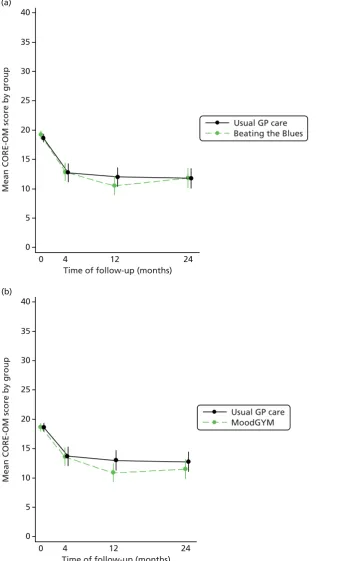
FIGURE 6 Mean CORE-OM scores over time by trial arm comparison 51
FIGURE 7 Short Form questionnaire-36 items Health Survey version 2 MCS scores
over time trial arm comparison 54
FIGURE 8 Mean SF-36v2 PCS scores over time trial arm comparison 55
FIGURE 9 Base case cost-effectiveness acceptability curve 69
FIGURE 10 Distribution of incremental costs and QALYs of Beating the Blues vs.
usual GP care alone 70
FIGURE 11 Distribution of incremental costs and QALYs of MoodGYM vs. usual
GP care alone 70
List of abbreviations
AIC Akaike information criterion
CBT cognitive behaviour therapy
cCBT computerised cognitive behaviour therapy
CEAC cost-effectiveness acceptability curve
CI confidence interval
CIS-R Clinical Interview Schedule–Revised
CMHT Community Mental Health Team
CONSORT Consolidated Standards of Reporting Trials
CORE-OM Clinical Outcomes in Routine Evaluation–Outcome Measure
CSRI Client Service Receipt Inventory
DMEC Data Monitoring and Ethics Committee
EQ-5D European Quality of Life-5 Dimensions
GLM generalised linear model
GP general practitioner
HRQoL health-related quality of life
HTA Health Technology Assessment
IAPT Improving Access to Psychological Therapies
ICER incremental cost-effectiveness ratio
IQR interquartile range
MCS mental component summary
MHRN Mental Health Research Network
MICE multiple imputation by chained equations
NICE National Institute for Health and Care Excellence
NPT Normalisation Process Theory
NSAE non-serious adverse event
OLS ordinary least squares
OR odds ratio
PCS physical component summary
PHQ-9 Patient Health Questionnaire-9
PSSRU Personal Social Services Research Unit
QALY quality-adjusted life-year
QOF Quality and Outcomes Framework
RCT randomised controlled trial
REC Research Ethics Committee
REEACT Randomised Evaluation of the Effectiveness and Acceptability of Computerised Therapy
SAE serious adverse event
SD standard deviation
SF-36v2 Short Form questionnaire-36 items Health Survey®version 2
SF-6D Short Form questionnaire-6 Dimensions
SMD standardised mean difference
SUR seemingly unrelated regression
Plain English summary
D
epression is a common mental health problem. An effective talking treatment for depression is cognitive behaviour therapy (CBT). Computerised CBT (cCBT) is a recently developed form of CBT which is delivered by computer rather than by a face-to-face therapist. We conducted a fair test of two cCBT programs compared with the usual care people receive from their general practitioner (GP) to find out whether or not cCBT is effective in treating people with depression.A total of 691 people with depression were allocated to one of three interventions: (1) a pay-to-use cCBT program (called Beating the Blues®; Ultrasis, London, UK) added to usual GP care; (2) a free-to-use
cCBT program (called MoodGYM; National Institute for Mental Health Research, Australian National University, Canberra, Australia) added to usual GP care; or (3) usual GP care alone. People received support and encouragement to complete cCBT sessions via weekly telephone calls. People completed questionnaires about general and mental well-being and symptoms of depression at 4, 12 and 24 months after the study started. Some people were also interviewed to find out about their experiences of cCBT.
Scientific summary
Background
Depression is the most common mental health disorder in community settings and is estimated to become the second largest cause of global disability by 2020. It is one of the most common reasons for consulting a general practitioner (GP) and is associated with significant personal and economic burden. Antidepressant medication is an important treatment option for depression; however, many patients and health-care professionals would like to access psychological therapy as an alternative or adjunct to medication. A leading evidence-supported form of brief psychological therapy for people with depression is cognitive behaviour therapy (CBT), but unfortunately patient demand for CBT cannot be met from existing therapist resources. There is a need to increase patient access to psychological therapy and one potential way of achieving this might be the provision of CBT delivered via computer. The provision of computerised CBT (cCBT) is recommended in the National Institute for Health and Care Excellence (NICE) guidelines as an initial lower-intensity treatment for depression as part of a‘stepped care’approach in primary care. Much of the existing evidence for the short-term clinical effectiveness of cCBT for depression comes from research conducted by the developers of the cCBT programs. Research conducted by independent researchers is needed to establish both the clinical effectiveness and the cost-effectiveness of cCBT in the short term and over the longer term. Whether or not free-to-use cCBT programs are as effective as commercial pay-to-use cCBT programs also needs to be determined. There is also a lack of research examining the acceptability of cCBT, both to patients and health professionals, as well as the issue of patient preference and its relationship to treatment uptake and effectiveness.
Objectives
The REEACT (Randomised Evaluation of the Effectiveness and Acceptability of Computerised Therapy) trial was a randomised controlled trial (RCT) of usual GP care versus the addition of one of two cCBT programs for the treatment of depression in adults. This included concurrent qualitative and economic evaluations.
The specific objectives of the REEACT trial were:
1. to establish the clinical effectiveness and cost-effectiveness of cCBT in addition to usual GP care compared with usual GP care alone over a 2-year trial follow-up period
2. to establish the acceptability (to patients and health professionals) of cCBT
3. to establish the differential clinical effectiveness and cost-effectiveness of a free-to-use cCBT program (MoodGYM; National Institute for Mental Health Research, Australian National University, Canberra, Australia) in comparison with a commercial pay-to-use cCBT program (Beating the Blues®; Ultrasis,
London, UK) over a 2-year and longer-term time horizon.
Method
Design
Setting
Participants were recruited from GP practices in Bristol, Manchester, Sheffield, York, Hull and the north-east of England.
Participants
Potential participants were identified (1) by direct referral by a GP or health professional attached to a GP practice or (2) following a written approach by the GP after identification via GP practice database screening. Potential participants were eligible to participate in the trial if they were aged 18 years and over, scored 10 or above on a validated depression severity instrument [Patient Health Questionnaire-9 (PHQ-9)] and were not in receipt of cCBT or specialist psychological therapy.
Interventions
Participants were randomised to receive: (1) a free-to-use cCBT program (MoodGYM) plus usual GP care; (2) a commercial pay-to-use cCBT program (Beating the Blues) plus usual GP care; or (3) usual GP care alone. Given the pragmatic design of the trial, no restrictions were imposed on the range of treatments that could be offered by a GP as part of usual care. Both intervention programs were based on CBT and both have been endorsed by NICE in the initial treatment of depression in primary care. The cCBT
programs involved internet-based interactive therapy sessions, which could be accessed at the participant’s home, in a central location close to the participant’s home or at the GP practice, depending on patient preference and availability. Intervention participants received technical support and encouragement to complete the cCBT program via weekly telephone calls.
Main outcome measures
The primary outcome was self-reported symptoms of depression, assessed by the PHQ-9 at 4 months post randomisation. Secondary outcomes were: self-reported symptoms of depression (PHQ-9) at 12 and 24 months; global and generic measures of mental health, health-related quality of life and patient-level resource use, each at 4, 12 and 24 months; treatment preference; and participants’and health
professionals’experiences of cCBT and perceptions of its acceptability.
Results
Clinical effectiveness: a total of 691 patients, aged 18–76 years, were recruited to the trial between August 2009 and March 2011, with 210 participants randomised to receive pay-to-use cCBT (Beating the Blues) plus usual GP care, 242 participants randomised to receive free-to-use cCBT (MoodGYM) plus usual GP care and 239 participants randomised to receive usual GP care alone. Analyses used intention-to-treat. There was no significant difference in depression at the primary outcome measured at 4 months for either Beating the Blues versus usual GP care alone [odds ratio (OR) 1.19, 95% confidence interval (CI) 0.75 to 1.88] or MoodGYM versus usual GP care alone (OR 0.98, 95% CI 0.62 to 1.56). There was no overall difference across all time points for either intervention compared with usual GP care alone in a mixed model (Beating the Blues vs. usual GP care alone,p=0.96; and MoodGYM vs. usual GP care alone,
p=0.11). However, a small, but statistically significant, difference between MoodGYM and usual GP care alone at 12 months was found (OR 0.56, 95% CI 0.34 to 0.93). In a non-inferiority analysis, free-to-use cCBT (MoodGYM) was not shown to be inferior to pay-to-use cCBT (Beating the Blues) (OR 0.91, 90% CI 0.62 to 1.34;p=0.69). There were no consistent benefits for either intervention when secondary
outcomes were examined. Participants showed a preference for cCBT prior to randomisation; however, cCBT was equally ineffective for those with and without a strong preference. Despite the provision of regular telephone calls for technical support and encouragement, there was low uptake of the cCBT programs. There were no serious adverse events thought likely to be related to the trial intervention.
resulted in fewer QALYs but at lower cost. Usual GP care alone compared with either cCBT intervention was also the cost-effective intervention in the majority of scenario analyses and was the intervention most likely to be cost-effective at a £20,000 per QALY threshold (probabilities ranging across scenarios from 0.545 to 0.619).
Qualitative evaluation: when exploring the reasons for poor engagement of the cCBT programs, it was found that depression often demotivated participants to access the computer programs in their own time and when left to their own devices. Some said that a greater level of therapeutic input would be needed to promote engagement. GPs did not believe that cCBT could be offered within primary care premises.
Conclusions
The benefits that have previously been observed in developer-led trials were not found in this large
pragmatic RCT conducted in routine UK primary care services. The benefits of cCBT when added to routine primary care were minimal and there was relatively low uptake of this mode of therapy.
Implications for health care
l In this trial for patients with moderate or severe depression powered to detect non-inferiority, technically supported cCBT in addition to usual GP care was no more effective than usual GP care alone. Practice recommendations such as those offered by NICE and Improving Access to Psychological Therapies stepped models of care might usefully be re-examined in the light of these findings.
l We consider that, where cCBT continues to be offered within the portfolio of low-intensity
psychological treatment, there should be early follow-up in primary care to identify patients for whom the intervention may be unsuitable.
l Commissioners of services should take note of our findings that commercially produced products may add little benefit to usual GP care.
l We found no substantial difference in outcomes between the commercially produced product (Beating the Blues), when offered in addition to usual GP care, and the free-to-use product (MoodGYM), which is clearly less costly for the NHS.
l Free-to-use products such as MoodGYM could be offered in response to patient choice. However, our overall finding of the relative lack of benefit of these programs in addition to usual GP care should also be taken into account in this context.
Recommendations for future research
There remains a clinical and economic need for effective low-intensity psychological treatments for depression. Trials of alternative low-intensity treatments such as telephone-guided bibliotherapy, telephone-guided self-help or more intensively guided cCBT are needed. All such studies should be framed in primary care and conducted by researchers other than product developers. In the longer term, if computers are to be used to deliver psychological treatment with minimal therapist input, then there needs to be improved patient experience and engagement through greater personalisation of treatment packages. This requires further research and innovation at the human–computer interface.
Trial registration
This trial is registered as ISRCTN91947481.
Funding
Chapter 1
Background
Depression
Depression is the most common mental health disorder in community settings and is estimated to become the second largest cause of global disability by 2020.1It is one of the most common reasons for consulting
a general practitioner (GP), and is associated with significant personal and economic burden.2
Psychological therapy for depression
Antidepressant medication is an important treatment option for depression; however, many patients and health-care professionals would like to access psychological therapy as an alternative or adjunct to
medication.3A leading evidence-supported form of brief psychological therapy for people with depression is
cognitive behaviour therapy (CBT).4,5However, given that patient demand for CBT cannot be met from
existing therapist resources,6there is a need to increase patient access to psychological therapy. One
potential way of achieving this might be the provision of CBT delivered via computer.7In recent years, a
number of interactive programs have been developed which enable CBT to be delivered by computer. The provision of computerised CBT (cCBT) is now recommended in the National Institute for Health and Care Excellence (NICE) guidelines as an initial lower-intensity treatment for depression as part of a‘stepped care’ approach in primary care.5cCBT, if shown to be effective, has the potential to expand the provision of
psychological therapy in primary care and, as such, may represent an efficient and effective form of care for depression.8
There are a number of interactive internet-based products that are available for those who decide to use (or commission the provision of) cCBT. Some of these cCBT products are commercially produced whereas others are free to use.7A number of commercial products have been marketed to bodies such as the NHS
and have also been made available for patients to purchase directly. The free-to-use products have been developed by the public sector or by research institutes and can be accessed at no direct purchase cost to patients or health-care providers, although there may be costs associated with their support and use in the NHS.
Evidence for computerised cognitive behaviour therapy
Computerised CBT represents an alternative form of therapy delivery that has the potential to enhance access to psychological care. Existing research into cCBT has been summarised by Kaltenthaler
and colleagues in their 2006 Health Technology Assessment (HTA) review of clinical effectiveness and cost-effectiveness.6With respect to depression, three commercially produced computerised packages
available to the NHS were considered: Beating the Blues®(Ultrasis, London, UK), COPE and Overcoming
Depression. Of these, only one, Beating the Blues, had been evaluated in a randomised controlled trial (RCT); the program was shown to be effective at reducing symptoms of depression.7However, this
research was conducted by those who owned and held the intellectual copyright to Beating the Blues. Among internet-based free-to-use packages, only one, MoodGYM (National Institute for Mental Health Research, Australian National University, Canberra, Australia), has been evaluated in a randomised trial, which was also conducted by the package developers.8MoodGYM was found to be effective at reducing
depressive symptomatology.8The overall conclusion of the HTA review was that‘the efficacy but not
Recommendations for further research on the effectiveness of
computerised cognitive behaviour therapy
At the time of the commissioning and design of the REEACT (Randomised Evaluation of the Effectiveness and Acceptability of Computerised Therapy) trial, several caveats applied and specific recommendations for further research were made that are important with respect to the present trial.
l Computerised CBT had been shown to be effective in the short term, but trials rarely examined the longer-term impact on depression compared with usual care. Trials with longer periods of follow-up are needed.
l The cost-effectiveness of computerised packages is as yet unknown. More importantly, the cost-effectiveness from the perspective of the UK NHS has not been sufficiently established and
the longer-term cost-effectiveness beyond the brief time horizon of existing trials is essentially unknown. This is important, as commercial packages (such as Beating the Blues) will need to be purchased by the NHS.
l Existing trials are based on populations who have been referred to specialist cCBT services and are necessarily comfortable with information technology and willing to be offered computerised therapy as a treatment option. Computer-delivered CBT uses a computer rather than a trained CBT therapist, and the acceptability of the replacement of the therapist with a machine interface is largely unknown. Patients with depression might show a strong preference for or against computer therapy, and this might, in turn, be related to uptake and effectiveness. The acceptability and effectiveness of cCBT among patients who are representative of people treated for depression in NHS primary care services has not yet been established. There is, therefore, a need for pragmatic evaluations of cCBT based in UK primary care that examine real-world effectiveness and the issue of patient preference.
l There are no trials of free-to-use cCBT packages versus pay-to-use cCBT packages. This is important, as the effectiveness of free-to-use cCBT would need to be comparable to pay-to-use CBT if it were to be a viable alternative within a stepped care pathway.9
l Evaluations of all the commercially available and free-to-use packages of cCBT have been conducted by researchers responsible for their development. Although this does not invalidate the results, it does raise concerns that a truly independent evaluation of the clinical effectiveness and cost-effectiveness of cCBT is needed to inform NHS decision-making. In their 2006 HTA report, Kaltenthaler and colleagues make this a core research recommendation and state that‘Research needs to be carried out by independent researchers. It should be carried out by those who are not associated with commercial or product gains’.6
The present trial was designed to address these recommendations. A subsequent meta-analysis has demonstrated that cCBT can be effective for depression, but there remains a need for longer-term pragmatic studies and evaluations by researchers other than the product developers.10
Research objectives
This was a fully randomised patient preference trial of usual GP care for depression versus the addition of one of two cCBT packages to usual GP care. The REEACT study included a concurrent economic and qualitative evaluation to meet the following specific aims:
l to establish the clinical effectiveness and cost-effectiveness of the addition of cCBT to usual GP care compared with usual GP care alone over a 2-year trial follow-up period
l to establish the acceptability (to patients and health professionals) of cCBT
l to establish the differential clinical effectiveness and cost-effectiveness of a free-to-use computerised package, in comparison with a commercial pay-to-use cCBT package over a 2-year and longer-term time horizon.
Some of this text has been reproduced from Gilbodyet al.11©BMJ2015. This is an Open Access article
Chapter 2
Methods
Trial design
The REEACT trial was a pragmatic, multicentre, open, three-armed parallel RCT with simple randomisation. The design included a fully randomised patient preference approach.12Participants with depression [defined as a
score of≥10 on the Patient Health Questionnaire-9 (PHQ-9) depression severity instrument]13were randomised
(1 : 1 : 1) to receive:
l a commercial pay-to-use cCBT program (Beating the Blues) plus usual GP care or l a free-to-use cCBT program (MoodGYM) plus usual GP care or
l usual GP care alone.
Approvals obtained
The Leeds (East) Research Ethics Committee (REC) approved the study on 10 July 2008 and approved the substantial amendment to revise the trial design following advice from the funder on 22 September 2008 (seeChapter 3for details of this substantial amendment). The details of the REC and Research and
Development Department approvals are provided inAppendix 1. The trial was registered as ISRCTN91947481; EudraCT number 2007-007645-12; and UK Clinical Research Network Study Portfolio (UKCRN) identification number 4115.
Trial sites
The trial was conducted in nine UK sites. Five sites were involved from the commencement of the trial, and the remaining four sites were recruited throughout the duration of the trial. Details of the study sites are provided inAppendix 2.
Participant eligibility
People with depression were eligible to take part in the trial. Both prevalent and incident cases of depression were included.
Inclusion criteria
Potential participants were eligible for inclusion in the trial if they met the following criteria:
l They met the inclusion threshold of a score of≥10 on the PHQ-9 depression severity instrument.13
This cut-off point is known to detect clinical depression (major depression) in a UK primary care population with sensitivity of 91.7% and specificity of 78.3%.14
l They were not currently in receipt of cCBT or specialist psychological therapy (including therapy from a psychologist), and were not currently under care from a local Improving Access to Psychological Therapies (IAPT) service.
Potential participants who met the above inclusion criteria were not excluded if:
l They had a comorbid physical illness (such as diabetes).
l They had a comorbid non-psychotic functional disorder (such as anxiety). l They were in receipt of antidepressant medication.
l They had previous treatment experience of CBT.
Exclusion criteria
Potential participants were excluded if they met any one of the following criteria:
l They were actively suicidal.
l They were suffering a psychotic illness (as ascertained by the GP).
l They had recently suffered bereavement (bereavement was classed as having lost a mother, father, partner, husband, wife, son or daughter in the last year).
l They were depressed in the postnatal period (the postnatal period was classed as having had a baby in the last year).
l They were suffering from psychotic depression (this decision was based on NICE guidance in which computerised therapy is not recommended for people with psychotic depression).15
l They had a primary diagnosis of alcohol or drug abuse. l They were not able to read and write in English.
Recruitment into the trial
All researchers participating in the study received training in all aspects of the trial including trial recruitment, eligibility criteria, trial protocol, adverse event reporting procedures, participant risk assessment and reporting procedures, trial database and trial documentation. Each researcher received a researcher manual detailing these procedures in order to standardise the running of the study across researchers and trial sites. All researchers also undertook Good Clinical Practice training.
Potential participants were referred to the trial through GP practices. All GP practices were provided with a GP practice manual. This provided details of key trial contacts and site information, information about cCBT and the trial intervention cCBT programs, a GP information sheet (seeAppendix 3), and procedures and forms for recruiting participants via the various recruitment routes (described inRecruitment routes) and for reporting serious adverse events (SAEs). The manual also contained copies of trial documentation including the trial protocol, participant information sheet and patient consent form (seeAppendix 4). GP practices were also provided with participant study information packs containing a study invitation/cover letter, a participant information sheet and a permission form for release of personal details (seeAppendix 4).
In line with recommendations from a HTA-funded primary care depression trial by Peveler and colleagues,16
GP practices were reimbursed for the additional time involved in recruitment of patients to the trial via service support costs. An additional GP practice incentive was the use of the Quality and Outcomes Framework (QOF).17As the PHQ-9 was a validated assessment measure incentivised for the Depression 2
Recruitment routes
Potential participants were identified through one of four main recruitment routes:
General practitioner-initiated recruitment (direct referral)
General practitioners identified potential participants who presented with depression during patient consultations (both prevalent and incident cases of depression). GPs were asked to introduce the study to potential participants. For patients who were immediately interested in the trial, GPs completed a referral form stating that the patient matched the study criteria and provided the patient with a study cover letter and the participant information sheet. Patients were asked to complete a‘permission for release of personal details form’which included their contact details. The GP or a member of the GP practice staff would then fax the referral form and permission form to the local research team. For those patients who expressed a wish to consider the study over a longer period, GPs were asked to provide the patient with a study information pack which included an invitation letter explaining how to contact the research team. Patients interested in taking part in the study completed the‘permission for release of personal details form’and sent this back to the local research team. Patients were advised by their GP that they should expect to hear from a study researcher within 2 working days of the research team receiving their permission form.
Recruitment initiated by health professionals attached to a general practitioner practice (direct referral)
Practice-attached nurses and primary care mental health workers identified potential participants who presented with depression during patient visits. These health professionals were asked to introduce the study to potential participants and provide interested patients with the study information pack. They were also able to complete a referral form, ask patients to complete the‘permission for release of personal details form’and fax these forms to the local research team in the same way that a GP would. They would then notify the patient’s GP that a referral to the trial had been made.
Record screening (database screening)
General practitioner practice staff, with agreement from the lead research GP, reviewed patient records in accordance with a pre-specified protocol to identify a list of potential study participants (presenting prevalent cases of depression). This protocol contained a list of read codes which described a range of inclusion and exclusion criteria to search for over pre-specified time frames. GPs reviewed the list of potential participants and identified any patients who they felt were not suitable to take part in the trial. GP practices were supplied with study information packs to send out to potential participants on this list; alternatively, the GP could consider the patient for the trial at their next GP appointment. The frequency of these record searches was agreed between individual GP practices and the REEACT research team. Interested participants who received the study information pack in the post completed the‘permission for release of personal details form’and sent this back to the local research team.
Waiting room screening
Where a GP practice agreed, REEACT researchers would screen patients in the GP practice waiting room with a simple two-question screening instrument.18GPs were immediately notified of any patients who
screened positive for possible depression so that the GP could consider introducing the study to them during their appointment. Although this recruitment route was available it was not implemented in any of the recruiting GP practices.
Researcher contact following trial referral
SeeAppendix 6for a summary of participant involvement in the trial.
Following receipt of a completed‘permission for release of personal details form’, the REEACT researcher would contact the patient to discuss the study and to pre-screen for eligibility using the PHQ-9 depression instrument. Initial contact was made within 1 or 2 working days of receiving the permission form, to allow the patient a minimum of 24 hours to read the information sheet and consider participation. If the patient scored≥10 on the PHQ-9 during the pre-screen, the researcher arranged a face-to-face visit with the patient, at which the researcher would confirm the patient’s eligibility after obtaining written informed consent (part 1) by readministering the PHQ-9. If the patient scored≥10 at this point, the researcher would obtain the
patient’s written informed consent (part 2) to participate in the trial, administer the baseline measurements and ascertain treatment preference. The researcher would then ascertain and inform the patient of treatment allocation and make arrangements to initiate cCBT if this was the allocation. Arrangements would be made for the researcher to collect follow-up measures after 4 months. Following recruitment, participants’GPs (and referrers, if the referrer was not their GP) were notified of the outcome of the referral, including treatment allocation and PHQ-9 score for participants who had been randomised to the study.
Baseline assessment
After written informed consent (parts 1 and 2) had been obtained, baseline data were collected on participants prior to randomisation using several self-report baseline questionnaires. The following data were collected.
Depression severity and symptomatology
Participants completed the PHQ-9 self-report questionnaire13to confirm their eligibility to participate in the
trial and to assess baseline depression severity and symptomatology.
Participants also completed a diagnostic gold standard lay-administered computer-based interview
[Clinical Interview Schedule–Revised, (CIS-R)],19which assesses depression severity and diagnosis and other
common mental health disorders, such as anxiety, according to theInternational Classification of Diseases, Tenth Edition (ICD-10) criteria.20
Biographical data
Participants completed a bespoke biographical questionnaire which recorded data on ethnicity, education, employment status, marital status, living arrangements, previous episodes of depression and
treatment preference.
Ethnicity
The ethnicity of participants was recorded.
Education
Participants were asked to indicate their highest educational qualification.
Employment status
Information relating to participants’current employment status was recorded. Participants who classed themselves as employed or self-employed indicated if they were currently off work sick because of
their depression. Participants who described themselves as unemployed were asked to record the duration of their unemployment. Participants also indicated the type of position held in their most recent job.
Marital status
Living arrangements
Married participants were asked to indicate if their spouse lived with them. The number of other people living with each participant, including the number of people under the age of 18 years, was recorded.
Previous episodes of depression
Whether or not participants had experienced a previous episode of depression for which they had sought help was recorded. Further information was recorded for those participants who indicated that they had experienced a previous episode of treated depression; this included the number of previous episodes of treated depression, if antidepressants had been prescribed, if participants had ever seen anyone for help with their depression other than their GP and, if so, who they had seen.
Treatment preference
The participant’s treatment preference was recorded on the biographical questionnaire (seeAppendix 7) to allow us to explore the influence of patient preference prior to randomisation and the differential impact of preference on the relative effectiveness of cCBT versus usual GP care.
Generic and global mental health
Participants completed the Clinical Outcomes in Routine Evaluation–Outcome Measure (CORE-OM) questionnaire21,22to assess their baseline generic and global mental health.
Health-related quality of life
Participants completed two self-report questionnaires to assess baseline health-related quality of life (HRQoL) and health-state utility. These were the Short Form questionnaire-36 items Health Survey®
version 2 (SF-36v2)23,24(QualityMetric Incorporated, Lincoln, RI, USA) and the European Quality of Life-5
Dimensions (EQ-5D).25,26
Resource use data
Participants completed an adapted version of the Client Service Receipt Inventory (CSRI)27to assess baseline
resource utilisation.
Randomisation
Participants were randomised 1 : 1 : 1 between the three trial arms: cCBT (Beating the Blues) plus usual GP care; cCBT (MoodGYM) plus usual GP care; and usual GP care alone. In view of the large number of participants to be recruited to the study, stratification by depression severity was not required.
Randomisation was simple and, therefore, not restricted in any way. Simple randomisation reduces the risk of any possible subversion associated with restricted randomisation methods and has been shown to produce equally precise results28as stratified randomisation, which improves treatment precision in trials
Sample size
We needed to know if cCBT represented a clinically effective addition to usual GP care and whether or not the free-to-use computerised program (MoodGYM) represented a less effective (non-inferior) choice of therapy for patients compared with the commercial pay-to-use computerised program (Beating the Blues). We therefore powered our trial both to capture any benefit of cCBT over usual GP care alone and to test the non-inferiority of free-to-use cCBT. We based our sample size calculation on the usual care arm of our own primary care trial of collaborative care for depression, where the proportion of patients responding to usual care was in the region of 0.6;29a response rate similar to that found in a UK HTA trial of
antidepressants in primary care16and a US pragmatic depression trial.30We regarded a response rate of
not more than 0.15 below this rate as being acceptable, given the additional care options that are available to patients who do not initially respond to cCBT within a stepped care framework. Our original sample size calculation of 600 participants (200 participants in each of the three arms) gave us in excess of 80% power to detect non-inferiority using the percentage success in both groups as 60%, with a non-inferiority margin of 15% and allowing for 25% attrition. However, the sample size was re-estimated as, despite better levels of recruitment than anticipated, levels of attrition were slightly higher than originally expected (seeChapter 3). In order to retain similar levels of power to detect non-inferiority between the free-to-use and commercial cCBT packages with 5% probability, while allowing for 35% attrition, 690 participants were recruited (230 participants in each of the three arms). The trial also retained 80% power to detect a difference of 15% between the usual GP care arm and either of the two cCBT arms using a conventional power analysis (α=0.05; two-sided significance).
Trial interventions
Participants were randomised to receive a commercial pay-to-use cCBT program (Beating the Blues) plus usual GP care, a free-to-use cCBT program (MoodGYM) plus usual GP care, or usual GP care alone.
Experimental interventions
Participants randomised to either of the two intervention arms each received cCBT (Beating the Blues or MoodGYM) in addition to usual GP care. Given that this was a pragmatic trial design, we imposed no restrictions on usual GP care, including the use of antidepressant drugs or the addition of drug treatment to cCBT in the two intervention arms.
Location of computerised cognitive behaviour therapy access
In order to maximise participant accessibility and flexibility, while respecting the importance of patient choice, cCBT was offered in one of three locations, according to patient choice and local availability: (1) in the participant’s own home (if the participant already had a computer and a broadband connection at home); (2) in a central location close to the participant’s home–this could be in a psychotherapy department, a local library or a large GP practice (where a standalone computer in a private room operating on a weekly booking system would be provided); or (3) in the GP practice (provided the participant’s GP practice was able to provide a broadband-connected computer in a private room on a fixed weekly basis).
Telephone support calls
each telephone call to ensure delivery of‘support’rather than‘therapy’. Telephone support staff were provided with the skills required to respond to common questions which would inevitably arise during the telephone calls. The option of support e-mails was offered to those participants who specifically requested contact via e-mail or who found it difficult to respond to telephone calls. A record was made of all participant contacts, including a brief summary of the content of the contact and an estimate of the duration of the telephone calls. In order to supervise the telephone support staff, and as a means of ensuring quality control, the telephone calls were recorded. All participants were asked for their verbal informed consent to record each telephone call and participants were not excluded from the trial if they withheld their consent to the recording. Telephone support staff were aware that calls were being recorded, where participant consent had been given. Telephone support staff underwent regular supervision with the chief investigator or other senior study co-investigators.
Experimental group: Beating the Blues (pay-to-use computerised
cognitive behaviour therapy program) plus usual general practitioner care
Beating the Blues (www.ultrasis.com) is an interactive, multimedia, cCBT program developed by Ultrasis comprising a 15-minute introductory video followed by eight therapy sessions of approximately 50 minutes’ duration each, with homework exercises between sessions. It was used via the internet. Beating the Blues has been shown to be effective in reducing symptoms of depression.7In addition, all participants were
offered usual GP care, and no restrictions were placed on GPs in their ability to prescribe medication or refer participants to other forms of psychological therapy (including IAPT services).
Experimental group: MoodGYM (free-to-use computerised
cognitive behaviour therapy program) plus usual general practitioner care
MoodGYM (http://moodgym.anu.edu.au) is a free-to-use, internet-based, interactive CBT program for depression developed and copyrighted at the National Institute for Mental Health Research of the Australian National University. It consists of five interactive modules of approximately 30–45 minutes’ duration, with revision of all aspects of the program in the sixth session. The program includes a personal workbook containing exercises and assessments, and‘characters’to represent patterns of‘dysfunctional’ thinking, and provides patients with CBT techniques to overcome this.31MoodGYM has been shown to be
effective in reducing symptoms of depression in a developer-led trial.8At the commencement of the study,
MoodGYM was being used in the UK, with 20.5% of the registrants on MoodGYM being from the UK. In addition, all participants were offered usual GP care, and no restrictions were placed on GPs in their ability to prescribe medication or refer participants to other forms of psychological therapy (including IAPT services).
Control group: usual general practitioner care
Participants randomised to the control arm received usual care by their GP. In line with the overall pragmatic approach of the trial, we replicated‘usual GP care’by making no specific patient-level recommendation or requirement to alter usual GP care by participating in the trial. However, GPs were reminded of the existence of NICE guidance on the management of depression,15including the
prescription of antidepressants, where this is indicated. Participants in the control arm were given no specific encouragement to access cCBT but this remained an option if the GP chose to suggest this treatment or if it was offered in the context of a local IAPT service.
Participant follow-up
Participants were followed up at three time points following randomisation: 4 months, 12 months and 24 months. During the first 6 months of the trial follow-up period, participants completed their follow-up questionnaires with a REEACT researcher during face-to-face interviews or telephone interviews,