DEVE
CEF
THE
M
ELOPME
UROXIM
E TAMIL
IMASTER
DEP
M
ENT OF
ME AXE
NA
Disse
LNADU D
In partial f for t
R OF PHA
(Re
PARTME
COLLE
MADURA
MA
F MUCO
ETIL LO
ANOPAR
ertation su
Dr. M.G.R
CHENN
fulfillment the awardARMACY
Submitt
eg. No: 26
ENT OF P
EGE OF P
AI MEDIC
ADURAI
APRIL –
OADHES
OADED
RTICLE
ubmitted
R. MEDIC
NAI-32
of the requ of degree o
Y IN PHA
ted By
61211308)
PHARMA
PHARMA
CAL COL
– 625020
– 2014
SIVE TA
D IN SOL
Prof. Dr. A Principal (i College of Madurai M Madurai-62 Email: drab Mob: 0944
Thi
Mucoadhe
submitted b
requiremen work carrie Pharmaceu the academ Thi Tamilnadu
Place : Ma
Date :
A. ABDUL i/c),
Pharmacy, Medical Coll 25 020, (TN
bdulhasan@ 3475400
s is to
esive Tablet
by Mr. San
nt for the De
ed out by h
utics, Colleg
mic year 201
s dissertati Dr. M.G.R adurai HASAN SA ege, N), India. @rediffmail.
C
certify thats of Cefur nkar Gane
egree of Ma
him, under
ge of Pharm
3 – 2014.
ion is forw
. Medical U
ATHALI, M
.com
CERTIFI
at the dis
roxime axet esh (M.Phar
aster of Ph
my guidanc macy, Madu warded to University, C M.Pharm.,
ICATE
ssertationtil loaded in
rm II Year)
harmacy in ce and supe
urai Medica
the Contr
Chennai-32
(Prof.Dr.
Ph.D, Res: 1 Lor Madurai –
entitled, “ n Solid Lip
), in partial
Pharmaceu
ervision in
al College, M
roller of E
.
A. Abdul H
19, Nallama rdu Nagar 1 – 625007. (T
“Developm pid Nanopa
l fulfillmen
utics, is a b the Depart
Madurai-20
Examination
Hasan Sath
ani Nagar, 2th Street, K-Pudur, TN), India.
ment of articles”
nt of the
ACKNOWLEDGEMENT
It is my pleasure to express my respectful regards and thanks to Dr. B. Santhakumar, M.Sc(F.Sc), M.D(F.M)., PGDMLE., Dip.N.B(F.M) Dean,
Madurai Medical College, Madurai for providing all kinds of supportive facilities required to carry out my project work.
It is my immense pleasure and honour to express my deep sense of gratitude and heartfelt thanks to Prof. Dr. A. Abdul Hasan Sathali, M.Pharm., Ph.D(i/c)., Principal, College of pharmacy, Madurai Medical College, Madurai, for his excellence in guidance, contribution and encouragement which helped me in the successful completion of each and every stage of my project work.
I express my heartiest thanks to Sterilgene, Pondicherry for providing the drug Cefuroxime axetil as gift sample and Orchid Pharma, Chennai for providing Compritol ATO 888 and Madras Pharma, Chennai for providing Poloxamer and Central Drug House (P) Ltd, New Delhi for providing chemicals to carry out my project work.
With immense pleasure I record here my sincere and hearty thanks to teaching and non teaching staff of Department of pharmaceutics for their support
and valuable suggestions throughout my work.
I would like to give my sincere thanks to my classmates Mr. P.Arjunkumar., Mr. P. Kanniyappan., Mr. A. Manikkavasagan., Mrs. S. Ponnammal Asmi., Mr. C. Pravinkumar., Mr. J.Rajeshkumar., Mr. M. Ramanathan., Mr. S. Sudhakar for their timely help and co-operation.
I would like to thank my seniors and juniors for their moral support to carry out my project work.
I also extend my thanks to all the staff members and P.G. Students of Department of Pharmaceutical Chemistry and Pharmacognosy for their Co-operation.
I would like to express my heartfelt thanks to my parents, brother and sisters for their moral support to successfully carryout my project work.
I am extremely thankful to the staff of Laser Point for their kind co-operation regarding printing and binding of this project work.
Place : Madurai
Date :
CONTENTS
CHAPTER
NO.
TITLE PAGE.NO
1
INTRODUCTION 1
2
LITERATURE REVIEW
20
3
AIM OF WORK
38
4
PLAN OF WORK
40
5
MATERIALS & EQUIPMENTS
43
6
DRUG PROFILE
45
7
EXCIPIENT PROFILE
48
8
EXPERIMENTAL PROTOCOL
62
9
RESULT & DISCUSSION
79
10
SUMMARY & CONCLUSION
95
REFERENCE
CHAPTER 1
CHAPTER – 1 INTRODUCTION
MUCOADHESIVE TABLETS OF SLN LOADED WITH DRUG Page 1
CHAPTER – 1
INTRODUCTION
Nanotechnology can be defined as the science and engineering involved in the design, synthesis, characterization and application of materials and devices
whose smallest functional organization in at least one dimension is on the nanometer scale.
One nanometer (nm) is equal to one-billionth of a meter, or about the width
of 6 carbon atoms or 10 water molecules. (Sahoo S. K et al, 2007)
Figure 1 Nanotechnology in drug delivery and its significance
In pharmaceutical industries, nanotechnology can address issues such as extending product life, or can add to their performance and acceptability, either by increasing efficacy or improving safety and patient compliance.
Drug loading onto nanoparticles modifies cell and tissue distribution and leads to a more selective delivery of biologically active compounds to improve drug
CHAPTER – 1 INTRODUCTION
MUCOADHESIVE TABLETS OF SLN LOADED WITH DRUG Page 2 Nanotechnology offers a solution for using the numerous chemical entities
for treating brain disorders that are not clinically useful, because of the presence of the blood-brain barrier.
The increased vascular permeability coupled with an impaired lymphatic
drainage in tumors allows an enhanced permeability and retention effect of the nanosystems in the tumors or inflamed tissues.
The tendency of nanosystems to specifically localize in the reticulo-endothelial system (RES) also presents an excellent opportunity for passive targeting of drugs to the macrophages present in the liver and spleen.
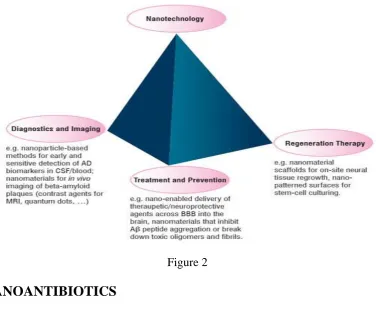
[image:12.595.131.508.345.657.2](Sanjeeb k. Sahoo et al, 2003)
Figure 2
NANOANTIBIOTICS
CHAPTER – 1 INTRODUCTION
MUCOADHESIVE TABLETS OF SLN LOADED WITH DRUG Page 3 Antimicrobial nanoparticles (NPs) tackle multiple biological pathways found
in broad species of microbes and many concurrent mutations would have to occur in order to develop resistance against NPs' antimicrobial activities. Unlike many antimicrobial agents currently being used, antimicrobial NPs may not pose direct and
acute adverse effects, although there is potential toxicity upon long-term exposure.
Figure 3
Preparation of antimicrobial NPs could be cost-effective, compared with antibiotics synthesis, and they are quite stable enough for long-term storage with a prolonged shelf-life. In addition, some NPs can withstand harsh conditions, such as
high temperature sterilization, under which conventional antibiotics are inactivated.
(Young Jik Kwon et al, 2011)
Advantages of Nanoantibiotics
Antibiotics delivery using nano materials offer multiple advantages,
♦ Overcoming resistance
♦ Improved solubility
♦ Sustained and controlled release
CHAPTER – 1 INTRODUCTION
MUCOADHESIVE TABLETS OF SLN LOADED WITH DRUG Page 4
♦ Minimized side effects
♦ Enhanced cellular internalization
♦ Controllable and relatively uniform distribution in the target tissue.
Antimicrobial Nanometals
Antibacterial nanometals consist of metals and metal oxides, naturally occurring antibacterial substances, carbon-based nanomaterials, and surfactant-based
nano-emulsions. High surface area to volume ratios and unique chemico-physical properties of various nanomaterials are believed to contribute to effective antimicrobial activities.
Antimicrobial mechanisms of nanomaterials include,
♦ Photocatalytic production of reactive oxygen species (ROS) that damage
cellular and viral components
♦ Compromising the bacterial cell wall/membrane
♦ Interruption of energy transduction
♦ Inhibition of enzyme activity and DNA synthesis
Figure 4
Some of the various types of antimicrobial nanometals being used are,
♦ Silver Nanoparticles (Ag NPs)
CHAPTER – 1 INTRODUCTION
MUCOADHESIVE TABLETS OF SLN LOADED WITH DRUG Page 5
♦ Titanium dioxide Nanoparticles (TiO2 NPs)
♦ Gold Nanoparticles (Au NPs)
♦ Aluminium and Copper Nanoparticles (Al & Cu NPs)
♦ Nitric oxide (NO) releasing Nanoparticles
♦ Carbon Nanotubes (CNTs)
(Jagat R Kanwar et al, 2010)
Nanoparticle carriers
Novel nanomaterials, NPs in particular have improved solubility of poorly water-soluble drugs, prolonged drug half-life and systemic circulation time, and
sustained and stimuli-responsive drug release, which eventually lowers administration frequency and dose. Moreover, minimized systemic side effects via
targeted delivery of antimicrobial drugs as well as combined, synergistic, and resistance-overcoming effects via co-delivery of multiple antimicrobial drugs can be achieved using NP carriers.
Some of the nanocarriers used are,
♦ Liposomes
♦ Polymeric nanoparticles (NPs)
♦ Solid Lipid Nanoparticles (SLNs)
♦ Dendrimers
The use of nanotechnology in immunization, design and delivery of antimicrobial drugs, and diagnosis and control of cross-infections, particularly in
overcoming antibiotics-resistant pathogens, serve as a promising alternative to the current antibiotics-based approaches.
CHAPTER – 1 INTRODUCTION
MUCOADHESIVE TABLETS OF SLN LOADED WITH DRUG Page 6
SOLID LIPID NANOPARTICLES
Solid lipid nanoparticles (SLNs) are first introduced in 1991, which are the forefront of rapidly developing field of nanotechnology with several potential applications in drug delivery and research. SLNs are sub micron colloidal carrier
ranging from 50-1000nm, which are composed of physiological lipid disperse in water or aquoeus surfactant solutions.
Figure 5
SLNs posses a solid lipid core matrix that can solubilise lipophilic molecules
and the lipid core is stabilized by surfactants. The successful implementation of nanoparticles for drug delivery depends on their ability to penetrate through several
anatomical barriers, sustained release of their contents and the stability in nanometer size. Many biocompatible or biodegradable lipids, which are solid at room temperature can be obtained in high purity are generally recognized as safe (GRAS)
and are inexpensive. Some of commonly used solid lipids include triglycerides, carnauba wax, beeswax, cetyl alcohol, emulsifying wax, cholesterol and cholestryl
CHAPTER – 1 INTRODUCTION
MUCOADHESIVE TABLETS OF SLN LOADED WITH DRUG Page 7 that may overcome the issues of shelf life stability, cost and toxicity associated with
the use of organic solvents. (Abdul Hasan Sathali A et al, 2012)
Advantages of SLNs
♦ Smaller size and relative narrow size distribution
♦ Controlled and sustained release of active drug
♦ The incorporated drug is protected from onslaughts of biochemical
degradation.
♦ Can be lyophilized
♦ Relatively cheap and stable
♦ Use of physiological lipids
♦ Avoidance of organic solvents
♦ Improved bioavailability
♦ Chemical protection of labile incorporated compounds
♦ Very high long term stability
♦ Application versatility
Disadvantages of SLNs:
♦ Particle size increase
♦ Polymorphic transitions
♦ Gelation tendency
Methods of Preparation of SLNs
:High Pressure Homogenization:
It is a reliable and powerful technique, which pushes a liquid with
CHAPTER – 1 INTRODUCTION
MUCOADHESIVE TABLETS OF SLN LOADED WITH DRUG Page 8
Hot homogenization:
It is carried out at temperature above the melting point of lipid.
Cold homogenization:
It has been developed to overcome various problems associated with hot homogenization such as temperature induced drug degradation, drug distribution into the aquous phase during homogenization, complexity of crystallization step of
CHAPTER – 1 INTRODUCTION
MUCOADHESIVE TABLETS OF SLN LOADED WITH DRUG Page 9
Ultrasonication/ High speed homogenization:
SLNs are also prepared by ultrasonication/high speed homogenization techniques. For smaller particle size combination of both ultrasonication and high speed homogenization is required.
Solvent Emulsification diffusion method:
The particles with average diameters of 30-100nm can be obtained by this
technique. Avoidance of heat during the preparation is the most advantage of this technique.
Supercritical fluid method:
This is an alternative method of preparing SLNs by particles from gas saturated solutions (PGSS).
Spray drying method:
It is an alternative process to lyophilization. It recommends the use of lipid with melting point more than 70ºC. Best results were obtained with SLN of 1% in a solution of trehalose in water or 20% in ethanol water mixure.
Double emulsion method:
In this method drug is encapsulated with a stabilizer to prevent the
CHAPTER – 1 INTRODUCTION
MUCOADHESIVE TABLETS OF SLN LOADED WITH DRUG Page 10
Precipitation method:
The glycerides are dissolved in an organic solvent and the solution will be emulsified in an aquous phase. After evaporation of the organic solvent the lipid will be precipitated forming nanoparticles.
Film ultrasound dispersion:
The lipid and drug were put into suitable organic solution, after
decompression, rotation and evaporartion of the organic solutions, a lipid film is formed, then the aquoux solution which includes the emulsion was added.
Secondary Production Step:
Freeze drying:
Lyophiilization is a promising way to increase chemical and physical stability
over extended periods of time. Transformation in to the solid state would prevent the Oswald ripening and avoid hydrolytic reactions.
Spray drying:
Spray drying might be an alternative procedure to lyophilisation in order transforms an aqueous SLNs dispersion in to dry product. The lipids with melting
point at temperature greater than 70ºC had been recommended for spray drying. (Shagufta Khan et al, 2012)
Drug release from SLN:
CHAPTER – 1 INTRODUCTION
MUCOADHESIVE TABLETS OF SLN LOADED WITH DRUG Page 11
Homogenous matrix model:
In this with many drugs being present in amorphous clusters or molecularly dispersed is mainly obtained when incorporating highly lipophillic drugs in to SLN using hot homogenization method or by avoiding drug solubilising surfactants.
Drug enriched shell with lipid core:
The drug enriched shell with lipid core model will be obtained when
performing the production. During production, the drug is partition to the water phase and upon cooling the lipid precipitate first forming a practically drug free lipid core due to phase separation. At the same time the drug re-partitions in to the
remaining liquid lipid phase and drug concentration in the outer shell increasing gradually. Finally drug enriched shell crystallizes. The amount of drug partitioning
will increase with increase of aquous solubility of drug. Drug enriched core with lipid shell:
A drug enriched core obtained when dissolving drug in the lipid melts at or
dose to its saturation solubility. In here, cooling of the formed nanoemulsion will lead to supersaturation of drug in melted lipid and on further cooling will lead to
precipitation of lipid surrounding the drug enriched core as a membrane, due to increased diffusional distance and hindering effect of surrounding solid lipid shell, the carrier system shows sustained release profile. (Meghana S. Kamble et al, 2012)
Factors determining the loading capacity of the drug in the lipid:
• Solubility of the melted lipid.
• Miscibility of the drug melt in the lipid melt.
• Chemical and physical structure of solid lipid matrix.
CHAPTER – 1 INTRODUCTION
MUCOADHESIVE TABLETS OF SLN LOADED WITH DRUG Page 12 The pre-requisite to obtain a sufficient loading capacity is a sufficiently high
solubility of the drug in the lipid melt. Typically the solubility should be higher than required because, it decreases when cooling down the melt and might be even lower in the solid lipid. To enhance the solubility in the lipid melt one can add solubilizers.
In addition, the presence of mono and di-glycerides in the lipid used matrix material promotes drug solubilization. The chemical nature of the lipid is also important
because lipids which form highly crystalline particles with a perfect lattice lead drug
expulsion. (Abdul Hasan Sathali A et al, 2012)
Routes of Administration:
♦
Oral administration♦
Parentral administration♦
Rectal administration♦
Nasal administration♦
Respiratory administration♦
Ocular administration♦
Topical administration(Shah Chandni V et al, 2011)
Applications of SLNs:
♦ SLNs for parasitic diseases
♦ SLNs as potential new adjuvant for vaccines
♦ SLNs in cancer chemotherapy
CHAPTER – 1 INTRODUCTION
MUCOADHESIVE TABLETS OF SLN LOADED WITH DRUG Page 13
♦ SLNs for malarial disease
♦ SLNs in treatment of tuberculosis
♦ SLNs for brain targeted drug delivery
♦ SLNs for improved delivery of antiretroviral drugs to the brain
♦ SLNs for lung targeted drug delivery
♦ SLNs for lymph targeting
♦ SLNs for ultrasonic drug and gene delivery
♦ SLNs for delivery of peptides and proteins
♦ SLNs in cosmetical and dermatological preparations
CHAPTER – 1 INTRODUCTION
MUCOADHESIVE TABLETS OF SLN LOADED WITH DRUG Page 14
ORAL DRUG DELIVERY SYSTEM
Oral drug delivery is most widely utilized route of administration among all the routes that have been explored. An ideal drug delivery system should deliver an appropriate amount of drug to the desired site with a desired rate to optimize the drug
therapy. Due to the considerable therapeutic advantages over conventional oral drug delivery dosage forms, various oral controlled release dosage forms have been
developed.
Controlled Drug Delivery System:
The term controlled release on the other hand, has a meaning that goes
beyond the scope of sustained drug action. It also implies a predictability and reproducibility in the drug.
Advantages of controlled drug delivery system
♦ Decreased incidence and/or intensity of adverse effects and toxicity
♦ Better drug utilization
♦ Controlled rate and site of release
♦ More uniform blood concentration
♦ Improved patient compliance
♦ Reduced dosing frequency
♦ prolonged therapeutic effect
♦ A greater selectivity of pharmacological activity.
Gastroretentive Drug Delivery System:
CHAPTER – 1 INTRODUCTION
MUCOADHESIVE TABLETS OF SLN LOADED WITH DRUG Page 15 region for several hours and significantly prolongs the gastric residence time of drug.
After oral administration, such a delivery system would be retained in stomach. Types of Gastroretentive Delivery Systems:
♦ Bioadhesive system
♦ Floating system
♦ Unfolding system
♦ Size increasing system
♦ Density controlled system
(Aashima Hooda et al, 2012)
Figure 7
MUCOADHESIVE DRUG DELIVERY SYSTEM
A bioadhesive can be defined as a substance with the ability to interact with biological materials and is capable of being retained there. It involves the use of
CHAPTER – 1 INTRODUCTION
MUCOADHESIVE TABLETS OF SLN LOADED WITH DRUG Page 16 substances with numerous hydrogen bond forming groups, such as carboxyl,
hydroxyl, amide and sulfate groups (e.g., crosslinked polyacrylic acids, sodium carboxymethyl cellulose, sodium alginate and carrageenan) that can adhere to the epithelial surface of the GIT.
Figure 8
(Aashima Hooda et al, 2012)
Theories of Mucoadhesion
Several bioadhesion theories have been discussed.
1) Electronic theory
It defined as the electron transfer from contact of an adhesive polymer with a glycoprotein network; they form an electrical interface at adhesive polymer and
glycoprotein network. Adhesion can produce by attractive forces across the double layer.
2) Absorption theory
Absorption theory is defined as the cause after initial contact between two surfaces that is material surface because a force formed between two surfaces, the
CHAPTER – 1 INTRODUCTION
MUCOADHESIVE TABLETS OF SLN LOADED WITH DRUG Page 17 i. Primary chemical bond of covalent bond: they are high strength so they
cause permanent bonds.
ii. Secondary chemical bond has types of force of attraction like electrostatic
force, Vander Waals forces, hydrogen and hydrophobic bonds.
3) Wetting theory
They are only beneficial for liquid bioadhesive systems, analyses adhesive and contact behaviour means they have ability of a liquid or a paste to spread over a biological system.
The equation is
Wa= Ya + Yb – Yab
Where, Wa = work of adhesion = energy/cm 2
a and b - biological membrane
Work of cohesion equation is
Wc = 2YA – (Y A + Y AB)
Wc = 2Y A or Y B
Bioadhesive material B spreading on a biological substrate A so spreading coefficient that is,
SB/A = YA – (YB + YAB)
SB/A should be positive for a bioadhesive material to adhere to a biological membrane.
4) Diffusion Theory:
CHAPTER – 1 INTRODUCTION
MUCOADHESIVE TABLETS OF SLN LOADED WITH DRUG Page 18 chains penetrate the mucus depends on the diffusion coefficient and the time of
contact.
5) Fracture Theory:
This theory related for difficulty of separation of two surfaces after adhesion,
The equation,
G = (E e/L) 1/2
E = Young‟s formula of elasticity
e = Fracture energy L= Critical crack length
(Chein Y. W. - Novel drug Delivery System)
Gastric emptying
The process of gastric emptying occurs during both fasted state and fed
state however, the pattern of motility differs markedly in these two states. In the fasted state, it is characterized by an inter digestive series of electrical events, which propagate both through stomach as well as small intestine every 2-3
hours. This activity is called as inter digestive myo electric complex, and is often divided into four consecutive phases.
Phase I
It is a quiet period lasting from 30-60 min, with rare contractions.
Phase II
It is a period of similar duration consisting of intermittent action potentials gradually increases an intensity and frequency as phase
CHAPTER – 1 INTRODUCTION
MUCOADHESIVE TABLETS OF SLN LOADED WITH DRUG Page 19 Phase III
It is a short period of intense, large regular contractions lasting from 10-20 min. As it serves to sweep undigested materials out of stomach and
down in small intestine. It is termed as „housekeeper waves‟. As the phase III of one cycle reaches the distal part of small intestine, the phase III of next
cycle begins in duodenum.
Phase IV
It is a brief transitional phase that occurs between phase III and phase I of two consecutive cycles. In the fed state, the gastric emptying rate is slowed since the onset of IMC is delayed.
Types of Mucoadhesive Dosage Forms: ♦ Tablets
♦ Gels & ointments
♦ Films
♦ Patches
Factors Affecting Mucoadhesion: ♦ Molecular weight
♦ Cross linking & Swelling
♦ Hydrophilicity
♦ Concentration of active polymer
♦ pH
CHAPTER - 2
CHAPTER – 2 LITERATURE REVIEW
MUCOADHESIVE TABLETS OF SLN LOADED WITH DRUG Page 20
CHAPTER – 2
LITERATURE REVIEW
Hassan M. Ghonaim et al., 2013, designed and characterized glyceryl
monosterate solid lipid nanoparticles[SLN]. Glyceryl monosterate SLN containing dibenzoyl peroxide, erythromycin base and triamicinolone acetonide as model drugs were prepared by hot homogenization method. The prepared SLNs were
characterized by different physical and imaging methods. Thus SLNs with and smooth surface particle size having high encapsulation could be obtained by hot
homogenization technique.
Jaspreet Randhawa et al., 2013, has done a review on high melting lipid based approach for drug delivery. Poor solubility of newly developed drug molecules is
the main problem in recent drug discovery research, so novel drug delivery approaches are being used to deliver these molecular entities for pharmacological
action. Colloidal carriers have been used to administer poorly soluble drug, but solid lipid nanoparticles are found to be most reliable carriers for this type of drugs due to its advantage over carriers. SLNs have the potential to solve the drug
delivery problems with safe excipients used in its formulation. In this review all the aspects of SLNs production, stability, characterization, differentiation based on
route, preservation and storage have been discussed.
Pinitphon Prombutara et al., 2012, formulated nisin loaded solid lipid nanoparticles [SLN] for sustained anti microbial activity. Here, nisin – a natural
antimicrobial agent used as a preservative in food was encapsulated in imvitor 900 based SLN by high pressure homogenization. Nisin loaded SLNs had particle size
CHAPTER – 2 LITERATURE REVIEW
MUCOADHESIVE TABLETS OF SLN LOADED WITH DRUG Page 21
0.12 mV and entrapment efficiency of 69.2 ± 0.04 to 73.6 ± 0.04 % . Finally it was
concluded that nisin from SLNs showed better antimicrobial action for 20 to 15 compared to free nisin.
Yitao Wang et al., 2012, has developed emodin loaded solid lipid nanoparticles.
The objective of the present study was to prepare and evaluate emodin loaded SLNs and evaluate their anti tumor activity in vitro. Poloxamer 188 and tween 80
were used as surfactants. The prepared SLNs were characterized for their particle size, drug entrapment efficiency, zeta potential, stability and in vitro drug release studies. MTT assay showed emodin- SLN could enhance in vitro cytotoxicity
against human breast cancer cell line MCF-7 and MDA-MDB-231 cells flow cytometric analysis showed more significant cell cycle arrest effect in MCF-7. In
vitro drug release showed 72 hour drug release from SLN, exhibiting a sustained action.
Yaping Li PhD et al., 2012, has developed solid lipid nanoparticles loaded with
candesartan cilexetil to enhance oral bioavailability. Candesartan – a poorly aqueous soluble, very low orally absorbing drug was encapsulated in SLN by film
homogenization technique. The prepared SLNs were characterized for their particle size, entrapment efficiency (91.33%) the pharmacokinetic results indicated improved oral bioavailability of candesartan over 12- fold in SLNs.
De Pintu Kumar et al., 2012, has done project on formulation and evaluation of solid lipid nanoparticles of poorly water soluble model drug ibuprofen. Ibuprofen
CHAPTER – 2 LITERATURE REVIEW
MUCOADHESIVE TABLETS OF SLN LOADED WITH DRUG Page 22
distribution, entrapment efficiency, drug release and stability. In vitro drug release
studies showed higher release through dialysis membrane than pure drug. Hence SLNs prove to be a more efficient carrier for ibuprofen.
Kesavan Bhaskar Reddy et al., 2012, has done formulation and in vitro
assessment of itraconazole loaded solid lipid nanoparticles for topical delivery. Itraconazole – a poorly water soluble drug was encapsulated in SLNs by hot
homogenization method, using dynasan 118, phospatidylcholine and polysorbate 80 at varied concentrations. The formulated itraconazole-SLNs were evaluated for their particle size, zeta potential, entrapment efficiency, DSC, FTIR, P-XRD
studies, stability, in vitro and in vivo permeation studies. The optimized formulation showed drug release of 83.4% and drug permeation of 1173µg/cm2
after 24 hours. Results showed that incorporation of drug into SLNs showed better drug release.
Yamasai Madhusudan Rao et al., 2012, formulated atorvastatin loaded solid
lipid nanoparticles by hot homogenization followed by ultrasonication technique. The mean particle size. Poly dispersity index, zeta potential and entrapment
efficiency were found to be 50 ± 6.2 nm, 0.08 ± 0.011, 10.40 ± 4.68 mV and 88.7 ± 6.08% respectively. In vitro drug release showed controlled release over a period of 24 hours, comparing to pure drug. Stability studies showed that there was no
physical instability over a period of 3 months.
Priyanka K, Abdul Hasan Sathali. A, 2012, developed preparation and
CHAPTER – 2 LITERATURE REVIEW
MUCOADHESIVE TABLETS OF SLN LOADED WITH DRUG Page 23
Compritol ATO 888, stearic acid, and glyceryl monosterate were used as lipid
matrix and polyvinyl alcohol as surfactant. The formulated SLNs were characterized for their drug content, entrapment efficiency, in vitro drug release, particle size analysis, scanning electron microscopy, FTIR, DSC and stability
studies. Entrapment efficiency was found to be 42% to 92%, in vitro drug release studies showed cumulative drug release of 59% containing stearic acid and lowest
of 28% containing compritol after 12 studies. From all these studies SLNs of compritol ATO 888 showed best lipid formulation.
Kaushik. M et al., 2012, formulated and evaluated solid lipid nanoparticles of
aceclofenac. Aceclofenac – a poorly soluble drug wass encapsulated using glyceryl behenate as lipid carrier and poloxamer 188 as surfactant by solvent
injection method. The mean particle size measured by laser diffraction was 226.9 nm and surface morphology was determined by scanning electron microscopy. The entrapment efficiency was found to be 90% and in vitro drug release was
found to be 90.22%.
Shagufta Khan et al., 2012, developed dithranol loaded solid lipid nanoparticles.
Dithranol – a poorly soluble drug was encapsulated in SLNs by adaptation of lipid dispersions method. Appropriate analytical methods were needed for characterization of SLNs such as particle size, percentage entrapment, percentage
drug loading and percentage yield. Morphology of SLNs were characterized with scanning and transmission electron microscopy. In vitro drug release studies were
CHAPTER – 2 LITERATURE REVIEW
MUCOADHESIVE TABLETS OF SLN LOADED WITH DRUG Page 24
Lakshmi Sirisha Kotikalapudi et al., 2012, formulated and evaluated
domperidone solid lipid nanoparticles. SLNs were prepared by hot homogenization followed by ultrasonication technique. The prepared SLNs were characterized for particle size, polydispersity index, zeta potential, entrapment
efficiency and in vitro drug release. The mean particle size, poly dispersity index, zeta potential and entrapment efficiency of optimized formulation were found to
be 56 nm, 0.154, 34 mV, 98.5%. P-XRD and DSC studies showed that drug was in amorphous state. In vitro drug release studies showed controlled drug release for a period of 48 hours. Thus, fairly spherical shaped, stable and controlled release
domperidone-SLNs could be prepared by hot homogenization followed by ultrasonication method.
Rassoul Dinarvand et al., 2012, improved antimicrobial activity if rifampin using soid lipid nanoparticles. Rifampin loaded SLNs were prepared by modified micro emulsion method. The prepared SLNs were characterized for their particle size,
zeta potential, encapsulation efficiency, morphology and antibacterial activity against mycobacterium fortuitum. The resulting SLNs were spherical with
diameter about 100 nm, with low negative zeta potential and encapsulation efficiency of 82%, with sustained release for 72 hours. The minimum inhibitory concentration of rifampin -SLNs were eight times less than free rifampin. Thus it
was concluded that SLNs show a promising vehicle for enhanced antimicrobial effect.
CHAPTER – 2 LITERATURE REVIEW
MUCOADHESIVE TABLETS OF SLN LOADED WITH DRUG Page 25
and tripalmitin as lipid matrix and pluronic F-68 as emulsifier. The main aim of
the project was to optimize the prepared SLNs by response surface methodology. A central composite design for 2 factors at 3 levels each was employed to systemically optimize particle size, drug entrapment efficiency and drug release in
1 hour. The effect of 2 factors on various response variables helped in finding optimum formulation with excellent distribution profile and stability.
Abdul Hasan Sathali A et al., 2012, has done a review on Solid Lipid Nanoparticles. In this review, a broad treatment of SLNs discussing their aims, production procedures advantages, limitations and their possible remedies. Due to
their unique size dependent properties, lipid nanoparticles offer possibility to develop new therapeutics. Solid Lipid Nanoparticles, the forefront of rapidly
developing field of nanotechnology has several potential applications in drug delivery and research. Appropriate analytical techniques for characterization of SLN like photon correlation spectroscopy, scanning electron microscopy,
differential scanning colorimetry were highlighted.
Shailesh S. Chalikwar et al., 2012, formulated nimodipine loaded SLN a highly
lipophilic anti-hypertensive drug. SLN prepared with palmitic acid, poloxamer 188 and soya lecithin as lipid, surfactant and co-surfactant by high pressure homogenisation. The pharmacokinetic study of optimized SLNs conducted in male
albino wistar rat shows 2.08-fold increased in relative bioavailability than that of NMD solution, when administrated orally. SLN were a promising drug delivery
CHAPTER – 2 LITERATURE REVIEW
MUCOADHESIVE TABLETS OF SLN LOADED WITH DRUG Page 26
Ramteke K.H et al., 2012, has done a review on solid lipid nanoparticles (SLNs).
SLNs are the colloidal drug carrier system, suitable for intravenous administration, consisting of spherical solid lipid particles in nanometer size ranges. Different production methods production methods which are suitable for large scale
production and the applications are also discussed here. Characterization using photon correlation spectroscopy, scanning electron microscopy, differential
scanning calorimetry is also described. Thus the importance of SLNs, if appropriately investigated, may solve many complex diseases.
Shaguft Khan et al., 2012, has done a review on solid lipid nanoparticles. SLNs,
due to their unique size dependent properties, offer the possibility to develop new therapeutics. The ability to incorporate drugs into nanocarriers, offer a new
prototype in drug delivery that could be used for secondary and teritiary levels of drug targeting. Different production methods which are suitable for large scale production and applications of solid lipid nanoparticles are described. Appropriate
analytical techniques for characterization of SLN like photon correlation spectroscopy, Scanning electron microscopy and differential scanning calorimetry
are discussed. Hence SLNs hold great promise for reaching the goal of controlled and site specific drug delivery.
E. B. Souto et al ., 2011, developed lopinavir loaded solid lipid nanoparticles for
intestinal targeting. The poor orally available lopinavir was encapsulated in glyceryl behenate based SLNs by hot homogenization followed by ultrasonication
CHAPTER – 2 LITERATURE REVIEW
MUCOADHESIVE TABLETS OF SLN LOADED WITH DRUG Page 27
increased cumulative percentage dose of lopinavir, which was 4.91 fold higher
than drug suspended in methyl cellulose (0.5%) as suspending agent. The AUC of lopinavir-SLN was 2.91 fold higher than lopinavir in methyl cellulose. Accelerated stability studies showed that there was no significant change in mean
particle size and Polydispersity index after storage at 25 ± 2ºC / 60 ± 5% RH. Shelf life of optimized formulation was found to be 21.46 months.
Silva A.C. et al., 2011, prepared risperidone- loaded solid lipid nanoparticle for oral administration by hot high pressure homogenisation and ultrasound. Prepared SLN showed the particle size in nanometer range, predicted good long term
stability. Commercial oral formulations (suspension and tablets) of risperidone maximum concentration of 4mg since required a frequent dose administration.
Concluded that two lipids compritol ATO 888 and Imwitor 900K suitable for RISP-loaded SLN. For a drug ≥4% present as insoluble drug carrier was observed. Imwitor 900K was selected for production of 3%(w/w) RISP-loaded SLN and the
lipid tested for oral delivery.
Wen Zhong Zhou et al., 2011, prepared and evaluated ofloxaxin loaded palmitic
acid solid lipid nanoparticles. SLNs were prepared by hot homogenization and ultra sound method. SLNs were characterized for their particle size, encapsulation efficiency, Polydispersity index, loading capacity and zeta potential, which were
found to be 156.33 ± 7.51 nm, 4.40 ± 0.16%, 0.26 ± 0.04, 4.40 ± 0.16%, -22.7 ± 1.40 mV respectively. Pharmacokinetic results demonstrated that SLNs increase
CHAPTER – 2 LITERATURE REVIEW
MUCOADHESIVE TABLETS OF SLN LOADED WITH DRUG Page 28
Min – Shing Chen et al., 2011, suggested the delivery system of solid lipid
nanoparticles could enhanced its oral bioavailability. Monostearin and Soya lecithin were used as lipid and emulsifiers. The bioavailability of puerarin formulated as phosphor lipid complex was 1.46- fold higher than that with
puerarin suspended in water. Puerarin was incorporated into SLN, the relative bioavailability of puerarin was 310% and indicated that incorporated into SLNs
enhanced the absorption of puerarin after oral administration. The decreased excretion in feces and increased excretion of puerarin in urine suggested the improved absorption after entrapped into nanoparticles.
Maria Antonietta Casadei et al., 2011, designed the system SLN dextran hydrogel containing ketconazole for topical delivery. Ketaconazole – a broad
spectrum anti fungal agent suffers from poor water solubility and chemical degradation, which was overcome by incorporating the drug into SLNs for topical delivery. All SLN formulations had good entrapment properties and were able to
protect drug from UV degradation. Antifungal efficacy was tested against Candida albicans, whereas skin tolerability was tested on rabbits.
Marreto R.N. et al., 2011, developed SLN and NLC with high drug load of topotecan. SLNs were prepared by microemulsion technique using Stearic acid and oleic acid as solid and liquid lipids, soya lecithin sodium, taurodeoxycholate
as emulsifiers. Homogenous, small sized, negatively charged lipid nanoparticle with high entrapment efficiency and drug load was obtained. SLNs showed slower
CHAPTER – 2 LITERATURE REVIEW
MUCOADHESIVE TABLETS OF SLN LOADED WITH DRUG Page 29
parameters of mean particle size, polydispersity index, zeta potential, entrapment
efficiency and drug loading.
Young Jik Kwon et al., 2011, has done review on ‘Nanoantibiotics’. The main drawbacks for conventional antimicrobial agents were the development of
multiple drug resistance and adverse side effects. Drug resistance enforces high dose administration of antibiotics, often generating intolerable toxicity,
development of new antibiotics and requests for significant economic, labour and time investments. Several classes of pathogenic microorganisms developed resistance against several antibiotics, which could be overcome by antimicrobial
nanoparticles and nano sized carriers. Thus, this review had summarized emerging efforts in combacting against infectious disease, particularly using
antimicrobial nanoparticles and antibiotics delivery systems as new tools to tackle the current challenges in treating infectious disease.
Vandana B Patravale et al., 2011, has done a review on overcoming poor oral
bioavailability using nanoparticles formulations. Oral delivery of drugs with poor aqueous solubility and poor enzymatic and/or metabolic stability was very
challenging. However, the advent of nanotechnology has revolutionized the field of oral drug delivery. In this review, an overview of various nano architectures such as nanosuspensions, lipid and polymeric nanoparticles, inorganic nano
structures had been discussed and their advantages and challenges associated with their delivery were also discussed.
CHAPTER – 2 LITERATURE REVIEW
MUCOADHESIVE TABLETS OF SLN LOADED WITH DRUG Page 30
blood brain barrier, P-gp efflux mechanisms. This review highlights about the
advantages of SLN over the other colloidal carriers as well as the advantages of nanoparticles for brain targeting, some proposed mechanisms to cross blood brain barrier, incorporation models and release of drugs form SLN.
Jithan Aukunuru et al., 2010 designed systemic delivery of diclofenac sodium after topical application of gels incorporated with drug loaded solid lipid
nanoparticles. Diclofenac sodium-SLNs were prepared by hot homogenization followed by sonication technique and the prepared SLNs were incorporated in freshly prepared carbopol gel. The gels enriched with SLNs sustained the drug
release for 24 hours both in vitro and in vivo. Results suggested enhancement in systemic delivery of diclofenac sodium with gels incorporating SLNs.
Arvind k Bansal et al., 2010, has done a review on self emulsifying drug delivery system to improve bioavailability. Through this delivery system, followed by their oral administration, they rapidly dispense in gastro intestinal fluids, gidding
micro/ nano emulsified drug can easily be absorbed through lymphatic pathways by passing hepatic first pass metabolisms owing to their smaller particle size. The
different types of self emulsifying formulations, their formulation, characterization, biopharmaceutical aspects, advantages and recent development are discussed. Finally self emulsifying drug delivery systems show a promise for
better drug delivery of poorly bioavailable drugs.
A Malzert Freon et al., 2010, has done a research on influence of a solubility
CHAPTER – 2 LITERATURE REVIEW
MUCOADHESIVE TABLETS OF SLN LOADED WITH DRUG Page 31
as Labrasol, through low energy phase inversion temperature method. Labrasol
does not prevent phase inversion and it takes part in the micro emulsion structuring, probably bicontionous type. From results of partial least squaring pseudo ternary liagzoms, the nanoparticles present a core shell structure, were
labrsol is all encapsulated and contributes to formation of oily liquid core of nanoparticle. So highly drug loaded lipidic nanocarriers were developed without
using the silightest organic solvent trace and making it easy. Possible dose adjustment could also be achieved.
Hoo – Kyun Choi et al., 2009, formulated solid lipid nanoparticles loaded with
doxorubicin. SLNs were prepared by solvent emulsification – diffusion method. The mean particle size, entrapment efficiency, drug loading were found to be 199
nm, 67.5 ± 2.4% and 2.8 ± 0.1% respectively. In conclution, SLNs with small particle size, high entrapment efficiency and relative high drug loading for doxorubicin could be obtained by this method.
Anil K. Sharma et al., 2009, developed solid lipid nanoparticles of lamivudine for brain targeting. Lamivudine, the most widely used drug for treatment of AIDS,
was incorporated into SLNs by emulsion solvent diffusion technique. The optimum rotation speed for better drug entrapment and percentage yield was in the range of 1000 to 1250 rpm. The in vitro drug release from optimized formulation
was found to be 40% - 50% in PBS and SGF for 10 hours. After 24 hours more than 65% of drug was released from all formulations in both mediums, meeting
the requirement for drug delivery for prolonged period of time.
CHAPTER – 2 LITERATURE REVIEW
MUCOADHESIVE TABLETS OF SLN LOADED WITH DRUG Page 32
bioavailability are formulated in to a drug delivery vehicle that specifically targets
tissue or cells to maximize therapeutic index. A common formulation approach with such compounds is focus on creating and stabilizing very small particles of the drug in an attempt to increase the surface area available for dissolution in vivo,
and hence the rate of dissolution and consequently plasma or tissue levels of drug.
Seitaro Kamiya et al., 2008, designed the nifedipine lipid nanoparticle and
investigated the prepared formulation without using any organic solvents. A mean particle size of approximately 50nm could be prepared without organic solvents by a combination of roll milling and high pressure homogenisation. The X-ray
diffraction peak of sample presented identical position and showed no peak shift was induced by interaction with lipid. The particle size of suspension was
maintained for long time by adding gelatin powder to the NI-lipid suspension. The mean particle size of 55nm was retained as nanoparticle.
Linden H et al., 2007, has given a conference report about poor solubility issues.
The major challenges in oral delivery of new drugs such as absorbtion, sufficient and reproducible bioavailability are discussed. During discovery of new
technologies, tremendous knowledge has been accumulated on biological factors like transporters metabolizing enzymes and efflux systems as well. Research tools and technologies have been and are will be developed to assess the impact of these
factors on drug absorption for new chemical entities. The impact of compounds with poor solubility on analytical evaluation, prediction of oral absorption,
CHAPTER – 2 LITERATURE REVIEW
MUCOADHESIVE TABLETS OF SLN LOADED WITH DRUG Page 33
Antonio J Almeida et al., 2007, has done a review on solid lipid nanoparticles as
a delivery system for peptides and proteins. Solid lipid particulate systems have been sought as alternative carriers for therapeutic peptides, proteins and antigens. The research work developed in area confirms that under optimized conditions
they can be produced to incorporate hydrophobic or hydrophilic proteins. Proteins and antigens intended for therapeutic purposes may be incorporated or adsorbed
on to SLNs and further administerd by parentral routs or by alternative routs such as nasal and pulmonary. Formulation of SLN confers improved protein stability avoids proteolytic degradation as well as sustained release of incorporated
molecules. So far SLNs prove to be a promising tool for administering protein molecules.
Xiangliang yang et al., 2005, investigated the anti-inflammantory activity and hepatotoxicity of triptolide loaded SLN. The anti-inflammantory activities of triptolide – SLN were stronger than the free triptolide. Oral observation occurred
and nanoparticles were likely to cross the gastro-intestinal barrier to deliver their drug content in the blood, lymph or target organ. Lymphatic up take by the M cells of the teyer’s batches appears to be a major sight of translocation of solid
particulates. It depended on particle characteristics such as size or surface properties. It was concluded that solid lipid nanoparticle delivery system enhanced
triptolide absorption, increased its bioavailability and obtained sustained, controlled effects.
CHAPTER – 2 LITERATURE REVIEW
MUCOADHESIVE TABLETS OF SLN LOADED WITH DRUG Page 34
in molecular imaging, biomarkers and bio sensors. Target specific drug therapy
and methods for early diagnosis of pathologies are the priority research areas where nanotechnology would play a vital role. In this review, various nanotechnology based drug delivery and imaging approaches and their economic
impact on pharmaceutical and biomedical industries are discussed.
Sven Gohla et al., 2000, has done a review on solid lipid nanoparticles for
controlled drug delivery. Solid lipid nanoparticles were first introduced in 1991 as an alternative carrier system to traditional colloidal carriers. This review have presented the state of art regarding production techniques for SLN, drug
incorporation, loading capacity and drug release, especially focusing on drug release mechanisms. Relevant issues for the introduction of SLN to the
pharmaceutical market, such as status of excipients, toxicity, tolerability aspects and sterilization and long term stability inducing industrial large scale production were also discussed. The potential of SLN to be exploited for the different
administration routes were highlighted.
Sven H. Gohla et al., 2000, formulated vitamin A loaded solid lipid nanoparticles.
Vitamin A loaded SLNs were incorporated in hydrogel and o/w cream and tested with respect to their influence on drug penetration into porcine skin. Because of polymorphic transition of lipid carriers with subsequent drug expulsion following
the application to skin, the drug localizing action appears to be limited for 6 to 24 hours. Best results were obtained with retinol-SLN incorporated in o/w cream
retarding drug expulsion.
CHAPTER – 2 LITERATURE REVIEW
MUCOADHESIVE TABLETS OF SLN LOADED WITH DRUG Page 35
prepared using non-gelling polymers such as lambda carrageenan and effective
thickner propylene glycol alginate, by dry granulation techniques. Dissolution profiles were compared with marketed preparations, in which formulation with propylene glycol alginate had comparable dissolution profile to that of marketed
formulation.
Rao B Umamaheswara et al., 2012, designed and characterized sustained release
mucoadhesive tablet o glipizide. Here, glipizide a short biological half life drug was formulated in to mucoadhesive tablets using different combination of polymers such as HPMC K4 M, HPMC K100 M, Carbopol 71G by wet
granulation method. Preformulation studies and post compression evaluation were carried out for the formulations. Hence mucoadhesive tablets of glipizide show a
promising improvement for diabetic administration.
Vitaliy V Khutoryanskiy et al., 2012, has formulated chitosan based mucoadhesive tablets for oral delivery of ibuprofen. Chitosan and its half
acetylated derivative have been compared as excipients. Powder formulation for tableting was prepared by either co-spray drying or by physical co-grinding.
Polymer-drug interactions and degree of drug crystallinity were assessed by infrared spectroscopy and differential scanning calorimetry. Mucoadhesive property of prepared tablets was analyzed by their detachment from pig gastric
mucosa over a range of pH. Increased polymer-drug interactions were seen for spray dried particles. Higher drug loading was observed for chitosan based
CHAPTER – 2 LITERATURE REVIEW
MUCOADHESIVE TABLETS OF SLN LOADED WITH DRUG Page 36
sustained drug delivery for oth chitosan and its half acetylated derivative as
mucoadhesive tablet excipients.
Goswami Dhruba Sankar et al., 2011, has formulated and evaluated mucoadhesive tablets of famotidine by wet granulation method. Since the drug
has a short halft life, it was formulated in to mucoadhesive tablets using natural and synthetic polymers. Evaluations were done for the fabricated tablets. In vitro
drug release studies showed formulation containing HPMC K4 M and tragacanth having better muco adhesive property. Thus the present investigation showed the combination of HPMC K4 M and traganch as hydrophilic polymers for
preparation of famotidine mucoadhesive tablets.
Inderbir Singh et al., 2011, has formulated and evaluated muucoadhesive matrix
tablets of Taro gum by direct compression method. The prepared tablets were evaluated for bioadhesive strength and invitro dissolution parameter. The mucoadhesive detachment force was found to increase with taro gum
concentration increase. Invitro drug release follows first order kinetics and shows best linearity with higuchi mode. PVP K 30 has indirect effect on all the factors
byincreasing tenstile strength and making the tablet firm and intact.
Remeth Dias et al., 2010, studied in vitro absorbtion of mucoadhesive tablets of acyclovir. In here the absorbtion of acyclovir was improved using permeation
enchancer such as sodium lauryl sulphate. From the perfusion studies of intestinal model, the permeability of mucoadhesive tablets were found to increase with
CHAPTER – 2 LITERATURE REVIEW
MUCOADHESIVE TABLETS OF SLN LOADED WITH DRUG Page 37
Akant Priyo Singla et al., 2010, characterized mucoadhesive tablets of
ciprofloxacin, by wet granulation technique. Combination of hydrophilic and hydrophobic polymers was used and further evaluation studies were performed for the mucoadhesive tablets. In vitro release studies showed formulation containing
HPMC and tragacanth had better mucoadhesive property. Since fluroquinolones appear to have effect in patients not responding to trimethoprim and
sulfamethaxazole. Mucoadhesive tablets of ciprofloxacin prove to be potential in many disease conditions.
Mahesh D Chavanpatil et al., 2006, has formulated novel sustained release,
swellable and bioadhesive gastro rententive drug delivery system for ofloxacin using polymers like psyllium husk, HPMC K100 M by wet granulation method.
Evaluation studies were conducted and invitro release studies followed Higuchi kinetics and drug release mechanism was found to be of anomalous or non-fickian type. The bio adhesive property of developed formulation was found to be
CHAPTER -3
CHAPTER – 3 AIM OF WORK
MUCOADHESIVE TABLET OF SLN LOADED WITH DRUG Page 38
CHAPTER - 3
AIM OF WORK
Drug resistance enforces high dose administration of antibiotics, often generating
intolerable toxicity, development of new antibiotics, and requests for significant economic, labor, and time investments. The main drawbacks for conventional
antimicrobial agents are the development of multiple drug resistance and adverse side effects. Several classes of antimicrobial nanoparticles (NPs) and nanosized carriers for antibiotics delivery have proven their effectiveness for treating infectious diseases,
including antibiotics resistant ones, in vitro as well as in animal models.
Cefuroxime axetil is a second generation cephalosporin antibiotic generally used
for lower and upper respiratory tract infections, genitor-urinary tract infections, skin and soft tissue infections. It is a prodrug that gets converted into cefuroxime after oral absorption. The main site of absorption of cefuroxime axetil is in the stomach. The
marketed preparation has very poor oral bioavailability (25% - 30%) and is variable with presence or absence of food. The main side effects of cefuroxime axetil are
gastrointestinal disturbances including nausea, vomiting, diarrhoea.
The main aim of this study is to formulate and evaluate mucoadhesive tablets of cefuroxime axetil loaded Solid lipid nanoparticles, for reducing the drug resistance,
improving the bioavailability, dose reduction, controlled release of drug and also to target the drug at its specific site of absorption (Stomach). Solid lipid nanoparticles are
CHAPTER – 3 AIM OF WORK
MUCOADHESIVE TABLET OF SLN LOADED WITH DRUG Page 39
Pluronic F68 is used as surfactant/stabilizer and soya lecithin is used as co surfactant to increase the solubility of drug in lipid. The best formulation is selected and lyophilized to
dry powder form. Mucoadhesive tablets are prepared from the lyophilized SLN using suitable mucoadhesive polymers (carbopol, HPMC K15) by direct compression method.
CHAPTER - 4
CHAPTER – 4 PLAN OF WORK
MUCOADHESIVE TABLETS OF SLN LOADED WITH DRUG Page 40
CHAPTER - 4
PLAN OF WORK
1. STANDARDIZATION OF CEFUROXIME AXETIL: a. Preparation of 0.07N HCl buffer
b. Determination of λmax & preparation of calibration curve
2. COMPATIBILITY STUDIES OF DRUG AND EXCIPIENTS: a. Fourier Transform Infrared spectroscopic studies (FT-IR)
3. FORMULATION OF CEFUROXIME AXETIL LOADED SOLID LIPID NANOPARTICLES:
Solid lipid nanoparticles of cefuroxime axetil are prepared by using various lipids at different concentrations by hot homogenization followed with
ultrasonication technique.
4. CHARACTERIZATION OF CEFUROXIME AXETIL LOADED SOLID LIPID NANOPARTICLES:
a. Determination of drug content
b. Determination of drug entrapment efficiency
c. Particle size & zeta potential
d. In vitro release studies
CHAPTER – 4 PLAN OF WORK
MUCOADHESIVE TABLETS OF SLN LOADED WITH DRUG Page 41
5. SELECTION AND EVALUATION OF BEST FORMULATION: a. Solubility studies
b. Microbiological assay
c. Lyophilization of best formulation
d. X- ray diffraction studies
e. Morphology of SLN by scanning electron microscopy (SEM) technique f. Statistical analysis
6. COMPRESSION OF LYOPHILIZED SLN LOADED WITH CEFUROXIME AXETIL INTO MUCOADHESIVE TABLETS:
Mucoadhesive tablets are compressed, using suitable mucoadhesive polymers, by direct compression method.
7. CHARACTERIZATION OF MUCOADHESIVE TABLETS OF LYOPHILIZED SLN LOADED WITH CEFUROXIME AXETIL:
a. Precompression evaluation of powder blend: i. Estimation of drug content of lyophilized SLN ii. Angle of repose
iii. Bulk density iv. Tapped density
CHAPTER – 4 PLAN OF WORK
MUCOADHESIVE TABLETS OF SLN LOADED WITH DRUG Page 42
b. Post compression evaluation studies:
i. Drug content of fabricated mucoadhesive tablets ii. Thickness & diameter
iii. Hardness
iv. Weight variation v. Friability test
vi. Fourier Transform Infrared spectroscopic studies (FT-IR) vii. Determination of swelling index
viii. Invitro release studies
ix. Invitro release kinetics
x. In vitro mucoadhesive strength determination
xi. Determination of in vitro residence time xii. Ex vivo stomach permeability studies
CHAPTER - 5
CHAPTER – 5 MATERIALS & EQUIPMENTS
MUCOADHESIVE TABLETS OF SLN LOADED WITH DRUG Page 43
CHAPTER - 5
MATERIALS
S.No. INGREDIENTS SUPPLIERS
1 Cefuroxime Axetil Gift sample obtained from Steril - gene
Life Sciences Pvt Ltd.
2 Compritol ATO 888 Orchid Pharma, Chennai.
3 Glyceryl monosterate Central Drug House (P) Ltd.
4 Glyceryl monooleate Otto Chemicals, Mumbai.
5 Palmitic acid Central Drug House (P) Ltd., New Delhi.
6 Stearic acid Central Drug House (P) Ltd., New Delhi.
7 Pluronic F68 Gift sample obtained from Madras
Pharmaceuticals.
8 Soyalecithin Otto Kemi.
9 Methanol Universal Scientific Suppliers, Madurai.
10 Chloroform Spectrum Reagents and Chemicals,
Cochin.
11 Carbopol 934 Gift sample obtained from Madras
Pharmaceuticals.
12 HPMC K15M Gift sample obtained from Madras
Pharmaceuticals.
13 Magnesium Stearate Nice Chemicals (P) Ltd., Kerala.
14 Talc Nice Chemicals (P) Ltd., Kerala.
CHAPTER – 5 MATERIALS & EQUIPMENTS
MUCOADHESIVE TABLETS OF SLN LOADED WITH DRUG Page 44
EQUIPMENTS
S.No. EQUIPMENTS DISTRIBUTORS
1. Rotary Flash Evaporator Super fit rotary flash evaporator
2. Ultra Sonicator Vibronic’s Ultrasonic processor
3. Centrifugator Eppendorf Centrifuge 5417 R
4. Mechanical stirrer Scientific industries
5. Electronic Balance A&D Company, Japan
6. Magnetic Stirrer MC Dalal & co
7. Single Punch Tablet Compression Machine
Cadmach Machinery Co. Pvt., Ahmadabad.
8. Disintegration Apparatus Rolex, India.
9. Digital Tablet Dissolution Test Apparatus
Disso 2000, Lab India, Mumbai.
10. Friability Test Apparatus Indian Equipment Corporation, Mumbai.
11. Tablets Hardness Tester( Monsanto)
Praveen Enterprises, Bangalore.
12. Vernier Caliper Linker, Mumbai.
13. UV Visible Spectrophotometer UV Pharma Spec 1700, Shimadzu
14. Stability chamber Inlab equipments.
15. Rotary shaker Secor, India.
16. Scanning electron microscope Hitachi X650, Tokyo, Japan
17. Particle size analyser Malvern Instrument, U.K.
18. FT-IR Shimadzu, Japan.
CHAPTER - 6
CHAPTER – 6
DRUG PROFILE
MUCOADHESIVE TABLETS OF SLN LOADED WITH DRUG Page 45
CHAPTER - 6
DRUG PROFILE
Cefuroxime axetil
Cefuroxime axetil is a β lactam antibiotic belonging to 2nd
generation cephalosporin antibiotic and is active against β lactamase producing strains.
STRUCTURAL FORMULA:
EMPIRICAL FORMULA:
C16H16N4O8S
CHEMICAL NAME:
(6R,7R)-3-[(carbamoyloxy)methyl]-7-[(2Z)-2-(furan-2-yl)-2
(methoxyimino)acetamido]-8-oxo-5-thia-1-azabicyclo[4.2.0]oct-2-ene-2-carboxylic acid
DESCRIPTION:
Nature : White powder.
Solubility : Freely soluble in, methanol and acetone, and slightly soluble in water and dehydrated alcohol. Melting point : 135.5°C
CHAPTER – 6
DRUG PROFILE
MUCOADHESIVE TABLETS OF SLN LOADED WITH DRUG Page 46
MECHANISM OF ACTION:
Cefuroxime axetil is a 2nd generation cephalosporin antibiotic which acts by binding to specific penicillin-binding proteins (PBPs) located inside the bacterial cell
wall; it inhibits the third and last stage of bacterial cell wall synthesis. Cell lysis is then mediated by bacterial cell wall autolytic enzymes such as autolysins; it is possible that cefuroxime interferes with an autolysin inhibitor
PHARMACOKINETICS:
Absorption:
Following oral administration of cefuroxime axetil, the drug is absorbed from
the GI tract as the 1-(acetyloxy)ethyl ester and rapidly hydrolyzed to cefuroxime.
Oral bioavailability is 37-52 %
Distribution:
50 % bound to plasma proteins
Metabolism:
No metabolism after hydrolysis from cefuroxime axetil to cefuroxime.
Elimination:
Mean plasma half-life is 1.2-1.6 hours Excreted unchanged principally in urine.
Therapeutic indicatons:
For many bacterial infections such as bronchitis, sinusitis, tonsillitis, ear infections, skin infections, gonorrhea, and urinary tract infections.
Dose
CHAPTER – 6
DRUG PROFILE
MUCOADHESIVE TABLETS OF SLN LOADED WITH DRUG Page 47
Side effects:
Gastro intestinal disturbances such as, vomiting, diarrhoea, nausea.
Drug interactions:
Probenacid reduces the renal clearance of cefuroxime. Diuretics increases possible risk of nephrotoxicity.
Precautions:
Should not be given to patients with ahistory of GI disease especially colitis.
Contra-indications:
Known hypersensitivity to cefuoxime or other cephalosporins.
Brand names:
CHAPTER - 7
CHAPTER – 7 EXCIPIENTS PROFILE
MUCOADHESIVE TABLET OF SLN LOADED WITH DRUG Page 48
CHAPTER - 7
EX