Theses Thesis/Dissertation Collections
9-10-2014
A Methodological Framework for Evaluating the
Environmental Performance of Large-Scale
Sanitation Systems in Developing Countries
Pedro Cruz-Diloné
Follow this and additional works at:http://scholarworks.rit.edu/theses
This Thesis is brought to you for free and open access by the Thesis/Dissertation Collections at RIT Scholar Works. It has been accepted for inclusion in Theses by an authorized administrator of RIT Scholar Works. For more information, please [email protected].
Recommended Citation
A Methodological Framework for Evaluating the
Environmental Performance of Large-Scale
Sanitation Systems in Developing Countries
by
Pedro Cruz-Diloné
A Thesis Submitted in Partial Fulfillment
of the Requirements for the Degree of
Master of Science in Sustainable Engineering
Department of Industrial and Systems Engineering
Kate Gleason College of Engineering
Brian Thorn, Ph.D.
Advisor
Associate Professor
Industrial and Systems Engineering Department
Kate Gleason College of Engineering
Rochester Institute of Technology
Rubén Proaño, Ph.D.
Associate Professor
Industrial and Systems Engineering Department
Kate Gleason College of Engineering
Rochester Institute of Technology
Sarah Brownell, M.Sc.
Lecturer,
Design, Development and Manufacturing
Kate Gleason College of Engineering
Department of Industrial and Systems Engineering
Kate Gleason College of Engineering
Rochester Institute of Technology
Rochester, NY
CERTIFICATE OF APPROVAL
M.S. Degree Thesis
The M.S. Degree thesis of Pedro Cruz Diloné has been
examined and approved by the thesis committee as satisfactory
for the thesis requirements for the Master of Science degree
Approved by:
Brian Thorn, Ph.D.
Rubén Proaño, Ph.D.
Page | i
Acknowledgements
I would like to express my honest and earnest appreciation to my advisor Dr. Brian Thorn and
my thesis committee members Prof. Sarah Brownell and Dr. Rubén Proaño. I deeply appreciate
their guidance and the time that they took to review my work. Prof. Brownell has shown me the
attitude and the spirit of a sustainable engineer that seeks to positively impact the world. I
attribute most of my success and development to her invaluable mentorship inside and outside
my thesis work. Dr. Thorn has provided me with encouragement and support through this entire
endeavor. He dedicated significant amount of effort in ensuring my success in the different
stages of this work, and for that, I am endlessly thankful. Having Dr. Proaño as a committee
member has truly been a pleasure. He instilled in me the values of critical thinking and
objectivity, and without his supervision and constant advice this thesis would not have been
possible. I extend to all of them my solemnest gratitude.
I would also like to thank Dr. Marcos Esterman for all his support, advises and encouragement
through this whole experience. My gratitude is also extended to Mr. Theo Huitema and Dr. Sasha
Kramer from Sustainable Organic Integrated Livelihoods for providing data and information
necessary to complete this work. On that same note, I want to thank Mrs. Diane Ellison and the
MESCyT scholarship program from the Government of the Dominican Republic for facilitating
resources and the overall opportunity to embark in this endeavor on the first place.
Along with the help of a thesis advisor and committee members, the completion of this endeavor
could not have been accomplished without the support of my colleagues, but particularly:
Melina, Mehad, Sean, Selin, Kevin, Meaghan, and Alissa. I will be forever grateful for the
countless moments of laughter and timely advices. I hold you all as one of the most intelligent
group of people I have ever worked with, but also as friends.
Finally, I would like to express my deepest gratitude to my family and the rest of my friends.
Thank you for providing me with love, comfort and encouragement through the hard times while
Page | ii
Abstract
It is 2014 and approximately 40% of the world population still has no access to adequate sanitary
toilets. For these 2.6 billion people the problem is not only finding a safe and dignified place to
defecate, but also trying to combat deadly diseases associated with the exposure to pathogens in
feces left on the ground or near waterways. Improving sanitation is not only favorable to health,
but also promotes dignity, economic benefits and environmental conservation. Although there
have been numerous efforts to improve sanitation systems in the developing world, adoption
rates and long term use are relatively low due to poor understanding of the multiple requirements
for sustaining such systems such as environmental conditions and cultural habits. Quantifying
and comparing the costs and benefits of these systems to the environment is one step in better
informing decision makers in large-scale development projects, and thus facilitating the selection
of sustainable sanitation systems. The research conducted puts forth a method to assess and
hierarchically classify large-scale systems based on their environmental performance and
context. The proposed method provides structured steps of environmental assessment and
multiple-criteria decision analysis to compare and contextually evaluate the environmental
implications of large-scale systems. A case study on specific sanitation systems in Cap-Haïtien,
Haiti was reviewed to demonstrate and evaluate the framework. The study compared the use of
urine-diversion toilets coupled with a collection system that diverts waste to a compost facility
versus flush toilets connected to sewer systems with either endpoint to waste stabilization ponds
or discharged into the environment without treatment. Overall, the results from this study show
that the alternative involving diverting waste to a compost facility was preferred to the other
alternatives for large-scale sanitation systems for Cap-Haïtien, Haiti; although there are specific
conditions where it might not be. Various scenarios and analysis were developed to help provide
some perspective into the results and conclusions of the methodology and the modeled case
Page | iii
Table of Contents
Acknowledgements ... i
Abstract ... ii
Table of Contents ... iii
List of Figures ... iv
List of Tables ... vi
List of Nomenclature ... vi
1. Introduction ... 9
2. Background ... 9
2.1 The burden of diarrhea ... 9
2.2 Sanitation as an intervention ... 10
2.3 Sanitation in the developing world... 12
2.4 Structure of the document ... 15
3. Problem Statement ... 16
4. Literature Review... 17
4.1 Sanitation and Sustainability ... 17
4.2 Environmental assessments of sanitation ... 18
4.3 Approaching decision making ... 20
5. Research Methodology ... 22
5.1 Overview ... 22
5.2 Life-Cycle Assessment ... 24
5.2.1 Goal and scope definition ... 24
5.2.1 Life-Cycle Inventory Assessment ... 28
5.2.2 Life-Cycle Impact Assessment ... 52
5.2.3 Sensitivity Analysis ... 58
5.3 Analytic Hierarchy Process: Prioritization, interpretation and ranking ... 70
5.3.1 Model structure ... 70
Page | iv
5.3.3 Sensitivity Analysis ... 80
6. Conclusions and recommendations... 84
7. Future research ... 85
8. Bibliographic References ... 87
9. Appendix ... 95
9.1 Flow diagrams of material and processes ... 95
9.1.1 Urine diversion toilet with collection network to off-site composting facility ... 96
9.1.2 Flush toilet connected to sewer system with discharge without treatment ... 97
9.1.3 Flush toilet connected to sewer system connected to a wastewater treatment facility 98 9.2 LCA parameters ... 99
9.2.1 Base Case ... 99
9.2.2 Case 1 ... 100
9.2.3 Case 2 ... 101
9.2.4 Case 3 ... 102
9.2.5 Projection for 2030 ... 103
9.2.6 Projection for 2045 ... 104
9.3 LCA Results ... 105
9.3.1 Case 1 ... 105
9.3.2 Case 2 ... 110
9.3.3 Case 3 ... 114
List of Figures
Figure 1. Examples of unimproved sanitation: hanging latrine (left) and unkempt public toilet (right). ... 11Figure 2. Diagrams of improved sanitation systems: pipeline sewer (left), and composting toilet (right). ... 12
Figure 3. Proportion of population using improved sanitation facilities worldwide. ... 13
Figure 4. Increment of urban population in developing regions of the world. ... 14
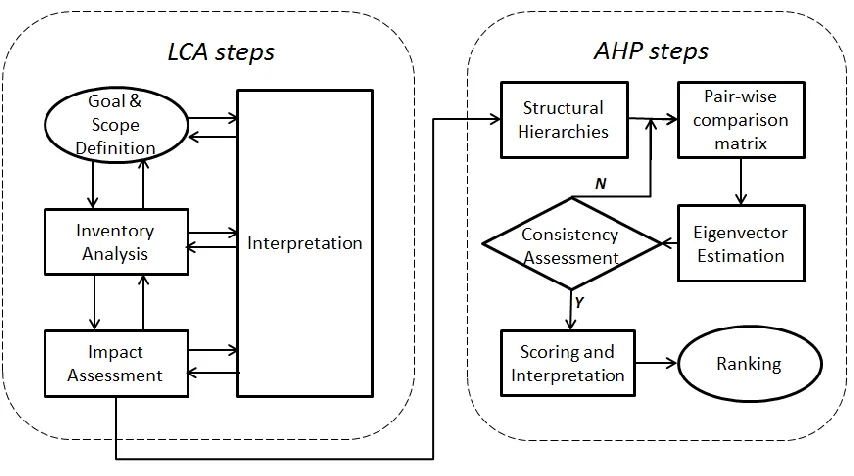
Figure 5. Process flow diagram of the steps involved in the framework developed. ... 23
Page | v
Figure 7. Assumed location of municipal solid waste dumping facility ... 31
Figure 8. Estimation of the transportation distance for oceanic freight between Shanghai, China and California, USA... 31
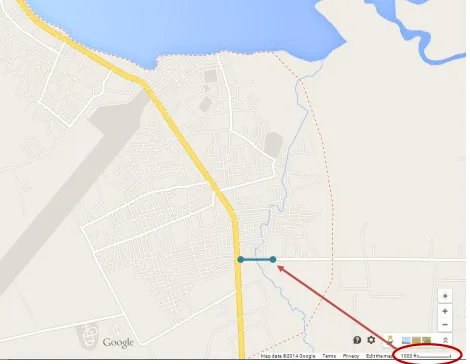
Figure 9. Example of the reference for estimation of distances in Google Maps. ... 32
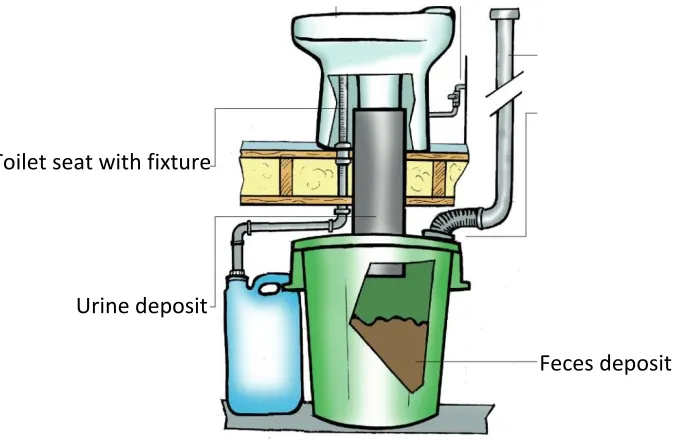
Figure 10. Schematic of a generic ventilated urine diversion toilet. ... 33
Figure 11. SOIL's compost facility in Limonade, Cap-Haïtien. ... 34
Figure 12. Frontal and side view of the diesel truck used by SOIL, also known as "Poopmobile" ... 35
Figure 13. Map view with the location of the community of Limonade in relation to the city of Cap- Haïtien. ... 36
Figure 14. Map visual of the city of Cap-Haïtien with estimated household tally per region. ... 37
Figure 15. SOIL staff dumping solid waste from drums into the compost bins. ... 38
Figure 16. Schematic of a conventional flush toilet. ... 41
Figure 17. Schematic of a residential sewer pipe connected to the municipal sewer grid. ... 42
Figure 18. Variety of materials of pipes used in residential sewer drains. ... 43
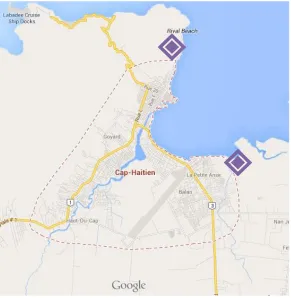
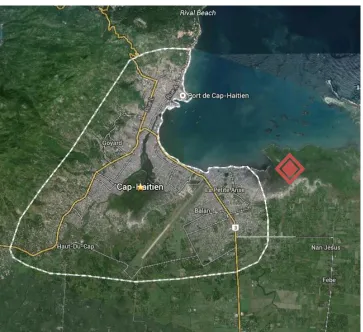
Figure 19. Map location of possible endpoints for wastewater discharge without treatment. Specific locations are represented with the icon ... 46
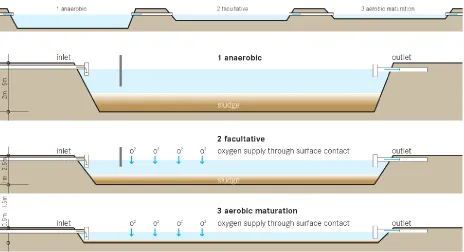
Figure 20. Typical scheme of a waste stabilization ponds: An anaerobic, facultative and maturation pond in series. ... 48
Figure 21. Map location of possible endpoint for waste stabilization point represented with the icon ... 50
Figure 22. Summary of results of base case (technology comparison). ... 55
Figure 23. Comparison of LCIA materias extraction phase. ... 56
Figure 24. Comparison of LCIA of production phase ... 56
Figure 25. Comparison of LCIA of transportation phase. ... 57
Figure 26. Comparison of LCIA of use phase. ... 57
Figure 27. Comparison of LCIA of end-of-life phase ... 58
Figure 28. Summary of results of LCIA of parameters in Case 1. ... 62
Figure 29. Summary of results of LCIA of parameters in Case 2.3 ... 63
Figure 30. Summary of results of LCIA of parameters in Case 3. ... 63
Figure 31. Comparison of environmental impacts of the Compost Facility across scenarios. ... 64
Figure 32. Comparison of environmental impacts of the Sewer System across scenarios.4 ... 64
Figure 33. Comparison of environmental impacts of the Waste Stabilization Ponds. across scenarios. ... 65
Figure 34. Summary of results of sensitivity analysis for projection to 2030. ... 68
Figure 35. Summary of results of sensitivity analysis for projection to 2045. ... 69
Figure 36. Decision Hierarchy structure for the sanitation systems alternatives under study. ... 71
Figure 37. Scatter plot of results of probabilistic simulation. ... 82
Page | vi
List of Tables
Table 1. Data for classification of municipal and residential sewer systems per volume of
wastewater... 44
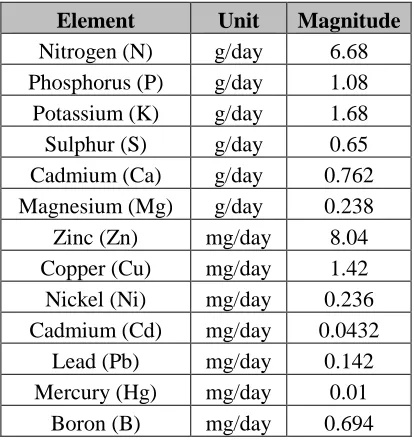
Table 2. Averaged generation rate of nutrients in human excreta (urine and feces combined) under a developing-world diet. ... 45
Table 3. Materials and emissions inventory for the construction of waste stabilization ponds expressed in terms of 1 population equivalent. ... 49
Table 4. Averaged gaseous emissions per capita from aerobic and anaerobic decomposition in stabilization ponds. ... 51
Table 5. Environmental impact categories included in ReCiPe. ... 53
Table 6. Summary of results for base case (technology comparison). ... 54
Table 7. Scenario conditions for case 1. ... 60
Table 8. Scenario conditions for case 2. ... 60
Table 9. Scenario conditions for case 3. ... 61
Table 10. Historic census results in Cap-Haïtien ... 66
Table 11. Summary of results of sensitivity analysis for projection to 2030. ... 67
Table 12. Summary of results of sensitivity analysis for projection to 2045. ... 68
Table 13. Fundamental scale for pairwise comparisons in AHP. ... 76
Table 14. Average random consistency index (R.I.) ... 78
Table 15. Summary table of results from LCIA for selected impact categories. ... 78
Table 16. Summary table of simulation conditions. ... 82
Table 17. Summary of results from probabilistic simulations. ... 83
List of Nomenclature
14DCB 1, 4-Dichlorobenzene
ABS Acrylonitrile Butadiene Styrene AHP Analytic Hierarchy Process ALO Agricultural Land Occupation BEA British Environmental Agency BFA Box Flow Analysis
BOD Biochemical Oxidation Demand C2H6 Ethane
C3H8 Propane
Page | vii
CO2 Carbon Dioxide
COD Chemical Oxygen Demand CR Consistency Ratio
DALY Disability Adjusted Life Years
DINEPA Direction Nationale De L’ Eau Potable Et De l’Assainissement EOL End-Of-Life
EPA United States Environmental Protection Agency FD Fossil Resource Depletion
FE Freshwater Eutrophication
FRIDE Foundation For International Relations And Foreign Dialogue
g Grams
HDPE High-Density Polyethylene Terephthalate HT Human Toxicity
IDEA International Institute For Democracy And Electoral Assistance IHSS Institut Haïtien De Statistique Et d'Informatique
IR Ionizing Radiation
ISO International Standard Organization kg Kilograms
kWh Kilowatt Hours
LCA Life-Cycle Assessment
LCI Life-Cycle Inventory Assessment LCIA Life-Cycle Impact Assessment m2 Squared Meters
MCDA Multiple-Criteria Decision Analysis MDG Millennium Development Goals ME Marine Eutrophication
MET Marine Ecotoxicity MFA Material Flow Analysis mg Milligram
MRD Mineral Resource Depletion NaCl Sodium Chloride
NaClO Sodium Hypochlorite
NGO Non-Governmental Organization NH4+
CH4
Ammonium Methane
NLT Natural Land Occupation
NMVOC Non-Methane Volatile Organic Compounds NOx Nitrogen Oxides
OAS Organization Of American States OD Ozone Depletion
Page | viii
PET Polyethylene Terephthalate PMF Particulate Matter Formation POF Photochemical Oxidant Formation PP Polypropylene
PPE Personal Protection Equipment PVC Polyvinyl Chloride
RI Random Consistency Index SO2 Suplhur Dioxide
SOIL Sustainable Organic Integrated Livelihood SOx Suplhur Oxides
SuSanA Sustainable Sanitation Alliance TA Terrestrial Acidification TET Terrestrial Ecotoxicity UDT Urine-Diversion Toilet ULO Urban Land Occupation UN United Nations
UNEP United Nations Environmental Programme UNICEF United Nations Children's Fund
USAID United States Agency For International Development WD Water Depletion
Page | 9
1.
Introduction
Improving sanitation is not only favorable to health, but also promotes dignity, economic
benefits and environmental conservation. This holds true especially for underdeveloped and
developing regions of the world where around 2/3 of the population does not have access to
sanitation facilities. Many different types of sanitation systems are available for implementation,
and models vary greatly depending on the type of infrastructure and the technological expertise
required to implement them. Although there have been numerous efforts to improve sanitation
systems in the developing world, adoption rates and long term use are relatively low due to poor
understanding of the multiple requirements for sustaining such systems such as environmental
conditions and cultural habits. Quantifying the costs and benefits of these systems to the
environment is one step in better informing decision makers in development projects, and thus
facilitating the selection of sustainable sanitation systems. However, one of the main obstacles is
the limited knowledge and available tools to adequately perform such analysis. The research
conducted puts forth a method to assess and hierarchically classify large-scale sanitation systems
based on their environmental performance and context.
2.
Background
2.1
The burden of diarrhea
Diarrheal diseases have posed a major threat to human welfare since the beginning of
civilization (Lim ML, 2004). The burden of diarrheal diseases to mankind can be observed
by the high morbidity and mortality rates they cause, especially among children. Every year,
1.8 million people around the world die as a consequence of diarrheal diseases and
consequent health complications (WHO, 2013). Globally, diarrheal diseases kill more
children from ages 0 to 5 than malaria, AIDS, and measles combined (Liu et al., 2012). As
such, diarrheal diseases are the fifth leading cause of illness and death and the second leading
cause of death of children under the age of 5 (Balkema, Preisig, Otterpohl, & Lambert,
Page | 10 Aside from causing the death of millions every year, diarrheal disease can lead to a vast array
of negative outcomes that can continue to affect people throughout their lives. In prolonged
affliction, diarrhea during formative stages of childhood causes stunted growth and impaired
cognitive development due to dehydration and malnutrition (Bowen A, 2012). The losses in
productivity and the costs associated with healthcare due to diarrheal diseases can amount to
millions of dollars annually (G. Hutton, Haller, & Bartram, 2007). Therefore, there are acute
and chronic implications resulting from short and long term episodes of diarrhea with
deleterious impacts to health and welfare.
Increasing supply and quality of water and sanitation, education, and vaccines are
well-known interventions for the prevention and treatment of diarrhea. Yet a significant fraction of
the world population do not have access to the methods to do so (WHO/UN, 2011). During
the United Nation’s (UN) World Summit 2000, 185 countries pledged to meet Millennium
Development Goals (MDG), on which prevention and treatment of diarrhea falls under the
scope of Goal 7: “Ensure environmental sustainability” targeting clean water supply and
sanitation accessibility (WHO, 2013). However, of all targets within the MDG, sanitation
goals remain furthest from being fulfilled by 2015. Despite some progress, it was estimated
around 2.6 billion still lacked access to improved sanitation facilities by 2011 (WHO, 2013).
2.2
Sanitation as an intervention
A major factor in the spread of diarrheal diseases is the lack of sanitation. According to the
World Health Organization (WHO), sanitation is defined as “the provision of facilities and
services for the safe disposal of human urine and feces”. Research has demonstrated that
88% of diarrheal deaths are caused by deficiencies in unsafe water supply, inadequate
sanitation and poor hygiene practices (Lim ML, 2004; Liu et al.). Esrey et al. (1991), Tilley
et al. (2008) and Fewtrell et al. (2005) claim that sanitation is one of the most effective and
least expensive ways to prevent diarrhea and other life-threatening illness. The research
performed by Esrey et al. (1991) shows how improvements in water availability with
sanitation facilities achieve greater reductions in diarrheal infections than improvements in
other interventions (such as water quality, education). However, around 40% of the world’s
Page | 11 WHO classifies sanitation facilities under two categories: unimproved and improved
sanitation. Unimproved sanitation is defined as the management of human waste that “does
not ensure hygienic separation of human excreta from human contact”. Because unimproved
sanitation facilities require little to no cost or infrastructure, it is practiced by the vast
majority of people living in poverty in underdeveloped regions (See Figure 1). Unimproved
sanitation facilities include: open defecation, pit latrines without a slab or platform, hanging
latrines, bucket latrines, or any type of shared facilities (WHO/UNICEF, 2013).
Figure 1. Examples of unimproved sanitation: hanging latrine (left) and unkempt public toilet (right).
Source: S. Brownell, 2008
In contrast, an improved sanitation facility is referred to as the management of human
waste that “hygienically separates excreta from human contact”. Improved sanitation
facilities include: flush/pour flush toilets (with piped sewer system, septic tank or pit),
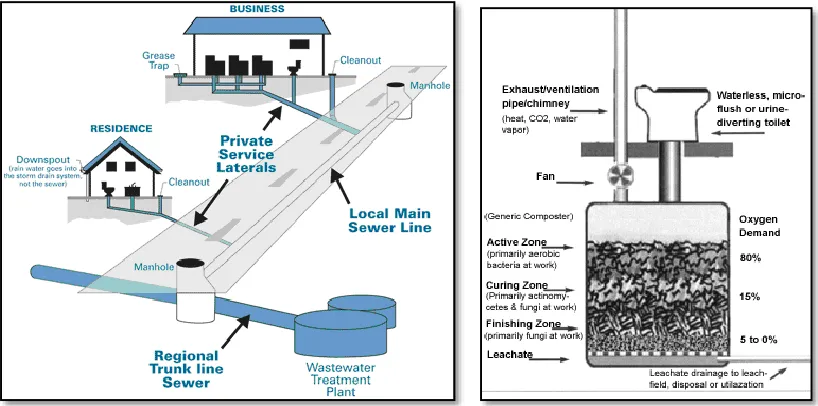
ventilated improved pit latrines, pit latrines with slabs, and composting toilets (Refer to
Figure 2 for example) (WHO/UNICEF, 2013). Although satisfying the requirements to
adequately manage sanitation, the existing types of facilities are not universally adopted
by households due to technical complexity and significant costs necessary for installation
Page | 12
Figure 2. Diagrams of improved sanitation systems: pipeline sewer (left), and composting toilet (right).
Source: Left (http://brprojects.com/SSOProgram/SSOInfo.aspx?grpID=pub); Right (http://www.reuk.co.uk/Introduction-to-Compost-Toilets.htm)
2.3
Sanitation in the developing world
Diarrheal diseases caused by pathogens in fecal matter are widespread throughout low and
middle-income countries. Proportionately, the regions of the world presenting the lowest
sanitation coverage are sub-Saharan Africa, Southern Asia, Eastern Asia, and Latin America.
Figure 3 illustrates that low sanitation coverage is predominant in these developing regions
of the world (WHO/UN, 2011). Sanitation services and the management of waste are poorly
supported even in most densely populated urban settings in low and middle-income
countries. As a consequence, it is a common scenario in these regions to expect large
volumes of waste, including human excreta, to be disposed into the streets or waterways
causing blockages that aggravate flooding and the propagation of pathogens (Zurbrügg,
Page | 13
Source: World Health Organization, 2011
Aside from being visually unpleasant and a source of malodor, the consequences of a lack of
improved sanitation in developing countries transcend the short term. For example, a 2003
study from United Nations Children's Fund (UNICEF) found that sanitation and hygiene
related diseases were one of the leading causes of lateness to schools, absenteeism, poor
performance and low academic achievements (Jasper, Le, & Bartram, 2012). The lack of
sanitation facilities in a low and middle-income community means that members have to
spend considerable amounts of time searching for a location, sometimes distant and unsafe,
to defecate. A large burden is placed upon females who are forced to wait until it is dark to
relieve themselves in open fields, where they are still under the risk of being attacked. In
addition, young girls reaching the menstruating age tend to drop out of schools when proper
sanitation facilities do not exist. As a result, this leads to an increase in female illiteracy and
perpetuates gender inequality (Agberemi, 2006).
On that same note, the current state of unimproved sanitation has significant costs. These
costs include both direct medical costs associated with sanitation-related illnesses and
indirect losses through loss of productivity as well as reduced income from tourism and real
estate (Commission on Macroeconomics and Health: Sachs, 2001). According to the WHO,
providing improved sanitation and water supply for the world population of around 7 billion
Page | 14 only (75% of world population) would result in nearly $65 billion in savings every year
through saved time, increased productivity, and avoided illness and death (Guy Hutton &
Haller, 2004). WHO estimates that, on average, every dollar spent on improving sanitation
returns about nine times the total initial investment (Commission on Macroeconomics and
Health: Sachs, 2001).
These impacts are of concern as migration from rural to urban settings has maintained steady
growth in the past 10 years. Figure 4 shows that increasing density in urban regions is present
in almost all developing regions of the world. Given this trend, it is of particular interest to
analyze the development of sanitation systems from a large-scale and urban perspective.
Figure 4. Increment of urban population in developing regions of the world.
Data and graph from The World Bank Group, 2012.
Much attention from international agencies has been focused to address the sanitation crisis
affecting developing countries. Many programs receive funds to introduce sanitation
facilities that serve entire communities. Paradoxically, some of these communities tend to
achieve low rates of adoption and even lower rates of long term use (Balkema et al., 2002).
In previous work (Cruz Diloné, 2013), a systematic review of the literature was performed
for the critical assessment and evaluation of an extensive pool of data concerning this topic.
During this research it was observed that the slow expansion of sanitation coverage is not
Years
%
u
rb
an
p
o
p
u
la
ti
o
Page | 15 only due to lack of attention to sanitation needs or poor management from institutions, but
rather to unaddressed social, economic, technical and environmental barriers. For example,
numerous aid programs have attempted to deal with improving sanitation in the developing
world, but they have lacked community and governmental support, comprehensive and
accurate data collection and consistent funding, have been too small scale and short-term, are
inadequately suited or detrimental to local environmental conditions, and have not addressed
the real roots of problems or followed up through monitoring and accompaniment. Therefore,
there is a pressing need to develop sustainable sanitation systems that can be widely adopted
and sustain usage over time, especially in those regions of the world with lower sanitation
coverage and high mortality rates due to diarrheal diseases. To that end, it is necessary to
analyze the sustainability of sanitation in its many dimensions to effectively engage in
promoting well-being in the developing world for present and future generations.
For this research, a sustainable sanitation system is defined as one that fulfills the functional
and technical requirements of sanitation while causing minimal or no disruption, or causing
improvements to the environment, economy, society (including the health of a community)
and governance.
2.4
Structure of the document
Section 3 of this document defines the problem statement and the main objectives of the
research. A summary of the literature review can be found in Section 4 presenting published
work on approaches to (i) assessing environmental impacts of sanitation systems, including
their insights and limitations, and (ii) ranking and rating alternatives when multiple criteria
are involved. The research methodology is presented in Section 5 along with the scope of
work. Results and its respective discussion are disclosed towards the end of Section 5. Lastly,
a summary of the conclusions and recommendations is shown in Section 6 along with
Page | 16
3.
Problem Statement
The lack of infrastructure in developing countries is both an impediment for the sustainability of
waste management systems and an opportunity to innovate. In terms of providing improved
sanitation, systems can range from simple (such as a simple pit latrine with a slab) to highly
technical (such as a self-powered tertiary wastewater treatment facility with sludge and methane
recovery serving a large community). However, efforts to develop different types of
infrastructure at different levels of complexity have not significantly improved sanitation
coverage, mainly due to unaddressed and contextual social, economic, technical and
environmental needs. Low and middle-income countries have been the recipient of development
aid from a number of organizations. With few exceptions, much of this aid has not resulted in
sustained sanitation usage over time (Del Valle Cavagnero, Godinho, & Abrantes, 2013;
McConville, 2006; Peter Wampler, 2011). It is therefore paramount that the selection of a
particular sanitation system provides an effective provision and improvement of sanitation
services for an increasing urban population. Yet, the necessary data to perform such decisions is
not fully available. Given the aggravated environmental and economic conditions and the lack of
infrastructure in these countries, the selection of a sanitation system becomes challenging for
NGO’s, government agencies and other groups of interest. Quantifying the costs and benefits to
the environment of various sanitation options is one step in helping decision makers make better
choices. Because these systems are of such large scale, their positive and negative impacts are
also of significant proportion, highlighting the importance of optimizing these decisions. Bearing
this in mind, the following statement is used to summarize the problem:
The environmental sustainability of large-scale urban sanitation systems in the
majority of developing countries is complex and not entirely explored; therefore,
there is a need for approaches to adequately evaluate and compare the
environmental performance of sanitation systems and thus better inform decision
Page | 17
4.
Literature Review
4.1
Sanitation and Sustainability
As pointed out by various authors (Guy Hutton & Haller, 2004; G. Hutton et al., 2007;
Montgomery, Bartram, & Elimelech, 2009) and global institutions like World Bank
(Feachem, Bradley, Garelick, & Mara, 1983; Solo, 1998) and World Health Organization
(Commission on Macroeconomics and Health: Sachs, 2001), improvement of water and
sanitation is fundamental for the development of healthy communities, and results in
significant economic and social gains. Achieving these improvements in a sustainable
manner will optimize and extend these benefits significantly. A key step towards achieving
sustainable sanitation is the comprehensive assessment of the needs of a system, considering
technical as well as environmental and socioeconomic criteria. According to the Sustainable
Sanitation Alliance (SuSanA), a sustainable sanitation system has to be “economically
viable, socially acceptable, technically and institutionally appropriate, and protect the
environment and natural resources” (Joensson, Richert Stintzing, Vinneras, & Salomon,
2004).
The impacts on the environment from deficient or poor sanitation systems are numerous. In
places where defecating in the open or in plastic bags, also known as flying toilets, are
common practices, pathogens can easily spread to plants and animals, contaminating food
and drinking water supply (Zurbrügg, 2002). Moreover, plastic bags used in flying toilets are
generally not biodegradable and thus contribute to solid waste pollution (Mwakugu, 2007). In
more urbanized regions, a common manifestation of poor sanitation management is the
discharge of sewage into the environment (e.g. streams, rivers, lakes, wetlands, and the
ocean) (Pujari et al., 2007). This practice results in the loss of valuable biodiversity. For
instance, the presence of human excreta in water can increase nitrogen levels (Muñoz,
Canals, & Clift, 2008), and consequently, cause eutrophication. Water eutrophication causes
Page | 18
4.2
Environmental assessments of sanitation
Material Flow Analysis (MFA) and Box Flow Analysis (BFA) have been used to evaluate the
risks for environmental pollution from sanitation systems and to quantify their resource
recovery potential. The method of MFA quantifies flows of materials in a defined system in
order to understand its effects on the natural and industrial ecology. A study from Ushijima et
al. (2013) determined the economic and environmental feasibility of ecological sanitation
systems in an urban slum scenario through an analysis of materials and value flow analysis
by comparing their direct and externalized implications. Meinzinger et al. (2009) analyzed
nitrogen and phosphorus flows of septic tanks, pit latrines and urine diversion toilets from a
small rural town in South Ethiopia showing the potential to obtain significant amounts of
plant nutrients (with potential value as fertilizer) from sanitation systems. However, these
methods focus on the use phase of sanitation systems and its byproducts while leaving out
the implications of other phases of their life-cycle. In addition, methods for MFA and BFA
do not enable an appropriate comparison between alternatives of a system with the same
function.
Life-cycle thinking has been recurrently used as a method to measure the sustainability of
water and sanitation projects (Renou, Thomas, Aoustin, & Pons, 2008). Life-Cycle
Assessment (LCA) is useful to evaluate the impacts of products and services during all
phases of their life-cycle. This in turn can be helpful to appropriately compare alternatives,
identify opportunities for improvement on design or plan for mitigation in a systematic
manner. The methodology, standards and terminology behind LCA are defined by ISO 14040
(2010), and exemplified in many case studies among industrial ecologists, organizations, and
academia. Although research and case studies have been conducted independently, a
common framework for LCA can be described by following four phases: Goal and scope
definition, Inventory analysis, Impact assessment, and recommendations assessment through
Interpretation.
LCA studies on small and large wastewater treatment plants have been successful at
Page | 19 ecotoxicity (Gallego, Hospido, Moreira, & Feijoo, 2008), the trade-offs between
environmental impact indicators and operational costs (Rodriguez-Garcia et al., 2011), and
the burden of energy and global warming potential of different wastewater treatment systems
(Houillon & Jolliet, 2005). The LCA performed by Thibodeau et al. (2014) was able to show
that source-separation systems (where solid and liquid excreta are separated in the point of
generation) yield higher negative impact scores for human health, ecosystem quality, climate
change and resource depletion compared to conventional centralized wastewater treatment
system, mainly due to significant metal emissions to the soil. Benetto et al. (2009) conducted
a comparative Life-Cycle Assessment between a centralized ecological sanitation system and
a conventional centralized wastewater treatment system, thoroughly analyzing the potential
allocation of byproducts of each system and measuring their environmental performance on a
small-scaled urban scenario in Luxemburg. This study concluded that the largest
environmental impact caused from ecological sanitation comes from transportation of waste,
thus making it more suitable for small-scale waste management schemes. The study also
places attention on the fact that conventional centralized wastewater treatment systems have
very poor environmental performances in terms of terrestrial ecotoxicity and energy
requirements, and thus, other alternatives should be investigated. In addition, not all systems
for ecological sanitation have been evaluated nor compared to other sanitation alternatives on
a large scale.
One significant limitation to performing LCA is that it is data-intensive analysis, and
therefore requires a relatively large amount of time and resources spent on gathering,
organizing and interpreting information. A number of software tools and databases are
available to model environmental LCA of products and systems on a variety of large scale
industries such as textile, transportation, waste management, agriculture, and various
manufacturing outputs which eases the process of gathering and organizing data. However,
these software, databases and units of measurement for environmental impact are developed
and oriented based on standards of well-developed industrialized countries which brings
certain degrees of uncertainty when attempting to model LCAs in scenarios with holistically
Page | 20 environmental LCA models, which as discussed earlier in this document, are direly needed
by decision makers to identify and select alternatives of sustainable sanitation systems.
4.3
Approaching decision making
The environmental impacts quantifiable through the LCA can vary in magnitude, importance,
and unit of measurement. Understanding and analyzing these results is part of the
interpretation phase of an LCA and enables decision makers to have a better understanding of
the environmental burden associated with the life-cycle of a system or many alternatives. The
interpretation of these results is highly contextual and requires a holistic understanding of the
environmental and stakeholder’s needs and goals of the assessment. Available impact
assessment tools that aid in the interpretation, such as ReCiPe, are commonly used by LCA
practitioners worldwide, yet originated by entities in developed regions of the world like the
European Union (EU) and the US. Although these available tools can be potentially modified
to account for global statistics these can result in the addition of uncertainties and blur the
significance of results.
Multiple-Criteria Decision Analysis (MCDA) can be useful to tackle the uncertainties and
challenges present in decision-making, such as comparing and ranking criteria and
alternatives (Belton & Stewart, 2002). MCDA methods require the decision maker to
structure the decision analysis by defining goals, criteria, alternatives and constraints, and to
evaluate this structure through mathematical models. In the process of evaluating the
alternatives to a decision, it often becomes apparent that the outcomes of one or more course
of actions are uncertain and that there are difficulties in comparing criteria with different
magnitude (i.e.: qualitative vs quantitative). Analytic Hierarchy Process (AHP) is a
well-known MCDA approach for structuring complex scenarios, deriving scale priorities, and
helping decision makers to choose the best alternative among a discrete set of alternative
scenarios (Triantaphyllou, 2000). In AHP, the decisions are structured in a manner that the
comparisons are done between elements of the same category, also described as pairwise
comparisons. AHP is also useful to extract priorities and weights from quantitative and
qualitative sources in a relative manner, and in doing so, avoid the difficulties of justifying
Page | 21 process, the decision maker carries out pairwise comparisons which are then used to develop
overall priorities for ranking the alternatives. Another feature of AHP is that it allows one to
measure and provides a means to improve consistency in the process of defining priorities.
Inconsistencies are often found to be a result of clerical errors, lack of information,
inadequacy in the structure of the model, or general real-world incongruities (Forman &
Selly, 2002).
Many applications of AHP can be found in the literature in a wide set of areas: personal
choices, social and policy, engineering, education, government, sports, management, etc.
Published literature describing AHP applications to environmental analyses is still growing.
Some of these published applications involve energy planning (Hamalainen & Seppalainen,
1986; Li & Chang, 2011), consumer preferences for environmental policy (Uusitalo, 1990),
and the evaluation of environmental impacts of manufacturing processes (Ong, Koh, & Nee,
2001). In these works, AHP is able to address MCDA while considering judgment from
single or multiple decision-makers. Seppala et al. (2008) analyzed different decision analysis
frameworks for LCA. Among the methods described, AHP was cited as one of the
appropriate tools for supplementing decision analysis to LCA. For instance, an application of
AHP and qualitative LCA approaches was put forth by Pineda-Henson et al. (2002) focusing
on manufacturing processes. AHP was shown to be an effective support tool for LCA as the
environmental concern factors evaluated were hierarchically structured and compared. For
these reasons, AHP can be used as a tool to support the interpretation phase of the LCA and
thus to determine an objective ranking of the importance of different types of environmental
impacts in comparative LCAs, such as the one proposed in this document.
Previous attempts to couple LCA methodologies with AHP have mostly been analyzed in a
qualitative manner or on the assessment of products, not systems. Similarly,
recommendations from previous studies in environmental life-cycle assessment of sanitation
systems in developing world scenarios were drawn from inaccurately modeled systems and
thus draw conclusions with considerable uncertainties. Utilizing the decision analysis
features of AHP to complement some of the limitations of LCA can potentially enhance the
Page | 22
5.
Research Methodology
5.1
Overview
The methodology employed in this research utilizes steps from both environmental
Life-Cycle Assessment and Analytic Hierarchy Process. This method was chosen to allow
quantifying and comparing a variety of environmental impacts associated with all life-cycle
stages of selected sanitation systems and consequently provides a ranking that best fits the
context of analysis. Relative ranking of the systems is verified by AHP using through defined
priorities from decision makers. This approach allows practitioners to obtain comparable
quantitative results for competing systems and to systematically approach decision making in
complex and dynamic scenarios.
The method was applied to a model based on a case study to demonstrate its applicability and
limitations. The model considered potential sanitation systems operating under a range of
scenarios in an effort to capture the potential environmental impacts associated with
sanitation systems, and to support the decision on future course of action. The three
alternatives defined have the same system boundaries; they transport and treat household
human excreta. The physical boundaries of the scenarios were defined after examining maps,
reviewing the literature, and remotely contacting local experts on the subject. A sensitivity
analysis was then performed to reveal the relationships between input and output variables in
the model and to help identify the key limitations of both the analysis and the methodology,
which can be investigated in future research.
While the quantitative analyses conducted in this study provide results that are more
adaptable to variables, the complementary qualitative analysis will allow for the
interpretation of these results in a more detailed and contextually precise manner. Therefore,
this framework seeks to harness both quantitative and qualitative analysis in a structured and
Page | 23
It is important to point out that the framework used in this environmental Life-Cycle
Assessment is similar yet not the same as the standards published by the International
Organization for Standardization (ISO) (2010). For instance, peer-reviewed evaluations were
not possible due to limited time frame, the project scope and the intended audience of this
research. Another marked difference is that the impact assessment step is further analyzed
using methodologies of Analytic Hierarchy Process. ISO 14042 shows a rather restrictive
stance on weighting in LCA claiming “weighing shall not be used for comparative assertions disclosed to the public”. However, AHP does not prescribe right and wrong answers but
helps select the course of action that best reflects the decision maker’s goals and
understanding of the context. The intent of this research is not to deliver a statement but to
partially close a research gap as discussed in Section 3 of this document. Due to these
marked differences and conflicts, this study is not claiming to be an LCA as defined by ISO
[image:27.612.93.520.82.320.2]but employs the majority of is holistic steps.
Page | 24 In summary, the methodological framework proposed in this research is relatively new and
has not been previously used to approach evaluation and decision making in a
developing-world context. This research intends to partially close gaps from a methodological
perspective, and to provide a more systematic understanding of the environmental
implications of selected sanitation systems in a developing-world context.
5.2
Life-Cycle Assessment
5.2.1
Goal and scope definition
Defining goal and scope of an LCA consists of the description of the system including the
purpose of the study, the system boundaries, and a functional unit. Defining the goal of the
study helps to determine potential sources of the data required for the study, the future use of
the results and the audience to which the study is addressed. The system boundaries are set in
order to provide some context on the scope and depth of the many processes that need to be
investigated in the study. A functional unit is a quantification of the service delivered by a
product or system, usually measured as the functional output in terms of magnitude and/or
duration, which enables its comparison with alternative systems (Cooper, 2003).
5.2.1.1
The case study of Cap-Haïtien, Haiti
Haiti is the poorest country in the western hemisphere with 80% of the population living
under the poverty line ($1.25/day in 2009 according to The World Bank); while 54% subsist
under extreme poverty (CIA, 2013). The fact that forests cover less than 2% of the territory
and that the majority of the soil is deteriorated to a state of low agricultural productivity are
evidence of the severe environmental degradation affecting the country. The effects of these
critical environmental conditions are reflected in Haiti’s socioeconomic profile, as
agriculture is the second largest economic activity of the country employing a significant
percentage of the labor force (Smucker, White, & Bannister, 2002).
Among the alarming conditions burdening Haiti, access to improved sanitation facilities is
Page | 25 when the average for Latin America and the Caribbean is at 80% coverage (WHO/UN,
2011). Until the existence of Direction Nationale de l’ Eau Potable et de l’Assainissement
(DINEPA) in 2009, there were no government institution overseeing supply of sanitation
services for the overall population (DINEPA, 2012) while sanitation coverage gradually
declined from 45% in 1990 to 36% in 2011 (WHO/UN, 2011). DINEPA’s work, as well as
most of the development aid, has focused in the cities of Port-au-Prince and Cap-Haïtien
where the largest urban populations of the country are situated (WHO/UN, 2011). In
September 2011, DINEPA finalized the construction of three waste stabilization ponds (2 in
Port-au-Prince and 1 in Cap-Haïtien); however, operative complications emerged within the
first year leaving only one facility in Port-au-Prince still in operation (Kramer, Preneta, &
Kilbride, 2013). In addition, the remaining stabilization ponds can only serve a fraction of
Port-au-Prince wastewater needs. This lack of sanitation services is an ongoing contributor to
the propagation of the cholera epidemic, a lethal diarrheal disease, with over 8,000 reported
deaths as of 2013 (National Plan for the Elimination of Cholera in Haiti, 2012). Various
analyses by Wampler et al. (2011; 2011) and Tassel et al. (2009) over the geological and
ecological conditions of Haiti concluded that current conditions enable the existence of
shallow aquifers that are prone to be contaminated by water-borne pathogens, and thus,
recommends that funds should be spent on improving water and sanitation resources rather
than vaccines. At the same time, much of the aid supplied by various international
organizations is still directed to address the cholera epidemic in the form of vaccines and
education, and have not focused on longer term development of sanitation infrastructure and
programs (Gelting, Bliss, Patrick, Lockhart, & Handzel, 2013).
Cap-Haïtien, as the second largest city in Haiti with a population of 155,500 by 2009 (IHSS,
2009), serves as an example of an increasingly growing urban area in a developing country
with exposure to different sanitation systems but poor sanitation coverage overall. Aside
from stabilization ponds, other sanitation alternatives seen in Cap-Haïtien include open
defecation, flying toilets, hanging toilets, composting toilets, small sewer grids with
discharge to waterways, septic tanks, and latrines. The analysis of Remy Kaupp along with
Oxfam (2006) presented a review of the sanitation options in Cap-Haïtien in 2006. Results
Page | 26 the long term due to lack of appropriate maintenance while private options were expensive to
build and maintain and performed poorly in the limited space of the urban and peri-urban
regions of the city. In the end, the study recommends future research on a low cost ecological
sanitation option and supply-driven business model.
Sustainable Organic Integrated Livelihood (SOIL), a non-profit organization based in Haiti,
has a trajectory of studies and programs on ecological sanitation and sustains a network of
urine diversion toilets serving the community of Shada and various urban slums in
Cap-Haïtien. The human waste collected from this network is transported to a composting site in
the surroundings of Cap-Haïtien where fertilizer is produced for local use in agriculture and
reforestation. Kramer et al. (2012) presented an analysis of the technical and economic
performance of a thermophilic composting facility based in this operation in Cap-Haïtien.
Similarly, the NGO PROTOS completed a program in the period of 2011-2013 to improve
water and sanitation management in a working-class district in Cap-Haïtien (PROTOS,
2013). The results reported include the installation of latrines in 12 different schools and the
involvement of local stakeholders to promote development through improved water and
sanitation management. Alternatively, Meegoda et al. (2012) have recently presented the
feasibility of a functional sanitation system that outputs biogas and fertilizer without using
external energy. While projects on sanitation systems are emerging in Haiti, no study
comprehensively analyzing the environmental impacts of these systems was found. This
situation provides a prospective scenario for demonstration of the method proposed and will
serve as a case study.
5.2.1.2
System Boundaries
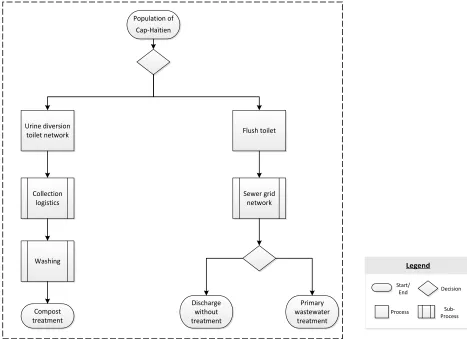
The simplified process flow diagram presented in Figure 6 illustrates the scope considered
for each system of interest. The result is the definition of three scenarios for sanitation
systems in Cap-Haïtien, Haiti: the Compost Facility scenario, the Sanitary Sewer System
scenario, and the Waste Stabilization Ponds scenario. These alternatives were identified
among systems that are currently in service on a larger scale compared to others, as described
in the review of the case study. Impact allocation methods and the statement of assumptions
Page | 27 The use of water and other inputs, such as energy and transportation, are accounted
accordingly. The use of toilet paper and soaps, or substitutes, is neglected because it is
assumed that users will use the same amount, type and rate regardless of the scenario.
Legend Urine diversion
toilet network Flush toilet
Population of Cap-Haïtien
Compost treatment
Primary wastewater
treatment Discharge
without treatment
Sewer grid network Collection
logistics
Washing
Start/
End Decision
Process
[image:31.612.70.537.166.505.2]Sub-Process
Figure 6. Simplified process flow diagram of the scenarios considered for the study.
5.2.1.3
Functional Unit
The functional unit determined for this case study is: the provision of sanitation services for
of 22,214 households each outputting 2.45kg of feces per day in an urban setting for 15
Page | 28 This unit was defined based on a series of assumptions. For the number of households, an
average of 7 people per household was assumed based on field surveys on Borgne and Milot
conducted during 20131 and 2014 (O'Connor, 2014) and last available demographic statistics
from the Haitian Institute of Statistics and Data Processing (Institut Haïtien de Statistique et
d'Informatique) (2009). Time frame was defined based on the review of technical
performance of sanitation infrastructure by Machado et al. (2007) coupled with estimations
of life expectancy of sewer systems by a report from the United States Environmental
Protection Agency (EPA) (2002). Unlike the infrastructure used in the compost scenario
modeled in this study, data on lifespan of sanitation sewer infrastructure is readily available.
Although the life expectancy of a sewer system is estimated to be an average of 50 years, the
same analysis shows that life expectancy of treatment equipment varies from 15 to 20 years
depending on maintenance. In addition, the amount of feces produced by a person largely
depends on the composition of their diet. According to Feachem et al. (1983) fecal excretion
rate per person can vary from 250 grams to 350 grams on a daily average for a common
low-protein, high-grain diet common in developing countries. In summary, this functional unit
was chosen to measure the effects on a large scale and to be able to appreciate the marginal
impacts of all alternatives in a worst case scenario.
5.2.1
Life-Cycle Inventory Assessment
The life-cycle inventory (LCI) assessment consists of the collection of data regarding all
materials and process units concerning the systems being examined. The purpose of the LCI
is to quantify the inputs to the systems under analysis based on their associated mass flows,
energy usage, as well as emissions into water, soil, and air. In addition, general and process
specific assumptions can be stated in the LCI. Commercial LCI databases include datasets
based on data collected by practitioners during their work with companies, and public and
academic institutions. These databases can contain information of materials and processes
1 The author spent a total of 12 days in Cap-Haïtien, Haiti during the month of June of 2013. Although the visit did
Page | 29 from a variety of industries, including: agriculture, construction, transportation, textiles,
electronics, plastic and metals processing, energy, etc.
The Ecoinvent v2.2 database was used in order to model materials, processes and life-cycle
scenarios in Simapro 7. Simapro is a high-end LCA software tool that utilizes predetermined
datasets to simulate materials and processes of products and systems in order to model
life-cycle assessments. The Ecoinvent 2.2 datasets are based on industrial data and have been
compiled and reviewed by European research institutes and LCA consultants as occurred in
2010.
Materials and processes that are not readily available in the datasets were modelled using a
list of materials and processes available in Simapro and referencing external data as
appropriate. These inputs are assumed to be representative of reality, as intricate evaluations
and validations are outside the scope of this analysis. The transportation operations and
distances for these materials, from their points of processing to the intended site of use, have
been estimated and included in the analysis. The operational efficiency during the use phase
of each of the scenarios was assumed to be constant although the author is aware of the
effects of chemical reactions, weather conditions and other variables affecting each of the
sanitation systems. Impact allocation of by-products is examined individually further into this
document. In SimaPro, the end-of-life (EOL) scenario of a product or a system is defined by
developing a waste scenario according to the processes and disposal operations associated
with landfilling, incineration, and recycling of materials (Goedkoop et al., 2010). However,
none of these scenarios is currently available in Cap-Haïtien, Haiti. Current practices include
uncontrolled dumping in many sites of the city and open incineration is usually practiced by
locals to reduce volume of solid waste (IADB, 2014). For the sake of this analysis, a
dumpsite facility will be modelled assuming there is infrastructure already available in the
outskirts of the city approximately 6 miles from the center of the city (See Figure 7). It is
reasonable to assume this since there is a lack of local infrastructure and local market to
recover these materials for recycling. The estimation for the siting of the dumpsite was
assumed using guidelines from the United States Environmental Protection Agency as
Page | 30 The transportation of raw materials and finished goods are analyzed and represented in the
Transportation phase. Transportation distances were estimated using a variety of online tools.
Shipment and transportation distances by road were estimated using applications of Google
Maps while oceanic freight distances were estimated using an online international routing
tool http://www.searates.com/reference/portdistance/ (See Figure 8). Likewise, railroad
shipment distances were estimated using online calculator with the US rail map
http://www.spoornet.co.za:70/CalculateDistance.asp. Figure 9 shows a screenshot of the
reference used to estimate road distances utilizing the GPS-derived positions Google Maps
and Google Earth. The accuracy of remotely estimating these distances depends upon source
Page | 31
Figure 7. Assumed location of municipal solid waste dumping facility
Figure 8. Estimation of the transportation distance for oceanic freight between Shanghai, China and California,
[image:35.612.109.572.443.644.2]Page | 32
Figure 9. Example of the reference for estimation of distances in Google Maps.
The following subsections describe the specific assumptions and calculations concerning the
alternative systems under study.
5.2.1.1
Urine diversion toilet with collection network to off-site composting
facility
An urine-diversion toilet (UDT) network is a sanitation system where urine and feces from
human defecation are separated at the source and collected for further composting into usable
fertilizer (See Figure 10). To model this scenario, data from the UDT network run by SOIL
Page | 33 using a plastic fixture attached to a toilet seat; urine is disposed by the user while feces are
collected in a bucket and transported to an off-site composting facility for treatment (Kramer
et al., 2013). An in-depth description of materials and sub-processes involved in this system
[image:37.612.137.474.152.372.2]is described in the following subsections.
Figure 10. Schematic of a generic ventilated urine diversion toilet.
Source: http://www.ecovita.net/EcoDry
5.2.1.1.1
Materials and processes
The materials considered for this system consists of: urine-diversion toilets (a
conventional polypropylene (PP) toilet seat with a lid, a thermoformed high-density
polyethylene terephthalate (HDPE) fixture, a 5-gallon PP bucket for the feces, and a
gallon polymer container for the urine), 55-gallon HDPE drums for collecting household
solid waste, a diesel truck for transportation, water and detergent for washing the drums
after disposing the wastes into the facility, and the building materials (concrete slab,
softwood lumber, fastener, roofing sheets, shipping pallets, and discarded sugar cane
fibers) composing the composting facility (Refer to Figure 11). Land occupation is also
accounted for accordingly, and it is assumed that the land used is fallow and inactive for
other purposes.
Urine deposit
Page | 34
Figure 11. SOIL's compost facility in Limonade, Cap-Haïtien.
Source: Theo Hiutema, 2014
The majority of these materials and products are not readily available in the datasets in
SimaPro. In order to accurately model these elements in SimaPro, the materials were
quantified in terms of mass and weight unit as possible, as some are provided in
volumetric units. In order to convert volumetric units into weight units, common density
values were averaged then multiplied by the volumes estimated per material. The
volumes of these materials were determined by analogy-based references from
commercial equivalents. In example, SimaPro provides wood based materials in a
volumetric unit. The individual weight of the softwood lumber used in the building
structures was identified by computing the specific gravity of spruce (0.431), a common
softwood lumber for this application, and the volumetric unit of 1m3 as provided by SimaPro. This provides a weight based material for softwood lumber with an estimated
weight of 431kg per m3.
Shipping pallets and the sugar cane fibers used to fill them are considered salvaged
Page | 35 discarded with no further purpose. The impacts associated with the extraction, processing
and prior uses of both the shipping pallets and the sugar cane fibers are not accounted for
in the model since these materials were not intended for the purpose of this system. The
model does include the transportation of these materials from their point of last use to the
compost facility and the end of life processes associated with their disposal. It is assumed
that shipping pallets are sourced from the port of Cap-Haïtien while sugar cane bagasse is
sourced from a local processing plant.
5.2.1.1.2
Transportation
The transportation phase can be categorized from two sources: gathering/disposing
materials for infrastructure and operation logistics. In general, plastics used in hardware
and most of the building materials are assumed to be imported from China, United States
and Dominican Republic using oceanic, railroad and road freights as applicable.
Operational logistics are conveyed through road transport using a small diesel truck (See
Figure 12). A staff team visits each household collecting the solid waste from the buckets
which are later moved into a 55-gallon drum. The collected solid wastes are then
transported to an off-site composting facility every 7 days (Kramer et al., 2013). SOIL’s
compost facility is currently located in the community of Limonade, in the outskirts of
the city of Cap-Haïtien (Refer to Figure 13). The same location will be assumed for this
model as there are unknown factors and uncertainties associated with the feasibility and
capabilities of other locations to run such operations.
Figure 12. Frontal and side view of the diesel truck used by SOIL, also known as
Page | 36 Overall transportation distances and number of households are estimated using the
remote visual features of Google Maps. Figure 14 shows a visual representation of the
estimation of households that were tallied by region. This method was also useful to
estimate routing and amount of trucks necessary to service specific regions of the city
considering population density. The level of efficiency of the routing, fleet size, and the
overall transportation operations is directly correlated to the environmental impact of the
transportation phase, and overall life-cycle of a system. Although the author has made the
best effort to efficiently configure this model, the optimization of these variables is
outside of the scope of work.
Figure 13. Map view with the location of the community of Limonade in relation to the city of Cap- Haïtien.
Page | 37
Figure 14. Map visual of the city of Cap-Haïtien with estimated household tally per region.
Source: Google Maps
5.2.1.1.3
Use phase
In this system, the use phase is composed of the operations performed in the composting
facility. After solid waste is collected and transported into the facility, drums are
manually emptied into compost bins as shown in Figure 15. During the 6 months of
treatment, pathogens are eliminated by a combined effect of elevated temperatures
Cap-Haïtien
2,547
2,309
6,308
3,276
814
2,966
Page | 38 inherent in composting, the addition of organic materials which further enables its use as
a fertilizer, and turning process that homogenizes these effects (WHO, 2006).
Figure 15. SOIL staff dumping solid waste from drums into the compost bins.
Source: Theo Hiutema, 2014
A washing process is performed to allow these drums to be reused in the transporting
operations after the delivery of waste to the facility. Diluted detergent and water are used
for the washing process; the water is pumped from a well using a mechanical pump and a
diesel generator and the detergent is sourced commercially. This process was modeled in
two compartments: pumping the water and sourcing the disinfectant. The capacity of the
pump and the efficiency of the diesel generator were estimated using data available in the
Ecoinvent datasets. A process of pum