NATIONAL INSTITUTE OF SIDDHA
Tambaram sanatorium, Chennai-47.
(Affiliated to the Tamil Nadu Dr. M.G.R Medical University, Chennai-32)
A study on
RATHTHA MOOLAM
(Dissertation subject)
For the partial fulfillment of the requirements to the degree of
DOCTOR OF MEDICINE (SIDDHA)
Branch-I – Maruthuvam
CERTIFICATE
Certified that I have gone through the dissertation submitted by Dr.H.NALINI SOFIA a student of final MD(S) Branch-I, Department of Maruthuvam, National Institute of Siddha, Tambaram Sanatorium, Chennai-47 and the dissertation work ‘A study on RATHTHA MOOLAM’ has been carried out by individual only. This dissertation does not represent or reproduce the dissertation submitted and approved earlier.
Place: Tambaram Sanatorium, Chennai-47
Date: HOD & Professor, Department of Maruthuvam,
CONTENTS
Page. No
Acknowledgement
i
Abstract
iv
Introduction
v
1.
Aim
and
object
1
2. Literature Review
2.1
Siddha
aspects
2
2.2
Modern
aspects 49
3.
Materials
and
Methods
83
4.
Observation
and
Results
88
5.
Discussion 107
6. Summary
112
7.
Conclusion 113
Annexure
Annexure –I Preparation and properties of Trial Drug
114
Annexure
–II
Bio
chemical
analysis
121
Annexure
–III
Pharmacological
evaluations
123
Annexure
–IV
Forms
132
ACKNOWLEDGEMENT
It is my proud privilege to keep on record my deep respect and gratitude to Dept.of AYUSH, Ministry of Health&Family welfare, Govt.of India for giving me a great opportunity to carry out this dissertation work in National Institute of Siddha, Tambaram sanatorium, Chennai-47.
In all humility, I salute with grate thanks to the Tamilnadu Dr. M.G.R Medical University and Directorate of Indian Medicine and Homeopathy, Chennai, for granting permission to take this study.
I am thankful to Prof. (Dr). V.Arunachalam, MD(S), Director, National Institute of Siddha, Tambaram sanatorium, Chennai, for providing me this opportunity to carry out this dissertation work.
It is with great pleasure that I expressed my heartful gratitude to
Dr.K.Manickavasakam, MD(S), HOD& Professor, Department of Maruthuvam, National Institute of Siddha, Tambaram sanatorium, Chennai, for his valuable guidance, constant advice and suggestion for carrying out this work in the best possible manner.
I gladly acknowledge Dr.M.Logamanian, MD(S), Associate professor, Department of Maruthuvam, National Institute of Siddha, Tambaram sanatorium, Chennai, for his valuable advises and helps during this study.
I am deeply indebted to Dr.G.Ujjeevanam, MD(S), Lecturer, Department of Maruthuvam, National Institute of Siddha, Tambaram sanatorium, Chennai, who have sent words of encouragement and suggestions for this study.
I am deeply indebted to Mr.P.Jeyabal, M.sc, Asst.Professor (Bio statistics), National Institute of Siddha, Tambaram sanatorium, Chennai, for his valuable help throughout this study.
I thankfully acknowledge Dr. Subbaraghavalu, M.D, Assistant professor, Madras Medical collegre& hospital, Chennai for his suggestions during this study.
I thank to Metex Laboratory of India, Guindy, who help me to do the Biochemical analysis of the trial drug in this study.
I thank to Mr.Anbu, M.Pharm, Vel’s college of pharmacy, who help me to do the pharmacological evaluations of the trial drug in this study.
I extend my sincere thanks to each and every faculty of NIS for their guidance throughout this dissertation work.
I would like to convey my thanks to Mrs.A.Vimala &Mr. J. Rathinam, Library Assistants, National Institute of Siddha, Tambaram sanatorium, Chennai, for their kindly help during this study.
I am extremely indebted to Dr.Thomas M. Walter MD(S), Assistant Lecturer, Government Siddha Medical College, Palayamkottai, for his affectionate & enthusiastic encouragements, perpetual support for the successful completion of this dissertation work.
I particularly wish to express my sincere appreciation for the help and cooperation extended to me by Dr.Karu.Karthikeyan, MD(S), Dr.H.Vetha Merlin MD(S), who have been kind enough to offer suggestions to carry out this work in the best manner.
I offer my thanks to Dr.Walter’s family for their dedicated help. Without their understanding & faithful support, this work would not have been possible.
I thankfully acknowledge the encouragement received from my friends Dr.V.Sreedevi, Dr.S.Bhuvana,Dr.J. Shebha & Dr. G.Thangam
I would like to convey my thanks to all my post graduate colleagues,NIS, for their valuable help during the study.
Most of all I would like to thank my parents, my brothers and sisters for all the support and love they have given to me always you are the reason behind my every successful step.
There are many others who, in so many ways, have contributed to and assisted in this work. I acknowledge their contributions, and will always be grateful to them.
I would like to thank Jan computers, Chennai – 47. for their help in this work.
ABSTRACT
Raththa moolam (Haemorrhoids) is a common affliction and have been described and treated for more than 4000 years. It is a fact that 50-85% of the world’s population will be affected by haemorrhoids at one or another episode in their life time. Although uncomfortable and embarrassing in nature, it is not normally a serious condition and only a small number seek medical attention. Haemorrhoids that cause problems are found equally in men and women, and their prevalence peaks between 45 and 65 years of age.
The controllable, preventable and curable medicines are available in our Siddha system of medicine for Raththa moolam.
Naagarathi Elagam is one of the best Siddha medicines. The trail medicine was tested to best of biochemical and pharmacological analysis and the results were also observed.
Fifty patients of both sexes were selected by the author and they were administered with the trial drug, Naagarathi Elagam 2 tablets (2.1gm each) two times daily with honey.
44% of the cases showed very good clinical improvement while 48% of the patients showed good clinical response. 8% showed fair clinical improvement.
INTRODUCTION
Siddha system of medicine, the heritage of the Tamils being practiced in South India since time immemorial is special, significant, most respectable and of high order. Every system of medicine promotes the adage “Prevention is better than cure”. But Siddha system of medicine can help us to live a healthy, natural life by preventing diseases. Siddhars are pioneers of metal therapy to compact major as well as minor ailments successfully. It is well known that all the eyes of the world are turning to the natural system of medicine, especially indigenous system of medicine to find out a more acceptable drug for incurable diseases.
Medicine is an ever – changing science. As new research and clinical experience broaden our knowledge, changes in treatment and drug therapy are required.
The World Health Organization (WHO) has documented that the vast majority of people (75-80%) mostly living in the “developed industrialized nations”, prefer and resorts to Alternate (Traditional) Medicine for treating common ailments and chronic diseases. Among these traditional system of medicines ‘SIDDHA SYSTEM’ has definite answers for chronic ailments and also for challenged diseases.
Siddhars have developed one of the aspects of diagnosis and prognosis of diseases by
reading the pulse which is unique in Siddha system and is unknown to any other
Traditional system of medicines in the world. There are eight kinds of diagnosis in Siddha and the Siddhars have diagnosed the diseases by pulse reading (Naadi) alone in detail.
Ano rectal disorders may cause significant morbidity, primarily as a result of pain. As with general population, (Moola rogam) haemorrhoidal disease is the most common surgical ailments which we often come across in surgical out patients department. To have a treatment which is less morbid and does not require surgical procedure allowing patient to carry out normal routine activities will be better.
During literary review of Siddha texts, the preparation ‘Naagarathi Elagam’ seemed to be a promising drug for Raththa moolam. The selection of the trial drug ‘Naagarathi Elagam’ was adopted from Anuboga Vaidhiya Navaneetham; part 8; page no: 4 by Hakeem P.M. Abdullah Sayabu.
AIM AND OBJECT
The synonym for Raththa moolam in Siddha system is Kuruthi Eruvai mulai
noi according to Yugi vaidhya chinthamani. It is a vascular disorder that causes bleeding
per rectum during defecation. It affects people in their active period of life and causes severe physical and mental embarrassment.
The primary aim of this present study is to expose the most efficacious, easily available, cost effective and safe herbal drug for the treatment of Raththa moolam. In that way, the effectiveness of Naagarathi Elagam in Biochemical, Pharmacological and Clinical aspects are being studied. The secondary aim is to find out the side effect or adverse reactions of the drug, if any. The objective of this present study would involve the observation of Naagaraathi elagam when given internally.
SIDDHA ASPECTS
Siddhars classified diseases into 4,448 and described each one separately and
elaborately. They classified the diseases on the basis of Vaatha, Piththa and Kapha.
Raththa moolam is one among the twenty one types of moola noigal described
in Yugi Vaidhya chinthamani. Moolam in Siddha means the area Moolaathaaram or the root. Moolaathaara area has been given maximum importance in Siddha system as it is the energy centre of the body, the Kundalini. Although there are other Moolaathaara areas in the body this area is the foremost energy centre. This is explained as follows,
“hir<gie!G{<mzqg<Gt<!&zolie<X! !!!!hivh<hi!g{<mk<kqz<!&zolie<X! Ohir<gie!HVujlb!&zolie<X! !!!!Hgpie!uqf<KuqOz!&zolie<X!
uir<gie!sg<kqbqOz!&zolie<X! !!!!!!lVuqfqe<x!hvihvk<kqz<!&zolie<X!
Okr<gil!zqjkbiXr<!g{<mRieq! !!!!!!!Osi<f<K!fqe<x!Ll<&z!ObigqbiOl/”!
-Sattai muni gnanam
Thathuvam aspect
This structure makes this area having more kinetic (due to Vaayu) and thermal energies (due to Theyu) to facilitate the normal acts of micturition, defaecation and parturition. To control defaecation and to carry out Kanmavidayam visarkam, the bootham involved is Neer.The kanmenthirium involved here is Eruvai.
Vaayu and Aahaayam together constitute vaatham. Vaatham in the body manifests as ten types. The types directly concerned with moolaathara area are Abaanan, Piraanan and Devathaththan. Abaanan is a vaayu having Theyu predominance in its structure. In relation to malaasayam it effectively expels faeces since it has both kinetic (due to Vaayu) and metabolic thermal energies (due to Theyu). Piraana vaayu takes its course via moolaathara area and it takes Saaram from here and disperses to all the tissues of the body in addition to its main function of respiration. Devathaththan relates the mental state of a human being with the lower gastro intestinal tract. It normally resides in the rectum and is responsible for anxiety, anger, quarrelling and laziness.
Theyu in malaasayam manifests as moolakkini .Moolakkini, a kind of akkini in the body gives the required metabolic thermal energy to malaasayam to facilitate the normal act of visarkam.
Neer bootham carried out the act of visarkam in the kanmenthirium Eruvai. The
action of neer bootham is very essential. Since uncontrolled action by Vaayu, Aahayam and Theyu may result in derangement of normal bodily function.
“Okxoue<xz<!GGoue<X!fvl<HkiEl<!
!!!!!!!!!!!!osbzig!Le<osie<e!Lg<Ogi{qz<!fqe<X! Ogi{iGl<!nr<G!fqe<X!fiIOhiOz!
!!!!!!!!!!ogiMjlbmi!nf<fvl<H!Olz<Ohim<mig! !!!nhiek<kqz<!Le<etuib<!nr<Og!fqx<Gl<!
!!!!!giVkqgl<!dth<jh!fvl<hqkiOl! !!!!!!!!!!!!!!!!!!!kioee<x!fvl<ohz<zil<!-jsuig!!
K{<MOhiz<!Okgk<Kt<Ot!
!ne<elK!d{<hkx<Gl<!okgqh<hkx<Gl<”!
-Theraiyar narambu sootthiram-150
Control by Narambu
In Theraiyar Narambu Soothiram, nine narambugal are held responsible for deglutination, digestion, absorption and defaecation. Out of these one narambu is held responsible solely for the purpose of visarkkam. This narambu divides into four branches in the moolaatharam and supplies large intestine, urinary bladder, sukkilaasayam, karriral and swasa pai. This narambu in association with other thathuvams such as ten
vaayus carry out the act of visarkkam. It is mentioned in the following verse,
“gi[l<!Lh<hk<kqv{<M!Lpl<!GmjzkiEl<!
!!!!!!&zikivk<kqz<!-kopie<xib<!fiZl<!ose<X! !!!!!!!!!!!!Osixie!Yvqkp<kie<!Sg<gqzk<kqz<!ose<X!
!ose<X!lzszikqgjt!kt<tqh<OhiMl<! !!!!!!!!!!!!ohixqbie!&e<xqkPl<!huth<!jhbqz<!
!!!!!!!!!!OsIf<K!LKg<gqj{bK!Ohiz<!-jvgt<$p<f<K! !!!!!!!!!!!!ogi{<mic!nr<gqVg<Gl<!-kp!&e<xiOz!
Ye<xie!Gmz<fvl<H!kqvtib<!fqe<X! !
! !
!!!!!!!!!!!!Dg<gLt<t!givQvz<!ke<eqz<!kiljv!
Fiz<!ujtbl<!Ohiz<!Olikq!fqi<<g<Gl<! !!!!!!!!!!!!fqi<g<Glf<k!fvl<hKUl<!Suish<jhbqz<!
!!!!!k{<mKg<Gl<!dxuis<S!lzk<jkh<!Ohig<Gl<! !!!!!!!!!!!!Ohvie!ksuiBuqe<!ohzk<kiOz!
!-Vk<Kk<!kt<Tlmi!lzk<jkk<!kiOe/”!
-Theraiyar Narambu Soothiram-150
Importance of Varmam
Several varmams are located in and around the anus and anal canal. Of all moolaathara, Ull sarvanga adangal is often used to arouse an unconscious patient, when
other adangals fail. For males this adangal is located 2.5cm above the external anal sphincter in the anal canal. This adangal is effective since moolaathara area has connections with all other chakaras. Being the base for chakaras it indirectly controls all other chakaras. So moolaathara area and normal varma nilai are vital for the normal functioning of the body.
Udal koorugal aspect
The udal koorugal aspect of the gastro intestinal tract and particularly that of rectum described in Siddha text are as follows. The total length of the gastro intestinal tract is thirty two muzham. The continuous peristalsis is mentioned as, “njmuic! fqx<Glmi! Gmzqz<!kiEl<” and the spindle like shape of the intestine occurring during
These structures are controlled by the six charkas and the Guru Naadi. In the pelvic region the adjacent related organ is the urinary bladder which lies by left, where as large intestine lies to the right. In the moolaathara area the large intestine is to function normally in association with other system in the region particularly related to vaayus, Vairavan and Sanguni. In the large intestine in addition to digested food there are irai,
kirumi, puzhukkal corresponding to micro organisms and parasites.
In the lower most regions, i.e. the anal canal there is a special apparatus to open and close the canal whenever necessary. This is mentioned as, “Thaazhpaazh”. This relates to the anal sphincters at the end of the anal canal. These things are mentioned in the verse as follows,
“%xOu!Lh<hk<kqv{<M!Lpl<!Gmz<kiEl<! !!!!!!Ljxbig!Nbqvk<K!wm<M!njxBliGl<!
njxobe<xiz<!FjvbKOhiz<!Glqpqbig! !!!njmuic!fqv<g<Glmi!Gmzqz<kiEl<! !!!!!!!!!!!!! !!gl<hk<kq!zjxbqm<mih<!OhiOz!bf<k!
!!!!!gVr<Gmzqz<!-ketUl<!Nbqvk<kq!wm<M! !!!!!!!!!!!! !Nkivl<!NXg<Gl<!GVficg<Gl<!
!!!!njxbjxbib<!Gmzj{!Ohiz<!fqe<X! !!!!!!!!!!!!! !njxbig!-mh<hg<gl<!szh<jhg<Gt<Ot!
!uzh<higl<!Gmz<fitl<!sr<gqOeiOm! ! ! ! !juvuEl<!sr<gqeqBl<!nr<Og!fqe<X!
!!!!!!!!!!!!uti<g<Glmi!sr<gjkBl<!dxuic!Spqbqz<!uf<K! !!!!!!!!!!!!!!!!nr<G!fqi<g<Gl<!&zk<kqz<!Gpz<kioee<x!
!!!ytquie!ng<Gpz<ki!ejxBl<!h,m<c! !
! !
gkuqz<!kih<hitqm<Omih<Ohi!zjmh<hm<mih<Ohiz<! !!!!!!!nmuig!nke<!upqbib<!lzl<kie<!OhiGl<! !!!!!!!!!!!!!!!!nr<gui<gt<!K{<MGmz<!fitk<OkiOm!
!!!!!!!Osimie!ng<Gpzqz<!njxgt<!Okie<Xl<! !!!!!!!!!!!!!!!!osiGsie!gqVlqbqjv!HPg<gotz<zil<!
!!!!!!!!!=g<gt<!olib<k<kih<Ohiz!bf<k!fvl<hqz<Sx<xq! !!!!!!!!!!!!!!!!-Vg<Glmi!wf<kqvk<kqz<!gVuq!hisl</”
.Theraiyar narambu soothiram-150
MOOLA NOIGAL
Moola noigal are diseases that occur in and around moolaatharam. They include a wide variety of ano rectal diseases.
Veru peyar (synonym of moola rogam)
Adi mulai noi, Arippu noi and mullai noigal.
Noi enn (Classification)
Moolam has been classified into various types by different authors. Some of the
types are tabulated below.
Yugi munivar in Yugi Vaidhya Chinthamani describes twenty one types of moola noigal, of which Raththa moolam is one among them. The verse is,
“seqh<hie!&zk<kqe<!ohbOv!oke<eqz<!
!!slvslil<!fQi<&zR<!os{<M&zl<! Leqh<hie!Ljt&zR<!sqx<X&zl<! !!!&i<g<glil<!uv{<&zl<!vk<k&zl<!
! !
!!!!!!!!!!!!!!!!!!kqeqh<hie!sQ&z!lipq&zl<!
!kq{qbie!klvgli!&zk<OkiM! !!!!!!!!!!!!!!!!!!ueqh<hie!uikoliM!hqk<k&zl<!
!!!ujgbie!Osm<Mlk<kqe<!&zliOl/” !
“ujgbiGf<!okif<kli!&zk<OkiM! !!!!!!uti<gqe<x!uqje&zl<!Olg&zl<!
hjgbiGl<!hUk<kqvli!&zk<OkiM! !!!!!!!hmi<gqvf<kq!&zoliM!Gjkbi&zl<!
HjgbiGl<!Hx&zR<!SVg<G&zl<! !ohiVgqe<x!su<uiG!&zk<OkiM! KjgbiG!&zf<kieqVhk<!okie<Xl<! !!$m<Sli!bqkEjmb!SVhr<OgOt/”!
-Yugi Vaidhya chinthamani
Types
1. Neer moolam
2. Chendu moolam
3. Eruvai moolam
4. Siru moolam
5. Varall moolam
6. Raththa moolam
7. Seezh moolam
8. Aazhi moolam
9. Thamaraga moolam
10. Kuzhi moolam
12. Kutha moolam
13. Veli moolam
14. Churukku moolam
15. Savvu moolam
16. Vali moolam
17. Azhalal moolam
18. Aiya moolam
19. Mukkutra moolam
20. Vinai moolam
21. Mega moolam
Curable types
1. Neer moolam
2. Peru moolam
3. Varal moolam
4. Raththa moolam
5. Vali moolam
6. Azhal moolam
7. Mega moolam
8. Kuzhi moolam
9. Kazhal moolam
10. Veli moolam
11. Churukku moolam
In curable types
1. Chendu moolam
2. Siru moolam
3. Seezh moolam
4. Aazhi moolam
5. Vinai moolam
6. Ayia moolam
7. Kutha moolam
8. Mukkutra moolam
9. Thamaraga moolam
Agasthiyar in Agasthiyar pari pooranam describes nine types of moolam. He includes Raththa moolam one among them. The types are (Nava moolam),
1. Ull moolam
2. Pura moolam
3. Raththa moolam
4. Seezh moolam
5. Mulai moolam
6. Moola paandu
7. Vali moolam
8. Azhal moolam
9. Ayia moolam
Vaidhya Sara Sangiragam and Aavialikkum amutha murai churukkam also accept
Agasthiyar classifications.
In Anubava Vaidhya Deva Ragasiam, moolam is classified into six types.
1. Vaatha moolam
2. Pittha moolam
3. Silathuma moolam
4. Thontha moolam
5. Thiri thosha moolam
6. Raththa moolam
In Jeeva Ratchamirtham, moolam is classified into four types. It doesn’t classify on the basis of mukkutra theory rather than it is classified on the basis of heredity etc.
The four types are,
1. Sagasa moolam 2. Uththarasa moolam
3. Sutka moolam
4. Aarthira moolam
Theraiyar describes ten types of moola noigal; of witch Raththa moolam is not
included. The types are,
“sQobiP!gqbKH!{QovipqgqbKX!kQobiPgqbKhuq!
eQobiP!gqbkx!OzobiP!gqbkk!OtobiP!gqbKkjsg<! !giobiPgqb!kP!OlioviPgqb!kmv<!gioziP!gqbKLjt!
ObobiP!gqbkqju!&zl<!kib<ofxq!Obv<ohX!Olii<h0Ok” !
-Theraiyar sekarappa 253
10 types
1. Seezh moolam
2. Pun moolam
3. Thee moolam
4. Neer moolam
5. Mulai moolam
6. Sathai moolam
7. Kaduppu moolam
8. Veluppu moolam
9. Kaatru moolam
10. Peru mulai moolam
Cega Rasa Kesaram classifies moolam into twenty types. It includes Raththa moolam one among the twenty types. The types are,
1. Vaatha moolam
2. Piththa moolam
3. Kapha moolam
4. Vaatha piththa moolam
6. Piththa silethuma moolam
7. Sedha vaatha moolam
8. Sada vaatha moolam
9. Silethuma sala moolam
10. Ull moolam
11. Ularthu moolam
12. Athisara sura moolam
13. Thosa thontha moolam
14. Vaatha rattha moolam
15. Vaatha kerpa moolam
16. Piththa vaatha thontha moolam
17. Piththa silethuma thontha moolam
18. Kanda moolam
19. Raththa moolam
RATHTHA MOOLAM
In Siddha system, most of the Siddhars speaks of the Raththa moolam. From its
name itself one can understand its special characteristics i.e. bleeding per rectum. If this type of moolam exists, it must be corrected immediately; otherwise it will lead to anaemia and other complications.
Veru peyar (synonyms)
Kuruthi Eruvai mulai noi.
Eyal(Definition)
Literally Raththa means blood and moolam means the ano rectal region. To say it correctly Raththa moolam is a disease characterized by bleeding per rectum during defaecation, weakness, head ache, palpitation and constipation.
Noi varum vazhi (Aetiology)
Yugi munivar elaborately describes the various causes for all moola noigal. Although the text does not mention causes separately for each type, collectively within two verses it deals psychological, karmas, intrinsic and extrinsic factors of aetiology for all moola noigal. With this and other Siddha texts we can say the causes of the disease as,
1. Karmas and psychological causes. 2. Due to inappropriate diets and acts.
3. Due to maintaining wrong postures in yogasanas. 4. Due to deranged varma nilai.
The karmas and psychological causes include, 1. Chiding the elders.
3. Indulging in rape.
4. Thinking of doing harm in the mind but saying sweet words in front 5. Living a luxurious life when neighbors and relatives are in hunger. 6. Always quarrelling with others.
This basically vitiates the piththam and later, causes derangement of vaatham and eventually leads to Raththa moolam. This is explained in yugi vaithya chinthamani as follows,
“Ljebig!&k<Okijv!jukziZl<! !!!!Olisr<gt<!h{<{qOb!gx<hpqk<Kl<!
!!!!!!!fqjeuig!fqjeuqozie<Xl<!uig<gqozie<Xl<! !!!!!!Ofi<f<khc!osiz<Zgqe<x!fQm<Mfx<Gl<! !!!!!!!!!!!!!!!!!!hjebig!hvOksq!hf<KuiOeii<!
!Hsqk<kqVg<g!d{<mOkii<!hikgx<Gl<! kj{bigs<!slikief<!kuqi<g<gqe<Oxiv<g<Gl<!
s{<mit!
&zl
<!uf<K!seqg<Gf<kiOe”!-Yugi vaithya chinthamani Moolam is a karma disease and is proved from the verse of Agasthiyar kanma
kandam as
“fQg<gik!&zOfib<!ge<lk<kiOz!
!!!!!!!!!!!fqjzogm<m!nhiek<kqz<!ofVh<OhilQxq! !!!!uig<giOz!bhiek<kqe<uisz<!ke<eqz<!
!!!!!!!!!!!!!!uf<K!Ljt!Olgk<kiz<!$m<miz<!gi[l<! !!!!!!!!kig<Ogi!zizjmk<!kix<Ohiz<!uiB!fqe<X! !!!!!!!!!!!!!!!ke<jlbt<t!lzlkje!uxm<ck<!kQb<f<Kh<!
!!!!Ohb<Ogizl<!h{<[lmi!
&z!Ovigl
<!!!!!!!!!!!!!!!Hzk<kqbOe!hpuqjegtqeq!er<OgOt/”!
Karma theory is based on the belief that one is not dissociated from the fruits of
the actions of his previous births.
The other intrinsic causes of inappropriate diet and acts include, 1. Exposure to excessive cold.
2. Exposure to excessive heat.
3. Excessive heat in the body itself due to sexually transmitted diseases. 4. Indulging excessively in sexual act.
5. Consuming foods with pungent, sour and salty tastes.
Here Yugi munivar suggests two more psychological causes. They include 1. Always having an angry mood.
2. Anxiety and depression due to heavy loss in business etc. This is given in Yugi Vaidhya Chinthamani,
“kk<jkbi!lkqglir<!GtqvqeiZl<! !!!!!kvqbik!upx<sqbix<!gqvf<kqbiZl<! !!!!!Hk<jkbil<!ohiVf<kik!d]<{k<kiZl<! !!!!!!!H{v<s<sqbib<g<!Ogihk<kix<!szqh<hqeiZl<!
gk<jgbil<!ouGgill<!Ou{<mziZl<! !gceli!Lh<hiZr<!givk<!kiZl<! !!olik<jkbil<!ouGker<gt<!OhiekiZl<!
!!!&zl
<uf<!Kx<hk<kq!LjeBf<!kiOe/”!-Yugi Vaidhya Chinthamani
Maintaining wrong yogic postures
Aetiology due to deranged varma nilai
Injury to the utchi varman if intensive causes immediate collapse. If the trauma is mild then the patient develops difficulty in passing urine and constipation. Constipation in the long run causes moola noi. This is explained as Utchi Varmam (konndaikolli varmam).
“Ofxie!ofx<xq!fMukqzqVf<K!
!!!!!!!!!!!nuvui<!jgbkqeiz<!wm<Muqvz<!OlOz! !!!!!!!!ntf<Khii<k<kiz<!kzLeg<G!okvqbuVl<!
!!!!!!!!!!!!!!!!nk<kzk<kqz<!Lxqf<kqcOzi!G{k<jkg<!OgOt! !!!!!!!!!Olz<lzv<f<K!utg<Glh<hi!ubv<ohiVLl<!
!!!!!!!ohiVlqOb!sqXfQoviM!Ohkqgm<Ml<! !!!!gm<Mlh<hi!se<eqObiM!sQkL{<mil<! !!!!!!!!!!kh<hiK!fipqjgkie<!nXuKg<Gt<”
! If saathyam,
“OhSOl!oki{<[iXfit<!gpqf<kUme<!kjzgqXg<gl<! heqGtqVl<!ubqxkqOz!Ohkqgm<Ml<!
!!!!!!!!!!!!!!!!Lg<gqblib<!
&zOfib
<!hkeliGl</”!- Subramaniyar varma avathai nithanam-500
Siddha pathology
The human body is made of ninety six thathuvams. Alterations in any thathuvam results in pathological states. Raththa moolam results basically from derangements of vaatham and piththam. This is best illustrated in the verse,
“neqz!hqk<k!okif<klziK!&zl<!uviK!“
Initially in any pathological state the affected thathuvams are the pancha bootham. The various aetiological factors of Raththa moolam annihilate the normal structure of Vaayu, Aahayam and Thee boothams in moolatharam. If this state is allowed to persist
then the bootham responsible to carry out the kanmavidayam, Visarkam, Neer gets deranged in the very long run.
Since Vaayu and Aahayam constitute vaatham and Thee constitutes piththam, immediately these two humours derange.
Vaatham in the body manifests as ten vaayus. Among them those having connections
with the anal canal is Abaanan, Piraanan and Devathatthan gets derangements. Simultaneously with the vaayus, naadis having connections with the moolatharam i.e. Gugu and Suzhumunai along with other thaththuvams produce systemic manifestations.
Piththam in the body manifests as five types viz Anal, Ranjagam, Alosagam,
Pirasagam and Sathagam. All these are affected in Raththa moolam.
Kapham deranges very lately if the patient is left untreated for days together to
produced kapha disease such sobai etc.
Humoral or Tridosha pathology
Pancha boothams are manifested in the body as three vital forces, Vaatham
Piththam
Vitiation of three humours i.e. vaatham, piththam, kapham and derangements of its normal function, is important basic factor for the disease.“neqz! hqk<k! okif<klziK! &zl<!uviK”/ -Therayar.
According to Therayar there is no moolam with out vitiation of vaatham and piththam.Among the humours, because of dietetic habits i.e. consumption of excessive
tubers, and (except karunai kizhangu) chilies and intake of hot food materials the vali and piththa humours are predominantly affected. Consequently the functions of abaana vaayu is deranged (i.e. which is important for excretion and parturition) and normal bowel habit also affected. This leads to constipation. Chronic constipation and straining during defaecation ultimately results in moola noi.
In long course this disease affects some of the udal kattugal, Saaram, Chenneer etc. Consequences of this body are debilitated.
Vaatham (or) vaayu
“Ljxjlbil<!hqvi{Oeimhiee<!uqbiee<! ! ! ! ! &Ig<gli!&kieOeiM!slie!eige<! ! ! ! kqjxjlbir<!%IlOeiM!gqVg!ve<xe<! ! ! ! ! Okukk<k!oeiMkeR<!sbE!liGl<”!
-Yugi vaidhya chinthamani
The word vaayu not only implies wind but also comprehens all the phenomena which come under the functions of the central and sympathetic nervous system. Structurally it is the combination of vaayu and aahaya boothams. So it is affected in Raththa moolam. Normally it carries out respiration, circulation of blood, locomotion,
It is located in idakalai, abaanan, faeces, spermatic cord, pelvic bones, skin, hairs, nerves and muscles. It has ten types.
1. Piranan (uyirkal)
This controls knowledge, mind and the five sense organs, which are useful for breathing and digestion.
2. Abaana (keezh nokku kaal)
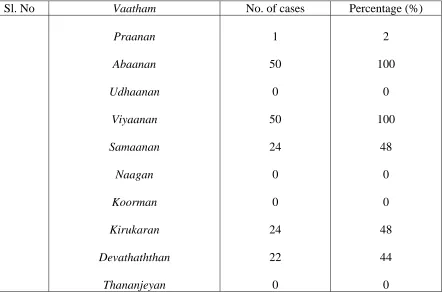
This is responsible for all downward movements such as passing of urine, stools, semen, menstrual flow etc.In Raththa moolam due to the derangement of Abaana vaayu all patients suffered from constipation.
3. Viyanan (paravu kal)
This is responsible for movements of all parts of the body. 4. Uthaanan (Mel nokku kal)
It is responsible for all upward visceral movements such as vomiting, eructation and nausea.
5. Samaanan (nadukkal)
This aids in proper digestion. 6. Naagan
Responsible for opening and closing the eyes. 7. Koorman
Responsible for vision and yawing 8. Kirukaran
Responsible for salivation, nasal secretion and appetite. 9. Devaththan
10. Dhananjayan
Produces bloating of the body after the death. It escapes on the third day after death bursting out of the cranium.
In Raththa moolam primarily affected vaayus are, 1. Abaanan
2. Piraanan
3. Devathaththan
These deranged vaayus affects seven thathus and malams. Due to this, the symptoms produces in Raththa moolam are,
1. Pain in the umbilicus.
2. Splashing of blood during defaecation. 3. Feeling of weakness in the limbs. 4. Head ache.
This is best illustrated in the table below.
Abaanan Piraanan Devathaththan 1. Pain in the umbilicus.
2. Splashing of blood during defaecation.
1. Feeling of weakness of limbs.
2. Head ache.
1. Anxiety.
Piththam
It is the life manifestation of Thee bootham in the body. It is the metabolic thermal life force of the body. It carries out digestion, absorption, metabolism, colouration of blood etc.
Piththam is located in piraana vaayu, bladder, moolakkini, heart, umbilical region,
abdomen, stomach, sweat, saliva, blood, eyes and skin. 1. Anal
It promotes appetite and helps in digestion. 2. Ranjagam.
It gives colour to the blood. 3. Piraasagam
It gives complexion to the skin. 4. Aalosagam
It brightens the eyes. 5. Saathagam
It controls the whole body. It has the property of fulfillment.
As moolatharam is in the akkini mandalam any pathological condition here can harm moolakkini and eventually piththam. In Raththa moolam all the piththams are affected except anal piththam initially. Later when veluppu noi ensues, it gets also affected leading to reduced appetite. The primary deranged piththams are,
1. Ranjaga piththam 2. Piraasaga piththam
3. Aalosaga piththam
Symptoms are produced when these deranged piththams affected the seven thathus and malams. These symptoms include,
1. Skin becoming pale in colour. 2. Veluppu noi.
3. Eye becoming yellow in colour. 4. Giddiness and emaciation. This is best illustrated in the table below.
Anal Ranjagam Pirasagam Aalosagam Saathagam
When veluppu noi ensures later loss of appetite results.
Veluppu noi. Skin becomes pale.
Eyes become yellowish in colour.
Giddiness and emaciation.
Veluppu is due to the derangement of Ranjagam, paleness of the skin due to the
derangement of pirasagam. Yellow colouration of the eyes is due to derangement of aalosagam. Giddiness and emaciation are due to the derangement of saathagam.
Kapham
Kapham has neer and prithivi boothams. It is responsible for coordination and
defense mechanisms of the body.
Kapham is located in samaana vaayu, semen, suzhumunai, blood, phlegm, bone
marrow, nose, chest, nerve, bone, brain, eyes and joints. 1. Avalambagam
2. Kilethagam
Lies in the stomach, makes the food moist, soft and helps in digestion. 3. Pothagam
Responsible for identifying taste. 4. Tharpagam
Present in the head and responsible for the coolness of both eyes. 5. Santhigam
Responsible for the lubrication and free movement of the joints, it is situated in the joints.
Initially in Raththa moolam, kapham is not deranged but in untreated cases all the five types of kapham are affected. This causes pathologic changes in the thathus leading to Sobai noi.
When thaththuvams including vaatham, piththam, kapham are deranged they affect seven udal thathus viz; saaram, chenneer, oon, kozhuluppu, enbu, moolai, sukkilam or suronitham and udal theese. They affect three malams and in turn produce various symptoms according to the severity and the site of ailment.
In Raththa moolam the primarily affected thathus are saaram, chenneer and oon. The symptoms of Raththa moolam are typically due to the vitiation of these thathus. In udal thee, moolakkini is affected. Moolakkini along with abaanan causes bleeding per
rectum which is the main symptom. Due to the malam derangement constipation, irritation around anus results.
Thirumoolar karukkidai vaidhyam-600 describes the pathology of Raththa moolam.
mulaigal. When excess vaayu exerts pressure on them, they bleed on straining i.e. while
defaecation. This is given as,
“gibk<kqe<!&zr<!g{<m!uqkr<!OgT! !!!!!!hiobik<k!kQhel<!hvqf<Ok!bmg<gqEl<!
lijb!lbg<g!lzk<jk!bmg<gqEl<! !!!!!YBx<x!G{<mzqg<Gt<!HGl<!uiBOu! !!!!!!!!!!!!!!!!!!uiB!HGf<K!lzk<Okim!hiek<jk!
!!!!!OkBjug<!%m<ck<!kqvm<c!SVg<gqMl<! !!!!!!!!!!!!!!!!!OkBl<!lzl<!uvqe<!SVg<gq!Le<Oe!
!!!!!!!fqe<OxB!LjtOhi!zhie!eqVg<GOl! !!-Vg<GR<!sqz!&z!olP!l{<mzl<!Ohiz! !!!!!!!lXg<gv{l<!ogi{<M!uVR<sqz!&zl<!
dXg<gqb!uiBui!ZkqvLl<!kie<!%ck<!
!!!!!!!!!kXg<gq!uqPg<gim<Ml<!kie<!ovk<k!&zOl/!
-Thiru moolar karukkidai vaidhyam-600.
Agasthiyar Guna vagada Thirattu, Pathinen Siddhar aruli seitha naadi, Athma
Ratchamirtham, Agasthiyar-1200 and various other Siddha texts have the same verses for
the pathology of Raththa moolam.
The Raththa moolam due to Utchi varmam also has a pathology implicating vaayu and theyu in Therayar narambu sootthiram. So whatever may be the aetiological
factor in Raththa moolam, the basically affected boothams are vaayu and theyu. This causes pathological changes in other thaththuvams such as seven thaathus, udal thee and in malam to give rise to the symptoms of Raththa moolam.
Murkurigal (preliminary symptoms and signs)
spermatogenesis, borborygmus and diarrhoea.These symptoms occur before the actual disease symptoms sets in. These are mentioned in the verse given below,
“gi{h<hi!uiBuiZr<!gek<k!uhiee<!xe<jeh<! !!!!!h,{h<hi!lzk<jkg<!gm<ch<!Hjgobeg<!gXg<gq!fiTl<! !!!!!!!!Oki{h<hi!Ljtjbh<!Ohizs<!SVg<gqLe<!lzf<kie<!uQpz<!
!!!!N{h<hi!uhief<!ke<je!nPk<kOu!-Vg<Gl<!hiOv/”!
- Siddha maruthuvam “&zOl!obPf<kOhiK!&zk<kqz<!gez<kie<!lQXl<!
&zOl!obPf<kOhiK!Ljeuqf<K!fisliGl< !&zOl!obPf<kOhiK!Lpr<gOu!bqjvs<sziGl<! !!!!!&zOl!obPf<kOhiK!Lgqzqz<zig<!gpqs<sz<!kiOe/
-Thiru molar karukkidai Vaidhiyam-600
Pothu kuri gunangal (General symptoms and signs)
Faeces get a hard consistency which becomes white in colour and their passage in the anus gets blocked as if there is a bud of lotus. Then the pile mass protrudes like a lotus flower with an active play of vaayu. Bleeding per rectum occurs like honey drops from the lotus flower. General malaise, physical and mental fatigue also develops.
Thedisease is an irritating cruel disorder of human being and the affected person looks like an afraid serpent due to heavy thunder. In brief symptoms include,
- Hard consistency and white coloured faeces. - Constipation.
- Protruding pile mass. - Bleeding per rectum. - Malaise.
This is given in the verse as,
“lzlqXgqk<!kjpBOlBR<!SOuk!jlbqe<!
!!!!!!!!!!ujgjl!obeg<!Gpx<gjmk<!kiljv!Ohiz<! hzlqkli!obiVOujt!bhieR<!Sx<xqh<!
!!!!!!hKl!Lgqp<!uqvqbjlkqh<!hqvsl<!Ohizs<! !!!!szsozeh<!ohisq!GVkqk<!kqz<jz!ohir<gk<!
!!!kt<tic!uslpqbk<!ktv<U{<mig<gq! !!!!!!!!!!!!!!!!!!fqzuvlx<!xqmuRjv!BRx<X!jlbi!
!!!!!fQsk<Ku!&zG{!fqjzjl!kiOe/”
“ogicb!ohiz<zik!&z!G{k<jk! !!!!!!obe<!osiz<Oue<!hif<k! !tqcbqeq!oziMxr<G!liOx!
!!!!!!obujvBr<!gsr<gs<!osb<K! !GcogM!liX!osb<Br<!
ogi{<mu!fiBl<!ogb<K! LcukeiOz!ohbe<X!
olipqf<kei<!kjpf<k!FiOzii< .”!
-Theraiyar sekarappa
Kuri gunangal (signs and symptoms)
According to Yugi Vaidhya chinthamani, the clinical features are,
“Oskqbib<!okih<Ht<ke<eqz<!uzqk<K!ofif<K! sqXgkqi<Ohix<!hQxqm<M!vk<kl<!uQPl<! !!!!!!!!!!!!! Olkqbib<!Olequx<xq!ouTk<Kh<!OhiGl<!
!lqgg<jggi!zsf<KOl!OsijgbiGl<! !!!!!!!!!!!!! likqbib<!lii<hqtg<Gf<!kjzOfiU{<mil<!
!!!!!lbg<gf<kie<!lqGkqbib<k<!kt<tqh<!OhiGl<! !!!!!!!!!!!!! ! fikqbib<g<!g{<{qv{<M!lR<st<!Ohizil<!
fzqBl<!vk<k&zk<kqe<!h{<HkiOe/!
- Pain in the umbilicus. - Pallor.
- Feeling of weakness in the limbs. - Sobai.
- Head ache. - Giddiness and
- Yellowish colouration of eyes. According to gunavagadam, the verse is,
“okih<HTl<!uzqf<K!ofif<K!Ktr<gqmi!bqvk<kl<!uQp<f<K! !!!!nh<ohiPKt<t!&zlxqbOu!outqbqz<!kt<Tl<!
!kh<hqmi!Olequx<xqk<!kXgqmi!KiOm!ose<X! -h<hc!vk<k&z!olie<Xki!eqbl<hziOl/”!
!!!!!!!!!!!!!!!!!!!!!!!!!.Gunavagadam! -Pain in the umbilicus
- Bleeding per rectum - Protrusion of the pile mass -Emaciation
According to Aavialikkum Amutha murai Churukkam, the symptoms are, -Loss of appetite
-Lower abdominal discomfort - Constipation
- Pain around umbilicus - Bleeding per rectum - Anaemia and
According to Cega Rasa Kesaram the symptoms are,
“-Vg<Gl<!sqz&z!olP!l{<mzl<!Ohiz! lXg<!gv{r<ogi{<M!utVR<!sqz&zl<!
kXg<gq!uqpg<!gim<Mf<kie<!vk<k&zOl/”!
- Cega rasa kesaram -Presence of pile mass
-Swelling of pile mass -Bleeding per rectum
According to Athma Ratchamirtham entra Vaidhya saara sangiragam the symptoms are,
-Consuming foodstuffs with bitter and sour tastes. - Body becoming warm.
- Loss of appetite.
- Lower abdominal discomfort. - Constipation.
- Pain around the umbilicus - Bleeding per rectum - Protrusion of the pile mass.
- Initiation and burning sensation in the anus and - Anaemia.
According to Thiru molar Karukkidai Vaidthyam-600 the symptoms are, - Pile mass and
- Bleeding per rectum.
Piniyari muraimai (Diagnosis)
1. Naa (Examination of tongue) 2. Niram (Colour of the body) 3. Mozhi (Speech)
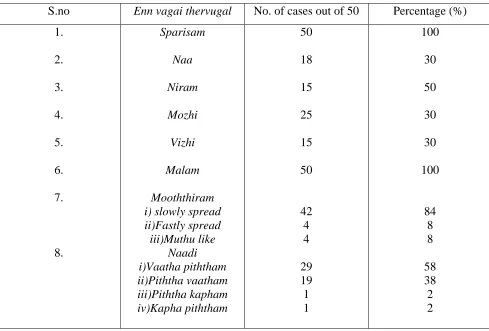
4. Sparisam (Palpation) 5. Vizhi (Examination of eye) 6. Malam (Motion examination) 7. Mootthiram (Urine examination) 8. Naadi (Pulse)
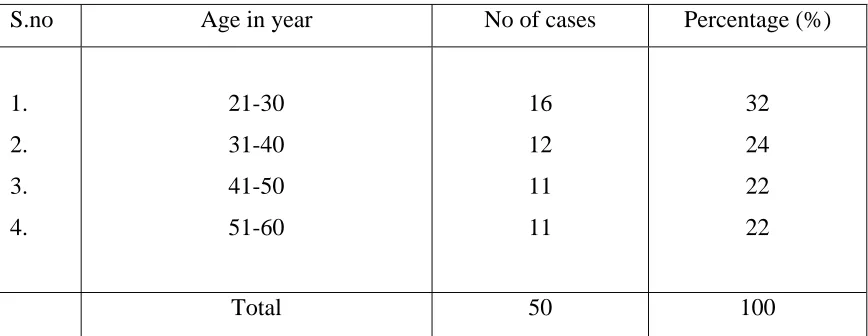
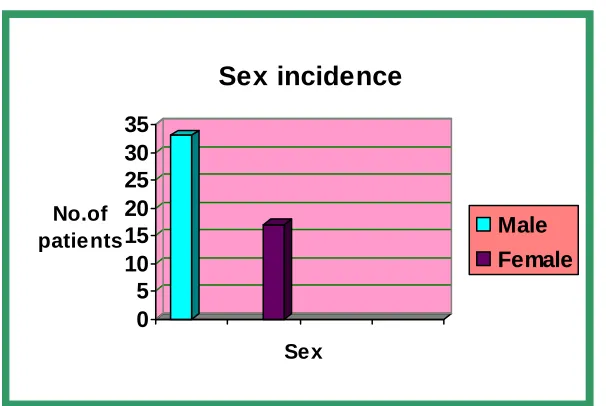
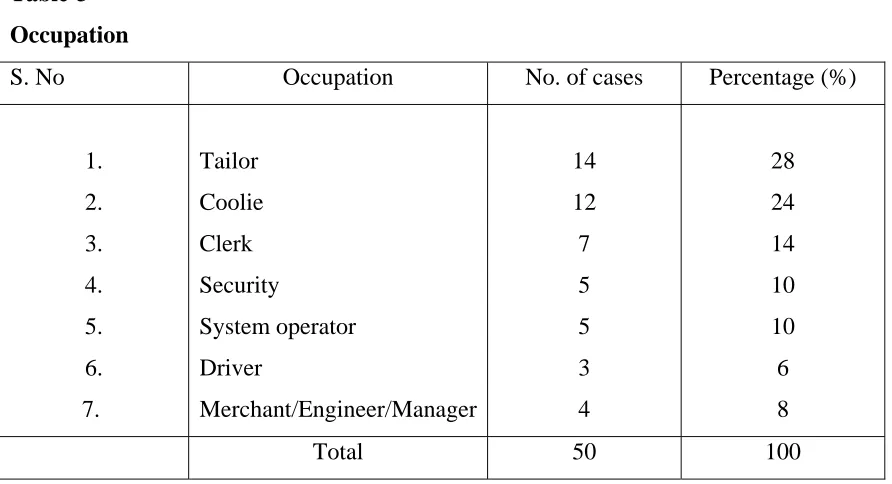
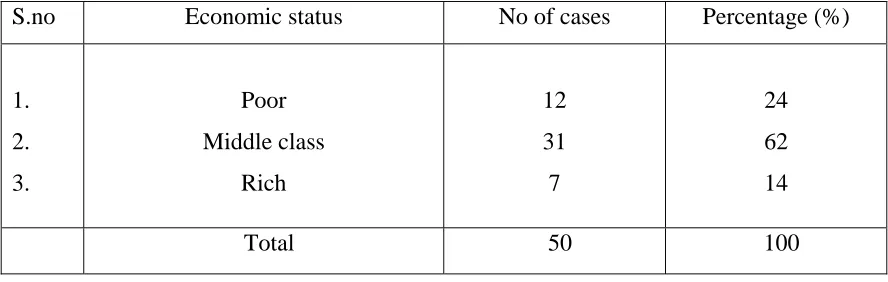
In porial arithal, pulanal arithal and vinathal patient’s name, age, sex, occupation, income, his thinai (environment), complaints, its duration, past history, habits are recorded. The patients are mostly from sedentary workers, they live mostly in a hot environment. The diagnosis is confirmed by the following Enn vagai thervugal.
Naa
If the disease process takes a long course then the naa become coated and pale. Except this all other qualities of naa are usually normal.
Niram
Because vaatham and piththam are affected the colour of the body is as in vaatha pittha thontham i.e. slight dark or yellowish in colour. The colour change is due to
veluppu noi which ensues after a long course of Raththa moolam.
Mozhi
Due to the affection of vaatham and piththam patients look anxious and the person’s speech reflects his anxiety.
Vizhi
Sparisam
Body is said to stay in ushnam or hyper thermic state. This is due to the combined attraction of vaatham and piththam.
Malam
The amount of faeces is reduced. The consistency becomes hard. There is no frothy or mucous. The colour is usually reddish yellow or dark. Constipation is usually encountered.
Mooththiram
(i)Neer kuri
The amount is usually normal. But when veluppu and sobai develop, the amount is reduced. There is no froth. The colour is usually light reddish yellow.
(ii)Nei kuri
Due to the vaatha piththa thontham involvement the nei kuri is, Serpant and ring shaped.
NAADI
Naadi is vital factor, which is responsible for the existence of life in the physical body. The examination of naadi has been recognized as one of the principal means of DIAGNOSIS and PROGNOSIS OF DISEASE FROM TIME IMMEMORIAL.
Any change in the three dhoshas is best diagnosed by feeling the naadi. The power of naadi manifests in the body as three vital forces namely vaatha, piththa and kapha. The three uyirthathukkal which organize, regularize and integrate the life
The details of the diagnosis on the basis of the examination of the senses on the basis of eight special examination and integration, confirmed with those findings made on Naadi pareetchai.
Naadi nadai in moolam
“neqz!hqk<k!okif<klziK!&zl<!uviK/”!
- Theraiyar In Raththa moolam, the normal 1:1\2:1\4 mathirai pattern or gait pattern of hen , turtle and frog of vaatham , pihttham and kapham respectively are affected giving rise to elevated maththirai of vaatham and piththam than normal. This is often said in vallathi naadi as gait patterns of animals having speedy and forceful gait patterns such as cock for
piththam. This is given in the verse as follows,
“kioee<x!uiklK!Ogipq!Ohiz!
!!!!!siujzh<!Ohiz<!hqk<klK!ki{<Mligqz<! !!!!Ogioee<x!uikhqk<k!okif<kqh<hiGl</”!
- Vallathi naadi In Sathaga naadi, vaatha naadi having twice its normal phenomena is referred as the pathological naadi for moola noigal.
This is given in the verse as follows,
“
uikolEl<!
ficbK!Okie<xqz<!!!!!!!!!!!!!!sQklf<koliM!ubqXohiVlz<!kqvm<squib<U! !!!sQkLXr<!gqvi{q!lOgikvl<!fQvijl!
!!!!!!!!!kqvt<uib<U!$jz!uzqgMh<Hk<!kQjv! !!!!fQkLXr<!gqVlqGe<ll<!n{<m!uikl<! !!!!!!!!!!!fqjzBl<fQv<g<!gqvqs<svr<gt<!kf<K!Olgl<! !!!!!!!!!!!!!!!!!!!!!Ohkgli!Lkvh<hq{q!
&z!Ovigl<!
!!!!!!!!!OhsouG!hq{qgTOl!ohiVtkiOl/”!
According to Gunavagada noin saaram, vaatham, piththam and kapham are deranged from their normal status in moola noigal. This is given in the verse as,
“&uVOl!lf<klieiz<!Ljtk<kqM!&zolz<zil</’!
-Gunavagada noin saaram
Also in vallathi naadi it is said that piththaththil vaatham is the diagnostic naadi for moola noigal.
“u{<{Lme<!hqk<kk<kqz<!uikl<!uf<kiz<! !!!!!uVliX!hQeqsr<gt<!l{<jmg<!Gk<K! !!!!!!!!!!!!!!!!!!!!g{<[lmi!hUk<kqvr<g!tjvbih<H{<mif<!
!!!!!!!!!!!!!!!!!!!!kh<hiK!
fu&zR<!
siVf<kiOe/”!- Vallathi naadi According to Rathna churukkam-500 when piththam’s maththirai increases to one and vaatham’s matthirai decreases to quarter, moola noi is one of various diseases that occur in this naadi.This is explained in the verse as follows,
“gif<kZ{<mil<!hqk<kolie<X!uikr<!gizil<!
!!!!!!!!!gkqk<okPf<k!ficbmi!nl<jlOhiz!G{<[l<! !!!!!!!!!!!!!!!!!uif<kqB{<mil<!lf<kqg<G!ubqoxvqh<H!
!!!utlig!Svr<gi[l<!g{<[l<!gif<Kl<! !!!!!!!!!!!!!!!!Di<f<KuqMl<!hi{<miG!lisek<kqz<!
dx<xOkii<!&zlil<!H{<[liGl</”!
- Rathna churukam-500 From all these, the conclusion are that most of the Sidddhars says vaatha piththa naadi is the characteristic pathological naadi for moola noigal which include Raththa moolam.
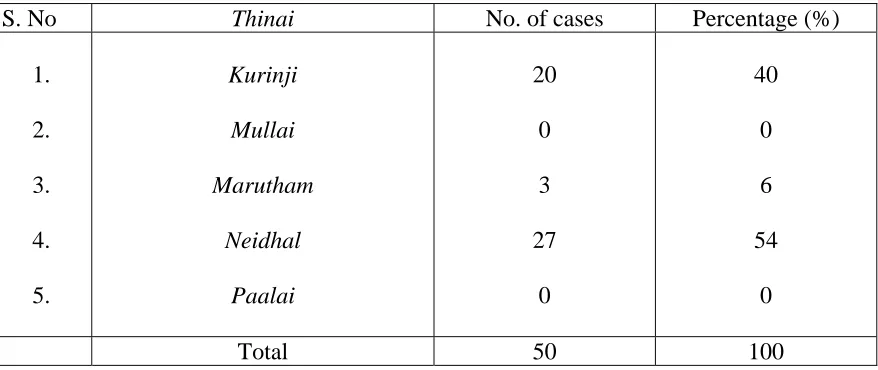
Thinai (land & place)
The geographical distribution of the land is classified into five regions. (i) Kurinchi (Hilly tracts) – Mountains and their adjoining area. (ii) Mullai (Sylvan tracts) – Forests and their adjoining area.
(iii) Marudham (Agricultural tracts) – Fertile lands and their adjoining area. (iv) Neidhal (Maritime) – Sea and its adjoining area.
(v) Paalai (Arid tracts) – Desert and its adjoining area.
Each region has its own characters, which influences the inhabitants, physical,
mental, economic, occupational and cultural activities. In each region some ailments are endemic based on the climatic features; preventions and curative measure for these ailments are stated in medical literatures.
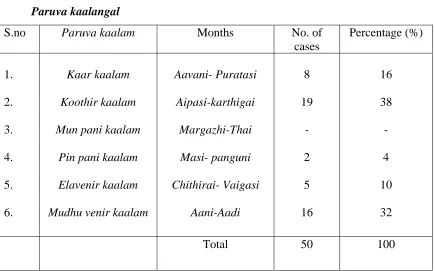
Kaalam(seasons)
With reference to the position of sun, the year is divided into six seasons as follows,
1. Kaar kaalam (Early rainy season) – Aavani& Purattasi.
2. Koothir kaalam (Late rainy season) – Aippasi& karthigai.
3. Munpani kaalam (Early winter season) – Margazhi&Thai.
4. Pinpani kaalam (Latter winter season) – Maasi&Panguni.
5. Ila venil kaalam (Early summer season) – Chithirai&Vaigasi.
6. Mudhu venil kaalam (Latter summer season) – Aani&Aadi.
Prognosis
This moolam disease has been classified based on the prognosis as curable and incurable.
Curable types
1. Neer moolam 2. Peru moolam
3. Varal moolam
4. Raththa moolam
5. Vali moolam
6. Azhal moolam
7. Mega moolam
8. Kuzhi moolam
9. Kazhal moolam
10. Veli moolam
11. Churukku moolam
12. Savvu moolam
In curable types
1. Chendu moolam 2. Siru moolam
3. Seezh moolam
4. Aazhi moolam
5. Vinai moolam
6. Ayia moolam
7. Kutha moolam
8. Mukkutra moolam
If there is definite cure for any disease, the following conditions should be fulfilled.
1. Vaatha naadi should not be reduced to a very low extent. 2. Piththam and kapham should not get mixed.
3. Normal udal anal should not be reduced.
4. Vaatham and kapham should not go hand in hand. -Sootha muni naadi
In most of the cases of Raththa moolam these conditions are met and hence the prognosis is good.
Since the naadi in moola noigal is vaatha piththa combination, this naadi can become uncertain when the maththirai exceeds to a highest level or when the vaath piththa naadi feels like the jumping of a frog.
This is explained in Sattai muni naadi as follows,
“OsVuikR<!sqxf<kOkii<!hqk<kLl<!
!!!!!!!!!!!%Xl<fiUr<!Gkqg<Gl<!l{<_gl<!Ohiz! uqVf<kiZ!uqtr<gh<!hjkk<kqcz<!
!!!!!!!!!OsVole!HvR<Osi<uK!L{<jlOb/”! !
“d{<jluik!Ljvg<Gl<!hqk<kLme<! ! !!!!!!d{<jllik<!kqjvobie<XOl!lQxqcz<!
!!!!!!d{<jlbi&!oziMr<gq!bmr<gqMl<!
Noi kanippu vivatham (Differential diagnosis)
Raththa moolam should not be confused with other types of moola noigal and other diseases such as soolai which also have symptoms like bleeding per rectum. These include,
(i)Chendu moolam
Permanent irreducible pile mass does present in the anus resemble karunai tuber and this is not present in Raththa moolam. Besides this, there is no splashing of blood as in Raththa moolam.Hence, there is only discharge of blood and mucous. Mucous discharge
is not present in Raththa moolam although both the condition has constipation. - Yugi vaidhya chinthamani
(ii)Mulai moolam
Mulai moolam has protrusion of pile mass in the anus resembling germinating turmeric. In mulai moolam, the lower abdomen has a hard consistency which is not present in Raththa moolam. Both have bleeding per rectum, constipation and pain around the anus.
- Yugi vaidhya chinthamani (iii)Varal moolam
In varal moolam the bleeding is not like a splash but like drops of blood while defaecation. Both diseases have constipation, emaciation, anxiety, anger and malaise.
-Yugi vaidhya chinthamani (iv)Aazhi moolam
Here there is an external solitary pile mass which looks like dioscorial tuber. Besides this, there is discharge of blood mucous and pus, these are not present in Raththa moolam.
(v)Thamaraga moolam
Although it has bleeding per rectum, there is external pile mass, diarrhea which is not present in Raththa moolam.
-Yugi vaidhya chinthamani (vi)Azhal moolam
Here no splash of blood is present. But only discharge of blood and pus. There are tiny pile masses like seeds or rice in anus. These are not present in Raththa moolam.
-Yugi vaidhya chinthamani
(vii)Churukku moolam
There is an abscess like mass in the anus which is not present in Raththa moolam. Besides this, there is discharge of blood and mucous. Both diseases have
veluppu noi.
-Yugi vaidhya chinthamani
(viii) Raththa soolai
There is constipation, loss of appetite, belching, distention of stomach and severe stabbing pain in the chest which are not present in Raththa moolam. Raththa soolai patients notice blood with faeces.
- Thanvanthiri vaidhyam-Soolai nithanam.
(ix)Vazhi kuruthiazhal noi
There is body pain, hemorrhage in dark colour occasionally with froth, hard stools like faecal pellets of goat which are not present in Raththa moolam but both conditions have bleeding per rectum.
Complications
When moolakkini is vitiated to a hyper level it will cause many worst complications according to Thiruvalluva nayanar navarathna chinthamani-800.The main complications are veluppu noi due to deranged piththam and sobai due to the kapham involvement latter. These are mentioned in the Raththa moolam descriptions in Yugi vaidhya chinthamani.
1. Piles accompanied by swelling of upper and lower limbs, abdomen, face, anal region and umbilicus results in death.
2. If piles come as a complication of ascites and preliminary disease of anaemia, jaundice, peptic ulcer and dysentery .Patient will suffer a lot.
3. If piles come accompanied by ‘kudha keelam’ alias ‘eruvai anai’ they felt intolerable pain. Emaciation and finally death will occur.
Maruthuvam (Treatment)
In Siddha system treatment is aimed at not only to cure the disease but also to prevent the diseases and improve the body condition this is explained as follows,
Kappu (prevention)
Neekam (Treatment)
Niraivu (Restoration of well being)
In Siddha system it is unequivocally stated that even during the time of conception. These defects creep into the fertilized embryo. The defects form the disease for the manifestation of certain constitutional diseases later on during the existence of the individual.
Kaappu (prevention)
Prevention and cure are the basic aim of all systems of medicine where as Siddha system has in addition the transcended motivation of what might be called the immorality of the body. The basic emphasis of Siddha system is on positive health viz; to prevent diseases by careful dieting and proper relaxation of the mind to achieve a totality of health that assures not only longevity but also immorality.
Line of Treatment
Line of treatment for Raththa moolam consists of,
1. Administration of internal medicine to stop bleeding, to reduce inflammation and to relieve constipation.
2. Paththiyam, i.e. diet restrictions to normalize the vitiated vaatha piththa thontham and to maintain a longer drug action.
3. Yoga therapy to normalize bowel habits and to normalize the vitiated vaatha
piththa thontham.
4. Pranayama therapy to normalize Mukkutram.
Administration of medicines
All the 50 patients were given the trial drug once in a week for four weeks and the prognosis was noted. The Siddha medicine Naagaraathi elagam was administered at a dosage of 2 tablets (each 2.1gm) with honey as adjuvant twice a day after food.
The prognosis was noted on the basis of complete arrest of bleeding relief from constipation, relief from irritation and soreness, relief from giddiness and head ache.
Paththiyam or diet for Raththa moolam
Diet for Raththa moolam should be one that reduces the deranged vaatha piththa thontham. Anubava vaidhya deva ragasiyam prescribes the following diet regime for
Raththa moolam.
• Cow’s butter milk
• Cow’s butter
• Cow’s ghee
• Pepper
• Asafoetida
• Rock salts
• Tender mango
• Castor oil
Fresh green such as,
• Arai keerai(Amaranthus tristis)
• Siru keerai(Amaranthus gangeticus)
• Thuthulai keerai(Abutilon indicum)
• Venthaya keerai(Trigonella foenum graccum)
• Manathakkali keerai(Solanum nigrum)
Apathyiam or Diet restriction
Since Raththa moolam is due to the derangement of vaatha and piththa humour, aggravating food with taste such as sour, acrid and activities that promote derangement of vaatham and piththa humour should be avoided.
Diet containing,
• Fish
• Meet
• Black gram
• Ragi
• Rye
• Bitter ground
• Indian corn or maize
• Oil cake of eluppai (Madhuka indices)
• Hot foods and drinks
• Motchi (Dolichos tetraspermus)
• Brinjal (Solanum melangena) and
Straining activities such as,
• Strenuous labour
• Prolonged sitting
• Swimming
• Excessive sexual intercourse
After getting relief from the Raththa moolam the patients are advised to follow Pranayama, yoga, and some procedures that relief mental stress (Kanma neekam).
Pranayama therapy
Patients are advised to follow kapalabhati .The technique is as follows. The posture is padmasana. First the abdominal muscles are relaxed and anus is contracted. Then suddenly the lower abdomen below navel is contracted. This is held for twenty seconds and then abdomen is relaxed. This process is repeated up to the level that one feels comfortable. There should be half a minute rest between each round. Three rounds are enough at a time in the beginning.
This Pranayama corrects the whole system and normalizes the affected vaayus. This helps in avoiding congestion and varices of lower rectal veins and promotes better circulation.
Yoga therapy
The following four Asanas are prescribed to prevent the recurrence of Raththa moolam.
Vibarita karanai
It promotes better venous circulation and thereby prevents the recurrence of Rathha moolam.
Sarvangasanam
Sirasasanam
It vitalizes brain, reduces anxious states, promotes better venous circulation thereby prevents recurrence of Raththa moolam
Mayurasanam
This relieves constipation, regularizes bowel habits and thereby prevents recurrence of Raththa moolam.
Substances that cure ano-rectal diseases
lVt<si!vjmgVj{!us<vuz<zq!gim<Mg<! gVj{!Htqfvjt!gixig<!.gVj{! olVOgiM!out<tVG!ou{<sqk<v!&zl<!
uV&zl<!Ohig<Gl<!lVf<K/!
- Pathartha guna chinthamani
• Marul – Sansevieria roxburghiana
• Saaradai – Trianthema decandra
• Karunai – Amorphophallus paeonifolius
• Vachravalli – Vitis quadrangularis
• Kaattukarunai – Tacca pinnatifida
• Puli naralai – Vitis lanata
• Kaarakarunai – Amorphophallus campanulatus
• Merugu – Hamelomena aromatica
• Vellarugu – Enicostemma axillare
Other medicines for Moola rogam
Various siddha medicines (Aga marunthugal& Pura marunthugal) for Moola rogam, which are given by many of the Siddhars in various Siddha texts, are given
below.
Aga marunthugal (Internal medicines)
1. Kudineer
Athimathura kudineer
Ilavanga pattai kudineer
Murungai pattaiathi kashayam
2. Karkam
Seenthil karkam
3. Utkali
Siru vazhuthunaik kali
4. Adai
Kavizh thumbai adai
5. Chooranam
Elathi chooranam
Idi vallathy chooranam
Naayuruvi chooranam
Koppirandai chooranam
Kadukkai chooranam
Kodiveli chooranam
6. Pittu
Kaattu karunai kizhangu pittu
7. Vadagam
Karunai kizhangu vadagam
Maani pathra vadagam
Kaattu karunai vadaga
8. Manappagu
Atthi pazha manappagu
9. Nei
Thiri kadugu nei
Moolakudara nei
Chennayuruvi nei
Naayuruvi nei
10.Rasayanam
Aja maamsa rasayanam
11. Elagam
Natthai ilagam
Karunai ilagam
Aamai ilagam
Pallathagi ilagam
12. Ennai
Pazhanthinni vavval ennai
Azhrchi ennai
13.Maaththirai
Vellai saaranai urundai
Kangayan kuligai
14. Kadugu
Karunkozhi kadugu
Nochi kadugu
15. Chendhooram
Suyamakkini kumari chendhooram
Thuththanaga chendhooram
Velleeya chendhooram
Kaareeya chendhooram
16.Parpam
Thuththanaga parpam
Velleeya parpam
Kaareeya parpam
Miruthar singi parpam
Aamaiodu parpam
17.Chunnam
Thiruvanga chunnam
Thiruvanga pavala chunnam
Pura marunthugal (External medicines)
1. Poochu
Sukkathi poochu marunthu
2. Vethu
Karunchembai vethu
Yettiyilai vedhu
3. Pukhai
Aatteru pukhai
Vanniyilai pukhai
4. Kazhuvu neer
MODERN ASPECT
THE RECTUM
Anatomy
The Rectum is a curved segment of the bowel, approximately 12cm long, lying in the concavity of the mid and lower sacrum. The upper -two thirds of the anterior rectum but not the posterior surface is covered by peritoneum. The rectum has an ill defined anatomical beginning, but surgically the recto sigmoid junction lies opposite the sacral promontory. The rectum is continuous with the sigmoid colon at the level of the third sacral vertebra and terminates at the upper end of the anal canal. At this point, the pubo rectalis muscle encircles the posterior and lateral aspects of the junction, creating the ano rectal angle (normally120˚).The rectum is approximately 12- 25 cm long. In the upper part, it has the same diameter (4cm) as that of the sigmoid colon, but in the lower part it is dilated to form the rectal ampulla.
Relations of the rectum
Male Female
Anterior Bladder Seminal vesicle Ureters
Prostate Urethra
Pouch of Douglas Uterus
Cervix
Posterior vaginal wall
Lateral
Lateral ligaments Middle rectal arteries Obturator internus muscle Side wall of pelvis
Levator ani muscle
Lateral ligaments Middle rectal arteries Obturator internus muscle Side wall of pelvis
Levator ani muscle
Posterior Sacrum and coccyx Loose areolar tissue Fascial condensation Superior rectal artery Lymphatics
Sacrum and coccyx Loose areolar tissue Fascial condensation Superior rectal artery Lymphatics
Blood supply
1. The superior rectal artery is the direct continuation of the inferior mesenteric artery and is the main arterial supply of the rectum.
2. The middle rectal artery arises on each side from the internal iliac artery and provides an arterial supply to the muscle of the mid and lower rectum.
Venous drainage
The superior haemorrhoidal veins draining the upper half of the anal canal above the dentate line pass upwards to become the rectal veins: these unite to form the superior rectal vein, which later becomes the inferior mesenteric vein.
Lymphatic drainage
Lymphatic draining the rectum and the upper anal canal above the level of the dentate line pass superiorly, initially through the rectal wall, and then as a fine net work over the surface of the rectum. The Para rectal nodes lie within the mesorectum, a variable distance from the rectal wall. The overall direction of drainage is upwards along the branches of the superior rectal artery.
Innervation
ANAL CANAL
Anatomy
The anal canal commences at the level where the rectum passes through the pelvic diaphragm and ends at the anal verge and is approximately 5cm in length. The muscular junction between the rectum and anal canal can be felt with the finger as a thickened ridge-the anorectal ‘bundle’ or ‘ring’. The anal canal consists of an inner epithelial lining, a vascular sub epithelium, the internal and external anal sphincters and fibro muscular supporting tissue.
Anal canal musculature
1. The internal sphincter 2. The longitudinal muscle 3. The external sphincter 4. The puborectalis
The ano rectal ring
The ano rectal ring marks the junction between the rectum and the anal canal. It is formed by the joining of the pubo rectalis muscle, the deep external sphincter, conjoined longitudinal muscle and the highest part of the internal sphincter. The ano rectal ring can be clearly felt digitally, especially on its posterior and lateral aspects.
The Dentate Line