Online versus Face-to-Face: Development, Refinement, Implementation, and Evaluation of an Online Intravenous Pump Emulator, Including Outcomes for
Clinical Practice for Nursing Students
Doctor of Philosophy
Victoria Rachael Terry MN, BHSc, GradDipCritCare, RN
Abstract
Certification of Dissertation
I certify that the ideas, experimental work, results, analyses, software, and conclusions reported in this dissertation are entirely my own effort, except where otherwise acknowledged. I also certify that the work is original and has not been previously submitted for any other award, except where otherwise acknowledged.
___________________________ _________________
Victoria R Terry Date
ENDORSEMENT
___________________________ _________________
Associate Professor Clint Moloney Date
___________________________ _________________
Acknowledgements
I would like to express my special appreciation and thanks to my principal supervisor, Associate Professor Clint Moloney. Clint, you have been wonderfully
supportive of the project and constantly acknowledged that what I was doing was of great importance. I would like to thank you for your advice, guidance and for encouraging my research. I would like to pay special attention to the rapid timeframe for reviewing my work and returning such valuable feedback, particularly in the later stages, this was very much appreciated. Your prompt work facilitated my progress to complete the project in a timely fashion.
I would also like to thank my associate supervisor, Dr Les Bowtell, for serving as my engineering specialist on the project. Thank you Les, for your valuable comments and suggestions in relation to the online IVPE. I would like to pay special attention to your support and assistance during the data collection stages and ensuring the online IVPE was available for the students, whether via RAL or in the simulated nursing laboratories. Here, I would like to acknowledge, your Masters student Mr Daniel Osborne, and commend the work you did together in developing the computer program that became the online IVPE. I would like to thank you for your kind willingness to help out and work with the nurses.
project and generous with your time. Finally, Mr Benjamin Mackie, Course Examiner for
Medications Theory and Practice, deserves a special mention for allowing me to conduct the research in the midst of trying to teach a flexible delivery course for hundreds of online and on-campus first year nursing students. Thank you Ben, for sharing the Study Desk with me and for the support you offered to the project.
I also thank my Head of School, Professor Cath Rogers, for approving all my requests for components vital to the progression of the project, including equipment, professional development leave, and travel. I feel very grateful to have a Head of School so supportive of my research and career progression within the academic world. A special mention goes to the lovely ladies who proof-read and edited my thesis. Mrs Sandra Cochrane for, not only the corrections, but the little encouraging comments and smiley faces that appeared every now and then throughout the chapters. To the fiercely dedicated and inspirational meta-analysis queen, Dr Michelle Curran, for her generous offer to assist with formatting my thesis. Her uncanny knowledge of APA is something to behold.
A heartfelt thank you goes to my family and friends. I would like to thank all my friends who have expressed such an interest in my project and supported me to strive towards my goal. Thank you Mum for your prayers. Last but not least, I thank the two most important people in my life, Peter and Finn. You are both such a positive influence in my life and deserve a very special acknowledgment. Words cannot express how deeply grateful I am to my brilliant husband Peter for his unconditional love, support, and belief in me. To my wonderful son Finn who, through his incredible maturity and
Dedication
My husband, Peter and My son, Finn
Table of Contents
Abstract ... ii
Certification of Dissertation ... iv
Acknowledgements ... v
Dedication ... vii
Table of Contents ... viii
List of Tables ... xi
List of Figures ... xii
List of Appendices ... xiv
List of Abbreviations ... xv
Chapter 1 Introduction ... 1
1.1 Background ... 1
1.2 Rationale for the Research ... 4
1.3 Structure of the Thesis ... 6
1.4 Stages of the Research ... 6
1.5 Ethics ... 8
1.6 Preface ... 9
1.7 Research Aims ... 12
Chapter 2 Review of Literature ... 14
2.1 Medication Administration by Nurses in Hospitals: Errors and Safety ... 15
2.2 Intravenous Medication Administration Errors ... 17
2.3 Intravenous Medication Administration Devices ... 18
2.4 Medication Administration: Education and Training ... 19
2.5 Delivering Education to Undergraduate Nursing Students ... 23
2.6 Delivering Education: Comparing Online to Face-to-Face... 25
2.7 Delivering Education: The Virtual World ... 32
2.8 Remote Access Laboratories (RAL) ... 35
2.9 Undergraduate Nursing Students Learning by Distance Education ... 41
2.10 Competence and Assessment of Competency ... 45
2.11 Objective Structured Clinical Assessment (OSCE) ... 49
2.12 Building Confidence and Retaining Knowledge and Skills ... 53
2.13 Theoretical Issues for the Research ... 58
2.15 Summary ... 65
Chapter 3 Stage 1 – Conceptualisation and Development of the Online IVPE ... 67
3.1 Introduction ... 67
3.2 Aims and Propositions ... 69
3.3 Method ... 69
3.3.1 Conceptualisation of the online IVPE. ... 71
3.3.2 Development of the online IVPE. ... 73
3.4 Summary ... 83
Chapter 4 Stage 2 – Preliminary Evaluation of the Online IVPE ... 85
4.1 Introduction ... 85
4.2 Aims and Hypotheses ... 85
4.3 Method ... 86
4.3.1 Participants. ... 89
4.3.2 Assessment of Competence. ... 89
4.3.3 Assessment of User Perceptions. ... 94
4.3.4 Procedure. ... 95
4.3.5 Data Analysis. ... 97
4.4 Results ... 98
4.5 Summary of Stage 2 ... 117
4.6 Refinements for Stage 3 ... 117
Chapter 5 Stage 3 – Comprehensive Evaluation of the Online IVPE ... 123
5.1 Introduction ... 123
5.2 Aims and Hypotheses ... 124
5.3 Method ... 125
5.3.1 Participants. ... 126
5.3.2 Assessment of Competence. ... 127
5.3.3 Assessment of User Perceptions. ... 129
5.3.4 Procedure. ... 130
5.3.5 Data Analysis. ... 134
5.4 Results ... 135
5.5 Summary of Stage 3 ... 161
Chapter 6 Stage 4 ‒ Competency Retention Evaluation ... 162
6.1 Introduction ... 162
6.3 Methods ... 163
6.3.1 Participants. ... 165
6.3.2 Assessment of Competence. ... 166
6.3.3 Procedure. ... 167
6.3.4 Data Analysis... 169
6.5 Results ... 170
6.6 Summary of Stage 4 ... 182
Chapter 7 General Discussion ... 185
7.1 Overview of Key Findings ... 185
7.2 Implications of Key Findings ... 187
7.2.1 Key Finding 1. ... 187
7.2.2 Key Finding 2. ... 190
7.2.3 Key Finding 3. ... 192
7.2.4 Key Finding 4. ... 194
7.2.5 Key Finding 5. ... 196
7.2.6 Key Finding 6. ... 198
7.2.7 Key Finding 7. ... 199
7.2.8 Key Finding 8. ... 201
7.2.9 Key Finding 9. ... 203
7.2.10 Key Finding 10. ... 204
7.3 Application of Key Findings to Clinical Practice ... 206
7.4 Limitations ... 208
7.5 Future Research Directions and Recommendations ... 210
7.6 Conclusions ... 213
References ... 215
List of Tables
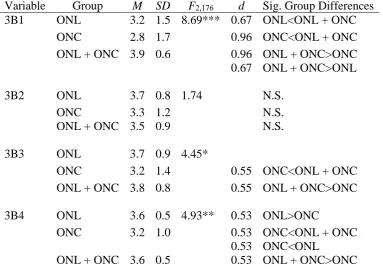
Table 4.1 IV Pump Statistics for Three Groups of Nursing Students (N = 20) ... 101
Table 4.2 Refinements from Stage 2 to Stage 3 ... 122
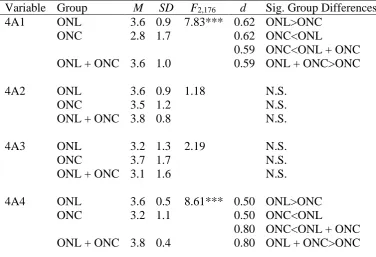
Table 5.1 IV Pump Statistics by Training Group (N = 179) ... 138
Table 5.2 IV Pump Statistics by Age Group (N = 179) ... 139
Table 5.3 IV Pump Statistics by Gender (N = 179) ... 139
Table 5.4 IV Pump Statistics by Residency Status (N = 179) ... 140
Table 5.5 RAAT Activity 1 Scores by Training Group (N = 179) ... 142
Table 5.6 RAAT Activity 2 Scores by Training Group (N = 179) ... 143
Table 5.7 RAAT Activity 3 Scores by Training Group (N = 179) ... 143
Table 5.8 RAAT Activity 3B Scores by Training Group (N = 179) ... 144
Table 5.9 RAAT Activity 4 Scores by Training Group (N = 179) ... 145
Table 5.10 RAAT Activity 5 Scores by Training Group (N = 179) ... 145
Table 6.1 IV Pump Statistics by Training Group (N = 102) ... 173
Table 6.2 IV Pump Statistics by Age Group (N = 102) ... 175
Table 6.3 IV Pump Statistics by Gender (N = 102) ... 175
Table 6.4 IV Pump Statistics by Residency Status (N = 102) ... 175
Table 6.5 RAAT Activity B1 Scores by Training Group (N = 102) ... 177
Table 6.6 RAAT Activity B2 Scores by Training Group (N = 102) ... 178
Table 6.7 RAAT Activity B3A Scores by Training Group (N = 102) ... 178
Table 6.8 RAAT Activity B3B Scores by Training Group (N = 102) ... 179
Table 6.9 RAAT Activity B4 Scores by Training Group (N = 102) ... 180
Table 6.10 RAAT Activity B5 Scores by Training Group (N = 102) ... 181
Table 6.11 Participants Exposed to IV Pumps during 26 Week Break (n = 18) ... 182
List of Figures
Figure 1.1. Stages of research. ... 7
Figure 2.1. Five stages in the decision innovation process ... 60
Figure 2.2. Five-stage model of teaching and learning online ... 64
Figure 3.1. Conceptualisation of the online IV pump. ... 73
Figure 3.2. Baxter IV pump. ... 75
Figure 3.3. Emulated IV pump (IVPE). ... 75
Figure 3.4. IVPE programmable logic controller (PLC) flowchart ... 78
Figure 3.5. IVPE information screenshot. ... 79
Figure 3.6. IVPE welcome screenshot. ... 80
Figure 3.7. Learning mode instructions screenshot. ... 80
Figure 3.8. Example of image gallery resource. ... 81
Figure 3.9. Case study scenario for online IVPE. ... 82
Figure 3.10. Case study evaluation screenshot. ... 83
Figure 4.1. Case study for actual IV pump training. ... 92
Figure 4.2. Statements on marking criteria to assess level of competence. ... 94
Figure 4.3. Effect of practice time on assessment scores. ... 101
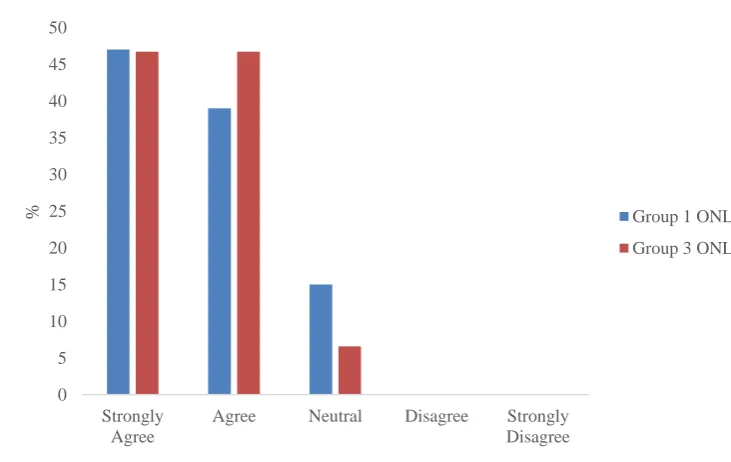
Figure 4.4. Participant responses in user perception survey to question 3a. ... 103
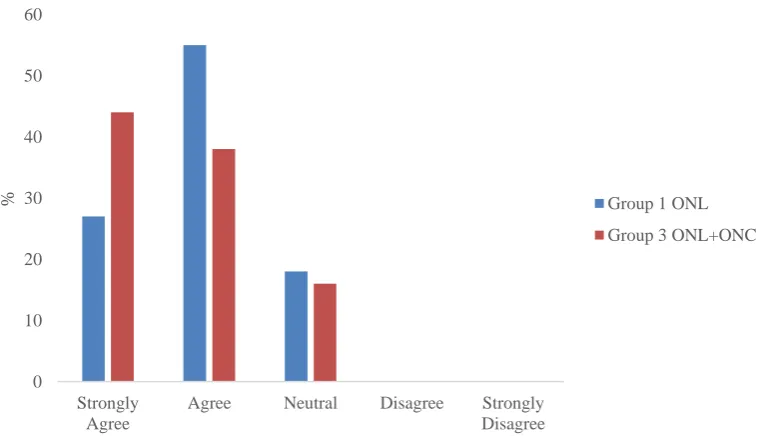
Figure 4.5. Participant responses in user perception survey to question 3b. ... 103
Figure 4.6. Participant responses in user perception survey to question 3c. ... 104
Figure 4.7. Participant responses in user perception survey to question 3d. ... 104
Figure 4.8. Participant responses in user perception survey to question 3e. ... 105
Figure 4.9. Participant responses in user perception survey to question 4a. ... 106
Figure 4.10. Participant responses in user perception survey to question 4b. ... 106
Figure 4.11. Participant responses in user perception survey to question 4c. ... 107
Figure 4.12. Participant responses in user perception survey to question 4d. ... 107
Figure 4.13. Participant responses in user perception survey to question 4e. ... 108
Figure 4.14. Participant responses in user perception survey to question 4f. ... 109
Figure 4.15. Participant responses in user perception survey to question 4g. ... 110
Figure 4.16. Participant responses in user perception survey to question 4h. ... 110
Figure 4.17. Participant responses in user perception survey to question 7a. ... 111
Figure 4.18. Participant responses in user perception survey to question 7b. ... 112
Figure 4.20. Participant responses in user perception survey to question 7d. ... 114
Figure 4.21. Participant responses in user perception survey to question 7e. ... 115
Figure 4.22. Participant responses in user perception survey to question 8. ... 116
Figure 4.23. Did you check the 6 Rights? ... 120
Figure 5.1. Research design in Stage 3. ... 125
Figure 5.2. Revised statements describing level of competence. ... 128
Figure 5.3. Histogram showing distribution of RAAT scores among 179 participants. ... 136
Figure 5.4. Histogram showing distribution of completion times among 179 participants. ... 136
Figure 5.5. Participant responses in user perception survey to question 3a. ... 147
Figure 5.6. Participant responses in user perception survey to question 3b. ... 148
Figure 5.7. Participant responses in user perception survey to question 3c. ... 148
Figure 5.8. Participant responses in user perception survey to question 3d. ... 149
Figure 5.9. Participant responses in user perception survey to question 3e. ... 150
Figure 5.10. Participant responses in user perception survey to question 3f. ... 150
Figure 5.11. Participant responses in user perception survey to question 3g. ... 151
Figure 5.12. Participant responses in user perception survey to question 3h. ... 152
Figure 5.13. Participant responses in user perception survey to question 6a. ... 153
Figure 5.14. Participant responses in user perception survey to question 6b. ... 154
Figure 5.15. Participant responses in user perception survey to question 6c. ... 155
Figure 5.16. Participant responses in user perception survey to question 6d. ... 156
Figure 5.17. Participant responses in user perception survey to question 6e. ... 157
Figure 6.1. Research design for stage 4. ... 164
Figure 6.2. Histogram showing distribution of RAAT scores among 102 participants. ... 171
List of Appendices
Appendices Appendix A Original Ethics Approval: H12REA154... 250
Appendix B Ethics Amendment Approval: H12REA154.1 ... 251
Appendix C Ethics Amendment Approval: H12REA154.2 ... 252
Appendix D Information for Participants and Participant Consent Form Stage 2 .. 253
Appendix E Online Instructions for Online IVPE Stages 2 and 3 ... 255
Appendix F Activity Assessment Tool (AAT) Stage 2 ... 260
Appendix G User Perception Survey Stage 2 ... 261
Appendix H Tutor Instructions for IV Pump Stage 2 ... 265
Appendix I Marking Criteria Stage 2... 267
Appendix J Qualitative Responses from User Perception Survey Stage 2 ... 273
Appendix K Online IVPE Assessment Mode Additional Case Study ... 274
Appendix L Information for Participants and Participant Consent Form Stages 3 and 4... 275
Appendix M Revised Activity Assessment Tool (RAAT) Stages 3 and 4 ... 277
Appendix N Revised User Perception Survey Stage 3 ... 278
Appendix O Revised Marking Criteria Stages 3 and 4 ... 282
Appendix P Revised Tutor Instructions for IV Pump Stage 3 ... 286
List of Abbreviations AAT Assessment Activity Tool
ACSQHC Australian Commission on Safety and Quality in Health Care CPR Cardio-Pulmonary Resuscitation
ECG Electrocardiogram
HWA Health Workforce Australia HMI Human-Machine Interface
IM Intramuscular
IV Intravenous
IVPE Intravenous Pump Emulator LMS Learning Management System NQC National Quality Council
NMBA Nursing and Midwifery Board of Australia ONL Online participants
ONC On-campus participants
ONL + ONC Online and On-campus participants OSCE Objective Structured Clinical Assessment PLC Programmable Logic Controller
RAAT Revised Activity Assessment Tool RAL Remote Access Laboratory
RN Registered Nurse
SCADA Supervisory Control and Data Acquisition SDT Self-Determination Theory
SL Second Life
Chapter 1
Introduction
1.1 Background
A shift in the education of nurses came about in the 1960s due to professional unrest about wages and conditions as the role of the nurse became increasingly demanding and complex (Russell, 2005). A decade later, in the 1970s, it was reported that technology was advancing in hospitals, and nurses were more exposed to and more accountable to patient care, including operating new equipment and devices (Russell, 2005). Along with more demanding working conditions, more complex health problems, and advances in health care delivery, came the need for nurses to be more professionally accepted and better educated. As a result, the transfer of nursing education from hospitals to higher education institutions was achieved throughout Australia by 1993 (Francis, 1999; Russell, 2005). University programs emphasised the delivery of quality, current, and meaningful education to nursing students, incorporating the principles of patient-centred care, evidence-based practice, team work and collaboration, quality improvement, safety, and technology (Cronenwett et al., 2007).
of, technology. Discovering ways to effectively deliver clinical skills to external students in order to promote patient safety was a priority requiring immediate and further investigation.
Feedback from facilitators, preceptors and registered nurses from the profession showed that nursing students on medical and surgical placements were inadequately equipped with clinical reasoning skills and competency with clinical equipment and procedures (Cottrell & Donaldson 2013). This type of feedback, despite making educators feel ineffective was welcomed as it created the
realisatiodaily n that it was time for a fresh approach to lift standards towards producing more competent nurses. Furthermore, it directed future education
practices to take specific focus on building skills through the scaffolding of learning. Patients’ lives depend on it. In 2011 at an Australian regional university, the course examiner for one of the most influential courses in a nursing degree, Medications Theory and Practice, following discussions with clinical staff, determined that the external offering for nursing students included minimal exposure to clinical equipment prior to their first clinical practicum. This sparked the need to seek
effective and innovative ways to offer exposure of common clinical equipment to the external cohort of students. The realisation of a need to create effective resources using online technology provided impetus for the present research (Hadar, 2013).
equipment from simulated laboratories to the online learning space for nursing students. Fundamental to this transition was the assurance and commitment (to the external nursing students) to deliver accessible, meaningful, evidence-based and high quality educational clinical resources online.
With this in mind, a team of nursing academics sought to extend the concept of RAL from robotic laboratory experiments to practical nursing activities and skills. A range of clinical equipment used by nursing students in the simulated laboratories was reviewed by the team. Procedures and skills from day-to-day learning and teaching activities were also reviewed, some of which were considered to have potential to be offered to all students through RAL. Of the clinical equipment with which nursing students practice frequently (repeatedly testing their knowledge, skills and clinical reasoning) the IV infusion pump was chosen as a prime candidate for inclusion in RAL. The IV pump is a common device used on a daily basis by nurses when caring for patients in health facilities all around the world. The use of IV pumps to deliver volumes of fluid is indicated in many health scenarios from mild dehydration to lifesaving fluid replacement situations. IV pumps are used for infants, children and adults to infuse blood products, medications, and therapies associated with the treatment of thousands of disease and conditions. It is essential that nurses are competent in the use of IV pump devices (Tollefson, 2012), which is why the education and training of IV pumps for student nurses is so integral in their program of tertiary study.
volume to be infused, starting the IV pump, changing the set rate and volumes, troubleshooting, responding to alarms, and turning off the IV pump. Gathering this information was designed to assist the engineers in their preliminary investigation in understanding the functions of an IV pump, thus allowing them to determine the viability of the experiment.
The transferability of an IV pump operation to the online environment was initially examined using robotic technology through RAL, which marked the start of the different stages of research, highlighted later in this chapter. Changes to
traditional educational delivery requires different pedagogical approaches that will effectively enable the design, facilitation and assessment of content knowledge including the ability to support the students and their technical skills (Redmond, 2011).
1.2 Rationale for the Research
The program of research was undertaken with the primary aim of improving the safety and effectiveness of health care delivery by nursing students. The
The present research aimed to elicit evidence that an online IV pump could produce equivalent or improved learning outcomes, using a systematic and evidence-based approach. This is primarily to determine whether an online IV pump could be considered as a viable tool to deliver best practice education to undergraduate nursing students. The Joanna Briggs Institute (JBI) model of evidence-based health care, is an Australian model that describes a process of drawing evidence from health care innovations and activities, and applying it to practice (Lockwood, Aromataris & Munn, 2014; Pearson, Wiechula & Lockwood, 2005). This model was considered in the process of designing the present research and when the various stages were developed and undertaken. FAME is the acronym used in the model, representing the concepts of Feasibility, Appropriateness, Meaningfulness and Effectiveness.
1.3 Structure of the Thesis
The thesis is divided into seven chapters. This introductory chapter provides an overview of the subject matter and an outline of the research stages and processes. Chapter 2 contains a detailed literature review, including the theoretical and
conceptual underpinnings of the research. It is followed sequentially by the four stages of research reported in Chapters 3, 4, 5, and 6. Chapter 7 presents a general discussion of the findings.
1.4 Stages of the Research
The program of research had four stages (see Figure 1.1). Stage 1 involved the collaborative design of the online IVPE using a RAL platform. Stage 2 was a preliminary evaluation of the online IVPE to test its equivalence to an actual IV pump. Also in this stage was the assessment of traditional face-to-face instruction in developing competence in the use of an actual IV pump compared to online
between-group comparison (Nagy et al., 2010) to evaluate the equivalence of an online educational resource to the traditional face-to-face training of undergraduate nursing students.
Note. RAL = Remote Access Laboratory; IV = Intravenous, IVPE = Intravenous Pump Emulator; ONL = Online Group, ONC = On-campus Group, ONL + ONC = Online + On-campus Group.
Figure 1.1. Stages of research.
[image:23.595.118.520.148.561.2]was retained over time. The indirect measures took the form of surveys to assess user perceptions of the training, features of the technology used, and level of confidence in using the equipment and technology.
1.5 Ethics
The program of research received ethics approval from the University of Southern Queensland (USQ) Human Ethics Committee on 30/7/2012 - HREC Approval Number: H12REA154 (see Appendix A). The key ethical issues in the research were that the participants were well informed and provided with a Plain Language Statement with the offer to keep a copy for their records. Participant consent was voluntary and obtained throughout all stages of research. The
participants could not be involved in the research unless they were 18 years of age or over and could withdraw at any time with no adverse effects. The consent process was deemed to be ethical.
It was assessed that there were no foreseeable risks associated with the research other than a small time imposition of up to 1 hour for some participants involved in Stages 3 and 4. The participants were well informed that the research would not impact on their assessment of the course of study in any way. The results of the research are available to the participants through the Study Desk Learning Management System and storage of electronic and raw data is compliant with University ethical regulations.
Minor amendments were submitted and approved on 12/10/2012 - HREC Approval Number: H12REA154.1 (see Appendix B) with further amendments submitted for Stages 3 and 4 which were approved by the USQ Human Ethics
C). The information for participants and participant consent form for Stage 2 can be located in Appendix D.
1.6 Preface
The education of nursing students in universities has traditionally been a very “hands-on” process, delivered in on-campus simulated hospital wards using
manikins as patients and a range of other simulated and clinical equipment. The move to online and distance education and the flexible delivery of teaching has meant that health care educators have had to explore innovative teaching delivery methods (Mancuso-Murphy, 2007). Core components of any undergraduate nursing program are to teach the required clinical knowledge and to effectively develop the necessary clinical skills. Undergraduate nursing students in external programs have no daily access to the physical resources available to their on-campus counterparts. Therefore, to support their educational experience, it is incumbent on academic and other teaching staff to source, develop, design and implement a variety of resources to supplement the face-to-face teaching. Training nursing students in the use of clinical equipment using online tools is increasingly necessary, but prior to
implementing such initiatives, it is essential that a substantive evidence-base for the equivalence of online simulation with traditional teaching methods be established (Pearson et al., 2005).
Online technology designed for nurse education purposes may also have benefits for those already working in the profession. Kenny (2002) reported that many nurses, especially older or more mature nurses, describe being anxious about using technology in a clinical environment. Furthermore, several barriers to
demands, access to computers at work and lack of support for adopting technology in the workplace (Eley, et al., 2009). There is no doubt that computers and technology have become more common in health care administration, but work demands on ward nurses may be an ongoing barrier to their use. A recent study comparing nurse educators from a tertiary teaching institution to clinical staff working in a hospital setting found that the university educators reported superior knowledge and skill about clinical evidence-based practice (Upton, Scurlock-Evans, Williamson, Rouse, & Upton, 2015), suggesting that even experienced nursing professionals may derive benefit from competency development opportunities afforded by the same online educational technologies and resources used by students.
One of the most compelling reasons for implementing technology-assisted simulated learning into nurse education was put forward by Messmer (2008) who promoted the education of nurses using advanced technologies as a solution to an escalating number of patient deaths resulting from iatrogenic factors (i.e., illness caused by medical treatment). In Australia, statistics indicate that iatrogenic hospital death tolls are equivalent to two jumbo jet disasters annually, and that being a patient in an Australian hospital places already sick individuals at increased risk (Messmer, 2008). In critical incidents requiring rapid decision-making and actions, often utilising clinical equipment and medications, patient outcomes are improved by targeting ways in which nurses can learn to deliver care under controlled and safe conditions (Messmer, 2008). Further, technology-assisted simulation is viewed as an appropriate way to prepare nursing students to perform competently in all clinical situations, but particularly in stressful scenarios (Messmer, 2008).
studying in the health professions gain knowledge and skills through online and offline eLearning as well as, or better than, through traditional training. The WHO has expressed the firm view that millions of students worldwide could be educated and become qualified doctors and nurses through electronic learning which, in the review, was found to be just as effective as traditional educational means (Al-Shorbaji, Atun, Car, Majeed, & Wheeler, 2015).
Developments in the use of RAL have expanded the potential for providing undergraduate nursing students with exposure to interactive online technology and virtual clinical scenarios. A RAL system allows university students, regardless of location, to actively engage in learning activities, especially those involving
simulated equipment or experimentation, without requiring on-campus attendance. The educational experience that is facilitated by RAL is characterised by
accessibility to information with a supported personalised approach to learning (McLoughlin & Lee, 2010) and hence provides an appropriate platform for the development of clinical skills from off-site locations.
With the underlying technology now well established, health-related disciplines are moving rapidly to embrace the potential to develop essential competencies for health professionals in online environments that offers geographical flexibility. Such an approach has potential benefits for learners, especially in maintaining life-study balance and developing competencies at a rate appropriate to the individual. More importantly, from a patient safety perspective, the development of clinical competencies to a high standard through the use of online virtual environments is clearly advantageous prior to allowing the treatment of actual patients by novice practitioners. The medical profession has
technology (Bric, Connolly, Kastenmeier, Goldblatt, & Gould, 2014; Kim, Choi, Park, & Park, 2014; Schreuder, Wolswijk, Zweemer, Schijven, & Verheijen, 2012) and the nursing profession has used remote technology to, for example, teach insulin administration and wound care (Sampsel, Bharwani, Mehling, & Smith, 2011).
The present program of applied research targeted the development, using remote-access technology, of clinical competence of undergraduate nursing students in the use of IV pump equipment, which is a fundamental requirement for all nursing professionals. The critical importance of effective training in the use of IV
equipment by nurses was highlighted in a 1993 legal case in which systemic deficiencies in nurse training, rather than incompetence on the part of the inexperienced nurse involved, were blamed for a medication error using an IV infusion device that led to the death of a patient in Scotland (Dimond, 1994). On its own, this tragedy provides a compelling rationale for the need for further research into innovative strategies to develop clinical competence among those in preparation for a career in nursing.
1.7 Research Aims
Chapter 2
Review of Literature
This chapter includes a detailed review of the literature relevant to the present research. The search procedures encompassed peer-reviewed literature sourced from databases including MEDLINE, PubMed, Google Scholar, and CINAHL, accessed via the EBSCO Host platform. The keywords searched were specific to nursing education, namely: medication errors, intravenous and IV medication errors, face-to-face education, online education, distance education, blended education, clinical skills, simulation, emulation, remote access laboratories, robotics, virtual and second life technology, information technology in nursing, competency of skills, objective structured clinical assessment (OSCE), confidence, clinical reasoning, and retention of skills.
Despite the paucity of research on the specific topic of computerised or online IV infusion pump programs, closely associated topics were critically
evaluated for strengths and limitations. The review of literature is structured to first address research related to the safe medication administration by nurses, especially in the area of IV medications and infusion pumps. Current learning and teaching practices for undergraduate nursing students and education delivery trends will then be explored. Such topics include traditional face-to-face education, simulation practices, flexible and blended programs of study and specific assessment methods used currently in undergraduate nursing education; some which are the same methods used in the current research.
delivery practices in distance education. The literature review will also explore the assessment of competency of clinical skills in nursing education, levels of
confidence, and the retention of knowledge and clinical skills by nursing students and students from other health-related disciplines. The theoretical and conceptual foundations to which the research is linked are outlined, and finally some significant terms that appear throughout the research are defined in context for the reader.
2.1 Medication Administration by Nurses in Hospitals: Errors and Safety
As medication administration is fundamental to nursing practice (Ehsani et al., 2013), this section will address medication errors by nurses and issues
surrounding breaches of safe practice. Both Australian and international hospital environments are explored. Strategies to prevent such errors, looking specifically at the administration of IV medications through infusion pump devices are reviewed, and strategies for promoting safer practice amongst undergraduate nursing students are suggested. There is a plethora of international literature about medication administration errors in hospitals by nurses including the causes and the many programs and strategies for error prevention and safer practice. However, there is a distinct lack of literature addressing specific educational technology tools and resources designed to prevent IV medication and infusion errors occurring.
(ACSQHC), which identified that during the period 2011-2012, among total hospital admissions of approximately 9 million nationally, 5‒10% of patients were subjected to a medication administration error occurring either on admission or during their hospital stay (ACSQHC, 2013). Although alarming to consider that hundreds of thousands of patients incur a medication error while in hospital, some comfort can be derived from the fact that the incidence has not increased from the previous review in 2010. On the other hand, even though the rate of medication errors has not increased, the situation is not improving either. Therefore, there is a need for more effective strategies to be implemented to reduce these statistics.
There are numerous definitions in the literature but, essentially, a medication error can be defined as a preventable medication event that may cause or lead to patient harm and can occur at any time during the medicating process: prescribing, supplying, preparing, administering, monitoring, or documenting (ACSQHC, 2013). Since its establishment in 2006, the ACSQHC has been committed to reducing error and harm in the delivery of medications in the national health care system. Ensuring safety and quality in the use of medications is a priority of numerous initiatives in both the private and public health sectors. Achieving lasting improvements in the delivery of health care to patients is inherent in all aspects of these initiatives, including ongoing education for all clinicians involved in the medicating process (ACSQHC, 2013).
Several factors contribute to medication errors and these are well documented in the literature. Transcription errors, personal issues, work interruptions and
prescribing, dispensing and administration have also been identified as factors contributing to medication errors by nurses (Nichols, Copeland, Craib, Hopkins, & Bruce, 2008; Niemann et al., 2015; Westbrook, Rob, Woods, & Parry, 2011). Other studies have identified additional causes, including nurses not adhering to policy guidelines in medication administration, such as identifying the “5 rights” resulting in errors (Kim & Bates, 2013) and misreading medication vial labels due to poor eyesight and/or poor lighting (Jones, 2014). Nursing inexperience has also been shown to be a contributing factor to medication errors (Brady et al., 2009; Ehsani et al., 2013; Pang, Kong, deClifford, Lamp, & Leung, 2011).
2.2 Intravenous Medication Administration Errors
As well as working with oral medications, the preparation and administration of intravenous or IV medications is also a normal part of a nurse’s day in acute hospital wards or other healthcare facilities. Given the indications and actions of the types of IV medications used in the contemporary treatment of medical conditions, any dosage or administration error could cause harm, and potentially serious harm or even patient death (Barras et al., 2013; Husch et al., 2005). This is supported by the ACSQHC (2013) report, which provides statistical evidence that IV medications have a higher risk and severity of error than other medication administrations.
pumps, reported that mistakes were made by nurses in 69.9% of cases (Husch et al., 2005).
Many factors have been documented as contributors to IV medication errors. A significant number of IV medication errors are related to skill and knowledge deficits (Hicks & Becker, 2006; Taxis & Barber, 2003; Wright, 2012). It has also been noted that IV medication errors, especially more severe errors, are less
prevalent among nurses with more clinical experience in the workplace (Pang et al., 2011; Roughead, Semple, & Rosenfeld, 2013; Westbrook et al., 2011).
Nevertheless, a disturbing statistic from Pang et al. (2011) showed that, in an Australian hospital, clinical errors in IV medications amounted to 70% of all
infusions administered. Of these, 92% involved either incorrect solutions, incorrect rate and volumes, and/or incompatibilities with other fluid solutions and
medications, some resulting in serious reactions and extended hospital stays for patients. It was reported that nursing inexperience was a factor in the majority of these errors (Pang et al., 2011).
2.3 Intravenous Medication Administration Devices
reducing the number of errors with IV infusions, although some studies do not support this notion.
As far back as 2004, the National Patient Safety Agency in the United Kingdom (UK) called for standardisation of infusion device equipment and/or the introduction of smart pumps or computer programs to reduce IV medication errors. Smart pumps are widely used in the United States of America (USA) and include the programmable software to reduce the incidence of errors which, in some recent studies have been perceived to be very successful (Gerhart, O’Shea, & Muller, 2013). Iacovides et al. (2014) concurred that, when used properly, these devices contribute to the prevention of IV medication errors and essentially guarantee patient safety. Pang and colleagues extended their research on IV infusions, finding that the introduction of smart pumps and anti-dose error software resulted in far fewer medication errors (Pang et al., 2011). However, Cummings and McGowan (2011) reported that smart pumps do not prevent all programming and administration errors; a finding that is also supported by Husch and colleagues, whose research on the smart pump found that nurses were still programming incorrect rates and volumes (Husch et al., 2005). Even with technology-assisted devices, it is evident nurses must still adopt professional judgment and clinical reasoning, as well as adhering to established standards of care and standard operating procedures for safe medication administration (ACSQHC, 2013).
2.4 Medication Administration: Education and Training
(previously “5 Rights”) of medication safety. According to Medication Services Queensland, the 6 Rights are: 1. The Right Patient; 2. The Right Drug; 3. The Right Dose; 4. The Right Route; 5. The Right Time; and 6. The Right to Refuse (National Prescribing Service, 2008). More formally, strategies such as the implementation of standardised medication charts, improving medication distribution processes and technology, including the use of smart infusion pumps for IV medication
administration, are facilitating some reduction in the number of in-hospital medication errors (ACSQHC, 2013). However, even with these quality control strategies in place, there is still evidence that inexperience and knowledge deficits contribute significantly to mistakes. Improving the continuous training of student nurses in the preparation and administration of medications has the potential to save many lives each year in hospitals worldwide.
In a recent study from New Zealand, newly graduated nurses applied educational principles to their management of medicines in order to prevent medication errors (Honey & Lim, 2014). The nurses who participated in the study had graduated within the past 24 months. It was identified in the study that applying educational principles, such as questioning why a drug is given, monitoring the effect of a drug, and researching and understanding the mechanisms and actions of drugs, had clear benefits in preventing errors (Honey & Lim, 2014). This strategy of increasing accountability in medication administration is one that should probably be adopted from the beginning of education into medication practices for student
Further suggestions for improvements derived from recent research include greater attention to medication administration techniques, administration instructions, and building more positive attitudes toward safety, to prevent medicating errors (Härkänen, Ahonen, Kervinen, Turunen, & Vehviläinen‐Julkunen, 2014).
In the USA, the incidence of medication errors made by nurses in hospitals is just as alarming as in Australia. A report on medication errors issued by the Institute of Medicine on medication errors indicated that more than 1.5 million patients are injured every year in American hospitals, and the average hospitalised patient experiences at least one medication error each day (Anderson & Townsend, 2010). Many studies on medication administration errors by nurses in the USA have identified critical factors contributing to medication errors by nurses and suggest strategies to avoid their occurrence.
The Joint Commission (2014), a national USA health care accreditation body, in a review of patient safety and quality control, called on health organisations to develop and implement effective evidence-based policy and procedures for preventing the misuse of medications. Anderson and Townsend (2010)
recommended careful consideration of not only the medication, name, labelling, stock, storage and dose, but also careful consideration of the patient receiving the medication, and the avoidance of negative environmental factors such as fatigue, excessive workload, and distractions.
patients. Teaching medication formulas and calculations is included as part of undergraduate nursing programs worldwide, but errors in calculations still account for 7.5–27% of medication errors in hospitals (Stolic, 2014).
A variety of teaching strategies for undergraduate nurses are highlighted throughout the literature, the most successful being those programs that adopted a variety of practices; including traditional numeracy education, computer-assisted programs, online activities, and practical simulations. As well as reporting the best outcomes related to performance, these programs also report high student
satisfaction (Harris, Pittiglio, Newton, & Moore, 2014; McMullan, Jones, & Lea, 2011; Sears, Goldsworthy, & Goodman, 2010; Sherriff, Burston, & Wallis, 2012; Stolic, 2014; Weeks, Higginson, Clochesy, & Coben, 2013). This combination of practices describes a blended form of education delivery. There is certainly evidence that a blended delivery of nursing education has positive outcomes (discussed in more detail later in the chapter), but little has been reported on the use of computer-assisted technologies or devices to enhance skill development that improve practice in medication administration. The education of safe medication administration is an area, given the error statistics worldwide, where increased education and training is required or where teaching strategies need improvement to make them more
effective.
guidelines, recommendations and goals for patient safety, included increasing awareness and staff education programs to address complacency in these areas of medication administration (Joint Commission, 2014). Infusion devices for
administration of medications all have alarms and alerts that provide warnings about the progress of infusions. Highlighting the significance of alarms and warnings on clinical devices to undergraduate nursing students before they enter clinical
environments for practicums is a matter of quality control to promote patient safety (Joint Commission, 2014).
The present program of research introduces the online IVPE as an innovative educational technology. This resource is accessed online and complements the face-to-face component, the combination of which is regarded as an effective form of educational delivery in contemporary higher education (Andersen & Avery, 2008; Bata-Jones & Avery, 2004; Campbell, Gibson, Hall, Richards, & Callery, 2008).
2.5 Delivering Education to Undergraduate Nursing Students
Education in universities is delivered to students in a number of ways. Courses, subjects or units of study, are often still delivered by the traditional face-to-face method in a classroom or lecture theatre. Recorded lectures, tutorials, or presentations are also delivered in a classroom setting, either face-to-face or
synchronously via video conferencing equipment. Some course content material is delivered exclusively online via the internet or virtually where students view the information and interact asynchronously with the lecturers and fellow students from a computer device. Programs of study may be offered totally on-campus,
combination of education delivery in particular, provides flexibility and accessibility to university students worldwide. A number of undergraduate nursing programs, at the tertiary level in Australia, use a blended form of education delivery, and this is the case for most practice disciplines that are competency based (George et al., 2014; Harder, 2010). These include our multidisciplinary counterparts in medicine,
physiotherapy, occupational therapy, dentistry, pharmacy, podiatry and radiography (George et al., 2014).
Along with the delivery of theoretical information to nursing students, comes the delivery of practical knowledge and clinical skills, usually by way of simulation in hospital ward-like laboratories. Like other health professions, the clinical
education or practical teaching of skills has moved away from facility- or hospital-based training to the university sector where opportunities to practice skills in real situations is limited. The old hospital training paradigm for educating RNs no longer exists in Australia (Russell, 2005), so educators are constantly searching for
innovative ways to effectively expose and familiarise nursing students to the real-life clinical environment throughout their education at university.
2007). However, this practice is now more than ever supported by electronic technology and simulation is typically used in conjunction with various digital formats.
2.6 Delivering Education: Comparing Online to Face-to-Face
The body of knowledge about student nurses’ perceptions of solely face-to-face teaching compared to solely online teaching of material is relatively sparse. There are a number of studies nevertheless, which have compared traditional face-to-face education with web-based education for nurses. These studies show mixed results. In one study comparing the two types of teaching methods, a small
proportion of students preferred material presented in the traditional face-to-face way in a classroom (Stiffler, 2008). More recently, a study of first year external nursing students and their evaluation of an online version of a biomedical course, normally taught on-campus, showed the opposing view, preferring the electronic version of material (O’Flaherty & Laws, 2014). Similarly, Bata-Jones and Avery (2004) reporting on nursing student’s perceptions, found that online students commented more positively on their learning experience than face-to-face students, whereas a study of Korean undergraduate nurses comparing online and face-to-face methods of education, showed that the students preferred a combination of the two methods of teaching (Yom, 2004).
be dwindling (Billings & Halstead, 2013). Whatever the reasons, university educators are being pressured to steer away from solely face-to-face methods and instead adopt a blended approach to education which includes online components in the curriculum (Redmond, 2011).
The evidence supporting whether online education for undergraduate student nurses is better, worse, or equivalent to face-to-face is still being gathered, but it appears that a combination of both has become accepted as the most effective approach. As early as 2000, it was evident that the introduction of web-based education for student nurses was becoming widely accepted (Halstead & Coudret, 2000). It was established then, however, that student nurses struggled with the computer-based education and the self-directed style of web-based learning and technology, and so course design and resource development needed to be carefully considered (Finan et al., 2011; Kenny, 2002; Schulz, 2002). Even today, it is recommended that the internet resources for online course development and content must be well researched and appropriate for the learning needs of nursing students (Schnetter et al., 2014). In 2004, the growing success of the internet based-teaching of student nurses was reported by Chaffin and Maddux (2004). Teaching of clinical skills, normally confined to a classroom, was being enhanced using computer-based resources, programs and multi-media such as CD-ROMs, videos and other
interactive material, all of which remain features of nursing programs today (Billings & Halstead, 2013).
than those who were educated on the topic face-to-face (Veredas, Ruiz-Bandera, Villa-Estrada, Rufino-González, & Morente, 2014). Better assessment results were also achieved by student nurses enrolled in a postgraduate course of study who engaged in online activities than those who did not (Campbell et al., 2008). Similarly, Thiele (2003) not only reported significantly better assessment results from nursing students engaging in an online course of study but also demonstrated that the students were more independent, responsible, and motivated. In another example where better assessment results were achieved by students enrolled in a practical-based course with an online component, online communication forums were reported to have fostered more discussion, more insightful thought processes and challenges, compared to traditional face-to-face activities in the classroom (MacNamara, 2014).
metacognitive ability in comprehension, critical reasoning, and various other positive educational experiences for nursing students (Hsu & Hsieh, 2014).
Medication and pharmacology courses that include traditional styles of teaching numeracy and formulas in combination with computer-assisted programs and activities online, have reported better outcomes in student assessment results and survey evaluations (Simonsen, Daehlin, Johansson, & Farup, 2014; Stolic, 2014). In another study, investigating RNs who undertook an electronic blood transfusion module, it was reported that the online program more successfully and actively engaged the normally “hands-on” and visual learners (Cottrell & Donaldson, 2013).
Whether or not clinical skills for nursing students can be successfully transferred and taught through a blended delivery process needs to be explored further. The literature provides a number of examples where current innovations in teaching practical aspects of nursing to undergraduates is flourishing. They include online or e-learning platforms including digital, virtual, and/or via mobile devices and social media forums. There appears to be very little to suggest that the online technologies used to support teaching and learning clinical skills are detrimental to the achievement of positive learning outcomes.
Early evidence showed that a computer-assisted program for nursing students instructed on the care of surgical patients produced positive results in assessments that were performed after a clinical placement (Madorin & Iwasiw, 1999). In a more recent study involving nursing students taught face-to-face to dispense an oral
medication, where half the participants had unlimited access to an online
a significant improvement in competence when they were asked to perform an ECG themselves (Celikkan, Senuzun, Sari, & Sahin, 2013). This concept was supported by Rush and colleagues, whereby nursing students interacted in the demonstration of insulin injections for diabetic patients via videoconferencing and agreed that it would improve their practical skills when it came time to give an injection to a real patient (Rush, Walsh, Guy, & Wharrad, 2011).
Other examples include Vorderstrasse and colleagues, who reported a positive outcome with a blended delivery approach to teach diabetic care to nursing students. Their approach similarly included a combination of web-based
programmes and face-to-face simulation activities (Vorderstrasse, Shaw, Blascovich, Johnson, 2014). Further, where nursing students were taught to take a patient’s vital signs, a number of computer-assisted technologies were used along with traditional methods and the students exposed to the blended option demonstrated superior performance in all the skills being developed (Kaveevivitchai et al., 2009). Bowden, Rowlands, Buckwell, and Abbott (2012) used a combination of simulation sessions along with online videos and online feedback to successfully teach cardiopulmonary (CPR) to nurses, and Jenson and Forsyth (2012) similarly reported that a virtual reality simulation exercise in their nursing curriculum was successful for teaching clinical skills.
Resuscitation techniques taught via simulation has been widely researched over the years. In a recent study, where nursing students were instructed using a variety of methods in CPR techniques, it was found that the students who learnt through computer-assisted simulation outperformed other groups who were instructed more traditionally with a hands-on approach (Roh & Kim, 2014).
blog or podcast technology from mobile devices, research has demonstrated benefits for the acquisition of clinical skills for practice (Boulos, Maramba, & Wheeler, 2006; Clay, 2011; Dearnley, McClelland, & Irving, 2013; Vogt, Schaffner, Ribar, & Chavez, 2010).
There is evidence, on the other hand, showing that computer-based online simulation does not provide equivalent results to human-patient simulation. In one study with nursing students on diagnostic reasoning of cases studies, the group who performed the human-patient simulation outperformed those instructed with
computer simulation (Wilson, Klein, & Hagler, 2014). Despite some equivocal findings, solid evidence exists to support the place of computer-assisted technology in contemporary nurse education.
students’ knowledge and performance of clinical skills than just learning via
traditional means (Bloomfield, While, & Roberts, 2008; McCutcheon et al., 2014). Among related health disciplines, recent studies have also shown that students learning practical skills online produces better outcomes. A review of multidisciplinary students enrolled in medical, dentistry, nursing, physical therapy, or pharmacology degrees, reported significantly higher levels of skill acquisition following learning in the online and computer-assisted environment than those learning by traditional means, suggesting that learning skills online is superior to face-to-face (George et al., 2014). In support of this, HWA reported that the development of technological innovations relevant to clinical placements enhances the quality of the placement experience for nursing students (Siggins Miller
Consultants, 2012). The integration of electronic virtual patient case studies for clinical preparation has been positively evaluated by nursing students. Berman and colleagues found that it allowed them to develop their knowledge and skills more effectively than traditional learning methods, as there were no associated pressures from patients, preceptors and other onlookers (Berman et al., 2009).
The effectiveness of hands-on clinical and human simulation is supported by a plethora of positive research findings. These techniques are used widely in
Petrusa, Gordon, & Scalese, 2005; Kable, Arthur, Levett‐Jones, & Reid‐Searl, 2013; Lapkin, Levett-Jones, Bellchambers, & Fernandez, 2010; Laschinger et al., 2008; Moule, 2011; Neill & Wotton, 2011; Ricketts, 2011; Solnick & Weiss, 2007; Yuan, Williams, & Fang, 2012).
There are doubters who dispute the benefits of such training for nursing students and research findings have identified limitations to clinical simulation. The limitations included accessibility and excessive cost (Nehring & Lashley, 2009; Smith & Roehrs, 2009), and the sometimes unfulfilled need for suitable education of the trainers in the functioning of highly sophisticated computer-assisted equipment that ensures effective instruction to students (Jeffries, 2005; Nehring & Lashley, 2009). However, given the positive findings about simulation, if these limitations pose a problem, they should be addressed by individual faculties. With this said, the implementation of university programs for nurses offered by distance and/or online, use of on-campus simulation as a training method is not always a viable option (Watson, Stimpson, Topping, & Porock, 2002). Simulation via the internet
represents another chapter in nursing education delivery. It was reported in a recent study that simulation via the internet was highly acceptable to nursing students and provided learning outcomes that aligned with other simulation techniques from the face-to-face teaching model (Cant & Cooper 2014). Digital simulation is likely to have a major place in nursing curricula during the next decade (Cant & Cooper 2014) especially as distance programs grow in popularity where the desire for flexibility and accessibility are aligned.
2.7 Delivering Education: The Virtual World
Virtual worlds or Second Life (SL) technology emerged in 2003 but is a fairly recent online innovation in nurse education. However, it has really only captured the attention of technological-savvy nurse educators and students despite suggestions in the literature that it complements the blended learning paradigm (Ahern & Wink, 2010; Bauman, 2012; Day, Levett-Jones & Taylor, 2014; Skiba, 2009). There are innovative examples of virtual environments used in undergraduate nursing
programs, such as interactive programs describing social health issues, which have been evaluated favourably by students (Day et al., 2014). Despite the positive findings regarding students’ attitudes towards this technology, more research needs to be conducted to determine whether these resources are effective in transferring skilled clinicians to the bedside.
An investigation into SL technology, where child health nursing students in preparation for a clinical placement received case study scenarios in the form of virtual ward simulation, was given mixed feedback. Some students commented positively in relation to clinical preparedness in a stress-free environment, whereas the negative comments related to the complexity of the technology and that the time spent on the program would be time better spent in a real ward (Broom, Lynch, & Preece, 2009). Similarly, at the University of Michigan, an eight-bed virtual hospital ward was created and case study scenarios developed for the nursing students. Those who evaluated the program gave mixed feedback, likening it to a game rather than a beneficial educational resource (Aebersold, Tschannen, Stephens, Anderson, & Lei, 2012). Such issues have impeded the growth of virtual reality technology in the education of student nurses. Others factors include the advanced information technology skills required for designing programs, the cost, and computer
(Skiba, 2009). Another limitation is the high-specification computers with fast broadband internet connection required for most SL programs to run uninterrupted (Boulos, Hetherington, & Wheeler, 2007). Whether or not virtual wards and SL programs are effective educational technologies that enhance the knowledge and clinical skills for nurses remains to be demonstrated conclusively.
Web-based, digital or online education technology not only support students in knowledge and skill development, but patients can also benefit from this
technology. Vorderstrasse and colleagues developed a theoretical framework and SL program whereby adult patients with diabetes could access an education program in a virtual environment. It was demonstrated in a preliminary evaluation that people in the community with diabetes who used this computer-assisted education technology to support the monitoring and controlling of their condition, gained improved knowledge of their disease (Vorderstrasse et al., 2014).
There is also evidence that using digital gaming in nurse education can maximise student interaction and engagement, and enhance problem-solving skills (Bauman, 2012; Johnston, Boyle, Macarthur, & Fernandez, 2013; Peddle, 2011). However, to date, there is little evidence to show how these technologies should be embedded into nursing curricula and even whether they provide positive learning outcomes for nursing students in terms of skill acquisition. One school of thought is that these sorts of fun, interactive, aesthetically pleasing and clinically safe
students. It is up to the educators to implement best practice based on the evidence, and what is appropriate for the institution, location, environment, and cohort of student nurses enrolled.
2.8 Remote Access Laboratories (RAL)
RAL is an example of a computer-assisted technology that is well-established among practitioners in engineering and sciences and, more recently, in health
disciplines. Fundamentally, it is a system whereby actual experiments performed in a laboratory can be viewed and manipulated remotely from a computer, making it suitable for the external student learning by distance. The use of RAL in engineering has been well researched and there is much supportive literature labelling it a helpful feature for achieving undergraduate learning objectives (Helander & Emami, 2008). This is despite earlier literature suggesting that RAL technology was too complex, expensive and required considerable administrative support to maintain (Trevelyan, 2003). As technology has advanced and the software has become easier to navigate, it is generally accepted that RAL allows students to easily and conveniently conduct experiments repeatedly, practicing without risks, allowing for mistakes until the concepts are understood, with the capacity to generate immediate feedback and results for the student user (Bowtell et al., 2012; Gomes & Bogosyan, 2009; Gordon, Wilkerson, Shaffer, & Armstrong, 2001; Hanson et al., 2008; Ma & Nickerson, 2006). Furthermore, RAL programs promote the adult learning qualities of autonomy and self-directed learning whilst enhancing problem-based, critical,
creative, active, and reflective thinking (Barak, 2006; Gomes & Bogosyan, 2009); all necessary for students to be effective in a university environment.
experiments, all three methods showed advantages and disadvantages for
performance, most of which have already been mentioned. It was concluded that, having a combination of technologies would meet the needs of the different learning styles of students, providing that the technology promoted a sense of reality,
interaction with other students, and objectives adhering to skills acquisition
education (Gomes & Bogosyan, 2009; Helander & Emami, 2008; Ma & Nickerson, 2006). The capacity of RAL to host and support learning activities, such as through engineering laboratories, medical procedures and clinical skills equipment, provides the potential for it to become an inter-university platform for distance education from a global perspective (Gomes & Bogosyan, 2009; Helander & Emami, 2008).
The application of RAL technology has been trialled in non-technical disciplines such as business, arts and nursing, not with physical experiments from a laboratory, but for more conceptual learning situations and computer-assisted activities (Kist, Maxwell, & Gibbings, 2012). In one particular study it was
described how, by changing the scope of RAL, external university students studying from distance were given access to hardware and software programs that provided learning resources appropriate to each discipline (Kist et al., 2012). From student feedback, it was evident that RAL accessed via the internet, could be successfully used in different contexts and disciplines as an on-demand vehicle for external students to learn specific concepts.
repeated practice until nursing students are confident with the technique. This “hands-on” practice still exists today in the education and training of student nurses in simulated laboratories. Drawing up and administering an IM injection cannot be performed via RAL to improve motor skills but there are other skills that can be practiced repeatedly via RAL, and there is much scope for developing new innovations related to nursing education with the technology.
Remote access in health developed from the concepts of telemedicine in the early 1990s, followed by telehealth using information technology, computers, videos, and telemetry, to communicate or deliver health and education services to staff and patients in remote locations (Darkins & Cary, 2000). Since then, telehealth has evolved into an important and fast-growing vehicle for the provision of health care in today’s society (Ali, Calton, & Ali, 2015). One example of the diversity and capacity of telehealth is the performance of robotic surgical procedures remotely; specifically robot-assisted laparoscopic procedures. This was the first of the medically-invasive surgical concepts that were performed using remote technology (Rothenberg, Yoder, Kay, & Ponsky, 2009) and the education and training of skills and procedures for students and surgeons using remote computer-assisted
technologies has advanced as a consequence (Schreuder, et al., 2012). The robotic technology, in this instance for education, allows a student to perform or practice a skill endlessly with realistic equipment and in an environment free of risk to a patient (Bowtell et al., 2012; Camarillo, Krummel, & Salisbury Jr, 2004).
virtual robotic technology compared to experienced surgeons who performed laparoscopic techniques with traditional instruments. Kim and colleagues reported, in their comparative study, that the students who were instructed and who used robotic laparoscopic equipment compared to experienced surgeons showed significantly better performances including superior technique in skills and often completed the procedure faster (Kim, Choi, Park, & Park, 2014). Similarly, in another study, the performances of the unskilled students were just as proficient as the experienced surgeons, with the researchers concluding that the acquisition of skills was the result of repetitive and goal-directed training with robotic virtual simulator technologies (Bric, Connolly, Kastenmeier, Goldblatt, & Gould, 2014). A review by Schreuder et al. (2012), looking specifically at the learning outcomes for medical practitioners using similar technologies, concluded that to facilitate and improve the practice of surgical techniques, competency or proficiency-based
training (Cleary & Nguyen, 2001) and more computer-assisted technology should be readily available for use.
The ability to access an online clinical or skills training activity remotely, such as via RAL, would be an attractive option for distance or external nursing students, but there is a paucity of evidence in the literature about the use of RALs in nurse education. Recently there have been some inroads made, with one study looking specifically at establishing a real-time link to simulated nursing laboratories or a clinical activity that distance students could access for repeated practice, skill acquisition, and competence (Kist et al., 2012).
As a pre-cursor to the present research, demonstrations were conducted with an IV pump enabling users to view IV fluid dripping through an IV line as fluid passed through the peristaltic pump device (Bowtell et al., 2012), although subsequent testing showed no obvious benefit in learning outcomes for nursing students. The project was taken a step further, whereby an IV pump program and all of its functionality and activities were developed as a computer program enabling nursing students to access the pump via the RAL platform (Bowtell, Kist, Osbourne, & Parker, 2013). This type of interactive computer technology, known as emulation, is defined by Laplante (1999) as “a model that accepts the same inputs and produces the same outputs as a given system or to imitate one system with another,” or more simply “having a computer act exactly like a piece of equipment.” Similarly, the American Heritage Dictionary of the English Language (2012) defines emulation as “to imitate the function of (another system), by modifications to hardware or
software that allow the imitating system to accept the same data, execute the same programs, and achieve the same results as the imitated system.”