Preconceived Perceptions
Operational Codes and Deterrence in the 2017/18 North Korean Nuclear Crisis Bachelor of International Security Studies Honours Thesis
The Australian National University By Edward Penn
Table of Contents
Abstract. ... 5
Chapter I. Introduction. ... 6
Introduction ... 6
Research Question ... 7
Significance ... 8
The 2017/18 North Korean Nuclear Crisis ... 9
Bolton & Perry ... 11
Approach ... 12
Deterrence ... 13
The Operational Code ... 13
Chapter Outline ... 14
Chapter II. Conceptual Framework. ... 16
Constructing the Code: Nathan Leites ... 16
Refining the Code: Alexander George ... 17
A Code Typology: Ole Holsti & Stephen Walker/Lawrence Falkowski ... 19
Operating the Code ... 19
Coding Methodology ... 21
Deterrence Failure ... 22
Irrationality ... 22
Unreasonableness ... 23
Insufficient Credibility ... 24
Accidental Deterrence Failure ... 25
Unacceptable Strategy ... 26
Expected Perceptions ... 26
Type A ... 27
Type B ... 28
Type C ... 29
Type D ... 30
Type E ... 31
Type F ... 32
Application ... 33
Chapter III. John Bolton. ... 34
The Operational Code of John Bolton ... 35
Warlike Rogues ... 36
The Political Universe According to Bolton ... 37
Bolton’s Conceptions of Political Strategy ... 38
US Deterrence of the DPRK: Bolton’s Perception ... 40
Irrationality ... 41
Unreasonableness ... 42
Accidental Deterrence Failure ... 43
Insufficient Credibility ... 44
Inadequate Strategy ... 44
Conclusion ... 45
Chapter IV. William Perry. ... 47
The Operational Code of William Perry ... 48
Spiralling into Conflict ... 49
The Political Universe According to Perry ... 50
US Deterrence of the DPRK: Perry’s Perception ... 52
Irrational ... 53
Unreasonableness ... 54
Insufficient Credibility ... 54
Accidental Deterrence Failure ... 55
Inadequate Strategy ... 56
Conclusion ... 57
Chapter V. Conclusion. ... 58
Summary ... 58
Results ... 59
Implications ... 60
No End in Sight ... 60
Bibliography ... 62
Abstract.
Chapter I. Introduction.
“In the most elemental sense, deterrence depends on perceptions.”1
– Robert Jervis
“Beliefs of foreign policy decision-makers are central to the study of decision outputs and probably account for more of the variance than any other single factor.”2
– Michael J. Shapiro and Matthew G. Bonham
“Put two people in a room to discuss North Korea and three different opinions will emerge.”3
– David C. Kang and Victor D. Cha
Introduction
The United States’ (US) deterrence of the Democratic People’s Republic of Korea (DPRK) is at a critical juncture. Pyongyang’s advancing intercontinental ballistic missile (ICBM) capability threatens to usher in a new state of deterrence on the Korean Peninsula. A foremost debate within Washington is whether North Korea can be deterred.4 Positions held by US policy elites are strikingly diverse. Less than two months prior to his appointment as National Security Adviser, John Bolton presented a legal case in The Wall Street Journal for striking North Korea before it operationalizes deliverable nuclear weapons.5 Implicit within Bolton’s argument is a perception that deterrence is an inadequate strategy against the increasing threat posed by Pyongyang. Bolton’s predecessor, General H. R. McMaster, had further questioned whether deterrence was even applicable against a regime that commits
1 Robert Jervis, “Deterrence and Perception,” International Security vol. 7 no. 3 (1982/3): 3.
2 Michael J. Shapiro and Matthew G. Bonham, “Cognitive Processes and Foreign Policy Decision-Making,’ International Studies Quarterly vol. 17 (1973): 161.
3 Victor D. Cha and David C. Kang, Nuclear North Korea: A Debate on Engagement Strategies (New York: Columbia University Press, 2003), 1.
4 Robert Jervis and Mira Rapp-Hooper, “Perception and Misperception on the Korean Peninsula,”
Foreign Affairs vol. 97 no. 3 (2018): 108.
“unspeakable brutality against its own people.”6 Conversely, National Security Advisor of the preceding Obama administration, Susan Rice avers that the US can continue to “rely on traditional deterrence”7 even if North Korea attains a reliable ICBM capability. Whilst sharing this sentiment, William Perry, former Secretary of Defence to President Bill Clinton, emphasises the risk of accidental deterrence failure; the DPRK’s ICBM advancements may “embolden” Pyongyang to “overplay their hand” and subsequently “blunder into a major war” with the US.8 Perry submits while the DPRK can be deterred, it is not axiomatic that it will be deterred. As evidenced by these perspectives, US policy elites are especially divided over the prospective causes of deterrence failure on the Korean Peninsula.
Research Question
The evident starting point of this thesis is that policy elites within a country disagree over the deterrence of an adversary. Such debates are, in turn, often underpinned by conflicting perceptions of fundamental elements within deterrence, like the adversary’s rationality.9 Deterrence theory, however, cannot explain these variances in perception.10 To adequately understand this puzzle, the ‘individual’ must be made the level of analysis. Once this occurs, beliefs become a crucial variable to study. Indeed, an individual’s perceptions are filtered through their fundamental beliefs about the essential nature of the political universe.11 These political beliefs have been isolated and conceptualised in a model called the ‘Operational Code’ (OC). Therefore, the research question that this thesis will answer is, do the operational codes of US policy elites account for their perceptions of whether the DPRK can be deterred?
6 Alex Lockie, “McMaster thinks North Korea can’t be stopped from attack the US or allies,” Business
Insider, August 15, 2017, accessed March 30, 2018,
https://www.businessinsider.com.au/hr-mcmaster-north-korea-war-inevitable-deterrence-2017-8?r=US&IR=T.
7 Susan E. Rice, “It’s Not Too Late on North Korea,” The New York Times, August 10, 2017, accessed March 30, 2018, https://www.nytimes.com/2017/08/10/opinion/susan-rice-trump-north-korea.html?mcubz=3.
8 William J. Perry, “President Trump, There Is A Deal To Be Made With North Korea,” New
Perspectives Quarterly vol. 34 no. 2 (2017): 7.
9 Robert Jervis, Perception and Misperception in International Politics (New Jersey; Princeton University Press, 2015), 66.
10 Cori Elizabeth Dauber, “Cold War Analytical Structures and the Post Post-War World: A Critique of Deterrence Theory,” (London: Praeger, 1993), 3.
11 Ole R. Holsti, “Cognitive Process Approaches to Decision-Making,” American Behavioural Scientists
This thesis will uncover the linkages between the OCs of US policy elites and their perceptions of whether the DPRK can be deterred. As the individual constitutes the unit of analysis, I will examine John Bolton and William Perry. To produce a focused analysis, I shall restrict the scope of this study to the deterrence of a North Korean attack against the US and its allies. I hypothesise that the OCs of Bolton and Perry will systematically account for their positions towards the deterrence of the DPRK in context of the 2017/18 North Korean Nuclear Crisis. Thus, it is expected that deterrence is perceived differently by those holding disparate OCs. This paper will contribute a deeper understanding of the relationship between political beliefs and estimates of deterrence, while providing a nuanced insight into the causes of substantial disagreement within Washington’s contemporaneous debate. Ultimately, if deterrence is dependent upon perceptions, and perceptions are influenced by beliefs, linking beliefs to perceptions of deterrence is a worthwhile endeavour.
Significance
This study is important because perceptions are, especially in deterrence. The dominance of traditional rational actor models within deterrence theory has been slowly eroded by an increasing body of research which indicates that policy-makers do not always accurately perceive the world.12 This thesis is situated in that body of literature. The results of this paper have significant bearing on the theoretical foundations of deterrence theory. Particularly, it may contribute to the growing understanding that calculations of deterrence are not entirely the product of rational estimates, but are potentially shaped by non-rational processes like beliefs, or OCs. Indeed, the invariable need to simplify complex foreign policy situation, through unmotivated biases like beliefs, can produce discrepancies between the subjective and real environment.13 For example, those whom hold the political universe is peaceful may inadvertently ignore signs of an imminent attack.14 Importantly, these discrepancies may lead to foreign policy choices with profound ramifications.15 If policy-makers within Washington perceive Pyongyang as undeterrable, and their capability to threaten the US intolerable, a
12 Richard Little and Steve Smith, ed., Belief Systems and International Relations (Oxford: Basil Blackwater Inc., 1988), 16.
13 Debra Welch Larson, “The Role of Belief Systems and Schemas in Foreign Policy Decision-Making,”
Political Psychology vol. 15 no. 1 (1994): 29.
14 Robert Jervis, Richard Ned Lebow and Janice Gross Stein, Psychology and Deterrence (Baltimore and London: The John Hopkins University Press, 1985), 19
preventive war would appear inevitable. Hence, the ‘reality’ of the current North Korean nuclear crisis is secondary to how it is perceived within Washington.
The 2017/18 North Korean Nuclear Crisis
The significance of this thesis is further grounded in the emergence of the 2017/18 North Korean nuclear crisis. Less than one month after President Donald Trump’s inauguration, Pyongyang initiated a year-long campaign of accelerated ballistic missile testing, including its first ICBM tests and numerous missile launches over Japan and near Guam.16 In addition to heightening instability, these tests demonstrated Pyongyang’s capability, however questionable, to directly target the US. Further, the DPRK conducted its largest nuclear test with an estimated yield of 100 kilo-ton, which North Korean state media labelled a hydrogen bomb.17 While expert opinions suggest that it was actually a boosted-fission device, it marked a considerable advancement in their nuclear capabilities.18 Pyongyang subsequently announced that it had “finally realised the great historic cause of completing the state nuclear force.”19 The DPRK’s claim is, again, contradicted by the prevailing expert opinion, which suggests that North Korea still faces several significant challenges, namely miniaturising a nuclear warhead and constructing a reliable re-entry vehicle, before it operationalises its ICBMs.20 However, this eventuation is considered imminent.
Accordingly, the Trump administration has insisted that “all options are on the table”21 to prevent North Korea realising this objective. President Trump warned that continued
16 Amanda Macias, “North Korea often provoked Trump with nuclear tests and missile launches during his first year in office. Here is a timeline,” CNBC, March 14, 2018, accessed May 6, 2018,
https://www.cnbc.com/2018/03/14/timeline-of-north-korea-missile-launches-in-trump-first-year.html. 17 Alex Ward, “North Korea just tested its most powerful nuclear bomb yet,” Vox, September 3, 2017, accessed May 7, 2018, https://www.vox.com/2017/9/3/16248844/north-korea-nuclear-test-september-3-2017.
18 Jiyong Ryu and Dongmin Lee, “North Korea’s Nuclear and Missile Threat: Recalibration of Policy Measure,” The Korean Journal of Defence Analysis vol. 29 no. 3 (2017): 335.
19 Josh Smith, “‘For the Party and the motherland!’: North Korea’s Kim heralds missile test after setbacks,” Reuters, November 29, 2017, accessed March 30, 2018,
https://www.reuters.com/article/us- northkorea-missiles-letter/for-the-party-and-the-motherland-north-koreas-kim-heralds-missile-test-after-setbacks-idUSKBN1DT0YQ.
20 Bjorn A. Duben, “Atomic Outcast,” The RUSI Journal vol. 162 no. 6 (2018): 6.
21 John Wagner and Anna Fifield, “Trump: ‘All options are on the table’ after North Korea launched missiles over Japan,” The Washington Post, August 29, 2017, accessed June 1, 2018,
provocations would be met with “fire, fury and, frankly, power, the likes of which this world has never seen before.”22 Further, in his first UN General Assembly address, Trump cautioned Pyongyang that “Rocket Man [Kim Jong-Un] is on a suicide mission for himself and for his regime,” and that the US would “have no choice but to totally destroy North Korea” in defence of itself and its allies.23 Trump’s inflammatory rhetoric has increased volatility and thrust the utility of military action into debate within Washington.
In stark contrast to the escalation of tension within 2017, 2018 has seen détente between the DPRK and the US. In February, Pyongyang sent a high-level delegation along with athletes to the PyeongChang Winter Olympics.24 This diplomatic engagement paved the way for two inter-Korean Summits in April and May respectively, culminating in a commitment between Moon Jae-In and Kim Jong-Un to end the Korean War and denuclearise the peninsula in the Panmunjom Declaration.25 Further, the diplomatic momentum from these summits established the climate for the first ever US-DPRK Summit, held on June 12 in Singapore.26 The first meeting between sitting US and DPRK leaders, Trump and Kim agreed to work towards normalising relations and reaffirmed the Panmunjom Declaration.
The current North Korean nuclear crisis has thus been characterised by a dichotomy of unprecedented danger and cooperation. The Korean Peninsula is on the cusp of a new state of deterrence, demanding an emphatic response from Washington. At this defining moment, it is an auspicious time to examine the prevailing perceptions held by US policy elites towards the deterrence of the DPRK, and, in particular, the underlying biases influencing such perceptions.
22 Peter Baker and Choe Sang-Hun, “Trump Threatens ‘Fire and Fury’ Against North Korea if It Endangers U.S.,” The New York Times, April 8 2017, accessed August 12, 2018,
https://www.nytimes.com/2017/08/08/world/asia/north-korea-un-sanctions-nuclear-missile-united-nations.html.
23 Andrew Buncombe, “Donald Trump’s explosive UN speech: Read it in full,” The Independent,
September 19, 2017, accessed March 12, 2018,
https://www.independent.co.uk/news/world/americas/us-politics/trump-un-speech-read-in-full-transcript-north-korea-general-assembly-a7956041.html.
24 Matt Stiles, “Can Winter Olympics momentum bring true diplomacy for North and South Korea?” LA
Times, February 12,2018, accessed March 30, 2018,
http://www.latimes.com/world/asia/la-fg-koreas-diplomacy-20180212-story.html.
25 Jon Sharman, “Korean Summit: Read the Panmunjom Declaration in full,” The Independent, April 27, 2018, accessed May 5, 2018, https://www.independent.co.uk/news/world/asia/korea-summit-panmunjom-declaration-full-read-kim-jong-un-north-south-moon-jae-in-a8325181.html.
26 Andrew Koubaridis, “When Trump met Kim – historic talks held in Singapore between the US and North Korea,” News.com.au, June 13, 2018, accessed June 18, 2018,
Bolton & Perry
It is advantageous to focus the analytical scope of this thesis to Bolton and Perry. The views expressed by both, while starkly opposing, provide a genuine representation of key positions within the North Korean debate, and reflect those held within the White House. Significantly, as policy-makers, the detection of congruence between OCs and perceptions would support assertions that policy-makers “act within the context of their subjective representations of reality.”27 In addition, Perry and Bolton would have gained superior access to information regarding North Korea during their respective incumbencies.28 While some of this information would be outdated, both policy elites are nevertheless extremely well-informed. The significance of Bolton’s recent appointment can and should not be overlooked. The role of National Security Advisor is both “at the apex of American foreign affairs bureaucracy” and “sufficiently ill-defined to permit considerable variation in the incumbent’s policy preferences.”29 In this position, Bolton is poised to strongly influence decision-making processes at the highest-level as it pertains to US security, and thus, the DPRK.
As political commentators, both Bolton and Perry have sufficient material available to produce a thorough analysis. While Bolton is the incumbent National Security Advisor, the sources used for his analysis precede his appointment. Indeed, a concerted effort has been undertaken to evaluate material produced by Bolton and Perry whilst out of office as to ensure that it is unencumbered by the potential influence or restriction incurred through holding a government position.30 A foremost challenge in analysing policy-makers is ensuring that the content can be ascribed to the individual, rather than a potential speech writer or is otherwise reflective of the broader administration.31 Circumventing this potential shortcoming greatly increases the validity of the included analysis, as the content accurately reflects their own views.
27 Akan Malici and Allison L. Buckner, “Empathising with Rogue Leaders: Mahmoud Ahmadinejad and Bashar al-Asad,” Journal of Peace Research vol. 45 no. 6 (2008): 784.
28 Brecher, Steinberg and Stein, “A framework for research on foreign policy behaviour,” 81.
29 Stephen G. Walker, “The Interface Between Beliefs and Behaviour: Henry Kissinger’s Operational Code and the Vietnam War,” Journal of Conflict Resolution vol. 21 no. 1 (1997): 154.
30 Michael D. Young and Mark Schafer, “Is There Method in Our Madness? Ways of Assessing Cognition in International Relations,” Mershon International Studies Review vol. 42 no. 1 (1998): 68.
Approach
To measure the relationship between OCs and perceptions of deterrence, a framework combing these integral concepts must be constructed. For the purpose of this thesis, Stephen Walker and Lawrence Falkowski’s OC typology is adopted.32 Pertaining to deterrence, I will evaluate the theoretical literature to establish the principal causes of deterrence failure. As a central division within Washington’s contemporaneous debate is the prospective causes of deterrence failure against the DPRK, employing a conceptual approach directed towards deterrence failure is logical. Further, as Walker and Falkowski’s typology was devised in relation to beliefs about the essential cause conflict within the political universe, there is an evident synchronicity between these conceptions. Thus, the causes of deterrence failure shall be cross-referenced with the OC typology to deduce the expected perceptions of each OC type, thereby constructing the framework to measure Bolton and Perry against. Hence, a unique contribution of this study is the novel application of the OC, integrating the cognitive approach within deterrence.
This thesis will examine the OCs and perceptions held by Bolton and Perry in case-study form. First, an OC analysis will be conducted to determine their belief type. Bolton and Perry’s perceptions of whether the DPRK can be deterred will then be measured against the expected perceptions of their respective OCs. The analytical approach of this paper is qualitative critical discourse analysis. Quantitative critical discourse analysis systematically evaluates the content of written and oral communication to uncover meanings, assumptions and connotations.33 The postulation that cognitive characteristics can be inferred from a subject’s verbal behaviour is central to uncovering the political belief of Bolton and Perry.34 This analytical approach will further serve to evaluate the perceptions of each policy-maker towards the deterrence of North Korea.
32 Stephen G. Walker and Lawrence S. Falkowski, “The Operational Codes of U.S. Presidents and Secretaries of State: Motivational Foundations and Behavioural Consequences,” Political Psychology vol. 5 no. 2 (1984): 258-264.
33 Tebogo Mogashoa, “Understanding Critical Discourse Analysis in Qualitative Research,”
International Journal of Humanities, Social Sciences and Education vol. 1 no. 7 (2014): 106.
34 Arash Heydarian Pashakhanlou, “Fully integrated content analysis in International Relations,”
Deterrence
In essence, the concept of deterrence is the same in the twenty-first century as it was in the twentieth century, or even the fifth century B.C.35 Deterrence is the use of threats to dissuade an adversary from undertaking an unwanted course of action.36 A strategy of deterrence can either, or both, threaten to deny prospective gains (deterrence by denial) or inflict unacceptable costs (deterrence by punishment).37 Therefore, deterrence functions by affecting the value calculation of an adversary through the threat of retaliatory military action.38 Deterrence can also be employed a patron to dissuade unwanted action against a protégé in the form known as ‘extended deterrence.’ Ultimately, deterrence is the product of a relationship between the ‘deterrer’ and the ‘deterree,’ and can only succeed should the deterree choose to be deterred.39
For the purpose of this thesis, deterrence theory must be distinguished from the strategy of deterrence. The former posits the political and psychological assumptions upon which deterrence is founded, while the latter concerns the application of theory in practice.40 The subject of an expansive theoretical literature, deterrence is often conceived at a level of complexity that inhibits its practical value. In Between War and Peace (1981), Richard Lebow found that deterrence failed in eight (out of thirteen) crises and wars where deterrence theory posits that it should have worked.41 Accordingly, this thesis shall only engage with the basic assumptions of classic deterrence theory to ascertain the principal causes of failure in the strategy of deterrence.
The Operational Code
The OC is a cognitive model within foreign policy analysis which emphasises the role of a political leader’s beliefs in the decision-making process. Central to this approach is that an
35 Colin S. Gray, “Deterrence in the 21st century,” Comparative Strategy vol. 19 no. 3 (2000): 256. 36 Patrick M. Morgan, Deterrence: A Conceptual Analysis (California: Sage Productions, 1977), 9. 37 Glenn H. Snyder, “Deterrence and Power,” The Journal of Conflict Resolution vol. 4 no. 2 (1960): 163.
38 Paul K. Huth, “Deterrence and International Conflict: Empirical Findings and Theoretical Debates,”
Annual Review of Political Science vol. 2 (1999): 26.
39 Keith B. Payne, Deterrence in the Second Nuclear Age (Kentucky: The University Press of Kentucky, 1996), 121.
40 Richard Ned Lebow, “Deterrence,” In The Routledge Handbook of Security Studies, ed. by Myriam Dunn Cavelty and Victor Mauer (Oxon: Routledge, 2010), 394
individual’s beliefs about the essential nature of political life influence how they perceive, define and respond to situations.42 These fundamental beliefs, which constitute an individual’s OC, act as casual “mechanisms of cognitive and motivated bias that distort, block, and recast incoming information from the environment.”43 Walker and Falkowski’s typology posits six OC types (A, B, C, D, E and F) which screen and process information differently, resulting in divergent perceptions. Specifically, OC beliefs shape the definitions of political situations and the estimates of efficacious political strategy, eliminating certain alternatives from serious consideration while simultaneously highlighting others.44 Thus, each OC type manifests ‘diagnostic propensities’ and ‘choice propensities.’45 A logical extension is that these propensities will incline Bolton and Perry to perceive whether the DPRK can be deterred in a manner that aligns with their individual OCs. It is, therefore, expected that disparate OCs will produce contrary diagnoses of the risks to US deterrence of the DPRK. Consequently, the OC is an ideal construct for conceptualising and unpacking the role of beliefs within this study.
Chapter Outline
Chapter Two is the ‘conceptual chapter’ of this thesis, and is comprised of three sections. The purpose of this chapter is to expound the conceptual approach of this thesis. First, a literature review of the OC shall be conducted, tracing the evolution of this approach through three waves of academic thought to the typology that has been adopted for this study. Due to the extensive length of the typology, it has been positioned within the appendix. The value of conceptualising the beliefs of US policy elites through this OC typology shall be elucidated. The methodology for conducting the OC analyses of Bolton and Perry will also be outlined. Second, drawing upon deterrence theory literature, the principal causes of deterrence failure shall be delineated. Third, the OC typology and causes of deterrence failure are combined to establish the expected perceptions of each belief type.
42 Daniel Heradstveit and Ove Narvesen, “Psychological Constraints on Decision-Making. A Discussion of Cognitive Approaches: Operational Code and Cognitive Map,” Cooperation and Conflict vol. 13 no. 2 (1978): 79.
43 Mark Schafer and Stephen G. Walker, Beliefs and Leadership in World Politics: Methods and
Applications of Operational Code Analysis (New York: Palgrave MacMillan, 2006), 5.
44 Stephen G. Walker and Timothy G. Murphy, “The Utility of the Operational Code in Political Forecasting,” Political Psychology vol. 3 no. 1/2 (1981/1982): 25.
Chapter Three is the case-study analysis of John Bolton. This chapter shall be comprised of two sections. First, Bolton’s Type B OC will be justified. Bolton’s conceptions of the cause of conflict, the political universe and effective political strategy will be shown to align with the code. Second, the perceptions of Bolton towards the deterrence of the DPRK will be measured against Type B OC diagnostic propensities.
Chapter Four is the case-study analysis of William Perry. This chapter will follow the same methodology of the former. Perry’s Type A OC will be justified, followed by the analysis of his perceptions.
Chapter II. Conceptual Framework.
“The purpose of the Operational Code is to use a set of beliefs that are politically important to all people to help the analyst understand how policy makers will respond to specific events.”46
– Martha L. Cottam
“There is absolutely no way in which the success of deterrence can be assured, ensured or guaranteed.”47
– Colin S. Gray
Constructing the Code: Nathan Leites
The foundation of the OC approach was established by Nathan Leites in The Operational Code of the Politburo (1951) and A Study of Bolshevism (1953). Produced within a RAND Corporation research program tasked with analysing Soviet bargaining behaviour, Leites examined the belief structure underpinning the Soviet political bureau, Bolshevism.48 Leites’ conceptualisation of Bolshevik ideology, which functioned as an expression of the quintessential ‘Bolshevik character,’ concentrated upon the precepts and maxims of Bolshevik political strategy.49 In the expanded latter study, Leites explained:
“I do not propose to analyse Bolshevik doctrine as fully as possible, but rather to take one aspect of it: what I call the operational code, that is, the conceptions of political strategy.”50
Importantly, Leites did not intend to systematically explain Soviet state behaviour as the direct manifestation of Bolshevik OC beliefs. The relationship between the OC and decision outputs is subtler than Leites’ term implies, serving as a prism through which the flow of political events
46 Martha L. Cottam, Foreign Policy Decision Making: The Influence of Cognition (Colorado: Westview Press, 1986), 10.
47 Gray, “Deterrence in the 21st century,” 256.
48 Young and Schafer, “Is There Method in Our Madness,” 69. 49 Schafer and Walker, Beliefs and Leadership in World Politics, 4.
is perceived, shaping and constraining the estimates of political situations and strategy.51 Consequently, Leites presented US decision-makers with a deeper understanding of Soviet politico-strategic thinking, and academics with a novel construct for analysing the belief systems of the decision-making elite.52
Refining the Code: Alexander George
Despite Leites’ profound contribution, the OC initially inspired few follow-up studies and received little theoretical attention. It took nearly two decades for the approach to be revitalised by Alexander George in the review article, The ‘Operational Code’: A Neglected Approach to the Study of Political Leaders and Decision-Making (1969), in which, the lack of continued research was ascribed to Leites’ convoluted approach:
“I believe, [it] is the unusually complex nature of Leites’ work, which was not one but several interrelated studies that are subtly interwoven. While the complexity of the work adds to its richness and intellectual appeal, it has also made it unusually difficult for readers to grasp its structure or to describe its research mode.”53
Therefore, the principal focus of George’s paper was to refine the OC into an analytical and methodological framework that could be applied economically to the study of belief systems.54 To make the construct amendable to critical investigation, George narrowed the focus of the OC towards the cognitive traits of political leaders, thereby excluding their latent motivations.55 Further, George derived two sets of beliefs which underpinned the OC in Leites’ studies: philosophical beliefs and instrumental beliefs. The former reflects the “external attributions that the leader makes about the political universe and other actors in the political universe,” while the latter conveys the “internal attributions that the subject makes regarding his or her own best approaches to political action.”56 Accordingly, philosophical beliefs shape the definition of
51 Ole Holsti, “Foreign Policy Formation Viewed Cognitively,” in Structure of Decision, ed. Robert Axelrod (New Jersey: Princeton University Press, 1976), 19.
52 Young and Schafer, “Is There Method in Our Madness,” 69. 53 George, “The ‘Operational Code’: A Neglected Approach,” 193.
54 Stephen G. Walker, Akan Malici and Mark Schafer, Rethinking Foreign Policy Analysis: States,
Leaders, and the Microfoundations of International Relations (New York: Routledge, 2011): 55.
55 Stephen G. Walker, “The Motivational Foundations of Political Belief Systems: A Re-Analysis of Operational Code Construct,” International Studies Quarterly vol. 27 no. 2 (1983): 180.
political situations and instrumental beliefs provide guidelines for the appropriate political strategy. These beliefs, thus, simply perceptions of reality in a consistent manner, manifesting diagnostic and choice propensities.57 Finally, George constructed a method for identifying the OC of political leaders in the form of ten questions which captured the essence of these beliefs:58
Philosophical Beliefs
P-1. What is the ‘essential’ nature of political life? Is the political universe essentially one of harmony or of conflict? What is the fundamental character of one’s political opponents?
P-2. What are the prospects for the eventual realisation of one’s fundamental values and aspirations? Can one be optimistic, or must one be pessimistic on this score; and in what respects the one and/or the other?
P-3. Is the political future predictable? In what sense and to what extent?
P-4. How much ‘control’ or ‘mastery’ can one have over historical development? What is one’s role in ‘moving’ and ‘shaping’ history in the desired direction? P-5. What is the role of ‘chance’ in human affairs and in historical development?
Instrumental Beliefs
I-1. What is the best approach for selecting goals or objectives for political action? I-2. How are the goals of action pursued most effectively?
I-3. How are the risks of political action calculated, controlled, and accepted? I-4. What is the best ‘timing’ of action to advance one’s interests?
I-5. What is the utility and role of different means for advancing one’s interests?
Inferred through the subjective review of texts, the answers to these questions constitute the OC of the individual, or group, decision-maker in question.59 Consequently, George succeeded in evolving the OC from a concept into an approach, catalysing a generation of case-studies in a variety of political systems.
57 Jonsson, Cognitive Dynamics and International Politics, 44.
58Alexander L. George, “The ‘Operational Code’: A Neglected Approach to the Study of Political Leaders and
Decision-Making,” International Studies Quarterly vol. 13 no. 2 (1969): 197.
59 Stephen G. Walker, “The Evolution of Operational Code Analysis,” Political Psychology vol. 11 no.
A Code Typology: Ole Holsti & Stephen Walker/Lawrence Falkowski
The final theoretical contribution to the OC approach was provided by Ole Holsti in the research grant application paper, The ‘operational code’ as an approach to the analysis of belief
systems (1977). While the OC papers inspired by George offered nuanced insight into the
beliefs of myriad decision-makers, Holsti found that these works represented “a series of intellectual vignettes.”60 Despite adhering to the same framework, these studies lacked comparability as they failed to attach uniform meaning to the ten questions.61 Holsti, therefore, devised a typology for the OC to enable meaningful comparison, a pre-requisite for building a cumulative value within the approach. Inspired by George’s observation that the essential nature of political conflict and the image of adversaries (P-1) were cardinal beliefs within the OC, Holsti inferred that these constricting ‘mater beliefs’ would produce consistent effects over the remaining beliefs.62 Subsequently, Holsti constructed six OC types, A, B, C, D, E & F, measuring them against previous studies to ensure their validity.
Reviewing Holsti’s typology, Walker detected that each OC type was dominated by an image of power, affiliation, or achievement, “which indicates a common motivational foundation for the coherence of its component beliefs.”63 Therefore, Walker and Falkowski amended the typology through the inclusion of additional components which reflected the motivational foundations of each type.64 Adding to the theoretical richness of the typology, the reintegration of motivational elements within the OC, after their removal by George, further linked the code back to its foundations.
Operating the Code
In essence, the OC is “…an attempt to isolate the most politically relevant aspects of an individual’s cognitive map and conceptualise them so that they become a set of general beliefs
60Ole R. Holsti, “The ‘Operational Code’ as an Approach to the Analysis of Belief Systems,”
Final Report to the
National Science Foundation, Grant No. SOC75-15368 (Duke University, 1997): 2.
61 Holsti, “The ‘Operational Code’ as an Approach,” 42-3. 62 Walker, “The Evolution of Operational Code Analysis,” 407.
63 Walker, “The Motivational Foundations of Political Belief Systems,” 187.
about political life.”65 It is, therefore, an apt construct for modelling the political beliefs of US policy elites. Further, the diagnostic and choice propensities concerning the estimates of political situations and strategy provide a logical premise for link between beliefs and perceptions. As beliefs are only one intervening variable in the decision-making process, the OC is most valuable for analysing cognitive tasks before decision outputs, like perceptions. Holsti affirmed this point:
“Attention should therefore be directed to the linkages between beliefs and certain decision-making tasks that precede a decision, including the definition of the situation, analysis, prescription, and the like.”66
Adopting Walker and Falkowski’s OC typology offers distinct advantage. The typology was derived from beliefs about the essential causes of conflict within the political universe. These causes of conflict can, undoubtedly, be connected to causes of deterrence failure. Thus, it can be expected that Bolton and Perry’s diagnostic propensities towards the prospective causes of deterrence failure on the Korean Peninsula will align with the causes of conflict within their respective OC types. Whilst comparative analysis is not the analytical approach of this thesis, the use of the typology will contextualise and clarify the disparate OC types through enhanced comparability. Finally, I have modified the OC typology through the inclusion of numerical and alphabetical combinations (i.e. OC1a, OC2b, OC3c etc.) to both thread common themes within each code and to serve as clear markers for establishing links to Bolton and Perry. In the subsequent analysis, these combinations shall be used to refer to specific beliefs within the code.
Finally, a postulation within cognitive literature is that an individual’s beliefs are especially influential in mediating perceptions in uncertainty.67 Holsti, thus, outlined several circumstances in which the OC is particularly salient, all of which are present within the current North Korean nuclear crisis. First, non-routine situations, which necessitate complex operating procedures, like initiating or terminating major international undertakings such as wars, interventions and alliances.68 Washington faces several complex decisions on the Korean
65 Walker, “The Interface Between Beliefs and Behaviour,” 130. 66 Holsti, “The ‘Operational Code’ as an Approach,” 25.
Peninsula, including initiating or intervening in a potential conflict and protecting or abandoning an alliance. Second, highly ambiguous situations, which may result from a scarcity of information, or information that is consistent with mutually incompatible interpretations.69 Accurate intelligence on North Korea is limited, with incumbent Director of the US Defence Intelligence Agency, Robert Ashely Jr., testifying that the DPRK is Washington’s “hardest intelligence collection target.”70 US intelligence agencies and non-government experts have continuously underestimated the characteristics and capabilities of Pyongyang’s nuclear and ballistic missile programs.71 Finally, situations in which a decision-maker’s cognitive tasks may be impaired by the various types of stress.72 It is self-evident that the contemporary crisis, which entails the possibility of a nuclear outbreak, meets this final criterion.
Coding Methodology
There are two methods for conducting an OC analysis. First, the original method employed by Leites is the qualitative critical discourse analysis of key texts.73 Second, the ‘Verbs in Context System’ is a quantitative approach that detects patterns in an individual’s use of verbs in relation to power.74 I will adopt the former method to conduct the OC analyses of Bolton and Perry. Prominent figures like Robert Jervis espouse that the intrinsic complexity of political science and international relations demands detailed qualitative analysis, citing the use of frequency as an indicator of meaning as problematic.75
Qualitative critical discourse analysis shall be applied to the written publications, testimonies and interviews of Bolton and Perry. Whilst some works evaluated are co-authored, these materials represent a shared philosophy between the authors, and, thus, remain an accurate reflection of the subject’s opinions. Additionally, secondary sources are inappropriate for an OC analysis. As all analysts carry unconscious biases, it is a logical presumption that they may
69 Holsti, “The ‘Operational Code’ as an Approach,” 17-8.
70 Robert Ashley, Jr., “Statement For the Record: Worldwide Threat Assessment,” Testimony Before Armed Services Committee, March 6, 2018, accessed June 7, 2018, https://www.armed-services.senate.gov/imo/media/doc/Ashley_03-06-18.pdf
71 Melissa Hanham and Seiyeon Ji, “Advances in North Korea’s Missile Program and What to Come Next,” Arms Control Today (2017): 7.
72 Holsti, “The ‘Operational Code’ as an Approach,” 17-8. 73 Young and Schafer, “Is There Method in Our Madness,” 71. 74 Schafer and Walker, Beliefs and Leadership in World Politics, 30.
systematically influence their results.76 Adopting secondary sources would create layers of subjective interpretation, thereby reducing the validity of this analysis. Materials pertaining to North Korea will be excluded from the OC analysis to avoid circular reasoning. Naturally, works used to deduce beliefs cannot then be used as evidence of those beliefs influencing those perceptions.77 Ultimately, the aim of qualitative critical discourse analysis is to “produce the most robust findings possible, even though it is impossible to exclude all potential sources of error.”78
Deterrence Failure
With the OC construct delineated, it is now necessary to address the second crucial concept of this thesis: deterrence. Indeed, to establish the expected perceptions, or diagnostic and choice propensities, of each OC type, the principal causes of deterrence failure must be elucidated. Deterrence fails when the unwanted course of action that is the target of dissuasion occurs.79 Within the context of this thesis, the voluntary abandonment of a strategy of deterrence by the deterrer will also constitute a failure of deterrence. Importantly, multiple causes can operate together to catalyse a failure of deterrence.80 This, however, is not a restricting condition; rather, the emphasis of a single particular cause when multiple are valid is especially telling. Drawn from deterrence theory literature, I have derived five principal causes of failure for the strategy of deterrence: irrationality, unreasonableness, insufficient credibility (especially pertaining to extended deterrence), accidental deterrence failure, and inadequate strategy.
Irrationality
Perhaps the most classic criticism of deterrence is that it operates upon the assumption that states are unitary rational actors.81 In essence, rational decision-making refers to the process of selecting the course of action that maximises value.82 As deterrence functions by affecting
76 Walker and Murphy, “The Utility of Operational Code,” 26.
77 Ole Holsti, “The ‘Operational Code’ Approach to the Study of Political Leaders: John Foster Dulles’ Philosophical and Instrumental Beliefs,” Canadian Journal of Political Science vol. 3 no. 1 (1970): 153.
78 Pashakhanlou, “Fully integrated content analysis in International Relations,” 449.
79 Paul C. Stern et al. ed., Perspectives on Deterrence (New York: Oxford University Press, 1989), 30. 80 George W. Downs, “The Rational Deterrence Debate,” World Politics vol. 41 no. 2 (1989): 227. 81 Morgan, Deterrence, 13-4.
82 Richard Ned Lebow and Janice Gross Stein, “Rational Deterrence Theory: I Think, Therefore I Deter,”
the cost-benefit analysis of an adversary, the deterree must be capable of conducting this calculation accurately. However, numerous studies have highlighted that the cognitive and emotional processes of political leaders limit the rational capacity of states.83 For example, denial and selective attention may cause a political leader to ignore credible deterrence threats, and, thereby, undertake the action that is the target of dissuasion against its own interests.84 Irrationality is especially destabilising for deterrence with decision-makers that are either, or both, prone to the influence of irrationality or in positions of unchecked absolute power. Additionally, the high stakes and short decision times often associated with intense crisis, including deterrence, can exacerbate conditions of irrationality.85 Irrationality, therefore, is a prominent risk to the breakdown of deterrence.
Unreasonableness
Stemming from the literature on irrationality, Keith Payne introduced the concept of ‘unreasonableness.’ Payne criticised the pervasive application of Western goals, values and standards as the criteria for rationality by US deterrence theorists and practitioners.86 Washington, Payne argued, predicated its determination of an adversary’s rationality upon its own conceptions of appropriate objectives, rather than assessing an adversary’s behaviour in accordance with their aims.87 Payne highlighted that this tendency led to mistaken understandings of US adversaries. For example, Japan’s attack on Pearl Harbour represented a “case wherein the U.S. leadership was not sufficiently familiar with the opponent’s value hierarchy” as Tokyo “calculated the slim prospect for an acceptable settlement [after an attack] to be preferable to the U.S. demand that it essentially withdraw from China and give up its goal of hegemony in Southeast Asia.” 88
Hence, unreasonableness describes behaviour that is rational according to a state’s national interests, but which is not akin to one’s own standards or values.89 Unreasonableness
83 Alexander L. George and Richard Smoke, “Deterrence and Foreign Policy,” World Politics vol. 41
no. 2 (1989): 172.
84 Jervis, Lebow and Stein, Psychology and Deterrence, 182-3. 85 Stern, Perspectives on Deterrence, 8.
86 Keith B. Payne, “Understanding Deterrence,” Comparative Strategy vol. 30 no. 5 (2011): 394. 87 Payne, “Understanding Deterrence,” 394.
88 Keith B. Payne, Deterrence in the Second Nuclear Age (Kentucky: The University Press of Kentucky, 1996), 109-10.
poses two risks to deterrence. First, it can lead to an incorrect understanding of an adversary’s conception of unacceptable costs, resulting in inadequate or misguided deterrence threats.90 Second, and more importantly, it may be exceptionally difficult, or even impossible, to threaten unacceptable costs against an ‘unreasonable’ adversary.91 For example, accepting the status quo may be costlier than retaliatory military action for a state seeking hegemony. An unreasonable adversary may further be willing to accept excessive costs. Consequently, “a would-be deterrer can do everything right enough and yet still fail to deter, because the intended deterree…simply cannot afford to agree to be deterred.”92
Insufficient Credibility
As deterrence avoids the actual use of military force through the threat of force, its efficaciousness is dependent upon credibility. Credibility, in turn, is traditionally determined by capability and resolve.93 The former refers to the deterrer’s military capability to either, or both, deny prospective gains, or, impose unacceptable costs, as to negatively affect the cost-benefit calculation of the deterree. The latter refers to the deterrer’s political determination to carry out issued deterrence threats. Credibility within nuclear deterrence is almost entirely dependent upon resolve; whilst the destructive power of nuclear weapons virtually ensures the requirement of capability is fulfilled, it simultaneously undermines resolve because of their extreme nature.94 Importantly, as a strategy of deterrence cedes the decision of military engagement to the deterree (that is, the deterree chooses whether to comply), their perception of these conditions is paramount. Hence, should the credibility of deterrence threats be perceived as insufficient, that is, the deterree does not believe that the deterrer can or will execute its threat, deterrence is liable to fail.
As in nuclear deterrence, resolve is a principal problem in extended deterrence; it is inherently and significantly harder to establish resolve in extended deterrence than in primary
90 Keith B. Payne, “The Fallacies of Cold War Deterrence and a New Direction,” Comparative Strategy
vol. 22 no. 5 (2003): 413.
91 Payne, “The Fallacies of Cold War Deterrence,” 415.
92 Colin S. Gray, “Gaining Compliance: The Theory of Deterrence and its Modern Application,”
Comparative Strategy vol. 29 no. 3 (2010): 280.
93 Therese Delpech, Nuclear Deterrence in the 21st
Century: Lessons from the Cold War for a New Era of Strategic Policy (Santa Monica: RAND Corporation, 2012), 45.
94 Charles F. Hermann, “Trends toward Crisis Instability: Increasing the Danger of Nuclear War,” In
Challenges to Deterrence: Resources, Technology, and Policy, ed. Stephen J. Cimbala (New York:
deterrence.95 Simply, a patron’s interests are less invested within the strategic relationship.96 Thus, a patron state must adequately demonstrate a willingness to sustain the costs of a military confrontation on behalf of its protégé.97 This challenge is compounded when the patron’s homeland can also be threatened. The essence of this dilemma was captured by a question concerning US extended deterrence during the Cold War; would Washington trade New York for Berlin?98 Pyongyang’s imminent threat to the US homeland is increasingly posing a similar question; would Washington trade Seattle for Seoul?
Accidental Deterrence Failure
A strategy of deterrence can still fail when neither the deterrer nor deterree intends it to fail. Deterrence failure can occur inadvertently, catalysed by miscommunication, miscalculation and/or misperception. First, deterrence theory posits that the course of action that is the target of dissuasion must be clearly communicated.99 Hence, failure to adequately communicate this may result in the deterree unintentionally challenging the deterrer.100 Second, a deterree can miscalculate the expected reaction of the deterrer, and thereby commit a low-level provocation that precipitates a breakdown of deterrence.101 Third, misperception is well-established cause of war and deterrence failure.102 A deterree may misperceive the intentions of the deterrer, and, incorrectly anticipating an attack, launch its own strike.103 In addition, accidental deterrence can fail can be precipitated by technological errors. For example, during the Cold War in 1983, a Soviet satellite system incorrectly detected five incoming nuclear
95 Matthew Furhmann, “On Extended Nuclear Deterrence,” Diplomacy & Statecraft vol. 29 no. 1 (2018): 52.
96 Paul K. Huth, Extended Deterrence and the Prevention of War (New Haven and London: Yale University Press, 1988), 5.
97 John M. Weinstein, “Ten reasons why nuclear deterrence could fail: The case for reassessing US nuclear policies and plans,” Small Wars & Insurgencies vol. 11 no. 2 (2000): 33.
98 Richard New Lebow and Janice Gross Stein, “Deterrence and the Cold War,” Political Science
Quarterly vol. 110 no. 2 (1995): 162.
99 John Orme, “Deterrence Failures: A Second Look,” International Security vol. 11 no. 4 (1987): 96. 100 Colin S. Gray, “Gaining Compliance: The Theory of Deterrence and its Modern Application,”
Comparative Strategy vol. 29 no. 3 (2010): 280.
101 Daniel Sobelman, “Learning to Deter: Deterrence Failure and Success in the Israel-Hezbollah Conflict, 2006-16,” International Security vol. 41 no. 3 (2016/7): 156.
102 Robert Jervis, “War and Misperception,” The Journal of Interdisciplinary History vol. 18 no. 4 (1988): 675.
armed missiles from the US, which, had Lieutenant Colonel Stanislav Petrov reported to his superiors, could have ignited an accidental nuclear war.104
Unacceptable Strategy
Finally, deterrence can fail because the deterrer decides that it is an inadequate strategy. The costs associated with the continued practice of deterrence may be considered unacceptable for a deterrer, resulting in the abandonment of the strategy.105 The unprecedented emphasis placed upon preemptive and preventive strategies by the Bush administration has precipitated a shift in strategic thought away from sole deterrence on deterrence, which is not always “adequate to meet the security challenges of the twenty-first century.”106 While these strategies, preemptive and preventive, tacitly imply that deterrence will fail, military action may also be conducted because the risks of its continued practice are simply intolerable to the deterrer.107
Expected Perceptions
With the germane concepts delineated, the OC and deterrence are now positioned to be integrated within a framework. First, a comment on the exact nature of the links between each OC type and the causes of deterrence failure must be given. Whilst the OC serves as an independent variable that is systematically related to the dependent variable of perceptions, it is dangerous to assume that these linkages are perfect.108 Indeed, the OC operates by “extending or restricting the scope of search and evaluation, and influencing his diagnosis of a situation in certain directions, and secondly by leading him to favour certain types of action alternatives over others.”109 This process, thus, manifests certain propensities, rather than immediate or direct outputs. In tasks such as these, however, Jervis submits that a certain ambivalence is
104 Greg Myre, “Stanislav Petrov, ‘The Man Who Saved the World,’ Dies at 77,” NPR, September 18, 2017, accessed June 1, 2018, https://www.npr.org/sections/thetwo-way/2017/09/18/551792129/stanislav-petrov-the-man-who-saved-the-world-dies-at-77.
105 Jervis, Lebow and Stein, Psychology and Deterrence, 3.
106 Robert S. Snyder, “The Myth of Preemption: More Than a War Against Iraq,” Orbis vol. 47 no. 4 (2003): 653.
107 Lawrence Freedman, “Prevention, Not Preemption,” The Washington Quarterly vol. 26 no. 2 (2003): 107.
108 Holsti, “The ‘Operational Code’ as an Approach,” 21.
appropriate.110 Each code will be thoroughly evaluated for links or references to the established causes of deterrence failure. Importantly, any link must be clear and resolute, as to ensure that it would reliably produce a propensity. The expected perceptions, or propensities, of each code are as follows:
Type A
Irrationality is a diagnostic propensity: Opponents within the political universe are influenced by non-rational conditions (OC7d). Here, it must be noted that non-rational conditions include misperception and miscalculation. While these conditions have been outlined as a separate cause of deterrence failure, they are clearly defined within the code as non-rational processes (OC7d & OC11b). Further, this code is predicated upon the role of human nature in the political universe (OC2a & OC2b). Therefore, these conditions logically apply to both causes of deterrence failure. The ‘conflict spiral,’ underpinned by non-rational processes, represents the principal cause of war (OC6). Consequently, the risk of catalysing an irrational conflict is inherently high (OC17a). Non-rational conditions are significant within political life as to warrant short-term pessimism for avoiding conflict (OC9b). Immediate deterrence is therefore particularly fallible. Finally, irrationality serves as the essential source of unpredictability in an otherwise predictable political universe (OC11b).
Unreasonableness is not a diagnostic propensity: Opponents are ‘limited adversaries’ (OC7a) that pursue restrained interests like national security (OC7b) and are not motivated by overly simplistic notions like i.e. world domination (OC7c). Therefore, opponents do not hold objectives that cannot be dissuaded against and are thus susceptible to threats of unacceptable costs.
Accidental deterrence failure is a diagnostic propensity: A basic source of war is inadequate communication (OC2a). In addition, as previously established, misperception and miscalculation are serious risks to the outbreak of conflict.
Insufficient credibility is not a diagnostic propensity: There is no reference to credibility, or the maintenance of alliances, within the code.
Deterrence as an inadequate strategy is not a choice propensity: As deterrence functions to avoid the use of force, it is an ideal strategy (OC19). Further, conflict can (OC6b) and should be avoided (OC6a).
Table 1.
Irrationality Unreasonableness Accidental Failure
Insufficient Credibility
Inadequate Strategy
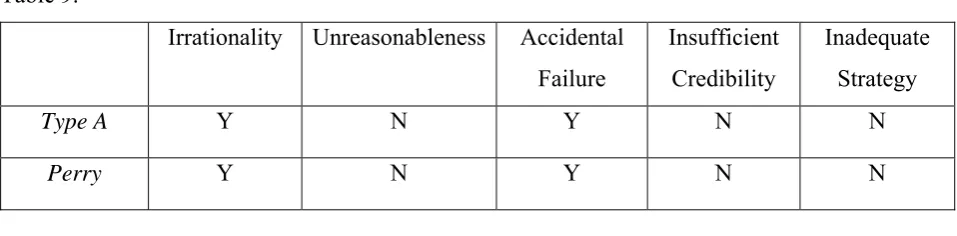
Type A Y N Y N N
Type B
Irrationality is not a diagnostic propensity: Non-rational conditions are only referenced once within the code, declaring that the prospect of impulsive responses from opponents is minimal (OC9). Therefore, irrationality is not a dominant condition within the political universe. In furtherance of this point, an opponent’s actions are the product of careful planning (OC7b). Opponents are thus expected to act in accordance with their national interests, and rationally susceptible to deterrence threats.
Unreasonableness is a conditional diagnostic propensity: As the essential source of conflict is warlike states (OC2a), a nature inclination toward estimates of unreasonableness is expected. These warlike states range from expansionist to destructionist (OC7c). In relation to the former, firm policies of containment (OC2a) effectually dissuade the opponent’s expansionist efforts (OC8b). Consequently, unreasonableness is not a prominent risk to deterrence failure in these instances. However, destructionist objectives cannot be dissuaded against through the threat of military action. These states are also likely willing to incur heavy costs. Thus, unreasonableness is a diagnostic propensity against ‘destructionist’ states.
Accidental deterrence failure is a diagnostic propensity: Miscalculation is a principal cause of war within the political universe (OC6a). Further, this risk is heightened by a lack credibility within one’s commitments (OC13b).
deterrence failure. Additionally, insufficient credibility poses a risk in and of itself. An inability or unwillingness to uphold deterrence commitments is a significant cause of danger (OC10b). Further, as warlike states exploit perceived weakness (OC8a) like appeasement (OC6b), a lack of credibility is a prospective cause of deterrence failure.
[image:29.595.85.567.346.413.2]Deterrence as an inadequate strategy is a choice propensity: Optimal goals should be pursued (OC15a), especially at the cost of an opponent (OC16). Coupled with the unacceptability of abandoning important goals (OC15b) and the risk of lost opportunities not recurring (OC20a), deterrence may be abandoned in favour of proactive strategies. In response to the threat posed by warlike states, all strategies are appropriate because the ends justify the means (OC21). Therefore, there is no hesitation over use of actual military force should (OC22). A condition of peace may require the elimination of an opponent (OC2a).
Table 2.
Irrationality Unreasonableness Accidental Failure
Insufficient Credibility
Inadequate Strategy
Type B N C Y Y Y
Type C
Irrationality is not a diagnostic propensity: There is no reference to non-rational conditions within the code. Further, it is affirmed that states will rationally pursue national interests (OC8d).
Unreasonableness is a diagnostic propensity: As states vary in their inclination towards expansion and conflict (OC8a), there are aggressively ambitious states that catalyse conflict (OC7e).
Accidental deterrence failure is a diagnostic propensity: Due to the anarchical political universe, miscalculation is a principal cause of war (OC13b).
Deterrence as an inadequate strategy is not a choice propensity: There is no guide to strategies within the code.
Table 3.
Irrationality Unreasonableness Accidental Failure
Insufficient Credibility
Inadequate Strategy
Type C N Y Y N N
Type D
Irrationality is not a diagnostic propensity: There is no reference to non-rational conditions within the code. Further, rationality is emphasised as a condition inherent amongst states as they pursue national interests (OC8b & OC8g).
Unreasonableness is not a diagnostic propensity: While the nature of opponent’s may vary (OC8a), most states are motivated by security (OC8b). Further, firm policies like deterrence are efficacious (OC9b).
Accidental deterrence failure is not a diagnostic propensity: There is no reference to these conditions within the code.
Insufficient credibility is a diagnostic propensity: While credibility is not explicitly stated, considerable emphasis is placed upon the quality of leadership in avoiding conflict (OC11b). Hence, the reputation of leadership is a condition of power (OC22). Further, as one should cut losses when appropriate (14c); extended deterrence commitments that pose substantial costs are in jeopardy of failure.
Table 4.
Irrationality Unreasonableness Accidental Failure
Insufficient Credibility
Inadequate Strategy
Type D N N N Y N
Type E
Irrationality is a diagnostic propensity: While political units are characteristically rational (OC3a) in pursuing their self-interests (OC3c), non-rational actions may result from leaders who misunderstand those interests (OC14).
Unreasonableness is a conditional diagnostic propensity: The effectiveness of deterrence is dependent upon the balance of power (OC8b). However, the determination of some opponents to alter the status-quo (OC3e & OC8b) fundamentally undermines their susceptibility to deterrence threats.
Accidental deterrence failure is not a diagnostic propensity: There is no reference to these conditions within the code.
Insufficient credibility is a diagnostic propensity: Credibility is a dominant conception of power with the political universe (OC22b). Further, an essential condition of peace is the maintenance equilibrium through alliances (OC4a). Accordingly, a major danger of war is an inability to credibly maintain those commitments (OC4b).
Table 5.
Irrationality Unreasonableness Accidental Failure
Insufficient Credibility
Inadequate Strategy
Type E Y C N Y C
Type F
Irrationality is not a diagnostic propensity: There is no reference to irrationality or non-rational conditions within the code.
Unreasonableness is a diagnostic propensity: A source of conflict within the political universe is the actions of ‘war-prone states’ (OC9c). Further, some opponents are driven by ‘radically destructionist’ goals (OC3c), and are thus immune to deterrence threats.
Accidental deterrence failure is not a diagnostic propensity: There is no reference to these conditions within the code.
Insufficient credibility is not a diagnostic propensity: There is no reference to credibility, or the maintenance of alliances, within the code.
Deterrence as an inadequate strategy is not a choice propensity: Strategies of moderation are virtuous (OC16a). Further, undertaking campaigns to remove opponents under the fallacy that it will ensure peace are inappropriate (OC17). Force should only be used when absolutely necessary (OC16b). Hence, strategies of deterrence do not warrant premature abandonment.
Table 6.
Irrationality Unreasonableness Accidental Failure
Insufficient Credibility
Inadequate Strategy
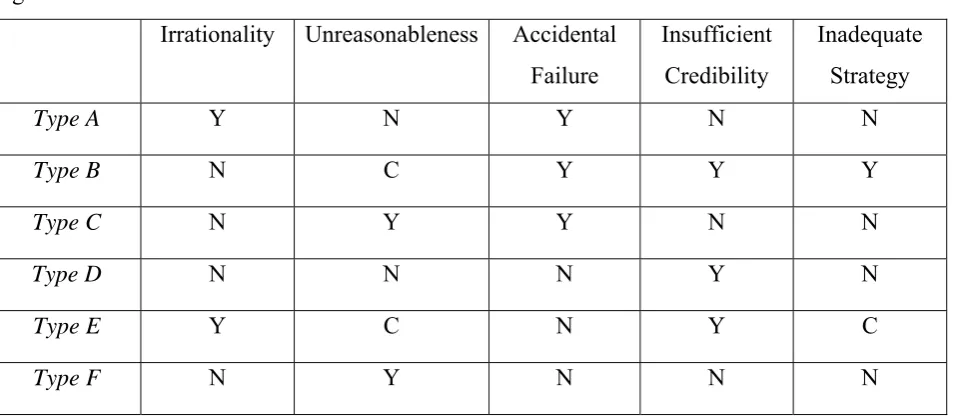
[image:32.595.84.568.595.667.2]Figure 7.
Irrationality Unreasonableness Accidental Failure
Insufficient Credibility
Inadequate Strategy
Type A Y N Y N N
Type B N C Y Y Y
Type C N Y Y N N
Type D N N N Y N
Type E Y C N Y C
Type F N Y N N N
Application
Chapter III. John Bolton.
“It is not our strength that is provocative, but our weakness, which our adversaries worldwide will interpret to mean it is safe to challenge us.”111
– John Bolton
“Question: how do you know when a North Korean regime is lying? Answer: their lips are moving.”112
– John Bolton
John Bolton is the incumbent National Security Advisor to President Donald Trump. Throughout his career as a government official, Bolton has held senior positions within every Republican administration since Ronald Reagan, including assistant Attorney General for both the Office of Legislative Affairs (1985-1989) and Civil Division (1988-1989), assistant Secretary of State for the International Organisation Affairs (1989-1993) under George H. W. Bush, and Under Secretary of State for Arms Control and International Security (2001-2005) and US Ambassador to the UN (2005-2006) within the George W. Bush administration. Bolton is an avid political commentator of American national security and foreign policy, formerly the vice-president of the conservative think-tank the American Enterprise Institute (AEI), regular contributor to The Wall Street Journal and The New York Times and recurrent guest to Fox News. A staunch conservative and military hawk, Bolton consistently espouses hard-line approaches for the pursuit of US interests. In regard to his authenticity of his political commentary, Bolton states:
“I’ve said and written a lot of things over the years, I stand by every one of them, but I was a freelancer back then, I had the luxury of voicing my own opinion.”113
111 John R. Bolton “America Needs to Lead from the Front,” Human Events vol. 68 no. 39 (2012): 13. 112 Fox News, “John Bolton on Trump’s decision to meet with Kim Jong Un,” March 4, 2018, accessed July 20, 2018, http://video.foxnews.com/v/5748784936001/?playlist_id=2114913880001#sp=show-clips.