Copyright © 1997, American Society for Microbiology
Cold-Adapted Poliovirus Mutants Bypass a Postentry
Replication Block
ALAN W. DOVE
ANDVINCENT R. RACANIELLO*
Department of Microbiology, Columbia University College of Physicians &
Surgeons, New York, New York 10032
Received 23 December 1996/Accepted 10 March 1997
In the current model of poliovirus entry, the initial interaction of the native virion with its cellular receptor
is followed by a transition to an altered form, which then acts as an intermediate in viral entry. While the native
virion sediments at 160S in a sucrose gradient, the altered particle sediments at 135S, has lost the coat protein
VP4, and has become more hydrophobic. Altered particles can be found both associated with cells and in the
culture medium. It has been hypothesized that the cell-associated 135S particle releases the viral genome into
the cell cytoplasm and that nonproductive transitions to the 135S form are responsible for the high
particle-to-PFU ratio observed for polioviruses. At 25°C, a temperature at which the transition to 135S particles does
not occur, the P1/Mahoney strain of poliovirus was unable to replicate, and cold-adapted (ca) mutants were
selected from the population. These mutants have not gained the ability to convert to 135S particles at 25°C,
and the block to wild-type (wt) infection at low temperatures is not at the level of cellular entry. The
particle-to-PFU ratio of poliovirus does not change at 25°C in the absence of alteration. Three independent
amino acid changes in the 2C coding region were identified in ca mutants, at positions 218 (Val to Ile), 241 (Arg
to Ala), and 309 (Met to Val). Introduction of any of these mutations individually into wt poliovirus by
site-directed mutagenesis confers the ca phenotype. All three serotypes of the Sabin vaccine strains and the
P3/Leon strain of poliovirus also exhibit the ca phenotype. These results do not support a model of poliovirus
entry into cells that includes an obligatory transition to the 135S particle.
Studies on the mechanisms by which viruses enter their host
cells provide clues about how a virus capsid can be stable
enough to survive harsh conditions in the environment yet able
to release its contents (the virus genome) when it encounters a
susceptible cell. The evolutionary diversity of viruses virtually
guarantees that the initial interactions between different
vi-ruses and host cells will vary dramatically. While detailed
de-scriptions of cell entry have been established for influenza
virus, adenovirus, and Semliki Forest virus (reviewed in
refer-ence 18), this level of understanding remains the exception
rather than the rule. Remarkable progress has been made in
recent years toward understanding the process of picornavirus
entry, yet there are still several important questions which
remain unanswered.
Research on the entry of picornaviruses into cells has been
facilitated by the identification of cellular receptors for
polio-virus (34), several echopolio-virus serotypes (3, 4) and the major
group human rhinoviruses (19, 52), and the elucidation of the
three-dimensional structures of poliovirus (14, 22), rhinovirus
(49), foot-and-mouth disease virus (1), mengovirus (31),
Thei-ler’s virus (30), and coxsackievirus B3 (39). A low-resolution
image of rhinovirus complexed with its cell receptor provides
clues about the initial interactions of these viruses with cells
(41). Among picornaviruses, the mechanism of entry of
polio-virus has been the most extensively studied (reviewed in
ref-erence 43).
Successful poliovirus entry into cells is mediated by the
po-liovirus receptor (32, 34). After binding to the popo-liovirus
re-ceptor on the cell surface, the virus undergoes a major
struc-tural change which results in the formation of altered particles,
which can be distinguished from the native virion by
sedimen-tation in a sucrose gradient. While the intact native virion
sediments at 160S, the altered particle sediments at 135S and
has lost the capsid protein VP4 and extruded the hydrophobic
N terminus of VP1. The timing of alteration coincides with
virus genome entry (15, 17, 55). In a typical infection, not all
particles undergo this transition, but quantitative conversion is
possible under the proper conditions (54). Alteration and virus
entry can be blocked by antiviral compounds such as arildone
and disoxaril, and drug-resistant viral mutants are capable of
undergoing alteration in the presence of the inhibitors (6, 16,
38, 56). Altered particles contain full-length RNA (10) and can
initiate a productive infection when very high concentrations of
particles are used (9). These results have been interpreted to
mean that the altered particle is an essential intermediate in
virus entry (reviewed in reference 15). A less drastic change in
the virus’s structure, called breathing, which occurs in the
ab-sence of cell receptor, has also been implicated in the
uncoat-ing process, though its role remains unknown (27).
After undergoing alteration, some particles remain cell
as-sociated, while others are shed into the surrounding medium
(13, 57). This phenomenon has been suggested as an
explana-tion for the low plaque-forming efficiency of picornaviruses,
typically 0.1 to 2% (50). Since a single picornavirus RNA
genome microinjected into a cell is capable of initiating a
productive round of replication, the particle/PFU ratio appears
to result from a defect at the level of entry (2). Productive
infection may result from uncoating of the RNA at the cell
surface (20) or from within an endosomal compartment (57).
Previous studies on poliovirus entry have used the
genera-tion of altered particles as a measure of uncoating. Since all
virus particles can undergo alteration but only a minority can
successfully enter the cell, simply assaying for virus alteration
will not provide a reliable indicator of the location and timing
of entry. We therefore attempted to analyze virus entry at
* Corresponding author. Mailing address: Department of
Microbi-ology, Columbia University College of Physicians & Surgeons, 701 W.
168th St., New York, NY 10032. Phone: (212) 305-5707. Fax: (212)
305-5106. E-mail: [email protected].
4728
on November 9, 2019 by guest
http://jvi.asm.org/
Cells and viruses.HeLa S3 cells were grown in suspension culture in Joklik minimal essential medium supplemented with 5% bovine calf serum and 10mg of gentamicin sulfate per ml. For monolayer growth, cells were transferred to Dulbecco’s modified Eagle medium with 10% bovine calf serum, 100 U of penicillin per ml, and 100mg of streptomycin per ml (Gibco BRL).
Poliovirus strains P1/Mahoney, P2/Lansing, P3/Leon, P2/Sabin, and P3/Sabin were derived by transfecting HeLa cell monolayers with viral RNA transcribed from cloned genomic cDNAs (37, 44, 45, 51). An infectious P1/Sabin cDNA was a gift from A. Macadam, National Institute for Biological Standards and Control, South Mimms, England. Virus stocks were prepared by infecting HeLa cell monolayers with plaque-purified virus isolates and harvesting cells and superna-tant 24 h later. Cells were then lysed by three consecutive freeze-thaw cycles, and cellular debris was removed by centrifugation at 5,000 rpm and 4°C in a Sorvall RT6000 tabletop centrifuge. Stocks were then stored in 50- to 500-ml aliquots at
270°C. Viral titers were determined by plaque assays on HeLa cell monolayers as described previously (46).
Alteration assays.Alteration assays were performed substantially as described previously (8). Virus was grown in the presence of [35S]methionine (Amersham), harvested as for a viral stock (see above), and then pelleted at 40,000 rpm and 10°C in an SW41 rotor (Beckman). The pellet was resuspended and then cen-trifuged through a 7.5 to 45% sucrose gradient for 75 min at 10°C and 40,000 rpm in an SW41 rotor. Gradients were fractionated, samples of each fraction were counted in a scintillation counter, and the peak fractions were pooled and dialyzed against phosphate-buffered saline (PBS). The purified virus was ad-justed to 5 mg of bovine serum albumin (fraction V; Sigma) per ml and stored at
270°C. Then 43108PFU of labeled virus was incubated with 107HeLa S3 cells overnight in 0.5 ml of PBS at 4°C. Cells were pelleted by centrifugation for 5 min at 7,000 rpm and 4°C in an Eppendorf 5415C microcentrifuge, washed twice with PBS at 4°C, and then resuspended in a total volume of 250ml of PBS equilibrated to either 25 or 37°C (see Results). After the indicated time, 20ml of 103Nonidet P-40 cell lysis buffer (5% Nonidet P-40 and 200 mM HEPES in 13PBS) was added, and the cell lysate was clarified by centrifugation for 5 min at 4°C and 15,000 rpm in an Eppendorf microcentrifuge. The supernatant was loaded onto a 15 to 30% sucrose gradient and centrifuged in an SW41 rotor at 40,000 rpm for 75 min at 10°C. Fractions were collected from the gradient and counted as described above, and the results were plotted. Gradient markers were made by heating labeled P1/Mahoney poliovirus at 56°C for 10 min, cooling on ice for 20 min, and then adding an equal quantity of unheated labeled virus.
Temperature shift and transfection growth curves. For temperature shift growth curves, HeLa S3 cells in monolayers were infected at a multiplicity of infection (MOI) of 10 with P1/Mahoney wt or ca viruses, which were allowed to adsorb to the cells for 45 min at 25°C; the cells were then washed twice with PBS and overlaid with Dulbecco’s modified Eagle medium which had been equili-brated to 25°C. Plates were then placed at 37°C for 0, 1, 2, or 4 h before being shifted to 25°C. After the shift, samples of the cell supernatant were taken at different times, and viral titers were determined by plaque assays.
For transfection growth curves, HeLa S3 cells in monolayers were transfected at 25°C with viral RNA transcribed in vitro from genomic cDNA (25). Cells were then incubated at 25°C, and samples of the supernatant were taken and pro-cessed as described above.
Identification of ca mutations.Viral cDNA was prepared by a modification of a method described previously (7). HeLa S3 cells in monolayer culture on 15-cm-diameter dishes were infected with stocks of plaque-purified ca mutants. Cells and medium were collected after 24 h, subjected to three cycles of freezing and thawing, and then clarified by centrifugation at 5,000 rpm and 4°C in a Sorvall RT6000 tabletop centrifuge; 0.5 ml of 0.5 M EDTA (pH 8.0) was added to the resulting supernatant, which was then loaded on top of a 0.5-ml cushion of 30% sucrose in NTE buffer (100 mM NaCl, 50 mM Tris-HCl [pH 8.0], 10 mM EDTA). This mixture was centrifuged at 40,000 rpm for 2 h at 4°C, and the viral pellet was resuspended in 0.5 ml of NTE buffer and 0.5% sodium dodecyl sulfate. Proteinase K was added to a final concentration of 50mg/ml, and the sample was incubated at 37°C for 1 h. After phenol extraction, the viral RNA was precipi-tated with 3 M sodium acetate (pH 6.0) and 2 volumes of 95% ethanol and then
(United States Biochemical). Clones carrying the desired inserts were identified by restriction endonuclease cleavage and dideoxynucleotide sequencing with a Sequenase kit (United States Biochemical) by the manufacturer’s protocol.
cDNAs of r1, r2, and r3 were transcribed in vitro and transfected into HeLa S3 cells in monolayer culture, and virus stocks were harvested as described above. A minimum of nine clones of each recombinant, representing three different plaque-purified isolates from the original ca stock, were tested for growth at 25°C. The cloned regions of the r2 chimeras were sequenced in their entirety by using a Sequenase kit and the manufacturer’s protocol.
Site-directed mutagenesis.Mutagenic oligonucleotides were designed to insert the GC4844CG (ca2), C4775T (ca-3), and T5048C (ca-4) mutations and synthe-sized by the Columbia University DNA Facility. These oligonucleotides were then used for PCR-based site-directed mutagenesis as described previously (21). In the first PCR, full-length P1/Mahoney cDNA was amplified with a nongenic positive-sense primer annealing to nucleotides 3410 to 3429 and a muta-genic negative-sense primer annealing to nucleotides 4833 to 4854 (ca-2), 4764 to 4785 (ca-3), or 5035 to 5056 (ca-4). In the second PCR, full-length P1/Mahoney cDNA was amplified with a nonmutagenic negative-sense primer annealing to nucleotides 5602 to 5619 and a mutagenic positive-sense primer annealing to nucleotides 4833 to 4854 (ca-2), 4764 to 4785 (ca-3), or 5035 to 5056 (ca-4). In the third PCR, the products of the first and second reactions for each mutation were used as the template with a nonmutagenic positive-sense primer annealing to nucleotides 3410 to 3429 and a nonmutagenic negative sense primer annealing to nucleotides 5602 to 5619. All reactions were performed with Vent DNA polymerase (New England Biolabs) by the manufacturer’s protocol. The final PCR products were digested with SacII and BglII and cloned into the full-length viral cDNA in the pT7MSac vector as described above. The nucleotide sequence of the entire exchanged fragment was determined by dideoxynucleotide sequenc-ing with a Sequenase kit by the manufacturer’s protocol. cDNAs containsequenc-ing only the introduced mutation were used in further studies.
Mutagenized cDNAs were transcribed in vitro, RNAs were transfected into HeLa S3 cells, and viral stocks were produced and tested for cold adaptation as described above.
Assay of viral titers at 25°C.Fluorescent focus assays were performed by infecting HeLa S3 cells in monolayer culture in 35-mm-diameter dishes with dilutions of the viral stock to be tested. The virus was allowed to adsorb for 45 min at room temperature before being overlaid with Dulbecco’s modified Eagle medium with 10% bovine calf serum, 100 U of penicillin per ml, and 100mg of streptomycin per ml and incubated at either 25 or 37°C for the indicated time. Cells were then washed twice with PBS, fixed with 90% methanol, washed twice more with PBS, and stored at 4°C if necessary. Virus replication was detected by adsorbing a rabbit anti-P1/Mahoney antibody (33) to the dishes for 30 min at 25°C, washing twice with PBS, then adding goat anti-rabbit antiserum (Boehr-inger Mannheim catalog no. 605 210), incubating for 30 min at 25°C, washing twice with PBS, and viewing under a Leitz Laborlux D fluorescence microscope. Fluorescent cells per field were counted, and the number of fluorescence-form-ing units per milliliter was calculated.
For temperature shift plaque assays, HeLa S3 cells in monolayer culture on 35-mm-diameter dishes were infected as for a fluorescence focus assay, but plates were instead overlaid with Dulbecco’s modified Eagle medium containing 5% bovine calf serum, 100 U of penicillin per ml, 100mg of streptomycin per ml, and 3% methylcellulose. Dishes were then incubated at 25°C for 48 h to allow the virus to infect the cells and begin replication. Infected cells were then moved to 37°C for 72 h to allow plaque formation. The overlay was removed, and cells were fixed with methanol and then stained with crystal violet to visualize plaques.
RESULTS
ca mutants arise at 25°C.
Because the formation of 135S
altered particles does not occur at temperatures below 33°C
(20, 55), we determined whether poliovirus could replicate at
lower temperatures. Cells were infected with poliovirus P1/
on November 9, 2019 by guest
Mahoney at an MOI of 10 and incubated at 25°C. The resulting
growth curve showed no virus replication until 120 h
postin-fection (Fig. 1A), which suggested the emergence of a mutant
population. The cell supernatant from the final time point in
this experiment was used in a second round of infection at
25°C, and the resulting growth curve (Fig. 1B) demonstrates
the presence of mutants adapted for growth at the lower
tem-perature. The cell supernatant from the final time point of Fig.
1B was subjected to triple plaque purification at 37°C. Growth
curve analysis at 25°C of three representative plaque-purified
stocks indicates that the ca phenotype has been maintained
(Fig. 1B). The plaque sizes of ca mutants were similar at 37 and
39.5°C, and viral yields at the two temperatures were similar,
indicating that ca mutants are not temperature sensitive (11).
ca mutants grow as well as wt virus in both high- and low-MOI
growth curve experiments at 37°C (11). These results indicate
that ca mutants have retained the ability to grow at
physiolog-ical temperatures.
ca mutants do not undergo transition to 135S particles at
25°C.
One explanation for the ability of ca mutants to replicate
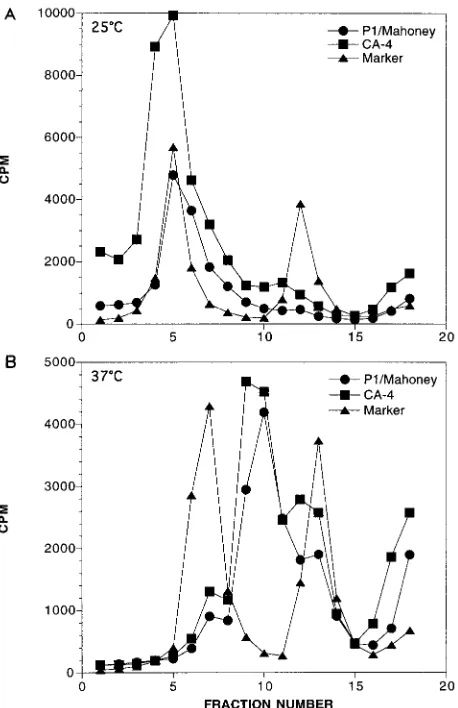
[image:3.612.324.553.70.424.2]at 25°C is that they might undergo the transition to 135S
particles at this temperature. To test this hypothesis, alteration
assays were performed on wt and ca viruses at 37 and 25°C for
times ranging from 30 min to 36 h (the latter point at which
new ca virus is produced at 25°C). The results indicate that
both wt and ca viruses undergo alteration at 37°C but not at the
lower temperature (Fig. 2), suggesting that virus entry occurs
at 25°C in the absence of the transition to 135S particles.
[image:3.612.63.295.71.441.2]FIG. 2. Sucrose gradient assay for conversion to 135S particles. (A) 35 S-labeled wt or ca-4 virus was adsorbed to HeLa cells in suspension at 4°C, and excess virions were washed off. Cells were incubated at 25°C for 24 h, and then cells and medium were treated with detergent and loaded onto a sucrose gradi-ent. Markers for 160S and 80S viral particles were prepared as described in Materials and Methods. After centrifugation, gradients were fractionated and the fractions were assayed in a liquid scintillation counter. (B)35S-labeled wt or ca-4 P1/Mahoney was adsorbed to HeLa cells in suspension at 4°C, and excess virions were washed off. Cells were incubated at 37°C for 2 h, and alteration was assayed as described above. Sedimentation is from right to left.
TABLE 1. Temperature shift plaque assay
Temp (°C)a PFU/ml
P1/Mahoney wt P1/Mahoney ca
37
4.6
3
10
82.4
3
10
825337
4.8
3
10
72.3
3
10
7aInfected cells were incubated at 37°C for 72 h or at 25°C for 48 h and then shifted to 37°C for 72 h.
FIG. 1. Growth curve analysis at 25°C. (A) HeLa cells were infected at an MOI of 10 with wt P1/Mahoney and incubated at 25°C. At the indicated times postinfection, samples of cell supernatant were removed and the viral titer was determined by plaque assay. (B) HeLa cells were infected at an MOI of 10 with wt (F), ca from the final time point in panel A (Ç), or triple-plaque-purified ca
stock ca-2 (ç), ca-3 (å), or ca-4 (■) and incubated at 25°C. Viral titers at the indicated times were determined by plaque assay.
on November 9, 2019 by guest
http://jvi.asm.org/
Nonproductive transitions to 135S particles might be
re-sponsible for the high particle/PFU ratio observed for
poliovi-rus (50). According to this model, ca mutants would have a
lower particle/PFU ratio during infection at 25°C than at 37°C,
since they undergo normal levels of alteration at the higher
temperature but do not alter detectably at the lower one. The
absence of alteration should result in an increase in the
appar-ent titer of the ca virus during an infection at 25°C compared
to 37°C. To explore this possibility, we performed a
tempera-ture shift plaque assay in which cells were infected with wt or
ca virus stock prepared at 37°C. Infected cells were incubated
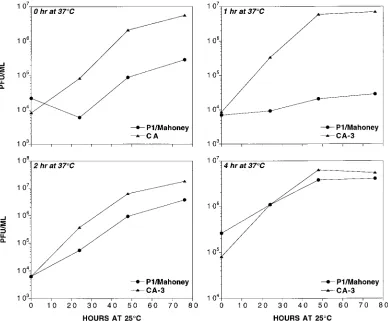
[image:4.612.57.298.81.218.2]at a high MOI with either wt or ca virus, incubated for various
times at 37°C, and then shifted to 25°C. The results indicate
that 1 h at the permissive temperature (37°C) is not sufficient
to allow wt virus to replicate at 25°C (Fig. 3). After 2 or 4 h at
37°C, wt virus could grow at 25°C, indicating that the last block
to wt replication at 25°C occurs between 1 and 2 h after virus
binding, though the defect is not completely overcome until at
least 2 h postbinding, consistent with a block in RNA
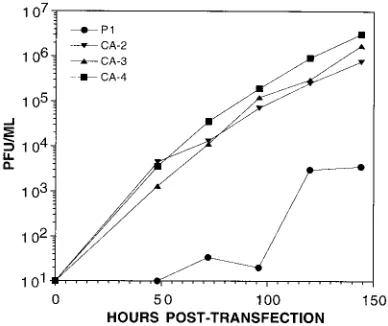
replica-tion. To confirm that the cold-sensitive step was not at the level
of cell entry, this step was bypassed by transfecting wt or ca
RNA into cells at 25°C. Under these conditions, wt virus is still
unable to grow at the lower temperature, while ca viral RNA
clearly initiates a productive infection (Fig. 4).
FIG. 3. Temperature shift growth curve analysis. wt (F) or ca-3 (å) virus was adsorbed to HeLa cells in monolayer cultures at 25°C, and the unbound virions were
washed off. Cells were then incubated at 37°C for 0, 1, 2, or 4 h before being shifted to 25°C. At different times after the shift, samples of cell supernatant were removed and viral titers were determined by plaque assay.
on November 9, 2019 by guest
[image:4.612.114.502.378.699.2]The ca mutation maps to the 2C gene.
To determine which
region of the viral genome confers the ca phenotype, we
con-structed three recombinant viruses in which different sections
of wt P1/Mahoney were substituted with the corresponding
regions from clonal ca isolates. Only the r2 recombinants,
which contain approximately the middle one-third of the ca
virus genome, are cold adapted, as judged by total virus yield
and growth curve analysis at 25°C (Fig. 5A). All nine r2
re-combinants, containing the central region of the genome from
three independent plaque-purified ca isolates, were cold
adapted.
Nucleotide sequence analysis of cDNA from seven
plaque-purified ca isolates revealed three independent mutations near
the C terminus of the 2C coding region (Fig. 5B). These
mu-tations were introduced individually into wt viral cDNA by
site-directed mutagenesis, and viruses were derived by
trans-fection. Growth curve analysis at 25°C done at high MOI
revealed that each of the site-directed mutations is capable of
conferring the ca phenotype (Fig. 6).
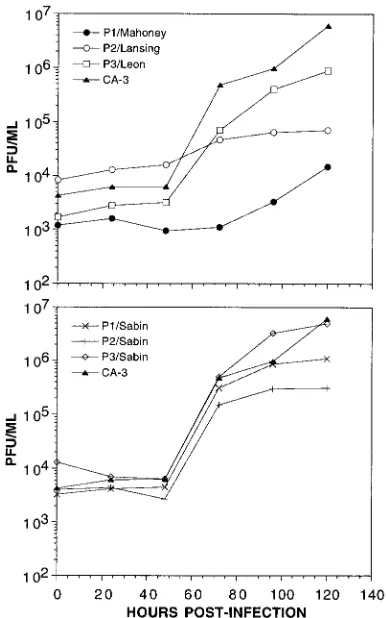
The Sabin vaccine strains contain novel ca mutations.
Growth curve analysis was used to determine whether other
poliovirus strains can replicate at 25°C. All three serotypes of
the Sabin live attenuated vaccine strains exhibit growth kinetics
nearly identical to those of ca mutants (Fig. 7). In addition, wt
P3/Leon is cold adapted, while P2/Lansing is not. Previously
constructed viral recombinants between P1/Sabin and
P1/Ma-honey viruses (5) were used to localize the mutations
respon-sible for the ca phenotype of P1/Sabin. Recombinants
contain-ing either the central region or the C-terminal region of the
polyprotein from P1/Sabin were cold adapted (Fig. 8). There
are no amino acid differences between the 2C proteins of
P1/Sabin and P1/Mahoney viruses (40, 45). These results
indi-cate that mutations in proteins other than 2C, including 2A,
2B, and 3D
pol, can confer the ca phenotype.
DISCUSSION
[image:5.612.326.543.70.253.2]The current model for poliovirus entry proposes that virus
binding is followed by an essential transition to the 135S
par-ticle, which is an intermediate in virus genome entry (15, 17,
53). While the proposal that genome entry occurs from the
hydrophobic 135S particle has been widely accepted, several
observations are inconsistent with this model. First, the capsid
protein VP4, which is absent from the 135S particle, appears to
FIG. 5. Mapping of the ca mutations. (A) Genomic RNAs of viral [image:5.612.81.275.71.234.2]recombi-nants between wt and ca viruses are shown schematically, with P1/Mahoney sequences in open boxes and ca virus sequences in black boxes. At the top is a genetic map of poliovirus genomic RNA. Recombinants r1, r2, and r3 were produced by using cDNA derived from all three ca viruses (ca-2, ca-3, and ca-4). The viruses were tested for cold adaptation by comparing viral yields at 0 and 96 h postinfection at 25°C.1, increase in titer of over 3 orders of magnitude;2, increase of less than 2 orders of magnitude. The ca phenotype of recombinant r2 viruses was confirmed by performing one-step growth curve analysis at 25°C. (B) Locations of amino acid changes in the 2C coding region. The nucleotide se-quences of cDNAs derived from seven different plaque-purified ca virus clones were determined in the region corresponding to the portion of r2 derived from ca. A single amino acid change in the 2C coding region was found in all seven ca viruses, representing three different coding mutations. The coding changes in the ca viruses are shown as amino acid locations above a schematic representation of the 2C protein (amino acid 1 is the amino terminus of 2C). The nucleotide triphosphate-binding motif (black boxes) in 2C is shown (35).
FIG. 6. Site-directed mutants exhibit the ca phenotype. HeLa cells in mono-layer culture were infected at an MOI of 10 with independently derived site-directed mutants representing each ca coding change. Viruses 2.14 and 2.11 contain the V218I mutation, viruses 3.6 and 3.7 contain the R241A mutation, and viruses 4.3 and 4.5 contain the M309V mutation. Plaque-purified ca-3 and wt P1/Mahoney were included as controls. The infected cells were incubated at 25°C, samples of the cell supernatant were removed at different times postinfec-tion, and the viral titers were determined by plaque assay.
FIG. 4. Growth of poliovirus at 25°C after transfection with viral RNA tran-scripts. cDNA clones of wt (P1), ca-2, ca-3, or ca-4 were transcribed in vitro, and the resulting RNA was used to transfect HeLa cells in monolayer cultures which were incubated at 25°C. Samples of cell supernatants were removed at different times postinfection, and viral titers were determined by plaque assay.
on November 9, 2019 by guest
http://jvi.asm.org/
be essential for virus entry (36). Second, while 135S particles
can deliver RNA to cells and initiate an infection, the
infec-tivity of these particles is only 0.1 to 0.001% of that of native
particles (9). Third, by changing the conditions used in an
alteration assay, it is possible to observe a productive infection
in the absence of any detectable levels of 135S particles (24),
suggesting that alteration might be an artifact. Fourth, since all
virus particles are capable of undergoing alteration but only a
fraction undergo productive entry, alteration is an unreliable
indicator of virus entry (54).
Results presented here offer further evidence that virus
al-this issue cannot be resolved without directly examining virus
genome entry, it seems unlikely for three reasons. First, from
results of similar assays for alteration, it was previously
con-cluded that the transition to 135S particles does not occur at
temperatures lower than 33°C (55). Hypothesizing that a low,
undetectable level of alteration occurs at 25°C leaves the
cur-rent model of virus entry intact, but such a justification would
be tautological. Second, the current model for poliovirus entry
predicts that the severe reduction in 135S particle formation at
the lower temperature would create a selective pressure on the
virus to alter at 25°C. The poliovirus capsid is clearly capable of
tolerating mutations which permit greater flexibility and faster
135S particle formation under different conditions (38), but
such capsid mutations were not observed in ca viruses. Third,
the maximum level of 135S particle formation which could
occur without being detected in our alteration assays is
approx-imately 0.5% of the input virus infectivity, a level which would
effectively reduce the input MOI in 25°C growth curves from
10 to less than 0.1. Such a reduction would not be consistent
with the one-step growth kinetics seen in these experiments.
The lower apparent titer of ca viruses at 25°C compared to
37°C in the temperature shift and fluorescent focus assays
might be interpreted as evidence that a decrease in the
pro-duction of 135S particles has reduced viral infectivity. This
explanation seems unlikely, as selective pressure should result
in the emergence of mutants that alter at 25°C. It seems more
likely that the lower virus titer at 25°C is a consequence of the
slower metabolism of the infected cells and their inability to
efficiently support later steps in the virus life cycle. ca mutants
are better able to bypass this block than wt virus but are not
able to overcome it completely. In support of this idea, the
results of temperature shift growth curves and transfection
experiments indicate a postentry block in wt poliovirus
repli-FIG. 7. Other strains of poliovirus exhibit the ca phenotype. HeLa cell [image:6.612.80.273.70.379.2]mono-layer cultures were infected at an MOI of 10 with the indicated viruses, and the infected cells were incubated at 25°C. At different times postinfection, samples of the cell supernatants were removed and the viral titers were determined by plaque assay.
FIG. 8. Mapping of the ca phenotype of poliovirus P1/Sabin. Genomic RNAs of viral recombinants between P1/Mahoney and P1/Sabin viruses are shown schematically, with P1/Mahoney sequences in black boxes and P1/Sabin virus sequences in open boxes. At the top is a genetic map of poliovirus genomic RNA. The viruses were tested for cold adaptation by performing one-step growth curve analysis at 25°C in HeLa cells.1, increase in titer of over 3 orders of magnitude;2, increase of less than 2 orders of magnitude. Amino acid differences between P1/Sabin and P1/Mahoney are shown as short vertical bars. ncr, noncoding region.
on November 9, 2019 by guest
[image:6.612.150.465.582.690.2]cation at 25°C. In fluorescent focus assays, the ca virus stock
prepared at 25°C appears to have a lower growth rate than ca
virus stock prepared at 37°C in the subsequent infection at
25°C (Table 2). Since the 2C gene product has been suggested
to play a role in viral assembly as well as replication (26), it is
possible that the mutant virus does not fully overcome the
low-temperature block to 2C function, resulting in the
produc-tion of partially defective particles and slower subsequent
growth.
The hypothesis that alteration to 135S particles is not
nec-essary for poliovirus cell entry raises two important questions.
First, if this transition is not essential for virus entry, why would
it be conserved? Second, since antiviral compounds which
in-hibit 135S particle formation also inin-hibit poliovirus infectivity
(6, 16, 38, 56), how does an entry model which does not involve
alteration explain the action of these compounds? Alteration
to 135S particles has been observed only under artificial
con-ditions, with high concentrations of either cultured cells (29) or
solubilized receptor protein (8, 23, 55), and so it is not known
whether 135S particle formation has been subjected to
selec-tive pressure in vivo. Second, picornaviruses are small, highly
constrained physical entities, and if alteration does occur in
normal infections, it may be a by-product of the structural
flexibility required to permit cell entry. The 135S particle might
be a nonproductive end product, and a less drastic
receptor-induced conformational change might produce the true
inter-mediate in RNA uncoating. In support of this model, a more
subtle transition in the virus capsid, known as breathing, may
be important for virus entry (27). Antiviral drugs may inhibit
virus infectivity not because they block alteration but because
they increase the overall rigidity of the virus capsid, preventing
more subtle transitions necessary for uncoating. Finally,
stud-ies of poliovirus entry have used assays of viral infectivity or
other postentry events rather than examining virus genome
entry directly, largely because of the confounding factors
in-troduced by 135S particle formation at 37°C.
It has been suggested that the high particle/PFU ratio of
poliovirus is the result of the release of 135S particles from
cells early in infection (50). The results of temperature shift
plaque assays and fluorescent focus assays at 25°C do not
support this hypothesis.
The observation that the Sabin vaccine strains exhibit a ca
phenotype in the absence of coding changes in the 2C gene
raises the possibility that the block to wt virus replication at
25°C involves a complex of viral proteins which includes the 2C
gene product. Further experiments are being performed to
identify additional ca mutants and to determine whether these
viruses, and the Sabin strains, are capable of undergoing
alter-ation to 135S particles at 25°C.
Identification of the cold-sensitive block in poliovirus
repli-cation will provide information about the intracellular events
in poliovirus-infected cells. The function of the 2C gene is
incompletely understood, but it is the target of the antiviral
compound guanidine, which inhibits viral RNA synthesis (42),
has nucleotide phosphatase and RNA binding functions, and is
probably involved in RNA replication and virus assembly (12,
26, 35, 47, 48). The 2C protein may be involved in a
cold-sensitive step in viral RNA synthesis. Alternatively, 2C may be
involved in determining the structure of the mature virion
during assembly, such that virions produced at 25°C are
inca-pable of initiating a productive second round of infection. Our
results indicate that mutations in other viral proteins can also
confer the ca phenotype, suggesting that a multiprotein
com-plex is involved in cold adaptation. Experiments are in progress
to distinguish among these possibilities.
ACKNOWLEDGMENT
This work was supported by Public Health Service grant AI-20017
from the National Institute of Allergy and Infectious Diseases.
REFERENCES
1. Acharya, R., E. Fry, D. Stuart, G. Fox, D. Rowlands, and F. Brown. 1989. The three-dimensional structure of foot-and-mouth disease virus at 2.9 Å reso-lution. Nature 337:709–716.
2. Belsham, G., and C. Bostock. 1988. Studies on the infectivity of foot-and-mouth disease virus RNA using microinjection. J. Gen. Virol. 69:265–274. 3. Bergelson, J. M., M. Chan, K. R. Solomon, N. F. St. John, H. Lin, and R. W.
Finberg.1994. Decay-accelerating factor (CD55), a glycosylphosphatidyl-inositol-anchored complement regulatory protein, is a receptor for several echoviruses. Proc. Natl. Acad. Sci. USA 91:6245–6248.
4. Bergelson, J. M., M. P. Shepley, B. M. C. Chan, M. E. Hemler, and R. W.
Finberg.1992. Identification of the integrin VLA-2 as a receptor for echo-virus 1. Science 255:1718–1720.
5. Bouchard, M. J., D. H. Lam, and V. R. Racaniello. 1995. Determinants of attenuation and temperature sensitivity in the type 1 poliovirus Sabin vac-cine. J. Virol. 69:4972–4978.
6. Caliguiri, L. A., J. J. McSharry, and G. W. Lawrence. 1980. Effect of arildone on modifications of poliovirus in vitro. Virology 105:86–93.
7. Colston, E., and V. Racaniello. 1995. Poliovirus variants selected on mutant receptor-expressing cells identify capsid residues that expand receptor rec-ognition. J. Virol. 69:4823–4829.
8. Colston, E. M., and V. R. Racaniello. 1994. Soluble receptor-resistant po-liovirus mutants identify surface and internal capsid residues that control interaction with the cell receptor. EMBO J. 13:5855–5862.
9. Curry, S., M. Chow, and J. M. Hogle. 1996. The poliovirus 135S particle is infectious. J. Virol. 70:7125–7131.
10. De Sena, J., and B. Mandel. 1977. Studies on the in vitro uncoating of poliovirus. II. Characteristics of the membrane-modified particle. Virology
78:554–566.
11. Dove, A. W., and V. R. Racaniello. Unpublished results.
12. Echeverri, A. C., and A. Dasgupta. 1995. Amino terminal regions of polio-virus 2C protein mediate membrane binding. Virology 208:540–553. 13. Fenwick, M. L., and P. D. Cooper. 1962. Early interactions between
polio-virus and ERK cells. Some observations on the nature and significance of the rejected particles. Virology 18:212–223.
14. Filman, D. J., R. Syed, M. Chow, A. J. Macadam, P. D. Minor, and J. M.
Hogle.1989. Structural factors that control conformational transitions and serotype specificity in type 3 poliovirus. EMBO J. 8:1567–1579.
15. Flore, O., C. E. Fricks, D. J. Filman, and J. M. Hogle. 1990. Conformation changes in poliovirus assembly and cell entry. Semin. Virol. 1:429–438. 16. Fox, M. P., M. J. Otto, and M. A. McKinlay. 1986. Prevention of rhinovirus
and poliovirus uncoating by WIN 51711, a new antiviral drug. Antimicrob. Agents Chemother. 30:110–116.
17. Fricks, C. E., and J. M. Hogle. 1990. The cell-induced conformational change of poliovirus: externalization of the amino terminus of VP1 is re-sponsible for liposome binding. J. Virol. 64:1934–1945.
18. Greber, U. F., I. Singh, and A. Helenius. 1994. Mechanisms of virus uncoat-ing. Trends Microbiol. 52:52–56.
19. Greve, J. M., G. Davis, A. M. Meyer, C. P. Forte, S. C. Yost, C. W. Marlor,
M. E. Kamarck, and A. McClelland.1989. The major human rhinovirus receptor is ICAM-1. Cell 56:839–847.
20. Guttman, N., and D. Baltimore. 1977. A plasma membrane component able to bind and alter virions of poliovirus type 1: studies on cell-free alteration using a simplified assay. Virology 82:25–36.
21. Higuchi, R. 1990. Recombinant PCR, p. 177–183. In M. Innis, D. Gelfand, J. Sninsky, and T. White (ed.), PCR protocols: a guide to methods and appli-cations. Academic Press, Inc., San Diego, Calif.
22. Hogle, J. M., M. Chow, and D. J. Filman. 1985. Three-dimensional structure of poliovirus at 2.9 Å resolution. Science 229:1358–1365.
23. Kaplan, G., M. S. Freistadt, and V. R. Racaniello. 1990. Neutralization of poliovirus by cell receptors expressed in insect cells. J. Virol. 64:4697–4702. 24. Kronenberger, P., D. Blaas, R. Fuchs, and A. Boeye´. 1996. Poliovirus un-coating/penetration without A-particle intermediate?, p. A4. In Abstracts of the IXth Meeting of the European Study Group on the Molecular Biology of Picornaviruses, Gmunden, Austria.
25. La Monica, N., C. Meriam, and V. R. Racaniello. 1986. Mapping of se-quences required for mouse neurovirulence of poliovirus type 2 Lansing. J. Virol. 57:515–525.
26. Li, J., and D. Baltimore. 1990. An intragenic revertant of a poliovirus 2C mutant has an uncoating defect. J. Virol. 64:1102–1107.
27. Li, Q., A. Yafal, Y.-H. Lee, J. Hogle, and M. Chow. 1994. Poliovirus neutral-ization by antibodies to internal epitopes of VP4 and VP1 results from reversible exposure of these sequences at physiological temperature. J. Virol.
68:3965–3970.
28. Liao, S., and V. R. Racaniello. 1995. Unpublished results.
29. Lonberg-Holm, K. 1976. Physical and metabolic requirements for early
on November 9, 2019 by guest
http://jvi.asm.org/
mutation in VP4 defines a new step in the late stages of cell entry by poliovirus. J Virol. 67:5075–5078.
37. Moss, E. G., R. E. O’Neill, and V. R. Racaniello. 1989. Mapping of attenu-ating sequences of an avirulent poliovirus type 2 strain. J. Virol. 63:1884– 1890.
38. Mosser, A., J. Sgro, and R. Rueckert. 1994. Distribution of drug resistance mutations in type 3 poliovirus identifies three regions involved in uncoating functions. J. Virol. 68:8193–8201.
39. Muckelbauer, J. K., M. Kremer, I. Minor, G. Diana, F. J. Dutko, J. Groarke,
D. C. Pevear, and M. G. Rossmann.1995. The structure of coxsackievirus B3 at 3.5 Å resolution. Structure 3:653–667.
40. Nomoto, A., T. Omata, H. Toyoda, S. Kuge, H. Horie, Y. Kataoka, Y. Genba,
and N. Imura.1982. Complete nucleotide sequence of the attenuated po-liovirus Sabin 1 strain genome. Proc. Natl. Acad. Sci. USA 79:5793–5797. 41. Olson, N. H., P. R. Kolatkar, M. A. Oliveira, R. H. Cheng, J. M. Greve, A.
McClelland, T. S. Baker, and M. G. Rossmann.1993. Structure of a human rhinovirus complexed with its receptor molecule. Proc. Natl. Acad. Sci. USA
90:507–511.
42. Pincus, S. E., D. C. Diamond, E. A. Emini, and E. Wimmer. 1986. Guanidine-selected mutants of poliovirus: mapping of point mutations to polypeptide 2C. J. Virol. 57:638–646.
43. Racaniello, V. R. 1996. The poliovirus receptor: a hook, or an unzipper? Structure 4:769–773.
Schild, and J. W. Almond.1984. Comparison of the complete nucleotide sequences of the genomes of the neurovirulent poliovirus P3/Leon/37 and its attenuated vaccine derivative P3/Leon 2a1b. Proc. Natl. Acad. Sci. USA
81:1539–1543.
52. Staunton, D. E., V. J. Merluzzi, R. Rothlein, R. Barton, S. D. Marlin, and
T. A. Springer.1989. A cell adhesion molecule, ICAM-1, is the major surface receptor for rhinoviruses. Cell 56:849–853.
53. Wien, M. W., M. Chow, and J. M. Hogle. 1996. Poliovirus: new insights from an old paradigm. Structure 4:763–768.
54. Willingmann, P., H. Barnert, H. Zeichhardt, and K. O. Habermehl. 1989. Recovery of structurally intact and infectious poliovirus type 1 from HeLa cells during receptor-mediated endocytosis. Virology 168:417–420. 55. Yafal, A. G., G. Kaplan, V. R. Racaniello, and J. M. Hogle. 1993.
Charac-terization of poliovirus conformational alteration mediated by soluble cell receptors. Virology 197:501–505.
56. Zeichhardt, H., M. J. Otto, M. A. McKinlay, P. Willingmann, and K. O.
Habermehl. 1987. Inhibition of poliovirus uncoating by disoxaril (WIN 51711). Virology 160:281–285.
57. Zeichhardt, H., K. Wetz, P. Willingmann, and K.-O. Habermehl. 1985. Entry of poliovirus type 1 and mouse Elberfeld (ME) virus into Hep2 cells: recep-tor-mediated endocytosis and endosomal or lysosomal uncoating. J. Gen.
Virol. 66:483–492.