The University of Southern Queensland, Toowoomba, Qld.
THE ROLE OF NURSES IN GENERAL PRACTICE:
GENERAL PRACTITIONERS’ AND PRACTICE NURSES’ PERCEPTIONS
By
Sharon Rees
RN, Dip. App. Sc. (Nursing), B. Nurs.
A thesis
Submitted for the degree of
Master of Health
Abstract
The role of nurses in general practice: General Practitioners’ and Practice Nurses’perceptions is a study that identifies the beliefs of Practice Nurses (PNs) and General Practitioners (GPs) of the PN role and how those roles impact on the general practice. Ethnographic techniquess were used for this study, with data collected through interviews, observation and
questionnaires. Interviews were conducted with four PNs and four GPs in practices that employed nurses in an increasedrole similar to that described in the Nursing in General Practice Fact Sheets (Royal College of Nursing Australia, 2002). Two practices were observed to identify work practices and the nurses’ interaction within the practice.
The main finding of the study was the importance placed on the general practice team. Both GPs and PNs believed that working as a team was vital. They indicated that working together provided holistic care and enabled the practice to provide quality care. The role of the PN in this study was consistent with other studies in Australia. However, the nurses in this study appeared to have more autonomy in regard to care of people with chronic illness and the aged. Continuing education was considered important for the further development of the PN role. However, participants believed that the PN also needed to have considerable and varied experience together with good people skills.
Certification of Dissertation
I certify that the ideas, research, results and conclusions reported in this dissertation are entirely of my own effort, except where otherwise acknowledged. I also certify that the work is original and has not been previously submitted for any other award, except where
otherwise acknowledged.
_____________________ _____________
ENDORSEMENT
_____________________ _____________
Acknowledgments
It is not possible to undertake any research without help from others. I would like to thank the participants of this study and those in the community that spoke at length with me about this topic, often taking time out of a busy working day to participate.
My two supervisors Assoc Prof Don Gorman and Prof Desley Hegney have both not only assisted me with this undertaking but have also inspired me to believe in my ability. You have allowed me to grow in my research abilities and knowledge and I believe it is due to both of you that this experience has been both enlightening and empowering.
I would like to thank my colleagues at the Centre for Rural and Remote Area Health where I worked for most of this project, for their continual support and encouragement. My
colleagues at Toowoomba Health Service also need to be thanked for their support during the final stages of this dissertation.
I am very lucky to have close friends who have not only stuck by me during the last two years of neglect but have intuitively known when I needed assistance and when I needed a break. I thank you for this support and your friendship.
INDEX
1. INTRODUCTION ... 1
1.1 Objectives ... 1
1.2 Background ... 2
1.3 The working relationship ... 3
1.4 Methodology ... 3
1.5 Thesis structure ... 4
2. LITERATURE REVIEW ... 6
2.1 The history of the development of the concept of primary health care ... 6
2.2 Direct government incentives to encourage employment of PNs... 8
2.3 Indirect incentives in General Practice ... 9
2.4 How Australia has determined the way forward for practice nursing ... 10
2.5 Role of the PN in Australia... 12
2.6 Consumers perception of the role of the PN... 17
2.7 PN Remuneration... 20
2.8 Collaborative Relationships ... 21
2.9 Practice Nursing in the United Kingdom (UK) ... 26
2.10 Practice nursing in the United States of America (USA) ... 28
2.11 Conclusion ... 30
3. METHODOLOGY ... 31
3.1 Classic Ethnography ... 33
3.2 Critical Ethnography... 34
3.3 Quick Ethnography ... 34
3.4 Focused or Mini Ethnography ... 35
3.5 Data collection methods in Ethnography... 36
3.6 Observation ... 37
3.7 Interviewing ... 38
3.7.1 Unstructured Interviews... 38
3.7.2 Semi-structured interviews ... 38
3.7.3 Structured Interviews ... 39
3.8 Questionnaires... 39
3.9 Field notes... 40
3.10 Literature review... 41
3.11 Data Analysis ... 41
3.12 Method ... 42
3.12.1 Participants... 43
3.12.2 Interviews... 44
3.12.3 Observation ... 45
3.12.4 Questionnaires... 46
3.12.5 Data Analysis ... 46
3.12.6 Limitations of the study ... 47
3.12.7 Ethical issues... 47
3.12.8 Conclusion ... 48
4.1 Team Work ... 50
4.2 Communication systems ... 52
4.3 Role Boundaries... 53
4.4 How nurses become accepted by consumers ... 55
4.5 Payment of the PN ... 57
4.6 GPs Payment... 61
4.7 Important characteristics of general practice ... 63
4.8 What Nurses add to general practice ... 65
4.9 Training and qualities of the PN ... 69
4.10 Factors that determine the role of the PN ... 73
4.11 Actual and possible roles of the PN... 75
4.12 Choice of practitioner ... 95
5. DISCUSSION ... 97
5.1 What the participants perceived as the role of the PN ... 97
5.1.1 Vaccination ... 97
5.1.2 Wound management ... 98
5.1.3 Chronic disease management... 99
5.1.4 Care of the Elderly ... 100
5.1.5 Triage ... 102
5.1.6 Diagnosis and treatment of minor illness... 102
5.1.7 Prescribing ... 103
5.1.8 Women’s health ... 104
5.1.9 Preventative health... 104
5.1.10 Test results ... 105
5.2 Qualifications and Qualities of the PN ... 106
5.3 What ensures quality care in general practice... 107
5.4 Payment of the Nurse... 108
5.5 What factors impact upon GPs’ and Nurses’ working relationships? ... 109
5.6 What aspects of the culture promote the autonomous growth of the PN?... 110
5.7 Conclusion ... 110
6. CONCLUSION... 112
7. REFERENCES. ... 118
APPENDIX A. Interview Guide..………...…..123
APPENDIX B. Plain Language Statement Interviews.………...…..125
APPENDIX C Plain Language Statement Observation………...…..127
APPENDIX D. Questionnaire…..………...…..129
INDEX OF TABLES
Glossary of Terms
Practice Nurse – Nurse working with a GP or GPs in a General Practice
Advanced Practice Nurse - The Royal College of Nursing Australia states that:
Advanced practice nursing defines a level of nursing practice that utilises extended
and expanded skills, experience and knowledge in assessment, planning,
implementation, diagnosis and evaluation of the care required. Nurses practising at
this level are educationally prepared at post-graduate level and may work in a
specialist or generalist capacity. However, the basis of advanced practice is the high
degree of knowledge, skill and experience that is applied within the
nurse-patient/client relationship to achieve optimal outcomes through critical analysis,
problem solving and accurate decision-making (RCNA, Position Statement. 2004: P1).
CHAPTER ONE
1.INTRODUCTION
This study asked the question “What are General Practitioners and Practice Nurses’
perceptions about the role of the Practice Nurse”. To answer this question the data collection focused on:
a) the perceptions of the Practice Nurses (PNs) and General Practitioners (GPs) about the role of the PN
b) how GPs and PNs define the role of the PN
c) how they work together to complement each other’s role d) how they see the role developing in the future.
1.1 Objectives
The study identified:
1. what the participants perceived as the role of the PN
2. what qualifications participants believed PNs should have
3. what participants believed would ensure quality care in general practice
4. factors that impacted upon the working relationships of GPs and PNs
1.2 Background
In recent years the Australian Government has introduced initiatives to increase primary health care in general practice (Department of Health and Ageing, 2004c). The government has put in place various incentives to both encourage the employment of the PN and to increase the amount of preventative health care undertaken within general practice. These initiatives encouraged the role of the PN to change to include such services as management of chronic diseases, health promotion and clinical support (Department of Health and Ageing, 2002). The PN also allows GPs to focus more on the roles of diagnosis and clinical care (Department of Health and Ageing, 2001a.) while the PN contributes to the holistic care of the consumer. It is therefore considered timely to discover from GPs and PNs:
1. their perceptions of what the role should include 2. the educational needs of PNs to undertake the role
3. how the culture of general practice accommodates this increased role 4. how the role has or hasn’t contributed to the provision of quality care
As this study highlights practices with PNs working in this increased role, it will inform other GPs of the outcomes of the study, possibly encouraging more practices to employ PNs.
The PN role has developed further overseas than in Australia. For example in the UK in 2002, nurses were conducting minor illness clinics and providing triage and health
important to identify what GPs and PNs believe are the qualifications needed for a PN to be competent and also what ongoing education is required to maintain skills and knowledge.
1.3 The working relationship
The working relationship between the GP and the PN is an important one, because they need to collaborate to provide the best outcome for the patient. Collaboration, however, is not always evident within general practice (Condin, Willis, & Litt, 2000; Paterson, Delmar & Najman, 1999; Blue & Fitzgerald, 2002). This study sought to identify the participants’ perceptions of teamwork and collaboration.
This study complements the research projects of Cheek, Price, Mott, Wilkinson, Beilby, & Dawson. (2002) and Hegney, Buikstra, Fallon, Martin-McDonald, Patterson, Rees.(2004a), who sought to discover consumers’ perceptions of PNs, and together the three projects explored the perceptions of all the key stakeholders of practice nursing. Together these projects add to the body of evidence, to progress the PN role and gain acceptance of it.
1.4 Methodology
Several methods of data collection were used to gain an understanding of the culture of these general practices in relation to the PN role. Firstly, interviews were held with four GPs and four PNs recruited from metropolitan, regional and rural areas, to discover what they perceived to be the issues regarding the PN role. Secondly, PNs were observed within two general practices in metropolitan and regional areas. Thirdly, all participants of both the interviews and the observations were asked to complete a questionnaire. Field notes were also kept through out the study. The field notes informed the interview questions and validated the data from other methods of data collection.
The results of this study and a discussion of these results are presented to the reader in chapters 4 and 5 respectively.
1.5 Thesis structure
Chapter Two reviews the recent literature regarding practice nursing and collaborative relationships, focusing on Australia and also briefly covering the role of the PN in the United States and in the United Kingdom. Chapter Three discusses the methodology of ethnography and how ethnographic techniques have been used in this project. Chapter Four reports the results found in this study and covers concurrently all methods of data collection. Chapter Five discusses this study in relation to the objectives identified earlier and compares the results to those of other studies. Chapter Six will review the previous chapters and make recommendations for future research and the advancement of the role of the PN.
working in the increased role and gives insight into some practices that have PNs working in that capacity, such as contributing to the management of chronic illness and the aged. The study defined the role of the PN from the GPs and PNs perspective, and the issues
CHAPTER TWO
2.LITERATURE REVIEW
This chapter will discuss the literature relating to:
- the background of primary health care and how it applies to general practice - government funding available to general practice
- how Australia has determined the way forward for practice nursing - the role of the PN in Australia
- consumer perceptions of the role of the PN
- a comparison of PN pay rates compared to hospital nurse pay rates - collaborative relationships
- practice nursing in the united kingdom - practice nursing in the United States
The discussion of these issues will set the scene for the study ‘The role of nurses in general practice: GPs and PNs perceptions’.
2.1 The history of the development of the concept of primary health care
The Ottawa Charter followed in 1986. This charter proposed that increasing primary health care in communities was the best way to achieve the aim of health for all. Primary health care, as explained by the charter, is essential health care at the first level of contact for families and individuals, and should be accessible to people where they work and live (WHO, 1986). Primary health care aims to address the main health problems in the
community, providing promotive, preventative, curative and rehabilitative services’ (WHO, 1986). Inherent in the charter was the indication that nurses were ideally placed to provide this care. This was qualified, however, by the perceived need for many changes to occur in the culture of health care to allow nurses to provide primary health care (WHO,1986).
The principles of the Ottawa Charter have been carried through by further WHO meetings such as:
- the second WHO Conference on Health promotion in Adelaide, Australia in 1988 (WHO, 1988)
- the third WHO Conference on Health promotion in Sweden in 1991 (WHO, 1991) - the fourth WHO Conference on Health promotion in Jakarta in 1997 (WHO, 1997) - the fifth WHO Conference on Health promotion Mexico City in 2000 (WHO, 2000)
Primary health care was also on the agenda for the fifty-sixth World Health assembly, which was the twenty-fifth anniversary of the Ottawa Charter. It was stated at this conference, when reporting on Europe, that:
In some countries, well-coordinated multi-disciplinary teams of Primary Health Care
other countries access to health care is through GPs, specialists or nurses, all
working independently (WHO, 2003: P3).
Primary health care and primary care are terms that are often used interchangeably, causing confusion (McMurray, 2003). The author differentiates between these terms as Primary care being the initial caring for a health problem and the continuing care of that problem.
Whereas Primary Health Care ‘may include primary (initial) care to address a problem, and it may also encompass a broad spectrum of activities to encourage general health and wellbeing’ (McMurray, 2003: P35). McMurray further states that the goal of primary health care is to achieve sustainable health and wellbeing through the building of community capacity.
Although GP’s in general practices in Australia have traditionally focused on primary care, they are being encouraged to increase their involvement in primary health care by the Australian government, through such incentives as Enhanced Primary Care (EPC) items and Practice Incentive Payments (PIP) detailed in the next paragraph.
2.2 Direct government incentives to encourage employment of PNs
2001-2002 Commonwealth budget $104.3 million dollars were allocated to encourage more GPs to employ PNs. This money was directed at general practices that were eligible for PIP payments, but also provided funds for the education of nurses, and scholarships for nurses wishing to re-enter the workforce (Department of Health and Ageing, 2002).
In 2004, the Australian government introduced Medicare Plus. With Medicare Plus comes a new item number to enable GPs to claim for the services of allied health staff. This item is for provision of care on the GPs behalf for those patients with a chronic disease (Department of Health and Ageing, 2004a). Medicare plus has introduced two item numbers for care provided by PNs. These item numbers are for immunisation and wound care. An amount of $8.50 can be claimed per visit for either of these items (Australian Department of Health and Ageing, 2004b).
The above incentives were aimed at encouraging the employment of a PN. However, as described above were not available to every practice. Enhanced Primary Care (EPC) items have been available to all practices with the aim of improving quality in General Practice.
2.3 Indirect incentives in General Practice
In addition to the direct practice payments, the Australian Government has promoted primary health care and quality in general practice by introducing incentives for GPs to change their practice habits. For example in 1999, the Australian Government introduced EPC items. These item numbers are predominantly focused on chronic illness, particularly in those over 70 years of age (Department of Health and Ageing, 2004c).
- Health Assessments – a voluntary health assessment available to people over 75 and over 55 for Indigenous Australians.
- Multi-disciplinary care planning – long-term, planned, multi-disciplinary care available to people with chronic illness, which requires care from at least two other health
professionals. The patient must be in the community.
- Discharge planning – a long-term plan for patients returning to the community from hospital
- Case conferencing – a meeting between a multi-disciplinary team. The team would include the GP and at least two other health or care providers. The patients may be in the community or in a residential aged care facilities (Department of Health and Ageing, 2004c).
It was stated in the report evaluating the EPC items, that GPs believed PNs are ‘critical to the successful integration and implementation of health assessments and care planning into practices’ (Wilkinson, D., Mott, K., Morey, S., Beilby, J., Price, K., Best, J., McElroy, H., Pluck, S., Eley, V. (2003).: P4). The EPC evaluation also stated that health assessments and care planning were taken up by practices more commonly than were case-conferences, because it was identified that it was difficult to organise meetings of numerous health professionals (Wilkinson et al, 2003).
2.4 How Australia has determined the way forward for practice nursing
A National Workshop on practice nursing in Australian general practice involving
(Department of Health and Ageing, 2001a). It was determined by the workshop participants that PNs could expand their role into many areas in general practice including:
- providing clinical nursing services in the General Practice context
- coordinating patient services
- management of the clinical environment by assisting General Practice to meet relevant standards and legislative requirements
- health promotion and education by promoting patient, carer and community well-being
- sustaining general practice by contributing to better management of human and material resources
- improving health outcomes by contributing to and enhancing the management and prevention of ill health
(Royal College of Nursing, 2001, Fact Sheet 1; P1-2)
Studies have been undertaken in Australia to determine the role nurses are taking within general practice. In this literature review studies have only been included from 1999 because this is when changes began to take place in Australia.
2.5 Role of the PN in Australia
Patterson, Del Mar and Najman (1999) conducted a study in one general practice division in South East Queensland. Telephone and mail surveys were carried out with 37 responses recieved out of the 67 PNs who were contacted. The researcher also interviewed 10 of the 37 respondants. The study found that PNs were working mainly as assistants to GPs. Duties included mainly basic treatment room duties as well as patient education and assessment. The duties PNs were undertaking were task orientated or as assistants to the GP. Some autonomy was noted with opportunistic education given to patients as they were being seen for another reason. Wound care was seen as an area that PNs were good at managing.
However, as the GP had to see the patient on each visit to gain payment, little autonomy was seen as being achieved in the area. Some PNs who had midwifery training were undertaking ante-natal care and assessment of infant development.
room duties in general practice. However, they believed that the ‘extended physical assessment skills, mental health assessment, counselling and health education/promotion (Patterson, Del Mar and Najman, 1999: p19)’ that are currently part of the tertiary based nurse education, are essential for the extended role proposed for PNs. Since most PNs are hospital trained this led the authors to believe that further education needed to be undertaken for these PNs to expand their role (Patterson, Del Mar and Najman, 1999).
Patterson, Del Mar and Najman (2000) reported that nursing duties were being delegated to receptionists in some practices. They stated that duties such as patient assessment, triage, Electrocardiograms (ECGs) and first-aid, were being carried out by receptionists, as were other duties such as, “sterilising and preparing clinical equipment, testing urine, applying and changing dressings, and assisting with minor surgery” (Patterson, Del Mar and Najman, 2000: P233). Other duties were reported less commonly. The practice of delegating nursing duties to receptionists was more common amongst practices not employing a PN (Patterson, Del Mar and Najman, 2000).
PNs in this study undertook a range of clinical tasks including; patient vital signs and other observations, dressings, removal of sutures, and assistance with minor surgical procedures. PNs were also giving medications. PNs in the study indicated they were competent to carry out these procedures, and that most did not require further training for clinical tasks
(O’Connor, 2002).
Coordination activities that were reported by PNs included some reception duties, contacting outside agencies, making appointments for and recalling patients. PNs also reported
coordination surrounding the immunisation program. Very few PNs indicated they needed further education in this area (O’Connor, 2002).
Oconnor (2002) also identified that patient teaching was indicated as being a major role for PNs in her study. Teaching was involved with diabetes, asthma and wound management. The study found that, although PNs were reporting low levels of competence in patient education, they did not request further education in the area (O’Connor, 2002). Oconnor suggested that this might indicate a “low level of reflection on practices undertaken by the PNs surveyed” (O’Connor, 2002: P14).
It appears from these studies that little had changed from 1999 to 2002, both with the role of the PN and with the need for PNs to undertake further education.
In 2003, a study was conducted by the Royal Australian College of General Practitioners in collaboration with the Royal College of Nursing, Australia, ‘to explore the current and future roles of nurses in general practice, the educational needs of PNs and GPs and the current educational programs available to support the role of nurses in general practice’ (Watts, Foley, Hutchinson, Pascoe, Whitecross, Snowden.2004: Pxi). The study used a triangulation of qualitative and quantitative research and was conducted nationally.
The study divided nursing responsibilities into four areas: clinical care, clinical organisation, practice administration, and integration. Watts et al (2004) believed that these areas further validated the roles indicated in the RCNA Nursing in General practice kits. They believed that the PN role should be a specialty area of nursing (Watts et al 2004).
The study identified five areas that impacted on the PNs role. These being, - Professional characteristics of the nurse,
- The practice’s patient population, - The business orientation of the practice, - Localised practice and community resources, - Structural arrangements at a national level
The participants of Watts et al’s study did not foresee the role changing a great deal in the future. Perceived exceptions were that they expected the PN to support quality in general practice and primary health care. There was also some indication by PNs that they would like the role to turn into one that is more autonomous (Watts et al 2004).
Similar to Patterson, Del Mar and Najman (1999), Watts et al (2004) found that education of PNs was largely informal, and was often ‘on the job’. They suggested that the quality of educational approach and content were largely not assessed, neither was the appropriateness of the content. They stated that the current education system for PNs ‘does not foster
reliability and dependability in training’ (Watts et al 2004: p40).
Teamwork was stressed as being important to the participants of the Watts et al (2004) study. The research also indicated there was evidence to suggest that many PN and GP teams do work well together. Doctors in the study identified that they needed further training in skills related to working within a team (Watts et al 2004).
Participants in the study indicated that the current Medicare arrangements hindered the collaborative practice of the PN. They believed that the funding arrangements devalued the nursing role and forced them to take on the role of ‘hand maiden’. The authors stated that incentives such as the PIP allowed the PN to work more autonomously, but these were not available to all practices (Watts et al 2004).
2.6 Consumers perception of the role of the PN
Two studies recently undertaken examined the role of the PN from the consumers’
perspective, (Cheek et al, 2002; Hegney et al, 2004a). The study by Cheek et al (2002) was undertaken through the University of South Australia on behalf of the Federal Government. This study held 20 focus groups with consumers throughout Australia. The Hegney et al (2004a) study was carried out from the Centre for Rural and Remote Area Health, University of Southern Queensland. This study held 17 focus groups and was undertaken in
Queensland. The Hegney et al study also included 10 interviews with a diverse range of consumers including Indigenous consumers and consumers with mental health problems. In general, the results of these two studies could be combined, because the perceptions of consumers about many of the findings were the same.
One concern of consumers in both studies was that PNs would act as ‘gatekeepers’ to the GP, thereby decreasing access to the GP. All consumers believed that they should be allowed the choice of seeing the PN or the GP. They thought that they would like to be introduced to the PN through the GP and that this would give them more confidence in receiving care from the PN. Consumers also believed that the PN should be clearly distinguishable from the rest of the staff at the practice so that the consumer would know they were receiving care from a PN and not the receptionist.
Consumers also believed that the PN role had the potential to increase access to the GP. They believed that the PN could take some of the work load off the GP, thus giving the GP more time to spend with consumers, thereby freeing up availability of appointments.
Concern also surrounded the area of payment of the PN. Consumers believed the PN should receive payment but they did not want the service to cost more.
Consumers in both studies believed that, if they trusted their GP, they would trust that the GP would employ a PN with suitable qualifications and experience. They believed that the PN and the GP should work well together and should present a united front to consumers.
the PN. Consumers also noted that once they trusted the PN, they would often seek their opinion, rather than taking the time of the GP.
These studies showed the need for consumers to be better educated regarding the role of the PN. Too often, consumers did not know what a PN did. The studies also highlighted the need for GPs to be openly supportive of the advanced PN role in order to gain the confidence of consumers.
The Hegney et al (2004a) and Cheek et al (2002) studies have provided in-depth information on how consumers viewed the advanced role of a PN. It therefore was apparent that similiar questions should be asked of GPs and PNs to discover how GPs and PNs regarded this advanced PN role. This study therefore, aimed to gain the perspective of GPs and PNs from general practices where PNs already work in an increased role.
The role of the PN has, in many situations, changed over time. Many PNs have
2.7 PN Remuneration
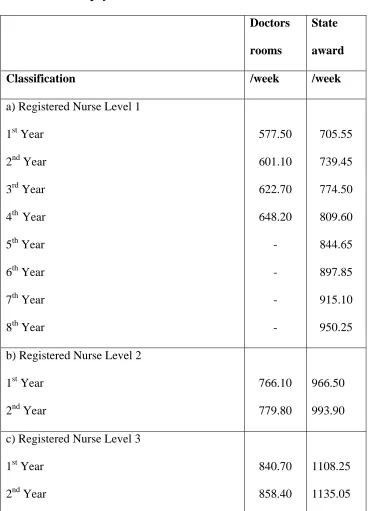
[image:28.612.84.454.159.670.2]The remuneration for PNs are significantly lower than that of the public hospital State Award for registered nurses (See Table 2.1).
Table 2.1 Nurse pay rates
Doctors
rooms
State
award
Classification /week /week
a) Registered Nurse Level 1 1st Year
2nd Year 3rd Year 4th Year 5th Year 6th Year 7th Year 8th Year
577.50 601.10 622.70 648.20 - - - - 705.55 739.45 774.50 809.60 844.65 897.85 915.10 950.25 b) Registered Nurse Level 2
1st Year 2nd Year
766.10 779.80
966.50 993.90 c) Registered Nurse Level 3
1st Year 2nd Year
840.70 858.40
1108.25 1135.05
However, it is possible that many GPs pay more than the award rate. For example, the Practice Nurse Employment Pack developed by the Queensland Division of General Practice states “in General GPs are offering higher than award rates to attract suitably qualified personnel” (Queensland Division of General Practice, 2003. P13).
The remuneration of the PN may influence the role the PN takes with the general practice, which in turn can also reflect the way in which the GP and PN work together.
2.8 Collaborative Relationships
Henneman (1995) describes collaborative as being ‘a process by which members of various disiplines share their expertise’ (Henneman, 1995: p363). This is a very simple explanation and Henneman (1995) also states that the process is very complicated and requires that all participants understand their contribution to the decision making process (Henneman, 1995). Patterson and McMurry stated that :
Collaborative practice between registered nurses and medical practitioners has been
the subject of discussion, debate and research for decades. However, despite
purported positive outcomes from such interdisciplinary functioning, it has been the
exception rather than the dominant pattern in health care (Patterson and McMurray, 2003: P43)
Henneman (1995) stated that nurses were largely responsible for the lack of collaboration between nurses and doctors. She believed that nurses have lacked a sense of identity about the contribution they make to patient care. Henneman also believed that nurses blame
doctors for this lack of collaboration. Nurses, she stated, have attempted to build independent roles rather than interdependent roles, leading to distrust between the two professions and fostering a view that physicians are the enemy and that it is only nurses who care about the patients. Collaboration requires that there is mutual respect and trust, which is built up over time between members of the team (Henneman, 1995).
Henneman (1995) noted that Florence Nightingale defined nursing as a unique profession. Florence Nightingale, she stated, viewed nursing as having both dependent and independent roles; however the independent role was lost in the mid-nineteenth century as the medical role evolved. Medicine became more research based, and therefore scientific, when the education of physicians was moved from the hospitals to universities. This scientific approach was not the same for nurses. The intellectual scope of undergraduate preparation led to a significant gap between the two disciplines in terms of their scientific basis
(Henneman, 1995). This impacted on the ability of nurses and physicians to collaborate and nurses were relegated to handmaiden status. Henneman (1995) therefore believed that, for physicians and nurses to collaborate successfully, nurses need to build their own disciplinary knowledge, and identify what the contribution of nursing can be.
promote collaboration include excellent communication skills, respect, sharing and trust’ (Henneman, Lee & Cohen, 1995: P106). They commented that trust is built over time through getting to know one another and through communication and sharing.
The same authors believed that collaboration necessitates an organisational structure that is horizontal rather than hierarchical (Henneman, Lee & Cohen, 1995). Participants in the group need to be able to act autonomously and rewards should be put in place to recognise the group as opposed to individual accomplishments. They believed that nursing as a profession is caught up with establishing the uniqueness of the role, rather than recognising the synergism that results from various disciplines working together (Henneman, Lee & Cohen, 1995). It was also stated by them, that distrust and disrespect serve as barriers to collaboration and are in part brought about by the philosophical and socialisation processes of nursing that fail to recognise the contributions of other disciplines to health care. They stated that there are benefits to the individual involved in a collaborative team:
Individuals who are involved in collaboration benefit from the supportive and
nurturing environment it creates. Collaboration substantiates the unique and
important contribution made by an individual, hence reinforcing feelings of
competence, self-worth and importance. The ‘win-win’ attitude that accompanies
collaboration promotes a sense of success and accomplishment in meeting individual
as well as team objectives (Henneman, Lee, & Cohen, 1995: P107).
In their study they found that there needed to be ‘equality, respect, and appreciation of each other’s professional skills’ for a professional relationship to flourish (Blue & Fitzgerald, 2002: P315). They believed that the building of trust took time and required mutual respect, and that when nurses were experienced, communicated well and displayed confidence, doctors were more likely to trust them. They also reported that collaboration increased when nurses ‘were both assertive and co-operative in their relationships’ (Blue & Fitzgerald. 2002: P321).
Willis, Condon and Litt conducted a study in 1999 to determine the relationship between PNs and GPs in Australia. In this study they reported that there was very little shared care occurring. There was a clear division of labour with the GP being the initiator and supervisor and the PN depending on the doctor for the flow of work. They indicated that this was due to a number of factors such as:
1. Although PNs performed some tasks independently and were at times consulted, PNs were seen as a practice resource. They were not seen as ‘practitioners with their own separate domain of nursing knowledge that might bring a different dimension to patient care’ (Willis, Condon & Litt, 2000: P243).
Due to the power and status difference they found that shared care between the GP and PN was difficult (Willis, Condon & Litt, 2000).
3. Some GPs believed that there ‘were medico-legal problems of accountability’ (Willis, Condon & Litt, 2000: P244) within the practice of shared care. It was identified that PNs are covered by their employer for litigation. The GP as the employer is therefore
ultimately responsible for the overall direction of patient care, and because of this, wanted to retain control over the work of the PN (Willis, Condon & Litt, 2000).
4. Some GPs believed that if they delegated functionssuch as ‘health education, counselling and initial teaching of equipment use’ (Willis, Condon & Litt, 2000: P244) they were not in fact providing holistic care. GPs viewed holistic care as broad based care being
provided only by them, whereas nurses perceive holistic care as being multi-disciplinary care coordinated at times by nurses (Willis, Condon & Litt, 2000).
5. Most PNs in the study did not attend practice meetings, preferring instead to have informal lines of communication (Willis, Condon & Litt, 2000).
Despite the lack of shared care, PNs were valued highly within the General Practices of the study and effective working relationships had been built that enhanced patient care (Willis, Condon & Litt, 2000).
In his keynote speech to the inaugural PN conference in Bunbury, Western Australia, Dr Bruce Lervy (2003) discussed the aspects of functional and dysfunctional teams.
He noted that the major attributes of a functional team included:
- tasks being undertaken by the person most appropriate for them
- there being no jealousies as to roles that previously belonged to another member of the team
- team members giving each other mutual support - corporate responsibility being shared by all in the team
As noted earlier, the advanced role of the PN is still evolving in Australia. The next section examines how PNs work in the UK.
2.9 Practice Nursing in the United Kingdom (UK)
Chronic illness management has been suggested as a role for PNs in the UK (OXYCHECK, 1995). The Oxford and Collaboration health check (OXYCHECK) trials evaluated the effectiveness of health checks performed by PNs. Overall it was found that, of the population assessed, over three-quarters needed follow-up intervention due to the number of risk factors identified by the PNs. This study found that health checks and the care provided by a PN brought about dietary changes and reduced cholesterol levels. The study acknowledged that the benefits of health assessments would only be realised if they were sustained over time (OXYCHECK, 1995).
The Southern Heart Integrated Care Project (SHIP), conducted in the UK, explored the follow-up care of patients discharged from hospital with cardiac disease where care was delivered by PNs. The results indicated that patients were comfortable with receiving follow-up care from a PN. A major benefit of the program was that patients received reassurance regarding their illness. Additionally, the role also increased people’s access to health care. PNs were seen as having more time to spend with patients. The importance of the PN having a high level of knowledge was highlighted by patients and was identified as a major factor in acceptance of the PN in this role (Wiles, 1997; Wright, Jolly, Speller & Smith, 1999; Wright, Wiles and Moher, 2001).
education for clinical tasks and improving their skills (Atkins et al, 1993). Crawford (2002) confirms these findings. She reported an interview with a PN in which the PN stated that nurses were not necessarily well prepared for their role. The PN believed that if an educational standard had been set early in the development of the PN role in the U.K, it could have prevented many problems further on (Crawford, 2002).
Dr Bruce Lervy (2003), in his keynote speech to the inaugural PN conference in Bunbury, Western Australia, informed the audience that PNs in the U.K contribute at different levels. He stated that these levels include the PN with an extended role: the nurse as practitioner; as Physician assistant; as Nurse partner and Nurse employer.
PNs also are employed in the USA, albeit in different roles to that of those in the UK and Australia.
2.10 Practice nursing in the United States of America (USA)
‘Advanced Practice Nurse’ is a term used in the USA to describe a nurse practitioner (NP), or certified registered nurse anaesthetists, certified nurse midwives and clinical nurse specialists (CNS) (Murphy-Ende, 2002).
Nurse practitioners have gained a masters degree, and as primary care providers are able to write patient prescriptions, refer patients to emergency care services or specialists and authorise hospital admissions (Murphy-Ende, 2002). That author also stated that due to a house staff shortage in the late 1980’s, the NP role was implemented as ‘house staff
care demands. Subsequently, ‘the acute care NP position developed, blending the dimensions of nursing and medicine into collaborative practice’ (Murphy- Ende 2002, P 107).
A nurse practitioner will often provide services to the disadvantaged within a community. For example, a nurse-managed clinic at Northern Arizona University provides a free service to people who ‘fall between the cracks’ of the health system (Craig, 1996). Clients are given a nursing assessment and are given advice as to lifestyle changes. The service also helps clients to manage chronic illness. If a client needs to see a physician, that is arranged; the physician, however, is not always on the premises. The nursing staff also arranged referrals to other health personnel. (Craig, 1996).
Katon, Korff, Lin, Simon, (200l) described a proposed stepped care approach to the
management of chronic illness. His model, similar to that of the case-management approach used in the UK and suggested as a model in Australia, incorporates patient education, monitoring, counselling and follow up of patients with chronic disease. This model, it is suggested, allows the PN to provide continuity of care at the general practice level, with specialists contributing where necessary (Katon et al, 200l).
2.11 Conclusion
CHAPTER THREE
3.METHODOLOGY
This chapter will discuss the methodology of Ethnography. It will explore the different ways in which ethnography is interpreted and used and the interpretation this study has followed. The chapter will then examine the method used to discover what GPs and PNs beliefs are regarding the role of the PN.
Ethnography originated from anthropology, where travellers used to bring back stories from other civilisations and describe the culture to others. These accounts were originally gained through questionnaires (Denzin and Lincoln, 2000).
In starting this study I had limited knowledge of the role of a PN. I knew nurses worked in General Practice, but in common with other nurses working outside this environment, I had little idea of what their role entailed. My interest came when reading the research proposal for the project at the University of Southern Queensland titled ‘Consumer Perceptions of Practice Nurses’ in which I was involved as the research assistant. When reading this project I could see the benefits of the increased role of the PN in improving health care to the
Having limited knowledge on the topic was both an advantage and a disadvantage. The main advantage was that there I had no preconceived ideas about the role of PNs and therefore a limited expectation of what might be found. The disadvantage was that there was also little idea of what to ask or to look for. A quantitative study was precluded, as it was important in order to answer the research questions that participants are able to express their opinions and what is of importance to them. Quantitative research has too many boundaries for this to occur, as the researcher has to ask the correct questions to get the appropriate answer. The researcher therefore risks missing out on important data that had not been expected. Therefore, since I had limited knowledge of the area, the qualitative methodologies were explored.
As it was apparent that I was not an expert and the potential PN participants were,
ethnographical techniques appeared to be the best way to collect data. In this methodology participants are the experts in the area being studied. As Handwerker (2001, p4) notes ‘ethnographers don’t have subjects, we ask people to help dispel our ignorance’.
Ethnographical techniques also seemed appropriate to this research, as the study is
group”. Denzin and Lincoln (2000) also comment that this definition can be applied to both a small and a large group of people. Therefore, although ethnography was traditionally used to describe an ethnic group and/or a group of people isolated from other cultural groups, it is now also used to collect data about groups within communities that can be distinguished by the definitions above (de Laine, 1997; Roberts & Taylor, 2002).
3.1 Classic Ethnography
Ethnography developed further when researchers would, at times, spend years living in another culture in an attempt to understand the people. Field notes were used to document what was being observed, and the Ethnographer became totally immersed in the culture (Denzin & Lincoln, 2000). The advantage of this was that the ethnographer was in the group for such an extended period that the people would not put up any pretence in front of the researcher and the researcher would then be able to see life as it really was (de Laine, 1997). The disadvantage was the time factor and also that the researcher risked losing his or her objectivity as they became emotionally involved with the group (de Laine, 1997). It is increasingly less likely today that a researcher will be allowed the luxury of spending many years completing one piece of research as in this fast paced world as results are needed quickly (Handwerker, 2001).
Ethnography as a methodology is therefore very diverse and can be interpreted in many ways. I have therefore focused in this chapter on giving explanations of ethnographic methodologies that I considered appropriate for this study.
3.2 Critical Ethnography
Critical Ethnography focuses on the political reasoning behind the actions of people within the group. It is especially interested in who holds the power within the group and how they are socialised to accept that (de Laine, 1997; Roberts & Taylor, 1998). The objective of critical ethnography is to ‘empower research participants, including the researcher, through joint critical reflection on the constitution of their interpretive frameworks’ (Bruni, 1994). Critical Ethnography therefore brings about change by allowing the group to see, from an outsider’s point of view, how they interact and how power is distributed.
This methodology had some merit because it was expected that the power base in general practice would be a major influence on the role of the PN. However, as I am only focusing on those practices with PNs working in an increased role, my aim was not to bring about change within these practices, but to describe how they are working and interacting together. I have therefore undertaken this research at a descriptive level.
3.3 Quick Ethnography
(deLaine, 1997). Quick ethnography uses the same data collection methods as other ethnographic methodologies; however, it is done over a shorter period of time. The most important aspect of quick ethnography is that the researcher must plan well before going into the field. The research questions must be clear and the researcher must remain focussed for the research goals to be achieved (Handwerker, 2001). The researcher is also more likely to use questionnaires as part of their data collection (deLaine, 1997).
3.4 Focused or Mini Ethnography
Ethnography can also be described as either maxi or mini. Maxi is the classic form of ethnography looking at a large group of people such as a village, whereas Mini looks at a lower level of social organisation such as a hospital ward or, as in this study, a GPs rooms (deLaine, 1997).
3.5 Data collection methods in Ethnography
In reviewing the literature of ethnography (Agar, 1996; deLaine, 1997; Schensul, Schensul & Le Compte, 1999; Denzin & Lincoln, 2000; Handwerker, 2001), it was established that ethnographers use multiple means of collecting data. Such as:
• Observation • Interviewing • Questionnaires • Field notes • Literature review
Not all researchers will use all methods of data collection in a study. Which methods of data collection are used for a study appears to depend on the researchers’ preferences, and the group to be studied. Ethnographers also have many varying opinions on how ethnography should be conducted (Agar, 1996; deLaine, 1997; Schensul et al, 1999; Denzin & Lincoln, 2000; Handwerker, 2001). These differences of opinion and the validity of methods will be discussed under each method of data collection heading.
Regardless of the mix of data-collection methods, the multi-faceted approach of ethnography allows the researcher to look at the culture from different angles and see answers to
3.6 Observation
Observation is described by de Laine (1997,P141) as ‘including semi-structured and informal, conversational-style interviewing and document analysis’. Observation in this study means observing behaviours in two general practices and undertaking informal interviews whilst in the general practice.
The length of time involved in direct observation of a group varies between studies. Some ethnographers will spend years in the field while at times direct observation is not
undertaken at all (Roberts & Taylor, 1998). While observing, a researcher may be:
1. a participant observer - which means that they become part of the group being observed 2. an observer only - not taking part in the group at all and observing from outside the
group
3. a partial participant / observer - interacting to some extent with the group but not becoming part of the group (de Laine, 1997).
While observing participants, the ethnographer is learning from those participants, who are the experts in the area. Ethnographers therefore take a “one down” role, like that of a student (Agar, 1996). This is how the observations were approached in this study.
Agar (1996) suggested that interviews and observation mutually interact with each other. He also suggested that observation can be used to inform interviews and that interviews can also inform areas to be observed. He stated that observation is essential as it helps the
3.7 Interviewing
This section will discuss unstructured, semi-structured and structured interviews.
3.7.1 Unstructured Interviews
Unstructured interviews (also called informal interviews) are generally the interviews undertaken in the field whilst observing the culture. These interviews do not have
predetermined questions or answers and follow a conversational style (Handwerker, 2001; Agar, 1996; deLaine, 1997; Denzin & Lincoln, 2000).
Handwerker (2001) describes this method of interviewing as ranging from casual
conversations to controlled gossip, and suggests that the most valuable data are that collected through controlled gossip. The researcher may probe for information whilst undertaking the interview using such techniques as reflective listening where the researcher repeats what the participant has said back to them, encouraging them to elaborate and ensuring that the
meaning is correctly interpreted (Handwerker,2001. Agar, 1996). Interviews are not taped or notes taken. The field notes are written after the interview (deLaine, 1997).
3.7.2 Semi-structured interviews
techniques as reflective listening (Handwerker, 2001; Agar, 1996). Whilst undertaking ethnography, the findings are continually analysed. This allows for validation to occur across interviews. This validation involves identifying similarities and differences between
participants, allowing the interviewer to change prompts accordingly. This process continues until there are no new data and all the research questions have been answered. Thus, the guide for semi-structured interviews evolves throughout the research ( de Laine, 1997. Schensul et.al. 1999. Handwerker, 2001).
3.7.3 Structured Interviews
Structured interviews have a defined set of questions and the researcher adheres to those questions throughout the interviews, and the questions are put in the same way and same order to each participant (Denzin & Lincoln, 2000). This style of interviewing also includes closed-ended questions where the answers to the questions are limited (de Laine, 1997). Structured interviews allow the researcher to pursue specific questions and can be undertaken face to face or can be delivered as a written questionnaire.
3.8 Questionnaires
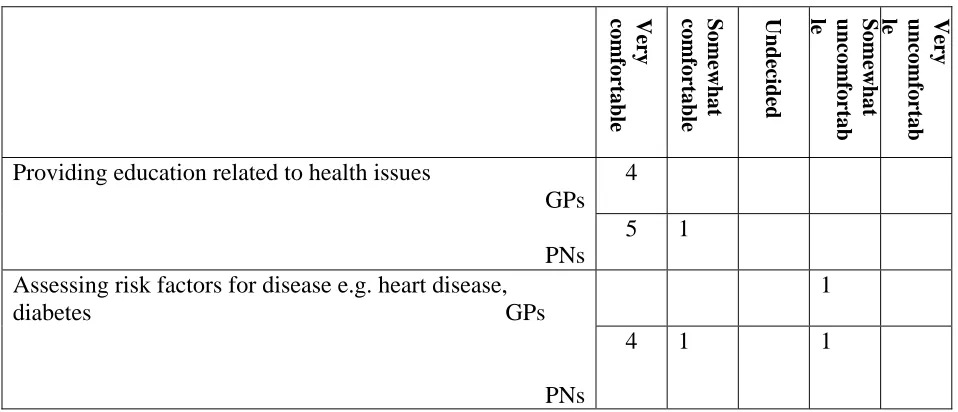
Handwerker, (2001) describes various methods of undertaking structured interviews. One method used in this study is the Likert Scale, which allowed for multi-dimensional variables to be measured. This scale, which gives the participant a range of answers for each question, can measure such things as feelings (Handwerker, 2001). In this study, the Likert Scale gauged the level of comfort of participants in regard to specific nursing duties.
3.9 Field notes
The researcher generally writes up field notes after interviews or direct observation. This is another area of ethnography where opinions differ about what should be included in field notes, and their importance to the research process. One argument against the use of field notes is that they are usually not written while in the field, as this can interfere with the research process; rather they are written up after being in the field, thus relying upon the researcher’s memory (Agar, 1996). To overcome poor recall, de Laine (1997) stated that field notes are best recorded as soon as the researcher leaves the field. She recommends reliving the day and going through events in chronological order following the flow of events. This she believes increases accuracy (de Laine 1997).
Agar (1996) had a different opinion to that of deLaine (1997). Agar believed that due to their potential inaccuracy, field notes should not try to capture everything within the culture but be focused on particular topics. He believed that field notes consisted of two kinds of things:
first, some ideas from observation to follow up with interviews, or some
observations/questions to follow up that came from interviews; second, some things
you have noticed that you want to get to eventually (Agar, 1996: P162).
He believed that once you have used your field notes to gain more understanding they are no longer needed.
However, there were times when the field notes added depth and therefore value to the other data and were presented in the Results chapter.
The literature review gave initial information to the researcher about practice nursing and also increased the researcher’s depth of knowledge throughout the research process.
3.10 Literature review
The literature review is an accepted method of gaining prior knowledge of the area to be researched and is also used for the researcher to compare their results to those of other studies. Agar, however, commented that reading literature prior to undertaking an
ethnography can give bias to the research and ‘cloud your mind with other peoples mistakes and misconceptions’ (Agar, 1996: P76).
As stated previously, to undertake a quick ethnography the researcher must be prepared before going into the field and have the research planned and research questions clear. Contrary to Agar’s (1996) beliefs, the researcher in this study needed to discover from the literature the important issues regarding practice nursing, before being able to plan the research. This kept the research process informed and allowed the researcher to discover if issues raised in the literature were important to participants within this study.
3.11 Data Analysis
developed, and themes about areas of importance identified. Semi-structured interviews, formal interviews, observation and more informal interviews then validated these initial theories, showed variations in opinion, or generated new themes entirely (deLaine, 1997. Schensul et.al, 1999. Handwerker, 2001). Finally the data were analysed under the theme headings with variance in opinions identified under these themes.
The methodology of ethnography as described has formed the foundation for the method of undertaking this study. This chapter will now detail the method of data collection and analysis.
3.12 Method of data collection and analysis
The first step of the project was to develop its aims and objectives (see Chapter 1). These were developed after an initial literature review, which revealed the historical issues regarding the role of PNs. They were also informed by numerous unstructured interviews with PNs. The recruitment of participants into the ‘consumer perceptions of practice nursing’ project provided an opportunity to meet many PNs in the Toowoomba area. Additionally, many unstructured interviews were undertaken when contacting PNs from outside
Toowoomba. The consumer study therefore allowed access to PNs as well as providing an opportunity to discuss the issues of practice nursing. In the same study, where a PN was a member of the reference group, unstructured interviews with the PN provided further
strong ties within the PN community and their experiences enabled findings to be put into the perspective of the broader PN community. Whilst gathering data by informal means, field notes were kept of issues important to the study, which would be followed up in
interviews. Cross checking emerging data throughout the study as just described enabled the researcher to ensure that the data being collected was both credible and dependable. This ensured that the experience was not only applicable to one participant. However in order to fully describe the participants beliefs, beliefs of one participant are at times included in the results and will be highlighted to the reader as coming from only one participant.
3.12.1 Participants
3.12.2 Interviews
The interviews were semi-structured. The interview guide was developed at the beginning of the study, and as the project evolved other prompts were added (Appendix A). Throughout interviews the natural flow of conversation was followed with the author only referring to the prompts to ensure all areas had been covered. This method ensured that all participant beliefs about practice nursing were covered, from the perspective of the participant. Reflective listening was employed to ensure that it was understood what the participant was trying to explain. Interviews lasted between 30 and 90 minutes and were largely dependent on the time the participant had available to them and the time it took to collect the data. Time limitations were apparent in the GP interviews as the majority of these were conducted during their working day and therefore had to fit in with patient appointments. Interviews were taped for later transcription.
By the end of these interviews, it was believed that data saturation had been achieved. However, on further reflection, it is apparent that although the objectives were achieved, further investigation is warranted into the culture of general practice. Also, it is now apparent that saturation could never be achieved, as although practices have commonalities, they are all individual cultural groups.
3.12.3 Observation
Direct observation was used in this study to put in perspective the results found in other methods of data collection and to gain a better understanding of the working realities of general practice.
Both the GPs and the PNs being observed were given a plain language statement and asked to sign a consent form (Appendix C). Also, the researcher signed the agreement stating that confidentiality would be upheld in any information collected about patients in their practice. The researchers’ nursing registration certificate was supplied and it was agreed to only undertake patient contact under the direct supervision of the PN. Interaction with patients was, however, kept to a minimum with the researcher taking a partial participant / observer role. Two practices were observed for eight hours each. Time limitations did not allow a longer time to be spent in the practice. This was compensated for by building a relationship with the PN in each general practice. The first PN observed was one of the PNs the
researcher had had many casual conversations with about practice nursing and was therefore not intimidated by being observed. With the second practice visited, time was spent with both PNs depending on what was happening at the time. The researcher had had contact with one of these PNs during the consumer study and was therefore known to her. Nurses are used to having student nurses with them and are able to relate to people in that role. The
The PNs also understood that they were asked to participate in the study because their practice was considered to have PNs working in an increased role in relation to the usual PN role. This also put them in the role of teacher. Notes were taken immediately when leaving the practice, rather than during the observation, as the participants might have been
intimidated by notes being taken.
3.12.4 Questionnaires
Questionnaires were given to each participant prior to the interview or at the end of the observation (Appendix D). The questionnaire was based on that given to consumers in the Hegney et al (2004a) consumer study
3.12.5 Data Analysis
Analysis of this project was conducted in a progressive way. The first stage was in the field while collecting informal information and interviewing. Themes were developed around the issues that were identified as being important to practice nursing. Through subsequent interviews, clarification of these themes and variance of opinion within the themes was noted. New themes were also added after being identified by the participants. After all interviews were completed, the transcripts and field notes were analysed, seeking variance of opinion and further themes. After additional themes were clarified, both the themes and variances of opinion within those themes, were reported on.
3.12.6 Limitations of the study
There is no doubt that the use of ethnographical tecniques as the study method has added strength to the findings by creating a better understanding of the culture. In particular, credibility was gained from data collected by informal interviews or conversations. This enabled the researcher to establish whether themes identified in interviews could be confirmed by others outside the study. The triangulated approach of ethnographical
techniques used also included written questionnaires and observation, further validating the findings. It is believed that this study has identified some issues within the culture of general practice as a whole, because some issues would be generic to all general practices and some transferability has therefore been achieved. The transferability of this study however is limited as it only looks at practices with PNs working in an increased role and some issues may be only relevant to other general practices with PNs working in an increased role. This study has attempted to describe the issues identified by PNs and GPs in general practices with PNs working in an increased role in order to give insight into how these practices have accommodated practice nursing, and the benefits of PNs working within the practice.
3.12.7 Ethical issues
Ethics approval was sought from and granted by the University of Southern Queensland Ethics Committee Reference Number: H03STU259 (Appendix E). The data and tapes have been stored in a locked filing cabinet at the University of Southern Queensland. The
3.12.8 Conclusion
CHAPTER FOUR
4.RESULTS
This section will identify the GPs and PNs perceptions of PNs. There are three different data sets reported in this chapter. The first are the perceptions of the participants obtained from interviews. These are in italics. The second data set are the field notes from my observations. These are written in Arial. The third data set is those collected from the survey.
Twelve themes were identified in the study. The major theme was teamwork within the practices. Participants believed that teamwork was essential in general practice and the concept of teamwork is evident in most of the themes. Teamwork is therefore discussed as a theme individually, but is also discussed throughout this chapter where it is relevant. The other themes discussed in this chapter are:
- Communication systems - Role boundaries
- How PNs become accepted by consumers - Payment of the PN
- Payment of the GP
- Important characteristics of general practice - How PNs add to general practice
- Training and qualities of the PN
- Choice of practitioner.
4.1 Team Work
Teamwork was considered essential to all participants interviewed and was apparent in practices that were observed. The staff of both practices were seen to work together as a team. The team included the GPs, PNs, receptionists, and practice managers. All of these team members made their own unique contribution to the practice itself and to patient care. As my field notes state:
Each person in the practice appears to contribute to the patients’ care, including receptionists, PNs and GPs.
The GP was considered the team leader; however, practices had varying degrees of collaboration between the GP and the PN. Practices with PNs working in more increased roles were observed to have the most collaboration.
As my field notes state:
Still under medical control; comment: ‘got to keep Dr’s happy’. However there appears to be respect between all staff.
During interviews both GPs and PNs, but more predominantly the GPs, discussed the
importance of a team approach to patient care. Two GPs explain the importance of the team:
The team includes the receptionist; everybody who is working for you…It includes
the cleaners that come in at night. The team aspect of it allows flexibility and a wider
that the receptionist can do her job, which may be very important. She may have to
rearrange priority for a patient to come in. So, if she doesn’t do that, and they arrive
six hours later because that is the earliest appointment, and they have had severe
chest pain for that time, then that is not good quality care. And that had nothing to
do with the doctor or the nurse. It was due to the receptionist. So, you have got to
have a team approach, where they can then pass information and patients on to other
members of the team. They can’t treat the chest pain, but they can make sure that
they can channel it correctly and in reasonable time.
I guess you are looking at each of the skills or you are looking at the skills of any
part of the team – the care team – and that requires, I guess, some trust in the other
members. The RN has to trust the doctor’s skills, and, I guess, the team approach is
one of trust and of building up that trust due to successful episodes of patient care.
It was noted in fieldwork, from discussions with PNs, that for the PN to work in an increased role there needed to be good collaboration between the whole team but especially the GPs and PNs. Roles needed to be negotiated between the whole team to empower the PN to work in their role and the PN needs to feel empowered to be happy in that role.
It was apparent in practices that appeared to be harmonious, that all members of the team were valued for their input. Participants believed that the PN was able to offer a unique perspective and added to the GPs perspective. They felt that this approach gave the consumer more holistic care. As one PN explained:
There is no doubt doctors come from quite a different perspective to nurses. I think