J
OURNAL OFV
IROLOGY, Jan. 2006, p. 296–305
Vol. 80, No. 1
0022-538X/06/$08.00
⫹
0
doi:10.1128/JVI.80.1.296–305.2006
Copyright © 2006, American Society for Microbiology. All Rights Reserved.
Neither the RNA nor the Proteins of Open Reading Frames
3a and 3b of the Coronavirus Infectious Bronchitis Virus
Are Essential for Replication
Teri Hodgson, Paul Britton, and Dave Cavanagh*
Institute for Animal Health, Compton Laboratory, Compton, Newbury, Berkshire RG20 7NN, United Kingdom
Received 15 June 2005/Accepted 5 October 2005
Gene 3 of infectious bronchitis virus is tricistronic; open reading frames (ORFs) 3a and 3b encode two small
nonstructural (ns) proteins, 3a and 3b, of unknown function, and a third, structural protein E, is encoded by
ORF 3c. To determine if either the 3a or the 3b protein is required for replication, we first modified their
translation initiation codons to prevent translation of the 3a and 3b proteins from recombinant infectious
bronchitis viruses (rIBVs). Replication in primary chick kidney (CK) cells and in chicken embryos was not
affected. In chicken tracheal organ cultures (TOCs), the recombinant rIBVs reached titers similar to those of
the wild-type virus, but in the case of viruses lacking the 3a protein, the titer declined reproducibly earlier.
Translation of the IBV E protein is believed to be initiated by internal entry of ribosomes at a structure formed
by the sequences corresponding to ORFs 3a and 3b. To assess the necessity of this mechanism, we deleted most
of the sequence representing 3a and 3b to produce a gene in which ORF 3c (E) was adjacent to the gene 3
transcription-associated sequence. Western blot analysis revealed that the recombinant IBV produced fivefold
less E protein. Nevertheless, titers produced in CK cells, embryos, and TOCs were similar to those of the
wild-type virus, although they declined earlier in TOCs, probably due to the absence of the 3a protein. Thus,
neither the tricistronic arrangement of gene 3, the internal initiation of translation of E protein, nor the 3a and
3b proteins are essential for replication per se, suggesting that these proteins are accessory proteins that may
have roles in vivo.
Avian
Infectious bronchitis virus
(IBV) is in the genus
Coro-navirus, the family
Coronaviridae, and the order
Nidovirales
(22, 23, 28). Together with the genetically closely related
Tur-key coronavirus
(13, 29),
Pheasant coronavirus
(14), and viruses
recently detected in three species of wild birds (34), it forms
the group 3 coronaviruses. IBV primarily causes respiratory
disease in domestic fowl, though it also replicates at many
epithelial surfaces of the alimentary tract, oviduct, and
kid-ney (12, 15).
The virus has a 27.6-kb single-stranded RNA genome of
pos-itive polarity associated with a nucleocapsid (N) protein,
sur-rounded by an envelope in which are present the large spike (S)
glycoprotein, a smaller integral membrane (M) protein, and a few
copies of a much smaller envelope (E) protein, which is targeted
to Golgi membranes (18, 19, 47), where it interacts with the M
protein (39). The E protein is required for virus particle
forma-tion (3, 26, 56). A recombinant murine hepatitis virus (MHV)
that did not produce E protein was able to produce infectious
virus, but the titers were at least 3 orders of magnitude less
than that of wild-type virus (36). A mutant transmissible
gas-troenteritis virus with a deleted E gene was able to replicate
only when the E protein was provided in
trans
(43).
Nonstructural (ns) proteins associated with viral-RNA
rep-lication and transcription are encoded by gene 1. Interspersed
among the structural-protein genes are small ns-protein genes
that vary in number, position, and sequence among the
coro-naviruses (11, 23, 37). IBV has two such genes, 3 and 5
(Fig. 1A) (5). Gene 5 is functionally bicistronic and encodes
two open reading frames (ORFs), 5a and 5b, which are
ex-pressed in IBV-infected cells (41). Proteins 5a (8, 57) and 5b
(8) are accessory proteins that are not essential for replication.
Gene 3 is functionally tricistronic (40), having three ORFs, 3a,
3b, and 3c. It is the third ORF, 3c, which encodes the E protein
of IBV (51).
Plasmid expression studies suggest that translation of ORF
3c to produce the E protein is initiated when ribosomes bind to
a structure formed by the preceding 3a and 3b sequences (38,
42). The 3a and 3b ORFs are strongly conserved, not only
among serotypes of IBV (40), but also in the other group 3
coronaviruses of turkeys and pheasants (13, 14), indicative of a
role not only for the 3a and 3b nucleotide sequences, but also
for the encoded proteins. The 3a and 3b proteins are indeed
synthesized in IBV-infected cells (40). Recently, it has been
demonstrated that some 3a is associated with a novel domain
of the smooth endoplasmic reticulum (45). However, a mutant
isolate of the Beaudette strain of IBV, following multiple
pas-sage in Vero cells, was found to contain a single nucleotide
insertion in the 3b sequence, resulting in a C-terminally
trun-cated 3b protein that no longer localized to the nucleus,
indi-cating that 3b is not essential for replication (50).
To investigate the requirement for the 3a and 3b proteins for
replication, and the requirement for the internal initiation of
translation of the 3c ORF, we used our reverse genetic system
(6, 8–10, 33) to produce isogenic recombinant IBVs (rIBVs)
* Corresponding author. Mailing address: Institute for Animal Health,
Compton Laboratory, Compton, Newbury, Berkshire RG20 7NN, United
Kingdom. Phone: 44 1635 577273. Fax: 44 1635 577263. E-mail: dave
[email protected].
296
on November 8, 2019 by guest
http://jvi.asm.org/
with specific modifications in gene 3. At the heart of our system
is a full-length clone (27.6 kb) of the Beaudette strain of IBV
cloned at the thymidine kinase locus of the genome of vaccinia
virus. Modifications to the IBV gene 3 sequence were
[image:2.585.129.451.74.538.2]intro-duced into the full-length IBV cDNA sequence in the vaccinia
virus genome by a transient dominant selection (TDS)
proce-dure (25), and rIBVs were rescued from the modified IBV
cDNA sequences.
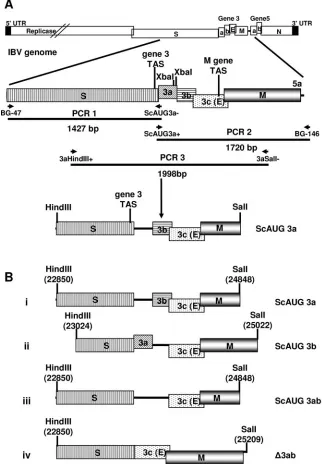
FIG. 1. Construction of the modified IBV gene 3 cDNAs. (A) Modifications to the Beaudette gene 3 were carried out using overlapping PCR
mutagenesis. Shown is the method used to generate the modified cDNA with a modified 3a translation initiation codon. In the first two PCR
amplifications, two complementary oligonucleotides, ScAUG3a
⫺
and SCAUG3a
⫹
, were used to introduce the two A
23857TG-to-ACC nucleotide
substitutions to retain the S gene termination codon and modify the 3a translation initiation codon. PCR 3 was done to join the two initial PCR
products, resulting in a contiguous cDNA with the introduced modifications. Two restriction endonuclease sites, HindIII and SalI, were introduced
at the ends of the PCR 3 products for cloning the modified cDNAs into pGPTNEB193rev. The HindIII and SalI restriction endonuclease sites were
introduced at different positions relative to the IBV genome, depending on the modified cDNA being generated. (B) Four modified gene 3 cDNAs
that were initially cloned into pGPTNEB193rev and then used to produce the rIBVs. The positions of the ORF 3a and 3b sequences are shown
as black lines following modification of the translation initiation codon to indicate that the sequences are retained but that translation of the gene
product is lost. The numbers associated with the HindIII and SalI restriction endonuclease sites represent the IBV genomic positions at the ends
of the modified cDNAs. The oligonucleotides used to modify the 3a or 3b translation initiation codons or resulting in the deletion of the coding
sequences are shown in Table 1. The ScAUG3ab cDNA was produced as described in Materials and Methods using sequences from
pGPT-ScAUG3a and pGPT-ScAUG3b, pGPTNEB193rev-derived plasmids containing the modified 3a and 3b translation initiation codons.
on November 8, 2019 by guest
http://jvi.asm.org/
MATERIALS AND METHODS
Viruses and cells.Vaccinia virus vNotI/IBVFLis a recombinant vaccinia virus
(rVV), derived from rVV vNotI/TK, into which the full-length cDNA of IBV strain Beaudette-CK had been inserted (10). IBV Beaudette-R (Beau-R) was recovered from this full-length cDNA of Beaudette-CK; they are isogenic except for two nucleotide substitutions, C196663U (a serine-to-leucine substitution in
the replicase gene) and A27087
3G (a silent mutation in the N gene). Beau-R was used in the experiments described here after five passages in chick kidney (CK) cells, which were prepared as previously described (46). Recombinant vaccinia viruses were propagated and titrated in monkey kidney fibroblasts (CV-1 cells) or monkey kidney epithelial cells (Vero cells) grown in Dulbecco’s modified Eagle medium supplemented with 0.37% (wt/vol) sodium bicarbonate,L-glutamine,
10% fetal calf serum, and antibiotics (6, 8–10). Fowlpox virus rFPV-T7 was a recombinant fowlpox virus expressing the bacteriophage T7 RNA polymerase under the control of the vaccinia virus P7.5early-late promoter and was
propa-gated and titrated in chicken embryo fibroblast cells in 199 medium supple-mented with 2% newborn calf serum (7). Tracheal-organ cultures (TOCs) were approximately 1-mm transverse sections of trachea taken from 19-day-old, spe-cific-pathogen-free (SPF) Rhode Island Red chicken embryos and incubated in glass test tubes rotated once every 7 min (17, 33).
Recombinant DNA techniques.Recombinant DNA techniques followed stan-dard procedures (1, 48) or were carried out according to the manufacturer’s instructions. All IBV-related nucleotide and amino acid residue numbers refer to the positions in the IBV Beau-R genome (10), accession number AJ311317. All plasmids were amplified inEscherichia coliDH5␣(Invitrogen).
PCR mutagenesis.Overlapping PCR mutagenesis (Fig. 1A) was used to in-troduce a number of modifications into gene 3 of IBV (an example is shown in Fig. 1A). The ATG translation initiation codons of ORF 3a and ORF 3b were each mutated to AAC (Table 1) to make the modified cDNAs ScAUG3a (Fig. 1B, i) and ScAUG3b (Fig. 1B, ii), respectively (“ScAUG” stands for
scram-bled [modified] AUG codon). A third modified cDNA had ORF 3a and all except the final 17 nucleotides of ORF 3b deleted (from the first codon of ORF 3a up to and including codon GT24203G of ORF 3b, which is immediately
upstream of the first potential translation start codon of ORF 3c), to produce the modified cDNA⌬3ab (Fig. 1B, iv). All gene 3 modifications were produced by overlapping PCR mutagenesis during amplification of 2-kb sections (1 kb on either side of the modification) of the Beaudette genome from pFRAG-3 (10), a template plasmid containing a cDNA copy of the 3⬘end of the Beaudette genome from the NheI site in ORF 1b at position 13806 to the 3⬘end of the genome. For each modification, two different PCR products approximately 1 kb in length were generated using modified oligonucleotides (Table 1), so that the modified sequence was near the 5⬘and 3⬘ends. The two PCR products were used as the templates in a third PCR, resulting in three 2-kb products with a centrally located gene 3 modification. The oligonucleotides used in the construction of each modified sequence are described in Table 1.
Plasmid constructions.The amplified sequences were inserted into SalI- and HindIII-digested pGPTNEB193rev (a gift from M. A. Skinner, Institute for Animal Health) (4, 6, 8), a plasmid encoding theE. coliguanine xanthine phosphoribosyl transferase (Eco gpt) gene under the control of the vaccinia virus P7.5early-late promoter (Fig. 2). Plasmid pCI-N (a gift from Julian Hiscox,
University of Leeds) (32) comprised the Beau-CK nucleoprotein gene inserted into pCI-Neo (Promega) so that it was under the control of both the cytomeg-alovirus RNA polymerase II promoter and the T7 RNA polymerase promoter. A modified gene 3 cDNA containing both modified ORF 3a and 3b AUG trans-lation initiation codons (ScAUG3ab) (Fig. 1B, iii) was produced using sequences from the pGPT-derived plasmids containing the singly modified ATGs. Essen-tially, an Eco47III fragment, containing the 3b AUG modification, was used to replace the corresponding sequence in ScAUG3a, resulting in pGPT-ScAUG3ab, a plasmid containing a cDNA with both 3a and 3b modified ATGs.
[image:3.585.45.540.83.382.2]Generation of recombinant vaccinia viruses containing full-length IBV cDNAs
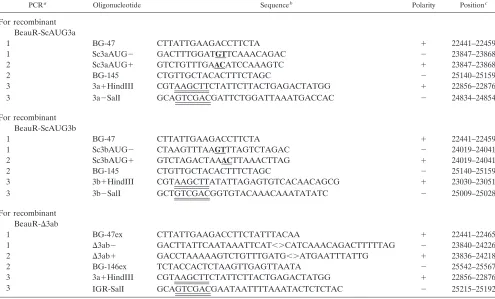
TABLE 1. Oligonucleotides used for PCR mutagenesis
PCRa Oligonucleotide Sequenceb Polarity Positionc
For recombinant
BeauR-ScAUG3a
1
BG-47
CTTATTGAAGACCTTCTA
⫹
22441–22459
1
Sc3aAUG
⫺
GACTTTGGAT
GT
TCAAACAGAC
⫺
23847–23868
2
Sc3aAUG
⫹
GTCTGTTTGA
AC
ATCCAAAGTC
⫹
23847–23868
2
BG-145
CTGTTGCTACACTTTCTAGC
⫺
25140–25159
3
3a
⫹
HindIII
CGTAAGCTTCTATTCTTACTGAGACTATGG
⫹
22856–22876
3
3a
⫺
SalI
GCAGTCGACGATTCTGGATTAAATGACCAC
⫺
24834–24854
For recombinant
BeauR-ScAUG3b
1
BG-47
CTTATTGAAGACCTTCTA
⫹
22441–22459
1
Sc3bAUG
⫺
CTAAGTTTAA
GT
TTAGTCTAGAC
⫺
24019–24041
2
Sc3bAUG
⫹
GTCTAGACTAA
AC
TTAAACTTAG
⫹
24019–24041
2
BG-145
CTGTTGCTACACTTTCTAGC
⫺
25140–25159
3
3b
⫹
HindIII
CGTAAGCTTATATTAGAGTGTCACAACAGCG
⫹
23030–23051
3
3b
⫺
SalI
GCTGTCGACGGTGTACAAACAAATATATC
⫺
25009–25028
For recombinant
BeauR-
⌬
3ab
1
BG-47ex
CTTATTGAAGACCTTCTATTTACAA
⫹
22441–22465
1
⌬
3ab
⫺
GACTTATTCAATAAATTCAT
⬍⬎
CATCAAACAGACTTTTTAG
⫺
23840–24226
2
⌬
3ab
⫹
GACCTAAAAAGTCTGTTTGATG
⬍⬎
ATGAATTTATTG
⫹
23836–24218
2
BG-146ex
TCTACCACTCTAAGTTGAGTTAATA
⫺
25542–25567
3
3a
⫹
HindIII
CGTAAGCTTCTATTCTTACTGAGACTATGG
⫹
22856–22876
3
IGR-SalI
GCAGTCGACGAATAATTTTAAATACTCTCTAC
⫺
25215–25192
a
PCRs 1 and 2 produced⬃1-kb products encoding the modified sequences at their 3⬘and 5⬘ends, respectively. The products from PCRs 1 and 2 formed the templates for PCR 3, which resulted in a 2-kb product encoding a centrally located modified sequence.
b
Nucleotides with single underline in boldface indicate substituted nucleotides to modify the translation initiation codons. Double lines indicate introduced restriction endonuclease sites (with three non-IBV-encoded nucleotides to the left of the restriction site), and⬍ ⬎indicates a deletion of part of gene 3.
c
The nucleotide positions relate to the genome of IBV Beau-R (10), accession number AJ311317.
298
HODGSON ET AL.
J. V
IROL.
on November 8, 2019 by guest
http://jvi.asm.org/
with modifications in gene 3.Recombinant vaccinia viruses were generated by TDS (25) using theEco gptgene as the transient selectable marker, as described previously (6, 8). Briefly, CV-1 cells were infected with vNotI/IBVFL(an rVV
containing the full-length IBV Beau-R cDNA) (10) and then transfected with a pGPT-based plasmid carrying a modified gene 3 sequence. Homologous recom-bination between the plasmid-encoded IBV cDNA and the vNotI/IBVFLIBV
cDNA led to insertion into the modified gene 3 sequence and theEco gptgene (Fig. 2). The rVVs were initially selected in the presence of mycophenolic acid (MPA; 25g/ml), xanthine (250g/ml), and hypoxanthine (15g/ml). Several
gpt⫹rVV clones for each gene 3 modification were selected during three rounds of plaque purification in the presence of MPA and then plaque purified three times in the absence of MPA, resulting in a second single homologous recom-bination event. The second recomrecom-bination event resulted in the loss of theEco gptgene, along with one of the duplicated IBV cDNA sequences, so that ap-proximately 50% of the resulting rVVs contained the modified gene 3 sequence (6, 8). The rVVs lacking theEco gptgene and containing the required gene 3 modifications were identified by PCR amplification using oligonucleotides BG-69 (5⬘-GCTTTTGCCACTATTATCTTC-3⬘, corresponding to gene 2) and BG-143 (5⬘-CAAGAGTACAATTTGTCTCG-3⬘, corresponding to gene 4) and sequence analysis. Two rVVs representing each gene 3 modification were iso-lated following two independent TDS recombination attempts.
Recovery of recombinant IBVs.Recombinant vaccinia virus DNA representing each of the modified IBV full-length cDNAs was purified, and corresponding rIBVs were recovered, as previously described (6, 8–10). Recombinant IBVs were characterized and used for subsequent experiments after three passages in CK cells. Two independent clones of each rIBV were rescued (differentiated by the number “1” or “2” at the end of the name of the virus) from each of the two rVV DNAs, except for rIBVs ScAUG3b and ScAUG3ab, for which only one rIBV was recovered. Regions proximal and distal to the ends of the flanking modified gene 3 cDNAs from each of the rIBVs were sequenced; this confirmed that the intended modifications were present.
Multistep growth kinetics in CK cells.Confluent monolayers of CK cells in six-well plates were inoculated with 1 ml of CK medium containing 10 PFU of
Beau-R and mutant ScAUG3a-1, ScAUG3a-2, ScAUG3b, ScAUG3ab,⌬3ab-1, or⌬3ab-2 in triplicate for each time point. This small inoculum was used to increase the chance that any reduction in the replication capacity of an rIBV, compared with Beau-R, would be observed. Following an attachment period of 1 h at 37°C, the cells were washed twice in phosphate-buffered saline (PBS) and then incubated at 37°C in 3 ml of CK medium. At selected time points, medium was removed, stored at⫺70°C, and subsequently analyzed by plaque assay on CK cells. Analysis of variance (Minitab v.12) was used to determine the statistical significance of the results, whereP values of⬍0.05 were considered to be significant.
Growth kinetics in TOCs.Groups of five TOCs in glass test tubes were inoculated with 104
PFU of each virus in 0.5 ml of medium. Following an attachment period of 1 h at 37°C, the TOCs were washed twice with PBS and then incubated at 37°C in 2 ml of medium with rotation (17). At selected time points, three tubes containing each mutant were removed, and the medium was stored at⫺70°C and subsequently analyzed by plaque assay on CK cells.
Growth kinetics in 10-day-old chicken embryos. Ten-day-old SPF Rhode Island Red chicken embryos were inoculated with 0.1 PFU of rIBV per embryo in 0.1 ml of PBS into the allantoic cavity. The embryos were incubated at 37°C in an egg incubator (Octagon, Brinsea, United Kingdom), and the allantoic fluid was harvested at specific time points after the embryos were chilled at 4°C. The allantoic fluid was stored at⫺70°C and subsequently analyzed by plaque assay on CK cells.
Assessment of pathogenicity in 10-day-old chicken embryos.Groups of five 10-day-old SPF Rhode Island Red chicken embryos were inoculated with 1 PFU (as determined by titration in CK cells) in 0.1 ml of PBS via the allantoic route and incubated at 37°C in an egg incubator. The embryos were candled three or four times daily for signs of IBV-induced pathology: no movement of the embryo and/or apparent disappearance of the large blood vessels was indicative that the embryo would die.
Confirmation of virus identities.Total cellular RNAs were harvested during each of the growth kinetics and pathogenicity experiments by the RNeasy method (QIAGEN) and amplified for the presence of IBV gene 3 sequences by
FIG. 2. Schematic diagram showing the transient dominant selection process for modifying the full-length cDNA within the genome of vaccinia
virus vNotI/IBV
FL. The modified cDNAs shown in Fig. 1B were introduced as HindIII-SalI fragments into the TDS GPT transfer/recombination
vector pGPTNEB193rev. The diagram outlines the two-step process for modifying the IBV cDNA within vNotI/IBV
FLusing the modified cDNA
containing the 3ab deletion in pGPT-
⌬
3ab. In step 1, the complete plasmid DNA is integrated into the full-length IBV cDNA by a single-step
homologous-recombination event; a potential recombination event is shown. The resultant rVVs have a GPT
⫹phenotype, allowing selection in
the presence of MPA. Removal of MPA results in two types of spontaneous intramolecular recombination events, I and II, due to the instability
of the IBV cDNA with tandem repeats of similar sequences. I results in reversion to the Beaudette genotype (no introduced modifications), and
II results in an rVV encoding the required modified gene 3 sequences. Both recombination events result in the loss of GPT. The example outlined
shows the generation of an rIBV with the 3ab sequence deleted and the 3c (E) sequence directly under the control of the gene 3 TAS.
on November 8, 2019 by guest
http://jvi.asm.org/
reverse transcription (RT)-PCR using Ready-To-Go RT-PCR beads (Amersham Pharmacia Biotech) (8). The IBV gene 3-derived RT-PCR products were ana-lyzed by sequence analysis for the presence of the gene 3 modifications. This revealed that in all experiments, the virus that was recovered was indeed the intended virus.
Serial passage of rIBVs.Confluent monolayers of CK cells in T25 flasks were infected with 1 ml of undiluted medium after the third passage (P3) of rIBV in
CK cells. Infected cells were incubated at 37°C for 2 days, and the medium was used undiluted to infect another flask. This was repeated to passage 30. Total cytoplasmic RNAs were extracted from the P30cell sheets using the QIAGEN
RNeasy kit, and the sequence of the IBV gene 3 was established.
Northern blot analysis of rIBVs.Poly(A)-containing RNAs were purified from rIBV-infected cell lysates using Oligo-dT-Dynabeads (Dynal) and separated in denaturing 1% agarose-2.2 M formaldehyde gels. The RNAs were transferred onto Hybond XL membranes (Amersham) and detected with a psoralen-biotin-labeled probe (Ambion), derived from the IBV 3⬘untranslated region (positions 26941 to 27607), and streptavidin-alkaline phosphatase conjugate (Brightstar; Ambion) (8, 21, 24, 30).
Western blot analysis of the rIBVs.rIBV-infected CK cells were lysed 24 h postinfection with RIPA lysis buffer (Santa Cruz Biotechnology) (50 mM Tris-HCl, pH 7.5, 150 mM NaCl, 1% NP-40, 0.5% sodium deoxycholate, and 0.1% SDS) containing X1 broad-spectrum protease inhibitor cocktail (Complete pro-tease inhibitor cocktail; Boehringer) at 4°C and centrifuged at 14,000⫻gfor 10 min at 4°C. The proteins in the supernatants were denatured with SDS lysis buffer containing dithiothreitol for 5 min at 100°C and separated by Tris-glycine-buffered SDS-polyacrylamide gel electrophoresis using 15% acrylamide gels. The proteins were electroblotted onto Hybond-C (Amersham) membranes and de-tected using the Advance enhanced-chemiluminescence (ECL) detection system (Amersham Bioscience) (8). The IBV 3a and M proteins were detected using rabbit antisera (gifts from C. E. Machamer, The Johns Hopkins School of Medicine), and the E protein was detected using mouse monoclonal antibodies. The rabbit antisera were diluted 1:100,000 and the monoclonal antibodies were diluted 1:1,000 in PBS, 0.1% Tween 20, and 2% (wt/vol) ECL blocking agent (PBS-Tween blocking agent), followed by goat anti-rabbit and/or mouse immu-noglobulin G conjugated to horseradish peroxidase diluted 1:100,000 in PBS-Tween blocking agent, and exposed to film.
Sequence analysis. Nucleotide sequences were determined using either an ABI prism BigDye terminator cycle-sequencing ready-reaction kit (Applied Bio-systems) or a CEQ DTCS quick start kit (Beckman-Coulter). Sequence reactions were analyzed on an Applied Biosystems 377 DNA sequencer or a CEQ 8000 capillary sequencer. PREGAP4 and GP4 of the Staden Sequence Software Programs (2) were used for sequence entry, assembly, and editing.
RESULTS
Recombinant IBVs with modified 3a and 3b translation
ini-tiation codons.
Translation of ORF 3c to produce the E
pro-tein is governed by sequences corresponding to ORFs 3a and
3b. In order to minimize the possibility of interfering with the
production of E protein, we initially made only minimal
nu-cleotide substitutions to the ORF 3a and 3b translation
initi-ation codons to prevent transliniti-ation of the respective proteins.
Recombinant IBVs representative of each type of mutant
virus were recovered, indicating that neither the 3a nor the 3b
protein is essential for replication. This was further confirmed,
following comparison of the growth kinetics of the rIBVs with
Beau-R, in CK cells (inoculated with 10 PFU) and in
11-day-old embryos (inoculated with 0.1 PFU). These small inocula
were used to increase the chance that any reduction in the
replication capacity of an rIBV, compared with Beau-R, would
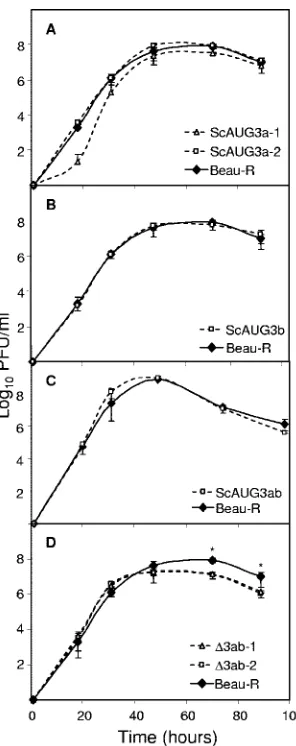
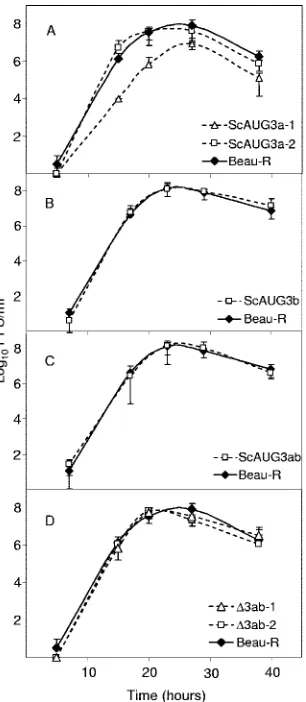
be observed. The growth kinetics of mutant viruses unable to
translate ORF 3a (Fig. 3A and 4A), ORF 3b (Fig. 3B and 4B),
or both ORFs 3a and 3b (Fig. 3C and 4C) were very similar to
those of the wild-type virus. Sequence analysis confirmed that
the viruses isolated at the end of each experiment were the
intended ones and that the gene 3 sequences had acquired no
new mutations.
Western blot analysis, using a rabbit antiserum against 3a
protein, confirmed that no 3a protein was produced by mutants
ScAUG3a and ScAUG3ab, whereas the 3a protein was
ex-pressed, as expected, by wild-type Beau-R and by ScAUG3b
(Fig. 5). We were unable to demonstrate the absence of the 3b
protein, as attempts to make an antiserum to the protein had
been unsuccessful.
[image:5.585.345.493.66.439.2]To assess the stability of the nucleotide substitutions, ScAUG3a,
ScAUG3b, and ScAUG3ab were passaged 30 times in CK
cells. The sequences representing the modified sequences and
flanking regions of 1 to 2 kb on each side of the modification
were sequenced. No changes to the introduced nucleotide
sub-stitutions were identified in viruses isolated after 30 passages in
CK cells.
FIG. 3. Growth kinetics of the rIBVs in CK cells. Monolayers of
CK cells were inoculated in triplicate with 10 PFU of virus. After 1 h
at 37°C, the cells were washed and incubation was continued. Medium
was harvested over a period of 100 h for analysis by plaque assay on CK
cells. The growth kinetics of Beau-R are compared with those of the
rIBVs: (A) ScAUG3a, (B) ScAUG3b, (C) ScAUG3ab, and (D)
⌬
3ab.
Where two independent rIBVs encoding the same modification had
been rescued (A and D), both data sets have been illustrated. The
error bars represent the standard deviations from three replicates. The
asterisks indicate the time points at which the titers of mutant viruses
were significantly different from those of Beau-R (
P
⬍
0.05).
300
HODGSON ET AL.
J. V
IROL.
on November 8, 2019 by guest
http://jvi.asm.org/
Recombinant IBVs with most of ORFs 3a and 3b deleted.
The results with viruses containing the modified translation
initiation codons demonstrated that neither 3a nor 3b, nor
both proteins together, is essential for replication cell culture
or in embryonated eggs. To test this notion further, we deleted
the coding region for ORF 3a and most of 3b (the 3
⬘
end of
ORF 3b could not be removed, as it overlaps the start of ORF
3c, encoding the E protein). In addition to removal of the
coding regions of ORFs 3a and 3b, such a deletion resulted in
the removal of the sequences believed to be involved in the
internal initiation of translation of 3c (E). The deletion
re-sulted in the 3c translation initiation codon replacing the
codon responsible for initiation of 3a, resulting in ORF 3c
being under the direct control of the gene 3
transcription-associated sequence (TAS). The deletion comprised all of the
ORF 3a sequence (from nucleotide position 23856, i.e., from
the first nucleotide of the ORF 3a AUG) and most of ORF 3b
(up to nucleotide 24204; up to, but not including, the first
nucleotide of the first ORF 3c AUG, 18 nucleotides upstream
of the ORF 3b translation stop codon). Two independent
rIBVs,
⌬
3ab-1 and
⌬
3ab-2, that contained the 3ab deletion in
gene 3 were recovered; sequence analysis confirmed that 3c
was under the control of the gene 3 TAS. Northern blot
anal-ysis confirmed that
⌬
3ab-1 and -2 synthesized a subgenomic
(sg) mRNA 3 (3.4 kb) shorter than the sg mRNA (3.8 kb)
synthesized by Beau-R or the other rIBVs. Likewise, both
rIBVs synthesized an sg mRNA 2 (6.9 kb) shorter than the sg
mRNA 2 (7.3 kb) from Beau-R and the other rIBVs (Fig. 6,
lanes 6 and 7). The sizes of the other sg mRNAs (4 to 6) and
the sg mRNA profiles of the other rIBVs (lanes 3 to 5) were
similar to those of Beau-R (lane 1). Western blot analysis
revealed that, as expected, no 3a protein was produced by
mutants
⌬
3ab-1 or -2 (Fig. 5).
As with the other mutants, the titers of
⌬
3ab-1 and -2
pro-duced in CK cells and embryonated eggs were very similar to
those of Beau-R (Fig. 3D and 4D). Sequence analysis
con-firmed that the viruses isolated at the end of each experiment
were the intended ones and that the gene 3 sequences had no
other mutations. The replication of
⌬
3ab-1 and -2 not only
confirmed that neither the 3a nor the 3b protein was essential
for replication, but also showed that neither the 3a nor the 3b
nucleotide sequence was essential for replication. This was
particularly noteworthy, as the rIBVs with the deleted 3a-3b
region now contained a gene 3 sequence, with 3c (E) protein
translation no longer controlled by internal initiation within
the 3a-3b nucleotide sequence. Rather, the E ORF was now
directly under the control of the gene 3 TAS and was expressed by
cap-dependent translation from sg mRNA 3. To see whether
production of the E protein was affected by this change, Western
blot analysis was performed with a mixture of anti-M and anti-E
protein sera. This showed that whereas mutants ScAUG3a,
ScAUG3b, and ScAUG3ab, with modified AUGs, had E/M
sig-nal ratios similar to each other and to Beau-R, rIBVs
⌬
3ab-1
and -2 produced less E protein (Fig. 7). Scanning analysis of the
amounts of protein expressed, determined from several blots,
[image:6.585.88.241.68.419.2]indicated that production of the E protein by
⌬
3ab-1 and -2 was
FIG. 4. Growth kinetics of the rIBVs in 10-day-old embryonated eggs.
Embryos were inoculated in triplicate via the allantoic cavity with 0.1 PFU
of each virus. At each time point, the embryos were chilled at 4°C before
the allantoic fluids were analyzed for progeny virus by plaque assay on CK
cells. The growth kinetics of Beau-R are compared with those of the
rIBVs: (A) ScAUG3a, (B) ScAUG3b, (C) ScAUG3ab, and (D)
⌬
3ab.
Where two independent rIBVs encoding the same modification had been
rescued (A and D), both data sets have been illustrated. The error bars
represent the standard deviations from three replicates.
FIG. 5. Western blot analysis for the presence of the ORF 3a
protein. Recombinant IBVs containing a modified 3a translation
ini-tiation codon should not express the 3a protein. Proteins present in
infected (lanes 1 to 7) and mock-infected (lane 8) CK cell extracts were
separated by SDS-PAGE, transferred to a Hybond-C membrane, and
probed with a rabbit anti-3a serum, followed by ECL detection. The 3a
protein was detected in cells infected with Beau-R (lane 1) and with
rIBV ScAUG3b (lane 4) and not with viruses unable to express the 3a
protein: ScAUG3a (lanes 2 and 3), ScAUG3ab, and
⌬
3ab (lanes 6 and
7). Where two independent rIBVs encoding the same modification had
been rescued (lanes 2 and 3 and lanes 6 and 7), both mutants were
analyzed.
on November 8, 2019 by guest
http://jvi.asm.org/
[image:6.585.343.497.75.169.2]approximately fivefold less than that by the other viruses. This
suggests that the cap-dependent translation of sg mRNA 3 from
⌬
3ab-1 and -2 was less efficient than when it was driven by internal
initiation within the 3a-3b sequence.
Replication of rIBVs in tracheal-organ cultures.
The
re-duced production of E protein by the
⌬
3ab mutants had not
resulted in a decrease in production of infectious virus in CK
cells and embryonated eggs. Similarly, mutant ScAUG3b,
which was unable to produce the 3b protein, replicated to titers
similar to those of wild-type Beau-R in TOCs (Fig. 8D). The
viruses that were unable to produce the 3a protein initially
replicated to titers similar to those observed for Beau-R
(Fig. 8). However, the titers of the rIBVs declined after 25 h
postinfection by 1.0 to 1.5 log
10units, whereas they remained
higher for Beau-R and the mutant ScAUG3b. The common
factor among the rIBVs whose titers declined early was the
lack of expression of the 3a protein; the absence of the 3b
protein did not result in an early decline in the titer of the
virus. The earlier fall in titer for the viruses unable to produce
the 3a protein was reproducible; the experiments illustrated in
Fig. 8C and D were performed at different times from each
other and from those of Fig. 8A and B. These ex vivo
experi-ments confirmed that the 3a and 3b proteins are not essential
for replication per se but suggested that they might have a role
in vivo. Sequence analysis confirmed that the viruses isolated at
the end of each experiment were the intended ones and that
the gene 3 sequences had no other mutations.
Lethality of rIBVs for embryonated eggs.
To see if the rIBVs
reduced the lethality of Beau-R in 10-day-old embryonated
eggs, mutants ScAUG3a-1 and -2, ScAUG3b, ScAUG3ab, and
⌬
3ab-1 and -2 were inoculated into 10-day-old chicken
em-bryos at a dose of 1 PFU per egg. The time taken for Beau-R
to kill 50% of the embryos was 35 h postinfection, and all the
rIBVs were in the range of 34 to 37 h postinfection. Thus,
inability to produce the 3a and 3b proteins had not attenuated
the lethality of the virus for embryos. We did not assess the
pathogenicity of the mutants in hatched chickens, as Beau-R
already has a nonpathogenic phenotype (27, 33).
DISCUSSION
[image:7.585.88.240.71.365.2]Our results show that neither the IBV 3a nor 3b protein is
essential for replication per se; they can be considered
acces-sory proteins. Shen et al. (50) reported that during multiple
passages of IBV Beaudette in Vero cells, there was an
inser-tion of a nucleotide within the 3b ORF. The resulting frame
shift would have resulted in the production of a greatly
trun-cated 3b protein. The mutant virus replitrun-cated at least as well as
wild-type Beaudette in Vero cells and chicken embryos,
dem-onstrating that 3b is not essential for replication. We have
recently shown that the IBV 5a and 5b ns proteins are
acces-sory proteins (8). The small ns-protein genes interspersed
among the structural-protein genes of MHV (20),
transmissi-ble gastroenteritis coronavirus (44, 53), and feline coronavirus
(31) have also been removed with little or no effect on the
replication of the viruses in vitro, showing them to be accessory
proteins. Deletion of the accessory proteins of MHV (20) and
feline coronavirus (31) attenuated their pathogenicity in mice
and cats, respectively, which strengthens the view that the
accessory proteins have roles in vivo, i.e., are advantageous for
survival in a host with innate and adaptive immune responses.
The earlier decline in titer of IBV mutants unable to
pro-duce the 3a protein in TOCs (not observed in CK cells or in
[image:7.585.342.500.71.169.2]FIG. 6. Northern blot analysis of IBV-derived RNAs from CK cells
infected with IBV. The IBV genomic (g) and sg mRNAs (numbered on
the left) produced in CK cells infected by Beau-R (lane 1) and rIBVs
ScAUG3a (lane 3), ScAUG3b (lane 4), ScAIG3ab (lane5), and
⌬
3ab (two
independent mutants, 1 and 2 [lanes 6 and 7]) are shown. Mutants
⌬
3ab-1
and -2 produced a smaller gene 2 (sgmRNA2) and gene 3 (sgmRNA3)
mRNA, as expected. The IBV-derived RNAS were detected using a
666-bp probe corresponding to the 3
⬘
untranslated region of the IBV
genome and present in all the sg mRNAs, as well as in gRNA.
FIG. 7. Western blot analysis for the presence of the IBV E protein
(3c protein) in CK cells infected with IBV. Analysis of E protein
expres-sion showed that mutants
⌬
3ab-1 and -2 (lanes 6 and 7) produced less E
protein than the amounts expressed in CK cells infected with Beau-R
(lane 1) and the other rIBVs: ScAUG3a (lanes 2 and 3), ScAUG3b (lane
4), and ScAUG3ab (lane 5). The proteins were separated by SDS-PAGE,
transferred to a Hybond-C membrane, and probed with a mouse
mono-clonal antibody to the E protein and a rabbit polymono-clonal serum against the
M protein, followed by ECL detection.
302
HODGSON ET AL.
J. V
IROL.
on November 8, 2019 by guest
http://jvi.asm.org/
10-day-old embryos) is intriguing. The TOCs are transverse
sections of the tracheas of 18-day-old embryos that are
immu-nocompetent (49). IBV replicates in the ciliated cells at the
lumenal surface of the trachea (16, 35). In our experiments, it
took several days for the Beaudette strain of IBV to cause
ciliostasis of all the cells, an indicator of cell death—time in
which innate immune responses would be expected to be
ac-tivated and operative. It is possible that one or more
popula-tions of underlying cells, including immune cells, might also
have produced antiviral responses. Macrophages containing
IBV proteins, detected by immunofluorescence, have been
ob-served in the lamina propria beneath the ciliated cells (16).
Our observation with the 3a-negative mutants further supports
the view that the coronavirus accessory proteins function to
enhance the survival of the virus in vivo.
Studies of the transient expression of the IBV E protein
have demonstrated that translation of the E protein is initiated
internally (40), enabled by folding of the ORF 3a and 3b
sequences. Similarly, plasmid studies have shown that the
MHV 5a ORF enables internal initiation of the 5b ORF, which
encodes E protein (55). In further plasmid studies, Liu and
Inglis (42) reported that when ORFs 3a and 3b were removed,
translation of ORF 3c did not occur. Our results with rIBV
⌬
3ab do not agree with this. Although it is likely that the
secondary structure of the IBV genomic RNA would have
been affected by the deletion of the 3a and most of the 3b
sequences, any such change was not deleterious to the virus.
Moreover, removal specifically of the structure that controls
ORF 3c expression in wild-type IBV, formed by the 3a and 3b
sequences, was also not disadvantageous for replication. This is
similar to the situation with MHV. Although plasmid studies
have demonstrated that translation of E from ORF 5b involves
internal initiation of translation mediated by ORF 5a, ORF 5a
is not required in recombinant MHV. Removal of MHV gene
4 and the 5a sequence resulted in a virus that replicated to
titers within 10 times those of wild-type virus, demonstrating
that neither the gene 4 proteins nor the 5a protein is essential
for replication in vitro (20). In this mutant, as in our
⌬
3ab
mutant, the expression of the E protein was from a newly
created monocistronic gene at the 5
⬘
end of the sg mRNA.
These results again raise the question as to why IBV and MHV
have the E protein expressed from a third and second ORF,
respectively, rather than from a monocistronic gene. Bovine
coronavirus, another group 2 coronavirus, has a monocistronic
E protein gene, as have the group 1 coronaviruses (23, 37) and
severe acute respiratory syndrome coronavirus (52, 54). Our
⌬
3ab mutants replicated as well as wild-type virus, showing
conclusively that translation of the E protein from an sg
mRNA via an internal ribosome entry mechanism is not
es-sential for optimal replication of IBV in vitro. Nevertheless,
the production of the E protein by
⌬
3ab was fivefold lower
than that by wild-type virus. It is conceivable that the
corona-virus E protein has a role in addition to the already identified
one of facilitating virus particle formation; it might also have
an accessory function, requiring maximal amounts of
expres-sion facilitated by translation via an internal ribosome entry
mechanism, which is beneficial for this hypothetical role. In
any case, the other coronaviruses noted above clearly do not
need to maximize their production of the E protein by such a
mechanism.
We shall be using our gene 3 mutants to help understand the
functions of the 3a and 3b proteins.
ACKNOWLEDGMENTS
[image:8.585.130.450.67.268.2]We are indebted to Carolyn Machamer, The Johns Hopkins School
of Medicine, for antibodies to the 3a, E, and M proteins of IBV.
FIG. 8. Growth kinetics of the rIBVs in TOCs (ex vivo). Groups of five TOCs were inoculated in triplicate with 10
4PFU of virus. After 1 h
at 37°C, the TOCs were washed and incubation was continued. Medium was harvested over a period of up to 125 h for analysis of progeny virus
by plaque assay on CK cells. The growth kinetics of Beau-R are compared with those of the rIBVs: (A) ScAUG3a, (B)
⌬
3ab, and (D) ScAUG3b
and ScAUG3ab. (C) Repeat of the experiment in panels A and B, in which one of each pair of recombinant viruses was examined and the time
course was extended to 100 h. Where two independent rIBVs (-1 and -2) encoding the same modification had been rescued, both data sets have
been illustrated. The error bars represent the standard deviations from three replicates. The asterisks indicate the time points at which the titers
of mutant viruses were significantly different from those of Beau-R (
P
⬍
0.05).
on November 8, 2019 by guest
http://jvi.asm.org/
This work was supported by The Department of the Environment,
Food and Rural Affairs (project OD0712) and the Biotechnology and
Biological Sciences Research Council (BBSRC). T. Hodgson was
sup-ported by a graduate training award from the BBSRC.
REFERENCES
1.Ausubel, F. M., R. Brent, R. E. Kingston, D. D. Moore, J. G. Seidman, J. A. Smith, and K. Struhl.1987. Current protocols in molecular biology. John Wiley and Sons, Inc., New York, N.Y.
2.Bonfield, J. K., K. F. Smith, and R. Staden.1995. A new DNA sequence assembly program. Nucleic Acids Res.23:4992–4999.
3.Bos, E. C., W. Luytjes, H. V. van der Meulen, H. K. Koerten, and W. J. Spaan.1996. The production of recombinant infectious DI-particles of a murine coronavirus in the absence of helper virus. Virology218:52–60. 4.Boulanger, D., P. Green, T. Smith, C.-P. Czerny, and M. A. Skinner.1998.
The 131-amino-acid repeat region of the essential 39-kilodalton core protein of fowlpox virus FP9, equivalent to vaccinia virus A4L protein, is nonessen-tial and highly immunogenic. J. Virol.72:170–179.
5.Boursnell, M. E. G., T. D. K. Brown, I. J. Foulds, P. F. Green, F. M. Tomley, and M. M. Binns.1987. Completion of the sequence of the genome of the coronavirus avian infectious bronchitis virus. J. Gen. Virol.68:57–77. 6.Britton, P., S. Evans, B. Dove, M. Davies, R. Casais, and D. Cavanagh.2005.
Generation of a recombinant avian coronavirus infectious bronchitis virus using transient dominant selection. J. Virol. Methods123:203–211. 7.Britton, P., P. Green, S. Kottier, K. L. Mawditt, Z. Pe´nzes, D. Cavanagh, and
M. A. Skinner.1996. Expression of bacteriophage T7 RNA polymerase in avian and mammalian cells by a recombinant fowlpox virus. J. Gen. Virol.
77:963–967.
8.Casais, R., M. Davies, D. Cavanagh, and P. Britton.2005. Gene 5 of the avian coronavirus infectious bronchitis virus is not essential for replication. J. Virol.79:8065–8078.
9.Casais, R., B. Dove, D. Cavanagh, and P. Britton.2003. Recombinant avian infectious bronchitis virus expressing a heterologous spike gene demon-strates that the spike protein is a determinant of cell tropism. J. Virol.
77:9084–9089.
10.Casais, R., V. Thiel, S. G. Siddell, D. Cavanagh, and P. Britton.2001. Reverse genetics system for the avian coronavirus infectious bronchitis virus. J. Virol.75:12359–12369.
11.Cavanagh, D.2005. Coronaviridae: a review of coronaviruses and torovi-ruses, p. 1–54.InA. Schmidt and M. H. Wolff (ed.), Coronaviruses with special emphasis on first insights concerning SARS. Birkha¨user, Basel, Swit-zerland.
12.Cavanagh, D.2003. Severe acute respiratory syndrome vaccine development: experiences of vaccination against avian infectious bronchitis coronavirus. Avian Pathol.32:567–582.
13.Cavanagh, D., K. Mawditt, M. Sharma, S. E. Drury, H. L. Ainsworth, P. Britton, and R. E. Gough.2001. Detection of a coronavirus from turkey poults in Europe genetically related to infectious bronchitis virus of chickens. Avian Pathol.30:355–368.
14.Cavanagh, D., K. Mawditt, D. D. B. Welchman, P. Britton, and R. E. Gough.
2002. Coronaviruses from pheasants (Phasianus colchicus) are genetically closely related to coronaviruses of domestic fowl (infectious bronchitis virus) and turkeys. Avian Pathol.31:81–93.
15.Cavanagh, D., and S. Naqi.2003. Infectious bronchitis, p. 101–119.InY. M. Saif, H. J. Barnes, J. R. Glisson, A. M. Fadly, L. R. McDougald, and D. E. Swayne (ed.), Diseases of poultry, 11th ed. Iowa State University Press, Ames.
16.Chen, B. Y., S. Hosi, T. Nunoya, and C. Itakura.1996. Histopathology and immunohistochemistry of renal lesions due to infectious bronchitis virus in chicks. Avian Pathol.25:269–283.
17.Cook, J. K. A., J. H. Darbyshire, and R. W. Peters.1976. The use of chicken tracheal organ cultures for the isolation and assay of avian infectious bron-chitis virus. Arch. Virol.50:109–118.
18.Corse, E., and C. E. Machamer.2002. The cytoplasmic tail of infectious bronchitis virus E protein directs Golgi targeting. J. Virol.76:1273–1284. 19.Corse, E., and C. E. Machamer.2000. Infectious bronchitis virus E protein
is targeted to the Golgi complex and directs release of virus-like particles. J. Virol.74:4319–4326.
20.de Haan, C. A., P. S. Masters, X. Shen, S. Weiss, and P. J. Rottier.2002. The group-specific murine coronavirus genes are not essential, but their deletion, by reverse genetics, is attenuating in the natural host. Virology296:177–189. 21.Dove, B., D. Cavanagh, and P. Britton.2004. Presence of an encephalomyo-carditis virus internal ribosome entry site sequence in avian infectious bron-chitis virus defective RNAs abolishes rescue by helper virus. J. Virol.78:
2711–2721.
22.Enjuanes, L., D. Brian, D. Cavanagh, K. Holmes, M. M. C. Lai, H. Laude, P. Masters, P. Rottier, S. G. Siddell, W. J. M. Spaan, F. Taguchi, and P. Talbot.2000. Coronaviridae, p. 835–849. InM. H. V. van Regenmortel, C. M. Fauquet, D. H. L. Bishop, E. B. Carstens, M. K. Estes, S. Lemon, J. Maniloff, M. Mayo, D. J. McGeoch, C. R. Pringle, and R. B. Wickner (ed.),
Virus taxonomy. Classification and nomenclature of viruses. Academic Press, San Diego, Calif.
23.Enjuanes, L., W. J. Spaan, E. J. Snijder, and D. Cavanagh.2000. Nidovi-rales, p. 827–834.InM. H. V. van Regenmortel, C. M. Fauquet, D. H. L. Bishop, E. B. Carsten, M. K. Estes, S. M. Lemon, D. J. McGeoch, J. Maniloff, M. A. Mayo, C. R. Pringle, and R. B. Wickner (ed.), Virus taxon-omy. Classification and nomenclature of viruses. Academic Press, New York, N.Y.
24.Evans, S., D. Cavanagh, and P. Britton.2000. Utilizing fowlpox virus recom-binants to generate defective RNAs of the coronavirus infectious bronchitis virus. J. Gen. Virol.81:2855–2865.
25.Falkner, F. G., and B. Moss.1990. Transient dominant selection of recom-binant vaccinia viruses. J. Virol.64:3108–3111.
26.Fischer, F., C. F. Stegen, P. S. Masters, and W. A. Samsonoff.1998. Analysis of constructed E gene mutants of mouse hepatitis virus confirms a pivotal role for E protein in coronavirus assembly. J. Virol.72:7885–7894. 27.Geilhausen, H. E., F. B. Ligon, and P. D. Lukert.1973. The pathogenesis of
virulent and avirulent avian infectious bronchitis virus. Arch. Gesamte Vi-rusforsch.40:285–290.
28.Gonzalez, J. M., P. Gomez-Puertas, D. Cavanagh, A. E. Gorbalenya, and L. Enjuanes.2003. A comparative sequence analysis to revise the current tax-onomy of the family Coronaviridae. Arch. Virol.148:2207–2235. 29.Guy, J. S.2000. Turkey coronavirus is more closely related to avian
infec-tious bronchitis virus than to mammalian coronaviruses: a review. Avian Pathol.29:207–212.
30.Hackney, K., D. Cavanagh, P. Kaiser, and P. Britton.2003. In vitro and in ovo expression of chicken gamma interferon by a defective RNA of avian coronavirus infectious bronchitis virus. J. Virol.77:5694–5702.
31.Haijema, B. J., H. Volders, and P. J. Rottier.2004. Live, attenuated coronavirus vaccines through the directed deletion of group-specific genes provide protection against feline infectious peritonitis. J. Virol.
78:3863–3871.
32.Hiscox, J. A., T. Wurm, L. Wilson, P. Britton, D. Cavanagh, and G. Brooks.
2001. The coronavirus infectious bronchitis virus nucleoprotein localizes to the nucleolus. J. Virol.75:506–512.
33.Hodgson, T., R. Casais, B. Dove, P. Britton, and D. Cavanagh.2004. Re-combinant infectious bronchitis coronavirus Beaudette with the spike pro-tein gene of the pathogenic M41 strain remains attenuated but induces protective immunity. J. Virol.78:13804–13811.
34.Jonassen, C. M., T. Kofstad, I. L. Larsen, A. Lovland, K. Handeland, A. Follestad, and A. Lillehaug.2005. Molecular identification and character-ization of novel coronaviruses infecting graylag geese (Anser anser), feral pigeons (Columbia livia) and mallards (Anas platyrhynchos). J. Gen. Virol.
86:1597–1607.
35.Kotani, T., Y. Shiraishi, Y. Tsukamoto, M. Kuwamura, J. Yamate, S. Sakuma, and M. Gohda.2000. Epithelial cell kinetics in the inflammatory process of chicken trachea infected with infectious bronchitis virus. J. Vet. Med. Sci.62:129–134.
36.Kuo, L. L., and P. S. Masters.2003. The small envelope protein E is not essential for murine coronavirus replication. J. Virol.77:4597–4608. 37.Lai, M. M., and D. Cavanagh.1997. The molecular biology of coronaviruses.
Adv. Virus Res.48:1–100.
38.Le, S. Y., N. Sonenberg, and J. V. Maizel, Jr.1994. Distinct structural elements and internal entry of ribosomes in mRNA3 encoded by infectious bronchitis virus. Virology198:405–411.
39.Lim, K. P., and D. X. Liu.2001. The missing link in coronavirus assembly. Retention of the avian coronavirus infectious bronchitis virus envelope protein in the pre-Golgi compartments and physical interaction between the envelope and membrane proteins. J. Biol. Chem.276:17515–17523. 40.Liu, D. X., D. Cavanagh, P. Green, and S. C. Inglis.1991. A polycistronic
mRNA specified by the coronavirus infectious bronchitis virus. Virology
184:531–544.
41.Liu, D. X., and S. C. Inglis.1992. Identification of two new polypeptides encoded by mRNA5 of the coronavirus infectious bronchitis virus. Virology
186:342–347.
42.Liu, D. X., and S. C. Inglis.1992. Internal entry of ribosomes on a tricistronic mRNA encoded by infectious bronchitis virus. J. Virol.66:6143–6154. 43.Ortego, J., D. Escors, H. Laude, and L. Enjuanes.2002. Generation of a
replication-competent, propagation-deficient virus vector based on the trans-missible gastroenteritis coronavirus genome. J. Virol.76:11518–11529. 44.Ortego, J., I. Sola, F. Almazan, J. E. Ceriani, C. Riquelme, M. Balasch, J.
Plana, and L. Enjuanes. 2003. Transmissible gastroenteritis coronavirus gene 7 is not essential but influences in vivo virus replication and virulence. Virology308:13–22.
45.Pendleton, A. R., and C. E. Machamer.2005. Infectious bronchitis virus 3a protein localizes to a novel domain of the smooth endoplasmic reticulum. J. Virol.79:6142–6151.
46.Pe´nzes, Z., K. Tibbles, K. Shaw, P. Britton, T. D. K. Brown, and D. Cavanagh.1994. Characterization of a replicating and packaged defective RNA of avian coronavirus infectious bronchitis virus. Virology203:286–293. 47.Raamsman, M. J., J. K. Locker, A. de Hooge, A. A. de Vries, G. Griffiths, H.
304
HODGSON ET AL.
J. V
IROL.
on November 8, 2019 by guest
http://jvi.asm.org/
Vennema, and P. J. Rottier.2000. Characterization of the coronavirus mouse hepatitis virus strain A59 small membrane protein E. J. Virol.74:2333–2342. 48.Sambrook, J., E. F. Fritsch, and T. Maniatis.1989. Molecular cloning: a laboratory manual, 2nd ed. Cold Spring Harbor Laboratory, Cold Spring Harbor, N.Y.
49.Sharma, J. M.1999. Introduction to poultry vaccines and immunity. Adv. Vet. Med.41:481–494.
50.Shen, S., Z. L. Wen, and D. X. Liu.2003. Emergence of a coronavirus infectious bronchitis virus mutant with a truncated 3b gene: functional char-acterization of the 3b protein in pathogenesis and replication. Virology
311:16–27.
51.Smith, A. R., M. E. G. Boursnell, M. M. Binns, T. D. K. Brown, and S. C. Inglis.1990. Identification of a new membrane associated polypeptide spec-ified by the coronavirus infectious bronchitis virus. J. Gen. Virol.71:3–11. 52.Snijder, E. J., P. J. Bredenbeek, J. C. Dobbe, V. Thiel, J. Ziebuhr, L. L.
Poon, Y. Guan, M. Rozanov, W. J. Spaan, and A. E. Gorbalenya.2003. Unique and conserved features of genome and proteome of
SARS-coro-navirus, an early split-off from the coronavirus group 2 lineage. J. Mol. Biol.331:991–1004.
53.Sola, I., S. Alonso, S. Zuniga, M. Balasch, J. Plana-Duran, and L. Enjuanes.
2003. Engineering the transmissible gastroenteritis virus genome as an ex-pression vector inducing lactogenic immunity. J. Virol.77:4357–4369. 54.Thiel, V., K. A. Ivanov, A. Putics, T. Hertzig, B. Schelle, S. Bayer, B.
Weissbrich, E. J. Snijder, H. Rabenau, H. W. Doerr, A. E. Gorbalenya, and J. Ziebuhr.2003. Mechanisms and enzymes involved in SARS coronavirus genome expression. J. Gen. Virol.84:2305–2315.
55.Thiel, V., and S. G. Siddell.1994. Internal ribosome entry in the coding region of murine hepatitis virus mRNA 5. J. Gen. Virol.75:3041–3046. 56.Vennema, H., G. J. Godeke, J. W. A. Rossen, W. F. Voorhout, M. C.
Horzinek, D. J. E. Opstelten, and P. J. M. Rottier.1996. Nucleocapsid-independent assembly of coronavirus-like particles by co-expression of viral envelope protein genes. EMBO J.15:2020–2028.
57.Youn, S., J. L. Leibowitz, and E. W. Collisson.2005. In vitro assembled, recombinant infectious bronchitis viruses demonstrate that the 5a open read-ing frame is not essential for replication. Virology332:206–215.
on November 8, 2019 by guest
http://jvi.asm.org/