ii UNIVERSITY OF LIVERPOOL
Division of Clinical Psychology
Hope, Flow, Mindfulness and Subjective Well-being: A study of relationships
By Dr Kate Marks 13th September 2013
Supervisors: Dr Joanne Dickson and Dr Jen Unwin
iii Acknowledgements
First and foremost, I am deeply grateful for the support and guidance of my supervisors: Dr Joanne Dickson and Dr Jen Unwin. Without their trust and honesty, this piece of work would not have been completed.
I am indebted to the staff and students at the university that took part I the study: without their time and effort, this study would not exist.
iv Table of contents
Page
INTRODUCTORY CHAPTER: THESIS OVERVIEW 1
CHAPTER 1: LITERATURE REVIEW 2
1.1Overview 2
1.1.1 Review Methodology 2
1.2 Subjective Well-being (SWB) 4
1.2.1 The Importance of SWB 5
1.2.2 The Measurement of SWB 9
1.2.3 Demographic and Psychological Factors that Affect SWB 11
1.3 Hope 16
1.3.1 Goal-focused Hope 15
1.3.2 Spiritual Hope 18
1. 3.3 Goal-focused Hope and Spiritual Hope 19
1.4 Flow 20
1.5 Mindfulness 25
1.6 Flow and Mindfulness 30
1.7 Conclusion 32
1.8 References 34
CHAPTER 2: EMPIRICAL PAPER 44
2.1 Abstract 45
2.2 Introduction 46
2.3 Method 49
v
2.3.2 Participants 49
2.3.3 Measures 50
2.3.4 Procedure 52
2.4 Results 53
2.4.1Descriptive statistics 54
2.4.2 Correlations between main study variables 54
2.4.3 Predictors of SWB 55
2.4.4 Multiple regression/ mediation analysis relating to GFH, flow and SWB 56
2.4.5 Multiple regression/ mediation analysis relating to SH, mindfulness and SWB 58
2.5 Discussion 60
2.5.1 Correlational findings 60
2.5.2 Mediational findings in relation to GFH, flow and SWB 62
2.5.3 Mediational findings in relation to SH, mindfulness and SWB 63
2.5.4 Mediational findings in relation to gender and NA 64
2.554 Clinical implications 64
2.5.6 Future research 66
2.6 Acknowledgments 68
2.7 Notes 68
2.8 References 70
CHAPTER 3: CONCLUDING DISCUSSION 74
3.1 General Overview 74
3.2 Methodological Considerations 79
3.3 Clinical Implications 81
vi
3.5 Future Research 86
3.6 Thesis Summary 90
3.7 References 90
List of Tables
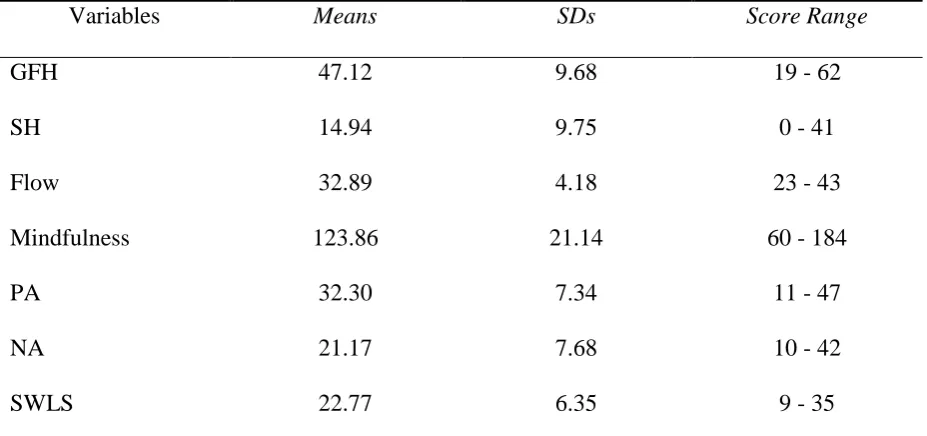
Table 1. Means, standard deviations (SD) and score ranges for GFH, SH, flow,
mindfulness, PA, NA, and SWLS 55
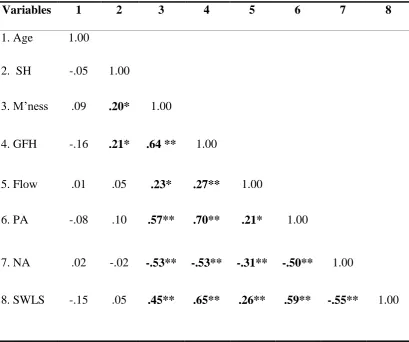
Table 2. Pearson’s correlations between study variables 55
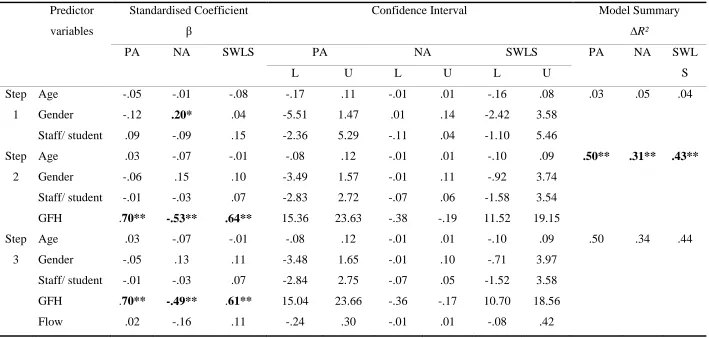
Table 3. Hierarchical multiple regression analyses predicting PA, NA and SWLS
from GFH and flow 57
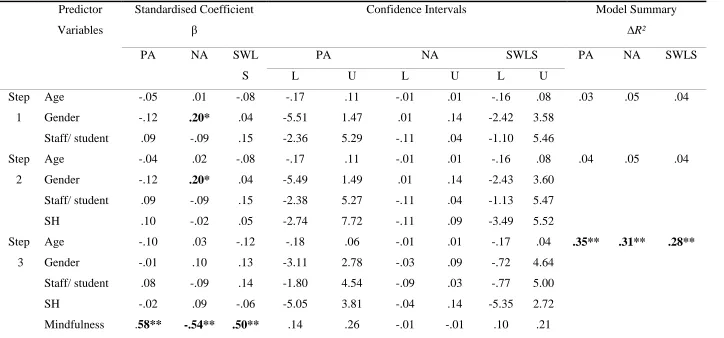
Table 4. Hierarchical multiple regression analyses predicting PA, NA and SWLS
from SH and mindfulness 59
List of Figures
Figure 1a: A diagram of the mediation hypotheses proposed between GFH, flow
and SWB 33
Figure 1b: A diagram of the mediation hypotheses proposed between SH, mindfulness
and SWB 33
List of Appendices
Appendix A. Author guidelines for The Journal of Positive Psychology 93
Appendix B. The Hope Scale (Snyder et al., 1991). 99
vii Appendix F. Positive and Negative Affect Scale (PANAS) (Watson, Clark
& Tellegen, 1988). 108
Appendix G. Satisfaction with Life Scale (SWLS) (Pavot & Diener, 1985). 109
Appendix H. Overview of ethics process 110
Appendix I. Participant information sheet 111
Appendix J. Participant consent form 115
Appendix K. Data screening 116
Appendix L. Hierarchical multiple regression analyses predicting PA, NA and
SWLS from GFH and mindfulness 117
1 INTRODUCTORY CHAPTER: THESIS OVERVIEW
The first chapter is a narrative literature review in which key constructs relevant to this thesis are introduced, relevant literature is summarised and critiqued, and areas for future research are identified. Subjective well-being (SWB) is defined and hope (both goal-focused hope and spiritual hope) is identified as important to SWB. It is suggested that two concepts that may help explain the relationship between goal-focused hope and spiritual hope and SWB are flow and mindfulness, which are each examined. It is highlighted that goals are important to both goal-focused hope and flow, and that spirituality is important to both spiritual hope and mindfulness. Based on the literature reviewed, theoretically based hypotheses are proposed.
The second chapter is an empirical paper, the intention of which is to build upon the literature review by examining the theoretically derived hypotheses proposed within the review. The aim of the study is to examine the relationships between goal-focused hope, spiritual hope, flow, mindfulness, and SWB, and to explore mechanisms through which hope may affect SWB. The main study variables are examined using a university sample and an online study.
2 CHAPTER 1: LITERATURE REVIEW
Hope and Hope Mechanisms in Relation to Subjective Well-being
1.1 Overview
The purpose of this literature review was to gather together and summarise the body of relevant available research and literature on subjective well-being (SWB). The aim was to provide the reader with a comprehensive background for understanding current knowledge, and to identify gaps within the literature and potential areas for future research.
It is important to understand what psychological factors may underlie SWB in order to inform interventions and utilise areas of resilience. The review begins by defining SWB and exploring its importance, paying attention to the wider political context. The
measurement of SWB and what psychological factors may influence it are then discussed, making reference to key research and theory throughout. With a focus on psychological constructs that affect SWB, hope, flow, and mindfulness, are identified as factors of interest, which are then taken in turn and examined. Theoretical hypotheses are then proposed based upon the literature examined.
1.1.1 Review Methodology
Subjective well-being is a broad topic with a large amount of literature and empirical studies available. Since this review aimed to discuss subjective well-being and key
3 Firstly, the following databases were searched: DISCOVER, PsychINFO, Web of Knowledge, and Scopus. The initial search terms entered were ‘subjective well-being’ and ‘hope’. It was clear that there were three components to subjective well-being (positive
affect, negative affect and life satisfaction see section 1.2). These terms were entered individually, followed by ‘subjective well-being/ positive affect/ negative affect/ life
satisfaction AND hope’. Two types of hope were identified and searched for: ‘goal-focused hope’ and ‘spiritual hope’. The literature identified internal psychological factors as
important to SWB and flow and mindfulness as constructs that may contribute to the relationship between goal-focused hope and spiritual hope, and SWB. Given this, ‘flow’, ‘flow AND subjective well-being/ positive affect/ negative affect/ life satisfaction’,
‘mindfulness’, and ‘mindfulness AND subjective well-being/ positive affect/ negative affect/ life satisfaction’ were entered as search terms. The search items were then further refined based on themes and questions identified within the literature: ‘flow AND goals’,
‘mindfulness AND spirituality’, ‘goal-focused hope AND flow’ and ‘spiritual hope AND mindfulness’ were the final search terms entered.
4 1.2 Subjective Well-being (SWB)
Dodge (1930) stated that theories around happiness had not progressed further than those stated by Greek Philosophers (cited in a review by Wilson, 1967). In his review Wilson concluded that a happy person was a man or woman who was “… young, healthy, well-educated, well-paid, extraverted, optimistic, worry-free, religious, married, with high self-esteem, job morale, modest aspirations and a wide range of intelligence” (pp. 294).
However, such definitions made no attempt to examine what components SWB may encompass, such as whether SWB had both affective and cognitive components.
Since Wilson’s review, research has indicated that SWB has multiple components. Specifically, it has more recently been defined as a concept that includes a person’s affective evaluations (e.g. “I feel happy”) and cognitive evaluations (e.g. “My life is as I want it to be”)
of their life, which is also termed their satisfaction with life (Diener, Lucas & Oishi, 2002). Summarising subjective well-being, Diener (2012) stated it was a person’s thoughts and feelings as to whether they are leading a rewarding life.
The affective component of SWB includes positive and negative affect, which have been found to be clearly separable and not the inverse of each other (Diener, Smith & Fujita, 1995). In a comprehensive review, Diener, Suh, Lucas and Smith (1999) recommended that studies looking at SWB should include measures of both positive and negative affect. The cognitive evaluation of life satisfaction has been found to form a separate factor from the two types of affect (e.g. Andrews & Withey, 1976). Variables have been found to differentially relate to each of these components of SWB (positive affect, negative affect and life
5 In summary, the research suggests that SWB is a broad construct that includes
emotional responses and cognitive evaluations of satisfaction with life. 1.2.1 The Importance of SWB
There is increasing evidence for the importance of SWB (Sheldon & Lyubomirsky, 2004). For example, SWB has been found to be a protective factor for older adults against the onset of disability (Ostir, Markides, Black & Goodwin, 2000). Conversely, low SWB has been linked with depression and a greater likelihood of suicide (Keyes & Magyar-Mow, 2003). Leaders in the field of affect are Watson and Clark who have defined negative and positive affect. They described positive affect as a general dimension of subjective distress that subsumes a variety of aversive mood states, as such has been found to be related to negative feelings, such as sadness and fear (Watson & Clark, 1984); and they defined positive affect as a characteristic that describes the experience of positive emotions, which has been related to emotions including happiness and joy (Watson, Clark & Telegen, 1988).
Research indicates that SWB is important economically. Oishi (2012) conducted a large meta-analysis and found that workers who rated themselves as happy were more
productive in their roles and had more success in the work place. In a brief review of relevant literature, Diener (2012) concluded that research demonstrated compelling findings that SWB enhances productivity and that job satisfaction leads to better performance, which benefits society as a whole. Similarly, there is evidence that SWB leads to desirable and pro-social behaviours that are of benefit to society. For example, in a German survey study of 16, 963 adults Priller and Schupp (2011) found that after controlling for other variables, those who reported they were ‘happy’ in the last month were more likely to give money to charity and donate blood.
An individual’s general health is likely to affect their performance and functionality in
6 economically important. Associations have been found between SWB and general health. In a meta-analysis, Okun, Stock, Haring and Witter (1984) found that increased SWB was
associated with more positive self-ratings of general health. Diener (2008) reviewed
longitudinal studies and found that measures of SWB (e.g. positive affect) were predictors of long-term health status. There is also evidence that interventions that enhance SWB benefit the physical body, for example, studies have shown that relaxation training increases positive affect and as a consequence reduces blood pressure, with obvious benefits to physical health (Diener & Chan, 1984). Diener (2008) found that one of the most important things a doctor can do during an examination in order to predict physical health is to explore the patient’s SWB, with lower SWB signalling higher risk of later health difficulties. Further, he found that those with higher positive affect had lower rates of many health problems, including heart disease, mental health issues and drug dependency. Diener and Chan (2011) stated that the evidence that high SWB benefits physical health is clear.
Burns, Anstey and Windsor (2011) discuss the tripartite model of depression and anxiety, which hypothesizes that depression is characterised by low positive affect, whilst high negative affect characterises both depression and anxiety. They reported that positive affect was more strongly associated with depression than anxiety, whilst negative affect showed comparable associations with both depression and anxiety. They stated their results provided support for investigating positive and negative affect separately since they are differentially related to mental health outcomes. However, due to the epidemiological study design with data collected every four years, the authors stated such associations may not reflect associations over longer periods of time. Models such as this illustrate the importance of SWB to mental health, including depression and anxiety.
7 poor outcomes (e.g. Keyes & Magyar-Mow, 2003; Watson et al., 1988). Based on such evidence interventions are increasingly being designed to move beyond the alleviation of suffering and reduction of symptoms, to increasing SWB (Diener et al., 2002). Within a changing National Health Service (NHS) and societal understanding of what it means to be ‘well’, psychosocial interventions aim beyond the mere removal of suffering, to the
enhancement of SWB.
There are limitations within the field of SWB research. Firstly, measurement of SWB has often lost clinical specificity due to the use of singular and composite measures as
opposed to measuring each of the three components of SWB individually (discussed further in section 1.2.2). Further, there is a clear lack of longitudinal research, which would allow the exploration of the temporal relationships between components of SWB and other constructs and factors of interest (as discussed within Diener et al., 2012). Importantly, there is a lack of understanding regarding the mechanisms of action that underpins SWB, for example hope is known to be associated to SWB but it not understood how it is associated. Given the
importance of SWB to protect and enhance quality of life, physical health, and mental health, an understanding of how a person’s own appraisal of their well-being is enhanced, through
understanding the processes that underlie it, is important and clinically relevant.
Increasingly, it is recognised that economic measures alone do not fully reflect a nation’s well-being. In recent years there has been the emergence of the narrative that a ‘good’ society (i.e. a productive society) is a happy society (e.g. the Action for Happiness
8 Jones, Huxtable, Hodgson, & Price, 2003). The research demonstrates that enhancing SWB has physical health benefits (e.g. Diener & Chan, 2011) and so increasing societal SWB is likely to reduce both sickness rates and the burden on an already stretched NHS service. Further, depression and anxiety have been found to be one of the biggest causes of long term sickness in the UK and rates of depression and anxiety are increasing (Henderson, Glozier, & Elliott, 2005). SWB has been found to be protective against mental health issues such as low mood (e.g. Burns, Anstey & Windsor, 2011). Therefore, if the government enhanced SWB in society rates of depression would reduce, thus ensuring more members of society are working and fewer are accessing the benefit system (e.g. unemployment and incapacity benefit).
The awareness that social indicators alone do not define quality of life, and the need to understand and explore the nation’s SWB in order to enhance it, has led the government
towards a more subjective assessment of the quality of life of the individuals within our society. The goal of such assessments is to provide policy makers with unique information that can assess the impact of policies and help to develop policies to enhance the population’s SWB (e.g. Fujiwara & Campbell, 2011).
Based on these developments in April 2011 the Office for National Statistics in the United Kingdom (UK) introduced four SWB questions on the householder’s survey. These were “Overall, how satisfied are you with your life nowadays?”, “Overall, to what extent do you feel things you do in your life are worthwhile?”, “Overall, how happy did you feel yesterday?”, and “Overall, how anxious did you feel yesterday?”. These items were rated on
9 items are considered exploratory and may be developed based on feedback and the results of analyses, for example predictive validity analysis may suggest the need for more specificity.
Notwithstanding that the four items currently being used may be considered basic and may not capture the broadness of SWB as discussed thus far, that such questions are included at all demonstrates the recognition of the importance of SWB at a government and policy-making level. If research is able to facilitate understanding of what factors are important to SWB, then this may impact upon national policy.
1.2.2 The Measurement of SWB
As the importance of SWB has been established, attention must be given to the measurement of SWB and how this broad construct can be adequately assessed. The area of SWB measurement has its roots in survey research, with the most common assessment of SWB being the single occasion report questionnaire, with the known limitations of self-report measures (Diener, 2012). It is a limitation in the field that no other measurement methodologies have been used to assess SWB (e.g. observations along with self-report measures). However, Diener et al. (1999) stated that self-report measures of SWB have been shown to have moderate convergence with both daily mood reports and informant reports of SWB. Indeed, as SWB is an internal and subjective phenomenon, it may be that self-report is the only way to measure it.
As mentioned in 1.2.1, a limitation of SWB research and measurement has been the attempt to measure SWB using a generic ‘happiness scale’. That is a single measure
attempting to measure the individual’s general happiness, yielding a single score. However,
10 meaningful. For example, research has shown that negative affect and positive affect have different roles within anxiety and low mood (Burns, Anstey & Windsor, 2011).
Researchers wanting to fully capture SWB have measured positive affect, negative affect, and life satisfaction separately. However, a further complication and difficulty within the empirical study of SWB is although measured separately, during analyses these measures have sometimes been calculated to create a single composite score. For example, a
calculation used initially by Diener et al. (2002) is to use the Positive and Negative Affect Scale (PANAS: Watson et al., 1988) to capture the affective component and the Satisfaction with Life Scale (SWLS: Pavot & Diener, 1993) to measure life satisfaction and the cognitive component of SWB. A composite score is then calculated (positive affect minus negative affect, plus life satisfaction). Although using such a composite measure may provide ease in relation to analyses (e.g. as an outcome variable in regression analyses), and studies such as Stones and Kozma (1985) suggest a single factor can capture SWB, a limitation of using such a composite measure is similar to that of a unitary ‘happiness’ measure: lack of specificity. The consequence of using a composite measure is that specific relationships between the components of SWB with other constructs cannot be examined. Further, as positive affect and negative affect are not the inverse of each other (i.e. someone can be high or low on both positive affect and negative affect), looking at both types of affect separately is likely to provide more clinically meaningful outcomes.
Based on the above limitations Diener et al. (2002) recommended that each
11 measure be used. Therefore, it seems the most thorough way of measuring SWB is to
measure positive affect, negative affect and life satisfaction separately wherever possible, rather than a composite or unitary score, which lacks specificity.
1.2.3 Demographic and Psychological Factors that Affect SWB
Given the importance of SWB, it is of value to know and understand what may influence it. Many factors may impact upon SWB and it is beyond the scope of this review to examine them all. This review examines key demographic factors (age and gender) and internal psychological factors (hope, mindfulness and flow). The rationale for focusing on these psychological factors was to focus on those beliefs and experiences that are likely to make life more enjoyable and so enhance SWB. There is much literature regarding the associations between hope, flow, and mindfulness, and SWB. This warranted the review of literature relating to these psychological factors and SWB, to provide a more coherent
theoretical understanding of the available literature. Further, as the mechanism of action from hope to SWB is not fully understood, a further theoretical reason for reviewing flow and mindfulness was as it was thought they may be experiences that help explain the relationship between hope and SWB. The demographic and psychological factors identified are now taken in turn and examined.
12 adults, may also have affected the relationship between age and SWB. In contrast to Wilson, current research demonstrates that life satisfaction can actually increase with age (e.g. Herzog & Rogers, 1981). Diener and Suh (1998) measured components of SWB in a large
international sample of adults. They reported that only positive affect declined with age, with satisfaction increasing and negative affect remaining stable with age. In a more recent study using a university sample Unwin and Dickson (2010) found a negative correlation between age and negative affect and no association between age and positive affect or life satisfaction, such results counter Wilson’s (1967) suggestion that youth was a consistent predictor of
increased SWB.
Though the findings on the relationship between age and SWB are not uniform, it seems age is something that should be controlled for in relation to SWB and is consistently referred to throughout the literature. However, the relationship does not appear to be a clear one. The research has moved from associating youth with elevated SWB, to recognising that the relationship is not that simple, and that increasing age appears to have a different
relationship with different facets of SWB. Researchers looking at predictors of SWB should control for age where possible.
The literature in relation to gender and SWB is also mixed, with a variety of studies reporting relationships in either direction (i.e. that women score higher on measures of SWB than men, and that men score higher than women; Tesch-Romer, Motel-Klingebiel &
13 and positive affect than men, which may be due to socially prescribed gender roles that encourage women to experience and express emotions more than men. They suggested this gender difference in reporting styles may affect the relationship seen between gender and SWB in empirical studies. It seems plausible that such a difference may also contribute to gender differences in prevalence rates of depression. As with age, the relationship between gender and SWB is a complicated one, with a range of outcomes and theories present within the literature. However, gender is consistently referred to throughout the literature and so should also be controlled for.
The biggest shift in SWB research over the last 40 years is from identifying what external factors are needed to enhance components of SWB (e.g. job, finances), to what internal psychological factors may be needed (e.g. personality traits, dispositions). Research had focused on attempting to identify external, bottom-up factors that are associated with SWB. This was based on the precept that if the environment allows us to meet our basic and universal human needs, we will have higher SWB. The focus has now moved to top-down, internal psychological factors and processes within the individual that may influence SWB, based on the assumption that it is our internal and psychological world that creates the context from which SWB emerges.
Diener (2012) identified a range of internal factors that are related to SWB including mastery, trust, and personality. He found these internal factors predicted SWB
14 Research on dispositions and personality traits have tended to provide more stable associations with SWB, with personality being a strong and consistent predictor of SWB within the literature. For example, Wilson (1967) stated that a happy person is one who is extraverted, optimistic and worry-free. Similarly, over thirty years later, Diener et al. (1999) reviewed the literature and concluded that extraversion and optimism were associated with SWB. Personality traits appear to provide some of the strongest associations with SWB within the current research base.
Research on personality and SWB provides support for a focus on internal psychological factors of SWB. Further, Diener et al. (1999) stated that the amount of variability within a person’s SWB is itself stable, regardless of environmental factors. This suggests internal processes and experiences determine SWB, otherwise, one would expect unpredictable changes in SWB in accordance with the unpredictability of life.
In order to identify factors that are predictive of SWB research should be investigating processes that may underlie an individual’s SWB. Rather than identifying psychological factors that are simply associated with SWB, researchers should seek to examine what psychological factors are related to SWB, and then attempt to understand the processes that underlie this relationship. This would provide a more comprehensive
understanding of how SWB is developed, and crucially, how SWB is maintained and increased.
There are many internal psychological factors and processes that have been associated with SWB. However, it was beyond the scope of this review to consider them all.
Psychological factors thought to be relevant to SWB have been drawn from the area of positive psychology. Hope has been selected as it has long been associated with SWB and recent research has allowed for more specificity regarding types of hope and their
15 psychology, flow (see section 1.4) has been described as an optimal human experience that increases pleasure in life and increases SWB. Mindfulness (see section 1.5) has been associated with SWB and positive clinical outcomes and is considered a positive human experience that enhances resilience. Further, it was thought that the experiences of flow and mindfulness may shed light on the relationship between hope and SWB. Each will now be discussed and their relationship with SWB explored.
1.3 Hope
A cognitive concept considered to underlie SWB is hope. Hope has been broadly defined as the cognitive process of positive future thinking and social science research
consistently reveals hope to be an important factor in the human change process (e.g. Snyder, 2002). In a review of common therapeutic factors, hope was considered an important
therapeutic mechanism and a factor that accounts for a large amount of client change
regardless of therapeutic approach (Hubble, Duncan, & Miller, 1999). A recent study found that with a sample of 172 people with serious mental health issues hope was a strong
predictor of SWB (Werner, 2012). In a small study, Larsen and Stege (2010) analysed recordings of therapy sessions and found that explicitly and implicitly addressing and utilising hope in therapy enhanced the therapeutic relationship, highlighted client resilience, and facilitated change. Four out of the five therapists whose clinical sessions were listened to explicitly employed the concept of hope. Hope has been identified as important by the spiritually minded as well as atheistic philosophers and scientists (Scioli, Ricci, Nyugen & Scioli, 2011).
16 which to base interventions to utilise hope. For example, whilst research provides evidence for the importance of hope, little research has examined the processes and experiences hope may be part of and may give rise to. It would clearly be useful for clinicians to better understand hope, including variation in the types of hope people may hold and the experiences hope can give rise to. Such information could be used to inform theory and practice. More recently, research has identified two types of hope: goal-focused hope and spiritual hope, which will now be examined.
1.3.1 Goal-focused Hope
Diener and Chan (1984) stated that the type and structure of goals potentially affects life satisfaction and that goals are an important reference standard for the affect system. The existence of goals has been found to be important to SWB (Kasser & Ryan, 1996), as has the act of striving to pursue goals (Sheldon & Cooper, 2008). One ways goals may be important to SWB is via creating hope in achieving those goals. Snyder et al. (1991) conceptualized hope as a person’s ability to perceive the pathways to these desired goals, and their sense of
mastery/ agency/ effectiveness in being able to take the steps needed to achieve their goals. This type of hope has been termed ‘goal-focused hope’ and reflects a person’s belief that they can achieve their life goals. Since its conceptualisation, this definition of hope has been used most within the relevant literature.
In cross-sectional studies a relationship between goal-focused hope and measures of SWB has been reported. Within a battery of positive psychology variables examined, hope was most “consistently and robustly” associated with life satisfaction (Park, Peterson, and
17 and positive affect. Although hope is consistently demonstrated to be important to SWB, the exact mechanism through which this occurs has not been examined.
High aspirations have been found to be a threat to SWB, due to the individual feeling discouraged by the long gap between where they are and where they want to be. Wilson (1967), and more recently Diener et al. (1999), have differentiated hope from high
aspirations. It seems that moving towards ones goals is more important than achieving the goal (Csikszentmihalyi, 1991). Those with high goal-focused hope believe that the future that they wish for will occur as they are confident that they can do what they need to achieve it (Unwin & Dickson, 2010). Snyder et al. (2002) created a measure of hope based on this goal-focused conceptualisation, named The Hope Scale. The measure is comprised of 12 items that assess trait goal-focused hope and has been used extensively within the hope literature.
Though the relationship between goal-focused hope and SWB has been established, still little is understood about how focused hope enhances SWB. It may be that goal-focused hope gives rise to certain experiences associated with achieving goals, and these experiences enhance SWB. Similarly, it may be that having goal-focused hope means an individual is more likely to try new activities and take on hobbies, which leads to the
experience of positive affect that enhances SWB. One experience that goal-focused hope may give rise to is flow, which will be discussed in more detail in section 1.4.
It has been argued that the goal-focused definition of hope is too narrow and
overlooks the importance of spiritual beliefs in a comprehensive understanding of hope (e.g. Scioli, 2007). The following section will begin by setting the context for the importance of spirituality more generally, and then move to explore a more recent and broader
18 1.3.2 Spiritual Hope
Spiritual health was first considered as part of the World Health Organisation’s definition of health in 1998. Research has supported the importance of spirituality, with O’Connel and Skevington (2010) finding that spiritual beliefs provide resources for coping
with illness and enhance SWB. There have been some early attempts to increase spirituality in order to enhance SWB (e.g. Goldstein, 2007), though these studies have been small and brief. However, initial results suggest enhancing spirituality may increase SWB, though the mechanisms of action require further study. One way spiritual beliefs may be associated with SWB is through ‘spiritual hope’.
More recent conceptualisations of hope have taken a broader perspective and drawn from many theoretical domains, including spirituality (e.g. Scioli, 2007). Scioli (2007) suggested another type of hope, possibly in contrast to goal-focused hope, is ‘spiritual hope’. He described spiritual hope as an integrative and creative energy, based on the belief of, and connectedness to, a power greater than oneself.
The measurement and conceptualisation of spiritual hope has been conceived by Scioli et al. (2011). They drew upon multiple disciplines and developed the trait
Comprehensive Hope Scale (CHS), which has four domains of hope (mastery, attachment, survival and spiritual hope). The validity of the Spiritual Hope subscale of the Trait CHS was supported by significant correlations with related measures, such as the Spiritual
Transcendence Scale (Piedmont, 1999) and religious coping (Pargament, Koenig & Perez, 2000).
19 presence. Scioli et al. (2011) suggested that spiritual hope may capture the ‘middle ground of hope’ with a collaborative, empowered sense of spiritual control, which lies between a purely internal or external locus of control.
Spiritual hope has been associated with SWB and positive self-belief. In a cross sectional study using students Unwin and Dickson (2010) found that spiritual hope was positively correlated with positive affect. Similarly, Scioli et al. (2011) found those high in spiritual hope were more likely to feel empowered to achieve their life goals. The research on this broader conceptualisation of hope is emerging and to-date has been developed and investigated by a small number of researchers, as such results need to be replicated.
As with goal-focused hope, it seems spiritual-hope is related to SWB and the process through which this occurs is not understood. One possibility is that having spiritual hope gives rise to certain experiences that enhance SWB. For example, an individual with high spiritual hope may pay particular attention to sacred moments in their life, which may positively affect both their affective and cognitive evaluation of their life. One experience spiritual hope may give rise to is mindfulness, which will be discussed in section 1.5. 1.3.3 Goal-focused Hope and Spiritual Hope
20 significant contribution to the model. The results suggested that when goal-focused hope was low spiritual hope had a buffering or protective effect on SWB. As these results have not been replicated any conclusions drawn from them must be tentative.
To conclude, the available literature suggests that goal-focused hope and spiritual hope are distinct types of hope that are related to SWB, though the relationship between spiritual hope and SWB may be more complex and indirect than the relationship between goal-focused hope and SWB. The mechanism through which goal-focused hope and spiritual hope are related to SWB is not fully understood. It may be that the mechanisms through which goal-focused hope and spiritual hope affect SWB are different. Two concepts that may help explain the relationship between goal-focused hope and spiritual hope and SWB are flow and mindfulness, which will now be introduced in turn and discussed.
1.4 Flow
This section will discuss the concept of flow. The theoretical underpinnings of this construct are outlined followed by a detailed description of flow. An explanation of the experience of flow, how it is measured and the relationship between flow and SWB is then provided. Traits and dispositions that may explain variation in flow proneness are then examined, with goal-focused hope identified as a trait that may contribute to optimal preparatory conditions for flow and as such, may affect the likelihood one may experience flow. This section concludes with theoretically derived hypotheses.
21 established that such experiences did exist, were potentially available to all, and were
conducive to human development.
In the 1970s, humanistic psychologist Mihalyi Csikszentmihalyi wanted to build upon the literature of peak experiences by providing a phenomenological understanding of
enjoyment/ intrinsically rewarding experiences. Particularly, he wanted to explore the stream of consciousness within such experiences, and from this study came the concept of flow. Flow was initially broadly described as an optimal psychological state in which complete absorption in an activity leads to a deeply enjoyable state (Csikszentmihalyi, 1975).
Since the 1970s, research has provided a fuller description of the phenomenon. Csikszentmihalyi and Nakmura (2010) described it as a state of high attention to a current task, coupled with a sense of automaticity. They described subjective elements of the experience as including enjoyment, reduced self-awareness, and altered time-perception. In his phenomenological analysis of flow, Elkington (2010) defined it as the dynamic flowing nature of experience that follows the optimal functioning of consciousness.
22 As the concept of flow became established within positive psychology and
researchers wanted to better understand the experience empirically, measurement tools were developed. Jackson and Eklund (2002) developed flow scales, which were theoretically grounded in Csikszentmihalyi’s conceptualisation of flow. These measures were refined by
Martin and Jackson (2008) to assess individual’s propensity to experience flow and the 36 item Dispositional Flow Scale-2 (DFS-2) was developed. The purpose of the scale was to assess the tendency to experience flow within a particular activity or setting nominated by the individual. The instructions focus upon the frequency of flow experiences. The authors state the measure was designed to assess individual differences regarding flow and it is anticipated the responses will remain stable over time. However, test re-test analysis has not been
completed to ascertain temporal reliability. The authors reported robust internal consistency of the measure. However, as the measure is completed in relation to one activity it may not capture the entirety of an individual’s flow repertoire (i.e. one person may experience high
flow in one activity, whereas as another may experience lower flow but in many activities, the latter would not be captured by this measure). This should be borne in mind when interpreting scores.
Using assessment tools to measure flow the relationship between flow and SWB has been examined. Not only is flow an enjoyable experience, it is also considered in positive psychology to be an optimal state of well-being and has been shown to increase an
23 expressed greater satisfaction with their lives. The relationship between flow and SWB is well established within the literature, with Mosing et al. (2012) reviewing the relevant literature and concluding a consistent positive association between flow and life satisfaction. However, in a more recent review Nistor (2011) stated that although SWB and flow are related, flow may have a different relationship with different aspects of SWB.
Thus far, the prescriptive conditions and descriptive characteristics of flow have been outlined, along with the importance of flow to SWB. It is notable that the literature regarding the definition and characteristics of flow reach consistent conclusions, with little variation. Similarly, the measurement of flow has been developed by a small group of researchers who agree upon what they are measuring and how to adequately assess it. That flow is associated with SWB is clearly evident within the empirical literature. However, what is less explicit is research detailing exactly how a flow state is reached and what characteristics/ dispositions
may underlie flow. The empirical literature available demonstrates that the mechanisms through which flow arises are not fully understood. Elkington (2010) summarises this by suggesting that there are fundamental questions concerning the psychological processes that nurture a flow state and the way in which optimal psychological experiences are formed.
Elkington conceptualised flow as a process and not an event, which requires underlying preparatory factors in the individual. It seems that research within the field of flow is at a point where it is comprehending what factors, beliefs, and experiences may both underlie flow and increase the likelihood of experiencing it.
Attempts have been made to ascertain what factors may lead to variation in flow proneness and the experience of flow. Flow has been described as a positive state of mind reliant upon the individual’s perception of what a certain challenge is and whether they have
24 individual variation in peoples’ capacity to, and proneness to, experience flow. Mosing et al.
(2012) examined genetic and non-genetic influences on flow proneness in a Swedish adult twin study (N = 444 pairs). They concluded that proneness to flow is influenced by genetic factors, which they hypothesised may be associated with traits that are conducive to flow, such as low neuroticism and high conscientiousness. Traits and dispositions other than personality are likely to be conducive to flow, such as a person’s tendency to be hopeful. Given the importance of goals to flow, a person’s tendency to have goal-focused hope may be particularly important (i.e. the hope that they can achieve and succeed in an activity means they are more likely to try, and so more likely to experience flow).
Researchers have suggested that flow extends beyond the experiential parameters mapped out by the current framework, specifically in what Elkington (2010) terms ‘pre-flow’ experiences. Similarly, Csikszentmihalyi (1991) coined the term “optimal preparation” to cite the significance of preparing mentally and physically for flow experience. It seems plausible that those traits and dispositions that affect an individual’s flow proneness may do so via
creating non-optimal and optimal preparatory states, one such disposition may be goal-focused hope.
In summary, flow is an important construct that contributes to SWB. Certain conditions and behaviours are needed in which to experience flow. There is individual
variation in terms of someone’s capacity to experience flow. This variation may be associated
25 (e.g. Beck, 2011), it is plausible that a person with high goal-focused hope (i.e. cognition) may experience more flow (i.e. behaviour), which would enhance their SWB (i.e. affect).
1.5 Mindfulness
The following section will discuss mindfulness and begins with considering consciousness from a broader perspective and mindfulness as a quality of consciousness. Academic, clinical and spiritual definitions of mindfulness will then be examined, drawing upon the development of assessment tools as a way of further examining conceptualisations of mindfulness. The relationship between mindfulness and spirituality will then be discussed, considering theory and empirical evidence. This section concludes with empirically driven theoretical hypotheses regarding the relationship between spiritual hope, mindfulness, and SWB.
Consciousness encompasses awareness and attention, which co-exist. Awareness is the system through which we monitor the inner and outer environment; attention is focusing conscious awareness to provide a deeper awareness of a smaller range of experience (Westen, 1999). Many philosophical, spiritual, and psychological traditions emphasize that the quality of consciousness is important to SWB (Wilber, 2000). One quality of consciousness that has received attention is mindfulness.
Mindfulness is rooted in the Buddhist tradition and has been defined by spiritual gurus, academics and clinicians alike. Nyanaponika Thera (1972) described mindfulness as ‘the clear and single-minded awareness of what actually happens to us and in us at the
26 different disciplines, it is of note that these definitions are similar to one another, with all including openness, clarity and present-moment awareness.
Traditional Eastern mindfulness meditation practices have been adapted for secular use and incorporated into several interventions. Clinically, mindfulness is part of what has been termed the ‘third-wave’ of psychological therapies, which refers to a new generation of cognitive behaviour therapy that emphasizes issues such as ‘…spirituality, acceptance,
mindfulness, cognitive defusion, dialectics, values, and relationship. Third wave methods are often more experiential than didactic; their underlying philosophies are more contextualistic than mechanistic’ (Hayes, 2004, p. 640). Instead of challenging an individual’s irrational or
negative thinking, which may occur in other therapies, mindfulness-based approaches focus on the individual’s relationship to thinking itself. It is a transformative process in which the
client explores the way they relate to thoughts, feelings, emotions, and actions. In a review of relevant literature, Carmody and Baer (2007) concluded that
interventions that incorporate mindfulness lead to clinically significant improvements in a
27 and Hunsinger (2012) reported that the development of mindfulness skills preceded stress reduction in an MBSR group, though no control group was used.
Wilber (2000) posits that the process of using mindfulness to bring awareness to facets of experience that have been ignored or distorted may convert ‘hidden subjects’ into ‘conscious objects’ that can be differentiated from, transcended, and integrated into the self,
creating a more complete whole. Brown and Ryan (2003) argued that although automaticity may save time, it may have problematic consequences, such as a lack of awareness of the present moment. In contrast, an open awareness of experience, as developed through
mindfulness, may be valuable in selecting behaviours that are consistent with one’s needs and values, thus, enhancing SWB through self-regulated activity (Ryan & Deci, 2000). In
summary, the literature demonstrates that the experience of mindfulness and developing mindfulness skills is associated with positive outcomes, including enhanced SWB. However, a significant limitation of many intervention studies assessing mindfulness is the lack of control groups (Baer, 2003).
Due to the importance of mindfulness to SWB and positive clinical outcomes, there have been many measures developed to assess mindfulness. With the development of each measure there has also been an attempt to operationalize mindfulness. In 2003, Brown and Ryan conceptualised mindfulness as a single factor and developed a one-dimensional
28 most widely used measures of mindfulness representing the best of several independent researchers’ views on what mindfulness is. Though this tool offers the opportunity to assess
mindfulness at a facet level, a single score can also be derived (e.g. Carmody & Baer, 2008). Within the literature on mindfulness an area that is debatable is whether mindfulness and spirituality are associated. The Buddhist practitioner considers mindfulness integral to their spiritual practice. As part of their spiritual practice they develop many skills that are taught on mindfulness programs within the NHS (e.g. developing the ability to keep
consciousness in the present moment, accepting that which is beyond control, and adopting a neutral stance towards internal experience). Kornfield (1993) suggested that mindfulness offers a method of cultivating spirituality irrespective of religious affiliation. He suggested
this occurs as mindfulness skills lead to a disengagement from a narrow self-focus, and engaging in a broad view of interconnectedness, in which oneself is not seen as separate. Indeed, Hayes (2004) a significant proponent of third-wave therapies within the NHS, of which mindfulness is one, stated that spirituality as one of the emphases of this group of therapies.
Thus far, the potential association between spirituality and mindfulness has been explored from a theoretical perspective. However, there is also an evidence base that suggests mindfulness and spirituality are associated. Engaging spiritually has been proposed as a key mechanism of change in mindfulness-based therapies by Kristeller (2010). To examine this, Greeson et al. (2011) investigated spirituality in relation to Mindfulness-Based Stress Reduction (MBSR) outcomes. They reported that after MBSR both daily spiritual
experiences and SWB were enhanced and that mindfulness mediated the relationship between daily spiritual experiences and SWB. Further, participants were asked why they were
29 this. The authors suggested that increases in spirituality may be a key mechanism in which MBSR programs benefit clients. Such results suggest that spirituality and mindfulness are associated with each other and that participants of mindfulness courses may associate mindfulness with spirituality.
In a similar study, Carmody, Reed, Kristeller and Merriam (2008) examined
associations between spirituality and mindfulness in a group of students attending a MBSR program. They reported that increases in mindfulness were associated with increases in spirituality and that attending the course resulted in an improvement in spiritual well-being. However, a limitation of this study was that there was no control group to compare the level of absolute change in spirituality resulting from participation in the program. Other studies have reported mixed results, with Leigh, Bowen and Marlatt (2005) reporting a positive correlation between mindfulness and one measure of spirituality and no significant association between mindfulness and a second measure of spirituality.
30 and mindfulness are associated is consistent with both Eastern meditative traditions and certain Western psychological theories.
To conclude, there has been consistent empirical support for the association between mindfulness and SWB and mindfulness is used clinically with a range of difficulties. As evidence for the efficacy of mindfulness grows, so does the importance of investigating
factors that may be associated with mindfulness. There is an emerging literature base that indicates mindfulness and spirituality are associated with each other. A future area of
research is to examine whether spiritual hope is associated with mindfulness and whether the relationship between spiritual hope and mindfulness contributes to SWB. Based on a
cognitive model (e.g. Beck, 2011), one may hypothesise that spiritual hope (i.e. cognition), gives rise to mindfulness (i.e. behaviour), which leads to enhanced SWB (i.e. affect).
1.6 Flow and Mindfulness
Thus far flow and mindfulness have been discussed as separate constructs. However, it was of note for the author whilst reviewing relevant literature that similar words and phrases are used to describe what flow and mindfulness are (e.g. optimal human states), the experience of flow and mindfulness (e.g. positive human experiences) and the benefits (e.g. enhancing SWB). Although it is beyond the scope of this review to explore this in detail, it was thought to be of benefit to the reader to outline what the potential areas of overlap and differentiation are between the two constructs. As this has not been the focus of any studies, the following discussion is based upon the author’s extrapolations from the literature
reviewed thus far. Descriptions of flow and mindfulness for comparison within this section were taken from Csikszentmihalyi (1991), Elkington (2010), Kabat-Zinn (1994), and Baer, (2003).
31 and present-moment focus, with flow involving absolute focus and mindfulness involving both a broad awareness and a specific focus. These similarities are reflected within the language used to describe both experiences, for example, flow can be described as a meditative experience and mindfulness is often described as meditation.
However, on review of the literature there are key differences between flow and mindfulness. Mindfulness is described as a quality of consciousness characterised by clarity and vividness of current experience, in contrast to states of automatic functioning, such as flow. When experiencing flow, attention is focused on one part of experience to the extent that general awareness, for example of time, is lost, whereas when mindful one is open to experiencing whatever enters awareness. A clear goal is needed to experience flow, whereas mindfulness is described as goal-less, with the practice of being mindful being the entirety of the process. Flow is associated with happiness, whereas mindfulness is associated with a sense of equanimity and contentedness. A further difference may be the preparatory states needed in which to experience flow and mindfulness. As flow includes a focus on goals, flow may be enhanced if one has higher goal-focused hope. In contrast, given the association between mindfulness and elements of spirituality, an individual with heightened spiritual hope may be more likely to experience mindfulness.
32 with a greater likelihood to experience flow. This may be due to mindfulness increasing attention and concentration. However, thus far studies have been conducted with small samples and are cross-sectional designs, making causality difficult to infer.
In summary, it seems possible that flow and mindfulness are on a continuum of focus as opposed to completely different entities. If both experiences were conceptualised in this way flow would exist at one end of the spectrum with a specific focus on the current activity, and mindfulness at the opposite end with an awareness of all that is within current
experience. Emerging research suggests that the two can be used together, specifically within the area of sport psychology, though this is tentative.
1.7 Conclusion
The literature demonstrates that SWB is an important construct, with Diener et al. (1999) recognising that peoples’ dispositions play an important role in their experience of SWB and suggesting that research should focus on understanding the processes that underlie SWB. Goal-focused hope, spiritual hope, flow and mindfulness, are identified as internal psychological factors that are related to SWB. The mechanisms through which goal-focused hope and spiritual hope are related to SWB are not understood. The following theoretical hypotheses are based on a cognitive model of cognition, behaviour and affect (Beck, 2011).
Empirical evidence has shown that goals are important to both goal-focused hope and flow. There are theoretical reasons and empirical support to suggest that goal-focused hope may be a preparatory state for flow. If this were the case, then the experience of flow may mediate the relationship between goal-focused hope and SWB (Figure 1a for a pictorial representation).
33 theoretically plausible that mindfulness mediates the relationship between spiritual hope and SWB (Figure 1b for a pictorial representation).
[image:39.595.75.540.268.377.2]If the proposed theoretical hypotheses were examined the findings would provide important clinical implications regarding the type of hope a person may hold and how this is related to potential areas for intervention (i.e. flow-based interventions and mindfulness-based interventions) and SWB.
Figure 1a. A diagram of the mediation hypotheses proposed between GFH, flow and SWB
Figure 1b. A diagram of the mediation hypotheses proposed between SH, mindfulness and SWB
Spiritual Hope
Mindfulness
Subjective well-being Goal-focused Hope
Flow
[image:39.595.69.531.483.604.2]34 1.8 References
Action for Happiness Campaign. Retrieved 01.06.13, from http://www.actionforhappiness.org/
Aherne, C., Moran, A., & Lonsdale, C. (2011). The effect of mindfulness training on athletes’ flow: An initial investigation. The Sport Psychologist, 25, 177–190.
Andrews, F. M., & Withey, S. B. (1976). Social Indicators of Well-being. New York: Plenum Press.
Asakawa, K. (2010). Flow experience, culture, and well-being: How do autotelic Japanese college students feel, behave, and think in their daily lives? Journal of Happiness Studies, 11, 205-223.
Baer, R. A. (2003). Mindfulness training as a clinical intervention: A conceptual and empirical review. Clinical Psychology: Science and Practice, 10, 125-143. Baer, R. A., Carmody, J., & Hunsinger, M. (2012). Weekly change in mindfulness and
perceived stress in mindfulness-based stress reduction program. Journal of Clinical Psychology, 68(7), 755-765.
Baer, R. A., Smith, G. T., & Allen, K. B. (2004). Assessment of mindfulness by self-report: The Kentucky Inventory of Mindfulness Skills. Assessment, 11, 191-206.
Baer, R. A., Smith, G. T., Hopkins, J., Krietemeyer, J., & Toney, L. (2006). Using self-report assessment methods to explore facets of mindfulness. Assessment, 13, 27-45.
Baer, R., Smith, G., Lykins, E., Button, D., Krietemeyer, J., Sauer, S., Walsh, E., Duggan, D., & Williams, J. (2008). Construct validity of the five facet mindfulness questionnaire in meditating and non-meditating samples. Assessment, 15(3), 329-342.
Beck, J. (2011). Cognitive behaviour therapy: Basic and beyond (2nd ed.). Guilford Press. Beekman, A., Copeland, J., & Prince, M. (1999). Review of community prevalence of
35 Bishop, S. R., Lau, M., Shapiro, S., Carlson, L., Anderson, N. C., Carmody, J., Segal, Z.,
Abbey, S., Speca,M., Velting, D., & Devins, G. (2004). Mindfulness: A proposed operational definition. Clinical Psychology: Science and Practice, 11, 230-241. Brown, K. & Ryan, R. (2004). Fostering health self-regulation from within and with- out: A
self-determination theory perspective. In Linley, P. & Joseph, S. (Eds.) Positive psychology in practice (pp. 105–124). Hoboken, NJ: Wiley.
Brown, K., & Ryan, R. (2003). The benefits of being present: Mindfulness and its role in psychological well-being. Journal of Personality and Social Psychology, 84(4), 822- 848.
Burns, R. A., Anstey, K. J., & Windsor, T. D. (2011). Subjective well-being mediates the effects of resilience and mastery on depression and anxiety in a large community sample of young and middle-aged adults. Australian and New Zealand Journal of Psychiatry, 45, 240–248.
Carmody, J., & Baer, R. (2007). Relationships between mindfulness practice and levels of mindfulness, medical and psychological symptoms and well-being in a mindfulness- based stress reduction program. Journal of Behavioural Medicine, 31, 23-33.
Carmody, J., Reed, G., Kristeller, J., & Merriam, P. (2008). Mindfulness, spirituality, and health related symptoms. Journal of Psychosomatic Research, 64, 393-403. Csikszentmihalyi, M. (1975). Beyond boredom and anxiety. San Francisco: Jossey-Bass. Csikszentmihalyi, M. (1991). Flow: the psychology of optimal experience. Harper Perennial:
Modern Classics.
36 Csikszentmihalyi, M., & Nakmura, J. (2010). Effortless attention in everyday life: A
systematic phenomenology. In B. Bruya (Ed.). Effortless attention: A new perspective in the cognitive science of attention and action (pp. 179-190). Cambridge, MA: The MIT Press.
Deikman, A. J. (1982). The observing self. Boston: Beacon Press.
Diener, E. (2008). Happiness: unlocking the mysteries of psychological wealth. Malden, MA: Blackwell Pub.
Diener, E. (2012). New findings and future directions for subjective well-being. American Psychologist, 67(8), 590-597.
Diener, E., & Chan, M. Y. (2011). Happy people live longer: Subjective well-being
contributes to health and longevity. Applied Psychology: Health and Well-being, 3, 1-43.
Diener, E., & Diener, M. (1995). Cross-cultural correlates of life satisfaction and self-esteem.
Journal of Personality and Social Psychology, 68, 653-663.
Diener, E., Lucas, R., & Oishi, S. (2002). Subjective well-being: The science of happiness and life satisfaction. In Snyder, C. & Lopez, S. (Eds.) The handbook of positive psychology (pp. 63 – 73). Oxford: Oxford University Press.
Diener, E., Smith, H., & Fujita, F. (1995). The personality structure of affect. Journal of Personality and Social Psychology, 69, 33–37.
Diener, E., & Suh, E. M. (1998). Age and subjective well-being: An international analysis.
Annual Review of Gerontology and Geriatrics, 17, 304-324.
37 Dimidjian, S., & Linehan, M. M. (2003). Mindfulness practice. In W. O’Donohue, J. E.
Fisher, & S. C. Hayes (Eds.), Empirically supported techniques of cognitive behaviour therapy: A step-by-step guide for clinicians. New York: John Wiley. Elkington, S. (2010). Articulating a systematic phenomenology of flow: an experience-
process perspective. Leisure, 34(3), 327–360.
Fritz. B., & Avsec, A. (2007). The experience of flow and subjective well-being of music students. Horizons of Psychology, 16(2), 5-17.
Fujita, F., Diener, E., & Sandvik, E. (1991). Gender differences in negative affect and well- being: The case for emotional intensity. Journal of Personality and Social
Psychology, 61(3), 427-434.
Fujiwara, D., & Campbell, R. (2011). Valuation techniques for social cost-benefit analysis: Stated preference, revealed preference and subjective well-being approaches. A
discussion of the current issues. Retrieved 10.06.13, from http://www.hm-treasury.gov.uk/d/green_book_valuationtechniques_250711.pdf
Goldstein, E. (2007). Sacred moments: Implications on well-being and stress. Journal of Clinical Psychology, 63, 1001–1019.
Greeson, J., Webber, D., Smoski, M., Brantley, J., Ekblad, A., Suarez, E., & Wolever, R. (2011) Changes in spirituality partly explain health-related quality of life outcomes after Mindfulness-Based Stress Reduction. Journal of Behavioural Medicine, 34, 508–518.
38 Henderson, M., Glozier, N., & Elliott, K. (2005). Long term sickness and absence is caused
by common conditions and needs managing. British Medical Journal, 330(7495), 802-803.
Herbert, R., Weinstein, E., Martire, L., & Schulz, R. (2006). Religion, spirituality and the well-being of informal caregivers: A review, critique, and research prospectus. Aging and Mental Health, 10(5),497–520.
Herzog, A. R., & Rodgers, W. L. (1981). Age and satisfaction: Data from several large surveys. Research on Aging, 3, 142–165.
Hubble, M. A., Duncan, B. L., & Miller, S. D. (1999). The heart and soul of change: What works in therapy. Washington, DC: American Psychological Association.
Inglehart, R. (1990). Culture shift in advanced industrial society. Princeton, NJ: Princeton University Press.
Jackson, S.A. (1995). Factors influencing the occurrence of flow state in elite athletes.
Journal of Applied Sport Psychology, 7, 138–166.
Jackson, S. A., & Eklund, R. C. (2002). Assessing flow in physical activity: The FSS-2 and DFS-2. Journal of Sport and Exercise Psychology, 24, 133-150.
Jones, J., Huxtable, C., Hodgson, J., & Price, M. (2003). Self-reported work-related illness in 2001/2002. London: HSE.
Kabat-Zinn, J. (1982). An out-patient program in behavioral medicine for chronic pain patients based on the practice of mindfulness meditation: Theoretical considerations and preliminary results. General Hospital Psychiatry, 4, 33–47.
39 Kasser, T., & Ryan, R. M. (1996). Further examining the American dream: Differential
correlates of intrinsic and extrinsic goals. Personality and Social Psychology Bulletin, 22, 280–287.
Kee, Y. & Wang, J. (2008). Relationships between mindfulness, flow dispositions and mental skills adoption: A cluster analytic approach. Psychology and Sport and Exercise, 9, 393-411.
Keyes, C., & Magyar-Moe, J. (2003). The measurement of utility of adult subjective well- being. In Lopez, S. & Snyder, C. (2003). Positive psychological assessment, 411-425. Kornfield, J. (1993). A path with heart. New York: Bantam Books.
Kristeller, J. (2010). Spiritual engagement as a mechanism of change in mindfulness- and acceptance-based therapies. In R. A. Baer (Ed.), Assessing mindfulness & acceptance processes in clients: Illuminating the theory & practice of change (pp. 155–
184). Oakland, CA: New Harbinger Publications, Inc.
Larsen, D., & Stege, R, (2010). Hope-focused practices during early psychotherapy sessions part I: Implicit approaches. Journal of Psychotherapy Integration, 20(3), 271–292. Larsen, D., & Stege, R, (2010). Hope-focused practices during early psychotherapy sessions
part II: explicit approaches. Journal of Psychotherapy Integration, 20(3), 293–311. Leigh. J., Bowen, S., & Marlatt, A. (2005). Spirituality, mindfulness and substance abuse.
Addictive Behaviours, 30, 1335-1341.
Martin, A. J., & Jackson, S. A. (2008). Brief approaches to assessing task absorption and enhanced subjective experience: Examining ‘short’ and ‘core’ flow in diverse performance domains. Motivation and Emotion, 32, 141-157.
40 Nistor, A. (2011). Developments on the happiness issue: A review of the research on
subjective well-being and flow. Scientific Journal of Humanistic Studies, 3(4), 58-66.
Nyanaponika, T. (1972). The power of mindfulness. San Francisco, CA: Unity Press. O’Connel, K., & Skevington, S. (2010). Spiritual, religious, and personal beliefs are
important and distinctive to assessing quality of life in health: A comparison of theoretical models. British Journal of Health Psychology, 15, 729–748.
Office for National Statistics. (2011). Analysis of experimental subjective well-being data from the annual population survey, April to September 2011. Retried on 03.05.13, from http://www.ons.gov.uk/ons/rel/wellbeing/measuring-subjective-wellbeing-in- the-uk/analysis-of-experimental-subjective-well-being-data-from-the-annual-population-survey--april---september-2011/report-april-to-september-2011.html Oishi, S. (2012). The psychological wealth of nations: Do happy people make a happy
society? Malden, MA: Wiley-Blackwell.
Okun, M. A., Stock, W. A., Haring, M. J., & Witter, R. A. (1984). Health and subjective well-being: A meta-analysis. The International Journal of Ageing and Human Development, 19(2), 111-132.
Ostir, G., Markides, K., Black, S., & Goodwin, J. (2000). Emotional well-being predicts subsequent functional independence and survival. Journal of the American Geriatrics Society,48, 473-478.
Pargament, K. I., Koenig, H. G., & Perez, L. M. (2000). The many methods of religious coping: Development and initial validation of the RCOPE. Journal of Clinical Psychology, 56, 519–543.
Park, N., Peterson, C., & Seligman, M. E. P. (2004). Strengths of character and well-being.
41 Pavot, W., & Diener, E. (1993). Review of the satisfaction with life scale. Psychological
Assessment, 5, 164-172.
Piedmont, R. L. (1999). Does spirituality represent the sixth factor of personality? Spiritual transcendence and the five-factor model. Journal of Personality, 67, 985–1013.
Priller, E., & Schupp, J. (2011). Social and economic characteristics of financial and blood donors in Germany. DIW Economic Bulletin, 6, 23-30.
Roberta, M., & Francesco, C. (2013). Flow experience and job characteristics: Analysing the role of flow in job satisfaction. Testing, Psychometrics, Methodology in Applied Psychology, 20(1), 13-26.
Rogatko, T. (2009). The influence of flow on positive affect in college students. Journal of Happiness Studies, 10, 133-148.
Ryan, R. M., & Deci, E. L. (2000). Self-determination theory and the facilitation of intrinsic motivation, social development, and well-being. American Psychologist, 55, 68–78. Sawatzky, R., Ratner, P., & Chiu, L. (2005). A meta-analysis of the relationship between
spirituality and quality of life. Social Indicators Research, 72, 153–188.
Scioli, A. (2007). Hope and spirituality in the age of anxiety. In R.J. Estes (Eds.), Advancing quality of life in a turbulent world (pp. 135-150). New York: Springer.
Scioli, A., Ricci, M., Nyugen, T., Biller, H. B., & Scioli, E. R. (2011). Hope: Its nature and measurement. Psychology of Religion and Spirituality, 3(2), 78-97.
Sheldon, K., & Cooper, L. (2008). Goal Striving Within Agentic and Communal Roles: Separate but Functionally Similar Pathways to Enhanced Well Being. Journal of Personality, 76(3), 415-448.
42 Siedleki, K., Salthouse,T., Oishi, S., & Jeswani S. (2013). The relationship between social
support and subjective well-being across age. Social Indicators Research. Retrieved on 10.06.13, from http://link.springer.com.ezproxy, liv.ac.uk/content/pdf/10.1007 %2Fs11205-013-0361-4.pdf
Snyder, C. R. (2002). Hope theory: Rainbows in the mind. Psychological Inquiry, 13(4), 249–275.
Snyder, C. R., Harris, C., Anderson, J.R., Holleran, S. A., Irving, L. M., & Sigman, S. T. (1991). The will and the ways: Development and validation of an individual- differences measure of hope. Journal of Personality and Social Psychology, 60(4), 570-585.
Stones, M. J., & Kozma, A. (1985). Structural relationships among happiness scales: A second order factorial study. Social Indicators Research, 17, 19–28.
Tesch-Romer. C., Motel-Klingebiel, A., & Tomasik, M. (2007). Gender differences in subjective well-being: Comparing societies with respect to gender equality. Social Indicators Research, 85, 329–349.
Unwin, J., & Dickson, J. (2010). Goal focused hope, spiritual hope, and well-being. Research in the Social Scientific Study of Religion, 21, 161–174.
Watson, D., & Clark, L. A. (1984). Negative affectivity: The disposition to experience negative aversive emotional states. Psychological Bulletin, 96, 465–490. Watson, D., Clark, L. A., & Tellegen, A. (1988). Development and validation of brief
measures of positive and negative affect: The PANAS Scales. Journal of Personality and Social Psychology, 47, 1063–1070.