1
Chapter 77. Land Use: Managing the impacts of agriculture on
catchment water quality
(Original title ‘Land Use: Management as watersheds’)
Alice R. Melland1,4, Phil Jordan2, Paul N.C. Murphy3, Per-Erik Mellander3, Cathal Buckley3 and Ger Shortle3
1
National Centre for Engineering in Agriculture, University of Southern Queensland, West St, Toowoomba, 4350, Queensland, Australia. Tel: (+61) (0)746312991 Fax: (+61) (0)746311870 Email: [email protected] (Formerly Agricultural Catchments Programme, Teagasc, Johnstown Castle, Wexford, Co. Wexford, Republic of Ireland)
2
School of Environmental Sciences, University of Ulster, Coleraine BT52 1SA, Northern Ireland, United Kingdom. Tel. (+44) (0)28 7012 4193 Email
3
Agricultural Catchments Programme, Teagasc, Johnstown Castle, Wexford, Co. Wexford, Republic of Ireland. Tel: (+353) (0)539171200 Fax: (+353) (0)539142213 Email: [email protected]
4
Corresponding author [email protected]
1 Synopsis
Poor water quality in lakes, rivers, estuaries and groundwater can be attributed to indirect effects of agricultural land use. Land management practices that lead to excess nutrients, sediment, pathogens and agrochemicals reaching waterbodies, or that negatively affect the hydrology, habitat and structure of waterbodies, can degrade water quality. This chapter describes farm and landscape management practices that can potentially prevent or mitigate adverse water quality impacts. Some examples of improved catchment water quality in response to changes in agricultural management are reported. Challenges associated with collecting evidence of the effects of agricultural management on water quality at the catchment scale, the potential for pollution-swapping, the cost-effectiveness of mitigation practices and approaches to governance of water quality management are also discussed.
2 Keywords
catchment, watershed, agriculture, water quality, mitigation measures, Best Management Practices (BMP), conservation, nitrogen, phosphorus, erosion, suspended sediment, lag time
3 Agricultural catchment water quality
3.1 Surface water quality problems
2
Agriculture uses 70% of global freshwater and so optimising water use through advanced irrigation, farm and food processing systems is paramount to meeting the globally increasing demands for food, particularly in the face of a changing climate (see Chapters 86, 87 and 241). As well as the quantity of available freshwater, all human activities affect the quality of freshwater resources, and degradation of water quality in turn increases the scarcity of freshwater (Peters and Meybeck, 2000). Impaired water quality also limit ecosystem services, and human welfare and livelihood (Ongley, 1996; FAO, 2011). Poor water quality can cause loss of aquatic and riparian biodiversity, ecosystem stability and recreation value, poor human health (e.g. due to unsanitary drinking water and toxins from harmful algal blooms), physical disruption to water supply systems, shellfish contamination, fish kills and reduced aquaculture production (Carpenter et al., 1998; Cheng and Kimble, 2001; Schindler, 2006; Withers and Haygarth, 2007; Kay et al., 2009).
Eutrophication and sedimentation are two common processes leading to water quality degradation. Eutrophication is an increased rate of organic matter supply to a waterbody which can lead to excessive algal growth, species composition changes, taste and odour problems, changes in aesthetics, and oxygen depletion when algal blooms decompose. Both natural and human-induced processes lead to hypoxic (reduced oxygen) and anoxic (no oxygen) conditions in waterbodies (Rabalais et al., 2010). The main cause of eutrophication in water-bodies is the over-supply of nutrients. Nitrogen supply commonly limits eutrophication in marine waters and phosphorus supply commonly limits eutrophication in freshwaters. However co-limitation or the reverse scenarios also occur (Boesch et al., 2001). Sedimentation is the deposition of suspended soil and other particulate matter on river, lake and estuary beds. Accelerated levels of suspended and deposited sediment can disturb habitats for macroinvertebrates, aquatic flora and fish spawning (Donohue and Molinos, 2009). Other significant causes of water quality degradation include accumulation of pesticides, other persistent organic pollutants and heavy metals, and changes in salinity, pH, thermal regime and hydromorphology (i.e. water body structure, habitat and hydrological processes) (Tognetti and Lawrence, 2002).
3.2 Impacts of agriculture
3
Pressures (i.e. stressors on the environment) on waterbodies in agricultural catchments include enhanced losses of nutrients and eroded soil, changes to the natural hydrologic regime, increased losses of agrochemicals, pathogens and organic compounds, and acidification (Carpenter et al., 1998; Blann et al., 2009; Quinton et al., 2010; Carpenter et al., 2011; Foley et al., 2011).
In Europe, pressures from agriculture are significant in 40 % of rivers and coastal waters, and in one third of lakes and transitional waters (EEA, 2012). Brown tides in China have been linked to turbidity, dissolved organic carbon and metals exports which have been partly linked to intensification of agriculture (Gobler et al., 2011; Qiu, 2012; Zhang et al., 2012a). In the Aral Sea basin in Central Asia, over-extraction of water for irrigation caused a 75% decline in the lake volume between 1960 and 1995, and an increase in salinity of the lake and land leading to large-scale abandonment of agricultural land use and poor life expectancy, health and drinking water supply (www.fao.org/nr/water/aquastat, Accessed 18/11/2012). Other examples of where impaired water quality has been linked to agricultural land use include the Baltic Sea in Europe (Gustafsson et al., 2012), Chesapeake Bay in the USA (Simpson, 2010), and the Great Barrier Reef in Australia (Waterhouse et al., 2010).
4 Technical options for water quality mitigation
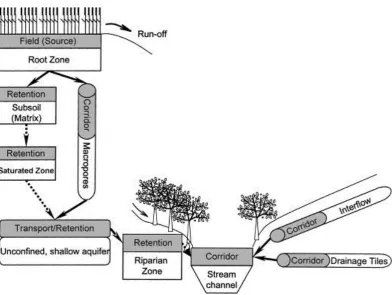
A range of stewardship approaches, including engineering solutions that treat the symptoms as well as management changes that minimise the pressures, are required to mitigate against anthropogenic pressures on the planet’s resources (Steffen et al., 2011). In agriculture, practices aimed at mitigating environmental degradation are referred to interchangeably as ‘mitigation measures’, ‘stewardship approaches’ and ‘best, recommended, conservation or sustainable’ management practices and can be classified as cultural or structural measures. Cultural measures (e.g. fertiliser application rate, form, placement and timing) are land management practices which modify the spatial and temporal availability of nutrients and pollutants for mobilisation and transport to waterways. Structural measures (e.g. slurry storages, riparian fences and vegetation) are those which modify the pathway of nutrients, pollutants and water to a receiving water body. A range of structural and cultural mitigation measures can be applied at different stages of the link between land management and water quality impact. These stages can be conceptualised as a transfer continuum for materials that are mobilised from sources via pathways of transport and later delivered to a waterbody where they may cause an ecological impact (Haygarth et al., 2005). Figure 1 highlights key components of the nutrient transfer continuum for nutrients. Many mitigation measures have benefits for both the off-farm environment and the farm system itself by sustaining the soil, animal, landscape and water resource through, for example, increased output from similar or lower nutrient use, reduced soil compaction and erosion and enhanced on farm water quality (Ridley, 2005; Gourley et al., 2007; Zeckoski et al., 2007; Simpson et al., 2011; Soane et al., 2012). Mitigation measures that target nutrient, agrochemical, sediment and pathogen losses, and greenhouse gas emissions at plot, field and farm scales have been identified for a range of agricultural industries and climates (Ongley,
1996; United Nations Environment Program, 1998; Sharpley et al., 2000b; Campbell
4
is often highly site specific and needs to be targeted to each agricultural landscape to avoid neutral or negative impacts on the environment.
4.1 Mitigating sources
Structural and cultural practices that optimise the magnitude, timing and spatial distribution of nutrient, contaminant and sediment sources can mitigate losses to catchment waterways and in many cases also increase farm profitability, particularly when efficiency of the farming system is also increased (Monaghan et al., 2008). Source management is often more practical and feasible than water management in rain-fed farming systems. In the Republic of Ireland, for example, over half of the mandatory agricultural mitigation measures are focussed on managing point and diffuse nutrient sources (Statutory Instrument 610, 2010).
A European Union-wide upper limit on the rate of organic nitrogen in manures that can be applied through spreading or animal grazing has been set at 170 kg ha-1 (with some exceptions allowed) in an effort to minimise nitrogen (and phosphorus) losses to receiving waterbodies. Practices that maintain agricultural production whilst decreasing the use of fertilisers are also encouraged. For example, containing manures and slurries from stock that are housed in farm yards enables reuse and redistribution of the captured nutrients to fields. Investing in the infrastructure and spreading equipment and developing the skills required to utilise manure nutrients is an on-going challenge (Kleinman et al., 2012). To maximise the value of nutrient use, and minimise losses to the environment, manure and fertiliser should be applied at appropriate rates, timings and locations to match crop requirement, maximise crop uptake and minimise leaching of nitrate and volatilisation of ammonium compounds (Di and Cameron, 2002; Lalor et al., 2011). Soil management practices that minimise nitrogen leaching include use of cover crops, minimal ploughing of pasture (particularly in early autumn), improved stock management and precision farming (Di and Cameron, 2002). Certain fertiliser formulations can also be used to reduce nitrogen losses from cropping systems to the environment (Chen et al., 2008).
Comprehensive reviews of measures suitable for mitigating phosphorus sources in a range of farming systems are provided by Kronvang et al. (2005), Nash and Halliwell (1999) and Sharpley et al. (2000a). Availability of phosphorus sources for loss to waterways can be minimised by matching fertiliser and manure application rates to match crop needs, and not applying fertilisers to soils that have stores of plant-available phosphorus higher than crop requirements (Richards, 2006). Timing phosphorus applications to fields in ways that avoid forecast heavy rain, choosing appropriate fertiliser formulations and placing fertiliser away from the main water flow pathway (e.g. subsurface placement of phosphorus fertilisers and manures) can reduce the risk of losses in runoff and drainage (Hodgkin and Hamilton, 1993; Nash
et al., 2004). Avoiding stocking and/or fertilising areas within fields that seasonally saturate can reduce losses because the wettest parts of the landscape contribute a disproportionately large amount of runoff and nutrients to downstream waterbodies (Melland et al., 2008; Sharpley et al., 2011).
5
Murphy and Sims, 2012); although this is not currently widely practiced. Soil management practices that maintain a threshold level of groundcover and minimise compaction will minimise erosion and runoff of nutrients. Practices include rotating stock between fields and optimising stock densities to efficiently utilise but overgraze pasture, controlling farm machinery traffic and minimising tillage operations (McCaskill et al., 2003; Agouridis et al., 2005; Deasy et al., 2010; Godwin, 2012).
4.2 Mitigating pathways
A key mitigation strategy for reducing nutrient and contaminant loads in surface and subsurface pathways is to reduce the interaction between water, as a transporting medium, and the source of the nutrient or contaminant. Interaction can be reduced by reducing the volume and/or energy of water flow, by redirecting the pathway of water flow or by removing the source from the water flow pathway, either in space or time. For example, nitrate nitrogen that drains from the rootzone via old root channels or subsurface drains (i.e. high energy flow) may rapidly reach a stream without attenuation (Figure 2). In contrast, nitrate that flows through lower energy water pathways such as soil drainage and riparian zones may be retained and naturally attenuated (depleted) by plant uptake or by biological transformation (e.g. via denitrification) into gaseous nitrogen forms (see 4.5 ‘Pollution Swapping’). For phosphorus, the optimum spatial arrangement of mitigation practices on a farm can be guided by identifying areas that transfer disproportionately high amounts of phosphorus. These areas usually have both a high source of phosphorus and a high potential for surface runoff and are termed critical source areas (Sharpley et al., 2011). A range of phosphorus and nitrogen loss risk assessment indices (e.g. http://wpindex.soils.wisc.edu/, Accessed 15th December 2013) and models have been developed to identify critical source areas in farmed landscapes (Buczko and Kuchenbuch, 2007; Buczko and Kuchenbuch, 2010) and are the subject of continuing research (e.g (Shore et al., 2013)).
The volume of soil drainage can be decreased through increasing plant water uptake by planting deep rooted perennial forage crops instead of shallow-rooted annual crops (White et al., 2003). Efficient irrigation management can also decrease volumes of surface runoff and subsurface drainage (Wilcock et al., 2011). Slowing water in drainage ditches using vegetation and/or low grade weirs allows attenuation of nitrogen and phosphorus (Ensign et al., 2006; Kröger et al., 2011). Retention of runoff water in constructed wetlands can also enable denitrification of nitrate and uptake and sediment adsorption of phosphorus, sedimentation, degradation and decay of pathogenic bacteria (Scholz et al., 2010; Wilcock et al., 2012) and pesticides (Moore et al., 2007; Gregoire et al., 2009). Sediment traps and flow diversion terraces in fields facilitate deposition of sediments entrained in field runoff (Yang et al., 2009; Ockenden et al., 2012). Vegetated riparian buffers have some potential to mitigate inputs of nitrogen, phosphorus, sediment and faecal inputs (Lovell and Sullivan, 2006; Collins et al., 2007; Kay et al., 2009). Buffers are most effective for reducing sediment and sediment-associated nutrients such as phosphorus because surface runoff is slowed allowing for enhanced deposition of sediment. Infiltration is also enhanced so some attenuation of dissolved nutrients and contaminants also occurs.
6
diverting runoff from farm lanes can prevent nutrients directly entering streams (Wilcock et al., 2007).
A range of technologies have the potential to remove nutrients from water. Phosphorus is adsorbed and precipitated by aluminium, iron or calcium compounds in natural, industrial by-product or artificial media such as iron oxide, limestone, steel slag, melter slag and bauxite mine red mud residue (Buda et al., 2012; Klimeski et al., 2012). Nitrate is removed by denitrification using permeable carbon reactive media (Fenton, 2008), and concentrations of suspended solids, chemical oxygen demand and total nitrogen are decreased through physical filtration, as well as absorption and biological uptake in aerobic woodchip filters (Ruane et al., 2011).
4.3 Mitigating direct delivery
Limiting direct contact between nutrients and other contaminants and a waterbody itself provides a direct means for mitigating losses. Faecal contamination of waterways and erosion from trampled stream banks can be reduced if stock are excluded or discouraged from entering a waterbody. Partial or total stock exclusion can be achieved by riparian vegetation, fencing, providing bridges for crossing and providing alternative shade and water sources and by managing grazing rotations (Agouridis et al., 2005; Collins et al., 2007; Kay et al., 2008). Minimum distances to watercourses are routinely included in fertiliser spreading and pesticide spraying codes of practices.
4.4 Mitigating impacts
In some cases, the impact of eutrophication can be mitigated through engineering, chemical treatment and hydromorphological modification, however, these approaches are often prohibitively expensive and the mitigation effect is often temporary. The Mondego estuary in Portugal provides an example of where reducing the water residence time and redirecting inflows and associated nutrient loads to enter a deeper section led to improved water quality status according to some biological and physico-chemical indicators (Lillebo et al., 2007). Elsewhere, recovery of eutrophic lakes, dams and estuaries has been accelerated by (usually costly) technologies that remove nutrients including chemical amendment (with lime, ferric aluminium sulphate and other phosphorus binding products), aeration, dredging, harvesting macrophytes, flushing to reduce water residence times and manipulation of the food web (Humphries and Robinson, 1995; Schindler, 2006; Gafsi et al., 2009). Phosphorus binding and filtering products have also had some success situated near to and within streams (McDowell and Nash, 2012) and manipulating light and temperature through shading can also minimise eutrophic impacts (Bowes et al., 2012).
4.5 Pollution swapping
7
runoff of nutrients, particularly soluble phosphorus and dissolved organic carbon due to the reduced efficacy of riparian buffers and constructed wetlands over time. In another case, vegetated riparian buffers reduce eroded sediment inputs to streams; however, less suspended sediment is then available to adsorb phosphorus from the water so concentrations of the most algal-available phosphorus form can increase as a result (McKergow et al., 2006). The suitability of zero tillage cropping varies depending on soil type and climate and can lead to increased greenhouse gas emissions from wet heavy clay soils and increased runoff of dissolved phosphorus from accumulation of phosphorus near the soil surface in some circumstances (Soane
et al., 2012). Table 1 summarises some of the advantages and disadvantages of zero till cropping in Europe. Mitigation measures, therefore, need to be targeted to the desired outcome and to specific soil types and agricultural systems in order to optimise both mitigation and production.
5 Governance, costs and benefits of water quality mitigation
5.1 Costs and benefits
The costs of implementation, the technical feasibility, and the adoptability of practices can all constrain the effectiveness of farm practice change measures related to water quality (Buckley et al., 2012). In the European Union, the Water Framework Directive requires member states to calculate the cost-effectiveness of policies that are implemented. Derogations from Water Framework Directive objectives are allowable where it can be demonstrated that achieving such objectives would involve disproportionate costs (Kallis and Butler, 2001). Calculating cost-effectiveness requires both a measure of the costs of implementation and a measure of the effect of the policies on water quality (Balana et al., 2011). Because of the complexities of estimating the costs of a suite of mitigation measures in a diverse agricultural socio-economic and physical landscape, costs are often modelled for a range of actual or theoretical farming systems scenarios (Fezzi et al., 2008). Similarly physical effects of measures are difficult to measure with certainty (see Section 6) and are therefore frequently modelled (for example as marginal abatement costs) rather than measured directly (Fezzi et al., 2010). Importantly, the impacts of mitigation measures vary between agricultural landscapes and over time, so cost-effectiveness needs to be measured or modelled for each landscape and timeframe of interest.
Cost-effectiveness of mitigation measures has been modelled for a range of farming systems and landscapes. Source mitigation approaches such as altering the way nutrients are managed at farm level are often cost neutral or cost beneficial (Ribaudo
8
contrast, to mitigate phosphorus exports from dairy farms in Australia and New Zealand, source management strategies were calculated to be more cost-effective (NZD 0-200 (USD 0-165) kg-1 phosphorus conserved) than using amendments or edge-of-field methods to capture phosphorus (McDowell and Nash, 2012). Similarly, in Ireland, source management to deplete surplus soil P was identified as the most cost-effective long term strategy for water quality improvement in the Lough Melvin catchment (Schulte et al., 2009).
At the river basin scale, Roberts et al. (2012) identified, through modelling, that costs to implement agricultural, forestry and river management changes sufficient to meet aspired nutrient pollution reduction targets for the impaired Gippsland Lakes in eastern Victoria, Australia (AUD 1 billion (USD 0.9 billion) over 25 years) exceeded the available environmental budget. They proposed that discussion around environmentally acceptable mitigation measures should centre on cost-effective, politically realistic, and technically feasible options. Optimising the spatial arrangement of measures also increases the cost-effectiveness (Qi and Altinakar, 2011; Doole et al., 2013). Cost benefit analysis, which places monetary values on both costs and the effects of measures, identified that farmyard improvement and establishing vegetative buffers in critical source areas was effective in reducing phosphorus loss but only became cost beneficial 15 years after implementation (Rao
et al., 2012).
5.2 Water quality governance
Rogers and Hall (2003) in (Hoekstra, 2006) define water governance as ‘the range of political, social, economic and administrative systems that are in place to develop and manage water resources, and the delivery of water services, at different levels of society’. Recognition of the hydrological connection between upland and lowland parts of catchments has resulted in watersheds (river basin boundaries) frequently being used as administrative boundaries for water management (Ferrier and Jenkins, 2010). For example, natural resource management planning within river basin boundaries is an integral component of the Water Framework Directive legislated in Europe since 2000 (Official Journal of the European Community, 2000). Many countries also share river basin resources (e.g. Mekong, Nile, Danube) which leads to a high dependency on water quantity and quality governance upstream (Hoekstra, 2006; Murphy and Glasgow, 2009).
A range of policy instruments and mechanisms are used in water quality management, specifically to link upstream and downstream water users (Tognetti and Lawrence, 2002). These mechanisms include regulatory instruments (Statutory Instrument 610, 2010; Daroub et al., 2011), economic instruments and mechanisms to increase market
access (Dabrowski et al., 2009; BenDor and Riggsbee, 2011); modifying
9
(Hammer et al., 2011; Pahl-Wostl et al., 2012). The potential beneficiaries of mitigation practices such as land and water user groups and commodity boards are being increasingly involved in catchment and water governance (Millenium Ecosystems Assessment, 2005). Payments for ecosystems services (FAO, 2004), and farmer-led movements such as Landcare in Australia (Youl et al., 2006), exemplify recognition of the multiple benefits (i.e. environmental, food and fibre, employment, community) provided by farmers as stewards of the land.
6 Monitoring and evaluation of mitigation effectiveness
6.1 Accounting for investments in environmental management
Despite the large number of plot to farm scale studies on technical mitigation options for water quality, there is a relative paucity of evidence that these measures improve water quality at larger spatial scales and also over long temporal scales. Evidence for the effects of mitigation measures on water quality is required to account for public and private funds spent implementing those measures, to inform the scientific foundation for implementation of a measure and to help inform expectations about the potential in time and space for those measures to achieve anticipated water quality targets. In some cases expectations of natural resource condition improvement are not realised despite expenditure on research, development, extension, incentives/subsidies and penalties, or insufficient monitoring exists to demonstrate whether change has occurred. Since 2002, a nationwide evaluation of over 50 years of conservation practices and 38 catchment assessment studies (the Conservation Effects Assessment Project) was initiated in the USA to account for USD 6 billion in expenditure on these practices (Weltz et al., 2005). In Australia, AUD 1.4 billion (USD 1.25 billion) was spent over 7 years to remediate salinity of soils and groundwater; however, there was little evidence of mitigation as a result of this expenditure (Pannell and Roberts, 2010). In the European Union, monitoring the impact that policies affecting agricultural practice have on water quality is mandatory in zones declared as Nitrate Vulnerable Zones (e.g. in the England, France, Sweden, Czech Republic and the Walloon region of Belgium) and is a pre-requisite for stocking rates above a European Union cap on manure-nitrogen loading to be permitted. Some member states have identified the whole country as a Nitrate Vulnerable Zone (e.g. the Republic of Ireland, Austria, Luxembourg, Germany, Denmark) and have accordingly established national and agriculture-specific water quality monitoring programs to compliment country-specific national regulations that include many of the measures highlighted in section 4 (Fraters et al., 2011).
6.2 Water quality targets and standards
To measure the effectiveness of mitigation measures, the target condition relating to the water resource needs to be defined. Targets may be defined as chemical load, concentration and/or exposure, degree of sedimentation, biological quality, hydromorphology or a combination of indicators (Ongley, 1996). In the USA, total maximum daily loads are used as targets and are defined as the maximum amount of a pollutant that a waterbody can receive and still meet water quality standards
(http://water.epa.gov/lawsregs/lawsguidance/cwa/tmdl/, accessed 07/11/2012).
10
Framework Directive (Official Journal of the European Community, 2000) set a target for all water bodies to attain at least ‘good’ water quality status by 2015 (with six year review cycles if the first target could not be met). In order to monitor progress towards this target, an inter-calibration process was conducted (e.g. McGarrigle and Lucey (2009)) so that water quality status can be compared across the wide range of bioregions and water body types across Europe or to account for shared bioregions between jurisdictions. Individual member states have subsequently set their own chemical, biological and hydromorphological water quality standards. For example in The Republic of Ireland, standards for drinking water and standards designed to protect ecological status have been legislated, with ecological status being constrained by the most limiting of a range of chemical, biological and hydromorphological indicators (Bowman, 2009). The Australian and New Zealand guidelines for fresh and marine waters require threshold (or ‘trigger value’) chemical concentrations and biophysical status to be established based on conditions in reference water body types (Anon, 2000; McDowell et al., 2013). The choice of indicator of system quality or change can influence assessments of whether mitigation measures have been successful or otherwise. For example, Lillebo et al. (2007) found that estuary quality either did not change, improved or worsened in response to mitigation measures depending on which quality status indicator was used in the assessment. Some indicators may not be able to pick up changes due to specific mitigation measures. For example, if loads of nutrients from diffuse sources of episodic overland flow are reduced by reducing agricultural soil phosphorus levels, but in-stream biological quality responds mainly to low-flow nutrient concentrations, then the benefits of the overland flow mitigation measures may not be reflected by biological indicators.
6.3 Mitigation effect monitoring methods
Many of the mitigation methods implemented on farms have been recommended to or by policy makers a result of process studies that relate action to response for individual or small groups of measures (Kronvang et al., 2005; Carton et al., 2008; McDowell et al., 2009). Effectiveness of implementation of measures can also be informed by scenario analysis and modelling of the complex interactions of land management with environmental variables (Silgram et al., 2008; Oenema et al., 2009; Vigiak et al., 2011; van Grinsven et al., 2012). A growing number of studies have also directly measured impacts of mitigation measures at the catchment scale.
11
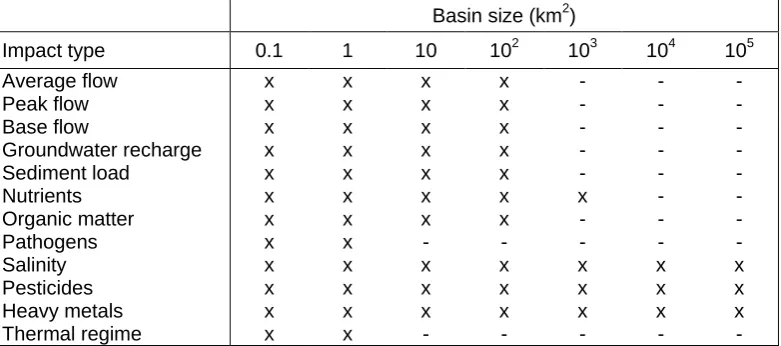
Medium size headwater catchments, or meso-catchments (also referred to as micro-basins (Yates and Bailey, 2006) or small watersheds (Meals et al., 2010)), are commonly 1-100 km2 and incorporate 1st – 3rd order streams. Measuring the effects of agricultural mitigation practices on water quality in meso-catchments offers advantages over smaller and larger scales in that the size can minimise inputs from non-agricultural pressures and enable adequate stakeholder involvement in implementing and/or monitoring agricultural practices, and the integrated and ‘net’ impacts of attenuating and mobilising processes and farm types and practices are accounted for (Iital et al., 2008; Fealy et al., 2010). Larger catchments usually include other significant influences such as forestry, industrial and municipal land use and as the size and scale of the catchment increases, the effects on water quality of individual mitigation practices become more difficult to discern ((Kiersch, 2002) (Table 3)).
Approaches for measuring water quality impacts of agricultural mitigation practices in meso-catchments range from measuring water quality over a time series, such as before and after a land management change (e.g. (Jaynes et al., 2004)), and/or over a spatial series such as in paired catchments with and without agricultural practice change (e.g. (Schilling and Spooner, 2006)) or over a gradient of practices or catchment types, and by cause and effect studies that measure sources, pathways and impacts of practices (e.g. (Wall et al., 2011), Figure 3).
A dose-response relationship is also sometimes used to describe the increasing impacts on water quality where the agricultural pressure increases. The European Environment Agency uses the DPSIR framework to assess change in the state (S) of natural resources due to changes in specific drivers (D) and pressures (P) that can have an impact (I) and are the focus of policy responses (R) (EEA, 2012). These conceptualisations highlight the biophysical links in space and time between agricultural pressures and water quality in receiving water bodies. Nutrients, for example, can be transferred from both point and diffuse sources. Point sources include discharges from intermittent or persistent discrete sources (such as a farmyard) to a water flow pathway or water body. Diffuse transfers, are derived from non-point sources, which are spatially widespread, such as nutrients in soil. The connectivity of these sources with receptor waterbodies depends on the activity of, and attenuation potential along, the water flow pathway to the receptor. For example, overland flow transport of soil and nutrients tends to occur episodically during storms and from parts of a catchment that are prone to generate runoff (e.g. saturated areas and hard surfaces).
12 6.3.1 Resource constraints
Due to the sometimes 100-fold variation in phosphorus concentrations between baseflow and stormflow in streams, and the likelihood that phosphorus measures are aimed specifically to mitigate surface sources of phosphorus, sufficient sampling intensity of stormflow phosphorus concentrations is required to accurately measure flow-weighted concentrations and loads (Jordan and Cassidy, 2011). Stormflow samples are costly to collect and analyse on a continuous and highly spatially distributed basis. The cost of sampling one site every seven hours for one year and analysing for nutrients was estimated at EUR 5000 (USD 6900) once-off for equipment and EUR 30000 (USD 41200) for sampling at 2012 Euro values (Melland
et al., 2012). Technologies such as continuous bankside analysis provide opportunities for continuous analysis that importantly capture high flows but are still costly (EUR 50000 (USD 68700) once-off for equipment and EUR 30000 (USD 41200) for sampling) and are often impractical to deploy at multiple locations (Jordan
et al., 2007). Passive sampling may offer a compromise between increasing the spatial coverage of sampling and collecting continuous (integrated) nutrient concentrations over storm and base flows but the technology is still at the research and development stage (Jordan et al., 2013).
6.3.2 Uncertainty in cause-effect relationships
Effects of measures are difficult to dissociate from potentially overriding/swamping attenuation effects such as groundwater denitrification and stream nutrient uptake and from counteracting effects such as increased intensification of agricultural production (Sutton et al., 2009). The effect of mitigation needs to be large, compared with background processes, so that impacts can be measured and measures can be effectual (Tomer and Locke, 2011). Further to these factors, rates of implementation of mitigation measures are often difficult to control, particularly when there is reliance on voluntary adoption (Yates et al., 2007). Uncertainty in measurement can affect estimates of cost effectiveness and equity of cost sharing of mitigation (Khadam and Kaluarachchi, 2006). Gren and Destouni (2012) suggest that calculation and presentation of a range of estimates of nutrient loads based on different models is likely to reduce barriers to implementation of measures by identifying commonality in model outcomes (such as consistent attribution of nutrient source or apportionment of mitigation costs) and thus reducing arguments about model outcome uncertainty.
6.3.3 Time lags between implementation of mitigation measures and responses
13
transformations (Skjelkvale et al., 2005). For phosphorus and sediment movement via surface flow pathways, chemical fixation of phosphorus to soil particles and retention and re-mobilisation of particulate and soluble phosphorus forms throughout landscape and channel beds can cause years to pass before water quality improvements from phosphorus mitigation practices occur (Walling, 1999; McDowell et al., 2003; Stutter
et al., 2007; Schulte et al., 2010).
Contaminant flow times can impact not only the timing of the response, but the degree of response. Generally, the longer the contact time between a contaminant and its surrounding flow path media (in this case soils or geological strata) the longer time available for attenuating reactions (such as sedimentation, denitrification or phosphorus adsorption) or mobilising reactions (such as phosphorus desorption and nitrification) to occur (Barrow and Shaw, 1975; Haag and Kaupenjohann, 2001). Even after water quality improvement, however, recovery of aquatic biological structure and function is not guaranteed and can be limited by a complexity of factors including for example, extinction of endemic species during the eutrophic phase (Schindler, 2006; Carpenter et al., 2011). Using modelling, no improvement in Baltic Sea eutrophication was predicted in response to decreased nutrient loads since the 1980s due to at least a 20 year time lag in water quality response (Gustafsson et al., 2012). Further to time lags that occur in the biophysical response of water bodies, implementation of cultural and structural changes to farms and farm practices takes time, even where measures are made mandatory by governments or industry (Kronvang et al., 2008).
6.4 Observed effects of mitigation on water quality
14
al., 2007; Makarewicz et al., 2009). Where land is taken out of production, or where land use intensity is reduced to mitigate water quality impacts, a potential trade-off between water quality and agricultural output may occur. In contrast, and although environmental water quality targets have yet to be met (Windolf et al., 2012), measures including setting minimum plant-available nitrogen percentages for manure nitrogen, and capping livestock density and allowable nitrogen fertiliser rates in Denmark, have led to a significant decrease in nitrogen concentrations in 84% of monitored streams (Kronvang et al., 2008) and at the same time, crop yields have been sustained and livestock production has increased.
7 Sustainable intensification
In order to feed the world’s population, which is projected to increase to 9 billion in 2050, policies enabling ‘sustainable intensification’ are being promoted (Foley et al., 2011). Sustainable intensification has been defined as ‘simultaneously raising productivity, increasing resource use efficiency and reducing negative environmental impacts of agriculture’ (Bolton and Crute, 2011). For example, de Klein et al. (2012) identified, through modelling of a database of farm system information, that by incorporating targeted mitigation strategies into pastoral dairy production systems increases in milk production without a concomitant increase in nitrogen leaching and greenhouse gas emissions is theoretically possible and needs to be tested in the field. Currently there are few catchment-scale examples that demonstrate increased production and economic wealth whilst simultaneously maintaining high quality surface waters in intensive agricultural settings, highlighting that sustainable intensification remains a continuing challenge.
8 Summary
All human activities, including agriculture, have an impact on the quality and quantity of freshwater resources. In turn, maintaining good water quality is imperative for supporting human use of freshwater and sustaining ecosystem function. Agricultural activities can impair water quality through excess movement of soil, nutrients, salt, pathogens and chemicals from land to water. When reaching water bodies in excessive amounts, these often-essential components of agricultural systems can be considered pollutants. Plot and field scale studies have identified a range of technical options that can mitigate off-farm water quality degradation and many options also improve the profitability and sustainability of the farming system. These technical options include limiting the source of pollutant that is available for transport, managing the pathways of travel that a pollutant takes before reaching the waterbody, reducing direct inputs of pollutants into a waterbody, and directly manipulating the waterbody where an impact has occurred.
15
16
9 Web links
URL and date accessed Content summary
http://www.ewater.com.au/ 01/11/2012
eWater Cooperative research centre for water-cycle management and research. Includes software tools and information related to the modelling and management of water resources and water quality.
water framework directive website (including website of useful graphics)
http://water.epa.gov/type/waters heds/datait/watershedcentral/ 07/11/2012
USEPA website providing information and tools regarding catchment management
http://www.ceep-phosphates.org/
Research into phosphates and the environment and into phosphate recycling
http://www.nine-esf.org/ENA 01/11/2012
Nitrogen in Europe website, which includes the European Nitrogen Assessment published in 2011, information regarding problems and solutions pertaining to nitrogen in the environment and a video link that explains nitrogen issues.
http://water.usgs.gov/wsc 01/11/2012
United States Geological Survey - Science in your watershed - information and tools http://techalive.mtu.edu/meec/m
odule01/
whatiswatershed.htm 01/11/2012
Visualisation of the definition of a catchment, or watershed.
http://www.iwmi.cgiar.org/inde x.aspx
01/11/2012
International Water Management Institute publications, tools and resources
http://www.waterfootprint.org/? page=files/home
01/11/2012
The Water Footprint Network publications, tools and resources
http://www.ozcoasts.gov.au/ 13/11/2012
Geoscience Australia – Australian Government Ozcoasts website with information, glossaries and tools regarding coastal water quality http://www.fao.org/nr/solaw/en/
http://www.fao.org/nr/water/aqu astat/
18/11/2012
FAO State of the World’s Land and Water Resources for Food and Agriculture report and background information. Maps.
17
10 Glossary
Denitrification The process of microbially facilitated reduction of
nitrate into nitrogen (N2) gas and other nitrogen oxides.
Ecosystem service Benefits to humankind from a multitude of resources
and processes that are supplied by natural ecosystems.
Grey water Water output of a food production (or other) system that
is degraded in comparison to the fresh (blue and green) water inputs
Hydromorphology Hydrological, habitat and structural processes and
features of rivers, lakes and coastal waterbodies Nitrate Vulnerable Zone A term used in Europe for areas of land that drain into
nitrate polluted waters, or waters which could become polluted by nitrates.
Pollution swapping The outcome of mitigation practices is positive for one
natural resource but negative for another.
11 Recommended tertiary courses
1. Bachelor of Science in Natural Resources, Department of Soil Science, College of Agriculture and Life Science, North Carolina State University, NC, USA
2. Bachelor of Science in Land Development, Department of Soil Science, College of Agriculture and Life Science, North Carolina State University, NC, USA
3. Bachelor of Science in Environmental Science and Technology (ENST),
Department of Environmental Science and Technology, College of Agriculture and Natural Resources, University of Maryland. MD, USA.
4. Bachelor of Agricultural Science, Agri-Environmental Sciences (DN250 AES), National University of Ireland – Dublin. Dublin, IRL.
5. Bachelor of Agriculture, Melbourne School of Land and Environment, The University of Melbourne, AUS.
6. BASIS Graduate Diploma in Agronomy with Environmental Management, Harper Adams University College, Shropshire, UK.
12 Cross references chapters
11. Environmental service issues: markets and policy unassigned
83. Water use: water supply conflicts and challenges for the future 85. Water: water quality challenges from agriculture
86. Water: footprint of food production and processing 87. Water: advanced irrigation technologies
91. Soil: conservation practices
241. Climate change: water and irrigation
243. Ecological infrastructure, natural capital and ecosystem services 242. Pesticide risk reduction
18
13 References
Agouridis, C.T., Workman, S.R., Warner, R.C., Jennings, G.D., 2005. Livestock grazing management impacts on stream water quality: A review. J Am Water Resour As 41, 591-606.
Alexander, R.B., Boyer, E.W., Smith, R.A., Schwarz, G.E., Moore, R.B., 2007. The role of headwater streams in downstream water quality. J Am Water Resour As 43, 41-59.
Anon, 2000. Australian and New Zealand Guidelines for Fresh and Marine Water Quality Paper No. 4 Volume 1 The Guidelines - Aquatic Ecosystems. ANZECC and ARMCANZ.
Balana, B.B., Vinten, A., Slee, B., 2011. A review on cost-effectiveness analysis of agri-environmental measures related to the EU WFD: Key issues, methods, and applications Ecological Economics 70, 1021-1031.
Barnes, A.P., Moran, D., Topp, K., 2009. The scope for regulatory incentives to encourage increased efficiency of input use by farmers. Journal of Environmental Management 90.
Barrow, N.J., Shaw, T.C., 1975. The slow reactions between soil and anions: 2. Effects of time and temperature on the decrease in phosphate concentration in the soil solution. Soil Science 119, 167-177.
BenDor, T.K., Riggsbee, J.A., 2011. A survey of entrepreneurial risk in U.S. wetland and stream compensatory mitigation markets. Environmental Science & Policy 14, 301-314.
Bergfur, J., Demars, B.O.L., Stutter, M.I., Langan, S.J., Friberg, N., 2012. The Tarland Catchment Initiative and Its Effect on Stream Water Quality and Macroinvertebrate Indices. J Environ Qual 41, 314-321.
Blann, K.L., Anderson, J.L., Sands, G.R., Vondracek, B., 2009. Effects of
Agricultural Drainage on Aquatic Ecosystems: A Review. Crit Rev Env Sci Tec 39, 909-1001.
Boesch, D.F., Brinsfield, R.B., Magnien, R.E., 2001. Chesapeake Bay Eutrophication: Scientific understanding, ecosystem restoration, and challenges for agriculture. J Environ Qual 30, 303-320.
Bolton, S.M., Crute, I.R., 2011. Crop nutrition and sustainable intensification. Proceedings International Fertiliser Society 695. International Fertiliser Society, Cambridge, U.K.
Bowes, M.J., Ings, N.L., McCall, S.J., Warwick, A., Barrett, C., Wickham, H.D., Harman, S.A., Armstrong, L.K., Scarlett, P.M., Roberts, C., Lehmann, K., Singer, A.C., 2012. Nutrient and light limitation of periphyton in the River Thames: Implications for catchment management. Science of the Total Environment, 201-212.
Bowman, J., 2009. New Water Framework Directive Environmental Quality
Standards and Biological and Hydromorphological Classification Systems for Surface Waters in Ireland. Biol Environ 109B, 247-260.
19
Buckley, C., Hynes, S., Mechan, S., 2012. Supply of an ecosystem service—Farmers’ willingness to adopt riparian buffer zones in agricultural catchments.
Environmental Science & Policy 24, 101-109.
Buczko, U., Kuchenbuch, R.O., 2007. Phosphorus indices as risk assessment tools in the USA and Europe - a review. Journal of Plant Nutrition and Soil Science 170, 445-460.
Buczko, U., Kuchenbuch, R.O., 2010. Environmental Indicators to Assess the Risk of Diffuse Nitrogen Losses from Agriculture. Environ Manage 45, 1201-1222. Buda, A.R., Koopmans, G.F., Bryant, R.B., Chardon, W.J., 2012. Emerging
Technologies for Removing Nonpoint Phosphorus from Surface Water and Groundwater: Introduction. J Environ Qual 41, 621-627.
Callahan, M.P., Kleinman, P.J.A., Sharpley, A.N., Stout, W.L., 2002. Assessing the efficacy of alternative phosphorus sorbing soil amendments. Soil Science 167, 539-547.
Campbell, N., D'Arcy, B., Frost, A., Novotny, V., Sansom, A., 2004. Diffuse Pollution: An introduction to the problems and solutions. IWA Publishing, Cornwall, UK.
Cardenas, L.M., Cuttle, S.P., Crabtree, B., Hopkins, A., Shepherd, A., Scholefield, D., del Prado, A., 2011. Cost effectiveness of nitrate leaching mitigation measures for grassland livestock systems at locations in England and Wales. Science of the Total Environment 409, 1104-1115.
Carpenter, S.R., Caraco, N.F., Correll, D.L., Howarth, R.W., Sharpley, A.N., Smith, V.H., 1998. Nonpoint pollution of surface waters with phosphorus and nitrogen. Ecological Applications 8, 559-568.
Carpenter, S.R., Stanley, E.H., Vander Zanden, M.J., 2011. State of the World's Freshwater Ecosystems: Physical, Chemical, and Biological Changes. Annual Review of Environment and Resources 36, 75-99.
Carton, O.T., H. Tunney, K. Daly, M. Ryan, I. Kurz, D. Doody, D. Bourke, G. Kiely, G. Morgan, R. Moles, P. Jordan, D. Ryan, K. Irvine, E. Jennings, W.L. Magette, M. Bruen, J. Mulqueen, M. Rodgers, Johnston, P., Bartley, P., 2008. Eutrophication from Agricultural Sources (2000-LS-2-M2) Integrated Report. Environmental Protection Agency, Wexford, Ireland.
Chen, D., Suter, H., Islam, A., Edis, R., Freney, J.R., Walker, C.N., 2008. Prospects of improving efficiency of fertiliser nitrogen in Australian agriculture: a review of enhanced efficiency fertilisers. Soil Research 46, 289-301. Cheng, H., Kimble, J., 2001. Characterization of soil organic carbon pools.
Assessment methods for soil carbon. Boca Raton, Lewis Publishers, 117-130. Cherry, K.A., Shepherd, M., Withers, P.J.A., Mooney, S.J., 2008. Assessing the
effectiveness of actions to mitigate nutrient loss from agriculture: A review of methods. Science of the Total Environment 406, 1-23.
Collins, A.L., McGonigle, D.F., 2008. Monitoring and modelling diffuse pollution from agriculture for policy support: UK and European experience.
Environmental Science & Policy 11, 97-101.
Collins, R., McLeod, M., Hedley, M., Donnison, A., Close, M., Hanly, J., Horne, D., Ross, C., Davies-Colley, R., Bagshaw, C., Matthews, L., 2007. Best
management practices to mitigate faecal contamination by livestock of New Zealand waters. New Zealand Journal of Agricultural Research 50, 267-278. Dabrowski, J.M., Murray, K., Ashton, P.J., Leaner, J.J., 2009. Agricultural impacts on
20
Daroub, S.H., Van Horn, S., Lang, T.A., Diaz, O.A., 2011. Best Management
Practices and Long-Term Water Quality Trends in the Everglades Agricultural Area. Crit Rev Env Sci Tec 41, 608-632.
De Klein, C.A.M., Monaghan, R.M., van der Weerden, T.J., Chrystal, J., 2012. Integration of measures in pastoral dairy systems to mitigate reactive nitrogen loss to the environment. In: Richards, K.G., Fenton, O., Watson, C.J. (Eds.), 17th International Nitrogen Workshop, Wexford, Ireland, pp. 257-261. Deasy, C., Quinton, J.N., Silgram, M., Bailey, A.P., Jackson, B., Stevens, C.J., 2010.
Contributing understanding of mitigation options for phosphorus and sediment to a review of the efficacy of contemporary agricultural stewardship measures. Agricultural Systems 103, 105-109.
Di, H.J., Cameron, K.C., 2002. Nitrate leaching in temperate agroecosystems:
sources, factors and mitigating strategies. Nutrient Cycling in Agroecosystems 64, 237-256.
Donohue, I., Molinos, J.G., 2009. Impacts of increased sediment loads on the ecology of lakes. Biological Reviews 84, 517-531.
Doody, D.G., Foy, R.H., Barry, C.D., 2012. Accounting for the role of uncertainty in declining water quality in an extensively farmed grassland catchment.
Environmental Science & Policy 24, 15-23.
Doole, G.J., Marsh, D., Ramilan, T., 2013. Evaluation of agri-environmental policies for reducing nitrate pollution from New Zealand dairy farms accounting for firm heterogeneity. Land Use Policy 30, 57– 66.
EEA, 2012. European waters - assessment of status and pressures. Copenhagen, Denmark.
Ensign, S.H., McMillan, S.K., Thompson, S.P., Piehler, M.F., 2006. Nitrogen and Phosphorus Attenuation within the Stream Network of a Coastal, Agricultural Watershed. J Environ Qual 35, 1237-1247.
FAO, 2004. Payments for ecosystems services in watersheds. Regional Forum Arequipa, Peru. Land and Water Discussion Paper 3 Food and Agriculture Organisation, Rome.
FAO, 2011. The state of the world's land and water resources for food and agriculture (SOLAW) - Managing systems at risk. Food and Agriculture Organization of the United Nations, Rome and Earthscan, London.
Fealy, R.M., Buckley, C., Mechan, S., Melland, A., Mellander, P.E., Shortle, G., Wall, D., Jordan, P., 2010. The Irish Agricultural Catchments Programme: catchment selection using spatial multi-criteria decision analysis. Soil Use and Management 26, 225-236.
Fenton, O., 2008. A review of solid carbon reactive media for enhanced subsurface denitrification in a permeable reactive barrier on Irish farms Journal of Environmental Hydrology 16, 1-13.
Fenton, O., Schulte, R.P.O., Jordan, P., Lalor, S.T.J., Richards, K.G., 2011. Time lag: a methodology for the estimation of vertical and horizontal travel and flushing timescales to nitrate threshold concentrations in Irish aquifers. Environmental Science & Policy 14, 419-431.
Ferrier, R.C., Jenkins, A., 2010. The catchment management concept. In: Ferrier, R.C., Jenkins, A. (Eds.), Handbook of Catchment Management. Wiley-Blackwell, Chichester, UK.
21
Fezzi, C., Rigby, D., Bateman, I.J., Hadley, D., Posen, P., 2008. Estimating the range of economic impacts on farms of nutrient leaching reduction policies.
Agricultural Economics 39, 197-205.
Foley, J.A., Ramankutty, N., Brauman, K.A., Cassidy, E.S., Gerber, J.S., Johnston, M., Mueller, N.D., O/'Connell, C., Ray, D.K., West, P.C., Balzer, C., Bennett, E.M., Carpenter, S.R., Hill, J., Monfreda, C., Polasky, S., Rockstrom, J., Sheehan, J., Siebert, S., Tilman, D., Zaks, D.P.M., 2011. Solutions for a cultivated planet. Nature 478, 337-342.
Foy, R.H., Lennox, S.D., Gibson, C.E., 2003. Changing perspectives on the
importance of urban phosphorus inputs as the cause of nutrient enrichment in Lough Neagh. Science of the Total Environment 310, 87-99.
Fraters, B., Kovar, K., Grant, R., Thorling, L., Reijs, J.W., 2011. Developments in monitoring the effectiveness of the EU Nitrates Directive Action Programmes on the environment. Results of the second MonNO3 workshop, 10-11 June 2009. National Institute for Public Health and the Environment, The Netherlands.
Gafsi, M., Kettab, A., Benmamar, S., Benziada, S., 2009. Comparative studies of the different mechanical oxygenation systems used in the restoration of lakes and reservoirs. Journal of Food Agriculture & Environment 7, 815-822.
Gobler, C.J., Berry, D.L., Dyhrman, S.T., Wilhelm, S.W., Salamov, A., Lobanov, A.V., Zhang, Y., Collier, J.L., Wurch, L.L., Kustka, A.B., Dill, B.D., Shah, M., VerBerkmoes, N.C., Kuo, A., Terry, A., Pangilinan, J., Lindquist, E.A., Lucas, S., Paulsen, I.T., Hattenrath-Lehmann, T.K., Talmage, S.C., Walker, E.A., Koch, F., Burson, A.M., Marcoval, M.A., Tang, Y.-Z., LeCleir, G.R., Coyne, K.J., Berg, G.M., Bertrand, E.M., Saito, M.A., Gladyshev, V.N., Grigoriev, I.V., 2011. Niche of harmful alga Aureococcus anophagefferens revealed through ecogenomics. Proceedings of the National Academy of Sciences 108, 4352-4357.
Godwin, R.J., 2012. Principles of reduced tillage. Journal of the Royal Agricultural Society of England 172, 1-9.
Gourley, C.J.P., Powell, J.M., Dougherty, W.J., Weaver, D.M., 2007. Nutrient budgeting as an approach to improving nutrient management on Australian dairy farms. Aust J Exp Agr 47, 1064-1074.
Gregoire, C., Elsaesser, D., Huguenot, D., Lange, J., Lebeau, T., Merli, A., Mose, R., Passeport, E., Payraudeau, S., Schutz, T., Schulz, R., Tapia-Padilla, G., Tournebize, J., Trevisan, M., Wanko, A., 2009. Mitigation of agricultural nonpoint-source pesticide pollution in artificial wetland ecosystems. Environmental Chemistry Letters 7, 205-231.
Gren, I.-M., Destouni, G., 2012. Does Divergence of Nutrient Load Measurements Matter for Successful Mitigation of Marine Eutrophication? Ambio 41, 151-160.
Gustafsson, B., Schenk, F., Blenckner, T., Eilola, K., Meier, H.E.M., Müller-Karulis, B., Neumann, T., Ruoho-Airola, T., Savchuk, O., Zorita, E., 2012.
Reconstructing the Development of Baltic Sea Eutrophication 1850–2006. Ambio 41, 534-548.
22
Hammer, M., Balfors, B., Mörtberg, U., Petersson, M., Quin, A., 2011. Governance of Water Resources in the Phase of Change: A Case Study of the Implementation of the EU Water Framework Directive in Sweden. Ambio 40, 210-220.
Haygarth, P., ApSimon, H., Betson, M., Harris, D., Hodgkinson, R., Withers, P., 2009. Mitigating diffuse phosphorus transfer from agriculture according to cost and efficiency. J Environ Qual 38, 2012-2022.
Haygarth, P.M., Condron, L.M., Heathwaite, A.L., Turner, B.L., Harris, G.P., 2005. The phosphorus transfer continuum: Linking source to impact with an
interdisciplinary and multi-scaled approach. Science of the Total Environment 344 5–14.
Helmers, M.J., Isenhart, T.M., Kling, C.L., Moorman, T.B., Simpkins, W.W., Tomer, M., 2007. Theme Overview: Agriculture and Water Quality in the Cornbelt: Overview of Issues and Approaches. CHOICES; American Agricultural Economics Association 22, 79-86.
Hodgkin, E.P., Hamilton, B.H., 1993. FERTILIZERS AND EUTROPHICATION IN SOUTHWESTERN AUSTRALIA - SETTING THE SCENE. Fert Res 36, 95-103.
Hoekstra, A.Y., 2006. The global dimension of water governance: Nine reasons for global arrangements in order to cope with local water problems. VALUE OF WATER RESEARCH REPORT SERIES UNESCO-IHE Institute for Water Education.
Huhtanen, P., Nousiainen, J., Turtolad, E., 2011. Dairy farm nutrient management model: 2. Evaluation of different strategies to mitigate phosphorus surplus. Agricultural Systems 104, 383-391.
Humphries, R., Robinson, S., 1995. Assessment of the success of the Peel-Harvey estuary system management strategy - A Western Australian attempt at Integrated Catchment Management. Water Sci Technol 32, 255-264. Iital, A., Pachel, K., Deelstra, J., 2008. Monitoring of diffuse pollution from
agriculture to support implementation of the WFD and the Nitrate Directive in Estonia. Environmental Science & Policy 11, 185-193.
Jaynes, D.B., Dinnes, D.L., Meek, D.W., Karlen, D.L., Cambardella, C.A., Colvin, T.S., 2004. Using the Late Spring Nitrate Test to Reduce Nitrate Loss within a Watershed Names are necessary to report factually on available data; however, the USDA neither guarantees nor warrants the standard of the product, and the use of the name by USDA implies no approval of the product to the exclusion of others that may also be suitable. J Environ Qual 33, 669-677.
Jordan, P., Arnscheidt, A., McGrogan, H., McCormick, S., 2007. Characterising phosphorus transfers in rural catchments using a continuous bank-side analyser. Hydrology and Earth System Sciences 11, 372-381.
Jordan, P., Cassidy, R., 2011. Technical Note: Assessing a 24/7 solution for
monitoring water quality loads in small river catchments. Hydrology and Earth System Sciences 15, 3093–3100.
Jordan, P., Cassidy, R., Macintosh, K.A., Arnscheidt, J., 2013. Field and Laboratory Tests of Flow-Proportional Passive Samplers for Determining Average Phosphorus and Nitrogen Concentration in Rivers. Environmental Science & Technology 47, pp. 2331-2338.
Kallis, G., Butler, D., 2001. The EU water framework directive: measures and implications. Water Policy 3, 125-142.
23
Quantification and control of microbial pollution from agriculture: a new policy challenge? Environmental Science & Policy 11, 171-184.
Kay, P., Edwards, A.C., Foulger, M., 2009. A review of the efficacy of contemporary agricultural stewardship measures for ameliorating water pollution problems of key concern to the UK water industry. Agricultural Systems 99, 67-75. Khadam, I.M., Kaluarachchi, J.J., 2006. Trade-offs between cost minimization and
equity in water quality management for agricultural watersheds. Water Resour. Res. 42, W10404.
Kiersch, B., 2002. Discussion paper 1 Land use impacts on water resources: a literature review. Land–water linkages in rural watersheds. Bulletin No. 9. FAO Land and Water Development Division, Rome.
Kleinman, P., Blunk, K.S., Bryant, R., Saporito, L., Beegle, D., Czymmek, K.,
Ketterings, Q., Sims, T., Shortle, J., McGrath, J., Coale, F., Dubin, M., Dostie, D., Maguire, R., Meinen, R., Allen, A., O'Neill, K., Garber, L., Davis, M., Clark, B., Sellner, K., Smith, M., 2012. Managing manure for sustainable livestock production in the Chesapeake Bay Watershed. Journal of Soil and Water Conservation 67, 54A-61A.
Klimeski, A., Chardon, W.J., Turtola, E., Uusitalo, R., 2012. Potential and limitations of phosphate retention media in water protection: A process-based review of laboratory and field-scale tests. Agricultural and Food Science 21, 206-223. Kröger, R., Moore, M., Farris, J., Gopalan, M., 2011. Evidence for the Use of
Low-Grade Weirs in Drainage Ditches to Improve Nutrient Reductions from Agriculture. Water, Air, & Soil Pollution 221, 223-234.
Kronvang, B., Andersen, H.E., Børgesen, C., Dalgaard, T., Larsen, S.E., Bøgestrand, J., Blicher-Mathiasen, G., 2008. Effects of policy measures implemented in Denmark on nitrogen pollution of the aquatic environment. Environmental Science & Policy 11, 144-152.
Kronvang, B., Bechmann, M., Lundekvam, H., Behrendt, H., Rubæk, G.H., Schoumans, O.F., Syversen, N., Andersen, H.E., Hoffman, C.C., 2005. Phosphorus losses from agricultural areas in river basins: effects and
uncertainties of targeted mitigation measures. J Environ Qual 34, 2129-2144. Lalor, S.T.J., Schröder, J.J., Lantinga, E.A., Oenema, O., Kirwan, L., Schulte, R.P.O.,
2011. Nitrogen Fertilizer Replacement Value of Cattle Slurry in Grassland as Affected by Method and Timing of Application. J Environ Qual 40, 362-373. Lillebo, A.I., Teixeira, H., Pardal, M.A., Marques, J.C., 2007. Applying quality status
criteria to a temperate estuary before and after the mitigation measures to reduce eutrophication symptoms. Estuar Coast Shelf S 72, 177-187.
Lovell, S.T., Sullivan, W.C., 2006. Environmental benefits of conservation buffers in the United States: evidence, promise, and open questions. Agriculture,
Ecosystems & Environment 112, 249-260.
Makarewicz, J.C., Lewis, T.W., Bosch, I., Noll, M.R., Herendeen, N., Simon, R.D., Zollweg, J., Vodacek, A., 2009. The impact of agricultural best management practices on downstream systems: Soil loss and nutrient chemistry and flux to Conesus Lake, New York, USA. Journal of Great Lakes Research 35, 23-36. McCaskill, M.R., A. M. Ridley, A. Okom, R. E. White, M. H. Andrew, D. L.
24
McDowell, R.W., Nash, D., 2012. A Review of the Cost-Effectiveness and Suitability of Mitigation Strategies to Prevent Phosphorus Loss from Dairy Farms in New Zealand and Australia. J. Environ. Qual. 41, 680-693.
McDowell, R.W., Nash, D., George, A., Wang, Q.J., Duncan, R., 2009. Approaches For Quantifying And Managing Diffuse Phosphorus Exports At The
Farm/small Catchment Scale. J. Environ. Qual. 38, 1968-1980.
McDowell, R.W., Sharpley, A.N., Folmar, G., 2003. Modification of phosphorus export from an eastern USA catchment by fluvial sediment and phosphorus inputs. Agr Ecosyst Environ 99, 187-199.
McDowell, R.W., Snelder, T.H., Cox, N., Booker, D.J., Wilcock, R.J., 2013. Establishment of reference or baseline conditions of chemical indicators in New Zealand streams and rivers relative to present conditions. Marine and Freshwater Research 64, 387-400.
McGarrigle, M.L., Lucey, J., 2009. Intercalibration of ecological status of rivers in Ireland for the purpose of the Water Framework Directive. Biology and Environment: Proceedings of the Royal Irish Academy 109B No.3, 237-246. McKergow, L.A., Prosser, I.P., Weaver, D.M., Grayson, R., Reed, A.E.G., 2006.
Performance of grass and eucalyptus riparian buffers in a pasture catchment, Western Australia, Part 2: Water quality. Hydrological Processes 20, 2327-2346.
McKergow, L.A., Tanner, C., Monaghan, R., Anderson, G., 2008. Stocktake of diffuse pollution attenuation tools for New Zealand pastoral farming systems. NIWA Client Report HAM-2007-161 for Pastoral 21. NIWA, Hamilton, New Zealand, p. 113.
Meals, D.W., Dressing, S.A., Davenport, T.E., 2010. Lag time in water quality response to best management practices: A review. J Environ Qual 39, 85-96. Mekonnen, M.M., Hoekstra, A.Y., 2011. NATIONAL WATER FOOTPRINT
ACCOUNTS: THE GREEN, BLUE AND GREY WATER FOOTPRINT OF PRODUCTION AND CONSUMPTION. VALUE OF WATER RESEARCH REPORT SERIES UNESCO-IHE Institute for Water Education.
Melland, A.R., Jordan, P., Murphy, P.N.C., Mellander, P.-E., Shortle, G., 2013. A review of monitoring approaches and outcomes of surface water quality mitigation measures in meso-scale agricultural catchments. European
Geosciences Union General Assembly 2013 Geophysical Research Abstracts, Vienna, Austria, p. 10446.
Melland, A.R., Mc Caskill, M.R., White, R.E., Chapman, D.F., 2008. Loss of
phosphorus and nitrogen in runoff and subsurface drainage from high and low input pastures grazed by sheep in southern Australia. Aust J Soil Res 46, 161-172.
Melland, A.R., Ryan, D.P., Shortle, G., Jordan, P., 2012. A cost:benefit evaluation of
in situ high temporal resolution stream nutrient monitoring. IWA World Congress on Water, Climate and Energy. International Water Association, Dublin, Ireland.
Merriman, K.R., Gitau, M.W., Chaubey, I., 2009. TOOL FOR ESTIMATING BEST MANAGEMENT. PRACTICE EFFECTIVENESS IN ARKANSAS. Appl Eng Agric 25, 199-213.
Millenium Ecosystems Assessment (Ed), 2005. Cultivated Systems. Island Press, Washington D.C.
25
Lindsay, C.L. (Eds.), Nutrient management in a rapidly changing world. Fertilizer and Lime Research Centre, Massey University, Palmerston North, New Zealand., pp. 328-334.
Monaghan, R.M., de Klein, C.A.M., Muirhead, R.W., 2008. Prioritisation of farm scale remediation efforts for reducing losses of nutrients and faecal indicator organisms to waterways: A case study of New Zealand dairy farming. Journal of Environmental Management 87, 609-622.
Moore, M.T., Cooper, C.M., Smith, S., Jr., Cullum, R.F., Knight, S.S., Locke, M.A., Bennett, E.R., 2007. Diazinon Mitigation in Constructed Wetlands: Influence of Vegetation. Water, Air, and Soil Pollution 184, 313-321.
Murphy, K., Glasgow, G., 2009. North-South coordination in Ireland's international river basin districts. Biology and Environment: Proceedings of the Royal Irish Academy 109B, 139-150.
Murphy, P.C., Sims, J.T., 2012. Effects of Lime and Phosphorus Application on Phosphorus Runoff Risk. 223, 5459-5471.
Nash, D., Hannah, M., Clemow, L., Halliwell, D., Webb, B., Chapman, D., 2004. A field study of phosphorus mobilisation from commercial fertilisers. Aust J Soil Res 42, 313-320.
Nash, D.M., Halliwell, D.J., 1999. Fertilisers and phosphorus loss from productive grazing systems. Aust J Soil Res 37, 403-429.
Newell Price, J.P., Harris, D., Taylor, M., Williams, J.R., Anthony, S.G., Duethmann, D., Gooday, R.D., Lord, E.I., Chambers, B.J., Chadwick, D.R., Misselbrook, T.H., 2011. An Inventory of Mitigation Methods and Guide to their Effects on Diffuse Water Pollution, Greenhouse Gas Emissions and Ammonia Emissions from Agriculture. Defra Project WQ0106.
Ockenden, M.C., Deasy, C., Quinton, J.N., Bailey, A.P., Surridge, B., Stoate, C., 2012. Evaluation of field wetlands for mitigation of diffuse pollution from agriculture: Sediment retention, cost and effectiveness. Environmental Science & Policy 24, 110-119.
Oenema, O., Witzke, H.P., Klimont, Z., Lesschen, J.P., Velthof, G.L., 2009.
Integrated assessment of promising measures to decrease nitrogen losses from agriculture in EU-27. Agriculture, Ecosystems & Environment 133, 280-288. Official Journal of the European Community, 2000. Establishing a framework for
community action in the field of water policy (Water Framework Directive), 2000/60/EC. EU, Brussels, p. L327.
Ongley, E.D., 1996. Control of water pollution from agriculture - FAO irrigation and drainage paper 55. Food and Agriculture Organisation, Rome.
Pahl-Wostl, C., Lebel, L., Knieper, C., Nikitina, E., 2012. From applying panaceas to mastering complexity: Toward adaptive water governance in river basins. Environmental Science & Policy 23, 24-34.
Pannell, D.J., 2008. Public Benefits, Private Benefits, and Policy Mechanism Choice for Land-Use Change for Environmental Benefits. Land Economics 84, 225-240.
Pannell, D.J., Roberts, A.M., 2010. Australia’s National Action Plan for Salinity and Water Quality: a retrospective assessment. Australian Journal of Agricultural and Resource Economics 54, 437-456.