The REST/NRSF Pathway as a Central
Mechanism in CNS Dysfunction
Thesis submitted in accordance with the requirements of the
University of Liverpool for the degree of Doctor in Philosophy by
Alix Warburton
i
Disclaimer
ii
Acknowledgements
First and foremost, I would like to express my upmost gratitude to my primary and secondary supervisors Professor John Quinn (a.k.a Prof. Quinny) and Dr Jill Bubb for all of their support, guidance, wisdom (thank you Jill) and encouragement throughout my PhD; I could not have wished for a better pair. I am also extremely grateful to the BBSRC for funding my PhD project.
I would also like to extend my thanks to Dr Graeme Sills for providing samples and assistance with my work on the SANAD epilepsy project, Dr Fabio Miyajima for offering his knowledge and knowhow on many occasions, Dr Gerome Breen for being a bioinformatics wizard and providing support on several projects, Dr Minyan Wang’s lab for their help and hospitality during my 3 month visit to Xi'an Jiaotong-Liverpool University, Dr Roshan Koron for assisting with the breast cancer study, Dr Chris Murgatroyd for his invaluable advice on ChIP and Professor Dan Rujescu’s lab for providing clinical samples and support with statistical analyses on the schizophrenia project.
iii
Contents
Disclaimer ... i
Acknowledgements ... ii
Publications ... viii
Abbreviations ... ix
List of Figures ... xiv
List of Tables ... xvi
Abstract ... xvii
Chapter 1 ... 1
General Introduction ... 1
1.1 Overview ... 2
1.2 Understanding CNS disorders ... 7
1.3 Regions of the brain important in mental health ... 9
1.4 The effects of mood modifying drugs on the brain ... 15
1.4.1 Mood stabilisers ... 16
1.4.2 Psychostimulants ... 19
1.5 Polymorphic variation as a biomarker for CNS disease ... 22
1.6 Gene-environment interactions in the CNS ... 27
1.7 Epigenetics: Bridging the GxE response in neurological disease ... 29
1.8 The NRSF signalling pathway ... 32
1.8.1 The NRSE ... 33
1.8.2 Regulation of target genes by NRSF ... 37
1.8.3 Regulation of NRSF expression ... 44
1.8.4 The NRSF pathway in disease ... 46
1.8.5 NRSF and the brain-expressed miRNAs ... 49
1.9 MicroRNAs in the CNS ... 54
1.9.1 MicroRNA Biogenesis ... 54
1.9.2 Mode of action of mature miRNAs in gene regulation ... 57
1.9.3 Expression and function of miRNAs in the brain ... 60
1.10 Project aims ... 65
Chapter 2 ... 66
Materials and Methods ... 66
2.1 Materials ... 67
2.1.1 Commonly used Buffers and Reagents... 67
iv
2.1.3 Drug Treatment Solutions ... 68
2.1.4 Human DNA Samples ... 69
2.1.5 Human cell lines ... 72
2.1.6 Cell culture media ... 72
2.1.7 Rat DNA Samples ... 73
2.1.8 PCR primers ... 74
2.1.9 DNA constructs and commercial vectors ... 76
2.1.10 ChIP grade antibodies ... 77
2.1.11 StellARrayTM Mood disorder genes ... 78
2.2 Methods ... 80
2.2.1 Designing PCR primers ... 80
2.2.2 General Cloning Methods ... 80
2.2.3 Cell Culture ... 87
2.2.4 Luciferase Reporter Gene Assays ... 90
2.2.5 mRNA expression analysis ... 92
2.2.6 Bioinformatic Analysis ... 98
2.2.7 Genotyping ... 103
2.2.8 Chromatin Immunoprecipitation (ChIP) ... 105
2.2.9 Methylated DNA Immunoprecipitation (MeDIP) ... 107
2.2.10 Statistical Analysis ... 108
Chapter 3 ... 112
The NRSF-BDNF Pathway Underlies Multiple CNS Disorders ... 112
Part I: The NRSF-BDNF pathway in genetic predisposition to cognitive decline in epilepsy ... 113
3.1 Introduction ... 113
3.2 Aims ... 115
3.3 Results ... 116
3.3.1 Demographic and clinical characteristics of the study cohort ... 116
3.3.2 Association of NRSF and BDNF SNPs with memory related tasks ... 117
3.3.3 Haplotype structure of the NRSF and BDNF genes... 124
3.3.4 Location of associated SNPs suggests a regulatory function ... 128
3.3.5 Association of NRSF-BDNF composite genetic model with Rey AVLT (delayed) scores ...….……….135
3.4 Discussion ... 139
3.5 Summary ... 146
Part II: Complex promoter usage and transcriptional regulation of the human BDNF gene in response to cocaine ... 147
3.6 Introduction ... 147
v
3.8 Results ... 151
3.8.1 BDNF transcripts are modulated in a time-dependent manner in SH-SY5Y cells in response to cocaine ... 151
3.8.2 Cocaine induces co-ordinate and differential regulation of distinct BDNF promoter regions by NRSF ... 155
3.8.3 BDNF promoters can be grouped into distinct clusters dependent upon their epigenetic status in response to cocaine ... 161
3.9 Discussion ... 164
3.10 Summary ... 171
Chapter 4 ... 173
Characterisation of a NRSF Regulated Internal Promoter in the Schizophrenia Genome-Wide Associated Gene MIR137 ... 173
4.1 Introduction ... 174
4.2 Aims ... 177
4.3 Results ... 178
4.3.1 Bioinformatic analysis of the MIR137 genomic locus ... 178
4.3.2 The Imir137 promoter supports reporter gene expression in the SH-SY5Y neuroblastoma cell line ... 181
4.3.3 NRSF can bind to the Imir137 promoter region and modulate its activity in a stimulus-inducible and allele-dependent manner ... 184
4.3.4 The MIR137 locus is differentially regulated in response to NRSF over-expression and cocaine treatment ... 187
4.3.5 Cocaine-induced methylation over the Imir137 promoter ... 191
4.3.6 Genotype Variation of the MIR137 VNTR in Schizophrenia ... 193
4.3.7 Haplotype structure of the MIR137 Gene ... 197
4.3.8 MIR137 and schizophrenia-smoking associations ... 199
4.4 Discussion ... 206
4.5 Summary ... 216
Chapter 5 ... 218
NRSF Pathway as an Integrator of Distinct Pathways in ... 218
Mood Disorders ... 218
5.1 Introduction ... 219
5.2 Aims ... 221
5.3 Results ... 222
5.3.1 Gene expression profiling of human SH-SY5Y cells in response to mood-modifying drugs using Global Pattern Recognition analysis ... 222
5.3.2 Determining regulatory pathways affected by mood modifying drugs ... 226
5.3.3 Network Analysis of genes significantly modulated in response to mood stabilisers.. ... 229
vi
5.3.5 Extension of the NRSF regulatory network to microRNA (miRNA) genes through
in silico analysis ... 241
5.4 Discussion ... 251
5.5 Summary ... 259
Chapter 6 ... 261
Is the NRSF-MIR137 Pathway a Common Mechanism in ... 261
Disease Processes? ... 261
Part I: Addressing the NRSF-MIR137 Pathway in a Rodent Model of Cortical Spreading Depression (CSD) ... 262
6.1 Introduction ... 262
6.2 Aims ... 266
6.3 Results ... 267
6.3.1 Comparative analysis of the MIR137 locus in human and rat genomes ... 267
6.3.2 NRSF differentially modulates the rat Imir137 promoter in an in vivo model of CSD………277
6.3.3 Modulation of NRSF and MIR137 target genes 24 hours post-CSD induction ... 282
6.4 Discussion ... 285
6.5 Summary ... 296
Part II: The NRSF-MIR137 Pathway in Breast Cancer ... 297
6.6 Introduction ... 297
6.7 Aims ... 300
6.8 Results ... 301
6.8.1 MIR137 transcripts are silenced in human MCF-7 breast cancer cells ... 301
6.8.2 NRSF over-expression enhances Imir137 promoter activity in MCF-7 breast cancer cells ... 307
6.8.3 MIR137 VNTR as a biomarker for breast cancer ... 312
6.9 Discussion ... 316
6.10 Summary ... 320
Chapter 7 ... 321
Thesis Summary ... 321
7.1 Project overview ... 322
7.2 NRSF as a ‘master regulator’ of common disease pathways ... 323
7.3 A neuroprotective role for NRSF ... 327
7.4 NRSF as an integrator of GxE mechanisms in the CNS... 328
7.5 Final conclusions ... 330
Chapter 8 ... 331
Reference list ... 331
Chapter 9 ... 359
vii
Appendix 1: In vivo cortical spreading depression (CSD) model... 360
Appendix 2: Chromatin shearing by sonication in SH-SY5Y cells ... 364
Appendix 3: NRSF over-expression assays in SH-SY5Y ... 365
Appendix 4: ... 366
Appendix 5: ... 366
viii
Publications
Warburton A., Breen G., Rujescu D., Bubb V.J., and Quinn J.P. Characterization of a
REST-Regulated Internal Promoter in the Schizophrenia Genome-Wide Associated Gene MIR137.
Schizophrenia Bulletin. 2014. doi:10.1093/schbul/sbu117.
Warburton A., Savage A.L., Myers P., Peeney D., Bubb V.J., and Quinn J.P. Molecular Signatures of Mood Stabilisers Highlight the Role of the Transcription Factor REST/NRSF. Journal of Affective Disorders. 2014. doi: 10.1016/j.jad.2014.09.024.
Quinn J.P., Warburton A., Myers P., Savage A.L., and Bubb V.J
400. doi: 10.1016/j.npep.2013.10.003. Epub 2013 Oct 23.
ix
Abbreviations
A Aβ AC ACC AD AED AGO ALS Am AMIPB AMP AMPA ANS AP-1 AS ATP AVLT AVP BDNF BG BLAT BLAST Bp BRCA1/2 BRG1 BS β C C- CACNA1C cAMP Cb CCR4 cDNA CD16 CEPH CGI ChIP ChIP-seq CI CNS CoREST CpG CREB CR1 CSD Adenine β-amyloidAnterior cingulate cortex Adenylate cyclise
Alzheimer’s disease Anti-epileptic drug Argonaute
Amyotrophic lateral sclerosis Amygdala
Adult memory and information processing battery Adenosine monophosphate
Alpha-amino-3-hydroxy-5-methyl-4-isoxazole propionate Autonomic nervous system
Activator protein-1 Anti-sense
Adenosine-5'-triphosphate Auditory Verbal Learning Task Arginine vasopressin
Brain-derived neurotrophic factor Basal ganglia
BLAST-like alignment tool Basic Local Alignment Search Tool Base pairs
Breast cancer, early onset 1/2 Brahma-related gene-1 Binding site
Beta coefficient Cytosine or cortex Carboxy-
Calcium Channel, Voltage-Dependent, L Type, Alpha 1C Subunit cyclic AMP
Cerebellum
Chemokine (C-C motif) receptor 4 Complementary deoxyribonucleic acid Fc receptor III
Centre de'Etude du Polymorphism Humain CpG island
Chromatin immunoprecipitation ChIP-sequencing
Confidence interval Central nervous system Cofactor for REST CG dinucleotides
cAMP response element-binding protein Chicken repeat 1
x CSMD1 c-Src ctBP CTCF CT-RD CVST C5a C9ORF72 C10orf26 DAT DBR1 d.f. DGCR8 dlPFC DMEM DMSO DNA dNTP DRD3 ECR EDTA EGFR EGTA EM ENCODE eQTL ErbB ERK ERVL ESC ESR1 EZH2 FC FOS FMRP FXS G GABA GAD1 Genevar GxE GnRH GPR GRIA2 GRIN1 GSK3β GST GWAS x g H HD
CUB and Sushi multiple domains 1
V-Src Avian Sarcoma (Schmidt-Ruppin A-2) Viral Oncogene Carboxyl-terminal binding protein
CCCTC binding-protein C-terminal repressor domain Computerised Visual Search Task Complement component 5a
Chromosome 9 open reading frame 72 Chromosome 10 open reading frame 26 Dopamine transporter
Debranching RNA Lariats 1 enzyme Degrees of freedom
DiGeorge syndrome critical region 8 Dorsolateral PFC
Dulbecco's modified eagle's medium Dimethylsulphoxide
Deoxyribonucleic acid Deoxynucleotide triphosphate Dopamine D3
Evolutionary conserved region Ethylenediamine tetraacetic acid Epidermal growth factor receptor Ethylene glycol tetraacetic acid, Expectation-Maximisation Encyclopaedia of DNA Elements Expression quantitative trait loci
v-erb-b2 erythroblastic leukemia viral oncogene Extracellular signal-regulated kinase
Endogenous retroviral element Embryonic stem cells
Estrogen receptor 1
Enhancer of zeste homolog 2 Frontal cortex
FBJ murine osteosarcoma viral oncogene homolog Fragile-X mental retardation protein
Fragile-X sydrome Guanine
Gamma-aminobutyric acid
Glutamate decarboxylase 1 (brain, 67kDa) Gene Expression Variation
Gene-environment interaction Gonadotropin-releasing hormone Global Pattern Recognition
Glutamate receptor, ionotropic, AMPA 2 Glutamate receptor, ionotropic, NMDA 1 Glycogen synthase kinase-3β
Glutathione-S-transferase protein Genome wide association study Times gravity
xi HDAC HeLa HEPES hg HGF htSNP Htt HWE H2A/B H3 H4 H3K4me2 H3K9me1 H3K9me3 H3K27me3 IL-1 Imir137 JAr JUN Kb KEGG LB LD LINE LOD LSD1 LTR MAF MALDI-TOF MB MBD MCF-7 MDD MeCP2 MeDIP MIF MIR miR miRISC miRNA MIR137HG ML mPFC mRNA mSin3A m7G
μ
N- NAc NaCl NCBI
Histone deacetylase complex Henrietta Lacks clonal cell line
4-(2-hydroxyethyl)-1-piperazineethanesulfonic acid Human genome
Hepatocyte growth factor Haplotype-tagging SNP Huntingtin
Hardy-Weinberg Equilibrium Histone H2 subunit A/B Histone H3
Histone H4
Dimethylation of lysine 4 in histone H3 Monomethylation of lysine 9 in histone H3 Trimethylation of lysine 9 in histone H3 Trimethylation of lysine 27 in histone H3 Interleukin-1
Internal MIR137 promoter
Human placental choriocarcinoma cells Jun oncogene
Kilobase
Kyoto Encyclopaedia of Genes and Genomes Luria-bertani broth
LD Linkage disequilibrium
Long interspersed nuclear elements Logarithm of odds
Lysine-specific demethylase 1 Long terminal repeat
Minor allele frequency
Matrix Assisted Laser Desorption/Ionization-Time of Flight Midbrain
Methyl binding domain
Human-derived breast adenocarcinoma cells Major depressive disorder
Methyl-CpG-binding protein 2
Methylated DNA Immunoprecipitation Macrophage migration inhibitory factor
microRNA gene/ mammalian-wide interspersed repeats mature microRNA
miRNA-induced silencing complex microRNA
MIR137 host gene Maximum likelihood Medial PFC
Messenger ribonucleic acid
Mammalian homologue of yeast Sin3A 7-methylguanosine 5’ cap
Mu- Amino-
Nucleus accumbens Sodium chloride
xii ncRNA NK NKG2D NMDA NOT NRG1 NRSE NRSF NS NSC nt NT-RD NTRK3 OFC ORF PAFAH1B3 PBS PCR PcG PD PER3 PFC PIC PI3K PKA PKC PLB PLC PLN Pol II PR pre-miR pri-miR PWM qPCR r2 RAR-alpha RE1 RELN REML REST RGS4 RILP RISC RPM RNA RS RT-PCR SANAD SCG10 SCLC Non-coding RNA Natural killer
Natural-killer group 2, member D N-methyl-D-aspartate
Negative regulator of transcription Neuregulin 1
Neuron restrictive silencing element Neuron restrictive silencing factor Non-synonymous
Neural stem cell Nucleotide
N-terminal repressor domain
Neurotrophic tyrosine kinase receptor type 3 Orbitofrontal cortex
Open reading frame
Platelet-activating factor acetylhydrolase, isoform Ib, gamma subunit 29kDa Phosphate buffer saline
Polymerase chain reaction Polycomb-group
Parkinson’s disease Period circadian clock 3 Prefrontal cortex
Protease inhibitor cocktail Phosphoinositide 3-kinase Protein kinase A
Protein kinase C Passive lysis buffer Phospholipase C Prefrontal-limbic network Polymerase II Progesterone receptor precursor-microRNA primary-microRNA Position weight matrices Quantitative PCR
Squared correlation coefficient Retinoic acid receptor alpha
Repressor element-1 Reelin
Restricted Maximum Likelihood
Repressor element-1 silencing transcription factor Regulator of G-protein signaling 4
REST-interacting LIM domain protein RNA-induced silencing complex Revolutions per minute Ribonucleic acid Rett syndrome
Reverse transcriptase PCR
xiii SCN2A SCZ SDS SH-SY5Y SINE siRNA SLC6A4 SLC SMARCA4 SNAP25 SNP sNRSF SP3 STIN2 SVA SV40 SWI/SNF TAC1 TAC3 TBE TBP TCF4 TE TFBS TGF-β TRANSFAC TRBP TrkB TSS UCSC UTR vmPFC VRT VS VTA Wt YB-1 YY1 ZNF804A 5’aza-DC 5-HTT 5-HTTLPR
Sodium channel type II-alpha Schizophrenia
Sodium dodecyl sulphate
Human-derived neuroblastoma cells Short interspersed nuclear element Small-interfering RNA
Serotonin transporter Solute carrier gene family
SWI/SNF related, matrix associated, actin-dependent regulator of chromatin, subfamily A, member 4
Synaptosomal-associated protein, 25 kDa Single nucleotide polymorphism
Short-form neuron restrictive silencing factor Sp3 transcription factor
Second intron of the serotonin transporter SINE-VNTR-Alu element
Simian virus 40
Switch/sucrose Non-fermentable Tachykinin 1
Tachykinin 3 Tris/Borate/EDTA TATA-box-binding protein Transcription factor 4
Tris-EDTA/transposable element Transcription factor binding sites Transforming growth factor beta Transcription factor database
TAR (trans-activating response element) RNA binding protein Tropomyosin-related kinase-B
Transcriptional start site
University of California, Santa Cruz Untranslated region
Ventromedial PFC Visual Reaction Time Ventral striatum Ventral tegmental area Wild type
Y box binding protein 1 Yin Yang 1
Zinc finger protein 804A 5-Aza-2′-deoxycytidine
5-hydroxy- tryptamine (serotonin)
xiv
List of Figures
Figure 1.1. Areas of the brain important in mental health ... 12
Figure 1.2. Locations of polymorphisms in the genome and their potential effects ... 24
Figure 1.3. Gene-environment interactions (GxE) in neurological disease ………...31
Figure 1.4. Functional assignment of putative NRSEs within the human genome ... 34
Figure 1.5. The NRSE consensus sequence and genomic distribution ... 35
Figure 1.6. Structural organisation of NRSF and sNRSF ... 38
Figure 1.7. Chromatin remodelling mediated by the NRSF-signalling complex upon interaction with its target DNA ... 40
Figure 1.8. NRSF-miRNA signalling pathway ... 52
Figure 1.9. Genomic location of human miRNAs ... 55
Figure 1.10. The miRNA biogenesis pathway ... 56
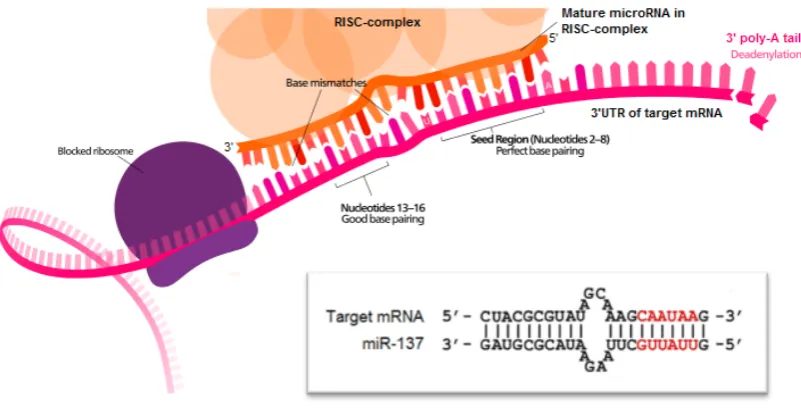
Figure 1.11. Binding of the miRNA-induced silencing complex (miRISC) to target mRNA ... 58
Figure 1.12. Mechanisms involved in microRNA-mediated gene regulation ... 62
Figure 3.1. Schematic representation of genotyped haplotype-tagging SNPs (htSNPs) spanning the BDNF (top) and NRSF (bottom) genes ... 122
Figure 3.2. Linkage disequilibrium (LD) and haplotype analysis of BDNF markers in newly-diagnosed epilepsy patients ... 129
Figure 3.3. Linkage disequilibrium (LD) and haplotype analysis of NRSF markers in newly-diagnosed epilepsy patients ... 130
Figure 3.4. Effects of NRSF and BDNF cognitive variants on gene expression levels ... 133
Figure 3.5. Association of NRSF-BDNF composite-genotype with Rey Auditory Verbal Learning Task (AVLT) delayed recall scores over time ... 136
Figure 3.6. BDNF gene locus ... 152
Figure 3.7. Characterisation of BDNF mRNA expression in human-derived SH-SY5Y neuroblastoma cells following cocaine treatment ... 154
Figure 3.8. NRSF modulation of BDNF promoters following cocaine treatment in human SH-SY5Y cells ... 158
Figure 3.9. Histone methylation of BDNF promoters in response to cocaine treatment in SH-SY5Y cells ... 163
Figure 4.1. Characterisation of an internal promoter for MIR137 ... 179
Figure 4.2. Validation of an internal promoter in the MIR137 gene ... 183
Figure 4.3. NRSF modulation of the MIR137 internal promoter in SH-SY5Y cells ... 186
Figure 4.4. Differential regulation of the MIR137 locus following NRSF over-expression in SH-SY5Y cells ... 188
Figure 4.5. Methylation status of the MIR137 gene promoters in SH-SY5Y cells ... 192
Figure 4.6. Genotyping the MIR137 VNTR in a schizophrenia cohort ... 194
Figure 4.7. Linkage disequilibrium (LD) analysis of MIR137 gene locus ... 198
Figure 4.8. Functional analysis of the MIR137 promoter SNP rs2660304 ... 201
Figure 5.1. Pathway analysis of gene expression changes in response to drugs affecting mood ... 228
Figure 5.2. Distinct regulatory pathways associated with different mood modifying drugs ... 230
Figure 5.3. Network Analysis of genes significantly modulated in response to mood stabilisers ... 232
Figure 5.4. Network analysis filters for disease and gene ontology processes ... 233
Figure 5.5. Expression profiling of NRSF mRNA in SH-SY5Y cells following 1 hour treatment with mood modifying drugs ... 236
xv
Figure 6.2. Evolutionary conservation of the MIR137 gene locus ... 268
Figure 6.3. Expression and sequence homology of MIR137 transcripts in rat brain ... 270
Figure 6.4. Evolutionary conservation of the internal MIR137 promoter (Imir137)... 276
Figure 6.5. NRSF binding over the internal MIR137 promoter VNTR is reduced following induction of cortical spreading depression (CSD) ... 281
Figure 6.6. Gene expression profiling of NRSF and MIR137 gene targets 24-hours post-CSD (cortical spreading depression) induction ... 284
Figure 6.7. Gene expression profiling of MIR137 host genes in SH-SY5Y and MCF-7 cells ... 302
Figure 6.8. Promoter methylation over the MIR137 gene locus ... 306
Figure 6.9. NRSF binds to the Imir137 promoter in human MCF-7 breast cancer cells and acts to increase its transcriptional activity ... 309
Figure 6.10. Transcription factor binding over the MIR137 gene locus ... 319
Figure 7.1. Predicted binding of EZH2 ... 326
Figure A1.1. Induction of cortical spreading depression (CSD) in the rodent brain... 362
Figure A1.2. Down-regulation of MIR137 target gene 24 hours post-CSD (cortical spreading depression) ... 363
Figure A2. Fragment analysis of sheared SH-SY5Y chromatin ... 364
xvi
List of Tables
Table 1.1. Areas of the brain important in mental health ... 13
Table 1.2. Brain-enriched microRNAs that are validated targets of NRSF ... 53
Table 1.3. Brain enriched miRNAs important for neurodevelopment and disease ... 63
Table 2.1. PCR primers used for gene expression profiling, genotyping and ChIP... 74
Table 2.2. Reporter gene and expression constructs generated for use in in vitro luciferase and over-expression assays ... 76
Table 2.3. Antibodies used for ChIP in human SH-SY5Y and MCF-7 cell lines and rat brain tissue ... 77
Table 2.4. Gene name and description for the Human Mood Disorder 96-well qPCR StellARray™ ... 79
Table 3.1. Demographic and clinical profile of the study cohort at baseline and 12-month assessment ... 116
Table 3.2. Selected cognitive tests employed in this analysis ... 117
Table 3.3. Minor allele frequencies and Hardy-Weinberg equilibrium of NRSF and BDNF SNPs ... 118
Table 3.4. Functional SNPs included in the genetic association analysis ... 120
Table 3.5. Genetic association analysis of cross-sectional cognitive data using a regression model adjusted for age, sex, epilepsy type and number of previous seizures at baseline ... 125
Table 3.6. Genetic association analysis of longitudinal cognitive data using a mixed-effect REML regression model adjusted for age, sex, epilepsy type and remission status at 12 month follow-up (seizure free or not) ... 127
Table 3.7. Association of NRSF-BDNF composite-genotype with Rey Auditory Verbal Learning Task (AVLT) delayed recall scores over time ... 138
Table 3.8. Predicted NRSF regulation of the human BDNF gene ... 156
Table 4.1. MIR137 VNTR allele frequencies in schizophrenia cohort ... 195
Table 4.2. Genotype data for MIR137 VNTR in schizophrenic individuals against matched controls ... 196
Table 4.3. Significance-testing of allele and genotype frequency data between schizophrenia cases and healthy controls using Clump analysis ... 197
Table 4.4. Demographic profiling of schizophrenia cases and healthy controls in relation to MIR137 rs1625579/rs2660304 ... 204
Table 4.5. Regression analysis of rs1625579/rs2660304 genotype and smoking rates adjusted for age, sex and disease status ... 205
Table 5.1. Gene expression profiling of SH-SY5Y cells following exposure to drugs affecting mood ... 224
Table 5.2. Predicted NRSF regulation of genes affecting mood ... 237
Table 5.3. Predicted NRSF regulation of human miRNA genes ... 243
Table 5.4. Top 20 KEGG pathways containing genes that are subject to regulatory control by predicted NRSF-regulated miRNAs... 249
Table 5.5. Human miRNAs and their interacting gene targets from the KEGG neurotrophin signalling pathway... 250
Table 6.1. Genotype analysis of the MIR137 VNTR in a breast cancer cohort ... 314
xvii
Abstract
Deciphering the complex molecular circuitry of the brain is crucial for
understanding how processes such as higher cognitive function and behaviour
are disrupted in neurological disease. Thus it is imperative to explore further
the regulatory mechanisms centred on key transcription factors that
orchestrate such processes including REST/NRSF (restrictive element-1
silencing transcription factor/neuron restrictive silencing factor); NRSF targets
over 2,000 human genes and plays a central and dynamic role in a myriad of
CNS processes. To address the function of NRSF, I employed several research
disciplines including bioinformatics, gene association studies for complex
polygenic diseases and model systems for understanding the structure and
function of several NRSF directed pathways in the CNS. My data demonstrated
that disruption of the normal balance of NRSF within the cell may be a
fundamental mechanism across a range of common neuropathologies. These
included 1) schizophrenia, where NRSF was shown to be capable of directing
allele-specific and stimulus-driven expression of MIR137 through identification
of a novel promoter in this key schizophrenia genome wide associated gene; 2) cognitive dysfunction, polymorphisms within NRSF and its gene target BDNF
influenced memory performance in patients with newly diagnosed epilepsy; 3) mood disorders, NRSF-signalling was identified as a significant pathway
regulating cellular processes relevant to mood modification by pharmaceutical
challenge and 4) NRSF-mediated regulation of microRNA-137 (miR-137)
xviii
depression, consistent with its involvement in associated neuropathologies
including epilepsy and ischemia. The analysis was expanded to a common
non-neurological disease, breast cancer, where the previous work of others was
extended to demonstrate a link between NRSF and miR-137 through the novel
promoter identified in this study. Collectively these findings emphasise NRSF as
a major contributor to cell pathogenesis, in part by modulation of miR-137, not
1
Chapter 1
General Introduction
2
1.1
Overview
A transcriptional regulator that has been extensively studied for its role
in modulating neuron-specific gene expression is repressor element-1 silencing
transcription factor (REST) (Chong et al., 1995), also termed neuron restrictive
silencing factor (NRSF) (Schoenherr and Anderson, 1995). NRSF signalling has
been implicated in a number of neurological disorders including age-related
cognitive dysfunction, epilepsy, schizophrenia and Huntington’s disease;
however the exact role of NRSF in these pathological conditions and the
associated regulatory mechanisms involved remain uncertain. To better
understand the dynamic role of NRSF in disease processing, the purpose of this
thesis was to dissect the pathways centred on NRSF regulation of key target
genes important for CNS function, including BDNF (brain-derived neurotrophic
factor) and microRNA-137 (miR-137). BDNF is a well characterised
neurotrophin essential for neurodevelopment, synaptic plasticity and adult
neurogenesis whose dysregulation has been associated with several CNS
disorders including epilepsy, schizophrenia and cognitive decline both in
disease and in normal ageing; the latter of which has previously been addressed
in our group through genetic association (Miyajima et al., 2008b). miR-137 is
also essential for neuronal development and function (Crowley et al., 2015), and
is an important post-transcriptional regulator of genes implicated in several
cancers and more recently schizophrenia through genome wide association
studies (GWAS) (The Schizophrenia Psychiatric GWAS Consortium, 2011, Ripke
et al., 2013). The main focus of this study was to 1) investigate the role of NRSF
and its alternative isoform sNRSF, whose expression has been identified as a
3
2000, Spencer et al., 2006, Wagoner et al., 2010), in modulating gene expression
under normal physiological conditions and in response to cellular challenge (in vitro drug exposure) as a model of neurological dysfunction and 2) address
genetic variation within the NRSF signalling pathway as clinical correlates for
neurological disease and/or modulators of transcription that could underpin a
disease-associated pathway.
In Chapter 3, genotype analysis of single nucleotide polymorphisms
(SNPs) within the NRSF and BDNF genes in patients with newly-diagnosed
epilepsy was explored to determine genetic influences on cognitive dysfunction;
a common co-morbidity in people with epilepsy. Both NRSF and BDNF have
been implicated in rodent models of epilepsy (Palm et al., 1998, Calderone et al.,
2003, Spencer et al., 2006, Hu et al., 2011b, Quinn et al., 2002, Roopra et al.,
2001, Garriga-Canut et al., 2006, Liu et al., 2012b, Ballarín et al., 1991, Nibuya et
al., 1995) and human studies of cognitive function (Voineskos et al., 2011,
Honea et al., 2013, Miyajima et al., 2008a), including work by our group that
showed an additive interaction between these two genes in determining
cognitive performance in the elderly (Miyajima et al., 2008b), suggesting a
potential role for these factors in epilepsy-associated cognitive impairments. A
cross-sectional and longitudinal study design was employed to assess genetic
effects on cognitive performance measured using a psychological battery test at
both baseline, when individuals were initially recruited into the study and were
naïve to anti-epileptic drug (AED) treatment; a factor reported to effect
cognition (Taylor et al., 2010), and at 12-month reassessment following
4
NRSF and BDNF were identified as being significantly associated with memory
performance suggesting a regulatory role.
The regulatory potential of NRSF over the human BDNF gene locus was
also addressed in Chapter 3. The BDNF gene is extremely complex, giving rise to
more than 34 different mRNA transcripts through alternative splicing that are
expressed in a tissue-specific and stimulus-inducible manner within the CNS
and periphery (Aid et al., 2007, Pruunsild et al., 2007, Baj and Tongiorgi, 2009).
Expression of BDNF from its distinct promoters is induced by a variety of
stimuli including electrical, chemical, hormonal, steroidal and inflammatory
(Koibuchi et al., 1999, Toran-Allerand, 1996, Reichardt, 2006). Although many
transcriptional pathways have been identified as being important for regulation
of BDNF expression, the exact regulatory mechanisms are yet to be fully
elucidated. NRSF has been shown to modulate distinct BDNF promoters in the
rodent brain and in cell line models (Palm et al., 1998, Timmusk et al., 1999,
Tabuchi et al., 2002b, Tabuchi et al., 1999, Abuhatzira et al., 2007); however, to
my knowledge, NRSF-mediated regulation of human BDNF promoter utilisation
has not been previously addressed. We therefore interrogated NRSF-mediated
regulation of the BDNF gene locus in human-derived SH-SY5Y neuroblastoma
cells using chromatin immunoprecipitation (ChIP) and correlated this with
BDNF mRNA expression under basal conditions and following cocaine
treatment; a known modulator of NRSF and BDNF expression in rodent models
of cocaine-induced plasticity (Chandrasekar and Dreyer, 2009, Sadri-Vakili et
al., 2010, Le Foll et al., 2005, Liu et al., 2006, Graham et al., 2007, Kumar et al.,
5
Following on from this, NRSF regulation of the MIR137 gene was
addressed. MIR137 is a novel target identified as being the most significantly
correlated locus associated with schizophrenia from GWAS (The Schizophrenia
Psychiatric GWAS Consortium, 2011, Ripke et al., 2013). The intronic location of
the associated MIR137 SNPs suggests one mechanism in which transcriptional
or post-transcriptional regulation of miR-137 expression could underlie
schizophrenia. The genomic architecture surrounding miR-137, such as active
histone marks, RNA polymerase II (Pol II) binding and an overlapping CpG
island, identified from in silico analysis suggested the presence of an internal
promoter in the region. Bioinformatic analysis of the locus using the UCSC
Genome Browser (accessed January 2012
NRSF as the only other transcription factor in addition to RNA Pol II required
for miRNA transcription binding over this putative internal promoter (see Figure 4.1). A variable number tandem repeat (VNTR) domain adjacent to the
precursor sequence of miR-137 was also located within this potential
regulatory domain which contained a conserved NRSF binding site identified
using the TRANSFAC (transcription factor) database; a resource containing data
on transcription factors, their computationally-predicted and
experimentally-validated binding sites and regulated target genes (Matys, 2003). We
hypothesised that NRSF and the MIR137 VNTR may act individually or in
combination to modulate the expression and function of miR-137 in
schizophrenia and further that genotypic variation at the VNTR might be
associated with schizophrenia by modulation of gene expression levels. We
6
model system and genotyped the MIR137 VNTR in a schizophrenia cohort and
compared it to that of a matched control group.
To further investigate the regulatory mechanisms and pathways that
might coordinate the cell response to a specific drug, in Chapter 5 we addressed
the affects of mood modifying drugs, which are commonly used therapeutically
or recreationally, on the transcriptome, in a tissue culture model, using qPCR
arrays of mood disorder genes. Enrichment analysis of transcriptional networks
relating to this gene set using pathway analysis tools identified NRSF as an
important regulatory mechanism, highlighting a role for this transcriptional
pathway, synergistically or separately, in the modulation of specific neuronal
gene networks in response to mood modifying drugs.
In the final chapter we attempted to extend our NRSF-MIR137 network,
which we hypothesise to be one regulatory mechanism that may be modified in
disease processes relevant to neurological dysfunction, to both animal models
and disease mechanisms outside of the CNS. Specifically we explored the
NRSF-MIR137 pathway using a rodent model of cortical spreading depression (CSD)
to assess both the evolutionary conservation of this neuronal network and,
based on the assumption that it is conserved, make comparisons on the
modulation of this pathway across different species in response to CNS insults.
A human cell line model of breast cancer was also addressed as this cancer type
has been identified from the literature to involve these two regulatory factors
(Wagoner et al., 2010, Zhao et al., 2012) and was also identified as a significant
disease ontology pathway from analysis of transcriptional networks centred on
7
1.2
Understanding CNS disorders
Disorders of the CNS are conditions which affect either the brain or
spinal cord resulting in neurological or psychiatric illness. There are more than
1,000 disorders of the CNS ranging from functional disorders, such as epilepsy
and migraine; degenerative disorders, such as Alzheimer's and Parkinson's
disease and psychiatric disorders, such as mood disorders and schizophrenia.
These neurological conditions are extremely debilitating and are a major cause
of morbidity and mortality in both males and females worldwide, with an
estimated 1/3 of the adult population suffering from a mental disorder (Kessler
et al., 2009). CNS pathologies account for approximately 13% of the global
disease burden in high income countries, resulting in more hospitalisations and
loss in productivity than any other disease group (Collins et al., 2011). Despite
such high prevalence existing treatments for a large number of neurological
conditions remain inadequate, in part owing to the complex and heterogeneous
nature of this disease group. Understanding the regulatory mechanisms
underlying neuropathologies will allow for better classification and diagnosis of
such conditions, drug target identification through direct biochemical methods,
genetic interactions or computational inference and development of more
appropriate pharmaceutical and/or therapeutic interventions.
Many common diseases and traits are multifactorial in nature and are
influenced by both genetic and environmental factors, including chemical,
physiological, sociocultural and psychological. In terms of mental health,
extensive interaction between an individual’s genetic makeup and their genetic
response to environmental stimuli will influence not only their immediate
8
manifest in later years as a psychiatric phenotype. Genetic response in this
context refers to the influence of genetic variation on the transcriptional
machinery in driving differential gene expression following exposure to an
environmental pathogen. The clinical presentations of neuropathologies vary
immensely between individuals; supporting such a notion of gene-environment
interaction (GxE). The multifactorial and polygenic nature of neuropathologies
poses a tremendous challenge in teasing out the underlying processes involved.
However, recurring themes in the genetic vulnerability, high heritability rates
and neuropsychological dysfunction in common cognitive domains associated
with different neurological conditions, such as bipolar disorder and
schizophrenia, suggests that common regulatory networks that are both
essential and ubiquitous to neural functioning may be important in defining
such diseases (Lipton and Rosenberg, 1994, Fuller Torrey, 1999, Fatemi et al.,
2000, Fatemi et al., 2001a, Fatemi et al., 2001b, Torrey et al., 2005, Ahmed et al.,
2011, Morris et al., 2012, Cross-Disorder Group of the Psychiatric Genomics,
2013a, Network and Pathway Analysis Subgroup of the Psychiatric Genomics
Consortium, 2015). With this in mind we sought to address the regulatory
mechanisms centred on NRSF, a factor originally defined as a ‘master regulator’
of neuronal gene expression and whose dysregulation is implicated in multiple
disorders of the CNS in order to define potentially important transcriptional
9
1.3
Regions of the brain important in mental health
Our conscious awareness of self and emotional state of mind in response
to our environment reflects the elaborate neuronal circuitry of the cerebral
cortex. Appropriate responses to environmental stimuli involve integration and
processing of sensory input through dynamic interaction of the cortex with the
thalamus, cerebellum and subcortical regions, such as the limbic system and
basal ganglia. Interaction between prefrontal neocortical regions, which are
implicated in moderating higher-order cognitive functions such as mood,
conscious perception of emotional experiences and social behaviour, along with
the amygdala and hippocampus forms the prefrontal-limbic network (PLN). The
central nucleus of the amygdala is believed to be the principle excitatory hub in
response to emotional stimuli (Sotres-Bayon et al., 2004). It receives input from
the lateral nucleus of the amygdala, either directly or via intra-amygdala
circuitries, and sends out projections to various cortical and subcortical regions.
The principle inhibitory pathways of this circuitry are the medial prefrontal
cortex (mPFC) (Rosenkranz et al., 2003, Phelps et al., 2004, Izquierdo et al.,
2005, Urry et al., 2006, Johnstone et al., 2007) and the hippocampal formation
(Corcoran and Maren, 2001, Sotres-Bayon et al., 2004); regions important in the
regulation and fine-tuning of attention, cognitive control and emotional
responses (Bush et al., 2000). The encoding and storage of emotional memories
is dependent, in part, upon the amygdala, hippocampus and their reciprocal
interactions. The hippocampal formation is the primary system for declarative
memory (Squire and Zola-Morgan, 1991). Following emotional arousal, it can
generate episodic representations of the event which can influence the role of
10
al., 2004). Some of the major anatomical structures of the brain important in
mental health are shown in Figure 1.1 and their functions summarised in Table 1.1.
Signal transduction following stimulus-induced activation of neuronal
networks relies on extensive cross-talk between a vast number of regulatory
mechanisms, including cellular depolarisation, neurotransmitter systems and
neurotrophic signalling pathways, which modulate downstream signalling
cascades leading to transcriptional responses. Disruption of these connections
is apparent in several neuropsychiatric disorders including major depressive
disorders (Johnstone et al., 2007, Bennett, 2011), bipolar disorder (Green et al.,
2007, Chen et al., 2011a, Morris et al., 2012) and schizophrenia (Morris et al.,
2012, Radulescu and Mujica-Parodi, 2009, Sigmundsson et al., 2001, Williams et
al., 2004) and may in part reflect genetic perturbations. This is suggested from
analysis of structural variations of white matter in the cerebral hemispheres of
control subjects, schizophrenia patients and their relatives which have been
shown to vary in accordance with relatedness to a patient (Phillips et al., 2011).
Neuroimaging studies of schizophrenia provide considerable evidence of diffuse
structural defects in several brain regions, primarily the association cortex of
the frontal, temporal and limbic regions (Zipursky et al., 1992, Harvey et al.,
1993, Sigmundsson et al., 2001, Dickey et al., 2007); subcortical regions such as
the basal ganglia (Lim et al., 1996, Perez-Costas et al., 2010) and the axonal
trajectories between them (Andreasen et al., 1994, Andreasen, 1999,
Sigmundsson et al., 2001, Radulescu and Mujica-Parodi, 2009, Morris et al.,
2012). This may be reflective of the heterogeneous nature of the syndromes
11
key neural processing systems central to emotional responses (Williams et al.,
2004), neuroendocrine function (Ritsner et al., 2004, Goldman et al., 2011) and
behavioural and autonomic control (Dawson et al., 1994, Mujica-Parodi et al.,
2005) may be important in disease aetiology. Dissecting the transcriptional
mechanisms mediating disease-associated phenotypic presentations to
environmental cues and addressing the potential regulatory impact of genetic
variants embedded within these processing systems will allow for better
understanding of the underlying pathways involved in schizophrenia.
Throughout this thesis we explore the regulatory potential of common genetic
variants within non-coding regions of the genome through several mediums
including in silico predictions of regulatory function, genetic association and
reporter gene assays, in order to investigate the effects of genetic variation on
transcriptional responses which may underpin a pathway modulating
12
Figure 1.1. Areas of the brain important in mental health. Interaction between prefrontal neocortical regions (ACC, PFC, OFC, vmPFC) with the amygdala, thalamic nuclei and hippocampus forms the prefrontal-limbic network (PLN). Dynamic modulation of the PLN through interaction with the hypothalamic, basal ganglia and brainstem effector systems is important for eliciting appropriate behavioural, peripheral autonomic, endocrine and somatomotor responses to emotional stimuli. Highlighted regions represent key areas involved in social functioning, a factor which is closely related to mental health as demonstrated by frequent social deficits of neuropsychiatric patients and increased rates of psychiatric conditions in people exposed to social environmental adversity. Figure adapted from aan het Rot et al. (2009). ACC, anterior cingulate cortex; OFC, orbitofrontal cortex; PFC; prefrontal cortex; vmPFC, ventromedial prefrontal cortex.
Social categorisation processes
Emotional and motivational appraisal of social stimuli
Neocortical regions
Amygdala Thalamic nuclei Basal
[image:31.595.116.528.73.511.2]13 Table 1.1. Areas of the brain important in mental health
Region Function Examples of dysfunction in
neurological disease BASAL GANGLIA:
Corpus striatum Substantia nigra
Subthalamic nucleus
Ventral tegmental area
Involved in movement, emotions and integration of sensory information.
Connections to the limbic system via the corpus striatum and VTA play a key role in motivation. The reward circuit, which includes the NAc of the VS, OFC, ACC, amygdala and dopaminergic projections from the midbrain (VTA), is also
embedded within this system and is a key driving force for associated behaviours e.g. anticipation and value.
HD; degeneration of striatal neurons PD; loss of dopaminergic neurons in the substantia nigra
SCZ; positive symptoms linked to excess dopamine transmission in the striatum (nigrostriatal pathway) LIMBIC SYSTEM:
Neocortex (ACC, OFC and
vmPFC) Mediates conscious perception of emotional experiences/feelings such as fear, anger, pleasure and satisfaction through interactions with subcortical centres, in particular the amygdala. Plays a central role in encoding goal-directed behaviours, emotional decision making, social categorisation, motivation and reward.
SCZ; Structural abnormalities in frontal, temporal and limbic regions and interconnecting white matter tracts reported in patients with prominent negative symptoms. Linked to reduced dopamine transmission along the mesocortical, mesolimbic and tuberoinfundibular pathways. Disturbances in cortico-cortical glutamatergic pathways (between cortex and thalamus) linked to psychosis, cognitive deficits and emotional processing.
Amygdala Essential for sensing and evaluating the affective significance of incoming stimuli and activating the appropriate responses for its three principal functional roles: 1. Behaviour for preservation of self (fight or flight response)
2. Learning through association and co-ordination of diverse sensory inputs to generate new behavioural and autonomic responses (e.g. classical conditioned emotional responses)
3. Emotional processing; Connections with hypothalamic and brainstem effector systems mediate peripheral autonomic, endocrine and somatomotor responses to stimuli which evoke an emotional response.
Hippocampal formation (hippocampus proper, dentate gyrus and subiculum)
Pre-commissural fibres connect with the neocortex, pre-optic nuclei and VS. Post-commissural fibres connect to the anterior nucleus of the thalamus and hypothalamic nuclei, including the mammillary bodies. Inputs from the cingulate, temporal, orbital, and olfactory cortices and amygdala communicated to the hippocampus. Also receives monoaminergic input from the brainstem nuclei:
14
Note: ACC, anterior cingulate cortex; AD, Alzheimer’s disease; ANS, autonomic nervous system; HD, Huntington’s disease; MDD, major depressive disorder; NAc, nucleus accumbens; OFC, orbitofrontal cortex; PD, Parkinson’s disease; PFC; prefrontal cortex; SCZ, schizophrenia; vmPFC, ventromedial prefrontal cortex; VS, ventral striatum; VTA; ventral tegmental area.
raphe nuclei (serotonin), the locus coeruleus (noradrenaline) and the VTA (dopamine). Important for declarative memory, spatial navigation, control of attention and emotions and controlling corticosteroid production.
Hypothalamus Mediates ANS (visceral) responses that accompany the expression of emotions in
response to projections from the limbic system. MDD; structural brain changes in patients with major depressive disorder have been attributed to abnormal function of the hypothalamic–pituitary–adrenal
axis.
Thalamus:
Anterior nuclear group of the Thalamus
15
1.4
The effects of mood modifying drugs on the brain
Neuronal plasticity in the brain is necessary for learning and memory
and allows us to respond to environmental changes. Extended periods of stress
can result in alterations in excitatory circuitries associated with affective
disorders such as anxiety and depression which can be alleviated by
pharmaceutical intervention. Drugs which affect mood can therefore be used to
investigate the neural circuitries important in regulating mental health through
identifying changes in gene expression associated with a particular drug
pathway and therefore implicated in treatment responses or off-target/adverse
effects. Tissue culture models allow for transcriptome profiling of cellular
responses to drug challenge, offering both a human-derived and cell-specific
system for defining drug pathways, modes of action and neuronal plasticity
within the brain. Mood modifying drugs may have a single mode of action or
exert their effects through multiple mechanisms in a concentration dependent
manner. Principle mechanisms of drug action include modulation of
intracellular signalling pathways and neurotransmission; targeting
voltage-gated ion channels, 7-transmembrane G-protein coupled receptors or
neurotransmitter metabolic enzymes, which ultimately lead to the modulation
of transcription factors controlling the expression of genes encoding growth
factors, neurotrophic factors, ion channels and other proteins involved in
neuronal function. In vitro assessment of the transcriptional responses of key
mood disorder genes following exposure to the mood stabilisers lithium and
sodium valproate and the psychostimulants amphetamine and cocaine are
investigated in Chapter 5 of this thesis as a means of assessing pathways
16
1.4.1 Mood stabilisers
Mood stabilisers are drugs that are used in the clinical treatment of
manic-depressive disorders. Lithium and sodium valproate are two widely used
mood stabilising drugs; lithium is a simple monovalent cation used as the first
choice drug for the treatment of bipolar disorder, whereas valproate is a simple
branched-chain fatty acid (2-propylpentanoic acid) used in the treatment of
epilepsy and acute mania. Both drugs are used in augmentation therapy for
depression and in preventative treatment of manic-depression (Fountoulakis et
al., 2005), and share overlapping mechanisms of action involving the
integration of second-messenger systems and neurotransmitter pathways
which are thought to be central to their stabilising and neuroprotective effects.
The exact mechanism of action remains unclear for both lithium and valproate;
however their modulation of protein kinase signalling cascades and
downstream effects on the expression of transcriptional regulators and genes
important in synaptic plasticity and neurogenesis are well documented.
One of the earlier theories on lithium’s therapeutic mode of action relate
to its inhibitory affect over the phosphoinositide pathway termed the 'inositol
depletion hypothesis' (Berridge et al., 1989), which postulates that lithium
exerts its therapeutic effect through cell-specific depletion of myo-inositol
leading to subsequent alterations in the activity of downstream inositol
phosphates, protein kinase C (PKC) signalling and modulation of signal
transduction cascades important in neural plasticity. Dysregulation of PKC
distribution and activation, and abnormal receptor-G protein coupling have
been implicated in the pathophysiology of bipolar disorder, with lithium
17
Manji et al., 1993, Friedman et al., Lenox and Wang, 2003, Hahn et al., 2005).
Other molecular targets inhibited by the action of lithium include glycogen
synthase kinase-3β (GSK3β) and adenylate cyclise (AC). Lithium-induced inhibition of GSK3β, an essential component of the canonical Wnt/β-catonin
signalling pathway, has been shown to stabilise β-catonin which mediates Wnt-dependent transcriptional activation of genes involved in neurogenesis and
neuroprotection against several cellular stressors including glutamate
excitotoxicity and β-amyloid toxicity (Forde and Dale, 2007, Chuang et al., 2002, Chuang et al., 2011, Wan et al., 2014, Marchetti et al., 2013). The effect of
lithium on the AC second-messenger system results in stabilisation of cyclic
AMP (cAMP) through modulation of different AC subtypes dependent upon the
state of neural activation (Dousa and Hechter, 1970, Newman and Belmaker,
1987, Mann et al., 2008, Mann et al., 2009). The bimodal affect of lithium on
cellular levels of cAMP have been proposed as one mechanism through which
this mood stabiliser can be used in the treatment of both mania and depression
(Jope, 1999). It has been proposed that the inhibitory effect of lithium on
several cellular transduction pathways is the result of Li+/Mg2+ competition for
sites on biomolecules involved in second-messenger systems due to their
similar physicochemical properties (Mork and Geisler, 1987, Ramasamy and de
Freitas, 1989, Mota de Freitas et al., 1994, Amari et al., 1999). In addition,
lithium has also been shown to inhibit voltage-dependent sodium channels
independent of the effects of GSK3β (Yanagita et al., 2007). NRSF is a regulator of voltage-gated sodium channel transcription and signalling and has been
shown to be modulated in response to lithium treatment in mouse neural stem
18
2002), suggesting lithium-induced modulation of neuronal gene expression
along the NRSF-signalling pathway.
Lithium has also been shown to modulate neurotransmission, in part
through mechanisms involving second-messenger signalling, reducing
excitatory dopaminergic and glutamatergic pathways (Dunigan and Shamoo,
1995, Fonseca et al., 2009) and increasing serotonergic and GABAergic
pathways (Scheuch et al., 2010, Malhi et al., 2013). In addition, lithium induces
the up-regulation and secretion of cortical BDNF and activation of its receptor
TrkB (tropomyosin-related kinase-B) (Hashimoto et al., 2002), which correlated
with inhibition of GSK3β and is thought to be perquisite for lithium’s neuroprotective effects (Chuang et al., 2011). Binding of BDNF to its receptor
activates the ERK (extracellular signal-regulated kinase), PI3K
(phosphoinositide 3-kinase) and PLC (phospholipase C) signalling pathways,
mediating a range of cellular processes important for neuronal survival,
differentiation, synaptic transmission and long-term potentiation (Blum and
Konnerth, 2005). Independent studies have also shown lithium-induced
activation of the ERK-signalling pathway and downstream modulation of
transcriptional regulators important in neuronal function such as AP-1
(activator protein-1), CREB (cAMP response element-binding protein) and
NRSF (Ozaki and Chuang, 2002, Einat et al., 2003, Ishii et al., 2008) which are
important modulators of the BDNF-signalling pathway. Other NRSF target
genes, including TAC1 which encodes for substance P, have also been shown to
be modulated in response to lithium (Haddley et al., 2011).
Sodium valproate is a histone deacetylase (HDAC) inhibitor used as a
19
epilepsy syndromes (Kwan et al., 2001). The exact mechanisms of action for the
anticonvulsant properties of valproate are yet to be fully elucidated and are
attributed to its inhibition of voltage-gated sodium channels and increased
activation of GABAergic neurotransmission (Johannessen, 2000). In its role as a
mood stabiliser, valproate has been shown to have several overlapping
mechanisms of action with lithium, including depletion of inositol, activation of
ERK-signalling, reduced PKC activation, increased expression of BDNF and
modulation of transcription factors AP-1 and CREB (Rouaux et al., 2007, Chen et
al., 1999, Hahn et al., 2005, Einat et al., 2003, Fukumoto et al., 2001, Shaltiel et
al., 2004). Valproate has also been shown to activate Wnt-dependent gene
expression however, distinct from the action of lithium, this involves inhibition
of HDACs as opposed to GSK3β (Phiel et al., 2001). Several studies have also demonstrated valproate-induced inhibition of GSK3β, however this may reflect its role in modulating epigenetic parameters (Rosenberg, 2007).
1.4.2 Psychostimulants
Psychostimulants such as cocaine and amphetamine have been used to
mimic human psychosis in animal models of schizophrenia (Pihlgren and
Boutros, 2007). This is largely based on the pharmacological actions of these
drugs on the dopaminergic pathway resulting in extracellular increases in
dopamine within mesostriatal and mesolimbic areas of the brain (Giros et al.,
1996), a mechanism comparable to the ‘dopamine hypothesis’ of schizophrenia
which postulates that the underlying disease aetiology reflects perturbations in
the prefrontal cortex resulting in exaggerated dopamine release in subcortical
20
projections from the ventral tegmental area (VTA) of the midbrain innervate
several structures within the limbic lobe (such as the amygdala and nucleus
accumbens) and mPFC which are areas implicated in cognition, reward and
locomotion (Oades and Halliday, 1987). High doses of these drugs can result in
transient stimulus-induced psychotic episodes which reflect the positive
symptoms of schizophrenia, including delusions, hallucinations and paranoia, in
individuals free of neuropsychiatric diathesis and also provoke or exasperate
such symptoms in schizophrenic individuals at much lower drug thresholds
than in non-schizophrenics (Lieberman et al., 1990, Serper et al., 1999). In
addition, acute and chronic cocaine abuse has also been associated with
negative symptoms of schizophrenia such as social withdrawal and also
affective symptoms such as anxiety and depression both in schizophrenic and
non-schizophrenic individuals (Serper et al., 1999) which may reflect its
modulation of several neurotransmitter pathways including the monoamines
(dopamine, noradrenaline and serotonin) and glutamatergic synaptic
transmission (Serper et al., 1999, Fernandez-Castillo et al., 2012). Cocaine is a
lipophilic alkaloid that mainly exerts its psychomotor effects through blockade
of the dopamine transporter (DAT) (Ritz et al., 1987, Horn, 1990), a protein
which functions to modulate the spatiotemporal activity of dopamine through
rapid reuptake of this neurotransmitter into the pre-synaptic terminals of
dopaminergic neurons for recycling or degradation by monoamine oxidase
(Meiser et al., 2013). In contrast to cocaine, amphetamine results in increased
extracellular dopamine levels through stimulating its release from pre-synaptic
nerve terminals as opposed to inhibiting its reuptake. Amphetamine belongs to
21
structure to that of noradrenaline and dopamine. Consistent with this,
amphetamine has been shown to non-selectively release monoamines from rat
brain tissues slices and synaptomosomes (Heal et al., 2013).
Recent evidence suggests that the medium- to long-term changes in
neuroplasticity in response to psychostimulants, a mechanism implicated in
models of addiction, reflects alterations in glutamatergic neurotransmission
within the VTA to the amygdala, PFC and nucleus accumbens (Kalivas, 2004). In
support of this, a study in rat midbrain slices showed that acute cocaine
resulted in a delayed increased N-methyl-D-aspartate (NMDA) glutamate
receptor activation in the VTA via a D5 receptor-dependent pathway involving
cAMP/PKA (protein kinase A) signalling (Schilstrom et al., 2006). Acute cocaine
and amphetamine administration in mice also results in reduced
phosphorylation of GSK3β in the ventral striatum and cerebral cortex, resulting in its increased activation which is dependent upon both dopaminergic and
glutamatergic receptor signalling in terms of cocaine (Miller et al., 2014, Mines
and Jope, 2012). This is in contrast to the role of the mood stabilisers lithium
and valproate that inhibited GSK3β activity. The overlapping pathways targeted by these mood modifying drugs suggests that common neuronal networks may
be involved in the stabilisation of mood and that modulation of these may be
important mechanisms in the development of adverse behaviours to drugs of
abuse such as addiction. Throughout this thesis we use cocaine as our cellular
challenge of choice as it is a robust model for studying stimulus-induced
activation of pathways linked to mood, psychosis, cognition and cellular stress
(Vasiliou et al., 2012, Pihlgren and Boutros, 2007, Spronk et al., 2013). It is also
22
2005, Liu et al., 2006), which is addressed in Chapter 3, are modulated by
cocaine and that miRNA-mediated pathways (see Chapter 4 for modulation of
miR-137 in response to cocaine) may be important regulators of such
cocaine-induced plasticity genes (Chandrasekar and Dreyer, 2009). Furthermore, NRSF
has been implicated in both dopaminergic and glutamatergic signalling
pathways through its targeting of dopamine-beta-hydroxylase and several
glutamate receptor subunits (Roopra et al., 2001), suggesting a key role for this
transcription factor in processes relevant to mood as discussed in Chapter 5.
1.5
Polymorphic variation as a biomarker for CNS disease
Recent advances in GWAS and next generation sequencing technologies
have provided great insight into the genetic underpinnings of complex diseases,
with many common (low risk), rare (moderate to high risk) and de novo
disease-susceptibility variants being identified and replicated across several
neuropsychiatric disorders. The focus has been largely based on the influence of
SNPs involving substitution of one nucleotide base for another within the DNA
sequence. Such studies utilise genotyping platforms to measure in the range of 1
million common SNPs to identify risk loci that have significantly different
genotype frequencies between individuals with a particular disease or
pathological trait compared to the general population. Linkage disequilibrium
(LD) analysis shows that associated SNPs can represent a large genetic region
conferring risk due to the fact that SNPs in close proximity within the genome
are inherited as a block. It is therefore a difficult challenge to identify which
markers within a region of strong LD are biologically important for disease
23
trait/disease-associated SNPs are located within intronic or intergenic regions
of the genome (Hindorff et al., 2009), with the majority of genome-wide risk loci
identified from LD analysis also being non-coding (MacKenzie et al., 2013).
Considerable efforts have been made to overlap GWAS data with cis- and trans-regulatory domains identified through the ENCODE (Encyclopaedia of
DNA Elements) project, a resource which details functional elements within the
genome including protein-coding and non-coding transcripts, DNase I–
hypersensitive sites, active histone marks and transcription factor binding sites
(TFBS) (The ENCODE Project Consortium, 2011). A recent study which mapped
chromatin marks in nine different cell lines showed a two-fold enrichment of
GWAS SNPs within predicted enhancer regions (Ernst et al., 2011), suggesting
that the biological significance of these polymorphisms reflects their impact on
regulatory mechanisms. Figure 1.2 summarises the potential functional effects
of polymorphisms dependent upon their location within the genome. Despite
their success, GWAS only account for a small portion of the heritability behind
complex disorders (Manolio et al., 2009). This may reflect several factors
including the contribution of SNPs not captured on commercial SNP-arrays,
other common sources of genetic variation such as DNA tandem repeats and
copy number variations, epistasis (gene-gene interactions), epigenetics and GxE
interactions; all of which have been implicated in disease susceptibility and are
thought to contribute towards the so called ‘missing heritability’ (Hannan, 2010,
Breen et al., 2008, Kaminsky et al., 2009, Wei et al., 2011, Gray-McGuire et al.,
2000, Stefansson et al., 2009). DNA tandem repeats are frequent within the
human genome accounting for an estimated 3% of the genomic sequence which
24
25
Genome Sequencing Consortium, 2001). They include the microsatellites which
have short motif lengths between 1-6 bp and minisatellites of longer motif
lengths. Both microsatellites and minisatellites are frequently polymorphic in
nature and are often termed VNTRs, however strictly speaking VNTRs
represent only the minisatellites. Microsatellites and minisatellites are
respectively thought to arise through DNA-replication slippage (transient
dissociation of the replicating DNA strands followed by misalignment
re-association) and unequal-crossing-over or gene conversion events
(non-reciprocal exchange of genetic material among chromosomes) (King et al.,
1997). VNTRs have been shown to exhibit several functional properties,
including transcriptional regulation (Haddley et al., 2008), alternative splicing
(Lian and Garner, 2005), recombination (Harding et al., 1992) and disease
processing (Bowater and Wells, 2001). The latter is best exemplified through
the trinucleotide repeat expansion disorders, such as Huntington’s disease, in
which the associated repeats show somatic and germline instability (Orr and
Zoghbi, 2007). Genetic variation within the coding sequence of a gene which
alters the primary sequence of a protein has allowed tremendous insight into
the underlying mechanisms associated with predisposition, progression and
severity of diseases. As with the case of Huntington’s disease, expansion of a
translated CAG repeat containing more than 35 copies encodes for the mutant
huntingtin (Htt) protein, with repeat length of the expanded allele inversely
correlating with age of onset in a dominant fashion (Lee et al., 2012). VNTRs
with non-coding sequences have also been identified as being mechanistically
26
associated CCCCGG repeat expansion in the C9ORF72 gene (DeJesus-Hernandez
et al., 2011).
Variable repeats are enriched within functional regions of the genome,
such as gene promoters and enhancers (Breen et al., 2008), and have been
shown to contribute towards phenotypic traits such as behaviour. The
well-characterised human 5-HTTLPR (serotonin-transporter-linked polymorphic
region) and STIN2 (second intron of the serotonin transporter) VNTRs within
the 5-HTT gene locus are prime examples of copy number variants respectively
found within promoter and enhancer sequences, identified as both clinical
correlates for behavioural disorders and as allele-specific and
stimulus-inducible modulators of reporter gene expression (Haddley et al., 2008, Klenova
et al., 2004, Roberts et al., 2007, Ali et al., 2010, Collier et al., 1996). The
regulatory potential of such repetitive domains is not surprising considering
their capacity for encoding numerous recognition sites within their sequence
motifs which may bind factors that interact with DNA such as transcription
factors, polymerase, splicing factors and microRNAs (miRNAs). In silico analysis
predicts that VNTRs are more represented than SNPs for overlapping conserved
TFBS and, on average, VNTRs encode for approximately two TFBS with many
encoding for more (Breen et al., 2008). Therefore with increasing repeat length
VNTRs may bind multiple copies of a transcription factor or influence the
likelihood of keeping them bound to the DNA, supporting a role in the
modulation of gene expression. Again, this can be demonstrated from our own
studies on the 5-HTT VNTRs which display allele-specific and stimulus
inducible binding of transcriptional regulators including CTCF (CCCTC-binding