
Public administration. The Courier No. 109, May/June 1988
148
0
0
Full text
(2) THE EUROPEAN COMMUNITY BELGIUM DENMARK FRANCE GERMANY (Federal Rep.) GREECE IRELAND ITALY LUXEMBOURG NETHERLANDS PORTUGAL SPAIN UNITED KINGDOM. General Secretariat of the ACP Group of States Avenue Georges Henri, 451 1200 Brussels Belgium Tel.: 733 96 00. THE 66 ACP STATES ANGOLA ANTIGUA & BARBUDA BAHAMAS BARBADOS BELIZE BENIN BOTSWANA BURKINA FASO BURUNDI CAMEROON CAPE VERDE CENTRAL AFRICAN REPUBLIC CHAD COMOROS CONGO COTE D'IVOIRE DJIBOUTI DOMINICA EQUATORIAL GUINEA ETHIOPIA FIJI GABON. FRANCE (Territorial. GAMBIA GHANA GRENADA GUINEA GUINEA BISSAU GUYANA JAMAICA KENYA KIRIBATI LESOTHO LIBERIA MADAGASCAR MALAWI MALI MAURITANIA MAURITIUS MOZAMBIQUE NIGER NIGERIA PAPUA NEW GUINEA RWANDA ST. CHRISTOPHER & NEVIS ST. LUCIA. NETHERLANDS collectivities). Mayotte St Pierre and Miquelon (Overseas territories) New Caledonia and dependencies French Polynesia French Southern and Antarctic Territories Wallis and Futuna Islands. ST. VINCENT & THE GRENADINES SAO TOME & PRINCIPE SENEGAL SEYCHELLES SIERRA LEONE SOLOMON ISLANDS SOMALIA SUDAN SURINAME SWAZILAND TANZANIA TOGO TONGA TRINIDAD & TOBAGO TUVALU UGANDA WESTERN SAMOA VANUATU ZAIRE ZAMBIA ZIMBABWE. UNITED KINGDOM. (Overseas countries). (Overseas countries and territories). Netherlands Antilles (Bonaire, Curaçao, St Martin, Saba, St Eustatius) Aruba. Anguilla British Antarctic Territory British Indian Ocean Territory British Virgin Islands Cayman Islands Falkland Islands Southern Sandwich Islands and dependencies Montserrat Pitcairn Island St Helena and dependencies Turks and Caicos Islands. DENMARK (Country having special relations with Denmark) Greenland. This list does not prejudice the status of these countries and territories now or in the future. The Courier uses maps from a variety of sources. Their use does not imply recognition of any particular boundaries nor prejudice the status of any state or territory.. Cover page : One of the countless picturesque views of Jamaica (photo Jamaica Tourism Board).
(3) NEWS ROUNDUP ACP-EEC Joint Assembly Meeting in Togo: The AC PEEC Joint Assembly met in Lomé (Togo) last March to discuss issues it hopes will in fluence the negotiations due to start in October for a successor Convention to Lomé III. Its de mand is for a C onvention which reflects the changes that have taken place in the international economic scene. Pages I to IV Towards a new ACP-EEC Convention: the Community's orientations. Lomé III has only run half its course, but the time has already come to consider the C onven tion that will succeed it, negotia tions for which will begin in October. On 15 March the C om munity put forward its own orientations for the C onvention ^t _ to the C ouncil of Ministers. Two ΒΛ*· ^^^ι^β ^ themes underscore these orien tations : firstly, the consolidation of the approach and fundamental principles of ACPEEC relations and, secondly, the introduction of a limited number of innovations designed to respond to newlyarisen needs. Not least amongst these innovations is structural adjustment, on which the C ommission considers itself capable of adopting a position independent of that of the various Bretton Woods institu tions (IMF and World Bank). Lorenzo Natali, the Development Commissioner, elaborated in Brussels and in Lomé on the C ommis sion's proposals. Pages V to VII. COUNTRY REPORT JAMAICA: The third largest island in the C aribbean seems to be climbing out of the economic abyss into which it had fallen in the 1970s. Having achieved re covery based on austerity, with its painful social and economic consequences, Ja maica is back on the track and seems cleared for further economic growth. though the high external debt still consti tutes a heavy burden, Prime Minister Ed ward Seaga reviews the process of eco nomic recovery while Deputy Prime Minister Hugh Shearer draws on his ex tensive ACPEEC experience to comment on Lomé and its future. Pages 19 to 38. AFRICA-CARIBBEAN-PACIFIC - EUROPEAN COMMUNITY ^m No 109 - MAY-JUNE 1988 BBMBM. CONTENTS 2. Thank you! How you answered the questionnaire ACP-EEC 5. The Lomé trade arrangements : what do thev do for the ACPs? 11. Financing of mining projects 15. Mangroves: fragile but fruitful COUNTRY REPORT 19. 27. 33. 35. 36.. EUROPE 50. Interview with Lord Plumb, President of the European Parliament 53. NorthSouth: one future, a common task 55. C apitalising on local energy potential 58. 60. 64. 66. 68.. 81.. 8 I A I gl I. Throughout the world the role of the State is being called into ques tion. But often the "more State intervention/less State interven tion " controversy is linked to another, parallel, controversy : should there be more—or less—in the way of a civil service, or of public or semipublic bodies or public service employees? Those developing countries now undertaking structural adjustment programmes (and there are many of them) know full well that the reply must be "less"—but that reply would be incomplete if its corollary, "bet ter", were not added. And by "better" is understood better trained, better organised, more highly motivated and better managed.. JAMAIC A: Back on the track Interview with Prime Minister Edward Seaga Interview with Deputy Prime Minister Hugh Shearer Profile EEC Jamaica cooperation. 39 To be an ACP Ambassador in Brussels: Frances Vitoria Velho Rodrigues, Mozambique's Ambassador and Fee sago Siaosi Fepulea'i. Western Samoa's Ambassador 45. Lake Nyos, Lake Kivu : opportunities and risks for ex ploiting methane 48 Ecology of wood fuel production in Kano. 70. 74. 78.. DOSSIER: Public Administration. Pages 58 to 85. The Courier. 84.. DOSSIER: Public administration Public administration The evolution of the public service in Africa Public administration in Africa: a brief overview When will they ever learn? Absorption potential the problems of AC P authori ties Financial management in the Jamaican public service Public transport and semiState firms in the ACPs The influence of the sociocultural milieu on the devel opment of Africa's public services Interview with Dr Mutukwa. Director of the Eastern and Southern African Management Institute The European C entre for Development Policy Manage ment CLOSE-UP. 86. Grass roots technology transfer in Ghana 89. Gambia's fishermen: living better, living longer 90. Rural cinema in Burundi DEVELOPING.WORLD 92. Pheromones and kairomones. perfumes and pests 94. Doubtful debts: the hard bargain 96. Africa and Asia: agricultural policy and development a comparison CULTURE AND THE ARTS 98. FESPAC : to be or not to be.... black CT A BULLETIN. .. 100. Sesbania rostrata, an outstanding green fertiliser 103. THE C OURIER'S MAILBAG 104. BOOKS NEWS ROl'NDΓΡ (yellow pages) CDI Industrial Opportunities OPERATIONAL SUMMARY (blue pages). Published in English and French. Writers of signed articles are solely responsible for their contents. Reproduction authorised, subject to indication of origin..
(4) By way of editorial — By way of editorial — By way of editorial — By way OJ. Thank you! - How you answered the questionnaire Thank you readers. Thank you everyone who took the trouble to reply to the questionnaire in issue No 100 (Nov ember-December 1986) and give us a clearer idea of your selves, your interests and your wishes. What follows is a summary of your replies under three headings: who are you? What do you like about the magazine and what criti cisms and suggestions do you have?. Who are The Courier's readers? As was said in No 100, about 78 000 copies of The Cou rier are distributed every issue, but there are many more than 78 000 readers and many of you, who cannot have own personal copy because of our limited funds, borrow it from friends (10% of readers who answered question B), from the firm (almost 8%), from the Ministry (5%) or the school or university library (5%), while a further 10% "get it from somewhere". People with subscriptions of their own accounted for 62% of our replies. Most of you live in, or are nationals of, one of the devel oping countries. We distribute about 44 000 copies in the ACP countries, more than 1 500 in the Maghreb and 23 000 in the Community and the OCTs. The rest go to nonCommunity Europe, Latin America, Asia and other coun tries where there are, say, important development coopera tion bodies (the IBRD, the IMF and the UN in the USA, for example, and so on). A large percentage of answers to question K were from Ghana, Rwanda, Cameroon and Nigeria... but some countries provided non at all! Comor os and Liberia, where were you? Our typical reader is in his/her middle years —37% of replies came from people in the 30-40 age bracket, 25% from the 20-30s range and 20% from the 40 and 50s. Less than 2% are under 20, and a special greeting to the 5% of our readers who are over 60! But why are you nearly always a man (94% of our read ers)? Replies to question L (profession) showed that almost a third are civil servants in sectors other than education. Another third are in teaching, more than 10% are experts (branch not specified), more than 6% in industry, almost 5% in trade and 4% in farming. But we were surprised— and pleased—to see that more than half of you have no links with ACP-EEC cooperation (question M) at all, but you read the review, so this cooperation interests you! About a third of you do have some sort of indirect link and 15% a direct link with this cooperation. And lastly, readers, you are regular readers. Question A shows that 75% of you have been with us for more than two years and 14% for between one and two years while 5 % of you are new (two months). Some of you read other magazines (question G), but they are too numerous to list here and we shall simply quote the reader who reads " ev erything from Time to the Süddeutscher Zeitung".. What interests our readers? In general they like The Courier, as 87 % of replies come from those who read our pages regularly, while the other 13% do so from time to time (question C). What are your favourite columns (question E)? Some of you are uncondi tional here, as these two replies show: "I read the whole lot, all of it " (Angolan reader) and, " I read The Courier from A to Z " (Malagasy reader). However, for the first time there was a difference between our French- and En glish-speaking readers. Hitherto, French and English replies have been similar—except for obvious reasons of long standing distribution influencing such things as availability of subscriptions, which were, for historical reasons, open to French-speakers in 1963 long before the English-speakers who did not become EEC partners until 1975. (We distri bute roughly half of our copies in each language.) The fig ures are as follows (% of replies, each reply covering one or more columns):. 1. Editorial 2. Interviews (Meeting Point) 3. ACP 4. Country Reports 5. Dossier 6. Developing World 7. The Arts 8. Close-Up 9. News Round-up (yellow pages) 10. Blue pages 11. CDI 12. CTA Bulletin 13. Other (Europe, ACP-EEC, books, etc.). Frenchspeaking (% of total). Englishspeaking (% of total). %of grand total. 49. 34. 42. 66 67 74 82 63 43 20. 46 55 73 59 62 18 11. 56 61 73 71 62 30 15. 67 41 34 32. 47 27 19 18. 54 34 26 25. 13. 17. 10. So your opinions differ somewhat, although we do not really know why. The francophones, who tend to be more enthusiastic than the anglophones, go for certain columns— the Dossier, News Round-up, interviews, the ACP section, country reports, Developing World—although the last two are the only ones to come well up the list of preferences of the anglophones, who are frankly lukewarm about The Arts, Close-Up, the CDI, the CTA and the "other" co lumns. It is the country reports and the dossiers that get the biggest votes overall, with Close-Up and " other " with the smallest following. There is a certain amount of contradic tion on the " other " columns, many suggestions reflecting our readers' interest in the Europe section and a desire to see it expanded (see below) Lastly—and this explains why you are interested in the magazine—almost all of you gave positive replies to ques-.
(5) editorial — By way of editorial — By way of editorial — By way of editorial — Question A. How long have you been reading The Courier?. More than 2 years. 6 months. Question B. How do you receive it?. by subscription. from the firm. from a friend. from the university or school library. ■ ■ ■ ■ «. · · . · · * . · . · . Between 12 and 24 months. 2 months. tion F which asked whether you thought The C ourier had taught you more about the other AC Ps (95% agreed) and about the European Community's policy for the developing countries (93%). So The C ourier does seem to be fulfilling its job of providing information. As to its practical use to you personally (question H), the replies were also positive. It is useful, say 70% of you, in that it gives precise details, while 48 % of you appreciate the part it can play in every day work, 39% say it helps their personal life and 27% find it helps shape new professional approaches. More than 20% of you use it to work for diplomas and examinations.. from the ministry. Question K. Readers' age. Criticisms... Thank you, dear readers, for so often declining to fill in the space provided for criticism! Thank you to the reader from Nigeria who said she had no criticism as she thought The C ourier was "perfect". And thank you to the reader from the Bahamas who did no more than urge us to " carry on". But this praise is a backdrop for one or two criti cisms. First of all, and this comes as no surprise, you com plained about the very long time it can take to distribute The Courier (question D). Some of you got No 100 (which came out in Brussels on 3 November 1986) in November or December of that year. But some of you had to wait until January or February and some even longer. "I wish The C ourier came more regularly because I get so impa tient", one Ivorian reader told us. This is a big problem and we are currently looking at all the different stages of distribution, from the time the review leaves the printer onwards, to see how things can be speeded up. Obviously, transport is outside our control and the review has to cover thousands of km to get to most of you, but many. 3040. 5060. 2030. ': 60 and over. 4050. under 20. The Courier no. 109 MayJune 1988. 3.
(6) By way of editorial — By way of editorial — By way of editorial — By way of other things come into it too—the frequency of flights, the time it takes to cover distances inside the different coun tries, and so on. Another criticism is that we are "too complimentary", about the ACP Governments, the European Community and so on. As one English-speaking reader put it : " It reads like Pravda at times". Fine. We shall make an effort to be more critical—and you will have seen that we have already put ourselves in the firing line in the Courier's Mailbag. But there are limits. It would be wrong to criticise for the sake of it. Objectivity is vital. And we would just be serving the adversaries of cooperation if we only reported failure, cor ruption and all the negative things. Never mind if, in our drive for objectivity, some people—and it is usually the European readers—find us "anodyne" or "smug". (Read ers, you can be hard ! But you are probably being cruel to be kind, so thank you nonetheless!) Several readers complain that we give too much space to conferences, photos of delegates and ministers, presidential speeches and so on. Development of course is not just meetings and Governments. But is it not important to hear about and report on the important things that some of them do? This is a matter of choice. We cannot report everything and since we are an ACP-EEC " project", we try to put priority on crucial ACP-EEC issues. This also an swers the readers who want reports on non-ACP countries (" Tell us about China and the USA and Russia "), or arti cles on the UN and other institutions. We try and cover major developing world happenings outside the ACP framework, but our job, once again, is to concentrate on the ACPs. We are practically the only review to do this and we have to do it as fully as possible.. ...and suggestions You have plenty of suggestions. Some of them pose prob lems, particulary where they contradict each other. One reader, for example, asked us for more interviews, another one thinks there are too many of them ; someone said he didn't have " time to read it all, so please would we keep it short", someone else thought we were "too super ficial " and suggested we be more insistent and " get to the bottom of things". The next one complained that we talked about agriculture all the time and then, of course, we were asked to "say more about agriculture, as it's fundamental to the ACPs ". Another reader criticised the Courier's Mailbag, suggesting it was pointless, although someone else thought it should be longer (" 3 pages ") and yet another wanted to see a half-page for "questions that you could answer". Our photos are seen to be "bad, boring and far too prolific", by some, while others congratulated us on them, as " they illustrate what are sometimes difficult arti cles". And our style is bureaucratic to some and "very relaxed" to others... So the conclusion is that you cannot please everybody. And in spite of our good intentions, we cannot take up all your suggestions... ...Maybe not all of them, but we have already used some. Many of you wanted an index: there it is in No 108. You wanted more about Europe: then look at the dossier. on " T h e future of Europe" in No 107. You wanted a report on Nigeria, a dossier on demography, better blue pages and something about the NGOs. We did all that in 1987. So carry on writing to us. It works. Space is short, so we shall be (far too) brief on some of your other suggestions. Among the most frequent are : — more statistics and maps; — interviews with development specialists working in the field; — regular coverage of all ACP States (something we do in fact try to do, currently every five years); — more historical details in articles about the ACPs; — captions for the cover pictures (they are in fact inside the front and back covers); — small ads on fellowships W, jobs etc. (we cannot do this—it would take the whole of our 140 pages...); — monthly issues;— organising competitions and games (we cannot do this either in a review aimed at information rather than entertainment); — giving away a calendar or binders (we cannot afford it); — always giving the meaning of abbreviations and acro nyms; — having a fashion page and a sports column; — saying more about women and culture; — interviewing "ordinary" people, peasants, manual workers, students and so on (you say we are " always asking the specialists what they think"); — giving more information on: • livestock; • marketing; • appropriate technology; • science; • regional organisations (see our ACP-regional section); • land preservation; • town planning; • anthropology; • financial topics. One other suggestion is worth particular attention and that is stepping up the number of subscriptions. There is nothing we would rather do, but, as you no doubt realise, the review is expensive to produce and distribute. Our list of subscribers is currently full and we can only add a new subscriber if someone else withdraws. So do not hold it against us if you have to wait or if we have to refuse your application Lastly, some of you want us to go on consulting our readers through questionnaires. This is a costly undertaking (there are so many replies, they have to be sorted by com puter) and it takes time. So we shall probably not be print ing another one for some time. Meanwhile, as we already said in the Courier's Mailbag, carry on writing to us. Tell us where you stand on the issues we deal with, and tell us what you think about the various suggestions. Thank you for all you have done and all you continue to do. o Marie-Hélène BIRINDELLI (1) The Ministry of Education in each of the countries can give details here, as can the Commission Delegations in the ACP States which have such things as data bases on post-graduate training courses in engineering, infor matics and management in the EEC countries..
(7) ACP-EEC The Lomé trade arrangements - What do they do for the ACPs ? People sometimes tend to see Lomé as something that lays down the arran gements for the Community's develop ment aid to 66 countries of Africa, the Caribbean and the Pacific. But if they do this, they are forgetting that it also provides a legal framework for trade between these two groups of nations. And if this second aspect is often lost sight of, it is because it is difficult to put a figure on the advantages that the ACPs get from the customs concessions the EEC makes—while we know exact ly what the indicative programmes and Stabex transfers and food aid are worth. And it is also because ACP exports to the Community have been stagnat ing for some years now, while those from other developing countries, which may be less advantaged in terms of tar iffs, are increasing regularly... so the ACPs are wondering about the value of their tariff preferences. Yet there is a real advantage for about a third of all ACP exports, pri marily agricultural produce and fish. The preferences for the other two thirds, crude mineral and energy prod ucts (such as copper, iron and petro leum) are of no particular advantage, because these products come into the Community zero-rated regardless of origin. The following text is the Commis sion's first attempt at putting a figure on the preferential advantage. We felt it was a good idea to set out the conclu sions of this analysis for our readers, for in spite of the limitations and va gueness that are inevitable in a docu ment of this kind, it is an interesting contribution to the major debate on renewal of the Lomé Convention that is to start this autumn. The ACPs may wish to go further into the matter themselves.. The problem and the purpose of evaluation O When the Community imports ACP products free of duty and quantitative restrictions and these same products are submitted to ordinary duties (of the Common Customs Tariff — CCT) or, (1) A document of the Commission's Directo rate-General for Development.. if they come from third countries, to preferential duties (GSP), it is in fact providing an economic advantage for its ACP partners. But it is a difficult one to quantify and only a very approximate figure can be put on it. It comes, essentially, in two forms. (a) A price advantage resulting from the fact that the duty or levy that the Community could have collected was not in fact charged. Regardless of the ultimate beneficiary of this exemption, it amounts to a "loss" to the Com munity budget which can be easily cal culated for each product. But this gives differing results ac cording to whether the ACP advantage is measured alongside the CCT (which applies to developed third countries) or the GSP (which applies to other devel oping countries). A price advantage occurs when, in accordance with particular protocols, the Community imports ACP products at a price that is higher than the world market one (as happens with sugar) or lets the ACP country have part of the duty it should have collected (as hap pens with rice and beef and veal). It is these price advantages (tariff losses and the sugar differential) which appear in the tables. (b) A competitive advantage, which appears when the preferential margin is "efficient", i.e. when it helps boost the volume of ACP exports to the detri ment of non-ACP competitors. In this case, the advantage should be mea sured not by the tariff margin but by the total additional exports that the preference has made possible. This may be large in some cases. It is, alas, unquantifiable. Unless you have a proliferation of hypotheses and product-by-product comparisons be tween each ACP and each potential competitor it is impossible to find out how many ACP sales would not be made if there were no tariff prefer ences. All we know is that the tariff preferences the ACPs get are, in rela tion to the GSP, generally inadequate to direct trade patterns on their own. In some cases, the ACP product is compe titive, even without the preference. In. others, the preference is not necessarily enough to ensure competitiveness. And the products the ACPs and their poten tial competitors export are rarely ho mogeneous.. Limitations of evaluation For both technical and conceptual reasons, the results given in the tables should be viewed with caution. They only give very approximate ideas and should be interpreted in the light, in particular, of the following restrictions. 1. The only thing to be measured is the price advantage. The competitive ad vantage, which is impossible to quanti fy objectively, is ignored here. 2. Not all ACP exports were included in the statistical analysis. We tried to cover the principal products represent ing about 95% of ACP-EEC trade. 3. Due to a shortage of proper data, the price advantages accruing from ap plication of the provisions of Regula tion 486/85 for beef and veal and rice have not been worked out (part of a levy transferred to the exporting ACP State). 4. Only the effect of the tariff prefer ence has been measured here. But the Lomé preference also has other compo nents (no quantitative restrictions and more liberal rules of origin) which may, in some cases, have a "value" that is far greater than the tariff differences, especially in the case of sensitive prod ucts (preserved fruits and textiles). 5. Evaluation of the tariff preference is not a mechanical calculation of the "loss" to the Community budget. It does not show which sums have actual ly been transferred to the ACPs. Practi cally speaking, and very variably ac cording to product and market, the pre ference has been of benefit to the pro ducers, the exporting State and the im porters or has been shared between them. 6. The calculations are based on a cer tain number of simplifications, which tend to lead to under-evaluation of the price advantage accruing from the tariff preferences. The reference for the whole period, for example, was the lev el of duties applied on 1 January 1985—regardless of the fact that some were higher during the preceding years (gradual application of the tariff con cessions of the Tokyo Round and an nual revisions of the Community's GSP. And whenever there was any doubt (duties that varied over the year or. The Courier no. 109 - May-June 1988.
(8) ACP-EECí impossibility of determining the exact tariff position), we took the lowest duty.. Conclusions Without wishing to exaggerate the importance of the figures, we propose the following main conclusions. 1. The ACPs have a real advantage for about a third of their exports to the Community. The bulk of their exports are indeed always crude products which are zero-rated on entry to the Community, regardless of origin (crude oil, ore, copper etc.). 2. If measured in terms of customs preferences or surcharges alone, the overall advantage the ACPs get from the Lomé preferences is nonetheless significant—ECU 420 million p.a. over 1981-85 excluding the sugar protocol and ECU 720 million including it. This gives us tough figure of ECU 3.5 billion for the period of Lomé II—equal to two thirds of the 5th EDF or six times the Stabex allocation.. 3. The distribution of this global ad vantage between the various ACP countries is, obviously, very unequal, as it depends more on the composition of the exports of the individual country than of their volume. The preferential advantage is concentrated on those ACPs exporting protected products (coffee, cocoa, bananas and vegetable oil) and therefore mainly benefits coun tries such as Senegal, Côte d'Ivoire, Ca meroon, Kenya and Zimbabwe. How ever, the exporters of petroleum, ore and copper—Niger, Nigeria and Zam bia, for example—get very little. Add the sugar advantage and the hierarchy of preferences becomes even more unequal. Mauritius, Swaziland, Belize and Fiji become major benefi ciaries of the Lomé system, far ahead of, say, Congo, Gabon and Liberia. 4. Lastly, there is the question of trends in the preferential advantages as time goes by. Because the calculations were made in the light of constant du ties over the 1981-85 period, they do. not reflect the reduction in the ACP preferential margin, particularly in rela tion to the GSP competitors. Nonethe less, the countries which have seen their exports expand a lot have thus had a considerable increase in the size of the preferential advantage they der ive from Lomé (Botswana, Burundi, Cameroon, Côte d'Ivoire, Kenya and Somalia). Others, however, Nigeria, Congo, Mali and Sudan, for example, have seen it stagnate or regress due to poor growth or to structure being unfa vourable to their exports. Note, too, that the amount of the preferential advantage is mechanically tied to the value of ACP exports and therefore to the price of the commodi ties they export. The improvement of the preferential advantage in 1984-85 is largely due to the increase in the price of certain tropical products. Recent commodity price trends are such that a substantial decline in the preferential advantage is to be expected for 198687.. Key to the tables Basis for calculation : The list of products and the trade figBananas. Although ACP bananas get a 20% reduction in the ures come from documents VIII/1074 vols I & II. The customs CCT duty, they would not have many outlets in the Community duties are those applied on 1 January 1985. When several rates since they cannot really compete with the Central American prodwere applicable to a given product at different times of the year or uct—unless the banana protocol is applied. This in fact enables when several tariff sub-headings were possible, the lowest duty was certain Member States to reserve a large part of their markets for taken. So the amounts of the advantages tend to represent a min- ACP bananas. In 1985, the ACPs exported products worth ECU 26 785 000 imum. The figures are only for the Community as it was in 1981million to the Community. About ECU 17 230 000 million of this 85, i.e. the Ten. (about 65%) was products which were zero-rated in the CCT. Special case : Sugar is a very special case, as the advantage Petroleum (45.5% of total imports to the Community), copper, derives from the certainty of being able to sell specific quantities of wood, ore and diamonds were the biggest headings. About ECU 8 265 000 million-worth of products (about 31%) sugar at a guaranteed price on the Community market. The calculations were made in the light of the tonnages and the difference came in free of duty under a preferential arrangement. They between the price guaranteed to the ACPs and the average world included coffee, cocoa, bananas, fish products and vegetable oil. The rest, about 4%, is products which only benefit from minirate (figures supplied by the Sugar Division of DG VI). mal preference (maize, manioc, etc.) or indeed none at all (leBeef and veal. Over and above the exemption from duty, the mons, some vegetables, etc.). advantage in this case derives from the fact that 90% of the levy is The letters in the table stand for the following : collected in the exporting State for its own benefit. This advantage A. Total imports to the Community from the ACP country in has not been assessed in view of the complexity attendant on the question. frequent variation in the levy on each quality of meat. B. Total imports from the ACP country concerned benefiting from Figures from our Delegation in Botswana, the main ACP privileged access. exporter of beef and veal to the Community, suggest that this C. Total amount of duties not collected—obtained by multiplying country received a transfer of the levy of an amount of Pula the value of the imports of each of the products with privileged access by the difference between the CCT rate and the relevant 90 774 000 (about ECU 45 million) in 1985. preferential rate (generally completely duty-free entry). * Rice. The levy is cut in half and the balance is further reduced * * by a fixed amount. In this case, too, it was not really possible to The ACP preferences, in relation to the GSP, represent extra give anything like a realistic figure, as the levy had very often varied over the years under scrutiny. Note that the exporting State exoneration resulting from the more favourable access arrangehas to collect the amount of the reduction of the variable levy. An ments (mathematically speaking, the difference between the ACP approximate calculation would give a levy transfer of ECU 18 duty and the GSP duty), i.e. the advantage Lomé has over the GSP. These are given in brackets in column eight. milion for Suriname in 1985..
(9) t ACP-EEC ECU VOO Country States of Africa Angola (2). Benin. Botswana. Burundi. Cameroon. Central African Rep.. Congo. Sugar advantage Côte d'Ivoire. Sugar advantage Djibouti (3) Ethiopia. Gabon. Gambia. Ghana. Guinea. Guinea Bissau. Equatorial Guinea. Burkina Faso. Kenya. .,. Annual average. 1982. 1983. 1984. 1985. A B C. 301 137 295 14. 436 731 3 380 169. 329 308 1387 69. 542 010 1638 82. 568 754 1539 77. 411. A B C. 21703 12 053 764. 20 616 13 584 842. 37 653 21 811 1 166. 80415 51607 2 480. 123 922 63 813 2 220. 82 (82). 7 472. 1494 (1 269). A B C. 41 537 24 318 5 198. 113 893 41299 8 531. 63 664 54 411 11 126. 61 119 50 059 10 625. 66 942 53 382 10 403. palm oil cocoa coffee. 45 883. 9 176 (9 176). beef & veal & preserved products. A B C. 42 362 20 112 960. 80 527 39 345 1946. 77 701 59 265 2 944. 91560 69 995 3 494. 117 068 95 707 4 780. 14 124. 2 821 (2 354). coffee. 955 820 508 897 27 744. 1 306 874 567 862 31287. 1 787 930 817 520 44 030. 2 156 440 791 646 43 278. 173 975. 34 795 (28 266). A B C. Cape Verde. Total preferences. 1981. 1 033 705 486 204 27 636. Remarks (1). coffee. bananas coffee, cocoa aluminium fish & preserves. A B C. 613 441 68. 2 635 667 96. 2 847 1 107 229. 1369 864 197. 1740 1 104 269. 859. 171 (131). A B C. 80 507 25 030 1 141. 82 086 32 031 1484. 93 898 42 929 2012. 137 762 44 559 2 099. 110 202 41389 1903. 8 631. 1727 (1 727). coffee. A B C. 502 304 28 834 1 393. 444 212 26 385 1 306. 245 949 25 949 1266. 328 134 31467 1 533. 308 928 30 564 1219. 6717. sugar sugar veneer. A B C. 740 1 327 766 997 684 65 942. 1384 1455 011 1 113 333 71972. 1338 1 489 770 1 131 643 74 177. 1846 1937 961 1 563 784 93 525. 4815 2 268 041 1911546 114 139. 1.342 (376) 2 024. A A B C. 2 171 117 608 75 748 4 312. 1432 139 750 90 721 4 964. 9 934 180 812 128 776 7 250. 7 775 227 308 164 141 8 496. 3 206 3 335 209 298 146 327 7 667. A B C. 762 779 44410 3 438. 823 489 39 397 3 132. 763 192 40 598 3 688. 899 212 46 141 4 381. 1059 813 56 256 4 850. 19 489. 3 847 (804). A B C. 13 042 6 176 627. 18 330 6110 624. 33 752 10 180 1054. 38 201 19311 1978. 18 646 8 124 865. 5 148. A B C. 252 223 196 633 5 764. 337 422 292 286 8617. 245 142 166 758 5 336. 275 507 223 026 6 245. 346 332 245 240 6 681. 1029 (905). 32 643. A B C. 137 894 14149 734. 138 799 31265 1771. 172 045 47 133 2 693. 277 942 58 226 3 408. 295 526 60 276 3 368. 6 528 (6 270). 11973. 2 391 (2 394). A B C. 8 227 418 14. 3 007 778 90. 2 581 993 105. 2 624 1 108 107. 4 071 2 809 333. A B C. 14 767 12 861 389. 13 896 8 328 251. 15413 7 768 247. 26 203 14 723 549. 24 806 16 099 523. A B C. 40 496 1954 203. 38 999 6 080 679. 45 525 5 601 592. 49 216 4715 494. 48 393 6 804 703. A B C. 401 481 228 075 18 624. 416 955 237 720 21006. 484 954 277 745 25 736. 713 481 372 871 33 028. 708 995 423 723 33 532. —. —. -. -. 10 123 419 755 3 206. 32 689. 83 951 (74 096). 6 537 (5 912). cocoa coffee bananas pineapples tinned tuna coffee dried vegetables plywood. groundnut oil cocoa veneer tinned tuna coffee alumina Crustacea. 648. 129 (42) cocoa. 1959. 2 671. 131926. 391 (363) 534 (491) 26 385 (22 592). vegetables mangoes coffee flowers preserved meat vegetables. (1) This column contains the main exports covered by preß rences. (2) As for Mozambique, thes< : are theoretica calculations, a s these countrie s have only ha< 1 advantages siiice Lomé III. (3) The advantages have not seen calculated as there are st ill doubts as to the actual orig n or the exporl s.. The Courier no. 109 - May-June 1988.
(10) ACP-EEC I ECU VOO Country Lesotho. Liberia. 1981. 1982. 1984. 1983. 1985. Total preferences. Annual average. A Β C. 5 038 2 768 117. 5 846 1 896 202. 2 068 785 116. 2 636 979 195. 6 476 791 158. A Β C. 603 998 24 924 1087. 439 279 24 107 1097. 544 577 32 285 1410. 579 226 38 266 1 737. 607 859 56 185 2 559. A Β C. 117 789 67 307 8 261 1877. 143 941 91 131 10 564 6 046. 158 104 114 141 13 497 4 544. 222 360 123 391 15 144 5 429. 267 705 167 080 18 752 9 390. A Β C. 83 695 10 137 977. 72 607 4 564 305. 79 020 4 877 376. 118 358 4 468 378. 72 084 4 162 302. A Β C. 189 100 16081 1751. 195 801 32 651 3 651. 184 355 22 888 2415. 239 602 25 203 2 825. 275 257 32 761 3618. A Β C. 60 711 6 848 661. 67 994 7 064 569. 52 130 3 781 285. 38 843 3 039 244. 21627 2 067 149. A Β C. 234 308 758 98. 249 730 501 65. 266 041. — —. 247 030 333 43. 247 966 666 86. 292. 58 (58). A Β C. 5 367 359 218 864 7 256. 6 453 988 217419 7 092. 7 596 417 292 955 8 400. 9 787 958 298 714 8 289. 9 996 497 318 141 8 093. 39 130. 7 826 (6 421). A Β C. 105 582 89 578 4416. 154 655 145 079 7 254. 219 553 184 952 9 145. 296 381 259 451 12 561. 266 110 238 287 11711. 45 087. 9017 (8 998). A Β C. 38 525 15 089 741. 39 722 23 059 1 125. 57 632 42 207 2 103. 190 939 104 433 5 216. 149 720 122 664 6 120. A Β C. 10 522 10 337 308. 7 050 6 888 206. 5 541 5 177 136. 6 625 6 282 188. 5 087 4 582 137. A Β C. 169 805 99 538 14 872. 290 301 183 297 23 335. 350 485 217 123 28 713. 400 738 267 377 33 086. 299 091 200 812 27 912. 127 918. 25 583 (25 056). A Β C. 146 252 34 233 1 527. 99 226 16 227 717. 136 647 41 865 1775. 171030 30 786 1 129. 164 951 42 142 1 826. 6 974. 1394 (1 320). A Β C. 12616 5 595 1069. 29 776 14619 2 629. 31622 24 697 4 494. 19 805 6 094 1 141. 35 679 18 443 3 637. 12 970. 2 594 (2 576). A Β C. 177 250 31 534 2 962. 164 923 22 129 1 863. 187 665 12 880 634. 254 668 38 083 2 996. 173 032 12 170 490. A Β C. 64 804 54 086 2 798. 88 139 79 342 3 058. 73 152 57 755 3 403. 99 003 87 402 3 838. 105 663 93 897 5 440. 10 370 198 209 127 624 8 087. 31 151 214 388 140819 8 563. 14 973 254 134 147 208 9 520. 35611 302 412 206 056 11 500. 33 572 241 072 155 768 9 320. 125 670. A Β C. — 25 939 1 132 113. 2 583 16019 1 133 113. 2 101 30 235 621 62. 3 638 51942 274 27. 3 380 32 331 111 11. 11 710. A Β C A Β C. 159 431 54 701 2 029. 129 838 47 270 1864. 117 360 33 736 1283. 159 480 44 832 I 503. 160 806 38 399 1466. A Β C. 1 257 256 148 383 7 709. 957 420 171960 8 996. 894 082 203 615 10 634. 1 236 507 264 567 14 248. 1 395 571 271 272 13 066. Remarks preserved pineapples. 788. 157 (82). preserved vegetables clothing coffee cocoa. 1 578 (1 464). Malawi Sugar advantage Mali. Mauritania. Mozambique. Niger. Nigeria. Uganda. Rwanda. Sao Tomé & Principle Senegal. Sierra Leone. Somalia. Sudan. Swaziland. Sugar advantage Tanzania. Sugar advantage Chad. Togo. Zaire. tobacco sugar 66 218 27 286. 2 338. 13 243 5 457 (5 741) 467 (415). mangoes vegetables fish & Crustacea. 14 260. 2 852 (2 337) Crustacea citrus fruit. 1908. 381 (260) vegetables. cocoa palm oil coffee. coffee 15 305. 3 061 (3 061) cocoa. 975. 195 (195) fish & preserves groundnut oil vegetables coffee cocoa Crustacea bananas. groundnut oil cotton thread 8 945. 18 537. 46 990. 1789 (1 574) 3 707 (2 457) 25 135 9 398 (7 237) 2 342. citrus fruit preserved fruit sugar vegetables coffee tobacco sugar cotton fabrics (?). 326. 8 141. 54 653. 65 (0). coffee cocoa. 1 628 (1616) 10 930 (9 837). coffee palm oil & palm nuts.
(11) IA CPEEC ECU VOO. Zambia. Zimbabwe. Sugar advantage Indian Ocean Comoros. Madagascar. Mauritius. Sugar advantage Seychelles. Caribbean Antigua. Bahamas. Total preferences. Annual average. 1981. 1982. 1983. 1984. 1985. A Β C. 400 430 19 170 2 665. 430 984 20 467 2 850. 423 815 5 014 690. 399 049 3 657 440. 348 306 7 314 764. A Β C. 295 619 191 383 21090. 365 736 216 881 23 517. 404 618 243 242 26 974. 427 925 225 399 22 986. 538 257 303 441 31 591. 126 158. 25 231. —. 4 901. 5 573. 9 240. 8 974. 27 688. (13 855) 6 922. A Β C. 13 673 13 557 1552. 16 070 14 644 1629. 23 257 13 102 1527. 9816 9 680 983. 11 146 10 764 1079. A Β C. 106 336 80 090 6811. 134 538 104 211 8 053. 171 770 148 277 10 528. 242 801 210 609 15 861. 194 506 163 227 11298. 52 591. 10510 (7 596). A Β C. 298 529 276 822 9 298. 350 931 324 936 8 994. 353 845 331 301 9 794. 414 027 365 960 12 829. 431225 376 905 18 285. 59 200. A Β C. 57 101 2 976 305 19. 128 252 1370 288 10. 110 873 1693 195 10. 152 067 8018 45 3. 112 281 20 846 458 35. 11840 (1 946) 112114. 2 729. 1 189. 2 335. inadequate data rum chemical & petroleum products. Country. tobacco 7415. 6 770. 560 574. 1483 (635). 1 354 (1 067). Sugar advantage Belize. Sugar advantage Dominica. Grenada. Guyana. Sugar advantage Jamaica. Sugar advantage St Lucia. St Vincent. Suriname. tobacco sugar coffee cotton thread & fabric iron alloys. vanilla cloves perfume oils coffee vanilla crustácea cotton fabrics sugar tinned tuna clothing cinnamon. 78. A Β C A Β C. 204 966 185 169 12 504. 403 289 363 511 20 631. 191 347 184 109 11479. 172 276 164 375 10 525. 290 818 264 869 16 064. A Β C. 24 877 19915 743. 30 933 22 948 580. 24 382 20 282 454. 41779 37 526 298. 27 137 21 954 149. 5 878 29 945 27 110 1050. 10 577 29 765 26215 951. 8 974 24 924 23 570 1 197. 11513 34 833 32 763 1471. 12 638 28 965 26 454 1373. 49 580. A Β C. 6 728 17 461 14 748 2 884. 10831 21 113 Ì7 458 3411. 8 149 21 523 20 254 3 910. 17 386 25 234 24 438 4 629. 11513 31962 30 339 5 995. 57 607. A Β C A Β C. 20 478 13591 1688. 11995 11268 1502. 13 454 12412 1 704. 13 551 12 976 1705. 16 714 16 108 2 054. A Β C. 140 828 102 884 4 857. 134 937 101 750 4 549. 114 779 86 713 3911. 152 664 113 380 5 130. 168 962 111 760 6 107. 26 895 223 706 214417 11 832. 43 027 178 193 170 479 10715. 36 285 117814 168 537 11 541. 59 356 164 077 154 548 7814. 49 197 187 752 177 972 9 304. 214 820. A Β C. 19 794 24 581 23 073 4 584. 29 845 27 859 26 947 5 341. 13 924 35 214 34 044 6 371. 42 143 49 437 47 567 9 454. 38 846 75 174 72 206 14 390. 144 552. A Β C A Β C. 17 937 16 699 3 197. 19416 18 443 3 545. 24 016 22 835 4416. 24 754 23717 4 635. 37 974 36 519 5 193. A Β C. 138 588 119 136 6 961. 180212 171762 9 768. 216 647 200 212 11 119. 160 206 151958 9 337. 196 691 183 910 11 123. 16 (0). 71203 (3 983). Barbados. Remarks. 2 224. 444 (321) 9916. sugar rum. sugar bananas 6 042. 1208 (981) 10 921 bananas. 20 829. 4 165 (4 165). 8 053. 1730 (1 432). 24 552. 51206. 4911 (4 461) 42 964 10 241 (10 020) 28 910. bananas nutmeg cocoa sugar rum chemicals. sugar bananas rum alumina bananas. 40 100. 8 020 (8 020) bananas. 20 986. 48 304. 4 197 (4 197) 9 660 (9 660). alumina & aluminium bananas rice. The Courier no. 109 — MayJune 19.
(12) ACP-EECi ECU VOO. Trinidad & Tobago. A Β C. 1982. 1983. 1984. 1985. 484 730 383 434 19 432. 476 374 325 761 18 236. 304 298 181 597 11450. 392 213 352 849 20 153. 392 838 353 315 21 953. Sugar advantage Kiribati. PNG. Solomon Is.. Samoa. Tonga Tuvalu. Vanuatu. Annual average. Remarks sugar chemicals. 91224. 18 244. 61225. (10 447) 12 245. 9 301. 12 653. 8 856. 14 938. 15 477. A Β C. 97 623 91996 2 479. 85 474 76 872 1547. 96 967 91 162 2 867. 120 559 109 967 3 208. 67 172 60 986 2 523. A A Β. 27 109 1 154 900. 40 304 243 41. 40 346 1914 9. 48 153 8 244 122. 31 859 143. A Β C. 266 608 108 761 5 148. 306 456 133 944 6 499. 309 124 141 694 6 875. 475 977 276 067 13714. 553 458 288 223 13 992. 46 228. 9 245 (7 375). A Β C. 13 574 9 843 1 128. 15 429 10 768 1035. 17116 13 380 1328. 27 812 23 705 1916. 27 152 21 389 1 768. 7 175. 1435 (1218). A Β C. 6 488 1 811 54. 1911 707 21. 2 245 1 214 36. 6 251 1735 52. 1 843 633 19. 182. 36 (36). A Β C A Β C A Β C. 773 te te 228 te te 15 361 1 575 43. 633. 183. 1078. 175. 136. 162. 89. 201. 13 656 1235 30. 15 342 1064 25. 34 406 486 11. 21066 1032 26. Sugar advantage Pacific Fiji. Total preferences. 1981. Country. rum steel. sugar tinned tuna 12 625 187 771. 2 525 (2 525) 37 554. — coprah & palm oil coffee cocoa palm oil. cocoa. cocoa 139. 27 (27). Preference situation of the main AC P suppliers ECU million — annual averages from 19811985 10 biggest suppliers. Total EEC imports from these countries. Preferential average > for these countries in relation to the C C T in relation to the GSP 9. Nigeria Côte d'Ivoire Cameroon Zaire Gabon Liberia Kenya Angola Trinidad & Tobago Zimbabwe. 7 908,02 1 728,52 1 449,15 1 148,17 861,70 554,99 545,17 435,59 410,09 406,43. 7,826 83,951 34,795 10,930 3,847 1,578 26,385 0,082 18,244 25,231. 6,421 74,096 28,266 9,837 0,804 1,464 22,592 0,082 10,447 13,855. These 10 countries account for 71.65% of total EEC imports from the AC P Group.. Recapitulation ECU '000. EEC imports from the AC P States including preferential products (inc. sugar) Advantages derived from the tariff preference : — in relation to third countries; — in relation to the GSP Advantages derived from the Sugar Protocol. 10. 1981. 1982. 1983. 1984. 1985. 17 064 5118. 18 662 5 754. 19 929 6 009. 25 366 7 689. 26 785 8 265. 397 308 255. 480 373 401. 536 420 335. 324 243 166. 371 284 321.
(13) tA CP-E EC. Financing of mining projects. (*). The Courier N° 94 (November-December 1985) contained a Dossier on mining, but, as space was short, there was one subject that was not covered in detail — the breakdown offinancing between Commission- and EIB-managed funds. Now that Lomé III really is being put into practice in the field, and to provide an answer to the many questions the Commission and the EIB have been asked about the financing of mining projects, it seemed a good idea to go back to this. The following article, in which the "mining sector " is taken to mean all the extracting industries (from energy minerals) and the processing industries, through to metal production if integrated with a mine, as in the case of copper in the Copperbelt. The third Lomé Convention confirms and sets out in detail the guidelines applicable to ACP-EEC cooperation in the sphere of mining development in the ACP States. Substantial financial resources are provided for, both generally (funds which can be used for the mining sector: 6th EDF in the case of the Commission and loans from own or risk capital resources as regards the EIB) and specifically for the mining sector (special financing facility - SYSMIN). These means can be applied to each of the phases leading to the production of ore-prospection, appraisal and groundwork and mining investment. What kind ofprojects can be financed and by what methods and how is work distributed between the Commission and the EIB? the structures so identified. Should the results appear promising, there follows the second stage, of more systematic prospection aimed at pinpointing sur Broadly speaking, preparatory work face indications or anomalies by var in the mining sector falls into three ious means — aerial geophysical sur categories — general prospection, local veys, seismic studies (e.g. hydrocar prospection and feasibility studies for bons), demcarcation and analysis of the exploitation of actual deposits. In outcrops, alluvia etc. principle, decisions on thefinancingof The financing of this kind of survey such work by either the Commission and/or the technical assistance neces or the EIB from the respective re sary to undertake it falls to the Com sources they administer is determined mission. by the extent to which it serves to identify a specific investment project. Local prospection However, the breakdown set out in This follows on from the first stage table I should not be taken as rigid and invariable, as some phases may of prospection and should lead to the fall sooner or later or even overlap, identification of " targets " (i.e. prom particularly in the hydrocarbons sec ising deposits) and give some indica tion of their mineral content. The tor. work involves carrying out field stu dies followed by the compilation of General prospection detailed geological charts with geologi cal sections and surveys. Also in some At the first stage of prospection, the cases it may entail detailed geochemiwork takes the form of a general as cal soil analysis and sampling for the sessment of the mineral potential of a compilation of data on rock forma given area, chiefly through the colla tions. tion of existing geological data, photo The financing of this kind of survey graphic land surveys and analysis of and/or the technical assistance neces sary to undertake it falls to the Com (*) Article produced by the Commission and mission. the EIB. Prospection surveys and preparatory work for the exploitation of mineral deposits. Detailed deposit studies These cover selected targets, their purpose being to determine more pre cisely the existence of an orebody, to assess it and to decide how it may be exploited. These operations involve the following stages: Exploration of a selected target The purpose of this operation is to determine the morphology of the tar get and produce a rough estimate of the reserves it contains and the miner al content. The work takes the form of topographical and topological surveys, sampling (churn drilling and core sam ples), trenchcutting etc... The findings of these surveys indi cate the probability of a deposit prov ing economically exploitable. The financing of this kind of survey and/or the technical assistance neces sary to undertake it falls to the Com mission. Preliminary evaluation of the deposit At this stage, further work is carried out to establish more precisely the val ue of the deposit that has been identi fied, in terms both of volume and of mineral content, and where appro priate to give an early indication of the technical and economic factors that might influence its eventual exploita tion. This information is usually in tended to provide the basis for prefeasibility study. The work normally involves a syn thesis of the geological studies pre viously undertaken and further sam pling work or, in the case of hydrocar bons, field delimitation and fault iden tification operations, plus in some cases more comprehensive sampling for analysis, trial refining and proc essing of the product under laboratory conditions. The scope and preciseness of these studies often hinge upon appraisal of the findings of previous field recon naissance work at the deposit and the degree of probability that the promot er attaches to the eventual exploitation of the deposit. The financing of this kind of study and/or the technical assistance neces sary to undertake it may fall either to the Commission or to the Bank, de pending on what conclusions are drawn from the appraisal of the dos-. Thc Courier no. 109 - May-June 1988. 11.
(14) AC Ρ-E EC L. Table 1 : Preparatory phases in the exploitation of a mineral project Purpose. Stage I. Prospection (Exploration) a) General. Nature of work. Financing provided by. Assessment of regional benefits Narrowing of search Pinpointing surface indications and anomalies. Geological data collection, photographic surveys, structural analysis. Aerial geophysical reconnaissance. Identification & examination of outcrops. Geochemical analysis & study of alluvia (strategic prospection).. — Definition, selection & classifica tion of targets. — First evaluation of mineral con tent.. Geological sections & surveys. Detailed geological charting. Surface geophysical analysis of soil & alluvia. Drilling for data on geological strata.. — Determination of morphology. Initial estimate of volume reserves & mineral content.. Topographical & topogeological surveys. Recon naissance boreholes, churn drilling, core sampling & trench cutting.. b) Preliminary evaluation. — Preliminary evaluation of reserves. First assessment of economic feasi bility.. Synthesis of geological studies. Additional drill ing. Multiple method surveys. Limited sampling, Mineralogicai studies. Initial laboratory tests and evaluation.. To be determined case by case. c) Evaluation of deposit. Identification of factors for inclusion in feasibility study. Exploitable re serves, methods of extraction & proc essing. Market research etc. Prepara tion of final feasiblity study.. Close-pattern drilling. Mining operations. Largescale sampling. Semi-industrial test-processing.. Bank. b) Systematic. II. Local prospection or study of finds. III. Detailed deposit studies a) Exploration of a selected target. sier, where close consideration is given not only to the surveys and their pur pose but also to questions such as whether or not an operating entity (e.g. a mining syndicate) exists, whether the Commission has financed the earlier survey and whether there is a case for the Bank to finance later stages of the study. Delineation and methods of working the deposit The purpose here is to assemble all data pertinent to a decision to proceed with the exploitation of the deposit and to preparing a feasibility study. This work normally presupposes the existence of a provisional corporate structure, pending the formation of an operational company. The main technical operation at this stage is close-pattern drilling, or de viated boreholes in the case of hydro carbons, in order to obtain the most reliable assessment possible of the size of the deposit and its mineral content. Also included are mining work and pilot plant operations designed to es tablish precisely the approach that should be taken to working the depo. 12. sit. At this stage, or following it, mar ket research is carried out and an ini tial estimate constructed of the invest ment cost and of the financial and economic return on the proposed proj ect. The financing of these operations falls to the EIB.. Mining investments Responsibility for financing projects in the mining sector — as a productive sector —in the ACP States falls first to the EIB. However, the Commission may also participate in financing such projects by means of the resources managed by it, notably SYSMIN (see inset). The Convention stipulates that: — the Commission is responsible for managing SYSMIN as regards both es tablishing eligibility and approval of projects involving the use of the funds so allocated; — the Bank has primary responsibili ty for all projects in the mining sector, particularly in the case of countries or minerals not covered by SYSMIN. The Commission and the Bank ex change information and liaise regular. Commission. ly on all dossiers received and any dossier misdirected to one institution is automatically transmitted to the other. Moreover, there is nothing to preclude the same project from being co-financed by both institutions, while a project which normally falls within the domain of one institution can also attract financing from the resources available to the other. Mining sector projects in general All productive projects in the min ing sector, particularly new investment or extension of existing installations must, in the first place, be submitted to the Bank either by the Government of the country concerned or by the promoter with the former's consent. In practice, preliminary informal con tacts are often useful. The Bank examines whether proj ects qualify for one of the forms of aid which it manages, i.e. : — loans from own resources with in terest subsidy (except in the case of projects in the petroleum sector); — risk capital assistance; — possible financing on a case-bycase basis for projects of mutual inter est to the EEC and the ACP State con-.
(15) r ACP-EEC i. Table 2 : Financing under Lomé II and III (situation on 1 October 1987 (ECU Ό00) Investments Research & general studies. Country. Studies of deposits(l). Commission SYSMIN. 3 640 1980 1600. Benin Botswana Burkina Faso Cameroon Congo Ethiopia Gabon Ghana Guinea Guyana Jamaica Kenya Liberia. 255 179 3212. 94 35 300. Madagascar. 18 000 (oil) 4 140 (Au) 300* (Fe) 480* (bitumen) 500* (Au) 29 (limestone) 600* (Fe) 60 (fluor) 500 (Fe) 300* (Fe) 85 (marble) 2 170* (bitumen) 150*(chromite) 1 980 (Fe). 3 000 (bauxite). 1 311.5. Sierra Leone Somalia Sudan Tanzania Zaire. 790 (Sn) 163 (limestone) 100 (Fe) 500* (Au). 49,300 (Fe). 3 000 (bauxite) 2 840 (Sn). 52 000 (Cu, Au). 7 000 (natural gas) 4 000 (Au) 7 500 (natural gas) 50 000 (Cu, Co). 200* (chromite) 500* (methane). Zambia. 40 000 (Cu, Co) 41 000 (Cu, Co) 55 000 (Cu, Co) 28 000 (Cu, Co). 500 (coal) 400* (coal). Zimbabwe. 7 000 (Fe) 2 500 (Fe). Regional (Congo/Gabon). 25 000 (Cu) 25 000 (Cu) 8 000 (Co) 450 (Sch. of mining). Inter-regional (ECO WAS). 367. Regional (SADCC) Total (l)The EIB Symbols: Fe Au Pb. 4 000 (aluminium). 10 000 (coal) 97 (kaolin) 1 220 (Pb-Zn). Papua-New Guinea Rwanda CAR Senegal. 7 000 (Au). 15 000(U) 6 000 (Mg) 7 500 (aluminium). 7 358 1 508 65. Mali Mauritania Niger Nigeria. EIB. Programme funds. 21 907.5. 21124. 172 889.3. 4 590. 246 000. projects are those ι narked with a *. The Commission projects are the others. = iron Zn = zinc Co = cobalt = gold Sn = tin Mg = manganese = lead Cu = copper U = uranium. cerned in accordance with Article 83 of the Third Lomé Convention. In these cases, the Bank appraises the project on the basis of its normal criteria and, where appropriate, takes. the decision to provide financing in accordance with the procedures laid down in its Statute and following de livery of an opinion by a consultative committee of the Member States.. Establishment of entitlement to SYSMIN The Commission receives applica tions forwarded to it by the ACP States for recognition of eligibility to. The Courier no. 109 - May-June 1988. 13.
(16) ACP-EECi SYSMIN aid and examines their val idity. The Commission decides on the SYSMIN, a special financing facility for ACP States dependent on the mining validity of such applications and es sector, was established under the second Lomé Convention and features again in tablishes the amount of SYSMIN the Third Lomé Convention (Titles II, chapter 3). The amount offunds available funds allocated to the applicant State — and which are repayable on the same terms and conditions as special loans — following examination by its staff oi has been raised from ECU 282 million under Lomé II to ECU 425 million under compliance with the eligibility criteria Lomé HI. laid down in the Third Lomé Conven tion, the type of project or programme General data proposed and the scope for co-financ ing, following delivery of an opinion SYSMIN, unlike STABEX (the agricultural commodity export earnings stabilby the EDF Committee. isation facility), does not compensate the ACP States for losses in their mining revenue. It is non-programmable, non-automatic and covers existing mining opera- Projects financed in conjunction with SYSMIN tions. Its characteristics may be summarised as follows: Projects or programmes for which (a) The purpose of SYSMIN is to help ACP States heavily dependent on the financing is sought under the SYSMIN mining sector to contend with exceptionally adverse circumstances seriously facility are submitted to the Commis affecting this sector. sion by the ACP State concerned — (b) ' The main element taken into account when analysing operations is their via-although this does not preclude pre bility and SYSMIN's prime objective is to assist the ACP States in their efforts to liminary informal contact by any party. reestablish such viability (even at lower capacity levels by abandoning marginal operations if necessary) in cases where this is compromised. The facility does not As a matter of priority,such projects entail automatic transfers, but rather contributions to a joint effort (host country or programmes must involve rehabili and co-financers), itselfforming part of a rehabilitation, maintenance or ration- tating, maintaining, rationalising or alisation programme where a sector's viability has been only temporarily compro-modernising production or export ca mised (by unforeseen circumstances beyond the control of the country concerned).pacities which have suffered severe Where, however, there is no prospect of restoring viability, SYSMIN support will disruptions, or which have been un not seek to maintain uneconomic capacity at any cost. While still representing a dermined by major technological and contribution towards an investment scheme, it may be used for a project (even economic changes, thereby warranting outside the mining sector) whose contribution towards a country's development, recourse to SYSMIN. notably as a source of export revenue, has been established. Projects recognised as qualifying for (c) Hence, SYSMIN does not constitute an automatic system for compensating SYSMIN financing are appraised by the losses in export earnings, but without ignoring those, it concentrates on safethe Commission which, following de guarding their sources, i.e. production and export capacity. (d) As under Lome II, SYSMIN does not cover managerial errors, although con- livery of an opinion by the EDF Com sideration can be given to cases where the viability of a mining operation is mittee, takes the corresponding fi unforeseeably affected by major technological or economic developments, seriousnancing decisions and establishes the technical incidents or major political events having an influence on the profitabil-terms and conditions applicable. ity of production. (e) The system applies to countries whose economies are heavily dependent on Where possible, applications for re cognition of entitlement to SYSMIN one of the six products listed in Article 177. aid and corresponding projects are ap (f) To allow the mining sector to play a full part in the development process, the Third Lomé Convention provides for derogation on a case-by-case basis wherebypraised in parallel and decided upon SYSMIN can benefit countries which are generally dependent on the mining sec- simultaneously. tor and which, following a drop in their mining revenue, are unable to continue implementing other priority development projects already under way. SYSMIN Co-financing can then be used to avoid the forced and costly interruption of work on such Where a mining project qualifies for projects, which constitutes an innovation as far as SYSMIN is concerned. financing both from the Commission (SYSMIN and/or indicative pro Procedure gramme) and the Bank (as part of the The particular features of SYSMIN (which is neither programmable nor auto- aid detailed earlier), an application is matic) are such that, if the Community is to be able to take a decision to finance forwarded to each of the two institu projects or programmes under this facility, it mustfirstlydecide on the entitlement tions, which examine it together. Deci to Community aid from the specialfinancingfacility. sions are taken in accordance with the procedures specific to each institution, Hence, two distinct stages are involved: — establishment of entitlement to such aid (country's eligibility for SYSMIN sup- although the latter are, of course, coor port, followed by signature of a joint statement by the Community and the reci- dinated. Financing provided in con junction with the indicative pro pient State); gramme is generally devoted to infra — the financing decision in respect of the project per se, which requires two decisions by the Commission following delivery of an opinionstructure serving as a back-up for min ing installations, o in each case by the EDF Committee, o. SYSMIN. 14.
(17) Mangroves. Fragile but fruitful Environmental conservation is becoming an increasingly important consideration for governments and development organisations. A conference on "Environment and development ", jointly organised by the Commission of the European Communities and the Senegalese Government was held in Dakar (Senegal) from 12 to 15 January. Chaired by Mr Abdou Dioufi President of Senegal, the conference attracted representatives of 21 West African countries, the Community Member States, Sweden and Switzerland. The discussions focused on three specific themes : desertification, marine environments (coastal areas) and environmental impact assessment. And this was not the only international gathering devoted to the environment held recently—a seminar organised by the IUCN^Y) and attented by some 50 African and Western experts met in Nianing, near Dakar in November last year to examine ways of safeguarding wet coastal areas, including mangroves. These areas are treasure troves of irreplacable natural riches : they produce not only fish but firewood, they protect coastlines and wildlife, and much more. Major projects such as the creation of irrigated areas (*) Extract from a study carried out by SECA (Société d'écoaménagement, Marseille, France) and the CML, the Environmental Studies Centre of the University of Leyden, Netherlands. (1) International Union for the Conservation of Nature and Natural Re sources.. (*). (rice), the development of rivers (Senegal) or road building (the Trans Africa between Dakar and Lagos) threaten their existence, however. It is therefore of paramount importance to make those responsible for projects more aware of their environmental impact. This is why the Commission decided in 1986 to ask two European consultancies, the CML and SECA, to carry out a study, "Mangroves of Africa and Madagascar ", on the conservation and development of these areas. The aim, since little was known about mangroves in Africa, was to provide basic information that would help African policy-makers take the right political and economic decisions for an appropriate development of mangroves in the best interests of their countries. The basic study was supplemented by nine case studies on Gambia, Senegal, Guinea-Bissau, Guinea, Benin, Ghana, Nigeria, Cameroon, Gabon and Madagascar, the mangroves in these countries accounting for 85 % of all African mangroves. Each mangrove ecosystem is highly individual and therefore a case-by-case analysis was carried out to enable national authorities to take the appropriate measures for that particular context. Recommendations on the appropriate management of this important natural resource are also made with reference to the individual country.. The Courier no. 109 — May-June 19. 15.
(18) ACPEEC k Breakdown of mangroves in Africa and Madagascar S u r f a c e area (km2) 10000. 9000 5000,. 3000 3 2000. Ç) m S. 3. <. <. O. ζ. m. LU. 1000. 3 O. uj. m. (Λ. 3. < Ν O. < Ν 2. < 1. ¿ 3. o. α Distribution of mangroves in Africa and Madagascar. W a r m southern equatorial current. Cold Benguela current. Rainfall |. Mangroves in humid and semihumid regions. between 1000 m m and 3 0 0 0 mm ^ . [Til. over 3 0 0 0 m m. continuous. _ «· discontinuous. Mangroves in arid and semiarid regions. The African and Malagasy mangroves African and Madagascan mangrove forests cover some 32 000 km2 (20% of the world total), of which 27 000 km2 are in West Africa, 3 000 km2 in Madagascar, and 2 000 km2 in East Africa. In some countries, Senegal, Benin and Kenya, for instance, the area is fairly well known. Estimates for other countries vary greatly—between 400 km2 and 960 km2 in Tanzania and 2 100 km2 and 4 000 km2 in Madagascar. Know ledge of the area of mangroves in countries such as C ôte d'Ivoire, Gha na, Equatorial Guinea and C ongo is very sketchy. Climate is a major factor in the dis tribution of mangroves: they are re markably well developed in regions with a uniformly hot and humid cli mate, which more or less correspond to coastal areas receiving more than 1 000 mm annual rainfall. Mangroves also occur in semiarid climates (Mau ritania, Angola, south eastern Mada gascar, the Egyptian shore of the Red Sea) and temperate climates (eastern South African coast) but are generally less extensive, less dense and have fewer varieties of flora. Conditions for the optimal develop ment of mangroves are : gently sloping shores subject to high tides but in a sheltered site; an abundant inflow of fresh water containing high levels of minerals and organic matter; high rainfall that keeps local water salinity below 60 per thousand. Nearly three quarters of tropical Africa's coastline is fringed with man grove forests. The best developed mangroves are found in West Africa between the Sine Saloum estuary in Senegal and the Ogooué estuary in Ga bon (excluding the Liberian coast, which is rocky with a narrow fore shore, and the coast bordering Ghana, Togo and Benin, which lies on the so called "drought diagonal"). On the Indian Ocean side, only Madagascar has welldeveloped mangroves. Nigeria alone possesses over 35% (9 700 km2) of all West African man groves owing to the size of the Niger delta. Next comes Senegal (4 400 km2), followed by GuineaBis sau, Cameroon and Gabon (2 500 km2 each). In East Africa mangroves are comparatively small, the largest area.
(19) IACP- EEC. Salt production at Bof f a in Guinea; boiling the brine. Rice-growing in mangroves in Casamance (Senegal). being in Tanzania (some 1 000 km2). Madagascar's 3 000 km2 of mangroves are along the west coast (excluding the extreme south-west).. are found in other ecological contexts, although, for many, mangroves offer an ideal environment for reproduc tion.. Mangrove vegetation. The mangrove ecosystem. Mangroves are basically made up of a limited number of mangrove spe cies. What all these species have in com mon is their remarkable adaptation to the very special conditions created in tidal reservoirs. For instance, in response to the var ious physiological and mechanical constraints to which they are subject, mangroves have developed quite ex traordinary roots—aerial and prop roots, horizontal roots and pneumatophores—to procure the oxygen they need and anchore themselves in unsta ble ground. In the same way most mangrove fruits and seedlings are equipped with mechanisms that help them to root themselves in soil that is always fairly muddy and regularly flooded by the tide.. Standing between low- and high-tide marks, mangrove forests are at the in terface of the land and sea and bring original features to the two environ ments they link. To the sea they add all the variety and complexity of the upright mangrove trees and the amaz ing biomass formed by their litter. To the forest they bring a constantly re plenished resource in the form of aquatic invertabrates in the soil. From a trophic point of view, the mangrove ecosystem has the capacity to optimise in situ production of or ganic matter. The combination of productivity and variety of niches makes man groves a particularly suitable environ ment for aquatic fauna. This attracts sedentary, nomadic and migratory species so that the importance of man groves extends far beyond the coasts where they thrive. Efficient mineral retention and the fact that they serve as protection against storms are other important features of mangroves.. Mangrove wildlife Whereas in the case of vegetation, the mere presence of mangrove trees is practically synonymous with "a man grove", the abundant wildlife, wheth er aquatic, terrestrial or aerial, wheth er sedentary or migratory, is not spe cific to this environment. Most species. Biomass and productivity A mangrove forest does not repre sent any considerable plant biomass.. Measurements carried out in good ex amples of mangrove forest show an average of 150 tonnes/ha of standing dry matter. Taking into account net productivi ty, a mangrove forest produces, under favourable conditions, from 15 to over 20 tonnes/ha/year. Compared with other plant forma tions, mangroves are characterised by particularly high organic matter prod uction in spite of a relatively low standing biomass.. Man and mangroves Uses and strategies for development Mangroves are very important to most coastal communities because of the resources they provide all the year round—fish, oysters, fuelwood, build ing materials, and more. In some countries they also provide a base for industrial activities. The main uses of mangroves can be summarised as fol lows: — Fishing, both industrial and nonindustrial, is a widespread activity in all the countries concerned. There is even overexploitation in most coun tries, excluding non-industrial fishing in Guinea-Bissau. — Aquaculture is at the experimental stage and generally underdeveloped, whereas shrimp and oyster cultivation could be carried out more extensively.. The Courier no. 109 - May-June 1988. 17.
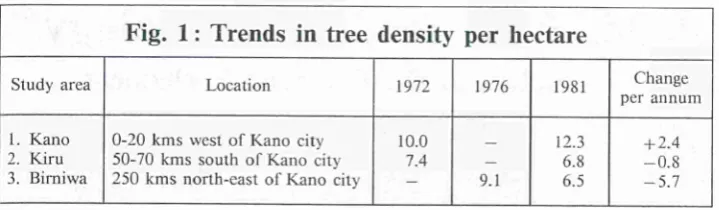
Figure
Related documents
An aim of the Danish Horizon study was to compare CIN detection among women with abnormal cytology using four commercially available HPV assays: HC2, cobas HPV Test (Roche
In the Relationships section of the Customer Overview screen, click View Contact History.. The interactions and opportunities for the customer
If we compare the shape of the global income distribution to that of a country, we observe that the upper tail is very “thick”; this thickness, which is in this paper mainly
• Special emergency equipment and staff standby or response [if UAS operations require air- craft rescue and firefighting (ARFF) or other emergency response equipment to standby for
Christiana Rotos, Rotos Developers Ltd 15:15 - 17:00 Cyprus: The Sustainable Tourism Destination
Low-level dynamic evidence is combined with a model-based, risk-aversive prediction, as shown in (11).. fusing the dynamic evidence with an anticipatory, model- based prediction
The diagram modified by Singh & Singh (1996) from Goodarzi (1985) gives the importance of mineral matter in the deposition of organic components during the peat
