UNIVERSITY OF SOUTHERN QUEENSLAND
PSYCHOLOGICAL THEORIES AND THEIR APPLICABILITY IN RESOLVING ISSUES WITH
UNAUTHRORISED COMPUTER ACCESS
A Dissertation submitted by
Angela A M Howard
For the award of
Master of Business Research
Abstract
Literature has shown that technical solutions are not completely successful in securing
information systems from intruders. Previous attempts to develop hacker profiles are still
incomplete and time consuming to apply. Prior studies in social engineering and
expectancy theory have shown that they can address some of the issues organisations are
encountering, especially in employees disclosing sensitive organisational data. Therefore,
using these studies in an organisational context may provide clues to how the disclosure of
information can be contained. This aspect was posited in the main research question:
How can education affect the process of preventing social engineering to minimise the
success of unauthorised intrusion?
While answering the main research question, due to time constraints, this study
focussed only on social engineering as the main cause of disclosing organisational data.
This aspect was determined using psychological theories and their applicability in resolving
issues with unauthorised computer access. Qualitative approach was used as the main data
collection technique and two focus groups were employed in collecting data. The University
of Southern Queensland was used as the case organisation and suitable samples were
drawn for a 2 x 90‐minute focus group sessions. The qualitative data were analysed using
two prominent text analysis applications, namely, Leximancer 3.5 and NVivo 8.
This qualitative data analysis identified 5 crucial themes. These themes are security
awareness, unauthorised access, social engineering, policies and procedures, and
education. It is inferred from the data that changes in the way policies and procedures
implemented can have marked improvement in security aspects, especially in containing
the leakage of organisational data. Thus, this research can assert that a change in policies
and procedures can have an impact on unauthorised access.
New findings of the study include that staff are proactively looking for more secure
ways in their processing and creating new procedures as they go, and that there seems to
be a disconnect between access to information systems and the organisational data. Future
research can expand on the model created for this research and focus on expectancy
CERTIFICATION OF DISSERTATION
I certify that the ideas, data collection, data analysis, discussion and conclusion reported in
this dissertation are entirely my own effort, except where otherwise acknowledged. I also
certify that the work is original and has not been previously submitted for any other award,
except where otherwise acknowledged.
__________________________________ _____________________ Signature of Candidate Date
ENDORSEMENT
___________________________________ ______________________ Signature of Supervisor Date
___________________________________ ______________________
Signature of Associate Supervisor Date
Acknowledgements
I would like to use this opportunity to thank those people who have assisted me
throughout this research dissertation.
My first appreciation goes to my supervisor Professor Raj Gururajan. It is through his
support and expertise that I was able to make it through this dissertation. Guiding me
through the early stages to find my feet, making the call to the Chief Information Officer
was a first step in finding participants for the data collection, and answering the many
questions I had. Raj’s reassurance, that I was on the right track with my dissertation, gave
me the confidence to continue and complete this dissertation.
I would also like to thank my Associate supervisor Dr Abdul Hafeez‐Baig, who was always
there to provide support and encouragement, sharing his experience with focus groups and
sitting in on the focus groups to support me.
Both my supervisors have allowed me the freedom to find my way while making sure that I
did not get lost and have nurtured my growth in developing my research skills.
I would like to thank all staff members and students, whom I cannot name due to privacy
and confidentiality, who have participated in the focus groups, for their generosity of
sharing their experience and taking the time to participate.
I would like to thank Liz Whatson, for providing all administrative guidelines and kind
reminders to keep me enrolled each semester.
I would like to thank Chris O’Reilly who, with her proof reading and feedback, has
supported me in the last fiddly steps of completing this dissertation.
I would also like to thank Dr Dave Roberts, who planted the seeds for this study and
encouraged me to combine my two passions, Information Technology and Psychology. My
thanks also go to Dr Wui‐Gee Tan, who pointed me towards books for my literature review.
However, much appreciation goes to my husband, Srecko Howard, who has fully supported
my decision to undertake this study and endured the stressful times when I did not think I
could keep going. I am very lucky to have had his support – without that I would have never
started this research. It was his believe in me being able to complete this study that got me
Table
of
Contents
1 INTRODUCTION ... 1
1.1 BACKGROUND TO THE STUDY ... 1
1.1.1 Description of the problem ... 1
1.1.2 Problems with current solutions ... 2
1.1.3 Importance of the study ... 3
1.1.4 Justification for the research ... 3
1.2 RESEARCH APPROACH ... 4
1.3 BRIEF OVERVIEW OF THESIS LAYOUT ... 4
2 LITERATURE REVIEW ... 5
2.1 INTRODUCTION ... 5
2.2 HISTORICAL OVERVIEW OF THE THEORY AND RESEARCH LITERATURE ... 5
2.2.1 The Internet and information systems ... 5
2.2.2 The problem with unauthorised access ... 6
2.2.3 How organisations mitigate hacking ... 7
2.2.3.1 Technical solutions... 7
2.2.3.1.1 Intrusion detection systems ... 7
2.2.3.1.1.1 How IDS works ... 8
2.2.3.1.1.2 Shortcomings ... 9
2.2.3.1.1.3 Conclusion ... 9
2.2.3.1.2 Intrusion prevention systems ... 10
2.2.3.1.2.1 How IPS works ... 10
2.2.3.1.2.2 Shortcomings ... 10
2.2.3.1.2.3 Conclusion ... 11
2.2.3.1.3 Summary ... 11
2.2.3.2 Manual solution ... 11
2.2.3.3 Staff involvement ... 11
2.2.3.4 Problems in the contemporary environment ... 12
2.2.3.5 Summary ... 12
2.3 THE THEORY AND RESEARCH LITERATURE SPECIFIC TO THE TOPIC ... 13
2.3.1 Source of the problem – the hacker ... 13
2.3.1.1 Early days ... 13
2.3.1.2 Hackers ... 14
2.3.1.3 Ethical or Grey Hackers ... 14
2.3.1.4 Profiling hackers ... 15
2.3.1.4.1 Detection and prosecution ... 17
2.3.1.4.2 The problem with hacker profiling ... 17
2.3.1.5 Security awareness ... 17
2.3.2 What is social engineering? ... 18
2.3.3 How does social engineering relate to unauthorised access? ... 19
2.4 CRITIQUE OF THE VALIDITY OF APPROPRIATE THEORY AND RESEARCH LITERATURE ... 21
2.5 SUMMARY OF WHAT IS KNOWN AND UNKNOWN ABOUT THE TOPIC ... 21
2.6 THE CONTRIBUTION TO THE LITERATURE ... 22
2.7 CHAPTER SUMMARY ... 23
3 RESEARCH MODEL ... 24
3.1 INTRODUCTION ... 24
[image:5.595.112.524.87.777.2]3.3 THE MODEL ... 25
3.3.1 Social engineering ... 25
3.3.2 System ... 25
3.3.2.1 Procedures manual ... 25
3.3.2.2 Policies ... 26
3.3.2.3 Procedures ... 26
3.3.2.4 Risk management ... 26
3.3.3 Users ... 26
3.3.4 Behavioural change ... 27
3.4 THE RESEARCH QUESTION AND PROPOSITIONS ... 27
3.5 CHAPTER SUMMARY ... 29
4 RESEARCH METHODOLOGY ... 30
4.1 INTRODUCTION ... 31
4.2 QUALITATIVE RESEARCH PHILOSOPHIES... 31
4.3 FOCUS GROUPS ... 33
4.3.1 Ethical clearance ... 33
4.3.2 Invitation document and consent form ... 33
4.3.3 Purpose of a focus group ... 34
4.3.4 What is a focus group? ... 34
4.3.5 Reason for using a focus group ... 35
4.3.6 Role of the moderator ... 35
4.3.7 Preparation ... 36
4.3.8 How many groups and saturation level ... 36
4.3.9 Selection of participants ... 37
4.3.10 Ensuring participation ... 37
4.3.11 Guiding questions ... 38
4.4 LEXIMANCER 3.5 ... 38
4.4.1 Processing steps ... 40
4.5 NVIVO 8 ... 47
4.6 CHAPTER SUMMARY ... 48
5 DATA COLLECTION ... 50
5.1 INTRODUCTION ... 51
5.2 OBTAINING PERMISSION FROM DEPARTMENT HEADS ... 51
5.3 OBTAINING PARTICIPANTS AND COMPOSITION OF THE FOCUS GROUPS ... 52
5.4 ARRANGING THE VENUE ... 54
5.5 SECURING PARTICIPANTS ... 54
5.6 ENSURING PARTICIPANTS’ ATTENDANCE ... 55
5.7 CONDUCTING THE FOCUS GROUPS ... 55
5.7.1 Validity... 55
5.7.2 Length ... 55
5.7.3 Consent ... 56
5.7.4 Recording ... 56
5.7.5 Moderator ... 56
5.7.6 Completion ... 56
5.7.7 Reflections ... 57
5.7.8 Transcription ... 57
6 DATA ANALYSIS ... 59
6.1 INTRODUCTION ... 60
6.2 VALIDITY ... 60
6.2.1 Content validity ... 61
6.2.2 Face validity ... 61
6.2.3 Saturation of themes ... 61
6.2.4 Descriptive validity ... 62
6.2.5 Interpretive validity ... 62
6.3 CONCEPTS ... 62
6.3.1 How literature was used to arrive at the concepts ... 62
6.3.2 Propositions ... 63
6.4 FOCUS GROUP ONE ... 64
6.4.1 Using Leximancer 3.5 ... 64
6.4.1.1 First analysis run ... 65
6.4.1.2 Second analysis run ... 66
6.4.1.2.1 Theme ‘people’ ... 66
6.4.1.2.2 Theme ‘credentials’ ... 70
6.4.1.2.3 Theme ‘password’ ... 73
6.4.1.2.4 Theme ‘systems’ ... 74
6.4.1.2.5 Theme ‘information’ and concept ‘data’ ... 76
6.4.1.2.6 Summary ... 78
6.4.2 NVivo 8 ... 80
6.4.2.1 Education – Change procedures ... 81
6.4.2.2 Education – IT competency ... 82
6.4.2.3 Education – Passwords ... 84
6.4.2.4 Education – Using encryption ... 85
6.4.2.5 Existing improvements ... 85
6.4.2.6 Existing improvements to secure practice ... 88
6.4.2.7 Existing policy ... 88
6.4.2.8 Opportunities to improve security ... 88
6.4.2.9 Reasons for sharing credentials – staff ... 89
6.4.2.10 Risk – Bluetooth ... 91
6.4.2.11 Risk – Copyright ... 91
6.4.2.12 Risk – Email content unprotected ... 92
6.4.2.13 Risk – Glitches ... 92
6.4.2.14 Risk – Graduates still have access ... 93
6.4.2.15 Risk – New mobile devices outside purchasing cycle ... 94
6.4.2.16 Risk – Not using encryption ... 94
6.4.2.17 Risk – Security ... 94
6.4.2.18 Risk – Social engineering ... 95
6.4.2.19 Risk – Staff sharing credentials ... 97
6.4.2.20 Risk – Students sharing credentials ... 98
6.4.2.21 Risk – Unauthorised access occurring ... 99
6.4.2.22 Risk – USB keys ... 99
6.4.2.23 Trust ... 100
6.4.2.24 Summary ... 100
6.5 FOCUS GROUP TWO ... 103
6.5.1 Using Leximancer 3.5 ... 103
6.5.1.1 First analysis run ... 104
6.5.1.2 Second analysis run ... 104
6.5.1.2.2 Theme ‘information’ ... 110
6.5.1.2.3 Theme ‘system’ ... 113
6.5.1.2.4 Theme ‘looking’ ... 115
6.5.1.2.5 Theme ‘induction’ ... 116
6.5.1.2.6 Summary ... 118
6.5.2 NVivo 8 ... 119
6.5.2.1 Education – Change procedures ... 120
6.5.2.2 Education – Induction ... 125
6.5.2.3 Education – IT competency ... 127
6.5.2.4 Education – Passwords ... 128
6.5.2.5 Existing improvements ... 129
6.5.2.6 Existing improvements to secure practice ... 131
6.5.2.7 Existing policy ... 131
6.5.2.8 Opportunities to improve security ... 132
6.5.2.9 Reasons for sharing credentials – staff ... 136
6.5.2.10 Risk – Email content unprotected ... 137
6.5.2.11 Risk – Incorrect access levels ... 139
6.5.2.12 Risk – Personal information available ... 141
6.5.2.13 Risk – Social engineering ... 142
6.5.2.14 Risk – Staff sharing credentials ... 145
6.5.2.15 Risk – Students sharing credentials ... 145
6.5.2.16 Risk – Unauthorised access occurring ... 146
6.5.2.17 Trust ... 147
6.5.2.18 Summary ... 148
6.6 COMBINED ANALYSIS ... 153
6.7 CHAPTER SUMMARY ... 155
7 DISCUSSION, LIMITATIONS, FUTURE RESEARCH AND CONCLUSION ...156
7.1 DISCUSSION ... 156
7.2 LIMITATIONS ... 160
7.3 FUTURE RESEARCH ... 160
7.4 CONCLUSION ... 162
7.5 SUMMARY ... 162
8 REFERENCES ...164
APPENDIX A ‐ ETHICAL CLEARANCE ...173
Table
of
Figures
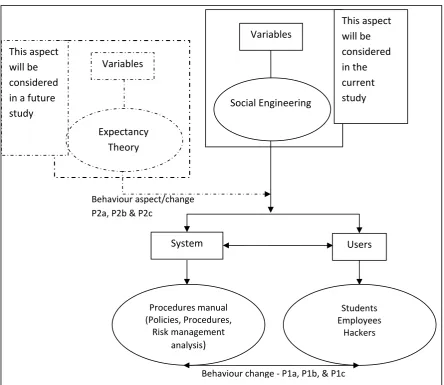
Figure 1: Model ‐ minimize intrusion with propositions (P1a, P1b, P1c, P2a, P2b, and P2c) 24
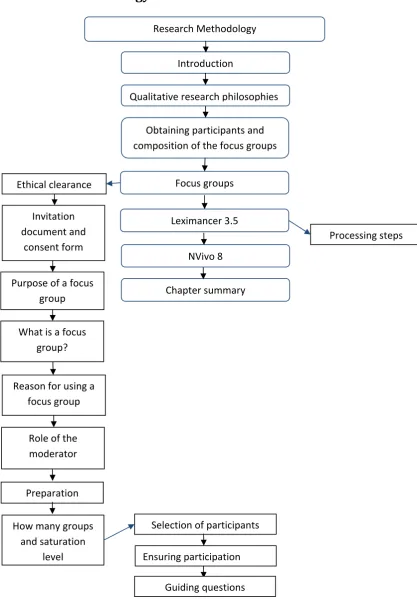
Figure 2: Chapter 4 Research Methodology ... 30
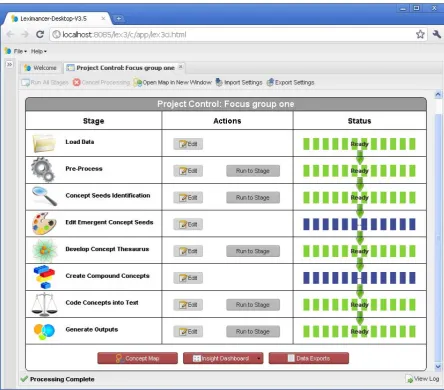
Figure 3: Leximancer ‐ Project Control ... 41
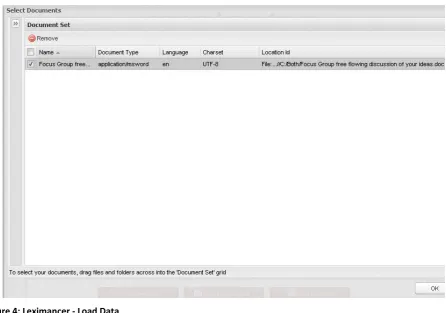
Figure 4: Leximancer ‐ Load Data ... 42
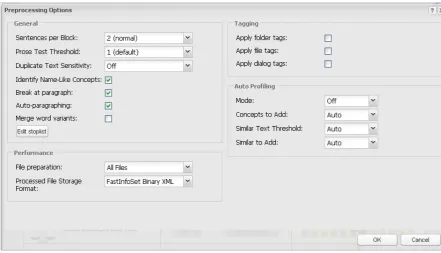
Figure 5: Leximancer ‐ Pre‐process ... 43
Figure 6: Leximancer ‐ Concept Seeds Identification ... 43
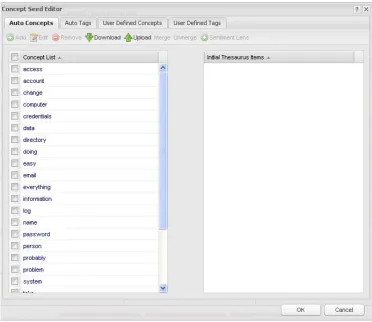
Figure 7: Leximancer ‐ Edit Emergent Concept Seeds ... 44
Figure 8: Leximancer ‐ Develop Concept Thesaurus ... 45
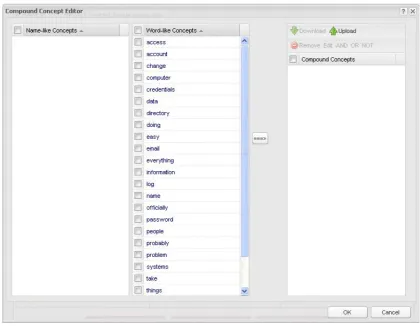
Figure 9: Leximancer ‐ Create Compound Concepts ... 45
Figure 10: Leximancer ‐ Code Concepts into Text ... 46
Figure 11: Leximancer ‐ Generate Outputs ... 47
Figure 12: Chapter 5 Data Collection ... 50
Figure 13: Chapter 6 Data Analysis ... 59
Figure 14: Leximancer concept map ‐ Focus group one ‐ visible concepts ... 66
Figure 15: NVivo tree nodes ‐ Focus group one ... 81
Figure 16: Leximancer concept map ‐ Focus group two ‐ visible concepts ... 105
Figure 17: NVivo tree nodes ‐ Focus group two... 119
Figure 18: NVivo ‐ Free nodes for both focus groups ... 154
Table
of
Tables
Table 1: University department heads contacted ... 52
Table 2: Participants present at the focus groups ... 53
Table 3: Leximancer thematic summary from Figure 14 ‐ Focus group one ... 67
Table 4: Leximancer ranked concepts ‐ Focus group one ... 68
Table 5: Leximancer thematic summary ‐ Focus group two ... 106
Table 6: Leximancer ranked concepts ‐ Focus group two ... 107
Table 7: Combined concepts ... 155
Table 8: Refined combined concepts ... 157
1
Introduction
1.1
Background to the study
This is a dissertation for the Masters of Business Research, conducted at the University
of Southern Queensland. The scope of this chapter is restricted to the problem of
unauthorised access and the challenges with current solutions. The chapter also highlights
the importance of the study and provides justification for the research. The research
approach is then described, followed by an overview of the dissertation layout.
1.1.1
Description of the problem
Information systems have become an integral part of how organisations conduct their
business (Choi et al. 2008). This is partly driven by the ability to access worldwide networks
of varying computer systems and network infrastructures (Smith & Rupp 2002). Over time,
access to the Internet has become easier and faster (Kwai‐Sang et al. 2006; Smith & Rupp
2002), supporting the uptake (Oates 2001) of information systems to allow organisations to
connect to other organisations and individuals. However, Kollmann et al. (2009) found that
cultural differences either inhibit or drive the adoption process of information systems.
The continuing drive for easy access and better connectivity to the Internet has created
a separate dilemma, namely, the vulnerability of unauthorised access (Nasheri 2003; Smith
& Rupp 2002). Unauthorised access occurs when a person gains access to a computer
system without having been given permission to do so (Walden 2005). While there is a
possibility that this could happen by mistake, the majority of these instances occur with
intention (Walden 2005).
Prior research and development of Intrusion Detection Systems (IDS) (Ragsdale et al.)
and Intrusion Prevention Systems (IPS) (Fitzgerald & Dennis 2009) has been unsuccessful in
providing strategies to eliminate the risk of unauthorised access (Smith 2004a). Despite
continuing efforts to improve these systems by improving the underlying algorithms,
unauthorised access continues unabated (Farid & Rahman 2010).
With these technical solutions failing to keep intruders out, some researchers realised
the need to expand current knowledge on unauthorised access to determine the
motivation behind the person causing the problem, namely the hacker. For this purpose
the area of criminal profiling seemed ideal (Chantler 1995; Rogers 2006). The result consists
Information Technology (IT) security specialists to implement possible solutions to thwart
access to organisational computing networks by hackers (Botha & von Solms 2001;
Chantler 1995; Fötinger & Ziegler 2004; Kjaerland 2005; Kleen 2001; Rogers 1999, 2006).
Recently, a more managerial view considered that there is a gap in security that relates
to human behaviour as a possible cause of unauthorised access, positing that some of the
practices may put an organisation at risk (Choi et al. 2008). Choi et al. (2008) identified the
need to raise security awareness within organisations at management level, and found that
when all levels of management are security‐aware, a higher chance exists that security
measures are implemented into the various processes and practices of an organisation.
Additionally, they suggested that the human aspect should be considered as a weak link in
the chain of security. The level of security may impact on whether an intruder can
successfully penetrate security as a result of an employee unwittingly divulging information
(Choi et al. 2008). Some hackers use social engineering techniques to obtain information
from an employee through social interaction (Mitnick & Simon 2002; Workman 2007,
2008). While these social interactions may be short and innocent at the time, they may
assist an intruder with obtaining enough information to gain access and, therefore,
circumvent costly security measures (Mitnick & Simon 2002).
1.1.2
Problems with current solutions
While IDS and IPS were developed to secure computer systems from unauthorised
access, there are still situations where these measures may not work successfully (Botha &
von Solms 2001; Workman & Gathegi 2006). Hacker profiling results such as complex
frameworks, categories, taxonomies, circumplex and models are still partially incomplete
or in need of refinement (Chantler 1995; Fötinger & Ziegler 2004; Kjaerland 2005; Kleen
2001; Rogers 2000, 2006; Van Beveren 2001). They also require an Information Technology
(IT) security specialist to analyse activities to determine the type of the hacker. Kjaerland
(2005) suggested that this process should be automated to mislead the intruder in different
ways, depending on their level of expertise. At the same time, the existing need to raise
security awareness among management within an organisation and the lack of training to
provide security information have been clearly highlighted (Choi et al. 2008; Manjak 2006;
1.1.3
Importance of the study
There are still organisations and individuals who have not yet taken up the opportunity
to connect to the Internet (Oates 2001), but may wish to do so in the future (Kollmann et
al. 2009). Every year the number of new connections increases (Kvedar et al. 2010) and
with it the level of unauthorised access (Oates 2001). Online presence provides an
organisation with a convenient, around the clock access to their services for customers
(Kollmann et al. 2009). It reduces the cost of staff and facilities, while allowing greater
access to their services (Kollmann et al. 2009). For customers that are working during
business hours, shift workers, workers at remote locations, and people who like to shop
from home, it is a very convenient way to communicate without having to leave home.
This increased activity is accompanied by a steady increase in the accumulation of
sensitive data, which is attractive to intruders (hackers)(Mitnick & Simon 2002). More and
more individuals are at risk of being exposed as they trust the organisation enforcing
security measures to protect the data. Organisations have an increasing need to block
intruders from accessing their system, without disabling authorised users.
In addition, organisations also risk their reputation and goodwill of customers (Clark &
Themudo 2006; Elson 2004) if their defences have been breached. However, the
responsibility lies with an organisation to protect its systems, and ultimately the sensitive
data of their customers (Dolan 2004). According to Choi (2008), it is essential to increase
management’s security awareness by keeping them informed about the consequences of
security breaches. The increased security awareness may then result in change in
procedures and policies (Choi et al. 2008). This change also has the potential to affect
human behaviour as employees adopt the new practices (Choi et al. 2008). It is expected
that studying issues associated with security awareness, coupled with aspects of human
behaviours, will yield interesting findings. Thus, these issues form the basis of this research
study.
1.1.4
Justification for the research
The current body of knowledge has already highlighted the need to raise security
awareness at all management levels within organisations (Choi et al. 2008). It has also been
identified that the body of knowledge requires statistical data analysis and the application
of research methods and theories in this domain (Choi et al. 2008). To date, existing
research has failed to include control groups or has used secondary data for their analysis
New research in this domain will provide statistical information and has the potential
to establish processes that are successful and repeatable. This would allow management an
easier integration of security awareness into existing practices. Further research would also
have the potential to provide organisations with a better understanding of the relevant
issues and how they impact on unauthorised access.
1.2
Research approach
This dissertation used focus groups to obtain qualitative data in relation to security
awareness of social engineering. The focus groups were recorded and transcribed. The
researcher was very familiar with the focus group discussions by being the moderator, as
well as listening to the recordings and reading the transcriptions.
Leximancer 3.5 was used to obtain an independent and unbiased analysis of the
transcriptions. This ensured validity as the analysis process was not influenced by the
researcher’s own expectations. NVivo 8 was then used to read and code the transcriptions
of the two focus groups.
1.3
Brief overview of thesis layout
Chapter 1 of this dissertation covers the background of the research, describing the
problem, identifying problems with current solutions, and outlining the importance,
justification and limitations of the research. Chapter 2 covers the literature review, with its
historical background leading to the current problem, theory and research particular to this
topic. Chapter 3 discusses the research model as it relates to social engineering. Chapter 4
outlines the research methodology applied to this study. Chapter 5 outlines the data
collection using focus groups. Chapter 6 applies qualitative data analysis using the
transcriptions of the focus groups. Chapter 7 discusses the results of the data analysis.
2
Literature
review
2.1
Introduction
This chapter will first provide an historical overview of the literature in relation to this
study. It will outline the literature as it relates to the uptake of the Internet and
information systems, the problems that organisations face with intruders and the
protection mechanisms available. This will then be followed by the theories and research
literature specific to the topic. This will describe the origin of the hacker and researchers’
attempts to develop a way to profile hackers. The issues of security awareness and social
engineering are then discussed. This will be followed by a critique of valid theories and
research literature and close with a summary of what is known and unknown of the topic,
together with the contribution this study will make to the literature.
2.2
Historical overview of the theory and research literature
Firstly, the reasons behind the Internet and information systems being taken up by
businesses will be reviewed in regard to the literature. The problem of unauthorised
access is considered, along with current solutions implemented by organisations. The
literature highlights some of the problems that organisations encounter with these
solutions, and the existing problem is identified.
2.2.1
The Internet and information systems
Information systems has become an integrated part of many organisations (Choi et al.
2008) with more organisations continuing to implement it (Levy & Powell 2000; Redoli et
al. 2008; Smith & Rupp 2002). Primarily, globalisation (Oates 2001) has driven the need for
organisations to find better and faster ways to communicate on a global scale (Clark &
Themudo 2006; Kwai‐Sang et al. 2006; Pearce 2006; Zuccato 2007). This, in turn, has been
greatly supported by the development of the Internet and its technologies (Palmer 2001;
Smith & Rupp 2002; Zuccato 2007). The Internet has now become a platform that allows
organisations to trade online worldwide twenty‐four hours per day (Kumagai 2001; Sassen
2003; Sirkemaa 2006; Smith & Rupp 2002). Nevertheless, Kollmann (2009) found that
cultural differences in European countries are factors that support or inhibit the uptake of
The uptake of information systems, globalisation and Internet accessibility has also
significantly altered the level of economic crime (Oates 2001). According to Oates (2001),
fraud committed with credit cards was found to be 12 times higher when business was
conducted over the Internet. Here, security and privacy are the most vulnerable
components now that, increasingly, more sensitive data is stored on servers accessible
through the Internet (Oates 2001; Rogers et al. 2006). In addition, the anonymity of the
Internet, together with global access and organisations taking up information systems,
provide more opportunities and create a suitable platform for hackers (Oates 2001; Rogers
et al. 2006). This has the effect of electronic crime deflating customer confidence (Oates
2001) and the associated risks inhibit the development of online business (Oates 2001;
Palmer 2001). Criminal activities range from fraud using online applications to employees
embezzling electronic funds (Oates 2001). Subsequently, physical criminal activities have
now transferred to the Internet (Oates 2001).
2.2.2
The problem with unauthorised access
Unauthorised access to computer systems and networks continues to be a problem
(Kerr 2003; Nasheri 2003). Unauthorised access occurs when a person takes an action that
leads to accessing a computer system or network without having been given permission to
do so (Stoneburner et al. 2002; Tiller 2005). While this could occur unintentionally
(Stoneburner et al. 2002), in the majority of situations a computer criminal would
intentionally try all methods to gain access (Kerr 2003; Stoneburner et al. 2002; Walden
2005).
This brings to mind the term hacker, yet the meaning and description of a hacker
varies. It ranges from the determined programmer who follows passionate curiosity in an
effort to learn to the various levels of criminals of different skill levels (Warren & Leitch,
2009).
Unauthorised computer access commenced with the establishment of computers in
the 1970s, when external access occurred by dialling into a computer over the telephone
line (Kerr 2003). Denning (2011) reports that unauthorised access started to occur around
the 1960, with a focus financial gain, followed by teenagers making their mark in the 1970s.
The Internet provides easy access on a global scale and individuals and organisations
continue to make use of this connectivity (Zuccato 2007). This gradual increase in uptake is
2009; Potter & Beard 2010; Vadera et al. 2008), particularly in recent years (Potter & Beard
2010).
2.2.3
How organisations mitigate hacking
Organisations may choose a combination of a number of security solutions such as
technical, manual intervention, and involve a variety of staff. Technical solutions can be in
the form of hardware and software specifically targeted to determine unusual patterns and
to respond in a predetermined manner. Manual intervention requires IT staff to manually
observe servers and interrogate log files and audit trails to recognise unusual patterns.
Irrespective of which combination of these solutions are implemented it requires IT staff,
security specialists and senior management to be involved (Çakanyildirim et al. 2009).
However, despite these solutions, unauthorised access continues.
2.2.3.1
Technical
solutions
Organisations can implement technical solutions such as IDS (Ragsdale et al.) and IPS
(Fitzgerald & Dennis 2009), or a combination of both (Doctor 2004) to mitigate
unauthorised access (Çakanyildirim et al. 2009). However, for an organisation to implement
secure technical solutions into their systems it requires the assistance of an IT security
specialist (Baskerville 2003). This IT security specialist should have appropriate experience,
not only in various systems and their vulnerabilities, but also knowledge of the various
techniques hackers use to gain access, as well as expertise in the configuration
requirements of the IDS and IPS (Fitzgerald & Dennis 2009). Additionally, senior
management, in conjunction with IT management, may also be required to provide input
into configuration requirements (Çakanyildirim et al. 2009) to ensure that appropriate
actions are taken when issues are flagged by the relevant systems, as well as respond to
reports (Raju 2005).
2.2.3.1.1
Intrusion
detection
systems
Vandenwauver et al. (1999) describe an intrusion as an action that would compromise
an information system. When an intrusion occurs there is the possibility that the intruder’s
aim is to disable the system, making it unavailable so that the business is unable to
continue functioning properly (Vandenwauver et al. 1999). Furthermore, the intruder may
aim to affect the integrity of the system (Vandenwauver et al. 1999). Considering that the
intruder has broken into the system, it is now possible to change the functionality, remove
transactions undertaken by the intruder themselves (Vandenwauver et al. 1999). This
would result in sensitive data being exposed and the possibility of confidential information
being sold, thereby affecting an organisation’s ownership of the data relating to exclusive
customers or business associates (Vandenwauver et al. 1999). To an intruder or hacker, any
information is of great value, either directly or indirectly by allowing access into another
system.
A detection system aims to defend the system from any outside attempts to gain
unauthorised access. It uses complex algorithms to detect patterns that are not part of the
day‐to‐day permitted activities (Vandenwauver et al. 1999).
2.2.3.1.1.1 How IDS works
The purpose of IDS is to monitor network activity so that anomalies that could lead to a
compromise can be identified (Alanazi et al. 2010). Algorithms are used to differentiate
normal activities from potential attacks (Yue & Çakanyildirim 2007). In this way, the IDS is
reactive as it generates a notification for IT security specialists to investigate once a
suspicious activity has been encountered.
Intrusion detection systems focus on host‐based and network‐based attacks. Host‐
based and network‐based IDS monitor and analyse network activity (Raju 2005) using
algorithms designed from traditional ways of detecting abnormal patterns (Çakanyildirim et
al. 2009).
For a host‐based attack, the intrusion detection systems execute routines that search
for a pattern by interrogating log files and audit trails that contain user activities (Alanazi et
al. 2010). These files are updated in the duration of normal daily activities by the relevant
user. When the IDS interrogates these files it can determine abnormal behaviour that may
have been caused by an intruder (Vandenwauver et al. 1999).
For a network‐based IDS (NIDS), packet sniffers interrogate network traffic data
(Alanazi et al. 2010; Doctor 2004). Behavioural or anomaly‐based IDS detect any unusual
behaviour patterns on the network. A normal pattern would be a sequence of expected
and normal activities on the network. Unusual patterns would be a number of packets
trying to open a port, or a fragmented packet (Doctor 2004).
In an active response‐based IDS, the audit trail is analysed and if suspicious behaviour is
detected, then the continuation of the attack is terminated. In a passive response‐based
IDS, details of the suspicious behaviour is forwarded to an authorised person or the system
2.2.3.1.1.2 Shortcomings
The IDS may fail if the intruder’s activities appear to be normal activities by an
authorised user (Vandenwauver et al. 1999). Complications with host‐based attacks are
that the detection process becomes difficult when multiple and coordinated attacks occur
at the same time (Zhou et al. 2009). For both the host‐based and network‐based attacks,
the sensitivity level of the underlying algorithms can cause false alarms, referred to as
false‐positives (Doctor 2004; Farid & Rahman 2010). False‐positives occur when a pattern
match is regarded as suspicious (Doctor 2004). Every time an alarm is raised an IT security
specialist is required to look at the patterns in either the network traffic or the log files and
audit trails to determine if a real breach has indeed occurred and, if so, determine the
seriousness of the breach and determine appropriate action (Botha & von Solms 2001).
Setting the sensitivity at a higher level could result in more false‐positives, resulting in an
overhead of work for the administrator, as well as causing desensitization (Doctor 2004).
On the other hand, lowering the level may achieve the opposite: that of more frequent
intrusions that are not detected.
Signature‐based mechanisms are needed to correctly identify known malicious
patterns. They need to be kept up‐to‐date to include the latest threat. As processing slows
down an intruder may have a chance to sneak through (Doctor 2004). The success rate of
IDS and IPS depends on the sensitivity of the underlying algorithm. If the level of sensitivity
is too high, too many false alarms may occur. On the other hand, a low level of sensitivity
would be counterproductive if it allowed too many hackers to get through. In any case,
both IDS and IPS require the assistance of a IT security specialist, with the IPS also involving
management in regards to decisions on preventative action (Yue & Çakanyildirim 2007).
According to Werlinger et al. (2008), past research in IDS mainly focused on how to
improve the mechanism. However, it has been recognised that more support is needed for
the IT security specialist who receives the alarms and is required to analyse the problems
(Werlinger et al. 2008). Werlinger et al. (2008) investigated; (i) what security experts need
from the IDS, (ii) difficulties in installing and configuring; and (iii) improvements to the
usability. They found security experts encountered difficulties in installing and configuring
the IDS, particular in complex systems.
2.2.3.1.1.3 Conclusion
While it is essential to protect a system from unauthorised access, there is a large
various systems affected (Doctor 2004). Any suspicious patterns would then need to be
further investigated by the IT security specialist. This requires time and expertise on behalf
of the IT security specialist to investigate on behalf of the organisation. The more complex
and sensitive the technical measures are, the more likely they will raise a false alarm.
2.2.3.1.2
Intrusion
prevention
systems
Intrusion prevention systems respond to malicious activities on the network by taking
preventative measures that will discontinue access or connections, as well as raising
appropriate alerts for host‐based and network‐based attacks (Stanković & Simić 2010).
2.2.3.1.2.1 How IPS works
The purpose of IPS is to block an abnormal activity from reaching its target (Yue &
Çakanyildirim 2007) by blocking the attack (Doctor 2004). There are two types of IPS,
network‐based and host‐based (Fitzgerald & Dennis 2009). The network‐based IPS is a
device that has its own operating system (Fitzgerald & Dennis 2009). It is attached to the
circuit of the network and monitors the packets of this circuit and reports to the IPS
management console (Fitzgerald & Dennis 2009). The host‐based IPS is a software package
that is installed on the relevant server to be monitored (Fitzgerald & Dennis 2009). Any
abnormal activities are also reported to the IPS management console (Fitzgerald & Dennis
2009). There are two methods of detection (Fitzgerald & Dennis 2009). One is comparing
activities with the signatures of already known attacks, called misuse detection (Fitzgerald
& Dennis 2009). When a signature is recognised, the packet is thrown away, and an alarm is
raised (Fitzgerald & Dennis 2009). The other determines unusual activities such as a
number of failed logins, called anomaly detection (Fitzgerald & Dennis 2009). The IPS first
requires configuration to specify which subsequent actions it should take when detecting
an abnormal activity. Such an action could be a termination of the malicious
communication process (Yue & Çakanyildirim 2007). In a way, the IPS could be regarded as
a proactive approach (Doctor 2004) in determining malicious activity and then, through the
configuration, takes appropriate action. Intrusion prevention systems are able to drop
suspicious packets, which is a more proactive approach (Scarfone & Mell 2007).
2.2.3.1.2.2 Shortcomings
An IPS configuration process may require senior management involvement. The IT
department or a security specialist may propose certain actions that the IPS should be
However, an IPS needs to be configured by an IT security specialist in conjunction with
management decisions to determine the appropriate actions (Farid & Rahman 2010). The
organisation also needs to keep signatures up to date to cater for newer threats (Fitzgerald
& Dennis 2009).
2.2.3.1.2.3 Conclusion
While the IPS is more proactive in its approach, organisations with highly crucial and
sensitive data may opt for both IDS and IPS. Involvement of management and IT security
specialists, again, has a high overhead on staff involvement in this technical solution (Botha
& von Solms 2001).
2.2.3.1.3
Summary
While these technical solutions continue to be improved and their success evaluated,
they are costly and elaborate mechanisms to detect and notify when anything out of the
ordinary occurs (Jacobsson 2008; Thonnard & Dacier 2008). In addition, it is crucial that
security measures are an ongoing process appropriately supported by procedures and
policies relevant to the business of the organisation (Emanavin 2004).
2.2.3.2
Manual
solution
The human cognitive process is more complex and able to pick up other suspicious
signs that may not have triggered the technical solutions, IDS and IPS (Keneey et al. 2005).
An additional manual solution that organisations may adopt is the frequent checking of
servers and files by IT staff (Botha & von Solms 2001). One of the key findings in Keeney’s
(2005) research was that log files were a common way to identify an intruder. In this
research, it was identified that in 75% of cases an intruder was identified through a manual
process, with the majority through log files alone, compared to 19% through a combined
automated and manual process (Keeney et al. 2005).
2.2.3.3
Staff
involvement
From the analysis of determining a suitable IDS or IPS to the installation and
configuration (Fitzgerald & Dennis 2009), an organisation would need an IT security
specialist with appropriate experience in security and the relevant systems. Furthermore,
once the IDS or IPS raises an alarm, it is again up to the IT security specialist to identify the
cause of the alarm (Keeney et al. 2005). This requires a good understanding of the systems,
conclusion. The IT security specialist needs to know what the log files look like under
normal activity to distinguish them from false alarms raised by the IDS or IPS (Keeney et al.
2005). This IT security specialist would be responsible for security and the organisation’s
computer systems and networks against unauthorised access through the information
security management, which should provide guidelines and recommendations to
implement security at physical, technical and procedural levels (Botha & von Solms 2001).
Preventative measures require continuous vigilance, updates, upgrades and human
intervention (Rogers 2006; Smith 2004a; Tryfonas et al. 2001).
In addition, management is required to provide input during the configuration of IDS or
IPS to determine action when an alarm is raised (Fitzgerald & Dennis 2009). This requires
management to understand implications and consequences.
Botta et al. (2007) confirmed that the management of IT security within an
organisation may be spread across a range of employees. Driven by different aspects
related to security, there is a variety of responsibilities within different units, and within
different groups belonging to these units (Botta et al. 2007).
2.2.3.4
Problems
in
the
contemporary
environment
Over the years, improvements to IDS and IPS have continued, driven by the
competitive search for better algorithms to increase precision and reliability (Farid &
Rahman 2010; Gibbs et al. 2003). Efforts continue to correct interpretation of pattern
recognition to reduce too many false alarms (Çakanyildirim & Yue 2007). However, they still
do not prevent or detect all intrusions.
In addition to the technical solutions, organisations also have their IT professionals
manually monitor systems, applications, log files and audit trails (Jacobsson 2008;
Thonnard & Dacier 2008). With the increase of more organisations connecting to the
Internet, this has not been successful in completely securing a system from unauthorised
access (Emanavin 2004; Jacobsson 2008; Smith 2004a; Workman et al. 2008; Workman &
Gathegi 2006; Yu et al. 2005).
As Vandenwauver et al. (1999) point out, employees of an organisation need to know
what kind of data or information is crucial to protect, and the organisation needs to ensure
that what should not be available to the public must be protected and stay private.
2.2.3.5
Summary
Unfortunately, the technical and manual solutions are a preventative approach with a
due to cumbersome analysis it also creates a delay that would allow an intruder to have
already gained access before anything preventative can be done (Doctor 2004).
Furthermore, organisations have IT staff manually check log files and servers a number of times during the day, as human observation may pick up anomalies that are not obvious
to the IDS and IPS.
Considering that all these methods require a certain level of IT security staff, as well as
involvement of management, it leads to a potential threat to an organisation’s internal
security awareness (Baskerville 2003; Çakanyildirim et al. 2009; Fitzgerald & Dennis 2009).
Not all levels of management of an organisation will be involved in this process (Yue &
Çakanyildirim 2007) and, therefore, only a select number of managers will be security
aware. It confirms Choi et al. (2008) findings that it is essential to communicate the security
awareness to all levels of management.
2.3
The theory and research literature specific to the topic
The current technical and manual solutions aimed at protecting an information system
from unauthorised access are not as successful as they were hoped to be. Unauthorised
access continues to occur despite all the efforts. This now draws attention to the type of
intruder, the hacker.
2.3.1
Source of the problem – the hacker
2.3.1.1
Early
days
In the early days of computers, little documentation was available that would instruct
IT administrators how to configure hardware and software (Botha & von Solms 2001) and
the IT administrators had to learn how to get a system up and running, as well as how to
configure it.
This required an IT administrator to spend considerable time learning to support the
systems and correcting any problems. This process required a great deal of determination
and patience using trial and error. It was a characteristic of an IT administrator in those
days to have the drive, curiosity and desire to continuously look for a solution, particularly
as there was not only missing documentation, but there were also fewer experts that could
help. Through the 1960s when mainframes were extremely slow, people had to find clever
solutions to increase performance. Those were also the early days of open source and
Consequently, in these early years the administrator was someone who would gain a
deep understanding of the underlying system to be able to change how it works.
2.3.1.2
Hackers
Unfortunately, the 1970s brought changes that led to the term ‘hacker’. Here was a
person with the same type of dedication and drive as the administrator, but with a
different purpose. Now, the person was no longer employed by or associated with the
organisation and the aim was to understand a system well enough to access it for personal
gain (Leeson & Coyne 2006; Palmer 2001). In addition, the Internet created an anonymous
platform with access to worldwide computer networks. The anonymity of the Internet
allowed the hacker to remain undetected as well as providing a library of resources to learn
more about various systems and networks.
Slowly, over time, the level of unauthorised access grew, despite efforts to keep
intruders out. There are varying degrees of skill levels and intentions, ranging from novice
to expert and curiosity to malicious intent.
Despite all efforts to improve IDS and IPS as a continuing defence mechanism,
unauthorised access continued to increase as more organisations went online (Workman &
Gathegi 2006; Zuccato 2007).
2.3.1.3
Ethical
or
Grey
Hackers
The age of the ethical or grey hacker began, as it was necessary to undertake in‐depth
studies of the vulnerabilities to understand a system and its risks to be able to protect it
(Harris et al. 2005; Palmer 2001). The ethical or grey hacker is specialised in breaking into
systems and gaining unauthorised access in the same way as the hacker, except the ethical
hacker is employed by an organisation to find weaknesses in their systems. The purpose of
the ethical hacker is to determine what these weaknesses are so that the organisation can
take proactive steps to increase its security. Harris et al. (2005) takes it further in
considering the ethical implications of publishing books detailing hacking, but disputes this
concern as hackers have already gained the skills needed. Now, more than ever, IT security
specialists need to have a deeper understanding of the systems and applications they are
supporting. While a hacker can focus attention to one particular aspect of a system, the IT
security specialist requires a wider focus and vigilance to protect all aspects of all systems
2.3.1.4
Profiling
hackers
In an attempt to find a solution to the problem of continuous unauthorised access, it
was thought that determining the motivation behind the intruder might lead to additional
solutions. Researchers adopted already‐established psychological and criminal profiling
methodologies which had already been explored by psychologists and forensic experts to
resolve physical crimes (Rogers et al. 2006). In addition, psychological theories of crime
were influenced by criminology (Chantler 1995; Fötinger & Ziegler 2004; Kleen 2001;
Rogers 2006).
However, complications arise when transferring criminal activities from the physical to
computer crime. Physical criminal activities may operate within groups with their own
social environment. Reasons for criminal activities could be combinations of environment
or learning from observation (Van Beveren 2001). One other aspect is also that physical
criminal activities have the potential to be observed. This is not the case with hackers,
mainly due to the anonymity of the Internet. Hackers are more likely to hide their
presence the more skilled they are, which makes it more difficult to determine that an
intrusion has occurred (Rogers et al. 2006).
Still, researchers continued to profile hackers and created frameworks, categories,
taxonomies, circumplex, and models. It was observed that a shift occurred, as hacker
profiling is not solely a consideration of the IT profession. Rather, professions such as
psychology, auditing, accounting, and management, which are involved in the post mortem
process and in the cleanup of a security breach, are a likely source for this type of research.
As existing security measures did not seem to be fully successful (Workman 2008)
researchers were inadvertently compelled to explore this new domain. To find a solution,
profiling or classifying computer criminals continued within the domain of psychology and
criminology as a guide (Fötinger & Ziegler 2004; Pleskonjic et al. 2006; Workman et al.
2008; Workman & Gathegi 2006). Establishing the motivation behind a person’s behaviour
raised the hope that this may lead to additional measures to reduce unauthorised access.
At the time, the fields of psychology and criminology seemed to be an ideal source of
knowledge as psychologists and forensic experts had already developed criminal profiling
that might be suitable for adaptation (Fötinger & Ziegler 2004; Rogers 2006).
Psychological and criminological theories were applied by researchers in their process
of categorising and profiling hackers (Chantler 1995; Fötinger & Ziegler 2004; Kleen 2001;
Rogers 1999, 2006). The development of a hacker taxonomy and circumplex was suggested
determine the type of intruder depending on the type of evidence. It may also assist in
making assumptions about the intruder, but is highly subjective to the investigator’s ability
to identify signatures. As intruders are more likely to try and hide their presence, successful
interpretation relies on the skills and experience of the investigator. An experienced IT
security specialist would have this expertise. However, the model does not provide
management with the ability to provide better policies or risk assessments (Rogers 2006).
Other categorisations focused on the steps a hacker would take to develop a more
generic hacking methodology (Botha & von Solms 2001). Research by Botha and von Solms
(2001) focused on finding a way to deal with intrusions proactively, but technical expertise
to manually work through log files and audit trails is still required. This view is supported by
Rogers (2006) who asserts that as well as taxonomy and frameworks, categories,
taxonomies, circumplex, and models, certain levels of expertise are required to analyse the
intruders behaviour pattern so that it can be translated into the profile.
Another approach by Kleen (2001) focused on military needs to create a hacker
framework, using a case study to determine the profile and motivation of incarcerated
hackers. This research recognises its own shortcomings in the data collection methods. The
data was limited to hackers who have been incarcerated and who were self‐reporting, and
therefore may be affected by self‐inflated perceptions.
While the development of frameworks to profile hackers continues, there is also a
growing realisation that psychological theories are difficult to apply to a group of people
who wish to remain anonymous. The many theories to explain conventional human
behaviour are compounding the problem that researchers are confronted with when
investigating unconventional activities by an unseen hacker (Van Beveren 2001).
Another branch of research took a different approach in trying to combat unauthorised
access by considering ways to address the issue of human behaviour within an
organisation. There is a common agreement among researchers in this area that suggests
an increase in security awareness within all management levels would be crucial to the
success of implemented security measures (Choi et al. 2008; Lawlor & Vu 2003; Smith
2004b; Trim 2005; Warren 2002; Workman 2008; Workman et al. 2008; Workman &
Gathegi 2007). The implication is that an increase in security awareness would result in
better policies and procedures, affecting risk assessments and continuity planning. It would
also lead to a workforce that is more security aware and has an understanding of prudent
behaviour, potentially creating an organisational culture that is more robust to social
2.3.1.4.1
Detection
and
prosecution
Detection and prosecution may be difficult, as some organisation may be unaware an
intruder breached their system, while others may not publicise the incident for fear of
losing customers (Roberts & Webber 2002).
While the definition of “unauthorised access” describes an act of accessing a system
without permission, the law requires a lot more before someone can be successfully
prosecuted. The law needs to more specifically describe what the act of “unauthorised
access” exactly means. In the past, a hacker could not be prosecuted if they only “looked”,
gained access and viewed the data without causing any harm or damage. And the
interpretation of “unauthorised” and “access” are not always clearly defined in the law,
leaving it to the interpretation and assumption of legal representatives (Maurushat & Yu
2009). The legal profession transferred from physical to cyber crimes, but due to the nature
of information systems, it was necessary to change the law to accommodate the
differences (Harris et al. 2005).
2.3.1.4.2
The
problem
with
hacker
profiling
The resulting frameworks, categories, taxonomies, circumplex, and models still require
the expertise of an IT security specialist to analyse log files looking for patterns (Chantler
1995; Fötinger & Ziegler 2004; Kleen 2001; Rogers 2000, 2006; Van Beveren 2001). They
also require further development more suitable for implementation in the industry (Rogers
2006). Knowing the profile of the hacker may assist in understanding the potential damage
that could have been caused. However, it is a measure that occurs after the fact. The post
mortem process of sifting through files reflects successful intrusion. It is not a preventative
measure at this point in time. In addition, the methods of identifying the hacker profile are
also still very complex. Considering that the hacker uses the transparency of the Internet
and may be highly skilled, the correct profile may not always be divulged.
2.3.1.5
Security
awareness
The varied foci by researchers have created a different way to look at the problem of
unauthorised access. The focus of this research is looking at the human being, the
employee, as the weakest link. It is essential that security awareness level is raised in
individuals by the management of the organisation (Choi et al. 2008). This can be achieved
through simple and clear communication, and one of the suggestions by Mann (2008) is to
found that not only is it necessary to fight unauthorised access on a technical level, but also
the level of security awareness must be raised at all levels of management. Choi et al.
(2008) highlights the distinction between technical preventative measures and deterrent
human interactions. This is based on the appropriate development of security policies
through management, and the education of the organisation’s employees throughout. The
aim of security in an organisation is to reduce the potential of data or information leaving
the organisation to then be used by a hacker to access a system.
2.3.2
What is social engineering?
Social engineering is the process of interacting with and manipulating people for the
purpose of gaining information (Anonymous 2001; Dolan 2004; Kvedar et al. 2010). It
involves cajoling people into providing information that would help the hacker attack a
system (Anonymous 2001). Social engineers are very skilled in deceiving people, and
misusing people’s natural supportive attitudes (Mitnick & Simon 2006).
Members of groups with strong cohesion would feel safe to volunteer sensitive
information (Workman 2008). People may feel that volunteering sensitive information
would provide them with more attention from others. However, a potential hacker could
take advantage of this and misuse this information in an attempt to break into an
organisation’s computer system (Dolan 2004). Some research investigated the impact of
punishment, ethics and security training on employee behaviour toward social engineering
at an operational level. Unfortunately, this research failed to include a control group and
did not address the impact of raising security awareness at a higher level of management
(Workman 2007, 2008; Workman & Gathegi 2006). The need for attention in a social
setting, for feeling important, or for being outgoing, social and kind could place people in a
vulnerable position of being mislead into divulging sensitive information (Dolan 2004).
According to Workman (2008) there is significant reason why automation may not be
able to solve all problems of intrusion, and lists financial, situational, cultural and
technological as the four reasons why automation would not be entirely successful because
of their influence on human perception and behaviour. A crucial factor in this situation is
social engineering. A potential hacker could obtain information through casual social
interaction with people who may have some information that could help in the process of
intrusion (Fötinger & Ziegler 2004; Kjaerland 2005; Kleen 2001). These people may feel that
volunteering sensitive information will provide them with more attention. Other
they are in a safe environment and, therefore, voluntarily discuss sensitive issues without
being prompted (Workman 2008).
While Workman’s (2008) research investigated the impact on punishment, ethics
training and social engineering training at the operational level, it neglected to use a
control group. It also failed to address the impact that security awareness would have on
management, policies and strategies generated, and the subsequent change in
organisational culture. A crucial point was that the communication process by management
of current and actually occurring security vulnerabilities may actually increase employees’
perceptions of security threats as real. Showing the effectiveness of the implemented
corrective measures may reduce lapses through the better understanding of the