ANTIDIABETIC SCREENING AND PHYTOCHEMICAL
INVESTIGATION OF SELECTED MEDICINAL PLANTS
THESIS SUBMITTED TO
THE TAMILNADU DR. M. G. R. MEDICAL UNIVERSITY, CHENNAI, IN PARTIAL FULFILLMENT OF THE REQUIREMENTS FOR THE DEGREE
OF
DOCTOR OF PHILOSOPHY IN
PHARMACEUTICAL SCIENCES BY
LAKSHMINARASIMHAIAH UNDER THE GUIDANCE OF DR. M. J. N. CHANDRASEKAR
DEPARTMENT OF PHARMACEUTICAL
CHEMISTRY,
J. S. S. COLLEGE OF PHARMACY, OOTACAMUND-643 001, THE NILGIRIS,
Date: 10.04.2012
Dr. M. J. N. Chandrasekar Professor,
Department of Pharmaceutical Chemistry, J. S. S College of Pharmacy,
Ootacamund-643 001.
CERTIFICATE
This is to certify that the thesis entitled “Antidiabetic screening and phytochemical investigation of selected medicinal plants” submitted by Mr. Lakshminarasimhaiah,
to The Tamilnadu DR. M. G. R. Medical University, Chennai, for the award of the degree of Doctor of Philosophy in Pharmaceutical Sciences, is a record of the independent research work carried out by him at J. S. S. College of Pharmacy, Ootacamund, under my supervision, during 2007-2012. I also certify that this thesis or any part thereof has not formed the basis for the award of any other research degree, of this or any other University, previously.
Date: 10.04.2012
CERTIFICATE
This is to certify that the thesis entitled “Antidiabetic screening and phytochemical investigation of selected medicinal plants” submitted by Mr. Lakshminarasimhaiah,
to The Tamilnadu Dr. M. G. R. Medical, University, Chennai, for the award of the Degree of Doctor of Philosophy in Pharmaceutical Sciences, is based on the research work carried out by him under the supervision of Dr. M. J. N. Chandrasekar, Professor, J. S. S. College of Pharmacy, Ootacamund. The thesis or any part thereof has not formed the basis for the award of any other research degree, of this or any other University, previously.
DECLARATION
I hereby declare that the thesis entitled “Antidiabetic screening and phytochemical investigation of selected medicinal plants” submitted by me to The Tamilnadu
Dr. M. G. R. Medical University, Chennai, for the award of the Degree of Doctor of Philosophy in Pharmaceutical Sciences, is the result of my original and independent research work carried out at Department of Pharmaceutical Chemistry, J. S. S. College of Pharmacy, Ootacamund, under the supervision of Dr. M. J. N. Chandrasekar, Professor, J. S. S. College of Pharmacy, Ootacamund. The thesis or any part thereof has not formed the basis for the award of any degree, diploma, associateship, fellowship or any other similar title, of this or any other University, previously.
ACKNOWLEDGEMENT
I owe a deep dept of gratitude to my guide Dr. M. J. N. Chandrasekar, Professor, Department of Pharmaceutical Chemistry, JSS College of Pharmacy, Ootacamund, under whose guidance and constant encouragement, this work was carried out.
I express my thanks and gratitude to Dr. K. Elango, Principal, JSS College of Pharmacy, Ootacamund for providing all necessary facilities and encouragement for the completion of my work.
I sincerely thank Dr. P. Vijayan, Professor, Department of Biotechnology for his valuable guidance for my research work. Iam thankful to Dr. S. Rajan, Medicinal Plants Survey and Collection Unit, Government Arts College, Ootacamund for identification of plant and other supports. Iam thankful to Dr. S. Ravi, Professor, Karpagam University, Coimbatore for help in interpretation of isolated compounds.
Iam thankful to Dr. M. J. Nanjan, Dr. B. Duraiswamy, Dr. S. N. Meyyanathan, Dr. S. Shankar, Mr. T. K. Praveen, Mr. Prashath Kumar, Dr. M. N. Satishkumar and other staff of JSS College of Pharmacy for their support during the course of my research.
I sincerely thank my research colleagues, Mr. Pandian, Mrs. B. Geetha, Mr. Prashanth, Mr. S. Alexander, Mrs. Rohini Divedi, Mr. Ankur Gupta, Mr. Pankaj Masih, Mr. L. Raju and all others for their co-operation and helpful discussions.
I wish to express my thanks to my father Mr. Doddanarasaiah, brother Mr. D. Hanumanthappa, son M. L. Hithesh and wife Bhanu G. L for their constant support and encouragement.
I would like to thank Mr. S. Puttarajappa, Administrative Officer, for his cooperation and support and non-teaching faculty of the institution, Mr. Sukumar, Mr. Mahadevaswamy, Mr. Lingaraj, Mr. A. Venkatesh, Mr. Ramachandra, Mr. Nagendrappa and Mr. Shivkumar for their help and cooperation during the work.
I submit my sincere pranams to His Holiness Jagadguru Sri Sri Shivarathri Deshikendra Mahaswamiji of Sri Suttur Mutt, Mysore.
CONTENTS
Sl. no Name of the Chapter Page no
---1 Introduction 1
1.1 Drug discovery 1
1.2 Herbal medicine 8
1.3 Antidiabetic herbal drugs 14
1.4 Free radicals 16
1.5 Oxidative stress and human disease 18 1.6 Antioxidant defense system 19
1.7 Role of medicinal plants as antioxidants 19
1.8 Oxidative stress and diabetes 20
1.9 Diabetes mellitus 22
2 Scope, objectives and plan of work 25
2.1 Scope of the work 25
2.2 Objectives of the work 25
2.3 Plan of work 26
3 Plant profile and review of literature 27
3.1 Actiniopteris radiate 27 3.2 Phytochemical investigation and biological activity 28
4 Materials and methods 31
4.1 Plant material 31 4.2 Materials 31 4.3 Preparation of the plant extract 32
4.4 Preliminary phytochemical analysis of successive extracts of Actiniopteris radiata 32
4.5 Physicochemical analysis 33
4.10 In vitro alpha glucosidase inhibition activity 48 4.11 In vivo antidiabetic activity 49
5 Results and analysis 52
5.1 Plant material and extraction 52 5.2 Preparation of plant extracts 52 5.3 Preliminary phytochemical studies 52
5.4 Physicochemical analysis 53
5.5 Quantitative phytochemical analysis 53 5.6 Isolation of compounds and characterization 54 5.7 Qualitative and quantitative HPTLC estimation 67 5.8 In vitro antioxidant studies of Actiniopteris radiata 74 5.9 In vitro alpha glucosidase inhibition activity 76 5.10 In vivo antidiabetic activity 76
6 Discussion 80
7 Summary and conclusion 82
8 References 86
Appendix-1: Ethical committee certificate 100
1.INTRODUCTION
1.1 Drug Discovery
Drug discovery is the identification of novel active chemical compounds. The drug discovery is made through the observations of biological effects of new or existing natural products from micro organisms, plants etc. The drug discovery is also bound to therapeutic targets such as enzymes, receptors etc. Pharmacophore approaches have become one of the major tools in drug discovery. The ligand based and structure based methods have been developed for improved pharmacophore modeling [1, 2]. The drug target is the naturally existing cellular or molecular structure involved in the pathology of interest that the drug in development is meant to act on. The drug target may be a established target or new target. The process of finding a new drug against a chosen target for a particular disease usually involves high-throughput screening. Two major approaches exist for the finding of new bioactive chemical compound from natural sources. Screening the chemical compounds for biological activity and structure elucidation of chemical compounds by NMR, Mass spectroscopy [3].
used to develop a bioassay used in the HTS system. About 50 million screening tests have been conducted so far using different molecules, different concentrations and different bioassays. These technologies generated vast amounts of information on natural products obtained from plants and microorganisms.
Plant cells produce two types of metabolites. Primary metabolites are involved directly in growth and metabolism, viz. carbohydrates, lipids and proteins. Primary metabolites are produced as a result of photosynthesis and are additionally involved in cell component synthesis. Most natural products are compounds derived from primary metabolites such as amino acids, carbohydrates and fatty acids and are generally categorized as secondary metabolites. Secondary metabolites are considered products of primary metabolism and are generally not involved in metabolic activity, viz. alkaloids, phenolics, essential oils, terpenes, sterols, flavonoids, lignins, tannins, glycosides, etc. These secondary metabolites are the major source of pharmaceuticals, food additives, fragrances and pesticides [6].
Primary metabolites obtained from higher plants for commercial use are high volume, low value bulk chemicals. They are primarily used as industrial raw materials, foods or food additives such as vegetable oils, carbohydrates and proteins. Medicinal plants are rich in secondary plant products. These secondary metabolites exert a profound physiological effect on mammalian systems. Thus they are known as the active principles of plants. Besides secondary plant products, several primary metabolites exert strong physiological effects. Primary metabolites exert a strong physiological effect include certain antibiotics, vaccines and several polysaccharides acting as hormones [7, 8, 9]. Secondary metabolites of plants are given below.
phenylalkylamines, such as β-phenylethylamine, dopamine, ephedrine, mescaline and tryptamine [10, 11, 12]. Widely distributed vitamin B1 is not categorized as an alkaloid even though it contains a nitrogen in heterocycle and has physiological activity. Similarly purine based compounds caffeine, theophylline and theobromine are also excluded from alkaloids as they are not derived from amino acids. A neutral compound such as colchicine from autumn crocus is an alkaloid, in which nitrogen present in amide group. Other examples of neutral compounds such as alkaloids are piperine from black pepper, betaine and trigonelline. The potent physiological activity of many alkaloids has also led to their use as pharmaceuticals, stimulants, narcotics and poisons. Alkaloids currently in clinical use include the analgesics morphine and codeine, the anticancer agent vinblastine, the gout suppressant colchicines, muscle relaxant tubocurarine, antiarrythemic ajmalicine, antibiotic sanguinarine and sedative scopolamine. Piperidine alkaloids such as coniceine, coniine and N-methyl coniine are present in Conium maculatum. The most commonly occurring compound is trigonelline, which is present in Trigonella foenum-graecum. Anticholinergic alkaloids hyoscyamine, atropine and hyoscine are found principally in plants of the family Solanaceae. Nicotine and tropane alkaloids are formed in the roots and transported to the aerial parts of the plant. The tropane alkaloids possess an 8-azabicyclo octane nucleus and are found in the plants of three families, Solanaceae, Erythroxylaceae and Convolvulaceae [13, 14].
into flavonoids. Resveratrol is implicated in the prevention of cancer and cardiovascular diseases in vasoprotection and neuroprotection. The phenolic group includes metabolites derived from the condensation of acetate units, those produced by the modification of aromatic amino acids, flavonoids, isoflavonoids and tannins. The phenolics derived from aromatic amino acids and their precursors are just some of the very wide range of compounds derived from shikimic acid. A phenyl group having three carbon side chains is known as a phenylpropanoid, such as hydroxycoumarins, phenylpropenes and lignans. The phenylpropenes are important components of many essential oils, e.g. eugenol in clove oil and anethole and myristicin in nutmeg.
Flavonoids have two benzene rings attached by a propane unit and are derived from flavones. They are found throughout the plant kingdom, whereas isoflavonoids are more restricted in distribution, and are present in the family Fabaceae, in which they are widely distributed and function as antimicrobial, anti-insect compounds, as an inducer of nodulation genes of symbiotic Rhizobium bacteria or as allelopathic agents. Flavonoids are brightly coloured compounds generally present in plants as their glycosides. Different classes within this group differ by additional oxygen containing heterocyclic rings and hydroxyl groups and include the chalcones, flavones, flavonols, anthocyanins and isoflavones [18]. Anthocyanins impart red and blue pigment to flowers and fruits and can make up as much as 30% of the dry weight of some flowers. Flavanones, flavonols and anthocyanins normally exist as their glycosides. The isoflavonoids are rearranged flavonoids, in which this rearrangement is brought about by a cytochrome P-450 dependent enzyme which transforms the flavanones, liquiritigenin or naringenin into isoflavones daidzein or genistein, respectively. Isoflavones exhibit estrogenic, antiangeogenic, antioxidant and anticancer properties.
and constitute a component of plant resins because of their higher boiling point. These are composed of four isoprene units. Gibberellic acid and taxol are diterpenes. Triterpenes are composed of six isoprene units and are biosynthetically derived from squalene. These are high melting point, colourless solids and constitute a component of resins, cork and cutin. Triterpenoids produce several pharmacologically active groups such as steroids, saponins and cardiac glycosides. Azadirachtin is obtained from seeds of Azadirachta indica. Other triterpenoids include the limonins and the cucurbitacins, which are potent insect steroid hormone antagonists. Steroids are modified triterpenes and have profound importance as hormones, coenzymes and provitamins in animals. Many progesterones are derived semisynthetically from diosgenin. Saponins are C27 steroids widely distributed in monocot families like Liliaceae, Amaryllidaceae and Dioscoreaceae, and in dicot families, e.g. Scrophulariaceae and Solanaceae. Saponins are composed of two parts: the glycon and aglycon. Commercially important preparations based on saponins include sarsaparilla root, licorice, ivy leaves, primula root and ginseng.
Natural products including plants, animals and minerals have been the basis of treatment of human diseases. History of medicines dates back practically to the existence of human civilization [20]. The history of medicines includes many ludicrous therapies. The future of natural product drug discovery will be more holistic, personalized and involve wise use of ancient and modern therapeutic skills in a complimentary manner so that maximum benefits can be accrued to the patients and the community. Herbal drug development includes various steps, starting from raw materials data, correct identification, pharmacognostic and chemical quality standardization, safety and preclinical pharmacology, clinical pharmacology and controlled clinical trials. Herbal medicines were developed at times of limited access to technologically variable norms of standardization. Advanced synthetic organic chemistry helps to the identification of many chemical molecules, it leads to the development of novel compounds.
natural products is higher than that of any other source. Natural products are traditional, empirical and molecular [21]. The traditional approach makes the use of material that has been found by trial and error over many years in different cultures and systems of medicines. Examples include drugs such as morphine, quinine and ephedrine. The empirical approach builds on an understanding of a relevant physiological process and develop therapeutic agent from a naturally occurring lead molecule. Examples include tubocurarine and other muscle relaxants, propranolol and other β-adrenergic antagonists, cimetidine and H2 receptor antagonist. The molecular approach is based on the availability or understanding of a molecular target for the medicinal agent. The development of molecular biological techniques and advances in genomics, the majority of drug discovery is based on the molecular approach [22].
Plant products are rich source of lead molecules in drug discovery. According to the collected statistics, drug developed between1981-2002 showed that natural product or natural product derived drugs comprised 28% of all new chemical entities launched in the market [23]. Plant products are important source of new drugs and are also good lead compounds suitable for further modification during drug development. Natural products and related drugs are used to treat 87% of all categorized diseases [24]. The search for novel drug suggests the utilization of plants as potential source and to increase the isolation of novel compounds from plant source. The secondary metabolites from natural products are showing more drug likeness and biologically friendliness than total synthetic molecules.
Analysis of the number and sources of anticancer and anti-infective agents, reviewed mainly in Annual Reports of Medicinal Chemistry from 1984 to 1995, indicates that over 60% of the approved drugs and pre-NDA candidates (for the period 1989-1995), excluding biologics, developed in these disease areas are of natural origin. According to Newmann et al., 2003, during the period 1981-2002 a vast majority of New Chemical Entities is from natural products source. Thus natural products have been playing an invaluable role in the drug discovery process, particularly in the areas of diabetes, cancer and infectious diseases.
Plants have thus been a prime source of highly effective conventional drugs for the treatment of diabetes. While the actual compounds isolated from plants frequently may not serve as drugs, they provide leads for the development of potential novel agents. As new technologies are developed, some of the agents which failed earlier in clinical studies are now stimulating renewed interest. The appreciation of the significance of natural products as sources for structurally novel and mechanistically unique drugs and the presence of an enormous biodiversity of India, prompted the writer’s interest in evaluating the traditional medicinal plants for their antioxidant and antidiabetic properties.
The chemical, pharmacological and clinical studies of the traditional medicines, which were derived from plants are the most early medicines such as aspirin, digitoxin, morphine, quinine and pilocarpine. High-throughput screening and mechanism based screening has become mainstay in drug discovery. The mechanism based screening methods included clavulanic acid, mevastatin and amoxicillin [25]. Natural products are source of new drugs for many diseases and natural product derived drugs are well represented in the top 35 worldwide selling ethical drug sales of 2000, 2001 and 2002. The percentage of natural product derived drugs was 40% in 2000 and remained approximately constant at 24% in 2001 and 26% in 2002. Natural products have historically provided many novel drug leads.
spectroscopy allows structure determination on milligram amount of compound in hours or days [26].
1.2 Herbal Medicine
Man has been using herbs and plant products for combating diseases since times immemorial. The Indian subcontinent is enriched by a variety of flora both aromatic and medicinal plants. This is due to the wide diversity of climatic conditions of India. Numerous types of herbs have been well recognized and catalogued by botanists from Himalaya to Kanyakumari. This extensive flora has been utilized as a source of many drugs in the Indian traditional system of medicine [27].
The WHO is actively encouraging the developing countries to use herbal medicine which they have been traditionally used for centuries. There are 3000 plants have been identified in the forests of India which can be used as medicine. The active ingredients from these plants are worth Rs 2000 crores in the US market. The science of medicine developed around these plants had curative properties. A continued search for medicinal plants during the last several centuries has given rise to long list of plants which are of use in the treatment of diseases and for promoting health. Drugs used in medicine today are either obtained from nature or are of synthetic origin. Natural drugs are obtained from plants, animals, microbes or minerals. The drugs obtained from plants and animals are called drugs of biological origin and produced in the living cells of plants or animals [28].
There are 6000 plant constituents have been isolated and studied. The plants are inexhaustible source of medicine, remains incompletely explored. This unexplored world provides the most challenging aspects of pharmaceutical and medical science to scientists in search for new and more potent drugs with negligible side effects. During the last few decades, tremendous progress has been made in the study of phytochemicals.
controlling malaria. The tremendous development in the field of synthetic drugs and antibiotics during 21st century, plants still contribute one of the major sources of drugs in modern and traditional medicine throughout the world. One-third of the world’s population treat themselves with traditional medicines. Some of the compounds now commonly used in medicine were isolated from plant sources and used in the 19th century. Examples are morphine, quinine, atropine, papaverine, cocaine, digitoxine and pilocarpine. Examples of some important compounds isolated in 20th century include ergotamine, labeline, digoxine, reserpine, tubocurarine, diosgenin, vincrystine and vinblastine. Plants are the important source of a number of well established and important source of drugs. They are also source of chemical intermediates needed for the production of drugs [29].
Before independence of India, the production of plant based drugs in India was confined mainly to cinchona, opium alkaloids, galanicals and tinctures. In the last three decades, bulk production of plant drugs has become an important aspect of the Indian pharmaceutical industry. Some of the drugs which are manufactured today include morphine, codeine, papaverine, thebaine, emetine, quinine, quinidine, digoxine, caffeine, hyoscine, hyoscyamine, atropine, xanthotoxin, sennosides, colchicines, berberine, vinblastine, vincrystine, ergot alkaloids, papaine, nicotine, strychnine, brucine and pyrethroids.
In India, there are about 20 well recognized manufacturers of herbal drugs, 140 medium or small scale manufacturers and about 1200 licensed small manufacturers on record, in addition to many vaidyas having small manufacturing facilities. The estimated current annual production of herbal drugs is around Rs 100 crores. The demand for herbal remedies is ever-increasing. There are 1650 herbal formulations in the Indian market and 540 major plants involved in their formulations. During the last two decades, over 3000 plants have been screened in India for their biological activities. As a result, a number of new drugs have been introduced in clinical practice and some are in advance stages of clinical development. There are well documented scientific data on a good number of medicinal plants that have been investigated.
Herbal medicines are the use of plants and plant extracts as medicines. In 2001 researchers identified122 compounds used in medicine which were derived from ethnomedical plant sources, 80% of these compounds were used in traditional ethnomedical use. Plants have evolved the ability to synthesize chemical compounds that help them to defend against attack from a wide variety of predators such as insects, fungi and herbivorous mammals. Some of these compounds being toxic to plant predators have beneficial effect when used to treat human diseases. People on all continents have used hundreds to thousands of indigenous plants for treatment of ailments since prehistoric times. Medicinal herbs were found in the personal effects of Otzi the iceman, whose body was frozen in the Otztal Alps for more than 5300 years [30].
In Indian Ayurveda medicine has used many herbs such as turmeric, pepper, garlic in 1900 B.C. Many other herbs and minerals used in ayurveda were described by Charaka and Sushruta. Sushruta described 700 medicinal plants, 64 preparations from mineral sources and 57 preparations based on animal sources. Many of the pharmaceuticals currently available to physicians have a long history of use as herbal remedies including opium, aspirin, digitalis and quinine. The WHO estimates that 80 percent of the world’s population presently uses herbal medicine for primary health care. Herbal medicines are available in the market from health food stores without prescriptions and are widely used in India, China, USA and all over the world. Herbal products are classified as dietary supplements and are marketed pursuant to the dietary supplements Health and Education act of 1994. The herbal products are regulated differently in other countries. In United Kingdom any product that is not granted a licence as a medical product by Medicine Control Agency is treated as food and no health claim or medical advice can be given on the label. Labeling of herbal products may not actually reflect the content and adverse events or interactions attributed to specific herb [31].
Several herbal products lower the seizure threshold maintained by Phenobarbital. Licorice is used as an anti inflammatory herb and also as remedy for gastric and peptic ulcers.
The importance of plants as a source of useful antihypertensive drugs was supported by the isolation of reserpine from Rauwolfia serpentine. Veratrum alkaloids are other useful antihypertensive agents obtained from plant source. Allium sativum, Zingiber officinale etc., have been mentioned to be useful in cardiovascular ailments in classical textbooks on ancient medicine. Plant products have contributed several novel compounds possessing promising antitumour activity. For example, podophyllotoxin, alpha and beta pelatin were found to be capable of inflicting considerable damage on experimental tumours. Various herbal medicines having a role in the treatment of diabetes have been described in classical ayurvedic literature. Mention has also been made of different plant extracts used for anti-diabetic activity. Quinquefolans A, B and C isolated from Panax quiquefolin had a hypoglycemic effect in normal mice. Quinquefolan A on i.p. administration alone, in alloxan induced hyperglycemic mice produced a hypoglycemic effect [32].
Search for a potent hypolipidaemic agent based on ancient insight following the Ayurvedic system, has been rewarding with the isolation of the oleoresin fraction from Commiphora mukul and Guggul having hypolipidaemic activity, comparable to Clofibrate with more favourable HDL-LDL cholesterol ratio. It also decreases platelet adhesiveness and increases fibrinolytic activity necessary for the prevention of myocardial infarction. The hypocholesterolaemic effect of Pterocarpus marsupium associated with hypoglycemic activity, is of clinical significance as hypocholesterolaemia is often associated with diabetes.
Medicinal plants commonly included in Ayuveda for liver ailments have drawn much attention as there is no reliable hepato-protective drug available in modern medicine. The hepato-protective effect of some liver protectives like Picrorhiza kurrooa, T. cordifolia, Tephrosia purpurea against carbon tetrachloride and galactosamine-induced hepatic injury have been confirmed experimentally by various workers. In biliary ailments, plants such as Andrographis paniculata, Lyffa ectinata and Ficus hispida have been found to increase bile flow with reduction in serum bilirubin and SGPT levels. Phyllanthus niruri and Eclipta alba have been reported to eliminate hepatitis B surface antigen [34].
currently used clinically for various types of cancers are taxol from Taxus species, vinblastine and vincrystine from Catharanthus roseus, topotecan and irinotecan from Camptotheca accuminata, and etoposide and teniposide from Podophyllum peltatum. The herbal drugs are collected from the wild and few species are cultivated. Overexploitation of plants, particularly when roots, tubers and bark are used for commercial purposes, has endangered the 4000 to 10000 species of medicinal plants. To counter overexploitation of natural resources and the consequent threats to biodiversity, alternative biotechnological methods and sustainable practices have been recommended. The world organizations and governments have established guidelines for the collection and utilization of medicinal plants [35].
1.3 Antidiabetic herbal drugs
Anti-diabetic herbs are useful to reduce high blood glucose levels. These herbs are useful depending on the nature of the diabetes, age, stress of the person and many other factors. Natural products have played a critical role in the identification of numerous anti-diabetic medicines. Plants are major source of anti-diabetic drugs and many of the drugs are derived directly or indirectly from plants. The ethno botanical information reports nearly 800 plants have anti-diabetic activity. The synthetic drugs widely used for hypoglycemic activity came from traditional origin. Thus plants are the pioneer source of anti-diabetic drugs. The advancement in synthetic organic chemistry and combinatorial chemistry strategies has enabled the synthesis of natural product type of compounds. The combination of these approaches are improving the desired biological properties of natural products as well as identification of novel compounds for diabetes.
celery, wax guard, lotus root and bitter melon. The hundreds of herbs and formulas reported to have been used in traditional Chinese medicine for treatment of diabetes mellitus. Many Chinese herbs contain polysaccharide lower the blood glucose [38].
[image:21.612.95.472.317.714.2]The ethnobotanical information reports about 800 plants possess antidiabetic potential. Several such herbs have shown antidiabetic activity when assessed using presently available experimental techniques [39]. Among these are alkaloids, glycosides, polysaccharides, peptidoglycans, hypoglycans, guanidine, steroids, carbohydrates, glycopeptides, terpenoids, amino acids and inorganic ions. Some plants with antidiabetic potential are listed in Table 1
Table 1: Traditional medicine of Chinese and Indian antidiabetic herbs
Sl. No Family Botanical name
1. Amaranthaceae Achyranthes bidentata 2. Scrophulariaceae Alisma orientale
3. Asparagaceae Anemarrhena asphodeloides 4. Asparagaceae Asparagus cochinchinensis 5. Leguminoceae Astragaus membranaceus 6. Asteraceae Atractylodes macrocephala
7. Apiaceae Bupleurum chinense
8. Lauraceae Cinnamomum cassia
9. Cornaceae Cornus officinalis
10. Cucurbitaceae Cucurbita moschata 11. Dioscoreaceae Dioscorea opposite
12. Rosaceae Eriobotrya japonica
13. Caprifoliaceae Lonicera japonica 14. Polygonaceae Polygonum multiflorum 15. Polyporaceae Poria cocos
16. Fabaceae Pueraria lobata
17. Scrophulariaceae Rehmannia glutinosa 18. Asteraceae Artemisia pallens
19. Malvaceae Bombax ceiba
20. Brassicaceae Brassica juncea
21. Fabaceae Caesalpinia bonducella
22. Myrtaceae Eucalyptus globules
24. Asclepiadaceae Gymnema sylvestre 25. Anacardiaceae Mangifera indica 26. Melastomataceae Memecylon umbellatum
27. Fabaceae Mucuna pruriens
The indigenous diet may not be useful in lowering the blood glucose to the same extent as insulin and other hypoglycemic agent. But it has some other influences, which may be useful for the management of the disease and its complications. The juices of bitter gourd, decoction of chirata, neem leaves, betel leaves, fenugreek seeds and sada bahar flowers achieve 10-20% lowering of blood glucose. It is useful as supplement to other therapies. Vegetables have antidiabetic potency. Vegetables such as cabbage, capsicum, green leafy vegetables, beans and tubers have shown the hypoglycemic effect in both experimental animals and humans.
1.4 Free radicals
A free radical is an atom or a molecule that contains one or more unpaired electrons [40]. Unpaired electrons alter the chemical reactivity of an atom or molecule; usually make it more reactive than the corresponding non-radical. The actual chemical reactivity of radicals, however, varies enormously. The hydrogen radical, which contain one proton and one electron, is the simplest free radical.
Free radicals in the body are generated by multiple mechanisms and are often initiated by removal of an H atom from other molecules. Living organisms are exposed to electromagnetic radiation from the environment, both natural and from man made sources. Low wavelength electromagnetic radiation (i.e. gamma rays) can split water in the body to generate hydroxyl radicals(OH). Hydroxyl radical has a very short in vivo half-life, reacting at its site of formation, usually leaving behind a legacy of free radical chain reactions [41].
Even when this mode of superoxide generation is not available, activated phagocytes generate large amounts of superoxide as part of the mechanism by which foreign organisms are killed. During chronic inflammation, this normal protective mechanism may become damaging.
Another physiological free radical is nitric oxide (NO), which is made by vascular endothelium as a relaxing factor [43]. Nitric oxide has many useful physiological functions, but excess nitric oxide can be toxic. Neither superoxide nor nitric oxide is highly reactive chemically, but under certain circumstances they can generate more reactive toxic products.
When oxygen is reduced in the electron transport chain, oxygen derived free radical intermediates are formed. The O2 and H2O2 intermediates can escape from the system, and in the presence of transition metal ions form the more reactive hydroxyl radicals. While O2 are toxic to cells, the high reactivity of OH and O2 renders these activated forms most cytotoxic due to deleterious peroxidation reactions with lipids, proteins and DNA. Lipid peroxidation is an example of this oxidative damage [44]. Free radicals may attack polyunsaturated fatty acids within membranes, forming peroxyl radicals. These newly formed free radicals can then attack adjacent fatty acids within membranes causing a chain reaction of lipid peroxidation. The lipid hydroperoxide end products are also harmful, and may be responsible for some of the overall effect, which can lead to tissue and organ damage.
pathological effects such as DNA damage, carcinogenesis and various degenerative disorders such as cardiovascular diseases, ageing and neurodegenerative diseases [46]. A potent broad spectrum scavenger of these species may serve as a possible preventive intervention for free radical mediated cellular damage and diseases. Recent studies have shown that a number of plant products including polyphenols, terpenes and various plant extracts exerted an antioxidant action. Several medicinal plants have been extensively used in the Indian traditional system of medicine for treatment of number of diseases. Some of these plants have shown potent antioxidant activity.
Oxidative stress is exerted by all peroxides, which can damage cells and tissues, or directly through their more reactive breakdown products such as malonaldehyde and hydroxynonenals [47]. Moreover, metals such as iron and copper interact with free radicals which contribute to the propagation of the lipid peroxidation chain reaction. It is evident then that a single initiating event, caused by a prooxidant, may cascade into a widespread chain reaction that produces many deleterious products in concentrations greater than that of the initiator. This is exemplified by the fact that thousands of molecules may be destroyed by a lipid peroxidation chain reaction initiated by a single radical. It is imperative that in order to prevent this vicious chain reaction, the O2 radical cascade to O2 and H2O2 must be attenuated, and the peroxides converted to innocuous metabolites. All aerobic organisms therefore possess elaborate defense mechanisms to prevent the formation of toxic forms of oxygen and to remove any peroxides formed.
1.5 Oxidative stress and human disease
disease, diabetes, gastric ulcers, liver diseases etc. The mechanism may differ in specific diseases, but generation of ROS is found in all cases [48].
1.6 Antioxidant defense system
All aerobic forms of life maintain elaborate defense systems known as antioxidant systems to protect the body against free radical damage. The body needs to strike the right balance between the number of free radicals generated and the defense and repair mechanism available. The current view of cellular oxidant defenses can be categorized into primary and secondary defense systems [49, 50]. The primary defenses consists of the broadly studied antioxidant compounds, such as α-tocopherol, ascorbic acid, β-carotene and uric acid, along with variety of antioxidant enzymes, where superoxide dimutase (SOD), catalase (CAT) and glutathione peroxidase (GSH-Px) are notable examples.
Secondary defenses are predominantly a series of enzyme systems that act to repair or eliminate molecules or cell components that were damaged by oxidants or free radical reactions, which escape the primary antioxidant defense [51].
1.7 Role of medicinal plants as antioxidants
The widespread use of traditional herbs and medicinal plants has been traced to the occurrence of natural products with medicinal properties. In recent years, the traditional medicine, the world has revalued by an extensive activity of research on different plant species and their therapeutic principles. Various medicinal properties have been ascribed to natural herbs and medicinal plants constitute one of the main source of new pharmaceuticals and healthcare products. Many studies have been performed to identify antioxidant compounds with pharmacological activity with limited toxicity. A whole range of plant derived dietary supplements, phytochemicals and pro-vitamins that assist in maintaining good health and combating disease are now being described as functional foods, nutriceuticals and nutraceuticals [52].
control the oxidative stress caused by sunbeams and oxygen, they can represent a source of new compounds with antioxidant activity. It has been observed that phytochemicals like tannic acid, flavonoids, tocopherol, curcumin, ascorbate, carotenoids, polyphenols, etc. were reported to have potent antioxidant properties [53].
1.8 Oxidative stress and diabetes
The sources of oxidative stress in diabetes are nonenzymatic, enzymatic and mitochondrial pathways [54]. Nonenzymatic sources of oxidative stress originate from the oxidative biochemistry of glucose. Hyperglycemia can directly cause increased ROS generation. Glucose can undergo autoxidation and generate .OH radicals. Glucose reacts with proteins in nonenzymatic pathway. ROS is generated at multiple steps during this process. In hyperglycemia, there is enhanced metabolism of glucose through the polyol (sorbitol) pathway, which results in enhanced production of .O
2-. Enzymatic sources of oxidative stress in diabetes include NOS, NAD(P)H oxidase and xanthine oxidase. All isoforms of NOS require five cofactors such as flavin adenine dinucleotide (FAD), flavin mononucleotide (FMN), heme, BH4 and Ca2+-calmodulin. If NOS lacks one of its cofactors, NOS may produce .O
2- instead of .NO and this is referred as the uncoupled state of NOS. NAD(P)H oxidase is a membrane associated enzyme that consists of five subunits and is a major source of .O
2- production. The mitochondrial respiratory chain is another source of nonenzymatic generation of reactive species. During the oxidative phosphorylation process, electrons are transferred from electron carriers NADH and FADH2 through four complexes in the inner mitochondrial membrane to oxygen generating ATP in the process. The .O
2- is immediately eliminated by natural defense mechanism in normal conditions. The hyperglycemia induced generation of .O
2- at the mitochondrial level is the initial trigger of oxidative stress in diabetes. When endothelial cells are exposed to hyperglycemia at the levels relevant to clinical diabetes, there is increased generation of ROS and especially .O
2-, precedes with the development of diabetic complications.
Reactive species can be eliminated by a number of enzymatic and nonenzymatic antioxidant mechanisms [55]. The SOD immediately converts .O
The gluatathione reductase acts as hydrogen donor during the elimination of H2O2. Nonenzymatic antioxidants include vitamin A, C and E, glutathione, α-lipoic acid, carotenoid, trace elements like copper, zinc and selenium, coenzyme Q10 (CoQ10) and cofactors like folic acid, uric acid, albumin and vitamin B1, B2, B6 and B12. Glutathione (GSH) acts as a direct scavenger and co-substrate for GSH peroxidase. Vitamin E is a fat soluble vitamin that prevents lipid peroxidation. CoQ10 is a lipid soluble antioxidant, in higher concentrations it scavenges .O
2- and improves endothelial dysfunction in diabetes. Vitamin C increases NO production in endothelial cells by stabilizing NOS cofactor BH4. α -Lipoic acid is reduced to dihydrolipoate. Dihydrolipoate is able to regenerate antioxidants such as vitamin C, vitamin E and reduced glutathione through redox cycling.
Free radicals and other reactive species play an important role in many human diseases. Plants have long been regarded as having considerable health benefits, due to their main antioxidant compounds [56]. In living system, free radicals are generated as part of the body’s normal metabolic process. The free radical chain reactions are usually produced in the mitochondrial respiratory chain, liver mixed function oxidases, through xanthine oxidase activity, atmospheric pollutants and from transitional metal catalysts, drugs and xenobiotics. Oxygen free radical can initiate peroxidation of lipids, which in turn stimulates glycation of proteins, inactivation of enzymes and alteration in the structure and function of collagen basement and other membranes and play a role in the long term complication of diabetes.
trials with antioxidants lead to focus on mechanism of oxidative stress in diabetes to develop antioxidant therapy.
1.9 Diabetes mellitus
Diabetes mellitus is a chronic disease of metabolic disorder caused by deficiency in production of insulin by the β-cells of pancreas. This results in increased concentration of blood glucose. This uncontrolled hyperglycemia after long duration leads to retinopathy, neuropathy, nephropathy, cardiovascular problems and damage to blood vessels [58, 59]. The blood glucose level in the human body is balanced by insulin and glucagon. The normal blood sugar of human body should be between 70 mg/dl to 110 mg/dl at fasting state and below 140 mg/dl at two hours after eating. If blood glucose level is less than 70 mg/dl is termed as hypoglycemia and more than 110 mg/dl is termed as hyperglycemia.
Insulin deficiency is the major cause in Type-1 diabetes, in which pancreas stop producing insulin. In Type-2 diabetes, the cause may be inefficient utilization of glucose by human body cells [60, 61]. The Type-3 diabetes is termed as Gestational diabetes and it is due to development of insulin resistance. Gestational diabetes affects the mother and the baby. According to W.H.O estimate, by 2025, a total of 300 million of the worldwide population will be affected by diabetes and W.H.O recommended to include traditional medicines in primary healthcare centers of third world countries, where 80% of the population depend on traditional medicines. The traditional medicines constitute the plant products and plant derived products. The plant products, plant derived active principles and synthetic drugs are used in the treatment of Type-2 diabetes.
In a diabetic person, there is an abnormal metabolism of insulin hormone. The actual reason for this malfunction differs according to the type of diabetes. Whatever the cause is, the body cells and tissues do not make use of glucose from the blood, resulting in elevated blood glucose (a typical symptom of diabetes called hyperglycemia). This condition is also exacerbated by the conversion of stored glycogen to glucose, i.e., increased hepatic glucose production. Over a period of time, high glucose level in the bloodstream can lead to severe complications, such as eye disorders, cardiovascular diseases, kidney damage, and nerve problems.
In Type 1 diabetes, the pancreas cannot synthesize enough amounts of insulin as required by the body. The pathophysiology of Type 1 diabetes mellitus suggests that it is an autoimmune disease, wherein the body's own immune system generates secretion of substances that attack the beta cells of the pancreas. Consequently, the pancreas secretes little or no insulin. Type 1 diabetes is more common among children and young adults (around 20 years). Since it is common among young individuals and insulin hormone is used for treatment, Type 1 diabetes is also referred to as Juvenile Diabetes or Insulin Dependent Diabetes Mellitus (IDDM).
In case of Type 2 diabetes mellitus, the insulin hormone secreted by the beta cells is normal or slightly lower than the ideal amount. However, the body cells are not responding to insulin as they do in a healthy person. Since the body cells and tissues are resistant to insulin, they do not absorb glucose, instead it remains in the bloodstream. Thus, the Type 2 diabetes is also characterized by elevated blood sugar. It is commonly manifested by middle-aged adults (above 40 years). As insulin is not necessary for treatment of Type 2 diabetes, it is known as Non-insulin Dependent Diabetes Mellitus (NIIDM).
As already mentioned, the symptoms and effects of all the three forms of diabetes are similar [64, 65]. The noticeable symptoms include increased thirst (polydipsia), increased urination (polyuria), and increased appetite (polyphagia). Other diabetes signs and symptoms include excessive fatigue, presence of sugar in the urine (glycosuria), body irritation, unexplained weight loss, and dehydration. Elevated blood sugar and glycosuria are interrelated; when sugar amount in the blood is abnormally high, the reabsorption by proximal convoluted tubule is reduced, thereby retaining some glucose in the urine.
2. SCOPE, OBJECTIVES AND PLAN OF WORK
2.1 SCOPE OF THE WORK
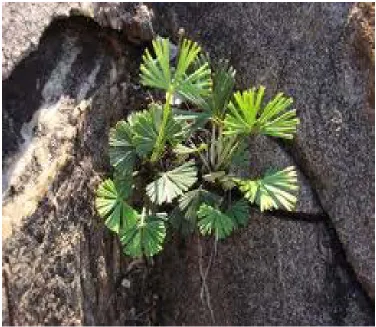
Actiniopteris radiata is a desert fern belong to family Adiantaceae (Pteridaceae). It is a tiny terrestrial fern, found throughout India and also in Burma, Sri Lanka, Afghanistan, Persia, Arabia, Yemen, South Eastern Egypt, Tropical Africa, Australia and Madagascar. It is of limited distribution, and in areas where it occurs, is restricted to depleted walls and rocky crevices of steep slops of exposed hilly areas, up to the altitude of 1200 m. The term Actiniopteris has its origin from the Greek aktis (ray) and pteris (fern); refers to the radiating leaf segments. Its vernacular names include Mayursikha : Sanskrit; Mapursika :Bombay and Peacock’s tail :English.
Adiantaceae family has cosmopolitan ferns, about 17 species occur in India, most of which possess medicinal properties. The ferns are primarily plants of lower elevation, growing upto 600 m above sea level, but a few survive at higher elevations also. The plants of this family are reported to contain kaemferol, quercetol, luteol, adiantone, isoadiantone, fernene, β -sitosterol and quercetin. The plants are used as hypoglycaemic, hair tonic, in skin diseases, leprosy and fever. An ointment prepared from fern is used as hair tonic. The decoction of the plant is used to cure cough and cold.
The ethnomedical uses of this plant are anthelmintic, haemostatic, antileprotic, used in dysentery, diabetes, skin diseases and fever. The reported biological activities of this plant are analgesic, antihistaminic, antimicrobial, antifungal and antifertility activity. The plant contain rutin, hentricontane, hentricontanol, β-sitosterol, β-sitosterol palmitate, unidentified glucoside, glucose and fructose. The reported phytochemical work is less.
2.2 OBJECTIVES OF THE WORK
3. To screen the extracts for in vitro antidiabetic activity. 4. To screen the plant extract for in vivo antidiabetic activity
5. To isolate the chemical constituents from the plant extract and structure elucidation.
2.3 PLAN OF WORK
• Selection of the plant, authentication, the whole plant to be dried at room temperature.
• The coarsely powdered plant to be extracted with different solvents of increasing polarity.
• Qualitative phytochemical analysis and quantitative phytochemical estimation of extracts.
• Column chromatography of ethyl acetate extract.
• Fractionating the ethyl acetate extract.
• Evaluation of in vitro anti-diabetic activity by alpha glucosidase inhibition activity.
• Quantitative and qualitative estimation of ethyl acetate extract and fractions by HPTLC.
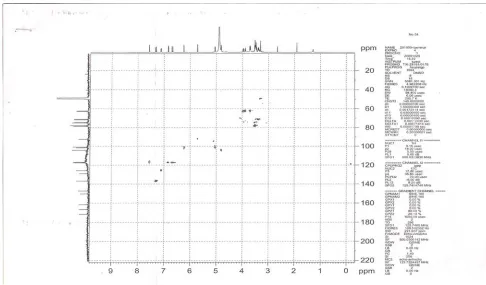
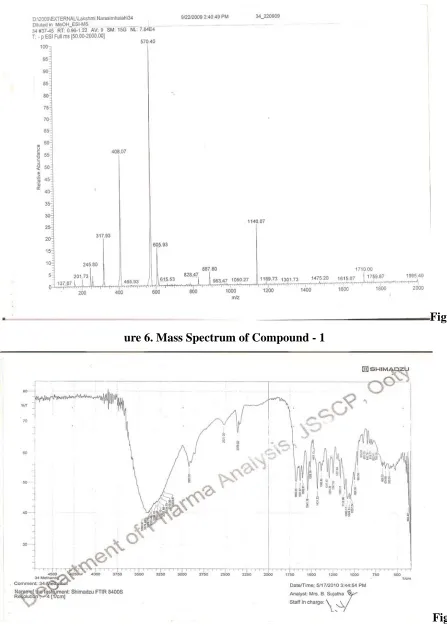
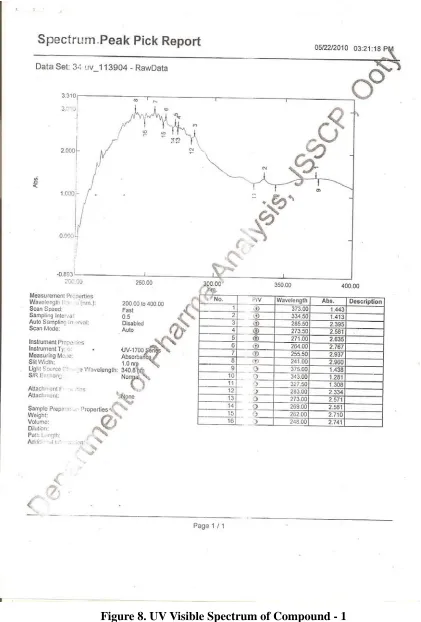
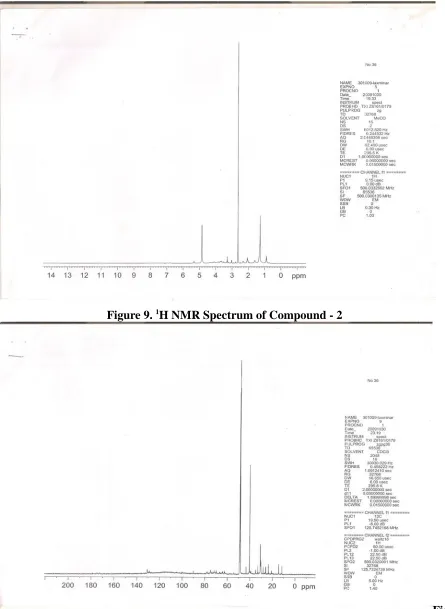
• Characterisation of isolated compounds by melting point, UV, IR, NMR, and mass spectrums.
• Evaluation of the extracts for in vitro antioxidant activity.
3. PLANT PROFILE AND REVIEW OF LITERATURE
3.1 Actiniopteris radiata
Family : Polypodiaceae
Vernacular Names : English : Peacock’s tail Hindi : Mayursikha Kannada : Mayurasikha Malayal : Mayurasikha Sanskrit : Mayursikha Tamil : Mayilatumsikhai Telagu : Mayurasikha
Distribution:
[image:33.612.131.507.360.687.2]It is found throughout India.
Description:
A herbaceous miniature palm like fern upto 25 cm hight with densely tufted stipe. Fronds fan like with numerous dichotomous segments which are rush like in texture, veins few, subparallel with distinct midrib, segments of fertile frond longer than those of the barren one, sori linear, elongate, submarginal.
Ethnomedical information:
The plant is bitter, astringent, anthelmintic, haemostatic, antileprotic and febrifuge. It is useful in vitiated conditions of kapha and pitta, diarrhea, dysentery, helminthiasis, haemoptysis, leprosy, skin diseases, diabetes and fever [66].
Chemical Constituents:
The plant contains rutin, hentriacontane, hentricontanol, β-sitosterol, β-sitosterol palmitate,
β-sitosterol-D-(+)-glycoside, an unidentified glycoside, glucose and fructose.
3.2 Phytochemical investigation and biological activity
Bambie, et al., have reported the preliminary study of the chemical constitution of the plant Actiniopteris radiata [68]. Dried stems and leaves of the plant (500 g) were extracted with petroleum ether and ethanol respectively. The petroleum ether extract was concentrated under reduced pressure to a green solid mass (10 g). It was put over an alumina column and eluted successively with petroleum ether (40-60oC), petroleum ether: benzene (4:1), benzene and benzene : chloroform (1:1). The first few fractions from petroleum ether on evaporation gave a 20 mg of hentricontane. The fractions after elution with petroleum ether : benzene (4:1) gave a 100 mg of β-sitosterol palmitate. The elutes from pure benzene on evaporation gave 100 mg of hentricontol. The alcoholic extract of the plant was concentrated to one-tenth of its original volume and was kept at 0oC for few days. A yellow crystalline substance was accumulated at the bottom. This on repeated crystallization from methanol gave yellow crystalline substance mp 190oC. It failed to give the test for steroids and flavanoids. It gave positive response for Molisch’s test and blood red coloration with conc.H2SO4 indicates the glycosidic nature of the compound.
Taneja, et al., have reported the isolation of compounds from petroleum ether and ethanol extract and reported the presence of 3-hydroxy flavones in the ethanol extract [69].
Whereas intraperitoneal administration of the aqueous and ethanolic extracts of Actiniopteris radiata showed non significant change in the tail flick latency till 120 minutes.
4. MATERIALS AND METHODS
4.1 Plant Material
The whole plant of Actiniopteris radiata was collected from Nilgiri district, Tamil Nadu, India, in November 2007. The plant was identified by Dr. S. Rajan, Field Botanist, Survey of Medicinal Plants and Collection Unit, Emerald, Nilgiri (Voucher No: 135). A voucher specimen was deposited at Survey of Medicinal Plants and Collection Unit, Emerald, Nilgiri.
4.2 Materials
4.2.1 Instruments
Melting points were determined using a Lab India melting point apparatus. UV-Visible spectrums were recorded using a Shimadzu UV-1700. IR spectrums were recorded on a Shimadzu FTIR-8400s. 1H (500 MHz) and 13C (100 MHz) spectrums were recorded on a BRUKER AV-400. EIMS was recorded by GC-MS on a P-POS/TOP MICRO, HITACHI. ESIMS spectrums were recorded on a HCT-Ultra PTM discovery, BRUKER. ELISA reader data recorded on a BIO - RAD 550.
4.2.2 Chemicals
2, 2 –diphenyl -1- picryl hydrazyl (DPPH) and 2, 21- azino-bis (3-ethylbenz-thiazoline-6-sulfonic acid) diammonium salt (ABTS) were procured from Sigma-Aldrich, California, USA. Rutin and p-nitroso dimethyl aniline (p-NDA) were procured from Acros Organics, New Jersy, USA. Naphthyl ethylene diamine dihydrochloride (NEDD) was procured from Roch – Light Ltd, Suffolk, UK. Nitro blue tetrazolium (NBT) was procured from S.D Fine Chem Ltd, Biosar, India. Glibenclamide was procured from Inga labs Ltd, Mumbai, India. Streptozotocin was procured from Hi media, Mumbai, India. All the other chemicals used were of analytical grade.
The plant was dried under shade for 7 days. The coarsely powdered plant material (500g) was packed in soxhlet apparatus. The packed plant material was extracted successively with petroleum ether, chloroform, ethyl acetate and ethanol for 18-20 hrs. These extracts were filtered and dried under vacuum.
4.4 Preliminary phytochemical analysis of successive extracts of Actiniopteris
radiata
The qualitative chemical tests were carried out for successive extracts of Actiniopteris radiata to identify the chemical constituents.
• Test for alkaloids Mayer test
Dragendroff’s test Wagner test Hager test
• Test for saponins Foam test
• Test for carbohydrates Molisch test Benedict test
• Test for glycosides Borntrager test
Test for reducing sugar
• Test for steroids
Libermann Buchard test
• Test for fatty acids Saponification test
• Test for flavanoids Ferric chloride test
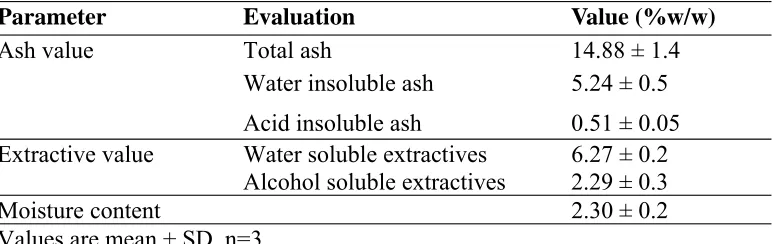
4.5.1 Ash value Total ash
The powdered plant (3 g) was accurately weighed and spread in a silica crucible which was previously ignited and weighed. The crucible was incinerated at a temperature not exceeding 450°C to make the powder free from carbon. The procedure was repeated to get a constant weight. The percentage of a total ash was calculated with reference to the dry weight of the powdered plant [72].
Acid insoluble ash
The acid insoluble ash was determined from the total ash. The total ash was boiled with 25 ml of 2 N HCl for 5 min. The insoluble ash was collected on an ash less filter paper and washed with hot water. The insoluble ash was transferred to pre-weighed silica crucible, ignited, cooled and weighed. The procedure was repeated to get a constant weight. The percentage of an acid insoluble ash was calculated with reference the dry weight of the powdered plant.
Water soluble ash
The water soluble ash was determined from the total ash. The total ash was boiled with 25 ml. of distilled water for 5 min. The insoluble ash was collected on an ash less filter paper and washed with hot water. The insoluble ash was transferred to pre-weighed silica crucible, ignited, cooled and weighed. The procedure was repeated to get a constant weight. The percentage of water soluble ash was calculated with reference to the dry weight of the powdered plant.
4.5.2 Extractive value
Extractive value determines the amount of active constituents in a given amount of medicinal plant material when extracted with solvent [73].
Alcohol soluble extractive value
was taken and percentage of alcohol soluble extractive value was calculated from the dry weight of the powder.
Water soluble extractive value
The powdered plant (3 g) was macerated with water (50 ml) in stoppered flask for 24 h and filtered. The filtrate was evaporated at 105°C to get a residue. The dry weight of the residue was taken and percentage alcohol soluble extractive value was calculated from the dry weight of the powder.
Moisture content
Moisture content was determined by subjecting the plant material at 105˚C to constant weight and total loss of weight was calculated. The moisture content of the plant material was determined by using Sartorius electronic moisture balance, a process of drying and its simultaneous weight recording up to the point of constant weight.
4.6 Isolation of compounds and characterisation 4.6.1 Column Chromatography
Isolation of compounds from extracts was done by selection of silica gel (60-120 mesh size) column chromatography. The column was prepared by wet packing method. The mobile phase was allowed to flow down through the column. The plant extract was dried to free flow powder, packed in a column chromatography. The solvents were allowed to flow down in the order of increasing polarity [74, 75, 76].
4.6.2 Column chromatography of ethyl acetate extract
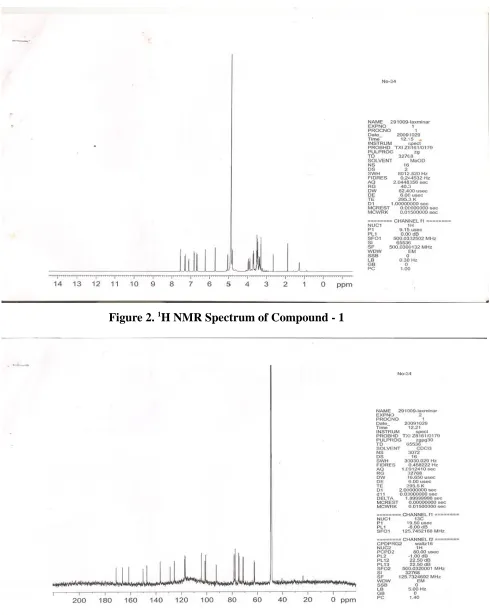
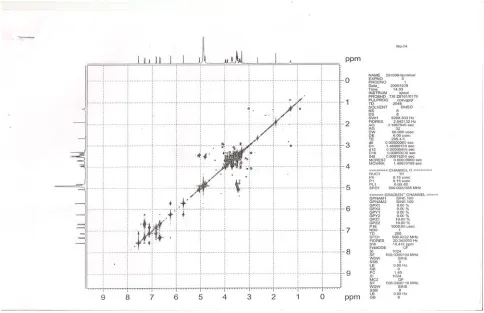
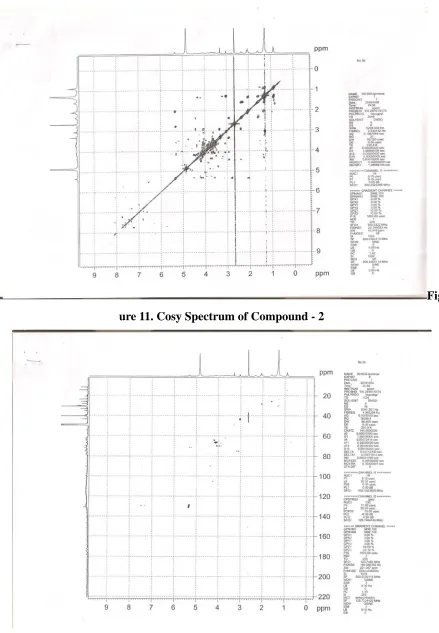
Thin layer chromatography was performed for all collected fractions and the fractions showing similar chromatograms were combined. The purification was done for major fractions by re-column. The fraction 13 was evaporated to yield 380 mg of yellow residue. It was purified by column chromatography to yield 45 mg of compound 1. The fraction 15 was evaporated to yield 120 mg of yellow residue. It was purified by column chromatography to yield 30 mg of compound 2 [80, 81, 82].
Isolation of compounds in ethyl acetate extract was performed as given below. Fractions No Solvent system Observation
---1 Pet. ether :---100 Green residue 2 Pet. ether : CHCl3 :95 :5 Green residue 3 Pet. ether : CHCl3 :90 :10 Brown residue 4 Pet. ether : CHCl3 : 85:15 Brown residue 5 Pet. ether : CHCl3 : 80:20 Yellow residue 6 CHCl3 : 100 Yellow residue 7 CHCl3 : Ethyl acetate : 95 : 5 Yellow residue 8 CHCl3 : Ethyl acetate : 90 : 10 Yellow residue 9 CHCl3 : Ethyl acetate : 85 : 15 Yellow residue 10 CHCl3 : Ethyl acetate : 80 : 20 Yellow residue 11 Ethyl acetate : 100 Yellow residue 12 Ethyl acetate : Methanol : 95 : 5 Yellow residue 13 Ethyl acetate : Methanol : 90 : 10 Yellow residue 14 Ethyl acetate : Methanol : 85 : 15 Yellow residue 15 Ethyl acetate : Methanol : 80 : 20 Yellow residue
---Fraction 13 (380 mg) was packed in column chromatography (silica gel 60-120 mesh size, 30 g). The solvents were allowed to flow in the order of increasing polarity. Twelve fractions were collected. Fraction 11 yielded 45 mg of compound 1.
Isolation of compound 1 from fraction 13
Fractions No Solvent system Observation
---Fraction 15 (120 mg) was packed in column chromatography (silica gel 60-120 mesh size, 30 g). The solvents were allowed to flow in the order of increasing polarity. Thirteen fractions were collected. Fraction 13 yielded 30 mg of compound 2.
Isolation of compound 2 from fraction 15
Fractions No Solvent system Observation
1 Pet. ether ; 10 No residue 2 Pet. ether: CHCl3 ;9:1 Yellow residue 3 Pet. ether : CHCl3 ;8:2 Yellow residue 4 Pet. ether : CHCl3 ;7:3 No residue 5 CHCl3 ; 10 Yellow residue 6 CHCl3 : Ethyl acetate ; 9:1 Yellow residue
4.7 QUANTITATIVE PHYTOCHEMICAL SCREENING 4.7.1 Estimation of total phenolic content
Total phenolic content was determined by using the Folin-ciocalteu method. This test is based on the oxidation of phenolic groups with phosphor molybdic and phosphor tungstic acids. After oxidation a green-blue complex formed which was measured at 750 nm [83].
Chemicals and reagents
i. Folin-ciocalteu reagent: Folin-ciocalteu reagent was diluted (1:10) with distilled water and used.
ii. Sodium carbonate: (0.7 M) 7.420 g of sodium carbonate was dissolve in 100 ml of distilled water.
iii. Methanol
iv. Preparation of test Solutions: 5 mg each of the extract and its fraction were separately dissolved in 5 ml of methanol to get 1 mg/ml solution.
v. Preparation of Standard Solutions: Gallic acid monohydrate (5 mg) was dissolved in 50 ml distilled water to get (100 µg/ml). It was serially diluted with distilled water to obtain lower dilutions of 80, 60, 40 and 20 µg/ml.
Procedure
The test and standard solutions (1 ml) were separately mixed with distilled water (5 ml), ethanol (1 ml), folin-ciocalteu reagent (0.5 ml) and sodium carbonate (1 ml). The reaction mixture was mixed thoroughly. After 2 h the absorbance was measured at 750 nm. Using the gallic acid standard curve the total phenolic contents of the sample were calculated. The total phenolic content was expressed in terms of gram percentage (g %).
Estimation of total flavonoid content
chloride forms acid labile complexes with the ortho-dihydroxyl groups in the A or B ring of flavonoids. The concentration of these complexes was measured at 415 nm [84].
Chemicals and reagents
i. Aluminium Chloride 10% w/w: 10 g of aluminium chloride was dissolved in 100 ml of distilled water.
ii. Potassium acetate (1 M): 98.10 g of potassium acetate was dissolved in 1 liter of distilled water.
iii. Distilled Methanol.
iv. Preparation of test Solutions: 5 mg each of the extract and its fraction were separately dissolved in 5 ml of methanol to get (1 mg/ml) solution.
v. Preparation of Standard Solutions: Rutin monohydrates (5 mg) was dissolved in 50 ml methanol to get 100 µg/ml. The primary stock was serially diluted with methanol to obtain lower dilutions of 80, 60, 40 and 20 µg/ml.
Procedure
The test and standard solutions (0.5 ml) were separately mixed with distilled water (2.8 ml), methanol (1.5 ml), aluminium chloride (0.1 ml) and potassium acetate (0.1 ml) and incubated at room temperature for 20 minutes. The absorbance of the reaction mixture was measured at 415 nm. Using the rutin standard curve, the total flavonoid content of samples calculated. The total flavonoid content was expressed in terms of gram percentage (g %).
QUANTITATIVE AND QUALITATIVE ANALYSIS OF EXTRACT AND FRACTION
The quantitative and qualitative estimation of the extract and fraction was done by HPTLC method [85].
4.8.1 Qualitative estimation of ethyl acetate extract, fraction and sample preparation for HPTLC
100 mg of Extract and Fraction were dissolved in 10 ml of methanol and sonicated for 30 min to get 10mg/ml solution.
Sample preparation : 1mg/ml solution in methanol
Mobile phase : Chloroform: Methanol
Saturation : 30 mins
Development chamber : CAMAG twin trough development chamber Applicator : CAMAG Linomat IV applicator
Scanner : CAMAG Scanner III CATS (4.06), Switzerland Mode of scanning : Absorption (deuterium)
Detection wavelength : 254-366 nm
Volume applied (samples) : 5µl of above prepared crude extract were applied.
Quantitative estimation of ethyl acetate extract and fraction
Standard Preparation
10 mg of Quercetin, rutin, gallic acid, ursollic acid, piperin and catechins were dissolved in 10 ml of methanol seperately to get 1mg/ml solution.
Sample preparation
100 mg of extract/fraction were dissolved in 10 ml of methanol and sonicated for 30min to get 10mg/ml solution.
Stationary phase : Precoated silica gel TLC plates GF60
Mobile phase Ratio Wave length(nm)
Volume applied
Standard Sample (µl)
Vol.
(µl) Conc. (ng) Vol. (µl) Conc (ng) Quercetin Ethyl acetate:formic
acid:glacial acetic acid:water
10:1.1:
1.1:2.6 200 - 366 12 4 6 8 1000 2000 4000 6000 8000 20
Rutin Ethyl acetate:formic acid:glacial acetic acid:water
10:1.1: 1.1:2.6
200- 366 1
2 4 6 8 1000 2000 4000 6000 8000 20
Gallic acid Toulene:acetone: formic acid
7:5:1 200- 366 1
2 4 6 8 1000 2000 4000 6000 8000 20
Ursollic acid Chloroform:Methanol 9:1 200- 366 1
Piperine Chloroform:Methanol 9.25:0.75 200- 366 1 2 4 6 8 1000 2000 4000 6000 8000 20 catechins Toulene:ethyl
acetate:formic acid 4:5:1 200- 366 12
4 6 8 1000 2000 4000 6000 8000 20
Linearity detector response (calibration by linear regression technique)
Linearity of detector response for all possible markers was performed using 1mg/ml-working solution, five different concentrations µg (10, 20, 40, 60 and 80) were applied on the HPTLC plates. The linearity was determined according to their peak area and peak height.
Spectral matching (Densitometric scan)
The spectras of standard and sample were matched to confirm the components by matching the standard Rf value and spectral scanning was carried out at 200-700 nm.
4.9 In-Vitro antioxidant activity
Free radicals are continuously produced by the body’s normal use of oxygen. The balance between the amount of free radicals generated in the body and antioxidants to scavenge them to protect the body against hyperglycemic related retinopathy, hypertension, cancer, diabetes mellitus, cardiac disorders, alzheimer’s disease and nephropathy. These disorders are primarily due to imbalance between pro-oxidants and anti-oxidants. The natural products like plants and plant products are correcting the imbalance [86]. There are many methods for evaluation of antioxidant activity. The in vitro methods are based on inhibition of free radicals. Samples are added to a free radical generating system and the inhibition of the free radical activity is measured. This inhibition is related to antioxidant activity of the sample. Methods vary greatly as to the generated radical, the reproducibility of the generation process and the end point that is used for the determination.
necessarily predict a similar in vivo antioxidant activity. All the methods developed have strengths and limitations and hence a single measurement of antioxidant capacity usually is not sufficient. A number of different methods may be necessary to adequately assess in vitro antioxidant activity of a extracts. In the present study all the extracts were tested for in vitro antioxidant activity using several standard methods. The absorbance was measured spectrophotometrically against the corresponding blank solution. The percentage inhibition was calculated by using the formula,
ODcontrol - ODsample
Percentage inhibition = --- X 100 ODcontrol
The quality of antioxidants in the extracts and fractions were determined by the IC50 values. A low IC50 value indicates strong antioxidant activity in the extracts or fractions. The evaluation of antioxidant activity was performed by following methods.
4.9.1 DPPH radical scavenging activity
The DPPH free radical is reduced to a corresponding hydrazine when it reacts with hydrogen donors. The DPPH radical is purple in colour and upon reaction with a hydrogen donor changes to yellow in colour. It is a discoloration assay, which is evaluated by the addition of antioxidant to a DPPH solution in ethanol or methanol and the decrease in absorbance was measured at 490 nm [87, 88, 89].
NO2
O2N
NO2 N N Ph Ph ..
+
R-OH NO2O2N
NO2 N N Ph Ph H R-O.
+
Purple Yellow ReagentsPreparation of extract solutions: Accurately 21 mg of each of the extracts were weighed and dissolved in 1 ml of freshly distilled DMSO separately to obtain solutions of 21 mg/ml concentration. These solutions were serially diluted separately to obtain lower concentrations.
Preparation of standard solutions: Accurately 10 mg each of ascorbic acid and rutin were weighed and dissolved in 0.95 ml of freshly distilled DMSO separately to obtain 10.5 mg/ml concentration. These solutions were serially diluted with DMSO to get lower concentrations.
Procedure: The assay was carried out in 96 well microtitre plate. To 200 µl of DPPH solution, 10 µl of each of the extract or standard solution was added separately in wells of the microtitre plate. The plates were incubated at 37oC for 30 min and the absorbance of each solution was measured at 490 nm, using ELISA reader.
4.9.2 Superoxide radical scavenging activity by alkaline DMSO method
In alkaline DMSO method, superoxide radical is generated by the addition of sodium hydroxide to air saturated dimethyl sulfoxide (DMSO). The generated superoxide remains stable in solution, which reduces nitro blue tetrazolium into formazan dye at room temperature and this can be measured at 560 nm. Superoxide scavenger inhibits the formation of a red dye formazan [90, 91, 92].
H3CO O2N
N N+ N
N .
+ O2
-H3CO O2N
N N N
NH .
Nitroblue tetrazolium