“
FORMULATION AND IN VITRO EVALUATION STUDIES ON ORAL DISINTEGRATING TABLETS OF AMBROXOL HYDROCHLORIDE BY USINGNATURAL SUPER DISINTEGRANTS
”
Dissertation submitted to
THE TAMILNADU Dr.M.G.R. MEDICAL UNIVERSITY,
CHENNAI – 32.
In partial fulfillment of the requirements for the award of the degree of
M
M
A
A
S
S
T
T
E
E
R
R
O
O
F
F
P
P
H
H
A
A
R
R
M
M
A
A
C
C
Y
Y
I
I
N
N
P
P
H
H
A
A
R
R
M
M
A
A
C
C
E
E
U
U
T
T
I
I
C
C
S
S
Submitted by
R
Re
eg
g.
.
N
No
o.
.
261210803
Under the Guidance of
Mrs.S.CHANDRA M.Pharm, (Ph.D).,
Assistant Professor
DEPARTMENT OF PHARMACEUTICS
J.K.K.MUNIRAJAH MEDICAL RESEARCH FOUNDATION
COLLEGE OF PHARMACY, KOMARAPALAYAM-638183.
Assistant Professor,
Department of Pharmaceutics,
J.K.K.Munirajah Medical Research Foundation College of Pharmacy,
Komarapalayam-638183. Namakkal – Tamilnadu.
C
C
E
E
R
R
T
T
I
I
F
F
I
I
C
C
A
A
T
T
E
E
This is to certify that the works embodied in this dissertation entitled
“FORMULATION AND IN VITRO EVALUATION STUDIES ON ORAL
DISINTEGRATING TABLETS OF AMBROXOL HYDROCHLORIDE BY USING
NATURAL SUPER DISINTEGRANTS” submitted in the partial fulfillment for the
degree of MASTER OF PHARMACY in Pharmaceutics. The Tamil Nadu Dr. M.G.R. Medical University, Chennai, is a bonafide work, which was carried out by
Mr.CHINTHAMREDDY RAVITEJA(Reg.No.261210803) under my guidance and supervision during the academic year 2013-2014.
Mrs. S.CHANDRA M.Pharm., (Ph.D)., Assistant Professor,
Department of Pharmaceutics.
J.K.K.Munirajah Medical Research Foundation College of Pharmacy,
Komarapalayam-638183.
C
C
E
E
R
R
T
T
I
I
F
F
I
I
C
C
A
A
T
T
E
E
This is to certify that the work embodied in this dissertation entitled
“FORMULATION AND IN VITRO EVALUATION STUDIES ON ORAL
DISINTEGRATING TABLETS OF AMBROXOL HYDROCHLORIDE BY USING
NATURAL SUPER DISINTEGRANTS ” submitted in the partial fulfillment for the
degree of MASTER OF PHARMACY in Pharmaceutics, The Tamil Nadu Dr. M.G.R. Medical university, Chennai, is a bonafide work, which was carried out by
Mr.CHINTHAMREDDY RAVITEJA(Reg.No.261210803) under the guidance and supervision of Mrs. S.CHANDRA
M.Pharm, (Ph.D)
., Professor Department of Pharmaceutics during the academic year 2013-2014.Mr. K.G. PARTHIBAN M.Pharm., (Ph.D)., Professor and
Head Department of Pharmaceutics
Principal,
J.K.K.Munirajah Medical Research Foundation College of Pharmacy,
Komarapalayam-638183.
CERTIFICATE
This is to certify that the work embodied in this dissertation entitled
“FORMULATION AND IN VITRO EVALUATION STUDIES ON ORAL
DISINTEGRATING TABLETS OF AMBROXOL HYDROCHLORIDE BY USING
NATURAL SUPER DISINTEGRANTS” submitted to The Tamil Nadu Dr. M.G.R.
Medical University, Chennai, was carried out by Mr. CHINTHAMREDDY RAVITEJA (Reg.No.261210803), for the partial fulfillment for the degree of MASTER OF PHARMACY in Pharmaceutics under the guidance of Mrs.S.CHANDRA, M.Pharm., (Ph.D)., Professor, Department of Pharmaceutics, J.K.K.Munirajah Medical Research Foundation College of Pharmacy, Komarapalyam,
during the academic year 2013-2014.
Dr.
N.SENTHIL KUMAR
M.Pharm., Ph.D.,Principal,
J.K.K.Munirajah Medical Research Foundation College of Pharmacy,
Komarapalayam-638183.
The work presented in this dissertation entitled “FORMULATION AND IN VITRO EVALUATION STUDIES ON ORAL DISINTEGRATING TABLETS OF
AMBROXOL HYDROCHLORIDE BY USING NATURAL SUPER
DISINTEGRANTS” was carried out by me under the guidance of,
Mrs.S.CHANDRA., M.Pharm., (Ph.D)., Assistant Professor in Department of Pharmaceutics, J.K.K.Munirajah Medical Research Foundation College of Pharmacy,
and Komarapalayam.This work is original and has not been submitted in part or full
for the award of any other degree or diploma of any other university.
Mr. CHINTHAMREDDY RAVITEJA (Reg.No.261210803)
First of all, I thank the ALMIGHTY who is constantly showering his blessing on me. It gives me immense pleasure to profusely thank my esteemed Academic guide Mrs. S.Chandra., M.Pharm, (PhD).,Asst Professor, Department of Pharmaceutics, JKKMMRF College of pharmacy, for the unflagging zeal with which they guided me in carrying out this research work.
My heartfull thanks to Professor K. G. Parthiban, Vice-Principal & HOD of Pharmaceutics Department for his moral support and help throughout the course. I would like to express my gratitude to Dr.N.Senthil Kumar, Principal, JKKMMRF College of pharmacy for his support and gratitude.
My heartfelt thanks to Mr.Ramesh M.Pharm Asst.Professor, Dept. of Pharmaceutical Analysis, JKKMMRF College of pharmacy for their moral support and help throughout the course.
We express our sincere thanks to our respected Correspondent,Dr. J.K.K. MUNIRAJAH, M.Tech (Bolton) for providing a good infrastructure and facilities during the entire course of B. Pharmacy.
It is my great privilege pride and honour in expressing my most coedial and humble thanks to my parents Mr. CH.VENKATASUBBAREDDY (Father) and Mrs. CH.DHANAMMA (Mother).
I express my profound indulge to all my staff members, Lab assistants and Librarian for their kind co-ordination during this work.
S. No
CONTENTS
PAGE. No
1
Introduction
1
2
Literature Review
40
3
Aim and Plan of work
56
4
Materials and methods
59
5
Results and discussion
103
6
Summary and conclusion
119
Department of pharmaceutics 1 JKKMMRF college of pharmacy
1. INTRODUCTION
The oral route of drug administration is the important method of
administering drug for systemic effects. Except in certain cases the parentral route is
not routinely used for self administration e.g. insulin. The topical route of
administration has only recently been developed to deliver drugs to the body for
systemic effect. The parentral route of administration is important in treating medical
emergencies in which the subject is coma or unable to swallow. Nevertheless at least
90% of all drugs used to provide systemic effect are administered by oral route. When
a new drug is developed pharmaceutical company ask is whether or not the drug can
be effectively administered for its intended effect by oral route of drug that are
administered orally, solid oral dosage forms indicates the preferred class of product.
Tablet and capsules indicates unit dosage forms in which usual dose of drug has been
accurately placed1.
Tablet is defined as solid pharmaceutical dosage form containing drug
substance with or with out suitable excipients and prepared by either compression or
molding method. They have been widely used since the later part of the 19th century,
and their popularity continues. The term compressed tablet is believed to have been
used by wyeth and brother of Philadelphia. During this same period, molded tablet
were introduced to use as hypodermic tablets for the preparation of solution for
injection. Tablet remains popular as a dosage form because of the advantages both to
the manufacturer (e.g. simplicity and economy of preparation, stability, and
convenience in packing, shipping and dispensing) and patient (e.g. accuracy of
dosage, compactness, portability, blandness of taste, and ease of administration).
Although the basic medicinal approach for their manufacture has remained the same,
Department of pharmaceutics
understand more clearly the physical characteristics of powder compaction and the
factor affecting the bioava
administration1,2.
Although tablets frequently are discoid in shape, they
round, oval oblong, cylinder or triangular
and weight depending on the amount of the drug substance present and the intended
method of administration. They are divided into two classes by whet
by compression or molding. Compressed
production method, while molded tablets generally involve small
method. Tablet formulation and design may described as the process where
formulator ensures that the current amount of the drug in the right form is delivered at
or over the proper time at the proper rate and in the desired location, while having its
chemical integrity protected to that point. Most recently, new concept and
regulations being made on bioavailability and bioequivalence and on validation are
[image:9.612.155.471.467.607.2]influencing on tablet formulation, design and manufacture
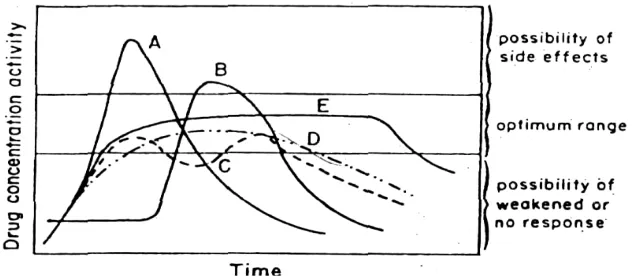
Fig No.1: Relationship between drug concentration or activity and time, for products possessing various release profiles. A, immediate release; B, Delayed action; C,
Repeat action; D, Prolonged release; E, controlled; sustained release.
Department of pharmaceutics 2 JKKMMRF college of pharmacy understand more clearly the physical characteristics of powder compaction and the
factor affecting the bioavailability of the drug from the dosage form after oral
Although tablets frequently are discoid in shape, they were also available in
round, oval oblong, cylinder or triangular shape. They may differ greatly in size
depending on the amount of the drug substance present and the intended
method of administration. They are divided into two classes by whether they are made
by compression or molding. Compressed tablets usually are prepared by large
production method, while molded tablets generally involve small- scale
. Tablet formulation and design may described as the process where
formulator ensures that the current amount of the drug in the right form is delivered at
or over the proper time at the proper rate and in the desired location, while having its
ical integrity protected to that point. Most recently, new concept and
regulations being made on bioavailability and bioequivalence and on validation are
on tablet formulation, design and manufacture2.
Relationship between drug concentration or activity and time, for products
possessing various release profiles. A, immediate release; B, Delayed action; C,
Repeat action; D, Prolonged release; E, controlled; sustained release.
JKKMMRF college of pharmacy understand more clearly the physical characteristics of powder compaction and the
form after oral
also available in
differ greatly in size,shape
depending on the amount of the drug substance present and the intended
her they are made
are prepared by large- scale
scale production
. Tablet formulation and design may described as the process where the
formulator ensures that the current amount of the drug in the right form is delivered at
or over the proper time at the proper rate and in the desired location, while having its
ical integrity protected to that point. Most recently, new concept and federal
regulations being made on bioavailability and bioequivalence and on validation are
Relationship between drug concentration or activity and time, for products
Department of pharmaceutics 3 JKKMMRF college of pharmacy 1.1 Types of tablets1
• Compressed tablet • Multi compressed tablet
Layered tablet
Compression coated tablet
• Repeat action tablet
• Delayed action and Enteric coated tablet • Sugar coated tablets
• Chewable tablets • Buccal tablets • Sublingual tablets • Troches and Lozenges • Dental cones
• Implantation tablets • Vaginal tablets • Effervescent tablets
• Dispersible tablets • Hypodermic tablets
Tablets used in the Oral Cavity
The tablets under this group are aimed release API in oral cavity or to provide
local action in this region. They avoids first-pass metabolism, decomposition in
gastric environment, nauseatic sensations and gives rapid onset of action. The tablets
formulated for this region are designed to fit in proper region of oral cavity.
Department of pharmaceutics 4 JKKMMRF college of pharmacy b) Sublingual tablet
c) Buccal tablet
d) Dental cones
e) Mouth dissolved tablet
Tablets Administered by Other Routes
These tablets are administered by other route except for the oral cavity and so
the drugs are avoided from passing through gastro intestinal tract. These tablets may
be inserted into other body cavities or directly placed below the skin to be absorbed
into systemic circulation from the site of application.
a) Vaginal tablet
b) Implants
Tablets used to prepare Solution
The tablets under this category are required to be dissolved first in water or
other solvents before administration or application. This solution may be for ingestion
or parenteral application or for topical use depending upon type of medicament used.
a) Effervescent tablet
b) Hypodermic tablet
c) Soluble tablet
1.2 Tablet Properties
Tablets can be made in any shape, although requirements of patients and
Department of pharmaceutics 5 JKKMMRF college of pharmacy shapes have been manufactured but patients find these difficult to swallow, and they
have more manufacturing problems.
Tablet diameter, size and shape are determined by the machine tooling used to
produce them - a die cavity, upper and a lower punch were required. This is called an
station of tooling. The thickness is determined by the amount of tablet material and
the position of the punches used during compression. Once this is done, we can
measure the corresponding pressure applied during compression. The shorter the
distance between the punches, thickness, and the greater the pressure applied during
compression and the harder the tablet. Tablets need to be hard enough that they don't
break up in the bottle, friable enough that they disintegrate in the gastric medium.
The tablet is composed of the Active Pharmaceutical Ingredient (active drug)
and with various excipients. These are biologically inert ingredients which enhance
the therapeutic effect or are necessary to design the tablet. The filler or diluents (e.g.
Lactose, mannitol or Sorbitol) were bulking agents, providing a quantity of material
which can accurately be formed into a tablet. Binders (e.g. methyl cellulose,starch or
gelatin) hold the ingredients together so that they can form a tablet. Lubricants (e.g.
magnesium stearate, talc or polyethylene glycol) were added to reduce the friction
between the tablet, punches and dies so that the tablet compression and ejection
processes are in smooth. Disintegrants or superdisintegrants (e.g. starch or cellulose)
are used to promote wetting and swelling of the tablet so that it breaks up in the
gastrointestinal medium; this is necessary for the dissolution of API.
Superdisintegrants are sometimes used to increase the speed of disintegration of
tablet. Additional ingredients may also be added such as coloring agents, flavoring
Department of pharmaceutics 6 JKKMMRF college of pharmacy designed using small quantities in a laboratory machine called as Powder Compaction
Simulator machine3.
1.3 Choice of Excipients
The selection of excipients in tablet formulations depends on the API, the type
of tablet, the desired characteristics, and the manufacturing process used. Several
types of tablets were available in the market. They include prompt release, from
which the drug dissolves in a very short time (sublingual or buccal tablets), and
immediate release and modified release, which includes most of the oral administered
tablets that were swallowed. Other types include effervescent, bilayered, chewable,
multiple compressed tablets and tablets for solution. The particular characteristics of a
tablet may be achieved by adding colors, pigments, flavours, sweeteners and a sugar
or film coating. The types of excipients selected for a formulation depend on the basic
process used to manufacture the tablets4.
1.4 Drug-Excipient Interactions and Their Effect on Absorption
Excipients were traditionally used as an inert substances but they can have
tremendous impact on the pharmacological activity of a drug substance when added to
a formulation. The effect will depend on the characteristics of the drug and on the
quantity and properties of the excipients used. Excipients were classified according to
the formulation, although many excipients perform multiple functions. Diluents allow
the formulation of a tablet and can form large proportion by weight of a formulated
product when the active ingredient is very potent. The physical characteristics of the
diluents play an important role; for example, triamterene was shown to dissolve more
Department of pharmaceutics 7 JKKMMRF college of pharmacy compared with insoluble diluents. Disintegrants swell when wetted and are added to a
formulation to facilitate the breakdown of the dosage form into granules and powder
particles. The newer disintegrants, called superdisintegrants, provides an extremely
rapid break up of a tablet owing to their ability to swell to many times of their original
size. Wicking and swelling were primary mechanisms of actions for tablet
disintegrants, while other mechanisms, such as deformation recovery, particle
repulsion theory, heat of wetting and evolution of a gas etc., may play a role in tablet
disintegration. Co processing is defined as combining or more established excipients
by an appropriate. Coprocessing of excipient could lead to formation of excipients
with major properties compared with the simple physical mixtures of their
components or with individual components. A large number of coprocessed diluents
are commercially used. The representative examples are Ludipress, Cellactose and
starlac. The use of co-processing is totally unexplored avenues in disintegrants. The
widely used super disintegrants are Sodium Starch Glycolate, crospovidone and
croscaramellose sodium were used as super disintegrants have strengths and
weakness.
1.5 Excipients used in tablets
Excipients are inert substances used as diluents or vehicles for a drug. Various
diluents or fillers, binders or adhesives, disintegrates, lubricants, glidants or flavours,
fragrances and sweeteners were used as excipients.
They must meet certain criteria as follows
• They must be physiological inert substances.
Department of pharmaceutics 8 JKKMMRF college of pharmacy
• They must be free of micro organisms considered to be harmfull or otherwise
objectionable.
• They should not be interfering with the bioavailability of the drug.
• They must be commercially available and should have purity according to
pharmaceutical standards.
• Cost must be inexpensive.
• They should meet all current regulatory requirements.
• To assure that no excipient interferences with the utilization of the drug, the
formulator must carefully and critically evaluate combinations of the drug
with each of the excipients and must consider compliance of each ingredient
with existing standards and regulatory requirements.
• The drug-excipients and excipient-excipient interactions should be carried out
in preformulations studies.
1.5.1 Fillers
Fillers are comprise a heterogeneous group of substances. Since they often
forms the bulk of the tablet, selection of a candidate from this group as a carrier for a
drug is of primary importance.
Eg: lactose, mannitol, dicalcium phosphate anhydrous.
1.5.2 Binders
Binders are the adhesives that holds powders together to form granules. They
are the adhesives that are added to tablet formulations to provide the cohesiveness
Department of pharmaceutics 9 JKKMMRF college of pharmacy The quantity used and the method of using must be carefully regulated, since the
tablet must remain intact when swallowing and then release its medicaments.
Binders are either sugar or polymeric materials the latter fall into two classes
Natural polymers such as starches or gums include acacia, tragacanth and gelatin.
Synthetic polymers such as PVP methyl cellulose and ethyl cellulose and hydroxyl
propyl methyl cellulose. Binders of both types may be added to the powder mix and
the mixture wetted with water, alcohol–water mixtures are also used as solvent, or
binder may be put into solution in the water, solvent and added to the powder. The
other method using the solution of the binder requires much less binding material to
achieve the same hardness than if added dry.Mostly used binders are gelatin, glucose,
methyl cellulose, acacia, starch paste, povidone, alcohol, PVP in water, PVP in
alcohol and sorbitol in water
1.5.3 Lubricants
Lubricants are used in tablet formulation for the ejection of the tablet from the
die cavity, to prevent sticking of tablets to the punches, and to prevent excessive wear
on punches and dies during compression. They function by interposing a film of low
shear strength at the interface between the tablet and die cavity and the punch surface.
Lubricants must be carefully selected for efficiency and for the properties of the tablet
formulation.
Department of pharmaceutics 10 JKKMMRF college of pharmacy Lubricants reduce the bonding properties of many excipients. Over blending is
one of the main causes of lubrication problems during the formulation. Lubricants
should be added last to the granulation and blended for 10 min.
Lubricant efficiency is a function of particle size; therefore, the finest grade
available should be used and screened through a 100-300 mesh screen before use in
formulation.
Commonly used lubricants are magnesium stearate, talc, starch.
1.5.4 Disintegrants
Disintegrants are used in tablet preparation to break the tablet rapidly. But
some of the disintegrants are also having property of enhancing solubility of insoluble
dosage forms
Examples
Crospovidone: Crospovidone is disintegrant it also enhances solubility of drug.
Sodium starch glycollate: sodium starch glycollate is widely used in oral
pharmaceuticals and as a disintegrant in capsule formulation.
Sodiumcrosscormellose
1.5.5 Glidants
Glidants are materials that are used to improve the flow characteristics of
granules by reducing the inter particulate friction during processing in proper amounts
they also serve to assure smooth and uniform flow of granules.
1.5.6 Desired criteria for mouth dissolving drug delivery system
Department of pharmaceutics 11 JKKMMRF college of pharmacy
• • •
• Not require water to swallow, but it should dissolve or disintegrate in the
mouth in matter of seconds.
• • •
• Be compatible with taste masking.
• • •
• Be portable without fragility concern.
• • •
• Have a pleasing mouth feel.
• • •
• Leave minimal or no residue in the mouth after oral administration.
• • •
• Exhibit low sensitivity to environmental conditions as humidity and
temperature.
• • •
• Allows the manufacture of tablet using conventional processing and
packaging equipment at low cost.
The several advantages of fast dissolving dosage forms are
1. Ease of administration for patients, those who are not co-operative.
2. Quick disintegration and dissolution of the dosage form.
3. Can be swallowed without water.
4. Allows high drug loading.
5. Can be designed to lave minimal or no residue in the mouth after
Department of pharmaceutics 12 JKKMMRF college of pharmacy 1.6 Super disintegrants in immediate release tablets
A disintegrant were added to a tablet or capsule blend to aid in the breakup of
the compacted mass when it is put into a fluid medium. This is especially important
for immediate release products where rapid release of drug substance is required. A
disintegrant can be added to a powder mix for direct compression , wet granulation or
encapsulation . While there are some tablets fillers such as starch microcrystalline
cellulose which helps in disintegration, there are referred to as superdisintegrants.
1.6.1 Method of Addition of Disintegrants
The requirement placed on the tablet disintegration should be clearly defined.
The ideal disintegrant has,
• Good solubility. • Poor gel formation. • Good hydration capacity.
• Good molding and flowing properties.
• No tendency to form complexes with other excipients.
Disintegrants are widely added to tablet granulation for the compressed tablet
to break or disintegrate when placed in aqueous environment.
There are two methods of incorporating disintegrating agents into tablets:
• Internal addition method • External addition method
• Partly internal and external methods
In external addition method, the disintegrant is added to the sized granulation
with mixing prior to compression. In internal addition method, the disintegrant is
Department of pharmaceutics 13 JKKMMRF college of pharmacy fluid. Thus the disintegrant is incorporated within the granules. When these methods
are used part of the disintegrants are added internally and part externally. This
provides immediate dispersion of the tablet into previous compressed granules while
the disintegrating agents within the granules produce further erosion of the granules to
the original powder particles. The two stepped method usually produces better and
more complete disintegration than the usual method of adding the disintegrant to the
granulation surface only.
1.7 Tablet processing
Pharmaceutical products are processed all over the world using the direct
compressing, wet granulation, or dry granulation method. Method is chosen depend
on the ingredients individual characteristics like flow property, compressibility.
Choosing a method required through investigation of each ingredient in the formula,
the combination of ingredients, and how they work with each other. Then the proper
granulation process can applied.
1.7.1 Direct compression1
Direct compression name implies compressing tablets directly from powdered
materials without modifying the physical nature of the material itself. Direct
compression is generally done for the crystalline material having good physical
properties required for formulation of good tablets. Main advantage of direct
compression is it saves time when compared to another method of compression like
Department of pharmaceutics 14 JKKMMRF college of pharmacy Advantage:
• Low labor in put • Drying process
• Fewest processing steps Limitations:
• Differences in densities and particle size cause stratification, which may lead
to content uniformity problem of low dose drugs.
• Large dose drugs which are not easily compressible by it could require an
amount of diluents so large that the resultant tablet is costly and difficult to
swallow (API usually restricted to 30% of a direct compressible formula).
• Because of dry nature compression static charge build up can occur.
1.7.2 Factors to be considered for directly compressible excipients: Flowability
Press speed requires powder to be very fluid, a property commonly referred to
as product flow ability. Good flow characteristic are necessary because the
mechanical action of the table press requires a volume of fill and this volume fill
represent the actual tablet weight. Thus the powders in the formula must possess a
consistent particle- size distribution and density to attain proper flow and achieve
volume of fill.
Compressibility
Compressing a tablet of different powder that have varying physical
Department of pharmaceutics 15 JKKMMRF college of pharmacy particles with high moisture content and small, dry particles then the tablet may or
may not compress well and probably will have difficulty holding together.
Directly compressible materials are preprocessed or found naturally in the
granular state. The reduced number of processing steps required by directly
compressible material allows for less equipment and shorter process time comparison
with wet or dry granulation processes.
1.8 Wet granulation1,3
Mostly widely used and most general method of tablet preparation is by wet
granulation method. Wet granulation forms the granules by binding the powders
together with an adhesion instead of by compaction. The wet granulation technique is
done by adding a solute, suspension or slurry containing binder this can be aqueous or
non aqueous which is added to the dry mix powder. The surface tension forces and
capillary pressure are primarily responsible for initial granules formation. The main
advantage is it meets the requirements of tablet formulation and main disadvantage is
it requires many steps in process, which is time consuming.
1.9 Dry granulation1,2
The dry granulation process is used to form granules without using a liquid
solution, this type of process is recommended for products, which are sensitive to
moisture and heat. Forming granules without moisture requires compacting and
densifing the powder. Dry granulation can be done on a tablet press slugging tooling.
On large-scale roller compactor commonly referred to as a chilsonator. The
Department of pharmaceutics 16 JKKMMRF college of pharmacy screened or milled to produce a granular form of tablet materials, which have the
good properties then original powder mixture.
The main advantage of granulation is it requires less equipment and eliminates
the addition of moisture and the application of heat, as found in wet massing and dry
steps of the wet granulation method.
1.10 Other technologies
The other technologies used for manufacturing of water dispersible
tablets are as follows
• Freeze drying
• Moulding • Sublimation • Spray drying • Mass extrusion
1.11 Patented technologies
Department of pharmaceutics 17 JKKMMRF college of pharmacy In present work, an attempt was made to explore the use of Natural gums for
both masking taste and as super disintegrating agents.
The advantages of such tablets will be that the patient can swallow the tablets
in the form of a liquid as they disintegrate quickly when in contact with saliva4. The
bitter taste of the drug cannot be felt with correct selection of ion exchange resin, drug
resonates comes into contact with the acidic environment of the stomach, the complex
is broken down quickly and completely15. The drug is released form the resinate
directly into solution and then absorbed in the usual way.
Such tablets may also be used dispersible tablet, which will be of value in
pediatric patients and those who are not co-operative.
Various techniques used for preparing mouth dissolving tablets15 are by freeze
drying, moulding, sublimation, spray drying, mass-extrusion and by direct
compression. Patented technologies for mouth dissolving tablets are zydis technology
durasolv technology, ora solv technology, flash dose technology, wow technology and
flash tab technology.
Freeze drying :
A process in which water is sublimated from the product after freezing, is
called freeze drying. Freeze-dried forms offer more rapid dissolution than other
available solid products. The lyophilization process imparts glossy amorphous
structure to the bulking agent and some times to the drug, thereby enhancing the
dissolution characteristics of the formulation.
Department of pharmaceutics 18 JKKMMRF college of pharmacy Tablets produced by moulding are solid dispersions. Physical form of the drug
in the tablets depend whether and to what extent, it dissolves in the molten carrier.
The drug can exist as discrete particles or micro particles dispersed in the matrix. It
can dissolve totally in the molten carrier to form solid solution or dissolve partially in
the molten carrier and the remaining particles stay undissolved and dispersed in the
matrix. Disintegration time, drug dissolution rate and mouth feel will depend on the
type of dispersion or dissolution.
Sublimation:
Compressed tablets composed of highly water soluble excipients as tablet
material often do not dissolve rapidly in the water. Porous tablets that exhibit good
mechanical strength and dissolve quickly. Inert solid ingredients {ex: urea,
ammonium carbonate, camphor, naphthalene) were added to other tablet excipients
and the blend was compressed into tablet. Removal of volatile material by
sublimation generated a porous structure.
Spray-Drying:
Highly porous and fine powders can be produced by spray drying, as the
processing solvent is evaporated rapidly during spray drying. For fast dissolving
tablets, they developed formulation by using mannitol as bulking agent, hydrolysed
and non-hydrolysed gelation as support matrix, sodium, starch glycolate as
disintegrant and acidic material (ex.citric acid) and/or alkali material (ex.NaHCO3) to
enhance disintegration and dissolution. When immersed in an aqueous medium, the
tablets compressed from spray-dried powder, disintegrated within 20 seconds).
Department of pharmaceutics 19 JKKMMRF college of pharmacy This technology involves softening the active blend using the solvent mixture
of water soluble polyethylene glycol using methanol and expulsion of softened mass
through the extruder or syringe to get a cylinder of the product into even segments
using heated blade to form tablets. The dried cylinder can also be used to coat
granules of bitter tasting drugs and thereby masking their bitter taste.
Direct Compression:
It is the easiest way to manufacture tablets. Conventional equipment,
commonly available excipients and a limited number of processing steps are involved
in direct compression. Directly compressed tablets disintegration and solubilization
depends on single or combined action of disintegrants, water soluble excipients and
effervescent agent. Disintegrant efficacy is strongly affected by tablet size and
hardness. Large and hard tablets have disintegration time more than that usually
required. As consequences, products with optimal disintegration properties often have
medium to small size and / or high friability and low hardness. Breakage of tablet
edges during handling and tablet rupture during the opening of blister alveolus, all
result from insufficient physical resistance.
Disintegrants have major role in the disintegration and dissolution process of
mouth dissolving Tablets made by direct compression. To ensure a high disintegration
rate, choice of suitable type and an optimal amount of disintegrant is important. Other
formulation components such as water soluble excipients or effervescent agents can
further enhance dissolution or disintegration properties. But main drawback of using
Department of pharmaceutics 20 JKKMMRF college of pharmacy The understanding of disintegrant properties and their effect on formulation
has advanced during last few years, particularly regarding so called super disintegrants.
Disintegration efficiency is based on force equivalent concept, which is the
combined measurement of swelling force development and amount of water
absorption. Force equivalent expresses the capability of disintegrant to transform
absorbed water into swelling force. The optimization of tablet disintegration was
defined by means of disintegrant critical concentration. Below this concentration, the
tablet disintegration time is inversely proportional to disintegrant concentration and
above that disintegration time remains approximately constant or even increases.
Zydis Technology:
Zydis formulation is a unique freeze dried tablet in which drug is physically
entrapped or dissolved within the matrix of fast-dissolving carrier material. When
zydis units are put into the mouth, the freeze-dried structure disintegrates
instantaneously and does not require water to aid swallowing. The zydis matrix is
composed of many materials designed to achieve a number of objectives. To impart
strength and resilience during handling, polymers such as gelatin, dextran or alginates
are incorporated. These form a glossy amorphous structure, which imparts strength.
Durasolv Technology:
Durasolv is the patented technology of CIMA labs. The tablets made by this
technology consists of a drug, fillers and a lubricant. Tablets are prepared by using
Department of pharmaceutics 21 JKKMMRF college of pharmacy conventional packaging system like blisters. Durasolv is an appropriate technology
for products requiring low amounts of active ingredients.
Orasolv Technology:
Orasolv technology has been developed by CIMA labs. In this system active
medicament is taste masked. It also contains effervescent disintegrating agent. Tablets
are made by direct compression technique at low compression force in order to
minimize oral minimize oral dissolution time. Conventional blenders and tablet
machine is used to produce the tablets. The tablets produced are soft and friable and
packaged in specially designed pick and place system.
Flash Dose Technology:
Flash dose technology has been patented by Fuisz. Nurofen meltlet, a new
form of Ibuprofen as melt-in-mouth tablets. Flash dose tablets consists of self binding
shearform matrix termed as “floss”. Shearform matrices are prepared by flash heat
processing.
Wowtab Technology:
Wowtab technology is patented by Yarnanouchi Pharmaceutical Co. Wow
means “Without water”. In this process, combination of low mouldability saccharides
and high mouldability saccharides is used to obtain a rapidly melting strong tablet.
The active ingredient is mixed with a low mouldability saccharide and granulated
Department of pharmaceutics 22 JKKMMRF college of pharmacy Flashtab Technology:
Prographarm laboratories has patented the Flashtab technology. Tablets
prepared by this system consists of an active ingredient in the form of microcrystals.
Drug microgranulesmay be prepared by using the conventional techniques like
coacervation, micro encapsulation, and extrusion. All the processing utilized
conventional tableting technology.
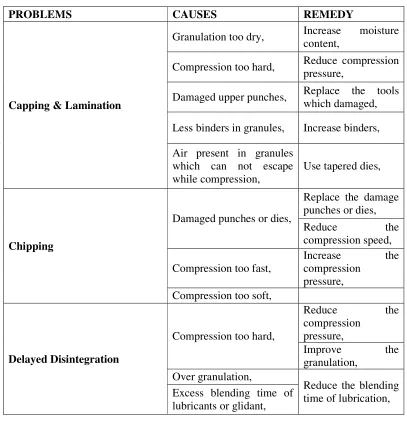
[image:29.612.119.526.296.722.2]1.12 Tablet Trouble Shooting1
Table No 01: Tablet Trouble Shooting1
PROBLEMS CAUSES REMEDY
Capping & Lamination
Granulation too dry, Increase moisture content,
Compression too hard, Reduce compression pressure,
Damaged upper punches, Replace the tools which damaged,
Less binders in granules, Increase binders,
Air present in granules which can not escape while compression,
Use tapered dies,
Chipping
Damaged punches or dies,
Replace the damage punches or dies,
Reduce the
compression speed,
Compression too fast,
Increase the compression
pressure, Compression too soft,
Delayed Disintegration
Compression too hard,
Reduce the
compression pressure,
Improve the granulation,
Over granulation,
Reduce the blending time of lubrication, Excess blending time of
Department of pharmaceutics 23 JKKMMRF college of pharmacy Soft tablet
Granulation too dry, Increase the moisture,
Machine too fast, Reduce machine speed,
Excess lubrication, Decrease the lubrication,
Compression too soft,
Increase the compression
pressure,
Hard Tablets Compression too hard,
Reduce compression pressure,
Uneven granulation, Improve granulation,
Sticking & Picking
Compression too soft,
Increase compression pressure,
Uneven granulation, Improve granulation,
More fines in blend,
Reduce moister
content in
granulation, Moister content in
granules, Use dehumidifier, High relative humidity, Improve lubrication, Improper lubrication, Polish the punches,
Damage of upper punch, Buffing the punches with lubricants,
Non Uniform Weight
Non uniform granules, Provide uniform granules,
Restricted free flow granules,
Add Glidant to improve the flow of granules,
Granules sticking too
lower punches, Improve lubrication, Feed frame / hopper flow
restricted,
Adjust the hopper to get free flow,
Black Mark On Tablets
Improper feed frame setting,
Improve feed frame setting,
Excessive moisture, Avoid excess moisture,
Over sized granules, Reduce granule size, Granules having black
particles prior to compression,
Reduce granules size
Lubrication or oil may be contaminating the powder,
Avoid
contamination with Greece or oil,
Department of pharmaceutics 24 JKKMMRF college of pharmacy Dissolution
Large granules, Reduce granules size,
Tablet too hard, Reduce tablet hardness,
Excess lubrication, Reduce compression hardness.
Choice of Mucolytic agents5,6
• Choice of mucolytic agent depends on • Availability
• Efficacy • Safety
• Cost
Guaphenesin, diphenhydramine are probably the most widely used Mucolytic
agents
1.14 Dispersible tablet1,6
Definition:- Dispersible tablet are uncoated tablet that produce a uniform and immediate dispersion in water. They should disintegrate with in three minutes and
produce a uniform dispersion and passes through seive no:22 when dispersed in
water. Dispersible tablet are formulated for pediatric and geriatric use or for patients
who has difficulty in swallowing tablets.
The chief advantage is quicker absorption and onset effect. They are
generally prepared for geriatric or pediatric patients or those who are having
difficulty in swallowing tablets. They dissolve in mouth with in few seconds to
Department of pharmaceutics 25 JKKMMRF college of pharmacy 1.14.1 Ideal characteristics of dispersible tablets5:-
• Should easily disintegrate and dissolves in water • Masks and overcome unacceptable taste of drug. • They should have high drug loading capacity.
• They should have pleasant feel in mouth during administration.
• They should have negligible or no residue in oral cavity after administration
of dosage form.
• They should have low sensitivity against environment conditions like
moisture, temperature, humidity and other environmental conditions.
• Easy administration for mentally ill, disabled and uncooperative patients. 1.14.2 Advantages of dispersible tablets1,7:-
• Little water is required to swallow the dosage form which is highly
convenient feature for patients who are travelling and do not have access to
water.
• Free of risk of suffocation due to physical obstruction when swallowed, thus
offering improved safety.
• Rapid disintegration and absorption of drug, which will produce quick onset
of action after administration.
• Quick absorption from the GIT improves bioavailability and reduces
unwanted effect caused by the drug .E.g. gastro intestinal irritation caused
by NSAIDS and also improve patient compliance.
Department of pharmaceutics 26 JKKMMRF college of pharmacy 1.14.3 Disadvantages of dispersible tablets1,7:-
• Most fast disintegrating tablet lack the mechanical strength common to
traditional tablet. Many products are very lightweight and fragile requiring
them to be individually packaged in separate conditions. Patients should be
advised not to push these tablets through the foil film, but instead, peel the
film back to release the fast-dissolving tablet.
• Due to the formulation of fast disintegrating tablets which also more
susceptible to degradation via temperature and humidity. Some of the newest
fast disintegrating tablet formulation is dispensed in a conventional stock
bottle. Pharmacists are advised to take care when dispensing such
formulation to ensure they are not exposed to high level of moisture or
humidity. Excess handling of tablets can introduce enough moisture to
initiate dissolution of the tablet matrix.
1.14.4 Mechanism of super disintegrants • Because of heat of wetting • Swelling
• Porosity and capillary action
• Due to disintegrating particle/particle repulsive forces • Due to deformation
Department of pharmaceutics 27 JKKMMRF college of pharmacy 1.15 Drugs to be promising in corporated in dispersible tablets
Analgesics and anti inflammatory agents -
Paracetamol, diclofenac, lornoxicam, piroxicam, aceclofenac, ibuprofen,
naproxen, ketoprofen,phenylbutazone, nimesulide.
Anthelmintic –
Piperazine, albenbazole, metronidazole, thiabendazole, niclosamide.
Anti coagulants –
Heparin, warfarin, phenindione, ancrod,danaparoid,
acenocoumarol,ethyldascoumacetate, lepirudin
Antiepileptics –
Lomotrigine, phenobarbitone, phenytoin, primidone, carbamazepine,
valproic acid, diazepam, gabapentin, zonisamide, tiagabine, clobazam
Anti gout drugs –
Probenecid, allopurinol, sulfinpyrazone
Anti hypertensive drugs –
Furosemide, enalapril, captopril, losartan, telmisatran, verapamil,
propranolol, atenolol, carvedilol, terazosin, clonidine, methyl dopa,
hydralazine, sodium nitro prusside, ramipril, candesartan, diltiazem,
nifedipine, amlodipine, metoprolol
Anti malarials –
Cloroquine, amodiaquine, mefloquina, quinine, quinidina,
Department of pharmaceutics 28 JKKMMRF college of pharmacy Antifungal –
Clotrimazole, miconazole, econazole, ketoconazole, voriconazyle,
itraconazole, fluconazole, oxiconazole, benzoic acid, undecylenic acid,
tolnaftate, butenafine, sodium thiosulfate
Anti thyroid –
Propylthiouracil, methimazole carbimazole, perchlorates, thiocyanates,
iodine, organic iodide
Sedatives and hypnotics –
Phenobarbitone, butobarbitone, thiopentone, diazepam, flurazepam,
nitrazepam, lorazepam, clobazam, clonazepam, zopiclone, zolpidem,
zaleplon, oxazepam, alprazolam
Cardiac inotropic agents –
Digoxin, dobutamine, dopamine, amrinone, furosemide, hydralazine,
bisoprolol, metaprolol, spironolactone, carvedilol, nitroprussude,
milrinone
Diuretics –
Furosemide, torasemide, hydrochlorothiazide, clopamide, benzthiazide,
hydroflumethiazide, metolazone, atetazolamide, mannitol, isosorbide,
glycerol, spironolactone, amiloride, triamterene, xipamide, indapamide,
bumetanide
Anti parkinsonian –
Levodopa, cabidopa, benserazide, ropinirole, pramipexole, selegiline,
tolcapone, entacapone, amantadine, biperiden, procyclidine,
orphenadrine, promethazine
Department of pharmaceutics 29 JKKMMRF college of pharmacy Gastro intestinal agents –
Ranitidine, cimitidine, roxatidine, famotidine, omeprazole, rabeprazole,
pantoprazole, lonsoprazole, oxyphenonium, misoprostol, sodium
bicarbonate, magnesium hydroxide
Anti histamines -
Levocetirizine, cetirizine, fexofenadine, clemastine, cyclizine,
mebhydroline, chlorpheniramine, meclizine, buclizine, hydroxyzine,
promethazine, diphenhydramine, dimenhydrinate, montelukast
Hypolipidaemic drugs –
Lovastatin, simvastatin, pravastatin, atorvastatin, rosuvastatin,
clofibrate, fenofibrate, bezafibrate, gemfibrozil, nicotinic acid,
ezetimibe, gugulipid
Nitrates and other angina drugs –
Glyceryl trinitrate, isosorbide dinitrate, erythrityl tetranitrate,
propronolol, atenolol, metoprolol, varapamil, nifedipine, nimodipine,
felodipine, amlodipine, benidipine, lacidipine, nicorandil, dipyridamole,
ranolazine, trimetazidine, oxyphedrine
Opioid analgesics –
Morphine, codeine, thebaine, papaverine, noscapine Other drugs such as
proteins, peptides, recombinant drugs, sex hormones stimulants, neuro
muscular agents were also used in the preparation of the dispersible
agents
Local anesthetics –
Procaine, chloroprocaine, prilocaine, lidocaine, tetracaine, bupivacaine,
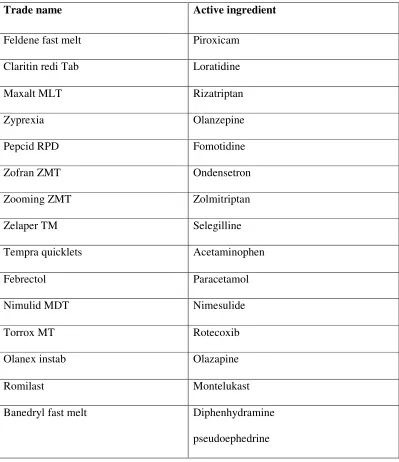
Department of pharmaceutics 30 JKKMMRF college of pharmacy 1.16 Commercially available various dispersible tablets
Table no -2 Commercially available various dispersible tablets
Trade name Active ingredient
Feldene fast melt Piroxicam
Claritin redi Tab Loratidine
Maxalt MLT Rizatriptan
Zyprexia Olanzepine
Pepcid RPD Fomotidine
Zofran ZMT Ondensetron
Zooming ZMT Zolmitriptan
Zelaper TM Selegilline
Tempra quicklets Acetaminophen
Febrectol Paracetamol
Nimulid MDT Nimesulide
Torrox MT Rotecoxib
Olanex instab Olazapine
Romilast Montelukast
Banedryl fast melt Diphenhydramine
Department of pharmaceutics 31 JKKMMRF college of pharmacy
1.17 DISEASE PROFILE
1.17.1 Chronic Obstructive Airway Disease
Chronic obstructive airway disease is a chronic diffuse irreversible
inflammatory airflow obstruction of lungs. This leads to a limitation of the flow of air
to and from the lungs causing shortness of breath (FSK Barar 2000).
COAD includes two main diseases:
• Chronic bronchitis • Emphysema
[image:38.612.155.469.403.579.2]Alternative term include COPD & COLD.
Fig No 2: Healthy alveoli and COPD affected Alveoli.
1.17.1.1 Epidemology
• In UK 30000 death per year due to COPD, 12% hospitalized.
Department of pharmaceutics 32 JKKMMRF college of pharmacy
• In US 10.2 millions have COPD.
• Incidence of COPD in non smokers in is 5%. 1.17.1.2 Ethiology
• Smoking : - Increased smoking increases the chance of COPD. • AGE : - Increase in age results in ventilatory impairment.
• Gender : - Both male and female has the possibility.
• Occupation: - Workers in coal, gold mining, cement etc has the possibility. • Genetic factors: - deficiency in α1 antitrypsin, tissue necrosis etc.
• Air pollution: - increase in urban areas than rural areas.
1.17.1.3. Classification Two main types:
• Chronic Bronchitis. • Emphysema.
1.17.2. Chronic Bronchitis
Chornic bronchitis is a condition of excessive mucus production by
tracheobronchial tree which results in air way obstruction due to edema and bronchial
inflammation.
Bronchits is considered chronic because cough produce more than 30ml of
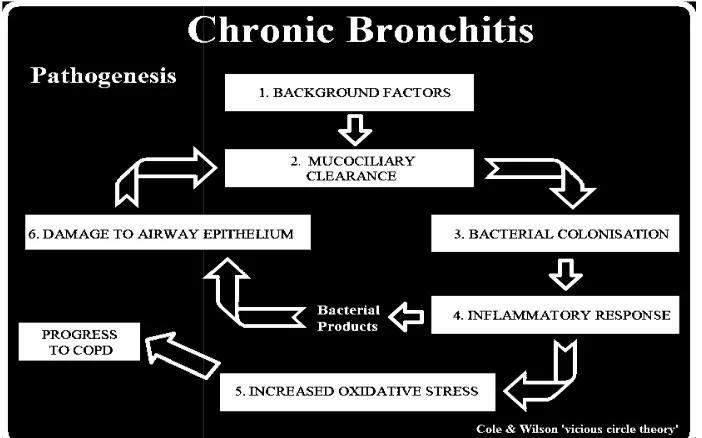
Department of pharmaceutics Fig No 3:
1.17.2.1. SIGNS AND SYMPTOMS
• Cough.
• Sputum production.
• Frequent infections. • Intermittent dyspnea. • Oedema.
• Plethora ( excess of blood). • Cyanosis.
• Wheezing.
• Diminished breath sound.
1.17.2.2 Diagnosis Sputum Inspetion
• Thick mucopurulent sputum.
• Microscopic analysis detect neutrophills and micro organisms.
Department of pharmaceutics 33 JKKMMRF college of pharmacy Chart showing the progress of COPD
.2.1. SIGNS AND SYMPTOMS
Sputum production. Frequent infections. Intermittent dyspnea.
Plethora ( excess of blood).
Diminished breath sound.
Sputum Inspetion
Thick mucopurulent sputum.
Microscopic analysis detect neutrophills and micro organisms.
JKKMMRF college of pharmacy
Department of pharmaceutics 34 JKKMMRF college of pharmacy Blood Analysis
• Polycythemia due to erythropoiesis.
• Increased WBC count due to bacterial infection. Pulmonary Function Test
• Normal in early disease stage.
• Later increase in RV, decrease in FEV. Chest Cardiograph
• Lung hyperinflation.
• Increased broncho vascular marking.
ECG
• Right ventricular hypertrophy.
1.17.2.3. Pathophysiology
There are two pathological process underlying development of chronic bronchitis.
A) Hypersecretory disorder characterized by expectoration with increasing
susceptibility to respiratory infections. Hypersecretion of thick and viscous
mucus leads to distension of alveoli and loss of gas exchange function.
Accumulation of pus and infected mucus lead to chronic viral and bacterial
infections.
B) Alveolar distension and destruction results in distortion of blood vesels closely
associated with alveoli lead to increase in BP in pulmonary circulation.
Department of pharmaceutics 35 JKKMMRF college of pharmacy 1.17.3. Emphysema
It is defined as a permanent change in the anatomy of lungs with enlargement and
destruction of the alveoli and respiratory bronchioles that result in deterioration in gas
[image:42.612.127.453.237.410.2]exchange and impared ventilation (Paul L. Munson 2001).
Fig No 4: Healthy alveoli and Emphysema affected alveoli.
1.17.3.1. Signs and Symptoms
• Minimal cough. • Scant sputum. • Dyspnea. • Weight loss.
• Occational infections.
• Barrel chest.
Department of pharmaceutics 36 JKKMMRF college of pharmacy 1.17.3.2. DIAGNOSIS
Sputum Inspection
• Scanty sputum.
• Infections are less frequent than in chronic bronchitis. Blood Analysis
• Decreased AAT level. Pulmonary function Test
• Normal or increased static lung compliance, decreased FEV, increased TLC
and RV.
Chest cardiograph
• Lung hyperinflation. • Flattened diaphragm • Vertical heart.
• Decreased vascular marking in lungs.
1.17.3.3. Pathophysiology
• Loss of available gas exchange surface leads to increase in dead space and impared gas exchange.
• Loss of elastic recoil in small airways leads to a tendancy to collapse particularly during expiration and increase thoracic gas volume and
hyperinflation of lungs.
Two types
• Centrilobular emphysema: - destruction of respiratory bronchioles,
alveolar ducts and alveoli.
Department of pharmaceutics 37 JKKMMRF college of pharmacy 1.17.4 Pharmacological Treatment (K.D. Tripathi 2008)
A) Prophylactic Treatment
• Single dose of pneumococcal vaccine. • Annual influenza vaccination.
B) Broncho dialators
• β2 agonist
• Short acting: Albuterol, Levabuterol. • Long acting: Salmetrol, Furmeterol.
• Anti cholinergics
• Short acting: Ipratropium bromide. • Long acting: Tiotropium bromide. • Methyl Xanthines: Theophylline. C) Mucolytics
• Bromhexine, Ambroxol HCl, Iodinated glycerol.
D) Cortciosteriods
• Systemic : Hydrocortisone, Prednisolone.
• Inhalation: Beclomethasone dipropionate, Budesonide.
E) Expectorants • Guaiphenesin.
F) Antibiotics
• 2nd Genaration cephalosporin: Cefuroxime, Cefactor.
Department of pharmaceutics 38 JKKMMRF college of pharmacy
• Macrolides: Azithromycin.
• Oral fluoroquinolone: Ciprofloxacin, Gatifloxacin.
G) Antioxidants
• N- acetyl cysteine
1.17.5 Broncho Pulmonary Disease
Ambroxol is indicated as “secretolytic therapy in broncho pulmonary diseases
associated with abnormal mucus secretion and impaired mucus transport. It promotes
mucus clearance, facilitates expectoration and eases productive cough, allowing
patients to breathe freely and deeply. A sustained release dosage form with 75 mg to
be given once a day. Ambroxol is also available as dry powder sachets, inhalation
solution, drops and ampoules as well as effervescent tablets (Michael Curtis Michael
Walker etal 2006).
1.17.6 Sore Throat
Ambroxol also provides pain relief in acute sore throat. Pain in sore throat is
the hallmark of acute pharyngitis. Sore throat is usually caused by a viral infection.
The infection is self limited and the patient recovers normally after a few days. The
patient experiences continuous pain in the throat when swallowing. The main goal of
treatment is to reduce pain. The main property of Ambroxol for treating sore throat is
the local anaesthetic effect (Alexander Schutz, Hans-Jürgen Gund etal 1993).
1.17.7 Pulmonary Alveolar Proteinosis
Pulmonary alveolar proteinosis (PAP) is characterized by the presence of
Department of pharmaceutics 39 JKKMMRF college of pharmacy by an excess of surfactant components (both lipids and proteins) in lung lavage. It
may be present during the neonatal period or later in life. PAP is the consequence of a
genetic defect involving the lungs, such as a mutation of the surfactant protein B
(SP-B) gene, or it can represent an aspect of a different genetic disease, such as lysinuric
protein intolerance. The main pharmacodynamic effects of ambroxol hydrochloride
are surfactant stimulation, mucokinetic activity and some secretagogue activity (Karl,
1987). The lung surfactant system is a mixture of phospholipids and protein
synthesized and secreted in the alveolar spaces primarily by type II pneumocytes. So
type II pneumocyte stimulation with ambroxol hydrochloride can lead to
chemico-physical and functional changes in alveolar macrophages, probably through an
increase in surfactant secretion and uptake (Luisetti et al., 1987). Thus an oral
ambroxol hydrochloride and therapeutic BAL should be the first choice in treating
Department of pharmaceutics 40 JKKMMRF college of pharmacy
2. REVIEW OF LITERATURE
1. Milind p wage, et al (2010) Prepared fast dissolving tablet of aceclofenac by direct compression method after incorporating superdisintegrants
croscarmellose sodium, crospovidone and sodium starch glycolate. Nine
formulation having superdisintegrant at different concentration (10, 15, 20 mg)
level were prepared. Effect of superdisintegrant on wetting time, dispersion
time, drug content and in vitro release has been studied.The result of the study
shows that tablet containing cross carmellose sodium showed excellent in
vitro dispersion time and drug release as compared to other formulation.
2. Anupama kalia, et al (2009) Formulated mouth-dissolving tablets of oxcarbazepine by using two different technologies, direct compression method
and solid dispersion technology. Tablets produced by direct compression
method contain crospovidone as a superdisintegrant and aspartame as a
sweetener. Solid dispersions of oxcarbazepine with polyvinylpyrrolidone K-30
and polyethylene glycol 6000 in different weight ratios were prepared with a
view to increase its water solubility.The result of the study shows that
Oxcarbazepine solid dispersions with polyvinylpyrrolidone K-30 in 1:2 ratios
of drug: carrier showed maximum drug release and hence, compressed along
with other excipients into mouth dissolving tablet.
3. Sandeep B. Pathi, et al (2009) Formulated Olanzapine quick dispersing tablets by direct compression method. Effect of super disintegrant
crospovidone on wetting time, disintegration time, and drug content and in
Department of pharmaceutics 41 JKKMMRF college of pharmacy
formulating a quick dispersible tablet. The selected independent variables
crospovidone and hydroxypropylcellulose showed significant effect on
dependent variables i.e. disintegration time and percent drug dissolved.The
result of the study shows that disintegration time and percent drug dissolved
decreased with increase in the level of crospovidone. The similarity factor f2
was found to be 72.68 for the developed formulation indicating the release was
similar to that of the marketed formulation.
4. Snehalatha,etal(2009)Formulated Lornoxicam dispersible tablets using natural disintegrants which would release the drug rapidly with predetermined
rate. Six batches of Lornoxicam dispersible tablets were prepared by using
various natural disintegrating agents in order to get required theoretical release
profiles. The influence of the disintegrant concentration and granulation
technique on the release of Lornoxicam was studied. The study reveals that the
formulation prepared by direct compression exhibits better dissolution,
disintegration at low concentration of natural disintegrants.
5. Raghavendra Raon.G,et al (2009) Formulated chlorthalidone fast dissolving tablet by direct compression using cogrinding and solid dispersion methods by
using chlorthalidone as a model drug. Chlorthalidone is a well known diuretic
used in the treatment of hypertension and edema. The half life of
chlorthalidone is 40 hours. The major problem with this drug is erratic
absorption from GIT, limited aqueous solubility and a high melting point,
which may hinder dissolution causing decreased bioavailability of the drug.
Department of pharmaceutics 42 JKKMMRF college of pharmacy
view to increase solubility and bioavailability.The result of the tablet
formulation containing polyvinyl pyrrolidone K-12 solid dispersion showed
maximum drug release than the chlorthalidone polyvinyl pyrrolidone K-12
co-grinding method. The dissolution profile of best solid dispersion formulation
was compared with co-grinding method formulation.
6. Biraju Patel, et al (2009) developed fast dissolving tablets of glipizide were prepared by direct compression method with a view to enhance patient
compliance. Two superdisintegrants viz, crospovidone and croscarmellose
sodium (4%, 5%, 6%) with different binders viz, pvp k-30 and pregelatinized
starch (3%) were used. The prepared batches of tablets were evaluated for
hardness, friability, and weight variation, disintegration, wetting time, drug
content and in vitro dissolution studies. Based on evaluating parameters,
Formulation prepared by using 5% croscarmellose sodium with 3% PVP K30
was selected as optimized formulation. Finally, the optimized formulation was
compared with marketed conventional formulation.
7. Jashanjit Sing, et al (2009)formulated and optimized an orodispersible formulation of meloxicam using a 22 factorial design for enhanced
bioavailability. The tablets were made by non-aqueous wet granulation using
crospovidone and mannitol. A 22 factorial design was used to investigate the
amount of crospovidone and taste masking, soothening hydrophilic agent
(mannitol), as independent variables, and disintegration time as dependent
Department of pharmaceutics 43 JKKMMRF college of pharmacy
variation, friability, disintegration time, drug content, wetting time, water
absorption ratio and in vitro drug release.
8. P.S. Zade, et al (2009)