promoting access to White Rose research papers
White Rose Research Online
[email protected]
Universities of Leeds, Sheffield and York
http://eprints.whiterose.ac.uk/
This is an author produced version of a paper published in
ACM Computing
Surveys
.
White Rose Research Online URL for this paper:
http://eprints.whiterose.ac.uk/78801
Published paper
Hierons, R.M., Bogdanov, K., Bowen, J.P., Cleaveland, R., Derrick, J., Dick, J.,
Gheorghe, M., Harman, M., Kapoor, K., Krause, P., Luttgen, G., Simons, A.J.H.,
Vilkomir, S., Woodward, M.R. and Zedan, H. (2009)
Using formal specifications
to support testing
. ACM Computing Surveys, 41 (2). ISSN 0360-0300
Using Formal Speci
fi
cations to Support Testing
Îò Óò Ø·»®±²-ô Õò Þ±¹¼¿²±ªô Öò Ðò Þ±©»²ô Îò Ý´»¿ª»´¿²¼ô Öò Ü»®®·½µô Öò Ü·½µô Óò Ù¸»±ó ®¹¸»ô Óò Ø¿®³¿²ô Õò Õ¿°±±®ô Ðò Õ®¿«-»ô Ùò Ô«»¬¬¹»²ô ßò Öò Øò Í·³±²-ô Íò Ê·´µ±³·®ô Óò Îò ɱ±¼©¿®¼ô ¿²¼ Øò Æ»¼¿²
Ú±®³¿´ ³»¬¸±¼- ¿²¼ ¬»-¬·²¹ ¿®» ¬©± ·³°±®¬¿²¬ ¿°°®±¿½¸»- ¬¸¿¬ ¿--·-¬ ·² ¬¸» ¼»ª»´±°³»²¬ ±º ¸·¹¸ ¯«¿´·¬§ -±º¬©¿®»ò ɸ·´» ¬®¿¼·¬·±²¿´´§ ¬¸»-» ¿°°®±¿½¸»- ¸¿ª» ¾»»² -»»² ¿- ®·ª¿´-ô ·² ®»½»²¬ §»¿®- ¿ ²»© ½±²-»²-«- ¸¿- ¼»ª»´±°»¼ ·² ©¸·½¸ ¬¸»§ ¿®» -»»² ¿- ½±³°´»³»²¬¿®§ò ̸·- ¿®¬·½´» ®»ª·»©- ¬¸» -¬¿¬» ±º ¬¸» ¿®¬ ®»¹¿®¼·²¹ ©¿§- ·² ©¸·½¸ ¬¸»
presence of a formal specification can be used to assist testing.
Ý¿¬»¹±®·»- ¿²¼ Í«¾¶»½¬ Ü»-½®·°¬±®-æ Üòîòì Åͱº¬©¿®» Û²¹·²»»®·²¹]: Software/Program, Verification; D.2.5
Åͱº¬©¿®» Û²¹·²»»®·²¹Ãæ Ì»-¬·²¹ ¿²¼ Ü»¾«¹¹·²¹å Üòîòî Åͱº¬©¿®» Û²¹·²»»®·²¹Ãæ Ü»-·¹² ̱±´- ¿²¼
Ì»½¸²·¯«»-ïò ×ÒÌÎÑÜËÝÌ×ÑÒ
With the growing significance of computer systems within industry and wider society,
¬»½¸²·¯«»- ¬¸¿¬ ¿--·-¬ ·² ¬¸» °®±¼«½¬·±² ±º ®»´·¿¾´» -±º¬©¿®» ¿®» ¾»½±³·²¹ ·²½®»¿-·²¹´§ ·³ó °±®¬¿²¬ò ̸» ½±³°´»¨·¬§ ±º ³¿²§ ½±³°«¬»® -§-¬»³- ®»¯«·®»- ¬¸» ¿°°´·½¿¬·±² ±º ¿ ¾¿¬¬»®§ ±º -«½¸ ¬»½¸²·¯«»-ò Ì©± ±º ¬¸» ³±-¬ °®±³·-·²¹ ¿°°®±¿½¸»- ¿®» º±®³¿´ ³»¬¸±¼- ¿²¼ -±º¬©¿®» ¬»-¬·²¹ò
Ì®¿¼·¬·±²¿´´§ º±®³¿´ ³»¬¸±¼- ¿²¼ -±º¬©¿®» ¬»-¬·²¹ ¸¿ª» ¾»»² -»»² ¿- ®·ª¿´-ò ̸¿¬ ·-ô ¬¸»§ ´¿®¹»´§ º¿·´»¼ ¬± ·²º±®³ ±²» ¿²±¬¸»® ¿²¼ ¬¸»®» ©¿- ª»®§ ´·¬¬´» ·²¬»®¿½¬·±² ¾»¬©»»² ¬¸» ¬©± ½±³³«²·¬·»-ò ײ ®»½»²¬ §»¿®-ô ¸±©»ª»®ô ¿ ²»© ½±²-»²-«- ¸¿- ¼»ª»´±°»¼ò ˲¼»® ¬¸·-½±²-»²-«-ô ¬¸»-» ¿°°®±¿½¸»- ¿®» -»»² ¿- ½±³°´»³»²¬¿®§ ÅÞ±©»² »¬ ¿´ò îððîå ر¿®» ïççêÃò ̸·- ¸¿- ´»¼ ¬± ©±®µ ¬¸¿¬ »¨°´±®»- ©¿§- ·² ©¸·½¸ ¬¸»§ ½±³°´»³»²¬ »¿½¸ ±¬¸»®ò
The use of a formal specification or model eliminates ambiguity and thus reduces the
½¸¿²½» ±º »®®±®- ¾»·²¹ ·²¬®±¼«½»¼ ¼«®·²¹ -±º¬©¿®» ¼»ª»´±°³»²¬ò Ò¿¬«®¿´´§ô ¬¸»®» -¬·´´ ®»ó
mains the issue of obtaining a formal specification that matches the actual customer
re-¯«·®»³»²¬- ¿²¼ ¬¸·- ·- ½±³°´·½¿¬»¼ ¾§ ¬¸» ¬»²¼»²½§ º±® -¬¿¬»¼ ®»re-¯«·®»³»²¬- ¬± ½¸¿²¹» ¼«®ó
ing development. Where a formal specification exists, both the source code and the spec-ification may be seen as formal objects that can be analyzed and manipulated. A formal specification could be analyzed in order to explore the consequences of this specification and potentiallyfind mistakes (see, for example, [Kemmerer 1985]). If this is done then we have greater confidence that we are testing the-§-¬»³ «²¼»® ¬»-¬ øÍËÌ÷¿¹¿·²-¬ ¬¸»¿½¬«¿´ requirements. The use of a formal specification introduces the possibility of the formal and, potentially, automatic analysis of the relationship between the specification and the
-±«®½» ½±¼»ò ̸·- ·- ±º¬»² ¿--«³»¼ ¬± ¬¿µ» ¬¸» º±®³ ±º ¿ °®±±ºô ¾«¬ -«½¸ ¿ °®±±º ½¿²²±¬ ¹«¿®¿²¬»» ±°»®¿¬·±²¿´ ½±®®»½¬²»--ò Ú±® ¬¸·- ®»¿-±²ô »ª»² ©¸»®» -«½¸ ¿ °®±±º ·- ¾»´·»ª»¼ ¬± »¨·-¬ô ·¬ ·- ·³°±®¬¿²¬ ¬± ¿°°´§ ¼§²¿³·½ ¬»-¬·²¹ ø-»»ô º±® »¨¿³°´»ô Åܻӷ´´± »¬ ¿´ò ïçéçå Ú»¬¦»® ïçèèÃ÷ò
ͱº¬©¿®» ¬»-¬·²¹ ·- ¿² ·³°±®¬¿²¬ ¿²¼ô ¬®¿¼·¬·±²¿´´§ô »¨¬®»³»´§ »¨°»²-·ª» °¿®¬ ±º ¬¸» -±º¬ó ©¿®» ¼»ª»´±°³»²¬ °®±½»--ô ©·¬¸ ¬¸» ·³°±®¬¿²½» ¿²¼ ½±-¬ ¼»°»²¼·²¹ ±² ¬¸» ²¿¬«®» ¿²¼
criticality of the system. Studies suggest that testing often forms more thanfifty percent of
î
~
specifications and models exist, these may be used as the basis for automating parts of the testing process and this can lead to more efficient and effective testing. It may transpire that its support for test automation is one of the most significant benefits of formal model
¾«·´¼·²¹ò ̸» ´·²µ- ¾»¬©»»² ¬»-¬·²¹ ¿²¼ º±®³¿´ ³»¬¸±¼- ¼±ô ¸±©»ª»®ô ¹± ©»´´ ¾»§±²¼
generating tests from a formal specification.
For example, if we have a formal specification then we may be able to use this as the
ba--·- º±® ¹»²»®¿¬·²¹ ¿ ¬»-¬ ±®¿½´»æ ¿ -§-¬»³ ¬¸¿¬ ¼»¬»®³·²»- ©¸»¬¸»® ¿² ±¾-»®ª»¼ ·²°«¬ñ±«¬°«¬
behaviour is consistent with the specification. Naturally, the datatypes used in the specifi
-½¿¬·±² ¿®» ±º¬»² ³±®» ¿¾-¬®¿½¬ ¬¸¿² ¬¸±-» ·² ¬¸» ÍËÌô ·² ©¸·½¸ ½¿-» ·¬ ·- ²»½»--¿®§ ¬± ¸¿ª» ¿ «-»®ó-«°°´·»¼ ¿¾-¬®¿½¬·±² º«²½¬·±²ò Ò±¬»ô ¸±©»ª»®ô ¬¸¿¬ ·² ¹»²»®¿´ -«½¸ ¿² ¿¾-¬®¿½¬·±² º«²½¬·±² ½¿² ¾» «²½±³°«¬¿¾´»ò
Many systems have a persistent internal state and testing then includesfinding an input
-»¯«»²½» ¬¸¿¬ ¬¿µ»- ¬¸» -§-¬»³ ¬± ¿ ®»¯«·®»¼ -¬¿¬» º±® ¿ ¬»-¬ ¿²¼ ½¸»½µ·²¹ ¬¸¿¬ ¬¸» -¬¿¬» ·- ½±®®»½¬ ¿º¬»® ¬¸» ¬»-¬ò ß¹¿·²ô º±®³¿´ ³±¼»´´·²¹ ½¿² ¸»´° «- ¸»®»ô ¿²¼ °®±ª·¼» -«°°±®¬
forfinding appropriate paths through afinite state structure. There is, as ever it seems, a
º«²¼¿³»²¬¿´ ´·³·¬¿¬·±² ¬± ©¸¿¬ ·- ¿½¸·»ª¿¾´» ¼«» ¬± ¬¸» º»¿-·¾´» °¿¬¸ °®±¾´»³æ ¿ ½¸±-»² °¿¬¸ ³·¹¸¬ ²±¬ ¾» º»¿-·¾´» ¿²¼ ·¬ ·- «²¼»½·¼¿¾´» ©¸»¬¸»® ¿ °¿¬¸ ·- º»¿-·¾´»ò ɸ·´» ¬¸·-°®±¾´»³ ¿ºº»½¬- ¿´³±-¬ ¿´´ º±®³¿´·-³-ô ¬¸»®» ¿®» ¹»²»®¿´ ¿°°®±¿½¸»- -«½¸ ¿- ½±²-¬®¿·²¬ -±´ª·²¹ ¿²¼ ¬¸»±®»³ °®±ª·²¹ ¬¸¿¬ ½¿² ¿--·-¬ò
The presence of a formal specification or model makes it possible for the tester to be
½´»¿®»® ¿¾±«¬ ©¸¿¬ ·¬ ³»¿²- º±® ¿ -§-¬»³ ¬± °¿-- ¿ ¬»-¬ò ̸·- ³¿§ ¾» ¿½¸·»ª»¼ ¬¸®±«¹¸ ¬¸» «-» ±º ¬»-¬ ¸§°±¬¸»-»- ÅÙ¿«¼»´ ïççëà ±® ¼»-·¹² º±® ¬»-¬ ½±²¼·¬·±²- Å×°¿¬» ¿²¼ ر´½±³¾» ïççéå ر´½±³¾» ¿²¼ ×°¿¬» ïççèÃò Í·³·´¿® ·¼»¿- ½¿² ¾» º±«²¼ ·² ¬¸» ¹»²»®¿¬·±² ±º
¬»-¬-fromfinite state machines in which someº¿«´¬ ³±¼»´·- ¿--«³»¼ Å×ÌËóÌ ïççéÃò Ë-·²¹
¬¸»-» ¿°°®±¿½¸»- ·¬ ·- °±--·¾´» ¬± ¹»²»®¿¬» ¬»-¬- ¬¸¿¬ ¼»¬»®³·²» ½±®®»½¬²»-- ©·¬¸ ®»-°»½¬ ¬±
a specification under certain conditions, circumventing Dijkstra’s famous aphorism that
¬»-¬·²¹ ½¿² -¸±© ¬¸» °®»-»²½» ±º ¾«¹-ô ¾«¬ ²»ª»® ¬¸»·® ¿¾-»²½» ÅÜ·¶µ-¬®¿ ïçéîÃò ׺ °®±¹®¿³ ¿²¿´§-·- ½±«´¼ ¾» «-»¼ ·² ±®¼»® ¬± »·¬¸»® °®±ª» ¬¸¿¬ ¬¸»-» ½±²¼·¬·±²- ¸±´¼ ±® °®±ª·¼» ½±²ó
fidence in them holding, then we would have a very tight coupling between specification and testing; a combined formal analysis of specification and test could provide very strong
¹«¿®¿²¬»»- ±º ½±®®»½¬²»--ò
Ѳ ¿ -´·¹¸¬´§ ¼·ºº»®»²¬ ¬¿½µô ·²º±®³¿¬·±² ¹¿¬¸»®»¼ ¾§ ¬»-¬·²¹ ³¿§ ¿--·-¬ ©¸»² «-·²¹ ¿
formal specification. Testing can be used in order to provide initial confidence in a system
¾»º±®» »ºº±®¬ ·- »¨°»²¼»¼ ·² ¿¬¬»³°¬·²¹ ¬± °®±ª» ½±®®»½¬²»--ò ɸ»®» ·¬ ·- ²±¬ ½±-¬ »ºº»½¬·ª»
to produce a proof of conformance, the developers may gain confidence in the SUT through
-§-¬»³¿¬·½ ¬»-¬·²¹ò ̸·- ³·¹¸¬ ¾» ½±³°´»³»²¬»¼ ¾§ °®±±º- ¬¸¿¬ ½®·¬·½¿´ °®±°»®¬·»- ¸±´¼ò ß °®±±º ±º ½±®®»½¬²»-- ³·¹¸¬ ¿´-± «-» ·²º±®³¿¬·±² ¼»®·ª»¼ ¼«®·²¹ ¬»-¬·²¹ò Ú·²¿´´§ô ¿ °®±±º ±º ½±®®»½¬²»-- ®»´·»- «°±² ¿ ³±¼»´ ±º ¬¸» «²¼»®´§·²¹ -§-¬»³ ¿²¼ ¼§²¿³·½ ¬»-¬·²¹ ³·¹¸¬ ¾» «-»¼ ¬± ·²¼·®»½¬´§ ½¸»½µ ¬¸¿¬ ¬¸·- ³±¼»´ ¸±´¼-ò ß² ·²¬»®»-¬·²¹ ½¸¿´´»²¹» ·- ¬± ¹»²»®¿¬» ¬»-¬-¬¸¿¬ ¿®» ´·µ»´§ ¬± ¾» »ºº»½¬·ª» ·² ¼»¬»½¬·²¹ »®®±®- ·² ¬¸» ¿--«³°¬·±²- ·²¸»®»²¬ ·² ¿ °®±±ºò
In this article we explore the many ways in which the presence of a formal specification
½¿² -«°°±®¬ ¬»-¬·²¹ò É» »¨°´±®» ·--«»- -«½¸ ¿-æ ©¸¿¬ -±®¬- ±º ¬»-¬ ½¿-»- ¼± ©» ©·-¸ ¬± °®±¼«½»å ©¸¿¬ ¼±»- ¬¸» ®»-«´¬ ±º ¿°°´§·²¹ ¬¸»-» ¬»-¬ ½¿-»- ¬»´´ «-å ¿²¼ô ¸±© ½¿² ©» ¹»²ó
erate them? We also discuss issues regarding testability — a property whose significance
³»¬¸±¼-~
í¿²¼ Í»½¬·±² í ¬¸»² ¼·-½«--»- -±³» ¹»²»®¿´ ®»´¿¬·±²-¸·°- ¾»¬©»»² º±®³¿´ ³»¬¸±¼- ¿²¼ ¬»-¬ó
ing. Sections 4–8 describe work on generating tests from a specification written using a model based notation such as Z, VDM, or B; afinite state machine; a process algebra; a hybrid specification language; or an algebraic specification language respectively. Section
ç ¼»-½®·¾»- ¬¸» «-» ±º ³±¼»´ ½¸»½µ·²¹ ¿²¼ ½±²-¬®¿·²¬ -¿¬·-º¿½¬·±² ¬»½¸²·¯«»- ·² ¿«¬±³¿¬ó ·²¹ ¬»-¬ ¹»²»®¿¬·±²ò Í»½¬·±² ïð ¼·-½«--»- º«¬«®» ®»-»¿®½¸ ¼·®»½¬·±²- ¿²¼ Í»½¬·±² ïï ¼®¿©-½±²½´«-·±²-ò
îò ×ÒÌÎÑÜËÝÌ×ÑÒ ÌÑ ÚÑÎÓßÔ ÓÛÌØÑÜÍ
Formal specification languages are mathematically-based languages whose purpose is to
¿·¼ ¬¸» ½±²-¬®«½¬·±² ±º -§-¬»³- ¿²¼ -±º¬©¿®»ò Ѻ¬»² ¾¿½µ»¼ ¾§ ¬±±´ -«°°±®¬ô ¬¸»§ ½¿² ¾» «-»¼ ¬± ¾±¬¸ ¼»-½®·¾» ¿ -§-¬»³ ¿²¼ ¿´-± ¬¸»² ¬± ¿²¿´§¦» ·¬- ¾»¸¿ª·±«®ô °±--·¾´§ ª»®·º§·²¹ µ»§ °®±°»®¬·»- ±º ·²¬»®»-¬ò
The engineering rationale behind formal methods is that time spent on specification and
¼»-·¹² ©·´´ ¾» ®»°¿·¼ ¾§ ¿ ¸·¹¸»® ¯«¿´·¬§ ±º °®±¼«½¬ô ¬¸·- ½±²¬®·¾«¬·²¹ ¬± ¬¸» ½±³³»®½·¿´ ®¿¬·±²¿´» ±º ¬®§·²¹ ¬± ®»¼«½» ¬¸» ½±-¬ ±º ®»©±®µ ´¿¬»® ±²ò Ú±®³¿´ ³»¬¸±¼- ±º ½±«®-» ¼± ²±¬ ¹«¿®¿²¬»» ½±®®»½¬²»--ô ¾«¬ ¬¸»·® «-» ¿·³- ¬± ·²½®»¿-» ±«® «²¼»®-¬¿²¼·²¹ ±º ¿ -§-¬»³ ¾§ ®»ª»¿´·²¹ »®®±®- ±® ¿-°»½¬- ±º ·²½±³°´»¬»²»-- ¬¸¿¬ ³·¹¸¬ ¾» øª»®§÷ »¨°»²-·ª» ¬± ®»½¬·º§ ¿¬ ¿ ´¿¬»® ¼¿¬»ò Ò¿¬«®¿´´§ô ¼»ª»´±°³»²¬ ·- -¬·´´ ´·µ»´§ ¬± ¾» ·¬»®¿¬·ª»ô -·²½» ®»¯«·®»³»²¬- «-«¿´´§
change during a development project and the use of formal specification languages cannot
¾» »¨°»½¬»¼ ¬± »²¬·®»´§ »´·³·²¿¬» »®®±®-ò
Over the last 25 years formal methods have reached a sufficient level of maturity so that
¬¸»§ ¿®» ®±«¬·²»´§ ¿°°´·»¼ ·² ¸¿®¼©¿®» ½±²-¬®«½¬·±²ô ¿²¼ ¿°°´·»¼ ©·¬¸ ¿ ½»®¬¿·² º®»¯«»²½§ ·² -±º¬©¿®» ½±²-¬®«½¬·±²ô °¿®¬·½«´¿®´§ º±® -¿º»¬§ ½®·¬·½¿´ -±º¬©¿®»ò É» ²±© ¼»-½®·¾» ¬¸» ³¿·²
types of formal specification languages before discussing the problem of test generation in
Í»½¬·±²- ìŠèò
2.1 Specification Languages
The primary idea behind a formal method is that there is benefit in writing a precise-°»½ó
ification±º ¿ -§-¬»³ô ¿²¼ º±®³¿´ ³»¬¸±¼- «-» ¿ º±®³¿´ ±® ³¿¬¸»³¿¬·½¿´ -§²¬¿¨ ¬± ¼± -±ò
̸·- -§²¬¿¨ ·- «-«¿´´§ ¬»¨¬«¿´ ¾«¬ ½¿² ¾» ¹®¿°¸·½¿´ò ß-»³¿²¬·½-·- ¿´-± °®±ª·¼»¼ô ¬¸¿¬ ·-ô ¿ °®»½·-» ³»¿²·²¹ ·- ¹·ª»² º±® »¿½¸ ¼»-½®·°¬·±² ·² ¬¸» ´¿²¹«¿¹»ò
A specification of a system might cover one or more of a number of aspects, including its
º«²½¬·±²¿´ ¾»¸¿ª·±«®ô ·¬- -¬®«½¬«®» ±® ¿®½¸·¬»½¬«®»ô ±® »ª»² ½±ª»® ¿-°»½¬- ±º ²±²óº«²½¬·±²¿´ ¾»¸¿ª·±«® -«½¸ ¿- ¬·³·²¹ ±® °»®º±®³¿²½» ½®·¬»®·¿ò
A precise specification of a system can be used in a number of ways. First, it can be used
¿- ¬¸» °®±½»-- ¾§ ©¸·½¸ ¿ °®±°»® «²¼»®-¬¿²¼·²¹ ±º ¬¸» -§-¬»³ ½¿² ¾» ¿®¬·½«´¿¬»¼ô ¬¸»®»¾§
revealing errors or aspects of incompleteness. The specification can also be analyzed or it can be verified correct against properties of interest.
A specification can also be used as a vehicle for driving the development process, either through refining the specification towards code or by direct code generation. Of course, a key aspect of the development process is testing, and a specification can also be used to
-«°°±®¬ ¬¸» ¬»-¬·²¹ °®±½»--ò ײ¼»»¼ô ¬¸» °«®°±-» ±º ¬¸·- °¿°»® ·- ¬± »¨°´±®» ¬¸·- ·--«» ·² -±³» ¼»°¬¸ò
A variety of different formal specification techniques exist, some are general purpose
ì
~
-±³» ±º ¬¸» ³±-¬ °±°«´¿® ²±¬¿¬·±²- ¿- ¿ °®»´«¼» ¬± ¿ ¼·-½«--·±² ±² ¸±© ¬¸»·® «-» ½¿² ¾» ·²¬»¹®¿¬»¼ ·²¬± ¬¸» ¬»-¬·²¹ °®±½»--ò
îòî Ó±¼»´óÞ¿-»¼
Ô¿²¹«¿¹»-There are a number of different ways to write a precise specification. One approach is to
¾«·´¼ ¿³±¼»´±º ¬¸» ·²¬»²¼»¼ ¾»¸¿ª·±«®ô ¿²¼ ´¿²¹«¿¹»- -«½¸ ¿- Æ ÅÍ°·ª»§ ïçèèå ïççîÃô ÊÜÓ ÅÖ±²»- ïççïà ¿²¼ Þ Åß¾®·¿´ ïççêà ¼± -± ¾§ ¼»-½®·¾·²¹ ¬¸» -¬¿¬»- ¬¸» -§-¬»³ ½±«´¼ ¾» ·² ¬±¹»¬¸»® ©·¬¸ ±°»®¿¬·±²- ¬¸¿¬ ½¸¿²¹» ¬¸» -¬¿¬»ò
̸» -¬¿¬»- ±º ¬¸» -§-¬»³ ¿®» ¬§°·½¿´´§ ¼»-½®·¾»¼ «-·²¹ -»¬-ô -»¯«»²½»-ô ®»´¿¬·±²- ¿²¼ º«²½¬·±²-ô ¿²¼ ±°»®¿¬·±²- ¿®» ¼»-½®·¾»¼ ¾§ °®»¼·½¿¬»- ¹·ª»² ·² ¬»®³- ±º °®»ó ¿²¼ °±-¬ó
conditions. There are a number of ways to structure such a specification. Z, for example,
«-»- ¿ ´¿²¹«¿¹» ±º-½¸»³¿-¬± ¼± -±ô ©¸»®» »¿½¸ -½¸»³¿ ½±²-·-¬- ±º ¿ ¼»½´¿®¿¬·±² ¬±¹»¬¸»® ©·¬¸ ¿ °®»¼·½¿¬» ©¸·½¸ ½±²-¬®¿·²- ¬¸» -½¸»³¿ò
Consider, for example, the specification of a bounded stack. We describe the possible
-¬¿¬»- ±º ¬¸» -¬¿½µ ª·¿ ¿ -½¸»³¿ò É» ©±«´¼ ´·µ» ¬± «-» ¬¸» -¬¿½µ ¬± µ»»° ¬¸·²¹- ¬¸¿¬ ½±³» º®±³ ¿ °¿®¬·½«´¿® -»¬ô -¿§Ñ¾¶»½¬. This can be specified in Z as follows:
ÅѾ¶»½¬Ã
This defines a set,Ѿ¶»½¬ô ¿²¼ ¿¬ ¬¸·- ´»ª»´ ±º ¿¾-¬®¿½¬·±² ©» ¿®» ²±¬ ½±²½»®²»¼ ©·¬¸ ¬¸»
-¬®«½¬«®» ±º ¬¸» »´»³»²¬- ±º ¬¸·- -»¬ò Ú«®¬¸»®ô ·² ±®¼»® ¬± -°»½·º§ ¬¸» ¾±«²¼»¼ -¬¿½µô ©»
define a constant, say³¿¨Í·¦»ô ¾»§±²¼ ©¸·½¸ ¬¸» -·¦» ±º -¬¿½µ ½¿²²±¬ ¹®±©ò
³¿¨Í·¦»ããîðððð
Ò±©ô ©» ½¿² ¼»-½®·¾» ¬¸» °±--·¾´» -¬¿¬»- ±º ¬¸» -¬¿½µ «-·²¹ ¬¸» º±´´±©·²¹ -½¸»³¿æ
ͬ¿½µ
·¬»³-æ -»¯Ñ¾¶»½¬
ý·¬»³-i³¿¨Í·¦»
̸·- ¼»½´¿®»-·¬»³-¬± ¾» ¿ -»¯«»²½» ±º »´»³»²¬- º®±³ ¬¸» -»¬Ñ¾¶»½¬-«½¸ ¬¸¿¬ ¬¸» ´»²¹¬¸ ±º·¬»³-¼±»- ²±¬ »¨½»»¼³¿¨Í·¦»ò ̸» º±´´±©·²¹ ·²·¬·¿´·¦¿¬·±² -½¸»³¿Í¬¿½µ×²·¬ô ¹·ª»- ¬¸»
initial configuration of the system. Priming (ð÷ ±º ¿ ª¿®·¿¾´» ¼»²±¬»- ¬¸» ¿º¬»® -¬¿¬» ±º ¬¸¿¬
½±³°±²»²¬ò ̸«-·¬»³-ù®»º»®- ¬± ¬¸» ¿º¬»® -¬¿¬» ±º ª¿®·¿¾´»·¬»³-ò
ͬ¿½µ×²·¬ ͬ¿½µð
·¬»³-ð㸷
̸» º±´´±©·²¹ ±°»®¿¬·±²ô̱°ô ®»¬«®²- ¬¸» ¬±°³±-¬ ª¿´«» ±² ¬¸» -¬¿½µ °®±ª·¼»¼ ·¬ ·- ²±¬ »³°¬§ò ̸»Ì±°±°»®¿¬·±² ¼±»- ²±¬ ³±¼·º§ ¬¸» -¬¿¬» ±ºÍ¬¿½µò
̱°
Èͬ¿½µ ¨ÿ æѾ¶»½¬
·¬»³-ê㸷
·¬»³-~
ëWe can further define the usualб°¿²¼Ð«-¸±°»®¿¬·±² ±² ¬¸» -¬¿½µ ©·¬¸ ±¾ª·±«- º«²½ó
¬·±²¿´·¬§ ¿- º±´´±©-æ
б°
Üͬ¿½µ ¨ÿ æѾ¶»½¬
·¬»³-ê㸷
·¬»³-ð㬿·´
·¬»³-¨ÿ㸻¿¼
·¬»³-Ы-¸
Üͬ¿½µ ¨á æѾ¶»½¬
ý·¬»³-䳿¨Í·¦» ·¬»³-ð㸨᷿
·¬»³-Ê¿®·±«- ½±²ª»²¬·±²- ¿®» «-»¼ ·² Æô º±® »¨¿³°´»ô ²¿³»- »²¼·²¹ ·² á ¼»²±¬» ·²°«¬ô ¿²¼ ²¿³»- »²¼·²¹ ·² ÿ ¼»²±¬» ±«¬°«¬ ø¨á ¿²¼¨ÿ ¿®» ¬¸«- ·²°«¬- ¿²¼ ±«¬°«¬- ±º ¬§°»Ñ¾¶»½¬ô ®»-°»½¬·ª»´§÷òÜͬ¿½µ¼»²±¬»- ¿ °±¬»²¬·¿´ ½¸¿²¹» ±º -¬¿¬» º±® ½±³°±²»²¬- ¼»½´¿®»¼ ·²Í¬¿½µô ¿²¼Èͬ¿½µ¼»²±¬»- ²± ½¸¿²¹» ·² -¬¿¬» ·² ¿² ±°»®¿¬·±² -½¸»³¿ò
Ú«®¬¸»® ·²º±®³¿¬·±² ¿¾±«¬ Æ ¿²¼ ¿°°´·½¿¬·±²- ·- ¹·ª»² ·² ÅÍ°·ª»§ ïçèèå ïççîÃò ײ Í»½¬·±²
4 we discuss methods for testing on the basis of a model-based specification.
îòí Ú·²·¬» ͬ¿¬»óÞ¿-»¼
Ô¿²¹«¿¹»-Ó±¼»´ó¾¿-»¼ ´¿²¹«¿¹»- -«½¸ ¿- Æô ÊÜÓ ¿²¼ Þ ½¿² ¼»-½®·¾» ¿®¾·¬®¿®·´§ ¹»²»®¿´ -§-¬»³-ô
and have potentially infinite state. This generality has a drawback in that it makes reasoning
´»-- ¿³»²¿¾´» ¬± ¿«¬±³¿¬·±²ò ̸·- ¼®¿©¾¿½µ ·- ²±¬ô ¸±©»ª»®ô °®»-»²¬ ·² ¬¸» ½¿-» ±ºfinite
-¬¿¬»ó¾¿-»¼specification languages.
As their name suggests,finite state-based languages define their state from afinite set of
ª¿´«»-ô ©¸·½¸ ¿®» ±º¬»² °®»-»²¬»¼ ¹®¿°¸·½¿´´§ ©·¬¸ -¬¿¬» ¬®¿²-·¬·±²- ®»°®»-»²¬·²¹ ½¸¿²¹»- ±º
state akin to operations in a notation such as Z. Examples of such languages includefinite
-¬¿¬» ³¿½¸·²»- øÚÍÓ-÷ ÅÔ»» ¿²¼ Ç¿²²¿µ¿µ·- ïççêÃô ÍÜÔ Å×ÌËóÌ ïçççÃô ͬ¿¬»½¸¿®¬- ÅØ¿®»´ ¿²¼ Ù»®§ ïççéà ¿²¼ È󳿽¸·²»- Åر´½±³¾» ¿²¼ ×°¿¬» ïççèÃò ÚÍÓ ¾¿-»¼ ¬»-¬
¬»½¸²·¯«»-have been considered when testing from such specifications. Much of the work on testing
-±º¬©¿®» º®±³ ¿² ÚÍÓ ¸¿- ¾»»² ³±¬·ª¿¬»¼ ¾§ °®±¬±½±´ ½±²º±®³¿²½» ¬»-¬·²¹ô -·²½» ÚÍÓ-¿®» -«·¬¿¾´» º±® -°»½·º§·²¹ ¬¸» ½±²¬®±´ -¬®«½¬«®» ±º ¿ ½±³³«²·½¿¬·±²- °®±¬±½±´ò ر©»ª»®ô ³±®» ®»½»²¬´§ô ÚÍÓ ¾¿-»¼ ¬»-¬·²¹ ¸¿- ¾»»² «-»¼ ©·¬¸·² ¿² ¿°°®±¿½¸ ½¿´´»¼ ³±¼»´ó¾¿-»¼ ¬»-¬·²¹ ·² ©¸·½¸ ¿ ³±¼»´ ·- °®±¼«½»¼ ·² ±®¼»® ¬± ¼®·ª» ¬»-¬·²¹ ø-»»ô º±® »¨¿³°´»ô ÅÚ¿®½¸· »¬ ¿´ò îððîå Ù®·»-µ¿³° »¬ ¿´ò îððîÃ÷ò Ò±¬» ¬¸¿¬ ¬¸» ¬»®³ À³±¼»´ó¾¿-»¼ù ·- «-»¼ ®¿¬¸»®
differently in model-based testing and model-based specification languages.
ß²ÚÍÓcan be formally defined asÚã øÍåÈåÇå¸å-ðåÜÚ÷©¸»®»
‰Í·- ¿ -»¬ ±º²-¬¿¬»- ©·¬¸-ð¿- ¬¸» ·²·¬·¿´ -¬¿¬»å ‰Èis afinite set of input symbols;
ê
~
Û³°¬§ Ú«´´
°±°
°±°
°±° °«-¸
°«-¸ °«-¸
°±°
°«-¸
Ú·¹ò ïò ß² ÚÍÓ º±® ¿ ¾±«²¼»¼ -¬¿½µ
‰ÜÚkÍ}Èis the specification domain; and
‰¸æÜÚ•ÿ
Ð
øÍ}Ç÷²ñð·- ¿ ¾»¸¿ª·±«® º«²½¬·±²ô ©¸»®»Ð
øÍ}Ç÷·- ¬¸» °±©»®-»¬ ±ºÍ}ÇæÚ±® ø-å¿÷îÜÚ ¿²¼ø¬å¾÷î¸ø-å¿÷å°ã ø-å¿ã¾å¬÷©·´´ ¾» ½¿´´»¼ ¿ ¬®¿²-·¬·±²º®±³
-¬±¬©·¬¸ ·²°«¬¿¿²¼ ±«¬°«¬¾ò ß ³¿½¸·²»Ú ·- -¿·¼ ¬± ¾» ¿¼»¬»®³·²·-¬·½øÚÍÓ÷ ©¸»²
¶¸ø-å¿÷¶ãïô º±® ¿´´ø-å¿÷îÜÚò ײ ¿ ¼»¬»®³·²·-¬·½ ÚÍÓ øÜÚÍÓ÷ ·²-¬»¿¼ ±º ¬¸» º«²½¬·±² ¸©» «-» ¬¸»²»¨¬ -¬¿¬» º«²½¬·±²¼¿²¼ ¬¸»±«¬°«¬ º«²½¬·±²´ø¼ø-å¿÷ ã¬ô´ø-å¿÷ ã¾ô º±® ¬®¿²-·¬·±²°÷ò ß² ÚÍÓ ·- -¿·¼ ¬± ¾»completely specified·ºÜÚãÍ}Èò
Ù·ª»² ¿² ÚÍÓÚ¬¸»®» ·- ¿ ½±®®»-°±²¼·²¹ ´¿²¹«¿¹»ÔøÚ÷æ ¬¸» -»¬ ±º ·²°«¬ñ±«¬°«¬ -»ó ¯«»²½»- ¬¸¿¬ ½¿² ±½½«® º®±³ ¬¸» ·²·¬·¿´ -¬¿¬» ±ºÚò Ù·ª»² ÜÚÍÓ-Ú￲¼Úî·¬ ·- ²±®³¿´ ¬± -¿§ ¬¸¿¬Úï½±²º±®³- ¬±Úîø±® ·- ¿ ®»¼«½¬·±² ±ºÚî÷ ·º ¿²¼ ±²´§ ·ºÚ￲¼Úª» ¬¸» -¿³»
·²°«¬ ¿´°¸¿¾»¬-ôÚïis defined wheneverÚîis defined, andÔøÚï÷kÔøÚî÷ò
ß² ÚÍÓ ®»°®»-»²¬¿¬·±² ±º ¿ ¾±«²¼»¼ -¬¿½µ ©±«´¼ ¾» ¹·ª»² ¿- -¸±©² ·² Ú·¹«®» ïò Ø»®» ¬¸»®» ¿®» ¬¸®»» -¬¿¬»- ®»°®»-»²¬·²¹ ¬¸» ½±²¼·¬·±²-æ ¬¸» -¬¿½µ ·- »³°¬§å ¬¸» -¬¿½µ ·- º«´´å ¿²¼ ¬¸» -¬¿½µ ·- ²±¬ »³°¬§ ¿²¼ ·- ²±¬ º«´´ò Ò±¬» ¬¸¿¬ ¬®¿²-·¬·±²- ¿--±½·¿¬»¼ ©·¬¸¬±°¸¿ª» ²±¬ ¾»»² ·²½´«¼»¼ -·²½» ¬¸»-» ¼± ²±¬ ¿´¬»® ¬¸» -¬¿¬»ò Ú«®¬¸»®ô ·² ¬¸·- ¼·¿¹®¿³ ¬¸» ÚÍÓ ·- ½±³°´»¬» ¿²¼ ¬¸«- ¬¸» ¿½¬·±² ±º°±°±² ¬¸» »³°¬§ -¬¿½µ ¿²¼°«-¸±² ¿ º«´´ -¬¿½µ ¿®» -¬¿¬»¼ò
̸» ÚÍÓ ¿- -¸±©² ·- ²±²ó¼»¬»®³·²·-¬·½ -·²½»ô ©¸»² ¬¸» -¬¿½µ ·- ²±¬ º«´´ ¿²¼ ·- ²±¬ »³°¬§ô ¬¸» ¿½¬·±²-°±°¿²¼°«-¸³¿§ ´»¿ª» ¬¸» -¬¿½µ ·² ¬¸·- -¬¿¬» ±® ³±ª» ·¬ ¬± ¿ ¼·ºº»®»²¬ -¬¿¬»ò Ú±® »¨¿³°´»ô ·º ¬¸» -¬¿½µ ½±²¬¿·²- ±²» »´»³»²¬ ¬¸»²°±°³±ª»- ·¬ ¬± ¬¸» -¬¿¬»Û³°¬§
¿²¼ ±¬¸»®©·-»°±°¼±»- ²±¬ ½¸¿²¹» ¬¸» -¬¿¬»ò ׺ ¬¸» -·¦» ±º ¬¸» -¬¿½µ ·- µ²±©²ô ·¬ ·- °±--·¾´» ¬± °®±¼«½» ¿ ¼»¬»®³·²·-¬·½ ÚÍÓ ¬¸¿¬ ®»°®»-»²¬- ¬¸» -¬¿½µò Ø»®»ô ·º ¬¸» -¬¿½µ -·¦» ·-²ô ¬¸»®» ©±«´¼ ¾» ±²» -¬¿¬» º±® »¿½¸ ði·i²ô ¬¸» -¬¿¬» ¿--±½·¿¬»¼ ©·¬¸·®»°®»-»²¬·²¹ ¬¸» ½±²¼·¬·±² ·² ©¸·½¸ ¬¸» -¬¿½µ ½±²¬¿·²-·»´»³»²¬-ò
Many specification languages such as Statecharts, SDL, and X-machines that have afi
-²·¬» -¬¿¬» -¬®«½¬«®» ¸¿ª» ¿¼¼·¬·±²¿´ ·²¬»®²¿´ ¼¿¬¿ò Ì®¿²-·¬·±²- ®»°®»-»²¬ ±°»®¿¬·±²- ¬¸¿¬ ½¿² ¿½½»-- ¬¸·- ¼¿¬¿ô ½¸¿²¹» ¬¸·- ¼¿¬¿ô ¿²¼ ¸¿ª» ¹«¿®¼- ¬¸¿¬ ½¿² ®»º»® ¬± ¬¸·- ¼¿¬¿ò Í«½¸ ¿ -°»½ó
ification is anextendedfinite state machine (EFSM)ò ׺ ¬¸» ¼¿¬¿ ½±²-·-¬- ±º ª¿®·¿¾´»- ©·¬¸ finite types then an EFSM can be expanded out to form an FSM, although a combinatorial explosion can occur. Even if the types are notfinite we describe such specifications as beingfinite state-based since they have afinite logical state structure.
ɸ·´-¬ ¬»½¸²·¯«»- -«½¸ ¿- Æô ÊÜÓ ¿²¼ Þ ¿®» °®·³¿®·´§ ¬¿®¹»¬»¼ ¬±©¿®¼- ¬¸» ¼»-½®·°¬·±² ±º -»¯«»²¬·¿´ -§-¬»³-ô ²±¬¿¬·±²- -«½¸ ¿- ÍÜÔô ͬ¿¬»½¸¿®¬- ¿²¼ È󳿽¸·²»- ¿´´±© »¨°´·½·¬
representation of concurrent activity. Specifications in these languages can often be seen
¿- ±²» ±® ³±®» ÛÚÍÓ- ¬¸¿¬ ³¿§ ½±³³«²·½¿¬»ò ײ Í»½¬·±² ë ©» ¼·-½«-- ³»¬¸±¼- º±® ¬»-¬·²¹
~
éîòì Ю±½»-- ß´¹»¾®¿ ͬ¿¬»óÞ¿-»¼
Ô¿²¹«¿¹»-ݱ²½«®®»²½§ ½¿² ¾» ¹·ª»² ¿ ª»®§ »´»¹¿²¬ ¿´¹»¾®¿·½ ¬®»¿¬³»²¬ô ¿²¼°®±½»-- ¿´¹»¾®¿-¼»-½®·¾» ¿ -§-¬»³ ¿- ¿ ²«³¾»® ±º ½±³³«²·½¿¬·²¹ ½±²½«®®»²¬ °®±½»--»-ò Û¨¿³°´»- ·²½´«¼» ÝÍÐ Åر¿®» ïçèëÃô ÝÝÍ ÅÓ·´²»® ïçèçà ¿²¼ ÔÑÌÑÍ Å×ÍÑ ïçèç¿Ãò
Ú·²·¬»ó-¬¿¬» ¾¿-»¼ ´¿²¹«¿¹»- -«½¸ ¿- ͬ¿¬»½¸¿®¬- ¿²¼ ÍÜÔ ½¿² ¿´-± ¾» «-»¼ ¬± ¼»-½®·¾» ¿ -§-¬»³ ¿- ¿ -»¬ ±º ½±³³«²·½¿¬·²¹ ½±²½«®®»²¬ °®±½»--»-ò ر©»ª»®ô °®±½»-- ¿´¹»¾®¿- ¸¿ª» ¿ ®·½¸ ¬¸»±®§ ¬¸¿¬ °®±ª·¼»- ¿´¬»®²¿¬·ª» ²±¬·±²- ±º ½±²º±®³¿²½» ¼»-½®·¾»¼ ·² ¬»®³- ±º ·³ó °´»³»²¬¿¬·±² ®»´¿¬·±²-ò ̸» ·³°´»³»²¬¿¬·±² ®»´¿¬·±²- ½¿°¬«®» -»ª»®¿´ ¬§°»- ±º ±¾-»®ª¿¬·±²-¬¸¿¬ ½¿² ¾» ³¿¼»ô ·² ¿¼¼·¬·±² ¬± ¬®¿½»- ø-»¯«»²½»- ±º ·²°«¬- ¿²¼ ±«¬°«¬-÷ô ¿²¼ ¼·ºº»®»²¬ °®±°»®¬·»- ±º ¬¸» »²ª·®±²³»²¬ò
ÝÍÐô º±® »¨¿³°´»ô ¼»-½®·¾»- ¿ -§-¬»³ ¿- ¿ ½±´´»½¬·±² ±º ½±³³«²·½¿¬·²¹°®±½»--»-®«²ó ²·²¹ ½±²½«®®»²¬´§ ¿²¼ -§²½¸®±²·¦·²¹ ±²»ª»²¬-ò
A CSP definition of a stack might be given as follows:
ͬ¿½µø¸·÷ ã°«-¸á¨æÈÿͬ¿½µø¸¨·÷
ͬ¿½µø¸§·¿-÷ ã°«-¸á¨æÈÿͬ¿½µø¸¨·¿¸§·¿-÷
|
°±°ÿ§ÿͬ¿½µø-÷
Ø»®» ¿ °¿®¿³»¬»®·¦»¼ °®±½»-- ·- ¼»-½®·¾»¼ ¾§ ¹«¿®¼»¼ »¯«¿¬·±²-ò ݸ¿²²»´- -«½¸ ¿-°«-¸
¿²¼°±°½¿² ¸¿ª» ·²°«¬ô á¨æÈô ±® ±«¬°«¬ô ÿ§ô ¿--±½·¿¬»¼ ©·¬¸ ¬¸»³ò ̸»-»»ª»²¬-½¿²
prefix behaviour (denoted usingÿ÷ô ¿´´±©·²¹ ¬¸» -»¯«»²½·²¹ ±º »ª»²¬- ¬± ¾» °®»-½®·¾»¼ò ݸ±·½» ·- ³±¼»´´»¼ ¸»®» ¾§ ¬¸» ±°»®¿¬±®|ô ¿²¼ ·³°±®¬¿²¬´§ ¬¸»®» ¿®» ±°»®¿¬±®- ¬±
»¨°®»--½±²½«®®»²¬ ¿²¼ ½±³³«²·½¿¬·²¹ ¾»¸¿ª·±«®ò Ò±¬» ¬¸¿¬ ¬¸·- -¬¿½µ »¨¿³°´» ·- -·³·´¿® ¬± ±²»
that can be written in afinite state-based language. An example given below brings out the differences between process algebras andfinite state-based languages.
ײ¬»®´»¿ª·²¹ ¬¸» ½±²½«®®»²¬ »¨»½«¬·±² ±º ¬©± °®±½»--»- ©¸»®» ²± -§²½¸®±²·¦¿¬·±² ·-®»¯«·®»¼ ¾»¬©»»² ¬¸» ½±³°±²»²¬-ò ׬ ·- ¼»-½®·¾»¼ ¾§ ¬¸»
°®±½»--Ðﶶ¶Ðî
·² ©¸·½¸ °®±½»--»-Ð￲¼Ð»½«¬» ½±³°´»¬»´§ ·²¼»°»²¼»²¬´§ ±º »¿½¸ ±¬¸»® ø¿²¼ ¼± ²±¬ -§²½¸®±²·¦» »ª»² ±² »ª»²¬- ·² ½±³³±²÷ò
ÝÍÐ ¿´-± ¸¿- ¿ ²«³¾»® ±º ±°»®¿¬±®- ¬± ¼»-½®·¾» °¿®¿´´»´ ½±³°±-·¬·±² ©¸·½¸ ¿´´±© °®±ó ½»--»- ¬± -»´»½¬·ª»´§ -§²½¸®±²·¦» ±² »ª»²¬-ò Ú±® »¨¿³°´»ô ¬¸»·²¬»®º¿½» °¿®¿´´»´±°»®¿¬±® -§²½¸®±²·¦»- ±² »ª»²¬- ·² ¿ ¹·ª»² -»¬ß¾«¬ ¿´´ ±¬¸»® »ª»²¬- ¿®» ·²¬»®´»¿ª»¼ò ̸·- ¿´´±©-Ðï
¿²¼Ð »ª±´ª» -»°¿®¿¬»´§ô ©¸·´-¬ »ª»²¬- ·²ß¿®» »²¿¾´»¼ ±²´§ ©¸»² ¬¸»§ ¿®» »²¿¾´»¼ ·² ¾±¬¸ Ð￲¼Ðîò
ß´¿¾»´´»¼ ¬®¿²-·¬·±² -§-¬»³ øÔÌÍ÷may be used to describe the behaviour of a specifi -cation written in a process algebra and thus work on testing from such specifications has
º±½«-»¼ ±² ¬»-¬·²¹ º®±³ ÔÌÍ-ò ײ¬«·¬·ª»´§ ¿² ÔÌÍ ½¿² ¾» ¬¸±«¹¸¬ ±º ¿- ¿ ®»°®»-»²¬¿¬·±² ±º
the behaviour of a system defined by the occurrence of events which change the state of the
-§-¬»³ò ײº±®³¿´´§ï¬¸»§ ¿®» ¾»-¬ ®»°®»-»²¬»¼ ¿- ¬®»»- ±® ¹®¿°¸-ô ©¸»®» ²±¼»- ®»°®»-»²¬
-¬¿¬»- ¿²¼ »¼¹»- ´¿¾»´´»¼ ©·¬¸ »ª»²¬- ®»°®»-»²¬ ¬®¿²-·¬·±²-ò Í»»ô º±® »¨¿³°´»ô Ú·¹«®» î ¬¸¿¬ ¼»-½®·¾»- ¿² »¨¿³°´» º®±³ ÅÌ®»¬³¿²- ïççêÃò Ø»®»ô ¬¸»®» ·- ±²» ·²·¬·¿´ ¿½¬·±²ô-¸·´ô ©¸·½¸ ®»°®»-»²¬- ¬¸» ·²°«¬ ±º ¿ -¸·´´·²¹ò Ø¿ª·²¹ ®»½»·ª»¼ ¬¸» ·²°«¬ ±º ¿ -¸·´´·²¹ô ¬¸» -§-¬»³ ³¿§
è
~
-¸·´
´·¯ ½¸±½
Ú·¹ò îò ß -·³°´» ÔÌÍ
-¸·´ -¸·´
´·¯ ½¸±½
-¸·´
´·¯ ½¸±½
Ú·¹ò íò Ò±²ó»¯«·ª¿´»²¬ ¿¹»²¬-°ïø´»º¬÷ ¿²¼°îø®·¹¸¬÷
²±© ·²¬»®¿½¬ ©·¬¸ ·¬- »²ª·®±²³»²¬ ¬¸®±«¹¸ ¬¸» ¿½¬·±²´·¯±® ¬¸» ¿½¬·±²½¸±½¬¸¿¬ ®»°®»-»²¬ ¬¸» ±«¬°«¬ ±º ¿ ¾¿® ±º ´·¯«±®·½» ±® ¿ ¾¿® ±º ½¸±½±´¿¬» ®»-°»½¬·ª»´§ò Ø¿ª·²¹ ¼±²» ¬¸·-ô ¬¸» -§-¬»³ ·- ²±¬ ½¿°¿¾´» ±º ¿²§ º«®¬¸»® ¿½¬·±²å ·¬ ·- -¿·¼ ¬± ¼»¿¼´±½µò
̸» »ª»²¬- ±½½«®®·²¹ ¿- ´¿¾»´- ¿®» ±¾-»®ª¿¾´»ô ¿²¼ ¼»²±¬» ¬¸» -»¬ ±º ¿½¬·±²- ¬¸» -§-¬»³ ³¿§ °»®º±®³ò ß -°»½·¿´ »ª»²¬¬·- «-»¼ ¬± ¼»²±¬» ¿² ·²¬»®²¿´ ø-·´»²¬÷ ¿½¬·±²ò ײ¬»®²¿´ ¿½¬·±²-¿®» ²±¬ ±¾-»®ª¿¾´»ò
λ½¿´´ ¬¸¿¬ ¬¸» -»³¿²¬·½- ±º ¿² ÚÍÓÚ·- ¬¸» ®»¹«´¿® ´¿²¹«¿¹»ÔøÚ÷¿²¼ ¬¸¿¬ ·² ±®¼»® º±® ±²» ÚÍÓÚבּ ½±²º±®³ ¬± ¿²±¬¸»® ÚÍÓÚî©» ³«-¬ ¸¿ª» ¬¸¿¬ÔøÚï÷kÔøÚî÷ò ̸·-½±®®»-°±²¼- ¬± ±¾-»®ª·²¹ »´»³»²¬- º®±³ ¬¸» -»¬ ±º¬®¿½»-¬¸¿¬ ¬¸» ÍËÌ ³¿§ °®±¼«½»ò
ÜÛÚ×Ò×Ì×ÑÒ ïò ß ¬®¿½» ·- ¿ -»¯«»²½» ±º ±¾-»®ª¿¾´» ¿½¬·±²- ø±® »ª»²¬-÷ò ̸» ¬®¿½»- ±º
a labelled transition system specification S, tracesøÍ÷ô ¿®» ¿´´ -»¯«»²½»- ±º ª·-·¾´» ¿½¬·±²-¬¸¿¬ Í ½¿² °»®º±®³ò
Ú±® »¨¿³°´»ô ¬¸» -»¬ ±º ¬®¿½»- ±º ¬¸» ÔÌÍ ·² Ú·¹«®» î ·-º»å¸-¸·´·å¸-¸·´å´·¯·å¸-¸·´å½¸±½·¹ô ©¸»®»»¼»²±¬»- ¬¸» »³°¬§ -»¯«»²½»ò
LTSs have a richer notion of conformance than FSMs, reflecting the possibility of
mak-·²¹ ¿ ©·¼»® ®¿²¹» ±º ±¾-»®ª¿¬·±²-ò Þ§ ½±²¬®¿-¬ ¬± ÚÍÓ-ô ¬®¿½» »¯«·ª¿´»²½» ·- ¿´³±-¬ ²»ª»® «-»¼ò ̸» ½±²º±®³¿²½» ®»´¿¬·±²- «-»¼ ©·¬¸ ÔÌÍ- ´»¿¼- ¬± ¿¹»²¬- ¬¸¿¬ ©±«´¼ ¾» »¯«·ª¿´»²¬ ·² ¿² ÚÍÓô ¾»·²¹ ¼·-¬·²¹«·-¸¿¾´»ò ݱ²-·¼»® ¬¸» »¨¿³°´» ¹·ª»² ·² Ú·¹«®» íô ¼»-½®·¾»¼ ·²
[Tretmans 1996]. Consider thefirst agent,°ïò Ø¿ª·²¹ °»®º±®³»¼-¸·´ô°ï ·- ½¿°¿¾´» ±º
°»®º±®³·²¹ »·¬¸»®´·¯±®½¸±½ò ײ ½±²¬®¿-¬°îô ¸¿ª·²¹ °»®º±®³»¼-¸·´ô »·¬¸»® ·- ½¿°¿¾´» ±º °»®º±®³·²¹´·¯¾«¬ ²±¬½¸±½±® ·- ½¿°¿¾´» ±º °»®º±®³·²¹½¸±½¾«¬ ²±¬´·¯ò ̸» ¬©± ¿¹»²¬-·² Ú·¹«®» í ¿®» ¼·-¬¿¹»²¬-·²¹«·-¸¿¾´» ©¸»®» ·¬ ·- °±--·¾´» ¬± ±¾-»®ª» ¬¸»®»º«-¿´ ±º ¿² »ª»²¬ò ر©»ª»®ô -·²½» ¬¸» -»¬ ±º -»¯«»²½»- ±º ´¿¾»´- ¿®» ¬¸» -¿³»ô ¬¸» ½±®®»-°±²¼·²¹ ÚÍÓ- ¿®» »¯«·ª¿´»²¬ò
ß² ·³°±®¬¿²¬ ±¾-»®ª¿¬·±² ·- ¼»¿¼´±½µæ ¿² ¿¹»²¬ ¾»·²¹ ·² ¿ -¬¿¬» ·² ©¸·½¸ ·¬ ½¿²²±¬ ¿½¬ò ׬ ·- ±º¬»² «-»º«´ ¬± ®»¿-±² ¿¾±«¬ ¬¸» -»¯«»²½»- ±º ¿½¬·±²- ¬¸¿¬ ³¿§ ¬¿µ» ¿² ¿¹»²¬ ¬± ¿ ¼»¿¼´±½µ -¬¿¬»ò
~
ç´
¨äÓ
´
¨â³
¨ã³
¨ãÓ
¨ã³
ð ï
Ú·¹ò ìò ا¾®·¼ ß«¬±³¿¬±² º±® Ì»³°»®¿¬«®» ½±²¬®±´´»®
of these are described in Section 6. They reflect different forms of communication and
ª¿®§·²¹ °®±°»®¬·»- ±º ¬¸» »²ª·®±²³»²¬ò ̸»-» ·³°´»³»²¬¿¬·±² ®»´¿¬·±²- ¿´-± ª¿®§ ·² ¸±© ¬¸»§ ¬®»¿¬ ·²°«¬ ¿²¼ ±«¬°«¬æ -±³» ¼± ²±¬ ¼·-¬·²¹«·-¸ ·²°«¬ ¿²¼ ±«¬°«¬ ·² ¬¸»·® ¬®»¿¬³»²¬
while other (more recently developed) implementation relations reflect the nature of testing
¾§ ¬®»¿¬·²¹ ·²°«¬ ¿²¼ ±«¬°«¬ ¼·ºº»®»²¬´§ô ·²-·-¬·²¹ ¬¸¿¬ ¬¸» ÍËÌ ½¿²²±¬ ¾´±½µ ·²°«¬ ¿²¼ ¬¸» »²ª·®±²³»²¬ ½¿²²±¬ ¾´±½µ ±«¬°«¬ò ײ Í»½¬·±² ê ©» ¼·-½«-- ·³°´»³»²¬¿¬·±² ®»´¿¬·±²- ¿²¼ ³»¬¸±¼- º±® ¬»-¬·²¹ ±² ¬¸» ¾¿-·- ±º ¿² ÔÌÍò
îòë ا¾®·¼
Ô¿²¹«¿¹»-Ó¿²§ -§-¬»³- ¿®» ¾«·´¬ ©·¬¸ ¿ ½±³¾·²¿¬·±² ±º ¿²¿´±¹ ¿²¼ ¼·¹·¬¿´ ½±³°±²»²¬-ò ײ ±®¼»® ¬±
specify and verify such systems it is necessary to use a specification language that
encom-°¿--»- ¾±¬¸ ¼·-½®»¬» ¿²¼ ½±²¬·²«±«- ³¿¬¸»³¿¬·½-ò ̸»®» ¸¿- ¾»»² ®»½»²¬ ·²¬»®»-¬ ·² ¬¸»-»
¸§¾®·¼ ´¿²¹«¿¹»-ô -«½¸ ¿- ÝØßÎÑÒ Åß´«® »¬ ¿´ò îðððå Ø«® »¬ ¿´ò îððíÃò
ß -·³°´» »¨¿³°´» ±º ¿ ²±²´·²»¿® ¸§¾®·¼ -§-¬»³ ·- ¬¸¿¬ ±º ¿Ì»³°»®¿¬«®» ݱ²¬®±´´»®ò ̸» ¬»³°»®¿¬«®» ±º ¿ ®±±³ ·- ½±²¬®±´´»¼ ¬¸®±«¹¸ ¿ ¬¸»®³±-¬¿¬ ©¸·½¸ ½±²¬·²«±«-´§ -»²-»-¬¸» ¬»³°»®¿¬«®» ¿²¼ ¬«®²- -»²-»-¬¸» ¸»¿¬»® ±² ¿²¼ ±ººò ̸» ¬»³°»®¿¬«®» ·- ¹±ª»®²»¼ ¾§ ¿ -»¬ ±º ¼·ºº»®»²¬·¿´ »¯«¿¬·±²-ò ɸ»² ¬¸» ¸»¿¬»® ·- ±ººô ¬¸» ¬»³°»®¿¬«®»¨¼»½®»¿-»- ¿½½±®¼·²¹ ¬±
¨ø¬÷ 㯻•Õ¬
©¸»®»¬·- ¬¸» ¬·³»ô¯¼»²±¬»- ¬¸» ·²·¬·¿´ ¬»³°»®¿¬«®» ¿²¼Õ·- ¿ ½±²-¬¿²¬ ¼»¬»®³·²»¼ ¾§ ¬¸» ®±±³ò ɸ»² ¬¸» ¸»¿¬»® ·- ±²ô ¬¸» ¬»³°»®¿¬«®» ·- ¹±ª»®²»¼ ¾§
¨ø¬÷ 㯻•Õ¬õ¸øï•»•Õ¬÷
©¸»®»¸·- ¿ ½±²-¬¿²¬ ¬¸¿¬ ¼»°»²¼- ±² ¬¸» °±©»® ±º ¬¸» ¸»¿¬»®ò ײ·¬·¿´´§ô ©» ¿--«³» ¬¸¿¬ ¬¸» ¸»¿¬»® ·- ±² ¿²¼ ¬¸» ¬»³°»®¿¬«®» ·-³¼»¹®»»-ò É» ¿´-± ©·-¸ ¬¸¿¬ ¬¸» ¬»³°»®¿¬«®» ·- µ»°¬ ¾»¬©»»²³¿²¼Ó¼»¹®»»-ò ß ¸§¾®·¼ ¿«¬±³¿¬±² ¼»-½®·¾·²¹ ¬¸» -§-¬»³ ·- ¹·ª»² ·² Ú·¹«®» ìò ß- ½¿² ¾» -»»² ¬¸» ¿«¬±³¿¬±² ¸¿- ¬©± -¬¿¬»-´ð¿²¼´ï©·¬¸ ¿² ·²·¬·¿´ ½±²¼·¬·±²¨ã³ò
Û¿½¸ -¬¿¬» ·- ¿²²±¬¿¬»¼ ¾§ ¿² ·²ª¿®·¿²¬ ¿²¼ ¸¿- ¿² ¿--±½·¿¬»¼ °¸§-·½¿´ ´¿© ¬¸¿¬ ¹±ª»®²- ·¬-®¿¬» ±º ½¸¿²¹» ø¬¸»-» ´¿©- ¿®» ²±¬ -¸±©² ·² Ú·¹«®» ì÷ò Ú±® »¨¿³°´» ©¸·´» ·² -¬¿¬»´ïø·² ©¸·½¸ ¬¸» ¸»¿¬»® ·- ±ºº÷ ¬¸» ®±±³ ¬»³°»®¿¬«®» ·- ¿´©¿§- µ»°¬ ¹®»¿¬»® ¬¸¿² ¬¸» ³·²·³«³ ¬»³°»®¿¬«®» ¿²¼ ¬¸» ¬»³°»®¿¬«®» ®¿¬» ±º ½¸¿²¹» ·- ¹±ª»®²»¼ ¾§¨ø¬÷ 㯻•Õ¬ò ß- ¬¸» ®±±³
¬»³°»®¿¬«®» ¼®±°- ¬±³¼»¹®»»- ¬¸» ¸»¿¬»® ·- ¬«®²»¼ ±² ø-¬¿¬»´ð÷ò
In Section 7 we discuss methods for testing on the basis of a hybrid specification.
îòê ß´¹»¾®¿·½
Ô¿²¹«¿¹»-Ю±½»-- ¿´¹»¾®¿- ¿®» ¿³»²¿¾´» ¬± ¿´¹»¾®¿·½ ³¿²·°«´¿¬·±²å ¸±©»ª»®ô ¬¸»®» ¿®» ¿´-± ´¿²¹«¿¹»-©¸·½¸ ¼»-½®·¾» ¿ -§-¬»³ -±´»´§ ·² ¬»®³- ±º ·¬- ¿´¹»¾®¿·½ °®±°»®¬·»-ò ̸»-» ¿´¹»¾®¿·½ -°»½·ó
ïð
~
its desired properties. Examples of algebraic specification languages include OBJ [Goguen and Tardo 1979; Goguen and Malcolm 2000] and the Common Algebraic Specification
Ô¿²¹«¿¹» øÝßÍÔ÷ ÅÓ±--»- îððìå Þ·¼±·¬ ¿²¼ Ó±--»- îððíÃò ײ ¬¸·- °¿°»® ©» «-» ÝßÍÔ ·² ±®¼»® ¬± ·´´«-¬®¿¬» ¬¸» ¿°°®±¿½¸ò
ײ ³¿¬¸»³¿¬·½¿´ ¬»®³- ¿²¿´¹»¾®¿ ø±® ¿² ¿´¹»¾®¿·½ -§-¬»³÷ ½±²-·-¬- ±ºæ øï÷ ¿ -»¬ ±º -§³¾±´- ¼»²±¬·²¹ ª¿´«»- ±º -±³» ¬§°»ô ®»º»®®»¼ ¬± ¿- ¬¸»½¿®®·»® -»¬±º ¬¸» ¿´¹»¾®¿å ¿²¼ øî÷ ¿ -»¬ ±º ±°»®¿¬·±²- ±² ¬¸» ½¿®®·»® -»¬ò ̱ ¼»-½®·¾» ¬¸» ®«´»- ¬¸¿¬ ¹±ª»®² ¬¸» ¾»¸¿ª·±«® ±º ¬¸» ±°»®¿¬·±²-ô ·¬ ·- ²»½»--¿®§ ¬± -°»½·º§æ
‰Ì¸»-§²¬¿¨±º ¬¸» ±°»®¿¬·±²-ò ̸·- ·- ¼±²» ª·¿ ¿ -·¹²¿¬«®» º±® »¿½¸ ±°»®¿¬·±² ¹·ª·²¹ ¬¸» ¼±³¿·² ¿²¼ ®¿²¹» ø±® ½±ó¼±³¿·²÷ô ½±®®»-°±²¼·²¹ô ·² »ºº»½¬ô ¬± ¬¸» ·²°«¬ °¿®¿³»¬»®- ¿²¼ ¬¸» ±«¬°«¬ ±º ¬¸» ±°»®¿¬·±²ô ®»-°»½¬·ª»´§ò
‰Ì¸»-»³¿²¬·½-±º ±°»®¿¬·±²-ò ̸·- ·- ¼±²» ª·¿ »¯«¿¬·±²- ø±® ¿¨·±³-÷ ¬¸¿¬ ·³°´·½·¬´§ ¼»-½®·¾» ¬¸» ®»¯«·®»¼ °®±°»®¬·»-ò ̸» ¿¨·±³- ¿®» «-«¿´´§ º±®³«´¿¬»¼ ¿- »¯«¿¬·±²- »¿½¸
of which may be qualified by a condition.
For example, an algebraic specification of a much-simplified bank system with an¿½½±«²¬
¬§°» ³·¹¸¬ ¸¿ª» ±°»®¿¬·±²-æ
‰»³°¬§¬± ½®»¿¬» ¿ ²»© »³°¬§ ¿½½±«²¬å ‰½®»¼·¬¬± ½®»¼·¬ ³±²»§ ¬± ¿² ¿½½±«²¬å ‰¼»¾·¬¬± ©·¬¸¼®¿© ³±²»§ º®±³ ¿² ¿½½±«²¬å
‰¾¿´¿²½»¬± »²¯«·®» ¿¾±«¬ ¬¸» ¾¿´¿²½» ®»³¿·²·²¹ ·² ¿² ¿½½±«²¬ò
Assuming the existence of a specification ofÒ¿¬ô ¬¸» ²¿¬«®¿´ ²«³¾»® ¬§°»ô ©¸·½¸ ·- «-»¼
to represent money just for simplicity, the complete specification with operation signatures
¿²¼ ¿°°®±°®·¿¬» »¯«¿¬·±²- ³·¹¸¬ ¾» ±º ¬¸» º±®³æ
-°»½ Þ¿²µ ã Ò¿¬ ¬¸»²
-±®¬ ¿½½±«²¬
±°-»³°¬§æ ¿½½±«²¬
½®»¼·¬ æ Ò¿¬ ö ¿½½±«²¬ óâ ¿½½±«²¬å ¼»¾·¬ æ Ò¿¬ ö ¿½½±«²¬ óâ ¿½½±«²¬å ¾¿´¿²½» æ ¿½½±«²¬ óâ Ò¿¬
ª¿®-²æ Ò¿¬å ¿½½æ ¿½½±«²¬
¿¨·±³-¾¿´¿²½»ø »³°¬§ ÷ ã ðå
¾¿´¿²½»ø ½®»¼·¬ø²ô¿½½÷÷ ã ¾¿´¿²½»ø¿½½÷ õ ²å
¾¿´¿²½»ø¿½½÷ h ² ãâ ¾¿´¿²½»ø ¼»¾·¬ø²ô¿½½÷ ÷ ã ¾¿´¿²½»ø¿½½÷ ó ²å ¾¿´¿²½»ø¿½½÷ ä ² ãâ ¾¿´¿²½»ø ¼»¾·¬ø²ô¿½½÷ ÷ ã 𻲼
Thefirst axiom says that the balance of an empty account is zero. The second axiom says
~
ïï̸» ´¿-¬ ¿¨·±³ -¿§- ¬¸¿¬ ¿² ¿¬¬»³°¬ ¬± ¼»¾·¬ ³±®» ¬¸¿² ·- ·² ¬¸» ¿½½±«²¬ »³°¬·»- ¬¸» ¿½½±«²¬ ±º ¬¸» ³±²»§ ¬¸¿¬ ·- °®»-»²¬ô ´»¿ª·²¹ ¿ ¾¿´¿²½» ±º ¦»®±ô ·ò»ò ²± ±ª»®¼®¿º¬ ·- ¿´´±©»¼ò
ͱ³»¬·³»- ·¬ ·- «-»º«´ ¬± ½´¿--·º§ ±°»®¿¬·±²- ·²¬± ¬¸» º±´´±©·²¹ ¼·-¬·²½¬ ½¿¬»¹±®·»-æ ½±²ó -¬¿²¬-ô ½±²-¬®«½¬±®-ô ¬®¿²-º±®³»®- ¿²¼ ±¾-»®ª»®-ò ß½±²-¬¿²¬ ±°»®¿¬·±² ®»¬«®²- ¿² ·²·¬·¿´ ±¾¶»½¬ ±º ¬¸» ¿¾-¬®¿½¬ ¬§°» «²¼»® ½±²-·¼»®¿¬·±²ò ݱ²-¬®«½¬±®¿²¼¬®¿²-º±®³»® ±°»®¿¬·±²-¿´¬»® ø±® ¬®¿²-º±®³÷ ¿ ª¿´«» ±º ¬¸» ¬§°» ·² -±³» ©¿§ò ̸» ¼·ºº»®»²½» ¾»¬©»»² ½±²-¬®«½¬±®-¿²¼ ¬®¿²-º±®³»®- ·- ¬¸¿¬ ¬¸» º±®³»®ô ¬±¹»¬¸»® ©·¬¸ ½±²-¬¿²¬ ±°»®¿¬·±²-ô º±®³ ¿ ³·²·³¿´ -»¬ ±º ±°»®¿¬·±²- º±® ¹»²»®¿¬·²¹ ¿²§ ª¿´«» ±º ¬¸» ¬§°»ô ·ò»ò ¬¸» ½¿®®·»® -»¬òѾ-»®ª»® ±°»®¿¬·±²-®»¬«®² ª¿´«»- ±º -±³» ¬§°» ±¬¸»® ¬¸¿² ¬¸» ±²» «²¼»® ½±²-·¼»®¿¬·±²ò ײ ¬¸» »¨¿³°´»ô»³°¬§
·- ¿ ½±²-¬¿²¬ ±°»®¿¬·±²ô½®»¼·¬¿²¼¼»¾·¬¿®» ½±²-¬®«½¬±® ±°»®¿¬·±²- ¿²¼¾¿´¿²½»·- ¿²
observer operation. The specification, as written, possesses no transformer operations. One important argument in favour of the algebraic approach to specification is that the
»¯«¿¬·±²- ½¿² -±³»¬·³»- ¾» «-»¼ ¬± °®±ª·¼» ¿ ³»½¸¿²·-³ º±® »ª¿´«¿¬·±² ±º -§²¬¿½¬·½¿´´§ ª¿´·¼ô ¾«¬ ±¬¸»®©·-» ¿®¾·¬®¿®§ ½±³¾·²¿¬·±²- ±º ±°»®¿¬·±²-ò Ú±® »¨¿³°´»ô ¬¸» -»¯«»²½» ±º ¬¿µ·²¹ ¿² »³°¬§ ¿½½±«²¬ô ½®»¼·¬·²¹ ïðð «²·¬- ±º ³±²»§ ¬± ·¬ô ¿²¼ ¬¸»² »²¯«·®·²¹ ¿¾±«¬ ¬¸» ®»-«´¬¿²¬ ¾¿´¿²½» ·² ¬¸» ¿½½±«²¬ô ©±«´¼ ¾» °¸®¿-»¼ ¿- ¬¸» »¨°®»--·±²Ûô ©¸»®»æ
Û ã ¾¿´¿²½»ø ½®»¼·¬øïððô»³°¬§÷ ÷
Ë-·²¹ ¿¨·±³ î ©·¬¸²ãïð𿲼¿½½ã»³°¬§ô ¬¸·- ½¿² ¾» ©®·¬¬»² ¿-æ
Û ã ¾¿´¿²½»ø »³°¬§ ÷õ ïðð
̸»²ô «-·²¹ ¿¨·±³ ïô ¬¸·- ¾»½±³»-æ
Û ã ð õ ïðð
̸» °®±½»-- ¶«-¬ ·´´«-¬®¿¬»¼ô ¬¸¿¬ «-»- ¬¸» ¿¨·±³- ¿- ®»©®·¬» ®«´»-ô ·- µ²±©² ¿-¬»®³ ®»©®·¬·²¹and if every sequence of rewrites converges to a unique normal form in afinite number of steps, then the specification is said to be½¿²±²·½¿´òÛ·- ¿² »¨¿³°´» ±º ¿¹®±«²¼ ¬»®³-·²½»ô «²´·µ» ¬¸» ¿¨·±³-ô ·¬ ¼±»- ²±¬ ·²ª±´ª» ¿²§ º®»» ª¿®·¿¾´»-ò Ì»®³ ®»©®·¬·²¹
·-particularly useful, as far as testing is concerned, since algebraic specifications can then, in
»ºº»½¬ô ¾» »¨»½«¬»¼ ©·¬¸ ½¸±-»² ¬»-¬ -·¬«¿¬·±²-ò ر©»ª»®ô ·² ¹»²»®¿´ô ¬¸»±®»³ °®±ª·²¹
¸¿-greater potential, since it enables interesting properties of such specifications to be proved
¿²¼ ©» ©·´´ -»» ·² Í»½¬·±² è ¬¸¿¬ ¬¸·- ·- -±³»¬·³»- ®»¯«·®»¼ ·² ¬»-¬·²¹ò
It should be noted that there are many different algebraic specification notations, each
©·¬¸ ¬¸»·® ±©² ½±²½®»¬» -§²¬¿¨ò ײ¼»»¼ô »ª»² ©·¬¸·² ¬¸» -¿³» ²±¬¿¬·±² º¿³·´§ ¬¸»®» ½¿² ¾» ²«³»®±«- ¼·ºº»®»²½»- ·² ¼·¿´»½¬ò Ò±²»¬¸»´»--ô ¬¸» ·¼»¿- ¼»-½®·¾»¼ ¿¾±ª»ô ©¸»®»¾§ ¬¸» -§²ó
tax of operations is specified by means of their signatures and the behaviour of operations in combination with each other is specified by means of equations, are generic. In Section 8 we discuss methods for testing on the basis of an algebraic specification.
íò ÚÑÎÓßÔ ÓÛÌØÑÜÍ ßÒÜ ÌÛÍÌ×ÒÙ íòï ײ¬®±¼«½¬·±²
ͱº¬©¿®» ¬»-¬·²¹ ·- ³±-¬´§ ¿¾±«¬»³°·®·½¿´´§½¸»½µ·²¹ ½±®®»½¬²»--ò Ú±®³¿´ ³»¬¸±¼-ô ±² ¬¸» ±¬¸»® ¸¿²¼ô ¸¿ª» ¬®¿¼·¬·±²¿´´§ ¾»»² ¿¾±«¬ ¬¸»º±®³¿´´§ª»®·º§·²¹ ¬¸» ½±®®»½¬²»-- ±º -±º¬ó ©¿®»ò ß ³¿¶±® ¬¸®«-¬ ±º º±®³¿´ ³»¬¸±¼- ·- ¬¸» ·²¬®±¼«½¬·±² ±º -§-¬»³ ³±¼»´- »¿®´§ ·² ¬¸» ´·º»½§½´»ô ¿¹¿·²-¬ ©¸·½¸ ¬¸» -±º¬©¿®» ½¿² ¾» °®±ª»² ¬¸®±«¹¸ ¬¸» «-» ±º ¿°°®±°®·¿¬» ³¿¬¸»ó ³¿¬·½-ò
ß -¬¿®¬·²¹ °±·²¬ º±® »¨¿³·²·²¹ ¬¸» ®»´¿¬·±²-¸·° ¾»¬©»»² ¬¸»-» ¬©± ¼·-½·°´·²»- ·- ¬± ®»¿´·¦»
that both are model-based. The question naturally arises, what benefit can be accrued from
ïî
~
λ¯«·®»³»²¬-Í°»½·º·½¿¬·±²
Ü»-·¹²
ݱ¼» ˲·¬ ¬»-¬
ײ¬»¹®¿¬·±² ¬»-¬ ͧ-¬»³ ¬»-¬ ß½½»°¬¿²½» ¬»-¬
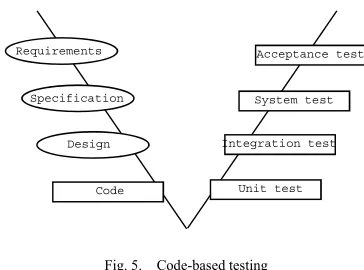
Ú·¹ò ëò ݱ¼»ó¾¿-»¼ ¬»-¬·²¹
benefits might there be in using the mathematical basis of formal methods in the domain
±º ¬»-¬·²¹á
Þ§ «-·²¹ º±®³¿´ ³»¬¸±¼- ¿²¼ ¬»-¬·²¹ ¬±¹»¬¸»®ô ©» ½¿² ®»¼«½» ¬¸» ½±-¬ ±º ¼»ª»´±°³»²¬ ¾§ ¿°°´§·²¹ ¬»-¬·²¹ ¬»½¸²·¯«»- ³«½¸ »¿®´·»® ·² ¬¸» ´·º»½§½´» ©¸·´» ¼»º»½¬- ¿®» ®»´¿¬·ª»´§ ·²»¨°»²-·ª» ¬± ½±®®»½¬ò É» ³·¹¸¬ ¿´-± ¾» ¿¾´» ¬± ¿«¬±³¿¬» ³±®» ±º ¬¸» ¬»-¬·²¹ °®±½»-- ¾§æ ‰Generating functional test cases from the specification of a system.
[image:13.595.204.386.162.297.2]‰Ü»®·ª·²¹ °®±ª¿¾´§ ½±®®»½¬ ±®¿½´»- º±® ½¸»½µ·²¹ ¬¸» ®»-«´¬- ±º ¬»-¬-ò
Figure 5 portrays, in the form of the V-model, the limited benefits that can be accrued
¬± ¬»-¬·²¹ ©¸»² ¬¸» ±²´§ º±®³¿´ ³±¼»´ ¿ª¿·´¿¾´» ·- ¬¸» ½±¼» ·¬-»´ºò ܱ©² ¬¸» ´»º¬ó¸¿²¼ -·¼» »¿½¸ ¼»´·ª»®¿¾´» ½¿² ¾» ½¸»½µ»¼ ¾«¬ -·²½» ±²´§ ¬¸» ½±¼» ¿ º±®³¿´ ±¾¶»½¬ ¬¸ ½¸»½µ·²¹ ·-³¿²«¿´ ¿²¼ ¼»°»²¼- «°±² ·²¬»®°®»¬·²¹ °±¬»²¬·¿´´§ ª¿¹«» ¿²¼ ¿³¾·¹«±«- ¼±½«³»²¬-ò ͬ¿¬·½ ±º ¬¸» ½±¼» ½¿² ¿--·-¬ ¬»-¬·²¹ ·² ¼»®·ª·²¹ ¿¼»¯«¿½§ ½®·¬»®·¿ô ¿²¼ ¼§²¿³·½ ¿²¿´§-·-±º ¬¸» ½±¼» ½¿² ¾» «-»¼ ¬± ¿--»-- ©¸»¬¸»® ¬¸» ½®·¬»®·¿ ¸¿ª» ¾»»² ³»¬ò
Ú·¹«®» ê °±®¬®¿§- ¬¸» º¿® ¹®»¿¬»® °±--·¾·´·¬·»- ¬¸¿¬ »¨·-¬ ©¸»² º±®³¿´·¬§ ·- ·²¬®±¼«½»¼ ·²¬±
higher layers, the specification and design. Now, in addition to code-based testing, the
º±´´±©·²¹ ³±¼»´ó¾¿-»¼ ¬»-¬ °®±½»--»- ¾»½±³» °±--·¾´»æ
‰Properties of the specification can be proved. The specification can be “tested” using
³±¼»´ ½¸»½µ·²¹ ±® ¬¸»±®»³ °®±ª·²¹ò
‰The specification can be validated by using testing techniques based on “executing” the
¿¾-¬®¿½¬ ³±¼»´ ¬¸®±«¹¸ ¿²·³¿¬·±²ò
‰Coverage criteria can be applied to the abstract model represented by the specification,
»ò¹ò ½±ª»®¿¹» ±º ¿´´ ´±¹·½¿´ ½±²¼·¬·±²-ô ±® ½±ª»®¿¹» ±º ¿´´ °¿¬¸- ¬¸®±«¹¸ ¿ -¬¿¬»½¸¿®¬ò
This allows us to determine whether we have covered the specification as well as the
½±¼» ·² ¬»-¬·²¹ò Ò¿¬«®¿´´§ô ¿- ©·¬¸ ½±¼»ó¾¿-»¼ ¬»-¬·²¹ô ¿«¬±³¿¬»¼ ¬»-¬ ¹»²»®¿¬·±² ·- ½±³ó °´·½¿¬»¼ ¾§ ¬¸» º»¿-·¾´·¬§ °®±¾´»³æ ¬¸» °®±¾´»³ ±º ¼»½·¼·²¹ ¬¸» º»¿-·¾·´·¬§ ±º ¿ °¿¬¸ ·-«²¼»½·¼¿¾´»ò
‰System level functional test cases can be generated from the specification.
‰ß² ±®¿½´» º±® -§-¬»³ ¬»-¬- ½¿² ¾» ¼»®·ª»¼ º±® ½¸»½µ·²¹ ¬¸» ®»-«´¬- ±º ¿½¬«¿´ ¬»-¬ »¨»½«ó
tions. As discussed earlier, this is complicated if the types used in the specification and implementation are different, since we then need a user defined abstraction function.
~
ïí
λ¯«·®»³»²¬-Í°»½·º·½¿¬·±²
Ü»-·¹²
ݱ¼» ˲·¬ ¬»-¬ ײ¬»¹®¿¬·±² ¬»-¬
ͧ-¬»³ ¬»-¬ ß½½»°¬¿²½» ¬»-¬
Û¿®´§ ¬»-¬ ¾§ ¿²·³¿¬·±²
Ù»²»®¿¬» ¬»-¬ ½¿-»-Ì»-¬ ¿¼»¯«¿½§ ½®·¬»®·¿ Ü»®·ª» ±®¿½´» Ó±¼»´
½¸»½µ·²¹ Ю±±º Ì»-¬ ³¿²¿¹»³»²¬ô
¬»-¬ ½¿-» -»¯«»²½·²¹
Ê»®·º§ Ê»®·º§
Ю±±º
Ì»-¬ ¿¼»¯«¿½§ ½®·¬»®·¿ Ѭ¸»®
³±¼»´-Ó±¼»´
½¸»½µ·²¹
ͬ¿¬·½
¿²¿´§-·- ¿²¿´§-·-ܧ²¿³·½
Ú·¹ò êò Û¿®´§ ³±¼»´ó¾¿-»¼ ¬»-¬·²¹
‰Ú±®³¿´ ³»¬¸±¼- ½¿² -«¹¹»-¬ ²»© µ·²¼- ±º »¨»½«¬·±² ³±¼»´- ±º ½±¼»ô ©·¬¸ ²»© µ·²¼- ±º ¬»-¬ ¿¼»¯«¿½§ ½®·¬»®·¿ò
‰Ð®±°»®¬·»- ±º ¬¸» ½±¼» ½¿² ¾» °®±ª»¼ò
‰Û¨»½«¬·±² ³±¼»´- ½¿² ¾» •¬»-¬»¼Œ «-·²¹ ³±¼»´ ½¸»½µ·²¹ò
‰Ì»-¬ ³¿²¿¹»³»²¬ ½¿² ¾» »²¸¿²½»¼ ¾§ ®»¿-±²·²¹ ¿¾±«¬ô º±® ·²-¬¿²½»ô ¬¸» -»¯«»²½·²¹ ±º ¬»-¬ ½¿-»-ò
The above processes that apply to the formal specification apply equally to other
formal-·¦»¼ -§-¬»³ ³±¼»´-ô -«½¸ ¿- ¬¸» ¼»-·¹²ô ¹·ª·²¹ ¿ ³±¼»´ó¾¿-»¼ ¿°°®±¿½¸ ¬± ¬»-¬·²¹ ¿¬ »ª»®§ ´»ª»´ ±º ¼»ª»´±°³»²¬ò
É» ²±© ¼»-½®·¾» ¿ ¬¸»±®»¬·½¿´ º®¿³»©±®µ º±® «²¼»®-¬¿²¼·²¹ ¬¸» ®»´¿¬·±²-¸·° ¾»¬©»»² ¬»-¬·²¹ ¿²¼ °®±±ºô ¾¿-»¼ ´¿®¹»´§ ±² ¿ µ»§ °¿°»® ¾§ Ù¿«¼»´ ÅÙ¿«¼»´ ïççëÃò ײ ¿¼¼·¬·±² ¬± ¿¼¼®»--·²¹ ¬¸» ¬»-¬·²¹ñ°®±±º ®»´¿¬·±²-¸·°ô ¬¸» º®¿³»©±®µ ¸»´°- »¨°´¿·² -±³» ·³°±®¬¿²¬
things about the adequacy offinite test sets, and how their selection can be justified.
íòî Ú±«²¼¿¬·±²- º±® ݱ³¾·²·²¹ Ú±®³¿´ Ó»¬¸±¼- ¿²¼ Ì»-¬·²¹
ɸ·´» ·¬ ³¿§ -»»³ ¬¸¿¬ ¿´´ ¬»-¬·²¹ ½¿² ¬»´´ «- ·- ©¸»¬¸»® ¿² ·³°´»³»²¬¿¬·±² ½±²º±®³- ¬±
the specification on a given test set, it has been argued that it can tell us more than this.
Ù±±¼»²±«¹¸ ¿²¼ Ù»®¸¿®¬ º±®³¿´·¦»¼ ¬¸·- ·²¬«·¬·±² ¬¸®±«¹¸ ¬¸» ²±¬·±²- ±º ¿ ¬»-¬ ¬»½¸²·¯«» ¾»·²¹ª¿´·¼¿²¼®»´·¿¾´»ÅÙ±±¼»²±«¹¸ ¿²¼ Ù»®¸¿®¬ ïçéëÃò ß ¬»-¬ ¬»½¸²·¯«» ·- ª¿´·¼ ·º º±® »ª»®§ º¿«´¬§ °®±¹®¿³ ¬¸» ¬»-¬ ¬»½¸²·¯«» ·- ½¿°¿¾´» ±º °®±¼«½·²¹ ¿ ¬»-¬ -»¬ ¬¸¿¬ -¸±©- ¬¸¿¬ ¬¸» °®±¹®¿³ ·- º¿«´¬§ò ß ¬»-¬ ¬»½¸²·¯«» ·- ®»´·¿¾´» ·º »ª»®§ ¬»-¬ -»¬ ¬¸¿¬ ½¿² ¾» °®±¼«½»¼ «-·²¹ ¬¸» ¬»½¸²·¯«» ´»¿¼- ¬± ¬¸» -¿³» ª»®¼·½¬ ø¿² ·³°´»³»²¬¿¬·±² »·¬¸»® °¿--»- ¿´´ ±º ¬¸» ¬»-¬ -»¬- ±® º¿·´- ¿´´ ±º ¬¸» ¬»-¬ -»¬-÷ò ׺ ¿ ¬»-¬ ¬»½¸²·¯«» ·- ¾±¬¸ ª¿´·¼ ¿²¼ ®»´·¿¾´» ¬¸»² ¿²§ ¬»-¬ -»¬ °®±¼«½»¼ «-·²¹ ¬¸·- ¬»½¸²·¯«» ©·´´ ¼»¬»®³·²» ©¸»¬¸»® ¿² ·³°´»³»²¬¿¬·±² ·- ½±®®»½¬ò ر©»ª»®ô ·¬ ¸¿- ¾»»² ±¾-»®ª»¼ ¬¸¿¬ ¬¸»-» °®±°»®¬·»- ¿®» ²±¬ ·²¼»°»²¼»²¬æ ·º ¿ ¬»-¬ ¬»½¸²·¯«» º¿·´- ¬± ¸¿ª» ±²» ±º ¬¸»-» °®±°»®¬·»- ·¬ ³«-¬ ¸¿ª» ¬¸» ±¬¸»® ÅÉ»§«µ»® ¿²¼ Ñ-¬®¿²¼ ïçèðÃò
É»§«µ»® ¿²¼ Ñ-¬®¿²¼ ·²¬®±¼«½»¼ ¿² ¿´¬»®²¿¬·ª» ²±¬·±²ô ¬¸¿¬ ±º ¿ ®»ª»¿´·²¹ -«¾¼±³¿·² ÅÉ»§«µ»® ¿²¼ Ñ-¬®¿²¼ ïçèðÃò ß -«¾¼±³¿·²Ü·ø±º ¬¸» ·²°«¬ ¼±³¿·²÷ ·- ®»ª»¿´·²¹ ·º »·¬¸»®
the implementation conforms to the specification on all values fromÜ·±® ¬¸» ·³°´»³»²¬¿ó
tion conforms to the specification on none of the values inÜ·ò Ù·ª»² ¿ ®»ª»¿´·²¹ -«¾¼±³¿·²
ïì
~
³·²·³«³
-±³» ¿--«³°¬·±²-¬± ¾» °®±ª»¼
½±®®»½¬²»--¬± ¾» °®±ª»¼
·²·º·²¬» ¬»-¬ -»¬ ¬± ¾» °¿--»¼
º·²·¬» ¬»-¬ -»¬ ¬± ¾» °¿--»¼
»³°¬§ ¬»-¬ -»¬ Þ«®¼»² ±º
¬»-¬·²¹
Þ«®¼»² ±º °®±±º
Ú·¹ò éò Ú®¿³»©±®µ º±® ¬¸» ®»´¿¬·±²-¸·° ¾»¬©»»² °®±±º ¿²¼ ¬»-¬·²¹
domain into afinite number of revealing subdomains then by taking one test case from each subdomain one gets afinite test set that is guaranteed to determine correctness: the
ÍËÌ ·- ½±®®»½¬ ·º ¿²¼ ±²´§ ·º ·¬ °¿--»- ¿´´ ±º ¬¸» ¬»-¬ ½¿-»- ·² ¬¸» ¬»-¬ -»¬ò
DZ«²¹ ¿²¼ Ì¿§´±® ÅDZ«²¹ ¿²¼ Ì¿§´±® ïçèçà °®»-»²¬ ¿ ¬¿¨±²±³§ ±º ¾±¬¸ -¬¿¬·½ ¿²¼ ¼§ó ²¿³·½ ¿°°®±¿½¸»-ò ̸»§ ½´¿--·º§ ¬»½¸²·¯«»- ¿- »·¬¸»® -¿³°´·²¹ ±® º±´¼·²¹ô ©¸»®» -¿³°´·²¹ ¬»½¸²·¯«»- ½¸»½µ ¿ -¿³°´» ±º ª¿´«»- ©¸·´» º±´¼·²¹ ¬»½¸²·¯«»- «-» ¿¾-¬®¿½¬·±² ¬± ®»¼«½» ¬¸» -»¬ ±º ª¿´«»- ¬± ¾» ½±²-·¼»®»¼ ø¬¸»§ º±´¼ ¬±¹»¬¸»® -¬¿¬»-÷ò ̸«-ô º±® »¨¿³°´»ô ½¸±±-·²¹ ¿ ¬»-¬
case from each of afinite set of subdomains is a sampling technique while symbolic
eval-«¿¬·±² ¬»½¸²·¯«»- «-» º±´¼·²¹ ¾«¬ ¿´-± «-» -¿³°´·²¹ ©¸»² ²±¬ ¿´´ °¿¬¸- ¬¸®±«¹¸ ¿ °®±¹®¿³ ¿®» ½±²-·¼»®»¼ ÅDZ«²¹ ¿²¼ Ì¿§´±® ïçèçÃò
ß µ»§ °¿°»® ¾§ Ó¿®·»óÝ´¿«¼» Ù¿«¼»´ ÅÙ¿«¼»´ ïççëÃô ©¸·½¸ ¼®¿©- ±² ¬¸» °®»ª·±«- ©±®µ ±º Ù±±¼»²±«¹¸ ¿²¼ Ù»®¸¿®¬ô ¿²¼ É»§«µ»® ¿²¼ Ñ-¬®¿²¼ ¸¿- ´¿·¼ ¼±©² ¿ º®¿³»©±®µ ·² ©¸·½¸ ¬¸» ®»´¿¬·±²-¸·° ¾»¬©»»² ¬»-¬·²¹ ¿²¼ °®±±º ½¿² ¾» «²¼»®-¬±±¼ò ß- ·´´«-¬®¿¬»¼ ·² Ú·¹«®» éô ¬¸» º®¿³»©±®µ ¿¼³·¬- ¿ -°»½¬®«³ ©·¬¸ ¬©± »¨¬®»³»-æ ±²» ¿¬ ¬¸» ¬±°ó´»º¬ ±º ¬¸»
diagram where no proof is carried out, but an infinite amount of testing is necessary; the
±¬¸»® ¿¬ ¬¸» ¾±¬¬±³ó®·¹¸¬ô ·² ©¸·½¸ ²± ¬»-¬·²¹ ·- °»®º±®³»¼ô ¾«¬ ¿ ½±³°´»¬» °®±±º ±º ¬¸» -§-¬»³ ¿²¼ ·¬- ½±²¬»¨¬ ·- ²»½»--¿®§ò
Ó±ª»³»²¬ ¾»¬©»»² ¬¸» ¬©± »¨¬®»³»- ·- °±--·¾´» ¾§ ³¿µ·²¹ ¿--«³°¬·±²- ¿¾±«¬ ¬¸» ¿®¬»ó
fact under test that support the selection of smaller, eventuallyfinite, test sets. Most test
-»´»½¬·±² ¬»½¸²·¯«»- ¿®» ¾»¼ ±² -«³°¬·±²- -«½¸
¿-·º ¬¸» °®±¹®¿³ ½±®®»½¬ º±® ±²» -»¬ ±º ·²°«¬ ª¿´«»- ·² ¬¸ ®¿²¹»ô ¬¸»² ·¬ ·-½±®®»½¬ º±® ¿´´ -«½¸ ·²°«¬
ª¿´«»-±®
·º ¬¸» °®±¹®¿³ ·- ½±®®»½¬ º±® ±²» -»¬ ±º ª¿´«»- ¬¸¿¬ »¨»½«¬» ¿ °¿®¬·½«´¿® °¿¬¸ô ¬¸»² ·º ·- ½±®®»½¬ º±® ¿´´ ·²°«¬ ª¿´«»- ¬¸¿¬ »¨»½«¬» ¬¸¿¬ °¿¬¸ò
Í«½¸ ¿--«³°¬·±²- ¿®» ®»º»®®»¼ ¬± ¿- ¬»-¬ -»´»½¬·±² ¸§°±¬¸»-»-ò ß´¬¸±«¹¸ ¬¸»®» ¿®» °®±¾ó
ably several other types of test selection hypothesis, Gaudel [Gaudel 1995] identifies two types. Thefirst example hypothesis above, for instance, is typified as a«²·º±®³·¬§ ¸§°±¬¸»ó
~
ïë¿--«³°¬·±² ¬¸¿¬ ·- ³¿¼» »ª»®§ ¬·³» ¬»-¬ °±·²¬- ¿®» -»´»½¬»¼ º®±³ ¿² ·²°«¬ ¼¿¬¿ -«¾¼±³¿·²ò
The members of another class of hypotheses identified by Gaudel are known as®»¹«´¿®ó
·¬§ ¸§°±¬¸»-»-ò ̸»-» ¿®» ¿¾±«¬ ¬¸» ¿--«³»¼ ®»¹«´¿®·¬§ ±º °®±¹®¿³ ¾»¸¿ª·±«® ¿- ¬¸» -·¦» ±º ¼¿¬¿ ·²½®»¿-»-ò Ú±® »¨¿³°´»ô ·¬ ³·¹¸¬ ¾» ¿--«³»¼ ¬¸¿¬ ·º ¬¸» °®±¹®¿³ ©±®µ- º±® ¾«ºº»® -·¦»- ðô ï ¿²¼ îô ¬¸»² ·¬ ©·´´ ©±®µ º±® ¾«ºº»®- ±º ¿´´ -·¦»-ò ̸·- ©±«´¼ ¾» ¬¸» «²¼»®´§·²¹ ¿--«³°¬·±² ¾»·²¹ ³¿¼» ©¸»² ¬¸» -§-¬»³ ·- ¬»-¬»¼ ±²´§ ±² ¾«ºº»® -·¦»- ´»-- ¬¸¿² íò
Þ§ -¬¿¬·²¹ ¬»-¬ -»´»½¬·±² ¸§°±¬¸»-»- ¿²¼ ¬¸» ®»-«´¬·²¹ -»¬ ±º ¬»-¬-ô ¬¸» ¾«®¼»² ±º ª¿´·¼¿¬·±² ·- -¸·º¬»¼ º®±³ ¬»-¬·²¹ ¬± °®±±ºô ·ò»ò ½±³°´»¬» ª¿´·¼¿¬·±² ©±«´¼ ·²ª±´ª» ¼»³±²-¬®¿¬·²¹ -«½ó ½»--º«´ »¨»½«¬·±² ±º ¬¸» ¬»-¬-ô ¿²¼ °®±ª·²¹ ¬¸» ¬»-¬ ¸§°±¬¸»-»-ò ׬ ·- ¬¸±«¹¸¬ ¬± ¾» Ю±º»--±®
Tony Hoare whofirst pointed out that a test is like proving the base case of an inductive
°®±±ºå »-¬¿¾´·-¸·²¹ ¬¸» ¬»-¬ ¸§°±¬¸»-·- ·- ¿µ·² ¬± °®±ª·²¹ ¬¸» ·²¼«½¬·ª» -¬»°ò ˲º±®¬«²¿¬»´§ô ¬¸» ¾¿-» ½¿-» ±º ¿² ·²¼«½¬·ª» °®±±º ·- «-«¿´´§ ¬¸» »¿-§ ¾·¬å °®±ª·²¹ ¬¸» ·²¼«½¬·ª» -¬»°ô ¬¸» ¬»-¬ ¸§°±¬¸»-·-ô ·- ¸¿®¼ò
̸»®» ·- ¿ -»²-» ·² ©¸·½¸ ¬¸» ¿³±«²¬ ±º ©±®µ ®»°®»-»²¬»¼ ¬¸®±«¹¸ ¬¸» -°»½¬®«³ ·- ·²ó
variant: at the extremes, infinite testing and complete proof of correctness are usually both infeasible; in the middle, there may be afinite amount of testing to be done, but it seems likely that complete proof of the assumptions that support the selection of afinite test set
®»³¿·²- ·²º»¿-·¾´»ò ײ ¬¸» ´·¹¸¬ ±º ¬¸·-ô ¾±¬¸ °®±±º ¿²¼ ¬»-¬·²¹ ½¿² ±²´§ ¸±°» ¬± ·²½®»¿-»
our confidence in correctness, but never demonstrate it absolutely. Note that the idea of a
¬»-¬ ¸§°±¬¸»-·- ·- ½´±-»´§ ®»´¿¬»¼ ¬± ¬¸¿¬ ±º ¿ º¿«´¬ ¼±³¿·² Å×ÌËóÌ ïççéÃæ ¿ -»¬
Ú
±º ³±¼»´--«½¸ ¬¸¿¬ ·¬ ·- ¾»´·»ª»¼ ¬¸¿¬ ¬¸» ÍËÌ ·- º«²½¬·±²¿´´§ »¯«·ª¿´»²¬ ¬± -±³» ø«²µ²±©²÷ »´»³»²¬ ±ºÚ
òíòîòï Ü»-½®·°¬·±² ±º Ú®¿³»©±®µò ̸·- -»½¬·±² ¼»-½®·¾»- ¬¸» º®¿³»©±®µ «²¼»® ¬¸» -·³ó °´·º§·²¹ ¿--«³°¬·±² ¬¸¿¬ °®±¹®¿³- ¿®» ¼»¬»®³·²·-¬·½å ·¬ ·- -¬®¿·¹¸¬º±®©¿®¼ ¬± ¹»²»®¿´·¦» ¬¸·-¬± ¿ ²±²¼»¬»®³·²·-¬·½ ÍËÌò Ю±¹®¿³- ½¿² ±²´§ ¾» °®±ª»² ½±®®»½¬ô ±® ¼»³±²-¬®¿¬»¼ ¬¸·-¬± ¾» ½±®ó
rect by testing, with respect to a specification. We start with a characterization of programs and specifications. For simplicity, it is assumed that a program,Ðô ·- ¿ °¿®¬·¿´ º«²½¬·±²
º®±³ ½±²½®»¬» ·²°«¬ ª¿´«»-ô×ô ¬± ½±²½®»¬» ±«¬°«¬ ª¿´«»-ôÑô ¿²¼ ¬¸¿¬Ð¸¿- ²± -¬¿¬»æ
Ðî× éÿÑ
׬ ·- ¿--«³»¼ ¬¸¿¬Ð¬»®³·²¿¬»- ±² ¿´´ ·²°«¬ ª¿´«»- ·² ·¬- ¼±³¿·²ô¼±³øÐ÷ò É®·¬»Ðø¬÷¬± ®»°®»-»²¬ ¬¸» ®»-«´¬ ±º »¨»½«¬·²¹Ð±² ·²°«¬ ª¿´«»¬î¼±³øÐ÷ò ̸» ª¿´«»¬½¿² ¾» ª·»©»¼ ¿- ¿ ¬»-¬ ±º °®±¹®¿³Ðò
A specification,Íô ·- ¿ ®»´¿¬·±²-¸·° ¾»¬©»»² ¿¾-¬®¿½¬ ·²°«¬ ª¿´«»-ôÜô ¿²¼ ¿¾-¬®¿½¬ ±«¬°«¬ ª¿´«»-ôÎæ
ÍîÜüÎ
Because it is a relation rather than a function, a specification may define several possible
±«¬°«¬ ª¿´«»- º±® ¿ ¹·ª»² ·²°«¬ ª¿´«»ò Ú±® ¿ ¹·ª»² ·²°«¬ô¼î¼±³øÍ÷ô ¬¸» -»¬ ±º °»®³·--·¾´» ®»-«´¬- ·- ¬¸» ·³¿¹» ±º ¬¸» -»¬º¼¹·²Íô ©®·¬¬»²Íø¶ º¼¹ ¶÷ò
̱ ½±³°¿®» ¬¸» ®»-«´¬- ±º ¿ °®±¹®¿³ôÐî× éÿÑ, against its specification,ÍîÜüÎô ¿ ®»´¿¬·±² ¾»¬©»»² ¿¾-¬®¿½¬ ¿²¼ ½±²½®»¬» ª¿´«»- ·- ²»»¼»¼ò Ú±® ¬¸·-ô ¬¸» º±´´±©·²¹ ¿¾-¬®¿½¬·±² º«²½¬·±²- ¿®» «-»¼æ
ßÜî× ÿéÿ Ü
ïê
~
Ü Î
× Ñ
Í
Ð
ßÜ ß
[image:17.595.243.350.165.274.2]Î
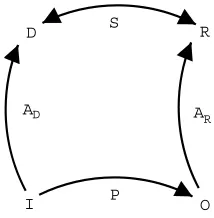
Fig. 8. Program correctness with respect to a specification
Ûª»®§ ¿¾-¬®¿½¬ ª¿´«» ·- ®»¯«·®»¼ ¬± ¸¿ª» ¿¬ ´»¿-¬ ±²» ½±²½®»¬» ®»°®»-»²¬¿¬·±²ô ³¿µ·²¹ßÜ
¿²¼ßÎ-«®¶»½¬·±²-ô ·ò»ò »ª»®§ »´»³»²¬ ±ºÜ·- ·² ¬¸» ®¿²¹» ±ºßÜô ¿²¼ ´·µ»©·-» º±®Î¿²¼ßÎò
̸» »¨·-¬»²½» ±º -«½¸ º«²½¬·±²-ô ±º ½±«®-»ô ·- ²±¬ ¹«¿®¿²¬»»¼ ·² ¹»²»®¿´ô ¾«¬ ·¬ ·- ¿--«³»¼
that such a specification context does exist, and this assumption is referred to asØÓ×Òô ¬¸»
³·²·³«³ ¸§°±¬¸»-·-ò
̸» »--»²¬·¿´- ¿®» ²±© ·² °´¿½» ¬± ¬¿´µ ¿¾±«¬ °®±¹®¿³ ½±®®»½¬²»--ò Ú·®-¬ô ¬¸» °®±¹®¿³
is required to be defined where the specification is defined. So all abstract input values
·²¼±³øÍ÷ô ³«-¬ ¸¿ª» ½±®®»-°±²¼·²¹ ½±²½®»¬» ®»°®»-»²¬¿¬·±²- º±® ©¸·½¸ ¬¸» °®±¹®¿³ »¨»ó ½«¬»-ò ײ ±¬¸»® ©±®¼-ô ¬¸» ·²ª»®-» ·³¿¹» ±º¼±³øÍ÷³«-¬ ¾» ½±²¬¿·²»¼ ·²¼±³øÐ÷ò
ß•ï
Ü ø¶¼±³øÍ÷¶÷k¼±³øÐ÷
Í»½±²¼´§ô ¬¸» ®»-«´¬ ±º ®«²²·²¹ ¬¸» °®±¹®¿³ ±² ¿²§ ¬»-¬¬î¼±³øÐ÷³«-¬ ¾» ½±®®»½¬ ©·¬¸
respect to the specification. Of course, some behaviours ofг¿§ ¾» ±«¬-·¼» ¬¸» -½±°» ±º the specification, in which case any behaviour is acceptable:
è¬î¼±³øÐ÷nßÜø¬÷î¼±³øÍ÷÷ßÎøÐø¬÷÷îÍø¶ ºßÜø¬÷¹ ¶÷
Ú±® -¸±®¬¸¿²¼ô ·ºßÜø¬÷î¼±³øÍ÷÷ßÎøÐø¬÷÷îÍø¶ ºßÜø¬÷¹ ¶÷¸±´¼- º±® ¿ ¹·ª»²ÐôÍ¿²¼ ¬ô ¬¸»²ÝÑÎÎÛÝÌøÐåÍå¬÷¸±´¼-ô ±® ·² ¬¸» ½¿-» ±º ¿ -»¬ ±º ¬»-¬-Ìô
ÝÑÎÎÛÝÌøÐåÍåÌ÷ô è¬îÌnÝÑÎÎÛÝÌøÐåÍå¬÷
ͱ´ª·²¹ÝÑÎÎÛÝÌøÐåÍå¬÷·- µ²±©² ¿- ¬¸» •Ñ®¿½´»Œ °®±¾´»³ ø©¸·½¸ ·² ¹»²»®¿´ ·- «²ó ½±³°«¬¿¾´»÷ò
̸·- -¬®«½¬«®» ¿³±«²¬- ¬± ¬¸» ½±³³«¬·²¹ ¼·¿¹®¿³ -¸±©² ·² Ú·¹«®» èò ̸» -»²-» ·² ©¸·½¸ ¬¸·- ¼·¿¹®¿³ ½±³³«¬»- ·- ¬¸¿¬ ¬¸» º«²½¬·±² ®»-«´¬·²¹ º®±³ ¬¸» ½±³°±-·¬·±² ±ºÐ¿²¼
ßη- ½±²¬¿·²»¼ ·² ¬¸» ®»´¿¬·±²- ®»-«´¬·²¹ º®±³ ¬¸» ½±³°±-·¬·±² ±ºßÜ¿²¼Íò ̸·- ½¿² ¾»
³±®» º±®³¿´´§ »¨°®»--»¼ ·² ¬¸» º±´´±©·²¹ ©¿§ò
ÐåßÎkßÜåÍ
ݱ³°´»¬» °®±±º ±º °®±¹®¿³ ½±®®»½¬²»-- ¿³±«²¬- ¬± °®±ª·²¹ ¬¸·- ®»´¿¬·±²-¸·°ò ̸» ±¬¸»® »¨¬®»³» ·- »¨¸¿«-¬·ª» ¬»-¬·²¹æ ®«²²·²¹ ¬¸» °®±¹®¿³ ±² »ª»®§ °±--·¾´» ·²°«¬ô «-«¿´´§ ¿²
infinite set, and checking each result. This exhaustive test set is calledÌÓßÈ ¿²¼ ³«-¬
½±²¬¿·² ¿¬ ´»¿-¬ß•ï
Ü ø¶¼±³øÍ÷¶÷ò
Ò±© ¬¸» º®¿³»©±®µ ·² Ú·¹«®» é ½¿² ¾» -´·¹¸¬´§ ¿¼¿°¬»¼ò ߬ ¬¸» ¬±°ô ¬¸» °®±¹®¿³Ð