Occupational therapy for the upper limb after stroke:
implementing evidence-based constraint induced
movement therapy into practice
Kathryn Jarvis
Submitted in total fulfilment of the requirement
for the degree of Doctorate of Philosophy
i
Abstract
Background
Constraint induced movement therapy (CIMT), an intervention to increase upper limb (UL) function post-stroke, is not used routinely by therapists in the United Kingdom; reasons for this are unknown. Using the Promoting Action on Research Implementation in Health Services (PARIHS) framework to analyse CIMT research and context, a series of related studies explored implementation of CIMT into practice.
Methods and Findings
Systematic review: nineteen CIMT randomised controlled trials found evidence of effectiveness in sub-acute stroke, but could not determine the most effective evidence-based protocols. Further review of qualitative data found paucity of evidence relating to acceptability and feasibility of CIMT.
Focus group: perceptions of the feasibility, including facilitators and barriers, of implementing CIMT into practice were explored in a group of eight therapists. Thematic analysis identified five themes: personal characteristics; setting and support; ethical considerations; education and training; and practicalities, which need to be addressed prior to implementation of CIMT.
ii
CIMT protocols was feasible, although barriers persisted; (ii) piloted data collection and analysis methods facilitated exploration of stroke survivors’ perceptions and experiences, and recorded participation and UL function.
Conclusions
iii
Table of Contents
Chapter 1: Introduction ... 1
1.1 Stroke ... 1
1.2 Rehabilitation context ... 2
1.2.1 Defining the sub-acute phase of stroke ... 4
1.3 UL impairment and rehabilitation ... 4
1.3.1 Describing therapeutic interventions ... 6
1.4 Constraint induced movement therapy (CIMT) ... 7
1.4.1 CIMT: a complex intervention ... 8
1.5 Implementation of innovations ...10
1.5.1 Implementing CIMT into practice ...12
1.6 Overview of thesis ...13
1.6.1 Purpose and research questions ...14
1.7 Organisation of thesis...15
1.8 Personal Stance ...17
1.8.1 Ontology ...18
1.8.2 Epistemology ...18
1.8.3 Theoretical perspective ...19
iv
1.8.5 An occupational therapist perspective ...24
1.8.6 Reflexivity ...25
1.9 Summary ...26
Chapter 2: Background literature review ...28
2.1 Development of CIMT ...29
2.1.1 Development of learned non-use theory ...29
2.1.2 Overcoming learned non-use ...32
2.1.3 Translating the evidence to humans ...34
2.2 The active ingredients in CIMT ...40
2.2.1 Training ...41
2.2.2 Constraint ...46
2.3 Evaluation of CIMT ...47
2.4 Implementation ...62
2.5 Summary ...69
Chapter 3: Effectiveness of CIMT protocols in sub-acute stroke ...71
3.1 Background ...71
3.1.1 Summary of previous research findings ...71
3.1.2 Systematic review and its role in evidence-based practice ...73
3.2 Methodology ...74
3.3 Method ...75
3.3.1 Search strategy ...76
v
3.3.3 Quality assessment ...79
3.3.4 Data extraction ...80
3.3.5 Data synthesis ...80
3.4 Results ...81
3.4.1 A preliminary synthesis of the findings ...102
3.4.2 An Analysis of the relationships in the included studies ...122
3.4.3 Theory-base underpinning CIMT (Who benefits? What are the gaps?) ...125
3.4.4 Robustness of synthesis ...128
3.5 Discussion ...128
3.5.1 Effectiveness of CIMT in sub-acute phase of stroke ...129
3.5.2 Response to CIMT ...132
3.5.3 Context ...133
3.5.4 Strengths and limitations ...134
3.6 Conclusion ...134
Chapter 4: Acceptability and feasibility of CIMT in sub-acute stroke ...136
4.1 Background ...136
4.2 Methodology ...137
4.2.1 Theoretical perspective ...139
4.3 Methods ...139
4.3.1 Search strategy ...141
4.3.2 Study selection ...141
vi
4.3.4 Data extraction ...143
4.3.5 Data synthesis ...143
4.4 Findings ...145
4.5 Discussion ...162
4.5.1 Summary of evidence using PARIHS ...165
4.5.2 Strengths and limitations ...167
Chapter 5: Therapists’ perceptions of implementing CIMT into a stroke service ...171
5.1 Background ...171
5.2 Methodology ...175
5.3 Methods ...176
5.3.1 Recruitment ...176
5.3.2 Procedures...178
5.3.3 Ethical issues...179
5.3.4 Data collection ...180
5.3.5 Data analysis ...180
5.3.6 Reflexive processes ...182
5.4 Findings ...183
5.4.1 Research question 1: which of the evidence-based CIMT protocols do therapists perceive could be provided within a UK stroke service? ...188
vii
5.4.3 Research question 3: what are therapists’ perceived facilitators and barriers to
implementing the identified CIMT protocols? ...197
5.5 Discussion ...201
5.5.1 Therapist perceptions of the evidence-based CIMT protocols ...201
5.5.2 When, where and with whom would therapists choose to use CIMT protocols? .202 5.5.3 Therapists’ perceived facilitators of and barriers to implementing CIMT protocols ...203
5.5.4 Recommendations for implementation ...208
5.6 Summary ...210
Chapter 6: An exploration of CIMT through three case studies ...211
6.1 Background ...212
6.1.1 Rehabilitation and early supported discharge (ESD) ...215
6.1.2 Research aims ...216
6.2 Methodology ...217
6.2.1 Mixed methods case study design ...219
6.3 Methods ...220
6.3.1 Study setting ...220
6.3.2 Inclusion criteria ...222
6.3.3 Exclusion criteria ...222
6.3.4 Recruitment ...223
6.3.5 Procedures...224
viii
6.3.7 Data analysis ...234
6.4 Findings ...236
6.4.1 Case study 1: Janet ...237
6.4.2 Case study 2: Tina ...255
6.4.3 Case Study 3: Margaret ...265
6.4.4 Overall Summary of case study findings ...276
6.5 Discussion ...276
6.5.1 Is it feasible to provide evidence-based CIMT protocols to sub-acute stroke survivors with a paretic upper limb in a UK stroke service? ...277
6.5.2 Does the qualitative data analysis facilitate an understanding of the experience of undertaking a CIMT protocol? ...280
6.5.3 Do the outcome measures record changes in functional use of a sub-acute stroke survivor’s paretic upper limb following CIMT? ...283
6.5.4 Is it possible to identify barriers to and facilitators of CIMT for sub-acute stroke survivors using these data collection and analysis methods? ...285
6.5.5 Strengths ...289
6.5.6 Limitations ...290
6.6 Conclusion ...291
Chapter 7: Grand discussion ...293
7.1 Participation ...297
7.1.1 Importance of participation to OTs ...298
7.1.2 A MOHO perspective of CIMT ...300
ix
7.2 Therapist perceptions and stroke survivor experiences of CIMT...303
7.2.1 Areas of incongruence ...303
7.2.2 Areas of congruence ...305
7.3 Fidelity of CIMT ...307
7.4 Overall strengths ...309
7.5 Overall limitations ...310
7.6 Conclusion ...311
Chapter 8: Conclusions ...312
8.1 Impact of the Research ...313
8.2 Key Findings-Evidence ...314
8.3 Key Findings-Context ...316
8.4 Key Findings-Facilitation ...317
8.5 Recommendations for Practice ...317
8.6 Future Research ...318
8.7 Final Conclusion ...320
References ...322
Appendices ...345
Appendix 1: Questions from CASP systematic review checklist ...347
Appendix 2: Implementation of CIMT analysed using CFIR ...349
Appendix 3: Systematic review (quantitative) ranked inclusion/exclusion flowchart ...351
Appendix 4: CONSORT statement ...352
x
Appendix 6: Summary of excluded papers (quantitative systematic review) ...354
Appendix 7: Systematic review (qualitative) ranked inclusion/exclusion flowchart ...355
Appendix 8: Summary of excluded papers (qualitative systematic review) ...356
Appendix 9: Ethical approval letter (therapist focus group)...357
Appendix 10: Participant information sheet (therapist focus group) ...359
Appendix 11: Consent form (therapist focus group) ...363
Appendix 12: Second stage consent form (therapist focus group) ...364
Appendix 13: Focus group schedule ...365
Appendix 14: Codes developed during analysis (therapist focus group)...368
Appendix 15: Focus group spider diagrams ...370
Appendix 16: Ethical approval letters (case studies) ...374
Appendix 17: R&D approval letter (case studies) ...383
Appendix 18: Participant information sheet (case studies) ...385
Appendix 19: Consent form (case studies) ...389
Appendix 20: Approvals for amendment 1 ...391
Appendix 21: Approvals for ammendment 2 ...395
Appendix 22: OT-STAR record form ...399
Appendix 23: OT-STAR instruction booklet...402
Appendix 24: Participant demographic form (case studies) ...417
Appendix 25: Screening forms (case studies) ...419
Appendix 26: Pre-CIMT interview schedule ...422
xi
Appendix 28: Secong stage consent (case studies) ...428
Appendix 29: Wolf Motor Function Test recording form ...429
Appendix 30: Approvals for amendment 3 ...432
Appendix 31: Example of IPA in NVivo ...436
Appendix 32: Janet’s initial themes ...438
xii
Figures
Fig 1.1 The development-evaluation-implementation process
Fig 1.2 Curves for different innovations and populations
Fig 1.3 Diagram of relationship of studies
Fig 2.1 Diagram of learned non-use
Fig 3.1 Systematic review search terms
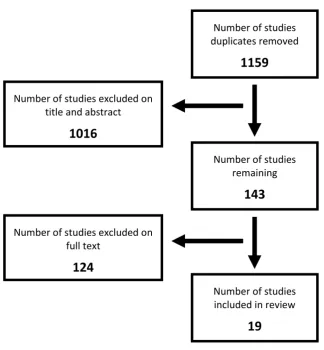
Fig 3.2 Flow chart of exclusion process
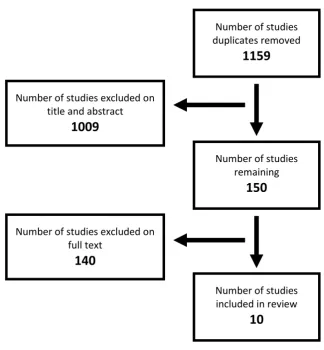
Fig 4.1 Flow chart of selection process
Fig 4.2 Emergent themes and corresponding evidence
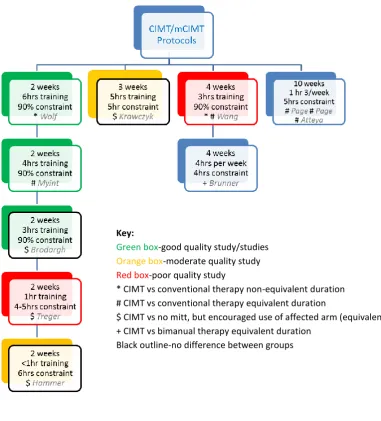
Fig 5.1 Summary of protocols for group discussion
Fig 5.2 Final theme: the CIMT intervention
Fig 5.3 Final theme: personal characteristics
Fig 5.4 Final theme: setting and support
Fig 5.5 Final theme: ethical considerations
Fig 5.6 Final theme: education and training
Fig 5.7 Final theme: practicalities
Fig 6.1 Flow diagram of CIMT mixed method study
Fig 6.2 Janet’s themes and sub-themes
Fig 6.3 Janet’s Contralesional UL WMFT Functional Ability Scores
Fig 6.4 Janet’s Contralesional UL WMFT Performance Times
Fig 6.5 Janet’s Contralesional UL Grip
Fig 6.6 Janet’s NEADL
Fig 6.7 Tina’s themes and sub themes
Fig 6.8 Tina’s Contralesional UL WMFT Functional Ability Scores
Fig 6.9 Tina’s Contralesional UL WMFT Performance Times
Fig 6.10 Tina’s Contralesional UL Grip
Fig 6.11 Tina’s NEADL
Fig 6.12 Margaret’s themes and sub-themes
Fig 6.13 Margaret’s Contralesional UL WMFT Functional Ability Scores
Fig 6.14 Margaret’s Contralesional UL WMFT Performance Times
Fig 6.15 Margaret’s Contralesional UL Grip
Fig 6.16 Margaret’s NEADL
9
12
16
32
77
82
146
160
179
186
186
187
187
187
187
221
238
252
253
253
254
257
261
262
262
263
266
273
274
274
xiii
Tables
Table 1.1 Summary of the phases, their focus and position in the thesis
Table 1.2 Summary of theoretical perspectives for the thesis studies
Table 2.1 Summary of rating process for systematic reviews
Table 2.2 Summary of CIMT Systematic Reviews
Table 2.3 The current evidence-base of CIMT in sub-acute stroke analysed using the PARIHS
Table 3.1 PIOS table for systematic review of quantitative studies
Table 3.2 Summary of included studies (quantitative data)
Table 3.3 Summary of CIMT protocols
Table 3.4 Summary of quality assessment of included studies
Table 4.1 PIOS table for systematic review of qualitative studies
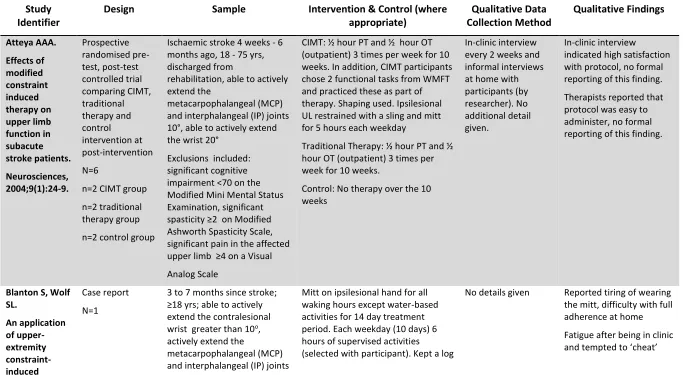
Table 4.2 Summary of included studies (qualitative data)
Table 4.3 Summary of quality assessment of included studies
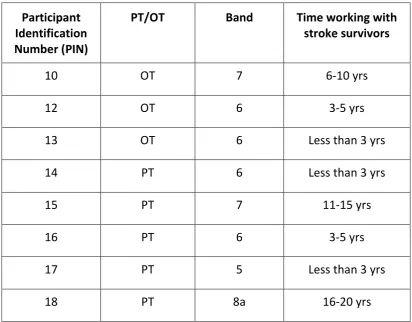
Table 5.1: Summary of focus group participants
Table 5.2: Summary of facilitators and barriers to therapists implementing CIMT
Table 5.3 Summary of findings using PARIHS framework
Table 6.1 Summary of CIMT protocols for discussion
Table 6.2 Janet’s screening assessments results
Table 6.3: Summary of Janet’s contralesional UL quantitative outcomes
Table 6.4 Tina’s screening assessments results
Table 6.5: Summary of Tina’s contralesional UL quantitative outcomes
Table 6.6 Margaret’s screening assessments results
Table 6.7 Summary of Margaret’s contralesional UL quantitative outcomes
Table 7.1 Study findings mapped onto PARIHS framework
15
22
52
53
67
76
84
103
107
140
148
156
184
198
206
229
237
251
256
261
265
273
xiv
Abbreviations
ADL activities of daily living
AOU amount of use
ANOVA analysis of variance ANCOVA analysis of covariance ARAT Action Research Arm Test ATP adaptive task practice
BATRAC bilateral arm training with rhythmic auditory cueing
BI Barthel Index
CASP Critical Appraisal Skills Programme CD-RISC Connor-Davidson Resilience Scale
CFIR Consolidated Framework for Implementation Research CI confidence interval
CIMT constraint induced movement therapy CIT constraint induced therapy
CONSORT Consolidated Standards of Reporting Trials COPM Canadian Occupational Performance Measure
COREQ Consolidated Criteria for Reporting Qualitative Studies CRD Centre for Reviews and Dissemination
CVA cerebrovascular accident EMF Emory Function Test ESD early supported discharge
ESRC Economic and Social Research Council
EXCITE Extremity Constraint Induced Therapy Evaluation FIM Functional Independence Measure
FMA Fugl-Meyer Assessment GPT grooved peg test
HADS Hospital Anxiety and Depression Scale
hr hour
IADL instrumental activities of daily living
ICF International Classification of Functioning, Disability and Health IP interphalangeal joint
IPA interpretative phenomenological analysis
Kg kilograms
lmWMFT log of WMFT time
m metres
MAL Motor Assessment Log MAS Motor Assessment Scale
MANOVA multivariate analysis of variance MCID minimal clinically important difference
mCIMT modified constraint induced movement therapy MCP meta-carpophalangeal joint
MD mean difference
MDC minimum detectable change MeSH Medical Subject Headings MFT Muscle Function Test
MI Motricity Index
xv
MMSE Mini Mental State Examination MoCA Montreal Cognitive Assessment MOHO Model of Human Occupation MRC Medical Research CouncilNDT neurodevelopmental techniques
NEADL Nottingham Extended Activities of Daily Living Scale NHPT nine hole peg test
NHS National Health Service
NIHSS National Institutes of Health Stroke Scale NRES National Research Ethics Service
NSA Nottingham Sensory Assessment OT occupational therapist
OT-STAR Occupational Therapy Stroke Arm and Hand Treatment Record PARIHS Promoting Action on Research Implementation in Health Services PIOS population, intervention, outcomes and study design
PNF proprioceptive neuromuscular facilitation PROM passive range of motion
PT physiotherapy
QIF Quality Implementation Framework QOM quality of movement
QUORUM Quality of Reporting of Meta-analyses RCT randomized controlled trial
RMA Rivermead Motor Assessment ROM range of motion
RTP repetitive task practice SD standard deviation
secs seconds
SIS Stroke Impact scale SMD standard mean difference
SPIDER sample, phenomenon of interest, design, evaluation, research type
UL upper limb
UK United Kingdom
US United States
VECTORS Very Early Constraint-Induced Movement during Stroke Rehabilitation
wks Weeks
xvi
Acknowledgements
I believe the African proverb ‘it takes a village to raise a child’ can be transferred to undertaking a PhD. I could not have undertaken this challenge without a community of support and I would like to take this opportunity to thank all those people who made up my ‘village’.
Firstly, my heart-felt thanks to my supervisors Dr Sue Hunter and Professor Nicky Edelstyn for their knowledgeable, thoughtful and wise guidance. I have appreciated the compassion and unending support that I received from both supervisors. I feel privileged to have had the opportunity to learn from their extensive knowledge, I know that what I have gained I will carry with me throughout my research career.
I am grateful to Marion Walker, for sharing her knowledge and expertise in the early stages; this was invaluable in maintaining an occupational therapy perspective throughout my studies. My thanks too to Fiona Rowe for her continuous, informal mentorship and encouragement over tea and scones.
Thank you to all the participants who so generously agreed to participate in the studies and to the service managers who supported this work. A special thank you to the occupational therapists Julie Turner and Rebecca Ashton, their enthusiasm and problem-solving skills are second to none. This work would not have been possible without all of these people.
xvii
for the systematic reviews and Dr Sue Hunter was the second researcher undertaking data extraction of the included studies in the systematic reviews and in the analyses of the data for all interviews and group discussions. My thanks to all three of these key people.
I would like to thank the Vreeburg Bursary and the Constance Owens Trust for providing financial assistance for the work contained within this thesis, and the University of Liverpool and Eileen Thornton for enabling me to undertake a PhD.
I am grateful beyond words to all my work colleagues who have picked up work, juggled responsibilities and generously allowed me time to complete this work. Particularly Joy Burrill, Michaela Higginson and Lorna Sherwood who between them have carried the lion’s share.
I would like to thank my parents, Robert and Elizabeth Simpson for bringing me up to believe that hard work really does pay off and for their continuous belief that I could complete this thesis. Thanks too to my Gran, Jessie Key, for teaching me that percentages should not be feared, and to the Gladwin, Lovatt and Molyneaux families who have looked after my children on so many occasions during the last seven years.
It is hard to find the words to say thank you to my husband, Richard, and two children, Anya and Luca, who have lived through the process with me. Their support has been constant and
xviii
Publications
Publications during doctoral candidature:
Jarvis, K., Edelstyn, N., Reid, G. and Hunter, S. (2014) Therapists’ perceptions of implementing constraint induced movement therapy: the enablers and barriers. International Journal of Stroke. 2014; 9(Supp. 4): 48.
Jarvis, K., Reid, G., Edelstyn, N. and Hunter, S. (2014) Development of the Occupational Therapy Stroke Arm and Hand Record (OT-STAR): an upper limb treatment schedule. British Journal of Occupational Therapy.2014; 77(3):126-33.
Jarvis, K., Grant, E., Edelstyn, N. and Hunter, S. (2013) Facilitators and barriers to undertaking a constraint induced movement therapy (CIMT) protocol in sub-acute stroke: a synthesis of the literature. Cerebrovascular Diseases. 2013; 35 (Supp. 3): 21.
1
Chapter 1
Introduction
The purpose of this chapter is to provide an overview of stroke, its impact on the upper limb (UL) and the context in which stroke rehabilitation takes place. It will introduce Constraint Induced Movement Therapy (CIMT) as a complex UL intervention and will start to explore the relationship between CIMT and evidence-based practice. This thesis is primarily about implementation of CIMT; evidence of implementation of CIMT to date is examined. The chapter concludes with an overview of the thesis purpose, aims and objectives.
1.1
Stroke
Based on a World Health Organization classification (World Health Organization, 1978), stroke has been defined as “a clinical syndrome, of presumed vascular origin, typified by rapidly
2
Each year over 110,000 people in England have a first stroke (National Audit Office, 2005; National Institute for Health and Clinical Excellence, 2008). It is estimated that 25% of people living to 85 years of age will experience a stroke (National Audit Office, 2005), with 25% of strokes occurring in those younger than 65 (Department of Health, 2007). Stroke is the largest cause of disability in England and Wales, with a significant risk (estimated at 11% with one year and 26% within 5 years) of a recurrent stroke (Mohan et al., 2011). With 900,000 people living with stroke in England at any one time (National Audit Office, 2005; National Institute for Health and Clinical Excellence, 2008), and an estimate that approximately 300,000 people in England live with moderate to severe disability from their stroke (Department of Health, 2007), the impact of stroke is far reaching.
Stroke affects the ability to undertake valued activities causing long-term disability (activity limitation) for approximately a third of stroke survivors (Department of Health, 2007; National Institute for Health and Clinical Excellence, 2008); the range of potential effects depends on the functional area and extent of the brain damaged by the stroke (Department of Health, 2007; The University of Edinburgh, 2007). Stroke may impact on: emotional status; mental health, with stroke survivors being particularly at risk of depression; physical ability, including muscle weakness (paresis) of limbs and reduced sensation; communication, which may impact on the ability to produce or understand words; ability to swallow; cognitive abilities and behaviour; vision; and continence (Department of Health, 2007; Intercollegiate Stroke Working Party, 2012; Miao et al., 2015; Pinter & Brainin, 2012; The University of Edinburgh, 2007).
1.2
Rehabilitation context
3
approximately 4% of the total NHS budget (Department of Health, 2006; The Information Centre, 2007) with an additional £2.4 billion in informal care costs, including nursing home costs and other costs to the stroke survivors’ families in order that the stroke survivors’ care needs are met (Department of Health, 2007). Recovery from stroke is important for each stroke survivor for their quality of life, it is also important in a political and economic environment where there is continuous pressure on health and social care funding (Liberal Democrats, 2015; The
Conservative Party, 2015; The Labour Party, 2014). In this environment stroke services must be effective and perceived as value for money.
Although a few studies have suggested that functional recovery can take place many months post-stroke (Miltner et al., 1999; Sterr et al., 2002a; Taub et al., 1993), the majority of the evidence indicates that most functional recovery takes place within 3 months (Dimyan & Cohen, 2011; Nakayama et al., 1994; Zeiler & Krakauer, 2013). The National Clinical Guideline for Stroke (Intercollegiate Stroke Working Party, 2012) recommends stroke survivors should be re-assessed by specialist professionals if their situation changes, or new issues have arisen, or where clear goals are established, and that in these circumstances further therapy may be appropriate. Current guidelines also recognise the value of employment services (Department of Health, 2007; Intercollegiate Stroke Working Party, 2012; Scottish Intercollegiate Guidelines Network, 2010) and psychological support (Department of Health, 2007; Intercollegiate Stroke Working Party, 2012); however, there is currently insufficient evidence to support longer term therapy for all stroke survivors (National Audit Office, 2010). Given this lack of evidence, and the current
4
will be offered no additional therapy beyond this time. This thesis aims to address this rehabilitation window of opportunity, with a focus on the sub-acute phase of stroke.
1.2.1
Defining the sub-acute phase of stroke
The terms acute, sub-acute and chronic phases of stroke are in common use in stroke literature, although these terms are rarely adequately defined. The acute phase indicates the first few hours to days after the stroke occurs, when a diagnosis is made and the pathological aspects of the stroke are managed (Intercollegiate Stroke Working Party, 2012). The chronic phase of stroke is usually considered to start somewhere between six months (Barzel et al., 2009; Brogårdh & Sjolund, 2006; Kitago et al., 2013) and one year post-stroke (Lin et al., 2007; Page et al., 2004; Taub et al., 1993). Between the acute and chronic phase is the sub-acute phase of stroke, in which stroke survivors with a non-functional UL are likely to access much of their rehabilitation (Intercollegiate Stroke Working Party, 2012). A previous large scale randomised controlled trial (RCT) (Wolf et al., 2006) defined the sub-acute phase as between three and nine months post-stroke. Whilst nine months is a reasonable estimate of an end point for the sub-acute phase, a substantial amount of rehabilitation takes place in the first few months following stroke, therefore for the purposes of this thesis, sub-acute was defined as from 14 days to nine months post-stroke. In doing this, the review focuses on the time frame in which most rehabilitation would occur, whilst excluding the acute phase where medical management of stroke is likely to be the priority.
1.3
UL impairment and rehabilitation
5
et al., 2009). The UL, defined as “extending from the deltoid region to the hand, and including the arm; axilla; and shoulder” (National Center for Biotechnology Information, 2015) is affected in approximately 70% of stroke survivors (Intercollegiate Stroke Working Party, 2012; Nakayama et al., 1994; Parker et al., 1986). A reduced ability to use an UL may result from one or more impairments such as altered motor control (Carr & Shepherd, 1998; Intercollegiate Stroke Working Party, 2012; Pollock et al., 2014), altered muscle strength (Harris & Eng, 2007) reduced sensation (Doyle et al., 2013; Harris & Eng, 2007; Intercollegiate Stroke Working Party, 2012; Pollock et al., 2014), altered cognition (Intercollegiate Stroke Working Party, 2012; Pollock et al., 2014), oedema (Jackson et al., 2012), pain (Intercollegiate Stroke Working Party, 2012; Pollock et al., 2014; Taule & Raheim, 2014), or emotional state (Pollock et al., 2014).
UL use is important for many activities undertaken as part of everyday life. It provides dexterity combined with strength through a range of grips (Ritchie et al., 2011) and provides valuable sensory feedback about the environment and tasks being undertaken (Ritchie et al., 2011;
Yekutiel, 2000). The ULs are also an important facilitator of communication through gesticulation, and physical contact with others (Ritchie et al., 2011). Reduced UL activity may impact on ability to participate in valued activities or occupations (Desrosiers et al., 2005; Nakayama et al., 1994; Olsen, 1990; Parker et al., 1986; Sarre et al., 2013; Sveen et al., 1999). Difficulty in using an UL in daily tasks has been associated with reduced quality of life (Hidaka et al., 2012) and emotional and behavioural changes (Poltawski et al., 2015). For these reasons it is crucial that recovery of UL function is addressed as part of a rehabilitation process.
6
non-use and disuse of their more affected arm as a problem four years after the stroke.
Suggested reasons for this poor recovery include a focus on mobility and basic activities of daily living when a stroke survivor is in hospital in order to facilitate discharge (Brown et al., 2014; Cott, 2004), and insufficient therapy time or repetition of tasks to effect a change (Wolf et al., 2006). In summary, UL function is frequently affected following stroke. It is, therefore, essential that therapists use effective therapeutic interventions which are both feasible and acceptable to stoke survivors to address UL dysfunction.
1.3.1
Describing therapeutic interventions
7
1.4
Constraint induced movement therapy (CIMT)
A variety of UL therapeutic interventions are reported in the published literature (Barreca et al., 2003; McHugh et al., 2013; Oujamaa et al., 2009). One intervention, CIMT, has gained a lot of interest due to a high volume of published research. CIMT has been described (Uswatte et al., 2006) as a collection of techniques that include two fundamental elements: 1. constraint or reduction of use of the ipsilesional (less affected) UL; 2. re-training of the contralesional (more affected) UL (Miltner et al., 1999; Nijland et al., 2013; Pollock et al., 2014). The CIMT protocols often involve a stroke survivor attending therapy each weekday over a two week period (Taub et al., 1993; Wolf et al., 2006). A detailed review of the development of CIMT and the subsequent studies is provided in the next chapter.
Based on large RCT (Wolf et al., 2006) and systematic review evidence (Nijland et al., 2011; Sirtori et al., 2009) indicating effectiveness of CIMT, the National Clinical Guideline for Stroke
8
survivors with a moderate impairment (poor gross skills). The survey indicates that only a small number of therapists are currently implementing CIMT into NHS practice, but the survey did not undertake any exploration of the reasons for the limited use of CIMT. Pedlow et al. (2014) used an online survey to investigate physiotherapist and occupational therapist (OT) knowledge and clinical practice of CIMT in the UK. From 489 (response rate of 17%) returned questionnaires, 62.6% of the respondents indicated that they had not used CIMT. Pedlow et al. (2014) also identified that therapists who were using CIMT were not using CIMT according to the protocols; the reasons for this were not explored. There was some evidence from closed questions that lack of training and limited resources were the main reservations to using CIMT; however, there was no opportunity for exploration of these issues in the questionnaire format. Additionally, the wording of the questionnaire indicated that reservations relating to the use of CIMT were expected from the participants. Due to this potential source of bias, and the lack of detail in responses as a result of the questionnaire design, the reasons for the limited implementation of CIMT remain unclear. In addition, where there is evidence of CIMT being used in practice in the UK, there is evidence that CIMT protocols are not being provided in line with published evidence (McHugh et al., 2013; Pedlow et al., 2014).
1.4.1
CIMT: a complex intervention
9
Fig 1.1 The development-evaluation-implementation process
Reproduced from ‘Developing and evaluating complex interventions: new guidance’ with permission from the Medical Research Council and from ‘Developing and evaluating complex interventions: the new Medical Research Council guidance’, Craig, P, Dieppe, P, Macintrye, S, Michie, S, Nazareth, I, Petticrew, M, British Medical Journal (Clinical Research Edition), 337, 2008, with permission from BMJ Publishing Group Ltd.
The Medical Research Council (MRC) (2008) proposes that planning for implementation of a complex intervention should start in the development stage. There is a need to establish whether an intervention is feasible and acceptable, and what might be the facilitators of and barriers to implementing the intervention (Medical Research Council, 2008); this work has not been undertaken during the development of CIMT.
10
(Taylor, 2007, pp. 86-104). Findings may be utilised in the generation of theory (Walshe, 2007) and should be used in addition to the deductive methods used in RCTs which aim to test theory through the testing of hypotheses (Medical Research Council, 2008; Walshe, 2007). Due to the nature of enquiry, the methods utilised within the programme of work, reported in this thesis, were predominantly qualitative. Where quantitative methods were incorporated, this was with the aim of better understanding the qualitative findings.
1.5
Implementation of innovations
The process of successfully implementing an innovation has been described as an s-shaped curve (Greenhalgh et al., 2005). This curve is shown on Figure 1.2 as curve A where there is a lag at the start of the curve, with a gradual up-take which becomes more rapid at a point termed the ‘take-off’ curve; at this point there is acceleration in the number of people adopting the innovation. This is followed by a smoothing out of the curve as the majority of the population takes on the innovation and late adopters join the majority (Greenhalgh et al., 2005). This curve describes successful adoption of an innovation. Whilst this curve would be expected where there is an evidence-based innovation, some innovations may be supported by research, but still not adopted (Bayley et al., 2012; Damschroder et al., 2009).
11
intervention; this is represented as curve C in Figure 1.2, where the gradient reflects adoption by fewer people and the curve flattens at a sub-optimum level.
12
Fig 1.2 Curves for different innovations and populationsReproduced from ‘Diffision of innovations in health service organisations: a systematic literature review’, Greenhalgh, T., Robert, G., Bate, P., Macfarlane, F., Kyriakidou, O., 2005, p. 21, with permission of John Wiley and Sons.
1.5.1
Implementing CIMT into practice
Occupational therapists (OTs) work with stroke survivors to increase their participation in meaningful activities or occupations (Wolf et al., 2015). An important part of this work requires OTs to use interventions to assist stroke survivors regain the functional ability in the
13
Evidence-based practice, defined as: “the conscientious, explicit and judicious use of current best evidence in making decisions about the care of the individual patient” (Sackett et al., 1996, pp. 71-2) requires that therapeutic interventions are based on best research evidence, clinical expertise and patient preferences (Sackett et al., 1996; Taylor, 2007, p. 2). Therapists are professionally required to utilise evidence-based practice (College of Occupational Therapists, 2010; Physiotherapy, 2015; Ryan, 2015), yet the reported implementation rate of CIMT indicates that the evidence-base for this intervention has not been integrated into practice. It is proposed that aspects of clinical expertise and perceived stroke survivor preference, for example a lack of therapist knowledge about CIMT or issues relating to the feasibility or acceptability of the CIMT protocols, may be preventing implementation. If implementation of CIMT is to be furthered, it is essential that not only the effectiveness of CIMT is understood, but also that therapist knowledge and perceptions (clinical expertise) alongside stroke survivor preference are explored.
CIMT was selected for study over other UL interventions for a number of reasons: CIMT has a well-established evidence-base (Nijland et al., 2011; Sirtori et al., 2009; Wolf et al., 2006), but as the previous sections indicate, the development process has not been comprehensive and gaps in knowledge remain regarding the feasibility and acceptability of CIMT. In addition, despite clinical guidelines recommending the use of CIMT therapeutic intervention following stroke, evidence indicates that therapists in the UK have not integrated evidence-based CIMT into their practice (McHugh et al., 2013; Pedlow et al., 2014); the reasons for this are not yet understood.
1.6
Overview of thesis
14
professionals and stroke survivors with an interest in implementing CIMT into practice and improving UL outcomes following stroke.
This first chapter sets out the overall purpose of the thesis and continues by offering an overview of the subsequent chapters.
1.6.1
Purpose and research questions
The overall purpose of the thesis is to explore the issues impacting the implementation of CIMT into a sub-acute UK NHS stroke service. The Promoting Action on Research Implementation in Health Service (PARIHS) framework (Rycroft-Malone, 2004) was utilised to assess the need for, and subsequently plan studies to further, implementation of CIMT into UK NHS stroke services. The thesis aims have been expressed as a series of research questions that address the three areas of implementation identified in the PARIHS framework, namely evidence, context and facilitation. These research questions are summarised below.
1 What is the evidence underpinning CIMT as a complex intervention to increase UL function in sub-acute stroke? (evidence, Chapter 3)
2 What is known about the acceptability and feasibility of CIMT in the sub-acute phase of stroke? (evidence, Chapter 4)
3 What are therapists’ experiences and perceptions of providing CIMT in a UK NHS stroke service? (context and facilitation, Chapter 5)
15
1.7
Organisation of thesis
Chapter 2 provides a review of the literature which explores and critically evaluates the history and development of CIMT and the theory underpinning it.
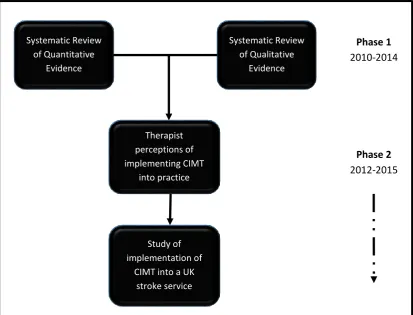
Four studies are reported in Chapters 3 through 6 and can be seen as two distinct phases, summarised in Table 1.1.
Table 1.1 Summary of the phases, their focus and position in the thesis
Phase Focus Study Chapter
1 Systematic Reviews to evaluate
current CIMT evidence-base
1 & 2 Chapter 3 & 4
2 Implementation of CIMT into a UK
NHS Stroke Service
3 & 4 Chapters 5 & 6
16
Fig 1.3 Diagram of relationship of studiesChapter 3 and 4 respectively report the systematic review of quantitative and qualitative data relating to effectiveness and acceptability of CIMT. These studies critically evaluate the current evidence-base for CIMT in the sub-acute phase of stroke. They identify what is known, and establish the gaps in the understanding of CIMT. Chapter 3 reports a systematic review of the quantitative results of RCTs to evaluate the effectiveness of CIMT in increasing UL function in sub-acute stroke survivors, and Chapter 4 is a review and synthesis of the reported experiences of providing and undertaking CIMT from, respectively, a therapist and stroke survivor perspective. This included the identification of previously established facilitators of, and barriers to the provision of CIMT.
Systematic Review of Quantitative
Evidence
Systematic Review of Qualitative
Evidence
Therapist perceptions of implementing CIMT
into practice
Study of implementation of
CIMT into a UK stroke service
Phase 1 2010-2014
17
The findings from the two systematic reviews reported in Chapters 3 and 4 formed the
foundation for two further studies. These two studies, reported in Chapters 5 and 6, sought to gain an understanding of the issues of implementing CIMT in a UK NHS stroke service. Therapist perceptions were sought and are reported in Chapter 5. The final study, a pilot study comprising three mixed methods single case studies, forms Chapter 6, in which the feasibility of providing CIMT in a sub-acute stroke service was explored, barriers and facilitators to the use of CIMT identified, and data collection and analysis methods were tested to inform a future study.
Chapter 7 is the Grand Discussion. This chapter critically reflects on the findings of the studies and discusses the wider implications of those findings for practice and future research. It also provides a discussion of the strengths and limitations of this body of work. Final conclusions are made in Chapter 8.
1.8
Personal Stance
As a researcher’s understanding of the world shapes the whole research process (Creswell, 1998, p. 8; Grix, 2004, pp. 100-3; Moon & Blackman, 2014; Moses & Knutsen, 2007), from designing questions, through selecting a methodology and methods, to interpreting the findings (Madill et al., 2000), a researcher’s personal stance should be clearly articulated. It has been proposed that where there is an explicit philosophical stance, the research produced is more sophisticated (Creswell, 1998, p. 4). This is of particular importance in qualitative research, where there are numerous research traditions and perspectives (Creswell, 1998; Moses & Knutsen, 2007). Having an explicit philosophical stance helps researchers decide which data they should collect to
examine their area of interest (Grix, 2004, p. 103) and facilitates a congruent and observable path so that a researcher can more clearly articulate their thought processes leading to a more
18
ontological and epistemological assumptions that underpin four studies. The information presented in the subsequent sections is necessary to enable consumers of the research to understand the process undertaken and to critique the credibility of the research.
1.8.1
Ontology
This thesis is based on an anti-foundationalist ontology which assumes that the world exists through the perception of humans (Moses & Knutsen, 2007, pp. 142-9) and that truth or knowledge is not independent of humans; therefore, understanding the interaction between humans and their environment is essential if a researcher is going to gain knowledge about a given construct (Moses & Knutsen, 2007, pp.142-9). Within this anti-foundationalist perspective, the work in this thesis assumes a bounded relativist stance (Moon & Blackman, 2014) which assumes that realities, or understandings, may be shared within groups of people (for example those connected by profession or culture), but that these realities are not necessarily shared with other groups or individuals; based on these assumptions, bounded relativism must recognise multiple realities (Moon & Blackman, 2014).
It is from this anti-foundationalist, relativist ontology, favoured by qualitative researchers and based on the premise of multiple realities that this work has evolved. The belief that there may be shared realities within professional groups (a bounded relativist stance) is also an important basic tenet of this work.
1.8.2
Epistemology
19
2009, p. 18; Moses & Knutsen, 2007, p. 9), this construction is dependent on interactions with the environment which shape and develop a person’s understanding and knowledge (Moon &
Blackman, 2014). Constructivism has been described as “the view that all knowledge, and therefore all meaningful reality…is contingent upon human practices, being constructed in and out of interaction between human beings and their world, and developed and transmitted within an essentially social context” (Crotty, 1998, p. 42). This quotation recognises the fundamental role of the social environment in constructing knowledge and understanding.
A presence of power or influence, or specific pools of knowledge that have developed over time may impact on this knowledge through interactions with individuals, groups or society (Moses & Knutsen, 2007, pp. 183-5). In the case of a therapist, their professional knowledge, and
understanding of the meaning of this, may be dependent on the place they trained, the
environment in which they spent their formative professional years, or the involvement in other professional networks.
A constructivist epistemological stance is the foundation of the four studies in this thesis. In each study there is a premise that knowledge has been constructed and that this was influenced by context and environment.
1.8.3
Theoretical perspective
Social constructionism is the theoretical lens through which the first three studies were viewed. Whilst the terms social constructivism and social constructionism are sometimes used
20
acquisition. The term social constructionism is favoured throughout this thesis to recognise the focus of the generation of knowledge from within groups of CIMT implementation stakeholders.
Social constructionism is a theoretical perspective that aims to understand the interpretation of given constructs and the social context in which this knowledge has been gained through an inductive process (Andrews, 2012; Robson, 2011, p. 24). It emphasises the acquisition of
knowledge through the use of language and conversation (Andrews, 2012, p. 44; Creswell, 2009, p. 8) and these assumptions structure the research process (Crotty, 1998, p. 17). Where social constructivism is perceived as a theoretical perspective stemming from a bounded relativist ontology, it also recognises the potential for shared knowledge. In this way there may be constructs for which there is a shared understanding. Studies viewed through a social
constructionist lens look for the variety of meanings and consider whether there is a common understanding of these.
The final study maintained a constructivist epistemology, but was viewed through a
phenomenological theoretical lens to explore stroke survivor’s lived experiences (Hoffman et al., 2010, p. 224) of CIMT. A pragmatic phenomenological approach was undertaken. This approach required the most appropriate methods be chosen to address the research problem and aims (Creswell, 2009, p. 10). Pragmatism was evident in this final study which combined a
phenomenological approach with quantitative data analysis.
1.8.4
Overview of methodologies
21
22
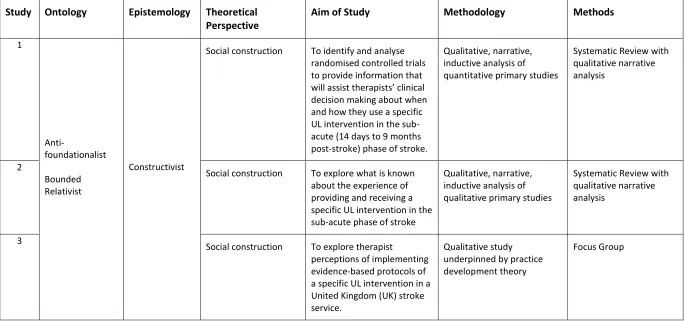
Table 1.2 Summary of theoretical perspectives for the thesis studies
Study Ontology Epistemology Theoretical Perspective
Aim of Study Methodology Methods
1
Anti-foundationalist
Bounded Relativist
Constructivist
Social construction To identify and analyse randomised controlled trials to provide information that will assist therapists’ clinical decision making about when and how they use a specific UL intervention in the sub-acute (14 days to 9 months post-stroke) phase of stroke.
Qualitative, narrative, inductive analysis of quantitative primary studies
Systematic Review with qualitative narrative analysis
2
Social construction To explore what is known about the experience of providing and receiving a specific UL intervention in the sub-acute phase of stroke
Qualitative, narrative, inductive analysis of qualitative primary studies
Systematic Review with qualitative narrative analysis
3
Social construction To explore therapist
perceptions of implementing evidence-based protocols of a specific UL intervention in a United Kingdom (UK) stroke service.
Qualitative study underpinned by practice development theory
23
4
Pragmatic phenomenology
To investigate the feasibility of providing protocols of a specific UL intervention to individuals in the sub-acute phase of stroke as part of a UK stroke service, and to test the data collection methods and the data analysis to explore stroke survivors’ perceptions and experiences of CIMT, to inform a larger study.
Mixed methods approach in a series of case studies
Interviews
Observational Study
24
1.8.5
An occupational therapist perspective
OTs and physiotherapists provide the majority of the UL therapeutic interventions for stroke survivors (Lennon, 2011, p. 236). The work in this thesis has been undertaken by an OT; it is inevitable that occupational therapy philosophy is inextricably interwoven into the work. The philosophical roots of occupational therapy recognise the importance of a person interacting with their environment (American Occupational Therapy Association, 2010; Iwama et al., 2009;
Kielhofner, 2011; Law, 2013; Law et al., 1996). A foundational tenet of occupational therapy is a belief that people interact with their environment constantly and that a person’s environment changes his or her behaviour and understanding of the world (American Occupational Therapy Association, 2010; Iwama et al., 2009; Kielhofner, 2011; Law et al., 1996). A constructivist epistemological stance underpinned by the assumption that humans engage with their
environment and construct their knowledge as part of this process, (social constructionism) fits comfortably with an OT’s professional understanding of the world.
1.8.5.1 Activity and Occupation
The OT perspective will be evident throughout this thesis in the use of the terms activity and occupations. Influenced by occupational science (American Occupational Therapy Association, 2008), these concepts are separated in the occupational therapy literature (American
Occupational Therapy Association, 2008; Pierce, 2001). An activity has been defined as “a
25
OTs use the term occupation to indicate the ‘doing’ that is specific to an individual; it is
meaningful to an individual and is goal-directed (Pierce, 2001). There are a number of definitions of occupation (American Occupational Therapy Association, 2008), but they all share the concept that occupations are daily life activities that are meaningful, purposeful and have value to the person undertaking them (American Occupational Therapy Association, 2008). It has been proposed that an occupation is a one-off experience depending on the spatial, temporal and socio-cultural context (Pierce, 2001). Occupations may be undertaken because they are enjoyable or because they are part of a person’s roles and routine (American Occupational Therapy
Association, 2008; Kielhofner, 2011). When summarising occupations, they can be described as self-care occupations (such as washing, dressing, oral care, eating, using the toilet), productivity occupations (such as house work, food preparation, child care, employment, or study) or leisure occupations (such as undertaking a sport or craft, socialising with friends, attending events such as concerts or theatre) (Law, 2002; Law et al., 1996). In this way, if an activity is meaningful to a person and they undertake it as part of their everyday lives, it can be considered to be an
occupation. Implicit within this is an understanding that any occupation will be dependent on the context in which it is performed (American Occupational Therapy Association, 2008).
Occupational therapy is defined as enabling “people to achieve health, well-being and life satisfaction through participation in occupation” (College of Occupational Therapists, 2011, www.cot.co.uk). This definition emphasises the role of OTs as enablers of occupation. Whilst CIMT might be a part of both physiotherapy and occupational therapy practice, and indeed there are physiotherapist participants in one of the studies, the occupational therapy perspective described above is evident throughout.
1.8.6
Reflexivity
26
data (Creswell, 2009, p. 8; Denscombe, 2007, p. 300). To ensure research is credible, there must be consideration of the relationship between what is being interpreted and the interpreter; Alvessen and Skoldberg (2009) in summarising this issue, stated “the relation between ‘reality’ and ‘text’ (the research results) is at best uncertain and at worst arbitrary or even non-existent” (p. 2). Exploring and defining this relationship poses substantial challenges to qualitative
researchers.
Interpretation is an integral part of qualitative inquiry; in order to understand the relationship between the findings and the researcher, a reflective approach to designing a study, data collection and analysis is advocated (Alvesson & Skoldberg, 2009, p. 9). One aspect of qualitative research is reflexivity, a process which “entails the researcher being aware of his effect on the process and outcomes of research” (Anderson, 2008). Reflexivity can be seen to take a number of forms including epistemological debates (Anderson, 2008; Gomm, 2008, p. 292) and introspective analyses of how the researcher is interwoven with the research (Denscombe, 2007, p. 301; Gomm, 2008, p. 292). Reflexive processes have been put in place in the qualitative studies; the details of these are discussed in the relevant chapter.
1.9
Summary
27
28
Chapter 2
Background Literature Review
The previous chapter described the prevalence of stroke and the impact of stroke on UL function. The chapter identified a need for therapists to undertake evidence-based practice and identified CIMT as an UL therapeutic intervention with evidence in support of its effectiveness. It presented evidence that, contrary to national guidance, CIMT is not being implemented into clinical
practice. The development-evaluation-implementation process (Medical Research Council, 2008) was introduced as a means to guide and understand the process required to implement CIMT.
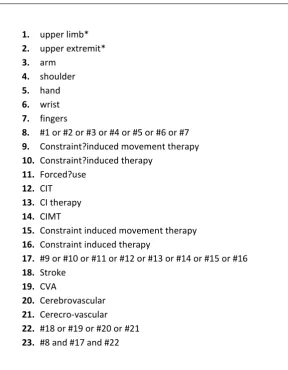
This chapter reports the background literature review on which this programme of work is based. Medical Subject Headings (MeSH) and key words were used in combination: cerebrovascular accident, stroke, CVA, CIMT, CIT, forced use, upper limb, upper extremity, arm, shoulder, hand, wrist, fingers, with the aim of establishing the historical development of CIMT and the theoretical basis on which it is based. Computer-based databases: MEDLINE, AMED, Scopus, CINAHL,
PsychINFO, and Cochrane Central Register of Controlled Trials were utilised. The reference lists of the papers identified as relevant were examined for additional sources of information.
29
implications for the effectiveness of CIMT post-stroke and its subsequent implementation into practice. Secondly, the presumed active ingredients of CIMT, and the most appropriate dose of these, have not been sufficiently explored in the development stage of CIMT and, therefore, require further study. To enable this there needs to be a method of documenting CIMT protocols and any comparison UL therapeutic interventions. Finally, the feasibility and acceptability of CIMT have not been sufficiently studied, which has implications for both evaluation and
implementation.
The development-evaluation-implementation process described in Figure 1.1 has been used to structure this literature review. Development of CIMT has been addressed in two sections: 2.1 ‘Development of CIMT’ and 2.2 ‘The active ingredients in CIMT’. Evaluation has been addressed in Section 2.3 ‘Evaluation of CIMT’ and the potential implications of these for implementation has been summarised in Section 2.4.
2.1
Development of CIMT
CIMT has developed over a number of decades and it is necessary to understand the
development of CIMT for two reasons: 1) to enable a critical review of this process and, where appropriate, to challenge the assumptions made during this development process; 2) to consider the impact of these assumptions on implementation.
2.1.1
Development of learned non-use theory
30
31
32
Fig 2.1 Diagram of learned non-useSpringer and Current Atherosclerosis Reports, (volume 3, 2001, p.280, Taub, E. and Morris, D.M., fig 1) original copyright notice is given to the publication in which the material was originally published with kind permission from Springer Science and Business Media.
Whilst the reliability of the measurements undertaken was not established, and there was the assumption that the recovery processes following unilateral deafferentation and bilateral deafferentation are similar, the theory of learned non-use seems to adequately describe the response of monkeys to deafferentation.
2.1.2
Overcoming learned non-use
An exploration of the evidence to overcome learned non-use in monkeys is also presented here as it provides important insights into the development of CIMT, in order that the assumptions made during this process may be elucidated.
33
behaviour theory is based on the work by Ivan Pavlov (1849-1936) on classical conditioning and by Edward Thorndike (1874-1949) and Burrhus Frederic (B.F.) Skinner (1904-1990) on operant conditioning (Gleitman et al., 2011a). In classical conditioning, a conditioned stimulus (e.g. a tone) is linked to an unconditioned stimulus (e.g. production of food) and the two are paired until the conditioned stimulus results in a conditioned response (e.g. salivation on the production of the tone) (Gleitman et al., 2011b, p. 264). In operant conditioning, a response (e.g. pressing a lever) is required to access the unconditioned stimulus (e.g. food) which, in turn, produces an unconditioned response (e.g. salivation) (Gleitman et al., 2011b, p. 281; Schwartz, 1989, pp. 27-8). There is no stimulus that precedes the response; the response is internally initiated
(Blackman, 1974, p. 40). When the required action is performed it is rewarded, this positive reinforcement then increases the likelihood of the action being repeated and in this way
behaviour is changed (Gleitman et al., 2011b, p. 281); once this is established, further actions can be added and rewarded. It is operant conditioning that has underpinned the development of strategies to overcome learned non-use.
Taub (1993) identified two ways to induce movement following deafferentation in monkeys: a restraint applied to the less affected limb to decrease its use, and the use of training following operant conditioning principles. Wearing a restraint on the unaffected limb for three days, nine weeks after the unilateral dorsal rhizotomy, resulted in use of the deafferented limb (Taub et al., 2006b); however, if the restraint was removed as soon as the deafferented limb was used, the effects were not retained in the colony environment. When the training was altered so that a food reward was used to ‘shape’ the desired action through a series of small goals, the
34
in deafferented monkeys, and it is this work that informed the development of CIMT comprising both a restraining element and a training element.
2.1.3
Translating the evidence to humans
The work with monkeys described in the previous sections led to a proposal that the process of learned non-use may also occur in humans following acquired injury to the central nervous system (Ostendorf & Wolf, 1981), and that the interventions to overcome learned non-use in deafferented non-human primates may provide avenues to explore recovery in humans.
In transferring the evidence from monkeys to humans, two assumptions have been made: 1) that deafferentation of an UL and stroke are similar in terms of impact on UL function and the
subsequent recovery processes; and 2) that a monkey’s response to injury is similar to a human response.
The pathology of dorsal rhizotomy and stroke are different (Dobkin, 2007; Miltner et al., 1999). Surgical deafferentation of an UL produces a specific and controlled lesion of the spinal nerve root, affecting a defined area and removing sensation input from that limb. Stroke in comparison produces a diffuse, variable central lesion, affecting many functional areas of the brain (Dobkin, 2007). Stroke may impact on the sensation of an UL, but this would not usually result in the complete hemi-anaesthesia which is inevitable in the limb supplied by the deafferented nerves. In addition, following stroke, it is likely that there will be damaged efferent pathways leading to motor control impairments (Taub & Wolf, 1997). There may also be cognitive impairments (Dobkin, 2007; Intercollegiate Stroke Working Party, 2012) and emotional changes
35
unlikely that learned non-use is the only mechanism impacting on motor control following stroke. It has been proposed (Sterr et al., 2002b; Taub et al., 2006b) that learned non-use is different to both motor neglect, the underutilisation of a body part in the absence of paralysis or primary sensory deficit (Sampanis & Riddoch, 2013, p. 110) and to unilateral spatial neglect, a failure “to report, respond, or orient to novel or meaningful stimuli presented to the side opposite a brain lesion” (Heilman et al., 1993, p. 279). This proposition is based on evidence that motor neglect tends to reduce over time (Sampanis & Riddoch, 2013), whilst learned non-use is likely to become more marked (Sterr et al., 2002b), and that unilateral spatial neglect occurs more frequently with a right-sided lesion (Gialanella & Ferlucci, 2010), whilst learned non-use occurs equally with right and left sided lesions (Sterr et al., 2002b). Whilst it may be a separate mechanism, there is currently no means of identifying learned non-use in stroke survivors (Dobkin, 2007; van der Lee, 2001); it is, therefore, not yet possible to explore the relationship between learned non-use and recovery following stroke in humans.
The first study with a human participant (Ostendorf & Wolf, 1981) tested the concept of constraining (in a shoulder sling worn throughout the day) the ipsilesional limb of a 50 year old woman, 18 months post-stroke, with UL paresis, described as presenting with isolated movement at shoulder, elbow, wrist and fingers, but with a dominance of synergy in functional movements.
Descriptions of non-human primate research use the term ‘restraint’ to describe the
36
phase lasted for seven days. Where an intervention comprises only constraint of the limb with no specified additional training, as in this study, it has been termed forced-use (Eugster-Buesch et al., 2012; Fuzaro et al., 2012; Pierce et al., 2003; Ploughman & Corbett, 2004). The study found an increase in participant-reported frequency of purposeful UL behaviours from a pre-defined list. It was unclear how these reports were rated and clinical significance of this finding was not
discussed. A qualitative improvement in ability to use the contralesional hand to write name and use an iron were also reported. The functional assessment, a non-validated tool based on a protocol from Emory University Research and Teaching Center included 18 tasks such as moving hand from lap to table, straightening elbow, picking up cup, paper clip and pencil. These were timed and the video-recordings of the tasks were rated by blinded assessors for quality of
movement on a 0-5 scale, where ‘0’ was allocated for ‘no visible movement of affected extremity’ and ‘5’ was allocated for ‘isolated movements throughout the limb, but may be weak or
uncoordinated’. The total time to complete all tasks reduced over the duration of the study; however, the biggest reduction in time was from day one of the baseline in Phase A to day seven in baseline Phase A, therefore the majority of the reduction occurred prior to the intervention phase, which indicated the reduction in time was likely to be a result of a practice effect. Quality of the movement did not change. The use of a non-validated functional assessment, the limited detail of the processes to establish the reliability of the reported purposeful UL behaviours, and the lack of blinding of the assessor to the phases indicate a number of potential sources of bias in this study.
37
participants’ UL function was stable prior to the forced-use. The measurements comprised 21 non-validated tasks which were similar, but not identical, to those used in the previous study; additions included lifting a basket and writing own name. The test was subsequently named the Emory Motor Function Test (Taub et al., 1993). Time taken to complete each task was measured and quality of movement was rated by blinded assessors observing the video-recordings and marking a non-validated matrix to indicate the presence or absence of isolated or synergistic movement for each task. Findings were only reported for the 21 participants (stroke n=16; head-injury n=5) who completed all measures. At post-intervention, compared to baseline, there was a statistically significant decreased median change time in 8 of the 21 upper limb functional tasks (p<0.05 for each of the 8 tasks). This increased to 19 out of 21 tasks at 4 months
intervention (p<0.05 for each of the 19 tasks); these findings were maintained at one year post-stroke. There was no change in the quality of movement over time. This indicated that forced-use may have potential for reducing the time taken to complete UL tasks, and that this benefit may continue after the intervention is complete; however, as there was no control group there is a risk that changes may have been due to variables other than the intervention and that the same change may have occurred without the sling constraint. In addition, participants not completing all the measures were excluded and a non-validated measure of functional tasks was used; these may have impacted on the internal validity of the study.
38
without the constraint to undertake washing and toileting. The training included activities such as using cutlery, playing games and writing (Taub et al., 1993). The participants in the attention comparison: a) were told that they had greater ability in their ipsilateral UL; b) undertook two therapy sessions in which passive range of motion (ROM) and sensory loss were assessed; and c) undertook self-initiated ROM exercises for 15 minutes each day. Taub et al. (1993) reported that the participants in the CIMT group each had statistical significant or near significant reductions (nonparametric sign test, p<0.06) in mean performance times in Emory Motor Function Test (EMFT) (Wolf et al., 1989) and The Arm Motor Activity Test (AMAT), a test of activities involving the UL (McCulloch et al., 1988). This was not the case in the comparison group (p>0.3). Functional ability, rated by assessors blinded to group allocation, was also reported as significantly increased on both EMFT and AMAT for all participants in the CIMT group, but not for the comparison group; however the statistics to support this were not presented. Whilst the study indicates that CIMT may be beneficial when compared to an attention comparison of less than six hours, the
interpretation of the measures is limited by a lack of reporting of the findings and the use of non-validated measures without an established Minimal Clinically Important Difference (MCID). A MCID is important as it indicates the smallest amount of change from an intervention that would be interpreted as important by a participant or patient (McGlothlin & Lewis, 2014), thereby indicating that change below this level would not be meaningful. In addition, the small sample size and a lack of detail of the randomisation procedures may have introduced bias. Whilst there was a clear need for further investigation of the intervention, the components of constraint and training described in this study continue to define CIMT.
Van der Lee et al. (1999) reported an observer-blinded RCT (N=66) of what was nominally forced-use, in chronic (greater than one year post stroke) stroke survivors. The experimental