ResearchOnline@JCU
This file is part of the following work:
Mohamed Omer, Safraz (2019) A new mouse model of peripheral artery disease:
development, validation and assessment of a potential intervention and a
therapeutic target. PhD Thesis, James Cook University.
Access to this file is available from:
https://doi.org/10.25903/5d96c24403466
Copyright © 2019 Safraz Mohamed Omer.
The author has certified to JCU that they have made a reasonable effort to gain
permission and acknowledge the owners of any third party copyright material
included in this document. If you believe that this is not the case, please email
i
A New Mouse model of Peripheral Artery Disease:
development, validation and assessment of a potential
intervention and a therapeutic target
Thesis submitted by
Safraz Mohamed Omer
MAppSc (Res), BSc (Hons)
for the degree of Doctor of Philosophy
in the College of Medicine
James Cook University, Townsville, Australia
ii
Contents
Title i
Contents ii
STATEMENT OF SOURCES vii
DECLARATION ON ETHICS viii
Statement of the Contribution of Others ix
Acknowledgements x
Publications xii
Conference presentations xii
Abstract xiii
List of Tables xv
List of Figures xv
List of Abbreviations xvii
Chapter 1 General Introduction 1
1.1 Peripheral artery disease, prevalence, risk factors and diagnosis 2
1.2 Symptoms of PAD 3
1.3 Treatments for cardiovascular risk in PAD patients 3
1.3.1 Smoking Cessation 3
1.3.2 Antiplatelet/Anticoagulation treatments 4
1.3.3 Lipid Control 5
1.3.4 Hypertension 6
1.3.5 Glycaemic Control 6
1.4 Pathophysiology of PAD and treatment of limb symptoms 7
1.4.1 PAD pathophysiology 7
1.4.2 Treatments for limb ischaemia in PAD patients 11
1.4.2a Goal of treatment and outcome measures 11
1.4.2b Surgery 12
1.4.2c Exercise treatment 12
1.4.2d Pharmacotherapy for limb ischaemia 14
1.4.2e A potential target for future drug therapy in limb ischaemia 15
1.5 Novel treatments tested for PAD 17
1.6 Animal models of HLI 26
1.7 Common mouse models of HLI 26
1.7.1 Ligation model 27
1.7.2 Ligation and excision models 27
1.7.3 Limitation of current models 28
1.7.4 Gradual constriction model of HLI 29
1.8 Risk factors in models of HLI 30
1.9 Differences in mouse strains of HLI 31
1.10 Common outcome assessments in HLI studies 33
1.10.1 Measurement of limb ischaemia 33
1.10.2 Examination of gross tissue necrosis and limb function 34
1.10.3 Assessment of functional outcomes in HLI models 35
iii
treatment 37
1.12 Employing a clinically relevant mouse model of HLI for assessing a potential
endogenous target 39
1.13 General summary and thesis aims 41
Chapter 2 General materials and methods 43
2.1 Ethics and mouse hiusandry 44
2.2 Acute-on-chronic induction of HLI 44
2.3 Laser doppler imaging 46
2.3.1 LDI repeatability 46
2.4 Treadmill walking test 48
2.5 Observational assessment of limb function and ischemia 48
2.6 Euthanasia and tissue collection 49
2.7 Statistical analysis 50
Chapter 3. Development of a new experimental mouse model of lower limb ischaemia 51
3.1 Introduction 52
3.2 Methods 56
3.2.1 Ethics approvals and mouse husbandry 56
3.2.2 Study design 1: To establish a new mouse model of two-stage HLI 56
3.2.2a Sample size 56
3.2.2b HLI induction 56
3.2.2b1: Induction of two-stage HLI 56
3.2.2b2: Induction of acute HLI 56
3.2.2c: Laser Doppler Imaging 57
3.2.2d Observational functional scoring and assessment of ischaemia 57 3.2.3 Study design 2: To assess limb function in HLI models by treadmill
and open field tests 58
3.2.3a Treadmill test 59
3.2.3b Open field test 59
3.2.4 Study design 3: To examine the effect of exercise training on the
two-stage model of HLI 60
3.2.5 Statistical analysis 61
3.3 Results 63
3.3.1: Mice with two-stage HLI showed more severe and prolonged
ischemia than mice with acute HLI induction 63
3.3.2: Functional impairment assessed by scoring was greater in the
two-stage HLI mice than mice with the acute HLI 63
3.3.3 Mice with two-stage HLI performed less distance than mice with acute
HLI on the treadmill exercise test 67
3.3.4: Mice with two-stage HLI had similar physical activity impairment to mice with acute HLI as assessed by the open field test 67 3.3.5: Running wheel exercise training showed no effect on limb perfusion
iv
3.3.6: Running wheel exercise training improved treadmill walking distance
in mice with two-stage HLI 67
3.4 Discussion 73
Chapter 4 Characterisation of the effect of metformin on established experimental limb
ischaemia 77
4.1 Introduction 78
4.1.1a Hypothesis 79
4.1.1b Aims 79
4.2 Methods 80
4.2.0 Ethics and mouse husbandry 80
4.2.1 Study design, group allocation and protocol 80
4.2.2 Sampe sizes estimation 81
4.2.3 HLI induction 81
4.2.4 Laser Doppler imaging 81
4.2.5 Functional assessment with a treadmill test 81
4.2.6 Western blotting 83
4.2.6a Sample preparation 83
4.2.6b Protein estimation by Biorad protein assay 83
4.2.6c Electrophoresis separation of proteins 83
4.2.6d Transfer of proteins from gel to membrane 84 4.2.6e Protein detection and visualisation: chemiluminescent method
85
4.2.7 Plasma nitric oxide assay 85
4.2.8 Plasma glucose measurement 85
4.2.9 Quantitative real-time polymerase chain reaction assays 86
4.2.9a RNA extraction 86
4.2.9b Reaction preparation 86
4.2.9c q-RT-PCR cycling conditions 87
4.2.10 Statistical analysis 87
4.3 Results 88
4.3.1 Limb blood supply in the two-stage HLI mice receiving metformin was greater than controls
88
4.3.2 Treadmill distance performed by two-stage HLI mice receiving metformin was comparable to two-stage HLI mice receiving vehicle
88 4.3.3 Phospho-AMPKα/total AMPKα and phospho-eNOS/eNOS were
increased in mice receiving metformin 88
4.3.4 Circulating nitric oxide was increased in mice receiving metformin 97 4.3.5 TXNIP was downregulated and PGC1α was upregulated in ischaemic
muscle of mice receiving metformin 97
v
Chapter 5: The effect of angiotensin converting enzyme 2 deficiency in experimental limb
ischaemia 111
5.1 Introduction 112
5.2 Methods 113
5.2.1 Ethics approval and mouse husbandry 113
5.2.2 Study design 113
5.2.3 Sample size 113
5.2.4 Hindlimb ischaemia induction 114
5.2.5 Laser Doppler imaging 116
5.2.6 Observational functional scoring and assessment of ischaemia 116
5.2.7A Tail cuff plethysmography 116
5.2.7B Repeatability of tail cuff plethysmography recordings 116
5.2.8 Statistical Analysis 117
5.3 Results 117
5.3.1 ACE2-/yApoE-/- mice with two-stage HLI had comparable limb ischaemia and functional impairment to ApoE-/- mice with two-stage HLI
117 5.3.2 Systolic blood pressure were similar in ACE2-/yApoE-/- and ApoE-/-
mice as increased in mice receiving metformin 118
5.4 Discussion 124
Chapter 6 Concluding discussions and future directions 127
6.1 Discussion: Development of a two-stage mouse model of lower limb ischaemia 128
6.2 Future directions: Part 1 130
6.3 Part 2 Discussion: The effect of metformin in two-stage HLI 131
6.4 Future directions: Part 2 132
6.5 Part 3 Discussion: The effect of Angiotensin converting enzyme 2 deficiency in
experimental limb ischaemia 133
6.6 Future directions: Part 3 135
6.7 Thesis conclusions 135
References 136
Appendix 166
A1. Ethics Approvals 167
A2: Linear mixed effects result 171
A2.1 LME model analysis comparing treadmill data between exercise intervention and
control groups 171
A2.2 LME model analysis comparing LDI data between exercise intervention and control
groups 172
A2.3 LME model analysis comparing LDI data between metformin administered and
vehicle administered group 174
A2.4 LME model analysis comparing treadmill walking distance data between metformin
administered and vehicle administered groups 175
A2.5 LME model analysis comparing LDI data between female ACE2-/yApoE-/- and
vi
A2.6 LME model analysis comparing LDI data between male ACE2-/y/- and
ApoE-/- groups 179
A3. Supplementary Western blot information 182
vii
STATEMENT OF SOURCES
I declare that this thesis is my own work and has not be submitted for any other degree or professional qualification. I confirm that appropriate credit has been given within this thesis where reference has been made to the work of others.
Signature ___25/03/2019____________
Date
viii
DECLARATION ON ETHICS
The research presented and reported in this thesis was conducted within the guidelines for research ethics outlined in the NHMRC/AVCC Statement and Guidelines on Research Practice (1997), the James Cook University Policy on Experimentation Ethics. Standard Practices and Guidelines (2001), and the James Cook University Statement and Guidelines on Research Practice (2001). The proposed research methodology received clearance from the James Cook University Experimentation Ethics Review Committee (Approval numbers A1977, A1978, A2074 and A2321).
Signature
___25/03/2019______________ Date
ix
Statement of the Contribution of Others
Nature of
Assistance Contribution Name/ source
Intellectual
support Advise on aims and project planning and design, manuscripts and thesis drafts
Prof Jonathan Golledge Dr Smriti Krishna Dr Joseph Moxon
Advise on statistics Dr Joseph Moxon
Editorial assistance Prof Jonathan Golledge Dr Joseph Moxon Dr Smriti Krishna
Financial
support Research costs Primary advisor funds, GRS postgraduate grant
Stipend JCU Postgraduate Award scholarship
Top-up scholarship from College of Medicine and Dentistry
International student fee waiver
Conference travel Minimum resource fund JCU College of
Medicine Technical
support Surgeries Blinded administration of Dr Smriti Krishna metformin and vehicle to
mice
x
Acknowledgements
I acknowledge the advisory panel Professor Jonathan Golledge, Dr. Smriti Krishna and Dr. Joseph Moxon for the research opportunity and experience. I would like to thank Dr. Smriti Krishna for the collaboration, generosity and support with experimental work during my PhD. I thank Prof Golledge for the mentorship and constructive feedback and support on work plans, manuscripts and thesis drafts. I thank Dr. Joseph Moxon for statistical advice and input on manuscripts and thesis drafts.
I would like to acknowledge the help of the collaborators Professor Chris Tikellis (Baker IDI) who provided the ACE2 mice, Prof Zoltan Sarnyai, Medical & Vet Sciences, JCU who provided access to the open field test assessment facility and Ms. Anne Kraueter (JCU) who administered metformin or placebo as the research assistant blinded to the study.
I thank the friendship and support I received from the QRCPVD colleagues along my journey- Vianne, Corey, Mal, Dylan, Vikram, Sharon, Susan, Julie, Yutang, Roby and Bill. I also thank the friendship and support of other lab colleagues- Roni, Sandip, Venkat and Aya. I thank Emma Anderson and Susan Wright for the amazing support with administrative processes within the College and Julie and Sharon for the incredible support with the QRCPVD administrative processes. I thank Roni, Abdul, Rahul, Suchander, Ibrahim, Irwan, Aji, Ilham, Imran and Quaid who were postgraduate colleagues in various faculties at JCU with whom I have been able to share this journey.
I express my gratitude to the JCU chaplaincy and the Townsville Islamic Community for the opportunity, facilities and the wide range of support for practicing my faith on campus and in Townsville. I would like thank JCU and Townsville for providing a safe, peaceful, inclusive and diverse environment which I have been fortunate to experience in this PhD journey.
xi
Publications
Published
• Mohamed Omer, S., et al., The efficacy of extraembryonic stem cells in improving
blood flow within animal models of lower limb ischaemia. Heart, 2016. 102(1): p. 69-74.
• Krishna, S.M., S.M. Omer, and J. Golledge, Evaluation of the clinical relevance and limitations of current pre-clinical models of peripheral artery disease. Clin Sci (Lond), 2016. 130(3): p. 127-50.
• Phie, J…., Omer, S. M., Kinobe, R., & Golledge, J. (2017). Flavonols reduce aortic atherosclerosis lesion area in apolipoprotein E deficient mice: A systematic review and meta-analysis. PLoS ONE, 12(7)
• Nsengiyumva, V…., Omer, S. M., . . . Golledge, J. (2015). The association of circulating 25-hydroxyvitamin D concentration with peripheral arterial disease: A meta-analysis of observational studies. Atherosclerosis, 243(2), 645-651.
Manuscript within submission process
•
Krishna SM,... Omer SM, .. Golledge J, Kallistatin limits abdominal aortic aneurysm by attenuating generation of reactive oxygen species and apoptosis through Sirtuin 1 upregulation.
•
Krishna SM, Omer SM,.. Golledge J. Development of a novel experimental model of persistent limb ischaemia.Pending submission
• Omer SM, Krishna SM, Moxon J and Golledge J. Metformin improves perfusion in an experimental model of ongoing limb ischaemia.
xii
Conference presentations
• The effect of metformin in a new mouse model of hindlimb ischaemia. Australian
Vascular Biology Society 2017, Sunshine Coast, Queensland, Australia. (oral
presentation)
• The effect of metformin in a new mouse model of hindlimb ischaemia. Global
pharma meet 2018, Dubai. (oral presentation).
• A clinically relevant mouse model of peripheral artery disease North Queensland
Festival of Life Sciences 2014,Townsville, Queensland, Australia. (poster).
• Treadmill walking capacity in a new mouse model of peripheral artery disease North
Queensland Festival of Life Sciences, 2015,Townsville, Queensland, Australia.
xiii
Abstract
Peripheral arterial disease (PAD) affects more than 200 million people worldwide and is caused by occlusions resulting from atherosclerosis in arteries supplying blood to the lower limbs. Treatments for limb ischaemia in PAD is an unmet medical need. Novel treatments are sought to improve limb blood supply and function in PAD patients unlikely to benefit from existing treatments such as surgical revascularisation, structured exercise programs and cilostozol. Currently, the main pre-clinical experimental model employed in PAD research is based on induction of acute hind limb ischemia (HLI) which results in rapid natural recovery of blood supply to ischaemic tissues. There are concerns regarding the ability to translate findings from this mouse model to PAD patients and a clinically relevant mouse model of HLI is lacking. Evidence suggests metformin may be a potential treatment for PAD and angiotensin converting enzyme 2 (ACE2) may play a role in limb ischaemia. This thesis aimed to develop a clinically relevant mouse model of PAD that involved a two-stage induction of HLI and examine the effect of exercise training, metformin and ACE2 deficiency in the two-stage model of HLI.
Two-stage HLI was induced in male Apolipoprotein E (ApoE-/-) deficient mice by slow onset
of severe ischemia over 14 days. This 2-stage HLI model was compared to the acute HLI model and sham controls. Limb blood supply was assessed by Laser Doppler Perfusion Imaging (LDI). Ambulatory ability was assessed using a treadmill test and established scoring scales. Running wheel exercise training was examined in the two-stage mouse model and limb function was assessed by a treadmill exercise test and blood supply was assessed by LDI. Next, the effect of metformin on limb ischaemia was assessed by LDI in the two-stage HLI mouse model. Lastly, the effect of ACE2 deficiency (ACE2-/y) on limb ischaemia
was examined in the two-stage mouse model of HLI.
xiv
(p=0.003). However, limb blood supply was comparable between mice receiving exercise
compared to controls (p=0.700). Mice with two-stage HLI administered metformin had greater blood supply than mice with two-stage HLI receiving vehicle control (p<0.001). The two-stage HLI mice receiving metformin had increased adenosine monophosphate kinase alpha (AMPKα) activity (p=0.041), endothelial nitric oxide synthase (e-NOS) activity
(p=0.031), nitric oxide (NO) bioavailability (p=0.024), peroxisome proliferator activated
receptor 1 alpha (PGC1-α) expression (p=0.026) and decreased thioredoxin interacting protein (TXNIP) expression (p=0.038) compared to mice with two-stage HLI receiving vehicle. ACE2-/y in mice with two-stage HLI had comparable limb ischaemia to ACE2
unmodified control mice with two-stage HLI (p=0.263).
In conclusion, this thesis showed that the novel two-stage mouse model of HLI had severe ongoing HLI and functional impairment. Exercise training augmented treadmill walking capacity in the new mouse model which was independent of changes to limb blood supply and mirroring patient response to exercise therapy. Metformin administration improved limb blood supply in the two-stage mouse model of ongoing HLI. Improvement in blood supply was associated with the upregulation of AMPKα activity, increased activation of e-NOS in the ischaemic muscles, increased bioavailability of circulating NO, increased expression of PGC1α and reduced expression of TXNIP. This suggests metformin may have potential to be used as a treatment to improve limb blood supply in PAD patients. ACE2-/ did not worsen
xv
List of Tables
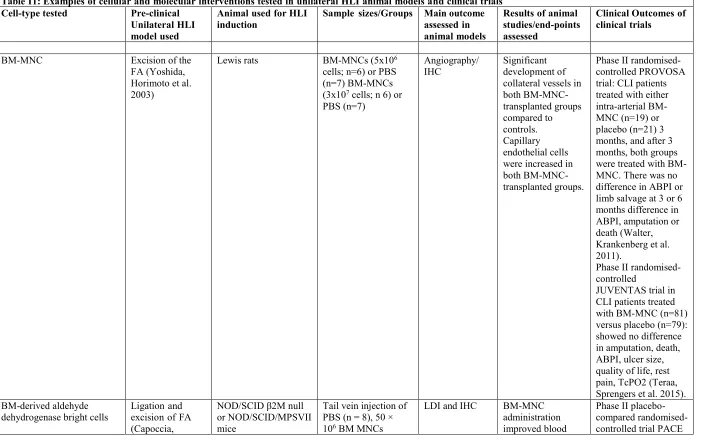
Table I1: Examples of cellular and molecular interventions tested in unilateral HLI animal
models and clinical trials 20
Table I2. Characteristics of pre-clinical studies of HLI using mice which may underlie poor
translatability to clinical trials 32
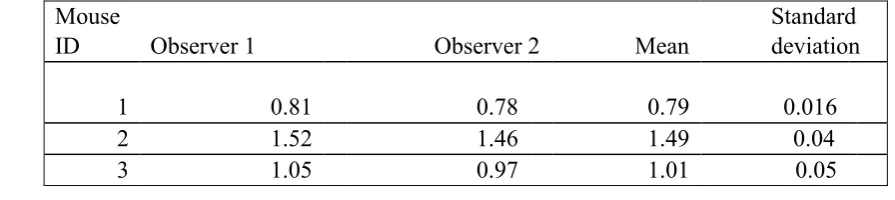
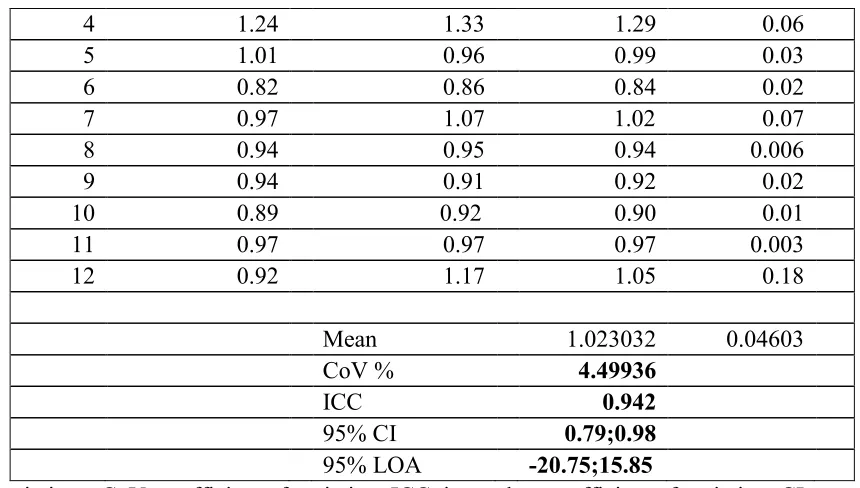
Table C2.1. Inter-observer repeatability results of LDI measurements 46 Table C2.2: Intra-observer repeatability results of LDI measurements 47
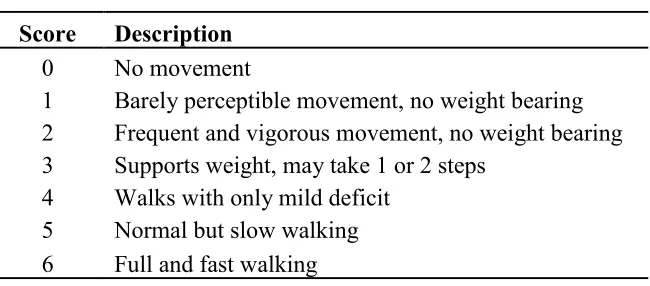
Table C2.3 Descriptors of Tarlov functional scoring 48
Table C2.4 Descriptors of ischemia scoring 49
Table A1. Table listing antibodies used for protein expression assays by Western blotting 182 Table A2. Table listing primers used for mRNA expression assays by qRT-PCR
182 Table A2: Intra-observer repeatability results of SBP measurements 183
List of Figures
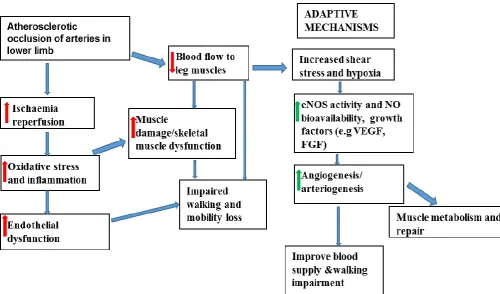
Figure I1. Pathophysiology of walking impairment in PAD 11
Figure I2. A simplified diagram showing various surgical techniques commonly employed involving the FA to induce unilateral HLI, the consequence and their relation to the
presentation of lower extremity ischaemia 27
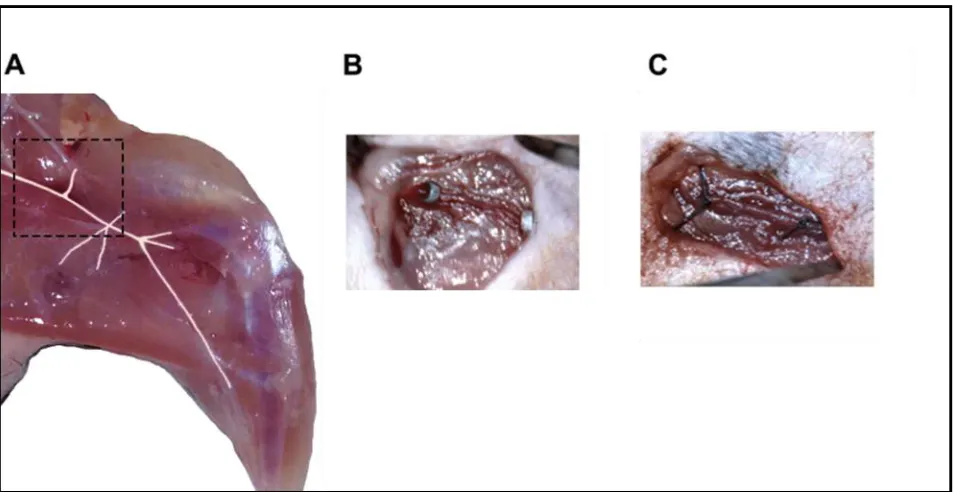
Figure C2.1 The two-stage surgical HLI model 45
Figure C2.2. Descriptors for scoring the appearance of the ischaemic versus non-ischaemic
contralateral limb. 49
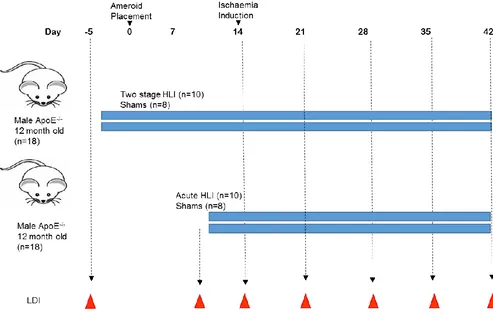
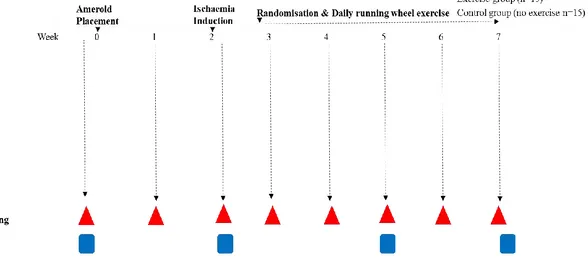
Figure M3.1: Study design to examine the effect of acute on chronic HLI induction on limb
perfusion 58
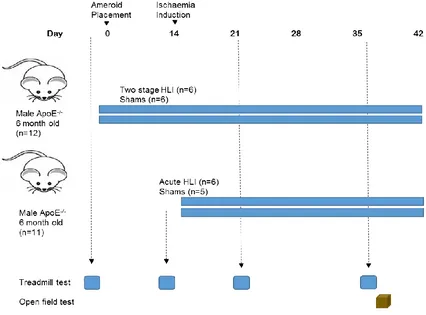
Figure M3.2: Study design to assess limb function in HLI models by the treadmill test and
xvi
Figure M3.3: Study design to examine the effect of exercise training in the acute on
chronic model of HLI 62
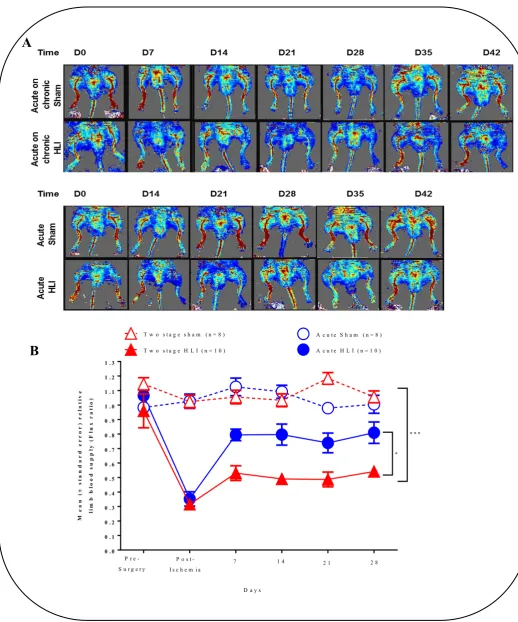
Figure R3.1: Comparison of limb blood supply in the two mouse models of HLI and their
respective shams 64
Figure 3.1C. Changes in limb blood supply during the two-stage HLI procedure in mice 65 Figure R3.2: Comparison of the severity of limb ischemia and function in the two mouse
models using scoring systems 66
Figure R3.3:Treadmill and open field assessment of limb function in HLI models 69 Figure R3.4: The effect of running wheel exercise training on limb blood supply in the
two-stage HLI model 71
Figure R3.5 The effect of running wheel exercise training on treadmill walking distance in
the two-stage model of HLI 72
Figure M4.1: Study design for examining the effect of metformin on HLI 82
Figure M4.2 Western blot wet transfer sandwich assembly 84
Figure R4.1. Effect of metformin administration on hindlimb blood perfusion in the
two-stage mouse model of PAD 89
Figure R4.2. The effect of metformin on treadmill exercise performance on the two-stage
mouse model of PAD 90
Figure R4.3. The effect of metformin on protein expression detected by chemiluminescent
Western blotting 92
Figure R4.3C. Western blot images of AMPKα and phospho-AMPKα expression with their respective GAPDH blots for the effect of metformin on limb ischaemia 93 Figure R4.3D. Western blot images of e-NOS expression with their respective GAPDH
blots 94
Figure R4.3E. Western blot images of phospho-eNOS expression with their respective
GAPDH blots 95
Figure R4.4. Effect of metformin on circulating plasma glucose and plasma nitrate levels 97 Figure R4.5. The effect of metformin on protein expression in the ischaemic gastrocnemius
muscles detected by infrared fluorescent Western blotting 98
Figure A1. Amplification plots of RNA from ischaemic gastrocnemius muscles of mice
xvii
List of Abbreviations
Abbreviation Name
ABPI Ankle-brachial pressure index
ACE Angiotensin converting enzyme
ACE2 Angiotensin converting enzyme 2
ACE2-/y Angiotensin converting enzyme 2 deficient
Ad-CMV Adenoviral cytomegalovirus
ADP Adenosine di-phosphate
Ad-VEGF Adenoviral vascular endothelial growth factor
ALDH Aldehyde dehydrogenase
AMP Adenosine monophosphate
AMPK Adenosine monophosphate kinase
Ang 1-2 Angiotensin 1-2
Ang 1-7 Angiotensin 1-7
Ang I Angiotensin 1
Ang II Angiotensin II
ANOVA Analysis of variance
ApoE-/- Apolipoprotein E deficient
ATP Adenosine tri-phosphate
BH4 Tetrahydrobiopterin
BMC Bone marrow cells
BM-MNC Bone marrow mononuclear cells
BP Blood pressure
C Celsius
xviii
CBP Calf blood pressure
CCR Chemokine receptor
cGMP Cyclic guanosine 3’-5’-monophosphate
CLI Critical limb ischaemia
CV Cardiovascular
DBP Diastolic blood pressure
Del-1 Delta 1
DM Diabetes mellitus
DNA Deoxyribonucleic acid
DTT Di-thiothreitol
EC Endothelial cell
e-NOS Endothelial nitric oxide synthase
FA Femoral artery
FGF Fibroblast growth factor
g Gram
GAPDH Glyceraldehyde-3 phosphate
GM-CSF Granulocyte monocyte colony-stimulating factor
GTP Guanosine 5’-triphosphate
HBA1c Haemoglobin A1c
HGF Hepatocyte growth factor
HIF-1 Hypoxia inducible factor-1
HLI Hindlimb ischaemia
HRP Horse radish peroxidase
HSP-90 Heat shock protein-90
IC Intermittent claudication
IgG Immunoglobulin gamma
IHC Immunohistochemistry
xix
IQR Inter-quartile range
kDa Kilo dalton
Kg Kilogram
L Litre
LDI Laser Doppler imaging
LDL-C Low density lipoprotein cholesterol
LDL-R Low density lipoprotein receptor
LME Linear mixed-effects
MCP-1 Monocyte c protein-1
mg Milligram
MI Myocardial infarction
mL Millilitre
Mmol Milli molar
n Number
NADPH Nicotinamide adenine dinucleotide phosphate
NEP Neprilysin
NMR Nuclear magnetic resonance
NO Nitric oxide
NOD Non-obese diabetic
NOS Nitric oxide synthase
NRT Nicotine replacement therapy
ns Not significant
NZW New Zealand white
OCT Optimum cutting temperature
OD Optical density
OF Open field
p Probability
xx
PBS Phosphate buffered saline
PDE3 Phosphodiesterase 3
PGC1α Peroxisome proliferator activated receptor
PhD Doctor of Philosophy
phospho Phosphorylated
PKA Protein kinase A
PVDF Poly-vinylidene di-fluoride
PWT Peak walking time
Pyr-apelin Pyroglomulated apelin
qRT-PCR Quantitative real time polymerase chain reaction
RIPA radio-immunoprecipitation assay
RNA Ribonucleic acid
ROS Reactive oxygen species
s Seconds
SBP Systolic blood pressure
SCID Severe combined immunodeficiency
SD Standard deviation
SDS Sodium dodecyl sulphate
SE Standard error
Ser Serine
SeV Sendai virus
SGLT-2 Sodium glucose transporter-2
TBS Tris buffered saline
TBS-T Tris buffered saline with tween
TcPO2 Transcutaneous oxygen pressure
Thr Threonine
TXNIP Thioredoxin interacting protein
xxi
VEGF Vascular endothelial growth factor
x g Times revolutions per second/ centrifugal force
μL Microliter
% Percentage
< Less than
< Less than or equal to
> Greater than
> Greater than or equal to
° Degree
µg Microgram
1 | P a g e
Chapter 1
2 | P a g e
1.1 Peripheral artery disease, prevalence, risk factors and diagnosis
Peripheral arterial disease (PAD) is an atherosclerotic disease characterised by stenosis and occlusion of the arteries supplying blood to the lower limbs (Golledge 1997, Meneses, Nam et al. 2018). PAD is estimated to affect more than 200 million adults worldwide (Fowkes, Rudan et al. 2013, Shu and Santulli 2018).The prevalence of PAD is 10% in people aged >55 years, nearly 20% in individuals >70 years old and 40% in people aged >80 years (Vavra and Kibbe 2009, Hiramoto, Katz et al. 2014, Krishna, Moxon et al. 2015, Burton, Ademi et al. 2016, Krishna, Omer et al. 2016, Fowkes, Aboyans et al. 2017).
PAD shares similar risk factors to cerebrovascular disease and coronary heart disease including old age, tobacco smoking, hypertension, dyslipidaemia and diabetes mellitus (Norgren, Hiatt et al. 2007, Gerhard-Herman, Gornik et al. 2016). PAD is a marker of systemic atherosclerosis, and PAD patients often have concomitant coronary artery disease or cerebrovascular disease and are at high risk of events such as myocardial infarction (MI), stroke, amputations and death (Askew, Green et al. 2005, Olin, White et al. 2016).
3 | P a g e
1.2 Symptoms of PAD
PAD patients present with a spectrum of symptoms ranging from asymptomatic to limb threatening critical limb ischaemia (CLI) requiring amputation. Asymptomatic PAD patients have faster functional decline, and increased rates of mobility loss compared to people without PAD (McDermott, Greenland et al. 2001, McDermott, Guralnik et al. 2008, McDermott 2015). The two most common presenting symptoms of PAD are intermittent claudication (IC) and CLI. IC presents as debilitating pain of the muscles of the lower extremities that is consistently induced by exercise and consistently relieved by rest. CLI is often preceded by IC and presents as an advanced limb threatening condition of PAD characterised by chronic (> 2 weeks) ischaemic rest pain, non-healing wounds, ulcers or gangrene (Gerhard-Herman, Gornik et al. 2016, Kithcart and Beckman 2018).
1.3 Treatments for cardiovascular risk in PAD patients
PAD impairs quality of life in patients and is associated with a greatly increased risk of major cardiovascular (CV) events, amputation and death. Maintaining the independence and physical functions of the elderly preserves their lifestyle and dignity and considerably reduces direct and indirect healthcare costs associated with disability (Norgren, Hiatt et al. 2007, McDermott 2015, Gerhard-Herman, Gornik et al. 2016).
Treatments for PAD patients are centred on reducing the risk of CV and cerebrovascular morbidity and mortality and improving limb haemodynamics and limb function in order to improve mobility, quality of life and prevent amputation (Kithcart and Beckman 2018). Current guidelines recommended for reducing the incidence of CV and cerebrovascular events in PAD patients include smoking cessation, antiplatelet therapy, lowering low-density lipoprotein cholesterol (LDL-C) using statins, blood pressure control and glycaemic control. This is attempted through aggressive lifestyle modifications and medications (Gerhard-Herman, Gornik et al. 2016, Kithcart and Beckman 2018).
1.3.1 Smoking Cessation
4 | P a g e
is associated with increased risk of developing PAD (T Lu and A Creager 2004, Atturu, Homer-Vanniasinkam et al. 2014, Lu, Mackay et al. 2018).
Smoking is associated with adverse CV events and limb related outcomes including MI, stroke and amputation (Hisamatsu, Miura et al. 2016). Smoking cessation is recommended for all PAD patients. Compared to non-smokers, smokers with PAD have shorter life spans and progress more frequently to CLI and amputation (Uccioli, Meloni et al. 2018). Patients who quit smoking have lower risk of MI and CV mortality and improved amputation-free survival compared with patients who continue smoking (Aronow 2007, Armstrong, Wu et al. 2014, Aboyans, Ricco et al. 2018, Kithcart and Beckman 2018). Strategies to assist patients to quit smoking include active interventions such as behavioural therapy, nicotine receptor partial agonists, antidepressants, and nicotine replacement therapy (NRT). Varenicline, bupropion, and NRT are first line medications, which achieve high-smoking cessation rates and have good safety profiles (Atturu, Homer-Vanniasinkam et al. 2014, Aubin, Luquiens et al. 2014, McDonough 2015).
1.3.2 Antiplatelet/Anticoagulation treatments
Antithrombotic strategies are considered a cornerstone therapy for preventing CV events in patients with PAD (Gutierrez, Mulder et al. 2018). Antiplatelet and anticoagulant agents reduce the risk of thrombus formation, leading to a reduction in serious vascular events in PAD patients (Atturu, Homer-Vanniasinkam et al. 2014). The commonly used antithrombotic medications are cyclooxygenase inhibitors (aspirin), and inhibitors of various platelet surface receptors including P2Y12 (clopidogrel, prasugrel, and ticagrelor), GPIIb/IIIa receptor antagonists (abciximab, tirofiban, and eptifibatide), dipyridamole, phosphodiesterase 3 (PDE3) inhibitor (cilostazol), warfarin, direct thrombin inhibitors (dabigatran and bivalirudin), factor Xa inhibitors (rivaroxaban and apixaban), and heparin (unfractionated, low-molecular-weight heparin) (Atturu, Homer-Vanniasinkam et al. 2014, Gerhard-Herman, Gornik et al. 2016). Aspirin is the most widely used antiplatelet agent and leads to a 25% relative risk reduction of ischaemic stroke, MI, and vascular death (Wong, Chong et al. 2011, Atturu, Homer-Vanniasinkam et al. 2014).
5 | P a g e
statistical significance (Berger, Krantz et al. 2009). Clopidogrel has been shown to be more effective than aspirin in reducing adverse CV events (Berger Jeffrey and Hiatt William 2012).
Aspirin and clopidogrel resistance are a growing concern with increased risk of CV events (Guirgis, Thompson et al. 2017). Both metabolic and genetic factors are implicated in drug resistance (Laine, Armero et al. 2013). Prasugrel and ticagrelor have shown to be more efficient with less incidence of resistance (Kastrati 2012). Individualised therapy with platelet function testing has been suggested as a strategy to determine specific anti-thrombotics to reduce CV events in PAD patients (Hess and Hiatt 2018).
1.3.3 Lipid Control
Elevated LDL-C levels are strongly associated with PAD (Murabito, D'Agostino et al. 1997, Gerhard-Herman, Gornik et al. 2016, Aboyans, Ricco et al. 2018, Kithcart and Beckman 2018). Achieving a serum LDL-C of <1.8 mmol/L (<70 mg/dL) or decreasing by approximately 50% if the initial LDL-C level is between 1.8 and 3.5 mmol/L (70 and 135 mg/dL) is recommended for all PAD patients (Piepoli, Hoes et al. 2016). An aggressive reduction in LDL-C with statins reduces all-cause mortality, cardiac death, and increases amputation-free survival in patients with PAD (Aung, Maxwell et al. 2007, Pollak and Kramer 2012, Antoniou, Fisher et al. 2014, Kumbhani, Steg et al. 2014). Even in the most advanced stages of disease, statin therapy is associated with lower 1-year rates of mortality and major CV adverse events (Westin, Armstrong et al. 2014). In patients with coronary artery disease, statins reduce stroke risk (Amarenco, Labreuche et al. 2004, Huang, Li et al. 2013). Ezetimibe is used as an alternative in patients who have contraindications, intolerance or do not respond to statins (Atturu, Homer-Vanniasinkam et al. 2014). Ezetimibe has been shown to significantly reduce levels of LDL-C and has been demonstrated to reduce the rate of CV in high-risk patients (Cannon, Blazing et al. 2015, Hammersley and Signy 2017).
6 | P a g e
1.3.4 Hypertension
Hypertension is an independent risk factor for PAD and lowering systolic blood pressure (SBP) reduces CV events (Aboyans, Ricco et al. 2018). According to the current guidelines, a target blood pressure <140/90 mmHg is recommended except in patients with diabetes, for whom a diastolic blood pressure (DBP) <85 mmHg is considered safe (Gerhard-Herman, Gornik et al. 2016, Aboyans, Ricco et al. 2018, Kithcart and Beckman 2018). In patients with PAD, an appropriate lifestyle and salt intake (<6 g/day) are recommended (Aboyans, Ricco et al. 2018). Diuretics, beta-blockers, calcium antagonists, angiotensin-converting enzyme (ACE) inhibitors and angiotensin receptor blockers are all used as antihypertensive treatment, as monotherapy or in different combinations according to comorbidities (Atturu, Homer-Vanniasinkam et al. 2014, Aboyans, Ricco et al. 2018). Caution should be taken to avoid an SBP decrease below 110-120 mmHg and lowering DBP below 70mm Hg in patients with CV risk factors may increase the risk of CV events and mortality in older patients, described as a “U” or “J-curve” association (Bavry, Anderson et al. 2010, Gerhard-Herman, Gornik et al. 2016, Aboyans, Ricco et al. 2018, Itoga, Tawfik et al. 2018).
A main concern of lowering SBP is that it could theoretically decrease blood supply to the distal extremities and exacerbate PAD symptoms such as IC and rest pain (Gerhard-Herman, Gornik et al. 2016, Thomas Manapurathe, Krishna et al. 2017). However, a recent meta-analysis has suggested that anti-hypertensive treatment does not worsen but may improve leg ischemia in PAD patients (Thomas Manapurathe, Krishna et al. 2017). Randomised clinical trials of BP targets focused specifically on lower extremity PAD events as the primary outcome of interest are lacking and optimal BP targets for PAD events are unknown (Itoga, Tawfik et al. 2018). Future studies are needed to clarify BP targets for prevention of lower extremity PAD events (Thomas Manapurathe, Krishna et al. 2017, Itoga, Tawfik et al. 2018).
1.3d Glycaemic Control
7 | P a g e
rapidly and it is predicted that the prevalence of DM in Australia could triple over the next 40 years and the challenge of treating PAD patients with DM will be far greater (Deed, Barlow et al. 2012).
Tight glycaemic control through monitoring of blood glucose and glycated hemoglobin A1c (HbA1c) levels may reduce the incidence of MI, stroke, and vascular death (Norgren, Hiatt
et al. 2007). Maintaining HbA1c levels below 7% while avoiding hypoglycaemic episodes is currently recommended (Atturu, Homer-Vanniasinkam et al. 2014, Parvar, Fitridge et al. 2018). Metformin, insulin and sulphonylureas are the most widely used medication to manage hyperglycaemia in DM patients. Other medications include dipeptidyl peptidase-4 inhibitors, glucagon-like peptide-2 analogues and sodium-glucose co-transporter 2 (SGLT-2) inhibitors.
In a recent study, it has been shown that the SGLT-2 inhibitor empaglifozin lowered the risk of CV death by 43% and all-cause mortality by 38% in PAD patients with DM (Verma, Mazer et al. 2018). However, lower limb amputation rates were similar to the placebo group. The SGLT-2 inhibitor canaglifozin has been previously shown to reduce MI, stroke and CV mortality, however canagliflozin was associated with a higher risk of lower limb amputation (Neal, Perkovic et al. 2017). It is unclear whether lower limb amputation risk is higher for specifically canaglifozin treatment or for SGLT-2 inhibitors given that treatment with empaglifozin showed similar lower limb amputation to the placebo group. Therefore, caution is advised for DM patients with PAD for the use of SGLT-2 inhibitors due to the potentially increased risk of lower limb amputation (Everett Brendan and Hiatt William 2016, Parvar, Fitridge et al. 2018).
1.4 Pathophysiology of PAD and treatment of limb symptoms 1.4.1 PAD pathophysiology
The pathophysiological mechanisms underlying the functional impairment and progressive functional decline observed in PAD are complex and incompletely understood (Treat-Jacobson, McDermott et al. 2019). Patients with PAD demonstrate a marked reduction in peak exercise performance and daily ambulatory activity (McDermott, Greenland et al. 2001, Hamburg and Balady 2011, McDermott 2013).
8 | P a g e
muscle and tissues (Hiatt, Armstrong et al. 2015, Treat-Jacobson, McDermott et al. 2019) (McDermott, Greenland et al. 2001, Hamburg and Balady 2011, McDermott 2013).
In response to arterial occlusions, adaptive revascularisation processes are naturally stimulated to a variable extent in PAD patients (Silvestre, Smadja et al. 2013, Iyer and Annex 2017). This involves a network of specialised endogenous vessels known as collaterals which attempt to restore blood supply (Faber, Zhang et al. 2011). The main adaptive revascularisation processes include arteriogenesis and angiogenesis.
Arteriogenesis involves the rapid transformation of pre-existing collateral vessels and arterioles into functional collateral arteries so that they can deliver more blood to the limb (Dragneva, Korpisalo et al. 2013, Krishna, Omer et al. 2016). Three major mechanisms are recognised to participate in arteriogenesis: shear stress, inflammation and recruitment of bone marrow-derived vascular progenitor cells to areas of ischemia (Helisch and Schaper 2003, Voskuil, van Royen et al. 2003, Urbich and Dimmeler 2004, Park, Hoffman et al. 2010). Nitric oxide (NO) is a critical mediator of each of these mechanisms. Stenosis or occlusions of lower limb arteries promote changes in shear stress in pre-existing small arteries and arterioles. Increased shear stress within collateral arteries leads to NO induced vasodilation that results in an increase in flow through the collaterals. Elevated shear stress promotes inflammation, recruitment of monocytes and release of various growth factors such as platelet-derived growth factors (PDGFs) and monocyte chemoattractant protein (MCP)-1, which promote remodelling of arteries (Helisch and Schaper 2003, Voskuil, van Royen et al. 2003). The remodelled arteries have enhanced pericyte coverage and increased diameter. Furthermore, vascular progenitor cells participate in collateral artery remodelling, wherein net conductance across the collateral vessels is increased compensating to some extent for the occluded arteries (Helisch and Schaper 2003, Dragneva, Korpisalo et al. 2013, Krishna, Omer et al. 2016).
9 | P a g e
major role in this process. This eventually results in the formation of new capillaries (Dragneva, Korpisalo et al. 2013, Krishna, Omer et al. 2016).
In PAD, the efficiency of arteriogenesis and angiogenesis to restore blood supply is dramatically decreased in the presence of co-morbidities such as old age and risk factors (Dragneva, Korpisalo et al. 2013, Heuslein, Murrell et al. 2016, Krishna, Omer et al. 2016, Mohamed Omer, Krishna et al. 2016). Collateral blood flow after major artery occlusion promoted by arteriogenesis and angiogenesis may be sufficient in some patients to meet ischaemic skeletal muscle needs at rest. However, collateral circulation is generally not sufficient to meet oxygen consumption during exercise, which profoundly limits patient’s physiological activity and quality of life (Sanada, Kanbara et al. 2016).
In addition, to atherosclerotic occlusions, blood supply to ischaemic tissues is further hampered by endothelial and microcirculatory dysfunction. Episodes of ischaemia-reperfusion caused by atherosclerotic occlusions leads to inflammation, and oxidant stress within the lower limb muscles (Schellong, Boger et al. 1997, Bragadeesh, Sari et al. 2005, Brevetti, Giugliano et al. 2010, Brass 2013, Hiatt, Armstrong et al. 2015). Inflammatory mediators can aggravate endothelial dysfunction and markers, such as interleukin-6, are inversely correlated with maximum treadmill performance (Nylaende, Kroese et al. 2006, Hiatt, Armstrong et al. 2015). During ischemia, skeletal muscle mitochondria release free radicals, including superoxide and other reactive oxygen species (ROS), that are derived from the oxidation–reduction cascade (Nylaende, Kroese et al. 2006). Reperfusion of ischaemic muscle after exercise leads to increase in oxidant stress (Hickman, Harrison et al. 1994). These ROS trigger numerous pathophysiologic pathways, including endothelial dysfunction (Nylaende, Kroese et al. 2006, Hiatt, Armstrong et al. 2015).
10 | P a g e
suggesting that increased blood viscosity also contributes to the symptoms of PAD (Fowkes, Housley et al. 1991, Coutinho, Rooke et al. 2011, Hiatt, Armstrong et al. 2015).
Evidence suggests that in addition to impaired vasculature, skeletal muscle pathophysiologic changes contribute to the lower extremity functional impairment and functional decline that is present in PAD (Hiatt, Armstrong et al. 2015, McDermott 2015, Treat-Jacobson, McDermott et al. 2019). Numerous pathological changes have been identified in the skeletal muscle of patients with PAD, including muscle apoptosis and atrophy, increased fibre type switching, altered myosin heavy-chain expression, and muscle fibre denervation (McGuigan, Bronks et al. 2001, Askew, Green et al. 2005, McDermott, Hoff et al. 2007, Mitchell, Duscha et al. 2007). These structural changes may be mediated, partly, by higher levels of inflammatory mediators in PAD (McDermott, Ferrucci et al. 2007). In the WALCS II cohort, including 380 PAD participants who were followed prospectively after baseline measurement of calf muscle characteristics, PAD participants with greater CT-measured calf muscle percent fat and lower CT-measured calf muscle density at baseline each had an increased incidence of mobility loss at 2-year follow-up (McDermott, Ferrucci et al. 2009). PAD participants in the lowest tertile of calf muscle density had a 3.50-fold increased hazard of mobility loss at two-year follow-up, compared to PAD participants in the highest tertile of calf muscle density at baseline. These associations were independent of age, sex, race, comorbidities, smoking, BMI, and ABPI (McDermott, Ferrucci et al. 2009). This demonstrates that ischemia related pathophysiologic changes in lower extremity calf skeletal muscle predicts increased rates of mobility loss (McDermott 2015).
11 | P a g e
Figure I1. Pathophysiology of walking impairment in PAD. Figure shows adaptive
mechanisms inadequate to compensate for the limited blood supply.
1.4.2 Treatments for limb ischaemia in PAD patients 1.4.2a Goal of treatment and outcome measures
PAD affects functional performance, independence in daily living and thus quality of life (Gerhard-Herman, Gornik et al. 2016). The quality of life of PAD patients centres on their walking impairment and patients with CLI are concerned with rest pain and the risk of limb amputation (Kinlay 2013, McDermott 2018). For patients with IC, improving walking performance and preventing progression to adverse limb related events is a major goal of treatment (McDermott 2018). In CLI patients, resolution of rest pain, complete ulcer healing, and avoidance of amputation are major treatment aims (Kinlay 2013).
[image:33.595.72.573.69.363.2]12 | P a g e
The American Heart Association/American College of Cardiology clinical practice guidelines for PAD recommend both treadmill exercise testing (Class I recommendation, Level of Evidence-B) and six-minute walk testing (Class IIb recommendation, Level of Evidence-B) for objective assessment of changes in walking performance in patients with PAD (Hirsch, Haskal et al. 2006, McDermott 2015). Treadmill exercise testing is the most commonly used objective outcome measure in randomised clinical trials studying interventions to improve walking performance in people with PAD (Treat-Jacobson, McDermott et al. 2019).
Constant load treadmill protocols where the patient is required to walk as far as possible at a set speed and grade are most commonly used in the clinical setting and enable the response to an absolute workload to be established and then reassessed after treatment (Kinlay 2013, Askew, Parmenter et al. 2014). The six-minute walk test has been well validated in patients with PAD (McDermott, Liu et al. 2013, McDermott, Guralnik et al. 2014, McDermott 2015). The six-minute walk is usually performed on a 100-foot corridor in which the distance covered by walking back and forth over 6 minutes is measured (Kinlay 2013, McDermott 2015).
1.4.2b Surgery
Indications for surgical revascularisation in patients with PAD are ischaemic rest pain, ischaemic ulcers or gangrene, and severe functional disability that interferes with the patient's lifestyle (Gerhard-Herman, Gornik et al. 2016, Aboyans, Ricco et al. 2018, Golledge, Moxon et al. 2018). Endovascularor surgical revascularisation of the limb to improve limb circulation and for limb salvage plays a key role in the management of PAD (Conte and Pomposelli 2015, Gerhard-Herman, Gornik et al. 2016, Meneses, Ritti-Dias et al. 2017). Surgical approaches to restoring the arterial blood supply to the legs involves using temporary balloons, permanent stents or open surgical bypasses (Russell, Homer-Vanniasinkam et al. 2012). Stents and other peripheral revascularisation procedures have a risk of serious complications (such as major amputation and death) and poor long-term durability (Golledge, Moxon et al. 2018). Hence, revascularisation interventions that ensure stable, viable and durable vasculature for patients with advanced PAD are sought (Bonaca and Creager 2015, Gerhard-Herman, Gornik et al. 2016).
1.4.2c Exercise treatment
13 | P a g e
management of patients by supervised treadmill exercise and home-based exercise that incorporate behavioural change techniques significantly improve pain-free and maximal walking distance in people with PAD (McDermott, Ades et al. 2009, Gardner, Parker et al. 2011, Hamburg and Balady 2011, Fakhry, van de Luijtgaarden et al. 2012, McDermott, Liu et al. 2013, Askew, Parmenter et al. 2014, Gardner, Parker et al. 2014, McDermott, Ferrucci et al. 2017, McDermott 2018, Golledge, Singh et al. 2019). The European Society of Cardiology, American Heart Association and Trans-Atlantic Inter-Society Consensus Document on Management of Peripheral Arterial Disease have all declared that the evidence supporting supervised exercise therapy in the treatment of IC is sufficiently robust to merit a Level I recommendation (Norgren, Hiatt et al. 2007, European Stroke, Tendera et al. 2011, Brass 2013, Gerhard-Herman, Gornik et al. 2016).
Supervised exercise programmes usually consist of three or four supervised exercise sessions per week at a central facility (Golledge, Singh et al. 2019). These programmes are, however, frequently not taken up when offered to patients with PAD, in part owing to the impracticality of attending a central facility (Makris, Lattimer et al. 2012, Askew, Parmenter et al. 2014, Harwood, Smith et al. 2016, Golledge, Singh et al. 2019). Lack of reimbursement is an additional barrier to utilisation of this treatment (Berger Jeffrey and Hiatt William 2012). Furthermore, supervised exercise programmes are not available in most parts of the world possibly because of limited evidence on long‐term effects (Regensteiner 2004, Morris,
Rodriguez et al. 2014)
14 | P a g e
The mechanisms that lead to improvement in walking ability after exercise training are poorly understood (Hamburg and Balady 2011, McDermott 2018, Treat-Jacobson, McDermott et al. 2019). A combination of adaptive mechanisms account for the benefits after training. These act by reversing some of the pathophysiological processes underlying the condition (Hamburg and Balady 2011, Treat-Jacobson, McDermott et al. 2019). The majority of studies in patients that have IC have shown little or no increase in blood flow assessed by ABPI following an exercise programme, even when significant improvements in walking ability have been reported (Stewart , Hiatt et al. 2002, Duscha, Robbins et al. 2011, Meneses, Nam et al. 2018). Studies have consistently shown a poor correlation between leg blood flow assessed by ABPI and walking ability (Parmenter, Raymond et al. 2010, Duscha, Robbins et al. 2011, Askew, Parmenter et al. 2014, Meneses, Ritti-Dias et al. 2017, Meneses, Nam et al. 2018). As there is currently little evidence to support an increase in blood flow as a major factor in the increase in walking ability after training, other mechanisms may account for the improvements seen such as improvements in endothelial function and skeletal muscle metabolism and function (Menard, Smith et al. 2004, Hiatt, Armstrong et al. 2015, McDermott 2018).
1.4.2d Pharmacotherapy for limb ischaemia
Cilostazol is the only Federal Drug Administration approved medication for PAD related ischaemic symptoms that is recommended by clinical practice guidelines (Sanada, Kanbara et al. 2016, McDermott 2018). Cilostozol is a phosphodiesterase inhibitor, which improves blood supply to ischaemic muscles and provides approximately 25 to 40% improvement in treadmill walking performance in patients with PAD (Gresele, Momi et al. 2011). Despite this, cilostozol is not publicly funded in Australia as the benefit was deemed to be too modest (Bedenis, Stewart et al. 2014, Golledge, Moxon et al. 2018). More effective medications are sought to improve blood supply and limb symptoms.
15 | P a g e
and elevation of extracellular adenosine causes a synergistic increase in the concentration of cAMP within platelets and vascular smooth muscle cells, resulting in potent antiplatelet and vasodilatory effect (Liu, Shakur et al. 2001). Despite the benefits of cilostazol in improving quality of life in patients, it is contraindicated in patients with severe renal impairment, moderate or severe hepatic impairment, and known predisposition to bleeding and in patients with history of ventricular tachycardia, ventricular fibrillation or multifocal ventricular ectopic beats, or prolongation of the QTc interval (Real, Serna et al. 2018). Cilostazol has been associated with a number of spontaneous reports of MI, angina, arrhythmias and serious bleeding (EMA 2013, Real, Serna et al. 2018). Haemorrhagic events in elderly patients co-treated with antiplatelets have also been reported (EMA 2013). Alternative effective pharmacological options are sought for PAD patients due to the concerns of safety with cilostozol.
Interestingly, in pre-clinical studies, cilostozol has been shown to promote neo-vascularisation in response to HLI via an e-NOS-dependent mechanism (Hori, Shibata et al. 2012). It has been suggested cilostozol promotes NO production by e-NOS activation via cAMP/PKA- and PI3K/Akt-dependent mechanisms (Hashimoto, Miyakoda et al. 2006, Biscetti, Ferraccioli et al. 2015).
1.4.2e A potential target for future drug therapy in limb ischaemia
Current PAD therapies are associated with significant limitations. Cilostozol may not achieve an ideal response rate, and supervised exercise efficacy may be limited by co-morbidities and lack of access to facilities (Yoshida, Horimoto et al. 2003). Furthermore, primary endovascular or open surgical revascularisation may not be feasible, durable or cost-effective. Urgent medical options are an unmet need for limb ischaemia in PAD patients and targets for effective medical therapy are required. NO is a potential target for revascularisation in limb ischaemia.
16 | P a g e
dinucleotide, nicotinamide adenine dinucleotide phosphate (NADPH) and regulatory co-factors such as tetrahydrobiopterin (BH4) or heat shock protein-90 (HSP90) (Griffith and Stuehr 1995, Xia, Tsai et al. 1998, Lin, Lin et al. 2004, Sessa 2004).
Dimerisation promoted by regulatory proteins is required for e-NOS to produce NO. Monomerisation alters function of e-NOS resulting in the production of superoxide instead of NO. This alteration is referred to as “e-NOS uncoupling” and is a major cause of endothelial dysfunction (Vasquez-Vivar, Kalyanaraman et al. 1998, Chen, Druhan et al. 2008).
17 | P a g e
1.5 Novel treatments tested for PAD
Numerous pre-clinical studies have shown promising efficacy of a several therapeutic agents in restoring blood supply to limb ischaemia (Table 1). However, translation of these studies have been disappointing in clinical trials (Table 1). Clinical trials have not shown improvements in primary outcome measures such as improved exercise performance, decreased rates of amputation, or decreased mortality (Lederman, Mendelsohn et al. 2002, Rajagopalan, Mohler et al. 2003, Kusumanto, van Weel et al. 2006, Powell, Simons et al. 2008, Tongers, Roncalli et al. 2008, Belch, Hiatt et al. 2011, Dragneva, Korpisalo et al. 2013, Krishna, Omer et al. 2016).
Pre-clinical studies have suggested that novel cellular and molecular therapies stimulate the development of new blood vessels in the models tested (Dragneva, Korpisalo et al. 2013, Krishna, Omer et al. 2016). Several interventions, such as of bone marrow mononuclear cells (BM-MNC), bone marrow-derived aldehyde dehydrogenase bright cells (ALDH br), granulocyte-macrophage colony-stimulating factor (GM-CSF), gene transfer of fibroblast growth factor (FGF) using plasmid based delivery system (NV1FGF), VEGF, HGF and development-regulated endothelial locus-1 (Del-1) have been successful in animal models (Takeshita, Zheng et al. 1994, Tabata, Silver et al. 1997, Morishita, Nakamura et al. 1999, Ojalvo, Seralena et al. 2003, Yoshida, Horimoto et al. 2003, Zhong, Eliceiri et al. 2003, Fujii, Yonemitsu et al. 2006, Capoccia, Robson et al. 2009, Yonemitsu, Matsumoto et al. 2013, Kuwahara, Nishinakamura et al. 2014).
In the phase II placebo-compared randomised-controlled trial PACE (Patients with Intermittent Claudication Injected with ALDH Bright Cells), patients with claudication and infra-inguinal PAD received autologous ALDHbr cells (n=38) or placebo (n=40). All patients received ten injections of placebo or ALDHBr cells into the thigh and calf of the index leg. Follow up in the PACE trial after six months, showed no improvement in peak walking time, collateral count, peak hyperaemic popliteal flow, and capillary blood supply in patients treated by autologous bone marrow-derived ALDHBr cells (Perin, Murphy et al. 2017).
18 | P a g e
Krankenberg et al. 2011). In the phase II randomised-controlled trial JUVENTAS (Rejuvenation of endothelial progenitor cells via transcutaneous intra-arterial supplementation), 160 patients with CLI received 3 separate intra-arterial infusions of BM-MNC (n=81) versus placebo (n=79), at 3-week intervals, into the common FA of the ischaemic limb. There were no significant differences in the primary endpoint of 6-month major amputation rate or the secondary endpoints of quality of life, rest pain, ABPI, or TcPO2 (Teraa, Sprengers et al. 2015).
The PROPEL (Progenitor Cell Release Plus Exercise to Improve Functional Performance in PAD) randomised trial examined whether GM-CSF combined with supervised treadmill walking exercise improves six-minute walk distance more than GM-CSF alone, more than supervised treadmill exercise alone, and more than placebo in participants with PAD. Combining GM-CSF with supervised treadmill exercise did not significantly improve six-minute walk distance more than supervised exercise alone or more than CSF alone. GM-CSF alone did not significantly improve six-minute walk distance more than placebo (McDermott, Ferrucci et al. 2017).
Intra-arterial administration of recombinant fibroblast growth factor (FGF) has been reported to be beneficial in patients with PAD in the Therapeutic Angiogenesis with FGF-2 for intermittent claudication (TRAFFIC) study (Lederman, Mendelsohn et al. 2002). However, the phase III Therapeutic Angiogenesis for the Management of Arteriopathy in a Randomised International Study (TAMARIS) involving patients from 30 different countries, suggested that non-viral-FGF gene therapy was not effective in reducing major amputation or death in PAD patients (Belch, Hiatt et al. 2011).
The double-blinded randomised placebo-controlled phase II study named Regional Angiogenesis with VEGF in PAD (RAVE) showed no improvement in the primary efficacy end-point of walking time (Rajagopalan, Mohler et al. 2003).
Trials with plasmid-encoding human HGF in CLI patients have demonstrated no difference in ABPI, toe-brachial index, pain relief, wound healing, or major amputation (Powell, Simons et al. 2008, Shigematsu, Yasuda et al. 2010).
19 | P a g e
Several explanations have been provided to account for the lack of efficacy in clinical trials. These include inadequate therapeutic doses, insufficient duration of exposure, compromised delivery and poor vector transduction efficiency (Gupta, Tongers et al. 2009, Dragneva, Korpisalo et al. 2013, Krishna, Omer et al. 2016). Methodological flaws in clinical studies include small sample size, lack of reproducible assessments and short duration of testing. In addition, potential patient-related issues proposed to underlie inefficacy include defects in the response to angiogenic stimuli due to existing comorbidities, the use of other medications, circulating angiogenic inhibitors, lack of target receptor expression in target tissues, lack of viable muscle tissue required for a therapeutic response, and growth factor resistance in a chronically ischemic environment (Dragneva, Korpisalo et al. 2013).
20 | P a g e
Table I1: Examples of cellular and molecular interventions tested in unilateral HLI animal models and clinical trials Cell-type tested Pre-clinical
Unilateral HLI model used
Animal used for HLI
induction Sample sizes/Groups Main outcome assessed in animal models
Results of animal studies/end-points assessed
Clinical Outcomes of clinical trials
BM-MNC Excision of the
FA (Yoshida, Horimoto et al. 2003)
Lewis rats BM-MNCs (5x10⁶
cells; n=6) or PBS (n=7) BM-MNCs
(3x10⁷ cells; n 6) or
PBS (n=7)
Angiography/
IHC Significant development of
collateral vessels in both BM-MNC-transplanted groups compared to controls. Capillary endothelial cells were increased in both BM-MNC-transplanted groups.
Phase II randomised-controlled PROVOSA trial: CLI patients treated with either intra-arterial BM-MNC (n=19) or placebo (n=21) 3 months, and after 3 months, both groups were treated with BM-MNC. There was no difference in ABPI or limb salvage at 3 or 6 months difference in ABPI, amputation or death (Walter, Krankenberg et al. 2011).
Phase II randomised-controlled
JUVENTAS trial in CLI patients treated with BM-MNC (n=81) versus placebo (n=79): showed no difference in amputation, death, ABPI, ulcer size, quality of life, rest pain, TcPO2 (Teraa, Sprengers et al. 2015). BM-derived aldehyde
dehydrogenase bright cells Ligation and excision of FA
(Capoccia,
NOD/SCID β2M null or NOD/SCID/MPSVII mice
Tail vein injection of PBS (n = 8), 50 ×
106 BM MNCs
LDI and IHC BM-MNC
administration improved blood
21 | P a g e
Robson et al.
2009) (n = 6), 5×10
5
ALDHlo (n = 8), or 1
to 2×10⁵
ALDHhi cells (n = 8)
supply and capillary density in mice treated with ALDH Br cells
on IC patients treated with ALDHbr cells (n=38) compared to placebo controls (n=40) did not improve PWT or magnetic resonance outcomes, and the changes in PWT were not associated with the anatomic or
physiological magnetic resonance imaging end
points. (Perin, Murphy et al. 2017)
GM-CSF Excision of the
FA and vein (Kuwahara, Nishinakamura et al. 2014)
C57BL/6N mice GM-CSF (n = 5–7)
and PBS (n = 5–7) LDI Blood flow recovery was
significantly improved in mice treated with GM-CSF-dependent BMCs (Kuwahara, Nishinakamura et al. 2014)
GM-CSF did not significantly improve six-minute walk distance more than placebo. Combining GM-CSF with supervised treadmill exercise did not significantly improve six-minute walk distance more than supervised exercise alone or more than GM-CSF alone. (McDermott, Ferrucci et al. 2017)
HGF Ligation and
excision of FA (Morishita, Nakamura et al. 1999, Taniyama,
NZW rabbits Control (n=7–8), 100
μg of hHGF vector transfection (n=7–8), 250 μg
of hHGF vector
transfection (n=
Quantitative angiography, intra-arterial guided wire measurement of Increased blood supply, CBP ratio and collateral vessel development from the origin stem artery to the distal
Phase I/II study of HGF plasmid-treated
CLI patients (n = 78)
compared with placebo-treated CLI
22 | P a g e
Morishita et al.
2001) 7–8), 500 μg of hHGF vector
transfected HGF group (n=7–8)
blood flow and
CBP ratio point of the reconstituted parent
vessel was
observed in rabbits receiving IM injection of hHGF plasmid once, 10 days after surgery
showed no differences were observed in the toe-brachial index, ABPI, pain relief, wound healing or major amputation (Powell, Simons et al. 2008) Phase II/III of HGF plasmid-treated CLI patients (n=27) with placebo treated CLI patients (n=13) showed no difference in rest pain, ABPI or amputation
(Shigematsu, Yasuda et al. 2010)
Sprague–Dawley rats Control (n=5–8),
100 μg of hHGF vector transfection (n=5–8), 250 μg of hHGF vector transfection (n = 5–8) and 500 μg of hHGF vector transfected (n= 5–8)
LDI and capillary density by IHC with alkaline phosphatase staining of ECs
A dose-dependent increase in blood supply was observed in both HGF and hHGF transfection
FGF (1 and2) Ligation and
excision of FA and femoral vein (Masaki, Yonemitsu et al. 2002)
C57BL/6 and BALB/c
nu/nu mice PBS control (n=10), SeV luciferase
control (n=10), SeV–FGF2 (n =10) and SeV–VEGF165 (n= 10) LDI, limb salvage score and IHC Increased blood supply, increased capillary densities and limb salvage with IM injection of SeV–FGF-2 compared with control vector, PBS and SeV–VEGF165 accelerated amputation, massive muscular oedema, necrosis and disturbed regeneration with IM injection of VEGF165 ; increased number of capillaries with
Phase I/IIa clinical trial showed that DVC1-0101, a new vector-based human FGF-2 gene transfer (rSeV/dF–hFGF2), in PAD patients (n = 12) with rest pain was safe and well tolerated and resulted in improvement of limb function (Yonemitsu, Matsumoto et al. 2013)
23 | P a g e
no improvement in
blood supply ABPI compared with placebo-treated group
(n=63) (Lederman, Mendelsohn et al. 2002)
Phase III TAMARIS trial in CLI patients treated with non-viral-FGF gene (n=259) compared to placebo (n=256) showed no difference in amputation or death Ligation and
excision of FA and femoral vein and their branches up to and
including the SA and PA
bifurcation (Fujii, Yonemitsu et al. 2006)
CCR deficient and
BALB/c nu/nu mice Luciferase control (n=10), SeV
luciferase (n = 30), SeV mFGF-2(30), mFGF-2 luciferase (n=10), mFGF-2 7ND MCP-1 (n=10) and
luciferase7ND MCP-1 (n=MCP-10)
LDI and IHC Dominant negative
mutant-MCP-1 gene transfer diminished both adaptive and FGF-2-mediated recovery of blood flow; CCR2-deficient mice lost approximately40 % of their limbs compared with controls; SeV-mediated FGF2 gene transfer significantly but partially restored the limb survival of CCR2-deficient mice
Ligation and excision of FA (Tabata, Silver et al. 1997)
NZW rabbits pGSVLacZ control
24 | P a g e
blood flow using coloured microspheres
capillary density and lower vascular resistance than either p267 or LacZ control
VEGF Ligation and
excision of FA (Pu, Sniderman et al. 1993, Takeshita, Zheng et al. 1994)
NZW rabbits Saline control (n
=11) and EC growth factor (n=11) CBP ratio, 99mTC macro-aggregate calf radioisotopic perfusion scan, angiography Increased blood supply, CBP ratio and increased revascularisation in growth factor-treated animals
Phase II clinical trial (RAVE) showed that treatment with AdVEGF121 in PAD patients (n=72) did not improve PWT, quality of life and claudication onset time (Rajagopalan, Mohler et al. 2003) Ligation of CIA
(Makinen, Manninen et al. 2002)
Sprague–Dawley rats PBS control (n=8),
naive control (n=8), AdVEGF treated (n=8) and AdNull (n =8) Blood flow imaging by Colour microsphere and 99mTC-labelled sestamib radionucleotide, angiography and Histology Increased blood supply and greater vascularity in the Ad-VEGF-treated group
Ligation and excision of FA (Mack, Magovern et al. 1998, Gowdak, Poliakova et al. 2000)
Wistar rats PBS control (n=3),
AdCMV–
VEGF121(n=6) and AdCMV.null (n=5)
Bioenergetic reserve by NMR spectroscopy and IHC AdCMV–VEGF121 -treated animals showed markedly improved bioenergetic reserve, capillary density, tissue blood supply and spontaneous collateral vessel development Ligation and
excision of FA (Ojalvo, Seralena et al. 2003)
Beagle dogs Saline control (n=6)
and VEGF121 plasmid treated (n= 6) CBP ratio, angiography, vasomotor reserve and haematological assays Increased collateral artery development, CBP ratio and blood supply in pVEGF121 -treated groups. No
25 | P a g e
modification in haematological variables
Del-1 Ligation and
excision of FA (Zhong, Eliceiri et al. 2003)
NZW rabbits Non-coding plasmids
control (n=3), hVEGF165 plasmid (n = 6) and hDel-1 plasmid (n=4)
Angiography, gene expression by RT-PCR and CD31
expression by IHC
hVEGF and hDel-1 plasmid induced the formation of 3-fold more new blood vessels
Phase II clinical trial showed no
improvements in PWT, claudication onset time, ABPI in Del-1 plasmid-treated IC patients (n=52) and placebo-treated IC patients (n=53) There were no significant differences between groups (Grossman, Mendelsohn et al. 2007)
Ligation and excision of FA (Zhong, Eliceiri et al. 2003)
NZW rabbits Non-coding plasmids
control (n=3), hVEGF165 plasmid (n=6) and hDel-1 plasmid (n=4)
Angiography, gene expression by RT-PCR and CD31
expression by IHC
hVEGF and hDel-1 plasmid induced the formation of 3-fold more new blood vessels
Ligation of FA (Zhong, Eliceiri et al. 2003)
CD1 mice Non-coding plasmid
control (n=7–8), hVEGF165plasmid(n = 7–8) and hDel-1 plasmid (n=7–8)
Treadmill run time, capillary myofibre ratio determination by IHC with CD31, Del-1 and VEGF165
hVEGF and Del-1 were equally effective in inducing neovessel formation and restoring hind-limb function
Abbreviations:BM-MNC, bone marrow-derived mononuclear cells; CBP, calf blood pressure ratio; CCR, CC chemokine receptor; CD, cluster
of differentiation; CIA, common iliac artery; FA, femoral artery, DFA, deep FA; hADSC, human adipose-derived stem cells; HGF, hepatocyte growth factor; FGF, fibroblast growth factor; IHC, immunohistochemistry; IM, intramuscular; NZW, New Zealand white; PWT, peak
walking time; SVF, stromal vascular fraction; VEC; vascular EC; TcPO2, transcutaneous blood pressure index; SeV, Sendai virus; 99mTC,
26 | P a g e
1.6 Animal models of HLI
Pre-clinical animal models are indispensable research tools for the development of novel therapies, the assessment of medical interventions and the study of molecular pathways involved in disease development. A suitable animal model is pote