DEVELOPMENT OF FORMULATION, OPTIMIZATION AND
EVALUATION OF FLOATING DRUG DELIVERY SYSTEM IN
OLMESARTEN MEDOXOMIL
Dissertation submitted to
The Tamilnadu Dr.M.G.R Medical University, Chennai-32
In partial fulfillment for the degree of
MASTER OF PHARMACY
Submitted by
Reg. No. : 261510851
Under the guidance of
Mr. S.RAJESH KUMAR, M.Pharm., (Ph.D.,)
Professor
Department of Pharmaceutics
PADMAVATHI COLLEGE OF PHARMACY & RESEARCH INSTITUTE, Periyanahalli, Dharmapuri, Tamil Nadu-6325205.
Mr. S.RAJESH KUMAR, M.PHARM., (Ph.D.,)
Professor
Department of Pharmaceutics,
Padmavathi College of Pharmacy & Research Institute, Periyanahalli, Dharmapuri
.
Certificate
I hereby declare that this dissertation Entitiled “DEVELOPMENT OF FORMULATION, OPTIMIZATION AND EVALUATION OF FLOATING
DRUG DELIVERY SYSTEM IN OLMESARTEN MEDOXOMIL”, is a
bonafide work carried out by us under my guidance of in the Department of Pharmaceutical Analysis, Padmavathi College of Pharmacy & Research Institute, Periyanahalli, Dharmapuri.
Place: DHARMAPURI
Date:
GUIDE
Dr. V.MYTHILI, M.Pharm., Ph.D.,
Principal / Head Department of Pharmacognosy,
Padmavathi College of Pharmacy & Research Institute, Periyanahalli, Dharmapuri
.
Certificate
This is to certify that this dissertation entitled “DEVELOPMENT OF FORMULATION, OPTIMIZATION AND EVALUATION OF FLOATING
DRUG DELIVERY SYSTEM IN OLMESARTEN MEDOXOMIL” is a
bonafide work carried out by
Reg. No. : 261510851
under the guidance of Mr. S.RAJESHKUMAR, M.Pharm., (Ph.D.,)
Professor, Department of Pharmaceutics, Padmavathi College of
Pharmacy & Research Institute, Periyanahalli, Dharmapuri 635205.
Place: DHARMAPURI
Date:
PRINCIPAL
Mr. R.SURESH, M.Pharm., (Ph.D.,)
HOD, Department of Pharmaceutics,Padmavathi College of Pharmacy & Research Institute, Periyanahalli, Dharmapuri
.
Certificate
This is to certify that this dissertation entitled “DEVELOPMENT OF FORMULATION, OPTIMIZATION AND EVALUATION OF FLOATING
DRUG DELIVERY SYSTEM IN OLMESARTEN MEDOXOMIL” is a
bonafide work carried out by
Reg. No. : 261510851
under the guidance of Mr. S.RAJESHKUMAR, M.Pharm., (Ph.D.,)
Professor, Department of Pharmaceutics, Padmavathi College of
Pharmacy & Research Institute, Periyanahalli, Dharmapuri 635205.
Place: DHARMAPURI
Date:
HOD
Declaration
The research work embodied in the dissertation entitled
“DEVELOPMENT OF FORMULATION, OPTIMIZATION AND
EVALUATION OF FLOATING DRUG DELIVERY SYSTEM IN OLMESARTEN MEDOXOMIL” was carried out by me in the Department of Pharmaceutics Padmavathi college of Pharmacy,
Dharmapuri, under the guidance of Prof. Mr. S.RAJESH KUMAR,
M.Pharm, (Ph.D,). The extent and source of information derived from the
existing literature have been indicated throughout the thesis at
appropriate places. The work is original and has not been submitted in
part or full for any diploma or degree of this or any other
University/Institute.
Evaluation Certificate
This is to certify that this dissertation entitled` “DEVELOPMENT OF FORMULATION, OPTIMIZATION AND EVALUATION OF
FLOATING DRUG DELIVERY SYSTEM IN OLMESARTEN
MEDOXOMIL”is a bonafide work carried out by
Reg. No. : 261510851
Under the Guidance of Mr.S.RAJESH KUMAR, M.Pharm., (Ph.D.,)
Professor, Department of Pharmaceutics, Padmavathi College of
Pharmacy & Research Institute, Periyanahalli, Dharmapuri has been
evaluated on ________________
1. External Examiner
ACKNOWLEDGEMENT
I humbly owe the completion of this dissertation work to the almighty
whose love and blessing will be with me every moment of my life.
It is a delightful moment for me to put in towards all my deep sense
gratitude to my esteemed guide S. Rajesh Kumar M. Pharm.,(Ph.D).,
Department of Pharmaceutics, Padmavathy college of pharmacy for his
unstinted guidance, innovative ideas and encouragement in carrying out this
dissertation work successfully.
I consider myself to be very fortunate to have Principal Dr.V.Mythili,
M.Pharm., Ph.D., , Vice Principal Mr.Saravanan M.Pharm.,(Ph.D)., and C.E.O
Mrs.Vannamalar M.Pharm.,(Ph.D) Padmavathy College of Pharmacy who
with his dynamic approach boosted my moral which helped me to very great
extent in the completion of post graduation in pharmaceutics also for making the
requsite arrangement to enable me to complete my dissertation work at Micro
Labs Pharma pvt ltd, Hosur. With great pleasure I acknowledge my sincere
gratitude to my industrial guide Prey singh M.Pharm., Micro labs pharma pvt
ltd, Hosur. For his valuable guidance, innovative ideas and continuous
supervision and also for providing me the necessary laboratory facilities to
carryout dissertation work with great ease and precision.
I would like to express out my sincere thanks to our chair person
M.G SEKAR, B.A,B.L.,Ex.M.P.,& M.L.A., chairman of Sapthagiri Padmavathi
& Pee Gee Group of Institutions and Industries for providing all facilities
during my post graduate studies.
I wish my heart full thanks to Mr.Sasi Kumar M.Tech., Bio
Technology, Mrs.Usha M.Pharm., Pharmaceutics, Mr.Suresh
M.Pharm.,(Ph.D) Mr.Saravana Kumar M.Pharm.,(Ph.D) Pharmaceutics,
Dr. Sathish Sekar Department of Biochemistry and also thankful to Mrs.Usha,
Librarian of Padmavathy College of Pharmacy and Research Institute for
Finally I consider this an opportunity to express my gratitude to all
the dignitaries who have been involved directly or indirectly with the successful
completion of this dissertation. All errors & omission is in opulently mine.
Sincere thanks to all.
Mohammad lawand sorake
CONTENTS
CHAPTER
NO
CONTENTS
PAGE.NO
1.
INTRODUCTION
1.1 Introduction of drug delivery
system
1.2 Gastro retentive dosage form
1.3 Floating drug delivery system
1.4 Evaluation of floating drug
delivery system
1
9
15
25
2.
AIM AND OBJECTIVE
29
3.
LITERATURE REVIEW
30
4.
DRUG PROFILE
4.1 Excipients description
36
44
5.
MATERIALS AND METHODS
5.1 Preparation of standard curve
olmesarten medoxomil in methanol
5.2 Preparation of floating tablets of
olmesarten medoxomil
54
54
5.3 Formulation of factorial branches
& statistical modeling for
optimization
5.4 Regression analysis of LT, TFT &
T80
5.5 Evaluation of floating tablet
5.6 Accelerated stability study
56
58
63
65
6.
RESULTS AND DISCUSSION
66
7.
CONCLUSION
78
LIST OF FIGURE
Figure 1: Shows parts of Stomach.
Fig2: Physiology of Gastrointestinal Tract.
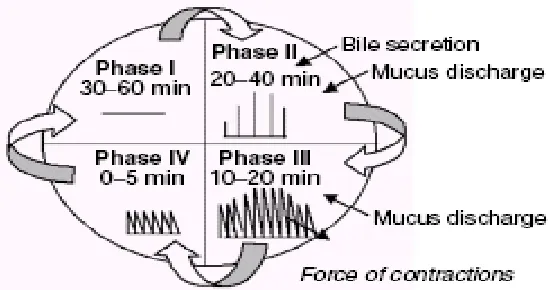
Fig 3: Motility patterns of the GIT in fasted state.
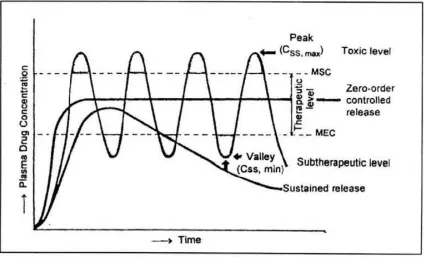
Fig 4:Plasma level profiles following conventional and controlled release dosing.
Fig 5: Gastro retentive approaches.
Fig 6: Gastrointestinal Tract-General.
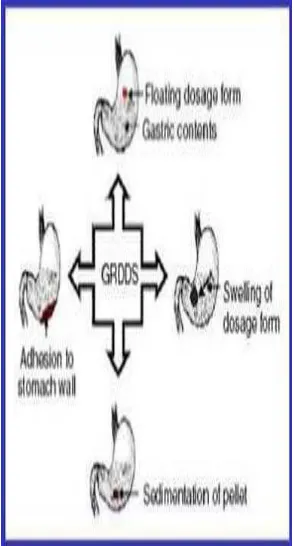
Fig 7: Various forms of gastro retentive systems.
Fig 8:Shows working of effervescent FDDS.
Fig 9: Inflatable Gastrointestinal Delivery System.
Fig 10: Intragastric Osmotically Controlled Drug Delivery System.
Fig11:Contour plot to study the effect of two HPMC grade polymer
concentrations on floating lag time.
Fig 12: RSM plot to study the effect of two HPMC grade polymer concentrations
on floating lag time.
Fig 13: Contour plot to study the effect of two HPMC grade polymer
concentrations ontotal floating time.
Fig 14: RSM plot to study the effect of two HPMC grade polymer concentrations
on total floating time.
Fig 15: Contour plot to study the effect of two HPMC grade polymer
concentrations onT80.
Fig 16: RSM plot to study the effect of two HPMC grade polymer concentrations
on T80.
Fig 17: Comparison of TFT, LT and T80 of different formulation batches with
Fig 18: Standard curve of Olmesartan Medoxomil .
Fig19: FTIR of Olmesartan Medoxomil.
Fig 20: FTIR of the formulation.
Fig 21: Buoyancy studies of tablet at different time interval.
Fig 22: In vitro dissolution studies of different formulation batches.
Fig 23: Dissolution profile of formulations F1 to F9.
Fig 24: Swelling studies of formulation batches.
LIST OF TABLES
Table no 1: salient features of upper gastrointestinal tract.
Table no 2: Full factorial design layout.
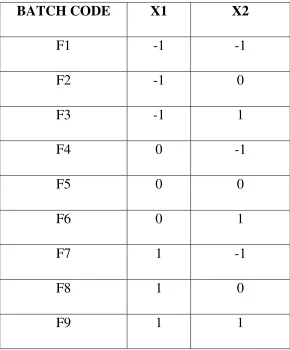
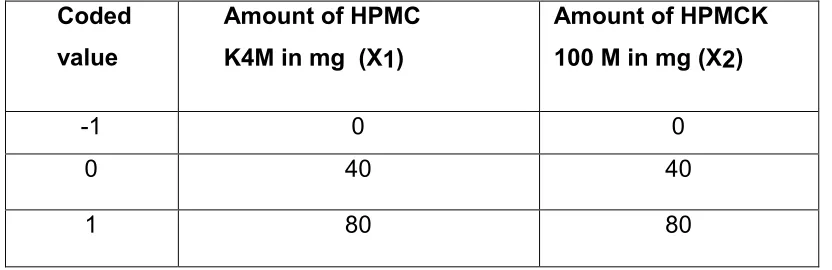
Table no 3: Coded values X1 code for amount of HPMC K4M and X2 Code
for amount of HPMCK100M.
Table no 4: statistical model for optimization.
Table no 5: Composition Of Floating Tablet Of Olmesartan Medoxomil.
Table no 6: Evaluation parameter of tablets of different batches.
Table no 7: In vitro buoyancy studies.
Table no 8: Dissolution studies of different batches.
Table no 9: In vitro drug release kinetics study.
ACKNOWLEDGEMENT
I humbly owe the completion of this dissertation work to the almighty whose
love and blessing will be with me every moment of my life.
It is a delightful moment for me to put in towards all my deep sense gratitude
to my esteemed guide S. Rajesh kumar M. Pharm.,(Ph.D)., Department of
Pharmaceutics, Padmavathy college of pharmacy for his unstinted guidance,
innovative ideas and encouragement in carrying out this dissertation work successfully.
I consider myself to be very fortunate to have Dr.Prem anand,
M.Pharm.,Ph.D.,Principal, Vice principal Mr.Saravanan M.Pharm.,(Ph.D)., and
C.E.O Mrs.Vannamalar M.PHARM.,(Ph.D) padmavathy college of pharmacy who
with his dynamic approach boosted my moral which helped me to very great extent in
the completion of post graduation in pharmaceutics also for making the requsite
arrangement to enable me to complete my dissertation work at Micro Labs Pharma pvt
ltd, Hosur. With great pleasure I acknowledge my sincere gratitude to my industrial
guide Prey singh M.Pharm., Micro labs pharma pvt ltd, Hosur. For his valuable
guidance, innovative ideas and continuous supervision and also for providing me the
necessary laboratory facilities to carryout dissertation work with great ease and
precision.
I would like to express out my sincere thanks to our chair person M.G
SEKAR, B.A,B.L.,Ex.M.P.,& M.L.A., chairman of sapthagiri padmavathi &Pee Gee
group of institutions and industries for providing all facilities during my post graduate
studies.
I wish my heart full thanks to Mr.sasi kumar M.Tech.,bio technology,
Mrs.Usha M.Pharm., pharmaceutics, Mr.Suresh M.Pharm.,(Ph.D) Mr.Saravana
kumar M.Pharm.,(Ph.D) Pharmaceutics, Dr. Sathish sekar Department of
Biochemistry and also thankful to Mrs.Usha, Librarian of padmavathy college of
pharmacy and research institute for valuable help by providing necessary book to
Finally I consider this an opportunity to express my gratitude to all the dignitaries who
have been involved directly or indirectly with the successful completion of this
dissertation. All errors & omission is in odurently mine.
Sincere thanks to all.
Mohammad lawand sorake
CONTENTS
CHAPTER
NO
CONTENTS
PAGE.NO
1.
INTRODUCTION
1.1 Introduction of drug delivery system
1.2 Gastro retentive dosage form
1.3 Floating drug delivery system
1.4 Evaluation of floating drug delivery
system
1
9
15
25
2.
AIM AND OBJECTIVE
29
3.
LITERATURE REVIEW
30
4.
DRUG PROFILE
4.1 Excipients description
36
44
5.
MATERIALS AND METHODS
5.1 Preparation of standard curve
olmesarten medoxomil in methanol
5.2 Preparation of floating tablets of
olmesarten medoxomil
54
54
5.3 Formulation of factorial branches
statistical modeling for optimization and
5.4 Regression analysis of LT, TFT &T80
5.5 Evaluation of floating tablet
5.6 Accelerated stability study
56
58
63
65
6.
RESULTS AND DISCUSSION
66
7.
CONCLUSION
78
LIST OF FIGURE
Figure 1: Shows parts of Stomach.
Fig2: Physiology of Gastrointestinal Tract.
Fig 3: Motility patterns of the GIT in fasted state.
Fig 4:Plasma level profiles following conventional and controlled release dosing.
Fig 5: Gastro retentive approaches.
Fig 6: Gastrointestinal Tract-General.
Fig 7: Various forms of gastro retentive systems.
Fig 8:Shows working of effervescent FDDS.
Fig 9: Inflatable Gastrointestinal Delivery System.
Fig 10: Intragastric Osmotically Controlled Drug Delivery System.
Fig11:Contour plot to study the effect of two HPMC grade polymer concentrations on
floating lag time.
Fig 12: RSM plot to study the effect of two HPMC grade polymer concentrations on
floating lag time.
Fig 13: Contour plot to study the effect of two HPMC grade polymer concentrations on total floating time.
Fig 14: RSM plot to study the effect of two HPMC grade polymer concentrations on total
floating time.
Fig 15: Contour plot to study the effect of two HPMC grade polymer concentrations on
T80.
Fig 16: RSM plot to study the effect of two HPMC grade polymer concentrations on
Fig 17: Comparison of TFT, LT and T80 of different formulation batches with respect to
polymer concentration.
Fig 18: Standard curve of Olmesartan Medoxomil .
Fig19: FTIR of Olmesartan Medoxomil.
Fig 20: FTIR of the formulation.
Fig 21: Buoyancy studies of tablet at different time interval.
Fig 22: In vitro dissolution studies of different formulation batches.
Fig 23: Dissolution profile of formulations F1 to F9.
Fig 24: Swelling studies of formulation batches.
LIST OF TABLES
Table no 1: salient features of upper gastrointestinal tract.
Table no 2: Full factorial design layout.
Table no 3: Coded values X1 code for amount of HPMC K4M and X2 Code for amount of
HPMCK100M.
Table no 4: statistical model for optimization.
Table no 5: Composition Of Floating Tablet Of Olmesartan Medoxomil.
Table no 6: Evaluation parameter of tablets of different batches.
Table no 7: In vitro buoyancy studies.
Table no 8: Dissolution studies of different batches.
Table no 9: In vitro drug release kinetics study.
DEPARTMENT OF PHARMACEUTICS Page 1
INTRODUCTION
Introduction to drug delivery system
Historically, the oral route of administration has been used the most for both
conventional and novel drug delivery system. These systems have the obvious
advantages of ease of administration and patient acceptance, least sterility constraints
and flexibility in the design of dosage form. One would always like to have an ideal drug
delivery system that will possess two main properties:
• It will be a single dose for the whole duration of treatment.
• It will deliver the active drug directly at the site of action.
Unfortunately, such ideal systems are not available. Thus scientists try to
develop systems that can be as close to an ideal system as possible. More than 50% of
drugs, available in the market are meant for oral administration. The conventional drug
therapy results in fluctuation of drug concentration in systemic circulation, causing
either toxic effect or no therapeutic effect.
Now recent scientific and technological advancement have been made in the
research and develop of rate controlled oral drug delivery systems by overcoming
physiological adversities and short gastric residence time. Invariably, conventional drug
dosage forms do not maintain the drug blood levels within the therapeutic range for an
extended period of time. To achieve the same, a drug may be administered repetitively
using a fixed dosing interval. This causes several potential problems like saw tooth
kinetics characterized by large peaks and troughs in the drug concentration-time curve
frequent dosing for drugs with short biologic half-life, and above all the patient non
compliance. Now recent scientific and technological advancement have been made in
the research and develop of rate controlled oral drug delivery systems by overcoming
physiological adversities and short gastric residence time [1].Invariably, conventional
drug dosage forms do not maintain the drug blood levels within the therapeutic range for
DEPARTMENT OF PHARMACEUTICS Page 2
Anatomy of the stomach
The gastro intestinal tract can be divided into three main regions
Stomach
Small intestine- duodenum, jejunum, and ileum
Large intestine.
Figure 1: Shows parts of Stomach
The git is a muscular tube of about 9m which extends from mouth to anus. Its
function is to take nutrients and eliminate out waste product by physiological processes
such as digestion, absorption, secretion, motility and excretion. The stomach has three
muscle layer called oblique muscle and it is situated in the proximal part of the stomach,
branching over the fundus and higher regions of the gastric body. The stomach is
divided into fundus, body and pylorus[2]. The stomach is a J shaped organ located in
the upper left hand portion of the abdomen. The main function of the stomach is to store
DEPARTMENT OF PHARMACEUTICS Page 3
Physiology of the stomach
The stomach is an expanded section of the digestive tube between the
esophagus and small intestine. In the empty state the stomach is contracted and its
mucosa and sub mucosa are thrown up into folds called rugae. There are 4 major types
of secretary epithelial cells that covers the stomach and extends into gastric pits and
glands.
1. mucous cells- secrete alkaline mucus
2. parietal cells – secrete HCL
3. chief cells- secrete pepsin
4. G cells- secrete hormone gastrin[3].
Physiology of gastrointestinal tract
Anatomically the stomach is divided into three regions: fundus, body, and
antrum (pylorus). The proximal part made up of fundus and body acts as a reservoir for
undigested material, whereas the antrum is the main site for mixing motions and act as
a pump for gastric emptying by propelling actions. Gastric emptying occurs during
fasting as well as fed states. The pattern of motility is however distinct in the two states. During the fasting state an inter digestive series of electrical events take place, which
DEPARTMENT OF PHARMACEUTICS Page 4
Fig2: Physiology of Gastrointestinal Tract
This is called the inter digestive myloelectric cycle or migrating myloelectric
cycle (MMC), which is further divided into following 4 phases as described by
Wilson and Washington.
1. Phase I (basal phase) lasts from 40 to 60 minutes with rare contractions.
2. Phase II (preburst phase) lasts for 40 to 60 minutes with intermittent
action potential and contractions. As the phase progresses the intensity and
frequency also increases gradually.
3. Phase III (burst phase) lasts for 4 to 6 minutes. It includes intense and
regular contractions for short period. It is due to this wave that all the undigested
material is swept out of the stomach down to the small intestine. It is also
known as the housekeeper wave.
4. Phase IV lasts for 0 to 5 minutes and occurs between phases III and I
DEPARTMENT OF PHARMACEUTICS Page 5
Gastric emptying and problems
The process of the gastric emptying occurs both during fasting and fed stages.
Scintinography study involving measurement of gastric emptying rates in
healthy human subject have revealed that an orally administered Controlled
release dosage form is mainly subjected to two physiological adversities,
The short GRT (Gastric Residence Time)
Variable (unpredictable) GET (Gastric Emptying Time)
[image:25.612.132.408.275.420.2]Fig 3: Motility patterns of the GIT in fasted state
Table 1.1: salient features of upper gastrointestinal tract
Section Length (m) Transit (h) time pH Microbial count Absorbing surface area Absorption pathway
(m2)
Stomach 0.2 Variable 1-4 <103 0.1 P, C, A
Small
Intestine 6-10 3 ± 1 5-7.5 103 – 1010 120-200
P, C, A, F, I, E, CM
DEPARTMENT OF PHARMACEUTICS Page 6 The basic rationale of the controlled drug delivery system (CDDS) is to optimize
the biopharmaceutic, pharmacokinetic and pharmacodynamic properties of a drug in
such a way that its utility is maximized through reduction in side effects and cure or
control of condition in the shortest possible time by using smallest quantity of drug
administered by the most suitable route [4]. Controlled release drug administration
means not only the prolongation of the duration of drug delivery, similar to the objective
in sustained release and prolonged release, but the term also implies the predictability
and reproducibility of drug release kinetics. Oral controlled release drug delivery
system that provides the continuous oral delivery of drugs at predictable and
reproducible kinetics for a pre-determined period throughout the course of GI transit.
Controlled release denotes the system in which release rate of the drug from the
system is temporal (related to time ) or spatial ( related to site) nature or both. In other
[image:26.612.99.523.367.624.2]words system attempts to control the drug concentration in the target tissue or cells.
DEPARTMENT OF PHARMACEUTICS Page 7 The broad objectives of controlled release drug delivery system are as follows
Prolongs the duration of action of the drug at a predetermined rate by maintaining a relatively constant, effective drug level in the body with the
minimization of the adverse effect associated with a peak valley kinetic
pattern.
Localization of drug action by spatial placement of controlled releas
system near to or in the diseased tissue or organ , site or even receptor.
Target drug action by using carrier or chemical derivatization to deliver drug to a
particular target , cell type. Ideally it is desirable to release the drug at the target sites
whether it is a tissue , population of cells or receptors , leaving rest of the body drug
free [3].
Merits of Controlled Drug Delivery
• Reduction in fluctuation in steady state levels and therefore better
control of disease and Reduce intensity of local or systemic side
effect.
• Improved patient compliance.
• Reduced dosing frequency.
• More consistent and prolonged therapeutic effect.
• Decreased incidence and/or intensity of adverse effects and toxicity.
• Better drug utilization.
• Controlled rate and site of release.
• Reduce wastage of the drugs.
DEPARTMENT OF PHARMACEUTICS Page 8
• Less therapeutic index.
• A greater selectivity of pharmacological activity.[4]
Demerits of Controlled Drug Delivery
• Toxicity due to dose dumping.
• Increased cost.
• Increased variability among dosage units.
• Stability problems.
• Retrieval of drugs in difficult in case of toxicity, poisoning or
hypersensitivity reactions [5].
Classification of oral controlled drug delivery system
Oral controlled drug delivery systems can be broadly classified on the basis of
their mechanism of drug release. Primarily, controlled release is achieved by
diffusion, degradation and swelling followed by diffusion. Any or all of these
mechanisms may occur in a given release systems. Diffusion occurs when bioactive
agent passes through the polymer, which forms the building block of controlled
release system.
1. Dissolution-controlled release
a) Encapsulation Encapsulation dissolution control
b) Matrix dissolution control
2. Diffusion-controlled release
a) Reservoir devices
b) Matrix devices
DEPARTMENT OF PHARMACEUTICS Page 9 4. Ion exchange resins
5. Gastroretentive systems
Gastro retentive Systems
Variability in GI transit time is a concern for oral controlled drug delivery
systems. A major constraint in oral controlled release drug delivery is that not all the
drug candidates are absorbed uniformly throughout the GIT (gastrointestinal tract).
Some drugs are absorbed in a particular portion of GI tract only or absorbed to a
different extent in various segments of GI tract. Such drugs are said to have an
absorption window. Thus only the drugs which are released in the preceding region
and in close vicinity to the absorption window are available for absorption. After crossing
the absorption window, the release drug goes to waste with negligible or no absorption.
Thus the time available for drug absorption drastically decreases.
Gastro retentive dosage form
Gastro retentive dosage forms are the systems that can stay in the gastric
region for several hours and thus, prolong the gastric residence time of the drugs.
After oral administration, such a dosage form is retained in the stomach and releases
the drug in a controlled and sustained manner so that the drug can be supplied
continuously in the upper GIT. This prolonged gastric retention improves
bioavailability, decreases drug wastage, and improves solubility of drugs that are less
soluble in a high pH environment [6].Gastro retentive systems can remain in the
gastric region for several hours and hence significantly prolong the gastric residence
time of drugs. Prolonged gastric retention improves bioavailability, reduces drug
waste, and improves solubility for drugs that are less soluble in a high pH
environment. It has applications also for local drug delivery to the stomach and
proximal small intestines. Gastro retention helps to provide better availability of new
products with new therapeutic possibilities and substantial benefits for patients (7).
DEPARTMENT OF PHARMACEUTICS Page 10 Fig 5: Gastro retentive approaches Fig 6: Gastrointestinal Tract-General
Gastric emptying of dosage forms is an extremely variable process and ability
to prolong and control the emptying time is a valuable asset for dosage forms, which
reside in the stomach for a longer period of time than conventional dosage forms.
Several difficulties are faced in designing controlled release systems for better
absorption and enhanced bioavailability. One of such difficulties is the inability to
confine the dosage form in the desired area of the gastrointestinal tract. One of the
most feasible approaches for achieving and predictable drug delivery profile in GIT is
to control the GRT so that gastric emptying process can be extended from few
minutes to 12 hr using GRDF’s that offers new and better option for drug
[image:30.612.146.293.75.348.2]DEPARTMENT OF PHARMACEUTICS Page 11 Gastric retention can be achieved by mechanism of mucoadhesion or bio
adhesion, expansion system, super porous hydro gels, raft forming system, low density
system, floatation and simultaneous administration of pharmacological agents that
delay the gastric emptying [12].
Potential candidates for gastro retentive drug delivery system
Drugs that are primarily absorbed in the stomach eg Amoxicillin.
Drugs that are poorly soluble in alkaline pH eg Furosemide , Diazepam.
Drugs that have narrow absorption window eg Levodopa, Methotrexate.
Drugs that degrade in the colon eg Ranitidine , Metformin HCL
Drugs that disturb normal colonic microbes eg Antibiotics against Helicobacter pylori.
Drugs rapidly absorbed from the gi tract eg Tetracycline.
Drugs acting locally in the stomach eg Misoprostol [13].
Gastroretentive technologies
A number of systems have been pursued to increase the GRT of dosage forms
by employing a variety of concepts. These systems have been classified according to
the basic principles of gastric retention.(14)
Expandable systems
These GRDFs are easily swallowed and reach a significantly larger size in the
stomach due to swelling or unfolding processes that prolong their GRT. After drug
release, their dimensions are minimized with subsequent evacuation from the
DEPARTMENT OF PHARMACEUTICS Page 12
Bio/Muco-adhesive systems
This approach involves the use of bioadhesive polymers, which can adhere to
the epithelial surface in the stomach. The proposed mechanism of bioadhesive is the
formation of hydrogen and electrostatic bonding at the mucus polymer boundary[18].
High-density systems
Sedimentation has been employed as a retention mechanism for pellets that are
small enough to be retained in the rugae or folds of the stomach body near the
pyloric region. Commonly used excipients are Barium sulphate, Zinc oxide, Titanium
dioxide and Iron powder, These materials increase density by up to1.5–
2.4g/cm3(19).
Limitations of gastroretentive drug delivery system
1. Aspirin and NSAID’S can cause gastric lesions and slow release of such
drug in the stomach is unwanted.
2. Drugs such as isosorbide dinitrate which are equally absorbed throughout
the GIT will not be benefit from incorporation into a gastric retention system.
3. Bioadhesion in the acidic environment and high turnover of mucus may
raise questions about the effectiveness of the technique
4. Physical integrity of the system is very important and primary requirement
for the success of the system.
5. High variability in gastric emptying time due to variations in emptying
DEPARTMENT OF PHARMACEUTICS Page 13
Advantages of gastro retentive drug delivery system
1. It increases patient compliance by reducing dosing frequency
2. Buoyancy increases gastric residence time
3. Better therapeutic effect of short half life drugs
4. Site specific drug delivery to stomach can be achieved
5. In this drug is released in a controlled manner
6. Gastric irritation can be avoided by designing sustained release
7. No risk of dose dumping by making single unit floating unit such as
microspheres releases drug uniformly. (1,17)
Factors affecting gastric retention
Density of dosage form
The density of a dosage form also affects the gastric emptying rate. A buoyant
dosage form having a density of less than that of the gastric fluids (≅1.004 gm/ml)
floats. Since it is away from the pyloric sphincter, the dosage unit is retained in the
stomach for a prolonged period.
Size and shape of dosage form
To pass through the pyloric valve into the small intestine the particle size should be
in the range of 1 to 2 mm. Dosage form unit with a diameter of more than 7.5 mm are
reported to have an increased GRT compared to those with a diameter of 9.9 mm. The
dosage form with a shape tetrahedron and ring shape devices with a flexural modulus of
48 and 22.5 kilopond per square inch (KSI) are reported to have better GIT (≅ 90 to 100
DEPARTMENT OF PHARMACEUTICS Page 14
Fasting or fed state
Under fasting conditions, the GI motility is characterized by periods of strong motor
activity or the migrating myoelectric complexes (MMC) that occurs every 1.5 to 2 hours.
The MMC sweeps undigested material from the stomach and if the timing of
administration of the formulation coincides with that of the MMC, the GRT of the unit can
be expected to be very short. However, in the fed state, MMC is delayed and GRT is
considerably longer. The pH of the stomach in fasting state is ~1.5 to 2.0 and in fed state
is 2.0 to 6.0. A large volume of water administered with an oral dosage form raises
the pH of stomach contents to 6.0 to 9.0. Stomach doesn’t get time to produce sufficient
acid when the liquid empties the stomach; hence generally basic drugs have a better
chance of dissolving in fed state than in a fasting state [19].
Nature of the meal (food)
The rate of gastric emptying depends mainly on viscosity, volume, and caloric
content of meals. Nutritive density of meals helps determine gastric emptying time. It
does not make any difference whether the meal has high protein, fat, or carbohydrate
content as long as the caloric content is the same.
Effect of liquid, digestible solid and indigestible solid type food
It has been demonstrated using radio labeled technique that there is a difference
between gastric emptying times of a liquid, digestible solid, and indigestible solid. It
was suggested that the emptying of large (>1 mm) indigestible objects from stomach
was dependent upon inter digestive migrating myoelectric complex.
Biological factors
Biological factors such as age, body mass index (BMI), gender, posture, and
diseased states (diabetes, Chron’s disease) influence gastric emptying. In the case of
elderly persons, gastric emptying is slowed down. Generally females have slower gastric
emptying rates than males. GRT can vary between supine and upright ambulatory states
of the patients. Stress increases gastric emptying rates while depression slows it down
DEPARTMENT OF PHARMACEUTICS Page 15
Frequency of feed
The gastro retentive time can increase by over 400 minutes when successive
meals are given compared with a single meal due to the low frequency of MMC.
Gender
Mean ambulatory GRT in meals (3.4 ± 0.4 hours) is less compared with their age
and race-matched female counterparts (4.6± 1.2 hours), regardless of the weight, height
and body surface [21].
Posture
Gastro retentive time can vary between supine and upright ambulatory states of
the patients. [22].
FLOATING DRUG DELIVERY SYSTEM
The floating sustained release dosage forms present most of the characteristics
of hydrophilic matrices and are known as ‘hydro dynamically balanced systems’ (‘HBS’)
since they are able to maintain their low apparent density, while the polymer hydrates
and builds a gelled barrier at the outer surface. The drug is released progressively from
the swollen matrix, as in the case of conventional hydrophilic matrices. These forms are
expected to remain buoyant (3- 4 hours) on the gastric contents without affecting the
intrinsic rate of emptying because their bulk density is lower than that of the gastric
contents. Many results have demonstrated the validity of the concept of buoyancy in
terms of prolonged GRT of the floating forms, improved bioavailability of drugs and
improved clinical situations. These results also demonstrate that the presence of gastric
content is needed to allow the proper achievement of the buoyancy retention principle.
Among the different hydrocolloids recommended for floating form formulations,
cellulose ether polymers are most popular, especially hydroxyl propyl methyl celluloses.
Fatty material with a bulk density lower than one may be added to the formulation to
DEPARTMENT OF PHARMACEUTICS Page 16 Parallel to formulation studies, investigations have been undertaken in animals
and humans to evaluate the intra gastric retention performances of floating forms.
These assessments were realized either indirectly through pharmacokinetic studies
with a drug tracer, or directly by means of X-ray and gamma scintigraphic monitoring of
the form transit in the GI tract. When a floating capsule is administered to the subjects
with a fat and protein meal, it can be observed that it remains buoyant at the surface
of the gastric content in the upper part of the stomach and moves down progressively
while the meal empties. The reported gastric retention times range from 4 to 10 hours.
Pharmacokinetic and bioavailability evaluation studies confirm the favorable incidence
of this prolonged gastric residence time [24].
Fig 7: Various forms of gastro retentive systems; (a) Floating gastro retentive drug delivery systems; (b) Swelling gastro-retentive drug delivery systems; (c) Bio adhesive gastro-retentive drug delivery systems; (d) High- density gastroretentive drug delivery systems.
Floating drug delivery systems (FDDS) have a bulk density less than gastric
[image:36.612.120.482.294.545.2]DEPARTMENT OF PHARMACEUTICS Page 17 a prolonged period of time. While the system is floating on the gastric contents, the drug
is released slowly at the desired rate from the system. After release of drug, the
residual system is emptied from the stomach. This results in an increased GRT and a
better control of the fluctuations in plasma drug concentration.[25]
Classification of floating drug delivery system (FDDS)
Based on the mechanism of buoyancy, two distinctly different technologies have
been utilized in development of FDDS, which are
A. Effervescent System, and B. Non- Effervescent System.
Effervescent System
These are the matrix types of with the help of swellable systems prepared
polymers such as methylcellulose and chitosan and various effervescent
compounds, eg, sodium bicarbonate tartaric acid, and citric acid. They are
formulated in a such a way that when in contact with the acidic gastric contents,
CO2 is liberated and entrapped in swollen hydrocolloids, which provides buoyancy to
the dosage forms [26]
I. Gas Generating systems
DEPARTMENT OF PHARMACEUTICS Page 18
Figure 8: Shows working of effervescent FDDS
Gas
–
Generating Systems
Intra Gastric Single Layer Floating Tablets or
Hydro dynamically
Balanced System
These are formulated by intimately mixing the CO2 generating agents and
the drug within the matrix tablet. These have a bulk density lower than gastric
fluids and therefore remain floating in the stomach for a prolonged period.
Intra Gastric Bi-layer Floating Tablet
These are also compressed tablet containing two layers i.e., Immediate release
layer, Sustained release layer. These are as formulated by intimately mixing the CO2
generating agents and the drug within the matrix tablet.
Multiple Unit type floating pills
The system consists of sustained release pills as ‘seeds’ surrounded by
double layers. The inner layer consists of effervescent agents while the outer layer is
of swellable membrane layer. When the system is immersed in dissolution medium at
body temp, it sinks at once and then forms swollen pills like balloons, which float as
they have lower density. This lower density is due to generation and entrapment of
DEPARTMENT OF PHARMACEUTICS Page 19
Inflatable Gastrointestinal Delivery Systems
In these systems an inflatable chamber is incorporated, which contains liquid
ether that gasifies at body temperature to cause the chamber to inflate in the stomach.
These systems are fabricated by loading the inflatable chamber with a drug reservoir,
which can be a drug impregnated polymeric matrix, encapsulated in a gelatin capsule.
After oral administration, the capsule dissolves to release the drug reservoir together
with the inflatable chamber. The inflatable chamber automatically inflates and retains
the drug reservoir compartment in the stomach. The drug continuously released from
the reservoir into the gastric fluid [27].
DEPARTMENT OF PHARMACEUTICS Page 20
I
ntra-gastric Osmotically Controlled Drug Delivery System
It is comprised of an osmotic pressure controlled drug delivery device and an
inflatable floating support in a biodegradable capsule. In the stomach, the capsule quickly
disintegrates to release the intra- gastric osmotically controlled drug delivery device[23].
The inflatable support inside forms a deformable hollow polymeric bag that contains a
liquid that gasifies at body temperature to inflate the bag. The osmotic pressure controlled
drug delivery device consists of two components; drug reservoir compartment and an
osmotically active compartment. The drug reservoir compartment is enclosed by a
pressure responsive collapsible bag, which is impermeable to vapour and liquid and has a
drug delivery orifice. The osmotically active compartment contains an osmotically active
salt and is enclosed within a semi permeable housing. In the stomach, the water in the GI
fluid is continuously absorbed through the semi permeable membrane into osmotically
active compartment to dissolve the osmotically active salt[28].
The osmotic pressure thus created acts on the collapsible bag and in turn forces
the drug reservoir compartment to reduce its volume and activate drug release through
the delivery orifice. The floating support is also made to contain a bioerodible plug that
erodes after predetermined time to deflate the support. The deflated drug delivery system
[image:40.612.133.480.480.649.2]is then emptied from the stomach [29].
DEPARTMENT OF PHARMACEUTICS Page 21
Non Effervescent System
The Non-effervescent FDDS is based on mechanism of swelling of polymer or bio
adhesion to mucosal layer in GI tract. The most commonly used excipients in
non-effervescent FDDS are gel forming or highly swellable cellulose type hydrocolloids,
hydrophilic gums, polysaccharides and matrix forming material such as polycarbonate,
polyacrylate, polymethacrylate, polystyrene as well as bioadhesive polymer such as
chitosan and carbopol [30].
Working principle of this type of FDDS
Capsule/tablet contains a mixture of drug and hydrocolloids. Upon contact with
gastric fluid, the mixture swells and forms a gelatinous barrier thereby remaining
buoyant in the gastric juice for an extended period of time[31].
Various types of non effervescent floating Single Layer Floating Tablets
They are formulated by intimate mixing of drug with a gel-forming hydrocolloid,
which swells in contact with gastric fluid and maintains bulk density of less than unity[32].
Bi-layer Floating Tablets
A bi-layer tablet contain two layer one immediate release layer which releases
initial dose from the system while another sustained release layer absorbs gastric fluid,
forming an impermeable colloidal gel barrier on its surface, and maintain a bulk density
of less than unity and thereby it remains buoyant in the stomach[33].
Alginate Beads
Multi unit floating dosage forms were developed from freeze-dried calcium
alginate. Spherical beads of approximately 2.5 mm diameter can be prepared by
dropping sodium alginate solution into aqueous solution of calcium chloride, causing
precipitation of calcium alginate leading to formation of porous system, which can
DEPARTMENT OF PHARMACEUTICS Page 22
Hollow Microspheres
Hollow microspheres (microballoons), loaded with drug in their outer polymer
shells are prepared by a novel emulsion-solvent diffusion method. The ethanol:
dichloromethane solution of the drug and an enteric acrylic polymer is poured into an
agitated aqueous solution of PVA that is thermally controlled at 400C.
Formulation of floating dosage form
Following types of the ingredients can be incorporated in to HBS
dosage form in addition to drugs.
Hydrocolloids
Inert fatty materials
Release rate accelerants
Release rate retardant
Buoyancy increasing agents
Miscellaneous [35].
Advantages of floating dosage forms Enhanced bioavailability
The bioavailability of Riboflavin CR-GRDF is significantly enhanced in
comparison to the administration of non-GRDF CR polymeric formulations. There are
several different processes, related to absorption and transit of the drug in the
gastrointestinal tract, that act concomitantly to influence the magnitude of drug
absorption.
Enhanced first-pass biotransformation
In a similar fashion to the increased efficacy of active transporters exhibiting
DEPARTMENT OF PHARMACEUTICS Page 23 considerably increased when the drug is presented to the metabolic enzymes
(cytochrome P450, in particular CYP3A4) in a sustained manner, rather than by a bolus
input [37].
Sustained drug delivery/reduced frequency of dosing
For drugs with relatively short biological half-life, sustained and slow input from
CR-GRDF may result in a flip-flop pharmacokinetics and enable reduced dosing
frequency. This feature is associated with improved patient compliance, and thereby
improves therapy.
Reduced fluctuations of drug concentration
Continuous input of the drug following CRGRDF administration produces blood
drug concentrations within a narrower range compared to the immediate release
dosage forms. Thus, fluctuations in drug effects are minimized and concentration
dependent adverse effects that are associated with peak concentrations can be
prevented. This feature is of special importance for drugs with a narrow therapeutic
index [38].
Improved selectivity in receptor activation
Minimization of fluctuations in drug concentration also makes it possible to obtain
certain selectivity in the elicited pharmacological effect of drugs that activate different
types of receptors at different concentrations.
Reduced counter-activity of the body
In many cases, the pharmacological response which intervenes with the natural
physiologic processes provokes a rebound activity of the body that minimizes drug
activity. Slow input of the drug into the body was shown to minimize the counter activity
DEPARTMENT OF PHARMACEUTICS Page 24
Extended time over critical (effective) concentration
For certain drugs that have non-concentration dependent pharmacodynamics,
such as beta lactam antibiotics, the clinical response is not associated with peak
concentration, but rather with the duration of time over a critical therapeutic
concentration. The sustained mode of administration enables extension of the time over
a critical concentration and thus enhances the pharmacological effects and improves the
clinical outcomes.[39]
Site specific drug delivery
A floating dosage form is a feasible approach especially for drugs which have
limited absorption sites in upper small intestine. The controlled, slow delivery of drug to
the stomach provides sufficient local therapeutic levels and limits the systemic
exposure to the drug. This reduces side effects that are caused by the drug in the
blood circulation. In addition, the prolonged gastric availability from a site directed
delivery system may also reduce the dosing frequency [40].
Disadvantages of floating dosage forms
These systems require a high level of fluid in the stomach for drug delivery to float and work efficiently-coat, water.
Not suitable for drugs that have solubility or stability problem in GIT.
Drugs such as Nifedipine which is well absorbed along the entire GIT and which undergoes first pass metabolism, may not be desirable.
Drugs which are irritant to Gastric mucosa is also not desirable or suitable.
The drug substances that are unstable in the acidic environment of the stomach are not suitable candidates to be incorporated in the systems.
DEPARTMENT OF PHARMACEUTICS Page 25
These systems do not offer significant advantages over the conventional dosage forms for drugs, which are absorbed through out the gastrointestinal tract [41].
Evaluation of floating drug delivery system
Various parameters that need to be evaluated in gastro-retentive formulations
include floating duration, dissolution profiles, specific gravity, content uniformity,
hardness, and friability in case of solid dosage forms. In the case of multiparticulate drug
delivery systems, differential scanning calorimetry (DSC), particle size analysis, flow
properties, surface morphology, and mechanical properties are also performed.
Floating time
The test for buoyancy is usually performed in simulated gastric and intestinal fluid
maintained at 37ºC. The floating time is determined by using USP dissolution apparatus
containing 900 ml of 0.1 N HCl as the testing medium maintained at 37ºC . The time for
which the dosage form floats is termed as the floating or floatation time [42].
Swelling index
The swelling index of tablets was determined in 0.1 N HCl (pH 1.2) at room
temperature. The swollen weight of the tablets was determined at predefined time
intervals. The swelling index was calculated by the following equation:
Swelling Index=Wt-Wo…..eq (vi)
Wt
Where, W0 is the initial weight of tablet, and Wt is the weight of the
tablet at time t.
In-vitro
release studies
The release rate of floating drug delivery system was determined in dissolution
DEPARTMENT OF PHARMACEUTICS Page 26 The dissolution fluid was maintained at 37 ± 1°C at a rotation speed. Perfect sink
conditions prevailed during the drug release study [43].
In-vivo
study
In vivo gastric residence time of a floating dosage form is determined by X-ray
diffraction studies, gamma scintigraphy, or roentgenography. In X-ray method the
formulation is modified to incorporate Barium Sulphate as X-ray opaque substance. The
study is carried out by administering the gastro retentive tablets to human volunteer [44].
The tablet was administered in the fasting state. The X-Ray opaque formulation is
administered along with 250 ml of water. The subjects are allowed to remain in sitting or
upright position. A light meal is given to volunteer 2 hour after administration of the tablet
to evaluate effect of food of gastro retentive property. The position of tablet is monitored
by X-Ray screening technique X-Ray photographs taken at desired intervals to monitor
tablet position in human gastrointestinal tract [45].
X-ray / gamma scintigraphy
It helps to locate dosage form in the GIT by which one can predict and
correlate the gastric emptying time and the passage of dosage form in the git. The
inclusion of a radio opaque material into solid dosage form enables it to be visualized
by the X-ray[45]. The inclusion of a gamma emitting radionuclide in the formulation
allows indirect external observation using gamma camera, the gamma rays emitted
by radionuclide is focused on the camera which helps to monitor the location of the
dosage form[46].
Gastroscopy
It comprises of peroral endoscopy used with a fibereoptic and video system. It
is used to inspect visually the effect of prolonged stay in stomach milieu on the FDDS
DEPARTMENT OF PHARMACEUTICS Page 27
Future potentials
The floating drug delivery concept can be used in development of anti reflux formulations
Buoyant delivery system is beneficial in the treatment of gastric and duodenal ulcers.
Developing a controlled release of drugs which is used to treat Parkinson disease.
To explore the eradication of helicobacter pylori by using narrow spectrum antibiotic.
Controlled release drug administration means not only the prolongation of the
duration of drug delivery, similar to the objective in sustained release and prolonged
release, but the term also implies the predictability and reproducibility of drug release
kinetics. Oral controlled release drug delivery system that provides the continuous
oral delivery of drugs at predictable and reproducible kinetics for a pre- determined
period throughout the course of GI transit. Gastro retentive dosage forms are the
systems that can stay in the gastric region for several hours and thus, prolong the
gastric residence time of the drugs. After oral administration, such a dosage form is
retained in the stomach and releases the drug in a controlled and sustained manner
so that the drug can be supplied continuously in the upper GIT. This prolonged
gastric retention improves bioavailability, decreases drug wastage, and improves
solubility of drugs that are less soluble in a high pH environment.
Gastric emptying of dosage forms is an extremely variable process and ability to
prolong and control the emptying time is a valuable asset for dosage forms, which
reside in the stomach for a longer period of time than conventional dosage forms.
Several difficulties are faced in designing controlled release systems for better
absorption and enhanced bioavailability. One of such difficulties is the inability to
DEPARTMENT OF PHARMACEUTICS Page 28 feasible approaches for achieving and predictable drug delivery profile in GIT is to
control the GRT so that gastric emptying process can be extended from few minutes to
12 hr using GRDF’s that offers new and better option for drug therapy.
Olmesartan medoxomil, a prodrug, is hydrolyzed to olmesartan during absorption
from the gastrointestinal tract. Olmesartan is a selective AT1 subtype angiotensin II
receptor antagonist. Angiotensin II is formed from angiotensin I in a reaction catalyzed by angiotensin converting enzyme (ACE, kininase II). Angiotensin II is the principal
pressor agent of the renin-angiotensin system, with effects that include vasoconstriction,
stimulation of synthesis and release of aldosterone, cardiac stimulation and renal
reabsorption of sodium. Olmesartan blocks the vasoconstrictor effects of angiotensin II
by selectively blocking the binding of angiotensin II to the AT1 receptor in vascular
smooth muscle. Its action is, therefore, independent of the pathways for angiotensin II
synthesis. Olmesartan medoxomilis indicated for the treatment of mild to moderate
essential hypertension.
The absolute bioavailability of olmesartan is approximately 26%. After oral
administration, the peak plasma concentration (Cmax) of olmesartan is reached after 1
to 2 hours. Food does not affect the bioavailability of olmesartan. Olmesartan
medoxomil inhibits the pressor effect of an angiotensin II infusion in a dose- dependent
manner at doses of 2.5 to 40 mg. The inhibition was 90% at doses of olmesartan
DEPARTMENT OF PHARMACEUTICS Page 29
AIM AND OBJECTIVE
Aim of present research is development of formulation, optimization and
evaluation of gastro retentive floating drug delivery system of olmesarten medxomil.
The objective of the present study was to develop an optimized gastroretentive
floating drug delivery system of Olmesartan Medoxomil and investigate the effect of
hydrophilic retardant on invitro release by using 32 full factorial design.
Floating tablets of olmesartan medoxomil were prepared by direct compression
method using effervescent technique by employing two different grades of HPMC.
(HPMC K4M and HPMC K100M). Sodium bicarbonate was incorporated as gas
generating agent.
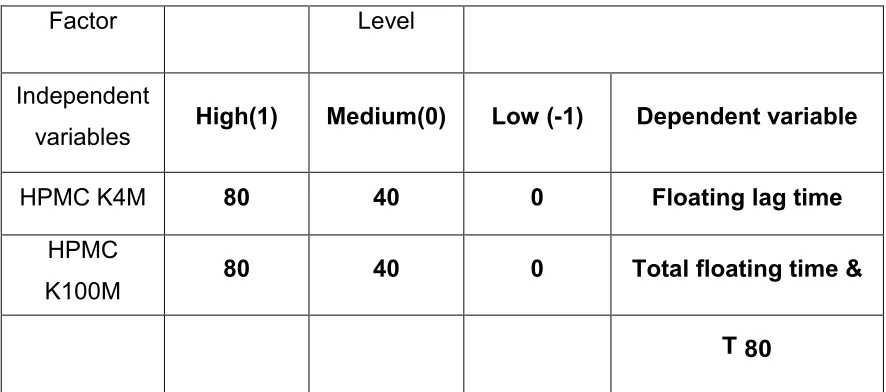
The concentration of HPMC K4M (X1) and concentration of HPMC K100M
(X2) were selected as independent variables. The floating lag time, total floating time
and t ime taken to 80 % drug release were selected as dependent variables.
Targets were defined for each response so as to select the optimam formula using
numerical optimization.
All the floating matrix tablets formulations were subjected to
DEPARTMENT OF PHARMACEUTICS Page 30
LITERATURE REVIEW
A.Hemdan et al., validated chromatographic method for determination of some anti-hypertensive drugs. Accurate, precise and reproducible isocratic RP-HPLC method
was developed and subsequent validated for the analysis of Torasemide (I), Irbesartan
(II) and Olmesartan Medoxomil (III) at ambient temperature, using Atlantis 4.6 mm x
250 mm RP-C18 Column, with a flow rate of 1.5 ml.min-1, and UV. Detector at 288
nm and 260 nm for (I) and (II and III), respectively. By adopting the entioned
chromatographic technique, (I) and (III) were determined in the presence of their acidic
and alkaline-degradates separately as stability-indicating methods utilizing phosphate
buffer pH= 3:acetonitrile (60:40, v/v), phosphate buffer pH = 3.2:acetonitrile (60:40, v/v)
as a mobile phase, respectively, while (II) was determined in presence of
Hydrochlorothiazide (HCTZ), using phosphate buffer pH = 4:acetonitrile (70 :30, v/v. The
obtained results were statistically compared to the reference methods of analysis
[for I and "II and III", respectively] and no significant differences were found.
A.T. Hemke et al., UV spectrophotometric determination of hydrochlorothiazide and olmesartan medoxomil in pharmaceutical formulation. UV
spectrophotometric method includes simultaneous equation method (Method I) 271.5
nm and 257.0 nm max of both the drugs were selected, absorbance Ratio method
(Method II)261.5 nm an isoabsorptive wavelength and 257.0 nm were selected for
estimation of hydrochlorothiazide and olmesartan medoxomil respectively. The two
drugs follow Beer’s law over the concentration range of 5-25 µg/mL. The % recoveries of
the both the drugs were found to be nearly 100 % representing the accuracy of the
proposed methods. Validation of the proposed methods was carried out for its accuracy,
precision, specificity and ruggedness according to ICH guidelines. The proposed
methods can be successfully applied in routine work for the determination of
hydrochlorothiazide and olmesartan medoximil in combined dosage form.
DEPARTMENT OF PHARMACEUTICS Page 31
Int J Pharma.1991. Arora S, Javed A, Ahuja A, Khar RK, Baboota S. Floating drug
delivery system : a review. AAPS Pharm Sci Tech, 2000.
Bardonnet PL, Faivre V, Pugh WJ, Piffaretti JC, Falson F. Gastroretentive dosage forms. Journal of Controlled Release, 2006. Basak SC, Rao NK, Manavalan R,
Rao RP. Development and invitro evaluation of an oral floating matrix tablet formulation
of ciprofloxacin. IJPS, 2004.
"BENICAR Prescribing Information" (PDF). Retrieved 2011-01-20. De Petris
G, Caldero SG, Chen L, et al. (May 2014). "Histopathological changes in the
gastrointestinal tract due to medications: an update for the surgical pathologist (part II of
II)". Int. J. Surg. Pathol. 22 (3).
C. Narendra et al., developed an optimized gastric floating drug delivery system (GFDDS) containing metoprolol tartrate (MT) as a model drug by the optimization
technique. A 23 factorial design was employedin formulating the GFDDS with total
polymer content-to drug ratio (X1), polymer-to-polymer ratio (X2), and different viscosity
grades of hydroxypropyl methyl cellulose (HPMC) (X3) as independent variables. Four
dependent variables were considered: percentage of MT release at 8 hours, T50%,
diffusion coefficient, and floating time. The main effect and interaction terms were
quantitatively evaluated using a mathematical model. The results indicate that X1 and
X2 significantly affected the floating time and release properties, but the effect of
different viscosity grades of HPMC (K4M and K10M) was no significant. Regression
analysis and numerical optimization were performed to identify the best formulation.
Fickian release transport was confirmed as the release mechanism from the optimized
formulation.
Chen YC, Ho H, Lee TY, Sheu MT. Physical characterizations and sustained release profiling of gastroretentive drug delivery system with improved floating and
swelling capabilities. International Journal Of Pharmaceutics, 2013.
DEPARTMENT OF PHARMACEUTICS Page 32 administration. Effective oral drug delivery depend upon the factors such as gastric
emptying process, gastrointestinal transit time of the dosage form ,drug release from the
dosage form, and site of absorption of drug. In the recent years, scientific and
technological advancement have been made in the research and development of
gastroretentive drug delivery system. Henceforth a wide spectrum of dosage form have
been developed for the drugs which have narrow absorption window, unstable at
intestinal pH , soluble in acidic pH and have site of action specific to stomach.The
purpose of writing this review was to investigate, compile and present the recent as
well as past literatures in more concise way with special focus on approaches which are
currently utilized in the prolongation of gastric residence time. These includes floating
system, swelling and expanding system, bio/mucoadhesive system, high density system
and other delayed gastric emptying devices. The present review addresses briefly about
the classification, formulation consideration for GRDDS, factors controlling gastric
retention, merits , demerits and applications of gastroretentive drug delivery systems.
Dr. S. D. Barhate et al., formulated and optimized the bilayer floating tablets of famotidine, by using HPMC K100LV, HPMC K4MCR, sodium bicarbonate, sodium
alginate, sodium starch glycolate, croscarmellose, crospovidone and lactose.
Box-Behnken factorial design was used to statistically optimize the controlled release layer
composition and evaluation of the effect of amount of HPMC K100LV (X1),
amount of HPMC K4MCR (X2) and amount of sodium bicarbonate (X3) on release rate of
famotidine. The polymers HPMC K100LV, HPMC K4MCR showed better control
over drug release. The formulated formulations of Box-Behnken factorial design
showed zero- order drug release. The prognostic ability of
Response Surface Methodology involving multiple response optimizations was
proved in designing and optimization of controlled release pharmaceutical
formulations. Response surface prediction plots are useful to show the
effect of interactions on the responses and desirability approach is a promising
DEPARTMENT OF PHARMACEUTICS Page 33
Garg AK, Kapoor G, Sachdeva RK. Formulation and evaluation of nizatidine floating tablets. American Journal of pharmatech Research, 2012.
Girish S. Sonar et al., prepared and performed in vitro evaluation of bilayer and floating-bioadhesive tablets of rosiglitazone maleate Tablets were characterized using
the official method. Hydroxypropyl methylcellulose (HPMC) and sodium bicarbonate
were added to the floating layer and, when immersed in 0.1 mol/l HCl, the tablet
expands and rises to the surface where the drug is gradually released without
interference from gas bubbles. The in vitro drug release from the tablet was controlled
by the amount of HPM