Putting Strategic Human Resource Management (SHRM) into Practice: An
Australian case study
Simon Fishwick: B Econ (Hons) Western Australia, M Sc (London), Grad Dip
Bus Admin (SA Institute of Technology)
Submitted in fulfilment of the requirements for the degree of
Doctor of Philosophy
i
CERTIFICATION
This Thesis contains no material which has been accepted for a degree or diploma by the University or any other institution, except by way of background information and duly acknowledged in the Thesis, and to the best of the candidate‘s knowledge and belief no material previously published or written by another person except where due acknowledgement is made in the text of the Thesis, nor does the Thesis contain any material that infringes copyright.
STATEMENT OF ETHICAL CONDUCT
The research associated with this thesis was approved by the Tasmanian Social Sciences Human Research Ethics Committee (H0009794).
………
Simon Fishwick
………
ii
AUTHORITY OF ACCESS
This Thesis may be made available for loan. Copying of any part of this Thesis is prohibited for two years from the date this statement was signed; after that time limited copying is permitted in accordance with the Copyright Act 1968.
………
Simon Fishwick
………
iii
ACKNOWLEDGEMENTS
There are many people to whom I owe thanks for their assistance in the generation of this Thesis. I wish to first express my gratitude to my doctoral supervisor, Dr Mark Wickham, for his guidance, encouragement, and example over the period from October 2008. To my associate supervisor, Associate Professor Martin Grimmer, thank you for the carefully considered comments. To Associate Professor Mark Dibben, as Head of School, thank you for the manner in which you managed the corrections process.
The Tasmania Fire Service supported the research in a number of ways, and I wish to particularly acknowledge the continuing support and encouragement from Robyn Pearce and Steve Willing. I would also like to thank the case study participants for their generosity and co-operation, without whom there would have been no research possible. Also, I would like to acknowledge my friends and colleagues at the School of Management at the University of Tasmania.
iv
ABSTRACT
Since the publication of the Harvard Strategic Human Resource Management (SHRM) framework in 1984, there has been a significant volume of research on the link between the existence of HRM policies and organisational outcomes. However, there has been little development in terms of theoretical HRM models. There have also been calls for greater research into the mechanisms that link HRM policy and organisational outcomes. In particular, there is literature on the ‗what‘ of SHRM but limited coverage of an integrated approach to ‗how‘ SHRM can be effectively implemented.
This issue provides the research opportunity for this thesis. The study focuses the Tasmania Fire Service (TFS) and its progress in developing a new HRM policy on managing performance that is centred on workplace feedback. A preliminary framework was developed based on the work of Guest (1987, 1997, 2002) that postulated four tests in a sequential approach to SHRM: linking HRM strategy to firm strategy (vertical fit); consistency across HRM policies (horizontal fit); effective implementation (managerial support) and outcomes (employee response).
The study was conducted as longitudinal embedded single case study with qualitative data in the form of semi-structured interviews and focus groups gathered. Fifteen focus groups and seven individual interviews were held as part of the mid-trial review and evaluation of the workplace feedback trial. There were also thirteen key informant interviews held with executive managers, line managers and HR specialists over the period of the research.
v and internal contextual factors that influenced the TFS‘s approach in developing and implementing workplace feedback. The study found that the organisation‘s history, leadership style, and culture influenced the nature and manner of HRM policy development. The importance of maintaining a consistent approach was highlighted.
The second research question was: what are the challenges for the HR function in meeting the four tests drawn from the Guest framework? The answer to this question demonstrated the complexities and competing priorities for a HR function in seeking to achieve vertical and horizontal integration of HRM polices to achieve desired employee behavioural responses. Particular challenges identified included prioritising and sequencing of SHRM activities, obtaining consistency across HRM policies, the HR function maintaining credibility and visibility, and the importance of a consistent and sustained communication strategy.
vi
CONTENTS
TABLE OF FIGURES ... xiv
TABLE OF TABLES ... xiv
LIST OF APPENDICES ... xiv
LIST OF ACRONYMS ... xv
CHAPTER 1. INTRODUCTION ... 1
1.1 OBJECTIVE OF THE CHAPTER ... 2
1.2 RATIONALE FOR THE THESIS ... 2
1.2.1 SHRM LITERATURE: LINKING HRM POLICY TO PERFORMANCE ... 3
1.2.2 HRM POLICY DEVELOPMENT: USING AN INTEGRATED FRAMEWORK TO INFORM PRACTICE ... 4
1.3 BROAD RESEARCH OPPORTUNITY ... 5
1.4 ORGANISATION OF THE THESIS ... 6
CHAPTER 2. LITERATURE REVIEW ... 8
2.1 OBJECTIVES OF THE CHAPTER ... 9
2.2 STRATEGIC HUMAN RESOURCE MANAGEMENT ... 10
2.2.1 A PRELIMINARY FRAMEWORK (Guest‘s ‗Four Tests of SHRM‘) ... 13
2.3 SHRM AND ORGANISATIONAL OUTCOMES ... 17
2.3.1 ISSUES AND TENSIONS IN THE SHRM/ORGANISATIONAL OUTCOMES LITERATURE ... 19
2.3.1.1 Correlation and causation ... 19
2.3.1.2 Cross-sectional and single respondent studies ... 20
2.3.1.3 Focus on firm performance as the level of analysis ... 20
2.3.1.4 Insufficient attention to qualitative research ... 21
2.3.1.5 Selection of performance outcomes ... 21
2.3.1.6 The impact of time-lags ... 23
2.3.1.7 Low level of transfer from research to practice ... 24
2.3.2 THE SO-CALLED BLACK BOX PROBLEM ... 24
2.3.3 THE CAUSAL MODEL OF EMPLOYEE PERFORMANCE ... 26
2.3.4 SUMMARY OF SHRM AND PERFORMANCE LITERATURE ... 27
vii
2.4.1 NATIONAL CULTURAL FACTORS ... 29
2.4.2 PUBLIC SECTOR AND SERVICE INDUSTRY CONTEXT ... 32
2.4.3 EMERGENCY SERVICES FOCUS ... 34
2.5 WORKPLACE FEEDBACK AND PERFORMANCE MANAGEMENT ... 35
2.6 THE ROLE OF THE HR FUNCTION ... 39
2.6.1 ISSUES IN VERTICAL AND HORIZONTAL FITt ... 39
2.6.2 THE ULRICH FRAMEWORK… ... 40
2.6.3 THE COMPETING VALUES FRAMEWORK … ... 45
2.6.4 HR‘S RELATIONSHIP WITH SENIOR MANAGERS… … ... 47
2.6.5 CREDIBILTY OF THE HR FUNCTION … … ... 48
2.7 THE ROLE OF LINE MANAGERS ... 49
2.8 EMPLOYEE RESPONSES ... 52
2.8.1 EMPLOYEE COMMITMENT ... 53
2.8.2 ORGANISATIONAL CITIZENSHIP BEHAVIOUR (OCB) ... 54
2.8.3 EMPLOYEE ACCEPTANCE OF HRM PRACTICES ... 56
2.9 COMMUNICATING HRM PRACTICES ... 58
2.10 IMPLEMENTING SHRM ... 59
2.11 SUMMARY OF THE LITERATURE ... 60
2.12 RESEARCH QUESTIONS ... 63
2.13 CONCLUSIONS TO LITERATURE REVIEW ... 64
CHAPTER 3. RESEARCH DESIGN AND METHODOLOGY ... 65
3.1 OBJECTIVE OF THE CHAPTER ... 66
3.2 RATIONALE FOR THE RESEARCH DESIGN ... 66
3.3 RESEARCH METHODOLOGY ... 68
3.3.1 ACCESS TO THE CASE STUDY ORGANISATION ... 69
3.4 THE CASE STUDY AS A RESEARCH METHOD ... 70
3.4.1 THE PURPOSES OF CASE STUDY RESEARCH ... 69
3.4.2 CRITICISMS OF THE CASE STUDY METHOD ... 70
3.5 THE SUITABILITY OF THE CASE STUDY METHOD IN THIS INQUIRY .... 77
3.5.1 THE LITERATURE REVIEW ... 77
3.5.2 THE TFS AS A UNIQUE CASE STUDY ... 78
3.5.3 SUMMARY OF THE SUITABILITY OF THE TFS AS A CASE STUDY ... 79
3.6 CONDUCT OF THE RESEARCH ... 80
viii
3.6.2 A REVIEW OF THE LITERATURE ... 80
3.6.3 THE DEVELOPMENT OF THE CASE STUDY PROTOCOL ... 81
3.6.3.1 Combing the research purpose with the reserarch questions ... 81
3.6.3.2 The unit of analysis ... 83
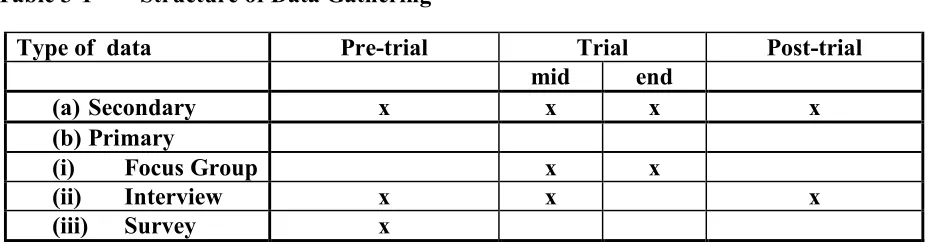
3.6.3.3 Data collection ... 83
3.6.4 THE RESEARCH DESIGN ... 85
3.6.4.1 The pre-trial survey ... 87
3.6.4.2 Interviews ... 88
3.6.4.3 Focus Groups ... 89
3.7 THE CASE ANALYSIS ... 92
3.7.1 EDITING THE DATA ... 92
3.7.2 DATA CATEGORISATION AND CODING ... 93
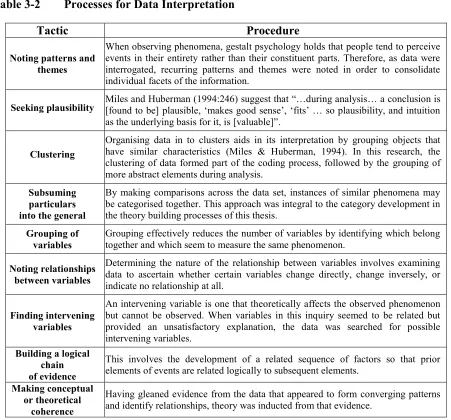
3.7.3 DATA INTERPRETATION ... 95
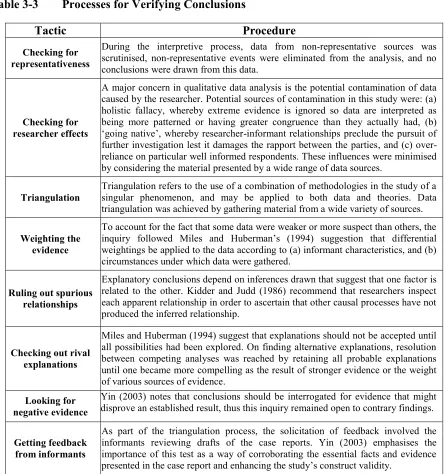
3.7.4 VERIFICATION OF CONCLUSIONS ... 96
3.7.5 THE MODE OF ANALYSIS ... 98
3.7.5.1 Stage one coding ... 98
3.7.5.2 Stage two coding ... 99
3.8 DEVELOPING RESEARCH OUTCOMES ... 100
3.8.1 THE DESCRIPTIVE OUTCOME ... 100
3.8.2 THE EXPLORATORY OUTCOME ... 101
3.8.3 THE EXPLANATORY OUTCOME ... 104
3.9 CHAPTER SUMMARY ... 105
CHAPTER 4. CASE HISTORY ... 106
4.1 OBJECTIVES OF THE CHAPTER ... 107
4.2 HISTORY OF THE TFS AND THE CONTEXT OF THE RESEARCH ... 107
4.2.1 BRIEF HISTORY OF THE TASMANIA FIRE SERVICE (TFS) ... 107
4.2.1.1 The TFS and performance management ... 108
4.2.1.2 The Chief Officer ... 110
4.2.1.3 Appointment of a HR Manager ... 111
4.2.2 CORPORATE PLANNING OUTCOMES ... 113
4.2.3 ENTERPRISE AGREEMENT NEGOTATIONS ... 115
4.2.4 STATE SERVICE COMMISSIONER‘S DIRECTION TO AGENCIES TO DEVELOP PERFORMANCE MANAGEMENT STRATEGIES ... 116
ix
4.3.1 PRESENTATION TO THE EMT ... 118
4.3.2 ARRANGEMENTS FOR THE RESEARCH ... 121
4.4 THE REFERENCE GROUP AND THE DEVELOPMENT OF THE TRIAL .... 122
4.4.1 ESTABLISHMENT OF THE REFERENCE GROUP ... 122
4.4.2 PROCESSES USED BY THE REFERENCE GROUP ... 123
4.4.3 REFERENCE GROUP OUTCOMES ... 124
4.4.3.1 Principles to underpin workplace feedback ... 124
4.4.3.2 Key elements of the feedback system ... 126
4.4.4 RESOURCES TO SUPPORT WORKPLACE FEEDBACK DEVELOPMENT 127 4.4.4.1 Appointment of a Project Officer ... 127
4.4.4.2 Establishment and role of the Trial Steering Committee ... 128
4.4.5 COMMUNICATION STRATEGY ... 129
4.5 THE WORKPLACE FEEDBACK TRIAL ... 129
4.5.1 IDENTIFICATION OF WORK GROUPS ... 130
4.5.2 PRE-TRIAL TRAINING ... 131
4.5.3 PRE-TRIAL SURVEY ... 131
4.5.4 The TRIAL STEERING COMMITTEE ... 132
4.5.5 The MID-TRIAL REVIEW ... 133
4.5.6 The POST-TRIAL EVALUATION ... 134
4.5.6.1 How the evaluation was conducted ... 134
4.5.6.2 Report to the Steering Committee and Recommendations to the EMT ... 134
4.6 TOWARDS FULL IMPLEMENTATION OF WORKPLACE FEEDBACK ... 135
4.6.1 ROLE OF HUMAN SERVICES ... 135
4.6.2 IMPLEMENTATION OF COMPLEMENTARY HR STRATEGIES ... 136
4.6.3 DEVELOPMENT OF SUPPORTING NETWORKS AND MATERIALS ... 137
4.6.4 IMPACTS OF OPERATIONAL FACTORS AND INDUSTRIAL DISRUPTION. ... 138
4.7 STATUS OF WORKPLACE FEEDBACK AT END OF RESEARCH PERIOD ... 139
4.7.1 VARIABLE TIMETABLE OF IMPLEMENTATION ... 139
4.7.2 THE NATURE OF REVIEW SESSIONS ... 140
4.7.3 THE LINK TO TRAINING AND DEVELOPMENT ... 140
4.7.4 CONFIDENTIALITY AND ACCESS TO INFORMATION ... 141
4.7.5 FLEXIBILITY OF APPROACH ... 142
x
4.7.7 POTENTIAL DEVELOPMENTS ... 143
4.8 CHAPTER SUMMARY ... 143
CHAPTER 5.. RESULTS PART 1: CONTEXT AND DEVELOPMENT… ... 143
5.1 OBJECTIVES OF THE CHAPTER ... 146
5.2 NEED FOR THE TFS TO CHANGE ... 146
5.2.1 THE CULTURE OF THE TFS ... 148
5.2.2 LEGACY OF 1980S PERFORMANCE APPRAISAL POLICY... 150
5.2.3 FEEDBACK ABOUT A LACK OF POSITIVE FEEDBACK ... 151
5.2.4 STATE SERVICE COMMISSIONER‘S DIRECTION (NOVEMBER 2002) .... 153
5.3 DEVELOPMENT OF THE HR FUNCTION ... 154
5.4 IMPLICATIONS OF CULTURAL CHANGES ON THE DEVELOPMENT OF PERFORMANCE MANAGEMENT ... 157
5.5 THE EMT AND DECISIONS ON WORKPLACE FEEDBACK ... 159
5.6 GENERAL ATTITUDES OF THE KEY ACTORS PRIOR TO THE TRIAL .... 161
5.6.1 THE HR FUNCTION ... 161
5.6.2 SENIOR MANAGEMENT (EMT) ... 163
5.6.3 LINE MANAGERS ... 164
5.6.4 THE EMPLOYEES ... 165
5.7 LEADING UP TO THE WORKPLACE FEEDBACK TRIAL ... 166
5.8 CHAPTER SUMMARY ... 167
CHAPTER 6. RESULTS PART 2: THE WORKPLACE FEEDBACK TRIAL AND ITS EVALUATION ... 168
6.1 INTRODUCTION AND OBJECTIVES ... 169
6.2 THE MANAGEMENT OF THE TRIAL... 170
6.3 THE PRE-TRIAL SURVEY ... 171
6.3.1 CONTEXT OF THE SURVEY ... 171
6.3.2 ANANYSIS OF THE DATA ... 174
6.3.2.1 General views on Feedback ... 174
6.3.2.2 General views on TFS ... 174
6.3.2.3 Experience with feedback in current position ... 175
6.3.2.4 Expectations of the trial ... 175
6.3.2.5 Concerns about the feedback trial ... 175
xi
6.4 THE MID-TRIAL REVIEW ... 176
6.4.1 STRUCTURE OF THE MID-TRIAL REVIEW ... 176
6.4.2 OVERALL RESULTS FROM THE MID-TRIAL REVIEW ... 177
6.4.3 FACTORS SUPPORTIVE OF THE TRIAL ... 177
6.4.4 FACTORS REQUIRING FURTHER COINSIDERATION OR DEVELOPMENT ... 179
6.4.5 SUMMARY OF THE MID-TRIAL REVIEW ... 184
6.5 POST-TRIAL EVALUATION ... 184
6.5.1 HOW THE EVALUATION WAS CONDUCTED ... 184
6.5.2 OVERALL RESULTS FROM THE POST-TRIAL EVALUATION ... 185
6.5.3 POSITIVE FEATURES OF THE WORPLACE FEEDBACK TRIAL ... 186
6.5.3.1 Structure & nature of training ... 186
6.5.3.2 Simplicity & flexibility ... 187
6.5.3.3 Additional positive factors ... 187
6.5.3.4 Overall positive impact of the feedback trial ... 188
6.5.4 NEGATIVE COMMENTS IN THE POST-TRIAL EVALAUTION ... 188
6.5.4.1 Initial negative response to training ... 188
6.5.4.2 Delays in conducting review sessions ... 189
6.5.4.3 Lack of follow up ... 190
6.5.4.4 Insufficient priority given ... 191
6.5.5 THE EXTENT TO WHICH DIFFICULT ISSUES WERE DEALT WITH DURING THE TRIAL ... 191
6.5.6 OPERATIONAL MATTERS ... 192
6.5.6.1 Scheduling, length & location of summary meetings ... 192
6.5.6.2 Documentation (to facilitate meetings and to record outcomes) ... 193
6.5.6.3 Confidentiality and back-up systems ... 193
6.6 POST-TRIAL EVALUATION OVERALL COMMENTS ... 194
6.6.1 DEVELOPING A TFS SPECIFIC APPROACH TO WORKPLACE FEEDBACK ... 194
6.6.2 THE DEVELOPMENT AND RUNNING OF THE TRIAL ... 195
6.6.3 PERIOD OF TIME TAKEN ... 196
6.7 ROLE OF THE HR FUNCTION ... 197
6.8 ROLE OF THE EMT ... 198
xii 6.10 MOVING TOWARDS FULL IMPLEMENTATION OF WORKPLACE
FEEDBACK ... 200
6.10.1 COMMUNICATION OF TRIAL OUTCOMES ... 200
6.10.2 WHAT SPECIFIC CHANGES OR ADDITIONS WOULD HELP IN IMPLEMENTING WORKPLACE FEEDBACK? ... 202
6.10.3 WHAT ADDITIONAL INFORMATION SHOULD BE INCLUDED IN A PROCEDURE MANUAL AND LIST OF FREQUENTLY ASKED QUESTIONS (FAQs)? ... 203
6.10.4 RECOGNITION OF GOOD PERFORMANCE ... 203
6.11 CHAPTER SUMMARY ... 204
CHAPTER 7. RESULTS PART 3:TOWARDS TFS WIDE IMPLEMENTATION OF WORKPLACE FEEDBACK ... 206
7.1 INTRODUCTION AND OBJECTIVES OF CHAPTER ... 207
7.2 ROLE OF THE HR FUNCTION ... 208
7.3 ROLE OF THE EMT ... 213
7.4 ROLE OF LINE MANAGERS ... 216
7.5 EMPLOYEE RESPONSES ... 217
7.6 COMMUNICATION STRATEGY ... 219
7.7 OVERALL APPROACH TAKEN BY THE TFS ... 221
7.7.1 FLEXIBILITY OF APPROACH ... 223
7.8 TOWARDS FULL IMPLEMENTATION OF WORKPLACE FEEDBACK ... 224
7.8.1 EVALUATION OF THE WORKPLACE FEEDBACK APPROACH ... 226
7.9 CHAPTER SUMMARY ... 227
CHAPTER 8. DISCUSSION AND IMPLICATIONS ... 229
8.1 INTRODUCTION AND OBJECTIVES FOR THE CHAPTER ... 230
8.2 LITERATURE ISSUES AND CONTRIBUTION OF THE METHOD ... 231
8.2.1 USE OF SHRM LITERATURE REVIEW ... 231
8.2.2 CONTRIBUTION OF THE METHOD ... 232
8.3 RESEARCH QUESTION 1: CONTEXT ... 233
8.3.1 HISTORICAL CONTEXT AND ORGANISATIONAL CULTURE ... 233
8.3.2 COMMENTS ON RESEARCH QUESTION 1... 235
8.4 RESEARCH QUESTION 2: CHALLENGES FOR THE HR FUNCTION ... 236
xiii 8.4.2 AIMING FOR A SHRM FRAMEWORK IN A DYNAMIC ENVIRONMENT 236 8.4.3 COMPETING VALUES IN THE PRIORITY AND SEQUENCING OF SHRM
ACTIVITIES ... 239
8.4.4 THE HR FUNCTION OBTAINING AND HUMAN RESOURCES ... 241
8.4.5 EMPLOYEE RESPONSES ... 241
8.4.6 COMMENTS RELEVANT TO CHALLENGES FOR THE HR FUNCTION ... 242
8.5 RESEARCH QUESTION 2: CREDIBILITY OF THE HR FUNCTION ... 236
8.5.1 HR CREDIBILITY WITH EMT, LINE MANAGERS AND EMPLOYEES ... 238
8.6 RESEARCH QUESTION 2: COMMITMENT AND PERSEVERANCE... 244
8.6.1 UNDERSTANDING THE PROCESS OF HRM POLICY DEVELOPMENT AND IMPLEMENTATION ... 244
8.6.2 KEEPING FOCUS AND MAINTAINING THE MOMENTUM ... 236
8.7 RESEARCH QUESTION 2: THE ROLE OF COMMUNICATION IN SHRM . 246 8.8 OVERALL COMMENTS ON RESEARCH QUESTION 2 ... 250
8.9 RESEARCH QUESTION 3: AN INTEGRATED SHRM PROCESS MODEL .. 251
8.9.1 THE THEORETICAL FRAMEWORK ... 252
8.9.2 THE ROLE OF THE EXECUTIVE (EMT) ... 253
8.9.3 THE ROLE OF LINE MANAGERS ... 253
8.9.4 EMPLOYEE RESPONSES ... 254
8.9.5 COMMENTS ON RESEARCH QUESTION 3... 255
8.9.6 PROPOSED INTEGRATED SHRM PROCESS MODEL ... 256
8.10 IMPLICATIONS FOR SHRM THEORY AND RESEARCH ... 259
8.11 IMPLICATIONS FOR HRM PRACTICE ... 261
8.12 PARAMETERS OF THE RESEARCH AND SUGGESTIONS FOR FURTHER RESEARCH ... 263
8.12.1 LIMITATIONS OF THE METHOD ... 263
8.12.2 HOW THE LIMITATIONS WERE ADDRESSED ... 264
8.12.3 THE TRANSFERABILITY OF THE RESEARCH ... 265
8.12.4 SUGGESTIONS FOR FURTHER RESEARCH ... 265
8.13 CHAPTER SUMMARY AND CONCLUSIONS ... 266
xiv
TABLE OF FIGURES
Figure 2-1 Harvard Model of SHRM ...10
Figure 2-2 Preliminary Framework ...14
Figure 2-3 Causal Model of Employee Performance ...26
Figure 2-4 Representation of Ulrich Framework...41
Figure 2-5 Competing Values Framework ...46
Figure 2-6 Combining theoretical approaches from the literature ...62
Figure 6-1 Workplace Feedback System Survey ...172
Figure 8-1 An integrated model of SHRM implementation ...258
TABLE OF TABLES Table 3-1 Structure of Data Gathering ...85
Table 3-2 Processes for Data Interpretation ...96
Table 3-3 Processes for Verifying Conclusions ...97
Table 4-1 Factors supporting or impeding the introduction of Performance Management 124 Table 4-2 Guiding principles underpinning the approach to Performance Management ...125
LIST OF APPENDICES
Appendix A: Case Study Protocol Appendix B: The pre-trial survey Appendix C: Interview guide
Appendix D: Sample information sheet Appendix E: Complete coding system Appendix F: Sample node
Appendix G: TFS Corporate Plan extracts
Appendix H: Agreement between the TFS and the UFU on Workplace Feedback
Appendix I: Extracts from State Service Commissioner‘s Direction on Performance Management
xv
LIST OF ACRONYMS
AHRI Australian Human Resources Institute AMO Ability, Motivation, Opportunity
CEDA Committee for Economic Development Australia CIPD Chartered Institute of Personnel and Development CPSU Community and Public Sector Union
CVF Competing Values Framework EMT Executive Management Team FAQs Frequently Asked Questions HR Human Resource(s)
HRM Human Resource Management KPIs Key Performance Indicators
OCB Organisational Citizenship Behaviour OH&S Occupational Health and Safety PDP Personal Development Plans RBV Resource Based View
SHRM Strategic Human Resource Management TFS Tasmanian Fire Service
UFU United Firefighters Union
1
CHAPTER 1
2
1.1 OBJECTIVE OF THE CHAPTER
The objective of this chapter is to introduce the thesis. The chapter commences with a discussion of the rationale for the thesis. Next, the broad research opportunity is noted and briefly discussed. The chapter concludes with a discussion of the structure of the thesis.
1.2 RATIONALE FOR THE THESIS
3 Despite this research output, the review of the literature suggests that SHRM and organisational performance research has yet to make a substantial contribution to the theoretical understanding of how SHRM results in changes to organisational outcomes (Nishii, Lepak & Schneider, 2008). A large proportion of empirical studies have used cross-sectional data and single respondent questionnaires (Edgar & Geare, 2009; Perry & Kulik, 2008). This has resulted in limited theoretical development that links the disparate frameworks that can be used to develop SHRM theory, and also to put HRM policy into practice (Boselie et al, 2005; Godard, 2004; Wright & Kehoe, 2008). In particular, while there has been literature on the ‗what‘ of SHRM, there is limited coverage of an integrated approach, or models, to inform the process of ‗how‘ SHRM can link to organisational outcomes (Martin-Alcazar, Romero-Fernandez, & Sanchez-Gardey, 2008).
1.2.1 SHRM LITERATURE: LINKING HRM POLICY TO PERFORMANCE
4 Papalexandris, 2003) in seeking to achieve vertical and horizontal integration of HRM polices to achieve effective implementation of a HRM policy (Gratton & Truss, 2003).
Thirdly, there is the further development of an integrated SHRM process model. A preliminary tabular framework of the linkages between an organisation‘s HRM policy development and its performance, drawn from the work of Guest (1987, 1997, 2002), will be developed to inform the methodological approach for data gathering and analysis. The aim is to utilise a qualitative method for exploratory theory building towards a more integrated model examining the ‗how‘ as well as the ‗what‘ of SHRM. The process towards development of a SHRM theoretical contribution is discussed in the next section.
1.2.2 HRM POLICY DEVELOPMENT: USING AN INTEGRATED FRAMEWORK TO
INFORM PRACTICE
5 Given the opportunity to research processes in a dynamic environment, the thesis intended to examine the impact of contextual factors, competing priorities and the role of the HR function in conjunction with executive managers, line managers and employees. The TFS case is useful because it highlights the complexity of SHRM in practice, and also because it provides a lens for theory building to consider a proposed integrated SHRM process model that draws together a number of disparate HRM models/frameworks with a specific focus on the processes between HRM policy development and organisational outcomes.
1.3 BROAD RESEARCH OPPORTUNITY
In line with the preceding discussion, the central research opportunity for investigation in this study is:
What factors underpin an integrated Strategic Human Resource Management (SHRM) approach
to the development and implementation of a new human resource policy?
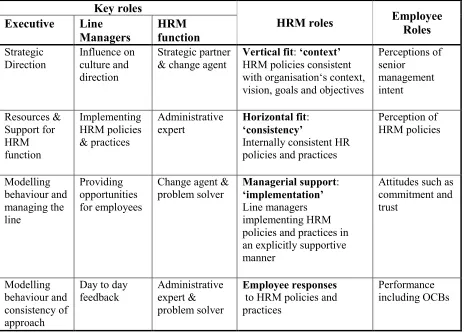
6 The proposed integrated SHRM process model combines elements of the Harvard model (Beer et al, 1984); the Guest four sequential tests (1987, 1997, 2002); the Ulrich HR framework (1997, 1998); the HR competing values framework (Panayotopoulou, et al, 2003) and a causal model of employee performance (Purcell & Hutchinson, 2007). Such an integrated SHRM framework will prove useful for other organisations in seeking to implement HRM policy in a manner that is effective and sustainable.
1.4 ORGANISATION OF THE THESIS
This thesis proceeds in eight Chapters. Following this introductory Chapter, the literature review (Chapter Two), which incorporates research current to January 2010, will culminate in the generation of the specific research questions to be addressed in this case. Leading on from this, Chapter Three outlines the case method used to gather the necessary data required to answer the specific research questions posed in Chapter Two. Chapter Four provides a case history of the TFS, including background and contextual material from 1979 (when the TFS became into existence). The case history is drawn from both primary and secondary data sources, and serves as the basis for the interview questions posed to the key informants, and the basis upon which the research questions will be analysed.
7 Group established to consider and report on a preferred approach. Chapter Six covers the period between the launch of the workplace feedback trial and its evaluation (i.e. from January 2005 to October 2006). Chapter Seven covers the period from October 2006 to the end of the research period in October 2009, during which the TFS progressed towards full implementation of workplace feedback.
8
CHAPTER 2
9
2.1 OBJECTIVES OF THE CHAPTER
The primary objective of this Chapter is to review the literature relevant to the central research opportunity described in Chapter One. In doing this, the Chapter examines relevant theoretical models and frameworks leading to the development of the specific research questions. In providing the context for the literature review, the case study organisation aimed to develop and implement a new HRM policy on workplace feedback, in an evidenced-based manner consistent with SHRM literature, as part of a wider culture change programme. The context shaped the scope and structure of the literature review.
The Chapter is structured into six parts. Firstly, there is a review of literature up to January, 2010 on issues relevant to SHRM including highlighting theoretical and methodological issues in the literature. Secondly, the Chapter reviews specific contextual factors relevant to the case study organisation which include cultural factors at national, industry and firm level. Thirdly, there is a review of relevant issues for the development and implementation of a workplace feedback policy in the case study organisation.
10 Harvard Model of HRM
Stakeholder interest Shareholders Management Employee groups Government Community Unions Situational Factors Workforce characteristics Business strategy and conditions Management philosophy Labour market Unions Task technology Laws and societal
values
HRM Policy Choice Employee influence Human resource flow
Reward systems Work systems HR outcome Commitment Competence Congruence Cost-effectiveness Long-term Consequences Individual wellbeing Organisational effectiveness Societal wellbeing 2.2 STRATEGIC HUMAN RESOURCE MANAGEMENT
[image:26.612.56.566.252.627.2]In 1982, Tichy, Fombrum and Devanna included Human Resource Management as a core element of effective strategic management (Tichy, Fombrum & Devanna, 1982). The concept of SHRM gained prominence following the publication of the Harvard Model (Beer et al, 1984), which presents a systems framework linking human resource management to an organisation‘s strategy and its performance outcomes.
Figure 2-1 Harvard model of HRM
11 The significance of this model is that it explicitly links SHRM with organisation outcomes and places SHRM within the organisation‘s contexts, constituencies and strategic processes (Paauwe & Boselie, 2005). Factors such as leadership and culture also influence the linkages between SHRM and organisational performance (Paauwe, 2009). Culture plays a positive role in SHRM if it supports the intended behavioural outcomes of HRM practices (Hall, Lengnick-Hall, Andrade & Drake, 2009).
Strategic Human Resource Management (SHRM) can be defined as ―the pattern of planned human resource deployments and activities intended to enable the firm to achieve its goals‖
(Wright & McMahan 1992: 298). A feature of SHRM is an aim to produce an ―…integrated set of policies and processes that improve organisational performance‖ (Caldwell, 2004: 202). This definition, and the Harvard model, emphasise the importance of the fit between SHRM and corporate strategy and for HRM strategies to be relevant to the organisation‘s context and environmental changes (Becker & Huselid, 2006; Compton, 2009). HRM, in the context of this thesis, is the totality of strategies, policies and practices enacted by organisations as part of an employment relationship. An explicit pluralist approach is taken as distinct from a normative HRM approach (Caldwell, 2004; Legge, 2005). Part of this approach is that employees should be treated fairly and with respect (Paauwe & Boselie, 2005).
12 (Boxall, 1996), which can be conceptualised together as the ‗human resource advantage‘ (Boxall, 1996; Boxall & Purcell, 2008).
Developments in SHRM theory and research have been consistent with the concept of the resource-based view (RBV) of the firm (Barney, 1991, Boxall & Purcell, 2008; Carmeli & Tishler, 2004; Wright, Dunford & Snell, 2001) which conceptualises organisations as ‗bundles of resources‘. The RBV provides a theoretical context for development and research into SHRM (Becker & Huselid, 2006; Paauwe, 2004). High-performance work systems (HPWS) that include more rigorous approaches to selection, training and development, reward and structure to enhance employee contribution can be seen as an extension of the resource based view (Paauwe & Boselie, 2005). Whilst the focus for HPWS is the achievement of competitive advantage (Boxall, 2003), the concept is applicable to public sector firms who wish to use SHRM principles to help attain organisational objectives.
While HR professionals have been claiming a greater strategic role (Sheehan, 2005), organisations have been reducing the relative number of such professionals and transferring the implementation of HRM policies and practices to line managers without reducing their other roles and responsibilities (Nehles, van Riemsdijk, Kok & Looise, 2006; Purcell, Kinnie, Hutchinson, Rayton, & Swart, 2003). Obtaining internal support for SHRM from all organisational levels can be challenging for the HR function (Caldwell, 2004).
13 (Stanton, Young, Bartram & Leggat, 2010). Guest and King (2004) argue that the contribution of HR professionals in providing well-designed, consistent and appropriate HR policies and practices that are easy for line managers to apply has been neglected (Meisinger, 2005; Purcell et al, 2003). It is important that an integrated approach to HRM strategies be taken (Sheehan, Holland & Di Cieri, 2006), and that there is a focus across the whole set of HRM policies and practices for consistency: concentrating on a narrow range of strategies is unlikely to deliver the desired outcomes (Compton, 2009).
2.2.1 A PRELIMINARY FRAMEWORK (GUEST’S ‘FOUR TESTS OF SHRM’)
14
Figure 2-2 Preliminary Framework
Vertical fit
Vertical fit relates to an assessment of the integration of HRM policies with the organisation‘s vision, goals and strategy (Compton, 2009; Wei, 2006). For this vertical fit, or strategic unity (Pietersen & Engelbrecht, 2005), to be effective requires the HR function to be an integral component of the organisation‘s strategic planning process (Guest & King, 2004; Sheehan, 2005). Essentially, vertical fit is concerned with deriving HRM strategies, policies and practices from the organisation‘s overall goals and strategies (Paauwe & Boselie, 2005; Wei, 2006).
Vertical fit
HRM policies are consistent with the organisation‘s vision and goals
with HR strategy influenced by external and internal contextual
factors.
Horizontal fit
Internally consistent HR policies and practices e.g. Recruitment &
Selection, Training & Development, Performance Management, Remuneration &
Reward, Employee Relations.
Managerial support
Line managers implement HRM policies and practices in an explicitly supportive manner.
Employees
Employee responses to the organisation‘s HRM policies and
15
Horizontal fit
Horizontal fit relates to the level of internal consistency across an organisation‘s set of HRM policies (Compton, 2009; Guest, 1997; Roehling et al, 2005). The aim is to achieve a ―…coherent and consistent approach to managing people‖ (Gratton & Truss, 2003: 75) that is intended to produce employee commitment, flexibility and quality (Legge, 2005). However, horizontal fit will have little value in the absence of vertical fit (Becker & Huselid, 2006).
Each HRM policy should be coherent (Boselie et al, 2005), easy to understand and interpret, should complement other HRM areas and be consistent with other systems (Bowen & Ostroff, 2004; Wood, 1999). Horizontal fit contributes to an organisation‘s effective and efficient use of its human resources (Wei, 2006), and effective implementation of HRM practices (Den Hartog, Boselie & Paauwe, 2004). A close fit of HRM policies and procedures was rated second in importance of twelve HRM policy goals (Caldwell, 2004). The issues for the HR function in achieving horizontal fit are further examined in Section 2.7.
Managerial support
16 by line mangers to employees and may not be what were actually required by the HRM policies (McGovern, Gratton, Hope-Hailey, Stiles & Truss, 1997; Purcell & Hutchinson, 2007). Issues in the demonstration of managerial support are further considered in Section 2.7.
Employee response
The fourth test is the response of employees to the HRM policies and to the behaviour of the line managers (Guest, 2002). Employee perception is an area that it is argued requires increased attention in SHRM research (Paauwe & Boselie, 2005). Employee responses include attitudinal and behavioural factors that influence work behaviour and work performance. There has been an assumption that organisational performance is a sum of individual performance (Boxall & Purcell, 2008). Therefore, investigating employee responses has been a key focus for research on the impact of SHRM strategies (Martin-Alcazar et al, 2008). The response of increasingly well-educated and skilled employees (Ramsay, Scholaris & Harley, 2000; Ulrich, Brockbank Johnson & Younger, 2007) to HRM policies provide the antecedents of employee performance and hence organisational outcomes (Boxall & Purcell, 2008; Guest, 2002; Guest, Michie, Sheehan, Conway & Metochi, 2000). Employee responses are further discussed in Section 2.8. The next section of the literature review will examine the research published on the impact of SHRM on organisational outcomes.
17 implementation. The discussion in this section provides a basis for examining extant literature on the impact of SHRM on organisational outcomes.
2.3 SHRM AND ORGANISATIONAL OUTCOMES
Academic study of HRM has a focus on choices that firms make about combinations of policies and practices designed to increase organisational effectiveness, and therefore performance outcomes (Boselie et al, 2005). It has been stated that ―…the proposition that the quality of human resource management critically affects firm performance is a self-evident truth‖ (Boxall & Steenveld, 1999: 443). There is a substantial and growing body of literature covering the relationship between an organisation‘s human resources policies as a mechanism to develop human capital and its performance (Guest, 1997; Wright & Kehoe, 2008). The primary question is whether, and to what extent, having a strategic and integrated approach to human resources provides a net added value to organisational outcomes (Hesketh & Fleetwood, 2006).
18 Fryer, 2000. For such ‗bundles‘ to be effective requires employee commitment (Macky & Boxall, 2008; Wood, 1999). This is further examined in Section 2.8.1.
There are mixed views on the impact of HRM policies of organisational outcomes. There is a view that there are clear connections between HRM policies and practices and organisational outcomes including effectiveness (Bowen & Ostroff, 2004; Lengnick-Hall et al, 2009). It is claimed that the evidence produced in the mid to late 1990s found ―there is little doubt any more that there is a clear connection between the way people are managed and organisational performance‖ (Purcell, 2002:1). There is an alternative view that evidence to demonstrate that HRM practices result in enhanced organisational outcomes is lacking (Guest, Michie, Conway & Sheehan, 2003). Paauwe, (2009: 133) concludes ―…that HR practices, be it individually or bundles in a system, are at least weakly related to firm performance‖.
19
2.3.1 ISSES AND TENSIONS IN THE SHRM/ORGANISATIONAL OUTCOMES
LITERATURE
Godard (2004) in his review of the HRM and firm performance, argues that there are a range of concerns sufficient to suggest that generalised claims about the performance effects of HRM, and about research findings claiming to observe them, should be treated with a healthy degree of scepticism. Specific concerns are identified in the following sections.
2.3.1.1 Correlation and causation
20
2.3.1.2 Cross-sectional and single respondent studies
A large proportion of empirical studies have used cross-sectional data and single respondent questionnaires (Cooke, 2001; Edgar & Geare, 2009; Perry & Kulik, 2008; Wright et al, 2003). It has been argued that using single respondents, including HR managers (Boxall & Steenveld, 1999; Den Hartog et al, 2004; Kane et al, 1999), has a low validity as they are unlikely to have to have sufficient detailed knowledge of HRM practices across the whole organisation (Edgar & Geare, 2009). Gerhart, Wright, McMahon & Snell (2000) found a low inter-rater reliability between HR managers, line managers and employees.
Even in identifying HRM practices, there are substantial subjective elements (Guest, 2001). This single respondent methodology can result in empirical analysis that contains ―…statistical sophistication…at the expense of theoretical rigor‖ (Guest, 1997: 263). Lengnick-Hall et al, (2009: 77) conclude ―…that single respondent measures of HR practices contain large amounts of measurement error‖. HR managers may give ‗socially desirable‘ responses that exaggerate the level of SHRM and its effectiveness in their organisations (Caldwell, 2008). There has been a lack of longitudinal studies (Boxall & Steenveld, 1999; Guest 2001) and there has been a call to include employee data to add their perspective on the impact of HRM policies (Edgar & Geare, 2009; Wright et al, 2003).
2.3.1.3 Focus on firm performance as the level of analysis
21 interdependence between people in jobs, the interaction between people (how well they work together) is a key determinant of organisational performance. Responses by individuals to new or different HRM practices are influenced by others within their workgroup and this affects group and firm level performance (Edgar & Geare, 2009; Wright & Kehoe, 2008). This suggests that researchers include a focus on how work groups, rather than individual employees, respond to HRM practices.
2.3.1.4 Insufficient attention to qualitative research
It is argued that because of the importance of intangible resources (such as the skills of employees and the way people work together for the achievement of organisational goals) (Bartel, 2004; Riley, Ladkin & Szivas, 2002), more attention should be given to qualitative research (Wei, 2006). This is because the role of HRM policies is more significant in service industries (Batt, 2002; Hoque, 1999; Peccei & Rosenthal, 2001; Wright & Snell, 1998). There is extensive diversity across service industries (Frenkel, 2000) and the higher the level of intangibility, the more important the fit between HRM policies/practice and business strategy (Bowen & Ostroff, 2004). Purcell (1999) calls for an increased use of qualitative methods and Boselie et al (2005: 70) ―…found only a few wholly qualitative studies…and even fewer that presented mixed results‖.
2.3.1.5 Selection of performance outcomes
22 It is argued that there has been over reliance on financial data that may include significant measurement error (Gerhart et al, 2000; Purcell et al, 2003). This has been at the detriment of measures that are more aligned with a ‗balanced scorecard‘ (Kaplan & Norton, 1996) that seeks to optimise various measures rather than maximise one (i.e. profit) at the expense of others (Guest, 1997). As Boselie et al (2005) point out, corporate scandals of the early twenty-first century, (and indeed associated with the more recent Global Financial Crisis), reduce the credibility of short-term financial measures as valid indications of true organisational performance. Lengnick-Hall et al (2009:78) conclude there is ―…a growing consensus…regarding the need for multiple measures of organisational effectiveness when evaluating the impact of SHRM‖. This suggests the importance of utilising long term performance measures (Welbourne & Andrews, 1996) and case study based qualitative data gathered from different levels in the organisation including executives, front-line managers and employees (Purcell et al, 2003).
23 There has been a growing focus in the importance of intangible measures as indications of organisational success, in particular, long term success (Ulrich et al, 2007; Marr, 2007). Research in the Israeli local government sector found intangible elements such as culture, communication and how effectively people work together have a significant effect on organisational performance (Carmeli & Tishler, 2004). Such measures chosen can be used as employee motivators to signal desired changes in behaviour (Marr, 2007). However, by their very nature, intangibles such as culture, tacit knowledge and the strengths of internal relationships are difficult to accurately measure (Boxall & Purcell, 2008; Marr, 2007).
2.3.1.6 The impact of time-lags
24 timing of when key HRM practices are implemented is a relevant measurement factor (Wright & Haggerty, 2005).
2.3.1.7 Low level of transfer from research to practice
There appears to be a low level of transfer from SHRM research to organisational practice (Nishii et al, 2008). This could be due to relative low levels of knowledge amongst HR practitioners about HRM research findings (Rynes, Colbert & Brown, 2002). Also, there is not widespread knowledge of ―…how to combine, implement and refine HRM policies and practices‖ (Boxall, 1996:67). There are perceptions that the costs of strategic and integrated HRM policies and practices may outweigh the benefits; the design and implementation of such systems may be time consuming and costly (Harris, Doughty & Kirk, 2002). Additionally, it is suggested that within firms there is not the belief, or the will, to identify, implement, and sustain such an investment in an organisation‘s HR function, policy development, and implementation (Boxall, 2003).
2.3.2 THE SO-CALLED BLACK BOX PROBLEM
25 so-called Black Box is represented in the Harvard model by the arrow between ‗HRM Policy choice‘ and ‗HRM outcomes‘ (Beer et al, 1984: see Figure 2-1).
An integral component of the so-called Black Box is examining how HRM policies and practices impact on employee perceptions, motivation and organisation commitment, as these are seen as important antecedents of employee performance (Bowen & Ostroff, 2004; Roehling et al, 2005; Wright & Kehoe, 2008). Therefore theoretical frameworks that cover factors that contribute to employee performance can assist to penetrate the so-called Black Box. The so-called AMO framework that describes individual performance as a function of employee ability (can do), motivation (will do), and opportunity (in terms of work structure and environment) to perform in a manner that is consistent with the organisation‘s goals (Boxall & Purcell, 2008; Paauwe & Boselie, 2005; Wright & Kehoe, 2008) provides a mechanism framework to explore the relationships between HRM practices and individual performance. In a review of the SHRM and firm performance literature, AMO was the most popular of the employee focused behavioural theories with twenty seven out of forty two examples reported (Boselie et al 2005).
26
2.3.3 CAUSAL MODEL OF EMPLOYEE PERFORMACE
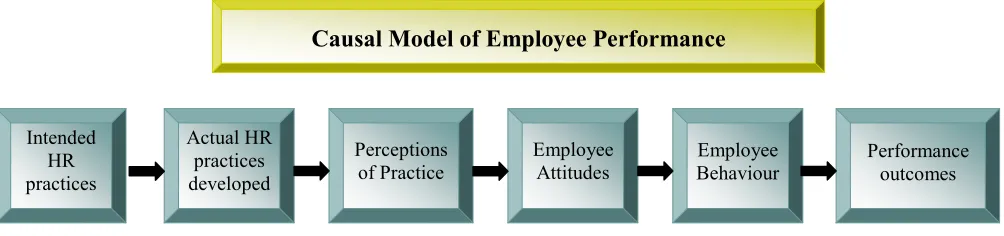
[image:42.612.74.576.228.346.2]Purcell and Hutchinson‘s (2007: 7) causal model of employee performance that incorporates employee response to HRM policies and practices is set out in Figure 2-3:
Figure 2-3:Causal Model of Employee Performance
This model seeks to provide potential components of the so-called Black Box, and proposes that a series of stages occur between the HRM practices and performance outcomes. Wright and Nishii‘s (2006) process model of SHRM also includes the first three of the components but excludes employee attitudes. It includes a sequence of intended practices, actual practices, perceptions and employee reactions that are core aspects of the overall HRM and performance chain (Wright & Haggerty, 2005). Employees can choose their behavioural response to HRM practices (Hesketh & Fleetwood, 2006). Such responses to HRM practices in general terms, and to a new HRM practice in particular, will be shaped by factors including employees‘ personal experience, perceptions of relevance and fairness, levels of perceived trust and degree they feel connected to the workplace (Paauwe & Boselie, 2005). Employee behaviours in the fifth of the boxes have been called HR-related outcomes (Paauwe & Boselie, 2005). These intermediate outcomes are important in understanding the processes, within so-called Black Box, from HRM
Causal Model of Employee Performance
Intended HR practices
Actual HR practices developed
Perceptions
27 practices to organisational practice (Harney & Jordan, 2008). They can include increased customer service, creativity and initiation of suggestions for practice improvements (Hesketh & Fleetwood, 2006).
2.3.4 SUMMARY OF SHRM AND PERFORMANCE LITERATURE
28
2.4 ORGANISATIONAL CONTEXTUAL FACTORS RELEVANT TO THE CASE
ORGANISATION’S HRM STRATEGY
It is important to consider the organisational context in which HRM practices operate as cultural aspects have been found to be statistically significantly correlated to HRM practices and the achievement of organisational outcomes (Carmeli & Tishler, 2004; Den Hartog et al, 2004; Edgar & Geare, 2009; Teo et al, 2008). Contextual factors relevant to organisations HRM strategy include those that are external and internal to the organisation as well individual factors (Den Hartog et al, 2004; Guest 2001; Naumann & Bennett, 2000). The reporting of the research on the impact of HRM practices has, however, tended to neglect the cultural aspects of the organisation that contributed to producing effective outcomes (Pfeffer, 1995; Purcell, 2004). Organisational context and culture impacts on the allocation and integration of human resources, design of HRM policies and practices as well as accepted forms of behaviour and management systems (Chan et al, 2004; Paauwe & Boselie, 2005).
29 Much of the published research on SHRM originates from the USA and conclusions from this research do not necessarily translate to other cultural settings (Fletcher, 2001: 481; Maley & Kramar, 2007). HRM is this context, reflects a unitarist view, consistent with its intellectual roots, as it reflects aspects of the American dream – strong leadership, strong organisational culture and rugged individualism (Legge, 2005: 124). However, the analysis of the HRM and performance link is usually discussed without considering national, industry and organisational contexts (Boxall & Purcell, 2000). The differing contexts will be discussed in the following sections.
2.4.1 NATIONAL CULTURAL FACTORS
30 attitudes towards HRM policy may significantly impact on its effectiveness in different contexts (Entrekin & Chung, 2001). Therefore, caution ought to be exercised in applying results of international research on HRM practices to Australian settings. Consideration should be given to behaviours and processes that are acceptable within the bounds of the organisational culture (Edgar & Geare, 2009).
There are important social and cultural components to the design and implementation of HRM policy (Fletcher, 2001). These relate to the social and motivational aspects inherent in dominant cultural relationships and attitudes concerning roles and behaviours of managers and employees (Groeschl, 2003; Paauwe, 2004). The nature and interpretation of employee feedback has organisational and wider cultural implications that can extend from a reluctance to seek feedback, to a failure to provide feedback being seen as a violation of employees‘ psychological contracts (Fenwick, De Cieri & Welch, 1999). Consequently, it has been argued that organisations should focus on developing a culture conducive to a supportive feedback environment that is positively associated with desired organisational outcomes (Anseel & Lievens, 2007; Steelman, Levy & Snell, 2004). Feedback methods are also culturally important, with qualitative feedback methods indicative of a more open and supportive management style (Anseel & Lievens, 2007). This suggests the use of location specific criteria that are perceived as being fair and equitable (Borkowski, 1999; London, Mone & Scott, 2004).
31 between employees and managers which can be developed by organisations consulting with employees on how performance should be assessed (Anseel & Lievens, 2007; Marr, 2007). Such trust can facilitate more honest communication and also enhances a sense of ownership by employees and managers in the performance management system (Chan et al, 2004; Fletcher, 2001). In Australia, approximately three-quarters of performance management systems are designed using internal expertise such as HR specialists and project teams (Compton, 2005). This approach is consistent with organisations in Europe (de Waal & Counet, 2009).
32
2.4.2 SERVICE INDUSTRY AND PUBLIC SECTOR CONTEXT
In service industries, the role of HRM policies is more significant (Batt, 2002; Frenkel, 2000; Hoque, 1999; Peccei & Rosenthal, 2001; Wright & Snell, 1998). This is due to the importance of making use of intangible resources such as the skills of employees and the way people work together for the achievement of organisational goals (Bartel, 2004; Lengnick-Hall, 2009; Roehling et al, 2005). A high level of intangibility can make it more complicated to achieve a strong and consistent HRM system (Bowen & Ostroff, 2004). Teo et al (2008) found that an important component that impacted on the performance of professional service firms, located in Australia, was the alignment between structure, culture and HRM. In the Australian service context, there is a view that employees seek a personal relationship with their supervisors and to be involved in the pursuit of goals that they view as making a positive contribution (Hubbard et al, 2007).
33 requirement to ―…consider policy, practice and people in an integrated manner‖ (McAdam et al, 2005: 258).
Changes in the complexity of the operating environment of organisations, accountability requirements and expectations from customers and the general community, have resulted in public sector organisations having to demonstrate systems for monitoring performance and effective performance management approaches (Lawrie, Cobbold & Marshall, 2004; McAdam et al, 2005). There is contention as to the extent to which public sector organisations are able to adopt private sector performance management approaches, in part due to restrictions on the use of performance related remuneration in the sector (McAdam et al, 2005). Additionally, there is an argument that performance appraisals in the public sector could undermine ‗public service values‘ (Redman & Wilkinson, 2006). Decisions on which HRM practices to adopt are shaped by balancing specific organisational demands and legislative requirements rather than adopting a private sector performance model (Yetano, 2009). Bartram, Stanton, Leggat, Casimir and Fraser‘s (2007) findings showed significant differences in perceptions on SHRM between senior managers and HRM managers in Australian public health organisations. This also has implications for choosing appropriate theoretical frameworks to inform performance management research in the public sector (McAdam et al, 2005).
34 commitment to the mission, individual development, and involvement in decision making, than are employees in the private sector (Akingbola, 2006).
2.4.3 EMERGENCY SERVICES FOCUS
Emergency service organisations are required to operate twenty-four hours per day, seven days per week, in an environment that necessitates time critical decisions (Bartolo & Furlonger, 2000; Waugh & Strelb, 2006). Such requirements, when combined with current organisational practices of decentralisation, a flatter hierarchy, and the use of a team focus (Caldwell, 2004), mean that the direct supervisor may not be in the best position to evaluate and provide direct feedback on an employee‘s performance (Williams, 2002). As a consequence, there has been an increase in the focus on drawing performance information from multiple sources (Nankervis & Compton, 2006). Linked to changes in public sector management has been an increase emphasis on the workforce of emergency service organisations reflecting the diversity of the community that they serve (Akingbola, 2006).
35 pilot process as recommended by the 1997 Wood Royal Commission into the NSW police force (Gillespie et al, 2007). In NSW, the first post 1997 performance appraisal system was not very successful whilst the WA Police Force ‗Developing People for Success‘ program has not been fully or consistently applied (Gillespie et al, 2007). These results can inform the nature and process of developing a new HRM policy.
This analysis of the literature suggests that the case study organisation consider implications of cultural factors prior to implementing an HRM policy such as workplace feedback. Such factors include: historical cultural factors balanced with the current strategic direction; the core business of responding to emergency situations requiring time critical decisions; changing expectations of managers and employees towards a more inclusive approach to leadership, and awareness of relevant Australian cultural values.
2.5 WORKPLACE FEEDBACK AND PERFORMANCE MANAGEMENT
36 However, after a review of organisational contextual factors, consistent with the content of Section 2.4, a decision was taken by the TFS to develop an approach to workplace feedback as a pre-condition to a full performance management strategy. For the purposes of the research, workplace feedback consists of day-to-day feedback on matters related to work performance primarily provided between supervisors and subordinates (Steelman, Levy & Snell, 2004). It is therefore distinguished from formal performance appraisal feedback that is typically provided on an annual basis (Kluger & DeNisi, 1996). The detail of this process is outlined in Chapter Four: Case History.
Workplace feedback can enhance employee ‗line of sight‘ between their individual or group behaviour and performance (Boswell, 2006; Lengnick-Hall, 2009; Wright et al, 2003). Feedback can positively impact on employee motivation (Taormina & Gao, 2009). Whilst most of the focus on performance management is on the individual focus, it can equally be used for team performance (Aguinis & Pierce, 2008). Feedback is at the core of social processes within a HRM system (Levy & Williams, 2004). Effective feedback facilitates organisational responsiveness and is a necessary feature for effective performance management (Teo et al, 2008; Wright & Snell, 1998). Feedback can be either one way from manager to subordinate, but is increasingly seen as a two way process (Anseel & Lievens, 2007). Feedback is an event that occurs in the context of working interpersonal relationships between a manager and employee and involves a complex array of perceptions (Aguinis & Pierce, 2008; Davis & Fedor, 2002).
37 coaching style permits smaller and more frequent alterations to behaviour, and feedback is more accepted when it is perceived as regular, timely and accurate (Maley & Kramar, 2007). From the organisation‘s perspective, feedback aims to maintain and stimulate levels of effort directed towards the organisation‘s goals (Kluger & DeNisi, 1996). From the individual‘s perspective, feedback satisfies the need for information about how an employee is performing against expectations and potentially against other employees (Steelman & Rutkowski, 2004).
A key component of the link between feedback and performance is that employees have an understanding and have information about how their work contributes to the organisation; that is, they have a ‗clear line of sight‘ (Boswell, 2006) between their performance and organisational performance (Kaplan & Norton, 2004). Clear line of sight involves both understanding organisational objectives and how individual behaviour can contribute to achievement of those objectives (Lengnick-Hall et al, 2009).
38 Positive aspects of providing feedback include that it can increase job satisfaction and reduce stress that had developed due to uncertainty (Teo & Waters, 2002). Feedback contributes to employees‘ perceptions about the organisation (Lavelle, McMahan & Harris, 2009). Understanding how people respond to differing types of feedback is a key element in the design of feedback systems (Davis & Fedor, 2002).
Prior to responding to feedback, employees have to accurately understand the nature of the feedback, its context, and the motives behind the feedback, and to decide on their level of comfort with the feedback (Steelman & Rutkowski, 2004). The level of trust in the working relationship is a key factor in employees‘ assessment of the motives behind workplace feedback, and will also impact on the employee‘s willingness to seek additional feedback by way of clarification, or in future work settings (Levy & Williams, 2004). The greater the level of trust and openness in the supervisor/employee relationship, and between employees and the HRM department, the less likely is the employee to seek retaliation against the source of negative feedback (Marr, 2007; Risher, 2002).
39 This section has discussed the nature of workplace feedback and its relationship to the more general area of performance management. It has highlighted relevant considerations and the role of the various actors in the effective provision of workplace feedback. The next sections will discuss the roles and perspectives of each of these groups.
2.6 THE ROLE OF THE HR FUNCTION
This section links with the discussion in Section 2.2 as it covers strategic and operational aspects of the HR Function‘s roles that relate to the preliminary HR framework (Guest 1987, 1997, 2002), and as set out in Section 2.2.1. It is also the first of three sections that cover the roles of key actors in the framework: being the HR function, line managers and employees.
2.6.1 ISSUES IN VERTICAL AND HORIZONTAL FIT
40 A coherent set of HRM policies and practices is socially complex (Hesketh & Fleetwood, 2006). They include linkages between senior management, the HR function, line managers and employees in an organisationally specific configuration (Bowen & Ostroff, 2004; Harris et al, 2002). It would be appropriate for firms to carefully consider the content, development and implementation of an individual HRM policy area such as performance management to maximise the level of vertical and horizontal integration (Gratton & Truss, 2003). Achieving vertical and horizontal fit can increase the strength of an organisation‘s HRM system. Bowen and Ostroff (2004) argue that a ‗strong‘ HRM system will have characteristics of distinctiveness (which fosters the extent to which employee attention and interest is obtained), consistency (across policies, time and in how behaviour is rewarded or otherwise), and consensus (which incorporates agreement among HR decision makers and the extent to which employees perceive the practices are providing fairness and justice).
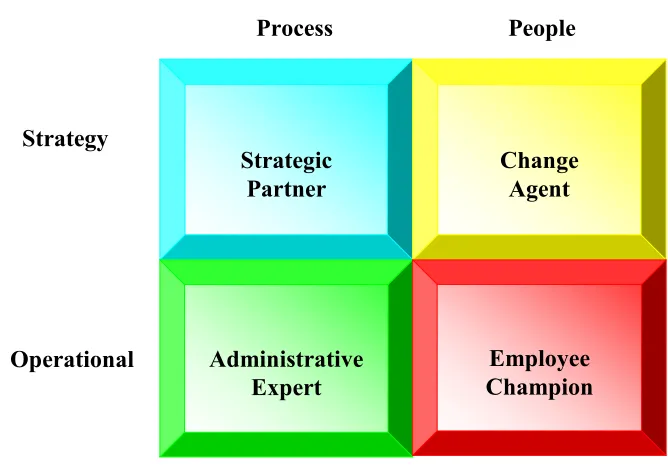
2.6.2 THE ULRICH HRM FRAMEWORK
41
Figure 2-4 Representation of Ulrich Framework
Process People
Strategy
Operational
(Based on: Ulrich, 1997, 1998)
Top left quadrant: HR as a strategic partner
The strategic partner role recognises a full vertical integration (i.e. vertical fit) between the organisation‘s objectives/strategies and HRM policies and practices and links to the first of Guest‘s challenges (1987, 1997, 2002), as described in Section 2.2.1. In this role, HR managers work with line managers to link organisational strategy to HRM practice (Compton, 2009). In other words, ―…HRM managers need to be part of the strategic planning mechanism so there is a match between HRM policy areas and strategic business initiatives developed at the senior committee level‖ (Sheehan, 2005:194). In this view, the HR managers/executives need to earn a
position at the senior committee level by convincing organisational leaders they can deliver at the strategic level (Meisinger, 2005; Mithen & Edwards, 2003). For this to occur, HR Managers generally require direct access to the Chief Executive (Sheehan, 2005), an effective informal
Strategic
Partner Change Agent
Administrative
42 network with key senior executives, as well as having the requisite competencies and motivation to undertake a full strategic partner role (Pietersen & Engelbrecht, 2005).
The extent to which the HR function has succeeded in becoming a strategic business partner is the subject of debate. One element of achieving this status is having the necessary knowledge of the business (Armstrong, 2005; Ulrich et al, 2007), as well as contributing ―…to the conversation around the strategy table‖ (Meisinger, 2005: 190). For vertical fit to be effective requires the HR function to be an integral component of the organisation‘s strategic planning process (Guest & King, 2004; Sheehan, 2005). The strategic partner role has become the most popular of the four roles for the majority of HR specialists (Francis & Keegan, 2006). However, the capability of HR specialists to be an effective strategic partner will normally require a reduction in operational activities (Caldwell, 2008).
43
Top right quadrant: Change Agent
To assist the organisation to adapt to altered circumstances and to contribute to cultural change, the HR function also requires change agent capability. This is a strategic role that has developed in conjunction with the growth in emphasis in SHRM (Caldwell, 2004). It is often argued that the HRM system within organisations is hard to change quickly due to inertia and not being able to devote sufficient resources to new or amended HRM policies. HRM policies and procedures also take time to impact on employee behaviour and hence organisational outcomes (Purcell et al, 2003). While HR professionals have a role in facilitating organisational changes, they provide support rather than actually undertaking the change (Caldwell, 2004).
Bottom rightquadrant:Employee Champion
Ulrich (1997, 1998) referred to the role of employee champion that, in part, became called the role of credible activist in the HRM Competency Model developed later by Ulrich et al, (2007). The role of the employee champion is focussed on employee commitment and competence (Caldwell, 2004). This role blends a face-to-face employee focus with operational problems (Francis & Keegan, 2006). A key aspect of the employee champion role relates to providing a mechanism for employee voice; however, in UK research, a low percentage of HR specialists identified with, or wished to be seen in, employee champion roles (Caldwell, 2004). This suggests that the concept of employee champion may not transfer well to organisational settings outside the United States.
44 solvers that result in fair and dignified treatment of employees is the development of personal credibility (Francis & Keegan 2006; Meisinger, 2005). The problem solving role extends to issues between groups of employees and between employees and managers. It therefore includes traditional industrial roles (Paauwe, 2004). For the purposes of this thesis, this HR role will be referred to as ‗Problem Solver‘ to more accurately reflect the role played by the HR given a pluralist employees relations environment in Australian (Hubbard, Samuel, Cocks & Heap, 2007; Sheehan et al, 2006; Teicher, Holland & Gough, 2006).
Bottom left quadrant: Administrative Expert
The final area of the Ulrich framework is that of administrative expert, which involves the use of technical HRM knowledge and the provision of well designed and internally consistent HRM policies, procedures and systems that that are easy for line managers to understand and apply (Purcell et al, 2003). Effective delivery of HRM services is a pre-condition for the HR function being able to make a strategic contribution to the organisation (Meisinger, 2005). In their 2005 meta-review of published journal research, Boselie et al (2005: 74) ―… found little attention paid to the quality of the implementation of HRM as a necessary condition for its effectiveness‖. Additionally, the implementing processes for human resource policy are not well researched (Cheng, Dainty & Moore, 2007).
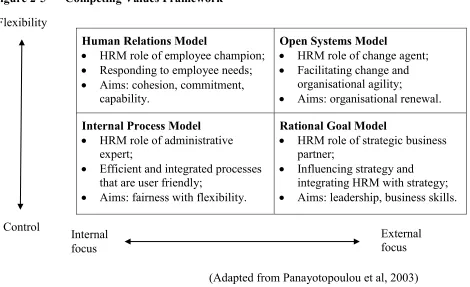
45 (2003) who integrated the four quadrants with the Competing Values Framework (CVF) proposed by Quinn and Rohrbaugh (1983). The CVF is explained in the following section.
2.6.3 THE COMPETING VALUES FRAMEWORK