CLINICAL EVALUATION OF CHUKKU NEI (INTERNAL) AND
CHINNI THUVALAI (EXTERNAL) IN THE TREATMENT OF KATTU
MANTHAM FOR (CONSTIPATION) IN CHILDREN
Dissertation submitted to
The TN Dr. M.G.R. MEDICAL UNIVERSITY, Chennai – 32
For the partial fulfilment of the requirement for the award of the degree of
DOCTOR OF MEDICINE (Siddha)
Submitted by Dr.M.Lavanya,
PG Scholar, Department of Kuzhandhai Maruthuvam
Under the guidance of Dr.K.Suresh, M.D(S), Ph.d,
Lecturer, Department of Kuzhandhai Maruthuvam National Institute of Siddha
Chennai-47
DECLARATION BY THE CANDIDATE
I hereby declare that this dissertation entitled “CLINICAL EVALUATION OF
CHUKKU NEI (INTERNAL) AND CHINNI THUVALAI (EXTERNAL) IN THE
TREATMENT OF KATTU MANTHAM (CONSTIPATION) IN CHILDREN’’ is a bonafide and genuine research work carried out by me under the guidance of Dr.K.Suresh M.D(S).,Ph.D, Lecturer, Department of Kuzhandhai Maruthuvam, National Institute of Siddha, Chennai -47, and the dissertation has not formed on the basis for the award of any Degree, Diploma, Fellowship or other similar title previously.
Date: Signature of the Candidate
CERTIFICATE
This is to certify that this dissertation work entitled “CLINICAL EVALUATION
OF CHUKKU NEI (INTERNAL) AND CHINNI THUVALAI (EXTERNAL) IN THE
TREATMENT OF KATTU MANTHAM (CONSTIPATION) IN CHILDREN” has
been carried out by Dr.M.Lavanya, (Regd. No. 321514205) Dept of Kuzhanthai Maruthuvam, National Institute of Siddha, Tambaram sanatorium, Chennai under my guidance and supervision in partial fulfilment of regulation laid by The Tamil Nadu Dr.M.G.R Medical University, Chennai for the final M.D (Siddha), Branch IV – KUZHANTHAI MARUTHUVAM Examination to be held in OCTOBER – 2018. This dissertation work is not reprinted or reproduced from the previous dissertation work.
Dr.M.Meenakshi Sundaram M.D(s) Dr.K.Suresh M.D(S)
Asso.Prof / HOD(i/c) Lecturer/ Guide
Dr.V.BANUMATHI M.D(S)
Head of the Institution
ACKNOWLEDGEMENT
Foremost, I want to offer this endeavour to one God Almighty for the wisdom to bestowed upon me, the strength, peace of mind and good heath in order to finish this research.This dissertation is one of the milestone in the journey of my professional carrier.
I express my sincere thanks to the Vice-Chancellor, The Tamilnadu Dr.MGR medical University, Guindy, Chennai.
I express my sincere thanks to Prof. Dr.V.Banumathi M.D(S), Director, National Institute of Siddha for providing all the basic facilities in this dissertation topic.
I express my greatful thanks to Dr.M.Meenakshi Sundaram M.D(S), Ph.D.,
Asso.Prof & Head of the Department (i/c), Department of Kuzhandhai Maruthuvam for his guidance hopeful support and encouragement of my whole study.
I express my heartfelt thanks to Dr.K.SURESH M.D(S),Ph.D, Guide & Supervisor, Department of Kuzhandhai Maruthuvam for his hopeful support, expert advice, suggestions and continuous unfailing support, guidance, monitoring, patience, encouragement, and help which have been invaluable during the course of my project.
For Dr.N.J.Muthukumar M.D(S), Former Hospital Superintendent, HOD, Department of Sirappu Maruthuvam I express my sincere thanks to him for giving me an opportunity to take this Dissertation study.
I express my sincere thanks to Dr. K.Vetrivel M.D(s), Associate Professor,
Dr.A.M.AMALA HAZEL M.D(s), Ph.D, Lecturer, Dr.P.Arul Mozhi M.D(s), Ph.D,
Lecturer, Dr.K.Vennila M.D(s), Ph.D, Lecturer, Department of Kuzhandhai Maruthuvam for their suggestions, hopeful support and encouragement of my whole study.
drug during study. I express my sincere thanks to Mr.M.Subramanian M.Sc., (statistics) Senior Research Officer.
It is my immense pleasure to extend my gratitude to Noble Research Solutions Private Limited, Chennai for their valuable extensive analysis of my dissertation trial drug and takes me to further move.
I express my sincere thanks to Dr.N.Vaitheeswaran, M.B.B.S, M.D. (Paed), Senior Assistant Professor, Govt Hospital Royapettai, Kilpauk Medical College for his valuable guidance in this work.
I take great pleasure in thanking all the people who made this dissertation study a valuable and successful one, which I owe to treasure it.
Atlast, I would like to pay high regards to all my family members and my friends
CONTENTS
Sl. No TITLE PAGE
NUMBER
1. Introduction 1
2. Aim and Objectives 3
3. Review of Literature
3.1 Siddha Aspects 4
3.2 Modern Aspects 24
3.3 Drug Review 33
4. Materials and Methods 50
5. Results and Observation 76
6. Discussion 101
7. Summary 107
8. Conclusion 109
9. Annexure 110
REVIEW
OF
MATERIALS
AND
RESULTS
AND
CHAPTER I
INTRODUCTION
The Siddha system is considered as “Karpa viriksha” a desire tree as it holds all
things experiential by man it deals with all existence however the medicinal dimension is considered as the first vital door to this mystic tradition and shines as its hallmark. It is the first system to emphasize health as the ideal perfected state of physical, psychological, social and spiritual component of a human being to prolong life
The siddha system depends on basic elements of earth, water, air, fire and space which forms a human body. Additionally, there are three doshas namely vatha (Air), pitha (bile), kapha (phlegm) are the fundamental principles which exists in all the cells regulating all the functions in our body and maintaining the balance in the physical, emotional and mental spheres.
Siddhars laid the foundation of this medical system. Among them Eighteen siddhars were said to contribute towards the development of this system. The father figure of siddha medicine, literature, grammar and above all of profound wisdom is the siddha Agasthiyar. The concept of siddhars were that a healthy soul can only be developed through healthy body.
Siddha system plays a major role in the field of paediatrics to cure disease. Because, childrens are the most vulnerable group in the society. They can be affected easily due to under developed immune system and they are exposed to several pathogen from surroundings. Many siddhars have been described paediatric disease in volumes and volumes of book like Balavagadam, Agathiyar pillai Tamil etc…ensured in order to cure diseases in childrens.
Typically constipation develops during three stages of childhood namely during weaning in toddlers, during toilet training and in school age. The symptoms of constipation are abdominal pain, poor appetite, borborygmus, feeling sick. Child needs to go to the toilet but not passing stools and having painful micturition.
Epideomological studies says that the children affecting from constipation in childhood with the percentage of 0.7% and 29.6% (average of 12%). In the Out patient department of Ayothidoss Pandithar hospital, National Institute of Siddha around 2500 patients are visiting every day for treatment for various ailments. Among them, 3 - 5% of patients are in paediatric group and many patients are reporting with constipation problem.
In the text book of Balavagadam, authored by K.S.Murugesa mudhaliyar a sastric siddha medicine named “CHUKKU NEI” have been indicated for KATTU MANTHAM and “CHINNI THUVALAI” (external) also described in the same text book indicated for all
types of mantham. These medicines were used only for 3 days.
The ingredients of this trial drug used commonly in various formulation and “CHUKKU NEI” and “CHINNI THUVALAI” is believed to be effective in the
management of KATTU MANTHAM, but the scientific validation and proper clinical trial have not been done so far.
Hence the author selected “CHUKKU NEI” (internal) and “CHINNI THUVALAI”
CHAPTER II
2. AIMS AND OBJECTIVES:
Primary Aim and Objectives:
To evaluate the efficacy of Chukku nei as internal medicine and Chinni thuvalai as external in the management of Kattu mantham in Children under the following preclinical and clinical parameters
Physicochemical Analysis, Phytochemical Analaysis, Bio chemical Analysis,
Phamacological studies of trial drug
Clinical trial study in Kattu mantham affected children.
Secondary objectives:
To collect and review the ideas mentioned in the ancient Siddha literature
about the disease Kattu mantham.
To explore Definition, Etiology, Clinical features, Investigations, Diagnosis
and treatment of Kattu mantham as laid down from various siddha literature.
To explore the characteristics of kattu mantham with that of constipation as
CHAPTER III
3. REVIEW OF LITERATURE 3.1 SIDDHA ASPECT
khe;jk;
NtWngah;fs;
ke;jk;> myrk>; myrfk; vd gps;isg; gpzp kUj;Jt Ehypy; Fwpg;gplg;gl;Ls;sJ.
,a
;;;;;;;;y
ke;j ,ay;GilaJ khe;jk; vdg;gL;k;. ke;jk; vd;gJ cUt
epiyap;y;cly;epiyapy; ke;jk;. mUtepiyapy; mff;fUtpfshfpa kdk;> Gj;jp> rpj;jk;> mfq;fhuk; Mfpa midj;J me;;j fuzq;fspYk; ke;jk; vd Foe;ij kUj;Jtj;jpy; nfhLf;fg;gl;Ls;sJ.
cz;l czT nrhpahky; tapw;wpy; Gspj;J tapW cg;gp ,iue;J ke;jj;ij cz;lhf;fp the;jpiaAk; fopr;riyAk; cz;lhf;fp Jd;gj;ij Vw;gLj;Jk; Neha; vd gps;isg; gpzpkUj;Jtj;jpy; Fwpg;gplg;gl;Ls;sJ.
Neha; tUk; gUtk;:
jhyg;gUtk;> rg;ghzpg; gUtk;> Kj;jg; gUtk;> tUifg; gUtq;fspy; cz;lhf;f$ba NehahFk;. Foe;ijapd; Kjy; Mz;by; ,Ue;J %d;W Mz;Lfs; tiu njhlUk; vd Foe;ij kUj;Jtk; kw;Wk; jd;te;jphpFoe;ij thflj;jpy; Fwpg;gplg;gl;Ls;ssJ.
,e;Neha; 3 khjk; Kjy; 12 taJ tiu tuf;$baJ. ghy; kl;LNk Fbf;Fk; gUtk>; ghYk;> NrhWk; cz;Zk; gUtk;> NrhW kl;;LNk cz;Zk; gUtk; Mfpa
Kd;W gUtq;fspYk; khe;jk; Vw;gLk; vd gps;isg;gpzpkUj;Jtj;jpy;
Fwpg;gplg;gl;Ls;sJ.
Neha; tUk; top
ePh;epiyfspy; gOj;J> cjph;e;j rUFfs; tpOe;J mOfpapUf;Fk; ePiuf; Fbj;jy;.
thAg;nghUl;fs;> NrhW ,itfis mjpfkhf cz;zy; Kjypa fhuzq;fshy; khe;j Neha; cz;lhFk; vd Foe;ij kUj;Jtk; Fwpg;gpLfpwJ.
ke;jg; nghUshfpa vUikg;ghy;> nea;> thiog;gok;> khk;gok;> fliy> nty;yk;> khkprk;> gUg;G;> cSit kPd;> tuhy; kPd;> nfz;il Mfpatw;iw Foe;ijfs;cz;Zk;NghJ khe;jNeha; cz;lhFk; vd jd;te;jphp Foe;ij thflk; $WfpwJ.
ghfw;fha;> Riu> cSe;J> Cd;> nghpa cSitkPd;> thiskPd;> gd;wp,iwr;rp> tpuhy;kPd;> nfz;ilkPd; Mfpa Mfhj nghUl;fs; cz;gjhYk;> khe;jNeha; cz;lhFk; vd gps;isg;gpzp kUj;Jtk; Fwpg;gpLfpwJ.
NkYk; NrhW kl;LNk cz;Zk; Foe;ijapd; czT Fw;wj;jpdhYk; cztpd;
NtWghl;lhYk; khe;jk; Vw;gLk;.
Foe;ijapd; Ja;ikaw;w jd;ik> rhpahd Neuj;jpy;rhg;gplhJ Neue;jtwp rhg;gply;> Rj;jkw;w czTg; nghUl;fisr;rhg;gply;> clk;gpy; Nghjpa Cl;lr;rj;J ,y;yhj epiy Mfpa fhuz;q;fspdhYk; ,g;gUtj;jpy; ,;e;Neha; tUk;.
cztpdhy; kl;Lkpd;wp nraypd; NtWghl;lhYk; khe;j Neha; Foe;ijiaj; jhf;Fk;. tWik> grp> Jauk;> kdf;ftiy> gak;> Nfhgk;>,r;ir Nghd;w czh;Tfshy; Foe;ijahdJ jhf;FWk; NghJ czTr;nrhpf;Fk; jd;ikapy; khWghL epfo;e;J khe;jk; cz;lhfpwJ vd gps;isg;gpzp kUj;Jtk; $WfpwJ.
Nkjpg;ghy;> nea;>fjypg;gok;> Njq;fha;>,sePh;> nty;yk;> Gspj;j Nkhu;> khkprk;> fdpfs;>cSe;J> nkhr;ir> Gspaq;nfhl;il> cSit> nfz;ilkPd;> ghfy;> Riu Kjyhd thAg; gz;lq;fis ghy; nfhLf;Fk; khju;fs; kpFjpahf cz;lhy; my;yJ Foe;ijfs; mjpfkhf cz;lhy; khe;j Neha; cz;lhFk; vd Mtp mspf;Fk; mKj Kiw RUf;fj;jpy; Fwpg;gplg;gl;Ls;sJ
Neha; tiffs;
Foe;ij kUj;Jtj;jpy; khe;j Neha; 21 tiffshfg; gpupf;fg;gl;Ls;sJ 1. tsp khe;jk;
12. vhp khe;jk; 13. Jis khe;jk; 14. Jiy khe;jk; 15. fzk; khe;jk;
16. typg;G(,Og;G) khe;jk; 17. Rop khe;jk;
18. Kf;F khe;jk; 19. re;ep khe;jk; 20. Cjy; khe;jk; 21. tPf;fk; khe;jk;
,J jtpu NkYk; 10tif Fwpg;gplg;gl;Ls;sd. 1. cg;gy; khe;jk;
2. the;jp khe;jk; 3. twl;rp khe;jk; 4. jpl;L khe;jk; 5. cis khe;jk; 6. mf;fuk; khe;jk; 7. Nga; khe;jk; 8. ePh;fzk; khe;jk; 9. Njhlk; khe;jk; 10.fUg;gk; khe;jk;
vdTk; kw;nwhU tifg;ghl;bd; gb> vz;tif khe;jk; fPo;f;fz;l tiffs; nfhLf;fg;gl;Ls;sJ.
1. nghJ khe;jk; 2. nrhpah khe;jk; 3. jiy khe;jk; 4. Nghh; khe;jk; 5. fl;L khe;jk; 6. tpl khe;jk; 7. ePu; khe;jk; 8. Rop khe;jk;
jd;te;jphp ghythflj;jpy; khe;jNeha; 21 tiffshf tifg;gLj;jg;gl;Ls;sJ 1. moy; khe;jk;
6. re;ep khe;jk; 7. Ruk; khe;jk; 8. Rhp khe;jk;
9. nrhpahik khe;jk; 10. jiy khe;jk; 11. Jiy khe;jk; 12. ePu; khe;jk; 13. ghy; khe;jk; 14. Nghu; khe;jk; 15. Kf;F khe;jk; 16. typg;G khe;jk; 17. tsp khe;jk; 18. thiy khe;jk; 19. tplk; khe;jk; 20. tPf;fk; khe;jk;
mDgt itj;jpa Njtufrpaj;jpy; 8 tiffs;;;: 1. nrhpah khe;jk;
2. gPh; khe;jk; 3. Ru khe;jk; 4. tp~ khe;jk; 5. Rop khe;jk; 6. CJ khe;jk; 7. ePh; khe;jk; 8. jiy khe;jk;
kjiy Neha; Ehypy; khe;jk ;13 tiffshfg; gphpf;fg;gl;Ls;sJ. (Fk;g Kdp ghythflk;)
“Njhd;wpa thjgpj;jk;nrhy;ypa rpnyw;g khe;jk;
Cd;wpaajLf;F khe;jk; tpr khe;jk; Nghh; khe;jkjhd; fd;wpaghy; khe;jk; td;fg nghJ khe;jk; gpd;
te;jpLk;tpidahk; rd;dptyp rh;j;jp gjp%d;whjhNk”
mitahtd:
6.Nghh; khe;jk; 7.ghy; khe;jk; 8.td;fg khe;jk; 9.nghJ khe;jk; 10. tpid khe;jk; 11. rd;dp khe;jk; 12. typ khe;jk; 13. rhj;jp khe;jk;
gp
s;isg;gpzp kUj;Jtk; :Definition:
Indigested food in the stomach causes abdominal distension and manifests as Mantha Noi with vomiting and diarrhoea.
“ke;jkJ tuyhW nrhy;yf; NfsPu; khjNuhL ghyfU kUe;Je; jPdp
Nru;e;jnjhU ghy;jdpNy tpre;jhd; nfhz;L rpWtUf;F cjuj;jpy; ke;jk; gw;wp
Cu;j;nj*e;j jpiuapdhy; tpuzq;nfhz;L cs; tpuzk; gy NehT cwt jhfp rhu;e;j kyk; rpf;fpajpy; Njhr Kz;lha; jhnd*k;Gk; khe;jtif rhw;W NtNd”
--gps;is gpzp kUj;Jtk;
The above verse states that Mantham occurs in children due the diet taken by the mother and the child, which causes indigestion and other related diseases. According to the Pillai Pini Maruthuvantext, Mantham occurs from the age of 3 months to 12 years in children particularly while child having breast milk (Exclusive Breast Feeding), then weaning period during which both milk and solid foods were given and later stage where the child given solid feeds (late weaning period).
During the weaning period, due to the diet taken by both the mother and the child causes Mantha Noi. The psychosomatic feelings of mother like hunger, poverty, anger, fear, desire affects the efficacy of the milk fed to the child in this period.
During the late weaning period, the disease occurs mainly due to the improper food habits of children like taking not easily digestable foods, taking cleanless foods, taking irregular meal and taking imbalanced diet. Malnourished children are also affected by Mantham.
gps;isg;gpzp kUj;Jtk; ghfk; 2y; khe;jj;jpd; tiffs;- 53
In Pillai Pini Maruthuvam part 2 (Types 43)
1. Adai Mantham
2. Atcha Akkara Mantham 3. Azhal Mantham
4. Allu Mantham 5. Eluppu Mantham 6. Uppal Mantham 7. Uppu Mantham 8. Ulai Mnatham 9. Oothu Mantham 10. Eri Mantham 11. Iya Mantham 12. Kattu Mantham 13. Kana Mantham 14. Karppa Mantham 15. Kanai Mantham 16. Kal Mantham 17. Kazhi Mantham 18. Sakthi Mantham 19. Sanni Mantham
20. Sanni Bhatha Mantham 21. Sura Mantham
25. Thittu Mantham 26. Neer kana Mantham 27. Thulai Mantham 28. Neer Mantham 29. Pal Mantham 30. Pul Mantham 31. Bethi Mantham 32. Pei Mantham 33. Por Mantham 34. Maladi Mantham 35. Mukku Mantham 36. Valippu Mantham 37. Vali Mantham 38. Varatchi Mantham 39. Vanthi Mantham 40. Val Mantham 41. Vida Mantham 42. Thoda Mantham
43. Veekka Manthamare described.
43 tif khe;jq;fs;FwpFzq;fSld; fhzg;gLfpd;wd.
kPjKs;s10 khe;jq;fs;ngaustpy; kl;Lk; tifg;gLj;jg;gl;Ls;sJ.
Foe;ij kUj;Jtj;jpy; khe;jj;jpd; nghJ FwpFzq;fs;:
Foe;ijapd; clk;G Nrhu;e;J ,Uj;jy;
clk;G Nehjy;
kpFjpahd tpau;it cz;lhjy;
RWRWg;ghf,y;yhky; fz;tpop rpte;jpUj;jy;
fz;fs; Fop tpOe;J fhzy;
Kfk; ntSj;J xU tif kq;fpa xsp fhzy;
Fuy;jsu;e;J tha;cyu;e;Jfhzy;
Mbf;fb the;jp Vw;gly;
Grp,d;ikfhzy;
rPjKk; kyKkhfTk;> nfl;LNghd ghy; NghTyk;> jz;zPu; NghyTk; gy epwkhf Ngjpahjy;
fl;L khe;jf; FwpFzk;
“jhahh; Kiyapy; tha;itj;Jr; rw;Nw Az;Zk; jpifj;jpUf;Fk; Xah jOif rpw;wpUky;
cs;Ns RuK kpfTz;lhk; Nrah kyKQ; ryq;fl;br; rpf;fg; gz;Zk; grpapy;iy khah krf;F kpJfl;L khe;j nkd;W tFj;jdNu”
-ghythflk;
FwpFzk;
1. kyk; ryk; fl;LgLk;
2. rw;Nw ghYz;Zk;
3. grpapd;ik 4. Ruk;
Kf;Fw;w NtWghL
czT Ntw;Wik
Kf;Fw;w khWghL
thA NfL miljy;(cjhdd; ghjpg;G)
mghdd; ghjpg;G
rkhdd; ghjpg;G
jPf;Fw;w ghjpg;G (mdw;gpj;jk; ghjpg;G)
czT nrhpahik
khe;jk;
Kf;Fw;w epiyfs;:
i. Vali:
Site of vadham in body : thjk; thOkplk;
Abaanan, faces idakalai, below the umblical region, spermatic cord, pelvic bones, skin, nerve plexus, joints, hair follicle, muscle, alimentary tract, bones, ear and thighs.
NkYk;:
“mwpe;jpLk; thj klq;F kyj;jpdpy;”-jpU%yh;
“ehnkd;w thjj;Jf; fpUg;gplnk Nfsha; ehgpf;Ff; fPnod;W etpy yhFk;"-A+fp Kdptu;.
Vadham consists of 10 types
1. Praanan: (Uyirkaal)
This controls knowledge, mind and five sense organs, which are useful for breathing and digestion.
2. Abaaban: (Keezh nokkung kaal)
This is responsible for all down ward movement such as passing urine, stools, semen, and menstrual flow. Abaanan vayu is affected in Kattu mantham due to constipation
3. Samaanan: (Nadukkaal)
This aids in proper digestion and controls other vayus. In Kattu mantham, this vayu is altered leading to poor appetite and cannot control the other vayus.
4. Viyaanan: (Paravukaal)
This is responsible for all movements of all parts of the body and distribution of saaram. This vayu is affected in Kattu mantham because of decreased activity due to symptoms like constipation.
5. Uthaanan: (Mel Nokkung kaal)
Responsible for all upward movementssuch as vomiting and nausea.It distributes the saaram equally to all tissues.It is affected in Kattu mantham because unequal distribution of saaram and presence of cough
6.Naagan:
Responsible for opening and closure of eye lids
7. Koorman:
Responsible for vision and yawning. .
8. Kirukaran:
9. Devathatthan:
This is responsible for tiredness (Lazziness), anger and emotional expression. This vayu is deranged in Kattu mantham because some patient had tiredness.
10. Dhananjeyan:
It produces swelling of the body after death. It escapes on the third day after death bursting out of the cranium.
rpj;j kUj;Jthq;f RUf;fk;(g.vz;.142 - 149)
ii. Azhal:
Sites of pitham in body:
Pinkalai, praanavayu, urinary bladder, moolakkini, heart, head, umblical region, stomach, sweat, saliva, blood, saaram, eyes and skin.
“gpupe;jpLk; gpj;jk; Nguhk; ryj;jpdpy;” - jpU%yh; “Nghnkd;wgpj;jj;Jf; fpUg;gplNkNfsha;
Nguhdfz;lj;jpd; fPNo jhFk;”-A+fpKdptu;
$wpapUg;gjdhy; rpWePUk;> fz;lj;jpd;fPoplKk; gpj;jk; ,Ug;gplkhFk;. rpj;j kUj;Jthq;f RUf;fk;(g.vz;.153)
Pitham consists of 5 types
1. Anal pitham:
It promotes appetite and helps in digestion. In Kattu mantham, it as affected due to presence of poor appetite.
2. Ranjagam:
It gives colour to the blood. In Kattu mantham, some children are anaemic.
3. Saadhagam:
It is important for day today activities with the help of mind and brain.
4. Praasagam:
It gives complexion to skin.
5. Aalosagam:
iii. Iyam:
Sites of Kabam in body:
Kabam (or) kapham is located in sammanavayu suzhumunai, sperm, head, tongue, uvula, fat, bone marrow, blood, nose, chest, nerve, bone, brain, large intestine, eyes, and joints and also present in throat, stomach and pancreas.
-rpj;j kUj;Jthq;f RUf;fk; (g.vz;.158)
Kabam consists of five types
1. Avalambagam:
It lies in the lungs. It controls the heart and other four kabams. In Kattu mantham, it is dearranged due to presence ofcough.
2. Kilethagam:
It lies in the stomach and gives moisture to food material and also helps for digestion. In this disease, it is affected because of thepoor appetite present in children.
3. Pothagam:
It lies in tongue and responsible for taste sensation.
4. Tharpagam:
It is present in the head and responsible for coolness of both eyes.
5. Santheegam:
It is present in joints. Responsible for lubrication and free movements of joints. - rpj;j kUj;Jthq;f RUf;fk;(g.vz;.161 - 163)
PINIYARI MURAIMAI: (DIAGNOSIS)
Piniyari muraimai is a method of diagnosing a disease. The way of diagnosis is very important to the physician who deal the disease, because of that only he or she can pont out the cause of disease.
,jidNa jpUts;Stu; jpUf;Fwspy; gpd;tUkhW $Wfpwhu; “Neha;ehb Neha;Kj dhbaJ jzpf;Fk;
Siddha system has a very unique method for diagnosis. This is based upon three principles.
1. Poriyaal arithal (Inspection) 2. Pulanaal arithal (Palpation) 3. Vinaathal (Interrogation)
I. Poriyaal arithal:
Porigal means the five sense organs. These are eyes, ears, nose, tongue and skin. Poriyaal arithal is examining the five sense orgn of the patient by the five sense organ of the physician.
In kattu mantham,
Mei (skin) - Normal
Vaai (Tongue) - Normal Kann (Eye) - Normal Mookku (Nose) - Normal
Sevi (Ear) - Normal
II. Pulanaal arithal:
Pulan means sense of perception from the five sense ongans.That means understanding by the sense objects.
In Kattu mantham,
Ooru (sensation) - Normal Oosai (sound) - Normal Oli (vision) - Normal Suvai (Taste) - Normal Naatram (smell) - Normal
III. Vinaathal:
Ezhu udar kattugal and Ennvagai thervugal also used for diagnosing a disease in
Siddha system
Ezhu udar kattugal:
1. Saaram 2. Senneer 3. Oonn 4. Kozhuppu 5. Enbu 6. Moolai
7. Sukkilam/suronitham
When the seven udar kattugal increase or decrease from the normal level, the normal functions of the body will be affected.
In Kattu mantham.
a. Saaram : Deranged due to poor appetite causing tiredness. b. Senneer : Deranged in some patient with nutritional anaemia.
c. Oonn : Normal
d. Kozhuppu : Normal
e. Enbu : Normal
f. Moolai : Normal.
g. Sukkilam/ Suronitham : Normal
The diagnostic value of Enn Vagai thervugal is specific to Siddha system of medicine
Enn vagai thervugal are:
1. Naadi (Uyir thathu)
2. Sparisam (Touch feel sensation) 3. Naa (Tongue)
4. Niram (Colour of the skin)
5. Mozhi (Quality and character of speech) 6. Vizhi (Eye)
Naadi (Uyir thathu) :
Envagai thervugal is the basic diagnostic principles and the uniqueness of the siddha system of medicine. The following lines are said about this.
“nka;f;Fwp epwe;njhdp tpop ehtpUkyk; iff;Fwp”
-rpj;j kUj;Jthq;f RUf;fk5
;(g.vz;.483)
Otherwise known as uyir thathu, is the principle method for diagnosis in siddha system. The naadi indicates the status of the body thathus and whether the body is normal or abnormal. It is responsible for existence of life in the physical body. It is said in literatures as
“clypy; capu;jhpj;jpUg;gjw;F fhuzkhd rf;jp vJNth mJNt “jhJ my;yJ ehb” vdg;gLk;.
“ehbg;guprk; ehepwk; nkhoptpop
kyk;%j;jpukpit kUj;Jt uhAjk;”
- Neha; ehly;Neha; Kjdhly6
;(g.vz;. 270)
In childrens the naadi nadai is not clearly seen. This is indicated by following lines,
“nfhz;blNt faNuhfp fhrNuhfp Fwpg;ghfr; rpw;wpd;gk; nra;j Ngh;fs; mz;blNt jhpj;jpuHfs; tpUj;jH ghyh; md;ghfj; jz;zPhpy; %o;fpNdhHfs; nfhz;blNt ,th;fsJ cWg;gpd; jhJ
$wNt KbahJ vth;f;Ff; fpl;Lk;”
- Neha;ehly; Neha; Kjdhly; (g.vz;:171).
b) Sparisam: (Touch feel sensation)
Identify the heat or coldness of the body, pain and skin nature (soft or hard) In kattu mantham,
It may be hot due to fever.
It may be cold due to sweating.
c) Naa: (Tongue)
d) Niram: (Colour of skin)
Colour of skin, conjunctiva, teeth, tongue, nail bed and hair are noted In Kattu mantham,
Conjunctiva, nail bed may be pale due to nutritional anaemia
e) Mozhi : (Quality and character of speech)
Observation of speech and voice. This is said in Agasthiar vallathi as
“thu;j;ijiag; ghu;”
In Kattu mantham normal voice is present.
f) Vizhi : (Eye)
By this examination, colour of eye (redness, pallor) protrusion, tears, excreta of eye, disease of eyes are noted. In Kattu mantham, the eyes of Some patients have pallor of lower eyelid due to nutritional anaemia.
g) Malam : (stools)
Consistency of stool, smell, frequency of defeacation, constipation, quantity of stool are noted. In Kattu mantham, patient have hard pellets like stools with decreased frequency.
h) Moothiram : (Urine)
Colour of urine (yellow, black, white copper colour, mixed colour. Then smell of urine (smell of fire, honey, sweet odours, fruity odour) frothy or not, frequency of urination and quantity of urine are noted.
In Kattu mantham, there will be normal straw yellow colour of urine with decreased frequency of urine.
Neer kuri and Nei kuri:
This urine examination is unique in Siddha system of Medicine
ePu;f;Fwp:-
njhUK$u;j;jf; fiyf;Fl;gL ePupd; epwf;Fwp nea;f;Fwp epwkpj;jy; flNd”
-Neha; ehly;Neha; Kjdhly;(g.vz;. 282)
Collection of sample
urine:-The patient must take well cooked food in the previous day. Food intake should be taken at correct time and avoid excessive intake. The urine is collected on the dawn of the next day in a pure glass container and closed immediately to prevent contamination. This specimen must be examined with in one and half hours from the collection.
nea;f;Fwp:-
“epwf;Fwpf; Fiuj;j epUkhz ePupw;
rpwf;f ntz;nza;Nahu; rpWJsp eL tpLj; njd;Wwj; jpwe;njhyp Vfhjikj;jjp dpd;wjptiy Nghk; newp tpopawpTk;
nrd;wJ GfYe;nra;jpia AzNu”
- Neha; ehly;Neha; Kjdhly;(g.vz;. 298)
A drop of gingelly oil is dropped on a wide glass vessel containing the urine to be tested which is kept under sunlight in a calm place. The derangement of three dhoshas can be diagnosed by the mode of spread of gingelly oil on the surface of urine.
In Kattu mantham the results of nei kuri is snake like oil floating on urine in some patients and ring like structure in some patients.
MARUTHUVAM:
The treatment in siddha medicine is aimed at keeping the Mukkutram in the state of equilibrium.
i.e,
To bring down highly vitiated vatham to normal level
To bring down Vitiated pitham to normal level
To bring down Vitiated kabam due to vitiated vatham to normal level.
Keeping in mind the need for bringing out an effective therapy for Kattu mantham with the Chukku nei along with Chinni thuvalai as external therapy.
Line of treatment:
Siddha treatment is not only for to cure the disease but also teaches prevention and rejuvenation concepts. Saint Thiruvalluvar says about the duty of a physician as follows
“Neha;ehb Neha;Kj dhbaJ jzpf;Fk; tha;ehb tha;g;gr;nray;”
– jpUf;Fws;
”cw;whd sTk; gpzpasTq; fhyKq;
fw;whd; fUjpr; nray;” – jpUf;Fws;.
From the above verse, it is essential to know the etiology, the nature of patients, severity of the illness, the seasons and the time of occurrence the disease must be observed clearly.
Line of treatment is as follows
:
1. Kaappu (prevention) 2. Neekkam (Treatment) 3. Niraivu (Restoration)
1. Kaappu: (Prevention)
Prevention is the main aim of siddha system. Siddhars have described general preventive measures and special measures.
Especially in Balavagadam, special preventive measures said for prevention of disease of the child. It starts from the conception and goes on the child grows up in intra uterine life and after delivery. ie diet of pregnant women, her habits, medicine to take in every month of pregnancy, her psychological conditions and surroundings.
2. Neekkam: (Treatment)
The aim of treatment is based on
To treat the patients according to the symptoms by the trial medicines Chukku nei as
internal medicine and Chinni thuvalai as external therapy.
Anupanam in Siddha system :
“mDghdj;jhNy ato;jk; gypf;Fk;;>
,dpjhd Rf;F fd;dy; ,;Q;rp – gpDKjfhy;
NfhNkak; ghy; Kiyg;ghy; Nfhnea; Njd; ntw;wpiy ePu;;;:>
Mopij ahuha;e;J nra;ayhk;”
Njiuau; ntz;gh
Siddha system considers anupanam as in important. It is otherwise known as “Thunai marunthu”, it can be translated as vehicle, adjuvant and supporting to drug
therapy. Without anupanam, success in the treatment is mostly not possible.
Pathiyam in Siddha system :
During the course of treatment, the patients were advised to follow certain restrictions regarding diet and physical activities. This type of medical advice termed as pathiyam. Importance of pathiyam is said by Siddhars Theraiyar as follows,
“gj;jpaj;jpdhNy gyDz;lhFk; kUe;J
gj;jpaq;fs; Nghdhy; gyd; NghFk; - gj;jpaj;jpy; gj;jpaNk ntw;wpjUk; gz;bju;f;F Mjypdhy;
gj;jpaNk cj;jpnad;W ghu;” - Njiuau; ntz;gh.
The patient with Kattu mantham is advised to avoid spicy and hot food , contaminated water ,junk foods .
3. Niraivu: (Restoration)
Reassurance of disease recovery was given to all patients.
All the patients are advised to prepare for lifestyle changes that provides a disease
free life.
Diet:
“fj;jphp Nga;Gly tiu apUghfy; gUq;fhsh fz;lfhhp
mj;jpf; fha;fSk; tUf;ifkhgaw;iw fiuahy; gPHf;fUk; gpQ;RNth; nkha;j;j #uzq; fjypj; jz;Lfisg; G+Ksq;fp KUf;fUk;Gk;
mj;jp G+rzpf; fhaUs;sp ts;spAq; fgj;NjhHf; fhzkhNk”
gjhHj;j Fz rpe;jhkzp.
“Ntis kzj;jf;fhsp nkd;rPij rf;futh;j;jp gPis triy Rf;F ngz;fzq;fs; - Ntisapy; nre;jspH fisf;fPiu nra;th; fgNjfH epjk;
te;jspAzj;jhd; kfpo;e;J”
- gjhHj;j Fz rpe;jhkzp. fha;fwpfs;:-
fj;jhp
Nga;Gly;
mtiu
fz;lq;fj;jphp
mj;jpf;fha;
gPHf;F
thioj;jz;L
KUq;if
ghfy;
G+rzp
Ks;sq;fp
fPiufs;:-
kzj;jf;fhsp
rpWfz;gPis
triy
rpWfPiu
nghd;dhq;fd;dp
rf;futh;j;jp fPiu
Rf;F fPiu Mfpaitfis cztpy; Nru;j;Jf;nfhs;sNtz;Lk;.
GASTROINTESTINAL TRACT:
The Gastrointestinal tract is the pathway were food passes from the mouth, through the esophagus, stomach, small and large intestine within where the nutrients are extracted for the needs of the body. The residue then passes to the rectum where it is evacuated.
ANATOMY OF THE GASTROINTESTINAL TRACT:
The Esophagus:
The first part of the pathway of GIT is the esophagus, which guides food from the mouth, where it is prepared by chewing down to the stomach where it is stored.
The Stomach:
The stomach is both a storage space, holding as much as a quart and a half of ingested food, and a secretory organ that produces the gastric acid necessary for digestion However, the stomach does not absorb food. When food enters the stomach from the esophagus it remains for a short period while it is mixed with gastric acid. The stomach then by involuntary muscle contractions (peristalsis) empties the food gradually into the duodenum, the first part of the small intestine.
The small intestine consists of three parts: the duodenum, the jejunum and the ileum. In these three parts, certain digestive secretions are mixed with food, and the nutrients are absorbed into the blood stream
I.The Duodenum:
The duodenum treats the food it receives with bile from the liver and enzymes from the pancreas. It also adds liquid duodenal fluid that comes from the wall of the duodenum itself. The food, bile, enzymes and liquids brought together in the duodenum are then
passed into the jejunum
II.The Jejunum:
The jejunum or second portion of the small intestine is approximately 10 feet long. It lies immediately behind the duodenum and continues the process of digestion, breaking down food into essential elements
III.The Ileum:
The ileum or third portion of the small intestine, like the jejunum, is about 10 feet long. It is here that a major part of the absorption of food products and liquids occurs. Waste products of the digestive process are passed from the small intestine or terminal ileum, into the large intestine, also known as the colon.
Large Intestine (colon):
COMMON GASTROINTESTINAL TRACT DISORDER
CONSTIPATION
DEFINITION
Constipation refers to bowel movements that are infrequent or hard to pass. The stool is often hard and dry. Constipation is a symptom, not a disease. Most commonly constipation is thought of as infrequent bowel movements, usually less than 3 stools per week. Children may have other complaints as well including
Straining with bowel movements
Excessive time needed to pass a bowel movement
Abdominal pain
Abdominal bloating
Pain with bowel movements secondary to straining
Hard or lumpy stool
Sensation of incomplete evacuation
Newborns
First meconium stool usually within the first 36 hours of birth in normal newborns o 90% pass stool within 24 hours
This may happen later in preterm infants without underlying structural defects.
First week of life, normal newborn has 4 stools per day, with some variability o Breastfed infants can stool with each feeding or only once every 7 to 10 days o Formula feed infants tend to stool more regularly than breastfeed infants o Soy formulas known to cause harder stools
o Protein Hydrolysate and Elemental formulas associated with looser stools
Causes for Delayed passage of meconium
Intestinal Obstruction / Anatomical Malformation
Hirschsprung‟s Disease
Meconium Ileus
Functional Ileus (Prematurity, Sepsis)
Small left colon
Maternal Drugs
Normal Frequency of Bowel Movements
AGE
MEAN OF BOWEL MOVEMENTS PER
WEEK
MEAN OF BOWEL MOVEMENTS PER
DAY
0-3 MONTHS
BREASTFED 5 TO 40 2.9
0-3 MONTHS
FORMULA FED 5 TO 28 2.0
6-12 MONTHS 5 TO 28 1.8
1-3 YEARS 4 TO 21 1.4
>3 YEARS 3 TO 14 1.0
CONSTIPATION IN INFANTS AND TODDLERS:
At least two of the following present for at least one month
Two or fewer defecations per week
At least one episode of incontinence after the acquisition of toileting skills
History of excessive stool retention
History of painful or hard bowel movements
Presence of a large fecal mass in the rectum
History of large-diameter stools that may obstruct the toilet
Symptoms
Passing fewer than 3 stools per week
Hard or small stools
Abdominal distension
Abdominal and Rectal pain
Flatulence
Loss of appetite, nausea and vomiting
Chart no 3.2.1. Bristol Stool Chart
Chronic Constipation
3% of the visits to general pediatrics
25% of the visits to pediatrics G.I.
Epidemiology:
The prevalence of childhood constipation in the general population ranged from 0.7% to 29.6%.
FUNCTIONAL AND ORGANIC TYPE OF CONSTIPATION
Functional
Over 95% of constipated children have functional constipation. Functional: persistent, difficult, infrequent, or seemingly incomplete defecation without evidence of underlying structural or metabolic defect. Most commonly due to with-holding after a painful bowel movement, most commonly at three age periods, at introduction of cereals and solid foods,at toilet training and at start of school days.
Functional Constipation
Organic
Accounts‟ for less than 5% of all constipation
Anatomic malformations
Metabolic causes
Neuropathic conditions
Intestinal nerve and muscle disorders
Drugs
Hypotonia
Miscellaneous
CHRONIC CONSTIPATION:
Organic disorders are a major cause. A significant number of the children with chronic treatment-resistant constipation may have organic causes (slow colonic transit and outlet obstruction) and suggests new approaches to the management of children with chronic treatment-resistant constipation. Stool with holding presenting as a cause of non-epileptic seizures.
Chronic Constipation and food hypersensitivity
An increasing number of reports suggest a relationship between refractory chronic constipation and food allergy in children.
History
Meconium passage
Frequency of bowel movement
Diet
School/Travel
Painful defecation
Family history
Systemic Examination Inspection
o Abnormal appearance/position/patency of anus
Abdominal examination
Rectal examination
o Anal sphincter tone o Presence of haemarrhoids
o Any perianal irregularitiesincluding skin tag,anal fissures
Evaluate of History Meconium passage
Frequency of bowel movement
Diet
School/Travel
Painful defecation
Family history
COMPLICATION Haemarrhoid
Anal fissure
Fecal impaction
INVESTIGATION
Thyroid function test
Plain abdominal X- rays are generally performed if bowel obstruction is suspected,
may reveal extensive impacted fecal matter in the colon, and may confirm to rule out other causes of similar symptoms
Colonoscopy may br performed if an abnormality in the colon like a tumor is
suspected.
Rarely ordered include Anorectal manometry,
Anal sphincter electromyography
Defecography
TREATMENT
The treatment of constipation should focus on the underlying cause if known.
Fiber Supplements
If Laxatives are used such as Milk of Magnesia or Polyethylene glycol are
In case of Chronic constipation, Polyethylene glycol appears superior to Lactulose.
Prokinetics may be used to increase Gastro intestinal motility
MANAGEMENT
The goals of treating constipation in childhood are to produce soft, painless stools and to prevent the re accumulation of faeces. These outcome are achieved through a combination of
Education
Dietary modification
Maintenance
Behavioural Modification
PREVENTION
Constipation is usually easier to prevent than to treat. Following the relief of constipation, maintainence with fluid intake and high fibre diet is recommended.
PROGNOSIS
Complication that can arise from constipation include haemorrhoids, aanal fissured, rectal prolapse, and fecal impaction.straining to pass stool may lead to haemorrhoids. In later stage of age abdomen may become distended, hard and diffusely tender.
DIET
Mild constipation
o Increase fluid intake o Increase fiber intake Increase dietary fibers
Beetroot
Banana, Apple, Guava
Spinach
Green Leaf vegetables
Almond
DIFFERENTIAL DIAGNOSIS
A) Hirschsprung's Disease
It is a congenital disease. Children with Hirschsprung's disease are missing the nerve cells (ganglion cells) within the wall of their colon or rectum. These cells are responsible for the normal wave-like motion of the bowel (peristalsis). When they are missing the stool stops and an obstruction occurs. The length of affected bowel varies. The most common transition point is in the upper rectum or the sigmoid colon.
Symptoms
Vomiting and abdominal distention in newborn
Chronic constipation
More rarely diarrhea, fever, and distention (symptoms associated with enterocolitis – inflammation of the small intestine and colon).
B) Irritable bowel syndrome
Irritable bowel syndrome (IBS) is a disturbance of bowel function that includes symptoms of abdominal pain or discomfort and altered bowel habit (change in frequency or consistency) – chronic or recurrent diarrhea, constipation, or both in alternation. IBS comprises a group of functional bowel disorders.
Symptoms
Start with bowel movements that occur more or less often than usual
Start with stool that appears looser and more watery or harder and more lumpy than usual
Improve with a bowel movement symptoms must occur at least once per week for at least 2 months.
COMPLICATION OF CONSTIPATION Haemarrhoids
Rectal prolapse
Anal fissure
3.3. DRUG REVIEW
THE REVIEW OF INGREDIENTS OF CHUKKU NEI
INGREDIENTS:
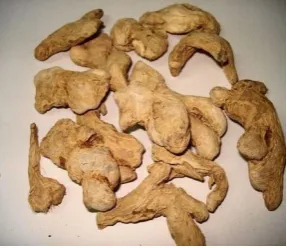
Chukku (Zingiber officinale)
Citrarathai (Alpinia officinarum)
Vetrilai (piper betel)
Omum (Trachyspermum ammi)
Murunga pattai (Moringa oleifera) - a mixture of 325 ml surasam
Vembu nei (Azadirachta indica) - 325 ml
1. CHUKKU
Botanical Name : Zingiber officinale English Name : Dried Ginger Family : Zingiberaceae Part used : Rhizome
ORGANOLEPTIC CHARACTER
Suvai : Karppu
Thanmai : Veppam
Pirivu : Kaarppu
nghJ Fzk;:
R+iyke;jk; neQ;nrhpg;G NjhlNkg gk;;kio
%yk; ,iug;gpUky; %f;FePh;-thyfg
Njhlkjp rhue; njhlh;thj Fd;kePh;j;
Njhlk;M kk;Nghf;FQ; Rf;F.
CHEMICAL CONSTITUENTS:
Camphene
Phellandrene
Zingiberine
Cineol and Borneol
Gingerol and shogoals
Diterpenes
Gingerglycolipids A,B,C
An Oleoresin-Gingerin
Resins and starch
β-Sesquiphellandrene
Gingerdiols, Gingerdiacetates.
ACTIONS:
Carminative
Stomachic
Stimulant
PHARMACOLOGICAL ACTION
Gastro protective Antioxidant Anti tussive Antiemetic
Immunomodulatory
RECENT RESEARCH
A Review on Ginger – Gastroprotective Activity
Ginger and its constituent shows a vital role in ulcer prevention via increasing mucin secretion. Earlier finding have shown anti ulcer effects on ginger in experimental gastric model. Chief constituent of ginger such as gingerol, shogaols suppressed gastric contraction in situ and suppression by the shogoal was more intensive.
Physiological and Pharmaceutical Effect of Ginger(Zingiber Officinale) As Avaluable
Medicinal Plant
The active components of ginger is reported to stimulate digestion, absorption, relieves constipation and flatulence by increasing muscular activity in the digestive.
(European Journal of Experimental Biology, 2014, 4(1); 87-90 by Jalal Bayati Zadeh and Nasroallah Moradi Kor)
2. OMUM
Botanical Name : Trachyspermum ammi English Name : The bishops weed
Family : Apiaceae
Parts used : Seeds
ORGANOLEPTIC CHARACTER
Suvai : Kaippu Thanma : Veppam
Pirivu : Kaarppu
nghJ Fzk;
rPjRuq; fhrQ; nrhpahke; jk;nghUky;
Ngjpapiur; ry;fLg;G Nguhkk; - XjpUky;
gy;nyhLgy; %yk; gfkpitNeh nad;nrANkh?
nrhy;nyhLNghk; Xknkdr; nrhy;.
(mfj;jpah; Fzthflk;)
CHEMICAL CONSTITUENTS: Thymol
P-cymene
Gamma terpinene
Beta pinene
ACTIONS:
Stomachic
Antispasmodic
Carminative
Antiseptic
Stimulant
Tonic
PHARMACOLOGICAL ACTION
Gastro protective
Antioxidant
Anti tussive
Anti spasmodic
Diuretic
Anti tussive
Anti pyretic
RECENT RESEARCH
Gastroprotecrive activity of ethanolic extract of trachyspermmum ammi fruit
The oral administration of ethanolic extract of ammi fruit exhibits antiulcer in the experimental ulcer model. The probable mechanism for its activity may be due to Anti secretory and Cytoprotective property
(International journal of pharma and bio science v1(1)2010 by S.Ramaswamy and S.Sengottu velu)
Gastroprotective activity of trachyspermum ammi against ethonolic induced gastric
ulcer
Animals pretreated with hydroalcoholic extract of trachys.ammi at dose 250 mg/kg and 500mg/kg shows significant decreased in ulcer index and percentage ulcer production in all models.the results shows by reducing ulcerative lesion when compared to control group of animals.
3. VETRILAI
Botanical Name : Piper betel English Name : Betal leaf Family : Piperaceae Part used : Leaf
ORGANOLEPTIC CHARACTER
Suvai : Viruvirupu, Kaarpu
Thanmai : Veppam
Pirivu : Kaarpu
nghJ Fzk;
Iak; mWq;fhz; mjd;fhuq; nfhz;lf;fhw;
Igar; rapj;jpak;Nghk; ige;njhbNa!- nka;apd;
fbapd; Fzk; Nghfq; fhuntw;wp iyf;Fg;
gbAKh; Njhlkpijg; ghh;.
(mfj;jpah; Fzthflk;)
CHEMICAL CONSTITUENTS: Piperol A
Piperol B
Methyl piper betlol Eugenol
Essential oil Starch Ethyl acetate.
ACTIONS:
Carminative
Stimulant
Astringent
Febrifuge
Stomachic
PHARMACOLOGICAL ACTION Anti histaminic,
Antioxidant,
Gastroprotective effect
RECENT RESEARCH
Influence of benzene extract of Piper betel on delayed in small intestine transit by
chlorpromazine involving calcium innervation in mice
It is reported that calcium is involved in the initiation of contraction of smooth muscle. It increases small intestinal motility through L type channel. Chlorpromazone blocks the calcium channel and smooth muscle relaxes by attenuating intestinal motility. The present study was to evaluate the influence of benzene extract of piper betel on small intestinal motility.
(International journey of current research and review www.ijcrr.com vol.01 issue 01)
Evaluation Of Anti Ulcerogenic Potential of Piper Betel Leaves Extract as An
Adjuvant Theraphy With Omeprazole Against Stress Ulcer In Rat
( Pharmacologyonline 2:46-56 (2010) katedeshmukh et al)
Gastroprotectivity activity
The hot water piper betel leaves extract study shows that it can protect against indomethacin induced gastric ulceration due to its anti oxidant and mucin protecting property
(Journal Of Pharmacognosy And Phytochemistry By Pradhan D;et al ,2013)
4. CITRARATHTHAI
Botanical Name : Alpinia officinarum English Name : Galangal
ORGANOLEPTIC CHARACTER
Suvai : Kaippu Thanma : Veppam
Pirivu : Karppu
nghJ Fzk; :
njhz;ilapw;fl; Lq;fgj;ij;j Jhuj; Juj;jptpLk;
gz;ilr;rP jj;ijg; gwf;fbf;Fk; - nfz;iltpop
kpd;Nd! fug;gidNt whf;Fk; grpnfhLf;;Fk;
nrhd;Ndhk; muj;ijr; Rfk;.
(mfj;jpah; Fzthflk;)
CHEMICAL CONSTITUENTS:
Cineole
Beta caryophyllene
Methyl cinnammate
Alpha terpenol
Acetoxychavicol
Essential oil
Tannins,phenols,glycosides,carbohydrate,
Galangin,alpinin
Galangoisoflavanoid
ACTIONS:
Expectorant
Febrifuge
Stomachic
PHARMACOLOGICAL ACTIONS Anti oxidant
Carminative
Anti pyretic
Anti spasmodic
RECENT RESEARCH
Alpinia officinarum : phytochemistry and pleiotropism
It has been reported that kaemjeride, kalangin and 7-1-phenyl hept 4ene one inhibit m-rna expression of tyrosinase and protein level of micropthalmia associated transcription factor.moreover 5 hydroxy 7-1-3-heptance has been noted to show anti emetic properties. The alcoholic effect of rhizome relieves stomach ache and treating cold.
(International Journal of Pharmaceutical And Phytopharmacological Research 2012, 2(2); 122-125 By Arti Dixit, Ankur Rohilla)
5. MURUNGAPATTAI
Botanical Name : Moringo oleifera English Name : Drum stick
Family : Moringaceae
Part used : Bark
ORGANOLEPTIC CHARACTER
Suvai : Kaippu, Thuvarpu, Inippu Thanmai : Thatpam
Pirivu : Karppu
nghJ Fzk; :
KUq;ifNth;g; gl;ilf;F %L fgj;Njh
nlhUQ;Fwhr; rd;dpfuk; XLk; - mUq;fdf>
tl;ilg; nghUKiyaha;! tha;nthLtp lq;fSNkw;
gl;ilf;Fg; NghNk gwe;J>
CHEMICAL CONSTITUENTS:
Pterygospermin
Moringine
Moringinine
Beta sitosterol
Tannin
Triterpenoids and steroids
Moringic acid
Niazinin A & B
Campesterol
Stigmasterol
Aminoacid
ACTIONS:
Antispasmodic
Stimulant
Expectorant
Diuretic
PHARMACOLOGICAL ACTION
Anti asthmatic Antispasmodic Antipyretic Antioxidant Diuretic
Gastroulcer protective
RECENT RESEARCH
Clinical efficacy of Moringa oleifera Lam.stems bark in Urinary Tract Infection
(International scholary research notices vol 2014, Article id 196843 by Santosh Kumar Maurya and Anil kumar Singh)
Dietary effects of moringa oliefera leaf powder on growth gastro intestinal
morphometry and blood liver metabolites in sprauge dawley rats
(Zvinorova Pl,et al. J Anim Physiol Anim Nutr(Berl) 2015 pubmed)
Botanical Name : Azadirachta indica English Name : Margosa tree
Family : Meliacea
Part used : Seed
ORGANOLEPTIC CHARACTER
Suvai : Kaippu
Thanmai : Veppam
Pirivu : Karppu
nghJ Fzk;
thjk;Nghk; gpj;jkpFk; khwhf;fp ue;jpnahL
NkhJfug; ghd;rpuq;F Kd;dprpTk;-XJlypd;
ehg;g ZWRuK ehLrd;dp Ae;njhiyAk;
Ntg;gnea; nad;nwhUf;fhy; tps;S.
(mfj;jpah; Fzthflk;)
CHEMICAL CONSTITUENTS:
Azadirachtin
Stigmasterol
Campesterol
Beta sitosterol
Omega 6,9
Triglycerides
Palmitic acid,stearic acid
Nimbin
ACTIONS:
Stimulant
Antiseptic
Anthelmintic
Antiperiodic
PHARMACOLOGICAL ACTION
Inhibit gastic hyper acidity and ulcer
RECENT RESEARCH
Neem oil, bark and leaf extracts have been therapaeutically used as folk medicine to control leprosy, respiratory disorder, intestinal helminthiasis, constipation and also a general health promoter. It posses a pharmacological activities are Antifungal, Anti bacterial, Anti malarial, Anti ulcer and Antioxidant.
Neem oil nanoemulsions: characterization and antioxidant activity
(Rinaldi F, et al. J Enzyme inhib Med Chem 2017)
REVIEW OF INGREDIENTS OF CHINNI THUVALAI- EXTERNAL MEDICINE
Ingredients
Chinni ilai (Acalypha fruticosa)
Notchi ilai (Vitex negundo)
Seenthil ilai (Tinospora cordifolia)
Vembu ilai (Azadirachta indica)
1. NEEM
Botanical Name : Azadirachta indica English Name : Margosa tree
Family : Meliaceae
Part used : Leaf
ORGANOLEPTIC CHARACTER
Suvai : Kaippu
Thanmai : Veppam
Pirivu : Karppu
nghJ Fzk;
nghUkpak R+hpifapd; Gz;fs; - xUkpf;f
epk;gj; jpiyapUf;f ePLyfpy; ePq;fhky;
fk;gj; jpiyapUf;ff; fhz;.
CHEMICAL CONSTITUENTS:
Azadirachtin
Nimbin and deazyl nimbin
Salanin
Melianol
Nimbidin
Nimbinin
Azadirone
ACTIONS:
Stimulant
Anthelmintic
RECENT RESEARCH
Therapaeutic Role of Azadirachta indica (Neem) And Their Active Constituents in
Diseases Prevention and Treatment
Neem oil, bark and leaf extracts have been therapaeutically used as folk medicine to control leprosy, respiratory disorder, intestinal helminthiasis, constipation and also a general health promoter. It posses a pharmacological activities are Antifungal, Anti bacterial, Anti malarial, Anti ulcer and Antioxidant. The study based on animal model established that neem and its chief constituents play private role in anticancer management through the modulation of various molecular pathway including p53, Pten, Nf-B, P13 K/Akt, Bcl-2 and VEGF. It is considered as safe medicinal plants and modulates the numerous biological process without any adverse effect.
(Evidence Based Complementary and Alternative Medicine 2016, 2016> PMC4791507)
2. NOTCHI
English Name : Five leaved chaste tree
Family : Fabaeceae
Part used : Leaf
ORGANOLEPTIC CHARACTER
Suvai : Kaippu,Thuvarpu, Kaarppu
Thanmai : Veppam
Pirivu : Karppu
nghJ Fzk;
...fu nehr;rpw; gl;ilaJ
Js;Srd;dp thj kfw;Wk;;;;;;;;...
CHEMICAL CONSTITUENTS:
Negundoside
Terpenoids
Dimethoxy flavone
Vitexilactone
Vitexicarpin
Vitricine
Vitetrifolins
ACTIONS Alterative
Vermifuge
RECENT RESEARCH
Phytochemical Constituents and Pharmacological Activity of Vitex Negundo Linn
It is large aromatic shrub.phytochemical investigation shows the predence of flavonoid,essential oil, ligands , glycoside and posses enormous pharmacological activity such as Antipyretic, Antioxidant, Anti tumour, Anti arthritic, Analgesic activity.
(Journal of Chemical and Pharmaceutical Research,2016,8(2);800-807 by Suganthi N.And Sonal Dubey)
Botanical Name : Tinospora cordifolia
English Name : Heart leaved moon seed, Tinospora, Gulancha tinospora
Family : Menispermaceae
Part used : Leaves
ORGANOLEPTIC CHARACTER
Suvai : Kaippu Thanmai : Veppam Pirivu : Kaarppu
nghJ Fzk;
rPe;jpw; fpoq;fUe;jj; jPgdkhk; Nkftif
Nghe;jTjp ug;gpj;jk; nghq;FRu - khe;jk;
mjprhuk; nta;afzk; Mk;gyNeh NahNl
fjptplKq; nfl;LtpLq; fhz
CHEMICAL CONSTITUENTS:
Berberine
Palmatine
Phenylpropene disaccharides
Cordifolioside,
Asesqueterpene,
Choline tinosporicacid
Cordioside
Lactone
polysaccharides
ACTIONS:
Alterative
Antiperiodic
Stimulant
Stomachic
Tonic
Mild diuretic
RECENT RESEARCH
Chemistry and medicinal properties of Tinospora cordifolia (guduchi)
The stem of Tinospora cordifoliais one of the constituents of several ayurvedic preparations used in general debility, dyspepsia, fever and urinary diseases. The stem is bitter, stomachic, diuretic, stimulates bile secretion, causes constipation, allays thirst, burning sensation, vomiting, enriches the blood and cure.s jaundice. The extract of its stem is useful in skin diseases. The root and stem of T. cordifolia are prescribed in combination with other drugs as an anti-dote to snake bite and scorpion stingDry barks of T. cordifolia has Anti-spasmodic, Antipyretic, Anti-allergic, Anti-inflammatory and Anti-leprotic properties.
( Indian Journal of Pharmacology 2003; 35: 83-91 educationaforum)
Tinospora cordifolia a phyto pharmacological revirew
The notable properties are Anti spasmodic, Anti diabetic, Anti inflammatory, Anti oxidant, Hepatoprotective and Immunomodulatory.
( International Journal Of Pharmaceutical Science And Research 2017 By Garish Joshi And Rajandeep Kaur )
Enhance intestinal permeability of tinospora cordifolia extract through nano emulsion
formulation in in vitro and ex- vivo studies
(Journal of nanopharmaceutics and drug delivery vol 2 num 3 sep 2014,pp,209 – 218 (10) by Kumar Arun, Sanjay)
4. CHINNI
Telugu Name : chinni
Family : Euphorbiaceae
Part usd : Leaf
ORGANOLEPTIC CHARACTER
Suvai : Kaippu
Thanmai : Veppam
Pirivu : Karppu
nghJ Fzk;
fbtplKq; fhzhf; fbtplKk; khjh; ,LtplKk; XLkpJ td;dp – nebatpopf;
fd;dpifNa Nkfq; fzf;fha;r;ry; khe;jKk;NghQ; rpd;dp apiyf;Fj; njwpj;J
CHEMICAL CONSTITUENTS:
Isocaryophyllene
Beta caryophyllene
Alpha humulene
Caryophyllene oxide
Trans phytol
ACTIONS:
Alterative
Stomachic
RECENT RESEARCH
Bioactive and chemical characterization of acalypha fruticosa forssk.
Acalypha fruticosa is traditionally used as a cure for stomach ache, dyspepsia, rheumatism, dermatitis, and swellings of the body.the present study to endeavors to provide a phytochemical and biological evaluation of plant. By column chromatographic separation four compounds were isolated namely beta d glucopyranoside, Acalyphin, Apigenin, kaempferol 3-o-rutinoside were subjected to assay Anti inflammatory and Cytological activity. It promosing Anti inflammatory activity.
Evaluation of Anti Epileptic Activity of Chloroform Extract of Acalypha Fruticosa In
Mice
( Pharmacognosy Research 2014 vol 6 issue 2 pg 108-112 by Sumalatha Govindu, Sreedevi Adikay )
CHAPTER IV
Kattu Mantham is one of the common GIT disorder in children. In Ayothidoss pandithar Hospital NIS OPD 3-5% of cases are approaching Kuzhandhai Maruthuvam department daily with the Symptoms of Kattu Mantham. Hence, it was proposed to study about the disease. A protocol was prepared and submitted b efo r e IE C o f National Institute of Siddha. The IEC approval was obtained No: NIS/IEC/18-14/20-18-26-08-2014. The trial was registered in Clinical trial Registry of India with RegNo. CTRI/ 2016/04/ 006818. After obtaining approval from the committee, the clinical study on Kattu mantham(Constipation) in children with drug Chukku nei (internal) and Chinni thuvalai (external) are carried out as per the protocol.
Physicochemical analysis and pharmacological activity studies of Chukku nei (internal) were conducted in Noble Research Solutions, Chennai.
After finishing the pharmacological Activity studies, 30 cases were selected from the OPD & IPD of Kuzhandhai Maruthuvam Department, National Institute of Siddha. Those meeting the inclusion and exclusion criteria they were treated with the trial drug with Chukku nei (internal) and Chinni thuvalai (external)and observed for prognosis clinicaly.
PREPARATION OF CHUKKU NEI
COLLECTION OF RAW DRUGS
The required drugs were purchased from Ramaswamy Chettiyar country drug shop, kandha swamy kovil street Paris, Chennai.
AUTHENTICATION
Preparation
INGREDIENTS:
Chukku (Zingiber officinale)
Citrarathai (Alpinia officinarum)
Vetrilai (piper betel)
Omum (Trachyspermum ammi)
Murunga pattai (Moringa oleifera) - a mixture of 325 ml surasam
Vembu nei (Azadirachta indica) - 325 ml
Ingredients of Chukku nei (Internal)
[image:69.595.94.238.134.258.2]Fig no.4.1 Zingiber officinalis Fig no.4.2 Trachyspermum ammi
Fig no. 4.3. Piper betel Fig no. 4. 4 Alpinia officinarum
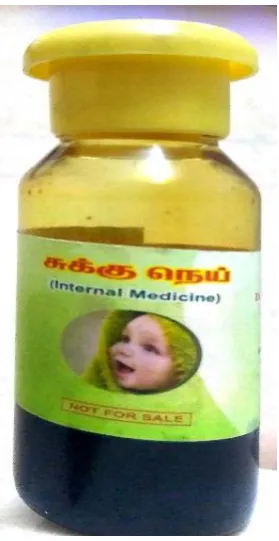
[image:69.595.323.484.329.449.2] [image:69.595.340.484.522.650.2]Fig no.4.7chukku nei
Purification Method:
Arathai - Remove the outer layer,cut into small pieces and dry it under shadow
Omum - Soaked in limestone water and dry it
Murungapattai - Clean and remove the outer layer
Chukku - Double amount of limestone will be added with an amount of chukku fried for a period of 3 hours after that wash it,remove the outer layer and dry it
Vembu nei - It will be boiled with equal quantity of neem bark decoction
Method of preparing Chukkunei:
All the ingredients except vembu nei were taken and grind with sufficient quantity of water and make it as surasam (325 ml) then vembu nei (325ml) will be mixed together and boiled and filtered it.
Drug Storage:
Prepared medicine in oil form was stored in clean and dry air tight container.
Dispensing:
Prepared medicine of 5 ml oil given in separate dry air tight container.
CHINNI THUVALAI (EXTERNAL)
Ingredients
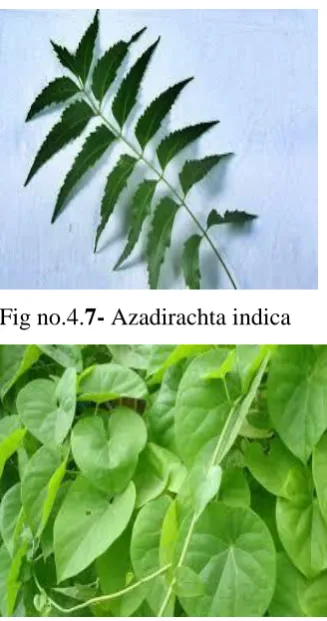
Chinni ilai (Acalypha fruticosa)
Notchi ilai (Vitex negundo)
Seenthil ilai (Tinospora cordifolia)
Vembu ilai (Azadirachta indica)
Ref: K.S.Murugesa mudhaliyar Kuzhandhai Maruthuvam (Balavagadam) 5th Edition Indian System of Medicine and Homeopathy Department, Chennai-106 (2010) pg no 68
[image:71.595.94.258.425.736.2] [image:71.595.331.495.433.736.2]Ingredients of Chinni thuvalai (External)
Fig no.4.7- Azadirachta indica Fig no.4. 8 - Vitex negundo
Preparation
All the leaves were slightly heated and the juices were extracted separately then mixed all together.
Application
The prepared Chinni thuvalai mixture has to be applied over both upper limbs and lower limbs for 3 days as thuvalai.
Indication
All types of Mantham cured
PRECLINICAL STUDIES
4.1. Physicochemical Analysis
The physicochemical analysis of the test drug Chukku nei was carried out as per WHO guidelines (Anonymous 1998). The test procedures were done in Noble research solutions, perungudi, Chennai. Since the form of the drug is in oil.
Determination of specific gravity
Fill the dry sp. gravity bottle with prepared samples in such a manner to prevent entrapment of air bubbles after removing the cap of side arm. Insert the stopper, immerse in water bath at 50OC and hold for 30 min. Carefully wipe off any substance that has come out of the capillary opening. Remove the bottle from the bath, clean and dry it thoroughly. Remove the cap of the side and quickly weigh. Calculate the weight difference between the sample and reference standard.
Determination of Weight per ml
Determination of Refractive Index
Determination of RL was carried out using Refractometer.
Determination of Viscosity value
Viscosity determination were been carried out using Ostwald viscometers. Measurement of viscosity involves the determination of the time required for a given volume of liquid to flow through a capillary. The liquid is added to the viscometer, pulled into the upper reservoir by suction, and then allowed to drain by gravity back into the lower reservoir. The time that it takes for the liquid to pass between two etched marks, one above and one bellow the upper reservoir, is measured.
Determination of pH
One gram of the testdrug was taken into a 100ml graduated cylinder containing about 50 ml of water. The cylinder was shaken vigorously for two minutes and the suspension was allowed to settle for hour at 25ºC to 27ºC, then 25 ml of the clear aqueous solution was transfered in to a 50 ml beaker and tested for pH using digital pH meter .
Determination of Iodine value
About 20 gm of test sample was transferred into Iodine flask. To which 10 ml of chloroform was added and warmed slightly and cooled for 10 minutes. Followed by this about 25 ml of Wiji‟s solution was added in the same flask and shaken well. The flask was
allowed to stand for 30 mins and refrigerated for an hour.T About 10 ml of KI solution was added to this and titrated against 0.1 N Sodium thiosulphate solutions until the appearance of yellow colour. 1 ml of starch indicator was added and again titrated against the sodium thiosulphate solution from the burette. Disappearance of blue colour indicates end point. Repeat the above procedure without taking sample and note the corresponding reading for blank titration.
Determination of saponification value
Acid Value
Accurately 5 g of test sample was weighed and transferred into a 250 mL conical flask. To this, a 50 mL of neutralized alcohol solution was added. This mixture was heated for 10 min by heating mantle. Afterwards, the solution was taken out after 10 min and 1 or 2 drops of phenolphthalein indicator was added. This solution was titrated against KOH solution from the burette. The appearance of pink color indicated the end point. The volume of consumed KOH solution was determined and the titration of test sample was carried out in triplicate and the mean of the successive readings was us