COMPARISON OF MODIFIED DISCRIMINANT
FUNCTION AND GLASGOW ALCOHOLIC HEPATITIS
SCORE IN PREDICTING ONE MONTH MORTALITY
Dissertation
Submitted in partial fulfilment of the regulation of
M.D. DEGREE EXAMINATION
BRANCH I GENERAL MEDICINE
Department of General medicine
GOVT. STANLEY MEDICAL COLLEGE AND HOSPITAL
CHENNAI – 600001
THE TAMILNADU DR.M.G.R. MEDICAL UNIVERSITY CHENNAI
CERTIFICATE
This is to certify that this dissertation titled
“COMPARISON OF MODIFIED DISCRIMINANT FUNCTION AND GLASGOW ALCOHOLIC HEPATITIS
SCORE IN PREDICTING ONE MONTH MORTALITY”
is the bonafide work done by Dr. RENGARAJ G, Post Graduate Student (2010 – 2013) in the Department of General medicine , Govt.
Stanley Medical College and Hospital, Chennai under the direct
guidance and supervision and in partial fulfilment of the regulations laid
down by The Tamil Nadu Dr. M.G.R. Medical University, Chennai for
M.D. Branch I, General Medicine Degree Examination to be held in
April 2013.
Prof.G. VASUMATHI, M.D.,
Professor of medicine,
Department of General medicine, Stanley Medical College and Hospital, Chennai – 600001
Prof. S.MAHESH KUMAR, M.D.,
Professor and HOD,
Department of General medicine, Stanley Medical College and Hospital, Chennai – 600001
Dr.S.GEETHALAKSHMI M.D., Ph.D.,
Dean
DECLARATION
I, Dr. RENGARAJ . G., solemnly declare that the dissertation titled
“COMPARISON OF MODIFIED DISCRIMINANT FUNCTION AND GLASGOW ALCOHOLIC HEPATITIS
SCORE IN PREDICTING ONE MONTH MORTALITY”
is a bonafide work done by me at Govt. Stanley Medical College and
Hospital from march 2012 to august 2012 under the guidance and
supervision of my unit chief,
Dr.G. VASUMATHI.M.D.,
Professor of Medicine
This dissertation is submitted to The Tamilnadu Dr.M.G.R. Medical
University towards the partial fulfilment of the requirements of
M.D. Branch I, General medicine degree examination.
PLACE: CHENNAI Dr. RENGARAJ.G
ACKNOWLEDGEMENT
My sincere thanks to Dr. S. GEETHALAKSHMI, MD., Ph.D.,
the Dean, Govt. Stanley Medical College, Prof.S.MAHESH
KUMAR.M.D, Professor and HOD, Department of General medicine, Govt. Stanley Medical College and Hospital for permitting me to
undertake and successfully complete this study in Govt. Stanley Medical
College and Hospital, Chennai.
I am extremely grateful to our unit Chief,
Prof.G.VASUMATHI.M.D., who has been the main pillar for this study,
for her valuable guidance and encouragement throughout this study.
I would like to thank my assistant professors, Dr. Rajakumar. M.D.,Dr.Geetha.M.D. and Dr. Ramalingam.M.D for their valuable suggestions and help in completing this dissertation.
I thank prof.A.R.Venkateswaran,.D.M Professor of Medical Gastroenterology, Govt. Stanley Hospital for his valuable guidance and
support.
I am particularly thankful to my fellow postgraduate colleague
Dr. Idhayachandran and other fellow post graduates, for his valuable support in the time of need throughout this study.
I thank my father Dr.Govindarajalu ,my mother Geetha,my sister, my grandmother and friends for their help and support.
Last but not the least I would like to thank my patients with gratitude for their cooperation during the study.
CONTENTS
SL.
NO TITLES
PAGE NO
1 INTRODUCTION 1
2 AIM OF THE STUDY 12
3 REVIEW OF LITERATURE 13
4 MATERIALS AND METHODS 51
5 RESULTS 56
6 DISCUSSION 72
7 SUMMARY AND CONCLUSIONS 79
8 BIBLIOGRAPHY
9 ANNEXURE
*Institutional ethical committee clearance certificate
* Consent Form
* Proforma
*Master chart
ABBREVIATIONS
GAHS - Glasgow alcoholic hepatitis score
mDF - modified discriminant function
MELD - Model for end-stage liver disease
ADH - alcohol dehydrogenase
ALDH - aldehyde dehydrogenase
TNF - tumour necrosis factor
IL - interleukin
IFN - interferon
TGF - transforming growth factor
AST - aspartate transaminase
ALT - alanine transaminase
ALP - alkaline phosphatase
GGT - gamma glutamyl transpeptidase
AUDIT - alcohol use disorder identification test
NASH - non-alcoholic steatohepatitis
PT - prothrombin time
INTRODUCTION
HISTORY:
Alcohol consumption has been prevalent as early as 10000 B.C.- Beer
mugs belonging to the Neolithic period( late stone age ) shows the fact that
fermentation was intentionally done at that time. These earliest beverages are
made from berries and honey.
The detailed process of brewing dates back to 2000 B.C. in ancient Egypt
at the dawn of civilisation. In ancient Egypt, alcoholic beverages were
considered very important. In fact, Egyptians had a god of wine, Osiris and
Osiris was worshipped in the entire country. They had a belief that Osiris
invented beer. Beer was brewed and used in home daily. Alcohol was offered to
gods during religious ceremonies. They clearly had limitations in the amount to
be consumed and the majority who used it , drunk moderately.
Ancient Chinese believed alcohol to be a spiritual food. It was used in
moderation during festivals, religious ceremonies, offering rituals, executions,
marriage, death, battles and celebration of victories. It was one of the main
source of income to the treasury.
Greeks had a set of rules for drinking like moderate drinking, diluting
wine with water and avoiding excess consumption. Except during the Dionysus
cult- which believed intoxication will bring people close to god, majority of
Greeks upheld the idea of moderation. But Macedonians viewed drunkenness
as a symbol of masculinity. when Hebrews were exposed to alcohol
they started using it widely and it even became a part of their religious
ceremonies like regular wine drinking outside jewish temples
Early Romanians used wine in moderation. But later half of their period
was associated with heavy drinking. In india, alcohol dates back to 3000 B.C –
2000 B.C, during the period of Indus valley civilisation. A drink called sura
made from fermented wheat, sugarcane and grapes was drunk by kshatriyas.
Ayurveda texts shows that beneficial effects of alcohol if used in moderate
amount and harmful effects if consumed in excess.
By first century B.C. misuse of alcohol became prevalent and intoxication
With the rise of Christianity by fourth and fifth century A.D. alcohol was
considered god’s gift, but excess alcohol consumption leading to drunkenness
was considered as a sin. In the medieval period, the first clear evidence of
alcohol distillation occurred at Greece.
By 15th and 16th century, germans mastered the art of distillation. Some people
increased their consumption dramatically because of the belief that distilled
beverages protected them against black death and plague.
In the modern period, consumption increased gradually. This is the period
during which many varieties of alcohol like champagne, rum, gin, ale, etc
started to emerge. The increased consumption lead to gin epidemic in England
by 17th century. Hence , legislation was passed to limit the sale of gin which
curbed the rise in consumption. Alcohol production industry became lucrative.
Thus alcohol, which was initially consumed as a part of religious
consuming alcohol to intoxicating levels. Initially the usage was confined to
elite people. Later on, with the advent of industrialisation , alcohol production
increased and it became available to all groups irrespective of their economy.
This lead to increased consumption of alcohol among widespread groups of
PRESENT SCENARIO IN INDIA :
Alcohol is the most frequently used drug worldwide and is considered a
socially acceptable hepatotoxin.
*About 30 – 35 % of adult males and 5% adult females consume alcohol. The
male: female ratio was 6 : 1
*The average age of initiating alcohol is 17 years. in 1980, this was at 28 years.
The consumption starts in social circles on experimental basis and then becomes
addictive.
* The chances of addiction are increased when drinking was started at a
younger age.
* the incidence is high in age group of 41 – 50 years and people with lower
education status
*The average duration of consumption is more than 10 years. the amount drunk increases with age.
* the legal age for drinking varies between 18 to 25 depending on the state
*IMFL( Indian made foreign liquor ) and Beer is the most preferred among
*usage is high in goa, north-eastern and southern states
*revenue related to taxation from liquor industry is one of the major sources of
income to the government
*only half of the consumption is documented.
*half of the drinkers come under the category of hazardous drinking
* the documentation of hazardous consequences of alcohol was not done
Properly
* alcoholics have higher morbidity, hospitalisation and mortality
* alcohol is involved in 20 -30 % of road traffic accidents
* increased association with HIV and other sexually transmitted diseases
*it is a co-morbid factor for psychiatric illnesses
* Higher Cardiovascular morbidity among alcoholics
*increasing crime rates have been linked with alcohol.
*prohibition of alcohol didn’t had an effect on consumption. Instead, smuggling
and illegal consumption increased
* alcoholics feel guilty because of their drinking and this prevents them from
seeking medical care
*alcoholism leads to the loss of economy by two ways – one, due to the money
spent on alcohol and two, the resources spent on managing alcohol related
injuries, accidents and medical illnesses
The emerging trends are
- social drinking was considered as a part of life style
- Initiation at earlier, younger age
- Increasing consumption among females
- Higher consumption among sub-urban and rural areas
ALCOHOLIC LIVER DISEASE:
Alcoholic liver disease (ALD) includes a wide range of injury, from reversible Steatohepatitis to irreversible cirrhosis. Alcohol is a common cause
of liver disease worldwide. Pathologically, the varied manifestations of the disease are shown below:
Among these, alcoholic hepatitis is a very important entity because ,
severe alcoholic hepatitis is associated with very high short-term mortality
rates. So far, the severity is identified by calculating modified Discriminant
with steroids or pentoxifylline . Thus it is important for an accurate scoring
system to identify and treat the severe patients.
The mDF includes only PT and bilirubin in calculating the severity of
Alcoholic hepatitis. But the presence of renal involvement indicates severe
disease with a short-term mortality rate of 75%[1].
Also, in alcoholic hepatitis the inflammatory mechanisms play an
important role in pathogenesis, which is why the steroids are being used as
treatment. The importance of renal involvement or inflammation in
determining the severity of disease is not estimated in mDF score.
Hence there is a need for a new scoring system which can involve the
renal function and inflammation. The Glasgow Alcoholic Hepatitis Score
involves age, White cell count, urea, PT and bilirubin in calculating the
prognosis of alcoholic hepatitis and identifying the patients in need of drug
therapy. Since it involves markers for renal dysfunction and inflammation , it
can be more accurate than mDF .
Hence, it sounds worthy for me to take up this comparative study of
AIMS AND OBJECTIVES
1] To estimate the 1 month mortality in alcoholic hepatitis by using mDF
and GAHS Score
2] To assess the accuracy of each scoring system in predicting 1 month
REVIEW OF LITERATURE
PATHOGENESIS OF ALCOHOL INDUCED LIVER INJURY
ALCOHOL METABOLISM IN LIVER:
The major organ for alcohol metabolism is liver. Ethanol is metabolised
by three major enzyme systems:
1] alcohol dehydrogenase[ADH]
2] cytochrome P450 isoenzymes, mainly cytochrome P450 2E1
3] Catalase.
Of these, the main enzyme system involved in alcohol metabolism is
ALCOHOL DEHYDROGENASE[ADH], located in the cells of the liver[2]. It
metabolises 80-85% of ethanol.The Cytochrome P450 isoenzymes,
predominantly CYP2E1 is situated in the smooth Endoplasmic Reticulum as a
part of microsomal ethanol-oxidising system. This system metabolises ethanol
at higher blood concentrations[greater than 10 Mm] and contributes to 10-15%
of ethanol metabolism[3]. The catalase enzyme present in peroxisomes is
of minor importance, because it metabolises less than 5% of ethanol in the liver.
Ethanol is converted to acetaldehyde by the above three systems.
Ethanol ADH acetaldehyde ALDH acetate
Polymorphisms in ADH results in different elimination rates in different
individuals. Various active isoforms like ADH2 and ADH3 results in rapid
metabolism of alcohol. These individuals have lower tolerance of alcohol, but
they produce more acetaldehyde rapidly resulting in increased liver injury[3].
The major isoenzyme in aldehyde dehydrogenase is ALD H2. It is the
predominant metabolism of aldehyde oxidation .Inactive ALD H2 is found in
50% east Asians resulting in impaired acetaldehyde metabolism causing
METABOLIC ABNORMALITIES:
The metabolic abnormalities that arise in alcoholic liver disease includes
several mechanisms:
1] Acetaldehyde – it is a highly reactive and toxic compound. It forms
adducts with proteins and small molecules , thus interfering with normal
biologic processes. These modified proteins induces host’s immune system and
results in auto-immune like mechanisms. This type of injury is specific to
alcohol.
2] Shift in ratio of NADH to NAD+ to a more reduced state. This
inhibits lactate to pyruvate conversion and fatty acid oxidation, resulting in
impaired carbohydrate and lipid metabolism.
3] Oxidative stress – CYP2E1 system leaks electrons to initiate oxidative
IMMUNE AND INFLAMMATORY MECHANISMS:
1] DYSREGULATED CYTOKINE PRODUCTION AND KUPFFER CELL ACTIVATION:
In alcoholic liver disease, the increased intestinal permeability causes
frequent endotoxemia. This intestine derived LPS activates reticuloendothelial
cells of the liver, thereby stimulating cytokines. Also the reactive oxygen
species stimulates proinflammatory cytokine production. The production of
immunomodulatory cytokines which counter-act these detrimental effects are
decreased.
TNF metabolism is dysregulated. TNF is produced in significantly
increased amounts because of the gut-derived endotoxin stimulation. serum
TNF concentrations show a strong correlation with disease severity and risk of
mortality. The levels of pro-inflammatory cytokines in Serum are increased to
alarming levels and the levels often correlate with acute-phase reactants,
reduced hepatic function, and poor outcomes. This enhanced cytokine
response to a physiologic stimulus such as LPS is termed priming.
Hepatocytes normally are resistant to TNF killing. However, hepatocytes
in alcoholic hepatitis are sensitized to TNF killing. Mechanisms for this
sensitization include mitochondrial depletion of glutathione, accumulation of
reticuloendothelial cells are primed and hepatocytes are sensitised, resulting in
liver damage
2] IMMUNE RESPONSE TO ALTERED HEPATIC PROTEINS:
Alcoholics develop immune or autoimmune response by autoantibodies
against phospholipids, heat shock proteins and other antigens[1]. They also
develop immune responses against neoantigens generated from the interactions
of metabolites of alcohol (e.g., acetaldehyde or hydroxyethyl radicals) with liver
proteins. In fact, alcoholic hepatitis may persist histologically for several
Role of Cytokines Cytokine Mechanism Pro–inflammatory cytokines
IL-1 Stimulates inflammation, results in fever
IL–6 Causes B lymphocyte proliferation and antibody production
TNF–α Stimulates macrophages. Triggers apoptosis and necrosis
TGF–β Promotes collagen synthesis
Immunoregulatory cytokines
IL–10 Prevents mitosis in reticuloendothelial cells. it is decreased in
alcoholic hepatitis
Chemokines
Immunological mechanisms in alcohol induced hepatic injury
DIAGNOSIS OF ALCOHOL ABUSE:
Alcohol abuse is defined in an individual who has frequent problems in
social, legal, occupational and interpersonal relationships. It can be diagnosed if
an individual is consuming alcohol in dangerous situations like driving. It can
be defined only when there is no alcohol dependence.
The diagnosis of alcohol abuse can be done using AUDIT-C and the
CAGE questionnaire. The denial of patients and inadequate questioning by
physicians results in underdiagnosis of patients. The CAGE questionnaire
dramatically improves the recognition of patients with problem drinking in
primary care clinic.
When two of the four questions are answered yes, it has 90% specificity
in identifying problem drinking. The problems in CAGE are its lesser
reliability in women and pregnancy.
The Michigan Alcoholism Screening Test ( MAST ) is a 25 item
questionnaire used to identify abuse. But it is cumbersome and could not be
used easily.
Alcohol Use Disorders Identification Test (AUDIT) is a 10-item
questionnaire designed by the WHO for screening of problem drinking . The
first three questions are used to assess the quantity, frequency, and peak
intensity of drinking and the next Seven questions deal with issues in the past
year. The AUDIT is scored by means of summation of the weights associated
with the response selected for each item.
A total ≥ 8 for men up to age 60, or ≥ 7 for women, adolescents, or
men over age 60 is considered a positive screening test.. Any value greater than
this suggests alcohol abuse; higher values increase the reliability of the
diagnosis of alcohol abuse. The AUDIT score has been considered a better
AUDIT can be finished in 2 to 4 minutes. At the end of first question if
the patient says no drinking in the previous year we can straightaway go to the
ninth question. Likewise if the patient has a sum score of 0 on second and third
question, we can straightaway go to the ninth question. In this way AUDIT can
be shortened. The advantages of AUDIT are:
- It identifies drinkers who are at risk of dependency
- It quantitates the amount consumed
- It inculcates short-term as well as long-term drinking patterns
- Takes less time
- Can be done in an easier way
- Accuracy is more
- Easily computed and compared for epidemiological purposes
The ability to predict the existence of other alcohol-related illnesses on
the basis of AUDIT results was similar to that with laboratory tests.
Laboratory tests are needed to confirm the diagnosis. Clinical
differentiation of the stages of ALD is difficult at times, and no clinical sign
Each question will be given points ranging from 0 to 4. A total ≥ 8 for
men up to age 60, or ≥ 7 for women, adolescents, or men over age 60 is
considered a positive screening test.
Management based on AUDIT :
AUDIT SCORE Intervention
0-7 Health education
8-15 Advice
16-19 Advice + counselling + continuous
monitoring
20-40 Referral to specialist
AUDIT has been designed to cover all the problems related to drinking:
- If a drinker has a score of ≥ 1 on 2nd or 3rd question, it implies
hazardous consumption
- A score above 0 on questions 4 to 6 shows alcohol dependence
- Scores above 0 on 7th to 10th questions denotes that the patient is currently
Blood or breath alcohol measurements are the most sensitive and specific
indicators of recent alcohol abuse, particularly for binge drinkers. The major
limitation of these tests is the short half-life of ethanol in blood, urine, and
breath.
Biomarkers of alcohol abuse that are detectable over longer periods can
be used. The most specific of these biomarkers is carbohydrate-deficient
transferrin (CDT). CDT levels increase in serum with ingestion of 50 to 80
g/day of ethanol for two to three weeks and decline gradually during abstinence,
with a half-life of approximately 15 days. The problem with CDT is it has a
sensitivity of only 35% to 40% if consumption is 100 g of ethanol daily. Also
it is influenced by various factors like age, sex, body mass index, etc. Hence it
is not used in clinical practice. It is a FDA approved test. Other parameters
Alcoholic hepatitis:
Alcoholic hepatitis is a clinical syndrome of icterus and hepatic
dysfunction that usually manifests following continuous excessive alcohol
intake[average of 100 g /day ]. The usual age at which the disease presents is
40 to 60 years, but can vary from 20 to 80 years. The cardinal sign is rapid
onset of jaundice. Typically, the liver is enlarged and tender[6]. The importance
of alcoholic hepatitis lies in its potential reversibility.
Documentation of chronic and significant alcohol abuse is important.
Minimum of 80 g/day for 5 years is typical. Patient may have stopped alcohol
consumption several weeks before, but Clinical presentation after 3 months of
abstinence should raise doubts about the diagnosis of alcoholic hepatitis and
these patients should be evaluated for other causes of liver damage such as
HISTOLOGY:
Ballooning:
The hepatocytes becomes swollen due to accumulation of fat, proteins
and water. Later they become necrosed.
Mallory bodies:
Accumulation of intermediate filaments are seen as eosinophilic
cytoplasmic inclusions. They are called Mallory bodies. they are non-specific.
They can be present in Wilsons disease, primary biliary cirrhosis, chronic
Cholestasis and liver malignancy.
Neutrophil infiltration:
Neutrophils surround the degenerating hepatocytes. They have
predilection to involve hepatocytes with Mallory bodies. lymphocytes and
Fibrosis:
Sinusoidal and perivenular fibrosis occurs.it is predominantly found in
zone 3. Periportal fibrosis will be the dominant picture in repeated bouts of
heavy drinking.
Cholestasis :
Mortality is increased in marked cholestasis.
The histology varies depending on the severity of the disease. These
histological changes can be seen in NASH too. Hence, in a patient with
adequate alcohol intake history and laboratory features, histology is the gold
Picture showing ballooning of hepatocytes, micro and macrovesicular steatosis
DIAGNOSIS IN CLINICAL PRACTICE:
However there are problems in clinical setting in obtaining biopsy. If the
patient has ascites and/or coagulopathy, percutaneous liver biopsy cannot be
performed. Still transjugular biopsy can be done, but this needs expertise which
may not be immediately available. Even if biopsy is done, if it is relied upon for
diagnosis, delay in management will occur.
Hence in practice, the disease is suspected when icterus and other
symptoms and signs of decompensation like ascites happens to an individual
with excess ethanol intake[4] . however in the study conducted by HISLOP et al
in Scotland and north east England biopsy done in the patients showed that
only 65% of biopsy proven disease had icterus and 5% had encephalopathy.
The common presentations in biopsy proven alcoholic hepatitis includes a
wide range of signs and symptoms like vomiting, hepatomegaly, ascites,
splenomegaly, encephalopathy, etc
Clinical diagnosis has an accuracy of about 80% when compared with
histology. However, along with history of chronic excess alcohol
ingestion,AST < 500 [or ALT < 300] and exclusion of autoimmune ,chronic
viral or malignant diseases if serum bilirubin was set at a minimum level of >
inclusion criteria of serum bilirubin is > 5 mg/dl to improve the diagnostic
accuracy.
Approximately 50-60 % patients will also have co-existing cirrhosis. But
this doesnot seem to worsen the 28 day and 84 day mortality of patients. The
CLINICAL FEATURES:
It can be divided into 4 types:
1] Features specific to existing alcoholic hepatitis- although clinical jaundice
occurs only in 40-60% of cases , all cases will have hyperbilirubinemia. Other
features include right upper quadrant pain, fever, tachycardia. Fever can be in
the range of 100.4 to 104 F. This fever can be attributed to alcoholic hepatitis
only after excluding infections and malignancy. Malnutrition can be present in
upto 90% patients . severe disease can have hepatic encepahalopathy, renal
failure,ascites.
2] Features due to underlying cirrhosis – this includes spider naevi, palmar
erythema
3] Features of associated diseases – like co-existing infections
4] Features of alcohol withdrawal – the frequency of alcohol withdrawal is
Laboratory features:
Liver function tests:
Liver enzymes:
The usual picture will be an increase in AST and ALT to two-to seven
fold. Usually the AST/ALT ratio usually is of little value in differentiating
various hepatobiliary disorders. One of the exceptions to this is the recognition
of alcoholic liver disease. If the ALT is less than 300 IU , an AST/ALT ratio
more than 2 suggests alcoholic liver disease; a ratio greater than 3 is highly
suggestive of alcoholic liver disease. The increased ratio shows the decresed
ALT level in patients with alcoholic liver disease. This is secondary to a
deficiency of pyridoxal 5′-phosphate . although both AST and ALT needs
pyridoxal 5’-phosphate, the requirement of ALT is more. The altered AST/ALT
ratio in serum appears to reflect the altered ratios in the liver.
Very high levels suggest complicating paracetamol ingestion. A Smaller
dose of paracetamol can predispose alcoholics into severe hepatitis. Levels of
more than 500 suggests causes other than alcoholic hepatitis.This is because of
alcohol induced induction of CYP450 in MEOS[microsomal enzyme oxidising
systems]. This increased MEOS activity causes increased production of toxic
metabolite of paracetamol, N-acetyl-P-benzoquininemine[NAPQ]. A variant of
upto 730 u/l. Despite striking elevations, the AST/ALT ratio remains increased
and typical of alcoholic liver disease.
Serum ALP levels will be increased to modest amount of upto three times
upper limit of normal. Regarding the clinical value of GGT, its use lies in
conferring organ specificity to an elevated value of alkaline phosphatase,
because GGT activity is not elevated in patients with bone disease. In addition,
high GGT values are found in patients who take medications such as
barbiturates or phenytoin or ingest large quantities of alcohol , even when other
serum enzyme and bilirubin values are normal. When the elevated GGT value is
associated with the use of anticonvulsant drugs or alcohol abuse, no correlation
between serum GGT and alkaline phosphatase values is seen. Aside from its
value in conferring liver specificity to an elevated alkaline phosphatase
level and its possible use in identifying that a patient abuses alcohol, GGT
testing offers no advantage over aminotransferase and alkaline phosphatase
testing.
Serum albumin:
The long serum half-life of albumin in serum accounts for its unreliability
as a marker of hepatic synthetic function in acute liver injury. Serum albumin
suspicion of a chronic process . Serum albumin is an excellent marker of hepatic
synthetic function in patients with chronic liver disease and cirrhosis, with the
exception of patients with cirrhosis and ascites, who may have normal or
increased albumin production but an increased volume of distribution that
results in a low serum albumin level.
When it is less than 2.5 mg/dl , it indicates severe disease. Serially
increasing albumin levels shows that the patient is improving. Because of its
low prognostic value in acute hepatic diseases it is not used in the prognostic
scoring in alcoholic hepatitis
Serum bilirubin:
In other diseases total serum bilirubin level is not a sensitive indicator of
hepatic dysfunction and may not accurately reflect the degree of liver damage.
Hyperbilirubinemia may not be detected in instances of moderate to severe
hepatic parenchymal damage or a partially or briefly obstructed common bile
duct. Few controlled studies have critically assessed the prognostic value of
magnitude and duration of hyperbilirubinemia in liver disease and have shown
that In acute alcoholic hepatitis, hyperbilirubinemia correlates with a poor
prognosis. Levels > 8 mg/dl indicates severe disease.
Also in severe disease, it is measured 1 week after starting steroids to
PT/INR:
Measurement of the prothrombin time in patients with liver disease is
most useful in cases of acute liver disease. Unlike the serum albumin, the
prothrombin time allows an assessment of current hepatic synthetic function;
factor VII has the shortest serum half-life (six hours) of all the clotting factors.
It also correlates with severity of disease. The prothrombin test is not a sensitive
index of chronic liver disease because, even in severe cirrhosis, prothrombin
levels can be normal or the prothrombin time prolonged only slightly.
Also it has high prognostic value, particularly for patients with acute
hepatocellular disease. An abnormal prothrombin time with confirmed
prolongation more than 5 to 6 seconds above control often precedes by days the
manifestations of liver failure. Progressive return of the prothrombin time to
normal usually precedes or accompanies other evidence of clinical
improvement. The degree of prolongation of the prothrombin time is a
prognostic factor for patients with alcoholic steatonecrosis. A prothrombin time
greater than 4 seconds above control value occurred six times as often in a
Complete Blood Count:
It shows mild anemia(usually macrocytic), platelets in the range of
normal to decreased and elevated white cell count. White cell count elevation to
upto 40,000 are common. PMN > 5500 in the presence of m DF > 32 indicates
poor prognosis. The presence of leukemoid reaction implies very poor
prognosis. Since patients present with fever and leukocytosis clinicians will
always have a concern for sepsis alcoholics , being malnourished are at
increased risk of infection. Hence a minimum evaluation for fever should
include chest x ray, blood culture, paracentesis(if ascites is present), urine
analysis and culture and specific testing if localised signs of infection are
present. After ruling out infection, the fever can be attributed to alcoholic
RENAL FUNCTION TESTS
The values of urea and creatinine rises. The patient can develop
hepatorenal syndrome. Hepatorenal syndrome development is associated with 1
month mortality of 75%. These elevations are found to have statistically
significant correlation with the severity of the disease. Hence the rise of urea
ROLE OF LIVER BIOPSY:
Liver biopsy is useful but not necessary for the diagnosis. It assumes
greater importance in the evaluation of patients who continue to have abnormal
results of liver tests after a period of abstinence of approximately 3 to 4 months.
It is difficult to identify the prothrombin time at which needle biopsy of the
liver are contraindicated because the risk of bleeding has not been well
correlated with the values of this test. The accepted cut-off value is PT
ROLE OF IMAGING:
The primary utility lies in identifying mass lesions like hepatocellular
carcinoma and analysing the presence of cirrhosis
It helps to rule out other diseases which might cause similar biochemical
profile.
If biopsy is planned, baseline imaging is done to evaluate silent mass
lesions and to understand the anatomy
MRI features which indicates ALD are caudate lobe enlargement and
decreased regeneration
However these differences are never absolute
Also sonogram or CT cannot clearly delineate fatty liver from
steatohepatitis.
In the evaluation of patients with symptoms, nonspecific findings
include elevated urate, lactate, and TGL levels and a decrease in magnesium,
phosphate, and potassium levels. Polyclonal hyperglobulinemia and an increase
in the circulating level of immunoglobulin A (IgA) also occurs with ALD It
must be reiterated that no specific laboratory test exists that is specific for ALD.
A recently described tool for the diagnosis of ALD is hepatic phosphorus
31 magnetic resonance spectroscopy . This study is used to calculate hepatic
energy metabolism and phospholipid membrane metabolism Lower
phosphodiesterase to adenosine triphosphate ratios have been reported in
patients with alcoholic cirrhosis
Frequent measurement of serum ethanol levels during office visits Can be
done easily. But this is often-ignored method of assessing for alcohol use.
Other laboratory parameters include β hexosaminidase and urinary 5 hydroxy
tryptophol levels , which must be subjected to prospective testing at several
centers before the validity can be confirmed.
Endoscopy:
It is used when an alcoholic presents with active upper gastrointestinal
bleeding may be secondary to a variety of causes that include Mallory-Weiss
tear, peptic ulcer disease, direct alcohol-induced gastric mucosal erosions and
injury, portal hypertensive bleeding from varices, and congestive gastropathy
secondary to cirrhosis. Alcohol abuse also is associated with a direct inhibitory
effect on hepatic protein synthesis and a decrease in procoagulant factors that
aggravate the bleeding once it begins. Therefore, endoscopy has both diagnostic
and therapeutic value in such scenario.
PROGNOSIS :
The prognosis among patients with alcoholic hepatitis can vary
dramatically. In patients with severe disease, the mortality rate is high, similar
to that of acute fulminant hepatic failure. Severity can be identified by the
bilirubin level , depression of the serum albumin level, high serum creatinine
level, and older age.
0% 10% 20% 30% 40% 50% 60% 70% 80%
encephalopathy HRS
ONE MONTH MORTALITY (%)
Three models have been shown to analyse short-term prognosis
1. mDF :
It is discovered by Maddrey and Boitnott. It is calculated as 4.6 PT
prolongation( Patient’s− control value (seconds) + serum bilirubin (mg/dL). The
mDF has proved useful for delineating 28 day and 84 day mortality. Evidence
has proven that patients with a mDF value of 32 or more experience a worse
prognosis, with 28 day mortality rates of 35% to 45%.
By contrast, patients with a mDF value less than 32 have short-term
survival rates of 90% to 100%.
The MELD score (which includes the serum bilirubin level, INR along
with creatinine level) and the Glasgow alcoholic hepatitis score (which
includes age, WBC count, urea level, prothrombin time ratio [ratio of the
patient's prothrombin time to the control value] along with serum bilirubin
level) also have been shown to predict survival in patients with severe alcoholic
hepatitis. Because both the MELD and Glasgow scores include measures of
renal function, they appear to be more accurate than the mDF in determining the
prognosis of patients.
Discriminant Function = (4·6 x PT) +Serum Bilirubin (mg/dl)
Modified Discriminant Function = 4·6 X (PTPATIENT – PTCONTROL) + Serum Bilirubin ( mg/dl)
Prognosis poor if score ≥ 32
MELD score = 3.78[Ln serum bilirubin (mg/dL)] + 11.2[Ln INR] + 9.57[Ln serum creatinine (mg/dL)] + 6.43
Prognosis poor if score ≥18
Glasgow Alcoholic Hepatitis Score
Score 1 2 3
AGE <50 >50
WCC(109) <15 >15
UREA(MMOL/L) < 5 >5
PT ratio or INR <1.5 1.5 – 2 >2.0
Bilirubin(µmol/l) <125 125-250 >250
Prognosis poor if score ≥ 9
1) It needs calculators for calculation since it involves logarithms
2) It includes creatinine as a measure of renal function. Evaluation of
creatinine is commonly done based on jaffe reaction. In diseases
associated with hyperbilirubinemia, creatinine will be underestimated.
So the observed value based on jaffe’s method needs correction, which is
more cumbersome
GAHS is more easy to calculate and it uses urea as a measure of renal
function
ABIC score :
(age x 0.1) + (serum bilirubin x 0.08) + (serum creatinine x 0.3) + (INR x
0.8)
Score ≥ 9 indicates poor prognosis
It is used to identify patients who donot respond to corticosteroids at the
end of one week, so that alternate therapies can be considered. It combines 6
variables:
1.age
2. renal insufficiency
3. Albumin
4. prothrombin time
5. bilirubin, and
6. evolution of bilirubin at day 7.
All these variables have been studied and found that each is individually
associated with altering the prognosis. A score > 0.45 signifies steroid failure
and steroids should be stopped. These patients have a survival of 25 %.
The disadvantage is that it necessitates the need of calculators to
MATERIALS AND METHODS
STUDY DESIGN : OBSERVATIONAL STUDY
STUDY PLACE : Department of general medicine and
medical gastroenterology
Government Stanley Hospital, Chennai -1.
STUDY PERIOD : 6 months (march 2012 – august 2012)
STUDY
POPULATION
: Patients admitted with alcoholic hepatitis
SAMPLE SIZE : 50 patients
Inclusion criteria:
• Pt. with hepatitis with alcohol consumption of > 80 g/day for 10 years.
• Bilirubin > 80 micromol/l
• AST < 500 u/l
Exclusion criteria:
• Alcohol intake < 20 g/day
• Pt. on amiodarone
• Hbs Ag positive
• Anti-HCV positive
• GI bleeders
• Autoimmune liver diseases
• Liver malignancy
After getting approval from the institutional ethical committee, the study
was started. All the individuals in this study were given information form and
consent form. After signing the informed consent form they were enrolled in
this study.
HOW THE STUDY WAS CONDUCTED
Patients admitted with alcoholic hepatitis were included in the study after
applying the inclusion and exclusion criteria. They were subjected to thorough
history , clinical examination , biochemical investigations, ultrasonogram of the
abdomen. They were followed up after one month of their present admission.
Assessment panel includes-
History , with specific focus on alcohol intake- amount, type and
duration and with AUDIT score ≥ 8 in males and ≥ 7 in females and
elderly males
Age
Biochemical investigations :
- white cell count
- serum urea
- PT and INR
- SGOT and SGPT
Ultrasonogram of abdomen done to exclude cirrhosis and malignancy
Results were duely collected and analysed
The patients were followed up for one month and the mortality is
assessed mDF and GAHS were calculated. Downloadable calculators
were used for calculation. These calculators requires only variables to be
submitted.
Modified Discriminant Function :
Glasgow Alcoholic Hepatitis Score
Score 1 2 3
AGE <50 >50
WCC(109) <15 >15
UREA(MMOL/L) < 5 >5
PT ratio or INR <1.5 1.5 – 2 >2.0
Bilirubin(µmol/l) <125 125-250 >250
The patients with m DF ≥ 32 were given prednisolone for four weeks and
then tapered over next four weeks. If the patient had contraindications to
steroids, pentoxifylline is given. The patients were followed for one month and
the mortality is observed.
Sensitivity, specificity and accuracy of mDF and GAHS in calculating 1
month mortality were calculated. The results were analysed. P-value of 0.05 is
RESULTS
This study included 50 patients diagnosed with alcoholic hepatitis
admitted in department of general medicine and medical gastroenterology,
government Stanley hospital. The one month mortality prediction by modified
discriminant function and GAHS score is calculated and compared with
observed one month mortality. The results were tabulated and analysed as
[image:63.595.86.509.374.518.2]follows:
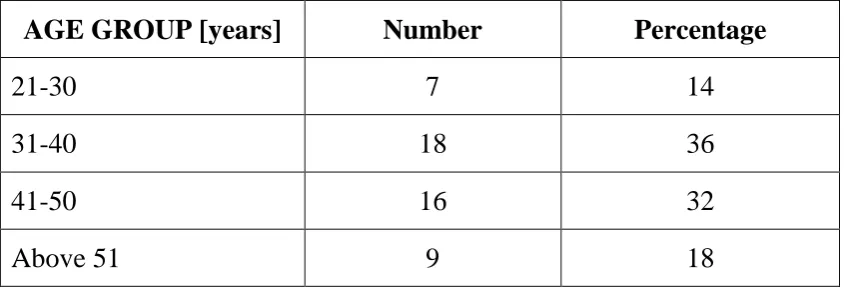
Table 1 . AGE DISTRIBUTION
AGE GROUP [years] Number Percentage
21-30 7 14
31-40 18 36
41-50 16 32
Table 2. Sex Distribution
SEX NUMBER
Male 49
Female 1
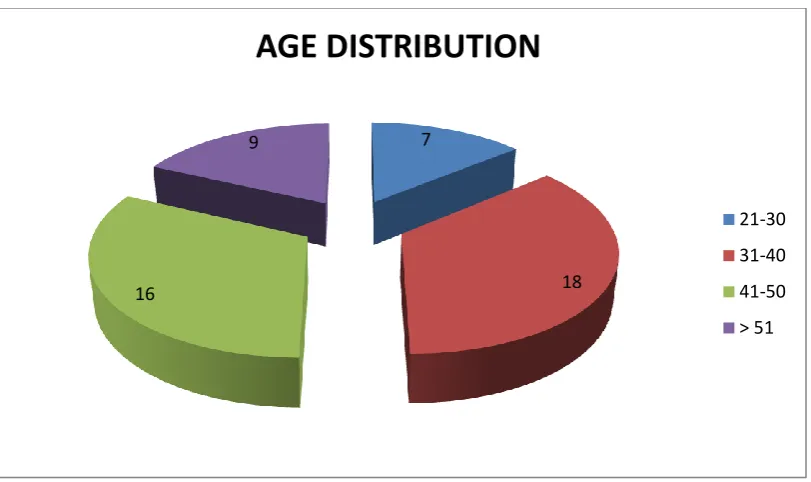
7
18 16
9
AGE DISTRIBUTION
21-30
31-40
41-50
Majority in our study group are males
SEX DISTRIBUTION
MALE
Trend Chi-square to compare the proportions
Age group (years)
1 month Mortality
Total
P-Value
Survived Died
N % N % N %
21 - 30 7 100.0 0 0.0 7 100.0
0.005
31 - 40 14 77.8 4 22.2 18 100.0
41 - 50 11 68.8 5 31.3 16 100.0
>51 3 33.3 6 66.7 9 100.0
Total 35 70.0 15 30.0 50 100.0
This table shows that as age increases, the mortality increases too.
0.0 10.0 20.0 30.0 40.0 50.0 60.0 70.0 80.0 90.0 100.0
21 - 30 31 - 40 41 - 50 >51
100.0 77.8 68.8 33.3 0.0 22.2 31.3 66.7 Pe rc entage
Age group (years)
Age group and One month mortality
SurviveIndependent samples t-Test to compare mean values between Variables
AGE
Variable 1 month
Mortality N Mean
Std.
Deviation P-Value
Age (years)
Survived 35 38.23 7.99
0.002
Died 15 46.80 9.33
This table shows that patients who survived had a mean age of 38.23
whereas patients who died at the end of 1 month had a mean age of 46.8. This
difference is significant as suggested by a p-value of 0.002
WHITE CELL COUNT
0 10 20 30 40 50 SURVIVED DIED 38.23 46.8
MEAN AGE(in years)
Variable 1 month
Mortality N Mean
Std.
Deviation P-Value
WCC
Survived 35 8917.1 3324.5
<0.001
Died 15 15913.3 4652.6
Patients who died at the end of 1 month had significantly raised white
cell count( mean of 15913) with a p-value of < 0.001 indicating the importance
of white cell count in indicating the prognosis of alcoholic hepatitis.
8917
15913
mean value of White Cell Count(x 10
6)survived
SERUM UREA
Variable 1 month
Mortality N Mean
Std.
Deviation P-Value
Urea
Survived 35 31.74 8.98
0.014
Died 15 38.63 8.15
Patients who died at the end of 1 month had significant rise in urea
compared to those survived(p- 0.014), indicating renal involvement altering the
prognosis of alcoholic hepatitis
31.7 38.63 0 5 10 15 20 25 30 35 40 45 survived died
Mean value of serum Urea( mg/dl)
SERUM BILIRUBIN
Variable 1 month
Mortality N Mean Std. Deviation P-Value
Total bilirubin
Survived 35 8.81 2.46
0.007
Died 15 13.39 5.57
The average value of serum bilirubin in patients who died was
13.3,compared the value of 8.81 in those who survived ( p- value = 0.007 )
indicating it’s value in assessing the prognosis
8.8
13.3
serum bilirubin (mg/dl)
SURVIVED
PROTHROMBIN TIME:
Variable 1 month
Mortality N Mean Std. Deviation P-Value
PT
Survived 35 17.17 2.07
0.073
Died 15 18.33 2.02
In our study, the prothrombin time among the patients who died was
raised Compared to those who survived, but this rise was not statistically
significant(p- value - 0.073).
17.1
18.3
SURVIVED DIED
16.5 17 17.5 18 18.5
PROTHROMBIN TIME ( in seconds)
Comparison of mDF and GAHS in patients who died at 1 month :
m DF and GAHS score
Died
N %
m DF<32.0 & GAHS<9.0 1 6.7
m DF<32.0 & GAHS≥9.0 2 13.3
m DF≥32.0 & GAHS<9.0 0 0.0
m DF≥32.0 & GAHS≥9.0 12 80.0
Total 15 100.0
Of the 15 patients who died , 12 were detected as having severe disease
by both mDF and GAHS. But 2 patients who had mDF < 32 and GAHS ≥9
died. These patients if identified as severe , could have benefitted with steroids
or pentoxifylline. 1 patient who had both mDF < 32 and GAHS < 9 died and
both scores failed to identify the severity. GAHS identifies severity in all
patients identified by mDF ≥ 32, apart from identifying severe disease in
patients with mDF < 32. The only patient where GAHS failed, mDF too failed
to identify the severity .
0.0 10.0 20.0 30.0 40.0 50.0 60.0 70.0 80.0 90.0 100.0 <32.0 & <9.0 <32.0 & ≥9.0 ≥32.0 & <9.0 ≥32.0 & ≥9.0 6.7 13.3 0.0 80.0 P e rc e nt a ge
Kappa Statistics to measure the Agreement between the two scoring procedures
m DF Score
Total
≥ 32.0 < 32.0
GAHS Score
≥ 9 14 2 16
< 9 9 25 34
Total 23 27 50
Measure of Agreement Value P-Value.
Kappa 0.547 <0.001
Kappa value of 0.547 shows moderate agreement between GAHS and
ROC Curve analysis to find out the best cut off point for GAHS to predict the 1 month mortality.
Area Under the Curve = 0.972
The ROC curve analysis suggests that GAHS value ≥ 9.0 is the best
Sensitivity Specificity Analysis for mDF
1 month Mortality
Total
Died Survived
m DF Score
≥ 32 13 12 25
< 32 2 23 25
Total 15 35 50
Parameter Estimate (%) Lower - Upper 95% CIs
Sensitivity 86.67 62.12, 96.26
Specificity 65.71 49.15, 79.17
Positive Predictive Value 52.00 33.50, 69.97
Negative Predictive Value 92.00 75.03, 97.78
Diagnostic Accuracy 72.00 58.33, 82.53
Thus mDF has a accuracy of 72 % in predicting 1 month mortality.
Also, out of 25 patients who had discriminant function of > 32, 13 patients
died and 12 survived with a specificity of 65.7 %. Out of 25 patients who had
Sensitivity Specificity Analysis for GAHS :
1 month Mortality
Total
Died Survived
GAHS Score
≥ 9 14 2 16
< 9 1 33 34
Total 15 35 50
Parameter Estimate (%) Lower - Upper 95% CIs
Sensitivity 93.33 70.18, 98.81
Specificity 94.29 81.39, 98.42
Positive Predictive Value 87.50 63.98, 96.50
Negative Predictive Value 97.06 85.08, 99.48
Diagnostic Accuracy 94.00 83.78, 97.94
Thus GAHS has higher sensitivity,specificity, Positive predictive value,
negative predictive value and diagnostic accuracy when compared to mDF .
Among these, the SPECIFICITY, POSITIVE PREDICTIVE VALUE
and ACCURACY of GAHS is SIGNIFICANTLY HIGHER compared to mDF
. Hence GAHS identifies the severity of alcoholic hepatitis accurately compared
to mDF and this should be used in deciding upon treatment with steroids or
pentoxifylline.
Parameter mDF GAHS
Sensitivity 86.67 93.33
Specificity 65.71 94.29
Positive Predictive Value 52.00 87.50
Negative Predictive Value 92.00 97.06
Diagnostic Accuracy 72.00 94.00
0.0 10.0 20.0 30.0 40.0 50.0 60.0 70.0 80.0 90.0 100.0 86.7 65.7 52.0 92.0 72.0
93.3 94.3
87.5
97.1 94.0
P e rc e nta ge
Comparison of Sensitivity and
Specificity
DISCUSSION
Alcoholic hepatitis is one of the most prevalent disease. It is increasing
day by day because of widespread use of alcohol. When severe, the short term
mortality is very high. This high mortality is mainly due to inflammatory
processes occurring in acute alcoholic hepatitis.
Identification of patients with severe disease is of key significance
because these patients can be treated with steroids or pentoxifylline and these
patients need to be monitored for the development of complications like hepatic
encephalopathy and renal failure. Also these patients need to be followed up
periodically because alcoholic hepatitis, in the long run is associated with nine
times increased risk of development of cirrhosis.
The severity of disease is identified by mDF score ≥ 32. But the
problem with this score is that it involves only serum bilirubin and Prothrombin
time. It doesnot include any markers for inflammation or renal involvement.
The MELD score is cumbersome to calculate and it too doesnot involve
any marker for inflammation. The GAHS is easy to calculate, involves markers
Our study which was an observational study involved 50 patients with
alcoholic hepatitis and comparison of actual prognosis with prognosis and
severity calculated by mDF and GAHS.
The observed mortality was 30% . The severity predicted by GAHS had
an accuracy of 94 % compared to that calculated by mDF which had 72%
accuracy. Thus it is obvious that GAHS has much better severity prediction
compared to mDF and this is helpful in treating patients. Also patients with
GAHS < 9 survived, irrespective of their mDF, even if mDF ≥ 32. This shows
that if GAHS < 9 , these patients need not be treated with steroids or
pentoxifylline.
There are many studies reported in literature, comparing the various
prognostic scoring systems. In the E H Forrest et al study, 241 patients were
studied. The day of admission GAHS was statistically significant than mDF
in finding out 28 and 84 day mortality. When compared with MELD , the day 1
GAHS was equally accurate in predicting 28 day mortality and more accurate in
predicting day 84 outcome.
In the study conducted by Altamirano-Gomez J et al in mexico, 120
patients were studied. It was found that in-hospital mortality prediction of
GAHS and MELD were superior compared to mDF and the prediction of
In the study conducted by Sandahl TD et al in Denmark in 274 patients,
the predicted 28-, 84- and 180 –day mortality of the patients by GAHS, MELD
and ABIC scores were found to be similar. Rescoring on day seven improved
the models predictions.
In the study conducted by H. Lafferty et al, 182 patients were assessed
prospectively and compared with historical group which was treated as per
mDF. At GAHS < 9, the survival rate at day 28 and day 84 were similar. If
admission GAHS ≥ 9 who were treated had survival of 71 % at day 28,
compared to 41 % of the comparison group with a p-value of 0.0002. at day 84,
the survival rate was 54 % in the study group and 37 % in the historical group
with a p-value of 0.008. this shows significant improvement in the outcome in
In the study by AJ Morris et al, 225 patients with mDF ≥ 32 ere studied.
It was found that even if mDF ≥ 32, if GAHS < 9, there was no significant
benefit in treating these patients with steroids. And patients with GAHS ≥ 9
had a very high mortality if corticosteroids are not given or they are
contraindicated.
In N Palaniappan’s work done at Nottingham, 44 patients with biopsy
proven alcoholic hepatitis were studied. It was found out that mDF, MELD ,
GAHS and ABIC scores were similar in accuracy in predicting short-term
mortality. All these scoring systems were poor in predicting long-term
mortality. The CP score is found to be a poor predictor of both short and long
term mortality.
S Ali studied 82 patients in UK and found that mDF , CP and GAHS
were of equal accuracy in predicting 28 day mortality. In addition , very high
PT, raised creatinine, gastro-intestinal bleeding and encephalopathy at the time
studies Population (number)
Results
EH Forrest 241 GAHS more accurate than mDF in
predicting 28 and 84 day mortality
Altamirano- Gomez 120 GAHS superior to mDF in predicting
in-hospital mortality
Sandahl 274 GAHS, MELD and ABIC scores are
equal in accuracy
H Lafferty 182 Improvement in outcome if patients
are treated with GAHS grading for severity.
AJ Morris 225 At GAHS < 9, no significant benefits
with coticosteroids. ≥ 9 has poor prognosis if not treated
N Palaniappan 44 mDF , MELD,GAHS and ABIC are
equal in accuracy. CP score is poor in accuracy.
S . Ali 82 mDF , CP, GAHS are equal in
accuracy.
These studies show the accuracy of GAHS in comparison with other prognostic
Winding up, in our study of 50 patients
1] the GAHS score( 94 %) accurately predicted 1 month mortality when
compared with mDF (72 % ) .
2] The specificity and positive predictive value of GAHS ( 94.3% and
87.5%) were far more superior compared to mDF ( 65.7 % and 52 % )
3] Out of the 25 patients with mDF < 32, three patients died. Of these three
patients, two had GAHS ≥ 9 indicating that had GAHS been used to
identify the severity, these patients could have benefitted with treatment
of corticosteroids or pentoxifylline.
4] One patient who died had both GAHS < 9 and mDF <32. In this case,
both scores failed to identify the severity
5] Each factor included in GAHS – age, bilirubin, urea and White cell count,
with exception of prothrombin time had statistically significant rise in
those patients who died compared to the survivors, indicating that each
factor itself gives a clue to the prognosis of the disease.
LIMITATIONS OF THE STUDY:
2. Study group has predominantly males.
3. Liver biopsy was not done.
4. Africans and Americans were not included in the study
5. The source of error could possibly due to intra-individual variability in
SUMMARY
AND
SUMMARY AND CONCLUSIONS
1] Both mDF and GAHS predicts one month mortality in alcoholic hepatitis
2] GAHS has higher accuracy compared mDF . out of three patients with
severe disease which mDF failed to identify, two were identified by
GAHS
3] GAHS is easy to calculate.
4] Both mDF and GAHS failed to identify severe disease in one patient .
This could be due to
- Lack of standardisation in measuring laboratory parameters.
- Small sample size
- Africans and Americans not included in the study
Extensive research work are under process, which may bring out
accurate, easily calculable prognostic scoring systems which could identify
patients with severe disease, so that the high short-term mortality associated
with severe alcoholic hepatitis can be easily identified and treated and
unnecessary corticosteroid therapy can be avoided. Alcoholic hepatitis being a
potentially reversible condition , the high short-term mortality of 40-50 % is
unacceptable and it has to be prevented. Let us hope we will achieve this in the
BIBLIOGRAPHY
1] Sleisenger and fordtran’s Gastrointestinal and Liver disease, ninth
edition.
2] Robbin’s basic pathology, 8th edition.
3] Diseases of the Liver and Biliary system, Sheila Sherlock, eleventh
edition
4] A Clinical approach to alcoholic hepatitis. E H Forrest, J R Coll
Physicians Edinb 2007; 37:3–8
5] AASLD( American association for the study of liver diseases ) practice
guidelines for Alcoholic Liver Disease.
6] Review article on Clinical presentation of alcoholic hepatitis. Michael R.
Lucaey, M.D., Philipe Mathurin, M.D., Ph.D.,and Timothy R. Morgan,
M.DN Engl J Med 2009;360:2758-69
7] Management of Alcoholic HepatitisTimothy R. Morgan, MD
Gastroenterology & Hepatology Volume 3, Issue 2 February 2007.
8] Symptoms and signs of acute alcoholic hepatitis Basra G, Basra S,
Paarupudi. Symptoms and signs of acute alcoholic hepatitis. World J Hepatol 2011; 3(5): 118-120
9] Analysis of factors predictive of mortality in alcoholic hepatitis and
derivation and validation of the Glasgow alcoholic hepatitis score. EH
10] The Glasgow alcoholic hepatitis score identifies patients who may benefit
from corticosteroids. E H Forrest, Gut 2007;56:1743–1746.
doi:10.1136/gut.2006.099226
11] The Utility of Scoring Systems in Predicting Early and Late Mortality in Alcoholic Hepatitis:Whose Score Is It Anyway? .Navaneethan
Palaniyappan. International Journal of Hepatology.Volume 2012, Article
ID 624675, 5 pages.doi:10.1155/2012/624675.
12] Three prognostic scales; clinical utility and prediction of intrahospital
survival in alcoholic hepatitis. Altamirano Gomez . Rev Gastroenterol
Mex Jan-Mar;74(1):18-25.
13] Validation of prognostic scores for clinical use in patients with alcoholic
Hepatitis. Sandahl, scand J Gastro 2011 Sep;46(9):1127-32. doi:
10.3109/00365521.2011.587200. Epub 2011 May 18.
14] Mortality of patients with alcoholic liver disease admitted to critical care:
a systematic review .S Flood. Volume 13, Number 2, April 2012 JICS
15] GAHS TAHP: the glasgow alcoholic hepatitis score in the treatment of
alcoholic hepatitis in practice. H Lafferty. Gut 2011;60: A230.
16] EASL clinical practice guidelines on alcoholic liver disease 2012.
17] Comparison of Maddrey Discriminant Function, Child-Pugh Score and
Glasgow Alcoholic Hepatitis Score in predicting 28-day mortality on
admission in patients with acute hepatitis. S Ali, S Hussain, Ir J Med
Sci. 2012 Apr 28, 22544466.
18] Association of ADH1B and ALDH2 gene polymorphisms with alcohol
dependence: a pilot study from India. Vaswani M, Prasad P.Hum
19] Clinical characteristics and mortality of hospitalized alcoholic hepatitis
patients in the United States . Suthat Liangpunsakul.
J Clin Gastroenterol. 2011 September ; 45(8): 714–719.
20] Definition, epidemiology and magnitude of alcoholic Hepatitis. Sarpreet
Basra, Bhupinderjit S Anand. World J Hepatol 2011 May 27; 3(5): 108-113
21] Haplotype-Based Study of the Association of Alcohol Metabolizing
Genes with Alcohol Dependence in Four Independent Populations. Jixia
Liu, Alcohol Clin Exp Res. 2011 February ; 35(2): 304–316.
22] Treatment of Alcoholic Liver Disease.Christopher Paul Day. LIVER
TRANSPLANTATION 13:S69-S75, 2007.
23] Harrison’s principles of Internal medicine. Longo, Fauci. 18 th edition.
24] Schiff’s diseases of the liver, Schiff, Eugene R, eleventh edition.
25] Acute renal dysfunction in patients with alcoholic hepatitis Robin Arora, Shweta Kathuria. World J Hepatol 2011 May 27; 3(5): 121-124.
26] Liver transplantation in acute alcoholic hepatitis: Current status and
future development.Ashwani K Singal, Andrea Duchini. World J Hepatol
2011 August 27; 3(8): 215-218.
27] Alcoholic Liver Disease-Related Mortality in the United States: 1980–
2003.Helga Paul