
Implementing a Critical Care Outreach Team : what difference has it made for nurses? : a thesis presented in partial fulfilment of the requirements for the degree of Master of Philosophy in Nursing at Massey University, Albany, New Zealand
155
0
0
Full text
(2) Implementing a Critical Care Outreach Team: What difference has it made for nurses?. A thesis presented in partial fulfilment of the requirements for the degree of Master of Philosophy In Nursing. At Massey University, Albany, New Zealand. Kathryn Erin Davies. 2011. 1.
(3) Abstract The aim of this study is to describe the implementation of Critical Care Outreach (CCO) and to understand what difference implementing a Critical Care Outreach Team (CCOT) has made to ward nurses in a secondary level general hospital in New Zealand. A CCOT was established at the study hospital in 2006. The aim was to implement an early warning score, to provide education and to share appropriate intensive care skills from CCOT nurses on the wards. Additionally, patients discharged from the Intensive Care Unit were to be followed up. The difference this made to ward nurses in this hospital was unclear. International studies had reported suboptimal patient care on acute wards and the emergence of CCOTs. Research was warranted to gain an understanding of the impact of the service on ward nurses.. The methodology chosen for the study was case study, and was underpinned by Change Management Theory and elements of whole system reform (Fullan, 2010). Fullan’s (2007) Change Management Theory of a three phased approach to change management, initiation, implementation and institutionalisation was selected for the study. Data was collected from a nursing focus group, three interviews, and District Health Board documents related to the CCOT. Interviews and nursing focus group data were analysed by thematic analysis and documents analysed by subject.. Implementing the CCOT facilitated the shift of late recognition/late intervention of patients to early recognition/early intervention. An area of whole hospital reform occurred. The use of an early warning score promoted more timely patient review, communication between nurses and doctors, improved observation frequency and an environment of objectivity developed. Nurses benefited from education, were empowered to escalate patient concerns, improved their assessment and specific clinical skills, and reported that they were supported by the CCOT.. The CCOT has had a positive effect on the early recognition and early intervention of the physiologically unstable patient. The challenge to New Zealand nursing now is to continue to build on the evidence from this study that CCOT has a beneficial impact on ward nurses. The challenge to the District Health Board is to preserve CCOT to ensure that nurses are supported and late recognition/late intervention is truly a phenomenon of the past.. i.
(4) Acknowledgements Firstly, I would like to thank the nurses and senior clinicians who generously gave of their time to participate in this study. Without your insights and knowledge this study could not have taken place.. I would also like to thank the managers and many other DHB employees who provided me with documents invaluable to the study.. To my supervisor Dr Jill Wilkinson PhD. who encouraged and believed in my abilities. Without your guidance Jill I would not have succeeded. Thank you.. To my colleagues who supported me in so many ways, I thank you for your patience and enthusiasm. Knowing you were walking beside me during the journey gave me the courage to believe that I could complete this study.. I would also like to thank my friends for their IT advice, editorial input, and debate and the so many other different ways you all supported me. True friends you are all, indeed.. Finally, I would like to thank my husband and family and my new grandson. My family for their patience and just being there; my husband Edwin for the countless cups of coffee, meals, patience and pride you have in my achievements. Thanks are not enough; I could not have done it without you.. ii.
(5) Table of Contents ABSTRACT .............................................................................................................................................. I ACKNOWLEDGEMENTS ......................................................................................................................... II TABLE OF CONTENTS ............................................................................................................................ III LIST OF TABLES .................................................................................................................................... VII LIST OF FIGURES ................................................................................................................................. VIII ABBREVIATIONS ................................................................................................................................... IX CHAPTER ONE: INTRODUCTION ............................................................................................................ 1 INTRODUCTION............................................................................................................................................. 1 BACKGROUND .............................................................................................................................................. 1 Aim of research .................................................................................................................................... 3 CHANGE MANAGEMENT THEORY ...................................................................................................................... 3 Three phases of change management ................................................................................................ 4 Initiation .............................................................................................................................................. 4 Implementation ................................................................................................................................... 5 Institutionalisation............................................................................................................................... 6 Whole system reform .......................................................................................................................... 7 Case study design .............................................................................................................................. 10 STRUCTURE OF THE THESIS ............................................................................................................................ 10 CHAPTER TWO: LITERATURE REVIEW ...................................................................................................12 INTRODUCTION........................................................................................................................................... 12 Search methods ................................................................................................................................. 12 Background to Critical Care Outreach ............................................................................................... 13 Response to suboptimal care ............................................................................................................. 15 Early warning scoring systems .......................................................................................................... 17 Implementing a critical care outreach ............................................................................................... 19 Professional considerations ...........................................................................................................................20 Educational considerations ............................................................................................................................21 Operational considerations ............................................................................................................................22. Impact of CCOT on ward nurses ........................................................................................................ 22 Quantitative perspective ................................................................................................................................23 Qualitative perspective ..................................................................................................................................24. Summary............................................................................................................................................ 26. iii.
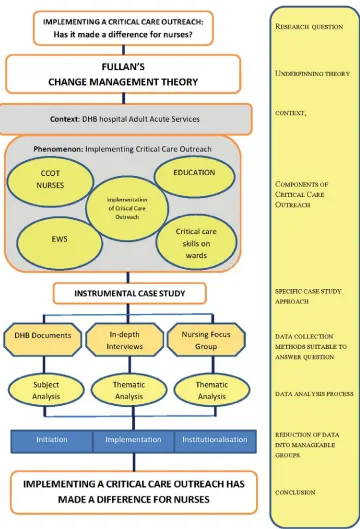
(6) CHAPTER THREE: METHODOLOGY AND METHOD ................................................................................28 INTRODUCTION........................................................................................................................................... 28 Theoretical perspective...................................................................................................................... 28 Case study methodology ................................................................................................................... 30 Propositions ....................................................................................................................................... 31 Reflexivity .......................................................................................................................................... 32 Rationale for choosing case study methodology ............................................................................... 33 Design Schematic............................................................................................................................... 34 Method .............................................................................................................................................. 35 Ethics ................................................................................................................................................. 35 Interviews .......................................................................................................................................... 36 Focus groups ...................................................................................................................................... 38 Documents ......................................................................................................................................... 39 Data analysis process ........................................................................................................................ 40 Sensing themes .............................................................................................................................................40 Process of analyzing data .............................................................................................................................41 Identifying themes........................................................................................................................................42 Merging themes .............................................................................................................................................42 Rereading data ...............................................................................................................................................42 Categorising ...................................................................................................................................................43. Criteria for establishing trustworthiness ........................................................................................... 43 SUMMARY ................................................................................................................................................. 44 CHAPTER FOUR: INITIATION .................................................................................................................45 INTRODUCTION........................................................................................................................................... 45 Increasing demands on resources ..................................................................................................... 45 Late recognition/late intervention..................................................................................................... 48 The proposal of a medical emergency team...................................................................................... 50 A nurse-led model .............................................................................................................................. 52 SUMMARY ................................................................................................................................................. 58 CHAPTER FIVE: IMPLEMENTATION .......................................................................................................59 INTRODUCTION........................................................................................................................................... 59 Getting started .................................................................................................................................. 59 Tools and education .......................................................................................................................... 62 Creating the early warning score ...................................................................................................................63 Rationale for education ..................................................................................................................................70 Designing the ACT Course ..............................................................................................................................72 Six week modular training ..............................................................................................................................73. iv.
(7) General education ..........................................................................................................................................75. Communicating the EWS to wards .................................................................................................... 76 Early recognition/early intervention .................................................................................................. 77 SUMMARY ................................................................................................................................................. 79 CHAPTER SIX: INSTITUTIONALISATION .................................................................................................81 INTRODUCTION........................................................................................................................................... 81 Becoming permanent ........................................................................................................................ 81 Policy ..............................................................................................................................................................81 Audit ..............................................................................................................................................................86 Education .......................................................................................................................................................88 Trust and cooperation ....................................................................................................................................89. The right team ................................................................................................................................... 92 Support for nurses ............................................................................................................................. 94 SUMMARY ................................................................................................................................................. 99 CHAPTER SEVEN: DISCUSSION ............................................................................................................101 INTRODUCTION......................................................................................................................................... 101 Late recognition/late intervention................................................................................................... 101 Changing a hospital-wide system .................................................................................................... 102 Key priorities .................................................................................................................................... 102 Strategies with precision ................................................................................................................. 104 Resolute leadership ......................................................................................................................... 106 Everyone can learn .......................................................................................................................... 107 Collective capacity ........................................................................................................................... 108 Intelligent accountabilities .............................................................................................................. 110 All means all .................................................................................................................................... 110 SUMMARY ............................................................................................................................................... 111 CHAPTER EIGHT: CONCLUSION ...........................................................................................................113 INTRODUCTION......................................................................................................................................... 113 Critical Care Outreach and EWS make a difference ......................................................................... 113 Limitations and possibilities for further research ............................................................................ 114 Recommendations ........................................................................................................................... 115 Concluding statement...................................................................................................................... 116 REFERENCES .......................................................................................................................................117 APPENDIX ONE: ETHICS APPROVAL ....................................................................................................127 APPENDIX TWO: FOCUS GROUP INFORMATION SHEET ......................................................................129. v.
(8) APPENDIX THREE: INTERVIEW INFORMATION SHEET .........................................................................132 APPENDIX FOUR: CONSENT FORMS ...................................................................................................135 APPENDIX FIVE: CONFIDENTIALITY AGREEMENT ................................................................................138 APPENDIX SIX: SCHEDULE OF PROPOSED QUESTIONS ........................................................................139 APPENDIX SEVEN: INVITATION...........................................................................................................141 APPENDIX EIGHT: LIST OF DOCUMENTS .............................................................................................142 APPENDIX NINE: PATIENT REFERRAL FLOW CHART ............................................................................143. vi.
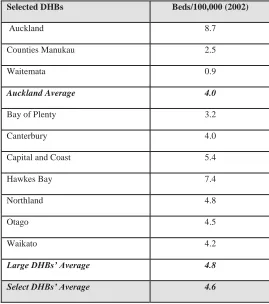
(9) List of tables. TABLE 1. COMPARISON OF ICU BEDS TO POPULATION FOR LARGE DHBS FOR 2002. .................................................... 46 TABLE 2. CRITICAL CARE DEVELOPMENT GROUP, MINUTES DECEMBER 1 2005........................................ 60 TABLE 3. EARLY WARNING SCORE. ............................................................................................................ 67 TABLE 4. ACUTE CARE TRAINING SIX WEEK EDUCATION PROGRAMME. ................................................... 75 TABLE 5. SUMMER AUDIT RESULTS 2011. ................................................................................................... 87. vii.
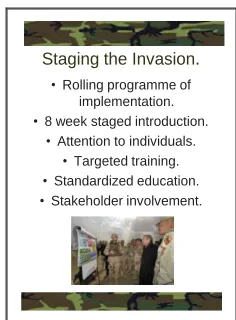
(10) List of figures FIGURE 1. DESIGN SCHEMATIC. ADOPTED FROM ROSENBERG AND YATES, 2007. ...................................... 34 FIGURE 2. PROCESS OF ANALYSING DATA. .................................................................................................. 41 FIGURE 3. PRESENTATION TO SENIOR MANAGEMENT. ............................................................................... 60 FIGURE 4. MANAGEMENT PRESENTATION................................................................................................... 63 FIGURE 5. CRITICAL CARE EDUCATION STRATEGY. ................................................................................... 71 FIGURE 6. CRITICAL CARE OUTREACH STRATEGY...................................................................................... 72 FIGURE 7. PRESENTATION TO SENIOR MANAGEMENT. ................................................................................ 77 FIGURE 8. ICU REFERRALS BY YEAR. SOURCE (CCOT DATABASE) ........................................................... 84 FIGURE 9. CARDIAC ARRESTS RELATIVE TO PATIENT DISCHARGES 2005-2010 ........................................... 85 FIGURE 10. OBSERVATION FREQUENCY LINKS TO STAFFING LEVELS. ......................................................... 88. viii.
(11) Abbreviations ACT. Acute Care Training. ALERT. Acute Life Threatening Events Recognition. CCO. Critical Care Outreach. CCOT. Critical Care Outreach Team. CINAHL. Cumulative Index to Nursing and Allied Health. CNM. Charge Nurse Manager. CNS. Clinical Nurse Specialist. DHB. District Health Board. ECC. Emergency Care Centre. ED. Emergency Department. EWS. Early Warning Score. HDU. High Dependency Unit. ICU. Intensive Care Unit. IHI. Institute for Health Improvement. MERIT. Medical Emergency Response Improvement Team. MET. Medical Emergency Team. EWS. Early Warning Score. NeTP. New Entrant to Practice. NICE. National Institute for Health And Clinical Excellence. NFR. Not For Resuscitation. PAR. Patient At Risk. PART. Patient At Risk Team. PBMA. Programme Budgeting and Marginal Analysis. RMO. Registered Medical Officer. RRT. Rapid Response Team. SMO. Senior Medical Officer. TTS. Track and Trigger Score. ix.
(12) Chapter one: Introduction Introduction As a Clinical Nurse Specialist (CNS) working in a Critical Care Outreach Team, and completing a masters study programme, the opportunity arose to explore the difference the Critical Care Outreach Team (CCOT) made to ward nurses in a New Zealand (NZ) hospital. I was aware of the existence of a paper trail at the District Health Board (DHB) that documented the establishment of the CCOT. I also worked closely with personnel who were significant participants in the establishment process of the team. During the course of my daily work I was in communication with nurses across the acute wards. It seemed the CCOT made a difference for ward nurses and I wanted to understand more about the nature of and reasons for the difference.. International literature contained several reports of nurses benefiting from CCOTs (Andrews & Waterman, 2005; Baker-McClearn & Carmel, 2008 ; Donohue & Endacott, 2010; Green & Edmonds, 2004). It was timely to conduct a research study. The service had been operational since 2006 with no study investigating the effects of the outreach team on nurses or reviewing the establishment process. Understanding how the CCOT had made a difference to ward nurses would provide insight and guidance for the continuation of the service.. Background The research study was conducted in a large DHB in NZ with a major hospital and a minor hospital. The study is restricted to acute wards on the major hospital site. The hospital is a secondary level hospital with limited specialty services including a level two general Intensive Care Unit (ICU). Collectively the DHB provides health care services for greater than five hundred thousand people.. In 2005 the DHB and ICU were facing a demand for more ICU beds. Increasing numbers of patients were being admitted and the number of existing ICU beds was inadequate to meet patient demand. Economic demands on the DHB precluded funding further beds during this period.. 1.
(13) Senior intensive care doctors complained that physiologically unstable patients were going unrecognised and receiving late intervention on the wards. Lack of identification of deteriorating patients, late intervention and inept care for patients are defining characteristics of suboptimal care (Quirke, Coombs, & McEldowney, 2011). The DHB was challenged to confront the situation of late recognition/late intervention against the backdrop of suboptimal ward care and limited resources.. International evidence was available which suggested that physiologically unstable ward patients were not always being recognised in a timely manner. A four month prospective study as early as 1990 suggested ward patients became physiologically unstable hours before a critical event (Schein, Hazday, Pena, Ruben, & Sprung, 1990). These authors hypothesised that cardiac arrests were preventable provided deterioration was recognised and treated early. Further results from a prospective study by McQuillan et al (1998), an audit by McGloin, Adam and Singer (1999) and a retrospective study by Hillman et al (2001) attributed suboptimal ward care as being the principle cause of unobserved patient deterioration. Other studies identified problems of inadequate supervision, failure to escalate patient treatment or seek senior advice and poor educational preparation of medical and nursing staff as reasons for the failure to recognise the physiologically unstable patient (Bright, Walker, & Bion, 2003; Goldhill, White, & Sumner, 1999; McArthur-Rouse, 2001; National Health Service Modernisation Agency, 2003; Subbe, Kruger, Rutherford, & Gemmell, 2001).. New initiatives had emerged to address these problems. The ‘Medical Emergency Team’ (MET) originated in Australia (Lee, Bishop, Hillman, & Daffurn, 1995) and the ‘Rapid Response Team’ (RRT) in the USA (Institute for Healthcare Improvement, 2006; Thomas, Force, Dodd, & Whildin, 2007). ‘Critical Care Outreach Teams’ and ‘Patient at Risk Teams’ were developed in response to the recommendations from a United Kingdom Ministry of Health directive (Department of Health, 2000). Despite originating in different countries with differing health care delivery models, new initiatives shared the common goal of shifting late recognition/late intervention to early recognition/early intervention. Medical Emergency Teams and RRT were medically-led whereas the Outreach model and Patient at Risk Teams were nurse-led initiatives. Education and early recognition were key priorities in all models. Education of nurses and junior doctors was seen as central to bringing about change together with the introduction of an early warning scoring system (Andrews & Waterman, 2005; Department of Health, 2000; Subbe, Davies, Williams, Rutherford, & Gemmell, 2003). To address the problems identified at the study hospital a MET was proposed; however, it failed to eventuate. In its place a nurse-led CCOT was implemented in 2006. 2.
(14) The introduction of the CCOT and an Early Warning Score (EWS) impacted primarily on ward nurses. Nurses working twenty-four hours a day, seven days a week are in a position to carry out patient assessments more frequently than any other group of health professionals in a hospital. Using a case study research approach this study explores what difference the new service provided by the CCOT made for nurses.. Aim of research The aim of this study is to describe the implementation of Critical Care Outreach (CCO) and to understand what difference implementing a Critical Care Outreach Team (CCOT) has made to ward nurses in a secondary level general hospital in New Zealand. The aim of CCOT was to implement an early warning score, to provide education and to share appropriate intensive care skills from CCOT nurses on the wards. This study is one of a very limited number of New Zealand studies investigating a CCOT which specifically focuses on nurses and Outreach. The knowledge gained will contribute to the growing body of NZ nursing knowledge and provide insight and guidance for future strategies to ensure that the CCOT service continues at the hospital.. Change management theory The research question for this study has been explored using Fullan’s Change Management Theory (Fullan, 2007) and the elements of whole system reform (Fullan, 2010). Fullan’s theory presents a three phase staged approach to change management: initiation, implementation and institutionalisation (Fullan, 2007). Principles of whole system reform guide the discussion of the study findings. Fullan’s theory is straightforward and presented a practical means of presenting the data collected for the case study. The key tasks in each stage are logical and offer guidance for understanding the findings of the study.. Fullan’s theory was first developed in the education sector; however, the practicality of the theory led to its successful transference into the health sector. Positive examples of the theory in action are the success of the Ontario whole system education reforms (Levin, Glaze, & Fullan, 2008) and the translation of Fullan’s theory to underpin the strategies used to improve hospital emergency departments wait times in London (Fullan, 2006). Entire systems were transformed by using Fullan’s (2007) three phased approach to change management and the seven components of whole system reform (Fullan, 2010). The components of whole system reform in the education context are: all children can learn, a small number of key priorities, resolute 3.
(15) leadership, collective capacity, strategies with precision, intelligent accountabilities, and all means all (Fullan, 2010). For the purpose of this research the concepts supporting the principles of change have been translated for use in a health sector context.. Three phases of change management Fullan (2007) proposed three phases of change to introduce a new innovation: initiation, implementation and institutionalisation, and these are explained next.. Initiation Initiation of change does not occur in a vacuum. The change should be considered within the contextual framework in which it will occur. The contextual framework for change in a DHB is the hospital management structure and culture and the broader NZ and international context. At the study hospital the changes were imposed indirectly by government funding which limited options to increase ICU bed numbers and impacted on solutions to resolve the problem of late recognition/late intervention. Reports of new innovations to respond to this problem were appearing in international literature from the medical and nursing communities. Pettigrew (1990) describes the contextual framework being ‘outer’ and ‘inner’ to the organisation in which the change is being contemplated. Fullan (2007) recommends considering factors of global networks and international advancements which demonstrate results in the area proposed for change.. Numerous matters require consideration during the initiation phase. They originate from a variety of sources ranging from government mandates to the thoughts of an individual (Fullan, 2007). Further concerns during the initiation phase are determining motivation for change, urgency, pressures, origins of those pressures and making the decision whether to adopt a bureaucratic or a problem solving strategy to enact the proposed change (Fullan, 2007). Recognising the motivation for change is the first step to building collective capacity. These and many more factors are deliberated during the initiation phase.. Strong leadership is vital to facilitate the process of change management and incorporate the entire complement of whole system reform elements in that process (Fullan, 2007). Great achievements are inspired by good leaders (Maccoby, 2010). Fullan (2009, p. 292) determines that leaders who achieve the best results are those who “look, listen and link”. Recruiting leaders with this calibre is a task of the initiation phase. 4.
(16) Collective capacity grows (collective capacity is discussed in following section). During the initiation phase, single or multiple advocates for the innovation will reveal themselves (Fullan, 2007). Exposure of this support base enables the leader to identify potential gatekeepers and change agents who will move the change forward (Fullan, 2007). This is the time where a great deal of energy is expended in the consideration of the many variables which may impinge on the proposed innovation.. Initiation may take days to years to complete. However, planning should not be an alternative to pressing forward and taking action (Levin & Fullan, 2008). During the initiation phase the key priority is established and the direction of the change identified. Initial work is made on Fullan’s (2010) strategies with precision; this is expanded on shortly. The implementation phase carries on the process (Fullan, 2007, 2010). The implementation phase is fashioned by the preparatory thought and thoroughness of the initiation phase which will be revisited repeatedly throughout the change process. Each phase in the change management process is interactive and mutually reinforcing.. Implementation Implementation is the phase where concepts are transformed into reality. Success or failure of this phase is dependent on the interaction of significant variables. Fullan (2007) has identified need, clarity, quality and practicality of the change as the primary variables to be considered. To accomplish the principle objectives of the change, the ideas and proposed structures from the initiation phase are presented to the wider audience during the implementation phase (Fullan, 2007). Throughout this phase the initial group proposing the change is extended to include all relevant stakeholders and is managed by an administrative leader appointed for the responsibility. Through these activities collective capacity is increased.. Rationale for the proposed change must be clearly articulated if key stakeholders are to be engaged. Stakeholders need to perceive the change as desirable (Fullan, 2007). An understanding of the exact changes to take place from the innovation is crucial to success of the development. Lack of clarity has potential to sabotage a project before implementation (Fullan, 2007). Smyth (2004) cautions that during the implementation phase alternative agendas should be exposed, as dissonance in belief systems of stakeholders may potentially impede the successful implementation of the proposed change. 5.
(17) Means of implementing the new innovation, the aims, methods and expected outcomes must be clearly communicated. The implementation phase is the opportune time to clarify or modify plans in accordance with the values, beliefs and needs of groups affected by the change proposed. This is the period when everyone involved gains an understanding of expectations, process and the organisational learning which needs to occur to ensure a successful outcome. Organisational learning is essential to change and enriches an organisation (Park, 2010).. Quality and practicality of an innovative change interact with need and clarity. The quality of the change must concur with the organisation’s overall quality plan, thereby achieving congruence with organisational values. Quality resources need to be easily useable in practice and supported by educational programmes which explain the proposed change (Fullan, 2008). The concept that everyone can learn is integrated into the development of precise strategies during the implementation stage. The goal of education is learning; therefore inclusion of educational programmes in quality resources assumes everyone can learn. Local factors heavily influence the practicality or ‘how’ the innovation operates in the workplace.. Foundational work during the implementation phase prepares for the effective collaboration of all services and personnel to be partners in ownership and accountability of the change. Neglect of any element of whole system reform will implode on the change management outcome. Fullan uses the term ‘all means all’ to refer to whole system reform. Shared understandings and commitment from senior management to the most junior nurse on the ward is essential for whole system reform and lasting change management (Fullan, 2007).. Resolution of unanticipated difficulties is achievable during the implementation phase. The implementation phase is underpinned by the initiation phase and moves into the institutionalisation of the change and is fundamental to initiating the realisation of many elements of whole system reform.. Institutionalisation Institutionalisation is the final phase of Fullan’s Change Management Theory. Lewin (1951) defines this stage as refreezing where feedback mechanisms are developed and policy implemented. Fullan (2007) cautions that the process of change is not linear and each phase must be considered at the commencement of the change management process. By considering 6.
(18) each phase at the beginning there is opportunity to develop feedback mechanisms and respond to the results. Feedback was sought from ward nurses in relation to the EWS chart during the implementation phase, whereas in refreezing, this would not have occurred as feedback is not sought until after the change has been implemented. Pettigrew (1990) concurs with Fullan that change is not linear and describes change as requiring a unified holistic and comprehensive approach.. Institutionalisation is the stage where the proposed change is integrated into organisational practices. For this phase to be successful specific conditions are necessary: the change must be supported by policy, have sufficient supporters competent in the change to enact it, power and control issues must have been negotiated, procedures need to be established and, finally, the change must be led by dynamic leaders. The elements of collective capacity, precise strategies and resolute leadership need to have been realised.. Institutionalisation is the phase where intelligent accountability (discussed in next section) becomes apparent. Threats to success in this phase would be lack of interest, a lack of money for resources, lack of organisational support and high staff turnover. A further threat would be failure to include all components of whole system reform. Huberman and Miles (1984) propose the notion that institutionalisation is complete once an innovation appears on an organisational quality review plan for regular review. Institutionalisation is a process which occurs as a result of all the key tasks in initiation and implementation being completed and reflects the mutually reinforcing benefit of all really does mean all (Fullan, 2010).. Key tasks specific to the proposed change are a feature of each stage of Fullan’s Theory. Each stage overlaps the preceding and following stages to form cohesive change (Fullan, 2007; Levin & Fullan, 2008). Application of Fullan’s phases of Change Management Theory (Fullan, 2007) has facilitated the organisation and interpretation of the study data.. Whole system reform Lewin (1951) proposed a three step change management process: unfreeze, move, refreeze. Inherent in this model is the assumption that inertia is the major barrier to change and must be unfrozen for change to occur. Fullan (2007) however, takes a broader view of the antecedents for change. Fullan proposes that the barrier to permanent whole system reform is failure to integrate the seven elements. The solution is more complex than simply unfreezing inertia. 7.
(19) Permanent change is the consequence of integrating the elements of whole system reform into the phases of change management.. Whole system reform means that all aspects of an organisational change advance in a cohesive manner to achieve a specific priority (Fullan, 2010). Fullan and Levin (2009) outline the concept of whole system reform : “Whole-system reform means focusing on a small number of core policies and strategies, doing them as a set, and staying the course by not being distracted. It must be politically driven by leaders at the very top...”( p.1). The components of whole system reform are integrated into achievable goals within each stage. The non linear path of change necessitates the use of different approaches at different times during the process.. Remaining steadfast to the ‘key priority’ is vital for whole system reform (Levin & Fullan, 2008). Deciding the key priority to be met by a change determines strategies which will meet that priority. The key priority for CCOT was driving the change from late recognition/late intervention to early recognition/early intervention. Fullan (2006, 2010) cautions against having an excessive number of priorities in order to concentrate focus and attention on the key priority. Maintaining focus is assisted by ‘strategies with precision’.. Strategies with precision are strategies which accurately target behaviours to be changed. An example would be tabling a business case for funding a CCOT. The strategy is specific to gain financial support for the project, and is directed to ultimately achieving the key priority. During the change management process a number of specific strategies are enacted to contribute to a whole system reform.. ‘Building capacity’ is defined as any strategy which increases collective capacity to meet the key priority. This may be achieved through resources, motivation, knowledge and competencies (Levin & Fullan, 2008). Large numbers of people must be motivated for organisational or system changes to occur (Fullan, 2008). Senge (2006) emphasises the importance of nurturing individuals to contribute to the whole. Collective capacity develops through the sharing and development of collective resources and abilities from motivated participants (Fullan, 2008, 2010; Levin & Fullan, 2008). Healthcare cultures that “emphasise group affiliation, teamwork and coordination have been associated with greater implementation of continuous quality improvement practices” (T. Scott, Manion, Davies, & Marshall, 2003, p. 111). Capacity building is directly related to results (Levin & Fullan, 2008). The more people mobilise to make the change, the greater the effect. 8.
(20) ‘Resolute leadership’ is another element of whole system reform. A resolute leader is one who forms relationships, consistently reinforces the messages underpinning the change and remains steadfast to the change management process (Fullan, 2010). Good leadership is attentive to leadership at all levels and does not focus solely on named leaders within the organisation (Levin & Fullan, 2008). Collective capacity building develops through resolute leaders (Levin & Fullan, 2008). The resolute leader provides strong leadership, keeping everyone on track to meet the key priority. Hayes (2010) makes the distinction that leaders are predominantly motivators whereas managers are responsible for accomplishing tasks.. ‘All means all’ represents cohesive sustainable change where collective capacity has developed to improve the overall capacity of the organisation to change behaviour. Collective capacity is dependent on the successful integration of strategies from all the elements of whole system reform. The inclusion of strategies to enact intelligent accountabilities, for example, measures the effectiveness of a specific strategy such as the EWS through audits. Sustainable change cannot be a piecemeal exercise (Fullan, 2010).. Whole system reform is dependent on realising the notion that ‘everyone can learn’ (Fullan, 2010). Fullan (2008) recommends standardising procedures and teaching people how to use those procedures in a consistent and effective way. When the EWS was introduced to the hospital there was a series of education sessions to enable nurses to learn how to use the tool. The aim of the education sessions was to enable nurses to learn to use the EWS correctly in a consistent and reliable way both as individual practitioners and as a nursing workforce.. Policy legitimises a new innovation by embedding it into the organisation. Audit processes measure the results of collective accountability to the change. Audit results provide intelligent data for benchmarking against the key priority. ‘Intelligent accountability’ provides the evidence for sustainable strategies to meet the key priority. Successful change is achieved through the interaction and reciprocal support from the elements of whole system reform with each other (Levin & Fullan, 2008).. In summary, Fullan’s Change Management Theory offers a framework for sustainable change management. Whole system reform is achievable by integrating the elements into the phases of initiation, implementation and institutionalisation. Fullan’s Change Management Theory and. 9.
(21) whole system reform underpin this study. Change is one quarter ideas and three quarters planning processes (Fullan, 2007). Fullan’s Change Management Theory offers a simple and pragmatic approach to organise and understand the process of implementing the CCOT. The theory and elements of whole system reform support the explication of understandings, interpretations and experience of ward nurses to answer the research question.. Case study design To understand how a CCOT operates within the geographical confines of the hospital required a methodology which focussed on describing and exploring a contemporary particular phenomenon. Case study research is known as the study of the particular (Stake, 1995). Yin (2003) recommends case study methodology to research contemporary phenomenon. The theory which has developed from studying large scale case studies in the education sector of Canada and the United Kingdom is grounded in case study research (Smyth, 2004). Case study methodology facilitated the collection of data for this study from a variety of sources. Data from interviews, a nursing focus group and documents from the DHB provide the evidence that implementing a CCOT at the hospital made a difference for nurses. Fullan’s theory organised the data in a manner that facilitated interpretation and understanding.. Structure of the thesis The research report has been structured into eight chapters. Chapter one has introduced the context and background to the study, and the theory of change employed. Chapter two presents a literature review of relevant material relating to CCOT to provide a contextual setting for the study within existing knowledge. The chapter outlines the background to CCOT, response to late recognition/late intervention, EWS, implementing a CCOT and impact of CCOT on nurses. Chapter three presents the research method and design for the study. The theoretical perspective, research approach and method used in the study are discussed. Ethical issues, data collection process and data analysis are offered.. Chapter four is the first of three chapters of data findings and analysis. Data findings are organised according to the three phases of Fullan’s Change Management Theory: initiation, implementation and institutionalisation. In chapter four findings are organised by the initiation phase. Three themes are identified: increasing demand on resources, late recognition/late intervention and the proposal of a medical emergency team. In chapter five implementation, findings from DHB documents, interviews and nursing focus group were analysed by thematic 10.
(22) analysis to identify four themes: getting started, tools and education, communicating the EWS to wards, and early recognition/early intervention. Chapter six is the final of the chapters presenting data and is organised by Fullan’s final phase in the Change Management Theory, institutionalisation. Three themes are identified: becoming permanent, the right team and support for nurses. In chapter seven major findings identified from the study are discussed in relation to the international literature reviewed and Fullan’s Change Management Theory. The discussion chapter has been organised by the elements of whole system reform. Chapter eight outlines the conclusions, limitations of the study and provides recommendations for future research.. 11.
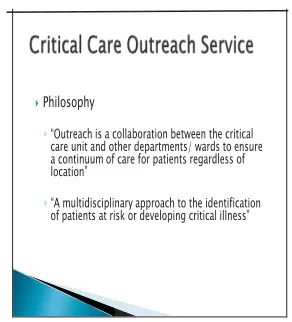
(23) Chapter Two: Literature Review Introduction Critical Care Outreach Teams have been operational internationally for more than a decade. The CCOT was initiated in response to the fact that deteriorating patients on the ward received suboptimal care; there was a high incidence of unplanned admissions to ICU and a high readmission rate of discharged ICU patients. The development of these teams expanded before a critical evaluation of the impact and outcomes could be accurately assessed and researched.. Following the introduction of CCOTs a growing body of literature presenting studies using multiple methodologies has become available and offers valuable insight. Ongoing research is recommended within this literature if there is to be a greater understanding of how CCOT supports and assists the nurse on the ward caring for a deteriorating patient. However, there is a paucity of literature originating from New Zealand. Indeed, only three studies could be sourced. This gap in the literature needs attention if the New Zealand perspective is to be explored and ward nurses are to be given the support and education they require to care for the physiologically unstable patient on busy wards. The following literature review has been organised into six sections: background to CCOT, response to suboptimal care and lack of identification of the physiologically unstable patient on the ward, early warning scores, implementing a CCOT, impact on nurses and a summary of findings from the literature.. Search methods An electronic literature search was conducted using Blackwell Synergy, Ovid MEDLINE, Science Direct, Scopus, EBSCO and Cumulative Index to Nursing and Allied Health (CINAHL). Additionally, hand searching of reference lists of key articles and key reports occurred. Keywords for data base searching were: “suboptimal care”, “early warning scores”, “critical care outreach”, “medical emergency team”, “rapid response team”, “impact on nurses” and “implementation and critical care outreach and nurse perception”. Searching was limited to English language and a timeframe of 1990-2011. A total of 1761 hits was made. All non critical care related references were excluded leaving one hundred and twenty articles to be retrieved. Eighty two of these were considered the most relevant. The decision to include articles was based on the applicability of the literature to the current study which is: Implementing a CCOT and how has this made a difference for nurses?. 12.
(24) Background to Critical Care Outreach A landmark study was conducted by Schein, Hazday, Pena, Ruben and Sprung (1990) who collected data on patients who proceeded to cardiac arrest in a 1200 bed hospital in the USA over a four month period. Cardiac arrest patients’ records for the twenty four hours preceding the arrest were reviewed together with initial presentation to hospital, current medical problems, clinical and laboratory findings, new patient complaints and nursing observations. Results from Schein et al. suggested the possibility of predicting and preventing cardiac arrests if the preceding clinical abnormalities of the patient had been identified and if that patient had received appropriate intervention. Schein et al. hypothesized that cardiac arrest resulted from a cumulative deterioration of physiological stability, not solely a cardiac event. Evidence from this study supported the hypothesis that patients proceeding to cardiac arrest had a trail of physiological instability prior to that event. A total of 84 percent of patients who suffered a cardiac arrest had evidence of clinical deterioration eight hours prior to the arrest. Schein et al. recommended further investigation into the early detection and prevention of cardiopulmonary arrests. The evidence from the Schein study made a major contribution to the awareness of preventable patient deterioration on the ward and spearheaded the way for future innovations such as a CCOT.. A six month audit of hospital deaths in a London teaching hospital by McGloin, Adam and Slinger (1999) determined that potentially avoidable deaths were occurring and patients were receiving suboptimal ward care. Suboptimal care was defined as:. Non-recognition of an abnormality clearly apparent from physiological recordings and laboratory data, but which had not been identified in the case records or not acted upon with any obvious therapeutic intervention; clearly inappropriate or inadequate treatment, although the case records showed that the abnormality had been identified by nursing or medical staff (p. 256).. In a recently published concept analysis about suboptimal care Quirke, Coombs and McEldowney (2011, p. 1) support McGloin’s et al (1999) definition of suboptimal care and also expand the argument to include “patient complexity, healthcare workforce, organisation and education” as precursor elements in the process.. 13.
(25) McGloin et al (1999) found increased rates of mortality in patients receiving suboptimal care prior to transfer to intensive care. These authors recommended that medical and nursing staff should be educated in early identification of clinical deterioration and management. A further recommendation was for the formation of a medical emergency team to manage patients who were acutely physiologically unstable. The latter recommendation was issued with a caution that the evidence for success of such a team was not yet validated (McGloin et al., 1999). Results from a prospective inquiry by McQuillan et al. (1998) were verified by the findings from McGloin et al. (1999) and endorsed the recommendations. In addition to McGloin’s findings, McQuillan et al. (1998) highlighted the lack of supervision in clinical areas and emphasised that a change in ethos was required with the provision of more senior clinical involvement at an earlier stage. The study also identified that the majority of patients were treated by the most junior personnel. A final recommendation advocated for organisational change and reevaluation of systems (McQuillan et al., 1998). In a letter published in the British Medical Journal, Garrard and Young (1998) called for the inclusion of nurses in the emergency team, improved training for junior medical staff and for intensive care units to integrate into the mainstream of the hospital.. Each of these studies originated in the northern hemisphere; however, the problems identified were global. An international multicentre prospective observational study, the ACADEMIA study, identified that cardiac arrests following a period of physiological instability of a ward patient were more common in the United Kingdom than in Australia and New Zealand whereas unanticipated ICU admissions were more common in Australia and NZ (Kause et al., 2004). An Australian study by Hillman et al. (2001) reiterated earlier findings that patients who proceeded to a cardiac arrest or unplanned admission to intensive care had physiological abnormalities hours before the event and were often suboptimally treated in the wards. In the study by Goldhill, White and Sumner (1999), evidence verified that intensive care patients with the greatest mortality rates come from the wards. These studies raise the question of whether patients would have had the same outcome if they had been identified earlier. The limited evidence from NZ does not establish whether the situation of suboptimal treatment and lack of identification of the physiologically unstable patient on the ward occurs in NZ. However, the concerns highlighted by Schein, McGloin, McQuillan and the Australian researchers are too important to ignore and, a report from the HDC supported the motivation for change which would reduce delay in care and address systematic issues.. In 1993 the New Zealand health system was subjected to a radical re-engineering based on market competition, generic management and managerialism in an attempt to reduce the 14.
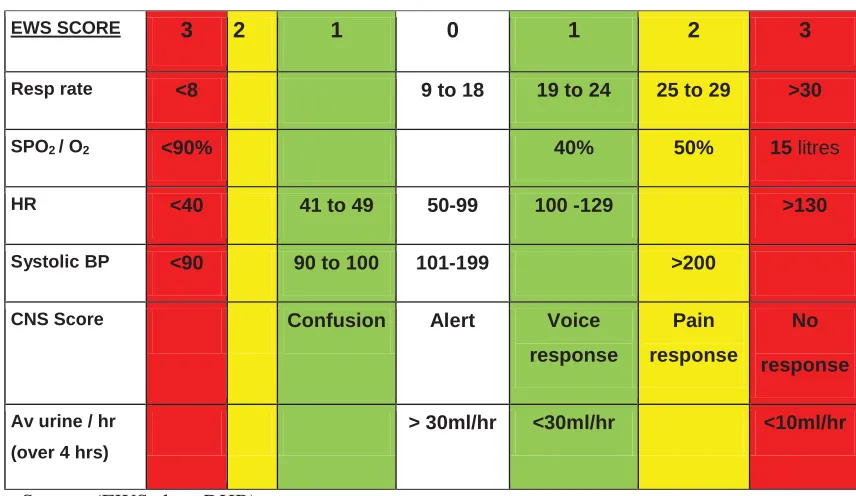
(26) national budget deficit. The long term effects on nursing have seen a reduction in the number of nurses (Department of Labour Executive Summary, 2004) increased nursing workloads, patients with increased care needs, shattered nursing leadership, and senior nurses replaced by new graduates on the wards (McCloskey & Diers, 2005). In the wider political context of the health sector the drive for quality management was escalating with new and innovative systems such as Optimising the Patient Journey, Releasing Time to Care emerging as examples. Within this environment the impetus to address sub-optimal care on wards was occurring and is discussed in the following section.. Response to suboptimal care Internationally, interest was stimulated to search for ways to redress the problems of how best to respond with timely appropriate management for the patient critically ill on a ward. One innovative initiative that emerged was the Medical Emergency Team (MET). The MET, which has the specific role of identifying and managing at risk patients, is physician led and originated in Australia (Lee et al., 1995; McGaughey, Blackwood, O'Halloran, Trinder, & Porter, 2009). There appears to be strong evidence from studies with large numbers (n= 21,090 n=1510 ) that hospitals with a MET reduce the unplanned admissions to intensive care and there is a corresponding decrease in hospital wide cardiac arrest rate (Bellomo et al., 2003; Bristow et al., 2000; Buist et al., 2002). These findings were disputed by results from the Medical Emergency Response Improvement Team (MERIT) study which failed to show an effect from MET on rates of cardiac arrest, unexpected death or unplanned admissions to ICU (MERIT Study Investigators, 2005). The MERIT study is a randomised multicentre study which assigned 23 participating hospitals to standard care or care supported by a MET. However, challenges to design methodology, particularly the lack of statistical power, meant the results are inconclusive (Peberdy et al., 2007). In contrast to MERIT, the Institute for Health Improvement (IHI) consider that Rapid Response Teams (RRT), the USA equivalent to MET teams, offer a positive choice for revolutionising the response to the deteriorating patient in the ward (Institute for Healthcare Improvement, 2006).. The question of intensive care discharge mortality was investigated by Wallis, Davies and Shearer (1997). Conclusions from this study established that deaths were from multi factorial causes with suboptimal ward care being a contributory factor. An estimate of cost to the National Health Service in the United Kingdom from preventable patient deterioration and increased use of bed days was £1 billion annually (Vincent, Neale, & Woloshynowych, 2001).. 15.
(27) In the year 2000 the United Kingdom Department of Health issued a comprehensive document reviewing adult critical care services (Department of Health, 2000). The lack of intensive care beds nationally per capita and the challenges this situation presented for clinicians caring for unstable patients outside the ICU was acknowledged. This document laid the foundation for the establishment and development of the CCOT in the United Kingdom and presented ICUs with a challenge to disestablish the traditional isolation of intensive care units. The document called for the “breaking down of barriers between specialties and professions” (Department of Health, 2000, p. 3). The vision was for a comprehensive critical care service including an outreach of critical care services to the wards. Three specific goals for the outreach were outlined, namely the prevention of unplanned or preventable admissions to ICUs, continued support for discharged patients from the intensive care services, and the education of ward staff through the sharing of critical care skills and knowledge appropriate to ward situations (Department of Health, 2000). The phrase ‘critical care without walls’ evolved from the aims for outreach (Coombs & Dillon, 2002). This landmark document opened the doors to a new era in intensive care nursing and medicine in the United Kingdom. Patient need, not specialty, was to become the directive for the future of critical care services (Coombs & Dillon, 2002).. Subsequent to the Critical Care service review, senior critical care nurses embraced the role of developing CCOT or Patient at Risk Teams (PART) (Coombs & Dillon, 2002). Teams developed to meet the needs of the individual hospitals, working across traditional barriers and offering a global view of a hospital not previously experienced by the critical care services (Coombs & Dillon, 2002). There was no uniformity amongst the teams from differing hospitals (National Health Service Modernisation Agency, 2003). Hillman (2003) reiterated the point that local factors played a decisive role in the development of a local CCOT. An emergent field for professional development and career pathways for critical care nurses was created.. In a foreword to the National Health Service Modernisation Agency document (2003), the Chief Nursing Officer for England, Sarah Mullally, made three important points: CCOT has “broken down professional and organisational barriers”; “CCOT assists understanding between levels of patient need and skills and knowledge required by multidisciplinary teams to meet those needs”; and finally “the next step would be to build the evidence that CCOT improves patient care” (National Health Service Modernisation Agency, 2003, p. 3). These statements by Mullally are supported by evidence from other literature identifying organisational problems of inadequate supervision, failure to escalate treatment or seek senior advice, and poor educational preparation of medical and nursing staff as being of significance when caring for the physiologically unstable patient (Bright et al., 2003; Goldhill, McNarry, Mandesloot, & McGinley, 2005; 16.
(28) McArthur-Rouse, 2001; National Health Service Modernisation Agency, 2003; Subbe et al., 2001; Subbe, Williams, Fligelstone, & Gemmell, 2005). Additionally, Bright et al. (2003) identified recruitment and retention of nurses as factors affecting patient care together with the long hours junior doctors were working and the reduction in staffing numbers after hours.. While the MET and the CCOTs were evolving in Australia and the United Kingdom, the Institute for Health Improvement (IHI) was actively promoting RRT in USA hospitals (Thomas et al., 2007). The underlying problems identified as ‘failure to rescue’ had been acknowledged as the same problems documented in the United Kingdom and Australian literature (Thomas et al., 2007). An increasing body of knowledge was accumulating internationally which had established that there was a significant problem in ward care of the physiologically unstable patient in need of timely appropriate intervention if they were to survive. The evidence for what was the best solution was still evolving but new innovations such as the CCOT, PART, RRT and MET were appearing across the globe.. Early warning scoring systems A concurrent development with these teams was the introduction of ‘Early Warning Systems’ or ‘Track and Trigger’ systems. Timely communication of abnormal vital signs to ensure appropriate management of patient symptoms requires a system that is simple and effective (Cooper & Buist, 2008). Early warning scores (EWS) or track and trigger systems (TTS) fulfil these criteria. The use of a physiological scoring system which draws attention to abnormal vital signs to identify a patient at risk of further deterioration is discussed extensively in the literature (Andrews & Waterman, 2005; Cuthbertson, Massoud, McKie, Aucott, & Prescott, 2007; Duckitt et al., 2007; Goldhill & McNarry, 2004; National Health Service Modernisation Agency, 2003; R. Ryan, Cadman, & Hann, 2004; Schein et al., 1990; Subbe et al., 2003; Subbe et al., 2001; Williams & Wheeler, 2009). Despite the widespread introduction of EWS or TTS there is no uniformity in the parameters to trigger a response from the MET, RRT, CCOT or PART team operating in individual hospitals (G. Smith, Prytherch, Schmidt, Featherstone, & Higgins, 2008). It is important to note that EWS are not evidenced based and individual hospitals develop their own (Gao, McDonnell, et al., 2007; Peberdy et al., 2007). The Australian Commission on Safety and Quality in Healthcare recognised this lack of consensus and has embarked upon a process to rectify the lack of a validated EWS in the Patient at Risk project plan (Australian Commission on Safety and Quality in Healthcare, 2009). The question of how to design an observation chart for maximal effectiveness has also been raised by the Australian. 17.
(29) Commission on Safety and Quality in Healthcare as there is no research on this (Australian Commission on Safety and Quality in Healthcare, 2009).. The basis for many EWS comes about by ascribing a numerical value to abnormal blood pressure, heart rate, respiratory rate, level of consciousness, urine output and oxygen saturations. These values are then collated and the sum triggers a graded response from the CCOT and medical team depending on the total. The precise sensitivity and specificity of EWS to predict outcome has not been established (Cretikos et al., 2007). Increased sensitivity will increase the numbers of unwell but not critically ill patients identified to the numbers of critically ill patients, while insufficient sensitivity of a EWS will potentially overlook the target patient group (Gao, McDonnell, et al., 2007; G. Smith et al., 2008). Activation of EWS is dependent upon the recording of patient vital signs and the correct collation of summative scores. Research has determined that respiratory rates are not recorded as frequently as other observations (Cretikos et al., 2008), and EWS are frequently incomplete, and often contain scoring errors (A. Smith & Oakley, 2006). In a small study, Hogan (2006) attempted to identify why nurses did not record patient vital signs. Reasons identified were organisational, such as workload and availability of equipment. Professional issues acknowledged were clinical judgement, educational preparation and skill mix as contributory factors (Hogan, 2006).. Recently published work by DeVita et al. (2010) expands the previous argument and cautions that increased observations are not a replacement for a well educated nursing workforce. The authors challenge hospitals to match resources to patient need. There is no consensus on the ideal interval between recording of vital signs but a personalised monitoring plan is the optimal way to manage individual patient need (DeVita et al., 2010). Nurses need education to use EWS correctly while both nurses and doctors require further education to understand the significance of EWS scores and respond with appropriate and timely nursing and medical interventions (Kisiel & Perkins, 2006; McArthur-Rouse, 2001; Subbe et al., 2005).. Despite the lack of consensus on EWS values and the TTS systems, research continues to advocate for the continuance of such criteria for summoning assistance for the physiologically unstable ward patient (Lighthall, Markar, & Hsiung, 2009). Multifaceted interventions such as EWS, TTS and CCOT may benefit patients who are unstable on the wards (Mitchell et al., 2010). The quantifiable evidence generated by an EWS improves communication between nursing and medical staff and increases nurses’ confidence to relay these facts (Andrews & Waterman, 2005). The National Institute for Clinical Excellence (NICE) recommended TTS be 18.
(30) established as a priority in acute hospitals (National Institute for Health and Clinical Excellence, 2007).. Whilst EWS or TTS identify the physiologically unstable patient on the ward, it is important to acknowledge that for some patients, deterioration is an expected terminal event and increasing therapeutic management would not be in the best interest of the patient. For other patients with a history of significant co-morbidities, ICU may never change the outcome of their progressive disease process. According to Williams and Wheeler (2009) clinical decision making after consideration of acute deterioration and chronic health status continues to guide the intensivists judgement call whether to admit a patient to an ICU or not. However, these patients still need to be identified in a timely manner to facilitate apposite decision making; EWS are a way of achieving this goal. Until a validated replacement for EWS becomes available it would appear from the evidence presented that the utilisation of EWS in acute ward settings offers a measure of safety for the physiologically unstable patient on the ward.. Implementing a critical care outreach Healthcare institutions throughout the world reflect their local communities in response to the local population healthcare needs. Therefore it would be expected that CCOT would demonstrate a variety of implementation diversity. However, the disparities in the literature do not demonstrate significantly different approaches for implementing CCOT between countries. The accumulated body of evidence concerning physiologically unstable patients on the wards who are at risk of suboptimal treatment prompted international healthcare institutions to respond by implementing CCOTs, RRTs and METs as measures to rectify the problem. Nevertheless, no protocol existed to guide the decision of which model would best serve a particular institution (Wolfe, 2008) or how to implement the chosen system. It appears from the literature that the nursing profession responded to the opportunity by developing and leading CCOT with nurse consultants, CNS and nurse practitioners contributing leadership (Jenkins & Lindsey, 2010; McDonnell et al., 2007; Schweickert, 2010; Thomas et al., 2007; Watson et al., 2006).. There are differences between the MET and the CCOT and RRT. Fundamentally the MET is a physician led team which has the capabilities of immediate medical intervention, whereas the RRT and CCOT are intermediary systems, often nurse led, which must refer to ICU medical colleagues for further critical care intervention if required (Schweickert, 2010). Despite these differences, all teams share common goals: recognition of the physiologically unstable patient, 19.
(31) timely appropriate intervention and the sharing of critical care skills and support for nursing staff on the ward. Nurse-led teams offer a scope for advanced nursing practice, leadership and educational opportunities. Bedside teaching is a powerful tool during a clinical crisis.. Implementing a CCOT must be a carefully and well-planned process as there are many factors to consider if the team is to be successful (Coombs & Dillon, 2002). Key elements in the process have been identified as administrative, professional, educational and operational, or as Schweickert (2010) suggests, comprised of nurse and physician, chairperson and administrator. Despite Schweickert’s omission of education in the list there is a clear call for education in his review of the infrastructure necessary for the RRT. Appointing a leader to take responsibility for the project, open communication with principal stakeholders, and securing management commitment are some administrative tasks (Carter, 2008; Coombs & Dillon, 2002; S. Scott & Elliott, 2009; Wolfe, 2008). Other tasks to be completed are the clarification of resourcing issues, identification of a data collection system, choice of a model and role definition and composition of the team (Watson et al., 2006). Resources are one of the chief determinants of the structure and composition of CCOT (S. Scott & Elliott, 2009). This may explain why there is no uniformity in size, structure, and composition of teams (McDonnell et al., 2007). Schweickert (2010) suggests that there is no ideal number or composition of team members.. Professional considerations Professional issues are varied. They range from maintaining the balance of senior ICU nurses in ICU by not recruiting too many to CCOT, to establishing rapport with ward nurses and convincing distrustful colleagues of the value of a CCOT (Sharpley & Holden, 2004). Watson et al. (2006) concluded from their cluster randomised study in York Hospital that the calibre of the nurses recruited into CCOT positions was vital to the success of the team. Nurses need to be senior nurses who are clinically astute, capable of making decisions and who have demonstrated the ability to share critical care skills and knowledge with ward nurses (Jamieson, Ferrell, & Rutledge, 2008). Pirret (2008) foresees that there is a potential professional development opportunity for CCOT nurses to advance to the nurse practitioner level. It would be prudent to consider not only the cost implications but the benefits which would arise from having nurse practitioners as members of the CCOT.. Whilst nurses are central to the success of implementing a CCOT, close liaison and collaboration with medical personnel is also vital to successfully escalate care of the physiologically unstable patient in the ward. Critical Care Outreach Teams are usually 20.
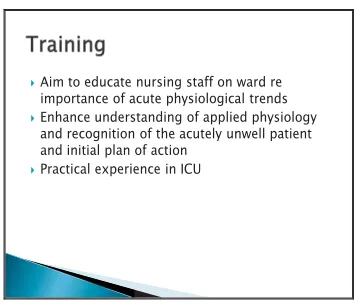
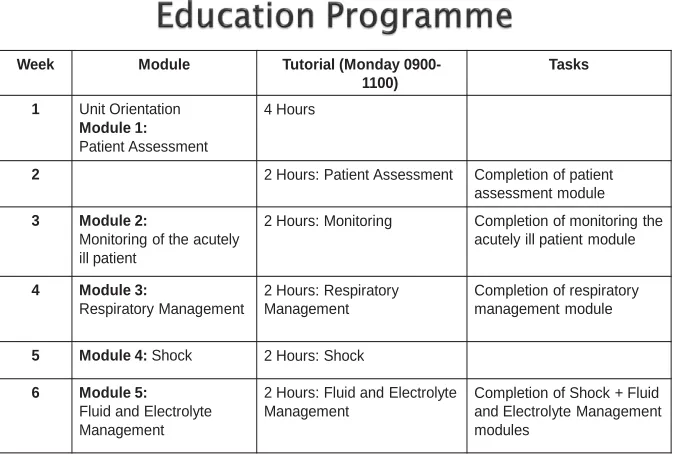
(32) supported by ICU registrars and ICU consultants in consultation with the relevant surgeon or physician (Aneman & Parr, 2006; Carter, 2008; Priestley et al., 2004). A priority is to establish a referral pathway and method of communicating with the patient’s primary hospital team (Thomas et al., 2007). Provision of a supplementary service while the patient’s care remains the responsibility of the primary hospital team is a professional pathway with the potential for tensions. Tensions between specialities may arise when the traditional care delivery model on the wards is challenged (Odell, Victor, & Oliver, 2009). Traditionally the primary hospital team invites a consultation from a different specialty, whereas with the EWS and escalation response from CCOT, another specialty may see a patient unbeknown to the primary hospital team. Communication between teams ensures continuity of care and intra-team co-operation.. Educational considerations Education to enhance the abilities of ward nurses and junior doctors to accurately assess and escalate care of the physiologically unstable patient on the ward must be addressed if a CCOT is to be effective. Despite the lack of an evidence-base the EWS offers a tool to identify the deteriorating patient and is recommended for use in medical and surgical wards (Andrews & Waterman, 2005; Cuthbertson, Massoud, McKie, Aucott, & Prescott, 2007; Duckitt, et al., 2007; Goldhill & McNarry, 2004; National Health Service Modernisation Agency, 2003; Ryan, Cadman, & Hann, 2004; Schein, et al., 1990; Subbe, Davies, Williams, Rutherford, & Gemmell, 2003; Subbe, et al., 2001; Williams & Wheeler, 2009 ). Throughout the literature, which is predominantly descriptive and explorative, it is recommended that an EWS is developed during the planning stages of a CCOT (Thomas et al., 2007). The use of an EWS needs training and education (Carter, 2008; Sharpley & Holden, 2004). Concurrent educational packages should include Acute Life Threatening Events, Recognition and Treatment (ALERT) courses for multidiscliplinary professionals. An ALERT course assists the early recognition of and intervention for the critically ill patient and helps bridge any knowledge deficit of ward nurses and multidiscliplinary staff (Robson, 2002; Sharpley & Holden, 2004). Education from a CCOT is not restricted to formal sessions. The effectiveness of informal bedside teaching and support combined with a formal education package to ensure the success of a CCOT was validated by a ward-randomised trial conducted by Priestley et al. (2004). This trial involved four weeks of informal and formal training prior to the introduction of a CCOT. The results from the Priestley study suggested that CCOT reduces mortality in general wards (Priestley et al., 2004). While a short study such as Priestley’s contributes to the debate, a more prolonged trial to test the sustainability of the training results is required.. 21.
Figure
+7

Related documents
A simulation study is employed to (a) compare the pre- dictive ability of different link functions (the odds, logit and cloglog functions) in the proposed Bayesian model when PPV
The variable that links the production stage and health stage is Chemical Oxygen Demand (COD). The input of Stage 2 is Wastewater treatment expense, the outputs of Stage 2 are
With the overall objective of developing blood biomar- kers of angiogenesis, we examined the associations of blood levels of miRs implicated in angiogenesis with those of
Although the information on cold-set gelation is limited as compared to that on heat-induced gelation, the results have showed that cold-set gels are different
The work is not aimed at measuring how effective your local polytechnic is, but rather to see what measures different community groups, including potential students, use when
The nutritive value in vitro organic matter digestibility, neutral detergent fibre and nitrogen content of Aries HD was similar to that of Yatsyn 1 perennial ryegrass, from
Nitri fi cation and sedimentary denitri fi cation occurred near the river mouth, nitri fi cation prevailed further offshore under the plume, and fi nally, phytoplankton
2 Equity Market Contagion during the Global Financial Crisis: Evidence from the World’s Eight Largest Economies 10..
