RISK PERCEPTION AND READINESS TO
CHANGE LIFESTYLE BEHAVIOUR REGARDING
PREVENTION OF CARDIOVASCULAR DISEASE
AMONG TEACHERS, AT SELECTED SCHOOLS,
CHENNAI
DISSERTATION SUBMITTED TO
THE TAMIL NADU Dr.M.G.R. MEDICAL UNIVERSITY
CHENNAI
IN PARTIAL FULFILMENT OF REQUIREMENT FOR THE DEGREE OF
MASTER OF SCIENCE IN NURSING
Internal Examiner:
RISK PERCEPTION AND READINESS TO
CHANGE LIFESTYLE BEHAVIOUR REGARDING
PREVENTION OF CARDIOVASCULAR DISEASE
AMONG TEACHERS, AT SELECTED SCHOOLS,
CHENNAI, 2015
Certified that this is the bonafide work of
Ms. SHARON GRACE JOSEPH
OMAYAL ACHI COLLEGE OF NURSING, NO.45, AMBATTUR MAIN ROAD,
PUZHAL, CHENNAI±600 066.
COLLEGE SEAL:
SIGNATURE :
Dr. (Mrs) S.KANCHANA
B.Sc(N), R.N., R.M., M.Sc.(N)., Ph.D., Post Doc (Res)., Principal & Research Director, ICCR.
Omayal Achi College of Nursing, Puzhal, Chennai ± 600 066, Tamil Nadu.
DISSERTATION SUBMITTED TO
THE TAMILNADU Dr.M.G.R. MEDICAL UNIVERSITY
CHENNAI
IN PARTIAL FULFILMENT OF REQUIREMENT FOR THE DEGREE OF
MASTER OF SCIENCE IN NURSING
RISK PERCEPTION AND READINESS TO
CHANGE LIFESTYLE BEHAVIOUR REGARDING
PREVENTION OF CARDIOVASCULAR DISEASE
AMONG TEACHERS, AT SELECTED SCHOOLS,
CHENNAI, 2015
Approved by the Research Committee in April 2014
PROFESSOR IN NURSING RESEARCH
Dr. (Mrs) S.KANCHANA
R.N., R.M., M.Sc (N).,Ph.D.,Post Doc (Res)., Principal & Research Director, ICCR
Omayal Achi College of Nursing,
Puzhal, Chennai ± 600 066, Tamil Nadu. ____________ MEDICAL EXPERT
DR. P.MAHESH BABU, M.D.,D.N.B.(Cardio) Consultant Cardiologist,
Vijaya Heart Foundation,
Vadapalani, Chennai.
_____________
CLINICAL SPECIALITY - HOD Mrs.M.SUMATHI, R.N., R.M., M.Sc.(N).,[Ph.D(N)], Professor and Head of the Department, Medical Surgical Nursing,
Omayal Achi College of Nursing,
Puzhal, Chennai ± 600 066, Tamil Nadu. _____________ CLINICAL SPECIALITY-RESEARCH GUIDE
Mrs.S.SASIKALA,
R.N., R.M., M.Sc.(N).
Asst. Professor, Medical Surgical Nursing, Omayal Achi College of Nursing,
Puzhal, Chennai ± 600 066, Tamil Nadu. _____________ DISSERTATION SUBMITTED TO
THE TAMILNADU DR.M.G.R. MEDICAL UNIVERSITY
CHENNAI
IN PARTIAL FULFILMENT OF REQUIREMENT FOR THE DEGREE OF
MASTER OF SCIENCE IN NURSING
³Gratitude is not only the greatest of virtues, but the parent of all the others´
Acknowledgement is an expression of gratitude for assistance in creating an original piece of work. This research work is a result of priceless help extended by several people. By keeping all their names in heart, I wish to thank the persons who have directly rendered their helpiQJKDQGVLQFRPSOHWLQJP\VWXG\DV³QRGXW\LVPRUHXUJHQW WKDQWKDWRIUHWXUQLQJWKDQNV´
³7KH hardest arithmetic to master is that which enables us to count our
EOHVVLQJV´,SUDLVHDQGWKDQNWKHLord Almighty for His loving care, tender mercies
and the special graces He has bestowed upon me, for being my guide and guard during this research endeavour.
I express my sincere thanks to the Vice Chancellor and Research Department of The Tamil Nadu Dr. M.G.R Medical University, Guindy for giving me an opportunity to undertake my Postgraduate degree in Nursing at this esteemed university.
I wish to express my deep sense of gratitude to the Managing Trustee, Omayal Achi College of Nursing for having given me the opportunity to undergo the Postgraduate programme in this esteemed institution.
³$ JRRG WHDFKHU H[SODins, a superior teacher demonstrates, the great teacher
LQVSLUHV´I express my deep sense of gratitude to Dr. K.R.Rajanarayanan, B.Sc.,
M.B.B.S., FRCH (London), Research Coordinator, International Centre for Collaborative Research (ICCR), Omayal Achi College of Nursing and Honorary Professor in Community Medicine, for his valuable suggestions and expert guidance with regard to approval and ethical clearance for conducting the study.
³(GXFDWLRQ LV QRW ILOOLQJ D SDLO EXW WKH OLJKWLQJ RI ILUH´I express my sincere
I express my humble gratitude to Dr.(Mrs.) D.Celina, Vice Principal, Omayal Achi College of Nursing, for her thought provoking and valuable advice, and inspiration throughout the study.
My heartfelt thanks to the ICCR Executive Committee Members for their suggestions during the Research proposal, Pilot study and Mock viva presentations.
My profound gratitude and earnest thanks to Professor Mrs.Sumathi.M, Head of the department, Medical Surgical Nursing, for her constant inspiration, valuable suggestions, encouragement, kind help, patience and motivation which made the completion of this dissertation a successful one.
I express my special and heartfelt thanks to my Research guide Mrs.Sasikala S, Assistant Professorfor her expert guidance, constant inspiration, timely
help, valuable suggestions and enduring patience which helped me in completing my study.
I express my earnest gratitude to Mrs. Jose Eapen Jolly Cecily, Professor, Mrs.Grace Lydia, Asst Professor, Ms.Gipsy Sara Ninan, Tutor and Ms.Alice Dinah Margaret, Tutor, of Medical Surgical Nursing Department, for their constant encouragement, scholarly suggestions and guidance throughout the study.
,W¶V P\ LPPHQVH SOHDVXUH WR WKDQNmy Class Co-ordinators of both 1st and 2nd
year of M.Sc. programme, Mrs.Ruth Rani Princely, Mrs.Jayalakshmi, Mrs.Bhagavathy and Mrs.Manonmani, for their timely guidance, constant support and inspiration that helped me to complete the study.
discussion with each of them was enlightening and beneficial.
I immensely thank the Principals of Sethu Bhaskara Matriculation Higher Secondary School, Pudur, Good Shepherd Matriculation Higher Secondary School, Pattabiram, Infant Matriculation School, Pattabiram, Immanuel Matriculation Higher Secondary School, Pattabiram and Ebenezer Matriculation Higher Secondary School, Korattur for granting me permission to conduct the study.
My heartfelt thanks to all the teachers who were willing to participate in the study and for their commendable co-operation in data collection and intervention process.
I extend my gratitude to the Librarians of Omayal Achi College of Nursing and The Tamil Nadu Dr. M.G.R Medical University, for their co-operation in collecting the related literature for this study.
I dedicate my warm and heartfelt thanks to Mrs.A.Anuradha, M.A., B.Ed., M.Phil., for editing the manuscript in English.
My sincere thanks to the administrative staff and all those who rendered their help and support for completing this dissertation.
I extend my sincere gratitude to Mr.G.K.Venkataraman, Elite Computers for typing, aligning and executing the manuscript.
I extend my deep sense of gratitude to my department friends Ms.Bakya.M, Ms.Johanna Steffi Hepsibah.F, Ms.Sandra Jeba Malar.S, Ms.Sathya.M for their timely help and support throughout the study period.
³$ZRUGRIHQFRXUDJHPHQWGXULQJDIDLOXUHLVZRUWKPRUHWKDQDQKRXURISUDLVH
DIWHU VXFFHVV´ , KHDUWIXOO\ WKDQN DOO P\M.Sc Nursing classmates, Carnites
Words are beyond expression for the meticulous effort and love showered upon me by my beloved parents Mr.Suresh Joseph and Mrs.Shiny Joseph, my dear and loving sister Ms. Sheba Roshan Joseph, and all my loving relatives for their care, constant encouragement, moral support and prayers throughout the course.
ANOVA - Analysis Of Variance BP - Blood Pressure BMI - Body Mass Index CAD - Coronary Artery Disease
CCHS - Canadian Community Health Survey CHD - Coronary Heart Disease
CHF - Congestive Heart Failure CACS - Coronary Artery Calcium Score
CASHD - Coronary Atherosclerotic Heart Disease CV - Cardiovascular
CVD - Cardiovascular Disease CT - Computed Tomography CI - Control Intervention
DALYs - Disability Adjusted Life Years DM - Diabetes Mellitus
FH - Family History ECG - Electrocardiogram
EMHSS - Ebenezer Matriculation Higher Secondary School GDP - Gross Domestic Product
GSMHSS - Good Shepherd Matriculation Higher Secondary School HR - Hazard Ratio
IMHSS - Immanuel Matriculation Higher Secondary School IMS - Infant Matriculation School
HDL - High Density Lipoprotein
HIV/AIDS - Human Immunodeficiency Virus/Acquired Immunodeficiency Syndrome
HTN - Hypertension
IHD - Ischemic Heart Disease
MA - Migraine with Aura
MVPA - Moderate-Vigorous Physical Activity MIP - Multifactorial Intervention Package MI - Myocardial Infarction
NPCDCS - National Programme for Prevention and Control of Cancer, Diabetes, CVDs and Stroke
NCD - Non-communicable Disease OPA - Occupational Physical Activity PA - Physical Activity
PVD - Peripheral vascular disease PYLL - Years of Productive Life RR - Relative Risk
RSA - Religion Service Attendance SF - Saturated Fat
SB - Sedentary Behaviour
SBMHSS - Sethu Bhaskara Matriculation Higher Secondary School SES - Socio-economic Status
SI - Special Intervention SD - Standard Deviation SCH - Subclinical Hypothyroidism TSH - Thyroid-Stimulating Hormone TC - Total Cholesterol
TV - Television US - United States
CHAPTER CONTENT
PAGE
NO.
ABSTRACT
1 INTRODUCTION 1
1.1 Background of the study 2
1.2 Significance and need for the study 6
1.3 Statement of the problem 9
1.4 Objectives 9
1.5 Operational definitions 10
1.6 Assumptions 11
1.7 Null hypotheses 11
1.8 Delimitations 12
1.9 Conceptual framework 12
1.10 Outline of the report 17
2 REVIEW OF LITERATURE 18
Scientific reviews of related literature 18
3 RESEARCH METHODOLOGY 30
3.1 Research approach 30
3.2 Research design 30
3.3 Variables 31
3.4 Setting of the study 31
3.5 Population 31
3.6 Sample 32
3.8 Criteria for sample selection 32
3.9 Sampling technique 32
3.10 Development and description of tools 33
3.11 Content validity 37
3.12 Ethical consideration 37
3.13 Reliability of the tools 39
3.14 Pilot study 39
3.15 Procedure for data collection 41
3.16 Plan for data analysis 42
4 DATA ANALYSIS AND INTERPRETATION 44
5 DISCUSSION 70
6 SUMMARY, CONCLUSION, IMPLICATIONS,
RECOMMENDATIONS AND LIMITATIONS.
79
REFERENCES 89
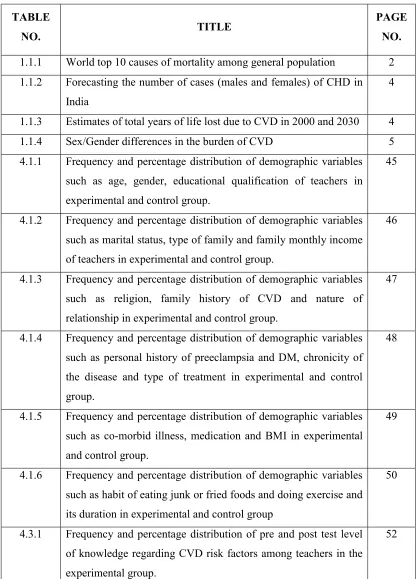
TABLE
NO. TITLE
PAGE
NO.
1.1.1 World top 10 causes of mortality among general population 2 1.1.2 Forecasting the number of cases (males and females) of CHD in
India
4
1.1.3 Estimates of total years of life lost due to CVD in 2000 and 2030 4 1.1.4 Sex/Gender differences in the burden of CVD 5 4.1.1 Frequency and percentage distribution of demographic variables
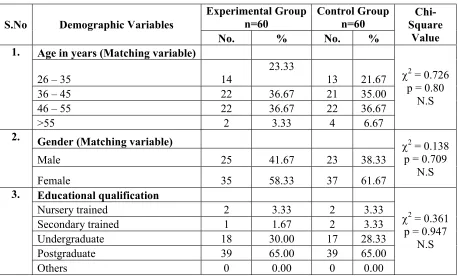
such as age, gender, educational qualification of teachers in experimental and control group.
45
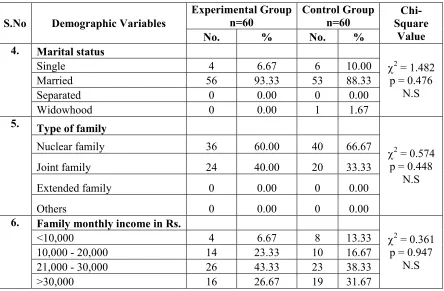
4.1.2 Frequency and percentage distribution of demographic variables such as marital status, type of family and family monthly income of teachers in experimental and control group.
46
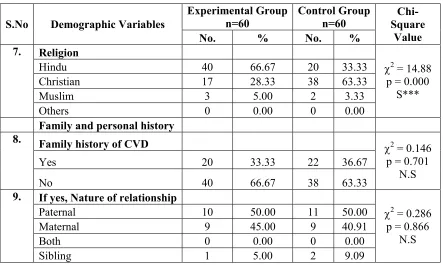
4.1.3 Frequency and percentage distribution of demographic variables such as religion, family history of CVD and nature of relationship in experimental and control group.
47
4.1.4 Frequency and percentage distribution of demographic variables such as personal history of preeclampsia and DM, chronicity of the disease and type of treatment in experimental and control group.
48
4.1.5 Frequency and percentage distribution of demographic variables such as co-morbid illness, medication and BMI in experimental and control group.
49
4.1.6 Frequency and percentage distribution of demographic variables such as habit of eating junk or fried foods and doing exercise and its duration in experimental and control group
50
4.3.1 Frequency and percentage distribution of pre and post test level of knowledge regarding CVD risk factors among teachers in the experimental group.
[image:14.612.108.527.116.695.2]4.3.2 Frequency and percentage distribution of pre and post test level of knowledge regarding CVD risk factors among teachers in the control group.
53
4.3.3 Frequency and percentage distribution of pre test and post test level of readiness to change lifestyle behaviour regarding prevention of CVD among teachers in the experimental group.
56
4.3.4 Frequency and percentage distribution of pre test and post test level of readiness to change lifestyle behaviour regarding prevention of CVD among teachers in the control group.
57
4.4.1 Comparison of pre test and post test knowledge scores regarding CVD risk factors among teachers in the experimental and control group
58
4.4.2 Comparison of pre test and post test risk perception scores regarding prevention of CVD among teachers in the experimental and control group
59
4.4.3 Comparison of pre test and post test readiness to change lifestyle behaviour scores regarding prevention of CVD among teachers in the experimental and control group
60
4.4.4 Comparison of post test knowledge scores regarding CVD risk factors among teachers between experimental and control group
61
4.4.5 Comparison of post test risk perception scores regarding prevention of CVD among teachers between experimental and control group
62
4.4.6 Comparison of post test readiness to change lifestyle behaviour scores regarding prevention of CVD among teachers between experimental and control group
63
4.5.1 Correlation between post test knowledge, risk perception scores and readiness to change lifestyle behaviour regarding prevention of CVD among teachers in the experimental group
4.5.2 Correlation between post test knowledge, risk perception scores and readiness to change lifestyle behaviour regarding prevention of CVD among teachers in the control group
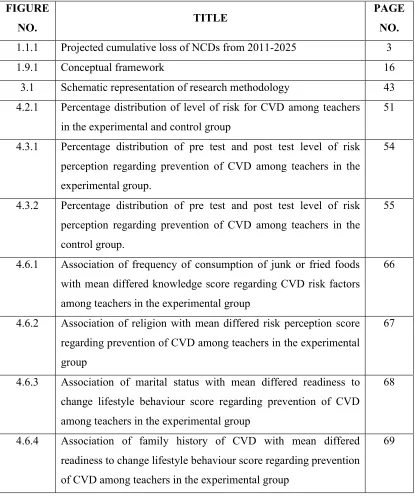
FIGURE
NO. TITLE
PAGE
NO.
1.1.1 Projected cumulative loss of NCDs from 2011-2025 3
1.9.1 Conceptual framework 16
3.1 Schematic representation of research methodology 43 4.2.1 Percentage distribution of level of risk for CVD among teachers
in the experimental and control group
51
4.3.1 Percentage distribution of pre test and post test level of risk perception regarding prevention of CVD among teachers in the experimental group.
54
4.3.2 Percentage distribution of pre test and post test level of risk perception regarding prevention of CVD among teachers in the control group.
55
4.6.1 Association of frequency of consumption of junk or fried foods with mean differed knowledge score regarding CVD risk factors among teachers in the experimental group
66
4.6.2 Association of religion with mean differed risk perception score regarding prevention of CVD among teachers in the experimental group
67
4.6.3 Association of marital status with mean differed readiness to change lifestyle behaviour score regarding prevention of CVD among teachers in the experimental group
68
4.6.4 Association of family history of CVD with mean differed readiness to change lifestyle behaviour score regarding prevention of CVD among teachers in the experimental group
APPENDIX TITLE PAGE NO.
A Ethical clearance certificate i
B Letter seeking and granting permission for conducting main study
ii
C Content validity
i. /HWWHU VHHNLQJ H[SHUW¶V RSLQLRQ for content
validity
ii. Lists of experts for content validity iii. Certificate for content validity
vii
viii x
D Certificate for English editing xvi
E IEC approval certificate xvii
F Inform consent request form Written informed consent
xviii xix
G Copy of the tool for data collection with scoring key xx H Coding of the demographic variables xxxiii
I Blue print of data collection tool xxxvi
J Intervention tool xxxvii
K Plagiarism report xxxviii
L Dissertation Execution Plan - Gantt Chart xxxix
disease among teachers, at selected schools, Chennai.
INTRODUCTION
Cardiovascular disease (CVD) is a collective term for diseases of the heart and blood vessels. Many of these diseases are called "lifestyle diseases" because they develop over time and are related to a person's exercise habits, diet, whether they smoke, and other lifestyle choices a person makes. It is a major cause of disability and premature death throughout the world. Acute coronary events (heart attacks) and cerebrovascular events (strokes) frequently occur suddenly, and are often fatal before medical care can be given. Risk factor modification can reduce clinical events and premature death in people with established CVD as well as in those who are at high cardiovascular risk due to one or more risk factors.
Aim and objective: To assess the effectiveness of Multifactorial intervention package on knowledge, risk perception and readiness to change lifestyle behaviour regarding prevention of cardiovascular disease among teachers. Methodology: A quasi-experimental pre and post test control group design was used to conduct the study at selected schools, Chennai. 120 teachers who satisfied the inclusion criteria were selected using purposive sampling technique. Result: The comparison of post test level of knowledge between experimental and control group, JDYH D FDOFXODWHG XQSDLUHG µW¶ RI which showed high statistical significance at p<0.001 level. The comparison of post test level of risk perception between experimental and control group, gave DFDOFXODWHGXQSDLUHGµW¶RI which showed high statistical significance at p<0.001 level. The comparison of post test level of readiness to change lifestyle behaviour revealed a calculDWHGXQSDLUHGµW¶YDOXHRIZKLFKVKRZHG high statistical significance at p<0.001 level. The analysis of correlation coefficient between knowledge, risk perception and readiness to change lifestyle behaviour in experimental group using Karl Pearson correlation
reveDOHGµU¶YDOXHRIDQGUHVSHFWLYHO\ which showed a positive correlation at
p<0.05 level regarding the prevention of CVD whereas in the control group, the Karl Pearson
&RUUHODWLRQ YDOXH RI µU¶ U -0.107 and r=0.157 revealed a positive and negative
correlation between knowledge, risk perception and readiness to change lifestyle behaviour and was not found to be statistically significant. A significant level of association was identified between the demographic variables, frequency of consumption of junk foods and level of knowledge, religion and risk perception and marital status and family history of cardiovascular disease with readiness to change lifestyle behaviour in the experimental group. Conclusion: Hence the Multifactorial intervention package developed by the investigator proved to be an effective aid in providing insight regarding prevention of cardiovascular disease.
and limiting alcohol intake.
Objective
To assess the effectiveness of Multifactorial intervention package (MIP) on knowledge, risk perception and readiness to change lifestyle behaviour regarding prevention of Cardiovascular Disease (CVD) among teachers, at selected schools, Chennai.
Null Hypotheses
NH1: There is no significant effect of Multifactorial Intervention Package on the level of knowledge, risk perception and readiness to change lifestyle behaviour regarding prevention of CVD among teachers.
METHODOLOGY
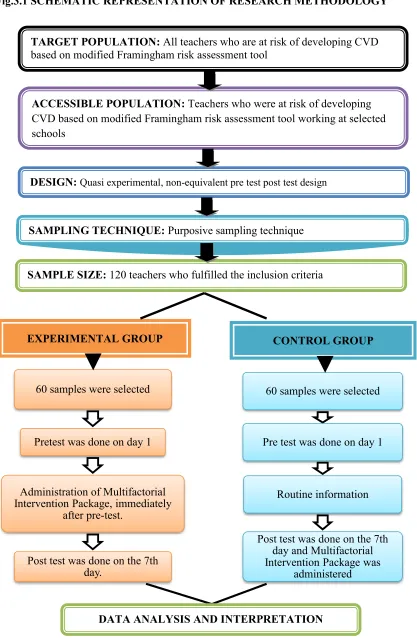
A quasi experimental, non-equivalent, pretest and post test with control group design was used to conduct this study with the setting for the experimental group at Sethu Bhaskara Matriculation Higher Secondary School, Pudur, Good Shepherd Matriculation Higher Secondary School, Pattabiram which employs over 30-100 teachers. The setting for control group was Infant Matriculation School, Pattabiram, Immanuel Matriculation Higher Secondary School, Pattabiram and Ebenezer Matriculation Higher Secondary School, Korattur which employs over 30-80 teachers. Totally 120 teachers, who satisfied the inclusion criteria, were selected as samples for the study using purposive sampling technique.
and as an aid for continued practice. The post test was conducted on the seventh day after which the MIP was administered for the control group.
RESULTS & DISCUSSION
The present study aimed to assess the effectiveness of MIP on knowledge, risk perception and readiness to change lifestyle behaviour regarding prevention of cardiovascular disease among teachers.
The level of risk assessment among teachers using modified Framingham risk assessment tool revealed that 35 (58.33%) had low risk, 20(33.33%) had moderate risk and 5(8.33%) had high risk of developing CVD in both experimental group and control group.
The comparison of post test level of knowledge between the experimental and control group revealed that the post test mean score of knowledge was 15.50 with SD 1.62 and for the control group, post test mean score of knowledge was 8.51 with SD 2.29. The calculaWHGXQSDLUHG³W´YDOXHRI showed high statistical significance at p< 0.001 level.
The comparison of post test level of risk perception between the experimental and control group revealed that the post test mean score of risk perception was 33.18 with SD 3.05 and for the control group, post test mean score of knowledge was 25.41 with SD 3.78. The calculateG XQSDLUHG ³W´ YDOXH RI showed high statistical significance at p< 0.001 level.
FRUUHODWLRQ UHYHDOHG µU¶ YDOXH RI 0.314 and 0.270 respectively which showed a positive correlation and it had low statistical significance at p<0.05 level regarding prevention of CVD whereas in the control group, the Karl Pearson Correlation value of
µU¶ U -0.107 and r=0.157 revealed a positive and negative correlation between
knowledge, risk perception and readiness to change lifestyle behaviour and was not found to be statistically significant.
With regard to association of demographic variables like frequency of consumption of junk foods and level of knowledge, religion and risk perception and marital status and family history of cardiovascular disease with readiness to change lifestyle behaviour showed statistical significance at p<0.01 level and p<0.05 level respectively in the experimental group. No statistically significant association was observed between other selected demographic variables and mean differed score of knowledge, risk perception and readiness to change lifestyle behaviour in the control group.
The study findings revealed that MIP was effective in assessing risk for developing CVD, creating awareness about CVD risk factors and influencing risk perception and positive behaviour. The booklet developed by the investigator proved to be an effective aid in providing insight on the prevention of CVD.
IMPLICATIONS
INTRODUCTION
Non-communicable disease (NCD) is a medical condition or disease that is non-infectious or non-transmissible. They refer to chronic diseases which last for long periods of time and progress slowly. Sometimes, they result in rapid deaths as seen in certain diseases such as autoimmune diseases, heart diseases, stroke, cancers, diabetes, chronic kidney disease, osteoporosis, Alzheimer's disease, cataracts, and others. While sometimes (incorrectly) referred to as synonymous with "chronic diseases´ &KURQLF diseases require chronic care management as do all diseases that are slow to develop and of long duration.
Cardiovascular disease (CVD) is a collective term for diseases of the heart and blood vessels. Many of these diseases are called "lifestyle diseases" because they develop over time and are related to a person's exercise habits, diet, whether they smoke, and other lifestyle choices a person makes. Atherosclerosis is the precursor to many of these diseases. It is where small atheromatous plaques build up in the walls of medium and large arteries. This may eventually grow or rupture to occlude the arteries. It develops over many years and is usually advanced by the time symptoms occur, generally in middle age.
The common cardiovascular diseases are hypertension (HTN), Coronary Artery disease (CAD), Myocardial infarction (MI), heart failure, arrhythmias, valvular diseases and Peripheral Vascular Diseases (PVD).
CVD is a major cause of disability and premature death throughout the world. Acute coronary events (heart attacks) and cerebrovascular events (strokes) frequently occur suddenly, and are often fatal before medical care can be given. Risk factor modification can reduce clinical events and premature death in people with established cardiovascular disease as well as in those who are at high cardiovascular risk due to one or more risk factors.
It is estimated that 90% of CVD is preventable. Prevention of atherosclerosis is by decreasing risk factors through: healthy eating, regular exercise, avoidance of tobacco smoke and limiting alcohol intake.
1.1 BACKGROUND OF THE STUDY
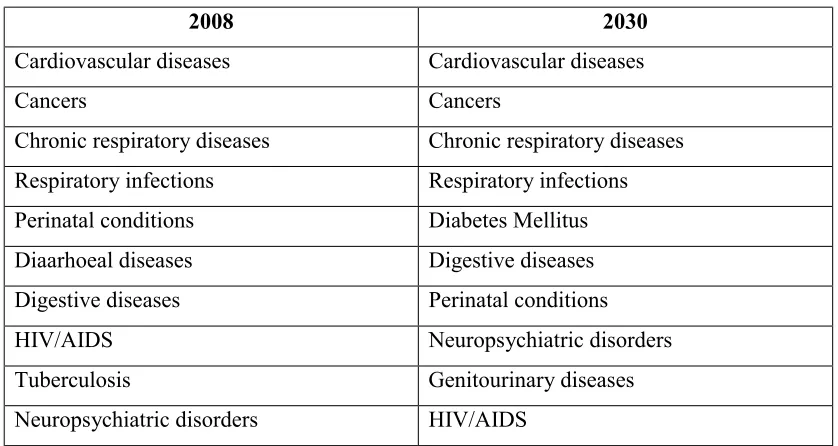
[image:26.612.107.526.376.599.2]Around 38 million deaths occur due to NCDs each year. Almost three quarters of NCD deaths (28 million) occur in low and middle-income countries (LMIC). 16 million deaths occur before the age of 70; 82% of these "premature" deaths occurred in LMIC. CVDs account for most NCD deaths, or 17.5 million people annually, followed by cancers (8.2 million), respiratory diseases (4 million), and diabetes mellitus (DM) (1.5 million).These 4 groups of diseases account for 82% of all NCD deaths. Tobacco use, physical inactivity, harmful use of alcohol and unhealthy diets all increase the risk of dying from NCD. Of these CVDs rank the highest. (World Health Organization (WHO), 2012)
Table 1.1.1 World top 10 causes of mortality among general population
2008 2030
Cardiovascular diseases Cardiovascular diseases
Cancers Cancers
Chronic respiratory diseases Chronic respiratory diseases Respiratory infections Respiratory infections Perinatal conditions Diabetes Mellitus Diaarhoeal diseases Digestive diseases Digestive diseases Perinatal conditions
HIV/AIDS Neuropsychiatric disorders
Tuberculosis Genitourinary diseases
Neuropsychiatric disorders HIV/AIDS
[Source: International Heart Protection Summit, 2011]
In 2008, CVD caused an estimated 17 million deaths and led to 151 million Disability Adjusted Life Years (representing 10% of all DALYs in that year). Behavioural risk factors such as physical inactivity, tobacco use and unhealthy diet explain nearly 80% of the CVD burden (World Economic Forum, 2011).
[image:27.612.116.525.337.644.2]In 2008, more than 3 million of deaths occurred before the age of 60 and could have largely been prevented. The percentage of premature deaths from CVDs ranges from 4% in high-income countries to 42% in low-income countries, leading to growing inequalities in the occurrence and outcome of CVDs between countries and populations. There are also new dimensions to this alarming situation. Over the past two decades, deaths from CVDs have been declining in high-income countries, but have increased at an astonishingly fast rate in LMIC. (Global Atlas on cardiovascular disease prevention and control, WHO, 2011)
Figure 1.1.1 Projected Cumulative loss of NCDs from 2011 to 2025
[Source: Journal of the American college of Cardiology, 2012] Respiratory
diseases 22%
Cancer 21%
Diabetes 6% CVDs
51%
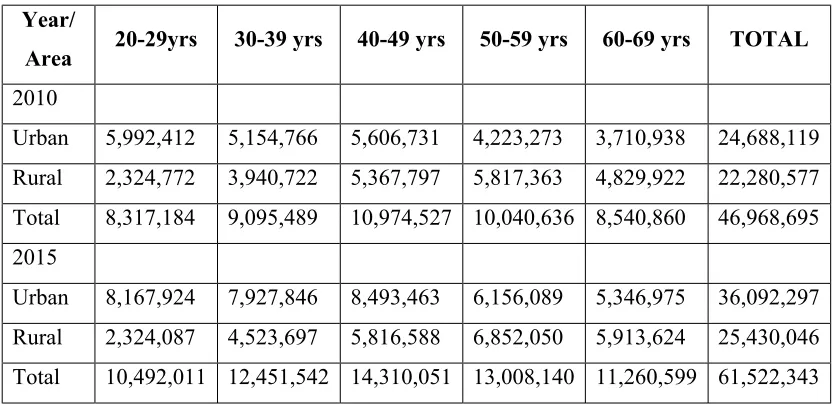
Table 1.1.2 Forecasting the number of cases (males and females) of CHD in India
Year/
Area 20-29yrs 30-39 yrs 40-49 yrs 50-59 yrs 60-69 yrs TOTAL
2010
Urban 5,992,412 5,154,766 5,606,731 4,223,273 3,710,938 24,688,119 Rural 2,324,772 3,940,722 5,367,797 5,817,363 4,829,922 22,280,577 Total 8,317,184 9,095,489 10,974,527 10,040,636 8,540,860 46,968,695 2015
Urban 8,167,924 7,927,846 8,493,463 6,156,089 5,346,975 36,092,297 Rural 2,324,087 4,523,697 5,816,588 6,852,050 5,913,624 25,430,046 Total 10,492,011 12,451,542 14,310,051 13,008,140 11,260,599 61,522,343
[Source: International Journal of Scientific and Research Publications, 2013]
CVDs account for around one fourth of all deaths in India in 2008. CVDs are expected to be the fastest growing chronic illness by 2015 growing at 9.2% annually from 2000 onwards. A more worrying fact is that the incidence has gone up significantly for people between ages 25-69 to 24.8%. The downward escalation of CVDs is of primary concern as it is affecting the productive population of India. The present evidence suggests an average mortality of 4% in the age group of 20-49 years and 6% in those above 50 years due to CVD. This may remain the same till 2015 if the current situation continues for the next 10-15 years (Shraddha and Bani, 2013).
[image:28.612.108.527.85.287.2]WHO reports that the current age standardised CVD mortality rates among males and females in India (per 100,000) are 363-443 and 181-281 respectively (Global Atlas on cardiovascular disease prevention and control, WHO, 2011).
Table 1.1.3 Estimates of total years of life lost due to CVD in 2000 and 2030
Country 2000 2030
Total years of life lost
Rate per 100,000
Total years of life lost
Rate per 100,000
India 9,221,165 3,572 17,937,070 3,070
Brazil 1,060,840 2,121 1,741,620 1,957
China 6,666,990 1,595 10,460,030 1,863
Between 2005 and 2015, India is projected to cumulatively lose US dollars 236.6 billion because of heart disease, stroke, and diabetes, shaving 1% off the Gross Domestic Product (GDP). In 2000, in the age group of 35 to 64, India lost 9.2 million years of productive life (PYLLs), almost six times the figure for US. (International Heart Protection Summit, 2011)
The mortality rate due to CVDs in Tamil Nadu was 360-430 per 1 lakh population, the highest in the country. Quoting statistics, 10.4% of population in the State suffer from DM, 20% from high blood pressure (BP) and 23% were overweight. (The Hindu, 2013)
Tamil Nadu has the highest crude mortality rates due to CVDs in India, with approximately 360-430 deaths per 100,000 people per year, an approximate 36% prevalence rate.It also reports a 24% mortality rate due to CVDs in rural Tamil Nadu. (Centre for technologies in public health, 2011)
The prevalence of CAD in the Chennai Urban Population Study was 11% in the total population, with 1.2% patients with MI, 1.3% with Q-wave changes, 1.5% with ST-segment changes, and 7.0% with T-wave abnormalities. This 11% represents a 10-fold increase in CAD prevalence in urban India since 1970,now approaching those reported in migrant Indians. (Viswanathan et al, 2010)
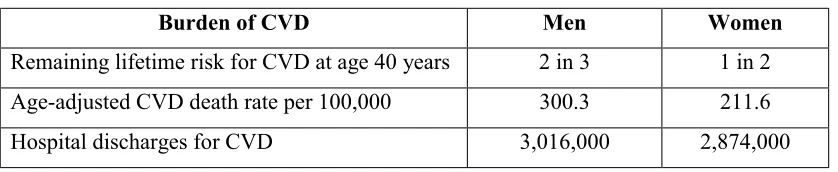
[image:29.612.109.528.609.695.2]Heart disease results due to two main types of risk factors namely non-modifiable and modifiable risk factors. The non-modifiable risk factors are advancing age, gender differences, heredity/ family history, history of preeclampsia and modifiable factors include smoking, dyslipidemia, DM, obesity, sedentary lifestyle, stress and alcohol consumption.
Table 1.1.4 Sex/Gender Differences in the Burden of CVD
Burden of CVD Men Women
Remaining lifetime risk for CVD at age 40 years 2 in 3 1 in 2 Age-adjusted CVD death rate per 100,000 300.3 211.6 Hospital discharges for CVD 3,016,000 2,874,000
1.2SIGNIFICANCE AND NEED FOR THE STUDY
Centre for disease control and prevention, 2015, reported that heart disease is the leading cause of death for both men and women. More than half of the deaths due to heart disease in 2009 were in men. CHD is the most common type of heart disease, killing more than 370,000 people annually and costs the US $108.9 billion each year. The number of hospital visits for heart disease, excluding ischemic, as primary diagnosis 1.9 million.
The WHO Programme on CVD works on prevention, management and monitoring of CVD globally. It aims to develop global strategies to reduce the incidence, morbidity and mortality of CVD by effectively reducing CVD risk factors and their determinants, developing cost effective and equitable health care innovations for management of CVD, monitoring trends of CVD and their risk factors.
The Indian Government has started taking measures towards prevention of heart diseases especially among the rural population (2011)
x National Programme for Prevention and Control of Cancer, Diabetes, CVDs and Stroke (NPCDCS) was introduced in July 2010 with an outlay of 500 crores for interventions on diabetes and CVDs and stroke (out of the total outlay of Rs.1231 crores). The programme aims to achieve behaviour change in the community and improve access to cardiac care through:
¾ Massive health education and mass media efforts at country level. ¾ Opportunistic screening of persons above the age of 30 years.
¾ Establishment of NCD clinics at Community Health Centre and district level.
¾ Development of trained manpower and strengthening of tertiary level health facilities.
¾ Early diagnosis and treatment.
Azza Greiw H, Ahmed Mandil, Mervat Wagdi, Ali Elneihoum (2010) conducted a cross sectional study to estimate the magnitude of 2 major CVDs (HTN, IHD) among 1200 teachers by multistage random sampling technique at different schools in Benghazi, Libya. Data collection tool included a self administered questionnaire, a standardized rose CVD interview questionnaire and a form for anthropometric measurements, BP, clinical examination, lab findings and electrocardiogram (ECG) tracings. The prevalence of HTN and IHD were 15.1% and 2.7% respectively. The study concluded that there is a rapid need for intensive health education.
Familoni I F and Familoni O B (2011) conducted a quasi-experimental study to investigate the knowledge of cardiovascular (CV) risk factors among 358 secondary school teachers in Oyo state, Nigeria with the help of a questionnaire and with 215 civil servants as controls. Findings showed that the knowledge level was inadequate and the qualification in pure science did not radically affect this knowledge. The study concluded that knowledge base of the teachers needs to be improved.
Haidinger T et al (2012) conducted a cross sectional study to assess individual CVD risk factor awareness, preventive action taken and the barriers to CV health among 573 women and 336 men who were randomly chosen to complete an anonymous questionnaire in Austria. The results showed that knowledge about risk factors for CVD needs to be improved in both sexes. However great effort is needed to inform men, compared with women, about the various ways to prevent CVD and to motivate them to preventive action.
Joby Francis, Josmi Jose, Joyse Sunny K, Juvairiya U S and Sanil Varghese (2014) conducted a community based descriptive study to assess the existing knowledge regarding CV risk factors. Non probability convenient sampling and pre-validated semi-structured questionnaire was used.100 community people were surveyed. Findings showed 98% had average level of knowledge regarding CV risk factors. There was a significant association between knowledge and age and knowledge and education. Hence it is necessary to educate the people in community regarding CV risk factors.
patients attending an outpatient clinic in southern Nigeria by random selection and a structured questionnaire was administered. Findings showed that there was no significant difference between level of education and gender with awareness of heart disease and its prevention. This study concluded that education on disease and lifestyle modification is necessary.
Jerilyn Allen K, Alison Purcell, Sarah Szanton, and Cheryl Dennison R (2010) conducted a cross sectional study to determine the CVD risk perception among 143 patients with DM of low socioeconomic status (SES) enrolled at urban community clinics in Baltimore, Maryland. Demographic and socioeconomic variables, medical history, health behaviour and depressive symptoms were measured. Findings revealed 75% perceived that they had a 50% or smaller risk of developing CVD. The study concluded that comprehensive care for urban, poor, diabetic patients calls for effective communication of CVD risk and its risk factors.
Liesbeth Claassen et al (2011) conducted an exploratory study to examine perceived disease risk and causal beliefs for CVD among 255 people who were at increased risk for CVD (aged 57-79 y) in Netherlands by a postal questionnaire. Findings revealed associations between risk factors and perceived CVD risk were weak. The study concluded that to improve risk perception, health professionals need to educate about how personal risk factors can contribute to development of CVD.
Jibril Mohammed (2012) conducted a cross-sectional study to assess the knowledge and attitude to CVD risk factors among 82 members (30-60 years) of the Nigerian armed forces. A structured questionnaire was administered. The study indicated that majority had an impressive knowledge of CVD risk factors. However, their attitude was poor.
knowledge and religion. The study concluded that patients have moderate level of knowledge regarding CAD.
The investigator had encountered with clients who had CVD and understood the alarming rise of CVD in India and the lack of knowledge among the general public and felt the need for awareness regarding CVD and its prevention strategies. Though teachers are themselves experts at teaching, studies show that they are at high risk for developing CVD because of their sedentary lifestyle and other risk factors that make them prone to develop CVD. Hence the investigator felt the need to assess the existing level of risk among teachers and create awareness among them and they in turn can impart this acquired knowledge to their students which in turn can create an impact on the general population when these teachers feel the necessity to spread information about CVD to their own students, since they are the pillars of our nation.
1.3STATEMENT OF THE PROBLEM
A quasi experimental study to assess the effectiveness of multifactorial intervention package on knowledge, risk perception and readiness to change lifestyle behaviour regarding prevention of Cardiovascular Disease (CVD) among teachers at selected schools, Chennai.
1.4OBJECTIVES
1. To assess the existing level of risk for developing CVD.
2. To assess the pretest & post test level of knowledge, risk perception and readiness to change lifestyle behaviour regarding prevention of CVD among experimental & control group.
3. To determine the effectiveness of Multifactorial Intervention Package (MIP) on level of knowledge, risk perception and readiness to change lifestyle behaviour among teachers at risk for CVD in experimental and control group.
4. To correlate the post test level of knowledge score, risk perception score and readiness to change lifestyle behaviour score among experimental and control group.
1.5 OPERATIONAL DEFINITIONS
1.5.1 Effectiveness
It refers to the outcome of Multifactorial Intervention Package, assessed in terms of change in level of knowledge, risk perception and lifestyle behaviour in prevention of Cardiovascular Disease measured by using a structured knowledge questionnaire, 4 point likert risk perception scale and 5 point likert readiness to change lifestyle behaviour scale respectively.
1.5.2 Multifactorial Intervention Package (MIP)
It refers to a specific teaching programme structured by the Investigator to bring about a change in the level of knowledge, risk perception and lifestyle behaviour regarding prevention of Cardiovascular Disease among teachers through:
A power point presentation that transfers information in the form of lecture cum discussion on definition of selected Cardiovascular Diseases (Hypertension, Heart failure, Coronary Artery Disease, Myocardial Infarction, Peripheral Vascular Disease) causes, risk factors, manifestations, possible complications and preventive measures such as regular aerobic exercises, cessation of smoking and alcohol, restriction of fat, salt and sugar intake and stress management.
9LGHR VKRZ RQ ³+HDUW +HDOWK\ ([HUFLVHV´ ZKLFK LQFOXGHV VWUHWFKLQJ H[HUFLVHV
warm up exercises, cardio work out and brisk walking.
Information booklet for reinforcement on prevention of CVD which consists of definition, causes, risk factors, manifestations, possible complications and preventive measures.
The total duration of the intervention is about 45min.
1.5.3 Knowledge
It refers to the level of awareness regarding the risk factors of Cardiovascular Disease assessed by using a structured knowledge questionnaire.
1.5.4 Risk Perception
1.5.5 Readiness to change lifestyle behaviour
,W UHIHUV WR WKH OHYHO RI SUHSDUHGQHVV RI WKH WHDFKHU WR DFFHSW ³DW ULVN´ VWDWXV refrain from lifestyle behaviour (nutrition and personal habits) which may increase risk for Cardiovascular Disease, which will be assessed using a 5 point likert readiness to change lifestyle behaviour scale.
1.5.6 Prevention of Cardiovascular Disease (CVD)
It refers to the action taken by the teachers prior to the onset of disease, which removes the possibility that Cardiovascular Disease will ever occur.
1.5.7 Teachers
It refers to male and female teachers aged above 25 years who are at risk for Cardiovascular Disease based on modified Framingham risk assessment tool.
1.6ASSUMPTIONS
1. Teachers may have some level of knowledge, risk perception and readiness to change lifestyle behaviour regarding prevention of CVD.
2. Multifactorial intervention package may enhance their level of knowledge, risk perception and also influence the readiness to change lifestyle behaviour regarding prevention of CVD.
1.7NULL HYPOTHESES
NH1: There is no significant effect of Multifactorial intervention package on the level of knowledge, risk perception and readiness to change lifestyle behaviour regarding prevention of CVD between experimental and control group at p <0.05 level. NH2: There is no significant relationship of the post test level of knowledge, risk
perception and readiness to change lifestyle behaviour score among experimental & control group at p < 0.05 level.
1.8DELIMITATIONS
The study is delimited to a period of four weeks.
1.9 CONCEPTUAL FRAMEWORK
A conceptual framework or model is the concepts of mental images of the phenomenon. These concepts are linked together to express their relationship between them. The conceptual framework provides the investigator the guidelines to proceed in attaining the objectives of the study.
Conceptual framework adopted is based on integrated :LHGHQEDFK¶V +HOSLQJ
Art of Clinical Nursing Theory and -:.HQQ\¶V2SHQ6\VWHP0RGHO
Wiedenbachs Helping Art of Clinical Nursing Theory was given by Ernestine Wiedenbach. He views this theory as a set of interrelated concepts that gives systematic view of a phenomenon that is explanatory and predictive in nature. The present study is aimed at helping the teachers to develop adequate knowledge, risk perception readiness to change lifestyle behaviour and skill regarding prevention of CVD.
In 1968, Ludwig Bertanlanffy developed a general system model approach, which was modified and put into practice as the open system model by J.W. Kenny in 1999. The open system model enumerates various aspects of system and interaction. The open system continuously interacts with environment. The interaction takes form of information transfer into or out of the system boundary, depending on the discipline which defines the concept. Open system model is useful in breaking the whole process into sequential tasks to ensure goal realization. The three major aspects of the system are:
1. Input 2. Throughput 3. Output
The concepts according to the study: Input: Identifying the need for help
According to J.W. Kenny, input is a type of information and material and enters the systems from environment through its boundaries. In this study it refers to the demographic variables of teachers such as age, gender, educational qualification, marital status, type of family, family monthly income, religion. These are assessed by using a structured questionnaire.
According to Ernestine Weidenbach, identifying the need for help, the nurse perceives the patient as an individual with unique experiences and understanding the
SDWLHQW¶VSHUFHSWLRQRIWKHFRQGLWLRQDQGGHWHUPLQHVSDWLHQW¶VQHHG for help based on the
existence of a need, whether the patient realizes the need, what prevents the patients from meeting the need and whether the patient cannot meet the need alone.
In identifying the need there are two components: 1. General information
This comprises of collecting the information to identify the need. In this study the investigator assessed the general information which includes family history of CVD, nature of relationship with affected member, personal history of preeclampsia and diabetes mellitus (DM), chronicity of DM, type of treatment, comorbid illness, medications, Body Mass Index (BMI), habit of eating junk or fried foods, habit of doing exercise and assessment of existing level of risk of developing CVD.
2. Central purpose
The central purpose refers to what the investigator wants to accomplish. In this study it refers to the assessment of effectiveness of multifactorial intervention package on knowledge, risk perception and readiness to change lifestyle behaviour among teachers.
Throughput: Ministering the Need for Help
In ministering the need for help, the nurse investigator formulates a plan for PHHWLQJWKHWHDFKHU¶VQHHGIRUKHOSEDVHGRQDYDLODEOHUHVRXUFHVWKHFRPSRQHQWVDUH a) Prescription
It refers to the plan of care the nature of action that will fulfil the central purpose. In this study the investigator planned and prepared the multifactorial intervention package regarding prevention of CVD. In experimental group it will be given on the first day after the pre test and in the control group on the last day after post test.
b)Ministering
It refers to the information transfer given by the investigator to the teacher. In this study the investigator administered the multifactorial intervention package regarding prevention of CVD which includes information transfer in the form of lecture cum discussion with the aid of a power point presentation, video show on heart healthy exercises and reinforcement on prevention of CVD through a booklet.
c) Realities
The realities are the immediate situation that influences the fulfillment of the central purpose. The nurse investigator should consider the realities of the situation in which she has to provide care. Wiedenbach defines the realities as:
1. Agent
The agent is the participating nurse who has the personal attributes, capabilities, commitment and competence to provide nursing care. In this study the agent is the nurse investigator.
2. Recipient
The recipient is the patient who has personal attributes, problems, capabilities, aspirations and ability to cope. In the study the recipient are the teachers who are at risk of developing CVD.
3. The goal
4. Means
The means are the activities and devices used by the nurse to achieve the goal. In this study, the means is the multifactorial intervention package regarding prevention of CVD which includes information transfer in the form of lecture cum discussion with the aid of a power point presentation, video show on heart healthy exercises and reinforcement on prevention of CVD through a booklet.
5. Framework
Framework refers to the facilities in which nursing is practiced, it comprises of human, professional and organisational aspects of care. In this study, the framework refers to the class rooms of the selected schools.
Output: Validating the Needed Help was met
Output is the expected outcome of the input by the process of throughput. It is validating if the needed help was met through the delivered action to achieve the central purpose. In this study it refers to change in post test assessment of level of knowledge, risk perception and readiness to change lifestyle behaviour regarding prevention of CVD.
1. Enhancement
In this study the achievement of goal or need was indicated by positive outcome that is attainment of adequate or moderately adequate knowledge, risk perception and readiness to change lifestyle behaviour, which is enhanced by continuity of practice.
2. Reassessment
Negative outcome is indicated by inadequate knowledge, risk perception and readiness to change lifestyle behaviour regarding prevention of CVD. Reassessment and reinforcement is given to such teachers.
%\ LQWHJUDWLQJ :LHGHQEDFK¶V +HOSLQJ $UW Of Clinical Nursing Theory and
TH RO UGHP UT : MI NI ST ER IN G TH E N EED F OR HE LP OU TP UT : VA LID AT ING TH E N EED F OR HE LP IN PU T: ID EN TIFY ING TH E N EED F OR HE LP
NURSE INV
ESTIG
A
TOR
CENTRAL P U R P OSE: P REVENTION O F C A RDIO VASCUL AR DISEASES AM ONG TEACHERS P resc r ip tion Re a lit ie s Ex perimen tal group : 1 . In form ation tr ans fer in fo rm of le ctu re c u m discu ss ion. 2. Videoshow on H
eart heal thy exe rcises 3. Rein for cem ent of prev ention o f CV D throu g
h a b
ook let Control group : R outin e in fo rm ation Agent: N u rse In v estig ator Reci pi ent : T eache rs who are at ri sk for CV D. G oal: P rev ention o f CV D. Means : Mu lt i-fac tor ia l I n terv enti o n Pack ag e. F r am ew or k : S choo ls Po st te st asses sment : Asses s the po st in terv en tion lev el o f k nowledg e, risk pe rcep ti on and read ine ss to ch ang e li fes ty le beh av iour usi ng struc tur ed k nowledg e quest ion naire, 4 poin t Lik ert r isk perc eption sca le an d 5 poin t l ik ert read ine ss to ch ang e li fes ty le beh av iour scale respe ctiv ely . Adequat e lev el o f k nowledg e, risk perc
eption and
read ine ss to chang e li fes ty le behav iour Inadequate lev el o f k nowledg e, risk perc eption and read ine ss to ch ang e li fes ty le beh av iour Reasse ss ment Enhancement
Context: Sethu Bhaskara MHSS
, G ood Shephe rd MHSS, E m m a n u e l MHS S , In fa n t Jesu s MS , Eb en ezer MHS S Fig.1.9. 1 C ONCEPTUA L FR AM EWORK B ASED ON INTE G R AT ED : ,(' (1% $ &+¶6+(/3,1 * $ 5 72 )& /,1 ,&$ /1856 ,1 * 7+ (25<$1' -:.(11<¶ 623(16< 67(0 0 2'(/ Mode rately adequa te lev el o f k nowledg e, risk perc eption and read ine ss to chang e life st y le behav iour 1. CVD Ri sk asses sm ent us ing m odified F ram ing ham risk asse ssm ent to ol Back g round v ariables x ag e x g ender x educa tio nal qua li fi cat ion x m arital statu s x fam ily m onthly incom e x rel ig ion x fam ily hist o ry of C V D x his tory of c h ron ic cond it ion s, tre atm ent an d dur ation x m edicati ons x co-m orbid il lne ss x BMI x perso nal hab it s Pre t es t Asse ssm ent of k nowledg e, risk percep tio n and read ine ss to ch ang e li fes ty le behav iour by usi ng a s tru ctured question naire, 4 poi nt L ik ert r isk perc eption sca le a
nd 5 po
OUTLINE OF THE REPORT
Chapter 1 : Dealt with introduction, background of the study, significance and need for the study, objectives, operational definitions, assumptions, null
hypotheses, delimitation and conceptual frame work. Chapter 2: Contains the scientific reviews related to the present study. Chapter 3: Presents the methodology of the study and plan for data analysis. Chapter 4: Focuses on data analysis and interpretation.
Chapter 5: Enumerates the discussions and findings of the study
CHAPTER 2
REVIEW OF LITERATURE
This chapter deals with the related literature review, which aids to generate a picture of what is known about a particular situation.
An extensive review of literature was done by the investigator to gain an insight into the problem, collect maximum information from systematic and critical review of scholarly publication and unpublished scholarly print materials. The logical sequence of the chapter is organized in the following sections.
SECTION 2.1: Scientific reviews related to prevalence of CVD.
SECTION 2.2: Scientific reviews related to impact of CVD risk conditions on health SECTION 2.3: Scientific reviews related to strategies to prevent CVD
SECTION 2.4: Scientific reviews related to knowledge, risk perception and readiness to change lifestyle behaviour regarding CVD
SECTION 2.1: SCIENTIFIC REVIEWS RELATED TO PREVALENCE OF CVD
Al-Nooh A A, Abdulabbas Abdulla Alajmi A and Wood D (2014) conducted a cross sectional study to assess the prevalence of CVD Risk Factors among 1139 employees in the Bahrain through interview. Findings were: prevalence of overweight and obesity-78.4%, HTN -36.9%, total cholesterol (TC) level - 24.2%, Low Density Lipoprotein (LDL) level - 10.8%, High Density Lipoprotein (HDL) level - 47.55%, 50.8% do not engage in any type of physical activity (PA), 24.3% were not eating daily servings of fruits and vegetables, 16.1% were current smokers, 95.35% had either no or <3 CVD risk factors and 4.65% had 3-5 risk factors. The study concluded that high CVD risk factors prevalence is evident and prevention and control are a priority.
to initiate measures to raise awareness of these risk factors so that individuals at high risk for future CAD can be managed.
Logaraj M, Balaji R, John K R, Shailendra Kumar B, Hegde(2014) conducted a cross sectional study to compare the prevalence of CV risk factors among urban and rural population in Kancheepuram, Tamil Nadu. 1001 and 432 individuals (> 20 years) in rural and urban area respectively were assessed using a structured interview. Findings were that CV risk factors such as reduced intake of vegetables and fruits were more prevalence in rural population and reduced PA, increased BMI, systolic and diastolic HTN was noticed in urban population with no differences in the prevalence of smoking and alcoholism.
Rajeev Gupta et al (2012) conducted a country wide mortality statistics and morbidity survey to evaluate risk factors in middle socioeconomic subjects in India by stratified random sampling using house-to-house survey. Detailed history, clinical examination and biochemical tests were performed. 739 subjects (men 451, women 288) were included. Age-associated increase was observed in BMI, waist size, Waist Hip Ratio (WHR), systolic BP and fasting and TC, non-HDL cholesterol and triglycerides in women. The study concluded that there is a high prevalence of multiple CV risk factors in Indian middle class individuals.
Gift Norman, Carolin George, Aditi Krishnamurthy and Devashri
Mukherjee (2012) conducted acommunity based cross sectional study to determine the CV risk profile and 10 year risk of fatal and non-fatal CV event in 47 villages of Karnataka. 3780 adults were screened for CVD risk factors. Findings showed the prevalence of at least one modifiable CVD risk factor in the population was 98.5%. An alarming 15.2% of the population had a >30% risk of getting fatal or non-fatal MI in 10 years. Older age, lack of education, physical inactivity and FH of MI/ stroke were associated with high CVD risk. Hence this study warrants strategies to improve awareness and promote healthy lifestyles to reduce CVD risk.
anthropometry, BP and lipid profiles. The resultsshowedat least 1 modifiable CVD risk factor was present in 92% of the individuals screened; 52% were hypertensive, 40% were obese, 75% had central adiposity and 10% had TC/HDL cholesterol ratio > 6. The study concluded that a high prevalence of modifiable risk factors for CVD was detected in the population screened.
SECTION 2.2: SCIENTIFIC REVIEWS RELATED TO IMPACT OF CVD RISK
CONDITIONS ON HEALTH
Harari G, Green M S and Zelber-Sagi S (2015) conducted a prospective cohort study to determine CV Occupational Risk Factor among 4819 (20-70 years) male industrial workers in Israel during 1985-1989 and followed-up for 22 years. Data on self-reported Occupational Physical Activity (OPA) and Leisure Time Physical Activity (LTPA) were merged with data on CHD mortality obtained from the National Death Registry. Findings revealed a higher incidence rate of CHD mortality among men who performed moderate-hard OPA compared with those who performed none-mild OPA. The study concluded that Moderate-hard OPA may be deleterious to health and should not be a substitute to LTPA.
Yi-Chia Wang, Chia-Wei Lin, Yu-Tsun Ho, Ya-Pin Huang and Shin-Liang
Pan (2014) conducted a population based longitudinal follow-up study to investigate the association between migraine and IHD risk in Taiwan. 11,541 subjects (18-45 years) with migraine were enrolled in the experimental group and 11,541 randomly sampled subjects in the non-migraine group. Findings revealed that during follow-up, 121 subjects in the migraine group and 55 in the non-migraine group developed IHD. Compared to the non-migraine group, the Hazard Ratio (HR) of IHD for the migraine group was 2.50. The results showed an increased risk of developing IHD in young patients with newly diagnosed migraine.
Kim Yet al (2013) conducted a Multiethnic Cohort Study to examine association between various Sedentary Behaviour (SB) and CVD and mortality among 61,395 men and 73,201 women (45-75 years) among 5 ethnic groups (African American, Latino, Japanese American, Native Hawaiian and White) from Hawaii and Los Angeles, US. Findings showed total daily sitting was not associated with mortality in men, whereas in
increased CV (19%) mortality. The study concluded that leisure time spent sitting, particularly watching (Television) TV, may increase CV mortality.
Chomistek A K et al (2013) conducted a prospective Women's Health Initiative observational study to examine independent and joint associations of sitting time and PA with risk of incident CVD among 71,018 women(50-79 years of age) and free of CVD at baseline provided information on SB. First CVD events were centrally adjudicated. Findings revealed low PA and prolonged sitting time was associated with increased CVD risk, independent of LTPA, in postmenopausal women without a history of CVD. The study concluded that combination of low PA and prolonged sitting augments CVD risk.
Tobias Kurth, Vadim Bubes and Julie Buring (2013) conducted a prospective study to evaluate relative contribution of migraine with aura (MA) to CVD incidence among 27,860 women with migraine aged 45 participating in the Women's Health Study who were free of CVD at baseline. Findings revealed 5130 reported migraine of whom 1435 (40%) reported MA. During 15 years of follow-up, 1030 major CVD events were confirmed. The study concluded that combination of traditional CV risk factors show strongest contribution to CVD occurrence, MA is a strong relative contributor to increased risk of CVD events.
Christian Selmer et al (2013) conducted a retrospective cohort study to examine the risk of major adverse cardiovascular events (MACEs) among 574,595 subjects with overt and subclinical hypothyroidism (SCH) who underwent thyroid blood tests, without prior thyroid disease in Copenhagen, Denmark. Findings revealed a total of 47,327 deaths. Risk of MACEs was elevated in overt and SCH driven by heart failure. The study concluded that heart failure is the leading cause of increased CV mortality in both overt and SCH.
risks of death from CVD through the age of 80 years than participants with two or more major risk factors.
Wilmot E G et al (2012) conducted a systematic review and meta-analysis to examine the association of sedentary time with CVD, CV and mortality. 18 studies (16 prospective, 2 cross-sectional) were included, with 794,577 participants. The greatest sedentary time compared with the lowest was associated with a 147% increase in the RR of CV events, a 90% increase in the risk of CV mortality. The study concluded that sedentary time is associated with an increased risk of CVD mortality.
Earl Ford S and Carl Casperson J (2012) conducted a systematic review of prospective studies to examine the associations between screen time and sitting time and fatal and non-fatal CVD. 8 studies were chosen. Findings revealed that greater sedentary time is associated with an increased risk of fatal and non-fatal CVD. It was concluded that this may better shape future guideline development as well as clinical and public health interventions to reduce the amount of sedentary behaviour in modern societies.
Wellington Fabiano Brito et al (2012) conducted a cross-sectional study to assess the level of PA among 1,681 public school teachers from São Paulo, southeastern Brazil. The International PA Questionnaire short version was applied and the level of PA was categorized as low, moderate or high. Findings showed that prevalence of low PA was strikingly high. The study concluded that variables such as age, gender and city area should be taken into account while planning and targeting campaigns aimed at promoting increased PA in this population.
Li-bo Yang et al (2012) conducted a meta-analysis of cohort studies to evaluate the association between SCH and the risk of CVD and CV mortality. 17 studies were included. The overall combined relative risks for individuals with SCH compared with the reference group were 1.19 for CVD and 1.52 for CV mortality. The study concluded that SCH significantly increased the risk of CVD and the risk of CV mortality for individuals with other morbidities.
Rod Taylor S, Kate Ashton E, Tiffany Moxham, Lee Hooper and Shah
Ebrahim (2011) conducted a systematic review and meta-analysis of studies assessing the effect of alcohol consumption on multiple CV outcomes. 84 studies were included from 4,235 prospective cohort studies. The pooled adjusted relative risks for alcohol drinkers relative to non drinkers were 0.75 for CVD mortality, 0.71 for incident CHD and 0.75 for CHD mortality. Dose-response analysis revealed that the lowest risk of CHD mortality occurred with 1±2 drinks a day. The study concluded that light to moderate alcohol consumption is associated with a reduced risk of multiple CV outcomes.
Anders Grontved, Frank B (2011) conducteda meta-analysis of all prospective cohort studies to determine the association between TV viewing and fatal or non-fatal CVD. 8 studies were included. Findings showed that associations between time spent viewing TV and risk of CVD were linear. The estimated absolute risk differences per every 2 hours of TV viewing per day were 38 cases of fatal CVD/100,000/year. The study concluded that prolonged TV viewing was associated with increased risk of CVD.
Eva-Maria Backe, Andreas Seidler, Ute Latza, Karin Rossnagel and
Bessonova L et al (2011) examined the relationship between BMI and mortality among 115,433 women participating in the California Teachers Study. During follow up, 10,574 deaths occurred. Findings revealed that obesity was associated with increased all-cause mortality, as well as death from any cancer and CV and respiratory diseases. These results help to identify groups at risk for BMI-related poor health outcomes.
Sarwar N et al (2010) undertook a meta-analysis of 102 prospective studies to quantify the association of DM and fasting glucose concentration with risk of CHD. The following variables: age, sex, smoking, systolic BP, and BMI were used to calculate HRs. Analyses included data for 698,782 people. Adjusted HRs with DM were: 2·00 for CHD. HRs for CHD were higher in women than in men, at 40±59 years than at 70 years and older, and with fatal than with non-fatal disease. The study concluded that DM confers about a two-fold excess risk for a wide range of vascular diseases, independently from other conventional risk factors.
Emily Williams D,James Nazroo N, Jaspal Kooner S, and Andrew Steptoe
(2010) conducted a cross sectional study to explore the differences in psychosocial risk factors related to CHD among 1065 healthy South Asian and 818 white men and women from West London, UK. They completed psychosocial questionnaires. Findings revealed 50.5% was Sikh, 28.0% was Hindu, and 15.8% was Muslim. Muslim participants were more socioeconomically deprived and experienced higher levels of chronic stress, Muslim men smoked more, reported lower alcohol consumption and did less PA than other groups.
SECTION 2.3: SCIENTIFIC REVIEWS RELATED TO STRATEGIES TO
PREVENT CVD
Imes C C, Lewis F M, Austin M A, Dougherty C M (2014) conducted a single group pre and post test to evaluate effectiveness of a behaviourally focused intervention designed to increase perceived CVD and CHD risk in young adults with a FH of CVD/CHD in Pittsburg, Pennsylvania. 15 samples were chosen. Intervention included tailored messages about 10-year and lifetime CHD risk based on risk factors and brief counselling on healthy lifestyle to decrease risk. Findings revealed that intervention was effective and participants requested more information on healthy food choices and which exercises most improve CV health.
Petr E J et al (2014) carried out Dallas heart study to estimate perception of lifetime risk for MI among 2,998 subjects which was assessed by a 5-point scale. Findings revealed 64.8% had high predicted lifetime CVD risk. The study concluded that misperception of CVD lifetime risk is common and highlighted the importance of effectively communicating the significance of traditional risk factors in determining the lifetime risk for CVD.
Ramon Estruch et al (2013) conducted an observational cohort study to assess the effect of Mediterranean diet on primary prevention of CVD, a total of 7447 randomly assigned persons with high CV risk were enrolled which eventually reduced to 288 participants in a multicentre trial in Spain, they were subjected to one of the 3 diets (Mediterranean diet supplemented with olive oil, Mediterranean diet supplemented with mixed nuts and a control diet) and they received quarterly individual and group educational sessions and were followed for a period of 4.8 years. Findings revealed among persons at high CV risk, a Mediterranean diet supplemented with extra-virgin olive oil or nuts reduced the incidence of major CV events.
higher intake of meat SF was associated with greater CVD risk. The study concluded that associations of SF with health may depend on food-specific fatty acids and nutrient constituents in foods that contain SF.
Marjorie L McCullough et al (2012) conducted a cohort study to examine the association between flavonoid intake and CVD mortality among 38,180 men and 60,289 women in US. They completed questionnaires on medical history and lifestyle behaviours, including a 152-item food-frequency questionnaire. Findings revealed men and women with total flavonoid intakes in the top quintile had a lower risk of fatal CVD. The study concluded that most inverse associations appeared with intermediate intakes, suggesting that even relatively small amounts of flavonoid-rich foods may be beneficial.
Jian Li and Johannes Siegrist (2012) conducted a meta-analysis to update evidence on associations of PA and CVD. They included 21 prospective studies with a sample size of >650,000 adults who were initially free from CVD, and with some 20,000 incident cases documented during follow-up. Findings suggested that high level of LTPA and moderate level of OPA have a beneficial effect on CV health by reducing the overall risk by 20-30%. This evidence supports efforts of primary and secondary prevention of CVD in economically advanced as well as in rapidly developing countries.
Farag N H et al (2010) conducted a community-based participatory research by evaluating the efficacy of PA in improving CVD in a rural public school system in South Western Oklahoma. 187 participants completed a pre intervention screening for CVD risk factors followed by a PA promotion program. Post test screening was conducted after 6 months. Findings revealed participants had low cholesterol, lower systolic BP and higher self-reported PA levels.
SECTION 2.4: SCIENTIFIC REVIEWS RELATED TO KNOWLEDGE, RISK
PERCEPTION AND READINESS TO CHANGE LIFESTYLE BEHAVIOUR
REGARD
![Figure 1.1.1 Projected Cumulative loss of NCDs from 2011 to 2025 [Source: Journal of the American college of Cardiology, 2012]](https://thumb-us.123doks.com/thumbv2/123dok_us/348715.66377/27.612.116.525.337.644/figure-projected-cumulative-source-journal-american-college-cardiology.webp)