A conceptual framework for breast
nurses’ practice in rural settings: a
pragmatic mixed methods study
By
Melinda Lenore Minstrell (BA Human Biology)
Submitted in fulfilment of the requirements for the Degree of
Doctor of Philosophy
Department of Rural Health
University of Tasmania
i
Declaration of Originality
I, Melinda Minstrell, am the author of the thesis titled A conceptual framework for breast nurses’ practice in rural settings: a pragmatic mixed methods study,
submitted for the degree of Doctor of Philosophy. I declare that the material is original, and to the best of my knowledge and belief, contains no material previously published or written by another person, except where due
acknowledgement is made in the text of the thesis, nor does the thesis contain any material that infringes copyright. The thesis contains no material which has been accepted for a degree or diploma by the University or any other institution.
Melinda Lenore Minstrell July 2012
Statement of Ethical Conduct
The research associated with this thesis abides by the international and Australian codes on human and animal experimentation, as approved by the Human Research Ethics Committee (Tasmania) Network – Health and Medical, Ethics Reference No. H0007203.
ii
Statement of Authority of Access
I, Melinda Minstrell, author of the thesis title A conceptual framework for breast nurses’ practice in rural settings: a pragmatic mixed methods study, submitted for the degree of Doctor of Philosophy, agree that this thesis may be made available for loan and limited copying and communication in accordance with the Copyright Act 1968.
Melinda Lenore Minstrell July 2012
Statement regarding Published Work contained
in this thesis
The publishers of the paper:
Minstrell, M., Winzenberg, T., Rankin, N., Hughes, C., & Walker, J. (2008). Supportive care of rural women with breast cancer in Tasmania, Australia: changing needs over time. Psycho-Oncology, 17(1), 58-65.
comprising Appendix 1 (some of which is contained in Chapter Five) hold the copyright for that content, and access to the material should be sought from that journal. The remaining non-published content of the thesis may be made available for loan and limited copying and communication in accordance with the Copyright Act 1968. A statement of authorships is available at Appendix 1 detailing
contributions to the aforementioned paper.
iii
Abstract
Breast cancer typically causes significant disease burden for women, often
compounded by complex and fragmented cancer care. Breast nursing roles support women by providing supportive care and care coordination. However, most of what we know about breast nursing is from urban settings. Major gaps in
knowledge exist around how breast nurses effectively undertake real world practice in rural areas.
iv practices. Physical and socio-cultural contextual features within organisations and wider healthcare systems create the parameters that define what is possible within each site. Significantly, features related to clients’, nurses’, and healthcare
providers’ availability and accessibility are important to the effectiveness of rural nursing services.
This thesis provides unique insight because it considers the context of real world practice and acknowledges the need for diversity in nursing practices to reflect individual settings. It recognises that there are a multitude of influences on nursing practices, and specifically highlights nurse and contextual features, which are
generally not acknowledged in the breast nursing literature. Additionally it provides a comprehensive description of rural breast nursing practice whilst acknowledging its place within a system of cancer care.
v
Acknowledgements
Firstly, I must gratefully acknowledge the nurses and women who participated in this study. The nurses in particular gave generously of their time and insights. It is through them that I was welcomed to explore their world. I thank them for trusting me. Moreover, the women who agreed to participate did so during a challenging time, with no benefit to themselves.
Support from organisations and government departments made this thesis possible. The Cancer Council Tasmania’s Postgraduate Research Scholarship and Australian Government Department of Health and Ageing Strengthening Support for Women with Breast Cancer National Initiative provided funding which ultimately supported this research to be undertaken. Additionally, The Centre for Health Research & Psycho-oncology of The Cancer Council New South Wales is acknowledged for permission to use the Supportive Care Needs Survey.
On a professional level, my supervisors Dr Clarissa Hughes and Dr Christine Stirling provided clarity and sound direction during this long journey. Together they positively encouraged and constructively prodded me along, and for this, I am very grateful. If only everyone could have good quality professional and personal role models in their supervisory teams. Additionally, support from Professor Judi Walker, Dr Nicole Rankin and Dr Tania Winzenberg was particularly helpful. From the personal perspective, I thank my parents, siblings, and friends for
vi
Table of Contents
Acknowledgements v
List of Figures xii
List of Tables xiii
Chapter One: Introduction – Why is Rural Breast Nurse Care Worthy of Investigation? 1
1.1. Significance of Rural Supportive Breast Cancer Care ... 2
1.1.1. Breast Cancer – Disease Burden, Women’s Experiences, and High Profile ... 2
1.1.2. Breast Cancer Care - Complexity and Fragmentation ... 5
1.1.3. Supportive Cancer Care and Nurses’ Contributions ... 6
1.1.4. Emergence of Breast Nursing ... 7
1.1.5. Rural Context... 11
1.2. Rationalefor Investigating Rural Breast Nursing ... 15
1.2.1. Few Models of Breast Nurse Practice ... 16
1.2.2. Scant Evidence to Guide RBN Practice ... 19
1.3. Research Approach ... 22
1.3.1. Thesis Structure... 24
1.4. Chapter Summary ... 25
Chapter Two: Literature Review – What is Known, and What is Missing 25
2.1. Defining the Breast Nurse Role and Breast Nursing... 26
2.2. Variability in Real World Roles and Practices ... 31
2.3.1. Striking a balance between Standardisation and Flexibility ... 34
2.3. Describing the Elements of Breast Nursing Practice ... 36
2.3.1. Research Overview ... 36
2.3.2. Provider Practices that are likely to Help ... 39
2.3.3. Potential Beneficial Outcomes of Breast Nursing ... 50
vii
2.4. Rationale for Study Approach ... 58
2.5. Conclusion - a Gap in Understanding ... 64
Chapter Three: Methodology 66 3.1. Philosophical Perspective ... 66
3.1.1. Pragmatism ... 68
3.1.2. Judging the Quality of the Design and Interpretations ... 77
3.1.3. Generic Nursing Conceptual Intervention Framework ... 79
Chapter Four: Methods 83 4.1. Research Design ... 85
4.1.1. Sampling Strategy ... 88
4.2. Relationship between Methods and Conceptual Framework ... 90
4.2.1. Outcomes ... 91
4.2.2. Nursing Practices ... 93
4.2.3. Influential Characteristics of Women, RBN, and Setting ... 93
4.3. Sample and Setting ... 95
4.3.1. Comparisons with Other Studies ... 100
4.4. Tools ... 100
4.4.1. Supportive Care Needs Survey ... 101
4.4.2. Consultation Logs ... 103
4.4.3. Day Logs ... 104
4.4.4. Study Patient Lists ... 105
4.4.5. Semi-Structured Interviews ... 106
4.5. Procedures ... 108
4.5.1. Rural Breast Nurses ... 108
4.5.2. Women with Breast Cancer ... 109
4.5.3. Researcher ... 110
4.6. Analysis ... 111
4.6.1. Quantitative Data ... 111
4.6.2. Qualitative Data ... 116
viii
4.7. Ethical Considerations ... 118
4.8. Limitations and Weaknesses ... 120
4.8.1. Inference Quality Threats... 120
4.8.2. Inference Transferability Threats ... 124
4.9. Chapter Summary ... 126
Chapter Five: Supportive Care Outcomes of RBN Clients - unmet needs and changes through time 129
5.1. Study Settings - RBN Services and Sites ... 132
5.2. One Month Post-Diagnosis (Time One) ... 134
5.2.1. Sample - Time One ... 134
5.2.2. Prevalence of Unmet Needs - Time One ... 137
5.2.3. Access to Services - Time One ... 139
5.3. Three Months Post-Diagnosis (Time Two) ... 140
5.3.1. Sample - Time Two ... 141
5.3.2. Prevalence of Unmet Needs - Time Two ... 143
5.3.3. Access to Services - Time Two ... 144
5.4. Changing Patterns of High Unmet Needs ... 146
5.4.1. Sample – Time One and Time Two ... 146
5.4.2. Prevalence of Unmet Needs – Change of Patterns ... 147
5.4.3. Access to Services – Time One and Time Two ... 152
5.5. Comparing with Previous Studies ... 154
5.5.1. Items of Most Prevalence - Comparisons ... 157
5.5.2. Mean Unmet Needs - Comparisons ... 161
5.5.3. Access to Services - Comparisons ... 162
5.6. Chapter Conclusions ... 164
Chapter Six: Quantitative Descriptions of Rural Breast Nursing Practices 167
6.1. Description of Overall Practice ... 168
6.1.1. Diversity across Rural Sites ... 171
6.2. Description of Consultations ... 176
ix
6.2.2. Delivery – Making and Maintaining Contact ... 183
6.2.3. Content – What is Discussed and Done ... 188
6.3. Summary of Sites ... 199
6.3.1. Community Site ... 199
6.3.2. Public/Private Hospital Site ... 200
6.3.3. Private Hospital Site ... 202
6.4. Chapter Conclusions ... 203
Chapter Seven: Rural Breast Nursing Practice –Nurses’ Insights on Intervention and Nurse Influences 205
7.1. Processes of Care Influencing Practices and Outcomes ... 206
7.1.1. Holistic Assessing ... 207
7.1.2. Providing a Pivot Point ... 208
7.1.3. Linking ... 211
7.1.4. Providing Information or “Translating” ... 212
7.1.5. Dealing with Emotions and Coping ... 214
7.1.6. Supporting Decision-Making ... 217
7.1.7. ‘Filling the Gap’ ... 218
7.1.8. Advocating ... 220
7.1.9. Client Finding... 222
7.1.10. Collaborating ... 223
7.1.11. Peer Support ... 224
7.2. Influence of Rural Breast Nurse Characteristics on Practices and Outcomes ... 226
7.2.1. Professional Features Influencing Practices and Outcomes ... 227
7.2.2. Personal Features Influencing Practices and Outcomes ... 229
7.3. Chapter Summary ... 233
Chapter Eight: Rural Breast Nursing Practice – Nurses’ Insights on Client and Contextual Influences 234
8.1. Influence of Client Characteristics on Practices and Outcomes... 234
8.1.1. Personal Factors ... 235
x
8.1.3. Resource Factors ... 240
8.2. Influence of Contextual Characteristics on Practices and Outcomes ... 242
8.2.1. Physical Features ... 243
8.2.2. Socio-Cultural Features ... 253
8.3. Summary of Learnings from Nursing Insights ... 266
Chapter Nine: Synthesis – Developing a Conceptual Framework for Breast Nurses’ Practice in Rural Settings 269
9.1. Rural Breast Nursing Practice – A Conceptual Framework ... 270
9.1.1. Individual RBNs ... 273
9.1.2. Discrete Contexts ... 285
9.1.3. Women with Breast Cancer ... 298
9.1.4. Rural Breast Nursing Practices ... 306
9.1.5. Supportive Care Outcomes ... 315
9.2. Availability and Accessibility ... 318
9.2.1. Availability and Accessibility of RBN to Women ... 320
9.2.2. Availability and Accessibility of RBNs for the Healthcare System ... 322
9.2.3. Availability and Accessibility of Clients to the RBN, and the Healthcare System ... 323
9.2.4. Availability and Accessibility of Healthcare Services and/or Team to RBNs and Women ... 325
9.3. Chapter Conclusion ... 327
Chapter Ten: Conclusion - The Future of Rural Breast Nursing 330
10.1. Summary of Thesis ... 330
10.1.1. Strengths of Research Approach ... 336
10.1.2. Limitations of Research Approach ... 337
10.2. Future Directions and Implications ... 339
xi
Appendix 1 Published journal article arising from thesis 343 Appendix 2 Supportive Care Needs Survey 352 Appendix 3 Specific items relating to Supportive Care Needs Survey Domains
362 Appendix 4 Consultation Log Sample 364
Appendix 5 Day Log Sample 367
Appendix 6 Study Patient List Sample 370 Appendix 7 Semi-structured Interview Template 371 Appendix 8 Training Materials for Breast Nurses 373 Appendix 9 Analysis results guiding decision-making around missing and
overlapping data 375
Appendix 10 Prevalence of High Unmet Needs for all Items at One Month and
Three Months Post-Diagnosis 377
xii
List of Figures
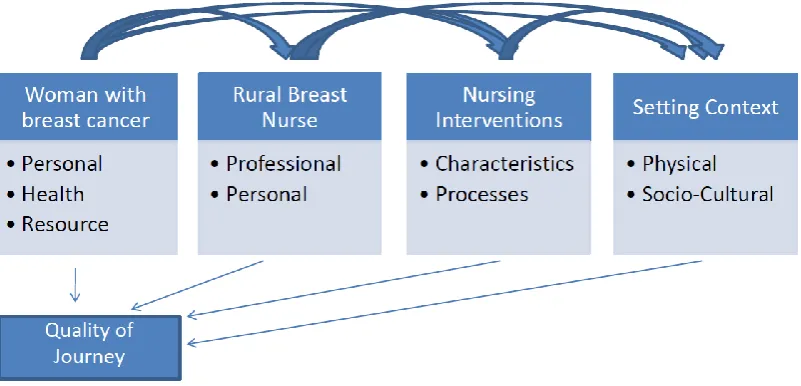
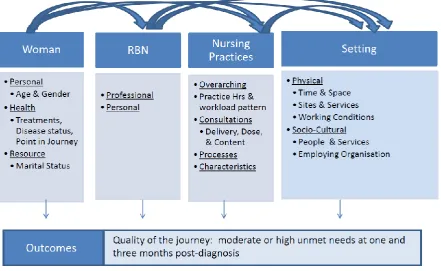
Figure 1: A diagramatic representation of Sidani and Braden’s approach (1998)
applied to rural breast nursing interventions ... 82
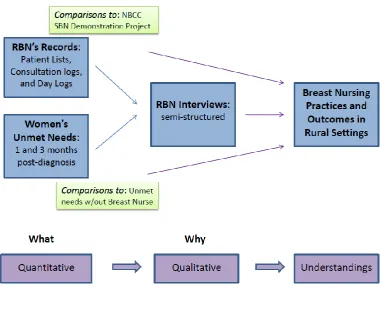
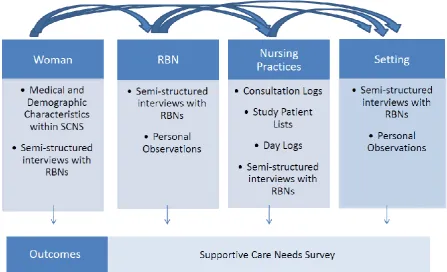
Figure 2: Methodology schematic diagram demonstrating sequential, explanatory mixed method design ... 86
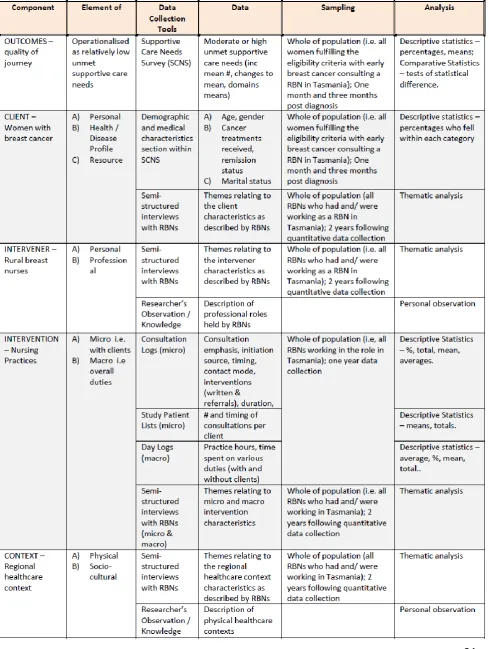
Figure 3: Data collected to populate theory-driven approach ... 90
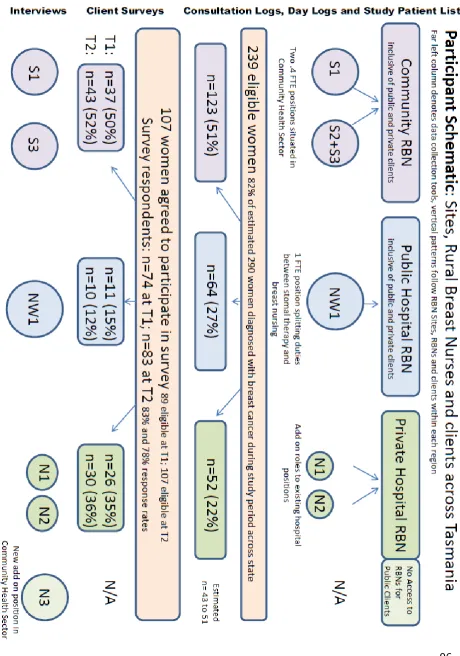
Figure 4: Sampling and participant schematic diagram ... 96
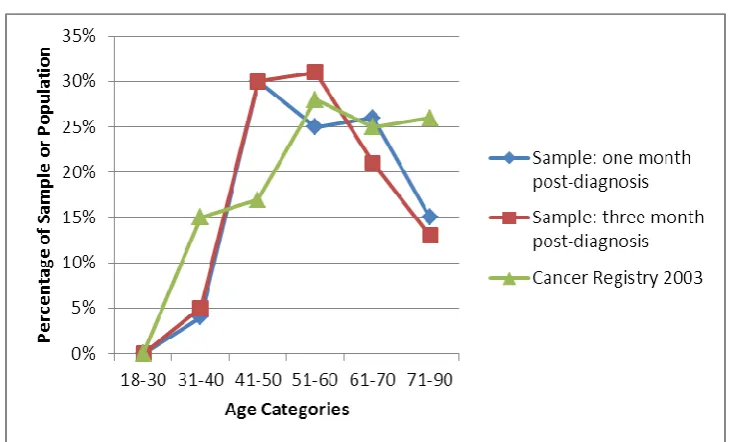
Figure 5: Age representativeness of SCNS samples ... 98
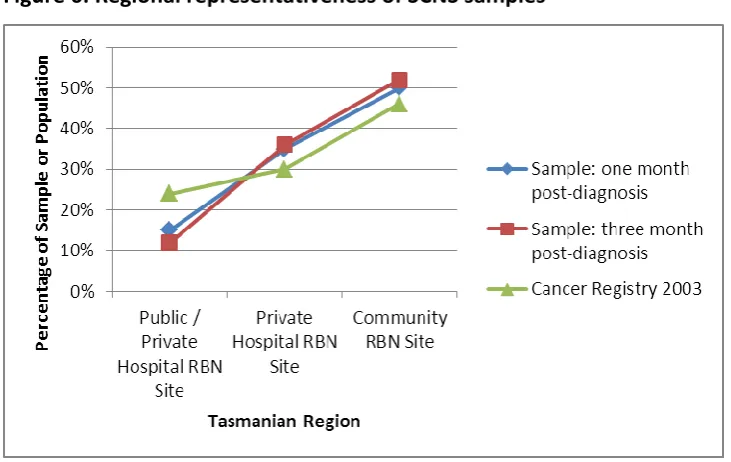
Figure 6: Regional representativeness of SCNS samples ... 99
Figure 7: Data collection tools utilised within this study to populate the conceptual intervention framework ... 101
Figure 8: Proportion of time spent on various duties for the Summarised Rural Breast Nurse and the NBCC SBN Demonstration Project ... 170
Figure 9: Summarised RBN changes in domain emphasis across treatment phases ... 191
Figure 10: Summarised RBN mean written resources provided across category topics ... 195
Figure 11: Summarised RBN mean referrals across referral categories ... 197
xiii
List of Tables
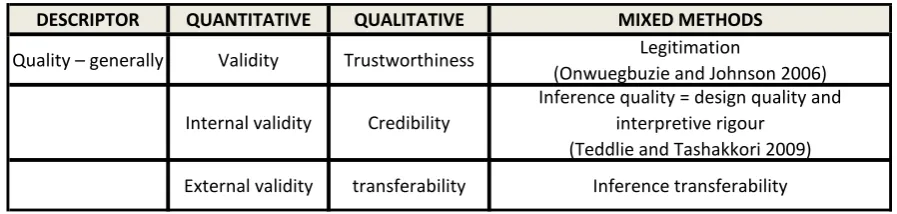
Table 1: Terms to reflect constructs of research quality across various
methodological approaches ... 78
Table 2: Comprehensive methodology table ... 84
Table 3: Demographic and medical characteristics of the respondents at one month post-diagnosis (T1) ... 136
Table 4: Most prevalent (top 15) high unmet needs reported at one month (T1) post-diagnosis (n=74) ... 138
Table 5: Percentage of high unmet needs reported for access to services at one month post-diagnosis (T1) ... 139
Table 6: Demographic and medical characteristics of respondents at three months post-diagnosis (T2) ... 142
Table 7: Most prevalent (top 15) high unmet needs reported at three months (T2) post-diagnosis (n=83) ... 144
Table 8: Percentage of high unmet needs reported for access to services at three-months (T2) post-diagnosis ... 145
Table 9: Items with the greatest increase in high unmet needs from one month (T1) to three months (T2) post-diagnosis (i.e. women’s experiences worsened in these areas) ... 148
Table 10: Items with the greatest decrease in high unmet needs from one month (T1) to three months (T2) post-diagnosis (i.e. women’s experiences improved in these areas) ... 149
Table 11: Items reported by >20% of respondents as high unmet needs at one month (T1) and/or three months post-diagnosis (T2) ... 150
Table 12: Mean moderate to high unmet needs at one month (T1) and three months (T2) post-diagnosis by domains (n=63) ... 151
xiv
Table 14: Samples utilised for comparisons of Supportive Care Needs Survey results ... 155
Table 15: Most prevalent high unmet needs from relevant samples as compared to this sample at three months post-diagnosis ... 158
Table 16: Prevalence of high unmet needs at three months post-diagnosis in this study compared to previous rural breast cancer results (Girgis, et al., 2000) ... 160
Table 17: Mean number of high unmet needs reported per patient group – with a maximum of 59 possible needs (Li & Girgis, 2006) ... 161
Table 18: Mean number of high unmet needs within domains reported by women with breast cancer at one month (T1) and three months (T2) post-diagnosis in this study, compared to general cancer (n=825) and lung cancer (n=63) patients (Li & Girgis, 2006) ... 162
Table 19: Results comparisons of high unmet needs for access to services ... 163
Table 20: Broad scale characteristics of RBN Sites, Summarised RBN, and NBCC SBN Demonstration Project ... 172
Table 21: Consultations across treatment phases for Rural Breast Nurse Sites and NBCC SBN Demonstration Project ... 178
Table 22: Mean consultation duration across Rural Breast Nurse sites ... 181
Table 23: Consultation delivery mode characteristics across Rural Breast Nurse Sites ... 184
Table 24: Consultation initiation source across Rural Breast Nurse Sites ... 187
Table 25: Mean supportive care domains of emphasis per consultation (n=904) n = m(SD) ... 189
Table 26: Mean written resources and referrals provided per RBN consultation 192
Table 27: Quantity of written resources provided to women by Rural Breast Nurse Sites during consultations ... 193
1
Chapter One: Introduction – Why is
Rural Breast Nurse Care Worthy of
Investigation?
People of the developed world are living longer due in part to improved hygiene, nutrition, safety measures, and medicines. Major public health concerns have changed from treating infections and injuries to treating and managing chronic diseases. Cancer is one such disease which has increased in prominence, and is the leading cause of death worldwide (WHO 2003).
The importance of providing supportive care for people with cancer has gained recognition. This care extends beyond treating the cancer, and instead involves supporting the client’s broader experience with cancer and minimising its negative impact on his/her life. Most notably, the supportive care of women with breast cancer has received significant attention. Additionally, rural people diagnosed with cancer are understood to have added challenges arising from the effects of cancer and its treatment on their lives. Cancer services in rural areas tend to be
undersupplied, leading to additional difficulties for rural people diagnosed with cancer. This study focuses on the support services of rural women with breast cancer in order to improve both health services and outcomes for women.
This chapter details the importance of and rationale for this study. It demonstrates there is little research to guide effective and sustainable rural breast nursing
2
1.1. Significance of Rural Supportive Breast Cancer Care
Of all cancers, breast cancer has a substantial profile arising from its significant burden of disease and women’s negative experiences with its diagnosis, treatment, and sequelae. Unfortunately, the care of women with breast cancer is often
fragmented due to treatment complexity and poor communication between multiple providers. To improve women’s outcomes and experiences, supportive cancer care is provided by designated nurses. Deficiencies in rural cancer services mean this sort of supportive breast cancer care could be especially beneficial for clients residing in rural areas.
1.1.1. Breast Cancer – Disease Burden, Women’s Experiences, and
High Profile
Breast cancer causes significant burden of disease through mortality and morbidity. Indeed, breast cancer is the second most common cancer worldwide (WHO 2003). In Australia, breast cancer causes the largest number of ‘lost years’ through death of all diseases among females (AIHW 2010). Improved breast cancer detection and treatment have resulted in improved survival. Specifically, there has been a marked improvement in 5-year relative survival from breast cancer bringing it to over 88% (AIHW 2010). Nonetheless, breast cancer was expected to cause the greatest disability adjusted life years for Australian females in 2010 (AIHW 2010). Breast cancer survival often comes at a cost to quality of life, as women suffer both short and sometimes long-term repercussions from treatment. Furthermore, women’s difficult experiences can contribute to poor psychosocial outcomes.
3 depression (Alfano & Rowland, 2006; Deshields et al., 2006; Maguire et al.,
1978; Montazeri, 2008),
anxiety (Alfano & Rowland, 2006; Deshields, et al., 2006; Maguire, et al., 1978; Montazeri, 2008),
distress (Alfano & Rowland, 2006; Montazeri, 2008; White & Mcleod, 2002),(Zabora et al., 2001)1,
exaggerated fear of disease recurrence and/or death (Chantler et al., 2005) (Alfano & Rowland, 2006; Connell et al., 2006), and
poor body image and sexual functioning (Montazeri, 2008).
Common symptoms during and after treatment include fatigue (Montazeri, 2008; Wagner & Cella, 2004), pain, arm morbidity and postmenopausal symptoms (Montazeri, 2008). Furthermore, women report high unmet psychosocial needs (Girgis et al., 2000; Thewes et al., 2004a), and unmet information needs (Girgis, et al., 2000). Considerable adjustment is required, and many women face difficulties in this adjustment (Beatty et al., 2008; Kissane et al., 1998; McGrath et al., 1999). Women with breast cancer are recognised as a patient group who report problems and high levels of need across the illness trajectory (Baker et al., 2005; Lindop & Cannon, 2001). These women are high utilisers of healthcare services (Carlson et al., 2004) and repeatedly report their cancer journey to be fragmented,
uncoordinated, and confusing which certainly impacts their experiences (NBCC Commonwealth of Australia, 2001; 1999).
People living in rural areas with cancer are identified as having extra burdens related to their rurality. For instance, they confront longer travel distances for treatment and specialist services, and less access to mental health services
(Bettencourt et al., 2007). Specifically, they face challenges in ‘becoming aware of
1
One study found the overall prevalence of psychological distress among breast cancer patients to be 33%
4 and/or gaining access to healthcare information, support and services’ (Gray et al., 2004). An Australian study found 89% of rural women with breast cancer reported problems specific to being rural (Davis et al., 2003). Rural issues include concerns about the family’s ability to cope during absences (McGrath, et al., 1999), travel (Davis, et al., 2003; Hegney et al., 2005), financial worries (Fitch et al., 2003; McGrath, et al., 1999), and difficulty organising financial assistance (Davis, et al., 2003; McGrath & Seguerra, 1999). One study revealed Australian rural women with breast cancer were two and a half times more likely than urban women to report some need for help (Girgis, et al., 2000).
Due in part to breast cancer’s prominence and significant disease burden, it holds a substantial profile within many western countries including Australia, with interest from consumers, health professionals, and governments. A strong consumer lobby presence helps drive interest and support for breast cancer issues in Australia and other western countries (BCNA, 2011). Consumer movements have assisted in driving a patient-centred care agenda, including patient’s involvement in decision-making (Tritter & Calnan, 2002). Health professional’s attention to breast cancer has come in the form of research, professional development, and advocacy. There is also significant government attention on breast cancer, including clinical and public health. Cancer control is a National Health Priority Area for the
5 Overall, given breast cancer’s significant burden of disease, women’s experiences, and the public and political attention it receives, breast cancer care is important. So, what care is generally available to women diagnosed with breast cancer?
1.1.2. Breast Cancer Care - Complexity and Fragmentation
In most western countries, cancer care is provided within complex healthcare systems. The Australian system is mixed with both public and private services, with a trend towards more private services (Cook, 2006). Cancer services are particularly complicated as they are provided across multiple sites with the involvement of various disciplines and the use of diverse treatment pathways. The complexity includes various levels of healthcare organisation (hospitals and doctors’ surgeries, specialists and generalists, etc.) and systems (public and privately funded insurance and locations) (Griffiths, 2003). To complicate matters further, these care services and systems are interdependent (Productivity Commission, 2005). Additionally, treatment advances have increased complexity, which is particularly evident for breast cancer (Kaufman, 2004).
Breast cancer care typically involves mammography, ultrasound, surgery,
radiotherapy and/or chemotherapy, and hormone treatment. From diagnosis to follow-up, women may receive care from a litany of health professionals such as: general practitioners, mammographers, surgeons, radiation and/or medical oncologists and sometimes physiotherapists, social workers, and reconstructive surgeons. Yet, care plans typically differ as they are recommended based on each individual cancer. Complex cancer care systems and diverse complicated pathways, coupled with poor communication and collaboration between the multiple
6 In response to care fragmentation along with the aforementioned unmet needs and psychological morbidity of women, coordination roles have been introduced with an increased focus on supportive care.
1.1.3. Supportive Cancer Care and Nurses’ Contributions
Supportive care is an important part of cancer care, having the potential to improve patient experiences and outcomes (NBCC and NCCI 2003; NHMRC NBCC 1999) as well as reducing healthcare costs (Carlson & Bultz, 2004). Nurses’ contribution to supportive care is both unique and complimentary to that of other health providers (Yates, 2004). Nurses regularly incorporate supportive care into their work in the ways they interact with clients. Specifically, nurses traditionally provide holistic person-centred care (Yates, 2004), educate patients (Oermann & Templin, 2000), and develop trust through empathic communication which makes them
approachable to clients (Dunniece & Slevin, 2000).
7 should receive (Watts et al., 2010). Therefore, as other nurses lack the time,
training and skills to appropriately provide the supportive care clients require, designated supportive care roles have developed to address clients’ unmet needs. Designated supportive cancer care roles have developed internationally to attend to unmet needs whilst improving psychosocial outcomes and care coordination. These include for example cancer care nurses, professional and volunteer patient
navigators (Farber, et al., 2002; Patient Navigation in Cancer Care Project, 2003; Shockney, 2010), and volunteer health visitors (Plews et al., 2005). These supportive cancer care services are provided in both community and tertiary settings (Farber, et al., 2002). Their patients report specialist nurses in cancer care are unique in their availability to clients and ability to liaise with clients and the wider health system (Tarrant et al., 2008).
Breast nurses (BNs), typically referred to as Specialist Breast Nurses or Breast Care Nurses, are one such designated supportive cancer care role2. These roles have demonstrated beneficial outcomes for women with breast cancer through a strong evidence base (NHMRC NBCC, 1999; Liebert et al., 2001), as discussed extensively in the next chapter (Chapter Two).
1.1.4. Emergence of Breast Nursing
Breast nurse roles have been established and expanded within Australia and internationally. A demonstrated need for the supportive care for women with breast cancer led to the role of the BN. Medical practitioners have contributed to the push for BNs in recognition of the beneficial role they play in supporting the work of surgeons and oncologists (Hordern, 2000). BN roles have undergone rapid development as cancer care has become more specialised, and the potential for RNs to provide supportive care has been demonstrated (NBCC and NCCI 2003).
2
8 BN roles have been developing for over 20 years and have proliferated
internationally, particularly in the United Kingdom, Australia, Scandinavia, and North America (Cruickshank et al., 2008) and more recently in Europe (Claassen, 2009; Eicher, 2009) and New Zealand (Haward et al., 2003). The role has evolved to take on many forms within various countries and numerous locations in healthcare systems. Established BNs primarily exist within comparatively well-resourced healthcare systems (Cruickshank, et al., 2008), though roles assisting breast cancer patients to navigate the healthcare system were recently described in Ethiopia (Dye et al., 2010).
The BN role originated in the United Kingdom (UK). BN positions have been a well-established component of best practice in the UK since the 1970s and are typically based in hospital settings. At the millennium, BNs held considerable credibility and their services were universally available across the country (Ambler et al., 1999). Tumour-specific clinical nurse specialists are common in the UK, many of which are provided by the Macmillan organisation. Mapping exercises and audits of the UK cancer clinical nurse specialist workforce show the breast cancer subspecialty to be the most common (with around 400 posts), accounting for one in five of all adult cancer nurses in England, though distribution is variable across cancer networks (Trevatt & Leary, 2010; Trevatt et al., 2008).
9 Shockney, 2010; Wells et al., 2008). Australia has also contributed to the
establishment, expansion, and knowledge of BN roles.
Within Australia, BNs are generally well established in metropolitan treatment centres and cancer clinics. Although the first Australian BN position was established in South Australia in 1979, the role did not gain prominence and attention until the 1990s, as marked by the first annual National Breast Care Nurses Conference in 1999. During this time, and since then, there has been a rapid, uncoordinated expansion of BN roles.
In 1999, the BN was first described in the Australian context at the same time as oncology nurses were recognising they lacked the time and skills to provide the emotional support that women with breast cancer required (White & Wilkes, 1999b; Wilkes, White, et al., 1999). In 2000, the National Breast Cancer Centre (NBCC) published the Specialist Breast Nurse (SBN) Demonstration Project to provide an evidenced-based model for Australian practice (SBN Project Team, 2000). This Project is described later in this chapter. Additional breast nursing practices described in Australia include a trial in a traditional metropolitan hospital setting, and recently in the Australian rural and remote context (Eley et al., 2007; Eley et al., 2008; Szwajcer et al., 2004).
1.1.4.1. Disparities in Access
Women’s access to BNs in Australia has naturally increased as the role has become more popular and accepted. For instance, Queensland Australia had four BN positions in 2001 and 16 BNs six years later to service a population of over 4.5 million (Eley, et al., 2008). However, access is inconsistent for women across locations and insurance statuses, and varies at different points in the cancer journey.
10 were asked in 2006 about their access to BNs within or outside their practices3. Comparisons of the two studies indicates an increase in the percentage of women having access to a BN, from almost 50% in 1997 to over 80% in 2006 (Campbell et al., 2006; Marsh et al., 2010). However, the finer details of the audit results provide evidence of disparities in who has access, when BNs can be accessed, and how services are provided.
Some studies identify disparities in who has access to BNs in Australia, with rural women and those privately insured having less access (e.g. Marsh, et al., 2010). Rural surgical practices were significantly less likely to have access to a BN than either metropolitan or regional practices (Marsh, et al., 2010). Decreased BN access for private surgical practices was mainly explained by differences in public and private practices in metropolitan and regional areas, as rural practices did not have differences in access related to health insurance status, i.e. rural public and rural private practices had similar low levels of access to BNs (Marsh, et al., 2010). Yet, decreased access for private patients has been echoed elsewhere in the literature (Victorian Centre for Nursing Practice Research, 2001). On the other hand, an earlier study found no significant difference in access to BN care arising from geographical location (Campbell, et al., 2006). Yet, it was uncertain if respondents were clear on what a BN is/was (Campbell, et al., 2006).
There are also disparities in when women have access to BNs in Australia. There are points in the cancer journey when women commonly do not have access to BNs, namely adjuvant treatment and follow-up. Australian breast nursing is skewed to diagnosis and early treatment, and often excludes later treatment and/or follow-up. For example, while almost two-thirds of women who saw a BN had contact with her immediately after surgery, only about one quarter of women had contact with her 2 to 4 months following surgery (Campbell, et al., 2006). This gap in services has been
3
It should be noted that although surgeons reported access to BN services, it is unclear how much of that access
11 identified by both dedicated and non-dedicated BN roles, and is consistent with the recent audit of surgeon’s access to BNs (Marsh, et al., 2010; Victorian Centre for Nursing Practice Research, 2001).
Finally, there are disparities in how women receive BN care in Australia. Most women seem to receive two or fewer consultations with a BN. Systemic BN care, meaning at least 3 consultations preoperatively, postoperatively, and at follow-up, appears to be rare. In 1997, only 11% of women who consulted a BN received systemic care (Campbell, et al., 2006). Public hospital attendance and receipt of systemic adjuvant therapy (i.e. treatment following surgery, such as chemotherapy) were positively associated with systemic BN care, whereas the type of surgery (i.e. breast conserving or mastectomy) or receipt of radiotherapy was not associated (Campbell, et al., 2006).
There are clearly discrepancies in access to BNs for women in Australia. The considerable variability in women's access to BNs affects the quality of care they receive (Livingston et al., 2000; Victorian Centre for Nursing Practice Research, 2001), as has also been found for men with prostate cancer accessing prostate cancer clinical nurse specialists (Ream et al., 2009)
1.1.5. Rural Context
Rural medical practice differs in context, content and process of care from urban practice (Smith & Hays, 2004). As rural health practice is distinct, rural health providers face similar issues related to rurality (Bourke et al., 2004). Not only may their clients and their needs differ, the conditions under which rural health
providers work differs from their urban counterparts. For example, isolation, self-reliance, insider/outsider, and role diffusion are recurring themes for rural
12 2010; Mills et al., 2005), with significant barriers to continuing education for rural service providers (Penz et al., 2007).
The rural health literature suggests rural health service design requires special consideration. It is important to consider structural factors when determining the best array and arrangement of rural nursing services (Dunkin, 2000). For instance, one study highlighted that co-location of nursing teams in rural settings improved communication of information (Woodhouse, 2009). A design framework built from available research has been proposed to optimise health care service effectiveness in rural areas (Mueller & MacKinney, 2006).
Context has increasingly been recognised as influencing rural health services (Ross, 2008). Specifically, rural context shapes rural nursing practice (Howie, 2008a, 2008b; Puskar, et al., 1996) and influences how people manage their own health issues (Winters et al., 2006). For example, healthcare and other public
infrastructures “influence healthcare delivery systems and services in those regions” (Bushy, 2002, p.104). Subsequently, nurses’ care is often shaped to address the gaps in support left by existing services, and the resulting systemic issues for clients (Howell et al., 2008; Pedersen & Hack, 2010).
While rural nursing theory is in its infancy (Long & Weinert, 2010; McCoy, 2009; Scharff, 2010; Winters & Lee, 2010), studies highlight the importance of social capital and connectedness for rural nursing providers and their practice (Conger & Plager, 2008; Lauder et al., 2006). Comparisons made between rural nursing
practice in Australia, Canada, and the USA highlight recurring themes, such as nurse role diffusion and care being achieved through partnerships (Bushy, 2002). Bushy (2002) also highlighted the importance of rural nurses’ familiarity with the formal and informal resources available to their clients and how to gain access.
13 approximately one third of the population lives in regional and rural areas (AIHW 2004). Thus, a significant proportion of Australian women diagnosed with breast cancer reside in rural and remote communities.
Rural cancer care typically demonstrates substantial deficiencies which further burden the challenges inherent for rural individuals being diagnosed and treated for cancer. Therefore, rural supportive cancer care - working to improve continuity and coordination - may be even more beneficial and important to rurally based patients. Defining rural and remote communities is challenging. There has been confusion and inconsistency in the use of the terms regional, rural and remote (Hugo, 2002). Their use is often an attempt to define two different conceptual elements:
urban/rural and accessibility/remoteness (Hugo, 2002). Despite the lack of an international consensus to define rural, it is typically defined as fewer people distributed over greater distances (Howie, 2008b). For the purposes of this thesis, rural is defined as their common feature i.e. communities residing ‘some distance’ from major metropolitan centres (AIHW 2004).
Categorising rural areas and rural populations can also be challenging as they include great diversity (AIHW 2010). Importantly, rural contexts are heterogeneous in nature (Howie, 2008a). A complex diversity differentiates non-metropolitan Australia and generalisations are often unhelpful (Hugo, 2002). Nonetheless, it is important to understand demographic, social and economic trends in each area to ensure programs and policies are appropriate and efficacious (Hugo, 2002). While the characteristics of Australia’s rural communities are quite diverse, they share several common features (AIHW 2010). They commonly have socio-economic and health disadvantage as compared to their urban counterparts.
Non-metropolitan Australia has higher proportions of low-income groups (Hugo, 2002) and lower education levels (Phillips, 2002). Also, rural areas have older
14 city counterparts (AIHW 2010). Australians living within rural and remote areas are typically characterised by health disadvantage due to their locality, higher levels of illness and higher prevalence of mental health problems than those in major cities (AIHW 2010).
However, cancer services in rural areas do not reflect the challenges brought about by these common features. A recent mapping study identified deficiencies in cancer services in rural and regional Australia (Underhill et al., 2009). Similarly, other reports have also identified inadequate surgical and medical specialties, and critical gaps in allied health services and multidisciplinary care and psychosocial support in rural Australian cancer services (Begbie & Underhill, 2007; COSA 2006). Consequently, women with breast cancer from rural areas are less likely to receive adequate care (Haggstrom et al., 2005). Moreover, improvements are needed in rural cancer care coordination as rural services tend to be even more disconnected than urban areas (McConigley et al., 2010).
Furthermore, rural Australia has significant workforce shortages in mental health services (Productivity Commission, 2005), which may add to the difficulties of servicing the increased burden of rural people with cancer. Specifically, rural women with breast cancer have less access to mental health services (Bettencourt, et al., 2007). Thus, in the context of limited specialised mental health services, the provision of psychosocial interventions rests with medical and nursing professionals (Gray et al., 2002).
15 Given the complexity of cancer care and treatments combined with deficiencies in rural cancer and mental health services, rural clients may experience greater need for care coordination and supportive cancer care. Cancer nurse coordinators may be especially useful in improving care coordination in rural and regional areas (Drury & Inma, 2010; McConigley, et al., 2010). Indeed, the importance and value of BN positions for rural areas has been highlighted (Rogers-Clark, 2002). Yet, “because of differences in the distributions of their populations, rural and urban areas present quite different challenges for the optimal design of health services” (Asthana & Halliday, 2004, p.457).
However, a lack of research to inform effective and sustainable rural breast nurse (RBN) services has emerged as a problem holding back rural supportive cancer care development. Information which is available, namely nursing models and what is known about actual nursing practices is mostly urban based. This is discussed in the next section, and more extensively in the next chapter (Chapter Two).
1.2. Rationale
for Investigating Rural Breast Nursing
The need for this study arises from the scant evidence available to guide the development and improvement of RBN services. While few models are
comprehensively described in the literature, an Australian SBN model of care is an important exception. However, this model does not appear suitable for rural nursing practices. Similarly, the scientific evidence about the structure of BN services primarily comes from urban best practice contexts. This evidence does not readily translate to diverse rural settings.
1.2.1. Few Models of Breast Nurse Practice
16 develop new services. A model of care provides the overarching design and/or structure within which policy makers, health service managers, and nurses go about the resourcing, organising, and implementing of an intervention (Davidson et al., 2006, p.49).
However, few models of BN care exist in the literature, and of those that do exist, there is lack of uniformity (Eicher et al., 2006). The literature contains few
descriptions of models of care, and the clinical pathways BN services follow. Instead, descriptions and evaluations tend to have limited depth and/or breadth. Description of breast nursing practices with enough detail to be replicated has been provided on few occasions in the scientific literature (for example: Clacey et al., 1988; and Howell, et al., 2008). One important exception, which is particularly relevant to the Australian context and this thesis, is the NBCC SBN Demonstration Project which is discussed in this section (SBN Project Team 2000).
Detailed descriptions provide insights into how BNs structure their work, and can inform the development and improvement of effective services in different settings. For example, Clacey et al (1988) provided an early description of BN practice which was replicable. Although limited to describing a single nurse service, it details the content of three post-operative consultations, their timing in the cancer journey, and their approximate duration. Additionally, albeit a general cancer supportive care role, Howell et al (2008) provided a useful comprehensive description of the Interlink Community Cancer Nursing model of care, and how it operated in the Canadian home setting. Significantly, an individualised and holistic approach to care was described which was shaped to address clients supportive care needs and “gaps in support provided by existing services” (Howell, et al., 2008, p.1348).
The NBCC SBN Demonstration Project provided both a model of care and
17 detection and referral for psychological morbidity (Liebert & Furber, 2004; Liebert, et al., 2003; Liebert, et al., 2001; Parle et al., 2001). Moreover, a project report provides further detail of how the model of care was implemented by seven SBNs through four collaborating centres across Australia, including a rural site (SBN Project Team 2000) 4. Importantly, this includes a useful clinical pathway (Liebert, et al., 2001).
The ‘5 in 12’ clinical pathway utilised in the NBCC SBN Demonstration Project describes five consultations over a twelve-week period extending from diagnosis to follow-up. Each consultation included elements of information and support, and were staged to correspond with the common treatment trajectory: diagnosis (during or immediately after), pre-operatively, operatively, 1-6 weeks post-operatively (follow-up one), and 6-10 weeks post-post-operatively (follow-up two). The option for additional patient-initiated consultations is highlighted at each stage. The SBN’s actions in introducing, checking, and discussing different elements of care and coping are listed in a useful one-page intervention protocol summary (Liebert, el al., 2003).
The NBCC SBN Demonstration Project is valuable for a number of reasons. Firstly, the model was distilled from the highest level of research. Secondly, it was
4
Four collaborating centres engaged SBNs to apply the intervention protocol at a range of Australian
sites: Royal Adelaide Hospital, Royal Perth Hospital, Dubbo Base Hospital, and Inner and Eastern Health
Care Network (including four sites, and a Private Breast Nurse) (SBN Project Team 2000). Sites
employed seven SBNs in half-time (n=3) and full-time positions (n=4). Two SBN positions were
previously established and the remainder were newly appointed. While only one rural collaborating
centre existed, other centres worked with women based in regional and remote areas including Western
Australia and Northern Territory. Three centres were quite large, with two having catchments >1 million
people, and the third being one of three clinics servicing all of Western Australia. The rural collaborating
centre was the Dubbo Base Hospital in New South Wales. With a catchment population of 115,000 and
area of almost 200,000 square kilometres, the 170 bed hospital functioned as a referral centre for three
area health services. The rural SBN (award level CNC) had the most clinical experience of all SBNs with 8
18 demonstrated to be effective across diverse Australian conditions, including
urban/rural and public/private healthcare settings. Thirdly, the ‘5 in 12’ clinical pathway was considered acceptable by women, SBNs, and the healthcare team (Liebert, et al., 2003). Finally, the comprehensive descriptions give enough detail to be replicable, as well as providing a baseline from which to compare future nursing services.
However, there are problems and limitations to the NBCC SBN Demonstration Project and its clinical pathway. Although adherence to protocol was high within highly supportive healthcare systems, SBNs identified challenges in adhering to the clinical pathway. Additionally, authors alluded to potential difficulties in SBNs providing care without the full support of surrounding healthcare systems: “Unless the SBN role is both well understood and well received by the full range of
treatment team members, SBNs will not be able to provide women with the continuity of care that is recognised to improve health outcomes” (SBN Project Team, 2000, p.35).
Furthermore, the transferability of the findings is limited due to the atypical
features of the intervention sites. The sites were selected by way of “a competitive bidding process” which meant that well-resourced, high quality, and forward thinking centres were included, rather than standard healthcare settings. Thus, intervention sites were not typical healthcare settings as the collaborating centres were considered peer leaders in breast cancer care.
The NBCC Project left questions in its wake for rural practice in particular, with doubts about whether the model of care is a good fit for rural practice. For example, important differences were identified between metropolitan and rural practice, highlighted by the rural SBN’s simple statement: “Rural sites vary enormously from urban” (SBN Project Team 2000, Appendix 64 p.187).
19 of the project. No details were given as to why this was the case, instead a footnote stated “the rural site was unable to sustain the SBN position on completion of the project” (SBN Project Team2000, p.62). It may be this model is too resource intensive to be feasible for financially restricted healthcare budgets which are typically the norm and/or it was not truly acceptable.
In summary, few detailed descriptions of BN models or nursing practices exist within the literature. Although the NBCC SBN Demonstration Project is an important exception, its fit for rural settings has come into question as it was not sustainable and its application greatly differed. Evidence of suitable rural models of practice is needed by service planners. Therefore, this study will address this gap with comprehensive descriptions of breast nursing practices in rural settings.
1.2.2. Scant Evidence to Guide RBN Practice
Even when there are models of care and descriptions of nursing practices along with clinical practice guidelines, real challenges exist in translating research evidence to real world practice, particularly in Australian rural and regional areas. It is possible that fewer BN roles exist in rural areas as there has been a void of relevant
information on how to design effective BN roles for these settings (Redman et al., 2003).
20 settings each bring up their own set of challenges (NBCC and NCCI 2003, p.85; Parle, et al., 2001). For example, the literature highlights practical challenges in evidence-based BN implementation related to logistical issues (SBN Project Team 2000; Szwajcer, et al., 2004).
Rural settings face additional challenges to implementing BN evidence. First and foremost, there has been little BN research aimed at rural areas. This is consistent with oncology health services research more generally (Campbell et al., 1999). "A clear finding from the literature was that getting evidence into practice needs to be context-specific and yet very little research has been conducted into the rural and remote context" (Parsons et al., 2003, p.242). There is scant evidence available to guide models of BN care for rural and regional Australia. This is especially true as urban evidence is unlikely to be transferable to diverse rural settings, and little has been reported in the scientific literature about how BN models could work in non-metropolitan or non-specialist cancer clinic areas. Therefore, few research findings provide direction into how rural BN models can effectively function in rural or low population areas.
While there is a small amount of international academic literature about rural breast nursing practices (for example: Carnwell & Baker, 2003a; Carnwell & Baker, 2003b; Carnwell & Baker, 2003c), little insight is provided as the ‘rural’
circumstances greatly differ from those found in Australia. For instance, the travel distances are much shorter, and the healthcare landscape is much less diverse within each country as compared to the Australian context. However, valuable learnings come from supportive cancer nursing roles in the Canadian context due to its similarity to Australian contexts (see: Howell, et al., 2008), and one rural
Australian BN study (see: Eley, et al., 2008).
21 supervision, and smaller caseloads (CPRH Division 2003; SBN Project Team 2000). BNs have also identified logistical challenges specific to Australian rural contexts. Logistical issues include physical distances requiring clients travel for consultations and/or fewer face-to-face consultations (SBN Project Team 2000; Victorian Centre for Nursing Practice Research, 2001). Additionally, coordinating care can be complex as clients are often treated at more than one site, between which communication is often less than ideal (Victorian Centre for Nursing Practice Research, 2001). Yet, these rural challenges are not addressed in the available evidence.
Thus, published research findings typically provide an image of how BNs would undertake their work in a metropolitan best practice context. BN interventions are typically trialled in settings that are more highly resourced and supported than usual rural healthcare contexts. Therefore, the translation of this evidence into real world rural practice has proven difficult. Moreover, the image of BN models of care and outcomes emerging from the research may be an idealised version which is unrealistic in a large proportion of Australian healthcare settings which do not enjoy best practice contexts, despite the best efforts of BNs and/or service planners. So, although the BN evidence was summarised in clinical practice guidelines for ease of implementation generally, its transferability is not straightforward.
Translating evidence to practice is resource intensive. Also, evidence from different contexts can be difficult to transfer, and local contextual barriers can inhibit the uptake of best practice. Furthermore, rural contexts face a dearth of information about how rural practices can function effectively, along with their own set of systemic and logistical challenges. The reality is that real world nursing practices - and translating best practice to real world practices - is challenging and
complicated.
22 health services in rural areas (Begbie & Underhill, 2007). Therefore, this study addresses this gap with evidence from rural contexts that reflects and
acknowledges rural diversity and rural specific challenges.
1.3. Research Approach
This study aims to advance knowledge of rural breast nurses’ practice within real world contexts. A conceptual framework for RBN practice is developed by
investigating elements of rural breast nursing practices, and the influences of client, contextual and nurse features on breast nursing. This health services research views RBN services more broadly than their interventions directly with women. With pragmatism as the guiding philosophical perspective, a mixed methods approach is used to gain a comprehensive description of and explanation for rural breast nursing practices.
A generic nursing conceptual intervention framework (detailed in Chapter Three) highlights the interrelationships between client, nurse, intervention, and context. Furthermore, it emphasises how client, nurse, intervention and context all impact nursing practices and outcomes. This conceptual framework provides the basis for the overarching question guiding this research:
What factors are important in shaping rural breast nursing practices, and how do these factors exert their influence on breast nursing and the supportive care outcomes of their clients?
This main research question is addressed through answering the following sub-questions:
a) To what extent do women consulting RBNs have their supportive care needs met?
23
c) How do RBNs describe their nursing practices, and what factors influence their practices?
The research design is sequential, explanatory and mixed method. Quantitative elements provided the description while the qualitative element provided RBNs’ perspectives on why they were that way. Together the research strands led to deeper understandings about breast nursing practices in rural settings. While this thesis does address the research questions to inform nursing services, it does not provide a prescriptive model for RBN practice (i.e. ‘one size fits all approach’). Five sources of data were used to describe and explain rural breast nursing
practices. Data was provided by clients and RBNs, with seven RBNs representing 3 RBN sites. Collection tools included Consultations Logs, Day Logs, Study Patient Lists, and semi-structured interviews with RBNs. Additionally, RBN clients
completed Supportive Care Needs Surveys at two time points. Furthermore, results from this study were compared to similar data elsewhere to gain a better
understanding of the findings. The researcher’s experience and knowledge of the area, through involvement in a professional capacity and familiarity with the RBNs interviewed supported the data collection process.
Data analysis included both qualitative and quantitative processes. The quantitative analysis primarily replied upon descriptive statistics whereas the qualitative analysis utilised thematic analysis. Quantitative data analysis was supported by the use of Statistical Package for the Social Sciences (SPSS) software.
24
1.3.1. Thesis Structure
This study sheds light on breast nursing practices in rural settings based upon the quantitative outcomes of RBN clients, quantitative and qualitative descriptions of nursing practices, and comparisons to results of other studies.
The next chapter reviews relevant literature on breast nursing practices. Importantly, it highlights a lack of published scientific literature to inform ‘real world’ nursing practices, and a lack of appreciation for the influences of context on nursing practices in particular. Chapter Three presents the pragmatic philosophical perspective and generic nursing conceptual intervention framework used in this thesis. Chapter Four describes the mixed methods design used to collect and analyse data to address the research questions. Chapters Five, Six, Seven, and Eight present the results and findings. Significantly, each results chapter addresses a sub-question of this thesis. Chapter Five answers the sub-question: to what extent do women consulting RBNs have their supportive care needs met? Chapter Six
answers: what are the nursing practices of RBNs in real world settings, and how do they compare to the primarily urban NBCC SBN Demonstration Project? Chapters Seven and Eight answers: how do RBNs describe their nursing practices, and what factors influence their practices? Chapter Nine discusses the study findings while developing a conceptual framework for RBN practice, supported by the broader literature and answers the overarching thesis question. Chapter Ten concludes this thesis by demonstrating how the research aim was met and providing
recommendations based on the findings.
1.4. Chapter Summary
25 improvements to women’s cancer journeys. Yet, the lack of published literature to inform ‘real world’ nursing practices is an important impediment to implementing effective and sustainable RBN services in rural areas. Additionally, the context of practice is typically left unconsidered in the BN literature. A comprehensive description of rural breast nursing practices would benefit those attempting to implement such services. The next chapter will consider how BN literature has largely been unhelpful at informing effective and appropriate nursing practices in rural settings.
Chapter Two: Literature Review –
What is Known, and What is Missing
This review of the literature details what is known about breast nursing.
Specifically, the review includes the definition of the BN role, the variability that is evident in actual practices, and the core elements of breast nursing which have been shown to be beneficial and in what ways. This is followed by an identification of the gaps in the literature which have led to the research questions of this study. Despite the lack of a universal definition of BNs, definitions typically emphasise the aim of supporting women’s physical, psychological, and psychosocial well-being over a period of time. Core elements of Australian breast nursing include the provision of information and emotional support, facilitation of coordinated care and continuity, and clinical care. The manner in which care is provided also is central to effective nursing, specifically a collaborative and interactive approach. Research has played an important role in defining core breast nursing practices.
Although systemic reviews have been inconclusive, extensive research findings have defined what BNs have done to support women, and the benefits of BNs
26 are summarised in clinical practice guidelines in order to enable the translation of evidence to breast nursing practice. The benefits for women include psychosocial, physical, satisfaction with care, and continuity of care. However, as the previous chapter highlighted, less research is available to describe and inform breast nursing practices especially in rural settings.
This chapter will demonstrate there are gaps in the literature which could effectively inform rural breast nursing for the betterment of their clients and the healthcare team. Comprehensive assessments of cancer care are needed which more fully describe practice. The context in which care is provided, and how this relates to nursing practices, has generally been absent from discussions, as has the person who undertakes the BN role. Effectiveness in ‘real world’ practice needs further exploration.
2.1. Defining the Breast Nurse Role and Breast Nursing
The definition of the breast nurse role used in the thesis is as follows: “… a registered nurse who applies advanced knowledge of the health needs, preferences and circumstances of women with breast cancer to optimize the individual’s health and well-being at various phases across the continuum of care, including diagnosis, treatment, rehabilitation, follow-up and palliative care.” (Yates et al., 2007, p.13)
It is important to clarify how the term breast nurse (BN) role will be used in this thesis, since there is variation in the literature and no single recognised definition of the role. Some definitions provide an overarching aim of the role, while others detail elements of nursing practice or ‘what the nurse does’. There is a great deal of blurring of these elements of the definition in the literature. In this thesis, the term ‘role’ will be used to refer to the overarching aim of the BN, rather than the
27 A useful international definition provided in a recent Cochrane review stated that BNs’ supportive care interventions aimed to improve a woman’s quality of life – including physical, psychological, and psychosocial elements (Cruickshank, et al., 2008, p.72). This definition is succinct and encompasses the key aims of the role found in the literature.
The definition provided at the beginning of this section is a more comprehensive Australian definition put forward by the NBCC. This definition, while still providing an overall aim, provides detail about who undertakes the role and the advanced knowledge they need. Importantly, it indicates the role provides care over time, namely across important points in the breast cancer journey. This definition is the most client-centred of those in the literature, and is used in this thesis as a basis for understanding the BN role.
Australia has gone from having no role definitions to a selection of BN definitions in the last 10 years (for example see Hordern, 2000). The clinical practice guidelines included definitions of breast nursing, as did the NBCC SBN Demonstration Project (NBCC and NCCI 2003; NHMRC NBCC, 1999; SBN Project Team, 2000). Earlier definitions were useful for those attempting to implement the BN role, but the recent NBCC definition better reflects the current Australian directions in nursing roles.
While one agreed definition is lacking, many definitions of the BN role emphasise: the aim to support the woman’s physical, psychological and psychosocial
wellbeing,
care over time or ‘across the continuum’,
the central role of providing information and support, and
28 The first two elements are part of BNs’ overarching aim whilst the second two could and will be considered as part of breast nursing practices in this thesis. Essentially this division between definitions of role and core nursing practice is somewhat artificial, as they are invariably linked. But core nursing practice involves a large amount of detail about what nurses do, and for the purposes of clarity and readability this is dealt with later in this chapter.
Definitional variations are likely to have arisen from differences in cultures, geography, and health system context. For example, definitions have been influenced by the varying experiences, knowledge, and interests of people consulted during definition development. Also the types of roles which already existed influenced the way the BN role has been defined. Some of the definitional variations have arisen from an evolution in ideas about the BN role over time. Whatever the causes of the variations, the variability creates difficulty when looking at the literature around BNs. It is not easy to compare ‘apples with oranges’. Differences in breast nursing practice definitions are viewed as primarily semantic. Following a diagnosis with breast cancer, the BN is often the primary contact for women and therefore the BN is in a prime position to impact her clients’ health and wellbeing (Cruickshank, et al., 2008). What happens in these consultations with clients, and BNs work with health professionals and other services, constitutes the core dimensions of breast nursing. Within the literature, definitions include the core elements of breast nursing along with the manner in which the nursing is undertaken.
As was the case with BN role definitions, there are a plethora of breast nursing definitions, which have evolved through time. In the late 1990s, elements of
Australian breast nursing were described for the first time (White & Wilkes, 1999a). The key themes emerging from this qualitative study were specialist nurse,
29 While all of these previously defined breast nursing elements continue to be
perceived as valuable, some are no longer stated as core dimensions of breast nursing in more recent definitions5. Some elements are part of some breast nursing at some sites but certainly not universally accepted, such as the manager element. Other elements have been collapsed into broader themes of breast nursing in more recent definitions. For instance, the elements of educator, resource person, and advisor can all be considered components of providing information to clients and health professionals.
More recently, core dimensions of Australian breast nursing were identified by the NBCC (NBCC 2005)6. The core elements of breast nursing are listed as:
providing information, resources and education; providing psychological and emotional support;
facilitating coordination of services and continuity of care; and providing clinical care.
These are the core dimensions of breast nursing adopted within this thesis, and are discussed in detail later in this chapter.
Despite a variety of breast nursing definitions in recent years, most point to the same core themes as NBCC with some semantic differences. For example, many definitions place the BN as a participating member of a multi-disciplinary team (Eicher, 2010; Liebert, et al., 2001; NBCC and NCCI, 2003), while others instead emphasise collaborating with other healthcare providers (SBN Project Team, 2000). Yet, the collaborative and interactive nature of breast nursing is the underlying theme running through both. Essentially, both definitions envision the BN working in collaboration with other providers to enable the best possible outcome for their shared clients.
5
The clearest example is that participating in research is no longer considered core to breast nursing (for
example see: SBN Project Team, 2000).
6