•
Developing Nursing Practice to Meet the
Needs of Persons Admitted to Acute Care with
Chronic Obstructive Pulmonary Disease
(COPD): An Action Research Study
Submitted By
Helen Courtney-Pratt RN, BN (Hons)
A thesis submitted in total fulfilment of the requirements for the degree of
Doctor of Philosophy
School of Nursing & Midwifery
Faculty of Health Sciences
University of Tasmania
Hobart, Tasmania, Australia
Declaration of Authorship
This thesis contains no material which has been accepted for a degree or diploma by the
University or any other institution, except by way of background information and these are duly acknowledged in the thesis. To the best of my knowledge and belief, no material previously published or written by another person is included in this work, except where due
acknowledgement is made in the text of this thesis. Nor does the thesis contain any material that infringes copyright.
Signed
Dated
I
/1 2.
110
Statement of Authority of Access
This thesis may be made available for loan and limited copying in accordance with the Copyright Act 1968.
Signed
5Liti-Le)44--
Dated
The research associated with this thesis abides by the international and Australian codes on human and animal experimentation, the guidelines by the Australian Government's Office of the Gene Technology Regulator and the rulings of the Safety, Ethics and Institutional Biosafety Committees of the University.
Signed
)14HALCA-44-
ABSTRACT
Acute care nurses represent a large component of the healthcare workforce and are in a prime
position to effect better care provision to persons with chronic disease in an acute setting. Many
authors highlight the role of nurses in the delivery of care to persons with Chronic Obstructive
Pulmonary Disease (COPD) and subsequently urge them to take a proactive role in COPD
disease management. In recent times there has been a rise in community or primary health care
innovation in care for persons with COPD, and a subsequent improvement of understanding of
nursing roles in that area. Nurses in acute care have attracted scant attention in the COPD
literature and their role remains characterized by descriptions of task focused support for
persons who experience acute exacerbations of the disease.
There is a paucity of research which articulates the current situation of nursing care provision
for people admitted to hospitals with COPD and how improvements in such care might occur.
Specifically, there is a lack of research which includes those acute care nurses-in investigation
and improvement of their own practice as it relates to care of persons with COPD.
This study addresses the concern of understanding and improving COPD care within hospitals
from the perspective of acute care nurses. Nurses from an acute care setting came together to
collaboratively work in an action research group, at first to enhance their understandings of the
issues that impacted on care provision and then to work toward improving the care received by
people with COPD nursed on their ward.
The findings suggest that utilizing and action research framework approach is effective in
engaging acute care nurses in understanding and improving their practice. However they also
highlight the difficulties of undertaking collaborative research in a complex, changing acute care
environment and the need to ensure support for such activities from a management perspective.
The study adds to what is known of COPD care provision by contributing to understandings of
acute care experiences and provision from the perspective of nurses caring for this group of
patients. In addition the study demonstrates that is it possible for acute care nurses to be
Acknowledgements
Firstly and most importantly I would like to thank members of the action research group and
nurses on the ward where the research took place, without you none of this would be possible.
Thank you to my supervisor, Professor Andrew Robinson for his unfailing support and guidance
in undertaking the research project and in my development as a scholar. I also thank my
associate supervisor Dr Richard Wood-Baker for his timely support and advice along the way.
The assistance provided to me by friends and colleagues, including those from the School of
Nursing and Midwifery, the eHealth Services Group (School of Computing and Information
Systems -UTAS), and the Pathways to Lung Health Research group (Menzies Research
Institute) has also been invaluable and integral to my journey. Grant assistance from the
Florence Nightingale committee is also acknowledged as supporting the research.
As I reflect on what was sometimes a difficult journey I come to realise that it was support from
others which has been the most meaningful in the struggle for completion. Support received
from my fellow PhD students has been provided in many ways, and it has been of immense
value to have very fine company on the journey.
Last but not least, my family, who unfailingly supported me, in my decision to undertake and
complete the PhD. My husband Malcolm, daughters Hilary and Lillian, and son Ned, to you
and all the others who know they have contributed
INTRODUCTION 1
1.1 How I came to the research 1
1.2 The research question 2
1.3 Methodological Approach: Action Research 3
1.4 Structure of the Thesis 4
2 LITERATURE REVIEW: FRAMING OF COPD NURSING CARE 8
2.1 Chronic Disease
2.2 COPD — the disease 9
2.2.1 Cause and Incidence 9
2.2.2 Economic Cost of COPD 11
2.2.3 Difficulties with Diagnosis 11
2.2.4 Nihilistic Attitudes: COPD as Self Inflicted 11
2.2.5 Impact on Quality of Life 13
2.2.6 The Patient Experience 14
2.2.7 Carers 14
2.3 Managing the Impact of COPD on Individuals 15 2.3.1 Self Management and Patient Centred Care: A Necessary Collaboration 15 2.3.2 Pulmonary Rehabilitation as a Means to Assist Self Management in COPD 18 2.3.3 Disease Management: the role of guidelines 19
2.3.4 COPD Guidelines 19
2.3.5 Key Informants and Focus of the COPDX 20
2.3.6 Dissemination and Uptake of COPDX 21
2.3.7 A Broader Chronic Disease Management Model 23
2.4 Tensions between Acute and Chronic Care Models 24 2.4.1 Orientation of Acute Care Delivery 24
2.4.2 Professional Silos 25
2.5 Summary of COPD Healthcare Provision 26
2.6 COPD Care Provision by.Nurses 27
2.6.1 What Should Nurses be Doing? 28
2.6.2 Technical or Task Oriented Aspects of Care 31
2.6.3 Investigation of Care Provision 31
2.7 Acute Care Delivery of COPD care 38
2.7.1 Potential for Nurses to Improve Practice 38
3 METHODOLOGY 41
3.1 The research question 41
3.2 The Choice of Action Research 43
3.3 Action Research 44
3.3.1 Types of Action Research 45
3.4 Critical Social Theory 46
3.4.1 The Contribution of Habermas 49
3.4.2 Technical Knowledge/ Action Research/ Work 50 3.4.3 Practical Knowledge/ Action Research/ language 52 3.4.4 Emancipatory Knowledge/ Action Research/ Power 53 3.4.5 Dialogue, Critical Reflection and Collaboration 54
3.4.6 Critical Reflection 58
3.4.7 Enlightenment, Empowerment & Emancipation 59
3.5 Stages of Action Research 61
3.5.1 Reconnaissance 61
3.5.2 Action Cycles 62
3.6 Ethical Considerations 64
3.7 The Research Encounter 65
3.7.1 Group Members 66
3.7.2 Measuring Change 66
3.8 Summary 67
4 SETTING & RESEARCH DESIGN 68
4.1 The Research Setting 68
4.1.1 Patient Group 69
4.1.2 Medical Team 69
4.1.3 Nursing Team 70
4.1.4 Other Team Members 71
4.1.5 Multidisciplinary Structure 73
4.2 The Research Group 73
4.2.1 Ability to Meet 76
4.2.2 Steering Committee 77
4.3 Research Design & Structure 78
4.4 Data Collection Strategies 82 4.4.1 Audio Taped ARG Meetings & Edited case notes 82
4.4.2 Researchers Journal 83
4.4.3 Semi Structured Interviews 84
4.4.4 Questionnaires 87
4.4.5 Focus Group 90
4.4.6 Documentation Audit 92
4.5 Validity 93
4.5.1 Triangulation 94
4.5.2 Construct Validity 94
4.5.3 Face Validity 95
4.5.4 Catalytic Validity 95
4.6 Summary 96
5 RESEARCHER FACILITATED PROCESS RECONNAISSANCE 97
5.1 Action Cycle 1A: ARG Discussions 98
5.1.1 Care Plan for Patients Admitted to the Ward with Diagnosis of COPD 99
5.1.2 Education of Patients 100
5.1.3 Carers 101
5.1.4 Longer term planning 102
5.1.5 Practice Setting 104
5.1.6 Engagement with Multidisciplinary Team Members 106
5.1.7 Care External to the Ward 110
5.1.8 Summary 113
5.2 Action Cycle 1B: Seek Views of Broader Acute Care Team 113
5.2.1 Care Plan 114
5.2.2 Multidisciplinary Care 116
5.2.3 Collaboration with Community 119
5.2.4 Summary 120
5.3 Action Cycle 1C: Examine Documentation within Ward 121
5.3.1 Patient Assessment 122
5.3.2 Multidisciplinary Team 123
5.3.3 Continuing Care 124
5.3.4 Summary 125
5.4 Action Cycle 1D: Views of Patients & Community Providers 125 5.4.1 Community Providers Views on Provision of Care to Persons with COPD 126
5.4.2 Referral Process 127
5.4.3 Readiness for Discharge 128
5.4.4 Communication at Discharge 129
5.4.5 Normal Practice and Understandings of COPD care 129
5.4.6 Summary 130
5.4.7 Reconnaissance Postscript 131
5.5 Discussion 131 5.5.1 Difficulties Experienced by the ARG 132
5.5.2 Knowledge of Acute Care Nurses 132
5.5.3 Multidisciplinary Care & Discharge Planning 135
5.5.4 Summary 136
6 EMERGING EMPOWERMENT 137
6.1 Planning a Workshop Approach 137
6.1.1 Advice from Steering Committee 138
6.2 Considering the Reconnaissance Data: Action Plan Two 140
6.3 Take Action & Collect Data 141
6.4 Analysis and Reflection 144
6.4.1 General Care Provision 144
6.4.2 Communication of Patient Care 147
6.4.3 Ongoing Care Provision 152
6.4.4 Viability of the ARG 154
6.5 Discussion 156
6.5.1 Defending and Rationalising Findings: Abdicating Responsibility 157
6.5.2 Disennpowerment of Nurses 158
6.5.3 Engagement and Benefits of Critical Reflection 159
6.6 Summary 162
7 EMPOWERMENT TO ACTION 163
7.1 Plan 164
7.2 Take Action& Collect Data 164
7.2.1 Analysis and Reflection 168
7.3 Action Cycle Four: Education on the Ward 170
7.4 Plan 170
7.4.1 Providing In-service Education 171
7.4.2 Support and Incentive to Attend 173
7.4.3 In-Service Education Content 175
7.5 Take Action & Collect Data 176
7.5.1 Delivery 179
7.6 Analysis and Reflection 180
7.6.1 Participants 180
7.6.2 Availability of In-Service 180
7.6.3 Self Rating of Knowledge Skills & Confidence 182
7.6.4 Support as a Key Component of the In-service Program 183
7.6.5 Engagement with Reflection 185
7.6.6 Audit Data Pre & Post ARG Activities 187
7.7 Discussion 189
7.7.1 Changes in Care Provision & Practice 190 7.7.2 Active Stance of Members: Ownership of the Research 191
7.7.3 Summary 192
8 FINAL THOUGHTS AND CONCLUSION 193
8.1 Demonstrating Change as a Result of the Engagement of Nurses in Action Research 193
8.1.1 Changes Evident in Practice 194
8.1.2 Changes in Language: New Understandings 197 8.1.3 Changes in Social Relationships and Organisation .198
8.1.4 Mastery of Action Research 200
8.2 Reflections on the Role of Action Researcher 202
8.3 Capacity of Acute Care Environments: Time and Space for Research 206
8.3.1 Taking on the Challenge 208
8.3.2 Making sense of Events 209
8.3.3 Identity of Acute Care Nurses 210
8.3.4 Limitations of the Study 211
8.3.5 Possible Futures 212
8.4 Final Comment 212
TABLE OF TABLES
Table 1: Allied Health Professionals available for consult 72
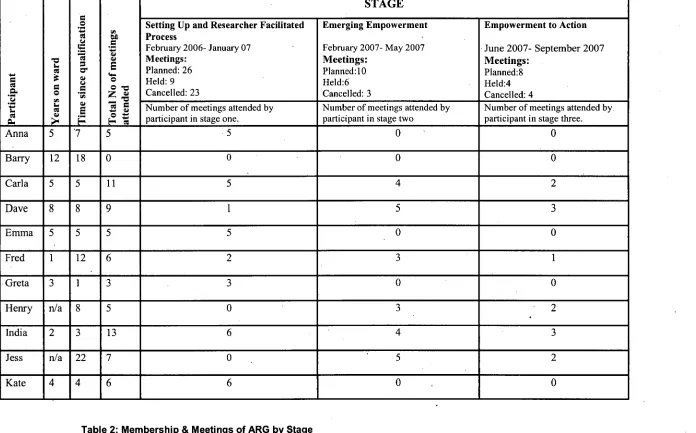
Table 2: Membership & Meetings of the ARG by stage 75
Table 3: Data Collection Strategies Utilised Across all Stages of the Research 82
Table 4: Framework for Semi Structured Interviews: Stage One 85
Table 5: Framework for Semi Structured Interviews: Stage Three 86
Table 6: Questionnaire Distribution Processes & Return Rates 88
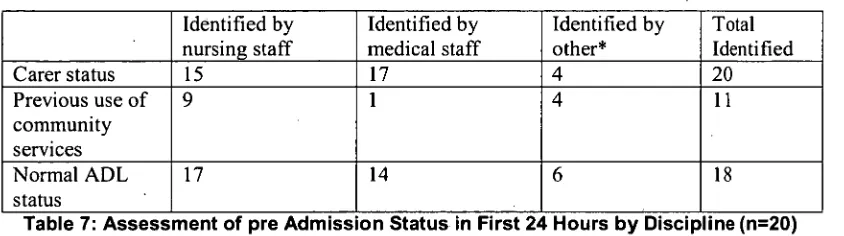
Table 7: Assessment of pre Admission Status in First 24 Hours by Discipline 122
Table 8: Assessment of COPD Specific Risk by Nurses & Medical Team Members 122
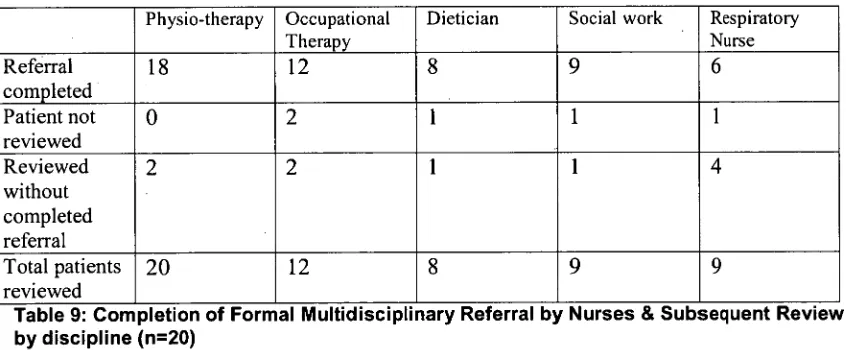
Table 9: Completion of Formal Multidisciplinary Referral 123
Table 10: Ratings by Patient Questionnaire Respondents on Preparedness to Return Home 128
Table 11: Summary of Possible Action Areas Identified by ARG during Workshop 2 167
Table 12: In-service program schedule 177
Table 13: Delivery of Planned In- service Education Sessions with Attendance 179
Table 14: Attendance at Education Sessions 181
Table 15: Respondent Ratings of Continuing Education & Professional Development 182
Table 16: Respondent Self Ratings of Knowledge, Confidence & Skill 183
Table 17: Respondent Ratings of Levels of Support from Permanent Ward Staff 185
Table 18: Comparison of Completed Patient Admission Screening Pre & Post Audit 187
Table 19: Comparison of Referral Levels to Allied Health Team Members Pre & Post Audit 188
I Introduction
Knowledge in the practice disciplines entails not just knowing that but also knowing how, when, why, whether and for whom... (Sandelowski, 2004, p. 1367)
The management of chronic disease within acute care settings is undertaken by a
multitude of players, whose actions are informed by a variety of purposes and aims.
Within these settings nurses interact with patients, carers, community and other health
care providers. As they do so, nurses consider, interpret and enact, as Sandelowski (2004)
suggests, the evidence of what is known, together with the how, when, why, whether and
for whom of the situation. This research engages acute care nurses as investigators of their
own practice in an acute care setting in order to examine possibilities for change, with a
focus on improving provision of care to persons admitted to hospital with chronic
obstructive pulmonary disease (COPD).
1.1 How I came to the research
I had worked within a medical ward specialising in respiratory care in varying capacities
for the four years prior to commencement of this research. When I commenced as a new
graduate, some of the nurses who later became participants in the research had been my
mentors. I continued to work on the ward for a total of three years, progressing to a more
senior position which included being in charge of the ward outside normal working hours.
I left the ward to take up a position as a clinical educator prior to undertaking project work
focused on discharge planning. It was within that role that I developed a heightened
awareness of the tensions which existed between management driven goals and ability of
nurses on the ward to effect change. I was involved with implementing hospital
management directives for change which included patient discharge, early referral to
allied health, predicting a discharge date on admission, and risk management assessment
for every patient in the hospital. As the project manager, with central responsibility for
embedding these practices into place, ward nurses often addressed their complaints to me.
communication breakdown between the hospital managers and the nurses in practice
which the ward nurses felt resulted in their voices often not being heard.
It was these very conversations which resonated with my understandings as a ward nurse,
and provoked my own reflection about the difficulties inherent in melding the needs and
desires of management with the reality of the practice setting. During these reflections on
my own experience I came to understand that the ward nurses wanted to make a difference
for patients but struggled to do so in the context of their every day work. This research is
the result of my desire to give voice to the acute care nurses and to provide an avenue
through which they could examine and improve their own practice.
1.2 The research question
This study developed in an acute medical ward specialising in respiratory conditions
where nurses held shared concerns about poor outcomes for patients admitted with COPD.
COPD is progressive, with a trajectory of decline impacting on quality of life. Primarily
affecting the lungs, it has wide ranging effects on individuals which permeate all parts of
their life (Pauwels & Rabe, 2004, p. 615). People with the disease require escalating
support from health care providers and their community as the disease progresses, and
acute exacerbations often necessitate hospital admission for intensive management of the
disease (McKenzie et al., 2003).
Nurses on the ward were aware that patients with COPD were frequently readmitted to the
ward, in what they considered preventable circumstances. As a consequence, they were
keen to explore how continuity of care provision for persons with COPD might be
improved. Yet as the research unfolded, the key question became whether nurses could
improve care to this group of patients in the context of their own ward environment. The
core question underpinning the research contained within this thesis is:
How might a group of acute care nurse's work together to investigate and improve care provision to patients admitted with COPD?
procedure documents, the nurses held concerns that issues with care were unresolved and
over a long period of time expressed frustration at their inability to effect change. Action
research provided a framework by which to engage nurses in a process of further
investigating and then addressing their issues of concern to improve care provision to
people with COPD nursed on the ward.
1.3 Methodological Approach: Action Research
A group of nurses from the medical ward agreed to come together, forming an action
research group (ARG) in March 2006. Central to the research was the desire to work
together to investigate the current situation, to improve their understandings of the issues
that impact on the care of people with COPD nursed on the ward, and to take action aimed
at improving provision of care to these patients. This thesis documents the journey of the
ARG as they sought to develop their nursing practice in order to improve the care of
persons with COPD on the ward. In doing so group members also developed
understandings of action research and the role of research in their practice.
As Kemmis & McTaggart note (2003, p. 337) the action research approach offers three
distinct attributes which the acute care nurses identified as important:
• shared ownership of the research project,
• analysis of identified problem undertaken by the ARG, and • an orientation toward action aimed at improving the situation
Multiple spirals of planning, action, analysis and reflection capture the process of action
research as a complex activity where collaborative reflexive processes underpin much of
what occurs ( Kemmis & McTaggart, 1988a). A diagrammatic representation of the
Reconnaissance or preliminary investigation
Research question or problem formulation
Plan for action
Take action & collect data on action
Analyse data
Replan
Take action & collect data on action
Analyse data
I
ReflectReflect
[image:14.551.47.477.60.510.2]Replan
Figure 1: The Action Research Process (Street, 1995, p.xxv)
The detail of action research processes and other methodological issues are explored in
greater depth during chapter three which addresses the history and theoretical construct of
the action research approach taken.
1.4 Structure of the Thesis
The thesis is constructed in keeping with the methodological intent and is set out to assist
the reader to follow the complex interplay of group activities. Although the information
the process is messy and at times several aspects are occurring simultaneously (Herr &
Anderson, 2005).
Providing a background to the complexities of providing care to people with COPD in an
acute care context Chapter Two contains an examination of the literature as it relates to
multiple aspects of the research. In order to understand the role of nurses as they provide
care to people with COPD it is necessary to review the broader concepts of chronic
disease management, the structure of health care delivery and current recommendations
for COPD management based on available evidence and publications. The literature
reviewed within this chapter represents what was known at the time of research
commencement, up until mid 2006, as it was this information which informed the
approach. The need for further research to investigate the current construct of acute care
nursing practice and delivery of COPD care is supported by the literature review.
Specifically it is argued the use of critical action research methodology offers acute care
nurses an opportunity to engage in an investigation of their practice with the potential to
take action to initiate change in order to improve care to persons with COPD.
Action research is the method argued to be most appropriate for this research. In Chapter
Three the theoretical underpinnings of action research and critical social theory as it
relates to this method are explored. Particular attention is paid to the work of Jurgen
Habermas, arguably one of the most significant contributors to critical theory in the 20th century (Fontana, 2004, p. 94; Lont, 1995, p. 40). Action research methodology
encompasses a multitude of approaches, as such the key characteristics as they apply to
this research are discussed together with some of the inherent tensions which occur in the
application of the approach.
Chapter Four is presented in order to 'set the scene' for the remainder of the thesis. The
practice setting, like action research approaches described within the preceding chapter,
was inherently complex. Hospitals and hospital wards are alive with the activities of
individuals and groups who inhabit the setting as providers of health care, together with
staffing structure and profiles, as they relate to patient management and flow, are provided
as a background to the study.
Chapter Five details the data and first level analysis which resulted from undertaking
reconnaissance. Reconnaissance data collection was designed by group members' to
further inform them of the issues impacting on the provision of care to people with COPD
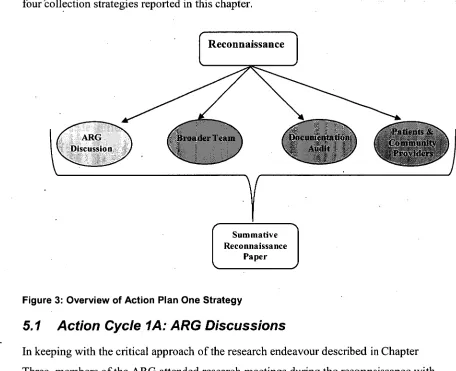
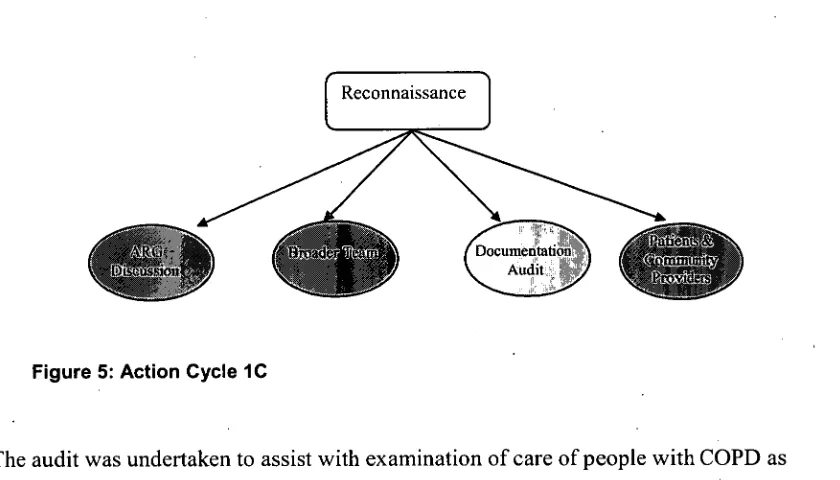
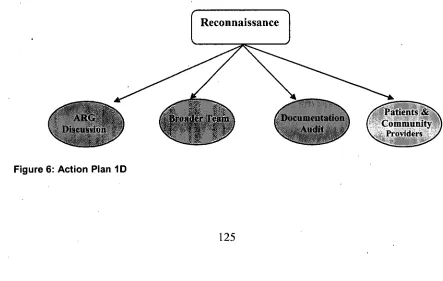
on the ward. They adopted four data collection strategies which were; ARG discussions
during research meetings; seeking the views of the multidisciplinary team; seeking the
views of community providers and patients and carers; and finally, an audit of
documentation related to care provision on the ward. The work contained
inthis chapter
represents the first action plan undertaken by the group, which was confined to collecting
data only. Issues with capacity of the group to meet and to sustain group activities
emerged during this stage, and subsequently limited the ARG members' ability to fully
engage with the data.
Chapter Six documents in detail the ARG members' response to reconnaissance data, as
they engaged with the findings. This chapter details how they come to terms with the
findings and identified strategies to move the research forward.
Chapter Seven recounts the work of the group as they enter into the action stage. In this
phase further possibilities for action are considered in light of factors which might
constrain or impact on their ability to proceed with implementation. ARG activities are
focused on change in this chapter as they initially formulated and then undertook an
intervention that was targeted toward improving care to persons in the ward.
the everyday management of acute care facilities. The thesis concludes with
recommendations and, as primarily qualitative research often does, posing of further
2 Literature Review: Framing of COPD Nursing Care
The preceding chapter has introduced the research and the need to explore the
complexities of chronic disease care delivery within hospitals. This study has a central
interest in exploring the possibilities for a group of acute care nurses to develop their
practice to better serve the needs of people with COPD nursed on their ward. Literature
was searched to explore the role of acute care nurses in chronic disease management, and
the development of nursing practice in care provision to persons with COPD. In order to
understand the issues that impact on attempts of nurses to develop their practice in the
management of people with COPD it is also necessary to review the literature related to
broader concepts of chronic disease-management, the structure of health care delivery and
current recommendations for COPD management. The literature reviewed within this
chapter represents what was known at the time of research commencement, up until mid
2006, as it was this information which informed the research approach. Literature
subsequent to this period will be considered in discussion sections outlined in later
chapters.
2.1 Chronic Disease
Chronic disease is characterised by conditions which do not resolve spontaneously and are
rarely cured resulting in high mortality either directly or through contribution to other
causes of death (Australian Institute of Health & Welfare (AIHW), 2002, p. 3). The
proportion of persons experiencing chronic disease in Australia, was estimated in 2001 at
ten per cent of the population, with this figure predicted to rise (AIHW, 2002, p. 6). For
example, in the case of diabetes incidence has doubled since the early 1980s and is
predicted to pass one million by 2020 (National Public Health Partnership, 2001, p.4).
Indeed, published figures may underestimate the prevalence of chronic disease because
many individuals suffer from more than one condition (AIHW, 2002, p. 12). Furthermore
statistic combining years of healthy life lost due to disability and premature mortality by
the AIHVV) is attributable to chionic disease. Chronic diseases are largely linked to
lifestyle factors such as tobacco smoking, alcohol intake, poor nutrition and low levels of
physical activity (AIHW, 2002, p.5). A range of diseases have been identified to result in
part from unmodified risk factors and include diabetes, heart disease, renal disease and
lung disease such as COPD. The burden on the health care system is large and
governments are moving toward tackling the burden of chronic disease, calling for
'comprehensive action' as a national health priority (National Public Health Partnership,
2001, p. 21). COPD is of particular interest because of its incidence, complexity, and the
demands on health care resources.
2.2 COPD - the disease
COPD presents a range of challenges to health care delivery, which are typical of chronic
disease states. A multifaceted disease, COPD has wide ranging effects on individuals,
and is defined as:
A disease state characterized by airflow limitation that is not fully reversible. The airflow limitation is usually both progressive and associated with an abnormal inflammatory response of the lungs to noxious particles or gases. (Pauwels et al., 2001, p. 321)
2.2.1 Cause and Incidence
COPD is attributable to tobacco smoking in approximately 85-90% of cases in Australia
(McCrory et al., 2001, p. 1191). Other causes include exposure to industrial pollutants,
genetic conditions and long term diseases affecting the lungs such as asthma. Over
665,000 Australians are estimated to be living with COPD, and it is ranked as a leading
cause of death with over 5,378 deaths resulting from COPD in 2003 (AIHW, 2004, p. 80).
The AIHW reports that COPD affects 3.5% of the Australian population (AIHW, 2004, p.
80), yet the incidence has been estimated in an Australian study to be as high as 5.4%
(Wilson et al., 2005).
The forecast disease burden, which is largely based on tobacco smoking rates, is not
predicted to drop significantly within the next decade. Whilst there has been a decline and
slowed in recent years (AIHW, 2004, P. 109). In 2004-2005, 23% of the population were current smokers, with an additional 30% identified as ex smokers. Both current smokers and ex smokers remain at increased risk of developing COPD. There is a long latency period, ranging from years to decades, between causation and COPD manifestation which varies according to individual susceptibility, pack years (measurement of level and
duration of smoking behaviour) and interaction with other risk factors (e.g. pollutants, secondary smoke). Lundback et al. (2003) in a Swedish cohort study showed COPD developed in 50% of elderly smokers, whilst Wilson et al. (2005) showed in an Australian study using a population sample of 2500 that 1 in 7 or 15% of current or ex smokers were demonstrated to have COPD. The difference in findings may be attributable to the different age groups which were investigated, or the different criteria used to establish presence of disease; however both studies confirm the significance of the problem.
Diseases, including COPD, which result from smoking behaviour, will contribute to chronic disease burdens for many decades to come (Hill et al., 1998; Mannino, 2003). Hill et al (1998) have monitored tobacco smoking prevalence in the Australian population since 1974 and claim that smoking trends have reached a plateau. They highlight that the finding is of some concern to the long-term health of Australians and future chronic disease levels. If, as suggested by Wilson et al (2005), one in seven current and ex smokers are diagnosed with COPD, it is unlikely that the number of persons with the disease will diminish greatly. Although smoking rates and incidence of COPD varies between countries, analysis and modelling of COPD burden, based on an ageing
population and smoking rates in the Netherlands suggest the incidence of COPD will rise (Feenstra et al., 2001). It is unclear what the situation will be in Australia, but tobacco smoking trends within the population suggest there will be a need to provide health care and support to persons with COPD, both within acute and community care settings well into the future. As tobacco smoking is implicated as a causal factor in other chronic diseases, people with COPD often experience more than one chronic disease (McKenzie et al., 2003). Hence the role of nurses, as key members of the health care work force
2.2.2 Economic Cost of COPD
Costs associated with the disease are borne by health care providers, governments and
communities. Given the numbers of persons with COPD, it is not surprising that
expenditure related to provision of health care to people with COPD represents a large
economic burden (Rea et al., 2004; Rutschmann et al., 2004; Vermeire, 2002). The
calculated cost of COPD for the Australian community is between $818-$898 million
annually (McKenzie et al., 2003, p. S7), with a significant proportion of that cost
associated with hospital care. Hospital care is most often required when an exacerbation
of the disease occurs, with worsening symptoms which require additional medical
treatment and support (McKenzie et al., 2003). Hospital care alone during 2001, was
estimated to cost $300 million (Australian Lung Foundation, 2001), with persons aged
over 65 years accounting for 77% of hospital separations, with a principal diagnosis of
COPD (AIHW, 2004, p. 81).
2.2.3 Difficulties with Diagnosis
COPD patients may initially experience symptoms which include chronic cough,
shortness of breath, wheeze and sputum production. Early diagnosis of COPD can
improve outcomes for patients, who are encouraged to cease smoking, engage in
pulmonary rehabilitation, and learn to identify and treat acute exacerbations of the disease
early (Morgan & Britton, 2003, p. 453; Wouters, 2004, p. 883). Yet, because of the
insidious nature of the symptoms, often accepted as a normal part of ageing, people may
present late to health care providers for diagnosis (McKenzie et al., 2003). Diagnosis
frequently occurs when the patient is already experiencing significant impact on their
quality of life and the opportunity to intervene and manage the disease at early stages is
consequently missed or delayed.
2.2.4 Nihilistic Attitudes: COPD as Self Inflicted
Under diagnosis due to late presentation, is compounded by the attitude of members of the
community and health care providers to the disease. Described as "nihilistic", this attitude
reinforces understandings that little can be done to improve patient outcomes (Celli,
'considered incurable, self inflicted and relatively resistant to treatment' (McKenzie et al.,
2003, p. S7). Given that COPD is attributable to tobacco smoking in most cases, and
relates to lung damage which is not reversible, it is perhaps not surprising that such
nihilism exists. Yet there are recent claims that nihilism can be replaced with optimism
(Celli, 2006), as the development of new treatments and improved outcomes associated
with early diagnosis and intervention emerge. Movement toward optimism also relies on
healthcare providers engaging with current evidence for care to persons with COPD, as
well as a change in attitude
The perception that COPD is self inflicted contributes to the negative attitude of some
health care providers towards those with the disease. A study by Barr et al. (2005) where
American pulmonologists and primary health care physicians (n=1051) were surveyed,
found that eighty eight percent agreed with the statement that COPD is a self inflicted
disease. Persons with COPD may therefore be considered responsible for their disease and
even deserving of the negative consequences which occur. Such an argument is put
forward by Galvin (2002) who posits that chronic illness is increasingly being viewed as
'culpability in the face of known risks' (p. 107) in her examination of chronic disease
policy documents published in Australia and overseas. Galvin (2002) utilises a
'genealogical' analysis (p. 108) informed also by the work of Michel Foucault and
proposes that 'the infiltration of the notions of choice and responsibility' support the 'the
perception that the chronically ill are blameworthy' (p. 127) which is evident in concepts
of health and illness 'currently deployed as tools of government' (p. 107). The notion
that people who suffer chronic diseases as being personally responsible is not new,
however, as Galvin argues, such understandings require careful examination and
'unpicking' of how they came to be, so we might understand how such notions impact on
• care provision. While there has been some work which indicates that a sense of nihilism
impacts on health care providers in that they might question the worth of diagnosis in
COPD, there has been no rigorous study or investigation into how such attitudes impact
Considering people as personally responsible for a disease further adds to an
understanding that little can be done about it, except by the person themselves (Germov,
1998, p. 8). Such framing also denies the social influences on disease occurrence which
include, but are not limited to socio economic influences. In the case of COPD for
example, higher levels of tobacco smoking and thus an increased likelihood of nicotine
addiction in lower socio economic groups (Bobak et al., 2000) have been reported.
Furthermore, situating responsibility for the disease with the individuals who smoke, may
contribute to the negative consequences for the person with COPD. Whilst stigma in
COPD has not been explored at length, it is suggested that feelings of guilt and shame are
associated with COPD (Fraser, Kee, & Minick, 2006). Such effects, along with the
physiological manifestations of the disease impact on quality of life.
2.2.5 Impact on Quality of Life
The effects of COPD include physiological, social and psychological manifestations, as
McMahon (2000, p. 327) notes:
...people with chronic lung disease experience a succession of distressing physical, psychological, and spiritual responses that challenge personal resources for coping. Progressive dyspnoea and fatigue impair functioning in physical, emotional and social dimensions of daily living.
As a disease that has no cure, a key concern in COPD management is to maintain or improve quality of life and enable people with COPD to live more comfortably with the
condition (Frith, McKenzie, & Pierce, 2002). As the disease progresses, impaired
exercise tolerance, lowered functional capacity and decreased levels of energy, which
result from decreasing lung function, ensure that even the lightest of tasks take on larger
proportions (Boyle & Locke, 2004, p. 46; Katula et al., 2004; Pauwels & Rabe, 2004, p.
615). The decline in physical functioning affects activities of daily life and can lead to
social isolation (Boyle & Locke, 2004, p. 46; Seamark, Blake & Seamark, 2004, p. 619)
and affect emotional wellbeing (Heinzer, Bish & Detwiler, 2003, p. 98). Quality of life
measurements are frequently used to assess the efficacy of COPD interventions ranging
from pharmaceutical trials through to self management approaches (see for example
(Bourbeau et al., 2003; Monninkhoff et al., 2002; Rea et al., 2004; Rowett, Simmons,
2.2.6 The Patient Experience
The experience of the disease and the impact on quality of life, are themes often explored
by authors undertaking qualitative enquiry. The findings from such studies are a poignant
reminder of the struggles people living with COPD face every day. Physical activity
limitations and breathlessness dominate patient and carer experiences of COPD (Barnett,
2005; Booker, 2003). Sufferers must adapt to their changing world and feelings of loss
that often result (Seamark et al., 2004). Living with COPD is conceptualised as 'hard
work' and people with the disease contrast their life with the way things were previously,
including loss of travelling, social life and interests they had previously held (Eloffson &
Ohlen, 2004, p. 613). Shortness of breath (dyspnoea) impacts on almost every aspect of
sufferers' lives, and is seen to threaten their lifestyles (Fraser et al., 2006). For example
Barnett (2005) reports that breathlessness, identified as the most troublesome COPD
symptom, can lead to anxiety, panic and fear, while the loss of ability to undertake activity
is further described as having flow on effects which impact on identity and intimacy.
People who struggle to adapt to limitations of the disease can reportedly enter into
escalating spirals of `acopia, depression and anxiety' (Seamark et al., 2004). However
there are no studies identified that illustrate how nurses draw on patient experience in
structuring care to support people with COPD during treatment or more particularly in the
context of an acute exacerbation requiring hospital admission. Yet, such spirals can affect
not only the person experiencing COPD but their carers also.
2.2.7 Carers
The experience of persons with COPD, together with their carers, as they struggle to adapt
to effects of the disease, is eloquently captured by McDermott (2000) who describes life
for the person with COPD in the title of her work as a 'Body Out of Balance: Surviving the Frustrations '. Adjustment to loss and changed circumstances, which are described by McDermott in her study are presented as the central experience of the person with COPD
and their carer. Studies by Seamark et al (2004) and McDermott (2000), identify carers as
providing critical support to persons with COPD. But support does not come. without cost,
indicates that carers of persons with COPD also suffer isolation, depression and anxiety
(Bergs, 2002; Kara & Mirici, 2004). The recognition and articulation of findings on the
experience from the carer and patient perspective aims to inform health care providers
about 'what it is like' to experience the disease. Whilst we have an insight into this
experience no literature was found which addresses how these insights have been used in
the context of acute care nurses making decisions about care provision for people with
COPD and their carers during a period of hospitalisation.
2.3 Managing the Impact of COPD on Individuals
Despite the multifaceted impacts of the disease on a patient and carer experience of living
with COPD, not all persons with COPD experience negative cycles associated with
chronic disease and disability. In an analysis of 270 COPD patients in the United States,
Wu et al. (2001) found that negative effects can be offset in part by positive coping
behaviours, which include maintaining meaningful activities in life, finding humour and
having a sense of spirituality. Wu et al (2001, p. 318) further claim that health care
professionals can assist people with COPD to increase capacity to cope with impacts of
the disease through understanding and assisting patients to develop coping strategies and
seek support mechanisms. The study highlighted the need to improve patient knowledge
about their disease and improve integration of interventions delivered by healthcare
workers. It also serves to illustrate the central role of the healthcare worker in providing
support to persons with COPD to improve coping behaviours. However no studies were
found on how such education might be undertaken during a hospital admission, or what
the impact might be. Two further approaches, self management and pulmonary
rehabilitation are particularly designed to facilitate patient education and support which
are also highlighted as central tenets of care provision to persons with COPD.
2.3.1 Self Management and Patient Centred Care: A Necessary
Collaboration
Patient or client centred care has become a core construct of chronic disease management
and is more broadly claimed to be a 'key characteristic of quality health care in the 21st
resulted in part from recognition that health interventions and care must take into account
individual experience and skill (Bodenheimer et al., 2002). Such an approach shares
commonality with self management, and is an area that highlights the need for health
professionals to work in partnership with individuals experiencing chronic disease.
Self management approaches to chronic disease support the role of the individual as a
health care partner (Bodenheimer, et al., 2002) and recognise that much of the day to day
management of chronic illness rests with the person experiencing the disease and their
family (Von Korff et al., 1997, p. 1097). Positioning the client or patient at the centre of
care is fundamental to successful management of chronic disease if they are to become
partners in care, managing the daily impact of chronic disease, adopting appropriate health
behaviours, monitoring symptoms and responding to changes which might occur (Fuller,
Harvey & Misan, 2004). Research examining the role of self management education for
persons with COPD has shown that the approach reduces hospitalisation rates and
provides economic benefits primarily through hospital avoidance (Bourbeau et al., 2003;
Monninkhoff et al., 2002). More importantly self management specifically targeted
toward persons with COPD has been shown to improve quality of life for these people, as
well as their self efficacy, or confidence to manage the impact of the disease on their
everyday life (Bourbeau, Nault & Dang-Tan, 2004).
A core construct of self management is 'either implicit or explicit concept of partnership
between patients and health professionals' (Aroni & Swerissen, 2003, p. 7). Yet despite
the rhetoric of patient centeredness, empowerment and partnership within the chronic
disease literature, there is evidence that the strong influences of the traditional biomedical
model as operationalised in contemporary health care setting, such as acute hospitals, acts
to neutralise patient input and situate the health professional as the ultimate decision
maker (Paterson, 2001, p. 580). Rogers et al. (2005, p. 224) argue that individual
interpretation of the term 'patient centeredness', may be limited to mean compliance with
medical instructions. Hence the traditional patient/ physician relationship may impact on
management of all chronic disease issues and states. Results from a meta analysis of
chronic disease self management which included a review of interventions delivered to
older adults with a range of disease states indicate:
...although enthusiasm is growing for self-management programs for chronic conditions, there are conflicting data regarding their effectiveness and no agreement on their essential components. (Chodosh et A, 2005, p. 427)
This approach has not extended into the acute care setting with no research which
indicates the degree to which chronic disease self management programs are supported by
the actions of nurses in the context of hospital admission. At the same time there is
recognition that the difficulties in comparing a broad range of approaches to implementing
self management interventions, all of which have multiple outcome measures, impacts on
the ability to undertake greater analysis of effect. Because of this, policy makers involved
in health care reform agendas support further investigation of self management and its
integration into health care approaches (World Health Organization (WHO), 2002b).
2.3.1.1 Support for Embedding Self Management
Funding programs such as the sharing health care initiative which allocated $36.2 million
over eight years (1999-07) by the Australian Government to government and non
government health care providers and agencies, demonstrate the increasing support for
exploring interventions designed to facilitate chronic disease self management. The aim
of this Australian Government initiative was to develop a range of self-management
models that would be suitable for 'embedding' within the Australian health care system.
As an example, a project which has successfully engaged COPD patients and health care
providers in self management approaches is a demonstration project in South Australia.
The project, 'Informed Partnerships for Effective Self Management of Chronic and
Complex Lung Diseases' (Rowett et al., 2003) focused on COPD management in the
community, and sought to increase availability of a system for self management.
Participants attended a pulmonary rehabilitation program and then worked with their
primary health care team to develop goals related to adopting healthy behaviours, such as
exercise or nutrition. The project included greater integration of evidence based COPD
providers, and resulted in improved health outcomes for persons with chronic lung
disease. Patient outcomes post program included increased exercise tolerance, decreased
hospital use and decreased levels of anxiety and depression. The findings from the
program are relevant to this study, as they illustrate the benefits of collaboration and
partnership between health care providers in order to effect change in practice and to
provide improved care to persons with COPD.
2.3.2 Pulmonary Rehabilitation as a Means to Assist Self Management in COPD
An individual's ability to share in health decisions and their self-management capacity
may be enhanced by participation in pulmonary rehabilitation, a core component of
treatment for people with COPD. Pulmonary rehabilitation 'increases patient/carer
knowledge base, reduces carer strain and develops positive attitudes toward
self-management and exercise' (McKenzie et al., 2003, p. S37). Pulmonary rehabilitation is
delivered in varying formats and may include any or all of the following; smoking
cessation, pharmacological education, health education, exercise training, dietary advice,
inhaler techniques, and relaxation (Tiep, 1997, p. 1637). The literature is replete with
research endeavouring to identify the best mode in which to deliver rehabilitation.
Literature addresses exercise only rehabilitation (Rochester, 2003), a combination of
exercise and education in rehabilitation with a focus on multidisciplinary input (Man,
Polkey, Donaldson, Gray, & Moxham, 2004), and place of provision (Elliott, Watson,
Wilkinson, Musk, & Lake, 2004). Yet, it is difficult to comparatively assess the outcomes
of pulmonary rehabilitation because of differences in models, design and outcome
measures. However, a Cochrane systematic review (Lacasse, et al., 2006), which
included randomised controlled trials of rehabilitation in COPD patients, which used
quality of life and functional or maximal exercise capacity as outcomes, identified
improvement in patient outcomes following rehabilitation when compared to normal care
without rehabilitation. Given the gains that can be made by persons with COPD by
attendance at pulmonary rehabilitation it is somewhat worrying that deliveries of such
The publication of studies which articulate the role of self management and attendance at
pulmonary rehabilitation to aid in developing coping strategies to minimise the impact of
the disease are important in overall COPD care provision. Programs can impact positively
on the experiences of persons with COPD, and decrease the impact of the disease on their
lives. As negative impacts of the disease are shown to be significant, the need for any
disease management strategies to incorporate aspects of social, emotional and physical
health is highlighted.
2.3.3 Disease Management: the role of guidelines
Evidence of the incidence and wide ranging effects of chronic diseases such as COPD on
individuals and society, including health care delivery, necessitates consideration of how
such diseases may be managed. The first line of management is prevention, and
approaches targeted at-uptake of healthy behaviours to prevent chronic disease are evident
within both government and health care literature (AIHW, 2006). For example,
decreasing uptake of tobacco smoking and increasing smoking cessation rates are key to
management of COPD burden in the longer term (McKenzie et al., 2003). When chronic
disease does occur, diagnosis and integrated disease management becomes important.
Guidelines provide a strong evidence base for interventions and integration of such
guidelines is identified within the literature as facilitating improved chronic disease
management and outcomes for individuals (Wagner, 1998). Within the context of the
Australian health care setting a COPD management guideline has been developed
(McKenzie et al., 2003). Similar guidelines exist for other chronic diseases such as
Diabetes (http://diabetesfoundationofaustralia.com/en/) and Asthma
(http://www.nationalasthma.org.au/index.php) . The rationale behind development of
disease guidelines, which are evidence based, is that the use of such guidelines will
improve outcomes for patients, by standardising care and improving health care workers
knowledge of, and access to the evidence to support best practice (Woolf et al., 1999).
2.3.4 COPD Guidelines
Guidelines for treatment and management of COPD have been developed globally over
Published between 1990-2000 (Iqbal et al., 2002). The Australian & New Zealand
guidelines have been updated and re-released, most recently in late 2006 and are known as
the COPDX plan. Collaboration at an international level has also led to the development
of a guideline for chronic obstructive lung disease (Pauwels et al., 2001). Known by the
acronym 'GOLD', the document is identified as a primary source of evidence within the
COPDX (p. S7). The COPDX results from a partnership between The Thoracic Society of
Australia and New Zealand and the Australian Lung Foundation in accordance with the
National Health and Medical Research Council recommendations for guideline
development. As this study is situated within Australia, discussion on the management of
COPD is informed by the Australian and New Zealand Guidelines for the management for
Chronic Obstructive Airways Disease plan (McKenzie et al., 2003) as the primary source.
Listed aims of the COPDX document are:
To effect changes in clinical practice based on sound evidence; and
Shift the emphasis from a predominant reliance on pharmacological treatment for COPD to a range of interventions which include patient education, self Management of
exacerbations and pulmonary rehabilitation.' (McKenzie et al., 2003, p. S7)
Five core elements which form the acronym COPDX provide a structure to the guideline.
The areas are Confirm diagnosis, Optimise function, Prevent deterioration, Develop a
self-management plan and manage eXacerbations. The elements are supported by
evidence which is ranked according to source. The elements and evidence levels are
summarised in tables contained in appendix one.
2.3.5 Key Informants and Focus of the COPDX
Traditionally, disease guidelines are targeted to physicians as the primary health care
provider. The writing group and editorial committee, steering committee, evaluation
committee, and contributors named in the COPDX development are drawn from medical
disciplines or specialty areas within respiratory care (McKenzie et al., 2003; p. S3). Given
this history, despite the need to integrate and manage social impacts of the disease in any
management approach, it.is not surprising that the COPDX document is primarily
informed by medical interests. This is reflected in the majority of the guideline being
information related to pulmonary rehabilitation, already highlighted as an effective
intervention in COPD (p. S25), is contained in less than one page of the 40 page
document. Furthermore, nursing, allied health professionals and non-medical care
agencies (p. S26) are noted as contributors to the care of people with COPD in short
descriptions within the document while general practitioners and specialist physicians are
highlighted as central to care provision. It would appear from a privileging of medical
contributions that despite the claims of patient centred care and the importance of non
pharmacological interventions stated in the COPDX aims (p. S7), medical constructions of
disease management predominate.
The manner in which self management is described within the COPDX would appear to
further confirm the medical focus. Despite the rhetoric contained within the COPDX
document about patient engagement and support, self management is limited to symptom
control and recognition of exacerbations (McKenzie et al., p. S26). Such a finding may
support the notion discussed by Paterson (2001, p. 580) that strong influences of the
traditional biomedical model often act to neutralise patient input and situate the
professional as the key decision maker. In addition, it is suggested that although patients
are encouraged to participate in healthcare decisions, they are often expected to be
compliant in the context of a system which emphasizes the direction of health
professionals (Koch, Jenkins, & Kralik, 2004, p. 485; Paterson, Russell, & Thorne, 2001,
p. 3380). Because of the strong biomedical focus the guidelines fail to adequately address
how the recommendations for supportive care might be achieved, except to situate the
general practitioner as the co-ordinator of care, a point discussed further under 2.3.6.
2.3.6 Dissemination and Uptake of COPDX
Dissemination of the COPDX has occurred via publication in the Medical Journal of
Australia (McKenzie et al., 2003) and via direct provision of a range of support materials
and the guideline to physicians. It has been 'widely circulated to key stakeholder groups
and professional organisations', and published on the internet (p. S7). Yet problems
related to any disease guideline uptake and implementation are highlighted by Pearson
management does not guarantee it will be read or acted on. The increasing production of
clinical practice guidelines was examined in a systematic review by Grimshaw et al.
(2004), who sought to understand the effectiveness and efficiency of guideline
dissemination and implementation strategies. They found that distribution of guidelines
may have a modest effect on implementation yet such effect may be short lived
(Grimshaw et al., p. 9).
Multiple factors impact on uptake of guideline recommendations in general practice by
promoting or inhibiting use. They include complexity of the guideline, compatibility with
practice structure and the need of individuals for new skills (Burgers et al., 2003; Grol et
al., 1998). In addition, availability of individual and workplace resources, including time
and commitment, knowledge and capacity can influence overall guideline uptake (Harvey
et al., 2005). The end result of both individual and workplace factors may be poor uptake
and implementation of guidelines (Bratzler et al., 2004; Harvey et al., 2005; MacNee &
Calverley, 2003). Similar issues have been identified specific to uptake of COPDX
recommendations by members of the medical profession (Smith et al., 2005).
Investigations of guideline uptake by physicians, arguably the primary targets of COPDX
dissemination, provides an indication of how difficult adoption of such guidelines may be
in reality (Smith et al., 2005; Smith et al., 2003). In the COPDX, GPs are identified as
central providers of care across all areas including detection/diagnosis, smoking cessation
and overall management (McKenzie et al, 2003, p. S25). Yet their ability to fulfil the role
would appear to be questionable in the light of studies which indicate poor knowledge and
engagement of GPs with guidelines (Smith et al., 2005). Whilst the important role of the
GP is not denied, the literature suggests that situating them as central to COPD care is
flawed. For example, a study which investigated guideline use in Australian general
practice found that, knowledge of guidelines for COPD management was essentially
nonexistent among GPs (Frith et al., 2002). The situation appears to mirror that from
overseas where, as Rutschmann et al (2004, p. 936) note:
Indeed levels of misdiagnosis and under diagnosis of COPD in the United Kingdom have
led to the claim that `GPs need help tackling COPD because of worrying levels of under
diagnosis' (Ford, 2004). Findings such as these raise questions of how GPs might
co-ordinate services provided by a range of healthcare professional and care agencies
(otherwise known as the multidisciplinary team), described within the*COPDX plan (p.
S26). The struggle of GPs to uptake and implement guidelines as central health care
providers to persons with COPD might also suggest the need to engage other health care
professionals including nurses and allied health team members at higher levels in the
implementation of COPD guidelines.
2.3.7 A Broader Chronic Disease Management Model
Guidelines such as the COPDX are recognised as part of a suite of tools for chronic
disease management which are acknowledged as key components in care provision
(Wagner, 1998). Yet, effective chronic disease care requires much more than adherence
to disease guidelines and 'evidence about efficacious tests and treatments' (Wagner, 1998,
p.3).. Because care delivery to persons with COPD, falls under the broader rubric of
chronic disease care it is necessary to consider not only guidelines but also care provision
in relationship to the broader chronic disease model. The chronic care model produced by
the McColl Institute, (Wagner, 1998; Wagner et al., 2001) illustrates the central tenets of
management of chronic disease together with the relationships between those components.
The research from the Institute is recognised as highly influential in the area of chronic
disease management (WHO, 2002a).
Core components of the model described by Wagner et al (2001) include health care
organisation which has a focus on chronic care provision; access to community resources
both inside and outside an organisation; self management support for patients and carers;
planned and coordinated actions between health care providers; decision support through
guidelines (such as the COPDX), and improved clinical information systems. As such,
proactive planned care and greater integration of guidelines into the flow of decision
making. Wagner et al (2001, p. 65) claim the model is derived from recognition that:
Many chronically ill persons wrestle with the physical, psychological, and social demands of their illness without much help or support from medical care. More often, the help received, while well intentioned, fails to afford optimal clinical care or meet persons' needs to be effective self managers of their illness.
Yet, despite such critique it is recognised that providing greater alignment with the
chronic care model by health care providers in health care delivery is difficult and faces
many challenges, not the least of which is the organisation of health care delivery and
management (Aroni & Swerissen, 2003; Beilby & Holton, 2005). The manner in which
health care delivery is structured, together with the role of individuals within those
systems are critical to deliver effective care.
2.4 Tensions between Acute and Chronic Care Models
Wagner et al (2001, p.64) call for continuing workin the area of chronic disease
management and note:
The growing number of persons suffering from major chronic illnesses face many obstacles in coping with their condition, not least of which is medical care that often does not meet their needs.. .The primary reason for this may be the mismatch between their needs and care delivery systems largely designed for acute illness.
Here, Wagner et al (2001) are referring to broader health care delivery systems which include both primary and acute care settings. While this study is specifically focussed on
appropriate care delivery for those with chronic disease, it is set within the acute care
setting, where a focus on managing episodic care is implicated in the struggle to provide
appropriate chronic disease care.
2.4.1 Orientation of Acute Care Delivery
Historically acute care settings had a focus on the need to respond to acute medical illness
or injury, and have primarily focused on treatment and containment of infectious diseases.
A major epidemiological transition in the early part of the twentieth century occurred as
infectious diseases were largely brought under control and replaced with rising numbers of
oriented to acute care provision, where the patient role was passive and practitioners could
reasonably expect the illness episode to be limited to days or weeks. Increasing stressors
on such systems have arisen due to an ageing population and increasing prevalence of
chronic disease. This change has led to efforts directed at trying to serve a different
problem (i.e. management of chronic disease) within an existing system, rather than
implementing a redesign (Wagner et al., 2001, p. 65). The problem reflects an inability of
policy makers and health care providers to move toward adopting strategies aimed at
improving management of chronic disease (Beilby & Holton, 2005; Chew & Van Der
Weyden, 2003). It is notable that the World Health Organization (2002a, p. 29) has been
critical of the structure of health care systems within developed countries, such as
Australia, claiming they remain organised to provide acute illness care, and as such fail to
engage consumers in the management of their disease, include only sporadic follow-up,
and largely ignore issues associated with community based service provision.
2.4.2 Professional Silos
Chronic care provision is further impacted by the fragmented structures in which care is
delivered often organised in terms of professional silos (Brooks, 2003; Mann, 2005;
Owen, 2004). The term professional silos, refers to health care providers who work
within their own domain with little or poor communication with other providers working
with the same patient group. The financial, organisational and system approaches of each
'silo' are influential, and can act to limit collaboration between professional groups
(Mann, 2005). Fragmentation of care occurs at high levels between acute and community
service provision where 'information about patients may not be shared within, let alone
outside of an institution' (Mann, 2005, p. 34). In addition, systems of care are noted as
encouraging fragmentation and siloing (Brooks, 2003), with providers often utilising
different systems (e.g. computer programs) and approaches to individual care. The
implication for patients with chronic disease, such as people with COPD, who may be
managed by a number of health providers, is that information related to their care and
treatment, may not be shared between providers (Berg, 1999, p. 91). For example people
with COPD who often have multiple co-morbidities, may need to consult a range of
agencies and allied health care providers. If each does not co- ordinate their actions with others the person is at risk of either 'falling between the gaps' or not being able to
'navigate their way through multiple systems' (Parker, 2006).
Within the Australian health care context, the situation is further complicated by
intergovernmental relations where the structures of funding are shared by non government organisations, state and territory governments and the Commonwealth Government (Medicare Fact Sheet, 2001), further adding to communication difficulties between service providers. The result is a system which is difficult to navigate for both users and
providers of health care services (Richardson, 2005, p. 12). Brooks (2003, p. 260) describes healthcare structures as 'often, by their nature, hierarchical "ego systems" [that] interfere with the ability to develop comprehensive healthcare delivery services'. If collaboration between sectors is complicated by poor system alignment and low levels of communication, the end result may be one of confusion and inaction. Poor inter sectoral or health care provider collaboration may also impact on self management support to patients, which has previously been discussed.
2.5 Summary of COPD Healthcare .Provision
To this point the examination COPD care has been on the delivery of care from the perspective of the health care system in general. This highlights opportunities to improve provision of services through more effective health care delivery structures and