Bias
Rebecca L. Y. Fan,aSophie A. Valkenburg,aChloe K. S. Wong,aOlive T. W. Li,aJohn M. Nicholls,bRaul Rabadan,cJ. S. Malik Peiris,a Leo L. M. Poona
Centre of Influenza Research and School of Public Health, The University of Hong Kong, Hong Kong, SAR, Chinaa
; Department of Pathology, The University of Hong Kong, Hong Kong, SAR, Chinab
; Department of Systems Biology and Department of Biomedical Informatics, Columbia University College of Physicians and Surgeons, New York, New York, USAc
ABSTRACT
Seasonal influenza epidemics and occasional pandemics threaten public health worldwide. New alternative strategies for
gener-ating recombinant viruses with vaccine potential are needed. Interestingly, influenza viruses circulgener-ating in different hosts have
been found to have distinct codon usage patterns, which may reflect host adaptation. We therefore hypothesized that it is
possi-ble to make a human seasonal influenza virus that is specifically attenuated in human cells but not in eggs by converting its
codon usage so that it is similar to that observed from avian influenza viruses. This approach might help to generate human live
attenuated viruses without affecting their yield in eggs. To test this hypothesis, over 300 silent mutations were introduced into
the genome of a seasonal H1N1 influenza virus. The resultant mutant was significantly attenuated in mammalian cells and mice,
yet it grew well in embryonated eggs. A single dose of intranasal vaccination induced potent innate, humoral, and cellular
im-mune responses, and the mutant could protect mice against homologous and heterologous viral challenges. The attenuated
mu-tant could also be used as a vaccine master donor strain by introducing hemagglutinin and neuraminidase genes derived from
other strains. Thus, our approach is a successful strategy to generate attenuated viruses for future application as vaccines.
IMPORTANCE
Vaccination has been one of the best protective measures in combating influenza virus infection. Current licensed influenza
vac-cines and their production have various limitations. Our virus attenuation strategy makes use of the codon usage biases of
hu-man and avian influenza viruses to generate a huhu-man-derived influenza virus that is attenuated in mammalian hosts. This
method, however, does not affect virus replication in eggs. This makes the resultant mutants highly compatible with existing
egg-based vaccine production pipelines. The viral proteins generated from the codon bias mutants are identical to the wild-type
viral proteins. In addition, our massive genome-wide mutational approach further minimizes the concern over reverse
muta-tions. The potential use of this kind of codon bias mutant as a master donor strain to generate other live attenuated viruses is
also demonstrated. These findings put forward a promising live attenuated influenza vaccine generation strategy to control
in-fluenza.
S
easonal influenza strikes every year, and the threat of avian
influenza outbreaks and worldwide pandemics together make
influenza a significant health risk to the general public,
particu-larly young children, pregnant women, the elderly, and patients
with underlying medical conditions (
1
). Vaccination remains one
of the best control measures against influenza. However, currently
licensed inactivated and live attenuated influenza vaccines have
their limitations. Therefore, new options for vaccine development
are needed.
Vaccination with an updated virus strain is required every year
in response to the frequent occurrence of antigenic drift. Even
when the vaccine strain antigenically matches the circulating
strain, the trivalent inactivated vaccine can provide partial
protec-tion only in some healthy adults (
2
). The 2014-2015 winter
sea-sonal influenza epidemic in many areas of the Northern
Hemi-sphere showed us that the mismatch between the vaccine H3N2
strain and the dominant antigenically drifted H3N2 virus resulted
in a very low vaccine effectiveness (
3
), resulting in excess mortality
in people over 65 years old. Young children and the elderly, who
are more likely to develop severe complications, are often less
protected by inactivated vaccines (
2
,
4
,
5
). A recombinant
protein-based influenza vaccine was recently approved for use in people
ranging from 18 to 49 years of age; however, it is less immunogenic
in children (
6–8
). Nonetheless, recombinant protein vaccines are
useful for individuals with egg allergy. Live attenuated influenza
vaccines (LAIVs) have been found to be superior to the standard
inactivated vaccine by a few measures, such as administration by
noninvasive means and stimulation of secretory mucosal IgA and
cytotoxic T cell responses (
5
,
9
), especially in children (
10
,
11
).
However, safety concerns over LAIVs have been raised, as the
cold-adapted phenotype is controlled by only 5 nonsilent
muta-tions (
12
). Therefore, the public still awaits a more universal
in-Received3 June 2015Accepted5 August 2015
Accepted manuscript posted online12 August 2015
CitationFan RLY, Valkenburg SA, Wong CKS, Li OTW, Nicholls JM, Rabadan R, Peiris JSM, Poon LLM. 2015. Generation of live attenuated influenza virus by using codon usage bias. J Virol 89:10762–10773.doi:10.1128/JVI.01443-15. Editor:S. Perlman
Address correspondence to Leo L. M. Poon, [email protected].
Supplemental material for this article may be found athttp://dx.doi.org/10.1128
/JVI.01443-15.
Copyright © 2015, American Society for Microbiology. All Rights Reserved.
on November 7, 2019 by guest
http://jvi.asm.org/
fluenza vaccine that is safe and able to elicit potent long-term
humoral and cellular immune responses. Ideally, a universal
vac-cine should also be capable of inducing some cross-subtype
pro-tection.
Codon usage bias refers to the unequal frequency in the usage
of synonymous codons (
13
), which can be found in many species,
including influenza viruses (
14–17
). In our previous studies, the
codon usage patterns were found to be different between human
and avian influenza viruses (
16
). Two models have been proposed
to explain the codon usage bias observed. The mutational (or
neu-tral) model is based on the nonrandomness of mutations in
cer-tain regions, such as GC-rich regions in RNA viruses. Recent
stud-ies suggest that this might help the virus escape host antiviral
responses (
13
,
16
,
18
,
19
). In the translation (or selection) model,
codon usage is adapted to the host tRNA abundance in order to
enhance translation and fitness (
16
,
18–20
).
The different codon usage biases observed in human and avian
influenza viruses have prompted us to hypothesize that host
ad-aptation might shape the codon usage of influenza viruses.
In-deed, there is evidence that the incorporation of synonymous
mu-tations into influenza virus might lead to virus attenuation (
18
,
21–23
). Previous studies on influenza virus have made use of
deoptimized codon pair mutations or misrepresented
mamma-lian codons to generate attenuated viruses carrying 1 to 3 mutated
viral segments (
24–26
). In this study, we generated a live
attenu-ated human seasonal influenza virus containing an avian
influ-enza virus codon usage bias. Multiple silent mutations were
intro-duced into all 8 segments by
de novo
synthesis. Vaccination with a
single dose of this codon mutant virus conferred protection
against homologous and heterologous viral challenge, and this
mutant could be used as a vaccine master donor strain.
MATERIALS AND METHODS
Design of a human influenza virus with avian influenza virus-like codon bias sequences.Influenza A/Brisbane/59/2007 (H1N1) (BR59), representing a human influenza virus strain previously used for vaccine production, was used as the prototype virus in this study. Only the largest open reading frame (ORF) of each segment was selected for the analysis. A data set for each segment from viruses that are of human or avian origin was established in our previous studies (16). The codon usage bias ob-served from each segment-specific data set was compared to that obob-served from the corresponding counterpart (e.g., human influenza virus PB2 versus avian influenza virus PB2). We compared the segment-specific codon usage frequency of wild-type (WT) BR59 with the average codon usage frequency deduced from the corresponding avian influenza virus sequences. This analysis allowed us to determine the number of mutations required to be introduced into the prototype virus to change its codon bias from human influenza virus-like to avian influenza virus-like (Table 1; see also Supplemental Data S1 in the supplemental material). In order to avoid affecting critical viral RNA signals essential for virus replication, mutations were introduced into the regions that are known to not be involved in viral RNP (vRNP) packaging and splicing (27–29). Sequence regions with out-of-frame ORFs (e.g., PB1 and PB1-F2 ORFs) were also excluded from mutagenesis. With the exception of the critical regions indicated above (see Supplemental Data S2 in the supplemental material), the mutations were randomly yet evenly distributed in the targeted open reading frame (see Supplemental Data S1 in the supplemental material). Specifically, these mutations were introduced into sites that are highly conserved at the amino acid sequence level (⬎99%) but not at the nucle-otide sequence level. This was to minimize the risk of (i) introducing mutations into potential mutational hot spots (i.e., highly polymorphic amino acid positions) or (ii) disrupting potential critical RNA signals (i.e.,
highly conserved codon positions). After introducing the designed 373 nucleotide mutations into 351 codons in the viral genome (see Supple-mental Data S3 in the suppleSupple-mental material), the genome of the resultant BR59 mutant encoded wild-type BR59 viral proteins but the largest ORF of each segment had an avian influenza virus-like viral codon usage bias. The nucleotide and dinucleotide usage frequencies of the mutated ORFs were generally found to be more similar to those observed from the avian influenza virus sequence data set (see Supplemental Data S4 and S5 in the supplemental material). In addition, the minimum free energy of the mu-tated genes was also found to be similar to that of avian influenza virus sequences reported previously (30) (see Supplemental Data S6 in the sup-plemental material). In contrast, many of the parameters deduced from wild-type BR59 were generally found to be distinct from those of avian influenza viruses (see Supplemental Data S4 to S6 in the supplemental material). Both the WT and mutated viral RNA segments were then syn-thesized commercially (GenScript).
Corresponding analysis of influenza virus sequences. Correspond-ing analysis is a type of multivariate analysis that allows a geometrical representation of a data set with multiple parameters. We performed cor-responding analysis of the relative synonymous codon usage (RSCU) of avian and human influenza virus sequences in this study as previously described by us (16). The first three eigenvectors from each analysis were used to incorporate most information from the data sets and were used as axes for graphical presentation. Graphs were plotted using SigmaPlot (version 10.0) software (Systat Software Inc.).
[image:2.585.298.546.87.218.2]Cells and viruses.MDCK, 293T, and A549 cells were maintained in minimum essential medium (MEM), while DF1 cells were maintained in Dulbecco’s modified Eagle medium (DMEM). Both MEM and DMEM were supplemented with 1% penicillin and streptomycin (P/S) and 10% fetal bovine serum (FBS). All cells were kept in a humidified incubator with 5% CO2at 37°C. As listed inTable 2, WT BR59 virus, a mutant virus containing 8 mutated segments (8-mut), and mutant viruses containing 1 to 4 mutated segments were generated by reverse genetics techniques (31). Recombinant viruses consisting of 6 internal BR59 wild-type or mutant genes and hemagglutinin (HA) and neuraminidase (NA) from A/Puerto Rico/8/34 (H1N1) (PR8) or A/HK/1/68 (H3N2) (HK68) were also res-cued (Table 3). To generate a more pathogenic virus for viral challenge experiments, mouse-adapted WT (MA-WT) BR59 virus was rescued by introducing 3 site-directed mutations (T89I, N125T, and D221G in the HA gene) that are known to increase virus pathogenicity in mice (32). PR8 was also rescued by reverse genetics (31). A mouse-adapted A/HK/1/68 clone, MA20C (HK68-MA20C; H3N2), was used for heterosubtypic virus
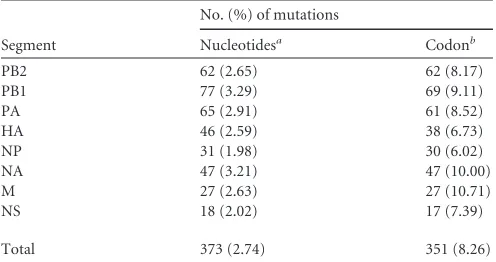
TABLE 1Construction of influenza virus with avian influenza virus codon usage bias
Segment
No. (%) of mutations
Nucleotidesa Codonb
PB2 62 (2.65) 62 (8.17)
PB1 77 (3.29) 69 (9.11)
PA 65 (2.91) 61 (8.52)
HA 46 (2.59) 38 (6.73)
NP 31 (1.98) 30 (6.02)
NA 47 (3.21) 47 (10.00)
M 27 (2.63) 27 (10.71)
NS 18 (2.02) 17 (7.39)
Total 373 (2.74) 351 (8.26)
a
Percentages were calculated by dividing the number of nucleotide mutations by the number of nucleotides for the full length of the respective segment.
b
Percentages were calculated by dividing the number of codon mutations by the number of amino acids of the corresponding protein. For the PB1, M, and NS segments, data for the minor protein products PB1-F2, PB1-N40, PA-X, M2, and NS2 were excluded from the calculations, as no mutations were introduced into those regions.
on November 7, 2019 by guest
http://jvi.asm.org/
challenge, and it was a generous gift from E. Brown (University of Ottawa, Ottawa, Ontario, Canada) (33). All viruses were amplified in embryo-nated eggs or MDCK cells, and their identities were confirmed by se-quencing. Viral titers were determined by standard plaque assay on MDCK cells.
Growth kinetics experiments.Confluent cells were infected at a mul-tiplicity of infection (MOI) of 0.001 for MDCK cells and an MOI of 0.01 for A549 cells in duplicate. Cells were incubated in infection medium supplemented with 1% P/S and tosyl phenylalanyl chloromethyl ketone (TPCK)-trypsin (1g/ml for MDCK cells, 0.5g/ml for A549 cells). The supernatant was harvested at 24, 48, or 72 h postinfection. For experi-ments using embryonated eggs, 100 PFU of viruses was inoculated into allantoic fluid. At 24, 48, or 72 h postinfection, the allantoic fluid was collected. Experiments were carried out at 37°C unless stated otherwise. Viral titers were determined by plaque assays on MDCK cells.
Mouse experiments.Specific-pathogen-free 4- to 9-week-old female BALB/c mice were infected intranasally with 25l of viruses. Body weights were monitored daily, and mice with a body weight loss of more than 25% were euthanized. To assess viral replication in lungs, lung tissues were harvested at days 3 and 7 postinfection and homogenized for titra-tion by the 50% tissue culture infective dose (TCID50) assay using MDCK cells. The values of the numbers of TCID50s per gram were determined using the Reed and Muench method. All experiments with mice were carried out at the Laboratory Animal Unit of The University of Hong Kong and approved by the Committee on the Use of Live Animals in Teaching and Research, The University of Hong Kong.
Immune response assays.To determine the level of virus-neutralizing serum antibodies in mice, serum was harvested in MiniCollect tubes (Greiner Bio-One) at day 28 postinfection, followed by centrifugation and heat inactivation (56°C for 30 min). A microneutralization assay was per-formed using MDCK cells with 100 TCID50s of viruses (34). The recipro-cal of the highest dilution of serum that neutralized at least 50% of virus infectivity was taken as the titer. Immune cell profiling of cells isolated from bronchoalveolar lavage (BAL) fluid harvested at day 7 postinfection was performed as described previously (35). Briefly, after Fc receptor blocking, cells were stained with 2 mixtures of monoclonal antibodies (all BioLegend) for innate and adaptive immune cells. Mixture 1 consisted of F4/80-phycoerythrin (PE), I-AE–peridinin chlorophyll protein (PerCP)– Cy5.5, CD11b-allophycocyanin (APC)-Cy7, Gr1-PE-Cy7, IA8-APC, CD11c-fluorescein isothiocyanate (FITC), and DAPI (4= ,6-diamidino-2-phenylindole). Mixture 2 consisted of CD3-APC, CD4-APC-Cy7, CD8-PerCP-Cy5.5, Dx5-FITC,␥␦T-PE, B220-PE-Cy7, and DAPI. Flow cytom-etry analysis was performed for cell type identification.
The interferon responses of infected A549 cells were measured by
de-termination of the level of expression of beta interferon mRNAs using quantitative PCR (qPCR). A549 cells were infected with viruses at an MOI of 5 in triplicate. At 4 and 8 h postinfection, total cellular RNA was ex-tracted using an RNeasy minikit (Qiagen) and DNase treatment using Turbo DNA-free DNase treatment and removal reagents (Ambion). mRNA molecules were reverse transcribed with an oligo(dT) primer and SuperScript II reverse transcriptase (Life Technologies). Gene-specific primers were used for amplification and quantification of cDNAs of beta interferon (36) and-actin (37) in a real-time PCR system (7500; Applied Biosystems) (for beta interferon, 20 s at 95°C, followed by 40 cycles of 3 s at 95°C and 30 s at 60°C; for-actin, 20 s at 95°C, followed by 40 cycles of 3 s at 95°C and 30 s at 64°C). A melting curve analysis (60°C to 95°C, 0.1°C/s) of the amplified products was also performed to determine the specificity of the assay. Diluted plasmids carrying the target sequences were used to generate standard curves. The levels of beta interferon mRNA expression were normalized by the level of-actin expression.
Vaccine efficacy study.Groups of 12 female BALB/c mice were in-fected intranasally with 25l of viruses or mock vaccinated with phos-phate-buffered saline (PBS). Treated mice were challenged with MA-WT virus, PR8, HK68-MA20C (33), or PBS (mock infection) at 28 days post-vaccination. Body weight loss was monitored daily for 14 days (n⫽6). At days 3 and 7 postchallenge, lungs (n⫽3) were harvested from each group for viral titration and immunohistochemistry analysis. For viral titration, lung tissues were homogenized and titrated by the TCID50assay using MDCK cells. For immunohistochemistry analysis, tissues were fixed in 10% formalin and processed as described previously (38). Tissues were stained with monoclonal antibody against the NP (clone HB65; ATCC) of influenza A virus.
Protein expression and Western blotting.A549 and DF1 cells in-fected at an MOI of 5 and whole-cell lysates were harvested at various postinfection points as indicated below. Proteins were resolved in 12% SDS-polyacrylamide gels. Western blot analysis was performed using pri-mary antibodies to one of the following: PB2 (catalog number vN19; Santa Cruz), PB1 (catalog number F5-19; BEI Resources), PA (a generous gift from Ervin Fodor, University of Oxford), HA (catalog number ab91531; Abcam), NP (catalog number C43; Abcam), NA (catalog number ab21304; Abcam), M1 (catalog number GA2B; Santa Cruz), NS1 (catalog number 23-1; Santa Cruz), and-actin (catalog number C4; Santa Cruz). -Actin levels were used as loading controls. Primary antibodies were detected using corresponding IRDye-conjugated secondary antibodies (LI-COR), and signals were quantified by use of an Odyssey CLx infrared imaging system.
Data and statistical analyses.Data were analyzed by Prism (version 6) software (GraphPad). The Studentttest was carried out, andPvalues of less than 0.05 were considered significant.
RESULTS
Construction of influenza virus with avian influenza virus
codon bias.
Seasonal human influenza virus BR59 (H1N1) was
[image:3.585.39.289.78.250.2]used as the prototype virus for this study. This human H1N1 virus
lineage has circulated in humans for decades and was confirmed to
have a codon bias which is distinct from that of avian influenza
virus strains (
16
). To convert the largest ORF of each viral segment
of BR59 from having a codon bias of human viruses to one similar
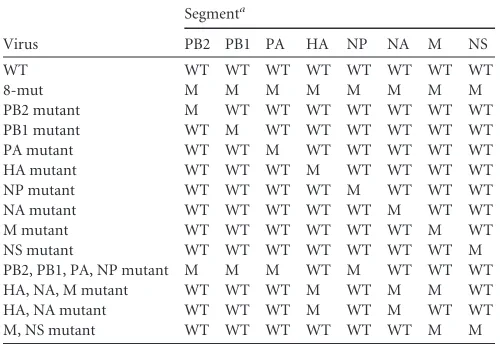
TABLE 2Codon bias mutants generated in this study
Virus
Segmenta
PB2 PB1 PA HA NP NA M NS
WT WT WT WT WT WT WT WT WT
8-mut M M M M M M M M
PB2 mutant M WT WT WT WT WT WT WT PB1 mutant WT M WT WT WT WT WT WT PA mutant WT WT M WT WT WT WT WT HA mutant WT WT WT M WT WT WT WT NP mutant WT WT WT WT M WT WT WT NA mutant WT WT WT WT WT M WT WT M mutant WT WT WT WT WT WT M WT NS mutant WT WT WT WT WT WT WT M PB2, PB1, PA, NP mutant M M M WT M WT WT WT HA, NA, M mutant WT WT WT M WT M M WT HA, NA mutant WT WT WT M WT M WT WT M, NS mutant WT WT WT WT WT WT M M
aWT, wild-type segment; M, mutated segment.
TABLE 3Recombinant viruses obtained using BR59 as the master donor strain
Virus
Origin of PB2, PB1, PA,
NP, M, and NS Origin of HA and NA
WT⫹PR8-HN BR59 WT PR8 mut⫹PR8-HN BR59 mutant PR8 WT⫹HK68-HN BR59 WT HK68 mut⫹HK68-HN BR59 mutant HK68
on November 7, 2019 by guest
http://jvi.asm.org/
[image:3.585.298.546.87.155.2]to that of avian viruses, we compared each of its viral segments to
those of avian influenza viruses (see Materials and Methods). A
total of 373 nucleotide mutations corresponding to 351 codon
mutations were introduced into the BR59 genome (
Table 1
; see
Supplemental Data S1 and S3 in the supplemental material), and
all of these nucleotide changes were silent mutations. The mutated
sequences were confirmed to have codon usage biases similar to
those of avian influenza virus sequences by corresponding analysis
(
Fig. 1
). We also studied the nucleotide frequency, dinucleotide
frequency, and free energy of the mutated ORFs (see Materials and
Methods). In general, the mutated sequences were found to be
more similar to those observed from avian influenza virus
se-quences in many of these parameters (see Supplemental Data S4 to
S6 in the supplemental material).
Synthetic DNAs for the WT and mutated viral genomes were
chemically synthesized, and recombinant viruses were generated
by reverse genetics (
31
). Wild-type BR59 virus, a mutant with 8
mutated segments (referred to here as 8-mut), and mutants with 1
FIG 1Corresponding analyses of human (seasonal H1, H3, and H5) and avian influenza viruses. Each dot presents a viral sequence. The arbitrary distance between 2 dots in the 3-dimensional space represents the difference of the RSCU values between 2 particular viral sequences in corresponding analysis. The locations of WT and mutated (Mut) A/Brisbane/59/2007 viral sequences are indicated. The M1 and NS1 viral sequences were excluded for graphical represen-tation due to their short ORFs (16). The scales on thex,y, andzaxes are in arbitrary units generated by corresponding analyses, and the weight of each codon in the different segments varies in these axes (16).
on November 7, 2019 by guest
http://jvi.asm.org/
[image:4.585.136.449.59.548.2]to 4 mutated segments were generated in this study (
Table 2
). The
rescued viruses were amplified in embryonated eggs, and the
iden-tities of these viruses were confirmed by sequencing. In addition,
the WT and 8-mut viruses were subjected to full-genome
sequenc-ing, and no undesirable mutation was detected in these two
vi-ruses.
Characterization of the 8-mut virus in
in vitro
and
in vivo
models.
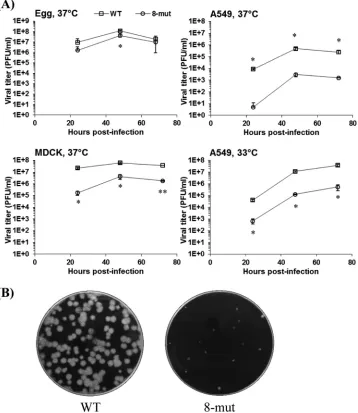
The replication kinetics of the WT and 8-mut viruses
were determined in mammalian cells (MDCK and A549 cells) and
embryonated eggs at 37°C. The replication of 8-mut virus was
found to be attenuated (the titer was
⬎
1 log unit less) in MDCK
cells (
Fig. 2A
, bottom left). In addition, the plaque size of the
8-mut virus was found to be smaller than that of the WT in MDCK
cells (
Fig. 2B
). The 8-mut virus was even more attenuated in A549
cells (
Fig. 2A
, top right), and 8-mut virus titers were at least 2 log
units less than those of the WT. Moreover, similar attenuation was
also observed in A549 cells at 33°C (
Fig. 2A
, bottom right),
indi-cating that the 8-mut virus is not a temperature-sensitive mutant.
Interestingly, the 8-mut virus was found to have replication
kinet-ics comparable to those of the wild type in eggs (
Fig. 2A
, top left,
⬍
0.5-log-unit difference in titer at any time point).
Since the 8-mut virus was highly attenuated in mammalian
cells, we evaluated whether the same attenuation could also be
found in mice. Groups of 5 mice were infected intranasally with
the highest achievable titer (6.75
⫻
10
5PFU/dose) of the WT or
8-mut virus. Mice infected with the WT virus showed transient
weight loss, while those infected with the 8-mut virus did not show
any weight loss or sickness (
Fig. 3A
). In fact, the infections caused
by the 8-mut virus were very mild, and the weights of these mice
were found to be similar to those normally observed for
unin-fected mice (data not shown). To examine virus replication in
mice, the viral titers in lung tissues harvested at days 3 and 7
postinfection were determined by titration. The viral titers
ob-served for mice infected with the 8-mut were 40-fold lower than
FIG 2Growth properties of the codon bias mutant in mammalian and avian systems. (A) The growth kinetics of WT and 8-mut viruses were characterized in embryonated eggs (100 PFU) and MDCK cells (MOI⫽0.001) at 37°C and A549 cells (MOI⫽0.01) at 37°C and 33°C. *,P⬍0.05; **,P⬍0.001. (B) Plaque sizes of WT and 8-mut viruses in MDCK cells. Cells were infected with WT and 8-mut viruses, and cells were fixed and stained with crystal violet at 3 days postinfection.
on November 7, 2019 by guest
http://jvi.asm.org/
[image:5.585.115.473.70.483.2]those observed for the WT-infected mice (
Fig. 3B
), indicating that
the 8-mut virus is also attenuated in mice. No infectious virus was
detected in mice infected with the WT or 8-mut virus at day 7
postinfection.
To determine whether the 8-mut virus, which had an
attenu-ated phenotype in mice, was capable of inducing neutralizing
an-tibodies
in vivo, serum samples collected from mice at 28 days
postinfection were examined by a microneutralization assay. Mice
infected with the WT or 8-mut virus were found to have similar
neutralizing antibody titers against both the WT and 8-mut
vi-ruses (antibody titers, 1:640 to 1:1,280). In addition, BAL fluid was
collected from infected mice at day 7 postinfection for immune
cell profiling (
Fig. 3C
), and both WT and 8-mut virus infections
were found to produce indistinguishable immune cell profiles in
mice.
The interferon response in infected A549 cells was measured by
quantifying cellular beta interferon mRNA using quantitative
re-verse transcription-PCR. At both 4 and 8 h postinfection, WT and
8-mut virus infections induced comparable levels of expression of
beta interferon mRNA (
Fig. 3D
). These results altogether suggest
that the 8-mut virus was attenuated in mammalian systems but
could still induce potent immune responses.
Priming with the 8-mut virus vaccine protects mice from
vi-ral challenge.
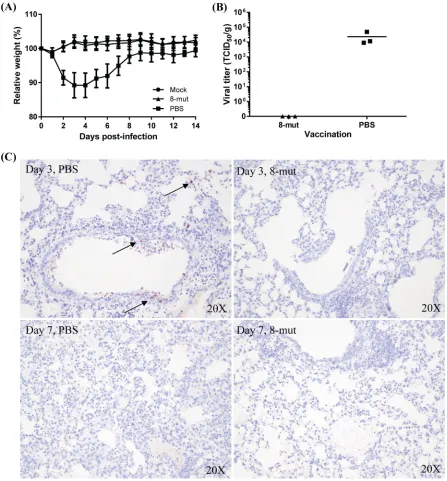
In order to determine whether the 8-mut virus can
induce sufficient immune protection in mice, infected mice were
subsequently subjected to a homologous viral challenge. As the
original WT (BR59) virus caused only mild weight loss in mice
(
Fig. 3A
), a more pathogenic mouse-adapted BR59 virus
(MA-WT) carrying 3 HA mutations (T89I, N125T, and D221G) was
generated (
32
). The MA-WT virus was serologically identical to
the WT virus in microneutralization assays (data not shown), and
mice infected with the MA-WT virus had more severe symptoms
and weight loss than those infected with the WT virus. Therefore,
the MA-WT virus was used in the virus challenge study.
Four-week-old BALB/c mice (n
⫽
6) were vaccinated
intrana-sally with 6.75
⫻
10
5PFU of the 8-mut virus. Vaccinated mice or
mock-vaccinated mice (primed with PBS only) were challenged
with 4.3
⫻
10
5PFU of MA-WT virus at day 28 postvaccination.
The mock-vaccinated mice displayed symptoms of infection and
had significant weight loss (
Fig. 4A
). In contrast, the vaccinated
mice showed no symptoms and no weight loss. Lung tissues from
treated mice were harvested at days 3 and 7 postchallenge for viral
titration and immunohistochemistry staining. High levels of virus
replication were detected in mock-treated mice but not in
vacci-FIG 3Characterization of viruses in mice and immune response. Groups of BALB/c mice were infected intranasally with 6.75⫻105PFU of WT or 8-mut virus. (A) The body weights of 5 mice were monitored for 10 days, and data represent means⫾SDs. *,P⬍0.05. (B) Lungs from 3 mice were harvested at 3 days postinfection, and viral titers were determined by a standard TCID50assay on MDCK cells. Symbols represent data from individual mice. *,P⬍0.05. (C) BAL fluid was harvested at day 7 postinfection, stained with a mixture of monoclonal antibodies for innate and adaptive immune cells, and analyzed by flow cytometry. Data represent total cell numbers (means⫾SDs). DC, dendritic cells. (D) A549 cells were infected with the WT or 8-mut virus at an MOI of 5 for 4 and 8 h. Beta interferon (-IFN) mRNA expression was measured by qPCR, and the level of expression was normalized to the level of-actin expression and expressed as the mean⫾SD.
on November 7, 2019 by guest
http://jvi.asm.org/
[image:6.585.83.498.69.394.2]nated mice at day 3 postinfection (
Fig. 4B
). In addition, cells
ex-pressing influenza virus NP proteins were detected only in
mock-treated mice (
Fig. 4C
) at day 3 postchallenge. NP-positive cells
were not detected in either group at day 7 postchallenge. However,
consolidation of the lung was observed only in mock-vaccinated
mice and not in mice vaccinated with the 8-mut virus (
Fig. 4C
).
We further evaluated whether vaccination with the 8-mut virus
can confer protection against heterologous viral challenge. At day
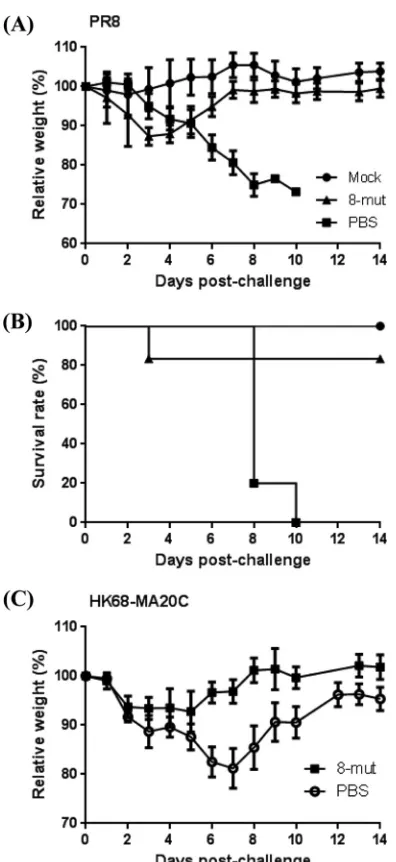
28 postvaccination, mice were challenged with a heterologous
H1N1 virus (PR8) or a heterosubtypic mouse-adapted H3N2
vi-rus (HK68-MA20C). In the PR8 challenge experiment, all
mock-treated mice had a body weight loss of more than 25% and were
sacrificed (PR8 was 100% lethal) (
Fig. 5A
and
B
). In contrast,
except for 1 mouse, the other 5 mice in the vaccinated group
survived and showed a body weight loss of less than 16% (
Fig. 5A
and
B
). In the HK68-MA20C challenge experiment, all mice in
both groups survived, but the mice in the vaccinated group had
much less body weight loss and earlier recovery than mice in the
FIG 4Protective effects caused by the 8-mut virus. BALB/c mice were vaccinated intranasally with PBS or 6.75⫻105PFU of the 8-mut virus. At day 28 postvaccination, mice were challenged with 4.3⫻105PFU of MA-WT virus or underwent mock challenge as a control. (A) The loss of body weight of 6 mice was monitored for 14 days, and data represent means⫾SDs. (B) Lungs were harvested from 3 mice at 3 days postchallenge, and viral titers were determined by a standard TCID50assay on MDCK cells. Symbols represent data from individual mice. (C) Immunohistochemistry staining of selected lung tissues. Mice were vaccinated with PBS (left) or the 8-mut virus (right). Lung tissues were harvested at day 3 (top) or day 7 (bottom) postchallenge. Arrows, representative influenza A virus NP-positive cells.
on November 7, 2019 by guest
http://jvi.asm.org/
[image:7.585.69.516.66.547.2]mock-treated group (
Fig. 5C
). Overall, these results suggest that
the 8-mut virus can induce immunological protection against
ho-mologous and heterologous influenza virus challenge.
Mutant virus as a vaccine master donor strain candidate.
To
investigate if the mutant virus could be used as a vaccine master
donor strain, recombinant viruses whose genomes contained
wild-type or mutated segments of the 6 internal genes of BR59 and
the HA and NA segments from PR8 or HK68 were rescued (
Table
3
). Virus replication kinetics were studied in A549 cells and eggs at
37°C. For viruses with PR8 HA and NA, the codon bias mutant
virus was significantly attenuated in A549 cells, but its replication
rate was comparable to that of the virus with the BR59 background
in eggs (
Fig. 6A
). This codon bias mutant (mut
⫹
PR8-HN) was
also confirmed to be attenuated
in vivo. All mice infected by this
mutant survived the infection (see Supplemental Data S7 in the
supplemental material). In contrast, all mice infected with the
control virus (WT
⫹
PR8-HN) died from the infection. For viruses
with HK68 HA and NA, the maximum titer of the progeny of the
codon bias mutant virus was moderately less than that achieved
with the virus with the BR59 background (
⬍
0.5 log unit at 48 h
postinfection), but the codon bias mutant was even more
attenu-ated in A549 cells, as expected (
Fig. 6B
).
The promising results presented above prompted us to further
evaluate the vaccine potential of the mutant virus in mice. Since
BR59 (H1N1) and HK68 (H3N2) are different viral subtypes, we
focused on the mut
⫹
HK68-HN virus, which could better
dem-onstrate the protection induced by the surface HA and NA
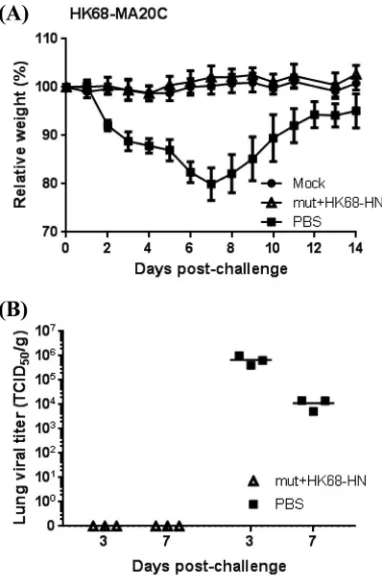
pro-teins. Groups of 6 mice were vaccinated intranasally with 1
⫻
10
5PFU of the mut
⫹
HK68-HN virus and challenged with 6.71
⫻
10
5PFU of HK68-MA20C at 28 days postvaccination. Vaccinated
mice had no sign of morbidity (i.e., symptoms and weight loss), in
contrast to mock (PBS)-vaccinated mice, which had a body weight
loss of approximately 20% by day 7 (
Fig. 7A
). No virus was
de-tected in the lungs of vaccinated mice, but high virus titers were
found in mock-vaccinated mice at both day 3 and day 7
postchal-lenge (
Fig. 7B
). In addition, the level of protection against
HK68-MA20C challenge induced by mut
⫹
HK68-HN virus vaccination
in terms of weight loss was superior to that induced by 8-mut
vaccination, as expected (
Fig. 5C
versus 7A). Overall, this result
suggests that the 8-mut virus could be used as a master donor
strain to generate live attenuated vaccines.
Viral protein expression in infected cells.
Since it has been
proposed that codon bias may be related to translation efficiency,
we evaluated whether the synonymous mutations affect protein
expression in human A549 cells (
Fig. 8
, left). Cells were infected
with WT and 8-mut viruses at an MOI of 5, and whole-cell lysates
were harvested at 8 h postinfection, followed by Western blot
analysis. In infected A549 cells, the level of viral protein expression
of the 8-mut virus was comparable to that of the WT (
⫾
50% that
of the WT). In contrast, the levels of PB2, PA, HA, NP, M1, and
NS1 protein expression by the 8-mut virus were found to be much
higher than the levels of expression of those proteins by the WT
virus in infected DF1 cells (
Fig. 8
, middle and right panels). The
PB1 and NA proteins could not be reliably detected by their
cor-responding antibodies due to the presence of nonspecific signals
in DF1 cells.
Recombinant virus carrying all 8 mutated segments has the
most attenuated phenotype in mammalian cells.
To find out
which segment was critical for virus attenuation, viruses with
dif-ferent combinations of wild-type and mutated segments were
res-cued (
Table 2
) and their replication kinetics in MDCK cells were
studied. There was no significant difference between the growth of
WT virus and viruses with any 1 mutated segment (
Fig. 9A
). The
growth of virus with mutated vRNP (PB2, PB1, PA, and NP)
seg-ments was very similar to that of the WT (
Fig. 9B
), suggesting that
this combination of gene segments alone was not sufficient to
attenuate the virus. Interestingly, viruses carrying mutated surface
protein gene segments or other internal protein gene segments
were found to have moderate growth attenuation. The
recombi-nant virus with mutated M and NS segments was found to have
the most attenuation among these mutants, but its replication rate
was still significantly higher than that of the original 8-mut virus
FIG 5Heterologous protective effects caused by the 8-mut virus. BALB/c mice were vaccinated intranasally with PBS (mock-vaccinated control) or 6.75⫻105PFU of 8-mut virus. At day 28 postvaccination, mice were challenged with PR8 (100 50% lethal doses, 2.1⫻104PFU) (A, B) or HK68-MA20C (6.71⫻105PFU) (C) or underwent mock challenge as a control (A to C). (A, C) The loss of body weight of 6 mice was monitored for 14 days, and data represent means⫾SDs. (B) Survival rate after chal-lenge with PR8.
on November 7, 2019 by guest
http://jvi.asm.org/
[image:8.585.66.264.61.492.2](P
⬍
0.05). In addition, the plaque sizes of these mutants were still
found to be larger than the plaque size of the 8-mut virus (
Fig. 9C
).
Altogether, these results suggest that the attenuation of the 8-mut
virus is contributed by multiple viral gene segments.
DISCUSSION
We have designed and synthesized a live attenuated influenza
vi-rus with an avian influenza vivi-rus codon usage bias. As hundreds of
synonymous mutations were introduced into the genome (
Table
1
), the safety concern of reversion to a wild-type phenotype would
be minimal (
12
). The 8-mut virus was attenuated in mammalian
cells and mice but retained a replication ability in embryonated
eggs comparable to that of the wild type (
Fig. 2
). Our method
might allow codon bias vaccine candidates to be compatible with
egg-based production systems. A single vaccination dose of the
8-mut virus induced various types of immune responses similar to
those induced by a WT virus infection (
Fig. 3
). The 8-mut virus
could stimulate not only a humoral response, as shown by
neu-tralizing serum antibodies, but also a cellular response, as
demon-strated by immune cell profiling, and an early innate response, as
shown by beta interferon expression. Compared to the response
elicited by inactivated vaccines, which can elicit only humoral
im-mune responses, immunization with the 8-mut virus elicited a
response that mimics the events in a natural infection and
poten-tially exposes more immune targets during the replication cycle in
host cells, thereby stimulating a robust protective immune
re-sponse. Indeed, the 8-mut virus could induce cross-subtype
pro-tection against both homologous and heterologous viral
chal-lenges (
Fig. 4
and
5
).
The current commercial live attenuated vaccine consists of
the master donor strain A/Ann Arbor/6/1960 with a
cold-adapted phenotype (
12
,
39
) combined with the HAs and NAs
from circulating strains to update the vaccine. However, the
vaccine does not stimulate a satisfactory cellular response in
adults (
10
) and has been found to be much less efficacious than
the inactivated vaccine in adults (
11
). The poor
immunogenic-ity in adults was suggested to be due to previous exposure to a
virus of a similar strain by annual vaccination (
10
,
11
), which
prevents replication of the vaccine virus and allows an infecting
virus to evade the protective effects of the most recent vaccine.
With existing sequence databases, our attenuated codon
mu-tant virus can be designed and synthesized quickly to reflect
current circulating strains and present proteins which are
iden-tical to those of the target virus. This could also avoid the
stimulation of immunity targeted to the master donor strain in
annual seasonal influenza vaccination, as all proteins rather
than just the HA and NA reflect those of the circulating strain.
More importantly, unlike the cold-adapted mutations
de-scribed above, our approach would not affect the protein
se-quences encoded by the genomes of these viruses. Although
our 8-mut virus was attenuated in human cells, it is not a
tem-perature-sensitive mutant. Thus, this live attenuated virus can
theoretically replicate in both the upper and lower respiratory
tracts in humans, resulting in a more robust vaccine-induced
immune response.
In the unfortunate event of an influenza pandemic, the
gener-ation of an attenuated pandemic strain for production of a vaccine
by this strategy might result in additional safety concerns. In
par-ticular, in the absence of extensive virus characterization, it is
pos-FIG 6Growth properties of the mutant virus as a master donor strain in mammalian and avian systems. Viruses were characterized in embryonated eggs (100 PFU) and A549 cells (MOI⫽0.01). The HAs and NAs of A/PR/8/34 (H1N1) (A) and A/HK/1/68 (H3N2) (B) were incorporated into the WT and mutant virus backgrounds. *,P⬍0.05; **,P⬍0.001.
on November 7, 2019 by guest
http://jvi.asm.org/
[image:9.585.114.473.73.343.2]sible that the newly emerged pandemic strain might carry
un-known virulence markers in its internal genes. Therefore, it is safer
to introduce the pandemic viral glycoprotein gene segments into a
well-characterized attenuated vaccine master donor strain for
vac-cine production. Our
in vitro
and
in vivo
results have
demon-strated that the BR59 mutant virus could work as a vaccine master
donor strain by substitution of the HAs and NAs of other
influ-enza viruses (
Fig. 6
and
7
).
The attenuation of the 8-mut virus in mammalian systems was
contributed by mutations in multiple segments, as no
recombi-nant virus with a single mutated segment had the same level of
attenuation as the other recombinant viruses (
Fig. 9A
). Unlike
other studies employing codon deoptimization or codon pair
deoptimization (
24–26
), no significant overall reduction of
pro-teins was found in our study (
Fig. 8
). The differences might be
partly due to the different codon deoptimization strategies and
virus strains employed and the roughly 10 times smaller amount
of nucleotide mutations used in our design. One should note that
altering translation efficiency is not the only host selection
pres-sure on the viral codon usage pattern. It has been proposed that
mutational pressure dominates over translation pressure in
shap-ing codon usage in human RNA viruses, includshap-ing influenza
vi-ruses (
17
,
18
). The human seasonal influenza viruses isolated in
recent years tended to have reduced GC contents in their genomes
(
16
), perhaps to escape host antiviral responses. Moreover,
syn-onymous mutations may have an influence on RNA base pairing,
stability, and interactions with other RNAs or proteins (
30
). A
clearer picture of the forces shaping viral codon usage has yet to be
determined. The exact mechanisms responsible for the
attenua-tion of the codon mutant viruses and their relaattenua-tionship to host
adaptation require further investigation. Regardless of the
under-lying mechanisms, our attenuation strategy for vaccine virus
gen-eration was proven to be successful.
It is also interesting to note that the 8-mut virus was capable of
expressing high levels of viral proteins in infected avian cells. This
suggests that the newly introduced mutations can enhance viral
protein expression in avian systems. We also noted, however, that
the titer of this mutant virus was comparable only to that of the
wild type. It is possible that in the presence of abundant viral
proteins in infected cells, the availability of influenza virus
pro-teins is no longer a rate-limiting factor for progeny virus
produc-tion.
In summary, we generated a human influenza virus that has an
FIG 7Protective effects caused by the mutant virus as a master donor strain. BALB/c mice were vaccinated intranasally with PBS (mock-vaccinated con-trol) or 1⫻105PFU of mut⫹HK68-HN virus. At day 28 postvaccination, mice were challenged with HK68-MA20C (6.71⫻105PFU) or underwent mock challenge as a control. (A) The loss of body weight of 6 mice was monitored for 14 days, and data represent means⫾SDs. (B) Lungs were harvested from 3 mice at 3 and 7 days postchallenge, and viral titers were determined by a TCID50assay on MDCK cells. Symbols represent data from individual mice.
FIG 8Expression of viral proteins in infected human A549 and DF1 cells. Cells were mock infected (mock) or infected with WT or 8-mut virus at an MOI of 5 and harvested at the indicated time points. Total cell lysates were analyzed by Western blotting using viral protein-specific antibodies, as indicated. The PB1 and NA proteins expressed in infected DF1 cells could not be reliably detected due to a high nonspecific background.
on November 7, 2019 by guest
http://jvi.asm.org/
[image:10.585.68.259.66.355.2] [image:10.585.115.475.520.693.2]avian influenza virus codon usage bias. The mutant was
attenu-ated in mammalian systems
in vitro
and
in vivo, but it could
rep-licate to high titers in embryonated eggs. This virus could
stimu-late a potent immune response and confer protection against
homologous and heterosubtypic viral challenges. The virus could
also potentially serve as a vaccine master donor strain, thereby
allowing the rapid generation of vaccine strains.
ACKNOWLEDGMENTS
This project was supported by the Health and Medical Research Fund (project number 12110982) and Area of Excellence scheme AoE/M-1206. R. L. Y. Fan and L. L. M. Poon have filed a patent application on the basis of the invention described in this study.
REFERENCES
1.World Health Organization.2012. Vaccines against influenza WHO po-sition paper—November 2012. Wkly Epidemiol Rec87:461– 476. 2.Michiels B, Govaerts F, Remmen R, Vermeire E, Coenen S.2011. A
systematic review of the evidence on the effectiveness and risks of inacti-vated influenza vaccines in different target groups. Vaccine29:9159 –9170. http://dx.doi.org/10.1016/j.vaccine.2011.08.008.
3.Flannery B, Clippard J, Zimmerman RK, Nowalk MP, Jackson ML, Jackson LA, Monto AS, Petrie JG, McLean HQ, Belongia EA.2015. Early estimates of seasonal influenza vaccine effectiveness—United States, Jan-uary 2015. MMWR Morb Mortal Wkly Rep64:10 –15.
4.Osterholm MT, Kelley NS, Sommer A, Belongia EA.2012. Efficacy and effectiveness of influenza vaccines: a systematic review and meta-analysis. Lancet Infect Dis12:36 – 44.http://dx.doi.org/10.1016/S1473-3099(11)70 295-X.
5.Belshe RB, Edwards KM, Vesikari T, Black SV, Walker RE, Hultquist
M, Kemble G, Connor EM, CAIV-T Comparative Efficacy Study Group.2007. Live attenuated versus inactivated influenza vaccine in in-fants and young children. N Engl J Med356:685– 696.http://dx.doi.org /10.1056/NEJMoa065368.
6.Treanor JJ, El Sahly H, King J, Graham I, Izikson R, Kohberger R, Patriarca P, Cox M.2011. Protective efficacy of a trivalent recombinant hemagglutinin protein vaccine (FluBlok(R)) against influenza in healthy adults: a randomized, placebo-controlled trial. Vaccine29:7733–7739. http://dx.doi.org/10.1016/j.vaccine.2011.07.128.
7.Yang LP.2013. Recombinant trivalent influenza vaccine (FluBlok(R)): a review of its use in the prevention of seasonal influenza in adults. Drugs
73:1357–1366.http://dx.doi.org/10.1007/s40265-013-0103-6.
8.King JC, Jr, Cox MM, Reisinger K, Hedrick J, Graham I, Patriarca P.
2009. Evaluation of the safety, reactogenicity and immunogenicity of FluBlok®trivalent recombinant baculovirus-expressed hemagglutinin influenza vaccine administered intramuscularly to healthy children aged 6-59 months. Vaccine27:6589 – 6594.http://dx.doi.org/10.1016/j .vaccine.2009.08.032.
9.Beyer WEP, Palache AM, de Jong JC, Osterhaus ADME.2002. Cold-adapted live influenza vaccine versus inactivated vaccine: systemic vaccine reactions, local and systemic antibody response, and vaccine efficacy. A meta-analysis. Vaccine20:1340 –1353.
10. He X-S, Holmes TH, Zhang C, Mahmood K, Kemble GW, Lewis DB, Dekker CL, Greenberg HB, Arvin AM.2006. Cellular immune re-sponses in children and adults receiving inactivated or live attenuated influenza vaccines. J Virol80:11756 –11766.http://dx.doi.org/10.1128 /JVI.01460-06.
11. Monto AS, Ohmit SE, Petrie JG, Johnson E, Truscon R, Teich E, Rotthoff J, Boulton M, Victor JC.2009. Comparative efficacy of inacti-vated and live attenuated influenza vaccines. N Engl J Med361:1260 – 1267.http://dx.doi.org/10.1056/NEJMoa0808652.
12. Jin H, Lu B, Zhou H, Ma C, Zhao J, Yang C-F, Kemble G, Greenberg H.2003. Multiple amino acid residues confer temperature sensitivity to
FIG 9Growth properties of codon mutants in MDCK cells. The growth kinetics of WT and mutated viruses were characterized in MDCK cells infected at an MOI of 0.001. The replication kinetics of virus mutants containing 1 (A) or multiple (B) mutated segments (mut), as indicated, are shown. (C) Plaque sizes of recombinant viruses with multiple mutated segments, as indicated, in MDCK cells. Cells were infected, fixed, and stained with crystal violet at 3 days
postinfection.
on November 7, 2019 by guest
http://jvi.asm.org/
[image:11.585.85.504.67.356.2]human influenza virus vaccine strains (Flumist) derived from cold-adapted A/Ann Arbor/6/60. Virology 306:18 –24. http://dx.doi.org/10 .1016/S0042-6822(02)00035-1.
13. Plotkin JB, Kudla G.2010. Synonymous but not the same: the causes and consequences of codon bias. Nat Rev Genet12:32– 42.http://dx.doi.org /10.1038/nrg2899.
14. Li ZP, Ying DQ, Li P, Li F, Bo XC, Wang SQ. 2010. Analysis of synonymous codon usage bias in 09H1N1. Virol Sin25:329 –340.http: //dx.doi.org/10.1007/s12250-010-3123-3.
15. Zhou T, Gu W, Ma J, Sun X, Lu Z.2005. Analysis of synonymous codon usage in H5N1 virus and other influenza A viruses. Biosystems81:77– 86. http://dx.doi.org/10.1016/j.biosystems.2005.03.002.
16. Wong EH, Smith DK, Rabadan R, Peiris M, Poon LL.2010. Codon usage bias and the evolution of influenza A viruses. Codon usage biases of influenza virus. BMC Evol Biol10:253.http://dx.doi.org/10.1186/1471 -2148-10-253.
17. Goni N, Iriarte A, Comas V, Sonora M, Moreno P, Moratorio G, Musto H, Cristina J.2012. Pandemic influenza A virus codon usage revisited: biases, adaptation and implications for vaccine strain development. Virol J9:263.http://dx.doi.org/10.1186/1743-422X-9-263.
18. Jenkins GM, Holmes EC.2003. The extent of codon usage bias in human RNA viruses and its evolutionary origin. Virus Res92:1–7.http://dx.doi .org/10.1016/S0168-1702(02)00309-X.
19. Hershberg R, Petrov DA.2008. Selection on codon bias. Annu Rev Genet
42:287–299.http://dx.doi.org/10.1146/annurev.genet.42.110807.091442. 20. Aragones L, Guix S, Ribes E, Bosch A, Pinto RM.2010. Fine-tuning translation kinetics selection as the driving force of codon usage bias in the hepatitis A virus capsid. PLoS Pathog6:e1000797.http://dx.doi.org/10 .1371/journal.ppat.1000797.
21. Aragones L, Bosch A, Pinto RM.2008. Hepatitis A virus mutant spectra under the selective pressure of monoclonal antibodies: codon usage con-straints limit capsid variability. J Virol82:1688 –1700.http://dx.doi.org/10 .1128/JVI.01842-07.
22. Mueller S, Papamichail D, Coleman JR, Skiena S, Wimmer E.2006. Reduction of the rate of poliovirus protein synthesis through large-scale codon deoptimization causes attenuation of viral virulence by lowering specific infectivity. J Virol80:9687–9696.http://dx.doi.org/10.1128/JVI .00738-06.
23. Coleman JR, Papamichail D, Skiena S, Futcher B, Wimmer E, Mueller S.2008. Virus attenuation by genome-scale changes in codon pair bias. Science320:1784 –1787.http://dx.doi.org/10.1126/science.1155761. 24. Yang C, Skiena S, Futcher B, Mueller S, Wimmer E.2013. Deliberate
reduction of hemagglutinin and neuraminidase expression of influenza virus leads to an ultraprotective live vaccine in mice. Proc Natl Acad Sci U S A110:9481–9486.http://dx.doi.org/10.1073/pnas.1307473110. 25. Nogales A, Baker SF, Ortiz-Riano E, Dewhurst S, Topham DJ,
Marti-nez-Sobrido L.2014. Influenza A virus attenuation by codon deoptimi-zation of the NS gene for vaccine development. J Virol88:10525–10549. http://dx.doi.org/10.1128/JVI.01565-14.
26. Mueller S, Coleman JR, Papamichail D, Ward CB, Nimnual A, Futcher B, Skiena S, Wimmer E.2010. Live attenuated influenza virus vaccines by
computer-aided rational design. Nat Biotechnol28:723–726.http://dx .doi.org/10.1038/nbt.1636.
27. Moss WN, Priore SF, Turner DH. 2011. Identification of potential conserved RNA secondary structure throughout influenza A coding re-gions. RNA17:991–1011.http://dx.doi.org/10.1261/rna.2619511. 28. Gog JR, Afonso Edos S, Dalton RM, Leclercq I, Tiley L, Elton D, von
Kirchbach JC, Naffakh N, Escriou N, Digard P.2007. Codon conserva-tion in the influenza A virus genome defines RNA packaging signals. Nu-cleic Acids Res35:1897–1907.http://dx.doi.org/10.1093/nar/gkm087. 29. Lamb RA, Takeda M.2001. Death by influenza virus protein. Nat Med
7:1286 –1288.http://dx.doi.org/10.1038/nm1201-1286.
30. Priore SF, Moss WN, Turner DH.2012. Influenza A virus coding regions exhibit host-specific global ordered RNA structure. PLoS One7:e35989. http://dx.doi.org/10.1371/journal.pone.0035989.
31. Hoffmann E, Neumann G, Kawaoka Y, Hobom G, Webster RG.2000. A DNA transfection system for generation of influenza A virus from eight plasmids. Proc Natl Acad Sci U S A97:6108 – 6113.http://dx.doi.org/10 .1073/pnas.100133697.
32. Xu L, Bao L, Li F, Lv Q, Ma Y, Zhou J, Xu Y, Deng W, Zhan L, Zhu H.
2011. Adaption of seasonal H1N1 influenza virus in mice. PLoS One
6:e28901.http://dx.doi.org/10.1371/journal.pone.0028901.
33. Brown E, Liu H, Kit LC, Baird S, Nesrallah M.2001. Pattern of mutation in the genome of influenza A virus on adaptation to increased virulence in the mouse lung: identification of functional themes. Proc Natl Acad Sci U S A98:6883– 6888.http://dx.doi.org/10.1073/pnas.111165798.
34. Poon LL, Leung YH, Nicholls JM, Perera PY, Lichy JH, Yamamoto M, Waldmann TA, Peiris JS, Perera LP.2009. Vaccinia virus-based multi-valent H5N1 avian influenza vaccines adjuvanted with IL-15 confer sterile cross-clade protection in mice. J Immunol182:3063–3071.http://dx.doi .org/10.4049/jimmunol.0803467.
35. Valkenburg SA, Li OTW, Mak PWY, Mok CKP, Nicholls JM, Guan Y, Waldmann TA, Peiris JSM, Perera LP, Poon LLM.2014. IL-15 adju-vanted multivalent vaccinia-based universal influenza vaccine requires CD4⫹T cells for heterosubtypic protection. Proc Natl Acad Sci U S A
111:5676 –5681.http://dx.doi.org/10.1073/pnas.1403684111.
36. Wen X, Huang X, Mok BW-Y, Chen Y, Zheng M, Lau S-Y, Wang P, Song W, Jin D-Y, Yuen K-Y, Chen H.2014. NF90 exerts antiviral activity through regulation of PKR phosphorylation and stress gran-ules in infected cells. J Immunol192:3753–3764.http://dx.doi.org/10 .4049/jimmunol.1302813.
37. Blaschke V, Reich K, Blaschke S, Zipprich S, Neumann C.2000. Rapid quantitation of proinflammatory and chemoattractant cytokine expres-sion in small tissue samples and monocyte-derived dendritic cells: valida-tion of a new real-time RT-PCR technology. J Immunol Methods246:79 – 90.http://dx.doi.org/10.1016/S0022-1759(00)00304-5.
38. Nicholls JM, Wong LPW, Chan RWY, Poon LLM, So LKY, Yen H-L, Fung K, van Poucke S, Peiris JSM.2012. Detection of highly pathogenic influenza and pandemic influenza virus in formalin fixed tissues by im-munohistochemical methods. J Virol Methods179:409 – 413.http://dx .doi.org/10.1016/j.jviromet.2011.11.006.
39. Maassab H.1969. Biologic and immunologic characteristics of cold-adapted influenza virus. J Immunol102:728 –732.
on November 7, 2019 by guest
http://jvi.asm.org/