Scholarship@Western
Scholarship@Western
Electronic Thesis and Dissertation Repository
8-18-2017 12:00 AM
The Development and Evaluation of a Smartphone Nutrition
The Development and Evaluation of a Smartphone Nutrition
Intervention for Adolescents
Intervention for Adolescents
Sarah A. Cappuccitti
The University of Western Ontario Supervisor
Dr. Jason Gillil
The University of Western Ontario Graduate Program in Geography
A thesis submitted in partial fulfillment of the requirements for the degree in Master of Arts © Sarah A. Cappuccitti 2017
Follow this and additional works at: https://ir.lib.uwo.ca/etd
Part of the Dietetics and Clinical Nutrition Commons, Food Studies Commons, Human Geography Commons, and the Public Health Education and Promotion Commons
Recommended Citation Recommended Citation
Cappuccitti, Sarah A., "The Development and Evaluation of a Smartphone Nutrition Intervention for Adolescents" (2017). Electronic Thesis and Dissertation Repository. 4749.
https://ir.lib.uwo.ca/etd/4749
This Dissertation/Thesis is brought to you for free and open access by Scholarship@Western. It has been accepted for inclusion in Electronic Thesis and Dissertation Repository by an authorized administrator of
i
A diet high in fruit and vegetables is associated with the prevention of many chronic
diseases; however, only one in ten Canadian students in grades 6 to 12 consume the
recommended daily intake of fruits and vegetables. Using smartphones to deliver nutrition
interventions is an emerging area of research, although to-date these interventions typically
limit their focus to weight loss. The overarching purpose of this research is to redevelop and
evaluate an existing smartphone application for an adolescent population. This thesis used a
mixed-methods approach to gain adolescent perspectives on how to redevelop the app and to
evaluate its use as a nutrition intervention. Semi-structured focus groups were conducted to
determine what content and functionality adolescents want in a nutrition smartphone app. A
pilot intervention was conducted in a London, Ontario high school to evaluate recruitment
and retention methods, performance of app features, suitability of study instruments, and
overall feasibility. The pilot study provided methodological contributions and verified the
feasibility of undertaking a full-scale intervention. Findings from a full-scale intervention
with adolescents will determine if the app intervention is able to elicit a change in food
literacy, food purchasing, and dietary behaviours.
Keywords
Smartphone, Adolescent, Food Literacy, Local Food, Nutrition, Intervention, Food
ii
Co-Authorship Statement
The following thesis included two manuscripts that will be submitted for publication in
peer-reviewed journals.
Chapter 3 was written by Sarah Cappuccitti with Danielle Tobin and Jason Gilliland as
co-authors. Sarah Cappuccitti created the focus group guide, conducted the focus groups,
completed all data analysis, and is the primary author of the text. Cappuccitti had assistance
from research associates from the Human Environments Analysis Laboratory when more
than one focus group occurred at the same time. Dr. Danielle Tobin served as a second coder
for analysis and Dr. Jason Gilliland is the primary investigator for the SmartAPPetite study
and advised and approved all aspects of study design. Both Dr. Tobin and Dr. Gilliland
provided guidance and were involved in developing the methodology and proofreading this
chapter.
Chapter 3: Cappuccitti, S., Tobin, D., & Gilliland, J. Adolescent Perspectives on Nutrition
Apps: Identifying Desired Content and Functionality.
Chapter 4 was written entirely by Sarah Cappuccitti with proofreading and edits from
Danielle Tobin, Andrew Clark, Colleen O’Connor, Sean Doherty, Richard Sadler, Piotr
Wilk, Sylvia Rinaldi, and Jason Gilliland. Cappuccitti was the principal author for this
chapter and completed all data collection and data analysis. Dr. Gilliland is the primary
investigator for the study and conceived the idea for the SmartAPPetite project and
adolescent intervention. Each co-author is a member of the SmartAPPetite team and assisted
in the development of the study design. Dr. Piotr Wilk was consulted and provided guidance
for statistical analysis in this chapter. Additionally, Harrison Bannister assisted with the
creation of the map in this chapter.
Chapter 4: Cappuccitti S, Tobin D, Clark A.F., O'Connor C, Doherty S, Sadler R, Wilk P,
Rinaldi S, Gilliland J. The Development and Evaluation of an Adolescent Smartphone
iii
Acknowledgments
To Jason: Thank you for this incredible opportunity! I am so grateful that Colleen suggested
that I volunteer in the HEALab three years ago. I have learned so much from you & Andrew
and I am very grateful for all the support you have given me. Thank you for pushing me to
think outside the box and for teaching me that geography is a part of every discipline.
This research would not be possible without the graduate research funding provided by the
Human Environments Analysis Laboratory, through grants from the Children’s Health
Research Institute, Children’s Health Foundation, and the Healthy Kids Community
Challenge Middlesex County. I am also grateful to the London Training Centre, the Ministry
of Training, Colleges and Universities, and Western University for supporting the initial
development of SmartAPPetite.
To Danielle: I can honestly say that you helped me through this program every step of the
way. Even when you moved to a new job, you were always happy to help whether it be
through text, over the phone, at your house, or even volunteering to come to meet me at the
lab. You always know exactly how to calm me down and assure me I am on the right track.
Thank you for your mentorship and friendship over the past two years!
To my course instructors: Thank you for guidance through my course work and throughout
my master’s program. Thank you for pushing me intellectually and challenging me to think
critically. A special thank you to Brescia for allowing me to continue my learning with the
MScFN students.
To my HEALab friends: Thank you for the hundreds of coffee runs, Pokémon GO hunts, and
walks through campus. I am very lucky to have the support of so many amazing individuals
and appreciate always having someone to talk with to find the word at the tip of my tongue.
To my family: Thank you! I would not have been able to get through this program without
your constant love and support (and Dad’s voice of reason). Mom, thank you for picking up
every one of my phone calls whether it was to just say hello or to listen to me vent about my
hectic day. Thank you to all six of you for being a listening ear, making me lots of delicious
iv
Table of Contents
Abstract ... i
Co-Authorship Statement... ii
Acknowledgments... iii
Table of Contents ... iv
List of Tables ... vii
List of Figures ... viii
List of Appendices ... ix
Chapter 1 ... 1
1 Introduction ... 1
1.1 Research Context ... 1
1.2 The SmartAPPetite Project ... 3
1.3 Research Objectives and Questions ... 7
1.4 Theoretical Framework ... 8
1.5 Thesis Format... 13
1.6 References ... 15
Chapter 2 ... 21
2 Literature Review ... 21
2.1 Overarching Problem ... 21
2.2 Food Literacy ... 22
2.3 Adolescence ... 26
2.4 Message Writing ... 27
2.4.1 Type ... 28
2.4.2 Voice & Tone ... 28
v
2.5 Smartphone Nutrition Interventions ... 31
2.5.1 Types of Nutrition Education Interventions ... 33
2.6 Conclusions and Review of Gaps in the Literature ... 37
2.7 References ... 38
Chapter 3 ... 46
3 Adolescent Perspectives on Nutrition Apps: Identifying Desired Content and Functionality ... 46
3.1 Introduction ... 46
3.1.1 Literature Review: Nutrition Messaging for Adolescents ... 47
3.2 Methods... 48
3.2.1 Preparation of SmartAPPetite Message Databases ... 48
3.2.2 Participant Recruitment ... 49
3.2.3 Focus Group Guide ... 49
3.2.4 Message Rating ... 50
3.2.5 Data Analysis ... 51
3.3 Results ... 51
3.3.1 Focus Group Results ... 51
3.3.2 Content ... 52
3.3.3 Functionality ... 57
3.3.4 Message Ratings ... 59
3.4 Discussion ... 63
3.4.1 Limitations ... 68
3.5 Conclusion ... 70
3.6 References ... 71
vi
Intervention: A Pilot Study ... 75
4.1 Introduction ... 75
4.2 Methods... 78
4.2.1 The Intervention: SmartAPPetite App ... 78
4.2.2 Adolescent Pilot Study: Participant Recruitment and Retention ... 81
4.2.3 Adolescent Pilot Study: Survey Instruments ... 81
4.2.4 Data Analysis Methods ... 83
4.3 Results ... 83
4.3.1 Methodological Effectiveness ... 83
4.3.2 Potential Differences ... 87
4.4 Discussion & Conclusion ... 94
4.4.1 Feasibility & Limitations ... 99
4.5 References ... 103
Chapter 5 ... 110
5 Conclusion ... 110
5.1 Summary of Studies ... 110
5.2 Research Contributions ... 113
5.3 Implications for Policy & Practice ... 115
5.4 Limitations ... 118
5.5 Future Research ... 120
5.6 Conclusion ... 123
5.7 References ... 124
Appendices ... 127
vii
List of Tables
Table 1.1 Behaviours Economics Tools to Help Improve Dietary Behaviours ... 10
Table 3.1. Focus Group Demographics ... 51
Table 3.2. Message Rating Demographics ... 60
Table 3.3. Message Rating Data ... 60
Table 3.4. Highest and lowest rated messages for the level of interest, usefulness, and relevance to adolescents. ... 62
Table 4.1 Sample SmartAPPetite Messages ... 80
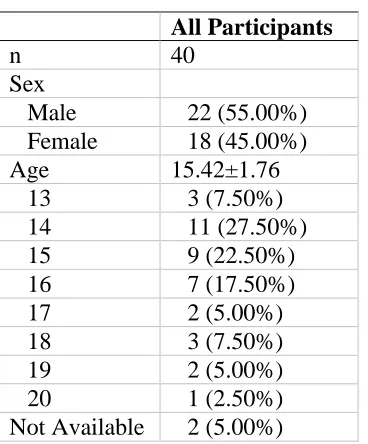
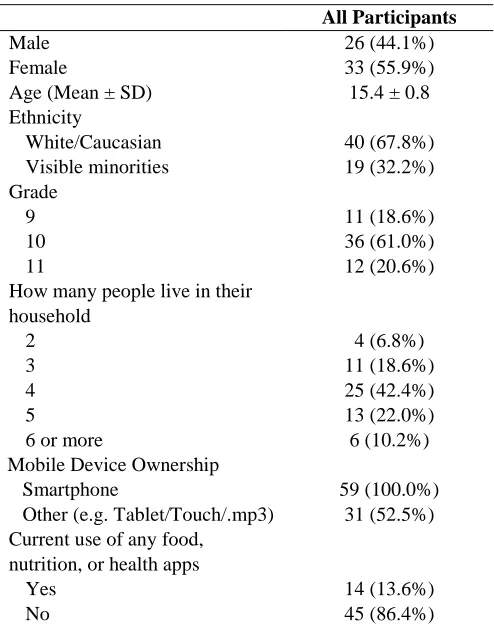
Table 4.2 Baseline Characteristics of Study Participants ... 84
Table 4.3 Participant Perceptions on Nutrition & Cooking ... 88
Table 4.4 Participant Food Intake Behaviours ... 89
viii
List of Figures
Figure 1.1 Example of a SmartAPPetite ‘message chain’ ... 5
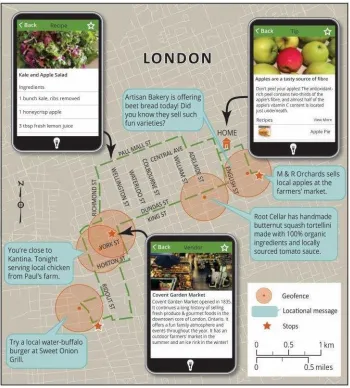
Figure 1.2 Day in the Life of SmartAPPetite User with ‘Geofences’ Enabled ... 6
Figure 1.3 Social-Ecological Model Adapted for Healthy Eating ... 13
Figure 2.1 Model describing the relationship between food literacy and nutrition ... 24
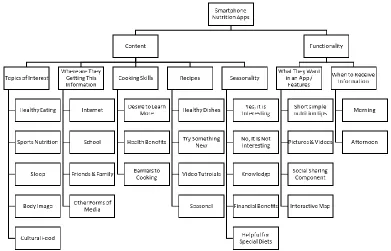
Figure 3.1 Qualitative Theme Tree ... 52
Figure 4.1 Frequency of Participant Self-Reported Food Purchasing during Weekdays* ... 91
Figure 4.2 Vendor Locations and Frequency of Self-Reported Food Purchasing by Study Participants during Weekdays* ... 92
ix
List of Appendices
Appendix A Research Ethics Approval Forms for the Use of Human Participants (Redacted)
... 127
Appendix B Research Ethics Youth Focus Groups Letter of Information (2 pages) ... 129
Appendix C Research Ethics Youth Assent Form for Focus Groups ... 131
Appendix D Research Ethics Focus Group Guide ... 132
Appendix E Sample Message Rating Handout ... 134
Appendix F Research Ethics Letter of Information for Parents (3 pages) for SmartAPPetite Intervention ... 135
Appendix G Research Ethics Parent Consent Form for SmartAPPetite Intervention ... 138
Chapter 1
1
Introduction
1.1
Research Context
Several critical health problems facing Canadians today, such as obesity, cardiovascular
disease, numerous types of cancers, and type 2 diabetes, are often associated with an
unhealthy diet (Flores Mateo, Granado-Font, Ferré-Grau, & Montaña-Carreras, 2015;
O’Connor et al., 2015; Swinburn et al., 2011). With the rise in prevalence and earlier
onset of many chronic diseases, there are major impacts on health care spending (Public
Health Agency of Canada & Canadian Institute for Health Information, 2011; Roberts,
Rao, Bennett, Loukine, & Jayaraman, 2015). It is estimated that obesity and diet-related
diseases cost the Canadian health care system up-to $7.1 billion annually (Public Health
Agency of Canada & Canadian Institute for Health Information, 2011). Currently in
Canada, 29% of youth aged 12-17 are overweight or obese, and this number continues to
rise (Public Health Agency of Canada, 2012). Parallel to this rise in obesity, Canadians
aged 12 or older have been consuming more calories daily and fewer fruits and
vegetables (Statistics Canada, 2009). Although a diet high in fruit and vegetables is
associated with the prevention of many chronic diseases, most Canadian adolescents are
still not consuming adequate amounts of fruits and vegetables (Boeing et al., 2012). For
example, previous research conducted in London, Ontario illustrated that only 38% of
adolescents aged 11-14 were meeting the minimum recommended intake of fruits and
vegetables a day (Gilliland, 2014). With the declining diet quality, rising levels of
obesity, and increased costs on out health care system, the need for effective nutrition
interventions is critical (Childhood Obesity Foundation, 2015; Public Health Agency of
Canada, 2012; Statistics Canada, 2009). Implementation of multi-faceted strategies in
childhood can help by focusing on prevention (Whittemore, Jeon, & Grey, 2013) rather
than treatment of health problems in later life (Childhood Obesity Foundation, 2015).
Many traditional nutrition interventions succeed in increasing adolescent nutrition-related
to change behaviour (Vaitkeviciute, Ball, & Harris, 2015). Food literacy encompasses
both the knowledge and understanding of nutrition and the capability to translate that
information to healthy behaviours (Vaitkeviciute et al., 2015). Food literacy has been
defined as “the ability of an individual to understand food in a way that they develop a
positive relationship with it, including food skills and practices across the lifespan in
order to navigate, engage, and participate within a complex food system” (Cullen, Hatch,
Martin, Higgins, & Sheppard, 2015). Food literacy programs can provide adolescents
with the awareness and nutrition knowledge to avoid the temptation of fast food
marketing and supplement with heathier alternatives. These changes made through
adolescence reflect food behaviours in adulthood (Bowman, Gortmaker, Ebbeling,
Pereira, & Ludwig, 2004).
Adolescence is the unique stage of life between childhood and adulthood where
individuals start to develop a level of autonomy and make more decisions on their own
(Vaitkeviciute et al., 2015). There are many factors related to an adolescents’
environment and new found independence that often translate to increased intake of fast
food (Bowman et al., 2004). This stage of life is associated with increasing levels of
independent mobility (Loebach & Gilliland, 2016; Mitra, 2013), meaning parents often
give their adolescents permission to travel to/from school and throughout their
neighbourhoods without parental supervision. Furthermore, an adolescents’ food
environment, particularly the area immediately surrounding their home and school, also
has direct effects on their food purchasing habits (He, Tucker, Irwin, et al., 2012),
particularly when a parent and guardian is not present (He, Tucker, Gilliland, et al.,
2012). Coupled with this newfound independence, many people begin their first paid
employment in adolescence, thereby acquiring some form of income for the first time,
which also affects their food purchasing habits and ultimately their food intake
(Vaitkeviciute et al., 2015). Many uni-dimensional nutrition interventions fail to connect
knowledge to the skills required to equip adolescents to change their behaviour
(Vaitkeviciute et al., 2015) and make the healthier choice when faced with a saturated
Today’s adolescents are known to be a technologically savvy generation. In 2015, nearly
three-quarters of all North American adolescents aged 13-17 had access to a smartphone
in 2015 and this number continues to rise (Pew Research Centre, 2015; Poushter, 2016).
Recognizing the large presence smartphones have in today’s culture, many researchers
and health professionals are using smartphones as a tool to educate large groups of
people, and improve and monitor individual health (Hingle & Patrick, 2016).
Smartphones are an advantageous medium for nutrition interventions based on their
relatively low cost and minimal burden for the participants (Coughlin et al., 2015), and
they are particularly effective at engaging the adolescent population (Dute, Bemelmans,
& Breda, 2016). Although there have been many technological advancements in nutrition
interventions, there still is a lack of peer-reviewed literature surrounding
multi-dimensional smartphone food literacy interventions. Most of the literature available
focuses on weight loss interventions with few aiming to improve food literacy and impact
purchasing habits in adolescents.
This thesis aims to contribute to the growing body of knowledge evaluating the use of
smartphones as a medium for health and nutrition interventions, particularly for an
adolescent demographic. Using adolescent insights on content and functionality gleaned
from the focus groups conducted for Study 1, Study 2 involved conducting a pilot
intervention to determine what elements of the SmartAPPetite intervention need to be
redeveloped before a full-scale study.
1.2
The SmartAPPetite Project
SmartAPPetite is a smartphone application (app) that was designed through a cross-sector
collaboration between researchers and community stakeholders to address the rising rates
of childhood obesity and to help revitalize the local food economy. Based out of Western
University, the SmartAPPetite team has received community support from the Old East
Village Business Improvement Area (OEVBIA), Western Fair Farmers’ Market, the
London Training Centre, and many others, including dietitians, public health
professionals, and community groups. In 2013, the team ran a pilot test of the
Ontario with a sample of 208 adults. Findings from this pilot intervention identified that
the app was successful at drawing awareness and intake of healthy foods and also drew
people to healthy food vendors with greater frequency (Gilliland et al., 2015). In 2014,
SmartAPPetite partnered with the London Training Centre and received 1-year funding
from the Ministry of Training, Colleges and University to conduct field research to help
support the development of technology that would help strengthen the struggling local
food economy in Southwestern Ontario. Seven focus groups were run with farmers,
retailers, and other food providers across six Southwestern Ontario counties to stimulate
concepts on how technology could help shift more of Ontarian’s consumption habits to
include more healthier, local food. Using the information gathered from this background
research, an alpha version of the SmartAPPetite app was created for Apple’s iOS
platform and publicly released through the Apple App Store. The alpha version of the app
holds many of the design features to be included in the final version of the app; however,
there are some limitations with technological glitches that will be resolved in a final
version. With time and funding, the app will be redesigned to include more features and
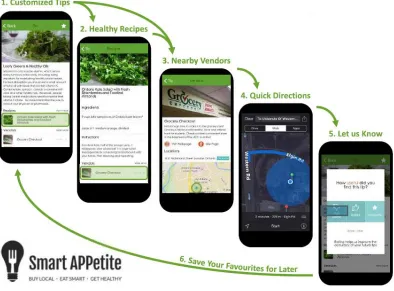
Figure 1.1 Example of a SmartAPPetite ‘message chain’
SmartAPPetite is a multi-dimensional intervention to help users make the healthier
choice the easier choice. The SmartAPPetite app sends users personalized food tips
(about nutrition, seasonal availability, healthy behaviours, food handling), as well as
related recipes and vendors to inform and subsequently ‘nudge’ users from their
personally-defined food goals to making healthier food choices and smarter purchases at
pre-screened local vendors (Figure 1.1). Users who enable locational monitoring using
their smartphones Global Positioning System (GPS) will receive messages that are paired
with the three closest food vendors. Additionally, users who enable location monitoring
will receive location-based messages when they enter in a ‘geofence’, a virtual zone that
surrounds the participating food vendor (Figure 1.2). These features that compose
SmartAPP collectively set this app apart from others food apps. Upon download and set
up, users are provided with a short ‘profile survey’ to identify their sex, age, food
preferences, goals, and dietary restrictions. Based on the information from the survey an
are sent as a multi-dimensional ‘message chains’. Short tips are sent to the phone’s lock
screen, which then prompt the user to open the app. When a new tip is selected, the
longer version of the message is available in addition to three recipes matched to the
message based on the algorithm, and the three closest local vendors that sell the featured
item. Users are able to personalize message delivery to specific times that are most
appropriate for them. All of the messages within the app are compiled from scientifically
reliable sources, written by nutrition research assistants, and then approved by registered
dietitians to ensure all information shared through the app is evidenced-based.
Given the success of SmartAPPetite with the general population, the next step was to
engage specific sub-populations. Within the literature of adolescent health, the need for
nutrition interventions appear to be critical with the increase in obesity, increase in food
purchasing, and decrease in fruit and vegetable intake. Based on the need for adolescent
food literacy interventions it was determined that the next phase of SmartAPPetite, and a
goal of this thesis, was to make the app more appropriate for adolescents.
1.3
Research Objectives and Questions
The purpose of this thesis is to determine how to make the SmartAPPetite intervention
most applicable and effective for adolescents by using insights from focus groups and a
pilot study intervention with adolescents in London, Ontario. The overarching aim of this
research is to contribute to the growing body of knowledge evaluating the use of
smartphones as a medium for health and nutrition interventions, particularly in this
demographic. The primary research question addressed in this thesis is “how can a
smartphone nutrition intervention help to improve adolescents’ food literacy, food
purchasing habits, and ultimately their food behaviours?” Subsequent research
questions and objectives were developed to help answer the overarching research
question:
(1) What is the desired content and functionality to include when developing a
nutrition app for adolescents?
a. To determine what content can help engage adolescents and what features
they want from a nutrition app.
b. To determine what types of messaging are relevant, interesting, and useful
to adolescents.
(2) What elements of the SmartAPPetite intervention need to be redeveloped before
undertaking a full-scale intervention study?
a. To evaluate the effectiveness of recruitment and retention procedures,
performance of app features, suitability of the study instruments, and the
overall feasibility of undertaking the intervention to improve upon the
b. To examine potential differences in food literacy, food purchasing habits,
and food behaviours pre- and post-intervention.
By answering these questions, we will gain the knowledge required to be able to write
nutrition messaging specific to adolescents and redevelop the current SmartAPPetite app
to resonate with an adolescent population. The information gathered from this research
will help the research team to run a full-scale study to test the effectiveness of using the
SmartAPPetite app as an intervention with adolescents in Southwestern Ontario. The
learnings gathered from this thesis can also help to guide other health professionals and
researchers when creating health promotion messaging and app-based interventions for
adolescents.
1.4
Theoretical Framework
The field of behavioural economics, derived from conventional economic theory, has
recently come into prominence in many policy discussions (Rice, Hanoch, & Barnes,
2017; Thorgeirsson & Kawachi, 2013). Behavioural economics draws from psychology,
neuroscience, sociology, and institutional economics to help explain a variety of health
related behaviours (McDonald, 2008; Rice et al., 2017). Traditionally in the economic
model, individuals are considered to be rational beings, the perfectly informed homo
economicus, who make decisions that are in their own best interest (Arno & Thomas,
2016; Bragg & Elbel, 2017; Gittelsohn & Lee, 2013; Thaler & Sunstein, 2003;
Thorgeirsson & Kawachi, 2013). Within behavioural economics, the theory of bounded
rationality explains our decision making is more complicated than that because of our
limited processing capabilities, lack of time, and complex environments (Rice et al.,
2017; Thorgeirsson & Kawachi, 2013). Simon proposed that instead humans rely on
heuristics or rules of thumb to help make decisions and often individuals are fine with
making satisfactory decisions that are ‘good enough’ (Rice et al., 2017; Simon, 1955;
Thorgeirsson & Kawachi, 2013). Unfortunately, these satisfactory decisions often result
in unhealthy behaviours (Thorgeirsson & Kawachi, 2013).
To date, traditional health interventions have been focused on education, although, it has
(Downs, Loewenstein, & Wisdom, 2009; Gittelsohn & Lee, 2013; Roberto & Kawachi,
2014; Thorgeirsson & Kawachi, 2013). Behavioural economics accepts that human
behaviour is complicated and that decision making is not always based on the perceived
long-term value of a current behaviour (Gittelsohn & Lee, 2013). Often people make
decisions based on the status quo (people stick to the norm or what they know) or present
bias (place more value on immediate gratification than events that happen in the future)
(Rice et al., 2017; Roberto & Kawachi, 2014). For example, most individuals choose the
default side order of French fries with their meal over asking for a salad at a restaurant,
even though they know that the salad will be better for their health in the long term
(Thorgeirsson & Kawachi, 2013).
The environment around us is composed of structural elements, financial constraints,
polices, and cultural norms among other factors that all directly influence our dietary
behaviours and other health-related behaviours, such as physical activity levels (Bragg &
Elbel, 2017). Food and beverage companies have shaped our current food environment
based on the large portion sizes that have become the norm, high calorie default side
options, and the convenient placement and cost of energy-dense nutrition-poor (EDNP)
foods (Bragg & Elbel, 2017). It is not practicable to change the current environment, but
we can create interventions to help consumers better navigate the food environment and
help them make healthier choices (Khan, 2011). Within behavioural economics and the
theory of bounded rationality, there are many tools to help improve healthy decision
making some of which include ‘nudging’ (e.g., choice architecture and defaults),
commitments, and anchoring (Table 1.1) (Bragg & Elbel, 2017; Rice et al., 2017;
Thorgeirsson & Kawachi, 2013). In order to persuade individuals to make the healthier
choice, it is suggested to develop environments that ‘nudge’ them to freely make the
choice that is better in the long run rather than restricting select behaviours (Roberto &
Kawachi, 2014). The idea of nudging was coined by Thaler and Sunstein (2008) as a
form of libertarian paternalism that will make it easier for an individual to choose the
healthier behaviour - the behaviour they would choose if they were thinking rationally
about the outcome (Thaler & Sunstein, 2003, 2008). Nudge theory is successful based on
Unable to change the physical construct of the environment, SmartAPPetite was
developed to be able to ‘nudge’ users with information about where the healthier choices
are located and how to access them. This gentle reminder helps the user to easily make
the healthier choice without being persuaded by marketing and incentives. SmartAPPetite
provides a mixed educational-environmental-behavioural economic approach by
providing multi-dimensional ‘message chains’ of a healthy food tip paired with recipes
and local food vendors to help nudge the education into action. Furthermore, as a
participant comes within a specified ‘geofence’ (virtual zone encompassing the vendor)
for a local vendor, they are nudged with the information using a pop-up on their home
screen. SmartAPPetite also uses anchoring as a tool in messages to help bring awareness
of growing portion sizes and by reminding users how appropriate portion should look. In
the future, SmartAPPetite could incorporate other behavioural economic tools such as
commitments through social sharing to encourage participants to engage in healthier
behaviours.
Table 1.1 Behaviours Economics Tools to Help Improve Dietary Behaviours
Term Explanation Example
Nudging Concept derived from libertarian paternalism (Bragg & Elbel, 2017;
Gittelsohn & Lee, 2013). Nudges are used to push individuals towards a specific behaviour while keeping choices unrestricted (Bragg & Elbel, 2017; Gittelsohn & Lee, 2013; Khan, 2011; Thaler & Sunstein, 2008). Nudging allows policymakers to guide individuals to freely choose the option that will be better for them in the long-term (Roberto & Kawachi, 2014).
Choice architecture and defaults are examples of nudging.
Choice Architecture
To determine on behalf of others what good decision making looks like, reduce the volume of information, and presents one’s options in a way to subtly guide decisions in ‘better’ direction (Arno & Thomas, 2016; Johnson et al., 2012; Rice et al., 2017; Thaler & Sunstein, 2008). Takes into account bounded rationality
and an individual’s cognitive biases to acknowledge that what is chosen is often based on the way a chose is presented (Johnson et al., 2012; Rice et al., 2017; Thaler & Sunstein, 2008).
Defaults An example of choice architecture that takes advantage of our status quo bias and inertia to stick to decisions we already know we like (Rice et al., 2017). A default is an option that is assigned to a person who does not make an active choice (Rice et al., 2017). A default is a form of a nudge (Rice et al., 2017).
Default fries with fast food meal combo. To receive a side salad you specifically need to ask for one
Commitments Acknowledges that some people are not motivated by money or other incentives, however, many individuals are concerned about impacting their reputation (Rice et al., 2017). This concept asks individuals to publically precommit to a specific
behaviour and finds success in changing behaviours by putting one’s reputation at stake (Rice et al., 2017; Thorgeirsson & Kawachi, 2013)
Website called stickk.com requires individuals enter a goal, their credit card number, a charity they support, and a charity they would not want to support. Each person needs to identify a sponsor who will hold him or her accountable to the behaviour. If it is determined the person did not meet their goal, their preselected donation will not go to their
desired charity, but rather a charity they do not wish to support (e.g. National Rifle Association) (Rice et al., 2017).
Anchoring Tendency to base decisions based on initial format provided (Roberto & Kawachi, 2014).
People base their
consumption on package size. People tend to eat more from a larger plate or a larger bag of chips.
This conceptual approach to behaviour change is complemented by the social-ecological
theory of health promotion. Originally created by Bronfenbrenner in the 1970s,
social-ecological model emphasizes that there are multiple levels of influences on an
individual’s health-related behaviours (Bronfenbrenner, 1979, 1992; Story, Kaphingst,
project considers how healthy eating is influenced by many factors across the three inner
domains as seen in Figure 1.3. First, at the personal level, there are individual factors that
affect a person’s health behaviours such biology, attitudes, knowledge, values, skills,
behaviours, lifestyle, and demographics (Story et al., 2008). SmartAPPetite helps to build
behavioural capacity as it provides users with the knowledge to boost their food
behaviours and the opportunity to develop their skills with recipes. Furthermore, it
addresses biology by pairing users with messages based on their age and sex. With time,
the participants would develop a deeper knowledge about nutrition, which could change
their attitudes and the ‘nudge’ delivered from the recipes and vendors could help change
behaviour.
At the network level, an individual’s social environment, such as their friends, peers,
family, and neighbours, influences their ability to make healthy behaviours (Story et al.,
2008). This social environment can have an even stronger influence on adolescents,
which is one of the reasons SmartAPPetite was adapted specifically for this population.
SmartAPPetite can help address social norms if an individual’s family and friends also
use the app to learn and change their behaviours together. Individuals are more likely to
change their behaviour if they have social support from their peers or a role model, for
example a parent or guardian, who demonstrates and encourages that same behaviour.
The third tier that affects an individual’s ability to make healthy behaviours is their
settings or their physical environment (Story et al., 2008). Even if an individual has
committed to a behaviour change internally and has social support, they still encounter
factors (barriers and enablers) posed by the physical environment in which they live. For
example, changing attitudes and knowledge might not be enough to change behaviours
for individuals living in a food desert with limited accessibility to fresh and affordable
produce. Interventions at this level need to take into consideration opportunities,
availability, accessibility, and barriers to be successful (Story et al., 2008). SmartAPPetite
links users to healthy local vendors in their neighbouring food environment where they
helps the individual to access more healthy foods and it helps the local business and
supports the local food economy.
Figure 1.3 Social-Ecological Model Adapted for Healthy Eating
1.5
Thesis Format
This thesis was written in integrated article format and will address the results from two
separate but related studies that help to redevelop and evaluate the SmartAPPetite app to
be more appropriate for an adolescent population. The two studies are independent of one
another; however, they are complementary, as their findings collectively will be used to
advance the SmartAPPetite project. Each study uses different methodologies to be able to
provide both a qualitative and quantitative assessment of developing a smartphone app
for adolescents. Additionally, each study used a different sample of adolescents from
London, Ontario.
Chapter 2 reviews the existing literature available on smartphone nutrition interventions
for the adolescent population. The literature review further discusses food literacy
interventions and the development of messaging specifically for adolescents. This
literature review identifies gaps in the literature and justifies the need for further research
in the area.
Chapter 3 examines adolescent perspectives on the content and functionality to be
included in a nutrition smartphone application. This study used semi-structured focus
groups and short surveys to determine what topics of nutrition and healthy living
adolescents want to learn about and what features in a smartphone app would benefit this
demographic. The information from the paper can help guide health professionals and
researchers how to write health and nutrition messaging for adolescents and provide
insight into the desirability of providing education to adolescents through smartphone
apps.
Chapter 4 reports on the development and pilot evaluation of a food literacy intervention
for adolescents utilizing a full-featured smartphone app that addresses key gaps in the
literature. This study was conducted to evaluate the overall feasibility of running a
full-scale study by assessing the recruitment and retention procedures, performance of app
features, and appropriateness of the study instruments. This intervention required
participants to use the app for eight weeks and complete a survey before and after to
determine any differences in food literacy, food purchasing, and overall food behaviours.
Lessons learned from the pilot study suggested ways to improve the overall intervention
prior to a full-scale study.
Chapter 5 synthesizes the findings from each of the studies and connects the results to
draw a cohesive conclusion. This chapter identifies limitations in the current research,
1.6
References
Arno, A., & Thomas, S. (2016). The efficacy of nudge theory strategies in influencing
adult dietary behaviour: a systematic review and meta-analysis. BMC Public Health,
16, 676. https://doi.org/10.1186/s12889-016-3272-x
Boeing, H., Bechthold, A., Bub, A., Ellinger, S., Haller, D., Kroke, A., … Watzl, B.
(2012). Critical review: vegetables and fruit in the prevention of chronic diseases.
European Journal of Nutrition, 51(6), 637–63.
https://doi.org/10.1007/s00394-012-0380-y
Bowman, S. A., Gortmaker, S. L., Ebbeling, C. B., Pereira, M. A., & Ludwig, D. S.
(2004). Effects of fast-food consumption on energy intake and diet quality among
children in a national household survey. Pediatrics, 113(1), 112–118.
https://doi.org/10.1542/peds.113.1.112
Bragg, M. A., & Elbel, B. (2017). Using Behavioural Economics to Improve Dietary
Intake. In Y. Hanoch, A. J. Barnes, & R. Thomas (Eds.), Behavioural Economics
and Helathy Behaviours: Key Concepts and Current Research (pp. 90–105).
Abingdon, Oxon: Routledge.
Bronfenbrenner, U. (1979). The ecology of human development: Experiments by nature
and design. Cambridge: Harvard University Press.
Bronfenbrenner, U. (1992). Ecological systems theory. In R. Vasta (Ed.), Six theories of
child development: revised formulations and current issues (pp. 187–249). Great
Britain: Jessica Kingsley Publishers Ltd.
Childhood Obesity Foundation. (2015). Statistics. Retrieved June 14, 2017, from
http://childhoodobesityfoundation.ca/what-is-childhood-obesity/statistics/
Coughlin, S. S., Whitehead, M., Sheats, J. Q., Mastromonico, J., Hardy, D., & Smith, S.
A. (2015). Smartphone Applications for Promoting Healthy Diet and Nutrition: A
Cullen, T., Hatch, J., Martin, W., Higgins, J. W., & Sheppard, R. (2015). Food Literacy:
Definition and Framework for Action. Canadian Journal of Dietetic Practice and
Research : A Publication of Dietitians of Canada = Revue Canadienne de La
Pratique et de La Recherche En Dié tétique : Une Publication Des Diététistes Du
Canada, 76(3), 140–5. https://doi.org/10.3148/cjdpr-2015-010
Downs, J. S., Loewenstein, G., & Wisdom, J. (2009). Strategies for Promoting Healthier
Food Choices. American Economic Review, 99(2), 159–164.
https://doi.org/10.1257/aer.99.2.159
Dute, D. J., Bemelmans, W. J. E., & Breda, J. J. (2016). Using Mobile Apps to Promote a
Healthy Lifestyle Among Adolescents and Students: A Review of the Theoretical
Basis and Lessons Learned. JMIR mHealth and uHealth, 4(2), e39. JOUR.
https://doi.org/10.2196/mhealth.3559
Flores Mateo, G., Granado-Font, E., Ferré-Grau, C., & Montaña-Carreras, X. (2015).
Mobile Phone Apps to Promote Weight Loss and Increase Physical Activity: A
Systematic Review and Meta-Analysis. Journal of Medical Internet Research,
17(11), e253. https://doi.org/10.2196/jmir.4836
Gilliland, J. (2014). Healthy Neighbourhoods for Children Report: All Schools. Human
Environments Analysis Laboratory. Retrieved from
http://theheal.ca/STEAM_AllSchools_English.pdf
Gilliland, J., Sadler, R., Clark, A., O’Connor, C., Milczarek, M., Doherty, S., & Doherty,
S. (2015). Using a Smartphone Application to Promote Healthy Dietary Behaviours
and Local Food Consumption. BioMed Research International, 2015, 1–11.
https://doi.org/10.1155/2015/841368
Gittelsohn, J., & Lee, K. (2013). Integrating educational, environmental, and behavioral
economic strategies may improve the effectiveness of obesity interventions. Applied
Economic Perspectives and Policy, 35(1), 52–68.
He, M., Tucker, P., Gilliland, J., Irwin, J. D., Larsen, K., & Hess, P. (2012). The
influence of local food environments on adolescents’ food purchasing behaviors.
International Journal of Environmental Research and Public Health, 9(4), 1458–71.
https://doi.org/10.3390/ijerph9041458
He, M., Tucker, P., Irwin, J. D., Gilliland, J., Larsen, K., & Hess, P. (2012). Obesogenic
neighbourhoods: the impact of neighbourhood restaurants and convenience stores on
adolescents’ food consumption behaviours. Public Health Nutrition, 15(12), 2331–9.
https://doi.org/10.1017/S1368980012000584
Hingle, M., & Patrick, H. (2016). There Are Thousands of Apps for That: Navigating
Mobile Technology for Nutrition Education and Behavior. Journal of Nutrition
Education and Behavior, 48(3), 213–218.e1.
https://doi.org/10.1016/j.jneb.2015.12.009
Johnson, E. J., Shu, S. B., Dellaert, B. G. C., Fox, C., Goldstein, D. G., Häubl, G., …
Weber, E. U. (2012). Beyond nudges: Tools of a choice architecture. Marketing
Letters, 23(2), 487–504. https://doi.org/10.1007/s11002-012-9186-1
Khan, F. Combating Obesity through the Built Environment: Is There a Clear Path to
Success? (2011). Blackwell Publishing Ltd.
https://doi.org/10.1111/j.1748-720X.2011.00608.x
Loebach, J. E., & Gilliland, J. A. (2016). Free Range Kids? Using GPS-Derived Activity
Spaces to Examine Childrens Neighborhood Activity and Mobility. Environment
and Behavior, 48(3), 421–453. https://doi.org/10.1177/0013916514543177
McDonald, I. M. (2008). Behavioural Economics. Australian Economic Review, 41(2),
222–228. https://doi.org/10.1111/j.1467-8462.2008.00503.x
Mitra, R. (2013). Independent Mobility and Mode Choice for School Transportation: A
Review and Framework for Future Research. Transport Reviews, 33(1), 21–43.
https://doi.org/10.1080/01441647.2012.743490
(2015). Smartphone based program for improving food literacy and healthy eating.
Canadian Journal of Dietetic Practice & Research, 76(3), 14.
Pew Research Centre. (2015). 73% of Teens Have Access to a Smartphone; 15% Have
Only a Basic Phone. Retrieved March 9, 2017, from
http://www.pewinternet.org/2015/04/09/teens-social-media-technology-2015/pi_2015-04-09_teensandtech_06/
Poushter, J. (2016). Smartphone Ownership and Internet Usage Continues to Climb in
Emerging Economies. Retrieved March 9, 2017, from
http://www.pewglobal.org/2016/02/22/smartphone-ownership-and-internet-usage-continues-to-climb-in-emerging-economies/
Public Health Agency of Canada. (2012). Curbing Childhood Obesity; A Federal,
Provincial and Territorial Framework for Action to Promote Healthy Weights.
Government of Canada. Retrieved from
http://www.phac-aspc.gc.ca/hp-ps/hl-mvs/framework-cadre/index-eng.php
Public Health Agency of Canada, & Canadian Institute for Health Information. (2011).
Obesity in Canada. Retrieved from
http://www.phac-aspc.gc.ca/hp-ps/hl-mvs/oic-oac/assets/pdf/oic-oac-eng.pdf
Rice, T., Hanoch, Y., & Barnes, A. J. (2017). A Brief Overview of Behavioural
Economics. In Y. Hanoch, A. J. Barnes, & T. Rice (Eds.), Behavioural Economics
and Helathy Behaviours: Key Concepts and Current Research (pp. 14–29).
Abingdon, Oxon: Routledge.
Roberto, C. A., & Kawachi, I. (2014). Use of Psychology and Behavioral Economics to
Promote Healthy Eating. American Journal of Preventive Medicine, 47(6), 832–837.
https://doi.org/10.1016/j.amepre.2014.08.002
Roberts, K. C., Rao, D. P., Bennett, T. L., Loukine, L., & Jayaraman, G. C. (2015).
Prevalence and patterns of chronic disease multimorbidity and associated
Canada : Research, Policy and Practice, 35(6), 87–94.
https://doi.org/10.24095/hpcdp.35.6.01
Simon, H. A. (1955). A Behavioral Model of Rational Choice. The Quarterly Journal of
Economics, 69(1), 99–118. https://doi.org/DOI: 10.2307/1884852
Statistics Canada. (2009). Food Statistics. Ottawa. Retrieved from
http://www.statcan.gc.ca/pub/21-020-x/21-020-x2009001-eng.pdf.
Story, M., Kaphingst, K. M., Robinson-O ’brien, R., & Glanz, K. (2008). Creating
Healthy Food and Eating Environments: Policy and Environmental Approaches.
Annu. Rev. Public Health, 29, 253–72.
https://doi.org/10.1146/annurev.publhealth.29.020907.090926
Swinburn, B. A., Sacks, G., Hall, K. D., McPherson, K., Finegood, D. T., Moodie, M. L.,
& Gortmaker, S. L. (2011). The global obesity pandemic: shaped by global drivers
and local environments. Lancet, 378(9793), 804–14.
https://doi.org/10.1016/S0140-6736(11)60813-1
Thaler, R. H., & Sunstein, C. R. (2003). Liberatarian Paternalism. The American
Economic Review, 93(2), 175–179.
Thaler, R. H., & Sunstein, C. R. (2008). Nudge: Improving Decisions About Health,
Wealth, and Happiness. New Haven: Yale University Press.
Thorgeirsson, T., & Kawachi, I. (2013). Behavioral Economics: Merging Psychology and
Economics for Lifestyle Interventions. American Journal of Preventive Medicine,
44(2), 185–189. https://doi.org/10.1016/j.amepre.2012.10.008
Vaitkeviciute, R., Ball, L. E., & Harris, N. (2015). The relationship between food literacy
and dietary intake in adolescents: a systematic review. Public Health Nutrition,
18(4), 649–658. https://doi.org/10.1017/S1368980014000962
Whittemore, R., Jeon, S., & Grey, M. (2013). An Internet Obesity Prevention Program
Chapter 2
2
Literature Review
2.1
Overarching Problem
In the past decade, there has been a steady rise in obesity rates among children and
adolescents (Burrows et al., 2015; Burrows, Martin, & Collins, 2010; He et al., 2012). In
2012, 29% of all Canadian youth aged 12 to 17 were overweight or obese and this
number continues to rise (Public Health Agency of Canada, 2012). Along with physical
inactivity, this rise in obesity can be partly attributed to the transition in North American
diets that include increased calories and energy-dense nutrition-poor foods (EDNP)
(Gilbert, Miller, Olson, & St-Pierre, 2012; Pujadas Botey, Bayrampour, Carson,
Vinturache, & Tough, 2016). Although a diet high in fruit and vegetables is associated
with prevention of many chronic diseases (Boeing et al., 2012), only one in ten Canadian
students from grade 6 to 12 consume the recommended intake for fruits and vegetables
(Minaker & Hammond, 2016). Adolescence is a pivotal time for interventions as at this
stage individuals develop an increased autonomy (Brooks & Begley, 2014; Vaitkeviciute,
Ball, & Harris, 2015), mobility (Loebach & Gilliland, 2016; Mitra, 2013), and experience
increased influence from peers and social norms (Salvy, de la Haye, Bowker, &
Hermans, 2012). These factors among others often translate into unhealthy behaviours
(Brooks & Begley, 2014; He et al., 2012; Salvy et al., 2012). Eating behaviours
developed during adolescence continue into adulthood and have significant impact on
health as an adult (Brooks & Begley, 2014). It is critical to initiate interventions during
adolescence to promote healthy dietary behaviours from the start (Pelletier, Graham, &
Laska, 2014).
The purpose of this chapter is to examine the literature on the importance of food literacy
as a point of intervention and the value of using smartphones as a tool to engage
adolescents. This chapter reviews the current body of knowledge related to nutrition
smartphone interventions, determines gaps in the literature, and validates the need for
for adolescents can help determine successful aspects in tested methodologies and areas
for improvement.
The chapter is divided into five overarching sections. Section 2.1 explains the concept of
food literacy, reviews previous food literacy interventions, and identifies gaps within
those studies. Section 2.2 examines dietary behaviours of adolescents and justifies the
need for interventions within the stage of life. Section 2.3 investigates the current
literature available on writing nutrition and lifestyle messaging for adolescents. Section
2.4 reviews nutrition interventions that have been conducted using smartphones or mobile
phones to determine areas of success and areas for improvement. Finally, Section 2.5
concludes by reviewing the gaps in the literature that this thesis aims to fill.
2.2
Food Literacy
Over 60% of the foods Canadians purchase are considered “ultra-processed”, meaning
they exceed the recommended upper limit for fat, saturated fat, sugar, and sodium and
fall short of the fibre recommendation set by World Health Organization (Cullen, Hatch,
Martin, Higgins, & Sheppard, 2015). With this rise of processed and prepared foods,
there has been observed transition in our diet and many researchers speculate has
provoked a general decline in food skills (Government of Canada, 2010; Howard &
Brichta, 2013). However, Health Canada confirmed there is not enough evidence to
determine if household “deskilling” is actually occurring (Howard & Brichta, 2013). In a
2014 study done in Waterloo, Ontario, Canada, only half of participants reported cooking
five or more meals in the past week that were “at least partly from scratch”, which is
shocking as most adults consume about 21 meals a week (Region of Waterloo Public
Health, 2015). Regardless of the discrepancy in evidence, we know these changes in our
diets contribute to the rise in obesity in North America and earlier onset of some chronic
diseases (Cullen et al., 2015). This calls for a nationwide change in eating behaviour and
stresses the need to educate Canadians to develop food skills and improve their overall
It is well acknowledged that an individual’s knowledge and perceptions of nutrition
affects their food choices (Howard & Brichta, 2013). For over twenty years, Canadian
researchers have been running the Tracking Nutrition Trends (TNT) survey to gain
insight into self-reported knowledge, attitudes, and behaviours of Canadian adults. Based
on this survey, it appears Canadians are very confident about their nutrition knowledge.
However, their scores for knowledge did not always reflect that confidence (Howard &
Brichta, 2013). For instance, results from the TNT showed that Canadians seem to
understand the importance of a balanced diet but very few were able to explain what that
would look like (Howard & Brichta, 2013). Furthermore, only 9% of Canadians
responded to the same survey that they were extremely confident reading food labels,
which indicates room for further education (Howard & Brichta, 2013).
Food literacy is a productive point of intervention because it encompasses both the
knowledge and understanding of nutrition and the ability to translate that information into
healthy dietary behaviours (Vaitkeviciute et al., 2015). Food literacy is a fairly new term
and has been defined as “the ability of an individual to understand food in a way that they
develop a positive relationship with it, including food skills and practices across the
lifespan in order to navigate, engage, and participate within a complex food system”
(Cullen et al., 2015). Food literacy programs with adolescents can provide essential
information to help youth know how to avoid the temptation of marketing of fast food
and supplement with heathier alternatives. These changes made through adolescence can
help shape their food behaviours in adulthood (Bowman, Gortmaker, Ebbeling, Pereira,
& Ludwig, 2004).
To further explain the interaction between food literacy and nutrition, Australian
researchers conducted a study with food experts and another with youth to gain insight on
this relationship (Vidgen, 2016; Vidgen & Gallegos, 2014). The information from the
two studies was collated to create a model (Figure 2.1) that illustrates the multifaceted
relationship between food literacy and nutrition (Vidgen, 2016; Vidgen & Gallegos,
2014). In these studies, food literacy was described as the ability to manage, select,
believed being food literate improved diet quality through the mechanisms of certainty,
choice, and pleasure (Vidgen, 2016). Each individuals’ diet is also subject to their
personal context such as the food supply available to them and their own early childhood
experiences with food, which can be seen in the second layer (Vidgen, 2016). The outer
layer portrays the social determinants of health that further influence an individual’s food
literacy and diet quality such as an individual’s geography and social support (Vidgen,
2016). Overall, this model helps to illustrate the complex relationship between nutrition
and food literacy and can be used to build successful food literacy interventions.
Figure 2.1 Model describing the relationship between food literacy and nutrition
In 2013, Brooks and Begley conducted a systematic review of food literacy programs for
adolescents aged 13-17 (Brooks & Begley, 2014). From the review, they noted many
gaps in the literature, such as a lack of innovative interventions; most interventions
2014). It was reported that there was also a lack of interventions targeted towards older
adolescents, culturally diverse groups, and gender-specific interventions (Brooks &
Begley, 2014). Overall, the results from this systematic review show that the ability for
food literacy interventions to provoke a behaviour change needs to be further examined
(Brooks & Begley, 2014). Many of the studies focused on the ability to improve
self-efficacy and food-related knowledge among other positive psychosocial constructs
related to food preparation (Brooks & Begley, 2014). Additionally, the majority of
studies used interventions and programs that were not rooted in a theoretical model;
however, the authors noted most of the theory based interventions were more effective at
eliciting a change in dietary behaviour (Brooks & Begley, 2014). Specifically,
interventions grounded in behavioural theories such as the social cognitive theory, theory
of planned behaviour, and the trans-theoretical model have all been successful when used
in program development because they focus on specific desired behaviour change
(Vidgen, 2016). Finally, the authors of the review noted the difficulty in designing and
implementing food literacy interventions that are able to increase motivation, target
determinants of dietary behaviours, and decrease barriers to healthy eating at a group
level (Brooks & Begley, 2014).
Since the systematic review conducted in 2013, there have been more food literacy
interventions undertaken with adolescents, although most are cross-sectional studies that
are not of high rigour (Ming & Chung, 2017; Ronto, Ball, Pendergast, & Harris, 2016;
Vaitkeviciute et al., 2015). Many interventions and reviews address the need to develop a
validated tool to measure adolescent food literacy that can be used for future research in
this field (Brooks & Begley, 2014; Ming & Chung, 2017; Vaitkeviciute et al., 2015).
Overall, based on the limited studies available in this emerging area of research, more
rigorous research is needed to determine the extent of the relationship between adolescent
2.3
Adolescence
Adolescence is a unique period of life marked with rapid physical and psychological
development (Demory-Luce et al., 2004). Along with this development comes an
increased autonomy and progressively more independent decision making, particularly
related to their dietary intake (Vaitkeviciute et al., 2015). Generally, adolescence is
associated with increasing levels of independent mobility (Loebach & Gilliland, 2016;
Mitra, 2013), meaning children are being afforded more freedom of movement to travel
to/from school and move about their neighbourhoods without parental supervision. This
new sense of independence allows adolescents the opportunity to make their own food
choices and provides easy access to many unhealthy dietary choices (Askari Majabadi et
al., 2016; Bowman et al., 2004). During adolescence, many individuals also start their
first job and experience having a disposable income for the first time, which often
translates to an increase in fast food intake (Vaitkeviciute et al., 2015). Furthermore,
proximity and density of fast food outlets permits increased purchasing among
adolescents when a parent or guardian is not present (He et al., 2012). Specifically, the
location of fast food vendors or convenience stores within a one kilometre radius of an
adolescents’ home or school increased the likelihood of adolescents purchasing from
these vendors at least once per week (He et al., 2012). This relationship was amplified
especially when children walked to and from school compared to being transported by
school bus (Sadler, Clark, Wilk, O’Connor, & Gilliland, 2016).
An adolescent’s eating behaviours are impacted by their parents, peers, social norms, and
their environment (Salvy et al., 2012). The strongest influence on adolescents eating
behaviours is often from their parents and guardians (Brooks & Begley, 2014; Lau,
Quadrel, & Hartman, 1990; Salvy et al., 2012). Although adolescence is associated with
increased independence, the literature has placed a strong emphasis of the importance of
the family meal during this time for emotional and social development (Brooks &
Begley, 2014). Secondary to parental influence, adolescents are particularly influenced
by their peers’ food choices and physical activity levels (Contento, Williams, Michela, &
Franklin, 2006; Salvy et al., 2012). At this stage in life, many individuals develop a
McHale, & Crouter, 2014). It was noted that the direction of this influence from their
peers is dependent on many factors and can change in different settings (Salvy et al.,
2012).
In adolescence, individuals experience an increased independence (Brooks & Begley,
2014; Vaitkeviciute et al., 2015), mobility (Loebach & Gilliland, 2016; Mitra, 2013), and
peer influence (Salvy et al., 2012), which often translates into unhealthy behaviours
(Brooks & Begley, 2014; He et al., 2012; Salvy et al., 2012). These factors among others
contribute to the known inverse relationship between diet quality and age during
adolescence (Brooks & Begley, 2014; Demory-Luce et al., 2004); however, most of the
food literacy interventions are focused on early adolescence (Brooks & Begley, 2014).
Diets during adolescence can be generally characterized by low consumption of fruit and
vegetables, increased sugar-sweetened beverage intake, frequent snacking, increased fast
food intake, and meal skipping (Pelletier et al., 2014; Vaitkeviciute et al., 2015).
Focusing on eating behaviours during adolescence is critical to help shape healthy
behaviours at a young age that will continue through adulthood (Brooks & Begley, 2014).
An individual’s diet quality through childhood can have long-term impacts on adult
health, primarily in regards to the incidence of obesity, which is also related to type 2
diabetes and cardiovascular disease (Brooks & Begley, 2014). Providing interventions
tailored at this stage of life are needed to promote healthy dietary behaviours (Pelletier et
al., 2014).
2.4
Message Writing
Researchers synthesize the scientific evidence available to create dietary guidelines for
the use of policymakers and health professionals (Pollard et al., 2016). Often public
health interventions focus on promoting healthy diets by encouraging individuals to boost
intake of fruits and vegetables, decrease intake of EDNP foods, and decrease intake of
sugar-sweetened beverages (Pollard et al., 2016). The challenge lies in taking the
sometimes complex nutrition recommendations and transforming them into simple
messaging that is meaningful to the public (Pollard et al., 2016). Adolescents are a
because they do not see messaging as particularly relevant and these methods are not as
effective at engaging this group (Pollard et al., 2016). Faced with this challenge,
researchers have begun to study ways to write appropriate messaging for adolescents and
have made recommendations to effectively achieve this goal.
2.4.1 Type
Successful nutrition education interventions require messages that are interesting,
relevant, and useful to adolescents, which can be a challenge to develop. Some of the
articles in this review discussed their process and guidelines for creating appropriate
messages for adolescents. The article “Texting for Health” by Hingle et al. (2013)
conducted a three-phase process to determine how to appropriately develop messages for
adolescents. Their findings, similar to that of other researchers, suggested that
adolescents prefer short and simple messages that were to the point (Hingle, Nichter,
Medeiros, & Grace, 2013). Messages in the format of ‘factoids’ and quizzes also had
great success at attracting attention (Hingle et al., 2013). Providing facts that are specific
to adolescent demographic was shown to have more of an impact rather than general
statistics (Hingle et al., 2013). Surprisingly, it was mentioned specific messages stating
what other teens were doing had the ability to elicit feelings of guilt and was not
motivating for some (Smith, Kerr, Fenner, & Straker, 2014). Another common theme that
arose was that messages should be ‘action-oriented’ and prompt the individual to engage
in a behaviour (Hingle et al., 2013; Turner, Spruijt-Metz, Wen, & Hingle, 2015). For
example, if a message discussed that most teens do not eat enough fruits and vegetables it
would be beneficial to include easy suggestions to be able to incorporate more vegetables
in your diet or a recipe. Many participants mentioned they would like the message to link
to simple and practical recipes that they could easily make in their own home (Hingle et
al., 2013).
2.4.2 Voice & Tone
Writing messages for adolescents can be especially challenging to be able to convey in a
voice that is both informative but not authoritative (Hingle et al., 2013). The use of an
authoritative voice can have a negative effect and can cause adolescents to disregard the
focus on giving the individual the choice rather than telling them they should engage in a
specific behaviour more often (Smith et al., 2014). In order to avoid this ‘preachy’ tone in
messaging do not use words such as ‘always’ or ‘never’, rather try to substitute those
with ‘try’ or ‘consider’ (Hingle et al., 2013). Contrary to what other studies had
mentioned, a study evaluating nutrition messages with adolescents who are overweight or
obese reported that the participants preferred messages that were directive and would tell
them what to do so they would not have to think themselves about what behaviours
would be more conducive to weight loss (Woolford et al., 2011). This is an interesting
perspective and might indicate that writing for adolescents in general may be different
than writing for specific groups such as individuals who are overweight or obese (Smith
et al., 2014; Woolford et al., 2011).
Across the literature, there was a general consensus that it is important to have messages
that are ‘gain-focused’ and positive to promote the benefits of engaging in that behaviour rather than a focus on ‘loss-frame’ messages and prevention (Hingle et al., 2013; Kerr et
al., 2012; Smith et al., 2014; Woolford, Clark, Strecher, & Resnicow, 2010). Similarly,
there was a lot of discussion about if there should be any mention of unhealthy
behaviours (Smith et al., 2014; Woolford et al., 2011). Adolescents from two different
focus groups reported that any mention of engaging in an unhealthy behaviour resulted in
them wanting to engage in that specific behaviour, even though the message suggest
otherwise (Smith et al., 2014; Woolford et al., 2011). For example, participants from
Curtin University’s Activity, Food and Attitudes Program (CAFAP) said that messages that said “don’t eat junk food” made them more likely to eat those foods which supports
findings from other studies (Smith et al., 2014; Woolford et al., 2011). It was also
mentioned that starting a message with “did you know” automatically made adolescents
less interested in reading the remainder of that message (Hingle et al., 2013).
Furthermore, the participants in the MPOWER study stated that they thought emoticons
should be used to convey enthusiasm, but they also thought that it would be inappropriate
to use colloquial abbreviations often used by adolescents, such as LOL and OMG
After consulting with adolescents, researchers suggested making messages less formal to
make it appear as if it was not sent from an adult (Smith et al., 2014). Participants from
those focus groups mentioned the use of personal pronouns helped make messages more
‘human’ and as if they writers are speaking directly to the reader (Smith et al., 2014).
Results from CAFAP showed that there was an increased acceptability of messages if
they used of pronouns such as “you” (Smith et al., 2014). Likewise, Kerr et al. (2012 &
2016) found success with message acceptability by selecting which messages were sent
to their participants based on age, sex, BMI, dietary intake, and other behavioural
characteristics of the individuals.
2.4.3 Time & Frequency
Within the literature, everyone had different ideas as to what time to send messages and
how many messages to send per day or per week. Hingle et al. (2013) suggested sending
a maximum of two messages per day. However, participants in the CAFAP program
received only three messages a week and commented that messages were sent far too
frequently (Smith et al., 2014). Those participants said that the excessive volume of
messages made the content less effective and they suggested sending no more than one
message a week (Smith et al., 2014). Furthermore, it has been suggested that for
adolescents that are overweight or obese the acceptable frequency of messages might also
be different because the personalized messages about engaging in healthy behaviours sent
directly to their phones might invoke negative or guilty feeling (Smith et al., 2014).
Further research is required to decipher if these health messages reduce their motivation
or inspire them to engage in heathier behaviours and at what frequency would be most
appropriate (Smith et al., 2014; Woolford et al., 2010). As for the timing of messages
most adolescents differed based on personal preferences and schedules (Smith et al.,
2014). Overall, in the literature there was no consensus as to how many messages to send
per week and at what time to send the message, which is an area that might need to be
further explored (Hingle et al., 2013; Kerr et al., 2012; Smith et al., 2014).
2.4.4 Topics
Most of the literature surrounding writing health messages for adolescents was focused