Electronic Theses and Dissertations Theses, Dissertations, and Major Papers
10-5-2017
WEIGHT-BASED DEROGATORY MEDIA: PREDICTORS OF MEDIA
WEIGHT-BASED DEROGATORY MEDIA: PREDICTORS OF MEDIA
SELECTION, IMPACT OF EXPOSURE, AND THE MODERATING
SELECTION, IMPACT OF EXPOSURE, AND THE MODERATING
ROLE OF MALADAPTIVE APPEARANCE INVESTMENT
ROLE OF MALADAPTIVE APPEARANCE INVESTMENT
Katelyn Elizabeth Boersma
University of Windsor
Follow this and additional works at: https://scholar.uwindsor.ca/etd
Recommended Citation Recommended Citation
Boersma, Katelyn Elizabeth, "WEIGHT-BASED DEROGATORY MEDIA: PREDICTORS OF MEDIA SELECTION, IMPACT OF EXPOSURE, AND THE MODERATING ROLE OF MALADAPTIVE APPEARANCE INVESTMENT" (2017). Electronic Theses and Dissertations. 7238.
https://scholar.uwindsor.ca/etd/7238
This online database contains the full-text of PhD dissertations and Masters’ theses of University of Windsor students from 1954 forward. These documents are made available for personal study and research purposes only, in accordance with the Canadian Copyright Act and the Creative Commons license—CC BY-NC-ND (Attribution, Non-Commercial, No Derivative Works). Under this license, works must always be attributed to the copyright holder (original author), cannot be used for any commercial purposes, and may not be altered. Any other use would require the permission of the copyright holder. Students may inquire about withdrawing their dissertation and/or thesis from this database. For additional inquiries, please contact the repository administrator via email
WEIGHT-BASED DEROGATORY MEDIA: PREDICTORS OF MEDIA SELECTION,
IMPACT OF EXPOSURE, AND THE MODERATING ROLE OF MALADAPTIVE
APPEARANCE INVESTMENT
by
Katelyn Boersma
A Dissertation
Submitted to the Faculty of Graduate Studies Through the Department of Psychology in Partial Fulfillment of the Requirements for
the Degree of Doctor of Philosophy at the University of Windsor
Windsor, Ontario, Canada
APPEARANCE INVESTMENT
by
Katelyn Boersma
APPROVED BY:
__________________________________________________ T. Tylka, External Examiner
The Ohio State University
__________________________________________________ S. Woodruff
Department of Kinesiology
__________________________________________________ P. Fritz
Department of Psychology
__________________________________________________ A. Scoboria
Department of Psychology
_________________________________________________ J. Jarry, Advisor
Department of Psychology
AUTHOR’S DECLARATION OF ORIGINALITY
I hereby certify that I am the sole author of this dissertation and that no part of this
dissertation has been published or submitted for publication.
I certify that, to the best of my knowledge, my dissertation does not infringe upon
anyone’s copyright nor violate any proprietary rights and that any ideas, techniques, quotations,
or any other material from the work of other people included in my dissertation, published or
otherwise, are fully acknowledged in accordance with the standard referencing practices.
Furthermore, to the extent that I have included copyrighted material that surpasses the bounds of
fair dealing within the meaning of the Canada Copyright Act, I certify that I have obtained a
written permission from the copyright owner(s) to include such material(s) in my dissertation
and have included copies of such copyright clearances to my appendix.
I declare that this is a true copy of my dissertation, including any final revisions, as
approved by my dissertation committee and the Graduate Studies office, and that this dissertation
ABSTRACT
Building upon the work of Boersma and Jarry (2013), this research investigated the impact of
experimental exposure to weight-based derogatory media on women’s body image and implicit
anti-fat attitudes. Drawing from Slater’s (2007) reinforcing spirals theory of media selectivity
and effects, a further aim of the study was to examine prospective predictors of choosing to
engage with these derogatory media, as well as the effects of self-selected exposure.
Additionally, maladaptive appearance investment was investigated as a moderating variable to
clarify whether highly invested women would respond defensively on explicit measures of body
satisfaction and estimates of current body size. Undergraduate participants (N = 240) completed
online measures assessing hypothesized predictors of selecting weight-derogation media:
implicit anti-fat attitudes, body dissatisfaction, maladaptive appearance investment, and fear of
negative appearance evaluation. One to two weeks later, participants attended a lab session
where they were exposed to two headlines: one providing weight-derogation content and another
offering general celebrity news; and asked to choose which corresponding article they would like
to read. All students were then randomly assigned to view tabloid-style pictures and articles that
either denigrated female celebrities for gaining weight, or were presented non-appearance related
information about the celebrities’ lives. Subsequently, participants completed outcome measures
assessing implicit anti-fat attitudes, state body satisfaction, state fear of negative appearance
evaluation, appearance schemas activation, and discrepancies between perceived current and
ideal body size. Results yielded no support for reinforcing spirals theory. Selection of
weight-based derogatory media was not predicted by any of the study variables, nor were there any
effects of media selection on the impact of media exposure. Consistent with predictions, women
discrepancies, and appearance schemas activation than did women in the neutral media
condition. However, explicit reports of body satisfaction and fear of negative appearance
evaluation did not differ across conditions. Further, there was no evidence that women high in
maladaptive appearance investment responded more defensively than women low in maladaptive
appearance investment. Instead, regardless of level of appearance investment, there was a clear
disconnect in women’s responding such that negative effects of exposure to weight-based
derogatory media only emerged on measures that did not require participants to explicitly
endorse appearance-focused concerns. This pattern of findings may be understood as resulting
from the activation of emerging societal pressures to claim body satisfaction leading to more
widespread defensive responding, whereas the negative impact of exposure to weight-derogation
media was captured by implicit measures of anti-fat attitudes and appearance schemas activation,
ACKNOWLEDGEMENTS
Firstly, I would like to thank my advisor, Dr. Josée Jarry, for accepting me as a student
and offering invaluable guidance, support, and patience as I travelled the long road towards the
completion of this doctorate. You have contributed immensely to the development of my
research and clinical skills, and I am deeply grateful to have had the opportunity to work with
you. I also wish to thank my committee members, Dr. Patti Fritz, Dr. Alan Scoboria, and Dr.
Sarah Woodruff. Your feedback across the duration of this project has been invaluable, helping
me to improve the clarity of my writing and address the gaps that needed filling. To my external
examiner, Dr. Tracy Tylka, I am very appreciative of your detailed feedback and thought
provoking questions.
To my family, I could not have done this without you. Your unwavering belief in my
ability to attain my childhood ambition of becoming a psychologist has steadied me in the face of
challenges. Mom and Dad, you have always been my foundation. Shannon, thank you for always
being there to listen and encourage me, knowing I’ll always offer the same in return. To my
friends, thank you for being there for me and accepting that even though I sometimes sequestered
myself away to work, I always re-emerged to connect again. In particular, I need to thank my
cohort and close friends in the program. We made it through! Amanda and Nicki, it’s hard to
convey what your friendship means to me. You understand completely the thousands of struggles
and triumphs of grad school. I look forward to sharing the years ahead as we each pursue our
own paths. You both continue to amaze me with your strength and kindness. To Jaron, my
partner, thank you for sticking by my side at every point along this journey. You’ve celebrated
TABLE OF CONTENTS
AUTHOR’S DECLARATION OF ORIGINALITY ……….……...………iii
ABSTRACT...iv
ACKNOWLEDGEMENTS...vi
LIST OF TABLES..…...………...……..………xiii
LIST OF FIGURES..……...……… ..………..xiv
CHAPTER I. INTRODUCTION...……...…...………....1
The Negative Impact of Thin Ideal Media on Body Image……….1
Media Portrayals of Non-Ideal Bodies: Promotion of the Thin Ideal and Anti-Fat Attitudes ………..4
The Negative Impact of Exposure to Weight-Based Derogatory Media……….5
Limitations of Research on the Effects of Weight-Based Derogatory Media ….………...9
Research Questions ………..……….11
Impact of selecting weight-based derogatory media……….11
Predictors of selecting weight-based derogatory media………11
Clarifying defensive responding………12
Impact of weight-based derogatory media on implicit anti-fat attitudes………...13
Reinforcing Spirals Theory of Media Selectivity and Media Effects……….…...13
Predictors and Outcomes of Exposure to Weight Based Derogatory Media………….…16
Body Dissatisfaction………..16
Fear of Negative Appearance Evaluation………..20
Maladaptive Appearance Investment/ Appearance Schematicity..……....……....26
Moderators of Exposure to Weight-Based Derogatory Media………..28
Self -Section of Media ………..28
Maladaptive Appearance Investment………...….………..…..29
Hypotheses……….37
II. PILOT STUDY……….………...………….50
Method: Pilot Study….……….………...…..………52
Participants….……….……….……….…………....…….52
Measures….……….……….……….………53
Eating Disorder Inventory-2- Body Dissatisfaction Subscale (EDI-2-BD).……..53
Fear of Negative Appearance Evaluation Scale (FNAES).………….…………..53
Appearance Schema Inventory-Revised (ASI-R)………..54
Implicit Anti-Fat Attitudes: Weight -Implicit Associations Test (W-IAT)……...54
Positive and Negative Affect Schedule (PANAS)……...………..57
Rosenberg Self-Esteem Scale (RSES)………...57
Beck Depression Inventory-II (BDI-II)……….58
Marlowe Crowne Social Desirability Scale – Form C (MCSDS-C)……….58
Demographics questionnaire………...……..59
Procedure………...59
Results: Pilot Study………...………...……….61
Approach to Data Analysis………...………..……..….61
Missing Data………...……….………..61
Testing Assumptions…………..………...………….……….…….65
Assumptions for t-Tests……….………....65
Logistic Regression..………..………..…………..65
Main Analyses………..…………..……...66
Delivery of feedback about media selection………..…..…..66
Preliminary test of reinforcing spirals theory………..……...……..….66
Discussion……….………...69
III. METHOD: MAIN STUDY……..………...………71
Participants……….71
Materials……….72
Measures………74
Online Measures………74
Laboratory Measures – Independent Variable………...74
Selection of weight-based derogatory media……….74
Laboratory Measures – Dependent Variables………74
Body Image States Scale (BISS)………74
Body Image Assessment Scale – Body Dimensions (BIAS-BD)………..75
Fear of Negative Appearance Evaluation Scale – State (FNAES-S) ………75
Implicit Anti-Fat Attitudes: Weight -Implicit Associations Test (W-IAT)……...76
Appearance Schemas Activation: Word-stem Completion Task………...76
Laboratory Measures – Covariate...……...……….….77
Body Mass Index (BMI)………77
IV. RESULTS……….………...84
Approach to Data Analysis………84
Missing Data and Manipulation Check………..84
Preliminary Analyses……….85
Group Equivalence on Potential Covariates and Moderator……….89
Credibility of the Cover Story………...89
Testing Assumptions……….90
Hierarchical multiple regressions………..90
Logistic regression……….………93
Main Analyses: Multiple Regressions………..….………93
Body Satisfaction………...97
Fear of Negative Appearance Evaluation ...………...……….100
Implicit Anti-fat Attitudes.…..……….102
Appearance Schemas Activation………...………..104
Self-Ideal Discrepancies………...………...106
Current Body Size………...……….109
Ideal Body Size………..………..112
Main Analysis: Direct Logistic Regression………...………..114
Supplementary Analyses: Implicit Anti-fat Attitudes………..116
Assumptions of 2-way mixed ANOVA………...………116
ANOVA Results………..………117
V. DISCUSSION………...………120
Reinforcing Spirals Theory………...………...121
Replicating and Extending Past Findings and Clarifying Defensive Responding...125
Supplementary Analyses………...………...134
Limitations of the Current Research………...……….137
Implications and Directions for Future Research...140
Conclusion...144
REFERENCES…… ……….……….……….146
APPENDICES….……….……….…..167
A. Screener Questions for Participant Pool Recruitment……….167
B. Pilot Study Participant Pool Recruitment Advertisement…..………...168
C. Weight Implicit Associations Test (W-IAT)………...169
D. Demographics Questionnaire………...174
E. Informed Consent Form: Online Pilot Study………...175
F. Debriefing Form: Online Pilot Study……….…..177
G. Consent to Data Retention: Online Survey………..179
H. Experimental Materials………180
I. Original Versions of Experimental Materials from Boersma and Jarry (2013)...182
J. Appearance Schemas Activation – Word Stem Completion Task………….….184
K. Participant Pool Recruitment Advertisement………..……….185
L. Informed Consent Form: Online Survey………..186
M. General Instructions: Online Survey………188
N. Post-Study Information: Online Survey………...189
P. Manipulation Check: Memory Test……….192
Q. Letter of Information: Laboratory Session………..196
R. Debriefing For Deception Form………..198
S. Letter of Information for Debriefing and Consent to Data Retention………….201
T. Weight/Height Measurement Consent Form………...203
LIST OF TABLES
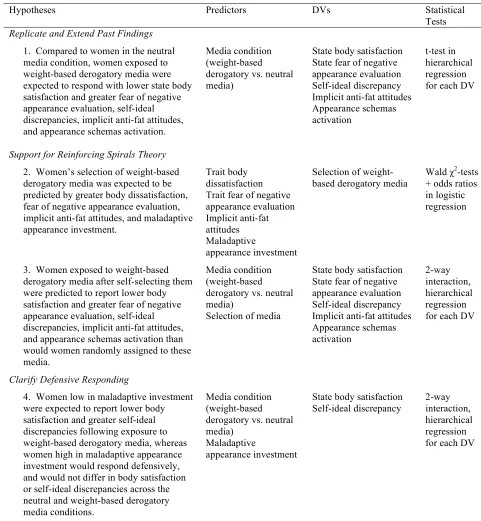
Table 1. Study Hypotheses………48
Table 2. Descriptive Data for All Pilot study Measures………63
Table 3. Pilot Study Media Selection Results………...……….…64
Table 4. Pilot Study Logistic Regression Predicting Selection of Derogatory Media……...…..68
Table 5. Order of Administration for All Measures and Materials in the Complete Study...82
Table 6. Descriptive Data for All Measures...88
Table 7. Intercorrelations Between All Study Variables...92
Table 8. Summary of Results...95
Table 9. Final Hierarchical Regression Model for Body Satisfaction...99
Table 10. Final Hierarchical Regression Model for Fear of Negative Appearance Evaluation..101
Table 11. Final Hierarchical Regression Model for Implicit Anti-Fat Attitudes...103
Table 12. Final Hierarchical Regression Model for Appearance Schemas Activation...105
Table 13. Final Hierarchical Regression Model for Self-Ideal Discrepancies...108
Table 14 Final Hierarchical Regression Model for Current Body Size...111
Table 15. Final Hierarchical Regression Model for Ideal Body Size...113
Table 16. Logistic Regression Predicting Selection of Derogatory Media...115
LIST OF FIGURES
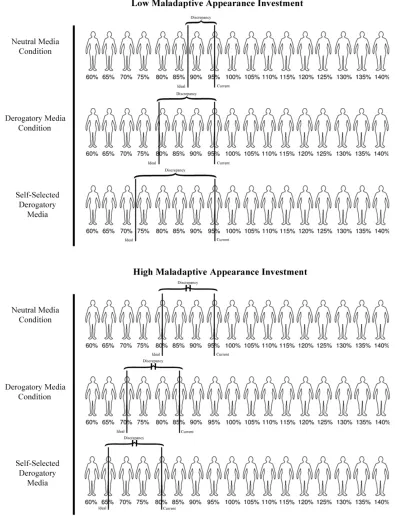
Figure 1. Predicted average group ratings on the BIAS-BD……….36
Figure 2. Hypothesis 4: Hypothesis 4: Women low in maladaptive investment were expected to
report lower body satisfaction in the derogatory media condition, whereas women high in
maladaptive appearance investment would respond defensively and would not differ across
media conditions...……...………...……40
Figure 3. Hypothesis 4: Hypothesis 4: Women low in maladaptive investment were expected to
report greater self-ideal discrepancies following derogatory media exposure, whereas women
high in maladaptive appearance investment would respond defensively and would not differ
across media conditions.. …..………...……….41
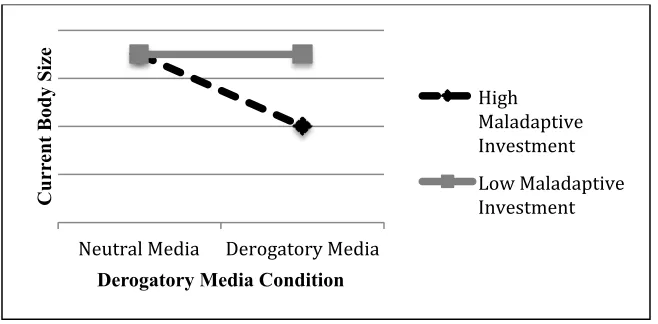
Figure 4. Hypothesis 5: Following exposure to weight-based derogatory media, women high in
maladaptive appearance investment were expected to report a thinner current body size than
lowly invested women in the derogatory condition and women in the neutral media condition,
whereas among women low in maladaptive appearance investment, current body size would not
differ significantly across media conditions...…….…….……..…….42
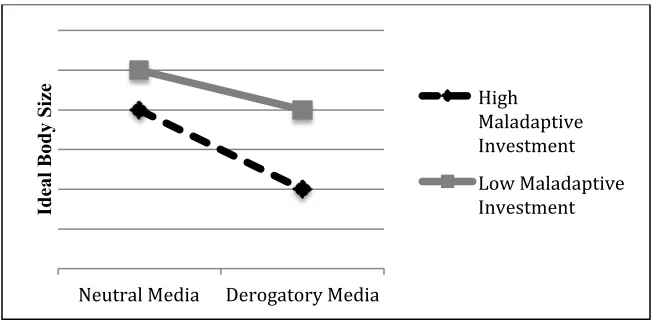
Figure 5. Hypothesis 6: Following exposure to weight-based derogatory media, women high in
maladaptive appearance investment would report a thinner ideal body size than would lowly
invested women, and women exposed to neutral media, regardless of maladaptive
investment.………...…………..….…...43
Figure 6. Hypothesis 7: Women low in maladaptive appearance investment who viewed the
derogatory media after self-selecting them were expected to report lower body satisfaction than
whereas women high in maladaptive appearance investment were not expected to differ
significantly, regardless of media selection or media condition...44
Figure 7. Hypothesis 7: Women low in maladaptive appearance investment who viewed the
derogatory media after self-selecting them were expected to report greater self-ideal
discrepancies than would lowly invested women who viewed the derogatory media following
random assignment, whereas women high in maladaptive appearance investment were not
expected to differ significantly, regardless of media selection or media condition...….…45
Figure 8. Hypothesis 8: Women high in maladaptive appearance investment were expected to
report the thinnest current body sizes following self-selected exposure to weight-based
derogatory media...46
Figure 9. Hypothesis 8: Women high in maladaptive appearance investment were expected to
report the thinnest current body sizes following self-selected exposure to weight-based
derogatory media...……...……….47
Figure 10. Implicit anti-fat attitudes among women in the neutral media condition significantly
decreased from pre- to post- media exposure, whereas implicit anti-fat attitudes among
CHAPTER I
Introduction
There is a currently a wealth of research, detailed below, that demonstrates the negative
effects of exposure to thin ideal media, presented in the form of pictures and videos of ultrathin
models, on women’s body image. However, weight-based derogatory media, also defined below, are
another type of media that serve to promote the thin ideal. Rather than glorifying thinness,
weight-based derogatory media denigrate targets for failing to conform to the thin ideal. The current
research investigated the impact of exposure to weight-based derogatory media on women’s body
image-related variables. Further, because weight-based derogatory media are not as ubiquitous as are
media that glorify thinness, women usually are exposed as a result of choosing to engage with this
form of thin ideal media. Thus, the current research also examined the effects of exposure to these
media on women who choose it for themselves, as well as the variables that predict selection of
weight-based derogatory media. Males were not included in this study given that cultural ideals for
appearance are heavily gendered, and men exhibit greater muscularity-oriented body dissatisfaction,
whereas women display greater thinness-oriented dissatisfaction (e.g., Karazsia, Murnen, & Tylka,
2017; Murnen, 2011).
The Negative Impact of Thin Ideal Media on Body Image
Body image is a multidimensional construct that refers to attitudes and perceptions about
physical appearance. Body image attitudes include both an evaluative component and an investment
component (Cash, 1994; 2011). Body image investment itself comprises two components: (a)
motivational salience refers to the management of appearance for esthetic purposes, and (b)
self-evaluative salience refers to the extent to which self-esteem and self-concept are reliant on
salience is considered to be the more maladaptive form of body image investment as it is associated
with lower self-esteem and body satisfaction (Cash, Melnyk, et al., 2004; Cash, Jakatdar, &
Williams, 2004), greater daily fluctuations in body satisfaction (Melnyk, Cash, & Janda, 2004;
Rudiger, Cash, Roehrig, & Thompson, 2007), more negative self-schemas, and a more preoccupied
attachment style than is motivational salience (Ledoux, Winterowd, Richardson, & Dorton Clark,
2010). The evaluative component of body image refers to self-appraisals of appearance, a construct
that includes body dissatisfaction and self-ideal discrepancies (Cash, Melnyk, et al., 2004).
Self-ideal discrepancies reflect the difference between an individual’s estimation of their current body
size and their subjective view of their ideal body size (Menzel, Krawczyk, & Thompson, 2011).
Body dissatisfaction among North American girls and women is so widespread that it has
been considered “normative” for more than 25 years (Bearman, Presnell, Martinez, & Stice, 2006;
Monteath, & McCabe, 1997; Ricciardelli & McCabe, 2004; Rodin, Silberstein, & Striegel-Moore,
1984). This pervasive discontent is of particular concern because body dissatisfaction is one of the
most robust and consistent risk factors for the development and maintenance of eating disorders
(Cooley & Toray, 2001; Johnson & Wardle, 2005; Neumark-Sztainer, Paxton, Hannan, Haines, &
Story, 2006; Stice, 2001; Stice & Shaw, 2002). Sociocultural models propose that current societal
standards of attractiveness emphasize the desirability of thinness at a level that most women cannot
achieve. Being inundated with messages conveying the thin ideal has a negative influence on
feelings, perceptions, values, and behaviours related to appearance, thereby promoting the
development and maintenance of body image and eating disturbances among vulnerable persons
(Hausenblas et al., 2013; Levine & Harrison, 2004). Messages promoting the thin ideal are
transmitted through social sources such as family, peers, aesthetic sports, and medical professionals
mass media, due to their wide reach, have been proposed as the most influential transmitters of the
thin ideal (Groesz, Levine, & Murnen, 2002; Tiggemann & McGill, 2004).
Experimental studies provide the most conclusive data on the acute impact of exposure to
media that glorify thinness, due to their capacity to establish causal links (Hausenblas et al. 2013). A
series of meta-analyses examining the effects of exposure to thin-ideal media on women’s body
image concerns provide a fairly consistent picture. Groesz and colleagues (2002) conducted a
meta-analysis of 25 experimental studies and found a moderate effect size (d= - .34), concluding that
women experience significantly lower body satisfaction after exposure to media images of
thin-and-beautiful models than after exposure to images of average-size or overweight women, or non-body
images. In a meta-analysis of 77 experimental and correlational studies, Grabe, Ward, and Hyde
(2008) concluded that exposure to thin-ideal media images is linked to increased body
dissatisfaction, increased body image investment, and increased endorsement of disturbed eating
behaviours, such as dieting, bingeing, and purging. Similarly, Want (2009) examined 47
experimental studies and found that exposure to thin ideal media images resulted in decreased
appearance satisfaction among women (d= - .35, 95% CI [-.26, -.44]). Effect sizes were significantly
moderated by both pre-existing concerns about appearance and instructions for participants to focus
on appearance during exposure to media portrayals.
More recently, Hausenblas and colleagues (2013) examined 33 experimental studies and
concluded that exposure to thin ideal images resulted in small effect sizes for decreased self-esteem
and positive affect, and increased depression and anger. The results of moderation analyses indicated
medium effect sizes for increased depression and body dissatisfaction among vulnerable participants,
identified as women who are overweight and/or obese, high in objectification, low in
across these meta-analyses, there is consistent support for the hypothesis that acute exposure to thin
ideal media results in small changes in eating disorder symptoms, particularly in vulnerable
individuals, including women who are overweight or obese, have low self-esteem, report high levels
of initial body dissatisfaction, and/or engage in disordered eating behaviours (Hausenblas et al.,
2013).
Media Portrayals of “Non-Ideal” Bodies: Promotion of the Thin Ideal and Anti-Fat Attitudes
Although a sizable body of research has investigated the impact of media promoting the thin
ideal, investigators have almost exclusively relied on pictures or videos of ultra-thin female bodies in
their studies as examples of media that endorse this thin ideal (Fikkan & Rothblum, 2012; Grabe et
al., 2008; Groesz et al., 2002). Images of thin-and-attractive women, however, are not the only
means by which the mass media transmits and reinforce the thin ideal. Women classified as
overweight or obese are vastly underrepresented on television and in magazines (e.g., Greenberg,
Eastin, Hofschire, Lachlan, & Brownell, 2003; Kaufman, 1980; White, Brown, & Ginsburg, 1999).
The lack of visibility of overweight and obese women in the media indirectly reinforces the thin ideal
by conveying that a larger female form is unsightly and undeserving of attention or representation.
When overweight female characters are included in the media, content analyses find that typically
they are portrayed as comedic contrasts to thinner characters (Fouts & Buggraf, 1999; 2000; Fouts &
Vaughan, 2002), receiving frequent derogatory comments about their weight (Fouts & Buggraf,2000;
Himes & Thompson, 2007).
Beyond these fictional portrayals, female celebrities with “non-ideal” bodies are often the
targets of ridicule for their weight and shape (Fikkan & Rothblum, 2012; Hoffman, 2009). Media
that derogate individuals for failing to meet the thin ideal are termed weight-based derogatory media
comments about the weight and/or shape of the person being targeted. Implicit in this criticism is the
message that weight can and should be controlled. Other common features include explicit
comments chastising the individual for lacking self-control, negative comparisons between the
target’s current appearance and their previous thinner figure, and criticisms of and/or calls to change
their diet and exercise habits. The presentational format for weight-based derogatory media typically
involves pictures or video of the individual experiencing the supposed weight problem accompanied
by written text or verbal commentary that mocks her current weight or shape. Media coverage of
female celebrity weight gain appears in entertainment magazines, tabloid newspapers, entertainment
television shows, some traditional news sources like Fox News, and the websites for all of these
sources. This abundance of weight-based derogatory media also serves to reinforce the thin ideal by
highlighting the negative repercussions of failing to live up to its mandate (Boersma & Jarry, 2013;
Fouts & Burggraf, 1999; Himes & Thompson, 2007; Vartanian, Herman, & Polivy, 2005).
Furthermore, media that devalue individuals on the basis of actual or perceived excess body weight
are viewed by many researchers as not only promoting the thin ideal, but also as fostering anti-fat
attitudes towards overweight and obese individuals by modeling the acceptability of weight-based
derogation (Fouts & Burggraf, 2000; Himes & Thompson, 2007; Thompson, Herbozo, Himes &
Yamamiya, 2005).
The Negative Impact of Exposure to Weight-Based Derogatory Media
To date only one published experimental study has investigated the effects of viewing
weight-based derogatory media. Boersma and Jarry (2013) examined the impact of exposure to
weight-based derogatory media on women’s body satisfaction, appearance self-esteem, fear of
negative appearance evaluation, and negative affect. Female undergraduates either viewed
images accompanied by non-appearance related information. Women in the weight-based
derogatory media condition reported greater fear of negative appearance evaluation than did women
in the neutral media condition.
Self-evaluative salience, the more maladaptive form of body image investment, was expected
to moderate reactions to weight-based derogatory media such that, after viewing, women higher in
maladaptive appearance investment would report lower satisfaction with their appearance and greater
fear of negative appearance evaluation than would women low in maladaptive investment. These
predictions were based on previous research showing that high body image investment, particularly
high self-evaluative salience, moderates the effects of exposure to commercials and images
portraying thin models on body dissatisfaction, resulting in greater dissatisfaction among highly
invested women (Hargreaves & Tiggemann 2002; Ip & Jarry, 2008).
Contrary to hypotheses, there was no interaction between maladaptive investment and
exposure to neutral or derogatory media for fear of negative appearance evaluation (Boersma & Jarry,
2013). Instead, there was a main effect of media such that women who viewed derogatory media
expressed greater fear of negative appearance evaluation than did women exposed to the neutral
media. Women in the weight-based derogatory media condition also reported lower appearance
self-esteem and body satisfaction than did women in the neutral media condition. However, this main
effect was completely qualified by the moderating role of maladaptive appearance investment.
Contrary to predictions, it was women low in maladaptive appearance investment who reported
lower body satisfaction and appearance self-esteem in the weight-based derogatory media condition.
Overall, women high in maladaptive investment reported lower body satisfaction and appearance
self-esteem than did women low in maladaptive investment, but highly invested women’s body
conditions. Considering these findings together, women low in maladaptive appearance investment
were consistent in their response to weight-based derogatory media. After reading about other
women being criticized for their weight, they reported greater fear of negative appearance evaluation
and less satisfaction with their current appearance than did lowly invested women who read neutral
articles. In contrast, women high in maladaptive appearance investment were inconsistent in their
response to the derogatory media; they reported greater fear of negative appearance evaluation, but
their reports of satisfaction with their appearance were unaffected (Boersma & Jarry, 2013).
To make sense of these unexpected findings, the researchers proposed that after viewing
weight-derogation media, women highly invested in their appearance for self-definition may have
responded defensively when answering questions about their appearance satisfaction. This
defensiveness may have been triggered by the fact that unlike media that promote the thin ideal by
simply glorifying thinness, weight-derogation media deliver specific attacks on their targets’
appearance. These media may elicit feelings of being similarly attacked in the readers, as the results
for fear of negative appearance evaluation appear to indicate. However, for women high in
maladaptive appearance investment, these attacks target a valued domain of the self. According to
Feldman Barrett, Williams, and Fong (2002) when people perceive a threat to their self-esteem, they
may attempt to cope through awareness lowering strategies by limiting the extent to which the threat
enters consciousness, or through distortion by altering the specific content of the thoughts or feelings
that arise as a result of the threat. Supporting this proposition, Kernis, Lakey, and Heppner (2008)
found that undergraduate participants with self-esteem highly contingent on attaining certain
outcomes or standards engaged in greater verbal defensiveness in response to stressful interview
questions about their life experiences. When asked to discuss instances when they had behaved
awareness of negative information by disclosing very little negative self-relevant information despite
prompting, and/or distorted the negative content to limit its impact by blaming others or using social
norms to justify negative behaviour. Kernis et al. (2008) concluded that individuals with highly
contingent self-esteem might respond to self-esteem threats with increased defensiveness because
they actually are more threatened, and they are attempting to maintain or bolster whatever
self-esteem they have.
In Boersma and Jarry’s (2013) study, the self-esteem threat presented in the form of
weight-based derogatory media may have triggered defensive responses from women whose self-worth is
highly contingent on physical appearance, prompting them to preserve self-esteem by refraining from
reporting decreases in body satisfaction and appearance self-esteem. Conversely, women with low
maladaptive appearance investment may have experienced minimal self-esteem threat from the
derogatory media and thus, may not have needed to respond defensively when answering questions
about their body satisfaction.
Media that glorify thinness and/or denigrate fat also have been hypothesized to both reflect
and promote the social acceptability of anti-fat attitudes and of weight-based discrimination (Himes
& Thompson, 2007; Lin & Reid, 2009). Drawing on these hypotheses, Boersma’s (2011) master’s
thesis also investigated the impact of exposure to weight-based derogatory media on explicit anti-fat
attitudes, although these results were not included in the subsequent publication based on this
research (Boersma & Jarry, 2013). Undergraduate women in the weight-based derogatory media
condition were expected to report greater explicit anti-fat attitudes than would women in the neutral
media condition. However, contrary to predictions, women in the weight-based derogatory media
condition reported lower anti-fat attitudes than did women in the neutral media condition. Research
Boersma’s (2011) master’s thesis had finished, was used to explain the surprisingly lower levels of
explicit anti-fat attitudes among women in the weight-based derogatory media condition. Although
explicit anti-fat attitudes are consciously held, with endorsement subject to modification based on the
prerogative of the reporter, implicit anti-fat attitudes are automatic and outside of conscious control
(Teachman, Gapinski, Brownell, Rawlins, & Jeyaram, 2003). Brochu, Gawronski, and Esses (2011),
found that higher implicit anti-fat attitudes were related to lower explicit anti-fat attitudes among
male and female undergraduates who endorsed personal goals of appearing non-prejudiced, and who
perceived the overweight to be the targets of systematic discrimination. However, among
participants who did not endorse both a goal of appearing non-prejudiced and the belief that
overweight persons are targets of discrimination, implicit anti-fat attitudes were positively related to
explicit anti-fat attitudes. Boersma (2011) suggested that exposure to the weight-based derogatory
media may have temporarily increased participants’ goals of appearing nonprejudiced (both to
themselves and to others), as well as their perceptions of overweight individuals as the targets of
discrimination. Consequently, exposure to weight-based derogatory media may have elicited greater
implicit anti-fat attitudes, but lower explicit reports of anti-fat attitudes. Nevertheless, because
participants’ implicit anti-fat attitudes were not assessed, the impact of weight-based derogatory
media on implicit anti-fat attitudes remains uninvestigated.
Limitations of Research on the Effects of Weight-Based Derogatory Media
Although Boersma and Jarry’s (2013) study provides important initial findings on the effects
of exposure to weight-based derogatory media, their research contains several limitations that
informed the direction of this study. First, the experimental manipulation itself was artificial in
nature, with participants randomly assigned to study either derogatory or neutral tabloid-style articles
media content, whereas others actively avoid these messages. During the debriefing, numerous
women expressed how they are offended by this type of media and avoid media that derogate women.
In contrast, other women reported that they enjoyed reading the derogatory tabloid articles and
regularly seek out media of this type. Because the element of personal choice was not taken into
consideration, it was not possible to understand how weight-based derogatory media specifically
impacts the women of greatest interest – those who actually choose to engage with these media.
Further, because media selection was not investigated, determining the variables that increase the
likelihood of selecting weight-based derogatory media was not possible.
A further limitation of Boersma and Jarry’s (2013) research is that it did not include a
measure that could be used to tease apart whether highly invested women’s reports of body
satisfaction in the weight-derogation condition were truly defensive or reflective of genuine
responding. This was because they had predicted that highly invested women would openly report
experiencing greater dissatisfaction than would lowly invested women after viewing
weight-derogation media, similar to findings for highly invested women viewing media depicting thin
models in other experimental studies (Hargreaves and Tiggemann 2002; Ip & Jarry, 2008).
A final limitation of the existing research on weight-based derogatory media is the exclusive
reliance on explicit measures of anti-fat attitudes (Boersma, 2011). In light of the findings from
Brochu and colleagues (2011) reporting the relationship between explicit and implicit anti-fat
attitudes can vary substantially depending upon participants’ motivations when responding to explicit
questions, including an implicit measure of anti-fat attitudes was critical to determine the effects of
Research Questions
Building on the research conducted by Boersma and Jarry (2013) and Boersma (2011), four primary
research questions formed the basis for the current study.
Impact of selecting weight-based derogatory media
The first question is: What is the impact of exposure to weight-based derogatory media on
women who select these media for themselves? As mentioned above, one limitation of the previous
study was that it did not take media selection processes into consideration. Unlike images of thin
models, which are pervasive across various types of media, making a certain degree of exposure
nearly inescapable, viewing weight-based derogatory media requires some level of active
engagement, such as scanning a tabloid featuring “Worst Celebrity Beach Bodies” while in line at the
supermarket, or searching online to find out which celebrities are “getting fat.” There is certainly an
element of choice inherent in reading or watching weight-based derogatory media that is not captured
in a forced experimental exposure. The current study is the first experimental investigation of thin
ideal media to move beyond the operationalization of women as passive consumers to consider
whether self-selection impacts the effects of media exposure.
Predictors of selecting weight-based derogatory media
The second research question, intrinsically linked to the first, is: What individual differences
predict selection of weight-based derogatory media? Although researchers investigating media that
glorify thinness have proposed potential reasons to explain why women continue to seek these media
(e.g., viewing thin models may induce a pleasant “thin fantasy” among some women; Mills, Polivy,
& Tiggemann, 2002), previous research has not investigated variables that prospectively predict
greater engagement with thin ideal media. Thus, the current study is also the first to attempt to
subtype of thin ideal media.
At the outset of this research, the body image literature offered no theoretical model to
synthesize the process of media selection and media effects into a comprehensive framework that
would allow for the formulation of conceptually grounded hypotheses. Looking outside of this
literature, communications theory filled this gap (Slater, 2007). Slater’s reinforcing spirals theory of
media selectivity and effects is outlined in the section below, and was used to form specific
hypotheses about which variables should predict selection of weight-based derogatory media, and
how women who select weight-based derogatory media for themselves would be impacted by
exposure. Prior to proceeding, however, there are two further research questions that have emerged
from the preliminary work on the effects of weight-based derogatory media.
Clarifying defensive responding
The third research question of interest in the current work is: Following exposure to
weight-based derogatory media, do women high in maladaptive appearance investment truly respond
defensively to questions about their body satisfaction? As mentioned above, another limitation of
Boersma and Jarry’s (2013) research was that they did not include measures that could have provided
support for their interpretation of defensive responding among women high in maladaptive
appearance investment. Thus, the current study assessed both current and ideal ratings of body size
using the Body Image Assessment Scale – Body Dimensions (BIAS-BD; Gardner, Jappe, & Gardner,
2009), in conjunction with ratings of body satisfaction, to clarify whether women high in
maladaptive appearance investment did in fact respond defensively to questions about body
satisfaction following exposure to weight-based derogatory media. The rationale behind the use of
this measure for the purpose of clarifying defensive responding is outlined in the section on
Impact of weight-based derogatory media on implicit anti-fat attitudes
The final research question addressed in this study is: What is the impact of weight-based
derogatory media on implicit anti-fat attitudes? As noted above, a limitation of previous research
was the exclusive reliance on an explicit measure of anti-fat attitudes (Boersma, 2011). Thus, the
current study included a measure of implicit anti-fat attitudes in order to determine whether exposure
to weight-based derogatory media results in increased implicit anti-fat attitudes.
Reinforcing Spirals Theory of Media Selectivity and Media Effects
Slater’s (2007) reinforcing spirals theory posits that the attitudinal and behavioural
consequences of media exposure influence the subsequent selection of, and attention to, media
content thereby strengthening the effects of repeated media exposure over time. This ongoing
process of the effects of media exposure entraining subsequent selection of similar media content can
be conceptualized as a reinforcing spiral of influence, or a positive feedback loop.
Within this spiralling process, individual difference variables such as disposition, prior
experience, mood, ideology, social influences, and social identity influence choice of media content,
channel, and genre (Zillman and Bryant, 1985). Further, the individual differences that influence
media-use are conceptualized as endogenous to individuals and subject to the influence of prior
causal variables, although the theory does not specify the exact nature of the latter. When an
individual engages with a particular type of media, the cognitive or behavioural effects of media use
are in turn expected to increase subsequent engagement with similar media. Over time, continued
engagement with personally relevant media has a cumulative impact, with repeated exposure further
increasing the salience or accessibility of attitudes and beliefs promoted therein, resulting in even
greater likelihood of seeking out similar media, as well as in interpersonal communication
of moderating variables, such as dispositional vulnerabilities or environmental factors, which may
intensify or dampen the spiralling process of media selectivity and effects. Slater recommends
investigating media selectivity and media use effects within the same study, noting that the primary
objective of the reinforcing spirals theory is to encourage researchers to incorporate media selection
processes, which are often ignored, into studies of media effects.
The mutually reinforcing process of media selectivity and effects is exemplified in research
on violent media content and adolescent aggressiveness. For example, Slater, Henry, Swaim, and
Anderson (2003) found that use of violent media content was prospectively predictive of greater
adolescent aggressiveness, and aggressiveness also prospectively predicted greater use of violent
media content. Thus, use of violent media content increased adolescent aggressiveness, and
predicted subsequent engagement with violent media content. Using this same data set, Slater,
Swaim, Henry, and Cardador (2004) found that the reciprocal relationship between aggressiveness
and use of violent media content was greater among vulnerable youth who were high-sensation
seekers or had a history of being bullied.
Applying reinforcing spirals theory to the current research, the exact variables that are
impacted by exposure to weight-based derogatory media were expected to prospectively predict
women’s selection of weight-based derogatory media. For example, Boersma and Jarry (2013)
found that women who viewed weight-based derogatory media reported greater fear of negative
appearance evaluation than did women in the neutral media condition. Accordingly, as an outcome
of exposure to weight-based derogatory media, greater fear of negative appearance evaluation also
should predict selection of weight-based derogatory media. Given that there has been only one
previous experimental investigation of the effects of weight-based derogatory media (Boersma &
few body image-related variables. Consequently, other variables that had not been tested as
outcomes of exposure to weight-based derogatory media, but were expected to be impacted by
exposure to such media based on existing research, also were tested as predictors of selecting
weight-based derogatory media. The rationale for the inclusion of each variable as a predictor of selecting
weight-based derogatory media is outlined in the sections below. The successful prospective
prediction of engagement with weight-based derogatory media by these variables would provide
support for Slater’s (2007) proposition that the specific effects of media use foster further
engagement with similar media.
Reinforcing spirals theory also provided direction about how women who self-select
weight-based derogatory media were likely to be affected, compared to women who are randomly assigned
to view these media. Specifically, reinforcing spirals theory predicts cumulative effects of
self-selected media exposure as the messages promoted within the self-selected media become increasingly
salient. Women who voluntarily choose weight-based derogatory media are engaging in this
spiralling process of media selection and effects and, therefore, were expected to exhibit more
pronounced outcomes on the variables of interest than women who were assigned to view the
derogatory media. Thus, if women who viewed weight-based derogatory media after self-selecting
them were more negatively impacted than women who were assigned to view them, this would
provide further support for the cumulative effects of self-selected media exposure that are posited by
reinforcing spirals theory (Slater, 2007).
Finally, reinforcing spirals theory emphasizes the importance of identifying moderating
variables that intensify or dampen the impact of self-selected media exposure. Research by Boersma
and Jarry (2013) has already identified maladaptive appearance investment as an important
appearance investment had not been tested as a moderator of the effects of self-selected exposure. If
maladaptive appearance investment emerged as an important moderator of the reinforcing spirals
process, it was anticipated that it should interact with self-selected exposure to weight-based
derogatory media to impact the body image-related outcome variables. The exact nature of the
predicted interactions for each outcome variable was further predicted to depend upon whether
women high in maladaptive appearance investment responded defensively. For the sake of clarity, in
the sections below, each outcome variable is initially considered in terms of predicted un-moderated
main effects. Specific hypotheses for how maladaptive appearance investment was expected to
impact the effects of choosing to view weight-based derogatory media are articulated subsequently in
the section on maladaptive investment as a moderator. The section on maladaptive investment as a
moderator also outlines how body satisfaction was assessed in an effort to elucidate whether highly
invested women responded defensively following exposure to weight-based derogatory media.
Predictors and Outcomes of Exposure to Weight-Based Derogatory Media
Body dissatisfaction
Part of the evaluative component of body image, body dissatisfaction is defined as negative
subjective appraisals of one’s body, including weight and shape (Stice & Shaw, 2002). As noted
previously, increased body dissatisfaction is a well-documented outcome of exposure to thin-ideal
media, presented in the form of video and still images of ultra-thin models (Grabe et al., 2008;
Groesz et al., 2002; Hausenblas et al., 2013; Want, 2009). Lower body satisfaction also was found
by Boersma & Jarry (2013) to be an outcome of exposure to weight-based derogatory media.
However, this main effect was qualified by an interaction such that it was only women low in
maladaptive appearance investment who reported lower body satisfaction after being exposed to
thin-ideal media generally, and weight-based derogatory media in particular, drawing from the
reinforcing spirals theory of media selectivity and effects (Slater, 2007), body dissatisfaction was
hypothesized to predict voluntary engagement with weight-based derogatory media.
To date, no previous published studies have investigated whether body dissatisfaction
prospectively predicts selection of thin-ideal media, or weight-based derogatory media more
specifically. However, there is evidence that body dissatisfaction predicts engagement in fat talk
(Arroyo & Harwood, 2012; Salk & Engeln-Maddox, 2012). Indeed, reinforcing spirals theory not
only posits that the cognitive and behavioural outcomes of media exposure should predict continued
selective exposure to those media, it also predicts greater engagement in interpersonal
communications that reflect and reinforce the attitudes and beliefs promoted in those media (Slater,
2007). Fat talk can be considered an example of such communication.
Fat talk is a term coined by Nichter and Vuckovic (1994) to refer to women’s ritualistic
conversations about their own and other people’s bodies. Fat talk conversations include negative
comments about one’s own and other people’s weight, shape, and appearance, fears about gaining
weight or being out of shape, the best ways to eat and exercise, and how one’s own eating and
exercise habits compare to those of others (Arroyo & Harwood, 2012; Nichter, 2000; Ousley,
Cordero, & White, 2008). The majority of fat talk is negative, usually heard in social groups of
females of average weight, and focuses primarily on the ways in which one’s body fails to live up to
the thin ideal (Britton, Martz, Bazzini, Curtin, & LeaShomb, 2006; Schlenker, 1985). Although most
negative comments in fat talk are self-focused, when one average weight woman complains about
her size to another woman of a similar or larger size, the statements effectively comment on both
women’s weight, implicitly conveying that the second woman also should feel dissatisfied with her
derogatory media. In both, negative evaluation based on perceptions of failure to meet the thin ideal
takes place, but the criticisms reach beyond the target, calling on the listener or reader to consider
how these remarks relate to the self, and unless this reader/listener considers that they do meet the
thin ideal, the implication is that they too should be dissatisfied with their body as it is wanting.
Arroyo & Harwood (2012), utilizing Slater’s (2007) reinforcing spirals framework, conducted
two studies to understand both the causes and consequences of fat talk. The researchers
hypothesized that there would be mutually reinforcing effects between fat talk and body image
concerns. In both studies undergraduate men and women completed close-ended scales reporting
their use of fat talk, body satisfaction, perceived pressure to be thin, self-esteem, and depression.
Conducted across a 3-week span, Study 1 found that fat talk prospectively predicted lower body
satisfaction and greater depression, but fat talk was not an outcome of body dissatisfaction or
depression. However, Study 1 suffered from low power and failed to distinguish between engaging
in fat talk and hearing it. Study 2, conducted across a 2-week span, found that engaging in, but not
hearing, fat talk comments prospectively predicted higher levels of depression and greater perceived
pressure to be thin. Further, body dissatisfaction emerged as the only significant predictor of actively
engaging in fat talk. The researchers concluded that their results supported the bidirectional
influence of fat talk across the two studies, such that fat talk predicted greater body dissatisfaction
and negative mental health outcomes in Study 1, and greater body dissatisfaction also predicted more
engagement in fat talk in Study 2.
Salk and Engeln-Maddox (2012) experimentally investigated the effects of hearing fat talk on
women’s likelihood of engaging in fat talk, as well as on state body dissatisfaction, guilt, and
sadness. Under the guise of a discussion group about advertisements, undergraduate women
a thin model. Participants then heard either both confederates engage in fat talk, neither confederates
engage in fat talk, or one confederate engage in fat talk that was subsequently challenged by the
second confederate. No participants engaged in fat talk in the absence of fat talk among the
confederates. However, hearing a confederate fat talk increased the likelihood that participants would
engage in fat talk, particularly when the fat talk was not challenged. Engaging in fat talk increased
participants’ state body dissatisfaction and guilt, even after controlling for trait body dissatisfaction.
Additionally, participants who reported higher trait body dissatisfaction at pre-test were more likely
to engage in fat talk. The researchers concluded that women with pre-existing body dissatisfaction
are the most vulnerable to the effects of fat talk and are the most likely to engage in fat talk. Further,
when they do engage in fat talk, these women exacerbate their own body dissatisfaction. These
findings are consistent with those of other studies finding associations between body dissatisfaction
and engagement in fat talk (Clarke, Murnen, & Smolak, 2010; Corning & Gondoli, 2013; Rudiger,
2010). Considered together, this research suggests that, similar to the predictions made for
weight-based derogatory media, fat talk is a reciprocal process with cumulative effects such that engaging in
fat talk is related to increased body dissatisfaction, and body dissatisfaction is a predictor of engaging
in fat talk.
Although there are similarities between fat-talk and weight-based derogatory media, the
interpersonal nature of fat talk presents a clear difference between the two. Motivations for
body-dissatisfied individuals to engage in fat talk have not been investigated to date, but researchers have
hypothesized that body-dissatisfied women desire to engage in comparisons and receive feedback
from others in a misguided effort to cope with their dissatisfaction (Arroyo & Harwood, 2012;
Corning & Gondoli, 2012). Of course, engaging with weight-based derogatory media cannot provide
what is considered unappealing when it comes to weight and shape. This is exactly the type of
information that was expected to be of interest to women high in body dissatisfaction. Vitousek and
Hollon’s (1990) cognitive theory of eating disorders posits that individuals with body image
disturbances selectively attend to, appraise, and recall information that is consistent with their
negative evaluation of their body. From this view, it would make sense that body dissatisfied women
would be more likely to engage with media presenting negative appraisals of women’s bodies. In
support of this, research on attentional biases with nonclinical samples of Chinese undergraduate
women found that participants who were more dissatisfied with their weight had a reduced capacity
to disengage their attention from pictures of both thin and overweight women, as well as from fat and
thin words (Gao, Li, Yang, Wang, Jackson, & Chen, 2013; Gao, Wang, Jackson, Zhao, Liang, &
Chen, 2011). Gao et al. (2013) concluded that a reduced capacity to disengage from body-related
information among weight dissatisfied women may lead to an exacerbation of body dissatisfaction.
This conclusion, which is consistent with reinforcing spirals theory (Slater, 2007), mirrors the
hypotheses of the current study. Women high in body dissatisfaction, when presented with a choice
of media, were expected to not disengage their attention from salient weight-related information and
to select the weight-based derogatory media. Further, the resultant media exposure was predicted to
lead to greater body dissatisfaction.
Fear of negative appearance evaluation
Fear of negative appearance evaluation (FNAE) is a conceptually unique aspect of body
image (Lundgren, Anderson, & Thompson, 2004). It can be defined as apprehension about being
negatively judged on the basis of one’s physical appearance (Thompson & Stice, 2001). The FNAE
Scale (FNAES; Lundgren et al. 2004) was developed through adapting the more generic Fear of
correlated with the general FNES (r=.78, p <.01), but has 38% unique variance. FNAE also accounts
for unique variance beyond general fear of negative evaluation in predicting negative feelings about
body size and shape, short-term successful caloric restriction, and chronic unsuccessful dieting
(Lundgren et al., 2004). Further, unlike the Social Physique Anxiety Scale (SPAS; Hart, Leary, &
Rejeski, 1989) which measures anxiety about negative evaluation of one’s physique, the FNAES is
uncorrelated with BMI (Boersma & Jarry, 2013; Lundgren et al. 2004). This is beneficial because it
means that concerns about appearance-based evaluation, as assessed by the FNAES, are not simply
attributable to the size of the individual responding to the questions. If scores on the FNAES were
strongly positively correlated with BMI, responses might simply reflect overweight and obese
respondents’ legitimate concerns about the potential impact of widespread anti-fat attitudes (Brochu
& Morrison, 2007).
Although FNAE has not been investigated as an outcome variable in other experimental
studies of exposure to thin ideal media, Boersma and Jarry (2013) assessed FNAE as a dependent
variable following recognition that, unlike media that simply glorifies thinness, weight-based
derogatory media possesses the critical added dimension of explicitly criticising women on the basis
of weight and shape. Consequently, Boersma and Jarry (2013) predicted that being exposed to
negative evaluations of other women would impact viewers by increasing their fears of being
similarly negatively evaluated on the basis of appearance. The researchers found that, regardless of
level of maladaptive appearance investment, exposure to weight-based derogatory media resulted in
greater FNAE. Following this finding I predicted that, in the current study, exposure to weight-based
derogatory media also would result in greater FNAE than would exposure to neutral media,
Given that greater FNAE has been documented as an outcome of exposure to weight-based
derogatory media, and once again drawing on Slater’s (2007) theory of media selectivity and effects,
FNAE also was expected to be a predictor of engaging with such media. There are no previous
studies investigating FNAE as a predictor of selecting thin ideal media. However, logically, it makes
sense that women with greater FNAE would find information about other women being judged on
their appearance to be both threatening and relevant. Indeed, these media provide specific details
about the aspects of appearance that may be the targets of negative scrutiny, while at the same time
reinforcing the plausibility of a feared scenario. Thus, it was anticipated that weight-based
derogatory media should be highly salient to women with greater FNAE, decreasing the likelihood
that women would ignore or turn away from these media when the media are available. Research on
attention to threatening stimuli in subclinical social anxiety provided some support for this
proposition (Buckner, DeWall, Schmidt, & Maner; 2010; Moriya & Tanno, 2011).
Specifically, individuals with social anxiety are believed to attend to social threats more than
do persons without social anxiety, which makes them more sensitive to cues signaling possible
negative evaluation (Buckner et al., 2011; Rapee & Heimberg, 1997). Attentional biases to signs of
negative evaluation are thought to play etiological and/or maintaining roles in social anxiety
(Buckner et al., 2010; Rapee & Heimberg, 1997). Using a nonclinical sample of male and female
undergraduates, Buckner and colleagues (2010) found that, in the absence of a direct social exclusion
threat, individuals high in general fear of negative evaluation (a core component of social anxiety)
allocated their attention preferentially to socially threatening stimuli. Moriya and Tanno (2011)
investigated attentional disengagement from threatening social cues in a nonclinical sample of male
and female Japanese undergraduates. They found that individuals high in general fear of negative
in fear of negative evaluation exhibited no such impairment. These results are consistent with a large
body of research indicating that anxious individuals demonstrate difficulty disengaging attention
from threatening stimuli (Cisler & Koster, 2010). Taken together, these findings provided support
for the hypothesis that individuals high in FNAE would be more likely to attend to available
weight-based derogatory media when they were given a choice of what media to engage with, as these media
also provide information that is both threatening and highly relevant to individuals who are
concerned about being negatively evaluated on the basis of appearance.
Implicit anti-fat attitudes
Negative attitudes towards overweight and obese persons are widespread and expressed by
people of varying ages and body sizes (Brochu & Morrison, 2007; Cramer & Steinwert, 1998;
Crandall, 1994; Morrison & O’Connor, 1999; Schwartz, Vartanian, Nosek, & Brownell, 2006;
Wang, Brownell, & Wadden, 2004). Beyond attitudes, researchers have found that overweight
individuals experience discrimination in domains such as employment, education, health care, and
interpersonal relationships (Puhl & Brownell, 2001; Puhl & Heuer, 2009). Media that denigrate fat
have been hypothesized to both reflect and promote the acceptability of anti-fat attitudes and of
weight-based discrimination (Himes & Thompson, 2007; Lin & Reid, 2009).
Given the findings from Brochu and colleagues (2011) demonstrating that the relationship
between explicit and implicit anti-fat attitudes can vary significantly depending upon participants’
motivations when responding to explicit questions, the current study focused solely on investigating
the relationship between implicit anti-fat attitudes and exposure to weight-based derogatory media.
Understanding this relationship is of particular importance because implicit anti-fat attitudes have
been found to predict behaviour (Agerström & Rooth, 2011; Bessenoff & Sherman, 2000). In a field
by the Implicit Association Test (IAT), could predict discrimination against the obese in hiring
practices. Fictitious job applications that included a facial photograph of either an obese or a
normal-weight applicant were submitted to real job openings posted by the Swedish Employment Agency.
For each job posting, applications from one obese and one normal-weight applicant were submitted.
Applications were matched on credentials, and photographs of obese and of average-weight persons
were matched on attractiveness. Several months after interview decisions were made, hiring
managers completed an IAT to assess anti-fat attitudes, and an explicit measure of weight-related
hiring preferences. The researchers found that, although explicit reports about weight-related hiring
preferences were unrelated to interview decisions, hiring managers with stronger implicit anti-fat
attitudes were less likely to invite an obese applicant for a job interview. In another study, Bessenoff
and Sherman (2000) found that individuals with greater implicit anti-fat attitudes chose to sit further
away from an overweight woman. In contrast, explicit anti-fat attitudes were unrelated to seating
choice. Thus, research suggests that implicit anti-fat attitudes can predict behaviour even in the
absence of explicitly reported anti-fat attitudes.
Although the effects of exposure to weight-based derogatory media on implicit anti-fat
attitudes previously had not been investigated, evidence suggests that implicit anti-fat attitudes can
be either increased or decreased in response to explicit messages about the controllability of weight
(O’Brien, Puhl, Latner, Mir, & Hunter, 2010; Teachman et al., 2003). However, for the purpose of
this study the most interesting results pertain to research indicating that implicit anti-fat attitudes are
increased by messages about the controllability of weight. Teachman and colleagues (2003)
investigated whether implicit anti-fat attitudes could be modified by information about the causes of
obesity, or stories about obese persons experiencing discrimination. In a community-based sample