WILLIAMS, JO ANN YOST. Evaluation of Nutritional Behavior Change: An Intervention Study of Rural Extension Clientele (Under the direction of R. David Mustian).
The primary purpose of this study was to determine the impact of an Extension program. The goal was to explore whether the intervention of an Extension program impacts health behavior change in program participants to a greater extent than in a control group.
A fifteen-week intervention study was used with quantitative methods to investigate health behavior change. The population for this study consisted of adults living in a rural southeastern North Carolina county. Participants were purposefully recruited and referred by a local family physician practice to participate in the intervention study and control groups. The intervention group entailed twenty-seven participants and the control group consisted of twenty-one participants. The sample was identified with previous “at risk” conditions of nutrition-related diseases or potential risk. Intervention and control groups were selected with variance in age, gender and ethnicity based on voluntary participation in the program. Comparison of means, distributions, and standard deviations and the student t-test distribution were the primary statistical procedures.
Major conclusions that emerged from the findings were: (1) Results from a nutrition education intervention to produce a change in program participants’ health behavior were found to be inconclusive due to limitations within the study. (2) Program participants’ health behaviors differing from non-program participants were inconclusive due to dosage levels. (3) Demographic variables do not influence behavior change.
EVALUATION OF NUTRITIONAL BEHAVIOR CHANGE: AN INTERVENTION STUDY OF RURAL EXTENSION CLIENTELE
JOANN Y. WILLIAMS
A dissertation submitted to the Graduate Faculty of North Carolina State University
in partial fulfillment of the requirements for the degree of
Doctor of Education
DEPARTMENT OF ADULT AND COMMUNITY COLLEGE EDUCATION Raleigh
2005
APPROVED BY:
___________________________ _________________________
BIOGRAPHY
Jo Ann Yost Williams was born on May 22, 1961, in Waco, Texas, James Connelly Air Force Base. She is the second child of three children and only daughter of Franklin Monroe Yost and Joyce Carolyn Leazer Yost. At four years of age her family moved to their ancestral home in Salisbury, North Carolina.
After graduation from West Rowan High School, she enrolled at Meredith College and completed a B. S. degree in Home Economics in May of 1983. After teaching one year at South Rowan High School, she married Franklin Owen Williams in June of 1985 and moved to Wallace, North Carolina.
In May of 1987 the author accepted employment with the North Carolina Cooperative Extension Service as a Home Economics Extension Agent in Duplin County. She completed her Masters of Adult Education at North Carolina State University in 1994. While working for Extension and attending graduate school, she had two daughters. Laura Jane Williams was born in 1991 and Mary Elizabeth Williams was born in 1992. She was admitted to the doctoral program in Adult Education at North Carolina State University in the spring of 1995.
In January of 1999, she was named Extension Agent, Nutrition Programs Supervisor where she remained until August 2004. After moving with her family to Cedar Point, North Carolina in August of 2004, she accepted a position as Extension Agent, Family and
ACKNOWLEDGMENTS
I never felt alone on this long trek and always believed it would one day come to an end. The reason is profoundly clear. There was always someone to show the way, give encouragement and believe in the purpose. Of this I am truly thankful.
First and foremost, I would like to thank my parents for instilling at an early age the value of education. My mother read to me as a small child and modeled reading as a
pleasurable past time. I credit an early enthusiastic thirst and appreciation for learning to my mother. My father had the good sense to know that women need education to compete in the workforce. With both these parental pragmatic and visionary views of education, I was destined to lifelong learning.
Thank you to Dr. David Mustian. It was my good fortune to have Dr. Mustian as chair of my graduate committee. Dr. Mustian wore many hats throughout this
process...advisor, counselor and most importantly, good friend. I will always be grateful for his encouraging words and tireless efforts to see this project through.
Thank you to my graduate committee members, Dr. Ron Shearon, Dr. David Jenkins and Dr. Jacqueline McClelland. These three people agreed to serve on my committee and gave invaluable input to the process as well as cheerful words of encouragement.
Many thanks to all of my Extension colleagues, past and present. To be affiliated with such good people is a true blessing. All were instrumental in this journey. I especially want to thank Ed Emory for always being supportive and Linda Nichols for her zealous motivation toward completion.
school for many years.
TABLE OF CONTENTS
Page
List of Tables . . . vii
List of Figures . . . viii
Introduction . . . 1
Nutrition and Nutrition-related Disease . . . 1
Economic Consequences . . . 2
Nutrition Education . . . 4
Statement of the Problem . . . 6
Purpose and objectives . . . 8
Research Objectives . . . 9
Definitions . . . 9
Conceptual Schema and Review of Literature . . . 13
Behavioral Change . . . 13
Operant Conditioning. . . 13
Transtheoretical Model of Change . . . 14
Barriers to Change . . . 16
Motivation to Cha nge . . . 19
Self Esteem . . . 21
Program Development . . . 25
Planned Change . . . 26
Learning Theories . . . 27
Delivery Strategies . . . 29
Social Cognitive Theory Applications . . . 33
Nutrition Education Limited Resource Audiences . . . 34
Ethnicity Factors and Nutrition Education . . . 36
Gender, Age and Education Factors . . . 38
Social Factors and Nutrition Education . . . 40
Intervention Studies . . . 43
Figure 1. . . . 46
Methodology . . . 49
Research Design . . . 49
Population and Sample . . . 49
Instrumentation . . . 50
Data Analysis . . . 51
Findings . . . 52
Summary, Conclusions, Implications and Recommendations . . . 97
Summary . . . 97
Conclusions . . . 98
Recommendations for the Profession . . . 100
Recommendations for Further Research . . . 102
References . . . 104
Appendices . . . 122
Appendix A . . . 123
Give Your Heart A Healthy Beat – Registration Form Appendix B . . . 131
Rate Your Risk Appendix C . . . 134
Heart Disease Risk Reduction Program Release Appendix D . . . 136
LIST OF TABLES
Table Text Page
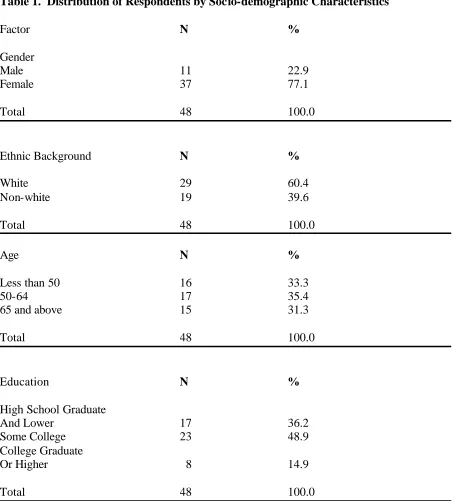
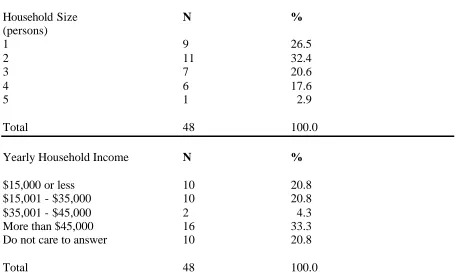
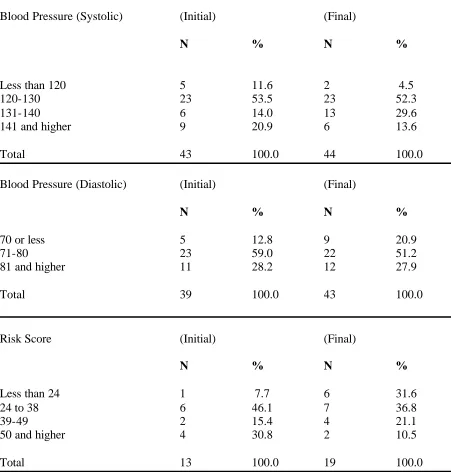
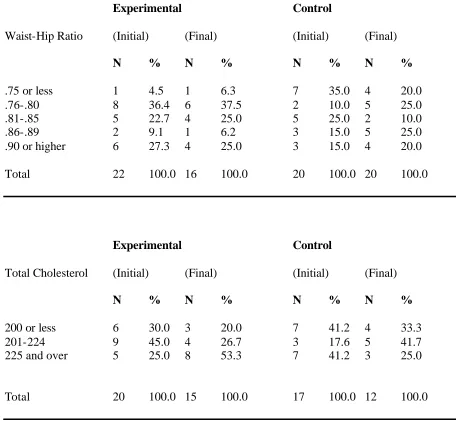
1. Distribution of Respondents by Socio-demographic Characteristics . . . . . . . 52 2. Distribution of Respondents by Health Factors – Total . . . 54 3. Distribution of Respondents by Health Factors – Experimental and
Control Groups . . . 57 4. Prevalence of Disease Among Respondents – Total . . . 62 5. Distribution of Respondents by Level of Knowledge – Total . . . 63 6. Distribution of Respondents by Level of Knowledge - Experimental
and Control Groups . . . 67 7. Distribution of Respondents’ Health Behavior Change – Total – Initial . . . 75 8. Distribution of Respondents’ Health Behavior Change – Total – Final . . . 78 9. Distribution of Respondents’ Health Behavior Change –
Experimental – Initial . . . 81 10. Distribution of Respondents’ Health Behavior Change –
LIST OF FIGURES
Figure Text Page
1. Conceptual Schema Depicting Independent Factors that Impact Nutritional Education Program Participation and
Nutrition is a critical part of building healthy bodies and maintaining a positive status throughout life. That positive outcomes are not always achieved is evidenced by the high incidence of nutrition related chronic diseases in the United States.
Dietary factors are associated with the ten leading causes of death, including coronary heart disease, some types of cancer, stroke, noninsulin-dependent diabetes mellitus, and atherosclerosis. Currently, health professionals are more concerned with excess and imbalance of certain components in the diet than the dietary deficiency seen in former years.
Nutrition and Nutrition-related Disease
Obesity Trends. For more than 40 years, the Center for Disease Control and Prevention (CDC) has surveyed and compiled data on overweight and obesity in the United States. During the past 20 years there has been a dramatic increase in obesity in the United States. Today, 20 states have obesity prevalence rates of 15-19 percent, 29 states have rates of 20-24 percent; and one state reports a rate over 25
Survey (NHANES), using measured heights and weights, show an alarming 64 percent of adults in the United States are either overweight or obese.
A comparison of adults with normal weight and adults with BMI greater than 40 showed the obese adults are more likely to be diagnosed for diabetes, high blood pressure, high cholesterol, asthma, arthritis, and fair or poor health. As BMI
increases, risk for some diseases also increases. (Mokdad, 2001).
Many women are dissatisfied with their bodies, have low self-esteem, and engage in phases of dieting throughout their life span. A 1994 Gallop poll indicated that 40 percent of women are dieting at any given time. (Lutter, 1994). Despite numerous attempts at weight loss, preoccupation with body and shape and weight, and billions of dollars spent annually on weight-reduction products and services, women continue to gain weight (Flegal et al, 1998). An article published by The National Task Force on the Prevention and Treatment of Obesity reflects studies indicating failure to maintain body weight has resulted in a pattern of repeated weight loss and regain, or weight cycling in women (1994).
Economic Consequences.
Implications for the emotional, social and economic impact of chronic diseases are staggering. There are 42,802 residents of Duplin County. Currently, the top health concerns for Duplin County, as reported by Duplin County Health Services (2004), include cerebrovascular disease, heart disease and cancer. Cardiovascular disease is the leading cause of death in Duplin County. The number who are
burdened with ill health from heart disease is much greater. Due to medical treatment more people survive heart disease, however the economic burden is substantial. The typical cost for coronary bypass surgery in 1996 was $30,000 per patient.
As with heart disease, the highest stroke death rates are generally found in the eastern counties of North Carolina. Duplin County experienced an increase in stroke mortality during 1991-95. In 1995, 68 people died from stroke in Duplin County, costing approximately $1,496,000 for stroke treatment. This figure does not include the cost of rehabilitation and care of stroke survivors. Stroke death rates are greater among the older population. Many lifestyles and dietary behaviors have been shown to lead to identified risks of stroke such as high blood pressure, lack of exercise and overweight. Cerebrovascular disease is a vital issue for Duplin County. Recent statistics show the county’s average mortality rate of 112.4 per 100,000 population is well above the state rate of 72.8 (Duplin County Health Services, 2002)
Duplin County's cancer morbidity/mortality cause rates in 2002 yielded 196.7 as compared to the state rate of 194.8. Many of these were women with breast cancer. The cost per individual and family in lost productivity, emotional and physical stress, medical costs, loss of life and other costs are astronomical. Many of the risk factors for cancer that have been identified are dietary and lifestyle in nature.
Diabetes mellitus continues to be one of Duplin County's top health problems. In 1996-2000, the death rate per 100,000 was 36.9. The death rate for North Carolina was 25.3 in 1996-2000 (State Center for Health Statistics, 2000). Diabetes
economic burden on Duplin County. Hospitalization charges related to diabetes in this county were $9,497,650 in just one year. The cost of hospitalization is $222 for each resident of the county. Five percent of the total population of Duplin County have been told they have diabetes, and equally, others are thought to have diabetes but are unaware.
Health care for the indigent is a critical ongoing issue. The poverty level in Duplin County is 19.1%, which is significantly higher than the state average of 13%. With the increased rate, there are also increased challenges faced by the community. The result of a high poverty level is that a higher number of people have no health insurance and little access to medical care. Lack of health insurance creates a chain effect as individuals often delay seeking medical care because of the expense. Untreated chronic illnesses become medical disasters for patients who end up in expensive hospital emergency rooms for problems that could have been prevented by timely nutritional education.
Nutrition Education
Recent surveys show that many consumers are now reading food labels for information on ingredients and nutrition (Levy and Fein, 1998). However, label information can be confusing and is especially problematic for those with low literacy skills. Math skills required to understand “percentages” are lacking in a majority of audiences. With the new food labeling regulations, come the need for further consumer education.
Consumers continue to need help in using the Dietary Guidelines and the Food Guide Pyramid to incorporate balance, moderation and variety in their diets.
education programs that address these needs continue to be imperative if consumers are to adapt behaviors that help optimize their health and possibly minimize the aging process (Baranowski, et al, 1997)
Inadequate nutrition can result in a negative impact upon health in later years (Belloc and Breslow, 1972; Belloc, 1973). Nutrition education could produce life long implications for individuals. Smith et al (1988) suggest diet and exercise are related to the prevention or delay of adult-onset diabetes, atherosclerosis, and osteoporosis.
Utilizing a cost-benefit analysis model, Lambur et al (1999) addressed ten nutrition-related diseases. The evidence revealed that for every $1.00 spent by the Expanded Food and Nutrition Education Program (EFENP) for education in Virginia, a $10.64 reduction in health care costs could be expected. Additional analyses were conducted to address uncertainties in assumptions. The research showed analysis ranging from $2.66 to $17.04 reductions in health care costs for every $1 spent by the EFNEP program. The monetary impact of nutrition education is confirmed in
Lambur’s study.
The North Carolina Cooperative Extension Service (NCCES), a premiere educational network, is a dynamic, ever-changing organization pledged to meeting the state's needs for research, knowledge, and educational programs that will enable people to make proactive decisions. Its mission is to help people improve their lives through an educational process that uses scientific knowledge focused on issues and needs. To accomplish its vital mission, NCCES employs Family and Consumer Education Extension Agents with major responsibilities in nutrition and wellness. North Carolina citizens continue to demand nutritional education programming to reduce risks of chronic disease.
According to a study conducted by Kenner, Dunn, and Taylor (1997), family
nutrition and wellness education materials. Ninety percent of family physicians
surveyed do not ever use NCCES services in their practice and 79% do not
recommend that patients contact NCCES. Nutrition education is preventive medicine,
thus the need for nutrition education is essential to human prosperity.
Statement of the Problem
Nutrition educators face the challenge of teaching and motivating adults to change behaviors that lead to reduction of health risks. The problem is, in order to change behavior, adults need credible, researched based information to make sound decisions regarding
nutrition. Behavioral and environmental factors are large contributors to overweight and obesity. Nutrition education can lead to positive outcomes in decreasing incidence of disease.
The number of obese persons in the United States has doubled since 1980. Thirty-one percent of adults, 20 years of age and over have a body mass index of 30 or greater compared to 23 percent in 1994. Overweight in adolescence has tripled since 1980. The percentage of obese adult women (33%) exceeds obesity in men (28%). In women,
overweight and obesity rates are consistently higher among members of racial and minority populations than in non-Hispanic white women. There is minimal difference in obesity rates among men based on race or ethnicity. Individuals with less than a high school education had higher rates of obesity. (Surgeon General, 2001).
eaten outside the home were similar to those eaten at home. Nine key food items were studied. Between 1977 and 1996 the portion size (and calorie intake) increased for all but one of the key food items. The largest portion sizes were found in fast food restaurants. Smicikilas-Wright et al, (2003) compared portion sizes for 107 foods from national dietary data collected in 1989-91 and again in 1994-96. Portion sizes were significantly increased for about one-third of the foods researched. While excessive dietary fat can contribute to obesity, over consumption of carbohydrates will have the same effect. Thus limiting calories from all sources and increasing expenditure of calories by physical activity is emphasized.
This obesity epidemic has profound health implications. Obesity increases a person’s risk for Type 2 diabetes, heart disease, stroke, high blood pressure and some types of cancer. Overweight and obesity can be addressed with lifestyle changes in diet and physical activity.
Nutrition educators can provide credible information to assist individuals in making lifestyle changes. If health risk trends continue to rise and are not addressed, the results will be devastating to the health of our country and the healthcare system.
self-determination motivate an ongoing process of seeking and attempting to conquer optimal challenges. When people are free from the intrusion of drives and emotions, they seek situations that interest them and require the use of their creativity and resourcefulness. They seek challenges that are suited to their competencies that are neither too easy nor too
difficult. In short, the needs for competence and self-determination keep people involved in ongoing cycles of seeking and conquering optimal challenges” (pp32-33).
Purpose of the Study
This study is designed to demonstrate the impact of nutrition education at the rural community level on health behaviors. This project conceptualized, evaluated and tested an intervention study model with rural Extension program participants to document behavioral changes. Participant’s diet and health records were used to ascertain an improved dietary intake following at least twelve weeks of instruction. This research is to determine conclusions of four different objectives as it relates to nutrition education and behavior change. Specifically, the purposes of this research are:
• Determine change in program participants’ health behavior through nutrition
education intervention strategies.
• Determine differences in health behaviors of program participants and non-program
participants.
• Determine whether socio-demographic variables contribute to behavior change.
• Determine whether familial factors contribute to adoption of positive nutritional
There is a school of thought that adult learning is andragogy, defined by Knowles (1980) as “the art and science of helping adults learn” (p.43). Based on five assumptions, Knowles draws implications for the design, implementation, and evaluation of learning activities with adults. With maturation, self-concept transfers from dependent personality to self-directing. Adults accumulate a wealth of experiences and the readiness to learn is related to the development tasks in social roles. Adults are also more problem-centered than subject-centered in learning. Finally, adults are motivated to learn by internal factors rather than external ones (Knowles, 1984). Motivation is one variable in learning and has tremendous implications, especially when dealing with adult learners. The best strategies are to link life experiences of learners and demonstrate the realization that they are actively involving themselves in developing higher order thinking skills.
Research Objectives
Through this research, specific questions are as follows:
1) Do nutrition education intervention strategies produce a change in program participants' health behavior?
2) Do program participants' health behaviors differ from non-program participants? 3) Do socio-economic variables determine and contribute to behavior change? 4) Do familial factors contribute to adoption of practices?
Definitions
Body Mass Index (BMI)- an index of a person's weight in relation to height, determined by dividing the weight (in kilograms) by the square of the height (in meters). A BMI greater than 25 for men or women indicates overweight.
Cholesterol - a soft, waxy substance. It is made in sufficient quantity by the body for normal body function, including the manufacture of hormones, bile acid, and vitamin D. It is present in all parts of the body, including the nervous system, muscle, skin, liver, intestines, and heart.
Blood cholesterol - Cholesterol that is manufactured in the liver and absorbed from the food you eat and is carried in the blood for use by all parts of the body. A high level of blood cholesterol leads to atherosclerosis and coronary heart disease.
Dietary cholesterol - Cholesterol that is in the food you eat. It is present only in foods of animal origin, not in foods of plant origin. Dietary cholesterol, like dietary
saturated fat, tends to raise blood cholesterol, which increase the risk for heart disease. Fat - One of the three nutrients that supply calories to the body. Fat provides 9
calories per gram, more than twice the number provided by carbohydrate or protein. Saturated fat - A type of fat found in greatest amounts in foods from animals such as meat, poultry, and whole-milk dairy products.
Unsaturated fat - A type of fat that is usually liquid at refrigerator temperature. Monounsaturated - A slightly unsaturated fat that is found in greatest amounts in foods from plants. Monounsaturated fat helps reduce blood cholesterol.
Polyunsaturated fat - A highly unsaturated fat that is found in greatest amounts in foods from plants. When substituted for saturated fat, polyunsaturated fat helps reduce blood cholesterol.
Gram (g) - A unit of weight. There are about 28 g in 1 ounce. Dietary fat, protein, and carbohydrate are measured in grams.
Lipids - Fatty substances, including cholesterol and triglycerides that are present in blood and body tissues.
Lipoproteins - protein-coated packages that carry fat and cholesterol through the blood. Lipoproteins are classified according to their density.
High density lipoproteins (HDL) - Lipoproteins that contain a small amount of cholesterol and carry cholesterol away from body cells and tissues to the liver for excretion from the body. Low levels of HDL are associated with an increased risk of coronary heart disease. Therefore the higher the HDL level, the better.
Low density lipoproteins (LDL) - Lipoproteins that contain the largest amount of cholesterol in the blood. LDL is responsible for depositing cholesterol in the artery walls. High levels of LDL are associated with an increased risk of coronary heart disease and are therefore referred to as "bad cholesterol."
Milligrams/deciliter (mg/dl) - A way of expressing concentration: in blood
cholesterol measurements, the weight of cholesterol (in milligrams) in a deciliter of blood. A deciliter is about one-tenth of a quart.
Risk factor - A habit, trait, or condition in a person that is associated with an increased chance (or risk) of developing a disease.
Carbohydrate - One of the three nutrients that supply calories (energy) to the body. Carbohydrate provides 4 calories per gram - the same number of calories as pure protein and less than half the calories of fat.
Complex carbohydrate - Starch and fiber. Complex carbohydrate comes from plants. When complex carbohydrate is substituted for saturated fat, the saturated fat reduction lowers blood cholesterol.
Fiber - A nondigestible type of complex carbohydrate.
nutrient that becomes a component of many parts of the body, including muscle, bone, skin, and blood.
Hypertension - High blood pressure.
Systolic Pressure - The first figure in a blood pressure reading which represents the arterial pressure caused by the contraction of the left ventricle of the heart.
Chapter 2. Conceptual Schema and Review of Literature
A literature review of behavior change as related to nutrition revealed varied attempts to measure behavior and dietary change and provide guidelines for the proposed research. Variables such as objective measures, subjective measures, and reference points as well as theoretical concepts have been used in past research. The discussion below examines these variables, the various combinations of the variables utilized in past research, and the
relationships among them. Further, the general measurement of behavior change is addressed.
Behavioral Change
According to Hellriegel, Slocum, and Woodman (2001), behavior change refers to processes and principles that are based on operant conditioning. Most individuals
demonstrate behaviors that are neither desirable or undesirable, neither adding or detracting from achievement of personal or societal goals. Thus the first and foremost important step in applying behavioral modification principles is to identify the behaviors that have a significant impact on an individual or society. Pinpointing relevant behaviors consists of three
activities:
1) observing the behaviors, 2) measuring the behaviors, and
3) describing the situation in which behaviors occur.
Once the behaviors are observed, measured and behavioral situations defined, two different theories of change can be acknowledged and practiced.
Operant Conditioning
consequences of previous behavior. People tend to repeat a behavior that leads to a pleasant result and not to repeat a behavior that leads to an unpleasant result. In short, a behavior is repeated when reinforced, and not repeated when punished or lacking in reinforcement. Although this practice of change may result in short term outcomes, the social cognitive theory reflects more long-term results and maintenance of change in nutrition education.
Transtheoretical Model of Change
Behavioral psychologists James O. Prochaska, John Norcross, and Carlo DiClemente (1994) contend there are six stages of change in the Transtheoretical Model of Change. The learner needs to understand which stage they are in to move forward effectively, because each one requires different strategies. Each stage is assessed with strategies for progressing through them.
1) Precontemplation - Precontemplators have no current intention of changing. Situations are perceived to be hopeless and they use denial and defensiveness to keep from going forward. Often learners in this stage have tried to change before without success.
Strategies may include intervention by others in the form of observations or confrontation. This strategy helps precontemplators view themselves as others do.
2)Contemplation - Contemplators accept or realize that they have a problem and begin to think seriously about changing it. Many adult learners remain in the contemplation stage longer than desired. Delusions include the search for absolute certainty; whereas nothing in life is guaranteed. Waiting for the opportune moment to begin the process of change, they have the hopeful belief of different consequences without changing behavior.
3)Preparation: Most adult learners in this stage are planning to take action within a month. They think more about the future than about the past, and the rewarding outcomes a new behavior would provide. They direct themselves more in a new direction more than they detach themselves from an old one.
Strategies: Preparers develop a firm, detailed plan of action. Many motivate themselves by publicly confirming their intended change. Social liberation continues to play a role as well as re-evaluation.
4)Action: This highly visible modifying of behavior is also the engaged stage of change. Strategies: Learners in this stage need to apply their sense of commitment to the change. Regular attendance at educational meetings and practicing modification techniques away from the instructor are examples. Creating a "change- friendly" environment and countering old behaviors are extremely important at this stage. Supportive relationships with significant others who provide opportunities for the learner to practice change and applaud their efforts provide more motivation. "People who take action and fail within a month are twice as likely to succeed over the next 6 months as people who don't take any action at all."
5)Maintenance: This stage is far more difficult to achieve than action. Maintenance can continue six months or a lifetime. Educational programs that promise easy change usually fail to acknowledge that maintenance is a long, ongoing process. Three common internal challenges to maintenance are overconfidence, daily temptation, and self-blame for lapses. Strategies: People in maintenance should apply the same strategies as those in the action stage: commitment, reward, countering, modification of the environment and supportive relationships.
6)Termination: The problem no longer presents any temptation. The cycle of change is exited. Some social scientists theorize termination never occurs, only that maintenance becomes less vigilant over time.
change model of behavior change in reducing dietary fat intake while identifying attitudinal variables that might be relevant in the decision to change one's dietary habits. The data collected utilized a cross-sectional survey of 1081 university employees. The
Precontemplation stage comprised the largest group of respondents (33%) while the Contemplation stage was the smallest group, containing only 6% of respondents. Twelve percent of respondents were in the Preparation stage while the Action and Maintenance groups comprised 22% and 27% of the total population, respectively. Dietary fat intake and barriers to reducing fat intake decreased significantly while the benefits to change increased significantly across the stages of change. The results of the study confirmed differences in stages of change in fat intake.
Increasing fruit and vegetable intake was also examined through a study conducted by Mary Ann S. Van Duyn. (1998). The study examined the applicability of the transtheoretic al model of change to assess readiness to increase fruit and vegetable intake. Persons in the higher stages of maintenance reported intakes that met national dietary recommendations of five or more servings of fruit and vegetable daily and those in action reported intakes that approach this level. These findings suggest that stages are a successful predictor of fruit and vegetable consumption.
Barriers to Change
Improved health and longevity involves behavior change relevant to diet and lifestyles. There are three major reasons that people are resistant to change in their lives. 1) People resist change that threatens basic securities (life, job, home, family). Food is associated with basic security. Changes in lifestyle can seem threatening to the family environment.
3) People resist changes that are being forced on them (new foods, new label information). Educators forcing information instead of incorporating ways for learners to buy into the change can hinder the process of behavioral change.
4)People resist change because they like to eat the foods and amounts they eat. There are means to improve the chances of acceptance of change:
1) Directly involve those who are being affected by change. Asking input from learners provide a buy- in for a positive learning experience.
2) Provide the audience with as much information as possible. Many learners may not realize the benefits of sound nutrition and lifestyle management.
Reaching consumers and strengthening communication could mean reduction in chronic diseases.
3) If you can divide change into smaller increments often change will be more acceptable. Small dietary changes such as changing to 1% or skim milk, must be made gradually as not to overwhelm the learners.
4) Involve key leaders to develop trust and credibility with others in the target audience. Utilizing volunteers will show strength and shared vision.
5) If the change is seen as reversible people are more likely to give the change a chance. Each learner is responsible and has the freedom to choose foods they deem acceptable. 6) With passing of time people will accept change if they see a need for the change. Adult learners may all buy in to the change but at different stages in the process. Those who have suffered from a chronic disease may see the need before anyone, especially if they initiate the idea. Family members may be slower to change, until they begin to see the benefits of the change.
their list of ten potential barriers that were clustered into two categories: external or
situational barriers and internal and dispositional barriers. These barriers were then linked to different sex, age, and socioeconomic categories. Older adults cited more dispositional barriers while younger people and women were more constrained by situational barriers. The researchers noted that "persons of socioeconomic circumstances face both kinds of
obstacles".
Cross, using data from the Commission on Nontraditional Study, grouped twenty- four nonparticipation items into three different categories of barriers. These were: situational barriers relating to a person's situation at a given time; institutional barriers consisting of "all those practices and procedures that exclude or discourage working adults from participating in educational activities"; and dispositional barriers arising from a person's attitude toward self and learning (Cross, 1981).
Another typology of barriers is cited by Darkenwald and Merriam (1982). They have labeled barriers such as beliefs, values, attitudes, and perceptions about education or about oneself as a learner as "psychosocial". Darkenwald and Merriam have also added a fourth category, informational, which reflects the lack of awareness as to what educational opportunities are available.
Motivating a learner to change behavior can also be deterred by another barrier. That barrier may be defined as a level of self-esteem. An individual's need for self-esteem
Motivationto Change
The most widely recognized model of motivation is Abraham Maslow’s needs hierarchy model. As suggested by Maslow (1970), people have a complex set of exceptionally strong needs, which can be arranged in a hierarchy. The following basic assumptions apply:
1) When a need is satisfied, the motivational role declines in importance. However, as one need is satisfied, another need emerges to take the place of the original need. Therefore, people are always striving to satisfy some need.
2) The network of needs, for most people, is so complex there may be several needs affecting behavior at any one time. When a need is dominant, that need stays dominant until it is gratified.
3) To drive behavior, lower level needs must be satisfied before higher level needs are activated.
4) There are more ways of satisfying higher level than lower level needs.
Maslow arranges the hierarchy in five needs categories: physiological, security, affiliation, esteem and self-actualization. Physiological needs are the lowest level in Maslow’s hierarchy. People concentrate on satisfying these needs before turning to higher order needs. Like physiological needs, unsatisfied security needs cause people to be preoccupied with satisfying them. People who are motivated primarily by security needs, value safety and stability as defenses against the loss of basic needs satisfaction.
as competent and able. Self- fulfillment comes from meeting self- actualization needs. People who strive for self-actualization seek to increase their problem-solving abilities.
Maslow states that the three lowest needs - physiological, safety, and social are also known as deficiency needs. Unless these needs are satisfied, an individual will fail to develop into a healthy person, both physically and psychologically. In contrast, esteem and self-actualization needs are known as growth needs. Satisfaction of these needs helps a person grow and develop as a human being.
This model implies that higher level needs are present in most people, even if they don’t recognize or act to meet those needs. These higher level needs will motivate most people if nothing occurs to block their emergence.
Clay Alderfer (1972) describes a different model. The ERG model holds that the individual has three sets of basic needs: existence, relatedness, and growth. Alderfer describes them as:
1) Existence needs are satisfied by food, air, water.
2) Relatedness needs are met by establishing and maintaining interpersonal relationships. 3) Growth needs are attempts to find opportunities for unique personal development by making creative or productive contributions.
Alderfer’s arrangement of these categories of needs is similar to Maslow’s. However, the two differ in how people attempt to satisfy different sets of needs. Maslow states that unfulfilled needs are motivators and that the next higher level need isn’t activated until the preceding lower level need is satisfied. In contrast, the ERG model suggests, in addition to the fulfillment-progression process, a frustration-regression process is at work. That is, if a person is continually frustrated in attempts to satisfy growth needs, relatedness needs will reemerge as a motivating force. People will return to satisfying this lower level need instead of attempting to satisfy growth needs, and frustration will lead to regression.
affiliation, and power. People who possess a strong power motive take action that affects the behavior of others and has a strong emotional appeal. Individuals who have a strong
affiliation motive tend to establish, maintain, and restore close personal relationships with others. Those individuals who have a strong achievement motive, compete against standards of excellence against which they judge their behaviors and achievements. McClelland’s achievement motivation model prescribes that people are motivated according to the strength of their desire either to perform in terms of excellence standards or to succeed in competitive situations.
Sagie, Elizur, and Yamauchi (1996) describe high achievers as having three distinct characteristics. First, they like to set their own goals. They are seldom content to drift and let life aimlessly happen to them. High achievers are always trying to accomplish something. They seek the challenge of making tough decisions and they are selective about the goals to which they commit the mselves. High achievers prefer to work at a problem rather than leave the outcome to chance or to other people.
The second characteristic of a high achiever is the avoidance of selecting extremely difficult goals. They prefer moderate goals that are neither so easy that attaining them provides little satisfaction nor so difficult that attaining them is more of a matter of luck than ability.
High achievers display the third characteristic. They prefer tasks that provide immediate feedback. Because of the goal’s importance to them, they like to know how well they’re doing. There are a number of factors involved in motivating a learner to change behavior.
Self Esteem
Is there evidence of value? These are ongoing mental questions answered by all individuals in formulating their own self-concepts. How an individual perceives his or her life has an influence on future life experiences.
An individual's need for self-esteem "motivates the individual to strive for
achievement, strength, confidence, independence, and freedom (Petri, 1981). As individuals meet those particular needs, they develop positive feelings toward themselves and a sense of personal accomplishment. If an individual is not able to achieve self- esteem needs, he or she feels a sense of disappointment and rejection. In both situations, future goals and activities can be affected by the past experiences an individual has faced.
An adult utilizes four elements of attribution to analyze and predict the outcome of an achievement-related event. The four elements are ability, effort, task difficulty, and luck. (Weiner, 1974). The individual mentally assigns a value to each of the four elements. If an event is successful, the high self-esteem person may feel his or her ability and effort are the primary reasons for the outcome. However, the low self-esteem individual may credit success to luck or the ease of the task. For example, a person with a high self-esteem may credit a successful weight loss/nutritonal program to her management of food intake and increased activity. The low self-esteem person may explain a successful weight loss on use of diuretics or fad diets, or loss of appetite due to some emotional factor. Individuals analyze themselves through their own actions and activities just as they analyze others through particular action and activities (Deci, 1975). Just as a person creates an impression of
someone else, he or she develops a personal internal impression. This impression can change due to new life experiences but an individual's current perception of his or her self is based on experiences of the past.
performing a task because they gain personal satisfaction and grow from the experience. An extrinsic reward may be associated with the task but the primary reason the person agrees to perform the task is personal satisfaction.
Most people would suggest that they choose to change dietary behaviors for the health benefits associated with following dietary guidelines. Due to this description of self-determination, these individuals at first glance may be characterized as self-determined individuals. However, this may or may not be accurate. Participants under emotional stress may feel they are not changing dietary behavior for personal satisfaction and health benefits but for their physicians' approval. This attitude may lead to a feeling of inferiority and failure within the participant. Self-esteem may be adversely affected. Factors other than emotional stress can have a direct influence on a person's self-determination and self-esteem. Actual health complications, such as inability to exercise routinely, could alter self-esteem. Therefore, the degree of self-determination and self-esteem varies within the group of learners.
Factors other than self-determination have an influence on self-esteem. Autonomy or the sense of independence within oneself also affects an individual's self-esteem.(Deci and Ryan, 1985). Individuals who feel they are allowed to think for themselves and express those thoughts openly are more likely to develop a high sense of self-esteem and motivation. However, if an instructor or supervisor dictates an individual's every thought and action, that person will probably develop a sense of low self-esteem and achievement. The individual will feel he or she only acted out the thoughts and ideas of others similar to a robot. The individual is not able to add his or her personal touch to the task. Autonomy can be expressed when learners are given the opportunity to choose a variety of foods and to develop a healthy diet instead of following a strict and specific outline of allowed foods and restricted foods. This high sense of independence is not present in many structured dietary behavior change programs. This independence can be very useful for the learner in
emotionally stressed learner may not allow such freedom and could result in additional trauma to the individual's sense of identity and self- worth.
Self-esteem can be shown to affect motivation in other ways. An individual who has low self- esteem may not attempt particular tasks because he or she expects to fail. (Deci and Ryan, 1985). As long as this feeling exists, the person will not perform the task. Self- esteem has had a direct bearing on the motivation of that person. The person may wait for another individual to provide assistance. After the task is completed and success has been achieved, the low self-esteem individual may realize he or she could have performed the task alone if the other person allows the low self-esteem individual to perform major portions of the task. If so, the self-esteem of the individual may be raised. If the assistance person completes the task without the help of the low self-esteem individual, the low self-esteem individual will probably continue to analyze that task as one too difficult to achieve alone. The anticipated failure will not motivate the low self-esteem individual to perform the task.
For low self-esteem individuals, anxiety can interfere with the performances of tasks and recalling previously learned information.(Deci and Ryan, 1985). Anxiety may be present in the low self- esteem individual anytime the person feels his or her self-esteem is
threatened. In a nutrition education program, anxiety may occur when individuals share their behavioral changes with the group, particularly when the individual does not have a
significant change to report. Anytime the individual feels uncomfortable due to factors in the environment, anxiety may occur. Anxiety can occur in high self-esteem individuals but they normally are able to handle it in a positive and effective method. Anxiety is not viewed as an evil threat by the high self-esteem individual.
nonparticipation: 1) low self-confidence, 2) social disapproval, 3) situational barriers, 4) negative attitude to classes, and 5) low personal priority.
Martindale and Drake (1989) sampled Air Force enlisted personnel. Their analysis revealed eight factors related to nonparticipation of educational programs: 1) lack of course relevance, 2) lack of confidence, 3) cost, 4) time constraints, 5) lack of convenience, 6) lack of interest, 7) family problems, and 8) lack of encouragement.
In a study by Liles (1980), EFNEP clientele were surveyed to determine significant changes in attitude with specified demographics of respondents, and if participation of low-income adults would exert a significant effect on attitude changes in the Extension
programming concept. For the concept of Extension, race and employment were not rela ted to attitude change; but age, educational level, residential mobility, income, and
organizational involvement were variables relating to change in attitude. "The implication can be made on the basis of these findings that Agricultural Extension needs to direct programs toward specific audiences and that the programs should be tailored to fit the unique demographic characteristics of the audience. The inference can also be made that group methods for program delivery would be more effective if group formation were based on the clustering of individuals with the same relevant demographic characteristic." (Liles, 1980)
Program Development
Boone (1985) describes the programming process as a conceptually driven macro system. This system leads educators and organizations through engagement of facilitating and effecting planned change in the behavior of targeted adult learners. The programming process includes three inter-connected sub-processes:
1) planning
Being conceptually driven, the programming process is considered a model of
concepts derived from behavioral or social sciences. Proficiency of these concepts is critical to both understanding and implementing the programming process. Having a conceptual base distinguishes Boone’s model from most other programming models in adult education. The programming process ascends beyond planning or needs assessment. This movement includes the translation of identified and analyzed needs of learner systems into a planned program, the implementation of the planned program, and the evaluation of the program. This conceptual model places primary emphasis on collaborating with and involving target learner systems and key stakeholders in all facets of the process.
The programming process includes thirty- four interconnected processual tasks. A processual task is a process in which the adult educator defines an outcome specific to a programmatic situation and then selects and implements conceptually driven actions leading to the achievement of that outcome. The concept of processual task is critical to
understanding and implementing the programming process. Boone developed this processual task concept to elevate adult educators’ thinking to a conceptual level where programmatic situations are regarded from a process orientation, rather than a mechanistic or step
perspective. Boone further explains, “It might be said that, unless an adult learner is motivated, no learning will occur. Many adults are aware of their educational deficiencies, but they may not be aware that their deficiencies could be reduced or eliminated. Until there is a perceived need to change, desire to change, and belief that change is relevant and
possible, the adult tends not to change.” (pg. 153)
Planned Change
Lippitt, Watson and Westley (1958) state there are seven phases of planned change. These seven phases were derived from Kurt Lewin’s pioneering analysis of the process of change in individual and group performances. Lewin suggests successful change includes three
group life on the new level. Thus Lippitt, Watson and Westley expanded Lewin’s change theory to include the following seven stages of change:
Phase 1: The client discovers the need for help, sometimes stimulated by the change agent. Phase 2: The helping relationship is established and defined.
Phase 3: The change problem is identified and clarified.
Phase 4: Alternative possibilities for change are examined; change goals or intentions are established.
Phase 5: Change efforts in the “reality situation” are attempted. Phase 6: Change is generalized and stabilized.
Phase 7: The helping relationship ends or a different type of continuing relationship is defined.
This theory of change relies heavily on the expertise of the change agent to assist in the process of change with individuals and groups.
Learning Theories
Ralph W. Tyler (1949) illustrates this cognitive building through an outlined
"learning system" with seven interrelated elements that must be present for optimum learning to take place. They are:
1) Clarity of objectives -- Are the learners clear on what they are to learn?
2) Motivation -- Do the learners have a personal interest or reason to learn what they are being taught?
3) Adequacy of learning activities Do the activities provided enable the learners to learn what is being taught?
4)Ample opportunity -- do the learners have a chance to practice, under supervision, what are they being taught?
6)Opportunity to practice transferring -- Will the learners be able to transfer what they have learned in a controlled setting to their unique situations?
7)Coaching -- Are the learners receiving help when they are transferring the information to their own unique situation.
The self-directed learning theory, by many behaviorists, is directed toward individual control over their own learning. Educators should remember that teacher-directed learning and self-directed learning must co-exist to facilitate the learning process. Determining whether the guiding or managing forces for learning can be intrinsically (self), or extrinsically (educator) based. To facilitate learning: the learner must feel that he is
contributing some control in the learning process through the content or material under study, which is controlled by himself or others (educators).
"One can think of two kinds of learning, one we call training and the other education. Training is that kind of learning where the learner follows precisely what has been taught. This we call narrowing the span of
behavior of the learner so that he performs just like the teacher. Then there is education where the person is able to do many more things than he did before and to keep opening doors so he is learning all the time." (Tyler, 1988)
Another cognitive theorist, Gagne' (1970), cites a series of eight phases of learning. The phases represent an act of learning and the learning processes associated with them. 1) Motivation phase - Expectancy
2) Apprehending phase - Attention; selective perception 3) Acquisition phase - Coding; storage entry
4) Retention phase - Memory storage 5) Recall phase - Retrieval
According to Gage', adult learners code, store, and retrieve previous learning and life experiences through a process where new experiences and knowledge are filtered. Through a Prerequisite (Sequential) Learning System Model, Gage' establishes eight types of learning. Each type of learning builds on the previous learning the adult learner has stored for future reference. In this model the first five learning types are needed before a concept can be learned. Also a concept can not fully be learned without prior known associa tions. Problem solving (type 8) which requires as prerequisites:
Principles (type 7) which requires as prerequisites: Concept (type 6) which requires as prerequisites:
Multiple discriminations (type 5) which requires as prerequisites:
Verbal associations (type 4) or other chains (type 3) which requires as prerequisites: Stimulus-response connections (type 2)
Signal learning (type 1) may or my not be required as a prerequisite to (type 2) Learning outcomes, as described by Gage', are listed into five major categories: 1) verbal information
2) intellectual skills 3) cognitive strategies 4) attitudes
5) motor skills
These outcomes of learning portray what the adult learner is able to do, after instruction, he was unable to do before instruction.
Delivery Strategies
The first stage of communication between the adult learner and the adult educator is the clientele's awareness of a new idea, product, or practice. This awareness can be affected by the clientele's previous experiences or beliefs, the life history of the individual, the social relationships in the setting, and the cultural values in the setting.
The second stage involves the clientele's development of interest in the new idea or practice, and is no longer merely satisfied with the knowledge that it exists. At this stage, the client actively seeks additional information more detailed than general interpretation.
At the evaluation stage, the individual accumulates detailed information; weighs the pros and cons of a new idea, and it relates mentally to his or her own situation. At this point the client must determine if the practice or idea would be beneficial to them.
In the trial stage, a person tries out the innovation. After an initial successful trial, the client may adopt the product or idea for continued use or, may not decide to adopt the idea at all.
At the adoption stage, the individual decides that the new product, idea, or practice is appropriate for continued use. At the adoption, the clientele relies heavily on direct
experience and observation within the learning process.
The adult learner, in general, learns through experiences. One gradually changes one's behavior and possibly reflects one's action over time to better suit circumstances, and only later consciously recognizes the new belief or learned practice that has emerged.
Barriers to assessing, selecting, and preparing a health promoting diet include economics, skills, time, motivation, and food and nutrition knowledge. Reaching those in greatest need carries additional challenges of developing appropriate materials and delivery methods for target audiences who have varied literacy skills, cultures, and
inaction. Time constraints in conjunction with the perception that eating a healthful diet is more difficult, appear to be significant barriers to dietary change for some. Data regarding the perceived cost of eating a healthful diet suggest that a notable proportion of Americans think that the costs for eating a healthful diet are higher. Nutrition knowledge and beliefs compete with a myriad of factors in determining the dietary behavior of Americans. Consequently, public health interventions to change the American diet likely need to be multi- faceted, with nutrition education occurring in conjunction with other intervention strategies.
Lionberger and Gwin (1982) have termed research involving the acceptance of innovations in technology as “diffusion research” or “diffusion-adoption research”. Most researchers agree that adoption decisions are the product of a sequence of events or influences operating through time. According to Rogers (1983), communicating through delivery methods involves five overlapping but distinct stages. These stages represent the process in which participants create and share information with one another in order to reach a mutual understanding.
An increasing amount of research has been conducted to determine clientele preferences for various program delivery methods utilized by the Extension Service. Traditionally, extension agents conduct or sponsor lectures or workshops as the main information delivery method. (Boone, 1992). Mechenich (1993) cites that Extension educators need to experiment with innovative delivery programs and conduct research into why certain audiences don’t attend or utilize traditional Extension educational programs.
A study conducted by Dunn, Lackey, Kolasa and Mustian (1994) to determine nutrition education interests cited parents of young children were most interested in
method least well received was telephone. Pestano-Binghay et al (1993) found similar results in their studies. More importantly, Crockett et al (1989) found that parents were more interested in mailed information than attending meetings or receiving phone calls. Other studies reveal mailed information successful in reaching remote or rural populations and suggest that more research is needed to strengthen mail interventions. (McGraw Hill, 1986).
Pisher and Harrison (1992) with Georgia Extension conducted a study via a telephone poll to determine the types of nutrition information needed and the source used to obtain this information. A random digit dialing procedure was used to select the sample for the
interviews. A total of 527 interviews were completed. Media was most often cited as a source of information in all categories.
Keeping the learner’s interest with games was cited as an excellent delivery method. Spitze (1975), in her research, states that “games can often be effective teaching techniques for adults if they’re designed to preserve the structure of the subject matter to be taught and chosen to fit the teaching objectives”.
A unique and innovative approach to disseminating research information to a target audience was used in Ashtabula County, Ohio (Syracuse, 1993). Traditional methods of group meetings and support were only reaching a limited number of people. The idea and system of distributing parenting information material through kids meals purchased at a national fast food chain was developed. Single topic cards that parents could read quickly and then take home for later referral were put in each kids’ meal. Interviews showed that this nontraditional method of teaching parenting was having a desirable impact. Interviews totaling 547 showed 68% had read at least one card and 20% had used or tried some of the activities.
learning opportunities provided though delivery methods which are familiar and provide a personalized, interactive opportunity between the agent and client.
All of the reviewed literature and relevant research highlight one tangible element. Adult educators must target audiences in order to select the appropriate learning strategies and choose delivery methods for a program delivery system that appropriately fits the
educational objectives for that audience. Delivery methods should coincide with those which clientele prefer and consider relevant for meeting their needs (Richardson, 1993).
Although there exists a wealth of nutrition education research today, there remains a need for quality research to further determine what methods of nutrition education promote the greatest level of behavior change. Research needs to focus on consumer benefits and barriers to quality dietary intake. Research must focus on special subsets of the population as there is knowledge that nutrition education is not a one-size- fits-all model. Research must also focus on the best methods of reaching a highly diverse, upwardly mobile society.
Social Cognitive Theory Applications
Social learning strategies consider the importance of environmental, individual, and behavioral factors in influencing health behavior. Social cognitive theory (SCT) is the most frequently cited behavioral based theory used in nutrition education (Contento, 1995). Cognitive knowledge is seen as one element of many that will influence eating behavior. Behavioral skills, role models in the environment, and reinforcements and incentives are seen as equally, if not more, important in influencing behavior (Crockett, 1995).
determine some acceptable level, and then make dietary choices appropriate to the "low fat" message, a task that is difficult for adult learners. In addition, the environment must be supportive and the individual must possess the behavioral capacity to enact the healthful choice. In evaluating nutrition education programs, there is a danger that parroting the correct "learned" response may occur in the absence of understanding how to use that information to make healthful food choices. This occurrence may, in part, help explain the discrepancies seen between acquired nutrition knowledge and change in eating behavior. While there is some research that evaluates how learners understand concepts of health and the relationships of nutrition to health, (Lytle, 1995) and some research looking into how learners classify and choose foods, (Michela, 1986), there is little research that examines how learners interpret and use nutrition messages that they hear in their environme nt.
Nutrition Education
Limited Resource Audiences
The Expanded Food and Nutrition Education Program (EFNEP) is a federally funded nutrition program designed to educate limited resource audiences in acquiring knowledge, skills, attitudes, and changed behavior necessary for nutritionally sound diets, and to contribute to their personal development and the improvement of the total family diet and nutritional well-being.. A study conducted by Arnold and Sobal (2000) examined the benefits gained and maintained by participants in EFNEP in food practices, nutrition
skills of low- income women. Several of these proficiencies endured after completion of the program. The main barriers preventing limited resource families from adopting healthy practices is not ignorance but socio-cultural norms, lack of resources, financial instability, limited access to and availability of affordable healthy food, and lack of choice. (Low Income Project Team, 1996). The EFNEP program reports produce significant short- and long-term changes in knowledge, attitudes, and behavior in all ethnic groups (Chapman and Kendall, 1989).
Low income women have been found to consume the fewest fruits and vegetables. Patterson (1990) found that, over 4 days, 30% of women in the lowest income bracket (<131% of poverty) consumed no fruit, compared to 12% of high- income women. Patterson also observed similar patterns for women’s consumption of vegetables.
Reducing the risk of cancer in low- income populations presents a particular challenge. Not only do low- income populations have a significantly greater risk of developing cancer than do higher income groups, they also have been slower to change behaviors that place them at increased risk. (Winkleby, 1992). Results from a study by Cox et al (1996) indicate that EFNEP program participants had substantial diet-related CVD risks, based on self-report, and those risks were reduced by the cancer intervention program at immediate post-course assessment.
Five focus groups discussions were conducted with 34 low- income Vietnamese mothers, ages 25 to 47, to assess their nutritional education needs related to dietary calcium.(Reed et al, 1998) Knowledge and attitudes related to calcium sources, barriers preventing recommended calcium intake, and preferred methods of receiving nutrition information were determined. Most participants did not consume the recommended number of dairy foods per day. Barriers to increasing dietary calcium intake were identified
Asian women are at highest risk for the development of osteoporosis (Miller, 1995). Dietary calcium intake is reported at lower levels in low income and minority women (Tong, 1991).
Marshak et al (1998) conducted a study to improve knowledge and skills related to healthy, low-cost eating among low- income residents in San Bernardino County, California. The measurable outcome variables were improvement in self-reported nutrition knowledge, attitudes, self-efficacy, and intention.
Ethnicity Factors and Nutrition Education
Ethnicity is one of the many factors that play a role in food choices. A research project conducted by Devine,et al (1999) examined how ethnicity was enacted in food choices among 86 adults in one U.S. city, purposively recruited to vary ethnic identity (Black, Latino, White). Qualitative research methods were used to conduct semi-structured depth interviews about participants’ ethnic identity, food choices, and influences on food consumption. Analysis of these data produced a conceptualization of influences on food choices that spanned the different ethnic groups. Ideals, identities and roles, interacted with each other and the food and eating context in reciprocal and dynamic ways to influence food choice. Differences in ideals, identities and roles were related to ethnic group affiliation and were most apparent during times of personal transition and in contexts highlighting contrasts. This conceptualization can enhance the ability of nutrition educators working in a multi cultural society to identify processes underlying ethnic food choices and apply this understanding to research and practice.
delved deeply into underlying mechanisms for making food choices that span cultural groups in complex societies (Wenkam, 1969). Investigation of ethnic diversity in food choices to date has focused primarily on intake patterns and on food practices typical of different ethnic groups (Brown and Mussell, 1984). The interaction of ethnicity with other social and
environmental activities characteristics in influencing food practices has not been
emphasized (Kumanyika, 1990). Differences in socioeconomic status and food availability among ethnic groups, for example, may contribute to variation in dietary patterns through access to food and resources.
Ethnicity has been conceptualized in many ways. Ethnic differences reflect a
complex, multidimensional concept that represents differences among groups in a population that are associated with lineage and region. Different ethnic groups often have unequal access to social positions and resources due to prejudice and discrimination. Ethnicity is a dynamic and may be expressed situationally with ethnic group members following their ethnic traditions in some places and times but not it others.
(Rebovich et al, 1990) successfully implemented nutrition and physical fitness education with an elderly Black audience. Use of indigenous peer leaders such as cultural brokers to serve as a liaison between Black clientele and the health delivery systems (Ralston, 1993) and gatekeepers who are nontraditional referral sources trained to identify and locate high risk elderly (Raschko, 1993) may be a means of assisting with nutrition education efforts, yet there are very little data on the effectiveness of these programming strategies with Black elderly audiences. Among minority groups, Asian women are at highest risk for the development of osteoporosis (Miller, 1995) Dietary calcium intake is reported at lower levels in low income and minority women (Tong, 1991).
Gender, Age and Education Factors
Hunt et al (1997) conducted research to measure demographic factors related to dietary behaviors. The research findings indicated that higher education, greater age, and female gender were associated with food choices closest to the recommendations to increase fiber, fruits, and vegetables and to reduce fat. An exception to the study was the
recommendation to increase the consumption of beans and lentils, which was associated with lower education, greater age and male gender. The relationship of job status to the food choice variables was inconsistent across food and study centers and there were differences between study centers in the magnitude of associations between food choices and
demographic characteristics.
Women are the primary gatekeepers for the purchase and preparation of food in the household (Schafer, 1989). Directing behavior change interventions to this population may ultimately improve the eating behaviors of other individuals in the household (e.g., spouses and children). Women who have developed good eating habits can serve as positive role models for their family members. (Shattuck, 1992).
A qualitative study conducted by Gemlo et al (1998) revealed food and nutrition-related educational needs of limited- income, urban fathers. The topics of greatest interest reported by participants were cooking, inexpensive ways to eat healthily, meal planning, healthy eating for children, and the effect and importance of food on the body. There is a need to look at fathers, not as extensions of mothers, but as a targeted audience (Levine et al, 1995). Men tend to feel uncomfortable in female-dominated situations, especially in
parenting education. (Johnson, 1992) Use of male educators for predominantly male learners is recommended.
Barriers toward fruit and vegetable consumption were discovered in research