University of South Carolina
Scholar Commons
Theses and Dissertations
2018
The Impact of Communication Deficits on Puberty
and Sexual Development in Adolescents on the
Autism Spectrum
Ashton WolfeUniversity of South Carolina
Follow this and additional works at:https://scholarcommons.sc.edu/etd
Part of theMedical Genetics Commons
This Open Access Dissertation is brought to you by Scholar Commons. It has been accepted for inclusion in Theses and Dissertations by an authorized administrator of Scholar Commons. For more information, please [email protected].
Recommended Citation
Wolfe, A.(2018).The Impact of Communication Deficits on Puberty and Sexual Development in Adolescents on the Autism Spectrum.
THE IMPACT OF COMMUNICATION DEFICITS ON PUBERTY AND SEXUAL DEVELOPMENT IN ADOLESCENTS ON THE AUTISM SPECTRUM
by
Ashton Wolfe
Bachelor of Science College of Charleston, 2015
__________________________________________________
Submitted in Partial Fulfillment of the Requirements
For the Degree of Master of Science in
Genetic Counseling
School of Medicine
University of South Carolina
2018
Accepted by:
Jessica Fairey, Director of Thesis
Crystal Hill-Chapman, Reader
Caroline DiBattisto, Reader
Dedication
Written for adolescents with autism spectrum disorder and all who support them.
“I might hit developmental and societal milestones in a different order than my peers, but
I am able to accomplish these small victories on my own time.” - Haley Moss, autism
Acknowledgements
This work would not have been possible without the support and guidance from
my committee members. Ms. Jessica Fairey, thank you for being excited and engaged in
this project from the beginning, as well as helping to cultivate this body of research every
step of the way. Ms. Crystal Hill-Chapman, thank you for guiding me through the
research process; your expertise both in research and working with those who have
autism has been invaluable. Ms. Caroline DiBattisto, thank you for your collaboration,
encouragement, and instrumental insight. Finally, I would like to thank Ms. Emily Lowell
who played a significant role in assisting with recruitment for the study, as well as
providing unconditional support as this project was also completed in partial requirement
for the South Carolina Leadership Education in Neurodevelopmental and Related
Disabilities (LEND) program. You each have provided me with personal and professional
guidance throughout this process; I will carry what I have learned from each of you
throughout my career as a genetic counselor.
Additionally, I am grateful for the opportunity to work with the participants of
this study. Your willingness to participate and share your experiences has been incredibly
impactful and instrumental.
Finally, I would like to thank my family who has been a constant source of
affirmation and encouragement throughout my graduate school experience. Thank you
Abstract
Transitioning into a sexually mature adult is a challenging time for both an
adolescent with autism spectrum disorder (ASD) and his or her family. Sexual
development begets challenges due to the demands it places on the social and
communication skills needed to explore developmental changes that are occurring
physically, emotionally and hormonally. A diagnosis of ASD is largely established by
quantifying impediments in social and communication skills through observation. With
deficits in these skills, one can assume that social and communication difficulties can
create obstacles in the sexual development of affected individuals. Our study used
quantitative and qualitative measures to determine how severity of communication
correlates with sexual development in adolescents with ASD. We found statistically
significant relationships between communication and frequency of the adolescent
displaying sexual behaviors that are inappropriate. Additionally, we determined that the
severity of communication deficit has a negative impact on adolescents’ understanding of
sexual development. Furthermore, our research explored current sexual education
sources, healthcare provider efficacy, and contemporary perspectives of what parents and
guardians feel the biggest challenges and concerns are for adolescents navigating sexual
development with a diagnosis of ASD. Ultimately, our study demonstrates the
importance of communication ability in relation to sexual development and sexual
Table of Contents
Dedication ... iii
Acknowledgements ... iv
Abstract ...v
List of Tables ... viii
List of Figures ... ix
Chapter 1: Background ...1
Defining Autism Spectrum Disorder ...1
Etiology of ASD ...3
Gender Bias ...5
Females with ASD ...7
Puberty ...8
Sexual Development ...11
Communication and ASD ...12
Communication and Behavior ...13
Significance of Communication in Development ...15
Sexual Development and ASD ...16
Sexual Education ...19
Study Aims...21
Abstract ...22
Introduction ...23
Methods and Materials ...27
Results ...33
Discussion ...55
Conclusion ...65
References ...68
Appendix A: Adolescent Demographic Information ...74
Appendix B: Participant Survey ...75
Appendix C: Interview Questions ...85
List of Tables
Table 1.1: DSM-5 Diagnostic Criteria for Autism Spectrum Disorder ...2
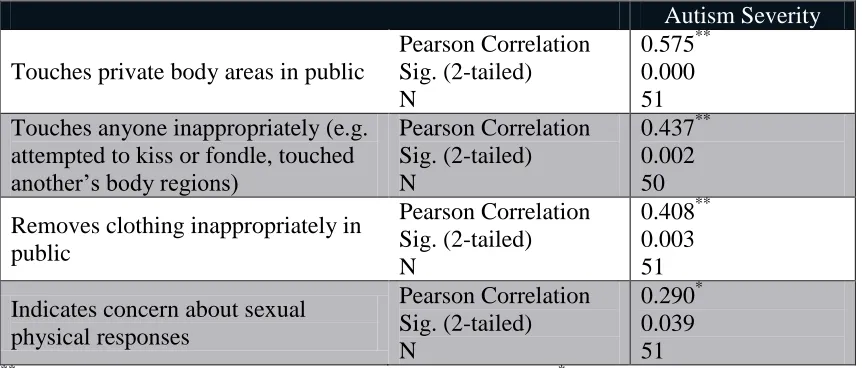
Table 2.1: Autism severity and inappropriate sexual behaviors ...37
Table 2.2: Functional communication and inappropriate sexual behaviors ...39
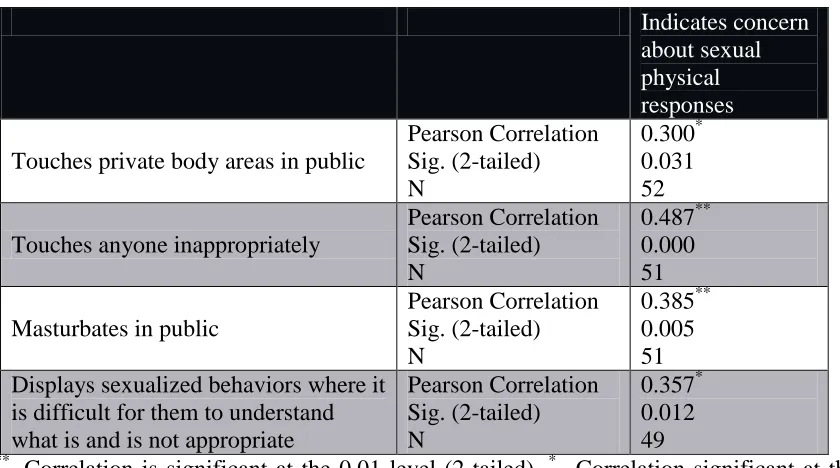
Table 2.3: Indicating concern about sexual physical responses and inappropriate sexual behaviors ...40
Table 2.4: Themes from survey and interview analysis ...47
List of Figures
Figure 1.1: Tanner stages of development for males and females ...10
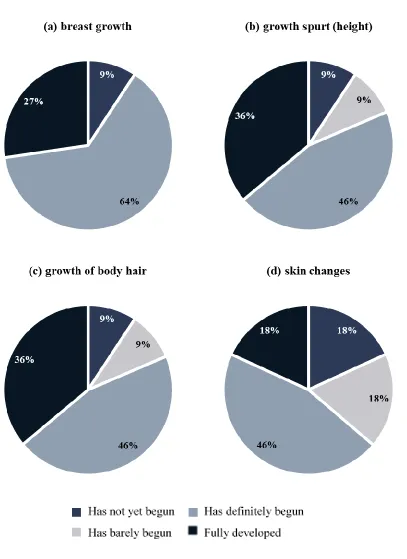
Figure 2.1: Participant report of female pubertal development ...35
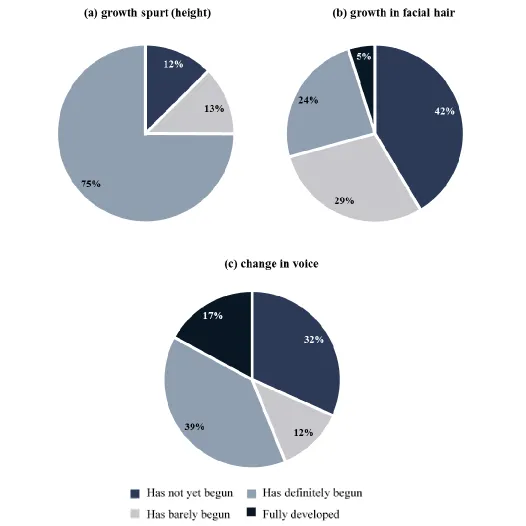
Figure 2.2: Participant report of male pubertal development ...36
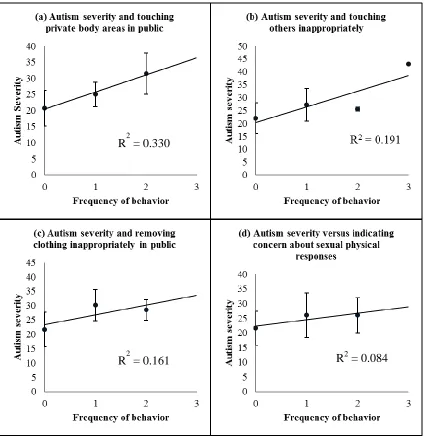
Figure 2.3: Correlation between autism severity and frequency of inappropriate sexual behaviors ...38
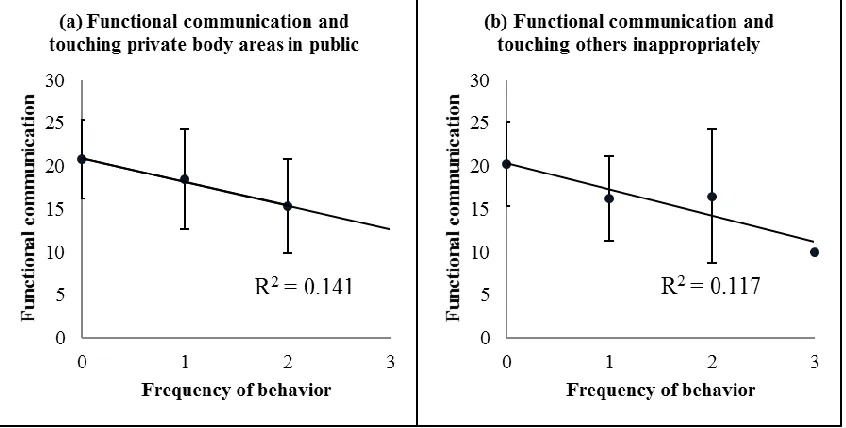
Figure 2.4: Correlation between functional communication and frequency of inappropriate sexual behaviors ...39
Figure 2.5: Primary sources of sexual education for adolescents with ASD ...42
Chapter 1
Background
Defining Autism Spectrum Disorder
Autism spectrum disorder (ASD) is the term used to describe a heterogeneous
group of conditions most notably characterized by impairments in social interaction and
communication. Additionally, individuals can display repetitive behaviors, have
restricted interests and have inflexible adherence to routines. Autism was first noted as a
condition in 1980 by the American Psychiatric Association (APA) in the third edition of
the Diagnostic and Statistical Manuel for Mental Disorders (DSM) (Christensen et al.,
2016). In 1994, the DSM-IV provided diagnostic criteria for five subtypes of Pervasive
Developmental Disorders, which included Autistic Disorder, Asperger Disorder,
Pervasive Developmental Disorder-Not Otherwise Specified, Childhood Disintegrative
Disorder, and Rett Syndrome. This version of the DSM highlighted five discrete
disorders, as opposed to the DSM-5, published in 2013, which combined Autistic
Disorder, Asperger Disorder and Pervasive Developmental Disorder-Not Otherwise
Specified under one diagnostic criterion, ASD (Christensen et al., 2016).
A diagnosis of ASD is supported by the DSM-5 if certain criteria are met in two
symptom domains: i) social and communication deficits, and ii) atypical behaviors and/or
interests (American Psychiatric Association [APA], 2013). The criteria require that all
features described in the social and communication category are met. These include i)
deficits in developing and maintaining relationships (APA, 2013). In the category of
repetitive behaviors and restricted interests, an individual must display at least two of the
following: 1) stereotyped or repetitive behaviors or speech, 2) insistence on sameness, 3)
restricted interests, and 4) sensory issues (APA, 2013). The DSM-5 further includes
criteria stating that symptoms must be persistent from early childhood, as well as impede
on everyday functioning (APA, 2013).
Table 1.1: DSM-5 Diagnostic Criteria for Autism Spectrum Disorder
Social and Communication Deficits
1. Deficits in social-emotional reciprocity
2. Impairment in nonverbal behaviors
3. Deficits in developing and maintaining relationships
All three domains must be met to support a diagnosis (APA, 2013).
Repetitive Behaviors and Restricted Interests
1. Stereotyped or repetitive behaviors or speech
2. Insistence on sameness
3. Restricted interests
4. Sensory issues
At least two out of the four domains must be met to support a diagnosis (APA, 2013).
The simplification of core symptom domains from prior DSM versions, along
with the consolidation of the ASD classification, has brought changes revolving around
the sensitivity of the DSM-5 in making a diagnosis of ASD (Lobar, 2016). By no longer
and allow for earlier intervention to be available (Craig et al., 2017). However, this
change has altered the classification of ASD altogether, encompassing a different
population of individuals and excluding others that previously met criteria, particularly
those diagnosed with Asperger’s Disorder and Pervasive Developmental Disorder-Not
Otherwise Specified (McPartland, Reichow & Volkmar, 2012). These two disorders both
are considered to have milder symptomology than “classic” autism.
Etiology of ASD
The variability in the presentation and severity of ASD contributes to its
etiological complexity. ASD is caused both by isolated, as well as varied combinations,
of genetic and environmental factors. There is not one known cause responsible for all
affected individuals. Understanding the etiological complexity of ASD can be daunting
for genetic and medical professionals alike. Current molecular testing tools, such as
chromosomal microarray, allow for an underlying genetic cause to be determined for
approximately 25% of those with ASD (Griesi-Oliveira & Sertie, 2017). Known genetic
causes for ASD include copy number variants (CNVs) and single gene changes. CNVs at
15q11-13, 16p11 and 22q11-13 have been seen more frequently than other deletions or
duplications across the genome (Griesi-Oliveira & Sertie, 2017). However, the vast
majority of genetic changes that have been detected are rare (Andrews et al., 2017).
Concurrently, ASD is associated with genetic disorders of known etiologies; examples
include Prader-Willi syndrome and Fragile X syndrome. These genetic causes can be
inherited as well as de novo, or new genetic variant. The causation for those without a
detected genetic cause is less well defined, and the pathogenesis is generally believed to
It is suggested that some individuals could have a genetic predisposition to ASD
and then have an environmental exposure that triggers a pathway causing symptoms to
present. This idea is comparable to Knudson’s “two-hit hypothesis”. Proposed
environmental factors vary from prenatal exposures to illnesses in early-childhood;
however, the implications of these events are still not fully understood. Research has
found epigenetic changes, or changes not related to the nucleotide sequence that
manipulate gene expression, are associated with ASD. These changes vary based on
tissue type, therefore it would be important to carefully consider the type of tissue used
for diagnostic testing, such as brain versus skin, in cases of ASD (Andrews et al., 2017).
Both blood and brain tissues have been utilized to observe epigenetic changes in those
with ASD (Andrews et al., 2017). Specifically, there have been epigenetic changes
detected in prefrontal cortical tissue from subjects with ASD that down-regulate the
mRNAs associated to gamma-aminobutyric acid (GABA) expression (Zhubi, Chen,
Guidotti, & Grayson, 2017). GABA is a neurotransmitter believed to be involved in the
pathogenesis of ASD (Zhubi et al., 2017). Other epigenetic mechanisms include histone
modification and RNA editing; these changes have been observed in the ASD population
(Tordjman et al., 2014). Overall, epigenetic changes are controversial when it comes to a
meiotic, or parental, origin as extensive epigenetic remodeling happens during
gametogenesis and again during early embryogenesis (Loke, Hannan, & Craig, 2015).
Moreover, epigenetic changes most commonly occur through mitotic processes (Loke et
al., 2015).
In sum, the pathogenesis of ASD is complex and still quite mystifying. However,
estimated to be 50-90% (Griesi-Oliveira & Sertie, 2017). Furthermore, the relative
recurrence risk is estimated to be 10.3% for full siblings of individuals with ASD (Sandin
et al., 2014). These statistics are significant in demonstrating the role of genetic factors in
the pathological process of ASD. In cases indicating a heritable component, it is expected
that each parent harbors unspecified low-risk genetic changes that, when inherited
together in the offspring, cause ASD (Griesi-Oliveira & Sertie, 2017). This is opposite of
other instances when affected individuals have de novo single-gene changes or copy
number variants that are causative (Griesi-Oliveira & Sertie, 2017). The lone causes for
ASD are liable to be more pathogenic, with a risk of recurrence as high as 50%.
Ultimately there are endless combinations of genetic and environmental factors
supporting the foundation of the vast phenotype or the “spectrum”. With new genetic and
genomic technologies becoming more advanced, comprehensible, utilized and
inexpensive, it is likely that the causes of ASD will become only more broad and
complex.
Gender Bias
There is a rapidly growing prevalence in the number of ASD cases being
diagnosed worldwide in both males and females. As of 2012, it is estimated that 1 in
every 68 children at the age of eight years old in the United States has diagnosis of ASD
(Christensen et al., 2016). This disorder is known to present more frequently in males,
with a current ratio of 4.5 affected males to every 1 affected female (Christensen et al.,
2016). The reasoning for more males being affected is not fully understood by the
scientific community. To attempt to explain the increased prevalence in males, is
under-diagnosed (May, Pang, O’Connell, & Williams, 2017). Further exploring the
ideology of males having more risk factors, one must consider the differences between
sex chromosomes and sex hormones in males and females. This has been an area of
increased interest in the scientific community as of recent; however, Hans Asperger first
presented the idea of “the extreme male brain” theory of autism in 1944 (Baron-Cohen,
2002). This suggests that the brain in males is “hyper-masculinized” due to the high
levels of exposure to androgens, particularly testosterone, in utero (Baron-Cohen, 2002;
May et al., 2017; Ruta, Ingudomnukul, Taylor, Chakrabarti, & Baron-Cohen, 2011).
There is currently conflicting evidence as to whether or not exposure to androgens
is related to the development of ASD, as well as the gender split seen in ASD. A positive
correlation between the level of fetal testosterone and autistic traits in both males and
females has been observed (Auyeung et al., 2009). Inversely, a study of 39 male
individuals, both pre- and post-pubescent, along with 21 control subjects, found no
evidence for a discrepancy in the secretion of androgens, as well as gonadal steroids, in
relation to ASD, amongst the two groups (Tordjman et al., 1995). Another study
measuring testosterone in umbilical cord blood found no correlation with testosterone
concentration and presence of autistic-like symptoms in a sample of 707 males and
females containing five individuals with a clinical diagnosis of ASD (Whitehouse et al.,
2012). Therefore, the role of androgens in the development of ASD is not yet clear and
cannot be accredited as the source for the increased prevalence in males.
There is another theory that supports the higher prevalence in males compared to
females. This theory is called the “female protective model” and suggests that females
(Jacquemont et al., 2014). There is supportive evidence in the literature of this
phenomenon, demonstrating that females have more autosomal “neurodevelopmentally
deleterious variants” than males do when examining cohort of individuals with
neurodevelopmental disorders (Jacquemont et al., 2014). Furthermore, numerous genes
on the X chromosome have been associated with neurodevelopmental disorders, like
ASD. Therefore, one can assume that X-inactivation can also be considered a protective
factor for females against changes in these genes. As further evidence of females
requiring a greater genetic load, there is a higher observed recurrence risk in siblings if
the affected child is a female (Griesi-Oliveria & Sertie, 2017). The extreme male brain
theory and female protective model are two examples of the many models attempting to
determine causality for the gender split.
Females with ASD
There is evidence in the literature stating that females may fall on the more
mild-end of the ASD spectrum compared to males of the same age (Cridland, Jones, Caputi, &
Magee, 2014; Holtmann, Bölte, & Poustka, 2007; McLennan, Lord, & Schopler, 1993;
Van Wijngaarden-Cremers et al., 2014; Ormond, Brownlow, Garnett, Rynkiewicz, &
Attwood, 2018). It is also believed that the features of ASD manifest differently in
females compared to males, therefore resulting in a female under-diagnosis (Ormond et
al., 2018). Consequently, diagnosing ASD using DSM-5 criteria could be biased towards
the presentation observed in males.
Recently it has been discovered that females with ASD tend to have higher
cognition and language abilities than their male equals (Navot, Jorgenson, & Webb,
until adolescence that an underlying social impairment becomes of concern and a delayed
diagnosis of ASD is given (Cridland et al., 2014). Features associated with ASD are
present in the early developmental period; however, they may not fully manifest until the
social demands of early adolescence exceed limited capacities, and the body begins
undergoing puberty. It has been suggestive that females with ASD do particularly well at
observing and imitating play settings and social settings, therefore appearing to have
more advanced social skills (Ormond et al., 2018). However, the lack in severity of
features in early childhood, followed by the exacerbation of puberty, suggests the
significant importance of communicative skills and sociability when beginning sexual
development. This is not just true for females, but for males as well. Current research is
suggesting that females who have been misdiagnosed or have delayed diagnosis have
more emotional instability, vulnerability in sexual relationships and at increased risk for
sexual abuse (Ormond et al., 2018). Parental concern for both males and females with
developmental disabilities experiencing sexual abuse as well as engaging in inappropriate
sexual behaviors is by no means novel (American Academy of Pediatrics, 1996). Parents
are justified in expressing concern and worry. However, this fact is supportive of the
concept that adolescents with ASD need effective sex education regarding their sexual
development and puberty to not only minimize abuse and inappropriate behaviors from
occurring, but also because these individuals are sexual beings and have the same needs
and rights as their typically developing peers in this regard.
Puberty
Adolescence undoubtedly begets biological transformations, particularly ones that
Puberty encompasses numerous processes such as acne development, hair growth, and
voice changes; however, these changes are not attributed to a single event (Shirtcliff,
Dahl, & Pollak, 2009). Pubertal physical changes, on average, can be observed in
individuals as early as nine years old and as late as 14-years-old (Urbano, Hartmann,
Deutsch, Polychronopoulos, & Dorbin, 2013). Puberty can develop earlier, known as
precocious puberty. This is defined as beginning puberty before eight years of age in
females and nine years of age in males (Carel & Léger, 2008). Puberty is described by
James Tanner, a British pediatrician, as involving 5 stages of development (see figure
1.1). These stages are numerical and range from 1 to 5, completely immature to
completely mature, respectively (Shirtcliff et al., 2009). His stages, designated the Tanner
scale, involve secondary sexual characteristics such as hair growth, breast development
and growth of testes (Shirtcliff et al., 2009). Changes in hormone levels, such as
deyhroepiandrosterone (DHEA), testosterone, and estradiol are responsible for
differences in puberty observed within the two sexes (Shirtcliff et al., 2009). It has been
hypothesized that puberty occurs earlier in persons with ASD compared to typically
developing peers (Baron-Cohen, 2002; Tordjman, Ferrari, Sulmont, Duyme, &
Roubertoux, 1997). However, there is conflicting evidence of precocious puberty in
individuals with ASD. One study found four out of 12 children between the ages of six
and ten with ASD displayed signs of precocious puberty (Tordjman et al., 1997).
Additionally, a case study of three females with ASD found that the range of pubertal
onset was from 6 years, 9 months of age to 9 years, 6 months of age (Yoshimura, Naiki,
Horikawa, & Tanaka, 2005). Another study explored the timing of puberty in children
group with parent reported ASD versus the typically developing group (May et al., 2017).
A small sample size of 35 women with ASD were compared to 38 age-matched controls
and found that the group of women with ASD had delayed puberty by 8 months
(Knickmeyer, Wheelwright, Hoekstra, & Baron-Cohen, 2006). While there is conflicting
Figure 1.1 Tanner stages of development for males and females ([Tanner stages of puberty based on pubic hair, genital, and breast development in boys and girls]. (n.d.). Retrieved April 4, 2018, from https://doctorlib.info/physiology/medical/297.html)
evidence of whether or not puberty is occurring earlier in individuals with ASD, it is still
Sexual Development
Sexual development coincides with puberty; the adolescent becomes capable of
reproducing and generally has their first experiences with sexuality (Suleiman & Harden,
2016; Stokes & Kaur, 2005). Sexual development is complex and involves both visible
physical changes and changes in sexual behavior and interests (Baams, Overbeek, Dubas,
& van Aken, 2014). There is a multitude of factors influencing sexual development.
Beliefs about sexuality, knowledge, feelings and behaviors, along with the biochemical,
physiological and anatomical aspects of sexual response are all stakeholders (Urbano et
al., 2013). When going through sexual development both intrapersonal and interpersonal
sexuality is being explored and established (Urbano et al., 2013). Adolescents may seek
self-pleasuring behaviors or become sexually active during this time. In the United States,
females tend to display sexual behaviors at a later age than their male equivalents and
have fewer sexual partners, even though physical maturity typically is complete at a
younger age (Baams et al., 2014).
Historically, it was assumed that individuals with neurodevelopmental disabilities
had no sexual desires and were sometimes involuntarily sterilized. Fortunately, this is no
longer notion. The Treatment and Education of Autistic and related
Communication-handicapped Children (TEACCH) Report was one of the first to acknowledge that
individuals with ASD have the same sexual desires and interests as those without ASD
(Urbano et al., 2013). Like everyone, individuals with ASD have a right to have sexual
relationships, marriages and reproduce if they so desire; however, it is important for
presentation of sex education can compensate for the general lack of proper social
communicative skills, as it is vital in healthy sexual development.
Communication and ASD
Of the impairments seen in those with ASD, social communication deficits may
be the least researched (Koegel, 2000). While these difficulties are essential for DSM-5
criteria to be met, the severity is variable. Some children have difficulties with verbal
skills, others with receptive language; many have difficulties with both (Chiang & Lin,
2008). The DSM-5 has three different categories to evaluate the severity of social
communication troubles (Craig et al., 2017). These three categories are: 1) requires very
substantial support, 2) requiring substantial support, and 3) requiring support (Craig et al.,
2017). While there are not specific statistics available in the literature regarding the
percentage of individuals that fall into each of these categories, all with an ASD
diagnosis must display social communication limitations (Kulage, Smaldone, & Cohn,
2014). More specifically, the category “requiring very substantial support” is defined by
severe limitations in the ability to socially communicate, and individuals in this category
are primarily non-verbal (Craig et al., 2017). Whereas, individuals who “require support”
are verbal. However, there are noticeable deficits in their social communication and in
initiating social interactions (Craig et al., 2017). For a diagnosis of ASD to be supported
by DSM-5, an individual must identify with one of these three categories establishing the
severity of the social communication impairment.
It is a fact that many young children with ASD are considered nonverbal;
however, over half are able to develop verbal communication with appropriate
estimates suggest approximately 30% remain minimally verbal, even after they become
of school age (DiStefano et al., 2016). Many children have the intellectual ability to
acquire language, and learn techniques to be able to interact in social situations, as
intellectual disability is not a feature of ASD but can present simultaneously. Social skills
typically develop as the individual ages, but not enough to foster complete social
proficiency (Stokes, Newton, & Kaur, 2007). Therefore, of those who develop verbal
skills, most still have difficulty with conveying feelings, thoughts, or emotions to others,
also known as expressive communication (Chiang & Lin, 2008). This often leads to
“empathic inaccuracy of expression”, meaning there is difficulty in one’s ability to
understand thoughts and feelings felt by another individual (Stokes et al., 2007). It is
important to note that expressive communication is far more arduous to develop than
receptive language (Chiang & Lin, 2008). To reach their full potential, individuals with
ASD need interventions and therapies that provide support and guidance; examples of
these include an individualized education plan, applied behavioral analysis and pragmatic
language skills development. Additionally, assistive technology devices are also
frequently utilized to assist with communication deficits.
Communication and Behavior
Behavioral problems displayed by adolescents with ASD, specifically stemming
from communication difficulty with puberty and lack of sexual education, have yet to be
thoroughly explored. However, research has shown direct correlations with behavioral
problems and level of communicative ability (Koegel, 2000). Therefore, one can infer the
impact social communication has on puberty in adolescents with ASD, resulting in
have been observed to have behavioral concerns, and vice versa (Helland, Lundervold,
Heimann, & Posserud, 2014). One study, observing children in both preschool and
elementary settings, found that there is a direct association between language and
behavioral problems as a child ages due to the increased reliance on communication to
regulate behavior and interact with peers (Hartas, 2012). Another study found that
children aged seven to nine years old with behavioral problems scored higher on a parent
survey of language problems (Helland et al., 2014). The same study further found that
behavioral problems with peers and poor language skills were predictors of difficulties
utilizing pragmatic language in adolescence (Helland et al., 2014). Furthermore, up to
75-80% of behavioral problems may be associated with communication deficits (Koegel,
2000). Functional communication training efficacy has been thoroughly explored in
regards to the disability population and it has been proven to be highly effective in
minimizing problem behaviors. Functional communication is utilized to communicate
basic needs and wants. Functional communication therapy teaches and reinforces
appropriate communication skills to reduce problem behaviors and is also highly
individualized to the individual based on their specific needs (Kurtz, Boelter,
Jarmolowicz, Chin, & Hagopian, 2011). In a study of four children with varying
disabilities, one with a diagnosis of autism, all were found to display lower levels of
disruptive behaviors when taught a relevant communicative response when asked to
complete a series of tasks (Carr & Durand, 1985). Another study found that when
individuals who consistently displayed self-injurious behaviors were reinforced with
attention for communicating appropriately, there was a simultaneous decrease in the
ASD were found to display a decrease of problem behaviors and an increase in
appropriate communication with the initiation of functional communication training
(Rispoli, Camargo, Machalicek, Lang, & Sigafoos, 2014). It has been observed that
providing the individual with an appropriate replacement behavior does decrease the
amount of behavioral issues (Koegel, 2000). Part of an intervention being suitable for a
behavioral issue is teaching an appropriate mode of communication to be used (Koegel,
2000). One can assume by empowering the adolescent with ASD with the appropriate
methods for accurate communication, there will be fewer behavioral concerns associated
with the stressors that are a product of sexual development.
Significance of Communication in Development
Language-related interventions that are established early in life, and progress
through adolescence, provide the greatest successes in fostering appropriate social
communication. Interventions are targeted towards initiating language that is spontaneous
and functional, for all individuals with ASD, regardless of severity (Koegel, 2000). Other
forms of communication such as communication boards, illustrations, and gestures, have
also been useful in fostering communication (Chiang & Lin, 2008). Nonetheless, the
arduous task of developing and using socially normative language can cause individuals
to appear socially incompetent and result in social isolation amongst peer groups. Those
who have limited verbal skills are found to generally have more restricted and cloistered
adulthoods than those who develop these skills (DiStefano et al., 2016). Likewise,
individuals with ASD tend to avoid social scenarios, which furthers isolation and limits
the opportunity to learn, practice, and develop language skills (Koegel, 2000). Another
such as tantrums, head banging or arm flapping. These behaviors can be utilized as a
means of communication due to their simplicity compared to verbal and socially
appropriate forms of communication (Koegel, 2000; Stokes et al., 2007).
The absence of socially normative mannerisms is often isolating for many
adolescents, further handicapping the individual in social environments. Strong social
communicative skills are important in establishing, as well as maintaining, social and
personal relationships with others. These relationships are important for individuals in
order to build social skills, exercise appropriate behaviors and build communication.
Observing and interacting with typically developing peers may complicate times of
transition for individuals with ASD undergoing puberty and sexual development,
especially if these events are negative or harmful. Inversely, positive observations and
interactions may have potential in facilitating transition by providing the individual with
ASD appropriate models of acceptable behavior. Therefore, exerting social skills that are
developmentally appropriate could minimize complications and maximize positive
experiences and peer-to-peer based learning.
Sexual Development and ASD
For families of children with ASD, adolescence has been denoted as the “second
crisis” due to the challenges specifically associated with sexual development, and the
sense of joint unpreparedness amongst the adolescent and parent that follows (Nichols &
Blakeley-Smith, 2009). With the increasing prevalence of ASD diagnoses, it is important
to address issues of sexual development and the impact it has on those affected, their
sexual development in adolescents with ASD (Travers & Tincani, 2010; Nichols &
Blakeley-Smith, 2009; Kellaher, 2015; Stokes et al., 2007).
Learning deficits associated with ASD can cause poor understanding of sexual
development, resulting in inappropriate behaviors and actions (Travers & Tincani, 2010).
Individuals with ASD may have difficulties communicating information that is being
presented, and this can be misleading to parents, healthcare providers, and teachers.
Difficulties with pragmatic language and non-verbal communication can result in
empathic inaccuracy of expression, which can add another component of complexity to
positive sexual development (Stokes et al., 2007). Problems with communication and
language may be the source of a misunderstanding that individuals with ASD do not seek
interaction or romantic relationships with other individuals, particularly of the opposite
sex. Conversely, many individuals with ASD have great desires for intimate and romantic
relationships, but lack the appropriate knowledge to initiate (Stokes et al., 2007). Social
impairments are barriers for individuals with ASD, creating a disadvantage in positively
expressing their sexuality (Koller, 2000). Likewise, communication impairments are also
barriers. Both the social and communication impairments are obstacles for the nexus
between family members and peers that construct the individual’s, likely limited, social
circle.
Sexual or courting behaviors deemed as inappropriate or abnormal, displayed by
affected individuals, are likely due to sexual education not being provided in a way that is
suitable, or education simply not being provided at all (Travers & Tincani, 2010). Many
individuals will innocently act in ways that are inappropriate or pushy as an attempt at
(’t Hart-Kerkhoffs et al., 2009). In a comparative study of 95 high-functioning young
adults with ASD and 117 age-matched controls, it was observed that the ASD group had
significantly less sexual knowledge and were two times less likely to have received
sexual education from a reliable source such as a parent, teacher or peer, and four times
more likely to acquire knowledge from the television or internet (Brown-Lavoie, Viecili,
& Weiss, 2014). This same study compared sexual knowledge in men and women with
and without ASD to each other and found, again, that both groups with ASD had less
knowledge compared to their comparison group (Brown-Lavoie et al., 2014). This is one
example of why individuals with ASD may struggle with behaving in a way that is
socially accepted regarding puberty and sexual development. Individuals with ASD are at
a disadvantage compared to their peers, as effective and dependable sexual education is
collectively not being administered to this group. Additionally, the study reports
individuals with ASD are experiencing sexual abuse more frequently than those without;
78% of participants with ASD reported at least one incidence of sexual abuse compared
to 47.4% of participants without ASD (Brown-Lavoie et al., 2014). Sexual education
must be provided to promote self-advocacy and awareness of ways sexual victimization
can occur. Furthermore, the need for better sex education for individuals with ASD is
evident in a comparative study of 51 typically developing adolescents and 23 adolescents
with high-functioning ASD. This study found that typical adolescents displayed
significant improvement in sexual education and behaviors with the progression of age,
whereas the individuals with high-functioning ASD remained stagnant (Stokes & Kaur,
2005). Again, this is suggestive of a need for better sex education methods uniquely
Sexual development education should also come from qualified healthcare
providers. It appears that there is a lack of and discomfort with sexual education being
provided from physicians, not only for adolescents with ASD, but also typically
developing adolescents (Fuzzell, Shields, Alexander, & Fortenberry, 2017). Healthcare
providers are one of the most knowledgeable sources of information to provide education
regarding puberty and sexual development. In general, there is an obligation from
parents, healthcare providers and other educators to do a better job providing sex
education that is targeted and effective to individuals with ASD. It is not fortuitous that
individuals with ASD have difficulties understanding appropriate sexual behaviors and
fall victim to sexual abuse.
Sexual Education
An appropriate sexual education lesson should be based upon the level of
communication the individual is capable of receiving and producing, as language is a
vital part of the educational process. There is great variability in nonverbal cognition and
receptive language, both of which are difficult to accurately quantify (DiStefano et al.,
2016). If an individual is not able to express that he or she has understood what is being
discussed, or is able to verbalize understanding of its relevance, is the individual truly
able to retain and then apply the information presented? This would be hard to measure
and therefore difficult to assess the effectiveness of the lesson. It has been noted that
parents are the best sex educators (Koller, 2000). However, it is possible parents of youth
with ASD may feel uncomfortable with speaking to their child about sexual development
or responding to unusual behaviors or feelings (Nichols & Blakeley-Smith, 2009). This
education, resulting in negative emotions or embarrassing behaviors. Adolescents also
commonly learn about sexual development through their peers, by being a part of social
situations, as well as through structured sex education programs. Individuals with ASD
may not have those experiences, or may struggle learning about sexual development in
those environments (Travers & Tincani, 2010). This is supported by individuals with
ASD generally having limited sex education knowledge compared to others who are of
the same age and not on the spectrum (Nichols & Blakeley-Smith, 2009). This can be
attributed to the individual with ASD having difficulty with communication amongst
peers and taking part in social interactions (Koller, 2000). A study observing the
influence of language abilities and behaviors concluded that one’s “social cognition” is
responsible for supporting a child’s repertoire of understanding emotional and social
cues, which likely influences their social experiences with parents, peers and teachers
(Hartas, 2012). Social and emotional cues are largely important in navigating sexual
development, puberty and establishing and maintaining relationships; therefore, it is
discerning that educational programs either focus on individuals who have mild
symptoms or involve methods that emphasize social skills (Tissot, 2009). It is important
for adolescents with ASD to have a stable sex education foundation so that they may
understand the physical changes that are occurring and discern any feelings or behaviors
they have. Furthermore, it is imperative because it encourages good hygiene and healthy
behaviors, also minimizing risk of sexual abuse or sexually transmitted diseases. By
lacking a clear understanding of what is appropriate and normal during sexual
development, there is an increase in the amount of harmful and inappropriate behaviors
Study Aims
By understanding how communication impacts the sex education process for
adolescents with ASD, both patient and healthcare management during sexual
development can be better specified. Many healthcare providers feel unprepared to
discuss issues related to sexuality with adolescents in general (Holland-Hall & Quint,
2017). For those with disabilities, health professionals likely feel even less adequate. By
exploring the effects communication has on sexual development with individuals who
have ASD, greater insight will be provided for navigating the “second crisis”. Parents,
health professionals and other individuals who are providing information about sexual
development to this population will have greater insight in regards to barriers. This will
nurture greater positive sexual development experiences and receipt of appropriate
services and approaches. It is hypothesized that individuals with ASD who have poorer
social communication skills would: (i) have a more difficult transition with the onset of
puberty; (ii) display more inappropriate sexually related behaviors; and (iii) have a poorer
understanding of sexual development. Furthermore, it is hypothesized that females with
ASD will have greater social communication skills and display fewer inappropriate
sexually related behaviors, as well as possess a greater understanding of sexual
Chapter 2
The impact of communication deficits on puberty and sexual development in
adolescents on the autism spectrum1
Abstract
Transitioning into a sexually mature adult is a challenging time for both an
adolescent with autism spectrum disorder (ASD) and his or her family. Sexual
development begets challenges due to the demands it places on the social and
communication skills needed to explore developmental changes that are occurring
physically, emotionally and hormonally. A diagnosis of ASD is largely established by
quantifying impediments in social and communication skills through observation. With
deficits in these skills, one can assume that social and communication difficulties can
create obstacles in the sexual development of affected individuals. Our study used
quantitative and qualitative measures to determine how severity of communication
correlates with sexual development in adolescents with ASD. We found statistically
significant relationships between communication and frequency of the adolescent
displaying sexual behaviors that are inappropriate. Additionally, we determined that the
severity of communication deficit has a negative impact on adolescents’ understanding of
sexual development. Furthermore, our research explored current sexual education
sources, healthcare provider efficacy, and contemporary perspectives of what parents and
guardians feel the biggest challenges and concerns are for adolescents navigating sexual
development with a diagnosis of ASD. Ultimately, our study demonstrates the
importance of communication ability in relation to sexual development and sexual
education in adolescents with ASD.
Introduction
ASD is characterized by impairments in social interaction and deficits in
communication. Repetitive behaviors, limited interests and inflexible adherence to
routines are also distinguishable features. ASD appears to be caused by various genetic,
epigenetic and environmental factors, which all likely attribute to the phenotypic
variability. Ultimately, there is not one known cause responsible for all affected
individuals, which can make pinpointing the etiology and providing accurate recurrence
risk an arduous task for healthcare providers and researchers. There is a rapidly growing
prevalence in the number of ASD cases being diagnosed worldwide in both males and
females. The current estimate in the United States is 1 in 68 affected children
(Christensen et al., 2016). This disorder is known to present more frequently in males
than females. The current frequency is approximately 4.5 affected males to every 1
affected female (Christensen et al., 2016). For families of children with ASD,
adolescence has been denoted as the “second crisis” due to the challenges specifically
associated with sexual development, and the sense of joint unpreparedness amongst the
adolescent and parent that follows (Nichols & Blakeley-Smith, 2009).
The age of adolescence brings about physical, emotional and hormonal changes.
More specifically, sexual development occurs during this time and the adolescent
(Suleiman & Harden, 2016; Stokes & Kaur, 2005). Sexual development involves both
visible physical changes and changes in sexual behavior and interest, varying between
males and females (Baams et al., 2014). Variability is believed to be due to differences in
hormone levels and pubertal age of onset, which typically occurs earlier in females than
males (Baams et al., 2014). Literature states that females may display milder ASD
symptomatology compared to males of the same age (Cridland et al., 2014; Holtmann et
al., 2007; McLennan et al., 1993; Van Wijngaarden-Cremers et al., 2014). For females
with a milder symptomology, it is possible that a diagnosis of ASD will not be made until
adolescence when an underlying social impairment is detected (Cridland et al., 2014).
Symptoms are present in the early developmental period, however they may not fully
manifest until the social demands of early adolescence exceed limited capacities. This
demonstrates the importance of proper communicative skills and appropriate sociability
when beginning sexual development. Adolescence, for individuals on the spectrum, is
when unique challenges navigating both the social and personal complexities of puberty
and sexual development present (Tissot, 2009). Additionally, challenges for the creation
of appropriate and effective interventions are also evident (Tissot, 2009).
Historically, little attention has been given to sexual development in adolescents
with ASD (Travers & Tincani, 2010; Nichols & Blakeley-Smith, 2009; Kellaher, 2015).
Learning deficits associated with ASD can cause poor understanding of sexual
development, resulting in inappropriate behaviors and actions (Travers & Tincani, 2010).
Likewise, individuals may additionally have comorbid intellectual disabilities that further
complicate learning about developmental processes. Furthermore, individuals with ASD
sexual development; therefore, gauging the level of understanding can be challenging for
parents, healthcare providers, and teachers.
Problems with communication and language may be the source of a
misunderstanding that individuals with ASD do not seek interaction or romantic
relationships with other individuals, particularly of the opposite sex. These deficits are
barriers for individuals with ASD, creating a disadvantage in positively expressing their
sexuality (Koller, 2000). Behaviors deemed as inappropriate or abnormal, displayed by
affected individuals, are likely due to sexual education not being provided in a way that is
suitable, or education simply not being provided at all (Travers & Tincani, 2010).
Appropriateness of a sexual education lesson should be based upon the level of
communication the individual is capable of receiving and producing.
Additionally, it is also possible parents of youth with ASD may feel
uncomfortable with speaking to their child about sexual development, or responding to
unusual behaviors or feelings displayed by their child (Nichols & Blakeley-Smith, 2009).
This could be a factor contributing to the child not receiving the appropriate approach to
sex education, resulting in personal feelings of negative emotions or displaying
embarrassing behaviors. Yet, it is known that parents are the best sex educators (Koller,
2000).
Language is a vital part of education and social interactions. It is standard for
many typically developing adolescents to learn about sexual development through their
peers, by being a part of social situations, as well as through structured sex education
programs. Individuals with ASD may not have those experiences, or may struggle
Individuals with ASD, like their typically developing peers, desire relationships and have
increased sexual feelings and interest (Nichols & Blakeley-Smith, 2009). It is known that
individuals with ASD do have limited sex education knowledge compared to others who
are of the same age (Nichols & Blakeley-Smith, 2009). This can be attributed to the
individual’s level of social communication with peers and his or her ability to take part in
social interactions (Koller, 2000). It can also be attributed to the fact that educational
programs likely either focus on individuals who have more mild symptoms or involve
methods that emphasize social skills (Tissot, 2009).
It is important for individuals with ASD to be able to apply sexual education
lessons so that they may appreciate the physical changes that are occurring and discern
any feelings or behaviors they have. This will help empower the individual and facilitate
the process of sexual development, therefore providing a better likelihood of positive
outcomes in regards to sexual actions and romantic relationships. Furthermore, it is
necessary because it encourages good hygiene and healthy behaviors, also minimizing
risk of sexual abuse. By lacking a clear understanding of what is appropriate and typical
during sexual development, there is an increase in the amount of potentially harmful and
inappropriate behaviors displayed by individuals with ASD (Travers & Tincani, 2010).
By understanding how communication impacts the sex education process for
adolescents with ASD, management during sexual development can be better specified.
Many healthcare providers feel unprepared to discuss issues related to sexuality with
adolescents in general (Holland-Hall & Quint, 2017). For those with disabilities, health
professionals likely are more uncomfortable and unprepared. This study benefits parents
providing information about sexual development; greater insight has been provided for
navigating the sexual development experience and receipt of appropriate services and
interventions.
Methods and Materials
A survey (see appendix B) evaluating adolescents’ level of autism severity,
functional communication, and sexual knowledge and behaviors, was administered online
to parents and/or guardians through Survey Monkey. By participating in the survey,
individuals were giving their implied consent to participate. Participants had the option to
either opt-in or opt-out of participating in a telephone administered semi-structured
interview. By providing their contact information in the comment box below the question
asking if they are willing to partake in an interview, participants were giving their
implied consent to be contacted directly.
Participants included parents or guardians of adolescents who have a diagnosis of
ASD. Participants were recruited via online autism support groups, as well as through
local and national organizations that work with families and individuals who have ASD.
Furthermore, the study was described in person at a local autism support group where
information on how to access the survey online was provided. At a neurodevelopmental
conference, preliminary results were presented, and contact information for the lead
investigator was provided to individuals who were interested in participating.
The inclusion criteria for participation was that the parent or guardian must
currently have a child between the ages 10 and 18 years old with a diagnosis of ASD. The
semi-structured interview consisted of six open-ended questions (see appendix C).
participant. During the interviews, probes were used to encourage clarification or
examples of concepts such as: sexual development challenges, utility of healthcare
providers during this developmental stage, and unique challenges of ASD that complicate
sexual development.
Each participant was able to drop out of the study at any point throughout the
survey or interview should they chose. No questions in the survey or interview were
mandatory and participants were able to opt-out of answering a question at their
choosing. Participation was tallied if the participant completed 80 percent or more of the
survey. An interview was considered completed if the interviewee answered all six
questions.
Survey Design.
A self-administered anonymous survey was designed for this research. A total of
40 questions were designed for the survey. Survey length varied based on whether or not
the participant was answering questions regarding a male or female adolescent. Male
specific surveys were 34 questions in length and female specific surveys were 37
questions. The final survey question allowed parents to provide their contact information
to participate in the semi-structured interview.
The survey of parents and guardians evaluated severity of autism, communication
ability, individual knowledge of sex education, frequency of behaviors related to sexual
development, degree of puberty achieved, and questions regarding appropriateness of
various healthcare providers discussing puberty and sexual development, respectively.
Basic demographic information was asked at the end of the survey (e.g. age of parents or
of the survey adapted questions from the Behavior Assessment System for Children third
edition (BASC-3) and DSM-5 autism severity scale to evaluate the severity of ASD and
extent of communication deficits of the subjects (Reynolds & Kamphaus, 2015; APA,
2013). The second part of the survey, which asked about knowledge and awareness
regarding sex education and puberty, was adapted from an anonymous parental
questionnaire in a study of high functioning adolescents with ASD and sexual behaviors
(Stokes & Kaur, 2005). The frequency of sexual related behaviors was derived from the
BASC-3 (Reynolds & Kamphaus, 2015). The degree of pubertal development was
adjusted from an adolescent self-administered scale to a more appropriate scale for
parental report (Crockett, 1988). Following this section, parents were asked about
appropriateness and helpfulness of addressing sex education with various health
professionals. Survey data was downloaded from Survey Monkey and Statistical Package
for the Social Sciences (SPSS) version 24 was used for all data analysis.
Participant replies to free response questions in the survey were analyzed and
coded using a single independent coder. Thematic analysis, using grounded theory, was
used for identifying themes within the participants’ responses. Themes were determined
based on patterns observed in the written responses. Therefore, multiple participants
providing a similar response defined a theme. Additionally, subthemes were determined
if there were differences observed within a theme (i.e. physical change versus emotional
change).
Autism severity.
Autism severity (α = 0.75) was evaluated by using parental report based on the
Parents could choose a response from “no difficulties” to a description of severe
impairments in communicating or functioning as seen in the DSM-5 clinician autism
severity scale (APA, 2013). Since the DSM-5 incorporates social and communication
deficits in establishing a diagnosis of ASD, we extrapolated autism severity to make
inferences regarding the impact of social communication.
Communicative abilities.
Level of functional communication (α = 0.80) was analyzed utilizing questions
specifically from the BASC-3 to determine the frequency of behaviors related to
communication (Reynolds & Kamphaus, 2015). Participants were offered a choice of
four different responses to distinguish the frequency of behavior (e.g. 1 being never; 4
being always) observed in the subject within the last six weeks. Functional
communication was selected as a quantitative measure of communication as there are no
validated measures for social communication for this age range. Again, autism severity
encompasses report of social communication and therefore can be extrapolated to
formulate inferences regarding social communication ability.
Sex Education.
The extent of sex education understood by the subject was analyzed by a
combination of yes or no questions and short answer. The yes and no questions were
adopted from Stokes and Kaur (2005), whereas the short answer questions were
developed based on the interests of this study.
Sexual Behaviors.
Behaviors related to puberty and sexual development (α = 0.782) were analyzed
displayed by the subject (Reynolds & Kamphaus, 2015). Participants were offered a
choice of four different responses to distinguish the frequency of behavior (e.g. 1 being
never; 4 being always) observed in the subject within the last six weeks.
Degree of Puberty.
Questions in this section of the survey varied based on whether or not the subject
was male (α = 0.74) or female (α = 0.94). Questions were all multiple choice and taken
from the “Pubertal Developmental Scale: Adolescent Report” but were adjusted so that
they were appropriate for the participants to answer about the subject (Crockett, 1988).
The questions specific for the male subjects inquired about height, changing of voice and
presence of facial hair. The questions for the female subjects inquired about height,
growth of body hair (e.g. armpit hair), skin changes such as acne, breast growth and
menstruation.
Utility of Healthcare Provider.
To assess the parent perception of the appropriateness in discussing the subject’s
sexual development with various healthcare providers, participants were presented with
five different healthcare professions and asked to rank them from most appropriate to
least appropriate (1 being the most appropriate, 5 being the least). The health provider
options provided to participants were: pediatrician, family practitioner, registered nurse,
genetic counselor and psychologist/therapist. Open-ended questions were also included in
this section. Participants were asked to provide examples of how they believed healthcare
providers could be most helpful to both adolescents with ASD and their parents/guardians
Interview Design.
To make the data acquired from the survey more robust, in-depth, semi-structured
interviews were conducted. Participants were able to elect to choose to participate in
semi-structured interviews by providing their contact information at the end of the
survey. Participants were contacted prior to their interview to schedule a time that would
best accommodate their personal and work schedules. All interviews were audio recorded
with the permission of the participant for transcription and data analysis purposes. The
audio recordings were stored in a password-protected device to insure participant privacy
until each interview was transcribed verbatim. Each interview was conducted by the lead
investigator via telephone conversation, with the exception of one interview, which was
conducted via Skype at the request of the participant. Examples of some of the interview
questions include: “What about your child’s diagnosis of ASD, do you think makes
sexual development challenging?” and “Is there anything that you have found to be
helpful to your child during their sexual development?” (e.g. management, educational
classes). The audio-recordings were destroyed following transcription. The average
length of the interviews was thirteen minutes and four seconds. The length of interviews
ranged from four minutes and fifty-four seconds to thirty-two minutes and thirty-four
seconds.
Interview transcriptions were analyzed and coded using multiple independent
coders. Thematic analysis methods using grounded theory were used for identifying
themes within the interviews. Codes were jointly reviewed and then themes were
established by a majority consensus between the coders. Kappa coefficients revealing
Results
Demographics.
A total of fifty-seven participants completed the survey. The participant pool
consisted of 46 mothers, 3 stepmothers and 1 primary caregiver. The remaining eight
participants did not specify their relationship to the adolescent. The data is reflective of
41 male adolescents with ASD and 11 female adolescents with ASD, all currently 10 to
18 years old (see table A.1).
Statistical analysis of both qualitative and quantitative data provided insight for
each of the study aims. Utilizing the data analysis methods portrayed earlier, insight was
provided for sexually related behaviors and understanding of sexual development, as well
as transition into puberty. Furthermore, information regarding the utility of healthcare
providers in providing information regarding sexual development was also found. Due to
the small sample size of females, information regarding sexual development and
communication unique to the female group was not statistically significant.
To assess pubertal development, participants reported information regarding
physical signs of puberty (e.g. growth in height, hair growth) in the adolescents.
Participants reporting for adolescent females most commonly reported: growth in height
had definitely begun but was not complete, body hair (e.g. under armpits) had begun
growing and was visible, pimples and other skin changes were visible, breasts had begun
to grow and menstruation had begun (see figure 2.1). Additionally for females, four of
the eleven had not begun menstruation yet. Of the seven who had begun menstruation
participants reported an average onset of menstruation at 12.14 years of age (σ = 2.17)
most commonly reported: growth in height had definitely begun but was not complete,
voice changing was currently happening but not complete and facial hair had not yet
begun to grow (see figure 2.2).
For conceptualization of other adolescents and/or children in the household,
participants were asked to report about the ages and sexes of other individuals residing in
the household who are under the age of 18 years old. Sixty-three percent (n = 57) of the
participants responded that there was at least one other individual in the household under
the age of 18 years old. Of the group of individuals under the age of 18 living in the
household, 50% (n = 29) were males and 39% (n = 22) were females. The average
number of individuals under the age of 18 per household (not including the individual of
focus with ASD) was 2.7 (σ = 0.90, R = 1-5). The average age of other individuals in the
household was 11.3 years (σ = 3.92, R = 1-17).
Sexually related behaviors.
Results demonstrated a statistically significant relationship between autism severity and
display of inappropriate sexual behaviors, as well as functional communication and
display of inappropriate sexually related behaviors. A Pearson's product-moment
correlation was run to assess the relationship between autism severity and inappropriate
sexual behavior (Laerd Statistics, 2017). Preliminary analyses showed the relationship to
be linear with both variables normally distributed, as assessed by Shapiro-Wilk's test (p >
.05), and there were no outliers (Laerd Statistics, 2017). There was a moderate positive
correlation between autism severity and inappropriate sexual behaviors, r(45) = 0.293, p

![Figure 1.1 Tanner stages of development for males and females ([Tanner stages of puberty based on pubic hair, genital, and breast development in boys and girls]](https://thumb-us.123doks.com/thumbv2/123dok_us/8370678.1384006/20.612.95.517.202.565/figure-tanner-development-females-tanner-puberty-genital-development.webp)