EAT FOR HEALTH
Infant Feeding Guidelines
Information for health workers
2012
EAT FOR HEALTH
Infant Feeding Guidelines
© commonwealth of Australia 2012 Paper-based publication
this work is copyright. You may reproduce the whole or part of this work in unaltered form for your own personal use or, if you are part of an organisation, for internal use within your organisation, but only if you or your organisation do not use the reproduction for any commercial purpose and retain this copyright notice and all disclaimer notices as part of that reproduction. Apart from rights to use as permitted by the Copyright Act 1968 or allowed by this copyright notice, all other rights are reserved and you are not allowed to reproduce the whole or any part of this work in any way (electronic or otherwise) without first being given the specific written permission from the commonwealth to do so. Requests and enquiries concerning reproduction and rights are to be sent to strategic communications, national Health and medical Research council, gPo Box 1421, canberra Act 2600 or via email to [email protected].
IsBn Print: 1864965673
© commonwealth of Australia 2012 Electronic document
this work is copyright. You may download, display, print and reproduce the whole or part of this work in unaltered form for your own personal use or, if you are part of an organisation, for internal use within your organisation, but only if you or your organisation do not use the reproduction for any commercial purpose and retain this copyright notice and all disclaimer notices as part of that reproduction. Apart from rights to use as permitted by the Copyright Act 1968 or allowed by this copyright notice, all other rights are reserved and you are not allowed to reproduce the whole or any part of this work in any way (electronic or otherwise) without first being given the specific written permission from the commonwealth to do so. Requests and enquiries concerning reproduction and rights are to be sent to strategic communications, national Health and medical Research council, gPo Box 1421, canberra Act 2600 or via email to [email protected].
IsBn online: 1864965665 Suggested citation
national Health and medical Research council (2012) Infant Feeding Guidelines. canberra: national Health and medical Research council.
Disclaimer
this document is a general guide to appropriate practice, to be followed subject to the clinician’s judgement and patient’s preference in each individual case.
the Infant Feeding Guidelines are designed to provide information to assist decision-making and are based on the best available evidence at the time of development of this publication. To obtain information regarding NHMRC publications contact:
email: [email protected]
Phone: toll free 13 000 nHmRc (13 000 64672) or call (02) 6217 9000 Internet: http://www.nhmrc.gov.au
nHmRc Publication reference: n56 Published: december 2012
Acknowledgements
Infant Feeding Sub Committee of the Dietary Guidelines Working Committee
the production of a document such as this requires a considerable effort over a long period. special thanks and acknowledgment are due to the Infant Feeding sub committee members for their generous donation of time, their technical advice and ongoing commitment to the project.
• Professor Amanda lee, dietary guidelines working committee chair • Professor Peter davies
• Professor dorothy mackerras (as at end march 2011) • dr Rosemary stanton
NHMRC Project Team
• cathy connor • emma Breen • tanja Farmer • tess winslade • Bronwyn Battisson
Department of Health and Ageing Project Team
• Jacinta mcdonald • erica nixon • marina dron • Rosalind knox • Fiona styles
Technical Writers
• Professor colin Binns,* curtin University • Professor Jane scott, Flinders University
• Professor david Forbes, University of western Australia • katie Hewitt (Research officer)
• maria Pasalich (Research officer)
Contents
Summary 1
Summary of advice
3
Introduction 7
1
Encouraging, supporting and promoting breastfeeding in the
Australian community
11
1.1
Breastfeeding in Australia
11
1.2
Breastfeeding as the physiological norm
12
1.2.1 Benefits to the infant 13
1.2.2 Benefits to the mother 17
1.2.3 Aboriginal and torres strait Islander mothers and infants 18
1.3
Protection, promotion and support of breastfeeding
18
1.3.1 Protection of breastfeeding 18
1.3.2 Promotion of breastfeeding 18
1.3.3 maternity care practices 19
2
Initiating breastfeeding
23
2.1 Breastfeeding education for parents
23
2.1.1 Antenatal advice 23
2.1.2 Postnatal advice 24
2.1.3 Young mothers 25
2.2 Physiology of breast milk and breastfeeding
25
2.2.1 Breast milk production 25
2.2.2 Regulation of milk production 25
2.2.3 milk ejection 26
2.2.4 Factors affecting initiation of lactation after birth 26
2.2.5 Breast milk composition 26
2.2.6 Individual variation 28
2.2.7 Positioning and attachment at the breast: the key to successful breastfeeding 28 2.2.8 signs of a functioning milk-ejection reflex 29
3
Establishing and maintaining breastfeeding
31
3.1 Natural patterns of breastfeeding
31
3.2 Difficulties establishing breastfeeding
31
3.2.1 the sleepy newborn infant 31
3.2.2 Persistent sleepiness 32
3.2.3 the unsettled infant 32
3.3 Factors affecting establishment of breastfeeding
33
3.3.1 Bottle and pacifier use 33
3.3.2 supplementary feeds 34
3.3.3 Rooming-in 34
3.3.4 co-sleeping 35
3.4 Monitoring an infant’s progress
35
3.4.1 Behaviour 35
3.4.2 Feeding patterns 35
3.4.3 Urine output 35
3.4.4 Bowel actions 36
3.4.5 weight 36
3.5 Maternal nutrition
37
3.5.1 Vitamin d 37
3.5.2 Iodine 38
3.5.3 weight loss diets 38
3.5.4 Herbal remedies 38
4
Breastfeeding – Common problems and their management
39
4.1 Preventing or minimising problems with breastfeeding
39
4.2 Maternal factors affecting breastfeeding
40
4.2.1 Hygiene 40
4.2.2 nipple pain and trauma 40
4.2.3 other nipples problems 41
4.2.4 engorgement 42
4.2.5 Inflammatory conditions of the breast 43
4.2.6 Blood in the breast milk 45
4.2.7 ‘too much milk’ 45
4.2.8 ‘too little milk’ 45
4.2.9 Postnatal depression and other mental health disorders 47
4.3 Infant factors affecting breastfeeding
50
4.3.1 Breast refusal 50
4.3.2 the crying infant 50
4.3.3 Regurgitation and gastro-oesophageal reflux 51
4.3.4 eosinophilic oesophagitis 52
4.3.5 Physiological jaundice 52
4.3.6 Breast milk jaundice 53
4.3.7 Ankyloglossia (tongue-tie) 53
5
Expressing and storing breast milk
55
5.1 Expressing breast milk
55
5.1.1 Indications for mothers to express breast milk 55
5.1.2 Hand expression 56
5.1.3 Hand pumps 57
5.1.4 electric pumps 57
5.2 Feeding with expressed breast milk
58
5.3 Storage of expressed breast milk
58
5.3.1 storing breast milk in hospital 58
5.3.2 storing breast milk at home 58
6
Breastfeeding in specific situations
61
6.1 Absolute and relative contraindications for breastfeeding
61
6.1.1 Absolute contraindications to breastfeeding 63 6.1.2 Relative contraindications to breastfeeding 646.2 Tobacco, alcohol and other drugs
65
6.2.1 tobacco 65
6.2.2 Alcohol 66
6.2.3 Illicit drugs 68
6.2.4 caffeinated beverages 68
6.3 Women and paid work
69
6.4 Breastfeeding in emergency situations
70
7
Informed use of supplementary feeds in hospital
71
7.1
Prelacteal feeds
71
8
Infant Formula
73
8.1 Composition of infant formula
73
8.2 Health workers and infant formula
74
8.3 Preparing infant formula
75
8.3.1 Risks associated with incorrect preparation of infant formula 75
8.3.2 correct preparation of infant formula 76
8.3.3 sterilisation methods 77
8.4 Using infant formula
78
8.4.1 teats and flow rates 78
8.4.2 good bottle-feeding practice 79
8.4.3 How much milk? 79
8.5 Special infant formulas
80
8.5.1 Preventing allergies in infants with a family history 81 8.5.2 Formulas for managing other infant conditions 828.6 Fluoride in infant feeding
82
8.7 Contamination of infant formula
83
8.8 Formula feeding in emergency situations
83
9
Introducing solid foods
85
9.1 Current Australian practices
85
9.2 When should solid foods be introduced
85
9.2.1 Introducing solid foods at around 6 months 86
9.2.2 Problems associated with earlier or later introduction of solid foods 86
9.3 What foods should be introduced?
87
9.3.1 First foods 87
9.3.2 Healthy foods in the first 12 months 87
9.3.3 transition from infancy to toddler 88
9.3.4 Infants with a family history of allergy 90
9.3.5 Infants on plant-based or vegan diets 90
9.4 Foods and beverages not suitable for infants or that should be used with care
91
9.4.1 nuts and other hard foods 91
9.4.2 Honey 91
9.4.3 milk from animal sources 92
9.4.4 Plant-based milk substitutes 93
9.4.5 non-milk beverages 93
10
Interpretation of the WHO Code for health workers in Australia
97
10.1 The WHO Code
97
10.1.1 Australia’s Implementation of the wHo code 97
10.1.2 Health workers’ role 97
10.2 The Marketing in Australia of Infant Formulas Agreement
98
10.2.1 Application 98
10.2.2 Advisory Panel on the marketing in Australia of Infant Formula 98
10.3 Differences between the MAIF Agreement and the WHO Code
99
Appendices 101
A
Development of the
Infant Feeding Guidelines
101
B
Infant feeding evidence statements
104
C
Considerations in interpretation of the breastfeeding evidence base
110
D
National authorities’ position statements on infant feeding
111
E
Royal Australasian College of Physicians Breastfeeding Position Statement
112
F
Australian National Breastfeeding Strategy: extract of the executive summary
2010–2015 117
G
Australian nutrition and breastfeeding resources and websites
118
H
State and Territory policies on informing parents about supplementary feeds
120
I
Sample supplementary feeds information and approval form
121
J
Using a growth reference chart in Australia
122
K
Edinburgh Postnatal Depression Scale
123
L
MAIF Agreement
125
Glossary 129
Abbreviations 131
References 133
List of tables
directory of key information in these guidelines 9
1.1: excess health risks associated with not breastfeeding 14
1.2: BFHI 10 steps to successful breastfeeding 19
1.3: education and support services to promote successful breastfeeding 20 2.1: composition of mature human milk, cow’s milk and infant formula 27
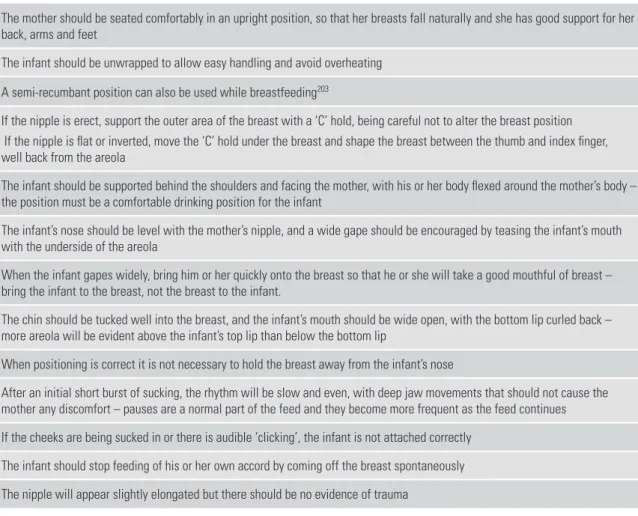
2.2: correct positioning during breastfeeding 28
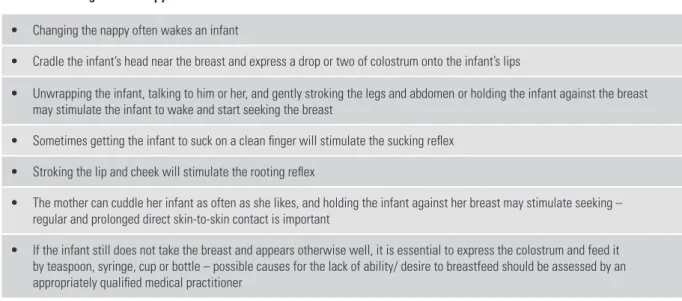
3.1: strategies for sleepy infants 32
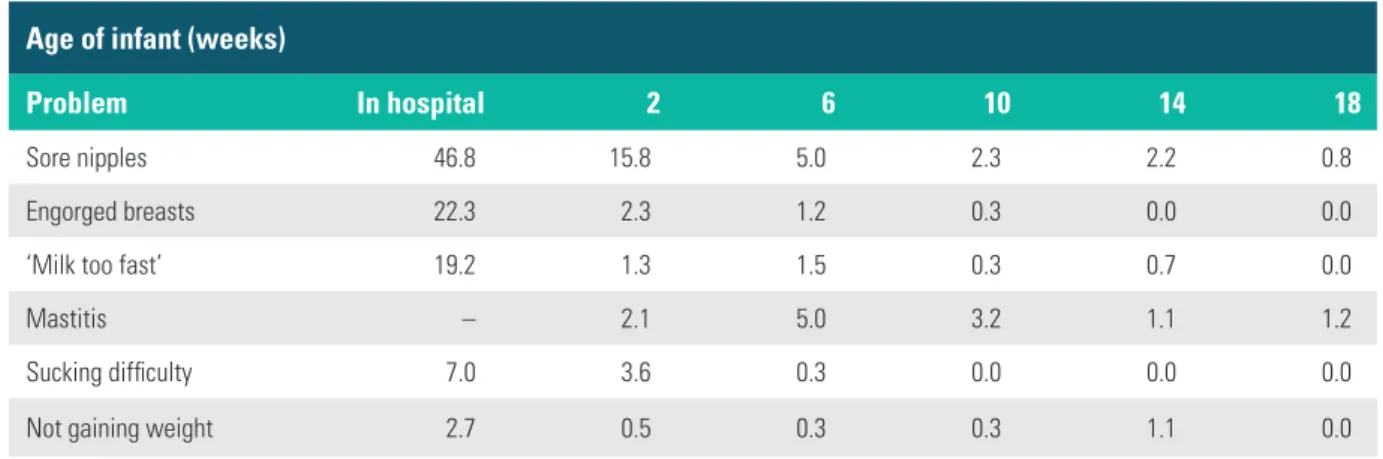
4.1: Prevalence of problems during breastfeeding (%) 39
4.2: nipple care 41
4.3: management of nipple pain and trauma 41
4.4: supporting breastfeeding among women with significant variations in nipple shape 42 4.5: management of dermatitis and eczema of the nipples and breasts 42
4.6: management of engorgement 43
4.7: management of mastitis 44
4.8: management of women with ‘too much milk’ 45
4.9: Factors that can contribute to inadequate milk volume 46
4.10: strategies to ensure adequate milk supply 46
4.11: Recognising postnatal depression 48
4.12: Assessing safety of the infant 49
List of tables (continued)
5.1: general principles for expressing breast milk by any method 56
5.2: steps for expressing breast milk by hand 56
5.3: steps for expressing breast milk using a hand pump 57 5.4: steps for expressing breast milk using an electric pump 57
5.5: guide to storing expressed breast milk at home 58
5.6: length of time breast milk can be stored 59
5.7: transporting breast milk 59
6.1: Infant conditions and breastfeeding 62
6.2: maternal conditions and breastfeeding 62
6.3: Practical advice on smoking and breastfeeding 66
6.4: time taken for alcohol to be cleared from breast milk (hours: minutes) 67 6.5: Practical advice on alcohol consumption and breastfeeding 67 6.6: ABm criteria for supporting breastfeeding in women who use drugs of addiction 68 6.7: options when it is not possible for a mother to go to her infant during working hours 69
8.1: Preparation of infant formula 76
8.2: transporting formula feeds 77
8.3: sterilisation by boiling 78
8.4: sterilisation using chemicals 78
8.5: Approximate formula requirements for infants 79
8.6: minimising the risk of allergy in infants with a family history 82
9.1: developmental stages and examples of foods 88
9.2: meeting the nutritional needs of infants and young children aged 6 to 24 months 89 9.3: Introducing solids in infants with a family history of allergy 90 J1: Practical points in the use of growth reference charts 122
Summary
the world Health organization (wHo) states that ‘breastfeeding is an unequalled way of providing ideal food for the healthy growth and development of infants’.1 Breastfeeding is beneficial to infants, mothers, families and society, and is viewed as the biological and social norm for infant and young child feeding.2
exclusive breastfeeding ensures that the infant receives the full nutritional and other advantages of breast milk, including developmental benefits and protection against infection and some chronic diseases. In Australia, it is recommended that infants are exclusively breastfed until around 6 months of age when solid foods are introduced, and that breastfeeding is continued until 12 months of age and beyond, for as long as the mother and child desire. while Australia’s breastfeeding initiation rate is currently high at 96%, only 15% of infants are exclusively breastfed to around 6 months.3 Health workers have a vital role in supporting breastfeeding, along with governments, industry and the whole community.
the majority of mothers can successfully breastfeed their infants. while mothers may encounter difficulties with initiating and establishing breastfeeding, usually these can be overcome with support and encouragement from health workers, family and community organisations. Appropriate and effective positioning at the breast and correct attachment and milking action are the keys to successful breastfeeding. Antenatal education on positioning and attachment technique is recommended, together with initiating breastfeeding soon after birth and providing continuing postnatal support and guidance. Health workers can provide invaluable help by offering factual information and empathetic support, demonstrating practical skills, and discussing strategies for problem solving.
there are very few contraindications for breastfeeding. tobacco and moderate alcohol use, most medications and most maternal illnesses are not indications for discontinuing breastfeeding. many mothers can continue to breastfeed if they return to work. while exclusive breastfeeding is ideal, any amount of breast milk is beneficial to the infant and mother. If mothers express and store breast milk, it is important that they follow correct procedures to ensure food safety and hygiene.
Formula feeding
If an infant is not breastfed or is partially breastfed, commercial infant formulas should be used as an alternative to breast milk until 12 months of age. Health workers should provide families with all of the information and support that they need to prepare, store and use feeds correctly.
Introducing solids
At around the age of 6 months, infants are physiologically and developmentally ready for new foods, textures and modes of feeding and need more nutrients than can be provided by breast milk or formula. delaying the introduction of solid foods beyond this age may increase the risk of developing allergic syndromes.
By 12 months of age, a variety of nutritious foods from the five food groups is recommended, as described in the Australian Dietary Guidelines.4 Healthy eating in the second year of life builds on nutritious practices established in infancy. It provides the energy and nutrients needed for growth and development, develops a sense of taste and an acceptance and enjoyment of different family foods, and instils attitudes and practices that can form the basis for lifelong health-promoting eating patterns.
Fluids other than breast milk or infant formula
exclusively breastfed infants do not require additional fluids up to 6 months of age. For formula-fed infants, cooled boiled tap water may be used if additional fluids are needed.5 cow’s milk is associated with iron deficiency in infants under 12 months but pasteurised full cream cow’s milk is an excellent source of nutrients in a mixed diet in the second year of life. Fruit juice is not necessary or recommended for infants under 12 months of age.6 sweetened drinks are associated with dental caries. tea, herbal teas and other drinks are of no known benefit to an infant and could possibly be harmful.
Summary of advice
Advice for health workers
Breastfeeding
• encourage, support and promote exclusive breastfeeding to around 6 months of age and explain that infants do not require fluids other than breast milk for the first 6 months.
• while breastfeeding is recommended for 6 to 12 months and beyond, any breastfeeding is beneficial to the infant and mother.
• Advise women to continue breastfeeding with appropriate complementary foods until 12 months of age and beyond, for as long as the mother and child desire.
• Inform parents of the benefits of breastfeeding and the risks of not breastfeeding when a change from breastfeeding is being considered.
• support the principles of the Baby Friendly Hospital Initiative.
• encourage community-based services supporting breastfeeding families – such services are increasingly important as the length of hospital stays decrease.
• encourage the mother to use expressed breast milk when away from the infant and breastfeed when mother and infant are together.
• encourage support in the community and workplace for flexible work schedules, suitable environments for breastfeeding, expressing breast milk, storage of expressed breast milk and child care. Promote the use of paid parental leave schemes and lactation break entitlements.
• Provide antenatal information and counselling about the benefits and practical aspects of breastfeeding and the risks of not breastfeeding to all potential mothers, fathers and primary carers.
• Provide postnatal breastfeeding support information.
• when discussing breastfeeding with women, pay particular attention to the importance of correct positioning and attachment when breastfeeding.
• to avoid unnecessary intervention, inform parents about the wide variation in normal bowel function in infants who are breastfed. If parents are concerned, they should consult a relevant health professional.
• An infant with suspected dehydration should be assessed by a medical practitioner.
• take steps to identify breastfeeding difficulties by asking appropriate questions during any health-related visits with the mother. manage those difficulties if appropriately qualified, or refer to an appropriately qualified health professional for management (e.g. lactation consultant).
• ensure that any dietary modification or pharmacological intervention for managing excessive crying is safe and does not result in nutritional deficiencies.
Breastfeeding in specific situations
• At present, breastfeeding is contraindicated when a mother is known to be HIV positive (specialist advice is needed for each individual case).
• most prescription drugs and medicines are compatible with breastfeeding, but each case should be specifically assessed by a health professional.
• statins are a commonly used class of pharmaceuticals that should not generally be used during pregnancy or breastfeeding.
• encourage mothers, fathers, primary carers and other household members who smoke to stop or reduce smoking and to avoid exposing the infant to tobacco smoke. even if parents persist with smoking, breastfeeding remains the best choice.
• Advise mothers that not drinking alcohol is the safest option. For women who choose to drink, provide advice on the recommended maximum intake level (e.g. two standard drinks or less in any one day) and the optimal timing of breastfeeding in relation to intake.
• encourage and support mothers to avoid illicit drugs (specialist advice is needed for each individual).
Prelacteal feeds
• If supplementary feeding is needed in hospital, it should only be given for specific medical indications and with the mother’s agreement.
Infant formula
• educate parents on the importance of correctly preparing infant formula and following the instructions carefully, including using the correct scoop and not overfilling or underfilling the scoop.
• check that infant formula is being prepared according to instructions (i.e. to the correct concentration).
Health worker responsibilities
• continue to implement the wHo code and be aware of health professional obligations under the mAIF Agreement.
Advice for parents
Pacifiers
• A pacifier (dummy) may be offered, while placing infant in back-to-sleep-position, no earlier than 4 weeks of age and after breastfeeding has been established.
Dental caries
• do not dip pacifiers or bottle teats in sugar, jam, honey or other sugary substance.
• do not put anything in an infant’s mouth if it has been in someone else’s mouth to avoid spreading bacteria that cause tooth decay.
• Fluoride supplementation is not recommended.
• For children between the ages of 6 and 24 months who are living in areas where the household water supply is not fluoridated, further advice should be sought from a local dentist.
Bottle-feeding
• Put an infant to bed without a bottle or take the bottle away when the infant has finished feeding. do not let the infant keep sucking on the bottle.
• Avoid leaving an infant unattended with a bottle containing liquids (i.e. no bottle propping).
• Bottle-feeding according to need is appropriate – information on formula packages recommending certain amounts for various ages is a guide only and does not necessarily suit every infant.
• A cup can be introduced at around 6 months, to teach infants the skill of sipping drinks from a cup. • Use cow’s milk-based infant formulas until 12 months of age (all infant formulas available in Australia
are iron-fortified).
• special formulas may be used under medical supervision for infants who cannot take cow’s milk-based products for specific medical, cultural or religious reasons.
• soy or goat’s milk-based formulas are not suitable alternatives for infants with allergies to cow’s milk-based formulas.
Introducing solid foods
• Introducing solid foods at around 6 months is necessary to meet the infant’s increasing nutritional and developmental needs.
• As long as iron-rich foods are included in first foods, foods can be introduced in any order and at a rate that suits the infant.
• A variety of solid foods are required for good nutrition and to help the infant to accept a range of flavours. • the texture of foods should be suitable to the infant’s stage of development, progressing from pureed to
lumpy to normal textures during the 6–12 month period.
• solid foods should be of acceptable taste without added sugar, honey or salt.
• From 12 months of age and beyond, toddlers should be consuming family foods consistent with the Australian Dietary Guidelines.4
• Iron-fortified foods and meat or iron-rich alternatives should continue to be offered. • special complementary foods or milks for toddlers are not required for healthy children. • milk and water should be offered in a cup rather than a feeding bottle.
• consumption of nutrient-poor foods with high levels of fat/ saturated fat, sugar, and/or salt (e.g. cakes, biscuits, confectionery and potato chips) should be avoided or limited.
• If food choices are restricted for medical reasons, the advice of a dietitian or appropriate health professional should be sought to ensure that the dietary intake meets nutrient and energy needs.
• care needs to be taken with a plant-based diet to ensure that supplies of iron and zinc are adequate – this is an important issue because iron is vital for neurocognitive development.
• mothers who follow a vegan diet should breastfeed their infants for as long as possible, 2 years or more is desirable. For infants being fed a vegan diet who are not breastfed or are partially breastfed, a commercial soy-based infant formula during the first 2 years of life is recommended. dietetic advice is recommended. • After dietary assessment, infants on vegan diets may require nutritional supplements, especially iron
Foods that should be avoided
• Avoid giving whole nuts and similar hard foods to young children aged less than 3 years to reduce the risk of choking.
• to prevent botulism, do not feed honey to infants aged under 12 months.
• Unmodified milk from animal sources should not be given as a main drink before 12 months. • Unpasteurised milk should not be used.
• cow’s milk should not be given as the main drink to infants under 12 months.
• Pasteurised cow’s milk is an excellent source of protein, calcium and other nutrients and may be introduced as a drink at around 12 months of age and be continued throughout the second year of life, and beyond. • due to potential dangers associated with feeding goat’s milk to infants, its use is not recommended. • low-fat and reduced-fat milks are not recommended in the first 2 years of life.
• soy (except soy follow-on formula) and other nutritionally incomplete plant-based milks (e.g. rice, oat, coconut or almond milk) are inappropriate alternatives to breast milk or formula in the first 12 months. • Fortified soy drink or calcium-enriched rice and oat beverages can be used after 12 months under health
professional supervision, as long as a full-fat variety is used and other sources of protein and vitamin B12 are included in the diet.
• Fruit juice is not necessary or recommended for infants under 12 months.
Introduction
Australia has a long and successful history of caring for mothers and infants, through the establishment more than a century ago of a network of community health nurses, midwives and general practitioners (gPs). Improving health, health care and nutrition is reflected in the decline of infant mortality, from 104 deaths per 1,000 live births at the time of Federation in 1901 to 4 deaths per 1,000 live births in 2008.7
during the 1950s and 1960s, breastfeeding rates declined in many countries. Recognition of the potential for detrimental effects on health led to breastfeeding being prioritised as one of the most important health initiatives. Australia has been successful in increasing breastfeeding rates over the last few decades. Among the organisation for economic co-operation and development (oecd) countries, Australia is just above average for the percentage of infants ever breastfed.8 In 2010, 96% of Australian infants received some breast milk, up from 92% in 2004.3,15
Context for these Guidelines
the first edition of the Infant Feeding Guidelines for Health Workers was developed by the Infant nutrition Panel of the national Health and medical Research council (nHmRc) and published in 1996. the impetus to develop the guidelines came from:
• demand from health workers for additional information on infant feeding, to supplement the nHmRc Dietary Guidelines for Children and Adolescents
• Australia’s response to supporting the wHo International code of marketing of breast-milk substitutes (the wHo code),9 which was formulated in 1981 in response to concerns over the widespread promotion of infant formula throughout the world, and in recognition of the increased risks of morbidity and mortality in infants who are not breastfed.
the wHo code, as approved by the world Health Assembly (wHA), is not legally binding unless individual nations enact relevant legislation. Australia stated at the wHA:
in voting for the adoption of this Code, Australia made an international commitment to take action to give effect to its aims and principles and accepted responsibility for their implementation as appropriate to social and legislative frameworks in this country.10
• supplementary resolutions passed by the wHA have urged countries to strengthen their commitment to the wHo code and the joint wHo–UnIceF Baby Friendly Hospital Initiative (BFHI) (which promotes breastfeeding initiation in hospitals) and reiterated the need for compliance with the wHo code.
In addition to the nHmRc Infant Feeding Guidelines for Health Workers, measures to implement the wHo code in Australia are:
• the Marketing in Australia of Infant Formulas: Manufacturers and Importers Agreement 1992 (mAIF Agreement) – a voluntary, self-regulatory code of conduct between manufacturers and importers of infant formula in Australia which aims to protect and promote breastfeeding and ensure the proper use of breast-milk substitutes when they are necessary
• inclusion in the Food standards Australia new Zealand (FsAnZ) code (FsAnZ code) of mandatory labelling and composition provisions for infant formula, consistent with the wHo code.
the first edition of the nHmRc Infant Feeding Guidelines for Health Workers aimed ‘to help all health workers understand how the wHo code and the mAIF Agreement affect their work in both breastfeeding and using infant formula’.
Need for the Guidelines
Australia has been successful in increasing breastfeeding rates over the last few decades, but there is still considerable room for improvement.
• while the initiation rate of breastfeeding is over 90%, rates of any breastfeeding decline to around 50% at 6 months and only around 25% of women breastfeed for 12 months.11,15
• only a small proportion of women exclusively breastfeed to 6 months. the 2001 Australian national Health survey reported that at 25 weeks, around 65% of infants were regularly receiving solid food.12 the 2010 Australian national Infant Feeding study found that the median age for introducing solids was 4.7 months.3 From a public health perspective, achieving further improvements in both the type and duration of breastfeeding offers considerable benefits for maternal, infant, child, and life course health for Australians.
Process used to develop the revised Guidelines
these revised guidelines were developed by the Infant Feeding subcommittee of the dietary guidelines working committee. the process used is outlined in Appendix A of these guidelines and in Appendix B of the Australian Dietary Guidelines.4 the grading of evidence statements is outlined in Appendix B of these guidelines.
A consultation draft was disseminated with the aim of gathering input from a wide range of experts, stakeholders and consumer representatives, and the guidelines were revised accordingly.
Application of the Guidelines
Purpose
the purpose of this document is to support optimum infant nutrition by providing a review of the evidence and clear guidance on infant feeding for health workers. guidance is based on evidence from the Australian Dietary Guidelines literature review and additional reviews specific to infant feeding.
Scope
these guidelines are relevant to healthy, term infants of normal birth weight (>2,500 g). Although many of the principles of infant feeding described here can be applied to low birth weight infants, specific medical advice is recommended.
Intended audience
the guidelines are intended for use by all health workers, defined here as any professional or non-professional person working in a component of a health care system (this includes voluntary workers). the guidelines will be of particular interest to midwives, lactation consultants, maternal and child health nurses, community health nurses, gPs, Aboriginal and torres strait Islander health workers and allied health professionals. the way in which different professionals use the guidelines will vary depending on their knowledge, skills and role, as well as the setting in which care is provided.
Structure of the Guidelines
the guidelines include:
• an overview of breastfeeding in Australia, the benefits of breastfeeding to both infant and mother, and mechanisms to protect and promote the benefits of breastfeeding in the Australian community (chapter 1) • discussion of strategies for initiating, establishing and maintaining breastfeeding (chapters 2 and 3) • discussion of common breastfeeding problems and their management (chapter 4)
• guidance on expressing and storing breast milk (chapter 5)
• discussion of breastfeeding in specific situations, including absolute and relative contraindications (chapter 6) • discussion of supplementary feeding (chapter 7)
• guidance on the use of infant formula, including health worker responsibilities and correct preparation (chapter 8) • guidance on introducing solid foods (chapter 9)
• interpretation of the wHo code for health workers in Australia (chapter 10).
the appendices provide resources for further reading and information and additional information on the development of the guidelines.
Directory of key information in these Guidelines
When you need to know…
Read…
Breastfeeding
Your responsibilities in promoting breastfeeding Chapter 10
How to support and promote breast feeding Section 1.3
The benefits of breastfeeding for mother and infant Section 1.2
When to provide breastfeeding education Section 2.1
Initiating, establishing and maintaining breastfeeding
How is breast milk produced Section 2.2
What factors affect the initiation of breastfeeding Section 2.2.4 What to advise mothers about positioning and attachment Section 2.2.7
How often the infant should be breastfed Section 3.1
What factors affect the establishment of breastfeeding Section 3.3
When a pacifier can be used Section 3.3.1
How to monitor the progress of a breastfed infant Section 3.4 How to manage diarrhoeal disease in breastfed infants Section 3.4.4 What dietary advice should be given to breastfeeding mothers Section 3.5 Managing common breastfeeding problems in mothers
What to advise mothers about nipple pain and variation Sections 4.2.2 and 4.2.3 How dermatitis and eczema of the breasts are managed Section 4.2.3
How engorgement is managed Section 4.2.4
How inflammatory conditions of the breast are managed Section 4.2.5 What to advise mothers with ‘too much’ or ‘too little’ breast milk Sections 4.2.7 and 4.2.8 How to identify and manage postnatal depression Section 4.2.9
When you need to know…
Read…
Breastfeeding
(cont)
Managing common breastfeeding problems in infants
What to advise a mother whose infant refuses the breast Section 4.3.1 What to do when parents report excessive infant crying or colic (unsettled infant) Section 4.3.2 How to identify and manage gastro-oesophageal reflux Section 4.3.3 What to advise parents of infants with jaundice Sections 4.3.5 and 4.3.6 What to advise parents of infants with physical or developmental impediments to
breastfeeding Sections 4.3.7 and 4.3.8
Expressing breast milk
How breast milk is expressed Section 5.1
How expressed breast milk is safely stored Section 5.3
Breastfeeding in specific situations
When breastfeeding is contraindicated Section 6.1.1
Which maternal conditions justify temporary avoidance of breastfeeding Section 6.1.2 What to advise parents about smoking and breastfeeding Section 6.2.1 What to advise mothers about alcohol and breastfeeding Section 6.2.2 What to advise mothers about illicit drugs and breastfeeding Section 6.2.3 What to advise mothers about caffeinated drinks and breastfeeding Section 6.2.4 What to advise mothers about medications and breastfeeding Section 6.1.2 How to support women who are breastfeeding and returning to paid work Section 6.3 How to support breastfeeding in emergency situations Section 6.4
Formula feeding
Your responsibilities regarding formula feeding Section 8.2 and 10.1.2
How infant formula is correctly prepared Section 8.3
How to sterilise bottles, teats and caps Section 8.3.3
How to bottle-feed an infant Section 8.4.2
How much formula an infant needs Section 8.4.3
When to introduce cup feeding Section 8.4.4
When special formulas are required Section 8.5
How to support safe formula feeding in emergency situations Section 8.7
Introducing solid foods
When solid foods should be introduced Section 9.2
How to avoid iron deficiency in infants aged 6–12 months Section 9.3.1
Which foods should be offered and when Section 9.3.2
Which foods should be avoided in infants aged 6–24 months Sections 9.4.1 and 9.4.2 Which drinks should be avoided in infants aged 6–24 months Sections 9.4.3, 9.4.4, 9.4.5 What to advise parents of infants with a family history of allergy Section 9.3.4 What to advise parents of infants on plant-based or vegan diets Section 9.3.5
1. Encouraging, supporting and promoting
breastfeeding in the Australian community
Key points
• Although the majority of women in Australia initiate breastfeeding, rates of breastfeeding
decline to approximately 50-60% at 6 months, only a small proportion of women
achieve the recommendation of exclusively breastfeeding to this age and only around
25% of women continue to breastfeed for 12 months.
• exclusive breastfeeding to around 6 months is associated with the lowest short,
medium and long-term risk of morbidity and mortality among infants.
• Any breastfeeding and prolonged breastfeeding are associated with the lowest risk
of later obesity.
• Breastfeeding has health benefits for mothers, including reduced risk of postpartum
haemorrhage and breast and ovarian cancer and prolonged amenorrhoea.
• Breastfeeding also confers economic benefits to the family and to society and
provides optimum protection to infants in communities with poor environmental
conditions, housing and hygiene.
• the
Australian National Breastfeeding Strategy 2010–2015
provides a framework for
protecting, promoting, supporting and monitoring breastfeeding in Australia.
1.1 Breastfeeding in Australia
there have been significant increases in both the rate and duration of breastfeeding over the last few decades. Rates of breastfeeding were low in Australia in the 1960s – records from Victoria show that only 50–60% of mothers were breastfeeding when discharged from hospital, with just 21% still breastfeeding after 3 months.13 In the early 1970s, breastfeeding rates started to rise again in Australia and comparable overseas countries, beginning in the higher socioeconomic groups. By 1983, the prevalence and duration of breastfeeding in Australia were both among the highest in the western world, with 85% of infants breastfed at discharge and 54–55% at 3 months.14 Breastfeeding remained around this level for the next two decades.12 there has been a gradual increase in initiation and duration rates in recent years.
estimating current breastfeeding rates in Australia is limited by the use of different definitions of breastfeeding and differing study methods (see glossary and Appendix c). combining the results of several studies, it is estimated that 90–96% of mothers in Australia initiate breastfeeding (this is the percentage ‘ever breastfed’).3,11,15,16 At 6 months of age, approximately 50–60% of Australian infants are continuing to breastfeed (‘any breastfeeding’).3,11,16
while the majority of women in Australia initiate breastfeeding, and the percentage of infants ever breastfed in Australia is above the average for oecd countries,8 only a small proportion of women achieve the recommendation
of exclusively breastfeeding to around age 6 months. the 2010 Australian national Infant Feeding survey found that the proportion of children aged 0–24 months who were exclusively breastfed at each month of age declined from 96% at birth to 61% at less than 1 month, 39% at less than 4 months and 15% at less than 6 months.3 the current recommendation is to continue breastfeeding until 12 months of age and beyond, for as long as the mother and child desire. It is estimated that at present only 22–28% of mothers continue to breastfeed their infant to age 12 months.11,15,16
there is also evidence of considerable variation between socioeconomic groups in both the acceptance and maintenance of breastfeeding in the Australian community, with women in higher socioeconomic groups more likely to breastfeed. Health workers should be aware of these differences, so initiatives and strategies to support women to improve rates and duration can target these groups.
1.2 Breastfeeding as the physiological norm
numerous studies have demonstrated the importance of breastfeeding for mothers and infants. there is convincing epidemiological evidence of the protective effects of breastfeeding, in both developed and developing countries.17,18 there is probable evidence that infants who are exclusively breastfed for 6 months do not have deficits in growth compared to those who are not exclusively breastfed (evidence grade B).19-22
In 2001 the report of a wHo expert consultation recommended exclusive breastfeeding for about 6 months, with introduction of complementary foods and continued breastfeeding after that.23 the 2001 wHA combined these various recommendations in one resolution, recommending exclusive breastfeeding until 6 months of age.24 this recommendation has since been endorsed by many national authorities (see Appendix d and e). In Australia the wording has been to recommend exclusive breastfeeding to ‘around 6 months’ of age.25
Although infants should still be managed individually so that insufficient growth or other adverse outcomes are recognised and appropriate interventions are provided, the available evidence demonstrates no apparent risks in recommending, as a general policy, exclusive breastfeeding for the first 6 months of life.20
Breastfeeding has longstanding health benefits for the infant and brings health benefits to the mother. It also offers economic benefits to the family and to society.
Advice for health workers
• encourage, support and promote exclusive breastfeeding to around 6 months of age and explain that infants do not require fluids other than breast milk for the first 6 months.
• while breastfeeding is recommended for 6 to 12 months and beyond, any breastfeeding is beneficial to the infant and mother.
• Advise women to continue breastfeeding with appropriate complementary foods until 12 months of age and beyond, for as long as the mother and child desire.
• Inform parents of the benefits of breastfeeding and the risks of not breastfeeding when a change from breastfeeding is being considered.
1.2.1 Benefits to the infant
Breastfeeding has positive effects on the nutritional, physical and psychological wellbeing of the infant.
Nutritional benefits
the composition of breast milk is uniquely suited to the newborn infant, at a time when growth and development are occurring rapidly while many of the infant’s systems – such as the digestive, hepatic, neural, renal, vascular and immune systems – are functionally immature. many of the nutrients contained in breast milk are in forms that are readily absorbed and bioavailable.26
Breast milk contains many valuable components including bile salt–stimulated lipase, glutamate, certain polyunsaturated long-chain fatty acids, oligosaccharides, lysozyme, immunoglobulin A, growth factors and numerous other bioactive factors. these components facilitate optimal function of the infant’s immature systems and confer both active and passive immunity.27 the living cells found in breast milk are also important functionally.28
Health benefits
Breastfeeding confers a range of benefits to the developing infant, including improved visual acuity, psychomotor development17 and cognitive development,29 and reduced malocclusion as a result of better jaw shape and development.30
globally, suboptimal infant feeding is responsible for 45% of neonatal infectious deaths, 30% of diarrhoeal deaths and 18% of acute respiratory deaths in children under five years.31 numerous studies have shown that breastfeeding reduces the risk or severity of a number of conditions in infancy and later life, including:
• physiological reflux32 • pyloric stenosis33,34
• gastrointestinal infections (evidence grade B)18,35,36 • respiratory illness18
• otitis media18,37
• urinary tract infections38,39 • bacteraemia-meningitis40,41
• sudden infant death syndrome (sIds) (evidence grade c)18,42 • necrotising enterocolitis in preterm infants18
• atopic disease (evidence grade c)18 • asthma (evidence grade c)17,18 • some childhood cancers18 • type 118 and type 2 diabetes17,18 • coeliac disease (evidence grade c)43
• inflammatory bowel disease (evidence grade c)44
• cardiovascular disease risk factors including blood pressure (evidence grade B) 17,18,45,46 and total and low-density lipoprotein (ldl) cholesterol (evidence grade c)17,18
• obesity in childhood and in later life (evidence grade A).17,18,47,48
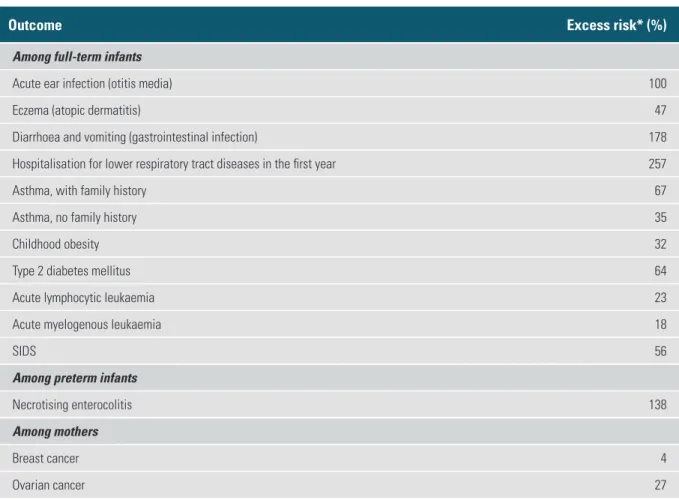
table 1.1 is an alternative way of presenting these data. Table 1.1: Excess health risks associated with not breastfeeding
Outcome
Excess risk* (%)
Among full-term infants
Acute ear infection (otitis media) 100
Eczema (atopic dermatitis) 47
Diarrhoea and vomiting (gastrointestinal infection) 178
Hospitalisation for lower respiratory tract diseases in the first year 257
Asthma, with family history 67
Asthma, no family history 35
Childhood obesity 32
Type 2 diabetes mellitus 64
Acute lymphocytic leukaemia 23
Acute myelogenous leukaemia 18
SIDS 56
Among preterm infants
Necrotising enterocolitis 138
Among mothers
Breast cancer 4
Ovarian cancer 27
* The excess risk is approximated using odds ratios.
Source: Adapted from US Department of Human Services 2011.50
In the United states (Us) national maternal and Infant Health survey (n=7,092), predominant breastfeeding was associated with the lowest illness rates in the first 6 months of life.51 minimal breastfeeding (defined as infants
receiving more foods and liquids compared to breast milk) was not as protective.51 Breastfeeding conferred
health benefits in infants from all socioeconomic groups. more recent evidence from the United kingdom (Uk) millennium cohort study suggests that each month an estimated 53% of hospitalisations for diarrhoea and 27% for lower respiratory tract infections could have been prevented by exclusive breastfeeding and 31% of hospitalisations for diarrhoea and 25% for lower respiratory tract infection by partial breastfeeding.52
two comprehensive systematic reviews provide detailed summaries and meta-analyses of relevant studies for a variety of health outcomes for infants and mothers.17,18
Immunoprotection
Breastfeeding is particularly valuable while the infant’s immune system is immature but continues to offer significant protection throughout lactation.53,54
Factors present in breast milk that offer active or passive immunoprotection include:55
• immunoglobulin A – the most abundant antibody in breast milk, which is manufactured and excreted by the breast in response to maternal exposure to specific bacteria and viruses, and provides protection against pathogens in the infant’s local environment
• immunoglobulin g and immunoglobulin m – offer further protection against specific pathogens.
Breast milk has factors that are not present in infant formula and have an important role in antigen recognition as a host defence mechanism.56 Bacterial recognition by mucosal receptors, an important component of the
non-specific innate immune system, is enhanced by components of breast milk in the first 5 days of life, facilitating the ability of the newborn infant to deal with pathogenic bacteria.
Breast milk also contains a range of non-specific and pattern-specific protective factors, including:57 • proteins – lactoferrin makes iron unavailable to micro-organisms that require iron for growth
(e.g. Escherichia coli, candida albicans) and releases a peptide with bactericidal properties27 and vitamin B
12 -binding proteins make vitamin B12 unavailable to micro-organisms (other proteins with anti-microbiological functions have been described by lopez-Alverez58)
• lysozyme – bactericidal against certain gram-negative rods and gram-positive bacteria
• prolactin – enhances the development of B- and t-lymphocytes and affects differentiation of intestinal lymphoid tissue
• cortisol, thyroxine, insulin and growth factors – promote maturation of the newborn infant’s intestine and development of intestinal host defences
• macrophages, monocytes, neutrophils and B- and T-lymphocytes – inhibit and/or destroy micro-organisms such as bacteria and viruses27
• oligosaccharides – (12–24 g/l; over 130 different types59 mostly resistant to digestion in the small intestine60) promote bifidus bacteria in the large intestine, inhibit attachment of pathogenic bacteria to intestinal and urinary tract mucosa, may provide important precursors for early brain development, and may be essential to reducing incidence of necrotising enterocolitis60
• some free fatty acids – several have antimicrobial actions61,62
• nucleotides – thought to be required for rapid expansion of the immune system in the immediate postpartum period resulting from microbial exposure during birth.55
the concentration of most of these protective factors is highest in colostrum, decreasing as lactation is established and increasing again during gradual weaning.
Diabetes
Breastfeeding for at least 3 months has been shown to be associated with a reduced risk of childhood type 1 diabetes.18 evidence from the large eurodiab study63 indicates that the risk of type 1 diabetes is unrelated to the introduction of either cow’s milk or infant formula before 3 months of age.64
An analysis of studies evaluating the association between breastfeeding and type 2 diabetes reported a protective effect (odds ratio [oR] 0.63; 95% confidence interval [cI] 0.45–0.89),17 although further studies are needed to confirm this conclusion. Another review18 came to a similar conclusion, but noted that the association was present in retrospective case-control studies relying on long-term recall but not in studies that used existing infant records to determine breastfeeding initiation and duration. there is inconclusive evidence linking the method of feeding infants and type 2 diabetes, but there is an indirect relationship through infant growth, particularly the velocity of growth.65-67
Bowel disease
A meta-analysis showed that the risk of coeliac disease was significantly reduced in infants who were breastfeeding at the time when gluten was introduced (pooled oR 0.48; 95% cI 0.40–0.59) compared with infants who were not breastfed at this time (evidence grade c).43 A recent meta-analysis indicated that breast milk exposure had a significant protective effect (oR 0.69; 95% cI 0.51–0.94) against developing early-onset inflammatory bowel disease, although a non-significant difference was shown for ulcerative colitis and crohn’s disease individually.44 overall the evidence suggests a relationship between breastfeeding and lower rates of inflammatory bowel disease (evidence grade c),44 but further well-designed prospective studies are required.
Allergy and asthma
In Australia, 11–13% of children and 9–11% of adults have asthma.68 As many as four in ten children have evidence of allergic sensitisation and many will go on to develop allergic diseases such as eczema and allergic rhinitis.69 the prevalence of asthma and allergic disease has increased markedly since the 1970s, but the prevalence of asthma may be levelling.70
Breastfeeding exclusively to around 6 months is compatible with achieving the lowest rates of allergic disease: • in the general population and families with a history of allergic disease, exclusive breastfeeding for around
6 months can protect against allergic rhinitis, wheezing, asthma and atopy in children71,72
• introduction of milk other than breast milk before 6 months increases rates of asthma (oR 1.25; 95% cI 1.02–1.52) and atopic disease (oR 1.30; 95% cI 1.04–1.61) at 6 years of age72
• breastfeeding reduces the risk of developing asthma – the protective association occurs in the absence of a family history (oR 0.74; 95% cI 0.6–0.92) and in children younger than 10 years with a family history18
• exclusive breastfeeding for at least 3 months is associated with reduced risk of allergic dermatitis in the presence of a family history of atopy (oR 0.58; 95% cI 0.41–0.92)18
• animal and human studies suggest that breastfeeding during the period of antigen introduction facilitates the development of oral tolerance,73 with transforming growth factor-beta (tgFß) a possible critical component in
this process74 and protective against allergic asthma.75
there is no evidence that restricting women’s diets during pregnancy and breastfeeding reduces the likelihood of allergies in infants.76,77
section 8.5 discusses the use of specialised formulas if breastfeeding is discontinued in infants at risk of allergy. section 9.3.4 provides information on food allergy and the introduction of solid foods.
Leukaemia
A history of breastfeeding for at least 6 months is associated with a reduced risk of acute lymphocytic leukaemia (oR 0.80; 95% cI 0.71–0.91).18 Further studies are needed to investigate the biological mechanisms underlying
this relationship.18
Psychological and cognitive benefits
Breastfeeding can be an important factor in bonding between mother and infant. the interdependence between the breastfeeding mother and infant, regular close interaction and skin-to-skin contact during breastfeeding encourage mutual responsiveness and attachment.78
several studies have shown that the method of feeding in early life affects cognitive development. A recent meta-analysis indicated that children who were breastfed for at least 1 month had higher scores on intelligence tests (mean difference 4.9; 95% cI 2.97–6.92) than those who were never breastfed or breastfed for less than 1 month.17 this beneficial effect becomes more pronounced with increasing duration of breastfeeding.79,80
Benefits are more obvious in preterm infants, with those given breast milk for at least 1 month having enhanced cognitive development (approximately 7 IQ units) at 7–8 years of age compared with formula-fed preterm infants.81-84 this response may be related to the higher concentration in breast milk of the polyunsaturated
long-chain fatty acid docosahexaenoic acid (dHA).85
Benefits later in life
Breastfeeding confers health advantages that persist into later life.17,18 this is a difficult area for study as most
evidence comes from observational studies with the inherent problem of confounding. other limitations include the potential for recall bias associated with the retrospective design of most studies and differences in definitions of breastfeeding exposure. nevertheless, numerous systematic reviews and meta-analyses provide suggestive evidence of a protective association between breastfeeding and several risk factors for cardiovascular disease in later life, including total and ldl cholesterol (evidence grade c) and glucose levels (evidence grade c) and probable evidence of a protective association between breastfeeding and high blood pressure (evidence grade B).17,18,45,46
there is convincing high-level evidence that, compared to infants who are formula fed, being breastfed is associated with reduced risk of becoming obese in childhood, adolescence and early adulthood (evidence grade A).17,18,47,48 the protection offered by breastfeeding appears to increase with duration of breastfeeding and plateaus
at 9 months.86,87 In a random effects model, breastfed individuals were less likely than those who had never been
between duration of breastfeeding and the risk of overweight has also been reported.87 In a western Australian
cohort study, infants breastfed for more than 12 months were leaner at 1 year but not at 8 years and breastfeeding for less than 4 months was associated with greatest risk of overweight.88 However this association was not
found in another study in Belarus.89 Familial factors may modify associations between breastfeeding and adiposity
beyond infancy.88
1.2.2 Benefits to the mother
Health
there is evidence that breastfeeding reduces the risk of ovarian and breast cancer, the latter particularly in premenopausal women.18 meta-analysis of epidemiological studies in 30 countries showed a relative risk of
breast cancer reduction of 4.3% (95% cI 2.9–5.8) for every 12 months of breastfeeding in addition to a decrease of 7.0% (95% cI 5.0–9.0) for each birth.90
there is some evidence that breastfeeding reduces the risk of developing type 2 diabetes among women with a history of gestational diabetes.18
the evidence of an association between lifetime duration of breastfeeding and risk of fractures due to osteoporosis is limited.18
Breastfeeding hastens uterine involution after birth and reduces the risk of haemorrhage (thus reducing maternal mortality). As well, preservation of maternal haemoglobin stores through reduced blood loss leads to improved iron status.91,92 there is equivocal evidence that breastfeeding helps the mother regain her pre-pregnancy body
weight.18 methodological challenges in studying the effect of breastfeeding on postpartum weight loss include
‘the accurate measurement of weight change, adequate control for numerous covariates including the amount of weight gain during pregnancy and quantifying accurately the exclusivity and duration of breastfeeding’.18
Contraceptive effect
Although breastfeeding is not regarded as a reliable method of contraception for individual women, it does provide useful benefits on a population basis. there is probable evidence that women who exclusively breastfeed for 6 months experience more prolonged lactational amenorrhoea (evidence grade B).93 It is estimated that
if all women in the world stopped breastfeeding, 30–50% more children would be born in the following 12 months.94,95 the likelihood of pregnancy during periods of lactational amenorrhoea is as low as 1.7% in the first
6 months if a woman is amenorrhoeic and fully or nearly fully breastfeeding day and night.96-98 even in developed
countries, that rate compares favourably with barrier methods of contraception, as long as the woman remains amenorrhoeic.99-101 the contraceptive effects of lactational amenorrhoea were included in summaries of the
cochrane Review and the most recent study of lactational amenorrhoea in Australia, published in 2002.102,103
Economic benefits
Breastfeeding confers economic benefits to both the family and to society. In 1992, the breast milk supplied by Australian women was estimated to be worth $2.2 billion, which was equivalent to about 0.5% of gross domestic Product (gdP), or 6% of private spending on food.104 In 2001, it was estimated that if breastfeeding
levels were increased to those recommended by the Us surgeon general (75% in-hospital and 50% at 6 months), a minimum of Us$3.6 billion would be saved from the costs of treating three childhood illnesses – otitis media, gastroenteritis, necrotising enterocolitis.105 similarly, in 2002, it was calculated that not breastfeeding led to extra
costs to the Australian capital territory health system of $1–2 million/ year from five diseases – gastrointestinal illness, respiratory illness, otitis media, eczema and necrotising enterocolitis.106 A more recent analysis from
the Us found that if 90% of families could comply with medical recommendations to breastfeed exclusively for 6 months, the Us would save Us$13 billion per year and 911 deaths would be prevented per year.107 the economic
1.2.3 Aboriginal and Torres Strait Islander mothers and infants
All infants and mothers gain benefits from breastfeeding. However in remote communities where Aboriginal and torres strait Islander people may live, there are frequently poor environmental conditions, housing and hygiene. Breastfeeding provides the optimum protection to infants against infection and under-nutrition in these conditions. where infant formula is used, cost and water supply are important factors in assuring adequate infant
feeding standards. Health workers need to be culturally sensitive in promoting the benefits of breastfeeding in communities.
the Australian Dietary Guidelines contain information on nutrition and diet as it relates to Aboriginal and torres strait Islander peoples.4
1.3 Protection, promotion and support of breastfeeding
All pregnant women should be encouraged and supported to breastfeed and their right to be supported in their decision to breastfeed should be protected.
the Australian government is committed to protecting, promoting and supporting exclusive breastfeeding to around 6 months and continued breastfeeding thereafter.108 since 1981, Australia has been one of the few developed countries in the world to include a guideline related to breastfeeding in its dietary guidelines.5 the guideline is included in recognition of the role of the whole community in encouraging and supporting breastfeeding.
In 2009, Australian Health ministers endorsed the Australian National Breastfeeding Strategy 2010–2015.2 the strategy ‘provides a framework for priorities and action for all governments to address the protection, promotion, support and monitoring of breastfeeding throughout Australia’.2 this strategy builds on state and territory breastfeeding policies and the earlier National Breastfeeding Strategy (1996–2000).
1.3.1 Protection of breastfeeding
Breastfeeding protection is described in the Australian National Breastfeeding Strategy 2010–2015 as enabling mothers to breastfeed their infants and young children anywhere a mother and child have a right to be, with confidence and without harassment. most Australian jurisdictions have specific legislation to prevent discrimination against breastfeeding mothers.
most recent Australian studies show probable evidence that intention to work or return to paid employment is negatively associated with both initiation and duration of breastfeeding (evidence grade B).109,110 Breastfeeding duration tends to be longer in countries with paid parental leave schemes, such as in scandinavia.2 In Australia, a national paid parental leave scheme was introduced in January 2011.111 no data are available at the time of printing on the impact of this scheme on breastfeeding rates.
1.3.2 Promotion of breastfeeding
the Australian National Breastfeeding Strategy 2010–2015 (see Appendix F) defines breastfeeding promotion in the context of the definition of health promotion proposed by Howat et al:112
A combination of educational, organisational, economic and political actions designed with consumer participation, to enable individuals, groups and whole communities to increase control over, and to improve their health through attitudinal, behavioural, social and environmental changes.
A number of systematic reviews provide evidence-based actions for promoting the initiation and duration of any and/ or exclusive breastfeeding among healthy, full-term infants.113-117 one of these reviews found convincing evidence that breastfeeding promotion interventions in primary care increased rates of initiation and short (1–3 months) and long-term (6–8 months) exclusive breastfeeding and that interventions involving both ante- and postnatal actions were more effective.114
1.3.3 Maternity care practices
Baby Friendly Hospital Initiative
the joint wHo–UnIceF BFHI, launched in 1991, aims to eliminate hospital practices that interfere with successful initiation and maintenance of breastfeeding.118 Although most Australian mothers remain in hospital for only a short period after the birth, the hospital environment can have a positive and lasting influence on breastfeeding. However, if hospitals are not supportive of breastfeeding, the negative effects can be marked. For example, the distribution of discharge packs (with or without formula) to mothers reduces the number of women who exclusively breastfeed.119-121
there is probable evidence that implementation of the BFHI improves breastfeeding outcomes (evidence grade B).122 All steps in this program have been shown to have a positive influence.122 In particular, evidence suggests
that breastfeeding within the first hour after birth improves breastfeeding outcomes (evidence grade c)110,123 and
that breastfeeding duration is reduced by the use of prelacteal feeds (evidence grade c)124 and pacifiers before
4 weeks (evidence grade c).125,126 the BFHI promotes the actions in table 1.2 as the core of its program for every
facility providing maternity services and care for newborn infants.127
Table 1.2: BFHI 10 steps to successful breastfeeding
1. Have a written breastfeeding policy that is routinely communicated to all health care staff 2. Train all health care staff in skills necessary to implement this policy
3. Inform all pregnant women about the benefits and management of breastfeeding 4. Help mothers initiate breastfeeding within one hour of birth
5. Show mothers how to breastfeed, and how to maintain lactation even if they are separated from their infants 6. Give newborn infants no food or drink other than breast milk, unless medically indicated
7. Practise rooming-in (allow mothers and infants to remain together), 24 hours a day 8. Encourage breastfeeding on demand
9. Give no artificial teats or pacifiers (also called dummies or soothers) to breastfeeding infants
10. Foster the establishment of breastfeeding support groups and refer mothers to them on discharge from the hospital or clinic
Note: In the Australian version of the BFHI, step 4 is phrased: “place babies in skin-to-skin contact with their mothers immediately following birth for at least an hour and encourage mothers to recognise when their babies are ready to breastfeed, offering help if needed”. These Guidelines refer to the original BFHI, as this is the version that has been extensively evaluated.89,128-130
In developing countries, BFHI implementation was associated with average annual increases in the rate of exclusive breastfeeding of infants under 2 months (1.54%) and under 6 months (1.11%).128 In a study in Belarus,
infants from the intervention group were significantly more likely to be exclusively breastfed at 3 months and to be breastfed to any degree at 12 months.89 In scotland, breastfeeding initiation rates increased in Baby Friendly
Hospitals.129 similarly in switzerland, breastfeeding duration and rates of exclusive breastfeeding were higher
among infants born in BFHI-accredited hospitals than hospitals without such accreditation.130,131
The Baby-Friendly Health Initiative in Australia
the Australian BFHI is founded on the same ten steps developed for the wHo-UnIceF BFHI program, although the wording has been slightly modified for some of the steps. the title was changed from ‘hospital’ to ‘health’ to reflect the broadening of the initiative to cover other health facilities such as community health centres. the Australian BFHI is administered by the Australian college of midwives, which is now developing an assessment and accreditation process for a 7-Point Plan for a Baby-Friendly community.