i
Mohammad Ali Kadivar
A dissertation submitted to the faculty at the University of North Carolina at Chapel Hill in partial fulfillment of the requirements for the degree of Doctor of Philosophy in the Department
of Sociology.
Chapel Hill 2016
Approved By:
Charles Kurzman
Kenneth Andrews
Chris Bail
Neal Caren
ii © 2016
iii ABSTRACT
Mohammad Ali Kadivar: Protest Mobilization & Democratization in a Comparative Perspective (Under the direction of Charles Kurzman)
What is the effect of protest mobilization on democratic transition and durability? This
dissertation argues that protest mobilization increases the odds for a democratic transition, but it
is the length of the mobilization that matters for the durability of new democratic regimes. In
particular, sustained unarmed uprisings have generated the longest-lasting new democracies –
largely because they are forced to develop an organizational structure that provides a leadership
cadre for the new regime, forges links between the government and society, and strengthens
checks on the power of the post-transition government. I use quantitative methods, comparative
iv
ACKNOWLEDGMENT
First of all, I would like to thank my advisor Charles Kurzman for the guidance,
direction, and feedback that he provided on this manuscript. It has been an exceptional
opportunity to have Charlie as my mentor through graduate school at UNC. Not only
have I learned analytical thinking and the norms of academic research and writing from
him, but he has familiarized me with the expectations of academic presentation and
interaction in the US academia. I also thank Andy Andrews for his support and feedback
on my research throughout my studies. It was in his social movement seminar that I
learned a more comprehensive vision of the field, and his comments have enriched my
work in terms of theoretical framework as well as methodological rigor. I thank Neal
Caren, from whom I also learned some of the quantitative techniques that I have used in
this dissertation as well as in my other projects. Finally, I thank Graeme Robertson who
both challenged me to think further about the causal mechanisms in my argument as well
as about the complexities of my cases. Outside my committee members, I learned a lot
from my theory classes with Andrew Perrin and my methods course with Ted Mow.
My friends and classmates at UNC have been also crucial in my intellectual
journey and learning process. I want to thank Shawn Bauldry for his help and expertise
with the quantitative sections of my dissertation. On some occasions, he helped me as
much as a committee member would. I have also learned from my classmates Charles
Seguin and Brandon Gorman and benefited from their generous help and comments.
v
through our small writing group. I also want my good friend Aseem Hasnain who was my
student buddy when I started grad school at UNC. Aseem was very supportive and kind
when I had just come to Chapel Hill and did not have many friends. I have also enjoyed
Aseem’s free spirit and his broader vision about scholarship and life. I thank also my
friend Ahsan Kamal whose presence at UNC sociology has been refreshing and a
reminder about the important connection about academic work and activist concerns. I
thank my friend Char Lloyd both for her comments and her generous help with editing
different drafts of my work. I especially thank my dear friend Mehrdad Babadi who
always reminded me about having bigger goals and ambitions, and also about the
importance of learning broadly. Mehrdad was a big emotional support through stressful
times of grad school. In fact, Mehrdad was the person who told me about the sociology
department at UNC and mentioned that Charlie could be a good fit for my research
interests. Finally, I thank my family, particularly my mother, for supporting me
vi
TABLE OF CONTENTS
LIST OF TABLES ... ix
LIST OF FIGURES ... x
CHAPTER 1: INTRODUCTION ... 1
CHAPTER 2: PRE-ELECTION MOBILIZATION AND ELECTORAL OUTCOME IN AUTHORITARIAN REGIMES ... 4
Authoritarian Elections, Mobilization, and Democratization ... 6
Pre-election Protest and Opposition Empowerment ... 10
Data and Method... 14
Analysis ... 23
Discussion and Conclusion ... 27
CHAPTER 3: POPULAR MOBILIZATION AND THE DURABILITY OF NEW DEMOCRACIES ... 47
Democratic Breakdown ... 48
Mass Mobilization and Democratic Transitions ... 50
Popular Campaigns and Democratic Durability ... 51
The Universe of Cases ... 55
Measures ... 56
Quantitative Method ... 61
Event History Analysis ... 62
vii
South Africa ... 69
Poland ... 73
Pakistan ... 76
Russia ... 78
Indonesia ... 82
Conclusion ... 85
CHAPTER 4: PREDICAMENTS OF RAPID SUCCESS: EGYPT’S FAILED DEMOCRATIZATION 2011-3 ... 99
Civil Society and Democratic Failure... 102
Data and Method... 104
January 25th Rebellion, Too Short to Endure ... 105
The Negative Coalition Crumbles ... 109
The old regime strikes back ... 120
The treacherous alliance, civil society & old regime vs. the elected government ... 124
Conclusion ... 130
CHAPTER 5: CONCLUSION... 132
APPENDIX 1: THE LIST OF ELECTIONS IN THE ANALYSIS ... 135
APPENDIX 2: DEMOCRATIC REGIMES IN THE ANALYSIS 1960-2010 ... 139
APPENDIX 3: MOBILIZATION LENGTH AT DEMOCRATIC TRANSITIONS 1950-2010 ... 142
APPENDIX 4: ROBUSTNESS TESTS ... 222
viii
ix
LIST OF TABLES
Table 1 Summary Statistics ... 35
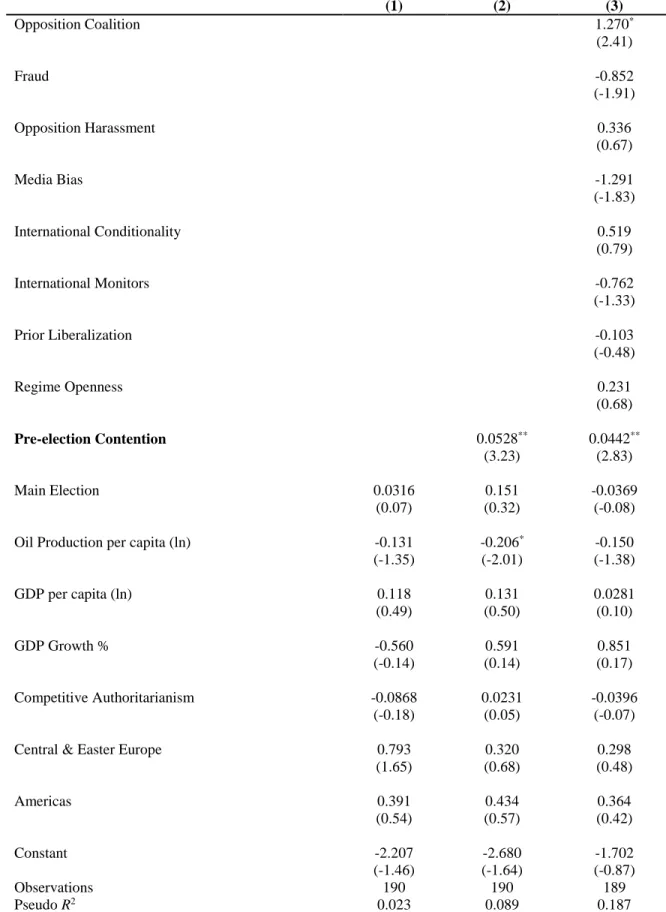
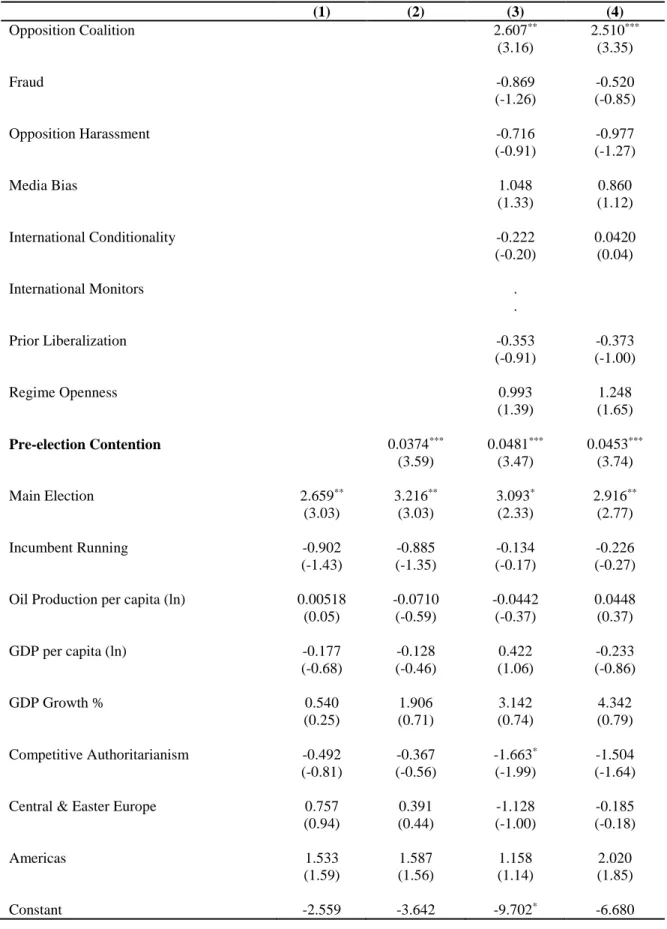
Table 2: Logistic Regression Results for Protest & Incumbent Defeat ... 36
Table 3: Logistic Regression Results for Protest & Liberalizing Electoral Outcome ... 38
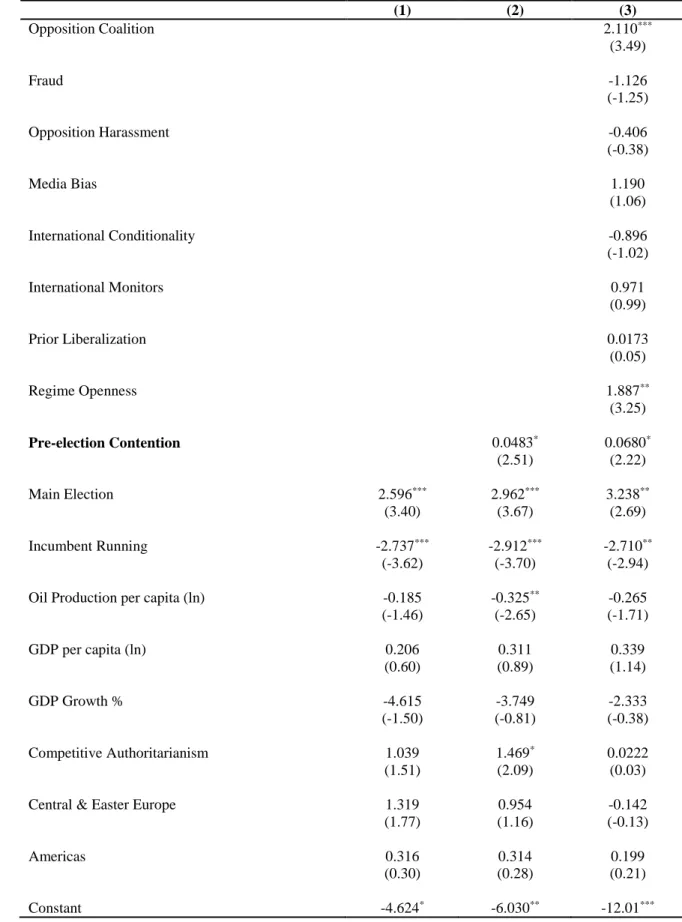
Table 4: Logistic Regression Results for Protest & Democratic Transition ... 40
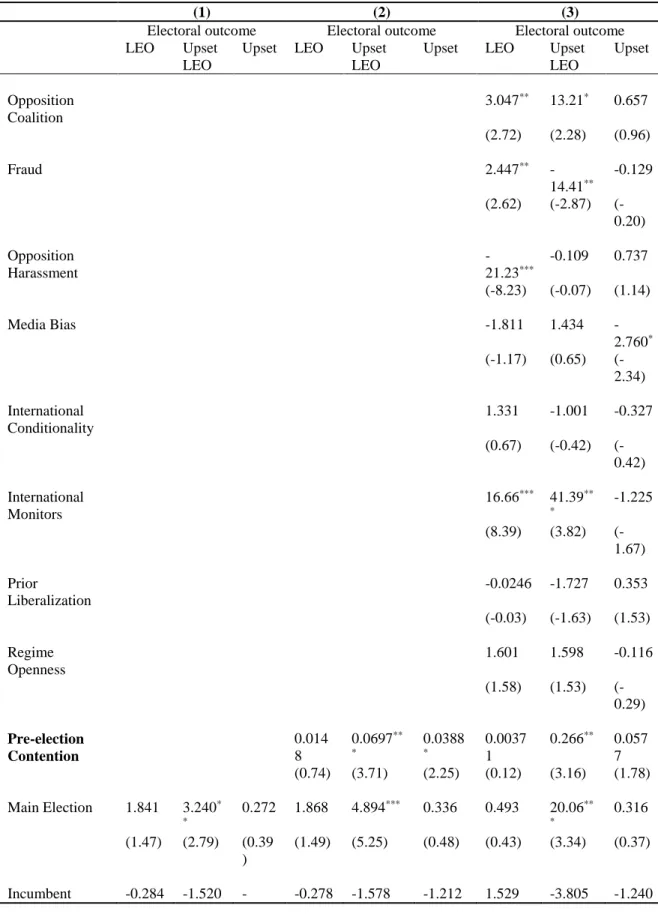
Table 5: Multinomial Regression Results for Protest, Incumbent Defeat, & Liberalizing Electoral Outcome ... 42
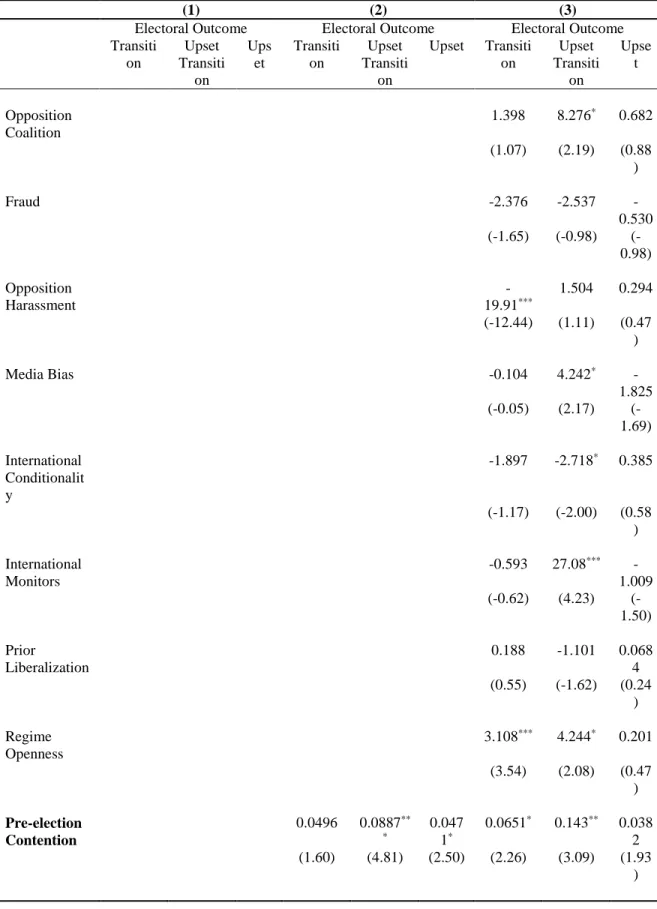
Table 6: Multinomial Regression Results for Protest, Incumbent Defeat, & Democratic Transition ... 44
Table 7: Descriptive Statistics ... 94
Table 8: Regression Results for Contentious Transition Legacy and Democratic Breakdown ... 95
Table 9: Case Selection ... 97
Table 10: Case Study Summaries ... 98
Table 11: Elections in the Analysis... 135
Table 12: Contentious Transition Legacy and Democratic Breakdown (Log Versions) ... 222
Table 13: Contentious Transition Legacy and Democratic Breakdown (Regional and Temporal Controls) ... 224
Table 14: Contentious Transition Legacy and Democratic Breakdown (Additional Controls) ... 227
Table 15: Contentious Transition Legacy and Democratic Breakdown (Weibull model) ... 229
Table 16: Contentious Transition Legacy and Democratic Breakdown (Alternative Measure of Campaigns) ... 231
Table 17: Contentious Transition Legacy and Democratic Breakdown (Alternative Measure of Democracy) ... 233
x
LIST OF FIGURES
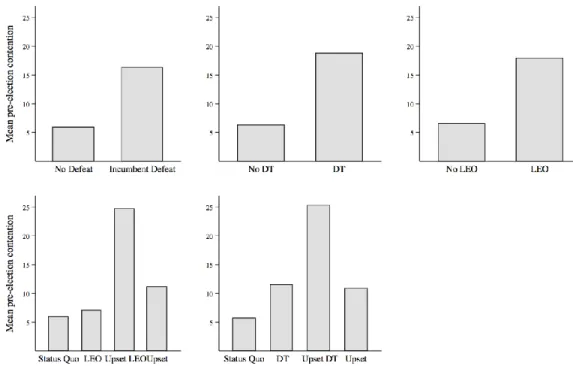
Figure 1: Pre-election Protest and Electoral Outcomes ... 32
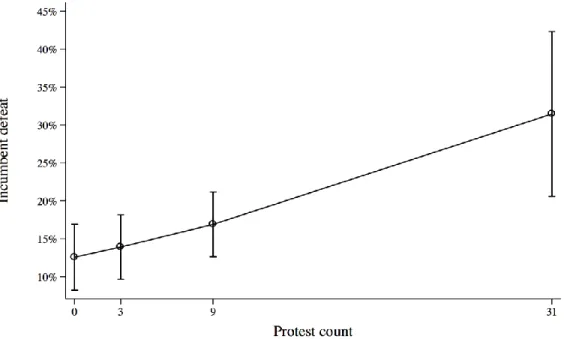
Figure 2: Predicted Probability for Pre-Election Protest and Incumbent Defeat ... 33
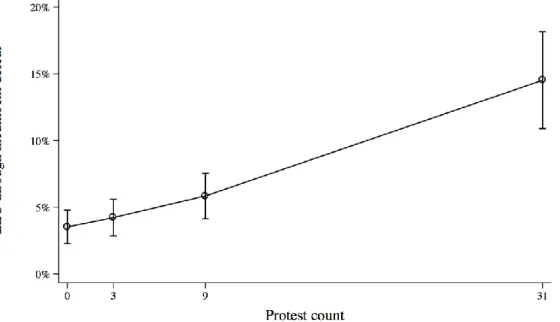
Figure 3: Predicted Probability for Pre-Election Protest and LEO Through Incumbent Defeat ... 34
Figure 4: Frequency of Unarmed Mobilization ... 89
Figure 5: Frequency of armed mobilization ... 90
Figure 6: Contention and Democratic Survival ... 91
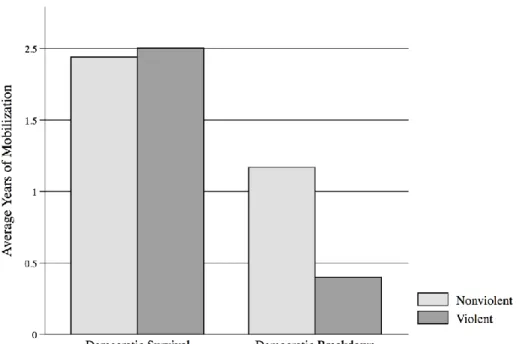
Figure 7: The Length of Mobilization and Democratic Survival ... 92
1
CHAPTER 1: INTRODUCTION
What is the impact of protest mobilization on the democratization process? Social
scientists for a long time have engaged with this question. This dissertation also tries to answer
this question by breaking it down to two parts: What is the effect of protest on democratic
transition? And how does protest mobilization influence democratic consolidation? Democratic
transition refers to the transfer of executive power to a government elected in fair and free
elections, and democratic consolidation points to the survival and durability of democratic
regimes when a democratic transition occurs.
The first paper in this dissertation focuses on democratic transition in authoritarian
elections. The paper takes this narrow focus because the effect of protest on democratic
transitions in general have been studied both through quantitative and qualitative methods.
Studies of election outcome in authoritarian context have recognized the importance of protest,
but the lion share of attention has gone to post-election upheavals. This paper, instead, focuses
on the effect of pre-election protest on election outcome. I argue that pre-election outcome
makes incumbent defeat more likely in authoritarian elections, and also democratization through
incumbent defeat more likely. The analyses of 190 elections in 65 countries between 1990-2004
confirm this hypothesis.
The second and third paper focuses on the effects of protest on durability of new
democracies. I argue that the longer the unarmed movement for democratization, the higher the
2
new democracy to survive in different ways. First, longer episodes of mobilization are more
likely to build a momentum to marginalize elements of the previous regime, which makes the
resurrection of the old regime against the new democracy less likely. Longer episodes of
contention also require creation of an organizational infrastructure to sustain mobilization in a
repressive context. This organization then provides leadership for the post-transition democracy
and also contributes in the post-transition civil society. To demonstrate this argument I use a
mixed method design. A survival analysis of original data on 112 democratic transition over last
half century confirms an association between the length of unarmed contention and democratic
durability. I then use five case studies to explore the mechanisms connecting unarmed
mobilization and democratic survival. South Africa (long mobilization and democratic success),
Poland (long mobilization and democratic success), Pakistan (no mobilization and democratic
failure) are cases that perfectly fit the argument, while Russia (rather long mobilization and
democratic failure), and Indonesia (short mobilization and democratic success) are anomalous
cases.
The third paper presents a more detailed case study of Egypt as a case of short
mobilization and democratic failure. The case of Egypt is important at least for three reasons.
First, Egypt is in a way an unusual case as the same movement that brought down dictatorship
also set the stage for a coup that ended the short and unstable democratic period. Second, closer
examination of Egypt highlights related mechanisms that had not been revealed by previous case
studies. Specially Egypt shows how short mobilization are more vulnerable than longer
mobilization, because short waves of contention are formed around negative coalitions against
dictatorship and do not have enough time to reach consensus about positive steps after the
3
in fractured elite and disputes about parameters of transition that may destabilize or even destroy
the new democratic regime. In Egypt, the opposition movement to Mubarak split to two camps
Muslim Brotherhood versus other secular groups. The protest wave that brought down Mubarak
was also too short to create a large organization or political party, while Muslim Brotherhood
had a large organization that could be used to its advantage in post-Mubarak elections. This
organizational disparity made it also harder for these groups to reach an agreement because
Muslim Brotherhood was confident of its electoral performance and secular groups lacked
representation within electoral institutions to use it as leverage. On the other hand, the movement
was also too short to build enough momentum to marginalize all elements of the old regime.
When seculars became disappointed in curtailing Muslim Brother’s power through electoral
politics, in a miscalculated move they converged with the military. This tacit alliance led to the
4
CHAPTER 2: PRE-ELECTION MOBILIZATION AND ELECTORAL OUTCOME IN AUTHORITARIAN REGIMES
While elections are central to democracy, holding elections is not sufficient for a regime
to be considered democratic. Most authoritarian regimes in the world hold elections in which the
incumbents most often win because of nondemocratic advantages that they enjoy due to the
abuse of power, violation of civil liberties, and electoral manipulation. Nonetheless, on some rare
occasions the opposition manages to defeat an authoritarian incumbent and achieve a democratic
breakthrough. Does pre-election protest contribute to such electoral outcomes? While many
studies consider opposition mobilization only weakly related to political change in electoral
authoritarian regimes (Levitsky and Way 2010), others document the positive effects of protest
mobilization on democratizing outcomes in such cases (Howard and Roessler 2006). I side with
the scholarship favoring the effectiveness of electoral protest for democratic outcomes. Among
these studies, the effects of post-election protests are well documented but pre-election protest
has not received adequate theoretical and empirical attention. In this paper, I focus on
pre-election protest and, building on existing studies of democratization and contentious politics
(Fallon, Swiss, and Viterna 2012; Haggard and Kaufman 2012; Nepstad 2011; Opp and Gern
1993; Schock 2005; Wood 2001), I present a theoretical framework that illustrates why
pre-election protest raises the odds of incumbent defeat and democratic breakthrough in authoritarian
elections.
This paper’s empirical examination and theoretical framework address important gaps
5
programs to investigate elections (Lijphart 2012; Norris 2004) and social movements (McAdam,
Tarrow, and Tilly 2001; Snow, Soule, and Kriesi 2008) as major manifestations of politics in the
modern era, only a few studies have considered the relationship of these two important political
phenomena (Amenta 2006; Goldstone 2003; Kriesi 1995). In a recent reflection on this
surprising disengagement, McAdam and Tarrow (2010:532) wrote that “the relations between
social movements and elections have seldom been specified in a systematic way that could set us
on the road to predicting how movements affect elections and vice versa.” To fill this gap,
McAdam and Tarrow specified six mechanisms that connect social movement actors to routine
political actors. This paper elaborates on and tests one of these mechanisms: popular
mobilization before elections.
Democratization is one of the more significant consequences of popular mobilizations
that has been understudied from the perspective of political process theory, the dominant
approach of social movement studies (Tarrow 2012:21). The literature on the consequences of
social movements, for instance, has mostly focused on the outcome of policy change since it
studies the outcome of movements in the context of consolidated democracies (Amenta et al.
2010; Giugni 1998). To fill this gap, this paper builds on the general social movements
scholarship and the few existing studies of movements in authoritarian states (Almeida 2003;
Goodwin 2001; Kurzman 2004; Moghadam and Gheytanchi 2010; Ray and Korteweg 1999;
Robertson 2011; Schock 2005; Wood 2000) in order to theorize the ability for contentious
collective action to empower opposition groups and thus affect electoral outcomes in
authoritarian regimes. Pre-election protest has an independent effect on electoral outcomes
6
regime, signals the spread of grievances to both the regime and voters, and sometimes create new
grievances when faced with repression.
I present empirical support for the effectiveness of pre-election contention by analyzing a
dataset of 190 elections in 65 countries with electoral authoritarian regimes from 1990 to 2004.
My findings indicate an association between pre-election mobilization and incumbent defeat as
well as between pre-election mobilization and democratization in the election. In what follows, I
first introduce the concept of electoral authoritarianism, which specifies the universe of my
cases. Then, I review the few existing studies that consider the impact of electoral contention on
democratization in authoritarian elections. Next, I introduce my theory about the empowering
effects of pre-election mobilization for the opposition. Finally, I introduce the data and test
hypotheses derived from my theory against rival explanations for democratization in electoral
authoritarian regimes.
Authoritarian Elections, Mobilization, and Democratization
Electoral authoritarianism is now the most common form of authoritarian rule in the
world as there are very few non-democratic governments that do not hold national elections (e.g.
Saudi Arabia, North Korea, Cuba, China). Electoral authoritarian regimes claim democratic
legitimacy on the basis of regularly held elections. However, these elections are either formally
limited to roles that would prevent a complete power rotation or, when authorized to change
executive power on paper, they fall short of the conditions necessary for free and fair elections.
Incumbents in these regimes abuse public institutions to advantage the playing field in favor of
the ruling party, violate civil liberties, and manipulate the election process to guarantee their
7
Teorell and Hadenius 2007). Accordingly, some scholars argue that incumbent leaders use these
elections to consolidate their power (Blaydes 2010; Lust-Okar 2006; Magaloni 2008).
Even though incumbents enjoy considerable advantages in these elections, on some
occasions they lose the electoral battle to the opposition (e.g. Kenya 2002). In authoritarian
elections, incumbents stand as the main obstacle to the democratic rotation of executive power in
the eyes of the opposition. Thus, when incumbents lose and executive power is rotated to the
opposition, a democratic breakthrough can be achieved. A democratic breakthrough could also
occur without incumbent defeat in cases where incumbents hold fair and free elections and win
(e.g. Ghana 1996). Under what conditions, then, does a democratic breakthrough of either sort
occur?
To address this puzzle, scholars point to various factors such as the degree of
competitiveness within the regime (Brownlee 2009a; Roessler and Howard 2009), linkage with
democratic superpowers (Levitsky and Way 2010), international pressure on the fairness of
elections (Donno 2013), regime strategies such as fraud and harassment of the opposition, and
opposition strategies such as coalition building (Bunce and Wolchik 2011; Donno 2013; Howard
and Roessler 2006). I propose that pre-election protest also contributes to incumbent defeat and
democratization. In this paper I adopt a minimal definition of democracy as a set of institutional
arrangements: procedures and institutions through which citizens can effectively express their
preferences about alternative policies and leaders, and institutionalized constraints on the
exercise of executive power (Marshall, Gurr, and Jaggers 2011). Any improvements in the
direction of establishing and consolidating these procedures and institutions would be considered
8
The effectiveness of mass mobilization for election outcomes in authoritarian regimes has
been the subject of scholarly debates. One strand of classic studies of democratic transitions was
pessimistic about the effectiveness of mass mobilization for democratization, arguing that
contention is either detrimental to the transition process or ephemeral (Huntington 1984;
O’Donnell and Schmitter 1986). This pessimism has been echoed in contemporary research on
the outcome of authoritarian elections. These studies emphasize that, rather than opposition
mobilization, it is the features of the incumbent regime itself, such as coercive capacity or degree
of competitiveness that determine their trajectories. Levitsky and Way offer a metaphor to
explain this theoretical approach:
Consider the story of the three little pigs. Setting normative preferences aside, imagine that the pigs are autocratic incumbents, their houses are their regimes, and the wolf represents prodemocracy movements. The wolf huffs and puffs at all three houses, but the impact of his huffing and puffing varies across cases: Whereas the houses of straw and sticks quickly collapse, the house of bricks remains intact. The key to explaining these outcomes lies not in the wolf ’s abilities or strategies but in differences in the strength of the houses (2010:54).
In contrast to this regime-centered approach, there are studies that explore the effects of
opposition mobilization on incumbent defeat and democratization, with post-election protest
receiving the lion’s share of attention. Scholars in this area have empirically demonstrated that
voters who are outraged about fraudulent elections and aware of the similar feelings of fellow
voters turn to the streets to protest stolen elections. These uprisings can sometimes force the
regime to withdraw and accept the election's real winners (e.g. Serbia 2000, Ukraine 2004). This
model of electoral revolution has been adopted by a wide range of activists around the world as a
plausible strategy for creating regime change (Beissinger 2007; Bunce and Wolchik 2011;
9
There are also a few studies of pre-election mobilization and its impact on electoral
outcomes. Bunce and Wolchik (2011) in their important analysis of incumbent defeat in
authoritarian elections in Eastern and Central Europe argue that pre-election tactics and strategic
choices by the opposition offer the best explanation for the variation in election outcomes.
“Forming a united front among opposition parties, forging close alliances between the opposition
and civil society groups, and carrying out ambitious nationwide campaigns and voter registration
and turnout drives” are among the most effective tactics deployed by the opposition (Bunce and
Wolchik 2011:33). Although this analysis presents some informative insights about protest
tactics, the focus of the argument is on electoral tactics rather than contentious collective action.
There are also a few studies that pay specific attention to contentious collective action
undertaken by the opposition (Howard and Roessler 2006; Schedler 2009, 2013). While these
studies find a positive impact for opposition mobilization on democratization in elections, they
suffer from limitations in terms of conceptualizing mass mobilization as well as measuring
protest. First, these studies’ concept of protest focuses exclusively on protests organized by the
established opposition parties. This formulation excludes a variety of protest actions that could
affect the incumbents’ power to control the election. I argue for the expansion of protest events
to include those led by any number of social groups because, regardless of the organizing entity,
pre-election protests can fundamentally affect the political strategies of regime incumbents,
formal opposition groups, and voters. In contrast to a limited conceptualization of protest, this
broader conceptualization of protests does not require specific demands about the election to
affect the election outcome. Instead, demands for democratization often emerge from escalating
protests that expand to include many social groups. The wave of protests in Tunisia during
10
initially addressed only unemployment and poverty, but escalated over the course of a few weeks
to include the condemnation of repression and, finally, the resignation of the standing president
Ben Ali to make way for free elections. In Tunisia, political parties were among the last to join
the revolt while neighborhood youth and teachers unions played an active role in organizing
protest events from the beginning (Hmed 2012; Saidani 2012).
The second limitation of previous scholarship stems from the way the concept of protest
is operationalized. Howard and Roessler’s (2006) study, for instance, uses data from the
Cross-National Time-Series (Banks and Wilson 2013), which is based on coding of the average counts
of demonstrations for the election year and the previous yearin New York Times news articles.
This approach is limited in three ways. First, this method conflates pre- and post-election
protests, which does not allow for their differential effects on liberalizing outcomes to be
disentangled. Second, a liberalizing outcome in an election may function as a political
opportunity for contenders and increase the intensity of post-election protests, making causal
inferences about the effect of protests on the election outcome drawn from these data dubious.
Third, the use of New York Times articles as a comprehensive database of protest events is
limited: the Times does not have bureaus in all countries, it provides uneven coverage of political
events in different regions, and its coverage is likely biased towards reporting liberalizing
outcomes. To address this issue, I use a daily measure of protest that allows us to distinguish
pre-election contention from post-pre-election mobilization.
Pre-election Protest and Opposition Empowerment
Pre-election contentious collective action may lead to democratization through incumbent
11
events that represent subversive acts such as protesting demonstrating or rioting versus methods
of conventional politics such as voting and lobbying that challenge normalized practices and
existing systems of authority (Beissinger 2002; Tilly and Tarrow 2007). Contention might force
the government to make concessions in terms of more competitive elections, encourage defection
within the regime, or motivate voters to cast ballots for the opposition by signaling the spread of
grievances and raising the level of grievances. This theoretical framework is similar to what
Giugni (2007) calls an indirect-effect model, according to which protest makes a difference by
influencing a certain aspect of the external environment–in this case incumbent defeat–and then
subsequently affecting the major outcome of interest–in this case democratization.
Pre-election protests send signals to the regime, opposition, and voters about the viability
of an alternative for the regime, challenge the myth of regime omnipotence, and increase the
range and intensity of grievances. First, incumbent leaders realize they are facing a serious
challenge and perhaps revolutionary threats when they witness contentious collective action.
They may try to manage such challenges by holding more competitive elections (Acemoglu and
Robinson 2005; Boudreau 2009; Bratton and Walle 1994; Wood 2000). Since the government is
trying to appease protesters, the regime may be less likely to resort to fraud under these
circumstances, allowing the opposition to enjoy a greater chance at victory (Schedler 2013).
On the other hand, certain elements within the regime or third parties might realize that
cooperation with the regime is not the only viable option. Pre-election protest could show that
the regime is facing serious challengers. Insiders or third parties might then consider staying
neutral or even cooperating with the opposition. Accordingly, popular protests against
12
2009; Chenoweth and Stephan 2012; Schock 2005). Under such conditions the incumbent would
face difficulty in collecting the votes required for victory and the opposition enjoys a better
chance of receiving electoral support.
During the period of military rule in Brazil, for example, the opposition organized a
series of demonstrations in 1984 and demanded the replacement of an electoral college system
with direct presidential elections. Although the movement failed to achieve this goal in the short
term, it led to an important defection of the official National Alliance Renewal Party to the
opposition Brazilian Democratic Movement party. As a result, in the following year the
opposition leader Tancredo Neves was indirectly elected as Brazil’s president, which was the
first time since 1960 that the military’s candidate did not win the election (Haggard and
Kaufman 1995:73).
Another example is Indonesia, where days of massive protests and rioting in May 1998
forced President Suharto to resign after 31 years of rule. Suharto’s New Order was based on the
claim that only his government could save the country from chaos. Days of urban rioting
thoroughly discredited this foundational claim. Following this tumult, the ruling elite in the
dominant Golkar party decided to abandon Suharto and called for his resignation (Aspinall
2005). After Suharto’s departure, Vice-president Habibie immediately promised fair and free
elections and electoral reform to appease protestors. Changes in electoral law stripped the
reigning Golkar party of the privileges it had enjoyed for decades (Bird 1999), resulting in the
fall of Golkar party in the 1999 presidential election after 33 years in power.
Protest events also signal to the opposition and voters that grievances against the regime
13
This would matter particularly in the context of authoritarian regimes, since citizens might be
unsatisfied with the incumbents but not dare to express their grievances and, accordingly, would
be unaware of other citizens sharing their dissatisfaction and desire for political change (Kuran
1995). The option of going to ballot boxes and voting for the opposition, then, would appear a
more reasonable option rather than a futile attempt that would only contribute to the legitimacy
of a fake election.
Protest events also might raise the level of grievances or redirect them (Oliver 1989).
Authoritarian governments usually try to manage their populations' grievances and channel them
toward targets other than the regime through tactics such as disseminating pro-regime
propaganda, censoring independent media, and monopolizing public discourse. Protest events
can effectively challenge the regime’s domination of political discourse by highlighting various
grievances and blaming the regime for them. In addition, brutal crackdowns on protesters
sometimes forge new grievances, escalating mobilization against regimes (Boudreau 2009).
While new grievances could fuel further protest, they could also lead to changes in the electoral
behavior of the voters. If citizens realize that electoral action could be an effective way to
address their dissatisfactions, they are more likely to resort to the ballot boxes. The opposition
also could use the new grievances in their electoral campaign against the incumbent regime.
In Thailand, for example, during the campaign for the September 1992 election, the press
focused on the military’s bloody crackdown on protestors. A widely used frame portrayed
‘angels’, opposition parties such as the Democrats that had challenged military rule, versus
‘devils’, the military leaders and provincial politicians that supported them in their successful
14
election in a tight race with the military-backed party (Pasuk and Baker 2002). Similarly, in
Serbia, the regime’s crackdown on the young members of Otpor for their protest activities
generated new grievances about the government’s cruel tactics in dealing with the opposition.
Otpor also used several innovative tactics to bring the brutalities and wrongdoings of Milosevic’s
regime to the public’s attention (Bunce and Wolchik 2011; Meyers 2009).
Since pre-election protest signals the spread of grievances to the voters and opposition,
presents the opposition as an alternative option, encourages defection from the ruling elite, and
also creates new grievances, we should expect a better chance for incumbent defeat as
pre-election protests increase. Thus, I hypothesize that pre-election protest increases the chance of
incumbent defeat and, accordingly, democratization.
Data and Method
This paper analyzes 190 elections in 65 countries with electoral authoritarian regimes
from 1990 to 2004 (see appendix for the full list). I rely on Roessler and Howard’s (2009)
conceptualization and measurement of regime type to determine the set of cases in this study: all
65 regimes that received a polity score between -8 and 6 according to Polity IV or a score
between 2 and 7 for their political rights from Freedom House. The elections held in these
countries were then extracted from a comprehensive dataset of elections, National Elections
across Democracy and Autocracy (NELDA), which draws on a wide range of primary and
secondary sources to provide detailed information for all direct elections in 157 countries from
1946 to 2010 (Hyde and Marinov 2012). NELDA includes 58 variables concerning different
15
surrounding the election, limitations on the opposition, the presence of international monitors,
and international reactions to the election.1 Such detailed information about elections is not
included in other major electoral datasets such as that of the International Institute for
Democracy and Election Assistance (IDEA). Since some argue that the dynamics of the founding
elections differ from regular elections in electoral authoritarianism (Howard and Roessler 2006),
the first multi-party elections are excluded from the analysis bringing the total number of
elections in the 65 authoritarian countries in my sample to 190.
Dependent Variables
Incumbent defeat: This variable, also based on NELDA, is a dummy variable that is
coded as 1 if the party associated with the incumbent loses the election. In legislative elections,
the variable is coded as 1 if the party associated with the incumbent in the executive loses the
election. In my data, the opposition has managed to defeat the incumbent in 32 out of 190
elections (16.84%).
Liberalizing Electoral Outcome: A liberalizing electoral outcome (LEO) is defined in
terms of improvement in the competitiveness of elections or political rights, regardless of
whether the improvement entails the installation of minimally democratic institutions—in other
words, a democratic transition. Following Howard and Roessler (2006), the dummy LEO
variable is coded when there is a three-point or greater increase in Polity IV and there is
16
point or greater decrease in Freedom House political liberty score. By this measure, there are 18
(9.5%) LEOs in my analysis.2
Democratic Transition: I present a second measure for democratization to ensure my
finding is not reliant on a single measure of this complex concept. Consistent with Roessler and
Howard (2009), a transition to electoral democracy is marked if a country goes over a score of
six on the Polity IV scale, which indicates a democratic system, or dips below a score of two
according to Freedom House, which signifies a country that enjoys a wide range of political
rights such as fair and free elections. According to this measure, there are 21 democratic
transitions in 190 elections (11.05%).
These two measures of democratization do not overlap perfectly. There are seven LEOs
in the analysis that are not identified as democratic transitions as they do not cross the threshold.
Conversely, ten democratic transitions are not identified as LEO due to being identified by only
Polity IV or Freedom House, or due to an increase of fewer than three points on the Polity IV
index. As mentioned earlier, democratization may occur either through incumbent defeat or
through incumbent victory in a free and fair election. In terms of this distinction, there are 7
LEOs without incumbent defeat (3.7%), 11 LEOs with incumbent upset (5.82%), and 21
incumbent defeats without LEO (11.11%). Similarly, there are 11 transitions with incumbent
upset (5.79%), 10 transitions without incumbent defeat (5.26%), 20 elections with incumbent
defeat in the absence of democratic transition (10.53%), and 154 elections with no change
(80.62%).
17 Independent Variable
The independent variable for a particular election year in a single country is the
cumulative count of protest events during the 365 days prior to the election. Data for the
independent variable comes from the daily count of protest events in WHIV, the World
Handbook IV of Political Indicators (Jenkins et al. 2012). WHIV is a refined version of
contentious events from King and Lowe’s (2003) “10 Million Dyadic Events,” which are
computer-coded events from Reuters’ newsfeed. This original dataset has been used by social
scientists to study various phenomena such as influence of human rights INGOs (Murdie and
Davis 2012) , neo-liberal policy reform (Zelner, Henisz, and Holburn 2009), and
anti-government protest in democracies (Su 2015). WHIV has improved upon the original data in
several ways. Most importantly, the event count decreased by about 14.4% when events
previously coded by the computer as contentious were identified to actually be non-contentious.
The WHIV data has been also checked both internally against a basecode and externally by
comparing with other events datasets.3 An additional advantage of the WHIV data is the ability
to separate protests into before- and after-election categories, whereas annual data such as New
York Times annual counts does not allow for such precision. Since this detailed WHIV data only
covers 1990-2004, I limit my analysis to this period.
My analysis considers the effect of different forms of protest on democratic outcomes.
All forms of protest except sit-ins had positive and statistically significant effects on the electoral
outcome. I then counted the occurrence of all forms of protest–protest demonstration, picketing,
18
damaging property, sit-ins and rioting4–to construct the total count for protest events, which
totals 1,444 events in the 365 days before each of the 190 elections. These events are not
necessarily political protests targeting the election since, as it was argued in the literature review,
political grievances in authoritarian contexts are not often clearly expressed in direct political
terms in addition to the potential of non-political demands quickly escalating to political claims.
While both incredibly detailed and comprehensive, the WHIV data has its own
limitations. For example, the innovative use of concerts and posters for protest activities are not
coded in this dataset. Also, the “everyday forms of resistance” or “non-movements” that are
more common in authoritarian settings (see Bayat 2010; Scott 1987) are not reflected in this
dataset. The WHIV data does, however, provide good coverage of conventional protest tactics,
or what is called the “modular repertoire” of contention (Tarrow 2011). Another limitation of the
WHIV data is its lack of information on the size of protest events. However, from what we know
about these elections, it seems that larger waves of protest are associated with larger numbers of
events. For example, the Indonesian 1999 election witnessed the highest number of protest
events, which reflects the massive protests and riots in Indonesia during 1998-9. Following
Indonesia, the Albania 1997, Serbia 2000, and Russia 1993 elections show the highest frequency
of contentious action. This quantitative ranking is supported by qualitative accounts of these
countries documenting massive pre-election mobilization.
A straightforward bivariate analysis suggests a relationship between pre-election protests
and election outcomes. The average protest count for elections without incumbent defeat is 5.83
compared to an average of 16.31 protest events preceding elections in which incumbents are
19
defeated. The mean number of mobilization events before elections without LEO is 6.48, while
the average count of events before elections with LEO is 17.83. Finally, the average number of
contentious events before elections with no transition is 6.21 compared to a mean of 17.83
protests before elections with democratic transitions (Figure 1).
Control Variables
This analysis includes a series of control variables to address potential endogeneity
problems as well as account for the following rival explanations: regime type, election type,
socioeconomic context, international linkage, regime flexibility, regime electoral tactics,
international pressure, and opposition electoral tactics.
First, I include a dummy variable to distinguish between competitive and hegemonic
authoritarian regimes. In hegemonic authoritarian regimes, elections are held but repression and
limitations on the opposition and voters are so severe that there is little uncertainty about the
outcome. In competitive authoritarian regimes, opposition groups may compete for access to
executive power through institutional channels. In such regimes, however, incumbents’ abuse of
state resources undermines the fairness of elections, violates civil liberties critical to election
results, and renders the electoral playfield uneven (Howard and Roessler 2006; Levitsky and
Way 2010). Cross-national analyses of these two regime types have suggested that competitive
authoritarian regimes are more likely to experience a transition to electoral democracy compared
to hegemonic and closed authoritarian regimes (Brownlee 2009a; Roessler and Howard 2009).
Following Brownlee (2009b), this variable is constructed based on two indexes of legislative and
20
2001). An autocratic regime is coded as competitive if the dominant party won less than 75% of
the vote in the previous election. Including this variable addresses a rival explanation according
to which the level of competition allowed by the regime drives both the election outcome and a
high level of protest.
I also include a dummy variable to distinguish main elections, in which the executive is
contested, from other elections. Presidential elections in presidential systems and legislative
elections in parliamentary systems are main elections. There is also a variable indicating whether
the incumbent is running in the election since absence of the incumbent in the election could be
interpreted as a sign of regime weakness, which in turn may increase protest activity and the
chance of opposition victory.
Scholars have also debated whether the level of economic development influences the
probability of democratic transitions (Boix and Stokes 2003; Epstein et al. 2006; Lipset 1994;
Przeworski and Limongi 1997). One might argue that in countries with higher levels of
economic development, the opposition would have a better chance at winning because citizens
would have more resources for organizing protests. Accordingly, my analysis includes measures
from the World Bank to control for GDP per capita (World Bank 2012). The variable is logged
and one year lagged. Similarly, one could argue that poor economic performance affects the
incumbent’s ability to win the election and creates grievances related to economic adversity that
encourage protest. Thus, I include a control variable for the percent of GDP growth from the
World Bank to address both economic rival explanations.
Scholarship on oil-producing countries suggests that authoritarian regimes with access to
21
regimes to build a strong security apparatus and pay off dissenters (Ross 2001, 2012).
Accordingly, one could expect a lower likelihood of opposition victory in oil-producing
authoritarian countries as well as lower rates of protest activities (Smith 2004). Accordingly, the
model includes a the logged version of oil production per capita in US dollars from Ross (2012).
Another rival explanation emphasizes that countries in Eastern and Central Europe and
Latin America have strong linkages with Western powers that play critical roles in their electoral
dynamics (Levitsky and Way 2010). In this context, linkage is defined as the density of
economic, political, diplomatic, social, and organizational ties as well as cross-border flows of
capital, goods, services, people, and information between a given country and democratic
superpowers United States and the European Union. One could also hypothesize that a strong
connection with Western powers would make protestors more hopeful about the possibility of
foreign support and eventual success. Thus, I include dummy variables for countries in Central
and Eastern Europe and Latin America.
Another rival explanation suggests that it might be the internal dynamics of a given
political regime that encourage or discourage protest activities and subsequently determine the
electoral outcomes. To address this alternative explanation, I follow Howard and Roessler (2006)
in using the mean of each country’s Freedom House Civil Liberties Score in the X years prior to
the election as a measure for regime openness. I also include a variable indicating the change in
the Political Rights Score in the four years before the election, which controls for the extent to
which a process of liberalization—or deliberalization—is underway.
My analysis also includes three dummy variables that measure the regime’s tactics in
22
opposition before the election. A second variable from NELDA indicates whether there was bias
in the media coverage favoring the regime prior to the election. Finally, a variable based on
NELDA and an additional dataset of annual “Human Rights Practices” reports from the U.S.
State Department (Kelley and Kolev 2010) denotes whether the government committed fraud on
election day.
In addition to regime tactics, two variables account for international factors affecting
each election. One dummy variable drawn from NELDA indicates the presence of international
monitors at the election. Another variable, international conditionality, borrowed from Donno
(2013) indicates whether Western powers and prominent international organizations5 made
promises or posed threats conditional on the quality of the election during the four months
leading up to the election. Both of these variables address a rival explanation according to which
both the election outcome and protest activities are driven by international pressure.
Finally, we should also take into account the electoral tactics of the opposition. One
might argue that, rather than contentious collective action, it is the opposition’s non-contentious
mobilization that affects election outcomes. For instance, studies of democratization in electoral
autocracies argue that there is a higher chance of democratization resulting from the election
when the opposition forms a coalition. It might also be hypothesized that when the opposition is
united, other contenders are more inclined to resort to protest activities. From Donno (2013), I
include a dummy variable that accounts for whether opposition parties formed a unified
5 Following Donno (2013), my analysis considers the following Western powers and important
23
platform, coordinated their campaign, or united behind a presidential candidate (see Table 1 for a
statistical summary).
Method: The unit of analysis in this study is a single election in a particular authoritarian
electoral regime. Incumbent defeat and democratization are analytically separate, albeit related,
concepts that both have binary outcomes: the result of each election might be incumbent defeat
or no incumbent defeat, democratization or the status quo. Thus, I first use logistic regression
models to estimate the covariates of each outcome separately in keeping with previous studies of
authoritarian elections (Donno 2013; Hafner-Burton, Hyde, and Jablonski 2014; Howard and
Roessler 2006).
Nonetheless, while incumbent defeat and democratization are conceptually separate, they
also overlap. Elections may result in democratization alongside incumbent defeat,
democratization in the absence of incumbent defeat, or incumbent defeat without
democratization. Estimating the effect of covariates on these outcomes in a single multinomial
logistic regression, I test whether there is a relationship between pre-election protest and
incumbent defeat as a pathway to democratic transition. To adjust for dependencies across
elections within a country, I use robust standard errors clustered by country.
Analysis
Table 2 presents the results for the effects of covariates on the probability of incumbent
defeat. Models 2 and 3 show that pre-election contention has a statistically significant positive
effect on incumbent defeat net of all control variables. In other words, an increase in the number
24
finding supports the hypothesis of this paper concerning the positive effect of pre-election
mobilization on incumbent defeat. Among the control variables, only the covariate for opposition
coalition is statistically significant: when the opposition is unified, the probability of incumbent
defeat rises.
To interpret these results, I estimate changes in the predicted probability of the dependent
variable under different conditions. That is, given our data and estimated model, I present the
change in probability of the outcome of incumbent defeat occurring if we artificially shifted one
key independent variable from a low value to a high value while leaving all other variables at
their observed values. Accordingly, an increase from 0 to the median of 2 pre-election protests is
associated with an 8.5% in probability of incumbent defeat. An increase to 7 protests (75th percentile) results in a 32.17% boost in the probability of incumbent defeat compared to no
protests before the election. Finally, moving from 0 to 27 events (95th percentile) increases the probability of incumbent failure 2.62 times (see Figure 2 based on Model 3, Table 2).
Table 3 presents the estimates for the effects of the covariates on the probability of an
LEO. The covariate for pre-election contention is statistically significant and positive across all
three models. In Model 3, which drops 47 observations since the international monitors variable
predicts the outcome perfectly, the coefficient for pre-election mobilization remains significant.
In Model 4, I dropped the variable for international monitors resulting in a similar finding for the
effect of pre-election protest. Among the control variables other than opposition coalition, the
covariate for main election is statistically significant across all models meaning the chance for an
LEO in legislative elections in parliamentary systems and executive elections in presidential
25
Table 4 presents the estimates for the effect of the covariates on the chance of a
democratic transition. The covariate for pre-election contention is statistically significant and
positive in Models 2 and 3, which supports the main hypothesis of this paper. An increase in the
count of protest events is associated with an increase in the likelihood of a democratic transition.
Among the control variables, opposition coalition and main election are statistically significant
and positive—very similar findings as those presented in Table 3. Additionally, the variables for
regime openness and incumbent running are significant in this model for democratic transition.
Since, these variables are not statistically significant in the previous models for LEOs, it seems
that statistical significance is dependent on different measures of democratization.
Table 5 presents the result of analysis for electoral outcome as a categorical variable with
four possible outcomes: LEO without incumbent defeat, LEO with incumbent defeat, incumbent
defeat without a LEO, and status quo as the omitted category. The outcome of LEO with
incumbent defeat is most relevant to evaluating this paper’s hypothesis, namely that pre-election
protest increases the chance of incumbent defeat and, accordingly, democratization. As Models
2 and 3 show, pre-election contention has a positive and statistically significant effect on that
outcome in support of my hypothesis. Table 6 presents similar results replacing the measure of
LEO with one for democratic transition, again with four possible outcomes: democratic
transition without incumbent defeat, democratic transition with incumbent defeat, incumbent
defeat without a democratic transition, and the omitted category of status quo. The coefficient for
pre-election contention is also statistically significant and positively associated with the
possibility of democratic transition with incumbent defeat. This finding supports the main
hypothesis of the paper and also demonstrates that this finding is robust to different measures of
26
Keeping all variables at their observed values, an increase from 0 to the median number
of 3 protests increases the probability of LEO through incumbent defeat by 19.78%. An increase
to 9 (75th percentile) is associated with 65.74% boost in the predicted probability of transition with incumbent upset. Finally, an increase to 31 protests (95th percentile) raises the chance of a democratic transition through incumbent defeat 4.1 times (see Figure 3 based on Model 3, Table
5).
Among the control variables, opposition coalition results in a statistically significant
effect on LEO and democratic transition with incumbent defeat, showing that when the
opposition forms a coalition there is higher possibility of democratization through incumbent
defeat. Main elections are statistically significant as well and are associated with likelihood of
both LEO and democratic transition with incumbent defeat. The covariate for international
monitors is also positive and statistically significant for the outcomes of LEO and democratic
transition with incumbent defeat, which means when international monitors are present
democratization through incumbent defeat is more likely. Opposition harassment is also
statistically significant and negative for the outcomes of LEO and democratic transition without
incumbent defeat. When the regime harasses the opposition it is less likely that the election
would be counted as fair and free. Among the control variables, main elections and opposition
coalition were significant in logit analysis for democratic transition and LEO. Tables 5 and 6
indicate that these two controls are important specifically for democratization through incumbent
defeat. Opposition harassment and international monitors, however, were not significant, and
their effects are only observable when we distinguish between democratization with and without
27
This paper’s main finding is also robust to different specifications of the models. Extra
control variables such as measures for global integration, dummy and continuous variables for
time, and the size of the military were tried in all models to ensure the results were not sensitive
to the inclusion of these factors. Furthermore, as another measure for democratization, I
combined the scores from Polity IV and Freedom House’s Political Rights scores to create a
continuous measure of democratization as an outcome of pre-election protest in a fixed effects
regression model.6 The substantive finding remained robust across these additional tests.
Discussion and Conclusion
While elections in authoritarian countries often function as a mechanism for incumbents
to consolidate their power, on some occasions a democratic breakthrough is achieved when
incumbents lose at the ballot box. The effects of pre-election mobilization on election outcomes
in authoritarian settings have not been adequately addressed in existing studies. I argued that
pre-election protest has an effect on pre-election outcomes because it signals the viability of an
alternative to the current order and illustrates the breadth of grievances to regime allies,
opposition, and voters, which motivates defection from the regime and encourages voters to cast
ballots for the opposition. I then examined the effects of pre-election protest on incumbent defeat
and democratization in 190 elections in 65 authoritarian regimes between 1990 and 2004.
Previous literature on democratic transitions via elections has suggested two pathways for
achieving a democratic transition. First, a transition could occur when the incumbent loses the
election and power rotates to the opposition. Second, a democratic transition could be achieved
when the incumbent wins an election that is considered fair and free. I find that the greater the
28
number of protest events that occurred before an election, the more likely it was that the
opposition defeated the authoritarian incumbent. It was also more likely to observe
democratization in elections following an increased amount of protest activity. Treating the
electoral outcome as a categorical variable, I found that the pre-election protest is associated with
democratization through incumbent defeat. This finding is consistent with previous findings in
the literature on the positive effect of protest on democratization via elections (Howard and
Roessler 2006; Schedler 2013) while also advancing this finding in at least three ways. First, by
dividing democratization into democratization with and without incumbent defeat, my analysis
achieves more specificity concerning which outcomes are affected by mobilization. Second, this
paper expands the concept of protest and demonstrates that protest by diverse social groups,
rather than just by the established political opposition, matters for election results. Third, by
using a daily measure of protest, the paper demonstrates the effect of protest without conflating
the effect of pre and post-election contention.
The finding also confirms my speculation about the importance of pre-election protest for
incumbent defeat and democratization in elections such as Thailand 1992, Serbia 2000, and
Indonesia 1999. In these elections, protest waves contributed to defection within the ruling elite,
reframing grievances, and increasing the competitiveness of elections. The results show that in
parliamentary elections, such as Russia 1995, protest can contribute to incumbent defeat but
may not mark a liberalizing electoral outcome if it is not a main election. There are, nonetheless,
cases with high protest and no incumbent defeat or democratization, such as Malaysia 1999, as
well as cases of democratization with low counts of protest, such as Ghana 2000. While it is
29
democratizing effects of protest and other pathways to democratization by examining such
anomalous cases.
Even though this study is an improvement on existing research on this topic, the data
used in this analysis still has certain limitations. The data do not specifically identify which
actors organized the protest, making it impossible to distinguish the electoral effects of protests
organized by political parties from those organized by other civic organizations or from more
spontaneous events.. As cross-national data on protest events advances, future research might be
able to provide answers to such questions.
My findings of a robust association between pre-election contention and electoral
outcome is limited to electoral authoritarian regimes. There are considerable differences between
both protest and elections dynamics of such regimes and electoral democracies. Protest activities
are less restricted in democracies and elections are supposedly more clean and competitive,
leading us to expect a weaker effect for protest on electoral outcomes in democratic regimes.
Future research should engage with this topic on empirical grounds and investigate potential
similarities and differences.
In a survey of the literatures on elections and social movements, McAdam and Tarrow
(2010) observe that, while both literatures have developed rigorous research programs, they have
barely spoken to one another. Recent studies of retroactive mobilization and contentious
collective action after fraudulent elections have started to fill this gap (Beissinger 2011; Bunce
and Wolchik 2011; Kalandadze and Orenstein 2009; Kuntz and Thompson 2009; Kuzio 2006;
Tucker 2007). I contribute to this new strand of research by demonstrating that pre-election
30
This paper also contributes to research about contentious collective action and
democratization (Haggard and Kaufman 2012; Kurzman 2008; Nepstad 2011; Schock 2005;
Slater 2009; Viterna and Fallon 2008), which is now an emerging field within democratization
studies. Documenting the association between pre-election protest and democratization, this
paper offers a theoretical account as well as rigorous empirics showing how pre-election protest
matters for democratization. Future research may examine factors that explain variation in
pre-election mobilization.
My findings also have important implications for social movements studies. Recent
studies of movement consequences have focused mostly on cases in industrialized democracies,
such as the United States, to examine policy change as the major outcome of social movements
(Amenta et al. 2010). This paper addresses an important gap in the literature by investigating the
political consequences of protest activities on the outcomes of elections in authoritarian states,
putting in conversation two major literatures of contentious politics and democratization, and
thus expanding the literature on movement outcomes to contexts outside industrialized
democracies.
Additionally, the major finding of the paper confirms recent scholarship on nonviolent
campaigns. Recent quantitative as well as qualitative research argues that nonviolent campaigns
are more effective than violent campaigns in achieving regime change and independence as well
as ending occupation (Chenoweth and Stephan 2012; Nepstad 2011; Schock 2005). This paper
uses different data for protest activities, focuses on a different outcome, and finds that unarmed
protest is an effective method for incumbent defeat and even democratization. This paper does
31
In terms of methodology, my paper suggests new strategies for the study of election
outcomes in electoral regimes. Concepts such as democratization and liberalizing electoral
outcomes can be clarified by specifying whether they happen through incumbent defeat or
incumbent victory in fair and free election. Factors affecting the outcome might affect either or
both of these results. Specifying how a factor such as pre-election protest or opposition coalition
affects democratization or liberalizing electoral outcomes helps to realize a more precise
theoretical understanding of which factors shape election outcomes.
More practically, this paper suggests that pro-democracy activists should focus their
efforts on pre-election campaigns for competitive multiparty elections using contentious
collective action. Using protest tactics could be as important as utilizing non-contentious
electoral tactics such as coalition building and using post-election protest tactics to reverse the
32
33
34
35 Table 1 Summary Statistics
Variable Mean Median P5 P95 SD
Pre-election Content 7.6 3 0 28 15.75836
Main Election .5421053 1 0 1 .4995403
Incumbent Running .4157895 0 0 1 .4941597
Oil Production per c 2.44008 .6561456 0 6.737132 2.766438
GDP per capita (ln) 6.741296 6.656703 5.147703 8.529875 1.117903
GDP Growth % .0218529 .0254398 -.0644906 .1046682 .0709622
Competitive Authoritarian .5947368 1 0 1 .49224
Opposition Coalition .1894737 0 0 1 .3929198
Fraud .5631579 1 0 1 .4973055
Opposition Harassment .3 0 0 1 .4594683
Media Bias .3105263 0 0 1 .4639316
International Condit .131579 0 0 1 .3389255
International Monitors .7526316 1 0 1 .4326226
Prior Liberalization .037037 0 -2 2 1.007263
Regime Openness 2.352632 2 1 3.5 .8013668
Central & Eastern Europe .1263158 0 0 1 .3330826
36
Table 2: Logistic Regression Results for Protest & Incumbent Defeat
(1) (2) (3)
Opposition Coalition 1.270*
(2.41)
Fraud -0.852
(-1.91)
Opposition Harassment 0.336
(0.67)
Media Bias -1.291
(-1.83)
International Conditionality 0.519
(0.79)
International Monitors -0.762
(-1.33)
Prior Liberalization -0.103
(-0.48)
Regime Openness 0.231
(0.68)
Pre-election Contention 0.0528** 0.0442**
(3.23) (2.83)
Main Election 0.0316 0.151 -0.0369
(0.07) (0.32) (-0.08)
Oil Production per capita (ln) -0.131 -0.206* -0.150
(-1.35) (-2.01) (-1.38)
GDP per capita (ln) 0.118 0.131 0.0281
(0.49) (0.50) (0.10)
GDP Growth % -0.560 0.591 0.851
(-0.14) (0.14) (0.17)
Competitive Authoritarianism -0.0868 0.0231 -0.0396
(-0.18) (0.05) (-0.07)
Central & Easter Europe 0.793 0.320 0.298
(1.65) (0.68) (0.48)
Americas 0.391 0.434 0.364
(0.54) (0.57) (0.42)
Constant -2.207 -2.680 -1.702
(-1.46) (-1.64) (-0.87)
Observations 190 190 189
37 t statistics in parentheses
38
Table 3: Logistic Regression Results for Protest & Liberalizing Electoral Outcome
(1) (2) (3) (4)
Opposition Coalition 2.607** 2.510***
(3.16) (3.35)
Fraud -0.869 -0.520
(-1.26) (-0.85)
Opposition Harassment -0.716 -0.977
(-0.91) (-1.27)
Media Bias 1.048 0.860
(1.33) (1.12)
International Conditionality -0.222 0.0420
(-0.20) (0.04)
International Monitors .
.
Prior Liberalization -0.353 -0.373
(-0.91) (-1.00)
Regime Openness 0.993 1.248
(1.39) (1.65)
Pre-election Contention 0.0374*** 0.0481*** 0.0453***
(3.59) (3.47) (3.74)
Main Election 2.659** 3.216** 3.093* 2.916**
(3.03) (3.03) (2.33) (2.77)
Incumbent Running -0.902 -0.885 -0.134 -0.226
(-1.43) (-1.35) (-0.17) (-0.27)
Oil Production per capita (ln) 0.00518 -0.0710 -0.0442 0.0448
(0.05) (-0.59) (-0.37) (0.37)
GDP per capita (ln) -0.177 -0.128 0.422 -0.233
(-0.68) (-0.46) (1.06) (-0.86)
GDP Growth % 0.540 1.906 3.142 4.342
(0.25) (0.71) (0.74) (0.79)
Competitive Authoritarianism -0.492 -0.367 -1.663* -1.504
(-0.81) (-0.56) (-1.99) (-1.64)
Central & Easter Europe 0.757 0.391 -1.128 -0.185
(0.94) (0.44) (-1.00) (-0.18)
Americas 1.533 1.587 1.158 2.020
(1.59) (1.56) (1.14) (1.85)
39
(-1.36) (-1.78) (-2.26) (-1.92)
Observations 188 188 140 187
Pseudo R2 0.154 0.224 0.389 0.395
t statistics in parentheses