Substance use and sexual risk behavior among orphaned and non-orphaned
youth in South Africa
Susanne Meghdadpour
A dissertation submitted to the faculty of the University of North Carolina
at Chapel Hill in partial fulfillment of the requirements for the degree of
Doctor of Philosophy in the Department of Maternal and Child Health, in the
Gillings School of Global Public Health
Chapel Hill
2010
Approved by:
Sian Curtis, PhD
Lynn Blanchard, PhD
Shelah Bloom, ScD
Audrey Pettifor, PhD
ii
© 2010
iii
Abstract
Susanne Meghdadpour
Substance use and sexual risk behavior among orphaned and non-orphaned youth in South Africa
(Under the direction of Sian Curtis, PhD)
Substance use carries many health risks for youth and has also been associated with high
risk sexual behavior. Risky sexual behavior is the primary means by which human
immunodeficiency virus (HIV) is transmitted in sub-Saharan Africa. Adult deaths due to HIV
contributed to over three million orphaned children and adolescents residing in South Africa in
2007. There has been ongoing concern that parental absence and potentially altered family,
school, community, and peer relationships may leave orphaned youth at greater risk of engaging
in substance use and risky sexual behaviors, thereby increasing their exposure to HIV.
This dissertation utilized data from a nationally representative survey of 11,904 South
African youth conducted in 2003. Gender-stratified multivariable models were fitted in order to:
1) examine the relationship between factors, from five domains (individual, peer, school, family,
and community) with substance use among South African youth, and to determine whether
orphaned youth were more likely to engage in alcohol or drug use, compared with non-orphans
and 2) examine the relationship between substance use and risky sexual behavior among South
African youth and, again, consider whether orphaned youth were more likely to have had
iv
Findings showed that: a) along with individual factors, family and community domains
were associated with substance use while risky sexual behavior was largely associated with
individual factors b) females were more influenced by family factors while males were more
influenced by community variables c) compared with non-orphaned youth, paternally orphaned
males were more likely to have consumed alcohol and paternally orphaned females were more
likely to have used drugs c) after controlling for substance use, maternally orphaned females
were more likely to have had multiple partners and orphaned males were less likely to have used
condoms regularly.
Ongoing research is needed to better understand the pathways which increase the
vulnerability of some orphaned youth. At the same time, policies and programs directed at
reducing risky behavior among all South African youth should recognize male versus female
v
Acknowledgements
I would like to thank and acknowledge the support from a number of people who
walked with me as I completed my dissertation. These include Sian Curtis, my advisor, as well as
the other members of my dissertation committee: Audrey Pettifor, Heidi Reynolds, Shelah
Bloom, and Lynn Blanchard. Despite busy schedules and responsibilities, they all read through
drafts of papers, provided direction, and gave me needed advice. Additionally, I would like to
acknowledge the guidance provided by Cathy Zimmer at the Odum Institute, at the University
of North Carolina, who patiently answered questions and helped me address statistical and
methodological concerns.
I am thankful to the Reproductive Health Research Unit at the University of the
Witwatersrand in Johannesburg, South Africa, particularly Catherine MacPhail and Helen Rees,
who together with Audrey Pettifor, permitted me to utilize the data collected in the national
survey of youth. I also appreciate and thank the Pediatric Pulmonary Division at Duke
University Medical Center for allowing me to work a schedule which permitted me to complete
my doctoral work.
I would like to thank friends, both those I met through the UNC School of Public
Health and those who have known me for many years, for providing comfort, assurance, and
laughter at times of stress and at times of celebration. Lastly, I am very grateful to my parents,
Eva and Hossein Meghdadpour, and to my sister, Margaret Swanson for their love, support,
vi
Table of Contents
List of Tables ... vii
List of Figures ... viii
Introduction ... 1
Background ... 2
Theoretical framework ... 28
Aims and Hypotheses ... 32
Substance use among orphaned and non-orphaned youth in South Africa ... 35
Introduction ... 35
Methods ... 38
Results ... 43
Discussion ... 49
Substance use and sexual risk behaviors among orphaned and non-orphaned South African youth ... 60
Introduction ... 60
Methods ... 65
Theoretical framework ... 66
Results ... 70
Discussion ... 76
Conclusions, Limitations and Strengths ... 93
Appendix : Questions used to create variables for all hypotheses ... 99
vii
List of Tables
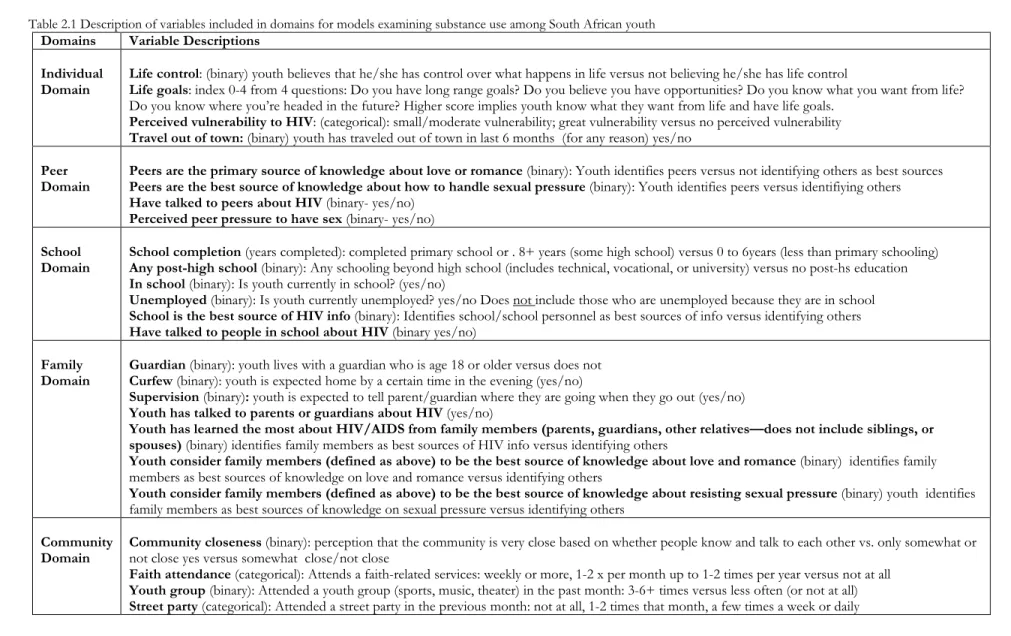
Table 2.1 Description of variables included in domains for models examining substance use among South African youth ... 56
Table 2.2 Percent youth ages 15-24, who have ever drunk alcohol, been drunk in the previous
month, or ever used drugs by orphan status and demographic characteristics (weighted percents,
unweighted frequencies) ... 57
Table 2.3 Odds of all male and all female youth ever having consumed alcohol, having been drunk in the previous month, or ever having used drugs by all domains; (95%CI) ... 58
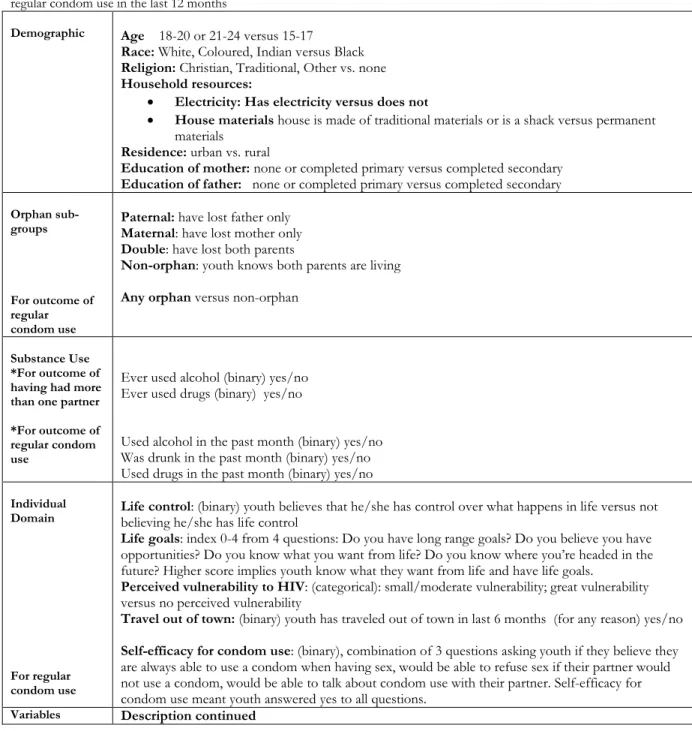
Table 3.1 Description of independent variables for models examining youth having had more than one lifetime partner and regular condom use in the last 12 months ... 83
Table 3.2a. Percent sexually active males and females, ages 15-24, by orphan and demographic characteristics, who have had more than one life time partner, or who are single and used condoms regularly in the past month (weighted percents; unweighted n’s). ... 85
Table 3.2b. Percent sexually active males and females ages 15-24, by individual characteristics who have had more than 1 life time partner, or are single and used condoms regularly in the past month (weighted percents, unweighted n’s) ... 86
Table 3.2c. Percent sexually active males and females ages 15-24, by peer and school characteristics, who have had more than 1 life time partner, or, who are single and used
condoms regularly in the past month (weighted percents, unweighted n’s) ... 87
Table 3.2d. Percent sexually active males and females ages 15-24, by family and community characteristics, who have had more than one lifetime partner, or who are single and used
condoms regularly in the past month (weighted percents, unweighted n’s) ... 88
Table 3.3a Odds of youth having had more than one sexual partner in their life time (aOR, CI 95%) ... 89
viii
List of Figures
Figure 1.1 The relationship of families, peers, schools and their influence on youth from
Primary Socialization Theory ... 29
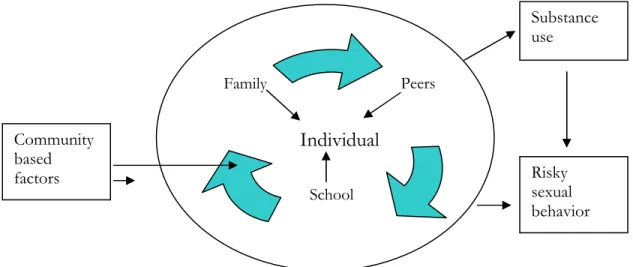
Figure 1.2 Combining constructs from Primary Socialization Theory and from Social Cognitive Theories with a Community domain added ... 31
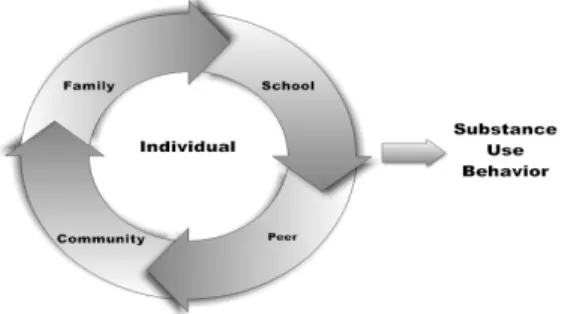
Figure 2.1 Conceptual model for youth substance use behavior ... 40
Chapter 1
Introduction
Drug and alcohol use is on the rise in South Africa, as it is in much of sub-Saharan
Africa, and contributes to significant morbidity and mortality, as well as to the HIV/AIDS crisis,
among youth (Parry, Myers, Morojele, Flisher, Bhana, Donson et al., 2004). Injected drugs are
often associated with needle sharing and a high risk of viral transmission (UNAIDS, 2006a) and
all drugs are associated with increased risk behaviors, including sexual risk behaviors (UNAIDS,
2006a). High risk sexual behavior is, in turn, associated with increased incidence of HIV
(Edwards, Halpern, & Wechsberg, 2006; UNAIDS, 2006a). Adolescent substance use may
therefore be associated with HIV transmission directly through injected drug use, and indirectly,
by increasing risky sexual behaviors.
Of the 40 million people living with HIV/AIDS in the world, 29.4 million live in Africa,
and youth in sub-Saharan Africa have the highest rates of HIV infection in the world (UNAIDS,
2008). Adding to the social and health burden in countries such as South Africa is a burgeoning
orphan crisis, with over 3 million orphaned children and adolescents living in the country in
2007 (Meintjes, 2009). While the high rates of infection among adolescents in general may be
related to their life-stage which is associated with increased risk taking (Call, Riedell, Hein,
McLoyd, Peterson, & Kipke, 2002), the millions of orphaned adolescents may be particularly
vulnerable to substance use, risky sexual behavior and resulting HIV infection (UNICEF, 2004).
2
associated with risky behavior (Perrino, Gonzalez-Soldevilla, Pantin, & Szapocznik, 2000).
Reduced attachment, lack of parental controls, support or modeling, all of which may come with
parental loss, decrease the protections which benefit all youth and enhance the likelihood of
risky behavior (Cluver, Gardner, & Operario, 2007; Kelley, Schochet, & Landry, 2004; Kinsman,
Romer, Furstenberg, & Schwarz, 1998). Many programs are designed to address HIV/AIDS
and many focus on orphaned youth. It is important to know if this population is, in fact, more
vulnerable than other adolescents in terms of engaging in substance use or risky sexual behavior,
to determine the relationship between substance use and risky sexual behavior, and to determine
if particular factors enhance or protect orphaned youth from risk taking. These findings can
provide focus and direction for interventions.
Background
AIDS in South Africa
South Africa is a country of approximately 49 million people located at the
southern-most tip of Africa (CIA, 2009). Human Immunodeficiency Virus (HIV), the precursor of
Acquired Immune-deficiency Syndrome (AIDS,) has become a significant public health concern.
The largest number of people with HIV in the world, 5.7 million, live in this country (UNAIDS,
2008). Deaths from HIV in South Africa contributed to over 3 million orphaned children and
adolescents, ages 0 to 17, living in the country at the end of 2007(Meintjes, 2009) . HIV
prevalence in South Africa was estimated at 18.8% for 15-49 year olds in 2007 and remains
significantly higher than the average prevalence rate of 5.5% reported for much of sub-Saharan
Africa (CIA, 2009; UNAIDS, 2008). Differences in HIV infection rates and prevalence can be
found by age, gender, region of the country, urban versus rural residence, and racial group. In
3
young women, and those living in urban areas, are disproportionately affected (Pettifor, Rees,
Kleinschmidt, Steffenson, MacPhail, Hlongwa-Madikizela et al., 2005; UNAIDS, 2006a). Racial
differences (four racial groups--Black African, White, Colored, and Asian--continue to be
identified for statistical purposes) point to an increased vulnerability to HIV for black South
Africans who constitute almost 80% of the population (Pettifor, Rees, Kleinschmidt et al., 2005).
However, the country’s complex history of occupation, resulting in Black and Colored
populations living in the most disadvantaged regions with limited resources and poor health
expenditure, makes it difficult to untangle race from socio-economics and issues of access to
health care (Marks & Andersson, 1987; Pettifor, Rees, Kleinschmidt et al., 2005).
Transmission of HIV, apart from mother-to-child, occurs predominantly through the
exchange of body fluids from an infected person. This may occur via unprotected sexual
contact, through use of contaminated needles, or other exchange of contaminated blood (CDC,
1999). Women, engaging in heterosexual contact have been shown to develop HIV more readily
than men (European_Study_Group, 1992; Pettifor, Hudgens, Levandowski, Rees, & Cohen,
2007). This may be related to higher viral loads of HIV in semen or to the increased ease of
transmission if vaginal mucosa has been impaired, as might occur with infection or trauma
(European_Study_Group, 1992; Royce, Sena, Cates, & Cohen, 1997).
Risk behaviors and HIV transmission
Behaviors which have been associated with contraction of sexually transmitted
infections, in addition to HIV, include substance use, multiple partners, lack of condom use as
well as early sexual debut and sexual violence (CDC, 1999; Hallman, 2004; Parry, Carney,
4
Early sexual debut is of concern because every instance of sexual activity, if not
accompanied by condom use, adds risk. Early debut is also related to multiple partnerships as a
person who commences sexual activity earlier has more opportunity for multiple partners before
entering a stable relationship. Given that the HIV virus appears to be more readily transmitted
when vaginal mucosa is immature and easily traumatized, young females are thought to be more
vulnerable than males to the risk of HIV infection through early sexual debut (Cheetham &
Bogdanovich, 2006; Pettifor, Hudgens, Levandowski et al., 2007).
Multiple partners enhance risk, particularly if relationships are concurrent. When
condoms are not used or are used intermittently, each new partner represents an opportunity for
infection. Concurrency of partners adds to the risk as the reduced time between partners appears
to enhance viral transmission (Doherty, Shiboski, Ellen, Adimora, & Padian, 2006; Gregson,
Nyamukapa, Garnett, Mason, Zhuwau, Carael et al., 2002; Royce, Sena, Cates et al., 1997).
However, any increase in life time partners represents further opportunities for infection and
increased risk of HIV transmission (Pettifor, Rees, Kleinschmidt et al., 2005).
Condom use is a protective behavior in the transmission of HIV. However, consistency
of use is important. Pettifor et al (2005) found that while 57% of male adolescents and 45% of
females stated that they had used condoms at last sex, 77% said that they did not always use
them with their most recent sexual partner. Inconsistent use, while preferable over no use,
introduces risk of viral transmission. In addition, when multiple partners are involved, studies
have shown that condoms are least likely to be used with main partners, thereby potentially
placing main partners at increased risk.
Injected drug use has been directly associated with increased HIV infection, through the
sharing of contaminated needles (CDC, 1999) and alcohol use has been shown to be associated
5
Africa, as in most of sub-Saharan Africa, injected drug use is not great, although it is increasing.
The United Nations Office on Drugs and Crime reports that illicit drug use, including marijuana,
cocaine, and heroin is rising particularly among women and adolescents. With a rise in heroin
comes a rise in injected drug use in some sub-Saharan countries, including South Africa
(UNODC, 2002). However, alcohol and all illegal drugs contribute to sexual risk taking and
enhanced exposure to sexually transmitted infections including HIV (Parry, Carney, Peterson et
al., 2007; Parry, Myers, Morojele et al., 2004; Simbayi, Kalichman, Jooste, Mathiti, Cain, &
Cherry, 2004).
Risk taking in adolescents
HIV infection is clearly associated with risky behaviors and risk taking in adolescence is
of worldwide concern (UNICEF, 2005). Adolescence, defined by the World Health
Organization (WHO) as persons between ages 10 to 19 (WHO, 2001) provides a time for
adaptation to a more adult life-stage and can contribute to increased independence, self efficacy,
development of independence and positive behavior and coping patterns. However, it is also
understood to be a time of increased morbidity and mortality and adolescents can develop
negative behavioral patterns which may impact their health into adulthood (Call, Riedell, Hein et
al., 2002; Dehne & Riedner, 2001). Levels of risk taking have been found to be related to
individual personality, social and peer input, parental factors, and environmental stressors
(DiMauro, 1997; Kelley, Schochet, & Landry, 2004). Substance use and high risk sexual activity
are among behaviors of concern for adolescents. Substance use can not only leave an adolescent
with a lifelong addiction which impacts his or her life opportunities but has also been shown to
enhance sexual risk taking (DiClemente & Crosby, 2003; Lowry, Holtzman, Truman, Kann,
6
diseases, unintended pregnancy, and the morbidity and mortality attached to both of those
outcomes (Meekers, Gage, & Zhan, 1995; WHO, 2005).
Adolescents are not always aware of the extent to which their behaviors can affect their
health (Kelley, Schochet, & Landry, 2004). In 2005, 50% of new HIV infections occurred in
15-24 year olds (WHO & UNAIDS, 2006). Sexual risk behaviors have been shown to drive the
AIDS epidemic in sub-Saharan Africa, while injected drug use and the sharing of contaminated
needles has been found to be a major source of infection in epidemics in Asia and Eastern
Europe (UNAIDS, 2006b, 2008). However this may change in South Africa as injected drug use
increases (Parry, Myers, Morojele et al., 2004). In addition, research indicates substance use and
sexual risk taking often cluster, or occur “together” in adolescents, further increasing risk in this
population(DiClemente & Crosby, 2003; DiMauro, 1997; Lowry, Holtzman, Truman et al.,
1994). It is therefore important that we identify the correlates and pathways of both substance
use/abuse and sexual risk behaviors for adolescents in South Africa.
Substance use among youth in South Africa
Substance use, predominantly alcohol, has a long history in South Africa. Controls
placed on the production and sale of alcohol for black Africans led to the development of
informaland illegal drinking establishments, and alcohol has been used as an incentive and
source of payment for labor (Pithey & Morojele, 2002). While substance use has been reported
on for years, the reports have been primarily focused on adults and most often based on
regional, not national, data.
One of the first national surveys of drug and alcohol use in black youth was completed
in 1994 (Rocha-Silva, 1996). This study examined use patterns among 1,376 youth ages 10-21
7
true especially among males and occurs most often in settings with friends with the main reasons
for drinking being enjoyment and social pressure. While alcohol appeared to be the primary
substance used by youth in this study, other regional reports have shown that alcohol is often an
entry point to other drug use (Flisher, Ziervogel, & Chalton, 1993).
In 1996 a network on drug use, the South African Community Epidemiological Network
on Drug Use (SACENDU) was established with sentinel sites located in the port cities of Cape
Town, Durban, and Port Elizabeth, Gauteng province (including Pretoria and Johannesburg),
and the rural Mpumalanga province. Included in the network were treatment centers, psychiatric
facilities, and trauma units. Data for 1997 to 2001 showed that alcohol is the most commonly
used substance followed by cannabis (marijuana) and mandrax (a methaqualone), and indicated
that drug use is increasing. Heroin use was found to be on the rise in urban regions such as
Capetown and Pretoria and a substantial number of patients (45% and 38% respectively)
reported some injection drug use. Overall males seemed to use both alcohol and drugs more
than females but more females were seeking treatment for cocaine and heroin (Parry, Bhana,
Pluddemann, Myers, Siegfried, Morojele et al., 2002; Parry, Myers, Morojele et al., 2004).
As part of the SACENDU studies, Flisher et al, (2003) also looked at 8th and 11th grade
students in Cape Town and found higher use of alcohol and cannabis among black males and
white females in the 8th grade but increasing use of substances by all students by the 11th grade.
This study also found that cannabis use had increased 55%, compared with results from a study
done in 1992 (Flisher, Ziervogel, & Chalton, 1993). The group least affected by substances seem
to be black females (Flisher, Parry, Evans et al., 2003; Flisher, Ziervogel, & Chalton, 1993;
Rocha-Silva, 1996).
These findings do not appear to be regionally limited. Taylor et al. (2003) looked at 10th
8
substances and that overall males used significantly more than females. Similarly in a study done
in the in the Pietersburg area of the Northern Province, 39% of secondary students admitted to
consuming alcohol and 12% of students used illegal drugs. Again, most of those using were
males and most began using at a young age; with mean age of 14.9 for first drug use and 15.3 for
alcohol use (Madu & Matla, 2003).
The South African National HIV Prevalence survey from 2005 also reported substance
use indicating that 27.9% of the population (youth and adults) were “high risk” drinkers (based
on an alcohol use identification scoring system where low risk scores identifying drinking within
medical and legal guidelines and high risk scores identify drinking done in a hazardous or
harmful manner). Males were again more likely to drink than females and white males more so
than those from other racial groups, although white males were also more likely to be “low risk”
drinkers. High risk drinkers were most often over age 25 and found to be living in “formal
areas” (established residential regions rather than temporary residential areas). Youth ages 15-24
were the next highest risk group. Approximately 2% of the population admitted to non-injected
drug use. However, of interest, 4.7% admitted using injected drugs (Shisana, Rehle, Simbayi,
Parker, Zuma, Bhana et al., 2005).
All of these reports confirm that alcohol and drug consumption is a growing concern in
South Africa and that fairly young adolescents seem to be using both drugs and alcohol. In
addition, a number of studies seem to indicate that not only is alcohol and marijuana use
increasing but that there is a rise injected-drug use (Parry, Bhana, Pluddemann et al., 2002;
Shisana, Rehle, Simbayi et al., 2005). Age, gender, and race all appear to differentially be
associated with use. However, while many individual regions of the country have been
9
adolescents in their initial review, none has focused on all South African adolescents or
considered both alcohol and drug use.
Risky sexual behavior among youth in South Africa
A number of studies have been done in South Africa which describe the sexual behavior
of adolescents in the region. These reports paint a picture which includes earlier male sexual
debut, inadequate knowledge of HIV, inconsistent condom use, and multiple partnerships,
particularly among males.
In 2003, Eaton et al. published a review of papers, reporting on sexual behavior of youth
between 1990 and 2000, and included 75 studies of adolescents and young adults ranging widely
from ages 14-35. They found that 50% of the adolescents, based on results of the varied studies,
were sexually active by age 16. Males reported earlier sexual debut and more partners than
females. In addition, 10-30% of those (predominantly young men) with multiple lifetime
partners, had concurrent partners. Inconsistent condom use was found, with 50-60% of both
males and females noted not to be using them at all.
While knowledge is not a sufficient motivator of behavior, it is necessary as a first step
towards change. Findings from 8 districts in South Africa in 2001-2002 note that youth ages
12-22 had high knowledge of HIV/AIDS (97%) but did not fully understand mechanisms of
prevention, especially how HIV is transmitted via body fluids and blood. Females were more
knowledgeable than males in this population. This study also found that males tended to initiate
sex at an earlier age than females, and that the majority (73%) of sexually active male and female
youth reported not having used a condom at first intercourse and not using them consistently.
10
year and those with multiple partners were significantly more likely to not have used a condom
or used it inconsistently compared with youth with one partner (Horizons, 2004).
Most recently, Pettifor et al, looked at 15-24 year old South Africans in a large national
study done in 2003-2004, and found that while sexual debut was not at a particularly young age
(mean age was 16.7), by age 19, more than 70% of males and 90% of females reported being
sexually active in the previous year and the majority had more than one lifetime partner. In this
study, females were more likely to have had multiple partners than males, raising the question of
whether females were engaging in transactional relationships. HIV prevalence was also greater
among females than among males (Pettifor, Rees, Kleinschmidt et al., 2005). In a community
based survey more young women than men had experienced gonorrhea or Chlamydia infections
and gonorrhea was associated with a higher prevalence of HIV. Greater concurrent infection
among women may have contributed to the HIV prevalence of 20% among females versus 7.5%
among males (Pettifor, Kleinschmidt, Levin, Rees, MacPhail, Madikizela-Hlongwa et al., 2005).
Young women were also more likely to have older sexual partners. Condom use was, once again,
found to be inconsistent, particularly among women.
On the other hand, two studies note reductions in reported numbers of partners and
increases in reported consistency of condom use among youth in South Africa in recent years
(Simbayi, Chauveau, & Shisana, 2004; Zambuko & Mturi, 2005), leading the authors to believe
that prevention programs may be beginning to be effective. However, 50% of those surveyed
were still not using condoms, many adolescents continue to engage in high risk behaviors, and
most studies point to ongoing risk of HIV transmission and infection among South African
youth with females at enhanced risk (Buga, Amoko, & Ncayiyana, 1996; MacPhail & Campbell,
11
The relationship between substance use and risky sexual behavior
Alcohol and drug use among adolescents is particularly problematic when it occurs in the
context of a high HIV prevalence rate. While the pathways are not completely clear, substance
use has been associated with increases in sexual risk behaviors which, in turn, enhance the
likelihood that an individual might contract HIV through sexual risk taking. Alcohol use has
been found to be associated with transactional sex and contraction of sexually transmitted
infections, including HIV (Kalichman & Simbayi, 2004; Simbayi, Kalichman, Jooste et al., 2004),
as well as unprotected sex and multiple partners (Weiser, Leiter, Heisler, McFarland, Percy-de
Korte, DeMonner et al., 2006) among adults. In a study in Cape Town, alcohol was implicated
with condom failure due to improper use (Simbayi, Kalichman, Jooste et al., 2004).
Similar findings have been noted amongst adolescents. Mataure et al. (2002) found that
alcohol and marijuana use was common among both male and female (32% and 40%)
adolescents recruited in nightclubs and alcohol selling venues in Zimbabwe, and that this use
was associated with casual sexual relationships and transactional sex. The venues in which these
risk behaviors occurred may have enhanced the likelihood of risk taking. In Ethiopia, a study of
20,000 15-24 year olds found a significant linear relationship between intake of alcohol and of
“Khat” (an herbal stimulant) and both sexual initiation and unprotected sex (Kebede, Alem,
Mitike, Enquselassie, Berhane, Abebe et al., 2005). Reports from South Africa have also found
associations between substance use and sexual risk behaviors (Madu & Matla, 2003; Reddy,
Panday, Swart, Jinabhai, Amosun, James et al., 2003). However, the findings regarding condom
use include both significant (Palen, Smith, Flisher, Caldwell, & Mpofu, 2006) and insignificant
(Flisher & Chalton, 2001) associations between alcohol and /or marijuana use and inconsistent
12
seem to alter the positive association between alcohol use and multiple partnerships(Mpofu,
Flisher, Bility, Onya, & Lombard, 2006).
Where associations between substance use and sexual risk behaviors have been
identified, they point to a number of pathways. These include the chemical consequences of
drug use which includes reduced inhibition and an enhanced “risk tolerance” or lack of fear of
consequences (Mpofu, Flisher, Bility et al., 2006; WHO, 2006) and the reduced ability to
navigate protective behaviors such as using a condom (Palen, Smith, Flisher et al., 2006).
Personality characteristics such as sensation-seeking may also drive alcohol use in sexually risky
circumstances (Kalichman, Simbayi, Kagee, Toefy, Jooste, Cain et al., 2006). While factors such
as socio-economics (SES) and personality may account for some of the relationship, alcohol and
drug use also increases the potential for aggressive behavior at the same time that the fear of
consequences is reduced, thereby contributing to enhanced violence, including sexual violence.
Other authors state that community and societal norms which accept the premise that alcohol
facilitates aggression leads to drinking, which is then used as the reason (or excuse) that
“understandable” violence is carried out (Field, Caetano, & Nelson, 2004; Jewkes, 2002). In
Kenya women ages 15-24 reported that alcohol use before sex was associated with a higher risk
of both physical violence and sexual coercion. HIV prevalence was also higher when women
reported having consumed alcohol before sex, and particularly when sexual coercion was also
present (Zablotska, Gray, Koenig, Serwadda, Nalugoda, Kigozi et al., 2006). These authors also
believe that alcohol consumption leads to reduced inhibition which then lead to coercion and
violence. Venues of drinking, such as beer halls or parties where alcohol consumption and sexual
behavior are both normative, can create an environment where both may occur or where
substance use can easily lead to risky sexual behavior (Mataure, McFarland, Fritz et al., 2002)
13
among adolescents tend to “cluster” such that engagement in one risky behavior puts an
adolescent in a more likely posture of engaging in other risky behavior (Blum & Mmari, 2005).
The studies all point to associations between substance use and risk behaviors among
youth in South Africa. As most are done from cross-sectional reports, causal associations cannot
be made but the relationships are present. The most consistent outcomes are related to the
association between substance use, multiple partners, and sexual violence with differing
outcomes related to condom use. However, many authors note that we still do not fully
understand the determinants of use and misuse of substances and the pathways which then
contribute to the risky sexual behaviors (Parry & Pithey, 2006; Pithey & Morojele, 2002).
Factors associated with risky behavior in adolescents
The premise of this study is that substance use is differentially associated with orphaned
versus non-orphaned adolescents and that use of alcohol and drugs will lead to other risky
behavior. But what leads an adolescent to engage in substance use or sexual risk in the first
place? And what are the factors which might either increase or decrease the probability of that
engagement? These factors form the pathways to risky behavior. An understanding of what they
are and how they operate in the lives of youth is necessary in order to design effective
prevention programs.
Predictors or moderators of risky behavior may be categorized as either individual or
social/contextual. Eaton, reviewing 10 years of research on sexual behaviors of youth in South
Africa, considers some of these contextual factors to be more proximal while others are more
distal (Eaton, Flisher, & Aarø, 2003). A number of social-cognitive theories have been used to
identify personal and inter-personal variables associated with HIV sexual-risk behaviors,
14
Resnick, 2000; Eaton, Flisher, & Aarø, 2003). At the same time, Primary Socialization theory
(Oetting & Donnermeyer, 1998) has been used to consider substance use among adolescents in
the United States, finding that the relationships between parents, peers, and schools have the
most influence on adolescent behavior with peers directly influencing the individual adolescent.
However, the theories which may predict sexual or substance use behavior in Western countries
may not be directly applicable to African and other developing countries and African researchers
emphasize the need to include factors which go beyond those of the nuclear family when
considering what impacts the behavior of youth (Eaton, Flisher, & Aarø, 2003; Morojele,
Flisher, Muller, Ziervogel, Reddy, & Lombard, 2002). The factors considered for this study
combine constructs from all of these theories (see Theoretical and Conceptual framework
section, for greater detail) and anticipate that youth behavior is related to a number of domains
including personal factors(most proximal), family factors, peers, school factors, and then
community factors (most distal). The factors in the different domains have not all been
associated with both substance use and sexual risk behaviors, but have been associated with at
least one of the outcomes of interest.
Individual factors
Drawing from social cognitive theory, personal variables which may influence both
substance use and sexual risk behaviors include knowledge, a sense of competence, perceived
vulnerability, self-efficacy and intentions, and self-esteem and perceived relationship control.
Stress, while usually due to external factors, imposes personally-felt pressures on the individual
which may exacerbate risk behaviors. Sexual behavior may be used to establish social status and
independence but also may be a way adolescents distract themselves from negative emotions and
15
Windle, 2003). Studies done in sub-Saharan Africa, point to stress as a precursor of both
substance use and risky sexual behavior. Kenyan youth responded to stress and found means of
coping in the use of drugs, alcohol and providing sex for favors (Balmer, Gikundi, Billingsley,
Kihuho, Kimani, Wang'ondu et al., 1997). Relief from stress and relaxation has also been
associated with alcohol consumption among South African teens (Rocha-Silva, 1996).
Depression, which is related to stress, has been found to be associated with both alcohol use and
sexual risk behaviors, such as multiple partners (Weiser, Leiter, Heisler et al., 2006).
Unfortunately, what may begin as stress relief can continue in increasing substance use and in
use of multiple substances (Duncan, Tildesley, Duncan, & Hops, 1995). If young adolescents
begin to use alcohol and drugs as a means to relieve stress, use may increase over time, placing
adolescents at increasing risk. This may be a particularly important antecedent for orphaned
youth.
Knowledge can also influence behavior although it does not always do so. Mataure et al.
(2002) found that among youth at nightclubs and drinking venues in Zimbabwe, youth engaged
in risky sexual behaviors, with alcohol reducing inhibition, despite accurate knowledge of HIV.
Disinclination to use condoms has been found to be related to the perception that condoms
decrease sexual pleasure, or, among females, due to a lack of power to insist on their use, rather
than a lack of knowledge about their effectiveness (MacPhail & Campbell, 2001; Morojele,
Kachieng'a, Mokoko, Nkoko, Parry, Nkowane et al., 2006). On the other hand, Simbayi et al.
(2005) found that, among youth in Cape Town, individual misconceptions and inaccurate
knowledge about how HIV is transmitted did influence HIV risk behaviors such as condom use,
as well as numbers of partners. Less education and less AIDS related-knowledge as well as
negative attitudes about condoms put especially the young males at risk. While knowledge may
16
transmission as well as accurate knowledge of the effectiveness of protective means such as
condom use is still needed to provide the potential for safer sexual behavior.
A sense of competence, perceived vulnerability to negative outcomes, self-efficacy and
intentions influence how adolescents negotiate sexual interactions and may thereby increase or
decrease their risk exposure (Blum, Beuhring, Shew et al., 2000; Dias, 2007; L'Engle, Christine,
& Jane, 2006). While these personal variables appear to be influential in adolescent behavior,
they may not operate in the same manner under all circumstances or be equally important with
all outcomes.
Competence and perceived invulnerability are related both to risk outcomes and to each
other and are both exacerbated by substance use. Teens who have a greater sense of sexual
competence have been found to be more susceptible to initiating sex (L'Engle, Christine, & Jane,
2006). Alcohol and drugs, may convey that sense of competence to a teenager and perceived
invulnerability has been associated with both substance use and sexual risk behaviors including
lack of condom use and multiple partners (MacPhail & Campbell, 2001; Morojele, Kachieng'a,
Mokoko et al., 2006; Parry, 1998). The use of alcohol or drugs can, in turn, further increase the
perception of invulnerability to negative outcomes (Mataure, McFarland, Fritz et al., 2002).
Perceived invulnerability is a hallmark of adolescence and Eaton et al (2003) found that even
youth who had already contracted a sexually transmitted disease, did not perceive themselves to
be vulnerable to contracting HIV.
Self-efficacy is a complicated factor. Studies have shown that when South African young
adults felt capable of using condoms (self-efficacy) they reported greater use (Eaton, Flisher, &
Aarø, 2003; Reddy, Meyer-Weitz, Van den Borne, & Kok, 2000). However, this factor does not
always operate in a protective manner, as was noted above, where a sense of competence (a
17
Intentions have also been found to be strong predictors of adolescent behavior (Dias, 2007;
Kinsman, Romer, Furstenberg et al., 1998) and while intentions can be positively influenced by
self-efficacy, they may also be influenced by factors such as fear or anxiety. A study of
Portuguese adolescents found that the fear that condoms would interfere with “sexual
performance” reduced their intentions to use them, regardless of their sense of efficacy about
how to use them (Dias, 2007). So, the presence of anxiety or fear of failure may neutralize the
positive effect of self-efficacy.
Low self-esteem can lead to a search for affirmation from peers or from partners, and
has been associated with earlier onset of sexual activity and having more sexual partners (Perkel,
Strebel, & Joubert, 1991). A person with low self concept may be less likely to negotiate
condom use if their partner is unwilling, or may be more likely to tolerate sexual violence in an
effort to avoid rejection (Eaton, Flisher, & Aarø, 2003; Perkel, Strebel, & Joubert, 1991).
Peer factors
Peer norms, pressure, behavior, and the assumptions about peer behavior, provide some
of the strongest influences on individual adolescent intentions and behavior (Blum, Beuhring,
Shew et al., 2000; Dias, 2007; Kinsman, Romer, Furstenberg et al., 1998). Alcohol and drugs
have been associated with peer socialization and social status (Windle & Windle, 2003). Morojele
et al., (2002), studying South African adolescents on the Cape Peninsula found that factors such
as peer anti-social behavior and peer substance use influenced an adolescent’s use of alcohol,
marijuana, and tobacco. Parry et al. (2004) also found that among 11-17 year olds in nine
communities in Cape Town, peer behavior was a significant predictor of heavy drinking by an
adolescent. Peer use explained the variance in illegal substance use of adolescents in Durban and
18
become sexually active (Buga, Amoko, & Ncayiyana, 1996) and perceived peer drug use, as well
as bravado among males, has been shown to influence both individual substance use and sexual
behaviors such as lack of condom use and multiple partners (Morojele, Kachieng'a, Mokoko et
al., 2006). Females were influenced by their inability to refuse their partners for fear of rejection
or partner violence. Beliefs and misconceptions held by peers, about sexuality (the necessity of
sex to show love, girls liking violence, girls not really meaning what they say) have been
associated with experiences of forced sex or sexual violence (Simbayi, Kalichman, Jooste,
Mathiti, Cain, & Cherry, 2006; Weiss, Maman, Lary, Mbwambo, & McCauley, 2004). While peer
pressure appears to impact both males and females, male adolescents are more likely to be
influenced (MacPhail & Campbell, 2001). Positive influences of peers have also been noted
whereby examples set by friends can promote safer sexual behavior (Perkel, Strebel, & Joubert,
1991).
Parents and families
Parents and families make a large contribution in prevention of high risk behaviors in
teenagers, including providing attachment, monitoring, and communication, although much of
the research was done in developed countries (Perrino, Gonzalez-Soldevilla, Pantin et al., 2000).
Romer et al (1999) found that teens living in high poverty areas (in the US) who reported high
levels of parental monitoring were less likely to initiate sexual activity at earlier ages. In addition,
parental attachment and communication has been positively related to consistent condom use
(Perrino, Gonzalez-Soldevilla, Pantin et al., 2000; Romer, Stanton, Galbraith, Feigelman, Black,
& Xiaoming, 1999). DiClemente et al (2001) found that parental monitoring was positively
related to condom use and negatively related to marijuana use and alcohol consumption in
19
other investigations which looked at sexual risk taking, drug use, and delaying of drug
experimentation (Chilcoat & Anthony, 1996; Xiaoming, Susan, & Bonita, 2000). Parents also
model behavior and parental substance use has been implicated in adolescent experimentation
(Windle & Windle, 2003).
Studies done in sub-Saharan African countries have similarly shown that parents
influence adolescent risk behaviors. The positive effect of family communication on condom use
was noted by a study done with high school adolescents in Ghana, indicating that this protective
factor does not only operate in western countries (Adu Mireku, 2003). Unfortunately at times, if
parental communication only constitutes censure and punishment, it is not protective (MacPhail
& Campbell, 2001). Tambashe and Shapiro (1996) note that in traditional African families,
mothers are most likely to influence daughters’ sexual practices and lack of maternal supervision
can increase the odds of early sexual activity. Parental substance use has also been found to
increase use by the adolescent in South African studies, much as was noted in western studies
(Brook, Morojele, Pahl, & Brook, 2006). While parental or familial monitoring and
communication have been shown to be influential in sexual initiation and condom use by
African as well as western adolescents, these factors have not been specifically explored in
relationship to multiple partnerships or to sexual violence.
Socioeconomics have been implicated in adolescent risk behaviors (Laga, Alary, Nzila,
Manoka, Tuliza, Behets et al., 1994; Parry, 1998; Silberschmidt & Rasch, 2001). Income and the
socioeconomic status of adolescents are usually related to parental and household (which may
include extended family) resources. Drug use has been associated with lower family income and
low income communities (Parry, 1998). Income related pressures have also been shown to
increase the likelihood of transactional relationships among youth, especially women (Laga,
20
and sex under these circumstances often occurs without use of a condom. Family resources may
also impact whether an adolescent is able to remain in school and transactional sex may occur
for school fees (Dunkle, Jewkes, Nduna, Jama, Levin, Sikweyiya et al., 2007). On the other hand,
findings indicate that status and a desire for gifts which a girl cannot afford, rather than money
for life necessities, may also drive transactional sex (Kelly & Parker, 2000; MacPhail & Campbell,
2001).
Schools and school environment
Education is a means of advancement, a source of accurate health information, and a
place where support from other adults may be found (Dias, 2007). It would therefore be
expected that remaining in school is an asset to an adolescent. Knowledge of HIV/AIDS has
been shown to be positively associated with education and schooling (Gregson, Zhuwau,
Anderson, & Chandiwana, 1998) and remaining in school has been associated with reduced
sexual initiation, especially among girls (Tambashe & Shapiro, 1996) while completing at least 12
years of schooling was positively associated with condom use by male youth (Kaufman, Clark,
Manzini, & May, 2004). Flisher et al (2003) found that repeating a grade, as well as absenteeism,
was associated with alcohol use among Cape Town high school students and leaving school
altogether (drop out) has been associated with an increased likelihood of binge drinking (Parry,
1998). In addition, a US study looked at school “connectedness”, finding that adolescents who
feel like they are part of their school and cared for by teachers and staff, were less likely to use
substances or have an early sexual debut (McNeely, Nonnemaker, & Blum, 2002). Time spent at
school is also protective to because an adolescent in school is occupied in an environment where
s/he is not likely to engage in risky behavior (Kaufman, Clark, Manzini et al., 2004). The concern
21
These studies point largely to the protective effect of schooling for both substance use
and sexual risk behaviors, although the actual mechanism by which this occurs is not clear and
not much research has been done on the association between schooling and multiple
partnerships. Schools are a primary source of peer interaction and the peers a teen interacts with
in school may be one of those mechanisms. Schools can also be a place of contact and
mentoring from non-familial adults, which might also positively influence adolescent behavior.
Community factors
Factors associated with the larger community can influence adolescent behavior and,
even though they are more distal, may be particularly important in an African context where the
larger community plays a significant role in the life of children and adolescents (Nsamenang,
2002). These include involvement with non-parental adults, involvement in community
organizations, and attributes of the community or neighborhood environment, (Blum, 2004;
Fergus & Zimmerman, 2005; Kotchick, Shaffer, Forehand, & Miller, 2001; Magnani, Karim,
Weiss, Bond, Lemba, & Morgan, 2002).
Teens benefit from contact and interaction with non-parental adults. These adults can
provide role models and can have a positive influence in decreasing adolescent risk behaviors
(Vesely, Wyatt, Oman, Aspy, Kegler, Rodine et al., 2004). In a US study, adult mentors reduced
both illegal drug use and relationships with multiple partners among adolescents (Beier,
Rosenfeld, Spitalny, Zansky, & Bontempo, 2000). Behavior of other members of the community
can also influence an adolescent, particularly related to substance use. Parry et al., (2004) found
that exposure to drunkenness by members of the neighborhood highly predicted the likelihood
of an adolescent drinking heavily. They also found that attending “rave” parties, or nightclubs,
22
drug use. Youth may attend those parties and be more likely to drink or use drugs, but they may
also go because they know that the parties will provide them access to alcohol and drugs.
Neighborhood influence may be related to the influence of community norms and to the
availability of substances in a community. Among Cape Peninsula adolescents while marijuana
use was related to behaviors of peers and individuals, it also was related to community factors
such as perceived attachment to the neighborhood, transition, laws favorable (or not) to drugs,
perceived availability of drugs, and rewards for conventional involvement (Morojele, Kachieng'a,
Mokoko et al., 2006).
Urban versus rural location may also impact behavior. Flisher et al (2003) note that the
longer an adolescent has lived in an urban region, the more likely he or she is to use substances,
which may be related to learned access and availability. In addition, ready availability of drugs
and witnessing community violence is strongly associated with an increased likelihood of
adolescent victimization, including various forms of violence (Morojele, Kachieng'a, Mokoko et
al., 2006).
Religiosity or involvement in faith communities or youth groups has not always been
studied, and where it has, has not consistently predicted risk behavior. Nicholas and Durheim
(1995) found that religious college youth in South Africa were more likely to postpone sexual
activity and have fewer partners, and a study with young women in Kinshasa found that religion
influenced both initiation of sexual activity and age at first pregnancy (Tambashe & Shapiro,
1996). On the other hand, Zambuko et al, (2005) reviewing data from surveys done in Durban
and Kwa-Zulu Natal between 1999 and 2000, did not find that religion predicted initiation of
sex or condom use. Involvement with community sports programs has been shown to reduce
sexual activity among females but not among males (Kaufman, Clark, Manzini et al., 2004).
23
for youth and sources of health information, they are important to remember in consideration of
adolescent risk behaviors.
Vulnerabilities of orphaned youth
Orphaned adolescents have experienced a life-altering event and many begin to
experience distressed home lives when one or both parents become ill which continues until one
or both parents die (Andrews, Skinner, & Zuma, 2006; Horizons, 2005). While there have been
limited numbers of studies of the effect of parental loss on risk taking in adolescents, there is a
large body of knowledge on the emotional effect of parental loss in this population. Most of the
studies done on the effect of parental loss on adolescents have been clinical, done in the US or
Western Europe and point to negative emotional or psychological outcomes. These include
major depression, lower school performance and aspirations, conduct disorders, anxiety, lowered
self esteem, and aggressive or attention seeking behaviors (Cluver, Gardner, & Operario, 2007;
Forsyth, Damour, Nagler, & Adnopoz, 1996; Lutzke, Ayers, Sandler, & Barr, 1997; Reinherz,
Giaconia, Pakiz, Silverman, Frost, & Lefkowitz, 1993).
Studying children who lived in high stress family circumstances in the United States,
where households were potentially chaotic, resources limited, and parents not always emotionally
available, Rutter (1990) found that children are affected not only by particular stressful
circumstances but also by chronic exposure to stress. It can be argued that orphaned adolescents
have often been exposed to chronic stress which comes not just from the death of a parent but
from, perhaps years of, living with a progressively more ill parent (Foster & Williamson, 2000).
Stress may also be related to stigma, due to altered living circumstances and having to leave
school, or perceived stigma which may lead the orphaned teen to leave school and become
24
Williamson, 2000; Sengendo & Nambi, 1997). Depression, stress, anxiety, and reduced
self-esteem are individual factors, shown to be associated with risk taking and the absence of parental
monitoring and protection is likely to increase the potential for risky behaviors.
Resources and the effect on schooling
One of the concerns for orphaned adolescents has been that limited resources and
increased household responsibilities might cause adolescents to drop out of school earlier,
further decreasing potential protective factors for this population. Some studies had found
limited differences for orphans compared with non-orphans when it came to educational
opportunities, pointing instead to poverty and income as the main source of disparity (Foster,
Shakespeare, Chinemana et al., 1995; Lloyd & Blanc, 1996). Other more recent studies,
concentrated in sub-Saharan Africa, found not only that orphans are at significant risk of lower
school enrollment (Case & Ardington, 2006; Case, Paxson, & Ableidinger, 2004; Foster &
Williamson, 2000), or school completion (Operario, Cluver, Rees, MacPhail, & Pettifor, 2008),
but that this risk is present even when relative poverty is controlled for (Case, Paxson, &
Ableidinger, 2004). Nyamukapa et al., (2003) point out that orphans were found
disproportionately in rural, female-, adolescent-, or elderly-headed families in Zimbabwe; all of
which are risk factors for poverty. In addition, adolescents may be more likely to have to leave
school to care for other children or family members, especially upon the death of a mother. Two
studies have found particular vulnerabilities for maternal orphans when it came to school
enrollment and attendance (Case & Ardington, 2006; Gregson, Nyamukapa, Garnett, Wambe,
Lewis, Mason et al., 2005). Little is written about the peer relationships of orphaned youth, but it
is likely that adolescents who are not in school may be associating with other out of school
25
Extended families and communities
As parents die, the expectation in most societies is that other family or the community
will take over care of children and adolescents and provide the protections that they need.
Nsamenang, (2002) writing about adolescence in sub-Saharan Africa makes the point that
“family” for Africans includes many more people than those in the nuclear unit, creating dense
social networks. In fact, early in the AIDS crisis, some studies done in Africa indicated that there
was little difference between orphans and non-orphans because orphans were generally well
looked after in the community (Bicego, Rutstein, & Johnson, 2003; Kamali, Seeley, Nunn,
Kengeya-Kayondo, Ruberantwari, & Mulder, 1996). However, as more orphans were absorbed
into extended families, and HIV/AIDS began to affect more adults resulting in multiple ill
family members and more orphaned children, extended family networks were stretched,
financially and emotionally. They became less able to provide the support and structure needed
by children and adolescents (Bicego, Rutstein, & Johnson, 2003; Foster & Williamson, 2000) . A
household where a member dies of HIV is often financially stressed before the death and
becomes more so afterwards, raising concerns about the pressure on orphaned adolescent girls
to engage in transactional sex (Foster & Williamson, 2000; Luke, 2005; UNICEF, 2004). In
addition, some studies point out that orphaned children have better outcomes if they are living
with certain relatives. This has largely been considered in the case of schooling as an outcome.
Case et al, (2004) and Nyamakupa et al, (2005) both found that orphans living in female-headed
households or with grandparents, were more likely to remain in school or have school
26
Behavioral responses to parental death
It is apparent that a number of factors which might impact the risk behaviors of
adolescents are enhanced among orphaned adolescents. However, until recently few studies had
actually compared orphaned and non-orphaned adolescents’ risk behaviors. These studies,
conducted in a number of different countries and regions in sub-Saharan Africa point largely to
enhanced risk for orphaned youth but the particular outcomes are not consistent.
The earliest study comes from Zaire where Tambashe and Shapiro (1996) analyzed data
from a sample of 2400, 13-49 year old women and found that double orphans were more likely
to initiate sexual activity while maternal orphans were more likely to have an early first
pregnancy. These findings of earlier sexual debut among orphaned adolescents compared with
non-orphans have also been found by researchers in South Africa, (Hallman, 2004; Operario,
Pettifor, Cluver, MacPhail, & Rees, 2007; Thurman, Brown, Richter, Maharaj, & Magnani, 2006)
and Zimbabwe (Gregson, Nyamukapa, Garnett et al., 2005; Kang, Dunbar, Laver, & Padian,
2008). Other behaviors where orphans were found to be at enhanced risk, compared with
non-orphans include less secondary abstinence (Hallman, 2004; Tambashe & Shapiro, 1996),
increased age partner difference(Hallman, 2004), multiple partners or concurrent partners (Kang,
Dunbar, Laver et al., 2008), and HIV infection (Gregson, Nyamukapa, Garnett et al., 2005;
Kang, Dunbar, Laver et al., 2008; Operario, Pettifor, Cluver et al., 2007).
However the studies look at different types of orphans and most compare orphans with
non-orphans, without consideration of subgroups. Those which have looked at sub-groups of
orphans have found enhanced risk for different subgroups including double orphans (Tambashe
& Shapiro, 1996), paternal orphans (Hallman, 2004), and maternal orphans (Gregson,
27
Shapiro, 1996) compared with non-orphans. Maternal orphanhood appears to consistently
convey greater risk than paternal or double orphanhood, in most studies.
Studies of the association between orphan status, behavioral risks, and poor outcomes
are not consistent. Tambashe and Shapiro (1996) found that paternal and maternal orphans were
less likely to initiate sexual activity compared with non-orphans. Other researchers found that
condom use or the numbers of sexual partners did not differ between orphans and
non-orphans(Gregson, Nyamukapa, Garnett et al., 2005; Hallman, 2004; Operario, Pettifor, Cluver et
al., 2007; Thurman, Brown, Richter et al., 2006). Operario et al. (2007), Gregson et al. (2005) and
Kang et al. (2008) found no significant association between male orphan status and HIV
infection.
The variations in findings may be related to differences in contextual circumstances of
orphans in the varied regions where they were studied, differing control variables in the studies,
and different age groups and genders being studied. Or it may be that factors apart from
orphanhood have a greater influence on certain behavioral outcomes.
Research Gaps and significance of this study:
While studies have been done on substance use in South Africa, recent studies have
either focused on particular regions or have come from research groups such as the South
African Community Epidemiological Network on Drug Use (SACENDU), which monitors
sentinel sites in a number of urban and rural locations and gathers data from partner
organizations. Most are not national, do not focus on adolescents or do not examine factors
associated with risk behaviors from a variety of domains which have been shown to influence
adolescents (Madu & Matla, 2003; Parry, Bhana, Pluddemann et al., 2002; Parry, Carney,
28
between orphaned youth and substance use. Despite the documented association between
substance use and sexual risk behaviors, most of the studies have included adult subjects,
recruited from convenience samples, or drawn from very specific venues such as schools or
drinking establishments. The studies looking at orphaned youth and sexual risk behaviors have
usually also involved smaller populations and most have not included sub-groups of orphans.
Apart from studies done by Hallman (2004), Operario et al, (2007), and Thurman et al.
(2007), none of the studies on orphaned youth were done in South Africa and none controlled
for substance use, as well as other proximal and distal factors, in assessing the relationship to
risky sexual behavior.
Theoretical framework
The theoretical framework which informs both papers for this study draws from a
number of theories. These theories recognize that risk behaviors for adolescents are likely not
only a result or outcome of individual factors, but also include factors related to families and the
communities in which they live (Boerma & Weir, 2005; DiClemente, Salazar, Crosby, &
Rosenthal, 2005).
Primary Socialization Theory has been used to consider substance use among
adolescents in the United States (Oetting & Donnermeyer, 1998). This theory acknowledges that
in every society or culture specific primary sources for socialization develop which influence the
behavior of children and adolescents. Secondary socialization sources influence behavior
through the primary sources. In adolescence, while families continue to be influential, a major
influence on behavior comes from peer relationships. The theory postulates that the
relationships between families, schools, and peers form a potentially protective element for
29
with schools contribute to bonds with peers which are positive. On the other hand weakened
family or school bonds can lead to association with deviant peers which are a significant
influence on adolescent substance use. Strong family and school bonds can also moderate
association with deviant peers. Family bonds include monitoring, supervision, involvement in
the life of the child/adolescent. School bonds include continuing education but also
connectedness with schools as evidenced by liking school and anticipating school success. These
factors may be particularly important for orphaned youth where both family and school bonds
are likely to be weakened due to parental death.
Figure 1.1 The relationship of families, peers, schools and their influence on youth from Primary Socialization Theory
The theory also acknowledges that factors such as religion, media, socio-economics and
communal living factors are important, but only in so far as they influence adolescents’
relationships with schools, families, and peers. Personal characteristics such as self esteem,
anxiety, alienation or depression are thought to contribute to anger, sensation seeking, or
acceptance which in turn can influence the “friends” or peers with whom an adolescent
associates. Participation with deviant peers or internalization of deviant norms is thought to
further limit the bonds with family or with schools, if those bonds are already weakened. Peers
School Family
30
Primary Socialization Theory has not been tested in an African context or with
orphaned adolescents. While individual characteristics may be related to behavior through peer,
parental, or school norms, orphaned adolescents in sub-Saharan Africa experience a great deal of
stress and stigma (Cluver, Gardner, & Operario, 2007, 2008). They may need to draw on
external, communal resources, as well as internal ones, to protect them against stress.
Social Cognitive Theory (Bandura, 2001; Baranowski, Perry, & Parcel, 2002) also
considers interactions between behavior and environmental influences, but adds some
constructs that focus on individual strengths such as self-efficacy, self-control, and knowledge.
Self efficacy includes confidence in performance of a behavior and has been found to be
significantly associated with sexual risk behaviors such as condom use in the US (Dilorio,
Dudley, Soet, Watkins, & Maibach, 2000). Self-efficacy is expected to influence a person’s intent
or desire to gain knowledge as well as influencing intent and motivation for behavior (Bandura,
1997; Baranowski, Perry, & Parcel, 2002). Knowledge alone may not be sufficient to motivate
behavior but is still a factor in behavioral decisions. Self-control is actually oriented towards
goal-setting such that personal evaluation of behavior is made and used in evaluation of personal
goals. “Observational learning” and “outcome expectations” are important factors in Social
Cognitive theories which imply that individuals learn behaviors through their associations with
any number of people, including parents, peers, or other adults in their lives. That behavior is
either positively or negatively reinforced based on the expectation that they have regarding the
outcome of that behavior. Negative parental reaction to certain behaviors may, therefore, reduce
certain behaviors in children and adolescents while significantly positive responses from peers
may enhance or reinforce those behaviors.
As has been stated before, “family” may need to be understood somewhat differently in
31
and where “family” includes adults who may be more distally related but who influence the
upbringing and well-being of an adolescent (Nsamenang, 2002). This is true for all children and
youth, not just orphaned ones. Morojele et al (2002) studying adolescents in South Africa
emphasize the importance of factors related to the community in which adolescents live in
shaping adolescent behavior. Community based factors may not only provide opportunities for
involvement in conventional activities, but also opportunities for “observational learning”,
which may be particularly important in the lives of adolescents who are not as connected to
families or to schools. These may include perceptions of connectedness and safety in a
community, access to resources and/or the opportunity for involvement with other adults
through youth and religious organizations. Again, in the absence of parental guidance, these
factors may be particularly significant for orphaned youth.
In summary, the aims for this dissertation will be informed by constructs which include a
number of domains including individual, family, peer, school, as well as community. Including
these five domains has not been done when considering behavioral outcomes of South African
adolescents (Figure 1.2).
Figure 1.2 Combining constructs from Primary Socialization Theory and from Social Cognitive Theories with a Community domain added
Community based factors
Peers
School Family
Individual
Substance use
32
Aims and Hypotheses
Study sample
The present study draws on data from a large national survey of youth (ages 15-24) done
in South Africa in 2003 (Pettifor, Rees, Steffenson, Hlongwa-Madikizela, MacPhail, Vermaak et
al., 2004) which included information on reproductive health and substance use behaviors as
well as information on whether parents are living or not, for all survey participants. The aims are
to examine, in two papers: 1) the relationship between orphanhood as well as factors from
individual, family, peer, school, and communal domains on substance use among adolescents
and 2) the relationship between substance use and domains on sexual risk behaviors. Tables 2.1
and 3.1 contain descriptions of variables included in each analysis.
Aim 1
To determine the prevalence of substance (drug and alcohol) use among 15-24 year old
South African male and female youth, to examine factors associated with substance use among
these adolescents, and to determine if orphaned adolescents are at greater risk of alcohol or drug
use, compared with non-orphaned adolescents. The associations are to be measured with three
outcomes of youth ever having drunk alcohol, ever having used illegal drugs, or having been
drunk in the previous month.
Hypotheses:
Orphaned youth are expected to be at increased risk of substance use because the bonds of
schools, peers, families, and community are likely to have been disrupted. While the peer