INTERACTIVE BOOK READING: PROMOTING EMERGENT LITERACY SKILLS IN PRESCHOOL CHILDREN THROUGH A PARENT TRAINING PROGRAM
Latasha S. Woods
A dissertation submitted to the faculty at the University of North Carolina at Chapel Hill in partial fulfillment of the requirements for the degree of Doctor of Philosophy in the School of
Education (School Psychology). .
Chapel Hill 2017
ABSTRACT
Latasha S. Woods: Interactive Book Reading: Promoting Emergent Literacy Skills in Preschool Children Through a Parent Training Program
(Under the direction of Steven Knotek and Kylee Miller)
This pilot study examined the effects of the Interactive Book Reading at Home (IBR; Wasik, 2009) parent training program on the emergent literacy skills of preschool children and parent beliefs about reading. A quasi-experimental, pretest and posttest design was utilized. Twenty parent-child dyads were randomly assigned to a control or treatment group. Nine treatment group dyads participated in a 10-week program designed to teach parents to use dialogic reading strategies. Eleven control group dyads engaged in reading as usual. All dyads were provided with developmentally appropriate books and were asked to engage in 15-minute dialogic reading sessions three times a week. Outcome measures assessed the alphabet knowledge, print awareness, and receptive and expressive vocabulary of the preschool children, as well as changes in parent reading beliefs. Between group differences were examined using one-way ANCOVA, with the pretest scores being treated as covariates.
suggested that parents reported overall favorable impressions of the program. Further, moderately high participant attendance and low attrition rates within the treatment group provided additional support for treatment acceptability. In sum, the findings in this pilot study support the promise of the IBR at Home as a practical, acceptable parent training program that has the potential to impact literacy outcomes of children. Limitations of the study design and future research directions are also discussed.
ACKNOWLEDGEMENTS
I would like to express my sincere gratitude for the support and encouragement of my academic advisor and committee chairperson, Dr. Steven Knotek. I would also like to
express my gratitude to Dr. Kylee Miller who stepped into the role of dissertation advisor without hesitation. Your passion for teaching and diligence in helping me understand research (and clinical practice) is unmatched. Drs. Rune Simeonsson, Sandra Evarrs, and Jennifer Diliberto, thank you for your guidance as committee members. Finally, this project would not have been possible without the work of Dr. Barbara Wasik who entrusted her curriculum to me and provided the guidance and materials needed to conceptualize and implement this project. Further, I am grateful to Dr. Cayce McCamish, Exceptional Children’s Director, for inviting me to conduct my research in Asheboro City Schools. It was an honor to work alongside Holly White, Tracy Little, and the teachers at your incredible preschool. Dr. Kyle Messner, you have been my mentor and “educational mother” since I was a student at Appalachian State University. Thank you for holding me accountable while encouraging me through this process.
God’s grace, anything is possible. “You are the architect of your own dreams. Just keep building” (from “Being Mary Jane”). I love you “infinity times uber-infinity.”
I am a “village child” who has depended on many spiritual mothers and fathers. The consistent praise and attention provided by Otheria “Aunt Ted” Weathers, Bertha Johnson, and Dorothy Wilson for my academic achievements led to my love for learning. You loved me unconditionally and provided me with images of strong, resilient, caring
African-American women. To Terry and Janice Rucker, I am not your biological daughter, but you (and Aunt Pat) have been there since the beginning. Thanks for the never-ending support. To my awesome sisters, Tabatha and Tanisha, our relationship is proof that love is often more important than “blood” when defining family. Auntie Denise Johnson, you made many sacrifices to care for my daddy while I pursued this dream. Your words of encouragement and prayers helped me maintain a positive mindset. Without you, this would not have been possible.
To my mother-in-law, Sandra Woods, you did not have to be so generous with your time, but I thank God for your kind soul. You are the best “granny” this side of Heaven. I am tickled to finally share my work with my best friend, Lynette, who always referred to my dissertation as a “book.” It is done! You and Nicole Cunningham have been supportive over many years. Thank-you to my Ph.D. sisters at UNC. I am in awe of your resilience,
TABLE OF CONTENTS
LIST OF TABLES ... xi
LIST OF FIGURES ... xiii
LIST OF ABBREVIATIONS ... xiv
CHAPTER 1: INTRODUCTION ... 1
Statement of the Problem ... 4
CHAPTER 2: LITERATURE REVIEW ... 6
Introduction ... 6
Theoretical Framework ... 6
Literacy ... 9
Shared, Interactive Reading ... 16
Parent Reading Beliefs ... 21
Parent Training Programs ... 24
Treatment Acceptability ... 29
Summary of Relevant Literature ... 31
CHAPTER 3: METHODOLOGY ... 36
Purpose of the Study ... 36
Ethical Considerations ... 37
Design ... 37
Intervention Procedures ... 46
Materials ... 50
Curriculum-Specific Materials ... Error! Bookmark not defined. CHAPTER 4: RESULTS ... 54
Data Analysis Overview ... 54
Descriptive Analysis ... 54
Initial Group Comparisons on Pretest Scores ... 57
Hypothesis Testing ... 61
Secondary Analysis ... 73
CHAPTER 5: DISCUSSION ... 78
Introduction ... 78
Interpretation of Results ... 79
Limitations ... 82
Implications and Future Directions ... 85
Conclusions ... 87
APPENDIX A: APPROVAL DOCUMENT ... 88
APPENDIX B: RECRUITMENT DOCUMENTS ... 89
Recruitment Script: Invitation to Information Session ... 90
APPENDIX C: INSTRUMENTS ... 95
Demographic Data Sheet ... 95
Kindergarten PREP Questionnaire ... 98
APPENDIX D: PROGRAM HANDOUTS/RESOURCES ... 103
Super Reader Card ... 106
LIST OF TABLES
Table 1 Outcome Predictor Variables for Conventional Reading Skills……….12
Table 2 Dialogic Reading Prompts………..18
Table 3 PRBI Subscales………...45
Table 4 Interactive Book Reading at Home Lesson Sequence………48
Table 5 Books-of-the-Week……….51
Table 6 Descriptive and Group Comparison Statistics for Parents……….56
Table 7 Descriptive and Group Comparison Statistics for Child Participants…………57
Table 8.1 T-Test Results: Comparison of Letter Knowledge Pretest Scores……….58
Table 8.2 T-Test Results: Comparison of Print Concept Pretest Scores………....58
Table 8.3 T-Test Results: Comparison of Receptive Vocabulary Pretest Scores………..59
Table 8.4 T-Test Results: Comparison of Expressive Vocabulary Pretest Scores………59
Table 8.5 T-Test Results: Comparison of Parent Reading Belief Pretest Scores………..59
Table 9.1 Adjusted and Unadjusted Group Means for Letter Identification Using Pretest scores as a Covariate………..62
Table 9.2 ANCOVA Results: Analysis of Covariance for Letter Identification………..62
Table 9.3 Adjusted and Unadjusted Group Means for Print Concepts………...63
Table 9.4 ANCOVA Results: Analysis of Covariance for Print Concepts………63
Table 10.1 Adjusted and Unadjusted Group Means for Receptive Vocabulary…………...65
Table 10.2 ANCOVA Results: Analysis of Covariance for Receptive Vocabulary……..65
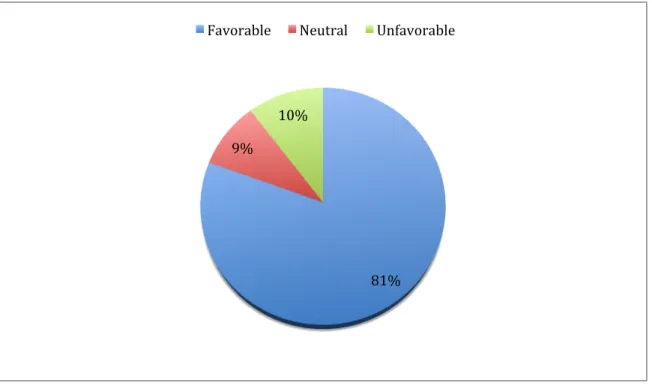
Table 10.4 ANCOVA Results: Analysis of Covariance for Expressive Vocabulary…….66 Table 11.1 Adjusted and Unadjusted Group Means for Parent Reading Beliefs………….67 Table 11.2 ANCOVA Results: Analysis of Covariance for Parent Reading Beliefs……..67 Table 12 Description of Treatment Acceptability Survey Results……….…...70 Table 13.1 Friedman’s Test Results: Mean Ranks for Program Characteristics………….71 Table 13.2 Friedman’s ANOVA Test Results: Significance Test Measuring
Most and Least Preferred Program Features……….…………..72 Table 14 Participant Attendance Data: Sessions Attended……….………72 Table 15 Paired T-Test Results: Within Group Differences Reflecting Change in
LIST OF FIGURES
Figure 1 The Four-Processor Model for Reading ... 4
Figure 2 Conceptual Model for Child Outcomes ... 38
Figure 3 Conceptual Model for Parent Outcomes ... 38
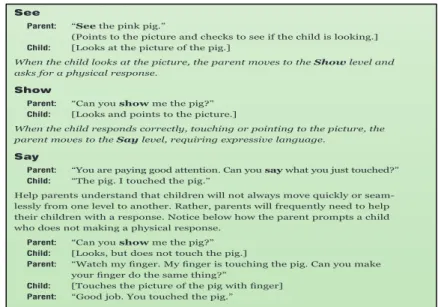
Figure 4 Example of 3S Strategy Dialogue ... 47
LIST OF ABBREVIATIONS ANCOVA Analysis of Covariance
ANOVA Analysis of Variance CAP Concepts About Print test EDA Exploratory Data Analysis
DIBELS Dynamic Indicators of Basic Early Literacy Skills
EOWPVT-4 Expressive One-Word Picture Vocabulary Test-Fourth Edition HLE Home Literacy Environment
IBR Interactive Book Reading at Home curriculum
LID Letter Identification test NELP National Early Literacy Panel
PPVT-4 Peabody Picture Vocabulary Test Fourth Edition PRBI Parent Reading Beliefs Inventory
RCT Randomized Control Trial SES Socio-Economic Status
CHAPTER 1: INTRODUCTION
In the United States, an overwhelming number of children are struggling with reading acquisition, and the nation is taking notice (Shanahan & Lonigan, 2010; NICHHD, 2000). Reading failure is far-reaching as it influences outcomes for individuals throughout their lifetime. For example, children who struggle with reading during the first three years of elementary school often remain poor readers (Baydar, Brooks-Gunn, & Furstenberg, 1993). By fourth grade, individual differences in reading achievement are noticeable in learners and are difficult to remediate (Mullis, Martin, Kennedy, & Foy, 2007). Literacy levels are associated with poor outcomes for both adolescents and adults, including increased rates of high school dropouts, incarceration, behavioral problems, and unemployment (Baydar et al., 1993; Walberg & Tsai, 1983). Thus, early intervention efforts aimed at decreasing reading failure are imperative to improve educational and life outcomes for individuals.
children from low-income households (Chatterji, 2006; Hoff, 2003) and ethnic minority families, given the reading achievement gaps found between children from these populations and their White counterparts (Gilliam, Gerla, & Wright, 2004; Hoff, 2013; Jung &
Huicochea, 2015; NICHHD, 2000).
Characteristics of the child’s home environment, including language and interaction patterns, mediate the development of emergent literacy skills (Baydar et. al, 1993; Dickinson, Golinkoff, & Hirsh-Pasek, 2010; Huebner, 2000). These interactions begin during infancy and serve as a foundation for emergent literacy development (Gilliam et. al, 2004).
Interactions, such as parent conversations with their children and shared reading, help
children construct meaning of text through the intergenerational transfer of language, culture, thoughts, values, and attitudes about print (Bingham, 2007; Sheridan, Knoche, Edwards, Bovaird, & Kupzyk, 2010; Zygouris-Coe, 2001). The child’s home literacy environment (HLE), including literacy-based beliefs, activities and materials experienced by the child, also play a significant role in emergent literacy development (Dexter and Stacks, 2014). Taken together, early social interactions and an enriched HLE are critical factors in the development of conventional reading and writing skills for young children.
Shared, interactive reading is viewed as one effective approach to improving the emergent literacy and language skills of young children (Giroir, Grimaldo, Vaughn, &
Roberts, 2015; Goldfeld et al., 2011; Noe, 2012; Zevenbergen & Whitehurst, 2003; Zucker et al., 2013). Shared reading is appealing as a home-based literacy practice, and parents
home have a clear advantage over those who do not. For example, children who are exposed to reading in the home are more likely to be able to count to 20 or higher, write their name, and read or pretend to read (NAEP, 2015). These known benefits have influenced schools and community organizations to develop parent training programs, also called family literacy programs, that educate parents about high quality reading practices that can be used for home-based literacy activities (Jordan, Snow, & Porche, 2000; NELP, 2008).
Neurological Underpinnings of Reading Acquisition
shared reading experiences can play in developing a strong foundation for developing literacy.
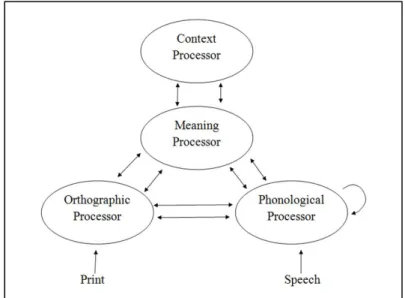
Figure 1. The Four-Processor Model for Reading (Adams, 1990).
Statement of the Problem
Despite the emphasis placed on literacy, our nation’s children are experiencing reading failure at an alarming rate (Lonigan & Shanahan, 2010; NICHHD, 2000). According to the Nation’s Report Card provided by the National Assessment of Educational Progress (2015), only 36 percent of fourth grade students and 34 percent of eighth grade students in the nation performed at or above the Proficient achievement level in reading. Even more alarming, 18 percent and 21 percent of fourth grade Black and Hispanic students,
respectively, were performing at the Proficient achievement level. Given these dire statistics on reading failure in the United States, particularly in children who come from low-income and minority families (Goldfeld et al., 2011), there is an increased emphasis placed on prevention and early intervention in literacy (NICHHD, 2000). Effective models of
begins long before children enter school and participate in formal reading instruction. Drawing from the empirical research on the benefits of family involvement, there is a push for school administrators and staff to collaborate with families to prevent illiteracy in the nation (Barbarin & Aikens, 2009).
CHAPTER 2: LITERATURE REVIEW
Introduction
The proposed study is based upon the notion that the socialization and reciprocal
conversations that occur during shared storybook reading is an important component of emergent literacy skill development in preschoolers. Vygotsky’s sociocultural learning perspective
provides the conceptual framework for this research study (Vygotsky, 1978). Four key ideas drawn from empirical research helped to develop the present study and will be discussed in this chapter: (a) the importance of oral language development and emergent literacy skills, (b) the benefits of altering parents attitudes and beliefs about literacy, (c) the predictive power of the HLE, including shared storybook reading practices, and (d) the role of parent education
programs in facilitating literacy development. Before current research literature is reviewed, it is critical to understand the philosophical perspectives and theoretical ideas that will guide the proposed work, including constructivism and Vygotsky’s sociocultural theory.
Theoretical Framework
cognitive theory emphasizes the idea that knowledge is acquired in social environments through observation (Bandura, 1997; 1986). Moreover, Bandura viewed human behavior as a series of reciprocal interactions that influence and shape knowledge acquisition. Social cognitive theorists conceptualized learning as an information processing activity, during which learning occurs through performance or observing models. Although the theorists purported that modeling does not guarantee learning, but rather, it informs the learner about outcomes, motivating him to act accordingly. Learners imitate the social models that they feel will be most beneficial to them to acquire skills and enhance performance. Instructional applications of the social cognitive theory that are relevant to the current research study include instructional modeling, self-efficacy development, tutoring, and mentoring.
In the same vein, constructivism offers different perspectives that have extended some of the key assumptions associated with social cognition, evolving into an acceptable explanation for how learning occurs (Schunk, 2012). Constructivism is characterized by psychological and philosophical perspectives and suggests that knowledge is constructed or reconstructed through goal-directed interactions and discourse between individuals (Schunk, 2012; Wells, 2009). Further, a key premise of constructivism is that thinking and learning are situated in social and physical contexts, refuting the notion that cognitive processes occur solely in the mind. This idea is in contrast with information processing theories, which minimized the role of
environment in learning.
social contexts, or the surroundings of the child, including the home, school, and community (Vygotsky, 1978; Wells, 2009). Vygotsky argued that active participation in oral exchanges allows children to construct meaning and support their own language and cognitive development. Tools, such as language and symbols, mediate learning for children through reciprocal
interactions with adults. Children acquire and internalize these tools, which are then used to mediate advanced learning (Schunk, 2012). These so-called higher mental functions are dependent upon socially shared meaning, which are appropriated between the caregiver to the child as they establish agreement about mutual interests in their shared world (Wells, 2009). Although individuals sometimes learn concepts independently, constructivists believe that even independent learning is indirectly, socially mediated (Schunk, 2012; Smagorinsky, 2011; Wells, 2009). Specifically, constructivists assert that independent learning involves the tools that were acquired in previous interactions.
Secondly, Vygotsky emphasized the role of adults in the learning or cognitive
development process for children (Vygotsky, 1978, 1981). In particular, he described the Zone of Proximal Development (ZPD) as the distance between an individual’s current knowledge/skill and desired or future skills. Using instructional scaffolding, adults provide supports to allow the child to extend his learning, or to bridge the current state of knowledge to the desired state of knowledge. Scaffolding refers to the use of strategies and/or resources when teaching a skill with the expectation that the individual to function at a higher level over time. Eventually, children use the modeled behavior and transfer the behaviors to themselves. Language learning was one of the first examples presented by Vygotsky to illustrate this type of skill development.
occurred as researchers and practitioners challenged the assumptions of early theories and extended ideas about socially mediated learning. In part, literacy acquisition is now being conceptualized as a socially situated behavior (Walters, 2011; Wasik et al., 2001) that requires interactive activities around language and text (Stetsenko & Vianna, 2009). Our understanding of knowledge transfer, reading development, and parent reading beliefs demonstrates the
importance of establishing parent-school partnerships to improve the literacy rates in the United States.
In the present research study, parents learned to use shared, or dialogic reading strategies to support their children’s language and literacy development in their preschool children. The adult readers used scaffolding through these dialogic reading techniques to increase the child’s understanding of novel vocabulary, print concepts, and alphabet knowledge. That is, parents read to their children and presented questions that would facilitate discussions around the text. These reciprocal interactions were designed to help the child acquire the emergent literacy skills that will be beneficial in conventional reading. Further, as parents embarked on learning how to read interactively with their children, they participated in peer discussions and reflected on their own competence and use of strategies. With these ideas in mind, constructivist-based theories provided a clear justification for the benefits of using shared, interactive reading to facilitate oral language and emergent literacy development.
Literacy
literature indicate that being literate involves an individual’s ability to read and write in a
conventional manner (Wasik & Herrmann, 2004). Over time, this definition has been broadened to include “a set of complex, multidimensional skills that begin at birth and develop over a person’s life from childhood to adulthood” (p. 3) through social interactions that occur between individuals (Wasik, Dobbins, & Herrmann, 2001; Wasik & Herrmann, 2004).
Literacy has also been defined in legislation. For example, in section three of the National Literacy Act of 1991 a functional definition of literacy was provided and states that literacy is defined as “an individual’s ability to read, write, and speak in English, compute and solve problems at levels of proficiency necessary to function on the job and in society, to achieve one’s goals and develop one’s knowledge and potential” (p. 7). This definition addresses skills needed to determine an individual’s status of being literate more broadly than other simplistic definitions that are limited to an individual’s ability to read and write.
et al., 2008; Trelease, 2013). Our work with developing literacy cannot begin in grade school. These statistics suggests that reactive support provided to children is ineffective for achieving the optimal outcomes. Moreover, the learning gap between students who are at-risk learners in primary school typically widens as children get older (Sheridan et al., 2010). This phenomenon is often explained by the Matthew Effect, which refers to the idea that in reading, “the rich get richer and the poor get poorer” (Stanovich, 1986). Thus, fast starters continue to grow, and poor readers tend to fall further behind, because they are less likely to engage in reading.
Emergent Literacy
It is well established that literacy skills begin to develop before a child receives formal reading instruction in kindergarten classrooms and before they are able to conventionally read (Clay, 1967; Sheridan et al., 2010). Clay (1967, 1993) first used the term emergent literacy (also referred to as early literacy) in her dissertation research, an observational study that looked at the behavior of five-year old children before they could demonstrate conventional reading and writing skills. Emergent literacy is considered one of the most vital phases of literacy
development (Bennett & Martin, 2002; National Early Literacy Panel, 2008; NICHHD, 2000; Reutzel, 2015). The use of the word emergent suggests that literacy development involves a complex process that culminates in an individual being able to use conventional reading and writing skills (Lonigan, 2006). The emergent literacy framework represents a contemporary perspective and suggests that reading acquisition occurs on a continuum without distinguishable boundaries between pre-reading behavior and formal reading that often takes place after school entry (McLachlan & Arrow, 2014).
The National Early Literacy Panel (NELP; National Early Literacy Panel, 2008)
conventional reading, writing, and spelling outcomes through an extensive review of the research literature. Data used in the NELP’s meta-analytic study is summarized in Table 1.
Table 1
Outcome Predictor Variables for Conventional Reading Skills
Variable Definition Studies
(n) Children (n) Average Correlation (r) Alphabet Knowledge
Knowledge of letter names and their associated sounds.
52 7,570 0.50
Concepts About Print
Knowledge about the orientation of and manner in which print is used.
12 2,604 0.34
Oral Language Ability to understand and use language, including vocabulary development.
63 9,358 0.33
Phonological Awareness
Ability to detect, manipulate, and analyze phonemes; the auditory component of reading.
60 8,443 0.40
Rapid Automatic Naming of Letters or Digits
Ability to quickly name a sequence of letters or numbers
12 2,081 0.40
Rapid Automatic Naming of Objects or Colors
Ability to quickly name a sequence of pictures of objects or colors.
16 3,100 0. 32
Letter or Name Writing
Ability to write letters in isolation or to write one’s own name
10 1,650 0. 49
Adapted from Developing Early Literacy: Report of the National Early Literacy Panel (2008)
awareness, rapid automatic naming, and letter/name writing. Three of the variables including alphabet knowledge, concepts about print, and oral vocabulary were targeted in the present research. Parent training in shared storybook reading practices were also targeted as a mediator of poor emergent literacy development.
Concepts About Print. Print awareness is conceptualized as an understanding of the connection between spoken and written language (Lonigan, McDowell, & Phillips, 2004). Knowledge of print concepts together with alphabet knowledge forms the child’s print awareness (Rohde, 2015). Exposure to storybooks, literature, and environmental print teaches preschoolers the key features of books and how print works, also called concepts about print (Chang, Luo, and Wu, 2014; Clay, 2013; Clay, 2000a). Children must understand the way books and print work, as that knowledge represents their emerging understanding and acquisition of advanced reading and writing skills. For example, a beginning reader must understand concepts such as the left-to-right, top-to-bottom orientation of how we read (Clay, 2000a; Colker, 2012). Children as young as three years old are able to recognize book covers, hold the book upright, and distinguish
words from pictures (Ferreiro & Teberosky, 1982; Hiebert, 1981; Snow, Burns, & Griffin, 1998). When children have developed print awareness, they are then able to focus on the decoding process and other features of understanding stories (McNaughton, 1995).
small-group reading sessions over eight weeks, children in the experimental group outperformed the children in the control group on three measures of print awareness, including identifying words in print, print recognition, and alphabet knowledge.
Alphabetic Knowledge. Another facet of print awareness is alphabetic knowledge. Alphabetic knowledge forms a part of the inside-out process related to acquiring literacy skills (McLachlan & Arrow, 2014). Alphabetic knowledge is defined as children’s understanding about letters, and includes their ability to recognize and name the letters, as well as the ability to identify the sounds associated with each letter. Letter naming is viewed as one of the better predictors of literacy progress for kindergarteners (Torgeson, 2002; Adams, 1990). Children who can readily associate graphemes (smallest unit of written language) with phonemes
(smallest unit of verbal language) are better able to decode unfamiliar words. That is, knowledge of the alphabet at school entry is one of the best predictors of a child’s future reading
achievement (Adams, 1990) and it serves as a foundation for fluent reading skills ( Artelt & Shanahan, 2009; Chang, Luo, & Wu, 2014).
Given its importance in reading acquisition, federal and state guidelines generally present benchmarks for alphabetic knowledge in preschool and kindergarten. Common Core State Standards set expectations that kindergarteners will name all upper and lowercase letters, as well as identify common letter sounds (National Governors Association Center for Best Practices and Council of Chief State School Officers, 2010). New research indicates children who know at least 18 uppercase and 15 lowercase letter names by the end of preschool are appropriately prepared to learn kindergarten reading skills (Piasta, Petscher, & Justice, 2012).
influences emergent literacy development (Harris, Golinkoff, & Hirsh-Pasek, 2011; Hart & Risley, 1995; Jordan, Snow, & Porche, 2000; Wasik, 2010; Watson, 2001). Children with well-developed vocabularies have a solid foundation on which to build emergent and conventional literacy skills (Wasik, 2010). Moreover, it helps children gain meaning from both printed text and oral presentation of information (Blachowicz & Fisher, 2002). Expressive vocabulary refers to the words that the child is able to produce or use in his speech; whereas receptive vocabulary refers to words that a child recognizes and understands (Vasilyeva & Waterfall, 2011).
The variability found in the vocabulary among preschool children is often explained by socio-economic status (Bierman et al., 2008). As compared to children from middle class homes, children who come from economically disadvantaged families are exposed to fewer words and miss out on the decontextualized text and rich conversations that can result in productive learning experiences. Specifically, Hart and Risley (1995) purported that by age three, children from disadvantaged homes hear approximately 25 percent of the words their more economically advantaged peers hear. Dual language learners also experience this underexposure to language. These deficits in experience and exposure have consequences for the trajectories of language (Vasilyeva & Waterfall, 2011) and literacy acquisition (Dickinson, Golinkoff, & Hirsh-Pasek, 2010). Without intervention to accelerate their learning, these differences continue to persist (Roberts, 2015).
represents how children learn language, including vocabulary: “Input (language models) + Intake (child) + Output (child) = Language Learning” (p. 17).
A large body of research supports the notion that parents’ speech in the home predicts the language skills of their children (Goodman, Dale, & Li, 2008; Hart & Risley, 1995). More specifically, the frequency and sophistication of parents’ speech (Hart & Risley, 1995; Weizman & Snow, 2001), as well as the length of parents’ utterances are factors in their children’s
language development. Parent practices, such as shared, interactive book reading, have been shown to improve the oral language proficiency of preschool children by providing context for social interactions and conversations that extend the thinking of the young child (Collins, 2010; Jordan et. al, 2000; Roberts & Neal, 2004; Vasilyeva & Waterfall, 2011).
Shared, Interactive Reading
Shared book reading (often used interchangeably with interactive book reading, read-alouds, joint reading, and lap reading) is a common and critical practice and widely promoted activity that occurs in schools (Dickinson et al., 2010; Tracey & Morrow, 2006) and many homes (Audet et al., 2008; Bus, van IJzendoorn, & Pellegrini, 1995; Lonigan, Anthony, Bloomfield, Dyer, & Samwel, 1999; Sénéchal & LeFevre, 2002; Sénéchal et al., 1998; Sénéchal & Young, 2008; Trelease, 2013). Shared reading is a broad term used to describe the social activity that involves adult and child interactions with storybooks. This practice uses books as a vehicle to support oral language and reading development by providing a meaningful context to facilitate conversations between the adult and child. During shared reading, the adult provides scaffolding supports to extend the child’s language and literacy skills.
reading experiences is just as important as the frequency at which the experiences occur (Dexter & Stacks, 2014; Morrow, Rand, & Smith, 1995). Reading books without intentional strategies is often insufficient for developing foundational skills, such as language and vocabulary. Based on sociocultural explanations of how knowledge is transferred and extended between individuals, it is logical to conclude that active, engaging reading practices are preferred over having a child simply listen to an adult reader. Practices that emphasize reciprocal conversation and foster the child’s analytic talk are best aligned with effective learning principles. To this end, researchers have identified specific, systematic strategies that foster improved outcomes resulting from shared storybook reading practices (McGee & Schickedanz, 2007). In a meta-analytic study, Manz, Hughes, Barnabas, Bracaliello, & Ginsburg-Block (2010) identified two primary types of shared storybook reading styles found among parents, the “describer” and the “comprehender.” Describers label objects and describe simple actions featured in the text or illustrations in the storybook. “Comprehenders” facilitate inferential thinking by assisting the child with linking the text to his own life experiences. Comparatively, the later approach is most effective as it is implied that children are engaged in dialogue.
Dialogic reading is a shared book reading strategy during which an adult reader encourages the child to actively engage in storybook reading through social interactions
(Whitehurst et al., 1994; Zevenbergen & Whitehurst, 2003). During dialogic reading, adults are encouraging active communication, rather than passive listening; providing expansive responses to the child’s questions and observations; and taking the child’s development into consideration over time when reading (Whitehurst et al., 1988).
1994). The acronyms, CROWD and PEER, are used to explain the systematic strategies often used in dialogic reading implementation (Towson & Gallagher, 2014; Whitehurst et al., 1988). The five prompts noted in the CROWD procedure include (a) completion, (b) recall, (c) open-ended questions, (d) “Wh” questions, and (e) distancing. A description of each of these strategies is provided in Table 2.
Table 2
Dialogic Reading Prompts - CROWD
Step Concept Description
1 Completion The adult provides a blank for the child to fill in at the end of the sentence.
2 Recall The adult asks questions about the events and main idea of the story.
3 Open-ended Questions
The adult asks open-ended questions designed to encourage the child to attend to and describe what is occurring in the pictures.
4 “Wh” Questions
The adult asks “Wh” (i.e., Who?, What?, Where?, When?, and Why?) questions to prompt the child to describe or name the picture in the book, targeting vocabulary expansion.
5 Distancing The adult engages the child in identifying relationships between pictures and words in the books to their own experiences.
Adapted from (Jacqueline A. Towson & Gallagher, 2014).
storybook page, (b) read books at least three times (called repeated reading), (c) encourage detailed responses and questions from the child, and (d) allow the child retell the story. The primary objective of dialogic reading is to have the child take on the role of storyteller, move beyond labeling toward story analysis, and to have fun during the exchange with the adult.
Research has established the benefits of dialogic book reading (Mol et al., 2008, Zevenbergen & Whitehurst, 2003). Whitehurst and his colleagues (1994) produced seminal work around dialogic reading, investigating its effect on language development. Parents participated in training either through video or direct training comparing the outcomes of those groups with a control group, which did not participate in any training. After one month, both the video and direct training groups outperformed the control group on measures of expressive language, with a higher mean length of utterance, a higher frequency of phrases, and a lower frequency of single words. The study illustrated the increasing complexity of the children’s language as their parents participated in the training and applied these acquired skills to the practices during shared reading. Despite the proximal improvement, a follow-up examination was conducted nine months after the completion of treatment. Findings showed continued differences, although the significance was diminished.
reading group in the use of oral language, whereas typical shared storybook reading practices were most effective for improving listening comprehension and detection of alliteration.
Mol and colleagues (2008) conducted a meta-analytic study investigating the benefits of dialogic reading compared to reading-as-usual on vocabulary development. Data from 16
studies revealed that children who participated in a dialogic reading intervention showed gains in vocabulary development, particularly expressive vocabulary, which had a moderate effect size (Cohen’s d =. 59; p < .001). It was concluded that dialogic reading successfully altered the HLE of families of two- and three-year old children. By contrast, four- to five- year old children and those identified as being at-risk for language and literacy impairments benefitted less from dialogic reading. The authors cautioned that dialogic reading did not result in beneficial scaffolding with all families, as it was previously standardized on White, middle-class and suburban samples.
In a more recent investigation, Baker and colleagues (2013) conducted a randomized control trial (RCT) examining the effects of a shared storybook reading intervention on the comprehension skills and vocabulary knowledge in first-grade students. The intervention was implemented over 19 weeks and emphasized the use of narrative and expository texts, as well as dialogic reading strategies used by teachers and delivered in whole class formats. The teachers implemented before, during, and after reading strategies, as well as explicit read-aloud
According to empirical evidence, dialogic reading shows promise as a home literacy approach that can be effectively used by parents to improve their young children’s emergent literacy skills, including vocabulary development.
Parent Reading Beliefs
Empirical knowledge of parent beliefs about learning and literacy development has shown promise for understanding the relationship between attitudes about reading, parent behavior, and academic development in children. By definition, an attitude is an individual’s positive or negative evaluation of an entity or idea as being favorable or unfavorable. Attitudes are expressed through thoughts, behaviors, or feelings (Jonas, Eagly, & Stroebe, 1994). Dobbs-Oates, Pentimonti, Justice, and Kaderavek (2015) conceptualized reading-related beliefs as parental thoughts about literacy. Audet and colleagues (2008) concluded that beliefs “consist of knowledge held by individuals as probable answers to facts” (p. 114). In some studies, the terms attitudes and beliefs are used interchangeably; however, the term beliefs will be utilized in the present study to capture parents’ thoughts, opinions, and evaluations about literacy. Parents have different beliefs about literacy and these ideas influence home literacy practices ( Audet, Evans, Williamson, & Reynolds, 2008; Dobbs-Oates, Pentimonti, Justice, & Kaderavek, 2015; Donohue, 2008). An emerging literature base supports the relationship between maternal beliefs about literacy and emergent literacy skill development in young children.
and skills a child needs before entering school and who is responsible for teaching those concepts and skills (Barbarin and Aikens, 2009). Parents often agree that children should gain nominal knowledge (e.g., colors, numbers, letters, naming body parts) before entering
kindergarten. However, they should also be made aware of the importance of other
pre-academic skill needed for later pre-academic success, because parent beliefs and values about school readiness concepts correspond with child outcomes (Barbarin & Aikens, 2009).
A number of factors, including social class, race, and ethnicity, influences parents’ orientation and construction of their role in their child’s education, as well as which concepts are important for the child to learn. Some parents believe that they, themselves, are responsible for their children’s learning, while others believe learning is solely the responsibility of school staff (Clay, 2000a; Creswell, 2012). Some parents believe that educating their children should be a partnership between parents and educators (Creswell, 2012). Parents with limited economic resources and working class parents often hold certain beliefs that can affect their level of
involvement (Barbarin & Aikens, 2009). For example, low SES and minority families often hold common beliefs about their role in their child’s education, effective teaching strategies, and critical concepts for educational success (Barbarin & Aikens, 2009). The following beliefs are common among minority parents:
• Understanding of appropriate behavior, concrete knowledge, memorizing letters and numbers, and spelling one’s own name adequately prepare a child for school.
• Direct instruction is superior to exploration and discovery for learning.
• Teachers are the experts in education; therefore, they should be primarily responsible for the learning of children.
• Success is measured by providing correct responses.
It has also been observed that Latino and Asian immigrant parents value accuracy, beliefs that can likely be explained by cultural norms around parental authority, level of assimilation with the majority culture, and the desire to identify the extent to which the child acquires knowledge (Barbarin & Aikens, 2009; Gallimore & Goldenberg, 1993; Li, 2002). Racial and ethnic minorities are more likely to experience distress from financial difficulties, food and housing insecurity, and discrimination; therefore, parents from these groups prioritize meeting their child’s basic physical and emotional needs, which are believed to be more critical and pressing than academic needs (Barbarin & Aikens, 2009; Jung & Huicochea, 2015). These beliefs and factors can emerge as barriers to parent involvement and establishing parent-school collaborations. Thus, as schools attempt to collaborate with families to address students’ needs, including strengthening the child’s home literacy and learning environment, it is important to understand and acknowledge the beliefs being held by families and the factors that influence those beliefs.
Meagher, Arnold, Doctoroff, and Baker (2008) studied the connection between maternal beliefs and behavior during shared storybook reading. They were particularly interested in examining parent beliefs about education and their child’s potential. A parent survey and
viewed having fun as a goal of reading demonstrated more positive interactions with their child during reading.
Parent beliefs are beneficial in predicting student outcomes. More specifically, and related to the proposed study, research has shown that parent beliefs are a predictor of print concepts and knowledge (Cottone, 2012; Dobbs-Oates et al., 2015; Donohue, 2008). In other words, Cottone (2012) found a moderate and positive relationship between maternal education, maternal beliefs, and the child’s performance on phonological awareness measures.
Parent Training Programs
Most parents are concerned with the education of their children and want them to be successful in school (Kim, 2009). Although they are viewed as the child’s first teacher, many parents are unsure of how to facilitate learning in their children. Historically, parent education or training programs have been offered as a means of informing parents; to facilitate skill
study would be best characterized as parent training rather than parent education, despite the terminology utilized in the research articles. As such, the term “parent training” will be utilized throughout this paper, given the distinction provided by Bearrs and colleagues (2015).
The many benefits of manualized parent training programs have been demonstrated for decades (e.g., Briggs et al., 2013; Dretzke et al., 2005; Towson & Gallagher, 2014). Initially, these type of programs addressed the needs of parents of children with disruptive behaviors, emphasizing parent behavior change to alter parent-child interactions (Briggs, Miller, Orellana, Briggs, & Cox, 2013; Dretzke, Davenport, Frew, Barlow, & Baylis, 2009; Dretzke et al., 2005); however, there is an emerging literature base that shows the promise of programs that target family literacy, emphasizing ways to help children succeed in school (Bates & Carlson, 2005; Mansuetti, 2009). Anthony, Williams, Zhang, Landry, and Dunkelberger (2014) concluded that Raising a Reader (RAR), a home literacy program, added value only when parents were educated about shared storybook reading practices. This study underscored the benefits of parent
education and training in helping parents play an active role in the reading acquisition process for their child.
intervention and received instructional materials at the end of each visit. Findings revealed that parents who received on-going training were more likely to engage in shared storybook reading, read for longer durations and use their library cards. Further, high intervention parents were more likely to establish routines for reading and teaching various concepts. Children also demonstrated gains in language production. A year after the initial study ended, it was found that parents who were in the high groups were more likely to continue reading to their children and checking out books from the library; however, the children did not show significant growth in their emergent literacy skills (Cronan, Brooks, Kilpatrick, & Bigatti, 1999). These results suggest that ongoing support is critical for parent education programs, and further, follow-up sessions would be beneficial for families after the initial coaching or instruction has ended.
Parent training programs used to promote the use of dialogic reading have also been widely studied in the last three decades (Huebner, 2000a; Mol et al., 2008; Towson & Gallagher, 2014; Whitehurst et al., 1988 Whitehurst et al., 1994; Zevenbergen & Whitehurst, 2003). These programs have been delivered in a variety of formats, including through the use video, as well as face-to-face sessions. Regardless of the training format, children whose parents have received dialogic training outperformed control groups (Arnold, Lonigan, Whitehurst, & Epstein, 1994; Bloom-Hoffman & O’Neil-Pirozzi, 2006; Huebner & Meltzoff, 2005).
the control groups (Arnold, Lonigan, Whitehurst, & Epstein, 1994; Bloom-Hoffman & O’Neil-Pirozzi, 2006; Huebner & Meltzoff, 2005). Thus, the child’s HLE is altered, an outcome that has far-reaching effects on academic achievement.
More recently, Mitchell & Begeny (2014) examined the effects of parent tutoring as an approach to assisting a large number of students who presented with reading deficits. The authors also investigated treatment acceptability. Specifically, they evaluated the effects of a structured reading program, Helping Early Literacy with Practice Strategies (HELPS).
Seventeen children participated in the study, including 17 rising second graders and third grade students. Overall, sixteen parents participated in the study. Six hours of training were provided over two days using instructional strategies such as didactic, modeling, and parent practice. Parents were then asked to implement the program at least three days a week for ten minutes per session. Overall, the children received an average of 28.9 HELPS sessions, and they improved on four different measures of early reading, including measures of sight word efficiency, reading fluency, and reading comprehension. Parents rated the program as being acceptable, with all treatment acceptability items rated being between a five and six (6 = Strongly Agree). Measures of fidelity suggested that parents were able to implement the program with integrity. This study illustrates the promise associated with supporting parent involvement in the reading education of their children to supplement formal school instruction. When provided with explicit instruction and practical strategies, parents are capable of supporting their children.
achieve school success, viewing themselves as learners. By contrast, parents in the parent-child group, emphasized providing their child with educational and social experiences, although they recognized the benefits to their own learning. Many parents indicated that they would have preferred the parent-only group if it had been offered.
Participant characteristics play a primary role in the effectiveness of parent training programs. For instance, Lundahl and colleagues (2006) conducted a meta-analytic study of behavior and non-behavior based parent education programs and found that low-income families benefit less than their more advantaged counterparts. Family adversity related to low socio-economic status (SES), including house or food insecurity, was identified as barriers to successful parent training programs. Language differences were also noted to be a barrier to program success. Although beyond the scope of what will specifically be addressed with the present research project, teacher and school characteristics may also discourage parents from participating in parent education or school involvement programs. More specifically, negative perceptions held by teachers and administrators toward minority families and teacher perceptions concerning the efficacy of minority parents can influence program participation (Kim, 2009). It is important to make mention of these ideas to ensure that potential program participants are not viewed from a deficit perspective, particularly with regard to low income and diverse families. Furthermore, consideration of issues related to family background is important in addressing difficulties related to parent participation to ensure that families who want or need to take advantage of parent education program will be motivated to participate.
self-efficacy and competence, and (c) the use of practical, easy-to-use, enjoyable activities. Doyle and Zhang (2011) also found that parents who rated their parent training programs positively reported an appreciation for program structure (i.e., being informed of program objectives and concepts), take home materials, and seeing immediate impacts in their child’s performance. Parents also noted the benefits of understanding why some home literacy practices were beneficial as a positive aspect of the programs. Finally, parents believed that both
facilitator and program participant knowledge increased their learning. That is, parents claimed to learn from discussions among peers.
Clearly, effective parent training programs that draw on adult learning principles result in positive responses from parents. Adult learning principles suggest that (a) relevance,
importance, and utility of skills matter; (b) the experience and knowledge of adults should be acknowledged; (c) credibility of the information source is critical; (d) clear learning objectives must be articulated; (e) adults learn by doing; (f) accountability for learning must be integrated into instructional programs; and (g) coaching and feedback is important for acquiring, retaining, and applying new skills (Galbraith & Fouch, 2007; Longenecker & Abernathy, 2013). Taken together, principles for parent training programs and adult learning can provide a logical foundation for future program development.
Treatment Acceptability
Social validity refers to the social value placed on a program or intervention (Wolf, 1978). More specifically, social validity refers to the degree to which program participants are satisfied with the intervention and its outcomes; and treatment acceptability is one component of social validity. Treatment acceptability, also called social importance, is frequently viewed as a salient component of implementing programs in education (Larson, 1997). Kazdin (1980, p. 259) initially conceptualized treatment acceptability as “the judgment about the treatment procedures by non-professionals, lay persons, clients, and other potential consumers of
treatment.” He purported that these judgments described how fair, reasonable, and intrusive the program was perceived to be by the consumers.
According to Kazdin (1980), there are often a variety of empirically supported strategies that can be used to address a targets behaviors, or concerns; however, some of those strategies are more acceptable than others. He argued that increased acceptability had the potential to improve the likelihood of treatment adherence. Legal and ethical issues were noted as a secondary reason to evaluate the acceptability of the treatment (Carter, 2008).
There is a paucity of research around treatment acceptability of parent-mediated reading programs (Justice, Skibbe, McGinty, Piasta, & Petrill, 2011). Even fewer studies focus on the acceptability of these treatments among racially and ethnically diverse families. Justice and colleagues (2011) evaluated the feasibility, efficacy, and social validity of a 12-week parent-mediated intervention designed to promote print knowledge in preschoolers with language impairments. The three conditions included print-focused reading sessions (treatment) and two comparison groups that included picture-focused sessions using storybooks, and sound-focused sessions. Although attrition was high (23%), results suggested that home-based reading
Treatment acceptability is measured using anecdotal information or through
questionnaire data obtained from consumers or clients (Kazdin, 1980; Wolf, 1978). Subjective evaluations are viewed as one approach to determining the acceptability of a treatment program (Wolf, 1978). Questionnaires or other subjective evaluations can involve asking program participants to provide an evaluation of the various components associated with social validity. More specifically, factors including the importance of treatment goals, as well as perception of the appropriateness of procedures, and outcomes are considered when measuring treatment acceptability.
Summary of Relevant Literature
Our nation’s current emphasis on literacy and early intervention for children who are at-risk for failure in literacy development underscores the importance of understanding
foundational reading skills and identifying evidence-based strategies that can improve literacy outcomes for children. As such, research that identified critical skills for emergent literacy acquisition was reviewed. Specifically, the National Early Literacy Panel (2008) conducted a meta-analysis and identified six skills linked to reading acquisition. Of the skills identified to have a relationship with conventional reading skills, alphabetic knowledge, concepts about print, and oral language develop, and vocabulary will be investigated through the implementation of Interactive Book Reading at Home parent training program. Research has shown that each of these skills can be improved using shared, interactive reading practices.
is insufficient for improving language and literacy skills in young children. By contrast, research has revealed the benefits of engaging in shared, interactive reading and high quality instruction to facilitate learning. Dialogic reading is an example of a shared storybook reading practice that involves high quality, shared interaction during reading. These strategies guide adult readers in using specific shared book reading strategies to promote language and emergent literacy
development in children (Lonigan & Whitehurst, 1998). For example, core strategies associated with dialogic reading includes asking open-ended questions, facilitating discussions, repeated reading, and supporting the child with making text-to-self connections. In research, continued use of dialogic reading strategies have resulted in language development, increased vocabulary, knowledge about print, and alphabet knowledge in young children (Hargrave & Sénéchal, 2000; Lonigan & Whitehurst, 1998; Mol et al., 2008; Wasik, 2009; Zevenbergen & Whitehurst, 2003).
story comprehension, story sequencing (Jordan et. al, 2000; Mitchell & Begeny, 2014). This can be explained, in part, by changes in parent behaviors and thus, changes in the child’s home literacy environment. For example, parents who participated in programs to learn dialogic reading strategies, read with their children more frequently (Huebner, 2000), used the library to check out books for their children, established a consistent reading place and time for their child (Cronan et. al, 1999), and used high quality strategies more frequently (Arnold et al., 1994; Bloom-Hoffman & O’Neil-Pirozzi, 2006; Huebner & Meltzoff, 2005). This increased exposure to print and improved home literacy environment is correlated to improved reading achievement.
Empirical research about parent training program implementation was reviewed. In particular, parents are often motivated to participate in programs they view as being useful for increasing their child’s success in school. Programs that draw from adult learning principles are most effective (Doyle & Zhang, 2011). Parents value programs with clear rationales, goals, and objectives. Further, parents expressed a preference for programs that provide opportunities for participant discussions and activities that will result in observable changes in the children. Behavior-based techniques may address the needs of families, including rewards, feedback, modeling, and encouragement increased participation and program completion (Justice et. al, 2000). Effective programs provide on-going instruction or coaching to parents, follow-up
Parent beliefs and behavior around teaching their young children to read were identified through a research review. Helping parents construct or reconstruct how they view their role in their child’s reading acquisition is critical (Mangual-Figueroa, Suh, & Byrnes, 2015). The connection between parent beliefs about reading and parent behavior is clear ( Bingham, 2007; Donohue, 2008; Petchprasert, 2014). Therefore, understanding and helping parents alter their beliefs through education and skill development is a worthwhile approach to improving literacy outcomes for children. Parent orientation of who is responsible for their child’s learning
influences their level of engagement in their child’s education. When parents view themselves as being partly responsible for teaching their child, in collaboration with school staff, they are likely to be more involved.
Overall, the research suggests that parent education programs can be used to teach their children emergent literacy skills through the use of shared, interactive reading. Moreover, parents can learn to use dialogic reading skills effectively to improve the language and literacy skills of their preschool children. Altering parents’ beliefs about literacy and improving their literacy-based knowledge and skills, can result in an improved home literacy environment, which influences proximal and distal learning outcomes for children.
intended to improve both fidelity and outcomes of the intervention. In contrast to many extant parent education programs, IBR at Home features ongoing instructional support to parents, emphasizing brief didactic instruction, modeling, role-playing, and practice to improve parent knowledge and skills. The curriculum is designed to empower parents to teach their children skills necessary for conventional reading skill development, drawing upon adult learning principles. If found to be effective, IBR at Home parent training program will offer an alternative, semi-structured program that may have utility in home-based, literacy program development.
Research about social validity and treatment acceptability suggests that subjective
CHAPTER 3: METHODOLOGY
Purpose of the Study
The purpose of this investigation was to examine how parental participation in the Interactive Book Reading at Home (IBR; Wasik, 2009) parent training program impacts parents and children. Specifically, this investigation was designed to determine how parent involvement in the parent education program influences children’s emergent literacy skills and parents’ reading beliefs. The study is an expansion of previous research on shared, interactive reading as it explores the impact of delivering instruction to parents over time, rather than a short-term (i.e., one to two-hour), one-time parent training. The following research questions provided the framework for the methodology and goals of the present study:
1) Do preschool children who participate in the IBR at Home parent training program show statistically significant gains in print awareness (i.e., alphabet knowledge and concepts about print) as compared to their peers in the control group?
2) Do preschool children who have participated in the IBR at Home parent training program show statistically significant gains in vocabulary knowledge as compared to their peers in a control group?
4) Will parents perceive the IBR at Home training program as being an acceptable and effective intervention for teaching their children strategies that will influence emergent literacy development?
Ethical Considerations
The Institutional Review Board (IRB) of the University of North Carolina at Chapel Hill approved this study and was assigned number15-3344. To preserve confidentiality and to meet the sponsoring university’s IRB requirements for conducting ethical research with human subjects.
Design
A randomized pretest-posttest control group design was utilized to determine if program participation facilitated improvements in the child’s emergent literacy skills and the parents’ attitudes and beliefs about literacy. Hypothesized outcomes were as follows:
1) Children who participated in the IBR at Home parent training program would demonstrate significant gains in alphabet knowledge, based on previous research findings (Martin, Emfinger, Snyder, & O’Neal, 2007; Sénéchal, 2006). It was also predicted these children would demonstrate statistically significant gains in knowledge of print concepts when compared to children in the control group (Neuman, 1997).
3) Parents who participated in the IBR at Home parent training program would report positive changes in their attitudes and beliefs about reading.
4) Parents who participated in the IBR at Home parent education program would perceive the intervention as acceptable and effective for the program’s stated objectives.
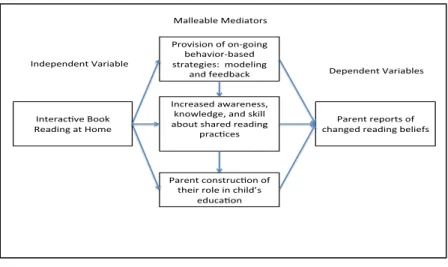
Figure 2 provides a display of a conceptual model to support hypotheses about child outcomes adapted from Sénéchal & LeFevre (2002). Figure 3 provides a display of the conceptual framework for understanding predicted outcomes for research question 3 and is based on the work of (Hoover-Dempsey et al., 1999).
Figure 2. Conceptual model for displaying rationale hypothesized child outcomes.
Figure 3. Conceptual model for displaying rationale for hypothesized parent outcomes.
Interac)ve Book Reading at Home
Increased Concepts of Print Knowledge
Alphabet Knowledge Parent Explicit Teaching
Oral Language (i.e., expressive vocabulary &
recep)ve vocabulary) Parent-Child Social Interac)on During Shared Reading Independent Variable Malleable Mediators Dependent Variables Interac)ve Book Reading at Home
Provision of on-going behavior-based strategies: modeling
and feedback
Parent reports of changed reading beliefs Independent Variable
Malleable Mediators
Dependent Variables
Increased awareness, knowledge, and skill about shared reading
prac)ces
Parent construc)on of their role in child’s
Setting. The research study was conducted at a five-star preschool center located in the Piedmont region of North Carolina. The public preschool program is a fully inclusive preschool that serves three- and four-year old children. This five-star center holds National Association for the Education of Young Children (NAEYC) accreditation. Classes are guided by the Creative Curriculum®
which provides developmentally appropriate experiences designed to prepare the children for kindergarten. The Program Coordinator manages the center and eight certified teachers provide instruction. Overall, one hundred forty-five children were enrolled in the center during the 2015-16 school year when this research study was conducted. According to school records, 42 percent of the children are from families who primarily speak English, and 58 percent are from households that primarily speak Spanish (White, 2015). Ninety-five percent of the students qualify for free/reduced lunch. Thirty-five percent of the children receive Exceptional Children’s services through an individualized education plan (IEP). A copy of the letter granting the principal investigator permission to complete the present study in the LEA can be found in Appendix A of this document.
Participant Recruitment. Parents or caregivers, including grandparents or guardians (hereafter referred to as parents) of children enrolled at the center were asked to participate in the present study. To recruit participants, the investigator collaborated with the Program Coordinator to share information about the research study by (a) presenting information to parents during at Parent Night event, (b) sending flyers home with students, and (c) posting flyers throughout the preschool. A sample flyer is located in Appendix B.
expectations for participating in the project. Informed consent for parent and child
participation was requested for interested parties during this meeting (Appendix B). Parents were assured that participation was voluntary, and they were free to withdraw at any time without negative repercussions.
After informed consent was obtained, potential participants completed the
Demographic Data Sheet containing 20 items that requested information, such as the child’s age, gender, ethnicity, and country of origin (e.g., “Was your child born in the United States? If no, where was he or she born? When did he or she move to the United States?”). Parents were also be asked to report information about themselves, such as their education level, the primary language spoken in the home and employment status (e.g., “Please circle the highest level of education you completed” and “Are you employed? If so, circle the choice that best describes your work schedule.”). The form was used to gather information about the
participants and to exclude any parent or child who did not meet program criteria. To participate in the study parents needed to be available to attend the instructional sessions at the scheduled time the sessions were held (during the final hour before school dismissal). The original research plan also indicated that only parents who self-identified English as their primary language would be offered the opportunity to participate in the study. The majority of parents who volunteered were Spanish-speaking, and given the difficulties encountered with recruiting participants, all volunteers were allowed to enroll in the study.
Twenty-two parent-child dyads volunteered to participate in Kindergarten PREP (Parent-Led Reading Education Program), the pseudonym given to the program; however, only 20 parent-child dyads were retained in the study. Two parent-child dyads withdrew from the research study before the program implementation began. None of the participants were excluded from the study.
All children were assessed using the Peabody Picture Vocabulary Test – Fourth Edition (PPVT-IV), Observation Survey – Concepts About Print (CAP), Observation Survey – Letter Naming, and the Expressive One-Word Picture Vocabulary Test – Fourth Edition (EOWPVT-4). The measures were used to collect pretest and posttest data and to estimate each child’s emergent literacy skills. The test battery took approximately 25 minutes to administer to each child. Parents completed the Parent Reading Behavior Inventory (PRBI) during the orientation session or before the beginning of the first parent training session. Pretest administration occurred within the two weeks before the onset of the intervention. Posttest data was collected one week post-intervention. The Parent Acceptability Survey was administered to the treatment group participants on the same day as the PRBI posttest. Each evaluator had previous training and experience with administering standardized tests to preschool children. To ensure the use of standardized administration and scoring procedures, evaluators participated in a 20-minute training session during the planning phase of program implementation that was led by the principal investigator, a nationally certified school psychologist (NCSP) who possesses extensive training in administering standardized assessments.
Observation Survey – Letter Identification. The Observation Survey - Letter Identification (Clay, 1993) assessment is a standardized measure that assesses knowledge of lower and upper case letters. The Letter Identification (LID) measure is “designed to find out which alphabetic symbols the children are noticing” (p. 85). It is one part of a broad
measure of emergent literacy skills that was developed by Marie Clay. The original measure has examiners present uppercase letters and then lower case letters in random order, and students are asked to identify the letter in one of three ways: by name, sound, or key word (Denton, Ciancio, & Fletcher, 2006). However, for the present study, the children were asked to identify the letter name only. The total possible score was 54, which included “a” and “g” presented in a printer’s format. Technical information could not be found for the reliability and validity of the Observation Survey Letter ID task as a stand-alone measure.