SOCIAL INFLUENCE AND CONTRACEPTIVE USE AMONG ADOLESCENT GIRLS AND YOUNG WOMEN IN MALAWI
Nivedita Latha Bhushan
A dissertation submitted to the faculty at the University of North Carolina at Chapel Hill in partial fulfillment of the requirements for the degree of Doctor of Philosophy in the Department of Health
Behavior in the Gillings School of Global Public Health.
Chapel Hill 2018
©2018
ABSTRACT
Nivedita Latha Bhushan: Social Influence and Contraceptive Use Among Adolescent Girls and Young Women in Malawi
(Under the direction of Edwin B. Fisher)
Background: In Malawi, 45% of adolescent girls and young women (AGYW) report their pregnancies as unintended or mistimed, yet uptake of modern contraception remains low. Adolescence and young-adulthood are periods when individuals begin to make health-related decisions independently but are still largely influenced by those around them. Understanding how social interactions impact AGYW contraceptive use might explain low levels of contraceptive uptake beyond individual and environmental factors and guide effective strategies to engage AGYW and their social networks in reproductive health interventions.
Methods: Two studies were conducted using data from Girl Power (GP), a one-year intervention for sexually active AGYW (age 15-24) in Malawi. Study one used cross-sectional analyses
to examine whether contraceptive communication and social norms (descriptive and injunctive) were associated with contraceptive outcomes and how associations differed by source of social influence, marital status, and parity (N=942). Study two used longitudinal mediation analyses to examine whether exposure to GP, and to contraceptive-specific empowerment sessions within GP, was associated with contraceptive outcomes and whether associations were mediated by contraceptive communication (N=517).
AGYW, regardless of parity. There was no association among contraceptive communication, social norms, and condom use. In study two, exposure to contraceptive-specific empowerment sessions was positively associated with non-barrier contraceptive use and the relationship was mediated by
contraceptive communication with partners. Exposure to contraceptive-specific empowerment sessions was also positively associated with condom use but the relationship was not mediated by contraceptive communication with any source.
ACKNOWLEDGMENTS
Many people made this dissertation possible. First and foremost, I would like to thank Dr. Ed Fisher for his thoughtful mentorship over the past five years. Your commitment to high quality
scholarship, attention to the finest details of good writing, and unwavering belief in my ability to finish this degree have enabled me to become the researcher I am today. I would like to thank Dr. Nora Rosenberg for the opportunity to work and learn in Malawi and for teaching me the fundamentals of conducting global health research. I am grateful for your analytical guidance and professional
development advice as I both worked through this dissertation and considered next steps. I would also like to thank my other committee members - Drs. Suzanne Maman, Nisha Gottfredson, and Ilene Speizer - for their expertise, helpful insights, and encouragement. Outside of my committee, I would like to thank Drs. Susan Ennett and Shelley Golden for providing excellent training and mentorship throughout the doctoral program.
This research would not have been possible without the enthusiasm and commitment of the Girl Power study team at UNC Project-Malawi. I am grateful for their data collection work, enrichening conversations about sexual and reproductive health, and help in finding the crispiest fries at the market. The adolescent girls and young women who participated in Girl Power also deserve our appreciation for volunteering to help us learn from their experiences.
Harrington, Jane Chen, and Melissa Stockton. The time I have spent with you all has been some of the most enriching and joyful of graduate school.
There are also many friends near and far who have provided nurturing support for which I am enormously grateful: Vivek Ashok, Anup Das, Trisha Agrawal, Pompa Debroy, Vineeta Agarwala, Anita Ravishankar, Stephani Franklin, Sarah Hank, Muhammad Ali Jafri, Ellen Luybli, Caitlin Viole, Rebecca Eggebeen, Amy Handler, Zahra Reynolds, and Doug Henningsen.
Finally, my heartfelt thanks go to my family, this dissertation deservedly is dedicated to the three of you. I am grateful for a mother and father who have given my sister and I every opportunity to thrive, learn, and engage with the world. But more importantly for always reminding us that we must do good work every day in pursuit of a better future. I am so appreciative of your unconditional love and endless encouragement. Last, but not least, a special thanks goes out to my sister for being my best friend and biggest cheerleader. I am incredibly lucky to have you in my life.
TABLE OF CONTENTS
LIST OF TABLES ... ix
LIST OF FIGURES ... xi
LIST OF ABBREVIATIONS ... xii
CHAPTER 1: INTRODUCTION ... 1
1.1 Statement of the Problem ... 1
1.2 Objectives of the Dissertation ... 4
1.3 Organization of the Dissertation ... 4
CHAPTER 2: BACKGROUND ... 6
2.1 Pregnancy, Unmet Need, and Contraceptive Use among AGYW in LMICs ... 6
2.2 Determinants of Contraceptive Use among AGYW in LMICs ... 9
2.3 Pregnancy, Unmet Need, and Contraceptive Use among AGYW in Malawi ... 10
2.4 Determinants of Contraceptive Use among AGYW in Malawi ... 12
2.5 Interventions to Increase Contraceptive Uptake among AGYW in LMICs ... 13
2.6 Interventions to Increase Contraceptive Uptake among AGYW in Malawi ... 17
2.7 Gaps in AGYW Contraceptive Literature ... 17
CHAPTER 3: THEORTICAL FRAMEWORK & CONCEPTUAL MODEL ... 19
3.1 Health Development Frameworks and Primary Socialization Theory ... 19
3.2 Social Influence Factors ... 20
3.3 Social Influence Factors and AGYW Contraceptive Use ... 22
3.4 Issues for the Present Study ... 24
3.5 Research Questions, Specific Aims, and Hypotheses ... 25
CHAPTER 4: MANUSCRIPT ONE ... 28
4.1 Introduction ... 28
4.2 Methods ... 30
4.3 Results ... 41
4.4 Discussion ... 46
4.5 Limitations ... 49
4.6 Conclusion ... 50
CHAPTER 5: MANUSCRIPT TWO ... 60
5.1 Introduction ... 60
5.2 Methods ... 63
5.3 Results ... 77
5.4 Discussion ... 84
5.5 Limitations ... 88
5.6 Conclusion ... 88
CHAPTER 6: CONCLUSION... 99
6.1 Summary of Findings ... 99
6.2 Strengths ... 101
6.3 Limitations ... 101
6.4 Directions for Future Research ... 102
6.5 Directions for Future Practice ... 104
LIST OF TABLES
Table 4.1 Outcome Variables for Aim 1 ... 33
Table 4.2 Independent Variables for Aim 1 ... 35
Table 4.3 Control Variables for Aim 1 ... 38
Table 4.4 Stratification Variables for Aim 1 ... 40
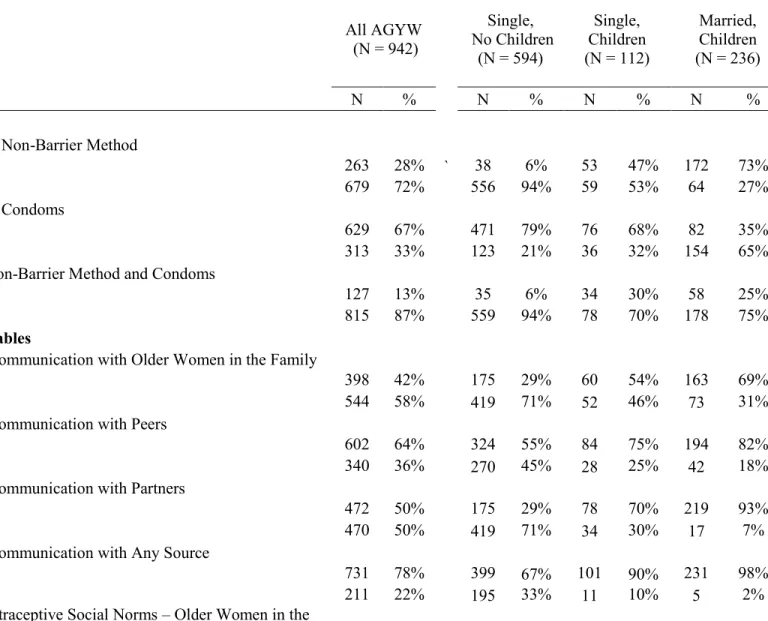
Table 4.5 Frequencies of Outcome, Independent, Stratification, and Control Variables for Aim 1 ... 51
Table 4.6 Means of Continuous, Independent and Control Variables for Aim 1 ... 54
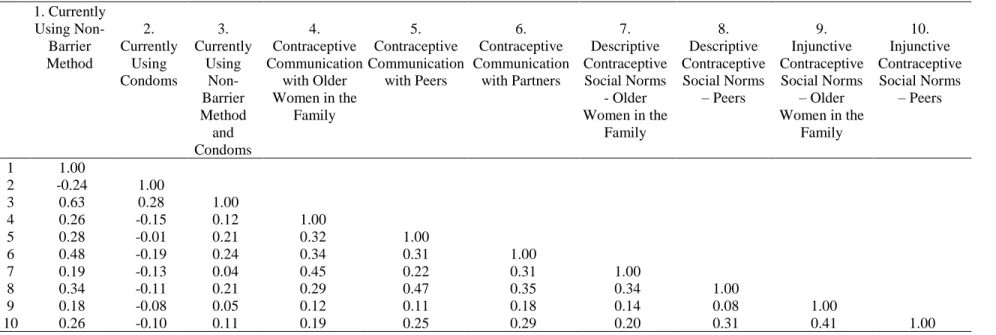
Table 4.7 Correlations between Outcome and Independent Variables for Aim 1 ... 54
Table 4.8 Baseline Characteristics Among All Participants Across Marriage and Parity Groups (Aim 1) ... 55
Table 4.9. Baseline Contraceptive Use, Contraceptive Communication, Contraceptive Social Norms Across Marriage and Parity Groups (Aim 1) ... 56
Table 4.10 Unadjusted Associations Between Contraceptive Communication, Social Norms, and Use by Marriage and Parity Groups at Baseline (Aim 1) ... 57
Table 4.11 Adjusted Associations Between Contraceptive Communication, Social Norms, and Use by Marriage and Parity Groups at Baseline (Aim 1) ... 58
Table 4.12 Interactions Between Contraceptive Communication and Contraceptive Social Norms Across Marriage and Parity Groups (Aim 1) ... 59
Table 5.1 Outcomes Variables for Aim 2 ... 68
Table 5.2 Independent Variables for Aim 2 ... 69
Table 5.3 Mediator Variables for Aim 2 ... 70
Table 5.4 Control Variables for Aim 2 ... 72
Table 5.5 Stratification Variables for Aim 2 ... 75
Table 5.6 Frequencies of Outcome, Mediator, and Independent Variables by Clinic for Aim 2 ... 89
Table 5.7 Correlations Among Outcome, Independent, and Mediator Variables in Aim 2 ... 90
Table 5.8 Baseline Characteristics Among Study Participants (Aim 2) ... 91
Table 5.10 Mediation Results for the Association Between Overall Empowerment Session Exposure and Non-Barrier Contraceptive (NBCU) Use for All Participants and
by Marriage and Parity Groups for Clinics 2-4 (N=517) (Aim 2) ... 94 Table 5.11 Mediation Results for the Association Between Overall Empowerment
Session Exposure and Condom Use for All Participants and by Marriage and Parity
Groups for Clinics 2-4 (N=517) (Aim 2) ... 95 Table 5.12 Mediation Results for the Association Between Contraceptive-Specific
Empowerment Session Exposure and Non-Barrier Contraceptive Use (NBCU) for All
Participants and by Marriage and Parity Groups for Clinics 2-4 (N=517) (Aim 2)... 96 Table 5.13 Mediation Results for the Association Between Contraceptive-Specific
Empowerment Session Exposure and Condom Use for All Participants and by Marriage
and Parity Groups for Clinics 2-4 (N=517) (Aim 2) ... 97 Table 5.14. Mediation Results for the Association Between Overall &
Contraceptive-Specific Empowerment Session Exposure and Contraceptive Use (CU) for Participants in
LIST OF FIGURES
LIST OF ABBREVIATIONS AGYW Adolescent Girls and Young Women
aOR Adjusted Odds Ratio CI Confidence Interval GPM Girl Power – Malawi HICs High-Income Countries
HIV Human Immunodeficiency Virus IQR Interquartile Range
IUD Intrauterine Device
LMICs Low and Middle-Income Countries ODK Open Data Kit
SDGs Sustainable Development Goals SES Socio-Economic Status
SSA sub-Saharan Africa
CHAPTER 1: INTRODUCTION
1.1 Statement of the Problem
Each year, approximately 90% of births among adolescent girls and young women (AGYW) occur in low and middle-income countries (LMICs). Births among this population are much more likely to be either unwanted at the time of pregnancy or at any time in the future.1 Furthermore, complications
from pregnancy and childbirth are the leading cause of death for adolescent girls (age 15-19) and the second leading cause of death for young women (age 20-24) in LMICs.2 Decreasing maternal mortality
among AGYW in LMICs is a significant public health issue that needs to be addressed. In 2005, the World Health Organization stated that the provision of adequate family planning is the principal strategy by which to reduce pregnancy-related mortality and morbidity.3,4 In addition, family planning has been
found to be a key approach for countries to achieve Sustainable Development Goals (SDGs) related to health and economic well-being.5,6 Despite these benefits and high rates of unintended pregnancy,
contraceptive use among AGYW in LMICs remains low, particularly in Malawi and the sub-Saharan Africa (SSA) region at large.7,8 Effectively intervening with AGYW in Malawi to prevent unintended
pregnancy thus requires an in-depth understanding of the determinants of contraceptive use as well as the mechanisms through which reproductive health programs might increase contraceptive use.
Determinants of Contraceptive Use
Studies have found that individual-level determinants, such as sociodemographic factors and health beliefs, and societal-level determinants, such as healthcare access and public policies, are important predictors of AGYW contraceptive use in Malawi.9–14 Less is known about the impact of
interpersonal-level determinants, such as the influence of social network members on contraceptive use. Filling this gap in the literature is particularly important for AGYW given their stage in life. Adolescence marks a
independently but are still largely influenced by those around them. Understanding how interactions with social network members impact AGYW contraceptive use, and what type of social network members might be particularly influential, could help to explain low levels of contraceptive use beyond individual and societal level factors. Furthermore, it would provide evidence to develop appropriate and effective strategies to engage AGYW in reproductive health services to prevent unintended pregnancies.
Existing evidence for the association between social influence and AGYW contraceptive use varies across high-income countries (HICs) and LMICs, In HICs, there is an abundance of quantitative and qualitative literature demonstrating that adolescent contraceptive behavior is strongly related to contraceptive social norms and contraceptive communication with social network actors (family members, peers, and intimate partners). In LMICs, there is strong evidence to suggest that AGYW who discuss reproductive health issues and contraception with their intimate partners are more likely to use contraceptives.15–20 Studies examining the influence of family/peer based contraceptive communication
and contraceptive social norms on AGYW contraceptive use in LMICs are few and those that exist are largely qualitative with mixed findings. To our knowledge, no studies have quantitatively examined the association between social influence factors and AGYW contraceptive use across family members, peers, and intimate partners. Nor have any studies examined whether the interactions among social influence factors are associated with AGYW contraceptive use.
Interventions to Increase Contraceptive Use
on increasing AGYW contraceptive use.21–34 However, limited data are available on the components of
these interventions, and related intervening variables, which are responsible for their effectiveness. For example, among the above cited studies, many measured the impact of their intervention on contraceptive knowledge, attitudes, self-efficacy, interpersonal communication, perceived barriers, and perceived social norms.21–34 Yet, none examined whether these variables were the pathways through which intervention
components increased contraceptive uptake, often citing cross-sectional design as a limitation. Identifying the pathways through which intervention components work is key to developing effective family planning programs for AGYW in the future.
One such pathway is interpersonal communication, which theoretical perspectives suggest is one of the mechanisms through which social network members reinforce norms for adolescent health
behaviors. In SSA, few studies have examined the impact of the interpersonal communication on AGYW contraceptive use. Available evidence suggests that parent-adolescent communication about reproductive health is not very common.35,36 Similarly, studies examining the association between peer- based
reproductive health conversations and AGYW contraceptive use are few and those that exist have reported mixed results.37–40 Contrary to studies examining the influence of parent and peer
communication, there is strong evidence for the relationship between intimate partner contraceptive communication and AGYW contraceptive use. AGYW who discuss reproductive health topics with their intimate partners are more likely to use contraceptives compared to AGYW who do not discuss
reproductive health topics with their intimate partners.53–55
1.2 Objectives of the Dissertation
The broad goal of this dissertation was to address the above-mentioned gaps in the literature by better understanding how social influence factors are associated with AGYW contraceptive use and the mechanisms through which exposure to components of a reproductive health intervention impacts AGYW contraceptive use. The specific aims are:
Aim 1: Examine whether social influence factors (communication, descriptive social norms, injunctive social norms) are associated with AGYW contraceptive use (non-barrier methods and condoms) and the degree to which the association differs by source of social influence, marital status, and parity
Aim 2: Examine the extent to which the relationship of 1) exposure to a reproductive health intervention designed to increase AGYW contraceptive use and 2) exposure to empowerment sessions designed to increase contraceptive communication with contraceptive use (non-barrier methods and condoms) is mediated by contraceptive communication and whether the mediation relationship differs by source of communication, marital status, and parity
To address both aims, I analyzed quantitative data from Girl Power – Malawi (GPM). GPM was a quasi-experimental cohort study which assessed the impact of a multi arm sexual and reproductive health intervention on care-seeking and sexual risk behaviors among AGYW. GPM compared a standard of care clinic to three clinics which provided a combination of youth friendly health services (YFHS),
empowerment sessions, and conditional cash transfers.
1.3 Organization of the Dissertation
CHAPTER 2: BACKGROUND
In order to understand the context for the study, this chapter 1) provides epidemiological background on pregnancy and contraceptive use among AGYW in LMICs and in Malawi 2) reviews existing interventions to increase contraceptive use among AGYW in LMICs and in Malawi and 3) details the gaps in the literature.
2.1 Pregnancy, Unmet Need, and Contraceptive Use among AGYW in LMICs
Approximately 58 million AGYW (age 15-24) give birth each year, accounting for 41% of births worldwide. Ninety percent of births among this age group occur in LMICs, with wide regional
differences.44 Births to AGYW are much more likely to be either unwanted at the time of pregnancy or at
any time in the future when compared to older women.1
Childbearing and childbirth carry inherent health risks for all women and these risks are higher for AGYW and in the context of unintended pregnancy. Studies have found that AGYW are at increased risk of several direct causes of maternal mortality such as complications during pregnancy (hypertensive disorders, eclampsia, etc.), difficulties at the time of delivery (hemorrhaging, obstructed labor etc.), and other comorbidities (malaria, HIV, etc.).45 In LMICs, these risks are amplified due to poverty,
malnutrition, and lack of adequate healthcare.1 A common outcome of AGYW unintended pregnancy is
unsafe abortion, which accounts for 13% of all maternal deaths and is the leading source of maternal morbidity worldwide for women of all reproductive ages. Compared with HICs, the burden per 1000 unsafe abortions is six times higher in SSA and four times higher in Asia.46 Risks associated with abortion
are particularly prevalent in LMICs where the practice is often illegal, or where abortion service provision and care does not exist.47
pregnancy in LMICs are at greater risk of being born prematurely or underweight, which decreases their chances of short term survival and has major implications for long-term development. Children born of unintended or unwanted pregnancy are more likely to die in their first year, to be weaned from
breastfeeding prematurely, and to experience stunting or wasting. The children are also more likely to be deprived of resources such as food, clothing, health care, and education.49 These outcomes have been
attributed to maternal engagement in risky behaviors, poor maternal healthcare during pregnancy, and increased risk of both intentional and unintentional maternal neglect after birth.48,50,51
Beyond immediate health consequences, unintended pregnancies can also limit the financial, educational, social, and political resources of AGYW. Unintended pregnancies often result in AGYW having a higher number of births over their lifetime which makes them less likely to complete their education, to participate in the labor force, and to have high levels of income.52 In addition to the effects
on AGYW’s individual socioeconomic status, health care costs associated with complications due to pregnancy and birth can strain families with limited resources. In many LMICs, where resources for national healthcare are low, high fertility can further burden fragile health systems.52–55
In 2005, the World Health Organization stated that the provision of adequate family planning is the principal means by which to reduce mortality and morbidity related to pregnancy for women of all reproductive ages.3 Furthermore, family planning has been found to be a key approach for countries to
achieve Sustainable Development Goals (SDGs).5,6 Family planning allows women to attain their desired
number of children, determine the spacing of pregnancies, and is achieved through the use of traditional and modern contraceptive methods.55 Traditional contraceptive methods include the rhythm method and
withdrawal. Modern contraceptive methods include pills, implants, injectables, patches, intrauterine devices, condoms, sterilization, lactation amenorrhea, and tracking changes in fertile periods55. Amongst
LMIC regions, use of modern methods by married AGYW is the highest in Latin America and the Caribbean (averaging 47.8%) and the lowest in SSA (averaging 19.85%). Use of modern methods
one report found male condoms and injectable methods to be the most commonly used modern contraceptives.56
Over the past 25 years, global modern contraceptive use among women aged 15-49 increased from 54% in 1990 to 57.4% in 2015. In LMICs, the proportion of women using contraception increased from 10% to 60% in the same time period. However, there is significant variation in gains by geographic region, age, and marital status.57 Countries in Asia (61.8%) and Latin America (66.7%) have seen the
greatest increases in contraceptive use while those in the SSA region continue to remain low (28.5%). Among all AGYW in LMICs, 31% use contraception but the proportion of use varies by both age and marital status.58,59 Contraceptive use among married AGYW is highest in Latin America and the
Caribbean, where 50% of married AGYW aged 15-19 use contraception and 62% of married AGYW aged 20-24 use contraception. In both SSA and Asia, contraceptive use among married AGYW aged 15-19 is considerably lower, at 12% and 20%, respectively. In both regions, contraceptive prevalence nearly doubles by age 20-24, to reach 24% in SSA and 38% in Asia. Amongst unmarried, sexually active AGYW in LMICs, 10% of those aged 15-19 and 27% of those aged 20-24 use contraception, respectively.60
A common way of conceptualizing the impact of underutilization of contraception is to use a measure of unmet need for family planning. Unmet need for family planning takes a variety of forms in the literature, but is most often defined as the proportion of sexually active women who wish to delay or stop childbearing but are not using a modern contraceptive.61,62It is estimated that 33 million AGYW in
LMICs, aged 15-24 have an unmet need for contraception.7 Globally, unmet need for family planning is
2.2 Determinants of Contraceptive Use among AGYW in LMICs
Contraceptive use among AGYW in LMICs has been shown to be associated with a number of individual, interpersonal, and environmental level factors.
Individual factors are personal attributes, attitudes, beliefs, or knowledge that influence
behavior. Attributes such as age, rural-urban residence, education, income, employment, women’s status, and marital status have also been shown to have an effect on contraceptive uptake. AGYW in LMICs above the age of 20 are more likely to use and continue to use contraceptives than those under the age of 20. Urban residence as well as higher education, income, and consistent employment are all associated with increased use of modern contraceptives. Some studies have shown that a measure of a AGYW’s status (or empowerment) - often derived from variables such as education, income and decision making power - is associated with contraceptive use, such that AGYW with higher status have higher use of contraceptives than AGYW with lower status.63 Contraceptive use among unmarried AGYW is lower
than contraceptive use among married AGYW.56,59 Health related individual level factors, such as birth
parity and knowledge of contraceptives, have also been shown to be important determinants of contraceptive use among AGYW in LMICs. Studies indicate that AGYW contraceptive use generally increases with the number of live births as well as with greater information about contraceptive functionality, availability, and use.56,64,65 Some studies have found that misconceptions about the
immediate and long-term side effects of contraceptive methods on health and fertility are associated with decreased contraceptive use.65
Interpersonal Factors. Interpersonal influences on behavior are the product of interactions with an individual’s informal or formal social network.66 Two interpersonal factors have been consistently
reported to be associated with AGYW contraceptive use in LMICs: discussing family planning with an intimate partner and intimate partner approval for family planning.67–69 Beyond these two factors, there is
limited quantitative evidence on the relationship between interpersonal factors and contraceptive use among AGYW in LMICs. Studies examining the association between interpersonal factors and
LMICs. In HICs, social support and reproductive health communication have both been found to be positively associated with AGYW contraceptive use. Studies of sexually active college-age women in the United States have found that while friends and partners were identified as equally supportive, only partner related social support is related to contraceptive use. 70 In addition, AGYW in HICs who discuss
reproductive health with parents and intimate partners are much more likely to use contraceptives than those who do not. 71–73 Among married, adult women in LMICs, there is evidence that social capital,
social support, social influence, and communication are associated with contraceptive use. Two studies in Uganda found that greater perceptions of individual social capital were a significant predictor of family planning behavior and condom use among adult women.74,75 One study in rural Mali found a significant
positive association between the size of a woman’s material social support networks and contraceptive use.76 In addition, knowing and perceiving that other female social network members use contraception
has been associated with contraceptive use among women in Bangladesh, Kenya, Cameroon, and Mali.76– 79 There is also an abundance of evidence that discussing family planning with intimate partner and
female peers has a positive impact on contraceptive use among women in LMICs.6,37
Environmental Factors. Across LMICs, the most common environmental-level factors influencing contraceptive use are accessibility, availability, and affordability of modern contraceptive methods. These factors are often dictated by the broader political context of reproductive health. Specifically, political support for reproductive health has the potential to impact contraceptive use through financial investments into the reproductive health environment as well as laws and policies that promote universal access for women and girls. However, across many LMICs, AGYW find that their utilization of contraceptives is limited by distance to health clinics, prohibitively high pricing of contraceptives, as well as laws and policies that prevent provision of contraceptives to younger or unmarried adolescents.64,65
2.3 Pregnancy, Unmet Need, and Contraceptive Use among AGYW in Malawi
one child by age 19, and greater than 45% report their pregnancies as unintended or mistimed.8
Contraceptive use is low and unmet need continues to be high. The prevalence rate of modern
contraceptive use is 15.2% for AGYW age 15-19 and 46.1% for AGYW aged 20-24, compared to 45.2% for all women aged 15-49. Contraceptive use among AGYW in Malawi varies by marital status.
Approximately 40.1% of unmarried AGYW utilize modern contraceptives compared to 46.2% of married AGYW. In regard to unmet need, 31.0% of AGYW would like to have access to modern contraceptives but are unable to do so while 9.0% would have liked to have waited before having children but had no access to family methods.8
2.4 Determinants of Contraceptive Use among AGYW in Malawi
Documentation of the individual, interpersonal, and societal determinants of contraceptive use in Malawi have been largely amongst married women of all reproductive ages (15-49) and rarely for AGYW or single AGYW. The following sections present information for women of all reproductive ages (15-49).
Individual Factors Individual-level determinants of contraceptive use in Malawi amongst married women are largely analogous to determinants of contraceptive use among AGYW in LMICs. Older, married women are more likely to use and continue to use contraceptives than unmarried, single women.8,83 Higher education, income, and consistent employment are also all associated with increased
use of contraception.8,83–85 Similarly, contraceptive use amongst women in Malawi increases with the
number of live births they experience as well as with higher levels of contraceptive knowledge.8,84–87 An
often cited determinant of contraceptive use in Malawi is beliefs and misconceptions about contraceptive side effects. Women’s beliefs about how contraceptives might impact their fertility, relationships with partners, and ability to use contraception discreetly have been found to be significant barriers to contraceptive use.86,87
Interpersonal Factors. At the interpersonal level, studies among married Malawian women have found that intimate partners, cultural context, and religiosity influence contraceptive decision making. Although contraceptive methods and services are directed toward women, male partners are often the primary decision makers about family size and family planning. Conversations with male partners about family planning, as well as perceptions of partner approval for family planning, have been associated with uptake of family planning methods in Malawi. The absence of family planning conversations has been associated with perceptions of male partner opposition to family planning, covert use of family planning methods, and low uptake of family planning methods.8,83,84,86–91 Studies have also found that contraceptive
related conversations with older adults, such as parents, teachers, and health workers, are limited. Parents and teachers indicate that they do not feel comfortable discussing sexuality with their children and students because they feel ashamed to discuss a taboo topic.44,47,49 Malawian culture is imbued with social
contraceptives are related to fertility. Specifically, married young women are expected to prove their fertility, contraceptive use is promoted for older women who have proven their fertility, and it is suggested that early use of contraceptives will lead to infertility.87,92 Qualitative studies have found that
contraceptive norms are reinforced through women’s social networks and religious socialization. This includes belonging to specific denominations as well the intensity and volume of religious
activity.12,83,84,93
Societal Factors. In 1987, rapid population growth combined with an intense food crisis prompted the Malawian Government to implement a nation-wide child spacing policy. The policy mandated government health facilities offer free family planning services to both Malawian men and women. However, Malawian women still face numerous barriers in accessing consistent, quality family planning services. First, many women live far from health facilities and lack the time or transportation money to travel for care. Second, high patient volume at health facilities and frequent stock out of contraception prohibit women from seeing providers as well as initiating or continuing family
planning.8,83,87,94 Third, women (particularly young women) report that health providers often refuse to
provide family planning services to unmarried women who have never give birth.84,87,91,92,94 Some studies
note that initial government framing of contraceptive methods as a way to protect maternal and child health are at odds with sexual practices in Malawi. Specifically, the pattern of sexual relations has been changing from one in which sex occurs as part of a process of marriage and contribution to family and kinship to one in which sex has become an aspect of individual procreation, pleasure, and
gratification.89,91,93 Providers often associate contraceptives, particularly condoms, with pre-marital or
extra-marital sex and frown upon young, unmarried women seeking family planning services.91
2.5 Interventions to Increase Contraceptive Uptake among AGYW in LMICs
Programs to promote family planning in LMICs began in the 1960s due to rapid population growth following improvements in child survival.57 Programs have been implemented across multiple levels (societal,
reducing costs and providing integrated, client-centered services. Strategies to generate demand often include financial mechanisms (cash transfer, microfinance, etc.), mass media campaigns (radio, television, and print publications), and programs based on interpersonal communication (counseling, education sessions, home visits, etc.).95,96 This section will focus on demand generating interventions given our research questions of interest.
Finance-Based. Finance-based interventions aim to influence fertility related decisions (e.g contraceptive use, number of children, birth spacing, etc.) by reducing income related barriers to health care utilization. To date, no finance-based interventions to increase contraceptive use have exclusively focused on AGYW in LMICs. Thus, this section describes finance-based interventions that include women of all reproductive ages (15-49) in LMICs. The impact of finance-based interventions on contraceptive use varies by intervention type as well as geographic region.97–99 Finance-based
interventions have employed community-based health insurance, microfinance approaches, as well as conditional and unconditional cash transfer strategies to improve reproductive health. Microfinance is a general term to describe financial services, such as loans, savings, and insurance, for those who lack access to traditional banking.100 Cash transfer programs comprise of small grants to qualifying families or
individuals which are called conditional when receipt of the grant is made contingent upon involvement in specified activities. Interventions in Latin America have used both cash transfers and microfinance approaches. Two studies evaluating the PROGRESA/Oportunidades cash transfer program in
Mexico found no association between program exposure and contraceptive use among girls aged 15-19.101,102 Similarly, results from Nicaragua’s Social Protection Network cash transfer program revealed no
association between program exposure and contraceptive use, though the analysis included women of all reproductive ages (15-49).103 Another study in Nicaragua examined the impact of community-based
health insurance provision on contraceptive use and found no significant effect among AGYW.104
Programs based in SSA have used microfinance approaches as well as cash transfer strategies to improve reproductive health. Mainthia et. al. found that women (age 15-49) exposed to a microfinance program in Kenya reported an increase in contraceptive use at two-year follow up.33 Conversely, Desai et.al. found
reproductive aged women (age 15-49) in Ethiopia.105 Among reproductive health related cash transfer
programs in SSA, only one has published results related to contraceptive use.106–109 Palermo et. al found a
net increase in contraceptive use among women (age 15-49) who were exposed to the Zambia’s Child Grant Program, which provides an unconditional monthly grant to qualifying households.34 Two studies
in Asia (Bangladesh and Indonesia) used microfinance strategies to improve reproductive health. However, neither study reported a significant increase in contraceptive use among women (age 15-49) involved in the microfinance programs.110,111
Mass Media Mass media campaigns aim to increase contraceptive use by making family planning utilization more socially acceptable through the provision of information for decision making and by encouraging discussion among social network members.112 Interventions have utilized radio,
television, and print media to broadcast and publish dramas, skits, and advertisements that address culturally sensitive issues, such as reproductive health and sexuality, in entertaining ways. In LMICs, interventions targeting AGYW contraceptive use have largely utilized mass media in combination with other approaches, such as interpersonal communication and social marketing. The positive impact of mass media-based interventions on AGYW contraceptive use has been demonstrated across all LMIC regions. In SSA, studies have found a positive association between exposure to multicomponent mass media programs and contraceptive use among AGYW in Zimbabwe, Guinea, Malawi, Cameroon, South Africa, Botswana, Nigeria, Tanzania, and Burkina Faso.21–30 In Asia, published results related to the influence of
mass media campaigns on contraceptive use have been among married women of all reproductive ages (15-49).Researchers have found an increase in contraceptive use among women exposed to
multicomponent mass media campaigns in Bangladesh, Nepal, Pakistan, Philippines, India, Kyrgyzstan, and Tajikistan.113–118 Similarly, published results from interventions utilizing multicomponent mass media
approaches in Latin America and the Caribbean have been among married women of all reproductive ages (15-49) but have reported an increase in contraceptive use following intervention exposure.119,120
peer-reviewed and grey literature examining the impact of interpersonal communication interventions on AGYW contraceptive use in LMICs. In their review of effective family planning interventions,
Mwaikambo et al. categorized interpersonal communication interventions into three categories: peer-led, facilitator/instructor-led, and community based.95 Peer educators are often volunteers who typically
provide individual and group counseling about sexual and reproductive topics as well as referrals to health services. Interventions utilizing peer educators have occurred in SSA and Asia but report mixed results on both contraceptive use (hormonal methods + condoms) and only condom use, regardless of LMIC region.121–130 Instructors/facilitators are often health care providers or health counselors who
conduct individual or group counseling sessions both in-school and out of school.95,131 Similar to peer-led
interventions, there is mixed evidence for the impact of facilitator/instructor-led interventions on both AGYW contraceptive use (non-barrier methods + condoms) and only condom use. However, the majority of facilitator/instructor-led interventions have occurred in the Caribbean and Latin America.132–139
Community based interventions aim to foster a more supportive social environment for AGYW by raising awareness among community members, parents, and leaders about sexual and reproductive health
issues.95,131 The majority of community based interventions have occurred in SSA or Asia and report
positive impacts on both AGYW contraceptive use (non-barrier method + condoms) and only condom use.32,140–144
Effective Interventions in SSA Taken together, evidence from interventions using demand generating strategies in SSA suggest that mass media campaigns, community-based programs, and finance-based strategies can have positive effects on AGYW contraceptive use.21–34 Studies evaluating the impact of peer-led and
facilitator/instructor-led interventions in SSA have found mixed results in relation to AGYW contraceptive use.121,123,125,126,131,145 However, limited data are available on the components of facilitator/instructor-led
interventions which contributed to their findings. Among the previously cited effective studies, many measured the impact of their intervention on contraceptive knowledge, attitudes, and self-efficacy, communication, perceived barriers, and perceived social norms.21–34 Yet, no study quantitatively examined whether these
Identifying the indirect effects of program components on AGYW contraceptive use is important and can be used to develop, adapt, and tailor future family planning interventions.
2.6 Interventions to Increase Contraceptive Uptake among AGYW in Malawi
Documentation of interventions to increase AGYW contraceptive use in Malawi is limited. In the category of finance-based interventions, existing cash transfer and microfinance programs have only reported a reduction in AGYW pregnancy among program beneficiaries. None have published results related to AGYW contraceptive use.146–149 In the category of mass media campaigns, Meekers et al.
reported a positive association between ever condom use and radio program exposure among women age 15-49.27 In the category of interpersonal interventions, there is evidence of increased contraceptive uptake
as a result of a peer-led program and as a result of an instructor/facilitator based program. Shattuck et. al found that contraceptive use increased significantly among adult women after male partners were
counseled on family planning and reproductive health topics.18 Lemani et al. found a positive association
between dual contraceptive use (non-barrier method and condoms) and exposure to couple’s family planning counseling among adult women.150 Similar to other studies in SSA, existing studies in Malawi
measured intervention impact on intervening variables such as contraceptive knowledge, attitudes, social norms, and interpersonal communication.18,27,150 However, no studies evaluated the indirect effects of
intervention components on AGYW contraceptive use.
2.7 Gaps in AGYW Contraceptive Literature
CHAPTER 3: THEORTICAL FRAMEWORK & CONCEPTUAL MODEL
The previous chapter serves as a background and rationale for the study and provides a review of the empirical research on AGYW contraceptive use and family planning interventions in LMICs and Malawi. This chapter describes the theoretical framework, presents a conceptual model, and states the research questions, specific aims, and hypotheses for the dissertation.3.1 Health Development Frameworks and Primary Socialization Theory
According to the Life Course Health Development Framework and the Health Socialization Framework, there are sensitive periods in an individual’s life during which ecological factors have a more profound effect on norms, attitudes, and behaviors that shape health trajectories over a lifetime.151,152
Adolescence has been identified as one of these sensitive periods. The transition to adulthood often includes biological and psychological change, a rapid expansion in social relationships and
responsibilities, and a gradual increase in overall independence.153 It is also during this period that
individuals first engage in risky behaviors (e.g. smoking, drinking, driving, sex, etc.) that have the potential to impact their health well into adulthood.154 Both frameworks suggest that it is possible to alter
the course of health development by changing health behaviors during sensitive periods and that the longer individuals stay on a specific trajectory (either positive or negative) the harder it is to draw them away from it.155–157
Primary Socialization Theory posits, and quantitative studies have found, that adolescent
decision-making around risky behaviors is particularly susceptible to social influence. In HICs, sources of social influence often transition from parents during childhood to peers during adolescence.153 In LMICs,
young people experience disengagement from parental homes, education termination, marriage, parenthood, and economic responsibility much earlier in life than their HICs counterparts.158,159 The
social networks and the strength of social network members’ influence on adolescent health behaviors.160
Taken together, these conceptual perspectives underscore the importance of examining the impact of social influence factors on adolescent health behaviors and engaging individuals in health promoting interventions during adolescence.
3.2 Social Influence Factors
Theories regarding social networks describe social influence as the effect social network
members have on an individual’s attitudes and behaviors.161–164Social influence can be implicit or explicit
and does not have to be deliberate or conscious. Two main social influence factors are social norms and communication. Communication among social network members creates norms for behavior and frames the social rewards for following norms and repercussions for violating norms.165
Social Norms
Social norms have largely been categorized as collective or perceived.166 Collective norms
operate at the societal level and function as codes of conduct that govern behaviors of individual community members. Perceived norms operate at the individual level and consist of an individual’s perception of prevailing collective norms. There are two main types of perceived norms, injunctive and descriptive. Injunctive norms refer to the perceptions about what behaviors are expected from an
individual. Descriptive norms refer to perceptions of what other social network members are doing, even if the perception is speculation. In cases where behavior is public (i.e. smoking, alcohol consumption) injunctive norms and descriptive norms have proven to be congruent. In cases where the behavior of interest is not easily observable (i.e. contraceptive use) injunctive norms have proven to be more influential.166
experiential learning give rise to social norms about expected behavior.168 Social Identity Theory and
Social Exchange Theory posit that social norms are adopted to facilitate favorable interactions and remain in good social standing, which then leads to conformity in behavior between individuals and social network members.169,170 The Theory of Normative Social Behavior suggests that the influence of
descriptive norms on behavior is moderated by injunctive norms171. In social network related theories,
social norms are shaped by information communicated among social network members.162 Taken
together, these theories emphasize that individual behavior is shaped by norms that are created and reinforced during social interactions.
The impact of social norms on behavior has been found to vary by type of source norms, source of social norms, and the context in which social norms are first developed or perceived.172 Interactions
with weak social ties have the potential to greatly facilitate the diffusion of normative information. Discussion with close social ties diminishes the strength of norms related uncertainty about
behaviors.173,174 Other studies suggest that individuals initially form perceptions of group norms through
group settings, then conform to these norms even when separated from the group.166,172
Communication
Communication has been proposed as one of the key mechanisms through which social networks inform the development of normative perceptions that influence behavior. Interpersonal communication can be both observational and verbal. In observational communication, social network members serve as role models. Seeing how role models act can introduce a new idea or behavior, increase or decrease the frequency of a behavior, or impact behaviors that are similar, but not identical to, the ones being
modeled.168,175 In verbal communication, individuals are not only exposed to new ideas and behaviors but
Studies have found that communication among social network members serves to both
disseminate health information and reinforce either risk-taking or health-promoting behavior as socially normative. However, the association between health-related interpersonal communication and health behaviors has been found to vary by the source of communication and type of health outcome. In addition, the occurrence and influence of conversations with different social network members (e.g. family members, peers, and intimate partners) varies across the life course and by context153,176.
3.3 Social Influence Factors and AGYW Contraceptive Use
Social Norms
Evidence for the relationship between social norms and adolescent contraceptive use varies by socio-economic context and research methodology. In HICs, there is an abundance of both quantitative and qualitative literature demonstrating that adolescent contraceptive behavior is strongly related to the social norms of individuals in their social network (family members, peers, and romantic partners).177
However, studies examining the association between social norms and contraceptive use among
adolescents in LMICs are limited and have been largely qualitative in nature. In South Africa, MacPhail et.al found that older adolescents were more able to ignore social norms associating promiscuity and carrying condoms, as compared to younger adolescents178. In Malawi, Tanzania, Mali, and South Africa,
adolescent girls described the existence of social norms related to who should utilize contraceptives, when contraceptives should be utilized, and how contraceptives are related to fertility. Specifically, married young women are expected to prove their fertility, contraceptive use was promoted for older women who have proven their fertility, and it was suggested that early use of contraceptives would lead to
infertility.92,179–182 In Vietnam, as well as countries in SSA, accessing contraceptives constituted a public
admission of having had sex and was linked to promiscuity and prostitution.92,179–183
Communication
conversation partner and by context. In SSA, available evidence suggests that parent-adolescent communication about reproductive health is not very common.35,36 Similarly, few studies have
documented the occurrence of peer based reproductive health conversations among AGYW in
LMICs.40,184Among existing studies, evidence from Mexico reveals that AGYW who discuss reproductive
and sexual health with their friends are more likely to use contraception. However, studies that have examined the association between reproductive health peer discussions and condom use have reported mixed results.37–39 Contrary to studies examining communication with family members and peers, there is
strong evidence for the relationship between intimate partner reproductive health conversations and AGYW contraceptive use in LMICs. AGYW who discuss reproductive health with their intimate partners are more likely to use contraceptives compared to AGYW who do not discuss reproductive health with their intimate partners.53–55
Gaps in the Literature
Few existing studies have examined the association between social influence factors
(communication and social norms) and AGYW contraceptive use in LMICs and how the association differs by source of social influence, marital status, and parity. Examining variation by source of social influence is important because influential social ties change throughout life and have implications for health. For example, the most influential relationships in childhood (i.e. family members) are unlikely to be the most influential relationships in adulthood (e.g. intimate partners). Given that adolescents are transitioning between life stages and that many LMIC societies are family centric, identifying influential social ties is key for tailoring family planning interventions for AGYW in LMICs. Examining variation by marriage is important because it alters the context of reproductive decision making. Marriage represents an observable change in the composition of AGYW’s social networks which expose individuals to the reproductive preferences of partners, husbands, and new family members, as well as new social role. Similarly, examining variation by parity is important given its inherent link to
3.4 Issues for the Present Study
The second chapter in this dissertation demonstrated that previous research among AGYW in LMICs has largely concentrated on determinants of contraceptive use at the individual and societal level, while neglecting the interpersonal context. Focusing on the individual and societal level assumes that AGYW contraceptive use is solely a result of independent decision making and structural issues related to reproductive health. In reality however, contraceptive-related decisions are also informed by experiences and beliefs generated through membership in specific social networks and communities. Furthermore, few studies have examined whether interpersonal factors mediate the relationship between family planning interventions and adolescent contraceptive use. Taken together, this warrants further research about how the interpersonal context factors influence AGYW contraceptive use in LMICs and whether these factors can be modified through family planning interventions.
This chapter provides a theoretical basis for why the interpersonal context (i.e. social influence factors) matters for adolescent health behaviors (i.e. contraceptive use) and underscores the importance of engaging individuals in health promoting interventions during adolescence. Life Course Health
3.5 Research Questions, Specific Aims, and Hypotheses
Research Question 1: Are social influence factors associated with AGYW contraceptive use?
Aim 1: Examine whether social influence factors (communication, descriptive social norms, injunctive social norms) are associated with AGYW contraceptive use (non-barrier methods and condoms) and the degree to which the association differs by source of social influence, marital status, and parity
Hypothesis 1a. Contraceptive communication with older women in the family, peers, and intimate partners will be positively associated with contraceptive use among AGYW
Hypothesis 1b. Social norms (descriptive and injunctive) related to older women in the family and peers to will be positively associated with contraceptive use among AGYW
Hypothesis 1c. Contraceptive communication will interact with social norms (descriptive and injunctive) to positively influence contraceptive use among AGYW
Research Question 2: Can reproductive health interventions increase contraceptive use by encouraging contraceptive communication?
Aim 2: Examine the extent to which the relationship of 1) exposure to a reproductive health intervention designed to increase AGYW contraceptive use and 2) exposure to empowerment sessions designed to increase contraceptive communication with contraceptive use (non-barrier methods and condoms) is mediated by contraceptive communication and whether the mediation relationship differs by source of communication, marital status, and parity
Hypothesis 2a. Exposure to 1) a reproductive health intervention designed to increase AGYW contraceptive use and 2) exposure to empowerment sessions designed to increase contraceptive communication will be positively associated with contraceptive use among AGYW
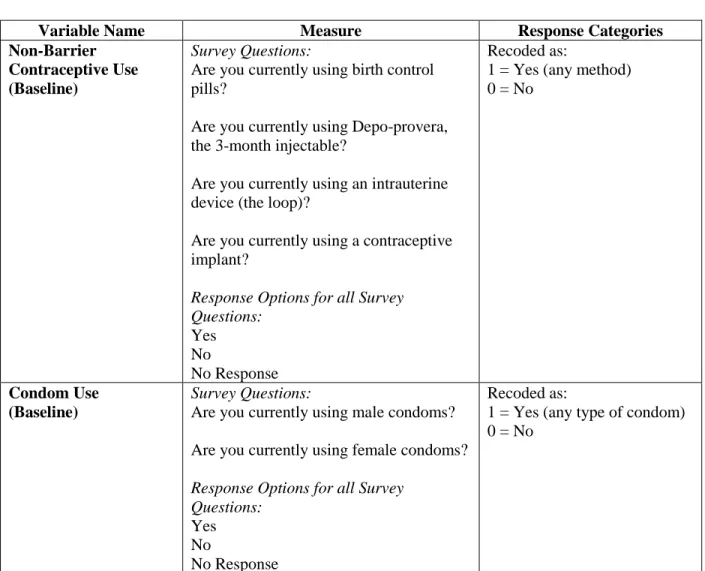
partners) and in turn, contraceptive communication will be positively associated with contraceptive use.
3.6 Conceptual Models
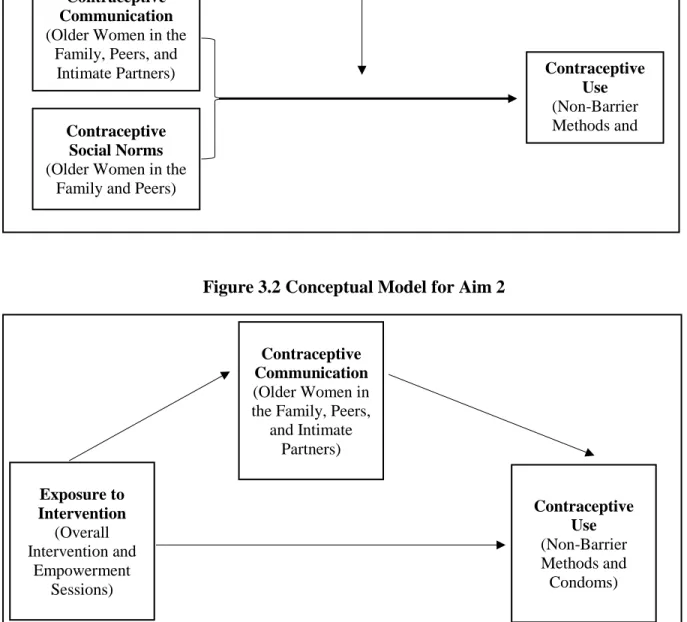
Figures 3.1 & 3.2 illustrate key relationships proposed for in the dissertation. In Aim 1,
contraceptive communication (older women in the family, peers, and intimate partners) and contraceptive social norms (older women in the family and peers) are hypothesized to be associated with contraceptive use (non-barrier methods and condoms). The bidirectional arrows connecting contraceptive
Figure 3.1 Conceptual Model for Aim 1
Figure 3.2 Conceptual Model for Aim 2
ContraceptiveCommunication (Older Women in the
Family, Peers, and
Intimate Partners) Contraceptive
Use (Non-Barrier Methods and Condoms) Contraceptive
Social Norms (Older Women in the
Family and Peers)
Marriage and Parity
Exposure to Intervention
(Overall Intervention and
Empowerment Sessions)
Contraceptive Communication (Older Women in the Family, Peers,
and Intimate Partners)
CHAPTER 4: MANUSCRIPT ONE
4.1 Introduction
In sub-Saharan Africa (SSA), substantial numbers of AGYW (age 15-24) experience early, unprotected sexual activity, placing them at high risk for unintended pregnancy.82,185 This is particularly
the case for AGYW in Malawi, where approximately 60% have had sex by age 18, 50% have had one child by age 19, and greater than 45% report their pregnancies as unintended or mistimed.8 Despite
considerable investment towards increasing access to modern contraceptives in Malawi, uptake among AGYW remains low (30.1%).8,9 Effectively intervening with AGYW in Malawi to prevent unintended or
mistimed pregnancy requires an in-depth understanding of the determinants of contraceptive use in this population.
Studies have found that individual-level determinants, such as sociodemographic factors and health beliefs, and societal-level determinants, such as healthcare access and public policies, are important predictors of AGYW contraceptive use in Malawi.9–14 However, less is known about the impact of
interpersonal-level determinants, such as social influence.
Numerous theories and conceptual perspectives suggest that social relationships can influence health behaviors by providing a structure for the diffusion and enforcement of social norms. 162,163,168,186
First, family members, peers, and intimate partners often function as role models for health behaviors. Second, conversations with and among these actors provide a mechanism for the exchange and evaluation of opinions related to health behaviors. Third, the cultural value of the modeled or discussed behaviors has the potential to impact how closely the behavior is adopted and maintained.153,163 In sum, health
Examining the association between these social influence factors (i.e. social norms and
communication) and contraceptive use is particularly relevant for AGYW in Malawi. First, adolescence and young adulthood mark developmental periods when young people begin to make decisions
independently but are still largely influenced by those around them. Role models and sources of information often shift from family members to peers and intimate partners which affects standards for health beliefs and behaviors.153,188–190 Second, early sexual activity and marriage in Malawi exposes
adolescents to the contraceptive and fertility preferences of partners, husbands, and new family members.8
Third, Malawian culture is imbued with social norms related to who should utilize non-barrier
contraceptives and condoms, when non-barrier contraceptives and condoms should be utilized, and how non-barrier contraceptives and condoms are related to fertility.27,91,92 Taken together, these social
influence factors create a complex social climate that AGYW must navigate as they make contraceptive-related decisions.
Evidence for the association between social influence factors and AGYW contraceptive use varies across high-income countries (HICs) and low-middle-income countries (LMICs). In HICs, there is an abundance of quantitative and qualitative literature demonstrating that adolescent contraceptive behavior is strongly related to contraceptive social norms and contraceptive communication with social network members (family members, peers, and intimate partners). In LMICs, there is evidence to suggest that AGYW who discuss reproductive health issues and contraception with their intimate partners are more likely to use contraceptives. 15–20 Studies examining the influence of family/peer based contraceptive
In the present study, we first examine the association between type of contraceptive use (non-barrier methods and condoms) and social influence factors (contraceptive communication, descriptive contraceptive social norms and, injunctive contraceptive social norms) and if the association differs by source of social influence (older women in the family, peers, intimate partners). We then examine if the association between social influence factors and use of contraception differs by marital status and parity. Finally, we examine whether the interaction among social influence factors is associated with
contraceptive use and whether the association differs by source of social influence as well as marital status and parity.
4.2 Methods
Study Context
Malawi places among the lowest in the world on the United Nations Development Program’s human development index with a ranking of 165 out of 177 countries. Of Malawi’s
approximately 18.1 million people, 85% live in rural areas.192,193 The main livelihood for rural Malawians
is agriculture and natural resource mining, and the majority of household consumption is spent on food. More than 85% of children attend primary school, approximately 25% attend secondary school, and 72% of adult women are literate194. Malawi's HIV prevalence is one of the highest in the world, with 9.2% of
the adult population (aged 15-49) living with HIV 195 Fertility is higher in Malawi than many other
countries in SSA, and particularly higher than in neighboring countries South Africa and Zimbabwe. Women have more than five children on average over their lifetime and sixty percentof women experience a first birth during adolescence (ages 14-19).8,44
Parent Study Recruitment, Eligibility, and Enrollment
prevalence levels >5%. The purpose of the parent study was to assess the impact of a multi arm intervention on care-seeking and sexual risk behaviors among AGYW: 1) standard of care (no
intervention), 2) youth-friendly health services (YFHS), 3) YFHS + empowerment sessions, 4) YFHS + empowerment sessions + cash transfer.
Each of the four clinics was randomly assigned to one service delivery model and enrolled 250 AGYW, totaling 1000 participants across the study sites. Sexually active AGYW were recruited through a combination of community outreach activities, referrals through invitations from other participants, and self-referral. Outreach workers visited catchment areas known to be venues for at-risk AGYW to promote GPM participation and distribute invitations. AGYW who brought invitation cards to health facilities and AGYW who presented were then screened for eligibility. Eligibility criteria include being 15-24 years old, currently sexually active, residing in the clinic’s catchment area, and willing to be enrolled for a one-year period. Those who were eligible and provided informed consent or assent were enrolled and
provided with three study participation referrals to give to friends who they believed would also benefit. GPM began recruitment and enrollment in February 2016. Across all four sites, 1,109 potential
participants were screened and 1,080 were eligible. The primary reason for ineligibility was age. Study enrollment closed in August 2016 with a total of 1000 AGYW, 250 at each of the four health clinics. Enrollees were recruited through community outreach by peer educators (36%), participant referral (26%), and self-referral (44%). Participants were followed for one year, starting from their individual enrollment date.
Parent Study Data Collection and IRB Approval
GPM received approval from the University of North Carolina Institutional Review Board and the Malawi National Health Sciences Research Committee. Voluntary written informed consent was obtained from AGYW 18-24 years old. Assent and permission by a parent, guardian, or authorized representative were obtained from AGYW 15-17 years old. All informed consent documents were read and discussed aloud in Chichewa and, in cases of limited literacy, an impartial witness was present.
Measures
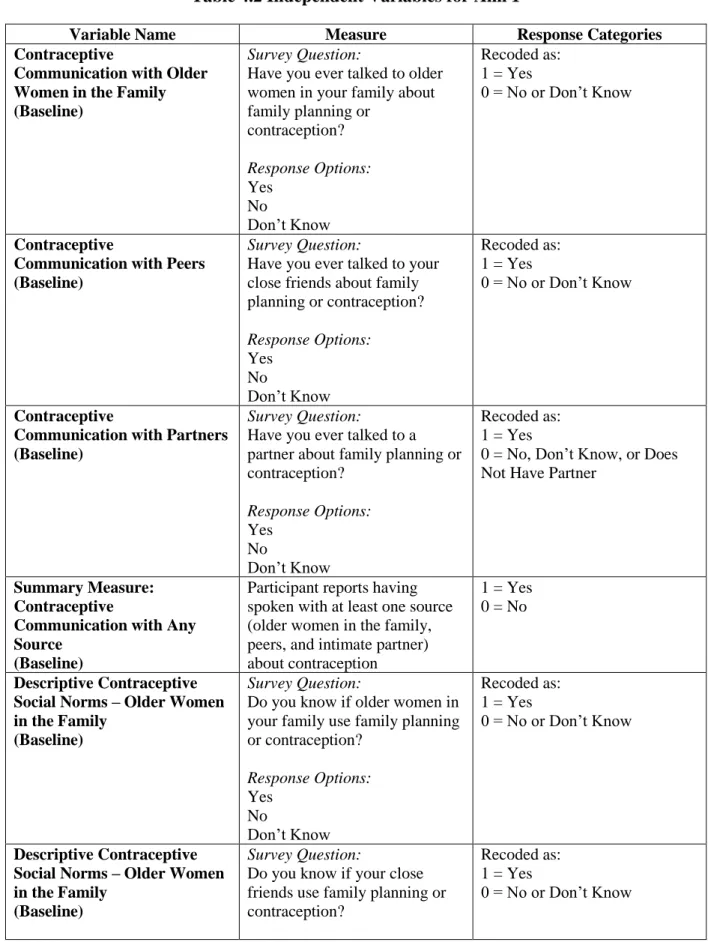
Outcome Variables: The outcomes of interest in this analysis were two dichotomous variables that measured self-reported current non-barrier contraceptive use and self-reported current condom use, based on responses to the baseline behavioral survey. All participants were asked if they have ever used the daily hormonal contraceptive pill, non-hormonal intrauterine device (IUD), hormonal injection, hormonal implants, male condoms, and female condoms. If a participant indicated they had ever used one of these methods, they were asked if they were currently using the method. To create the non-barrier contraceptive use variable, a positive response was recorded if the participant reported currently using any of form of non-barrier contraception at baseline. Non-barrier methods included the daily hormonal
contraceptive pill, IUD, hormonal injection, and hormonal implants. A null response was recorded if the participant reported not using any form of non-barrier contraception at baseline. To create the condom use variable, a positive response was recorded if the participant reported currently using either male or female condoms. A null response was recorded if the participant reported not currently using any type of
Table 4.1 Outcome Variables for Aim 1
Variable Name Measure Response Categories
Non-Barrier Contraceptive Use (Baseline)
Survey Questions:
Are you currently using birth control pills?
Are you currently using Depo-provera, the 3-month injectable?
Are you currently using an intrauterine device (the loop)?
Are you currently using a contraceptive implant?
Response Options for all Survey Questions:
Yes No
No Response
Recoded as:
1 = Yes (any method) 0 = No
Condom Use (Baseline)
Survey Questions:
Are you currently using male condoms? Are you currently using female condoms? Response Options for all Survey
Questions: Yes No
No Response
Recoded as:
1 = Yes (any type of condom) 0 = No
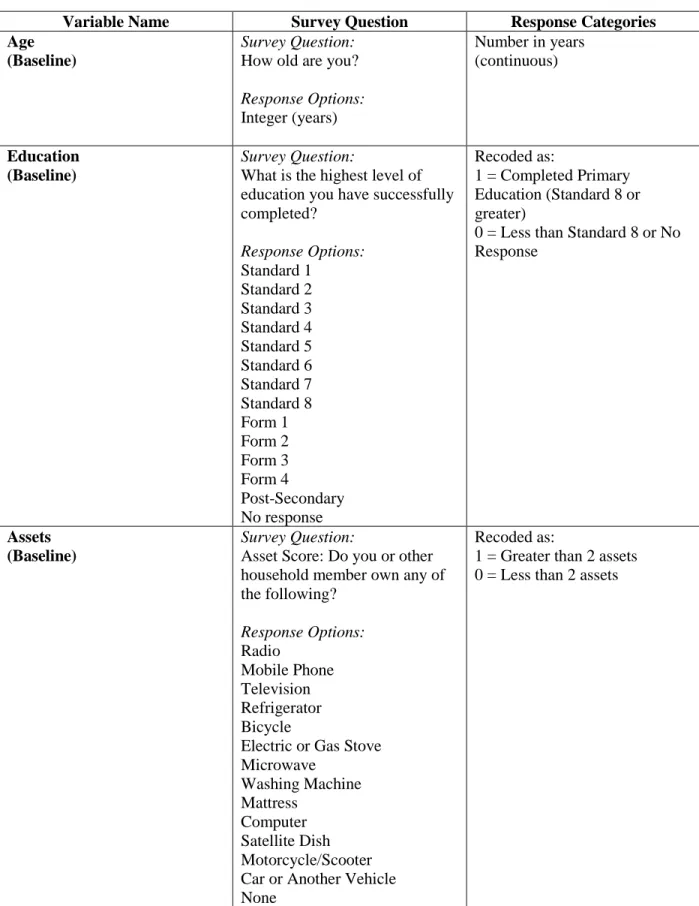
Independent Variables: The independent variables in this analysis were three groups of variables intended to capture social influence: contraceptive communication, contraceptive descriptive social norms (perceptions of what others are doing), and contraceptive injunctive social norms (perceptions of what is approved by others). These variables are detailed in Table 4.2.
Contraceptive communication in this analysis consisted of three dichotomous variables measuring whether the participant had had a contraceptive conversation with older women in their family, a
recorded if the participant had not spoken with any of the three sources. A response of 0 was also recorded if the participant responded that they did not have an intimate partner (N = 7). There were no participants who responded “Don’t Know” to any of the three contraceptive communication items at baseline.
Descriptive contraceptive social norms in this analysis consisted of two dichotomous variables measuring whether the participant believed that their peers used contraception and whether older women in their family used contraception. A third dichotomous variable was created to measure whether the participant believed that at least one of the two sources (older women in the family or peers) used contraception. A response of 1 was recorded if the participant believed that either older women in their family or their peers used contraception. A response of 0 was recorded if the participant believed that neither older women in their family or their peers used contraception or responded. A response of 0 was also recorded if the participant responded “Don’t Know” to the two survey items; less than 40 participants responded “Don’t Know” to the descriptive contraceptive social norms items regarding older women in the family (N = 37) and peers (N = 31).
Injunctive contraceptive social norms in this analysis consisted of two categorical variables measuring participant’s perceptions of peer and older women in their family’s approval for contraceptive use. Specifically, participants were asked how much they agreed with the following two statements: “most of your close friends think it is a good idea to use contraceptive methods” and “most older women in your